


Lifestyle
I used the Amazfit T-Rex 3 for my first ultra trail marathon
Endurance tested, mountains conquered

I’ve always been an outdoor junkie. Picture this: skinny little me, standing on my ‘mother mountain,’ as strong winds turned me into a literal paper doll swaying at its peak.
That moment lit a fire in me, realizing there’s something about the trail that gets me. From then on, mountains became my love language.
Over the years, I’ve trekked, hiked, and run through the Philippines’ breathtaking landscapes: volcanoes, ridges, mountain ranges — you name it. But 2024? Oh honey, that year had me doing the unthinkable.
First, I joined a major hike on a last-minute invite — like, a 30-minute heads-up kind of last minute — to conquer six mountains in a day. (We did it under 14 hours.)
We didn’t just hike; we ran the ridges like maniacs, ending up with only 350ml of water left for the final 10K. (Hydration? Who is she?)
View this post on Instagram
But wait, there’s more. I capped off the year with my first ultra-trail marathon at the Cordillera Mountain Ultra. It was a brutal 45KM race through the Cordillera Mountain Range that gave me grit, drama, and some questionable life choices.
I brought along the Amazfit T-Rex 3, and let me tell you, this rugged smartwatch stayed strapped to my wrist like a loyal bestie who wasn’t about to let me quit.
Skeptic to believer
Okay, confession time. When I first got the Amazfit T-Rex 3, I had major trust issues. I mean, I’m a Garmin loyalist through and through, and this was my A-race. I wasn’t just running; I was creating content, people.
My beau needed to see my Strava upload hit 26+ miles, preferably with a side of “Look at me; I’m conquering mountains!”
But here’s the plot twist: I’ve known Amazfit for years through my gig as a lifestyle journalist.
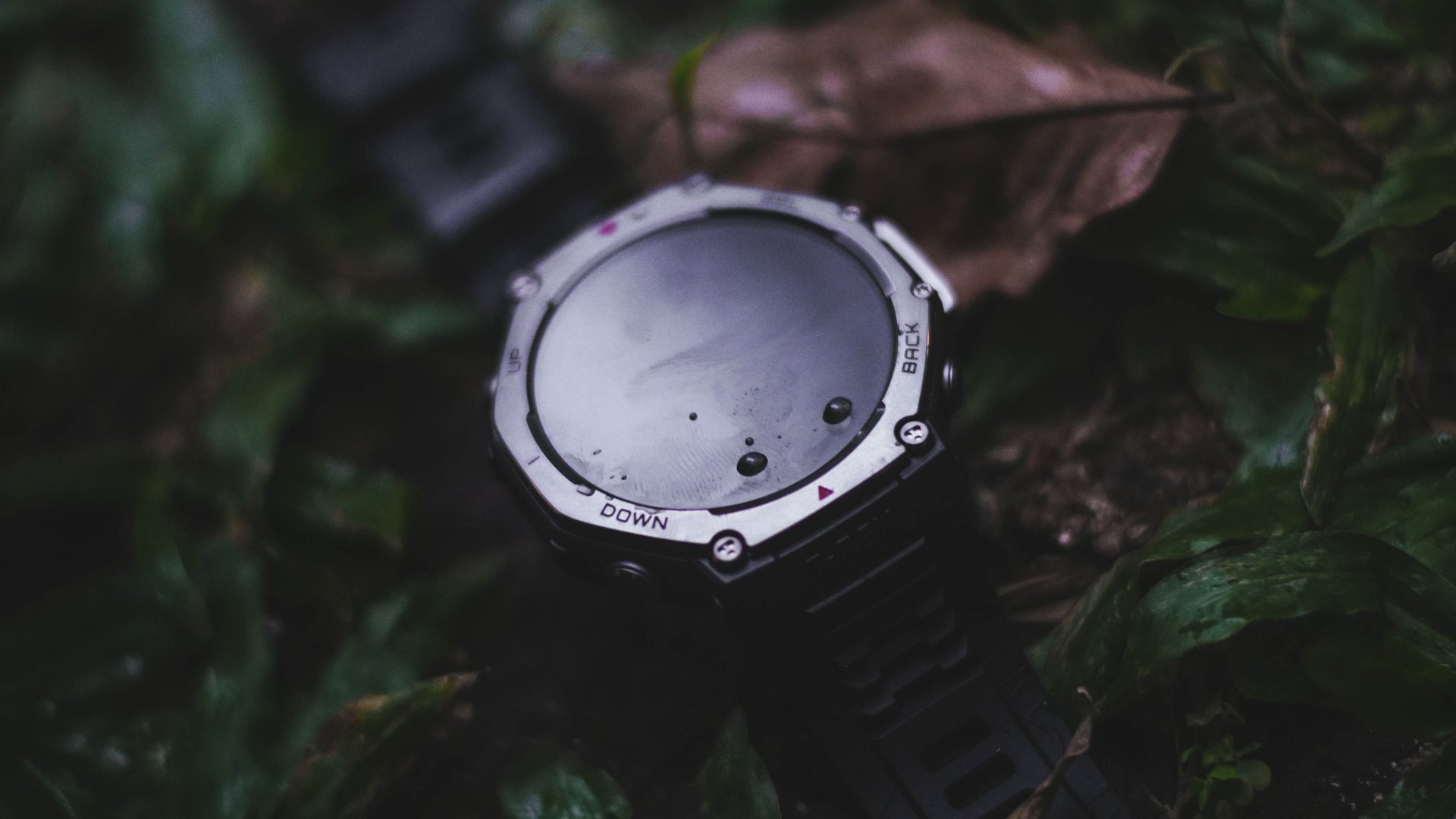
We’ve reviewed them, featured them in GadgetMatch lists, and even had our former writer rave about their models. Yet, I’d never actually tried one myself.
I’ve always been curious about it, especially seeing Spartan athletes crush races with their trusty Amazfit smartwatches.
Even my friend and three-time podium finisher, Spen Manlangit, swore by his experience training with the device, especially for his races won in Malaysia and Indonesia.
So, in a leap of faith, I strapped on the T-Rex 3 and hoped for the best.
View this post on Instagram
Looking tough, looking good
Let’s be honest: outdoor smartwatches often sacrifice style for durability. Not this one, though. The Amazfit T-Rex strikes the balance between being ruggedness and refinement.
Its stainless-steel bezel screams tough, yet the liquid silicone strap wrapped comfortably around my wrist without that icky, itchy feeling.
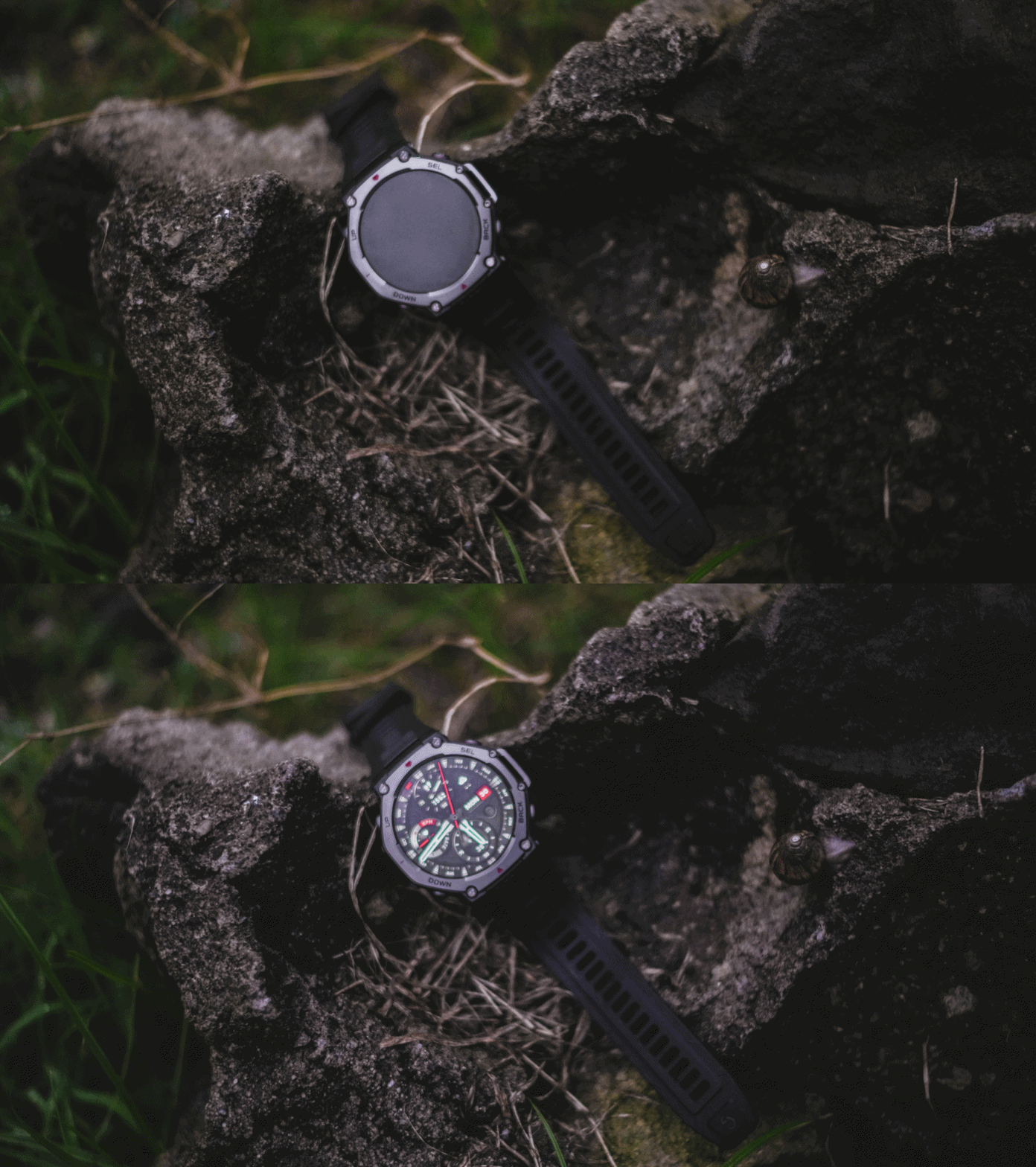
Also, its 1.5-inch AMOLED display was a chef’s kiss. Its 2,000 nits of peak brightness lit up the trail when we arrived at Itogon past midnight.
Forget my headlamp and the watch’s built-in flashlight, its display was my guiding light.
Making it to the first cutoff
Fast forward to race day: I was wearing the Amazfit T-Rex 3 on my right wrist and my trusted Garmin epix Pro (Gen 2) on my left. Yes, double-wristing it like a fitness tech psycho.
When you’re running 45KM in the mountains, you want backups for your backups.
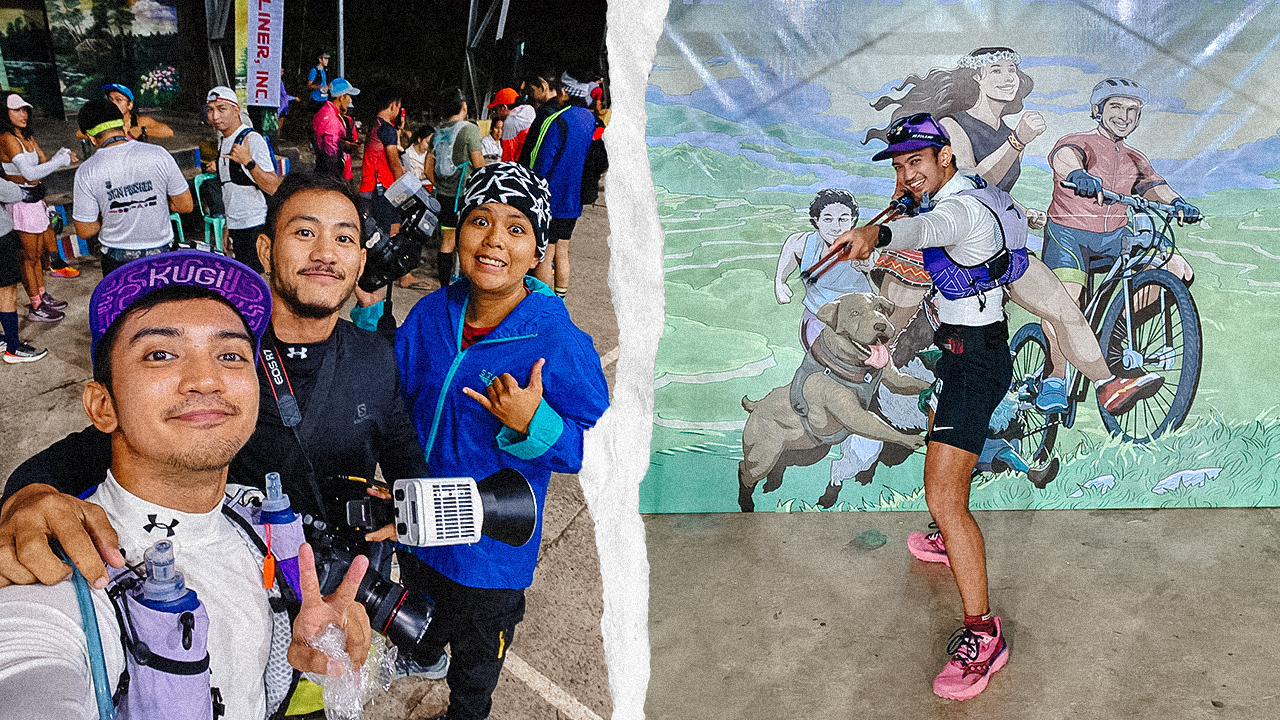
By 3:30 a.m., adrenaline had replaced the smartwatch’s noticeable heft, and I was off — descending from Itogon, Benguet to make my way towards Mt. Ugo.
The first 10 kilometers felt like a dream. My legs were fresh even when the air was cold, and the T-Rex 3 was busy logging my every step.
The first intermediate cutoff for the Cordillera Mountain Ultra loomed at KM15, with a strict five-hour limit.
By KM13, I had already stumbled — literally — after a bad misstep on a steep downhill.
The strain on my knee was starting to catch up as I ascended to Mt. Ugo, and by KM14, I hit the runner’s wall.
Maintaining an impressive 7:00 min/km pace on the punishing terrain left me no time to refuel properly.
My pace tanked, and my knees screamed in protest. Three grueling hours of running the trails had taken their toll. The realization that I still had 32 kilometers to go hit me like a truck.

Yet somehow, I reached the first cutoff in four hours, taking a moment to refuel and reassess after the fall that had strained my knees.
Meeting my first angel
Buoyed by being ahead of schedule, I set off for the grueling 7KM ascent toward the West Summit of Mount Ugo via Tinongdan.
Temperatures dropped to a biting 5°C as I climbed. The sun offered little comfort against the icy winds.
The Amazfit T-Rex 3, however, stayed unbothered, feeding me live altitude updates and heart rate readings as I pressed through the relentless climb.
At KM18, the strain in my kneecap intensified. Still, I pressed on, telling myself I’d rest properly at the summit.

That was when I met Mike Mendoza, a fellow trail runner who seemed to be my guardian angel. Seeing my struggles, he waited for me, constantly checking so that I didn’t veer off the trail, which was a bad habit of mine. I guess I’ve always taken “the road less traveled” too seriously.
After two and a half hours of continuous climbing, we finally reached the KM21 marker at the summit. He was fine, but I was breathless and in pain.
The moment that might’ve ended it all
As we began the descent from the summit, I asked Mike to go ahead without me.
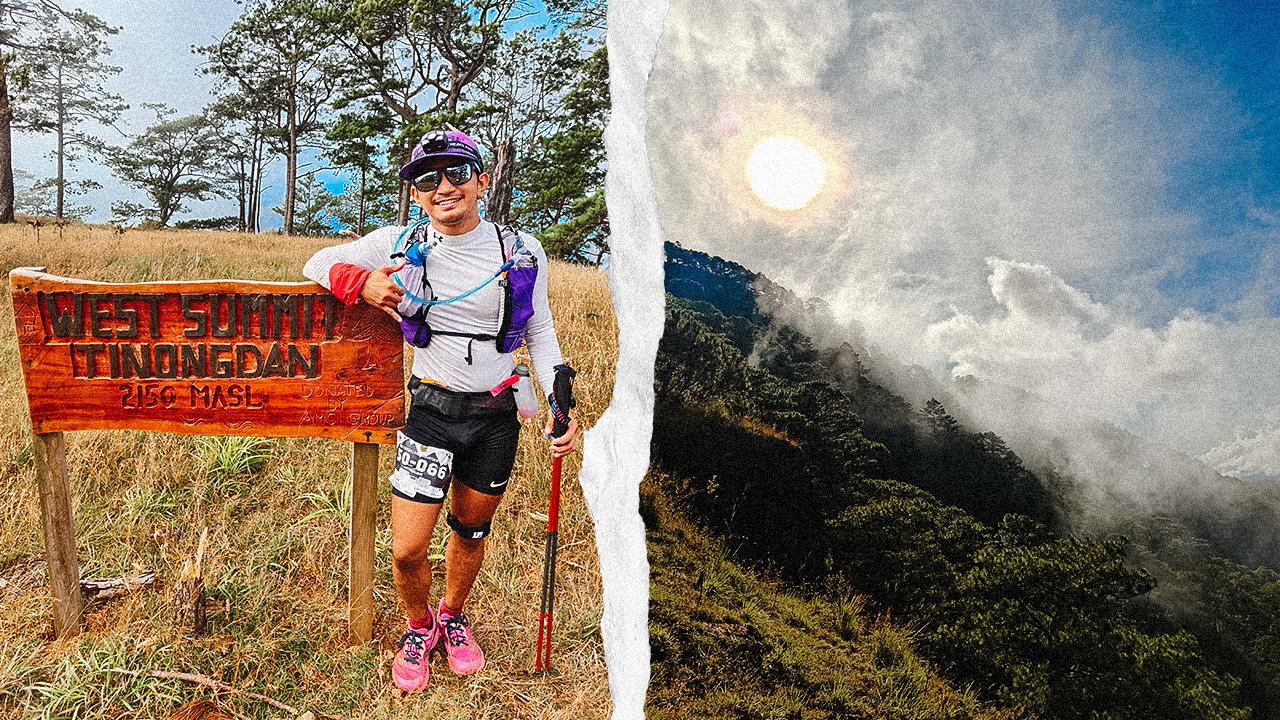
My knees were screaming with every step. The steep, rocky terrain demanded precision, but my legs were unsteady, sliding on loose soil and gravel.
Adding to the challenge was the brutal transition from freezing temperatures at the summit to blistering heat on the open trail.
The ridges offered a breathtaking view of the Cordillera Mountain Range, but the relentless descents left me dehydrated and vulnerable. My pace slowed to a cautious crawl to protect my knees.
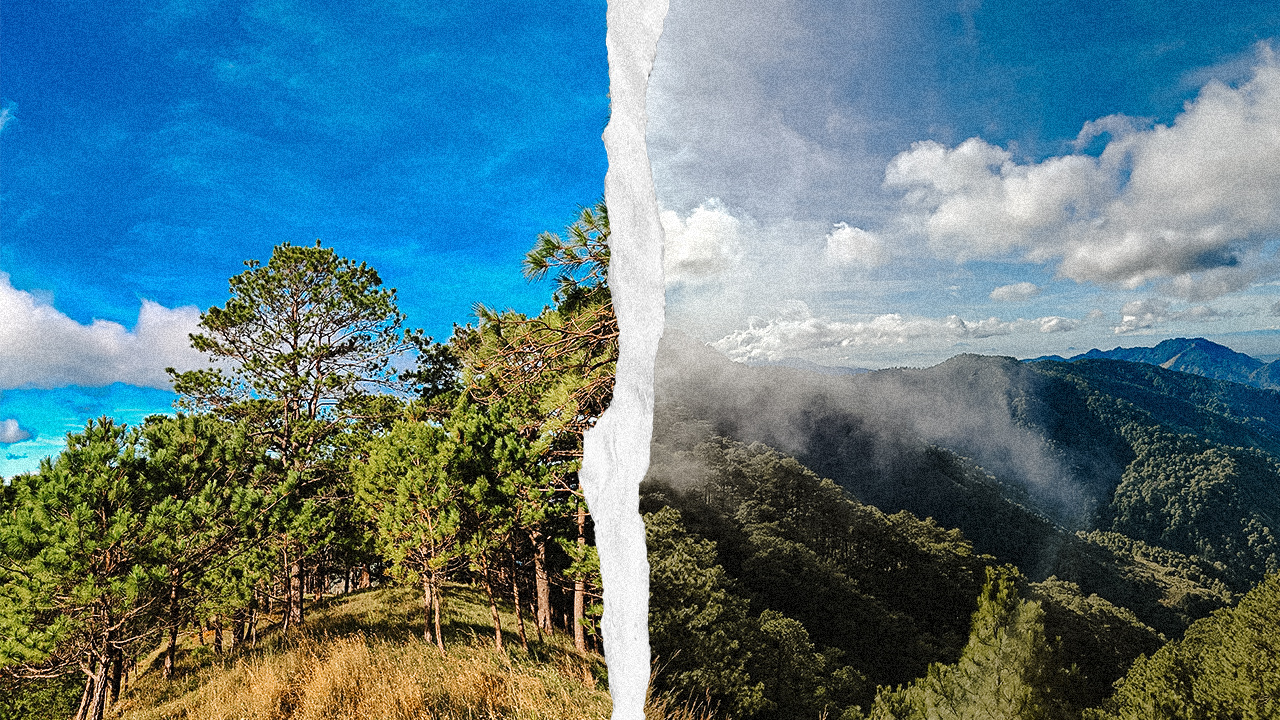
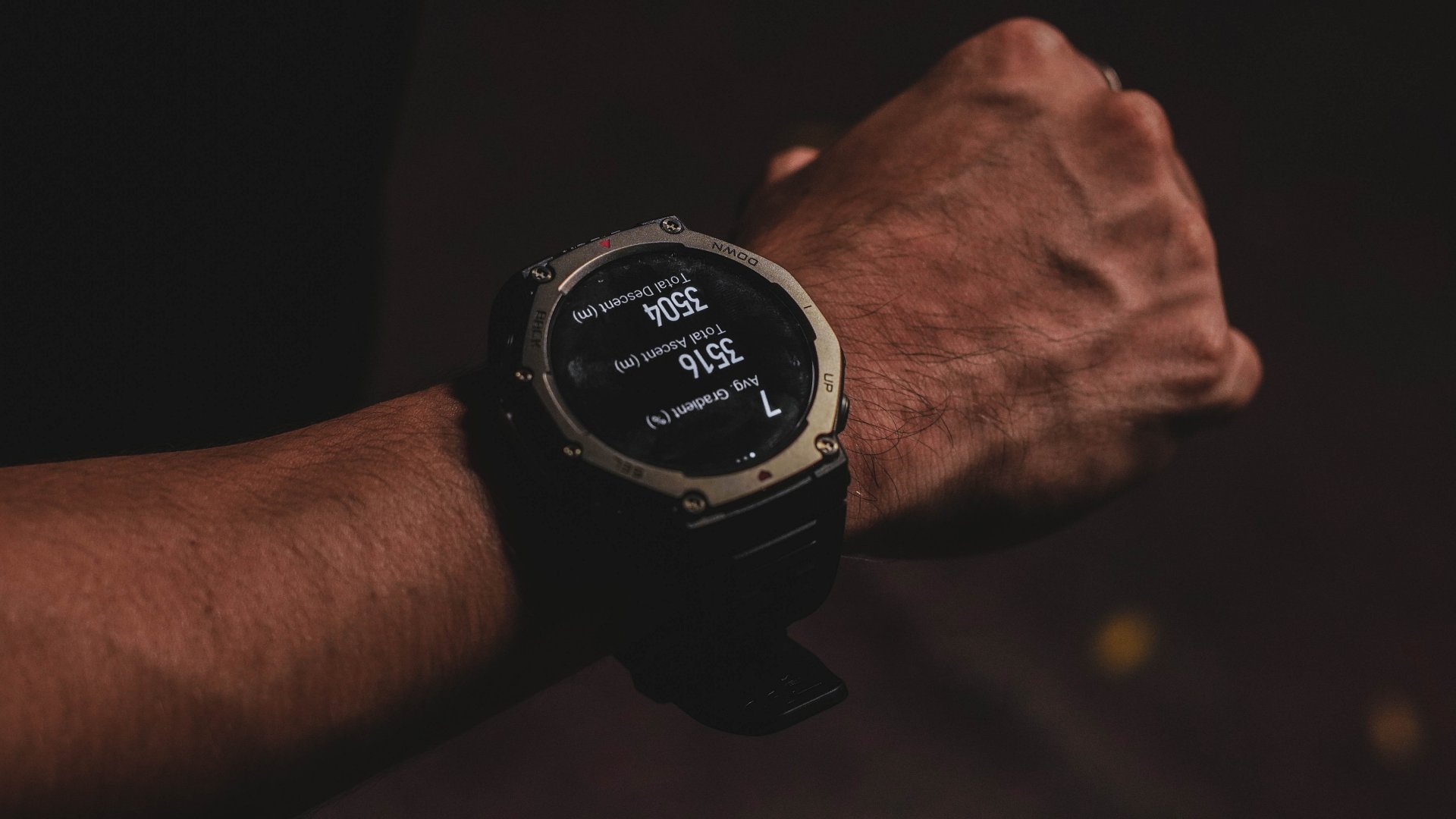
Meanwhile, the Amazfit T-Rex 3 soldiered on, its battery barely dented even after hours of constant GPS tracking.
Its promised 42-hour battery life in GPS Accurate Mode felt like my one reliable companion.
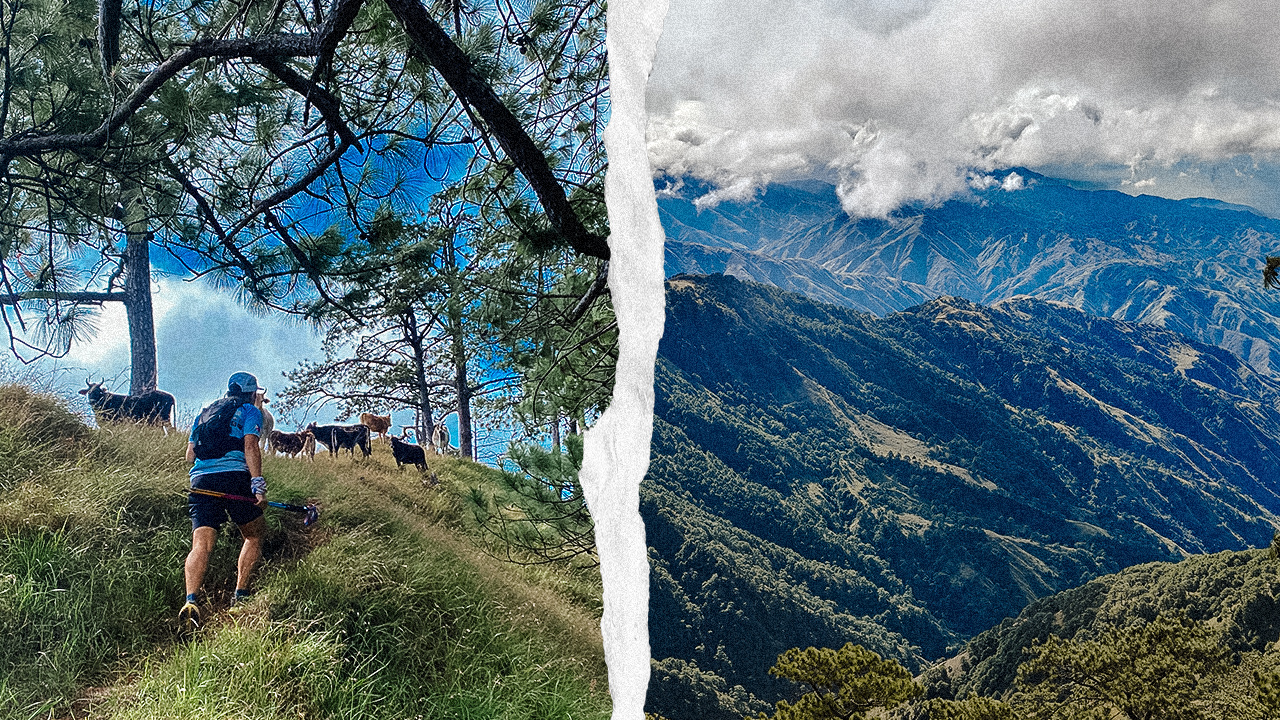
Then came KM23 — the moment that almost ended it all. A herd of cows (yes, cows) decided that the single-track trail was their runway, and charged at me. In a panic, I veered off the path, slipped, and found myself clinging to my pole near a cliff’s edge.
My trekking pole saved me, while my knees bore my weight. For a moment, I wondered if a dramatic mountain death might actually be better than becoming a cow kebab. Somehow, I survived.
And if you’re asking, no. The T-Rex 3 didn’t record the tumble. But honestly? It’s probably for the best. It securely strapped to my wrist, even as I stumbled through one of the most terrifying moments of my life.
With no cellular reception and no working SOS signal, I was on my own.
I whistled for help for what felt like an eternity until four runners from the summit came to my aid.
Words (and hearts) of gold
April Mae, one of the trail runners who came to my aid, taped my injury. They helped me navigate past the herd of cows (who were still out for blood).
As we approach the second summit at KM3o, I told April that I was ready for a DNF (Did Not Finish). But April encouraged me to keep going, reminding me how much I had already conquered — what was the point of quitting?
Together with Mickey, we summited Mt. Ugo once more to hit the next cutoff at KM30. We reached it with an hour to spare, despite my knee screaming with every step.

Descending Mt. Ugo was pure agony. The pain was so severe that tears streamed down my face as I hobbled through the trail. April and Mickey left to rush to the medics so they can prepare everything I might need. (They were like my angels, I swear.)
Alone again, I relied on the T-Rex 3’s heart rate updates to ground me. “As long as I’m breathing well, I’ll be fine,” I told myself.
By the time I reached the medics at KM 31, both of my knees were in shambles that they had to urge me to stop and call it quits. I refused, remembering April’s words.
Literally gave my blood, sweat, and tears for this
From KM31 to KM40, I fought through the pain, tears streaming down my face as the mountains punished me with relentless descents.

The T-Rex 3, meanwhile, remained my rock: tracking my heart rate, my altitude, and, most importantly, my will to keep going.
At KM43, I met a veteran trail runner who was cruising at his own pace. He saw my struggle and shared words that stayed with me: “You’ve already won. Finishing this is just the cherry on top.”
At 13 hours and 42 minutes, with a total elevation gain of 3,500 meters, I crossed the finish line.
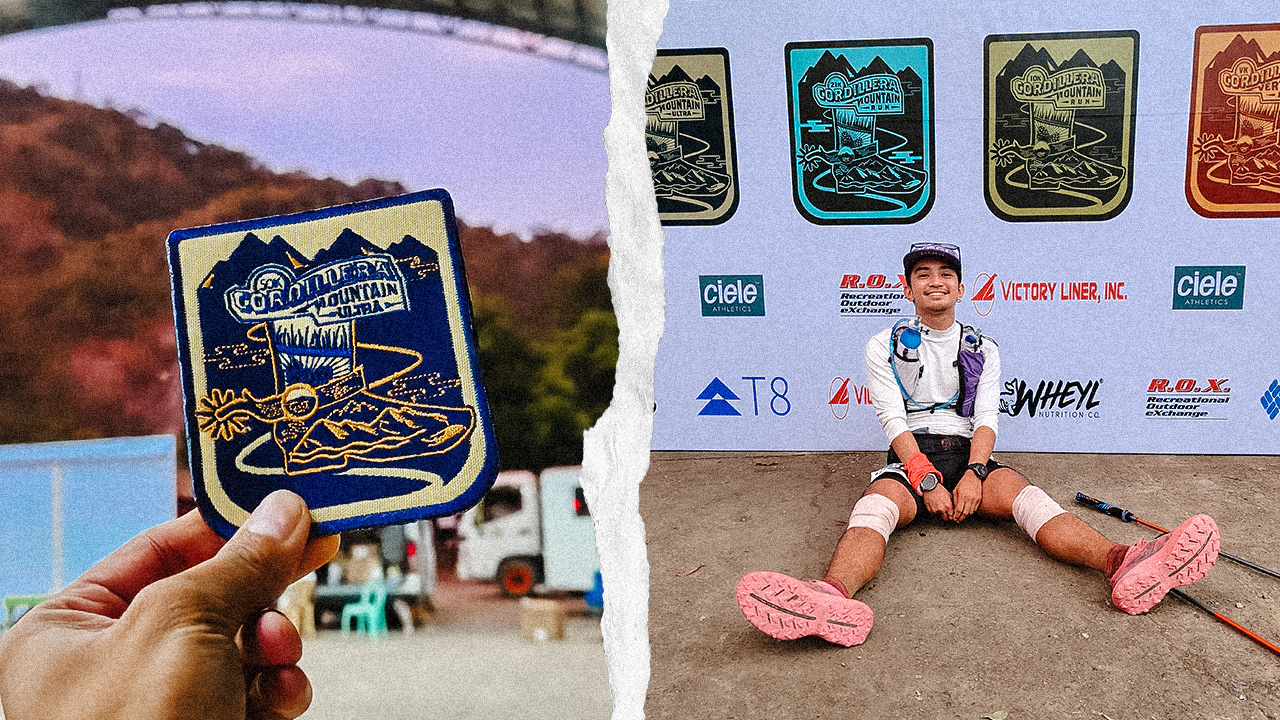
Emotions overwhelmed me as my fellow runners greeted me with hugs and cheers. Their pride in me shattered whatever composure I had left, and I let the tears flow freely knowing I’d earned them.
No, I didn’t land a podium finish. I didn’t even have a medal to bite and wear. But I won something far greater: the knowledge that I am relentless, that I can face unimaginable pain and still rise, and that the trail running community is one of the most supportive I’ve ever known.
And more importantly, I had proven to myself that no amount of pain or bad luck could stop me from finishing what I started.
View this post on Instagram
A trusty companion
The Amazfit T-Rex 3 didn’t just survive this ultra-trail marathon with me. It thrived. Its GPS, heart rate monitoring, and rugged build handled every challenge the trail threw at us. And after 13+ hours, the battery still had plenty of juice left. (Still on half battery, like, for real?)
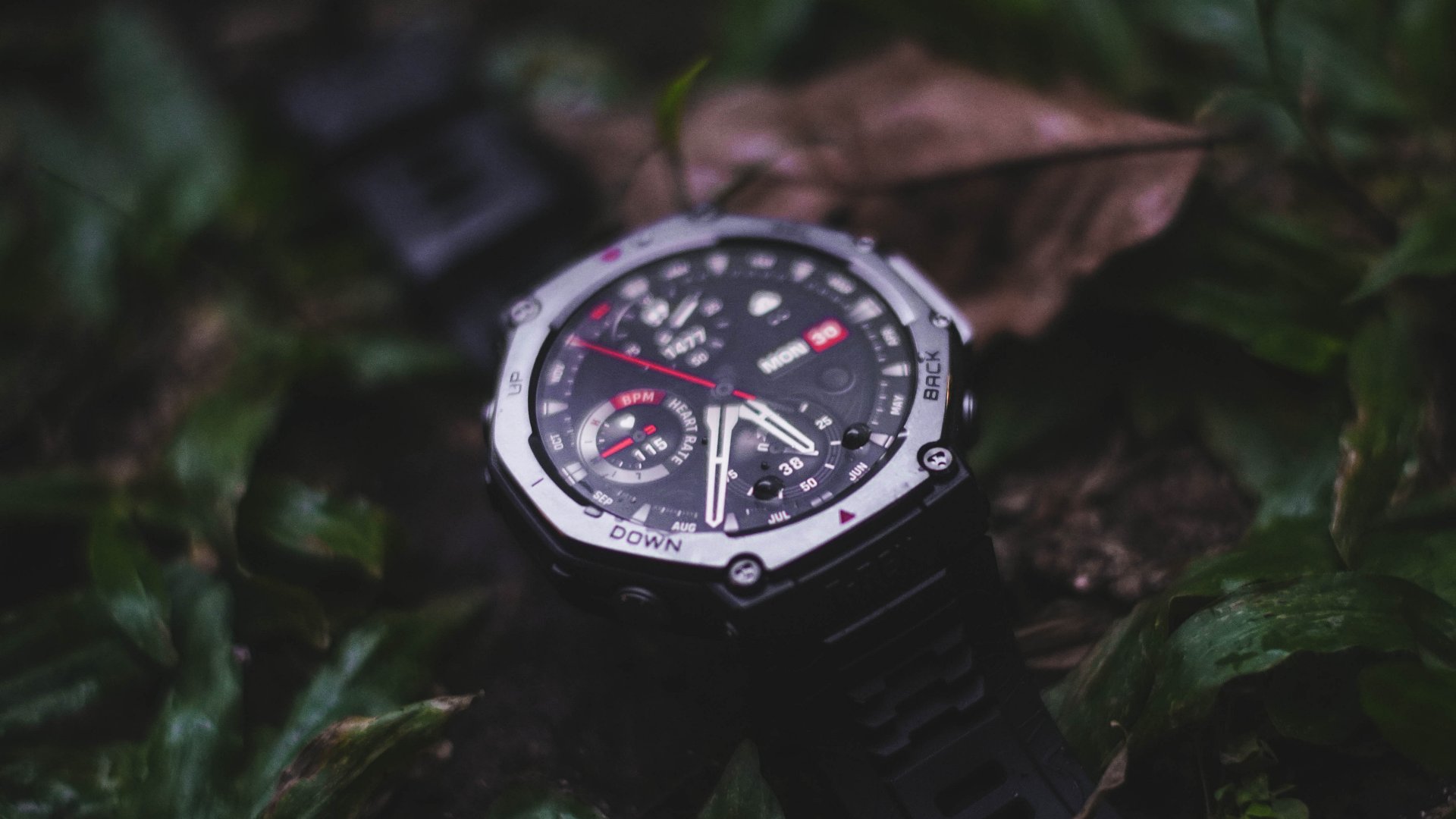
It recorded the most important race yet in my life, while my Garmin’s activity was corrupted. Thankfully, I had the Amazfit T-Rex 3.
At that moment, it wasn’t just a piece of gear; it was a partner in adventure. It was a witness to every tear, fall, and moment of triumph.
So if you’re still looking for a smartwatch that’s built to endure — just like you — then look no more. The Amazfit T-Rex 3 is ready for you and the trails.







Disney+ has significantly expanded its sports offerings on the streaming platform with the addition of the 2026 March Madness.
Both the NCAA Division I Men’s and Women’s Basketball Tournaments — one of the most anticipated events in American collegiate sports — will be streamed live on Disney+. This marks the expansion of ESPN’s global NCAA rights agreement onto the platform.
Both tournaments feature high-stakes, single-elimination formats with 68 squads each, building suspense from the opening rounds to the iconic Final Four.
Entering the 2026 tournament, the University of Florida Gators and University of Connecticut Huskies return as defending men’s and women’s champions, respectively.
The March Madness integration leverages ESPN’s long-standing NCAA rights portfolio, which includes more than 40 championship events.
ESPN has been the exclusive broadcaster for Women’s March Madness for over three decades now, and the development marks a strategic shift to bring live collegiate sports to Disney+ audiences across several regions.
The development also comes after the recent global rebranding of Star to Hulu, as well as the integration of live NBA games.
With a unified interface, there’s even more sports content for subscribers to browse, ranging from live broadcasts to acclaimed sports documentaries.
There’s the 30 for 30 series, Bad Boys, D. Wade: Life Unexpected, Dream On, and even The Last Dance featuring Michael Jordan and the Chicago Bulls’ 1997-98 run.
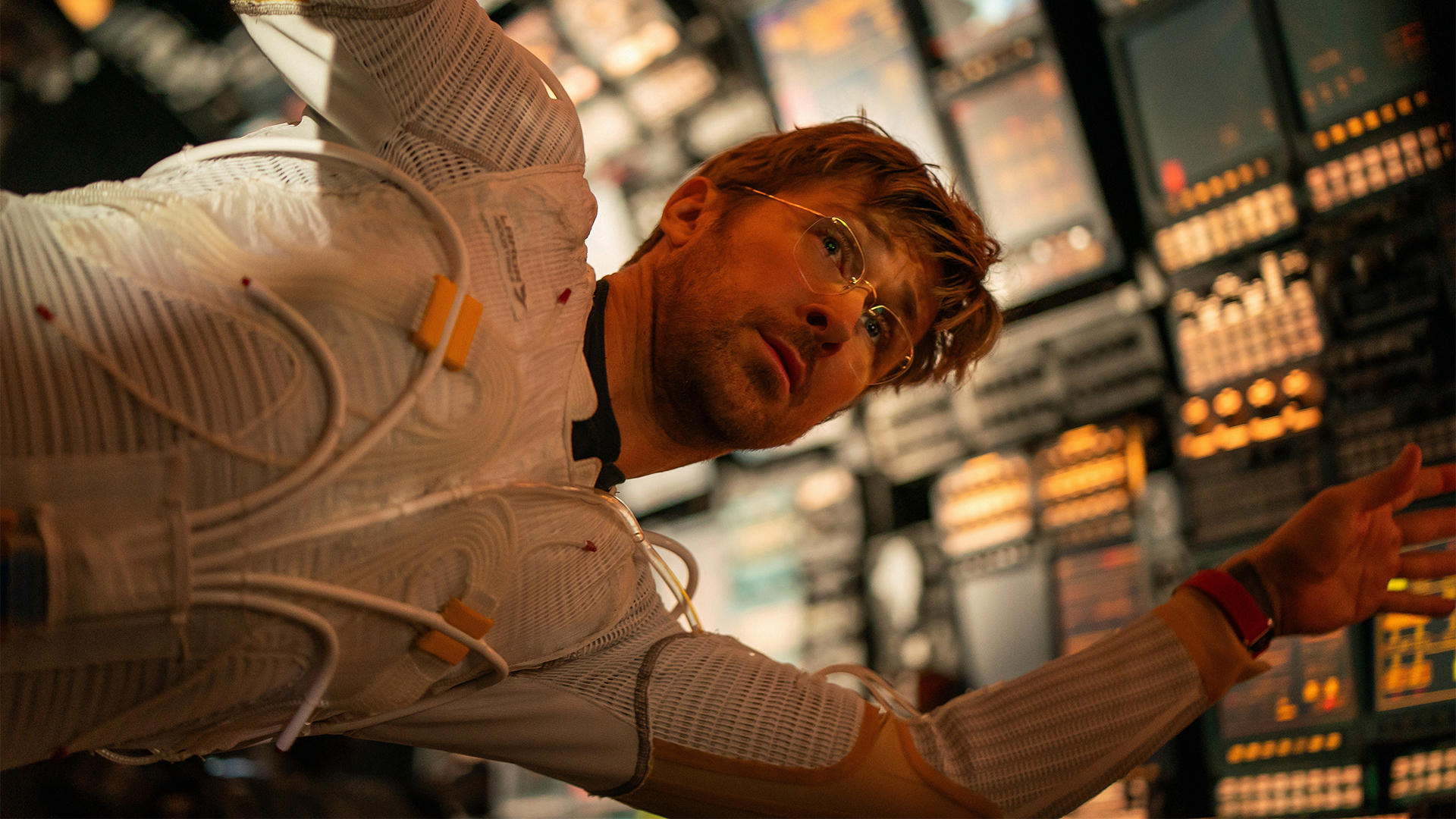
To be honest, I didn’t expect to like Project Hail Mary. I assumed that the decision to reveal the book’s biggest plot twist in the trailer was a mistake. I thought that the two-and-a-half-hour runtime might be too long. I worried that a hard sci-fi story like this one would be hard to translate into a feature-length film. Thank goodness I was wrong.
Project Hail Mary adapts Andy Weir’s novel of the same name. Indeed, that’s the same Andy Weir who wrote The Martian. Ryland Grace (Ryan Gosling), a molecular biologist, wakes up in an interstellar ship without his memory. With everyone else on board dead, he must find the answers to two questions on his own: who he is, and why he’s far away from Earth.
Though a soul-searching mystery might be entertaining in its own right, it wouldn’t be an Andy Weir story if it didn’t have some MacGyvering in space. Grace’s mission is apparently one of global importance. When a spacefaring virus starts to feed on the Sun and other surrounding stars, Earth sends a mission — that is, Ryland Grace and his deceased crewmates — to Tau Ceti, a faraway star somehow immune to the so-called astrophages.
Less problem solving, more emotion wrangling
Despite Weir’s tendencies to throw his protagonists into problem after problem, Phil Lord and Christopher Miller, who directed the adaptation, offers a more emotional story. Now, make no mistake; the original novel is already a tearjerker, but the film ups this even further by masterfully adapting the story’s most iconic character, Rocky.
Upon reaching Tau Ceti’s orbit, Grace realizes that he’s not alone. He isn’t the first visitor to the mysterious star. An alien spaceship is already orbiting the star. However, far from visions of War of the Worlds, this particular alien has a single mission: to save their own star from the same astrophages.
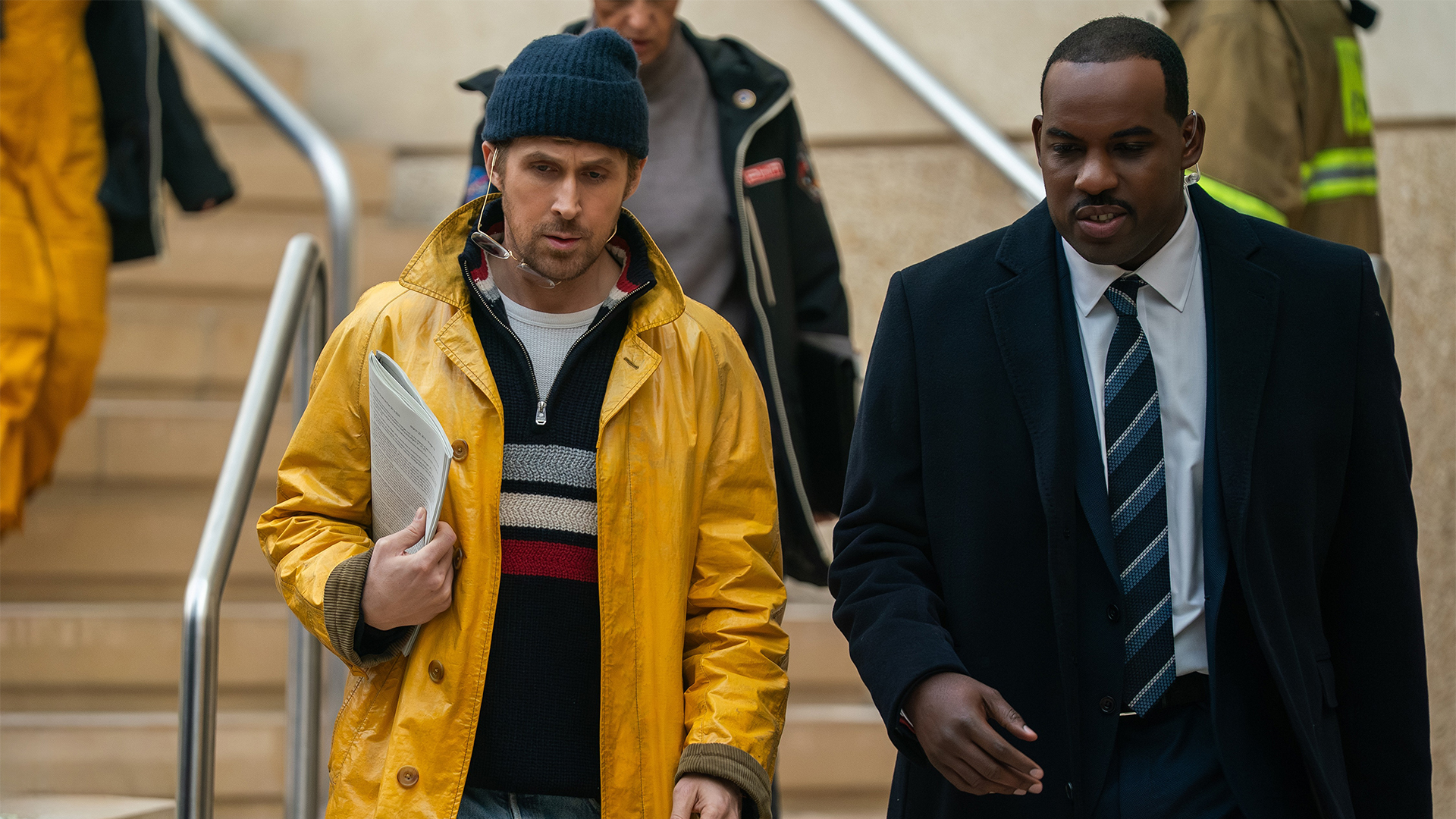
Rocky, as Grace calls them, looks like a living rock. Initially unable to communicate with the alien, Grave eventually builds a friendship with Rocky by translating the latter’s chirps to human words.
In the book, Rocky communicates with Grace (and the reader) through the broken English from a translating software. Naturally, the film adaptation offers more creative freedom. Instead of just text, Rocky gets a voice, thanks to James Ortiz, who offers a friendly-but-snarky character to the alien. As a result, Rocky feels more like a sidekick than just a (literally) alien entity.
Though it comes at the cost of some science-filled problem solving, Rocky’s slight change is more cinematic and can tug tighter at the heartstrings.
A healthy dose of humor
Rocky’s voice isn’t the only change. Despite the long runtime, the adaptation already prunes or shortens plot beats from the novel.
To be fair, all these changes don’t detract from the essence of the novel. Sometimes, they simplify. Other times, Lord and Miller infuse their trademark humor, which can be jarring for those expecting a more technical sci-fi story. But again, the novel’s spirit is still intact.
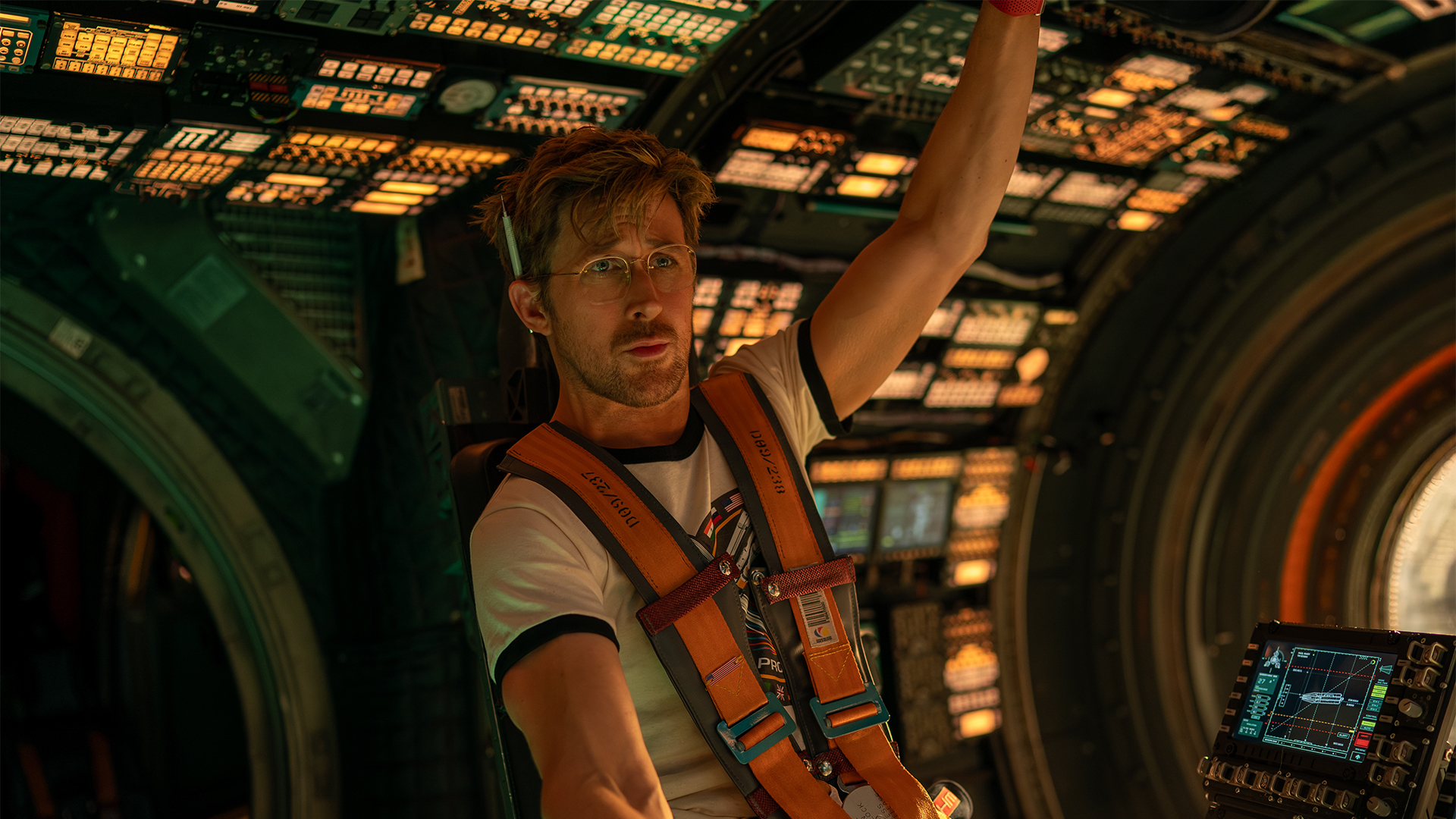
If anything, the added humor keeps the film entertaining throughout two-and-a-half hours. Now, if you’re tired of the so-called “Marvel humor,” there are moments of slapstick and snark sarcasm that pushes the limits of typical movie tropes. It’s just the price that an adaptation like this has to pay. Project Hail Mary’s plot is too complex to condense into the archetypal 90-minute window.
As someone who read and loved the original novel, it was difficult to see stitches between the book’s story and the screenplay’s changes. And I think that’s what makes the adaptation work so well.
Should you watch Project Hail Mary?
Project Hail Mary is as faithful as an adaptation can be. It doesn’t change the story for the sake of Hollywood. All the changes you’ll see are just ways to keep audiences engaged because of the long story. If you loved the book, there’s no way you wouldn’t love the adaptation, too.
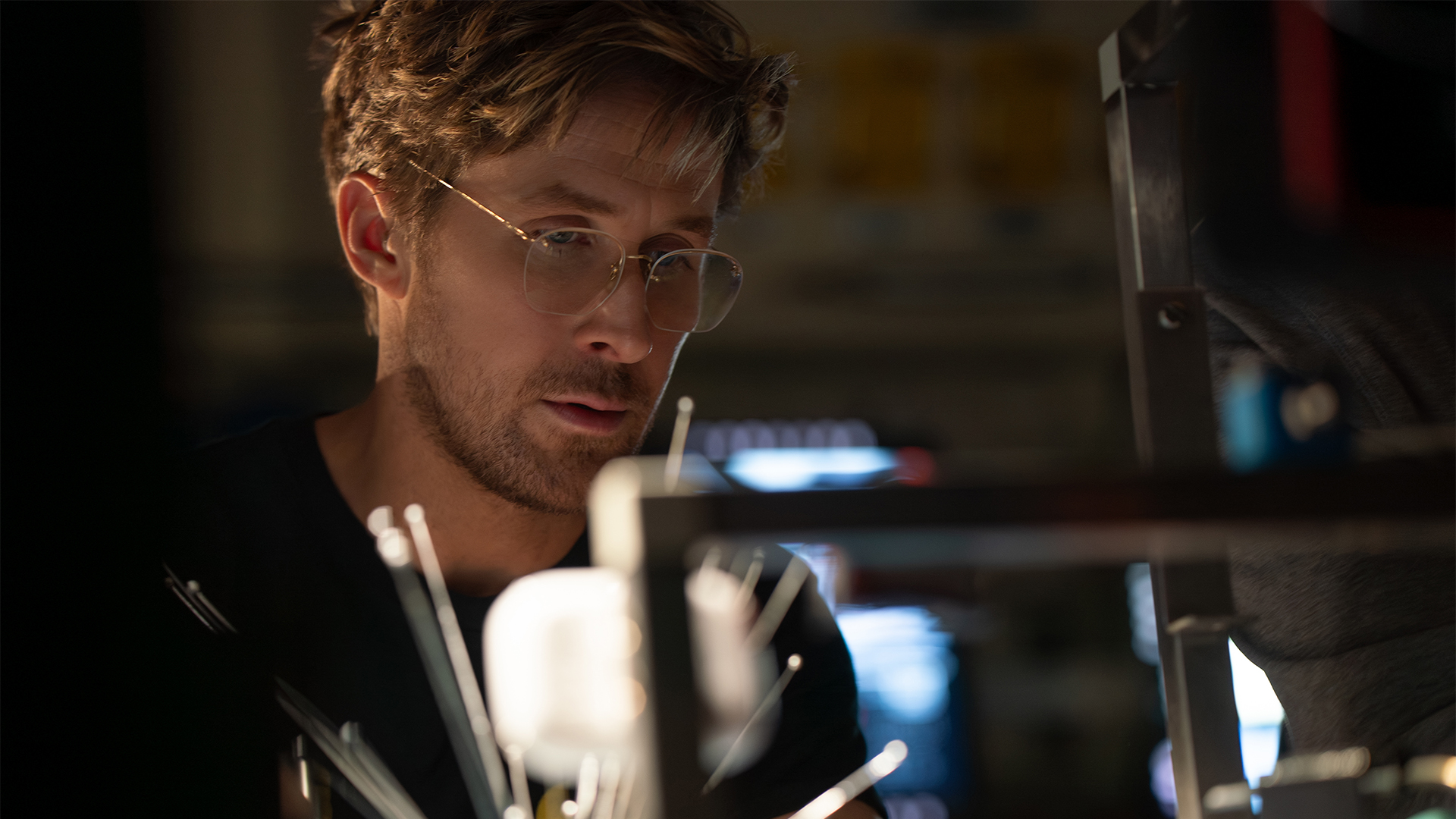
Now, if you haven’t read the book, firstly, you’ll still love this movie. It’s a highly compelling story with high stakes and an emotional rollercoaster. Secondly, read the damn book. It’s a masterpiece of science fiction.
Entertainment
KPop Demon Hunters is officially getting a sequel
Maggie Kang and Chris Applehans will return to write and direct.


This feels like a formality at this point. Netflix and Sony have officially confirmed that KPop Demon Hunters is getting a sequel.
If you feel like you’ve read this exact title before, then you’re not alone. Since its massive success last year, the hit animated film constantly spawned talks of a potential franchise. It probably helped that the title quickly became Netflix’s most-watched film of all time. From the last we’ve heard of the rumors, Netflix was reportedly eyeing a 2029 premiere for the sequel.
Now, it’s official. As posted by Netflix itself, KPop Demon Hunters will get a sequel soon. Even better, the follow-up will be written and directed by the same duo, Maggie Kang and Chris Applehans.
Kang, who celebrated the first movie’s ability to tell a Korean story, says that there’s a lot more to explore in the film’s universe. “There’s so much more to this world we have built and I’m excited to show you. This is only the beginning,” she said.
Right now, the plot’s sequel is still unknown, especially since the Saja Boys were defeated in the first film.
Given how big the original movie got, the sequel is no surprise. Besides bagging the top spot on Netflix’s charts, the film also got an eventual release in theaters. KPop Demon Hunters is up for a potential Oscars win after it was nominated for Best Animated Feature. Its hit song, “Golden,” is also nominated for Best Original Song.
SEE ALSO: KPop Demon Hunters is now Netflix’s most-watched movie


POCO X8 Pro Max review: A new beast from the far east
That "Pro Max" naming superlative is more than justified


POCO X8 Pro Iron Man Edition review: Midrange phone in superhero armor
POCO x MK15

Now Playing: Project Hail Mary
It's a treat for those who loved the original book.

OPPO Find N6 launches globally with near crease-free foldable display
POCO X8 Pro Max review: A new beast from the far east
POCO X8 Pro Iron Man Edition review: Midrange phone in superhero armor

POCO X8 Pro Series launches in Singapore with early bird prices

POCO X8 Pro Series: Price, availability in the Philippines


-
 MWC 20262 weeks ago
Infinix NOTE 60 Ultra makes a motorsport-inspired debut
-

 Computers2 weeks ago
AMD announces Ryzen AI 400, AI 400 PRO series at MWC 2026
-

 Reviews2 weeks ago
The Xiaomi 17 shoots Leica dream
-

 Gaming2 weeks ago
Ubisoft confirms Assassin’s Creed: Black Flag remake
-

 Hands-On2 weeks ago
OPPO Reno15 F 5G hands-on
-

 Gaming2 weeks ago
PlayStation will stop releasing its games on PC
-

 Gaming2 weeks ago
Project Helix is Xbox’s next console, and it plays PC games
-

 Laptops2 weeks ago
Apple accidentally revealed something called the MacBook Neo