
News
Android 12 Beta: Everything you need to know


Android’s redesign over the years, while helpful, hasn’t been too striking. Ever since the implementation of Material Design, Google’s mobile OS has largely looked the same. That changes with Android 12 Beta.
With Android 12, Google has revamped everything from the overall experience, colors, shapes, lights, and motion.
Material You

Google’s approach to Android 12 is to make sure it’s designed for you, for us, the users. In that vein, they’re calling this new design language Material You. This means a deeper integration of hardware and software.
In a separate media session, a Google representative pointed out that when Material Design first came out, Google wasn’t making their own hardware yet. That has since changed, and Material You is their answer to a more harmonious hardware and software.
Custom Color Palette
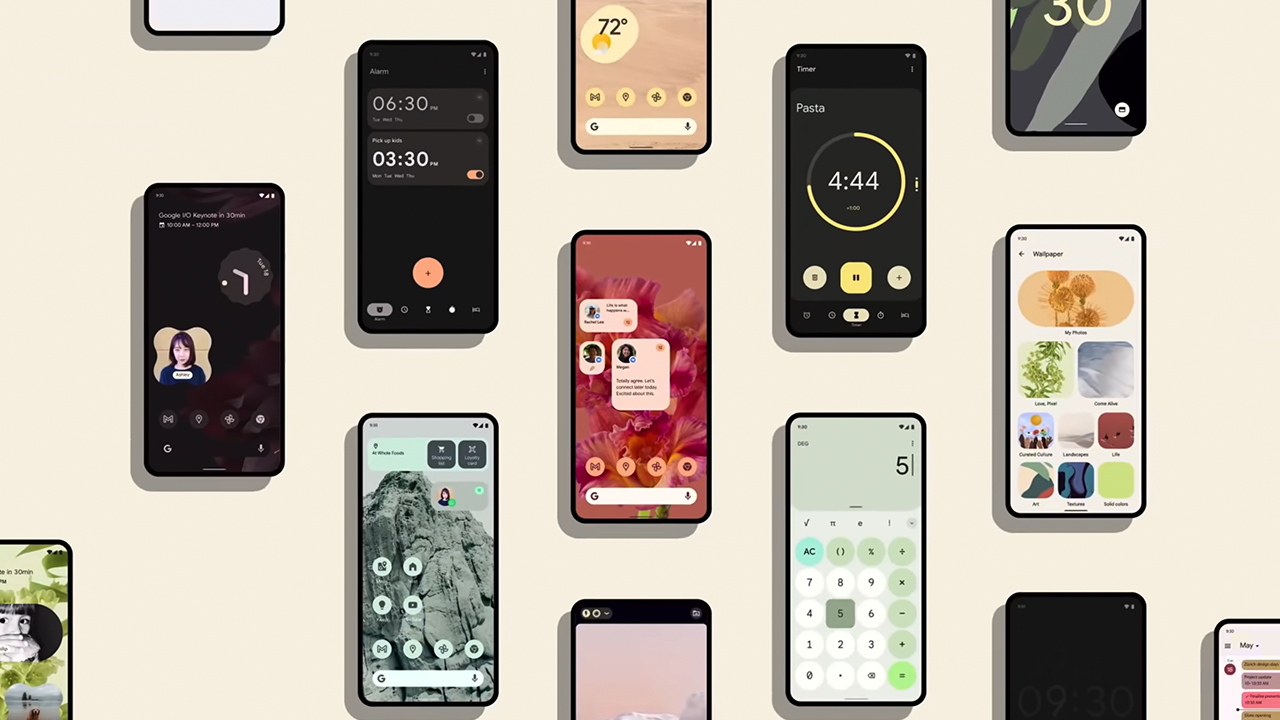
A Pixel-only feature, Custom Color Palette lets users completely personalize Android 12 with their color of choice along with redesigned widgets.
Based on your wallpaper, it will use color extraction to identify which colors are dominant, which are complimentary and will then apply these colors throughout the entire OS. That’s everything from the widgets, notification shade, lock screen, and more.
Redesigned System Spaces

This is perhaps one of the most different-looking aspects of Android 12 Beta. Instead of tiny icons, the Quick Settings area now provides more information on each setting. This makes it easier for the user to control pretty much the primary settings of the entire OS by just swiping and tapping.
The Google Pay and Home controls have also been added to Quick Settings for faster access and easier customization.
These also sit nicely with your notifications that also look extra clean and is very much in line with the look of the Quick Settings.
Private and Secure
While we’re in Quick Settings, a new addition gives you access to the Privacy Dashboard. Here you can toggle permissions like mic and camera usage per app. Google says this is almost akin to physically covering the cameras on your phone.
The Privacy Dashboard also gives you granular control as to what data is being accessed and tracked. If you don’t want an app track a certain thing, you can easily revoke the permission from this dashboard.

Location tracking is also even deeper now as you get to choose whether you share your precise location or just your general one. Or perhaps not at all. The idea is that you have full control.
Google is also introducing Android Private Compute Core to Android 12. They say it helps them show features that are private by design while keeping the users’ personal information safe, private, and local to the phone.
Fluid Motions and Animations

Naturally, with any OS update, comes the promises of better and smoother overall animation. Google says Android 12 will feel alive with every tap, swipe, and scroll. Performance improvements include reducing the CPU time needed for core system services by up to 22% and reducing the use of big cores by the system server by up to 15%.
Compatible Devices
As of writing these are the devices that we know will be compatible with Android 12 Beta:
- All Google Pixel phones
- ASUS Zenfone 8
- OPPO Find X3 Pro
- OnePlus 9
- OnePlus 9 Pro
- realme (devices not yet specified)
- Sharp (devices not yet specified)
- Nokia X20
- Xiaomi Mi 11
- Xiaomi Mi Ultra
- Mi 11i/ Mi 11XPro
- iQOO 7 Legend
- TCL 20 Pro 5G
- Tecno Camon 17
- ZTE Axon 30 Ultra 5G (China only)
Interested testers can download the firmware here.




News
More iPhone switchers this year than Android switchers, report says
Only the Google Pixel might be exempt from a global Android dip.

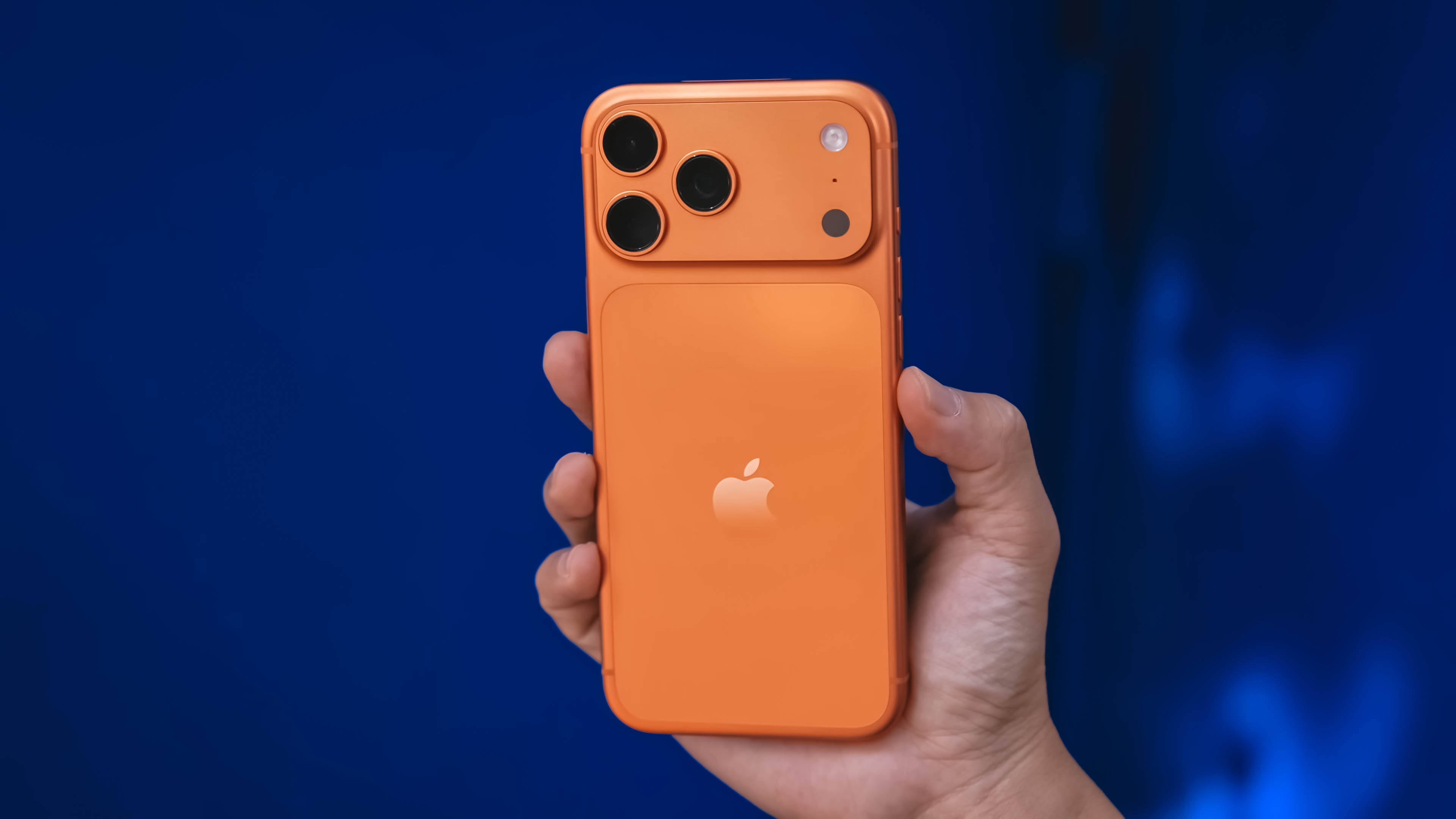
With the prices of chips skyrocketing this year, the commonly held rule of thumb is to hold on to your devices for as long as possible. Of course, the dip in demand will also translate to a dip in supply. According to new reports, users this year might favor switching to an iPhone over an Android phone.
As early as late last year, smartphone makers have already warned consumers that the prices of new devices might go up to anticipate the rising prices of RAM. For now, the prices are still manageable, but forecasts don’t look too kindly on the future.
According to a Morgan Stanley report via Investing.com, the shipments of Android phones might drop by as much as 15 percent this year, compared to the last. This encompasses all brands using the platform.
However, there is one notable holdout: the Google Pixel. According to the same report, the lineup will still enjoy some modicum of growth heading into their release schedule this year.
More notably, though, Apple might be the biggest winner this year. Though iPhone shipments might still drop by 2 percent, it’s nothing compared to the former’s 15 percent drop. When comparing the two, that should translate to a growth in Apple’s share of the pie this year. In other words, more people might switch to Apple, compared to people switching to any phone running on Android.
Now, to be fair, these are all just predictions. Anything can still happen, but it looks like Apple might be heading to a stellar performance later this year.
SEE ALSO: Hands-on: NEW iPhone 17e, iPad Air, MacBooks, Studio Displays
Entertainment
Marvel’s Wonder Man greenlit for a rare second season
The first season holds a 91% rating on Rotten Tomatoes.

Is the Marvel Cinematic Universe back? After years of floundering through Phases Four and Five, Marvel Studios is poised to get its mojo back from a flurry of much-awaited Phase Six projects this year, including the second season of Daredevil: Born Again, Spider-Man: Brand New Day, and Avengers: Doomsday. And it all started this year with the critically acclaimed Wonder Man. Now, after the success of that series, a second season is officially in the works.
When its first trailer came out, Wonder Man did not look like anything that Marvel Studios has worked on before. For one, it was incredibly grounded, perhaps overshadowed only by Daredevil: Born Again. Second, it was about the reboot of a fictional superhero movie, itself called Wonder Man.
Actor Simon Williams (played by Yahya Abdul Mateen II) wants to energize his career by performing in the upcoming Wonder Man revival from acclaimed director Von Kovak (Zlatko Burić). Helping the former is the returning Trevor Slattery (Ben Kingsley), who you might remember as the fake Mandarin from Iron Man 3.
Despite how different it looks compared to previous Marvel Studios projects, the series is one of the most acclaimed, currently holding a 91 percent approval rating on Rotten Tomatoes. Because of this, Wonder Man has received the green light for a second season, via Variety.
A second season is relatively rare for Marvel Studios with its history of one-and-done series. There are some exceptions, though. Loki, for example, ended its run with a second season. Daredevil: Born Again will air its second season very soon (with a third one potentially in the works already).
SEE ALSO: Marvel’s Wolverine gets a release date
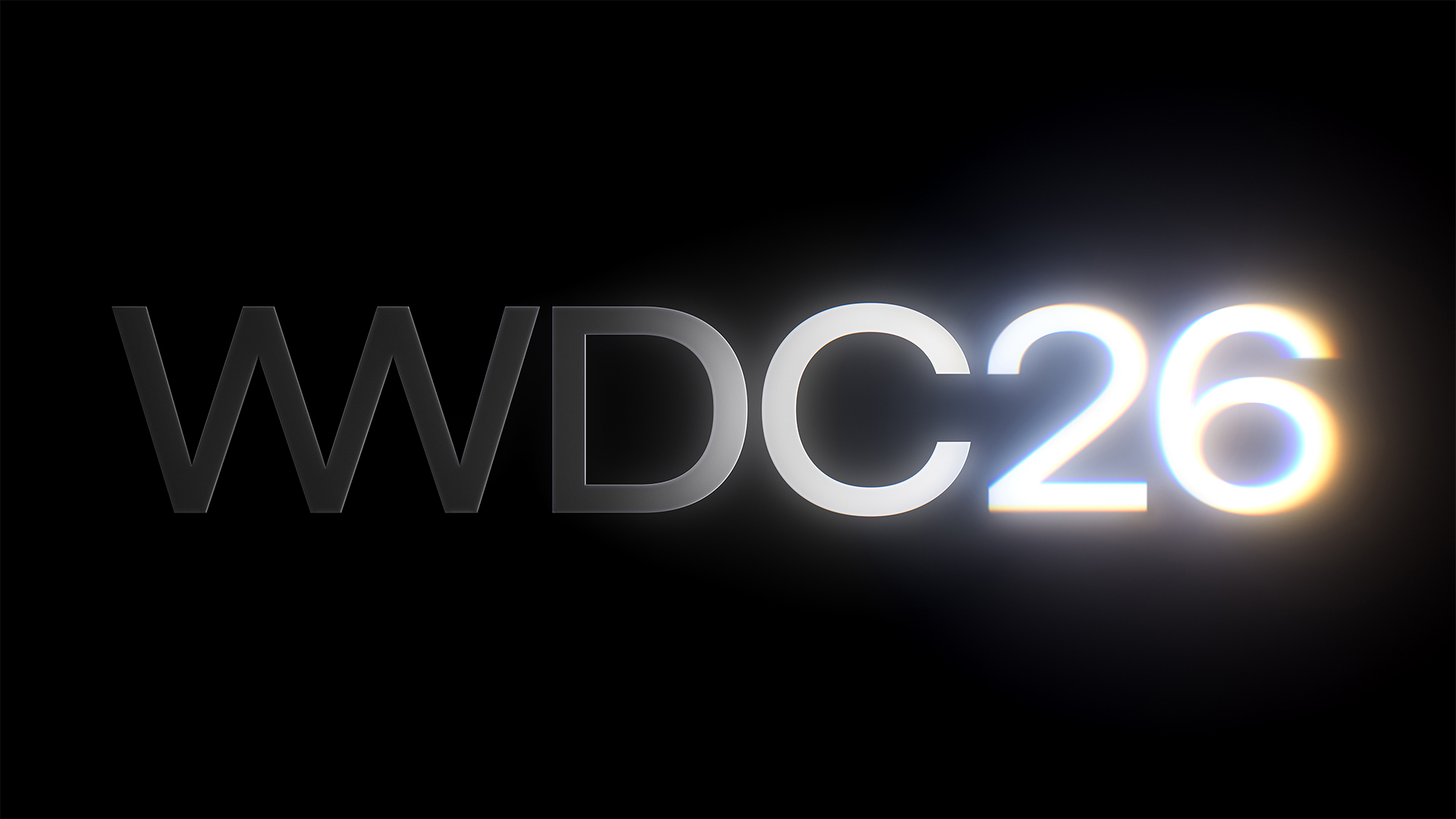
Apple changed the script by launching the iPhone 17e earlier this month. Now, after leaving history for a bit, the company is ready to go back to its originally scheduled programming. WWDC 2026 is now officially confirmed from June 8 through 12.
The Worldwide Developers Conference is an annual event to give the stage to Apple’s software developments. If you’re more familiar with Google’s scheduling, this is the equivalent of the annual Google I/O.
Today, Apple announced that the annual WWDC 2026 will take place from June 8 to 12. As always, it’s expected that Apple’s upcoming slate of major software updates will debut at the event. This includes iOS 27, macOS 27, iPadOS 27, watchOS 27, and visionOS 27.
However, besides the expected platforms, Apple has also confirmed that the event will present the company’s latest in “AI advancements”.
For Apple fans, those announcement should come with some excitement. Compared to its competitors, the company has notoriously been left trailing in the AI department. Upgrades to Apple Intelligence and a Siri revamp has been in the pipeline for quite a while now.
If you’re interested in the new developments, WWDC 2026 will, like every year, broadcast its major keynote presentation and a plethora of other showcases for free on Apple’s website and on YouTube.
SEE ALSO: Apple unveils the iPhone 17e

Galaxy Buds4 Pro review: I thought I was done with in-ears
This Buds4 you


WWE 2K26 lets you live out all the fantasy matches you could want
But you have to play for hours and hours to unlock everyone.

The HONOR X8d is serviceable
Steady but slow?

More iPhone switchers this year than Android switchers, report says

Marvel’s Wonder Man greenlit for a rare second season

Apple’s WWDC 2026 will be from June 8 to 12
Galaxy Buds4 Pro review: I thought I was done with in-ears
WWE 2K26 lets you live out all the fantasy matches you could want


-
 Reviews7 days ago
POCO X8 Pro Max review: A new beast from the far east
-
 News7 days ago
POCO X8 Pro Series: Price, availability in the Philippines
-
 Laptops2 weeks ago
Apple MacBook Neo Review
-

 Apps2 weeks ago
Google Maps is finally getting a 3D mode
-
 Features2 weeks ago
Galaxy AI on the Samsung Galaxy S26 Ultra
-

 Entertainment2 weeks ago
The internet is thirsting over the One Piece Season 2 cast
-

 Automotive2 weeks ago
BYD is reportedly considering an F1 team
-

 Gaming2 weeks ago
Resident Evil Requiem will get a story expansion