
Enterprise
Apple plans to bring its carbon footprint to net zero by 2030
Everything is already in motion


The earth is dying. It’s a morbid thought but it’s true. This is why many groups and individuals have been advocating for a shift to renewable energy. Apple is heeding this call with a commitment to bring its carbon footprint to net zero 10 years from now. It’s a tall task.
The idea is to become carbon neutral across its entire business, manufacturing supply chain, and product life cycle by 2030. The company is already carbon neutral today for its global corporate operations.
This new commitment means that by 2030, every Apple device sold will have net zero climate impact. Naturally, Apple has a plan.
Apple is establishing an Impact Accelerator. This will focus on investing in minority-owned businesses that drive positive outcomes in its supply chain and in communities that are disproportionately affected by environmental hazards.
This accelerator is part of Apple’s recently announced US$100 million Racial Equity and Justice Initiative. This is focused on efforts that address education, economic equality, and criminal justice reform.
The 10-year roadmap
Apple’s 10-year roadmap will lower emissions with a series of innovative actions. These are as follows.
Low carbon product design
Apple will continue to increase the use of low carbon and recycled materials in its products, innovate in product recycling, and design products to be as energy efficient as possible.
- Apple’s latest recycling innovation is a robot the company is calling “Dave.” It disassembles the Taptic Engine from iPhone to better recover key materials such as rare earth magnets and tungsten while also enabling recovery of steel, the next step following its line of “Daisy” iPhone disassembly robots.
- The company’s Material Recovery Lab in Austin, Texas is now partnering with Carnegie Mellon University to further develop engineering solutions. This lab is focused on innovative electronics recycling technology
- All iPhone, iPad, Mac, and Apple Watch devices released in the past year are made with recycled content, including 100 percent recycled rare earth elements in the iPhone Taptic Engine — a first for Apple and for any smartphone.
- Apple decreased its carbon footprint by 4.3 million metric tons in 2019 through design and recycled content innovations in its products. Over the past 11 years, Apple has reduced the average energy needed for product use by 73 percent.
Expanding energy efficiency
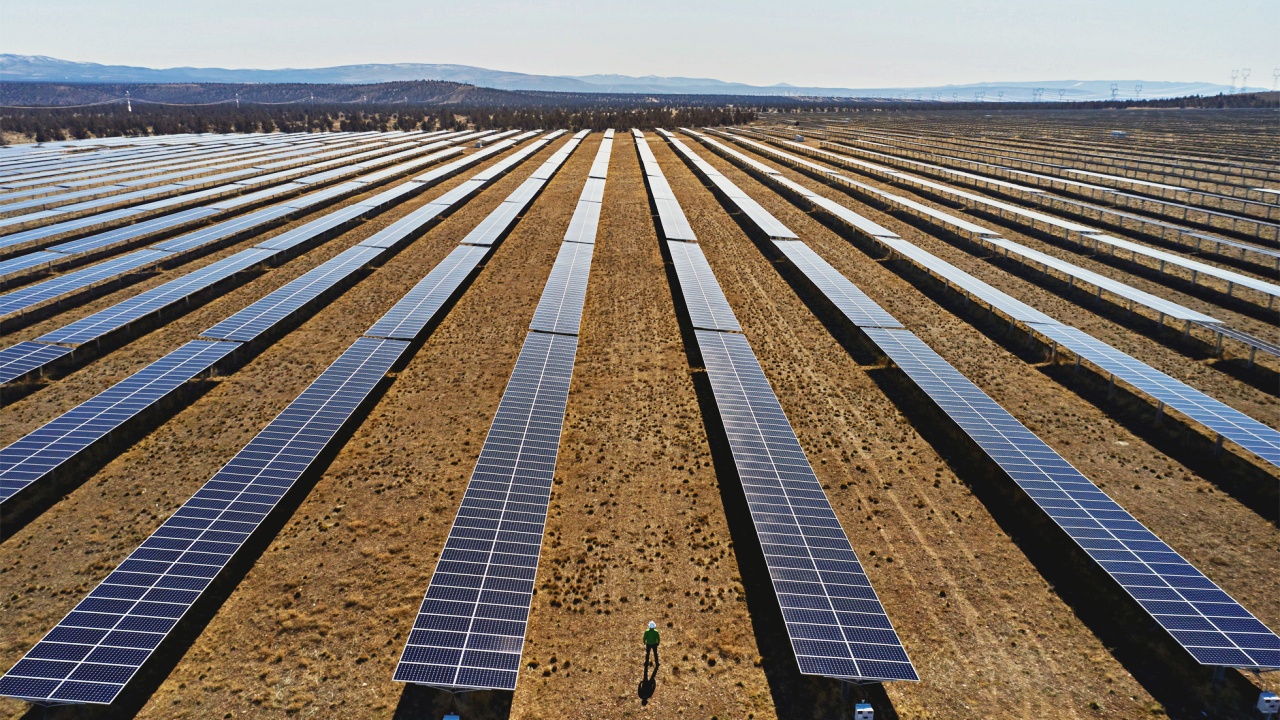
Apple will identify new ways to lower energy use at its corporate facilities and help its supply chain make the same transition.
- Through a new partnership with Apple, the US-China Green Fund will invest $100 million in accelerated energy efficiency projects for Apple’s suppliers.
- The number of facilities participating in Apple’s Supplier Energy Efficiency Program grew to 92 in 2019; these facilities avoided over 779,000 annualized metric tons of supply chain carbon emissions.
- Last year, Apple invested in energy efficiency upgrades to over 6.4 million square feet of new and existing buildings, lowering electricity needs by nearly one-fifth and saving the company $27 million.
Renewable energy
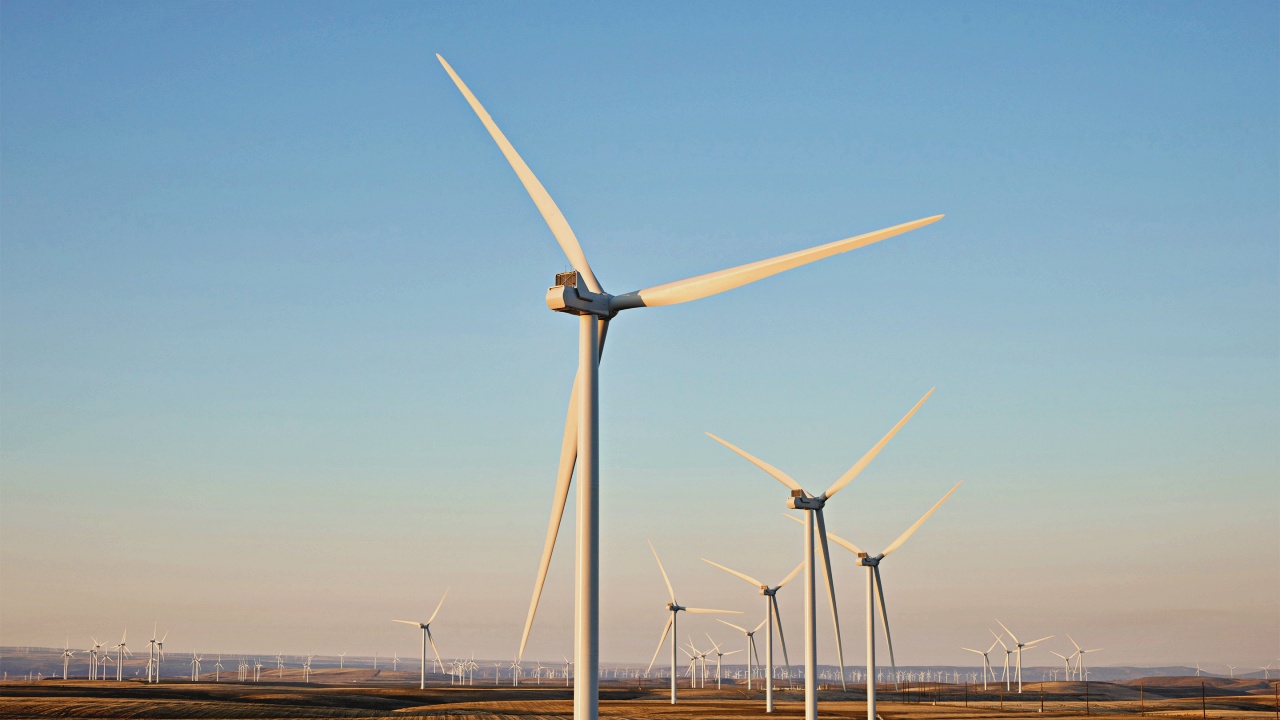
Apple will remain at 100 percent renewable energy for its operations — focusing on creating new projects and moving its entire supply chain to clean power.
- Apple now has commitments from over 70 suppliers to use 100 percent renewable energy for Apple production — equivalent to nearly 8 gigawatts in commitments to power the manufacturing of its products. Once completed, these commitments will avoid over 14.3 million metric tons of CO2e annually — the equivalent of taking more than 3 million cars off the road each year.
- New and completed projects in Arizona, Oregon, and Illinois bring Apple’s renewable capacity for its corporate operations to over 1 GW — equivalent to powering over 150,000 homes a year. Over 80 percent of the renewable energy that Apple sources for its facilities are now from Apple-created projects, benefiting communities and other businesses.
- Globally, Apple is launching one of the largest new solar arrays in Scandinavia, as well as two new projects providing power to under-served communities in the Philippines and Thailand.
Process and material innovations
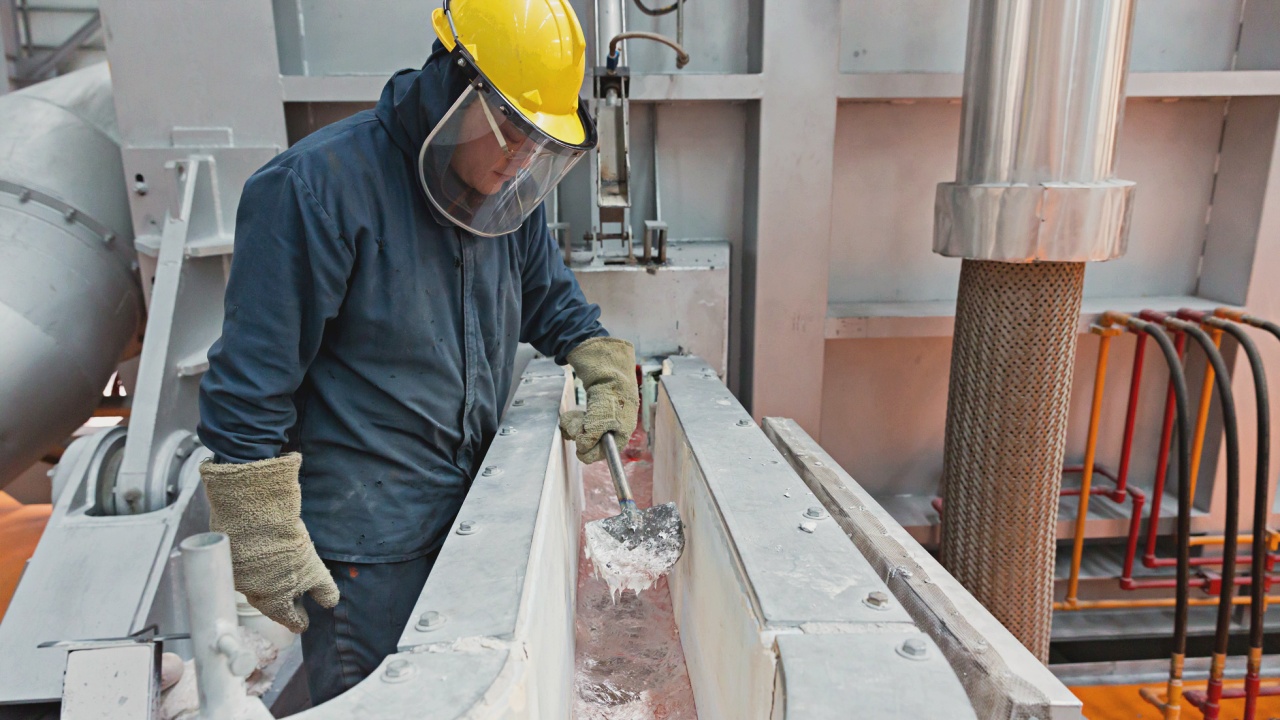
Apple will tackle emissions through technological improvements to processes and materials needed for its products.
- Apple is supporting the development of the first-ever direct carbon-free aluminium smelting process through investments and collaboration with two of its aluminium suppliers.
- Today the company is announcing that the first batch of this low carbon aluminium is currently being used in production intended for use with the 16-inch MacBook Pro®.
- Through partnerships with its suppliers, Apple reduced emissions from fluorinated gases by more than 242,000 metric tons in 2019. Fluorinated gases are used in the manufacturing of some consumer electronics components and can contribute to global warming.
Carbon removal
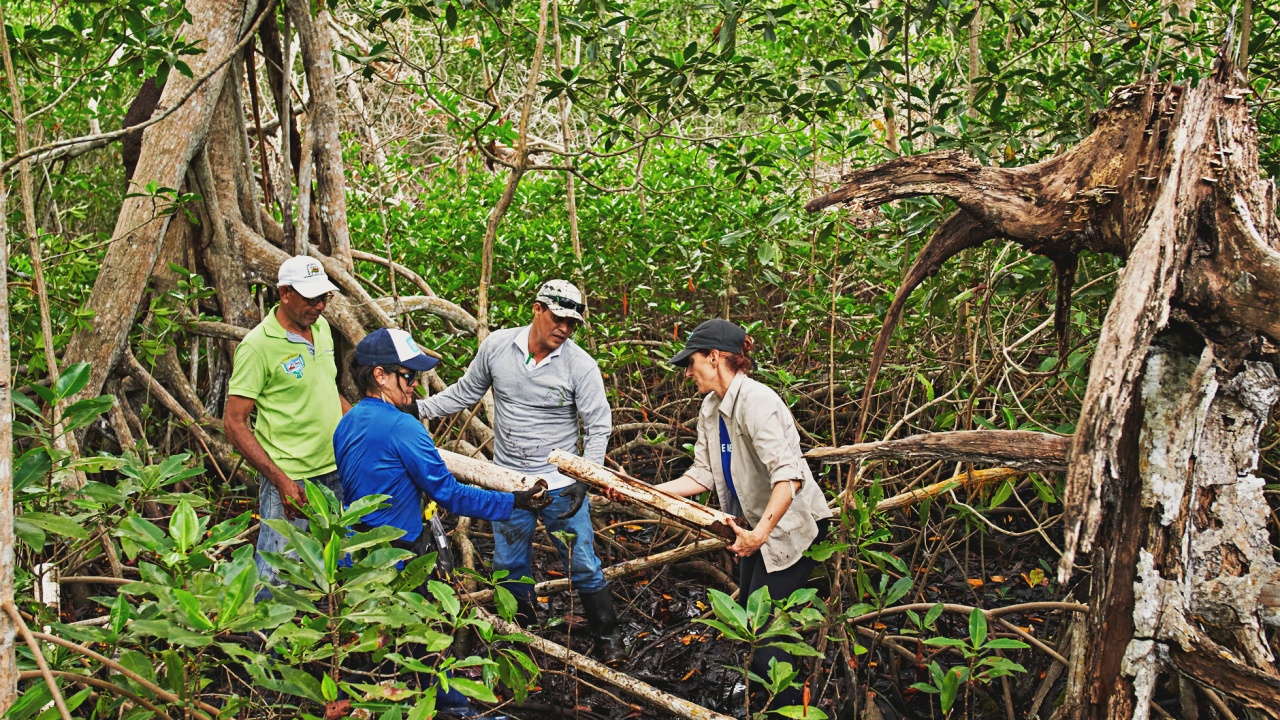
Apple is investing in forests and other nature-based solutions around the world to remove carbon from the atmosphere.
- Apple is announcing today a first-of-its-kind carbon solutions fund to invest in the restoration and protection of forests and natural ecosystems globally.
- In partnership with Conservation International, the company will invest in new projects, building on learnings from existing work like restoring degraded savannahs in Kenya and a vital mangrove ecosystem in Colombia. Mangroves not only protect the coasts and help support the livelihood of those communities where they grow, but they also can store up to 10 times more carbon than forests on land.
- Through its work with The Conservation Fund, the World Wildlife Fund, and Conservation International, the company has protected and improved the management of over 1 million acres of forests and natural climate solutions in China, the US, Colombia, and Kenya.
Apple is working with governments, businesses, NGOs, and consumers around the world to make all of these possible. Check out the links below for more detailed information on these plans.







Computers
Lenovo accelerates production-ready enterprise AI with NVIDIA
From AI inferencing to gigawatt-scale AI factories


Lenovo has unveiled new Lenovo Hybrid AI Advantage with NVIDIA solutions designed to accelerate AI adoption, reduce time-to-first-token (TTFT), and deliver measurable business results across personal, enterprise, and cloud environments.
Building on the inferencing acceleration introduced at Lenovo Tech World, this next phase of Hybrid AI execution expands the solutions with device to data center to gigawatt-scale AI cloud deployments.
This enables real-time decision-making, operational efficiency, and intelligent automation across industries at global scale. The solutions boost productivity, agility, and innovation by enabling faster AI deployment.
The development comes as AI is seen moving from training models powering real-time decisions. Lenovo is prepared to address the demand for validated hybrid AI platforms built for production-scale inferencing, as organizations will need infrastructure to support such.
In fact, Lenovo’s Hybrid AI Advantage with NVIDIA are now delivering ROI in less than six months. The new inferencing-optimized ThinkSystem and ThinkEdge servers are being utilized for real-time inferencing across retail, manufacturing, healthcare, sports, and smart city scenarios.
The expanded portfolio includes:
- two Lenovo Hybrid AI platforms, featuring NVIDIA RTX PRO 6000 Blackwell Server Edition and Blackwell Ultra
- Hybrid AI inferencing starter platform with RTX PRO 4500 Blackwell Server Edition
- Lenovo ThinkAgile HX650a with Nutanix Enterprise AI and Nutanix Kubernetes Platform
- Lenovo Hybrid AI platforms with Cloudian
Bringing inferencing directly to professionals
Lenovo and NVIDIA are bringing AI from development environments to real-world production at a global scale. This is thanks to new Lenovo AI inferencing platforms with NVIDIA Dynamo and NVIDIA NIM.
Meanwhile, Lenovo AI Cloud gigafactory platforms are powered by NVIDIA Vera Rubin NVL72. Industry-specific agentic AI solutions are also built with NVIDIA Blueprints and software.
For consumers, there’s next-generation NVIDIA RTX Pro Blackwell-powered mobile and desktop workstations. These will be rolled out across the ThinkPad P14s Gen 7, ThinkPad P16s Gen 5, and ThinkPad P1 Gen 1 lineups.
ThinkStation P5 Gen 2 desktops, meanwhile, will get up to two RTX PRO 6000 Blackwell Max-Q GPUs. They will also have support for NVIDIA OpenShell.
For gigawatt-scale scenarios, the next-gen Vera Rubin platform accelerates deployment for hyperscale and sovereign AI cloud providers.
These fully liquid-cooled, rack-scale AI systems are engineered for faster deployment and dramatically improved token economics. They can achieve up to 10x higher throughput and up to 10x lower cost per token.
Automotive
How the Ford Ranger is powering community resilience
Through machine and technology, Ford Philanthropy is helping Gawad Kalinga bridge the gap for remote communities.


Strong communities aren’t just built with bricks and mortar. They are sustained by the hands that reach out and the wheels that get them there.
For Gawad Kalinga (GK), reaching the most isolated provinces in the Philippines is often the biggest hurdle to delivering hope.
To bridge this gap, Ford Philanthropy and Ford Philippines recently handed over the keys to a brand-new Ford Ranger Sport 4×4.
During the launch of the “Ford Building Together” initiative at the GK Headquarters in Mandaluyong, the Ranger was introduced as a vital partner for GK’s nationwide relief operations.
The Ranger provides the performance and off-road capability needed when every second counts.
More than a mission
“Strong communities are built through strong partnerships,” said Mary Culler, President of Ford Philanthropy.
Alongside Pedro Simoes, Managing Director of Ford Philippines, Culler highlighted how this initiative unites dealers, employees, and owners.
It’s a collective effort to scale the heart of what Ford does: moving people forward.
Through Operation Walang Iwanan, Ford has already equipped disaster response hubs across six regions with essential tech: from Starlink mini-satellites and EcoFlow solar power to water filtration systems.
Between 2024 and 2025, these tools supported over 11,500 individuals through fires and natural disasters.
Investing in the everyday

The impact stretches into the daily moments of community life. Since 2015, Ford’s partnership with GK has reached 15,000 patients through medical missions. They also trained 1,100 health champions.
Through the Kusina ng Kalinga program, children receive the nutrition they need to stay focused in school. Meanwhile, the new READ program provides 12 weeks of literacy support for students in Caloocan.
Even food security is getting a tech-driven boost. Ford has renewed its collaboration with Scholars of Sustenance Philippines, using mobility to rescue surplus food. It is then redistributed to families experiencing hunger in Nueva Vizcaya.
In the end, technology lives inside these real moments. By combining grassroots action with reliable mobility, Ford and Gawad Kalinga are ensuring that no community is ever truly out of reach.

AMD is prepared to lead the industry in its agentic AI era with their high-performance CPU strategy.
As the industry pivots from simple AI models to agentic AI systems that are capable of independent planning and decision-making, the CPU is reclaiming its role as the critical “head coach” of the data center.
This was noted by AMD CEO and Chair Dr. Lisa Su during the AMD Advancing AI event last year. The rise of autonomous agents has transformed inference into a complex and multi-step workflow that demands sophisticated logic and orchestration.
And while high-performance GPUs are necessary to generate insights in real time, the surrounding infrastructure is just as important.
This is where CPUs enter the picture. Their performance and efficiency are more important than ever in the overall performance of modern AI infrastructure.
And AMD delivers an advantage with their offerings. In recently published data, a 5th Gen AMD EPYC CPU-based system is estimated to perform up to 2.1x better per core against an NVIDIA Grace Superchip-based system.
The same system AMD-based system also delivers up to 2.26x uplift on SPECpower, measuring operations per watt.
The x86 CPU architecture gives customers the advantage of a broad, proven software ecosystem that can run existing workloads natively.
This avoids the costly refactoring and code-base duplication often required when switching to Arm-based alternatives.
Looking ahead, AMD is doubling down on the balanced system philosophy. Future architectures such as the “Venice” CPUs will power the “Helios” rack-scale AI design.
By integrating EPYC CPUs with Instinct GPUs and the ROCm software stack, AMD aims to maximize cluster-level performance and lower the total cost of ownership in the agentic era.


Galaxy Buds4 Pro review: I thought I was done with in-ears
This Buds4 you


WWE 2K26 lets you live out all the fantasy matches you could want
But you have to play for hours and hours to unlock everyone.


The HONOR X8d is serviceable
Steady but slow?

Life is Strange: Reunion now available on consoles and PC

Why this AI-powered eye health exam is the only reading you need this season

DJI officially launches the Avata 360 with 8K immersive imaging

The Changan Eado Plus officially lands in the Philippines

PLDT Home, Samsung team up for exclusive entertainment deals


-

 Reviews2 weeks ago
POCO X8 Pro Max review: A new beast from the far east
-

 News2 weeks ago
POCO X8 Pro Series: Price, availability in the Philippines
-

 Reviews2 weeks ago
POCO X8 Pro Iron Man Edition review: Midrange phone in superhero armor
-

 Automotive2 weeks ago
VinFast extends free unlimited charging in 3 markets amid rising fuel prices
-
Philippines1 week ago
The HONOR X8d is serviceable
-

 Reviews2 weeks ago
Samsung Galaxy S26 Ultra review: A phone you live with
-

 News2 weeks ago
POCO introduces X8 Pro Series with Dimensity 9500s
-

 Gaming2 weeks ago
NVIDIA’s DLSS 5 can turn your favorite AAA game into AI slop