
News
Apple on adopting Android’s features: Just ‘buy your mom an iPhone’
No energy to be compatible to Android

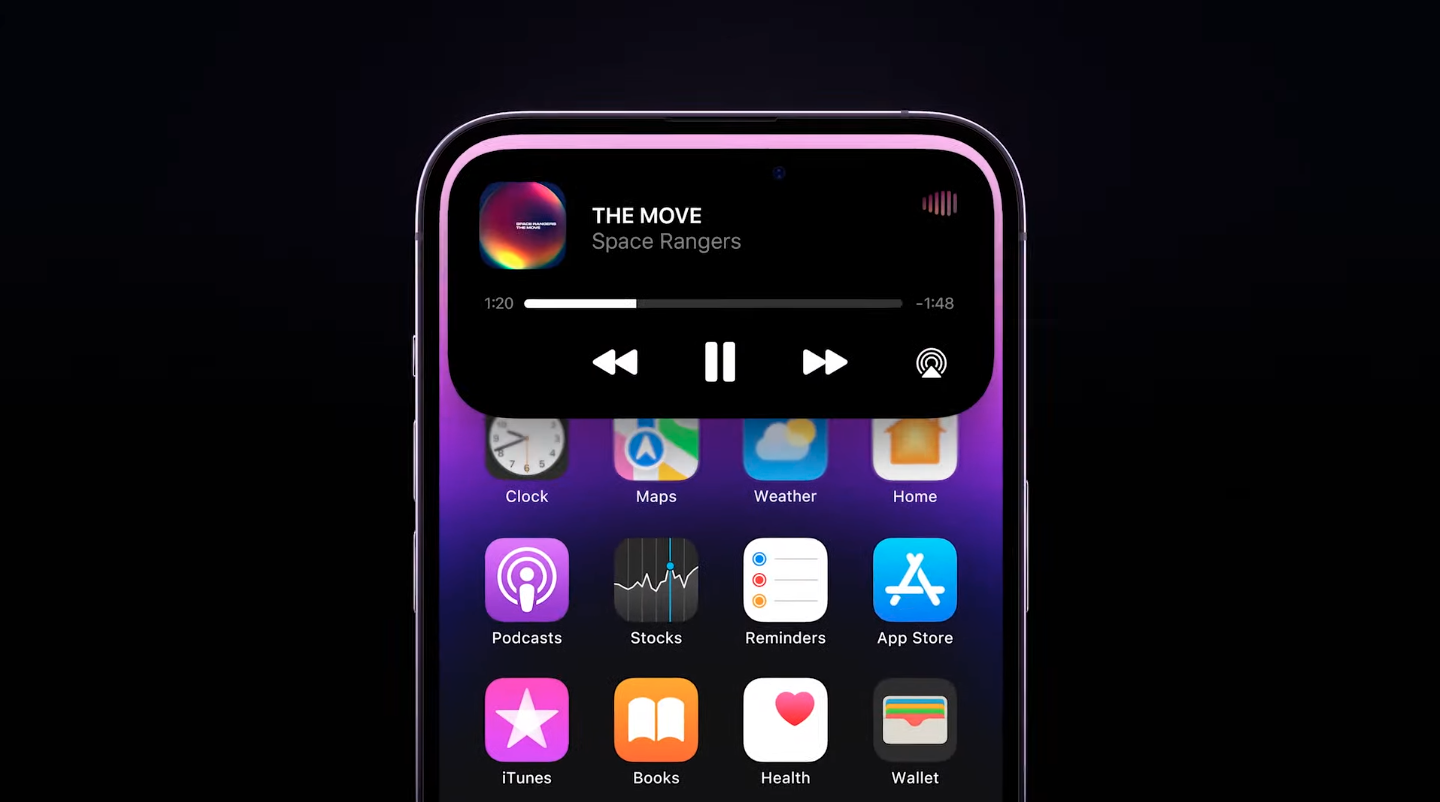
Apple has a green bubble problem. While iPhone users can still message Android users, compatibility issues prevent them from using every feature available. Naturally, users have protested the lack of adaptability amid Apple’s stubborn persistence. Recently, during an interview, Apple’s Tim Cook even said that everyone should just “buy an iPhone” to solve the problem.
During Vox Media’s Code 2022 event, Cook fielded questions from attendants. One such question asked when Apple would start adopting RCS messaging to make Apple-to-Android communications smoother. In reply, Cook said, “I don’t hear our users asking that we put a lot of energy in on that at this point.” He also added that he’d love to convert the questioner to using an iPhone instead.

The questioner then responded by saying that they can’t send videos to their mom (who presumably uses the opposite platform). “Buy your mom an iPhone,” Cook clapped back.
Cook’s nonchalant reply shows the brand’s priorities regarding the compatibility issue. It’s more important to sell more iPhones than to solve a problem affecting a significant portion of the world. On the other side of the issue, Android has persistently thrown shade at Apple for refusing the adopt RCS.
Currently, Apple and Android use two different messaging systems. The former uses iMessage, and the latter uses RCS. Because they don’t use the same platform, sharing media is a hassle. Quality takes a downturn; videos end up blurry on the receiving end, for example. While the effect might not be palpable for everyone, users will likely know it as green bubbles that pop up whenever they message someone on the platform.
SEE ALSO: Android used a Drake song to diss Apple





Computers
3D printing made accessible: Bambu Lab enters Philippine market
Empowering consumers to create tangible objects

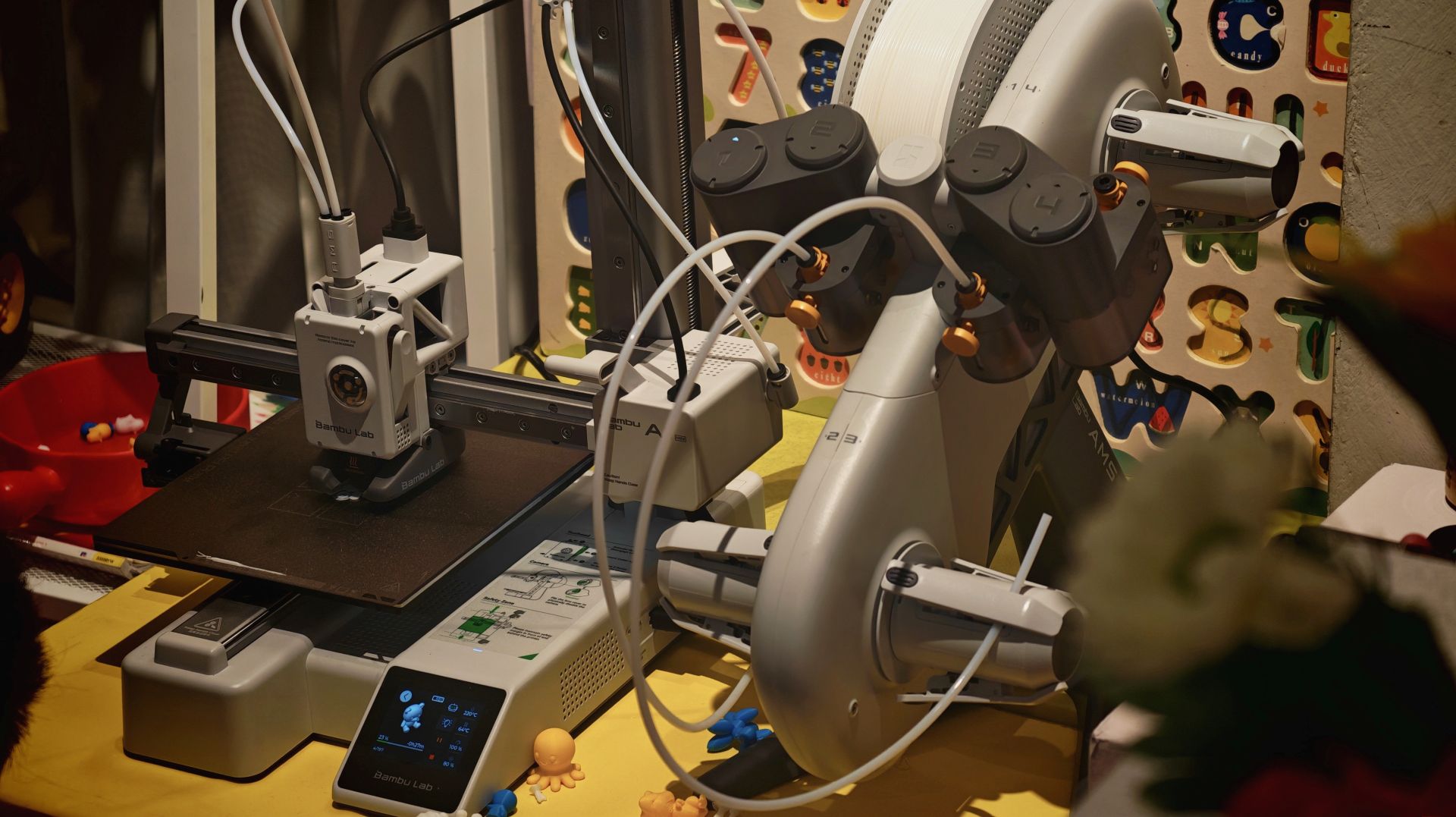
China-based brand Bambu Lab has officially entered the Philippine market in a bid to reshape how consumers perceive and use 3D printing technology.
Established in Shenzhen, China in 2020, Bambu Lab aims to make 3D printing more accessible, practical, and relevant to daily life through printers and other supplies.
The goal is to support practical home use, creative hobbies, product design, and even specialized tools, while putting emphasis on ease of use.
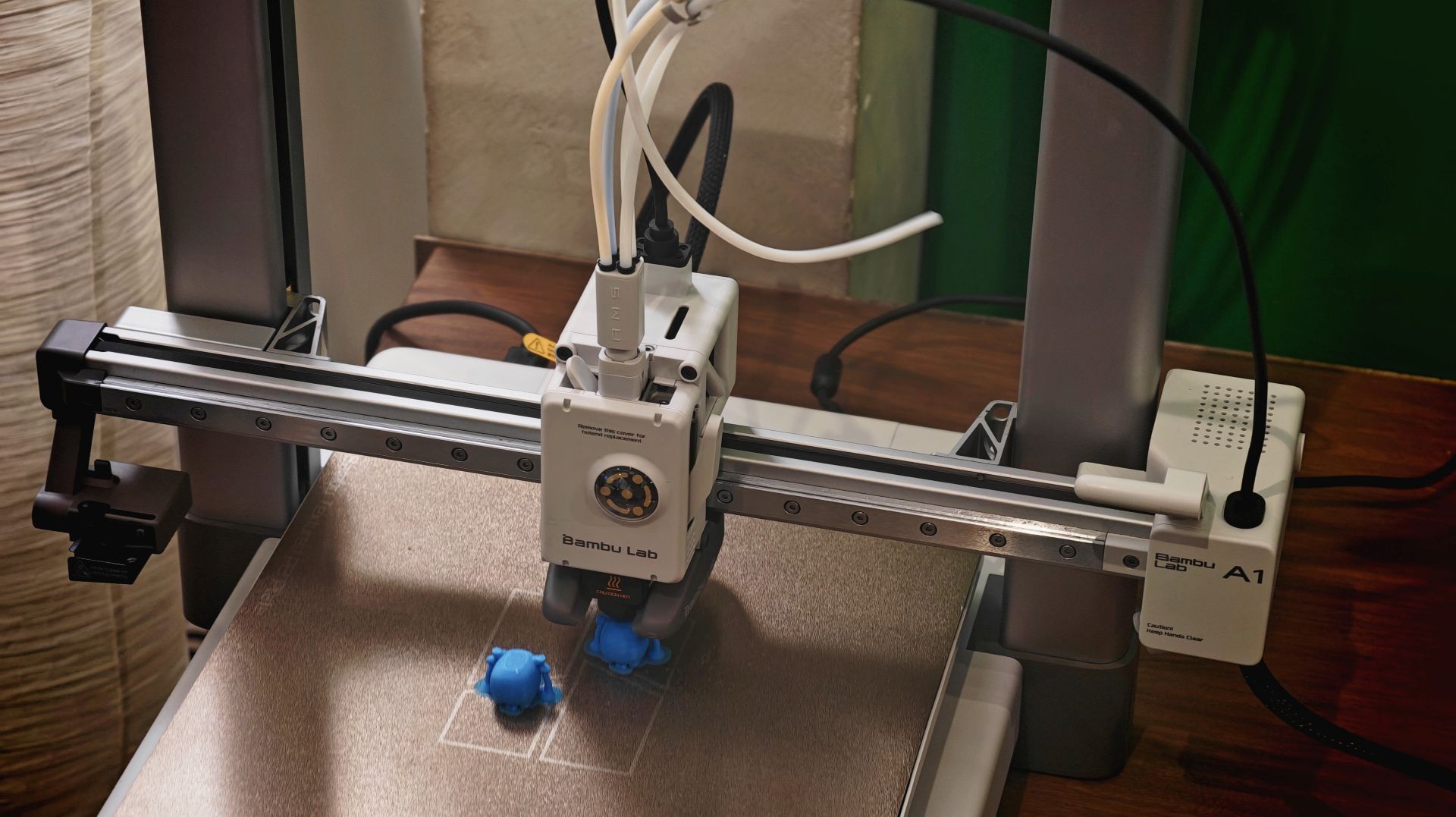
With such optics, Bambu Lab is trying to make consumers feel that there is less deep technical knowledge required and that they can actually create physical objects with 3D printing.
One of their products is the entry-level Bambu Lab A1 mini, which is compact enough to fit on a small desk.
The brand also has more advanced models which are capable of printing multiple colors and materials on a single run.

To complement the hardware ecosystem, Bambu Lab’s open platform MakerWorld lets users browse, select, and print from an extensive library of shared 3D designs directly from their own desktops.
The platform features a wide variety of objects across multiple categories. There’s household items, DIY tools, children’s toys, props, and educational materials.
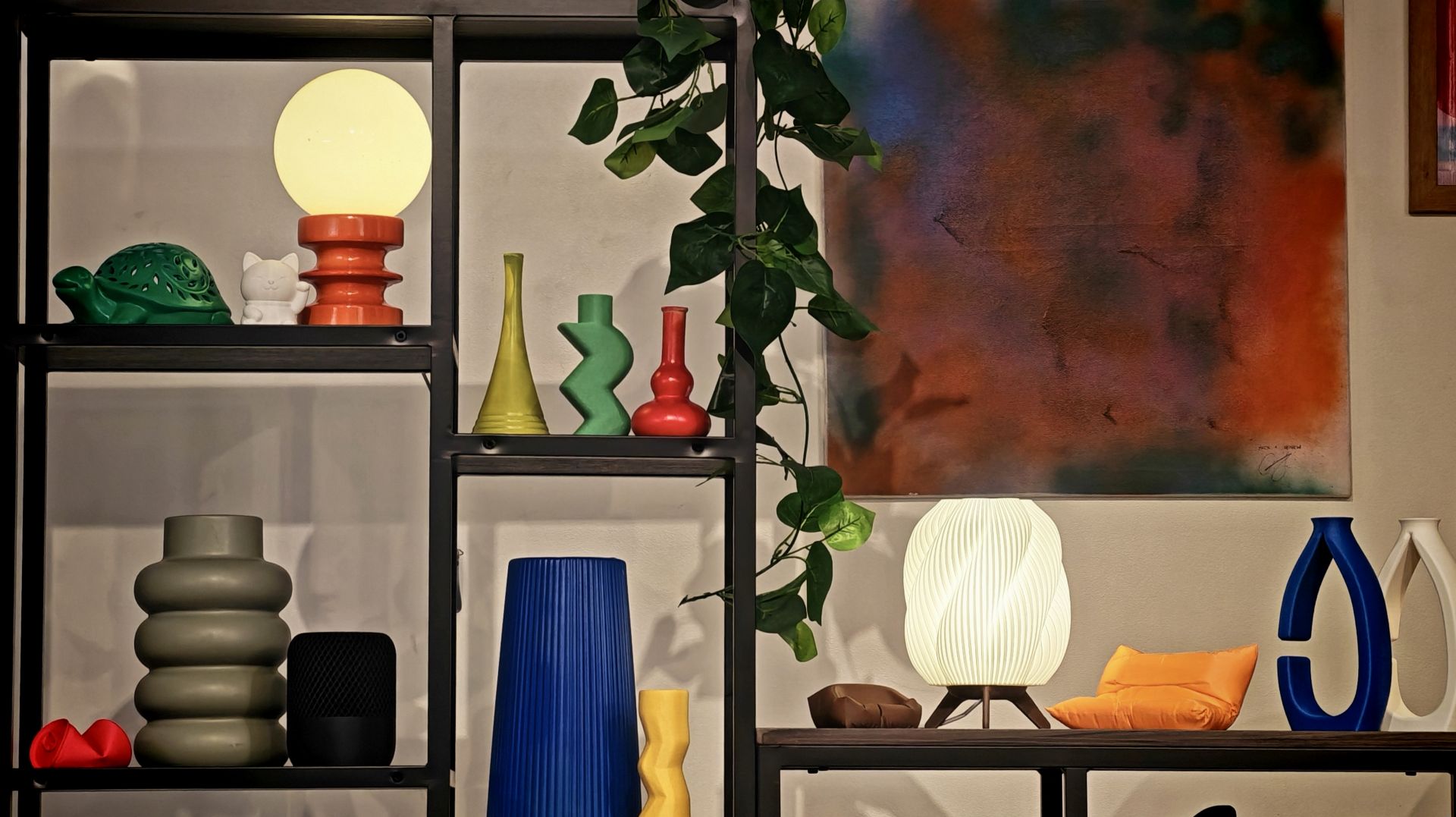
In the Philippines, Bambu Lab will open its first concept store at One Ayala, Makati City. The concept corner will give mallgoers the opportunity to see the range of 3D printers and consumables firsthand.
News
Samsung teases anti-shoulder surfing privacy feature
A “new layer of privacy” coming to Galaxy phones soon

Samsung has teased a “new layer of privacy” to shield users’ phones primarily from shoulder surfing.
Although there haven’t been any specifics yet, this “new layer” could be quite literal, as in an added display technology on Samsung devices.
Samsung says users can customize it to raise their guard with specific apps, or when entering access details for more private areas of their phones.
Moreover, there are multiple settings for adjusting visibility. This way, users can limit what others can see based on the level of privacy protection they need.
They can likewise choose to protect specific parts of the experience, such as notification pop-ups. In a way, it’s a tailored approach that lets users fine-tune or switch off entirely, rather than a blanket one.
It also eliminates the need to go through apps one by one and adjust settings, as in the case of notifications.
Samsung adds that the process took five years of engineering, testing, and refining, hence the careful and deliberate roll-out instead of a sudden one.
This process included studying how individuals use their phones, what they consider private, and how security should feel in everyday life.
The result, Samsung says, is a fusion of hardware and software expertly calibrated to protect users while on their phones.
This latest development is part of a series of Galaxy innovations to keep users safe. Samsung has been introducing topnotch mobile protection with Knox Vault, Knox Matrix, and more features.
News
Samsung Galaxy Z TriFold reveals US$ 2,899 price tag
It’s still cheaper than the Huawei Mate XT.
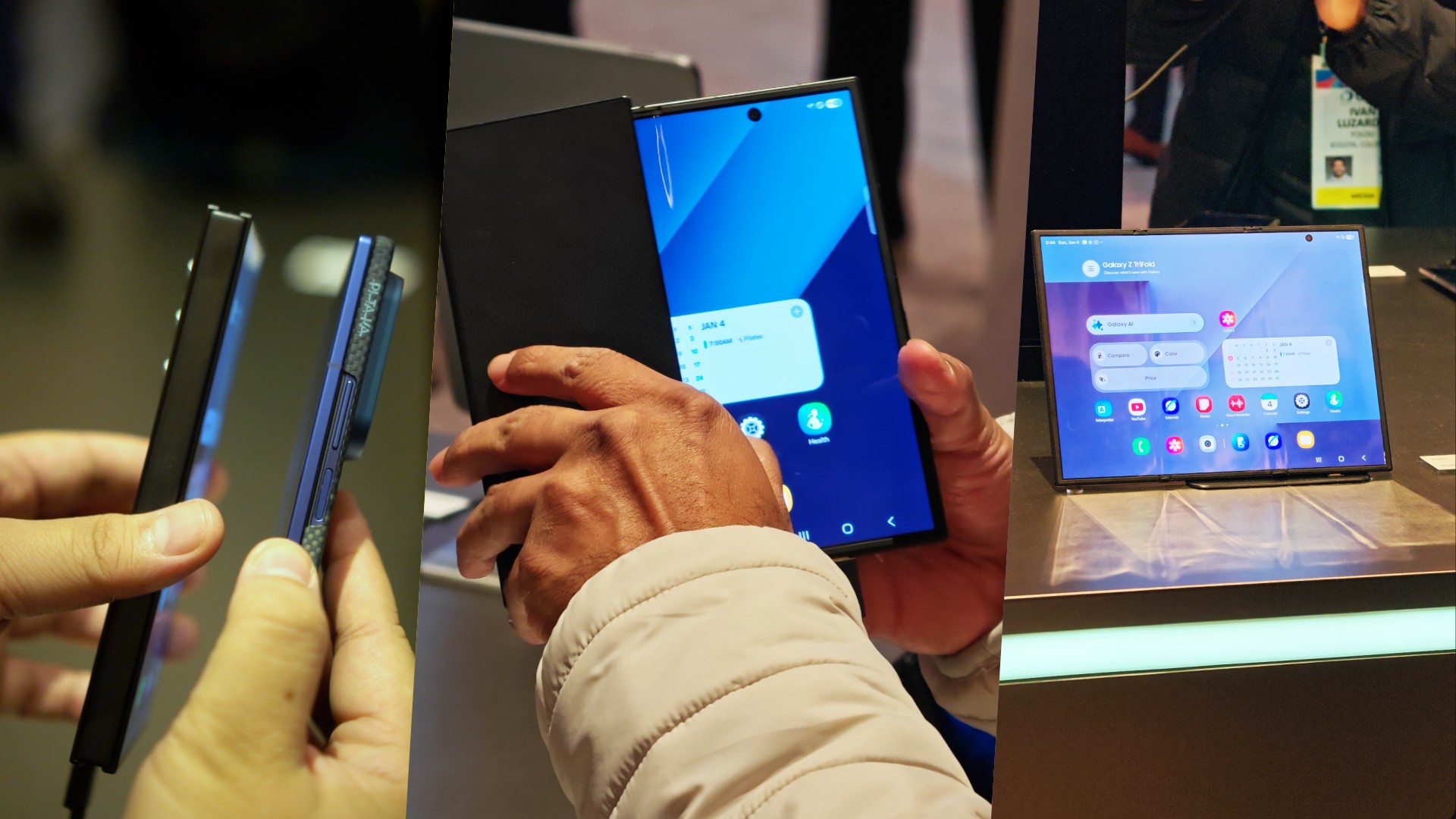
Late last year, Samsung finally revealed the Galaxy Z TriFold, its official entry into the three-paneled market. Even only from its initial announcement, the Galaxy Z TriFold already looks mighty good, more so than its Android-less counterpart from Huawei. But, as with everything, it still depends on the price. How much will Samsung’s trifold phone cost? Now, we have an idea.
Today in the United States, Samsung has announced that the Galaxy Z TriFold will already be available in the country starting this week. From January 30, users can start trying out the phone for themselves in Samsung Experience Stores. They can also grab the device through Samsung.com.
Because the phone is already available, the price tag is out as well. In the United States, the Galaxy Z TriFold will set you back by at least US$ 2,899.
Despite how eye-watering that price is, it’s still a step below the Huawei Mate XT when that launched last year. (For reference, the Android-less Mate XT launched for a miserable EUR 3,499.)
Still, spending almost three thousand dollars on a phone might not be the most appealing decision for a lot of people. This price is also almost a full thousand dollars more than the Galaxy Z Fold7, which starts at US$ 1,999. On the bright side, the Galaxy Z TriFold is taking a big step in “democratizing” the trifold market before it takes over the industry.
If you’re interested in adding this to your cart, the Galaxy Z TriFold has a huge 10-inch screen, a custom Snapdragon 8 Elite chip, 16GB of RAM, and up to 1TB of storage. It also has a 200-megapixel main camera and a 5600mAh battery.
All that in mind, is US$ 2,899 a justifiable price for the Galaxy Z TriFold?


Now playing: Final Fantasy VII Remake INTERGRADE on Switch 2
Final Fantasy VII Remake, handheld again


HONOR X9d 5G review: Tougher, more long-lasting and optimized
Beyond all the marketing, it's a compelling all-around smartphone that actually works well


Redmi Note 15 Pro+ 5G review: The midrange fashion piece
Work-ready and style-friendly!

VinFast updates battery subscription policy for large upfront savings

Xiaomi SU7 Ultra makes Gran Turismo 7 debut

3D printing made accessible: Bambu Lab enters Philippine market

OBSBOT launches AI-powered 4K Tiny 3 series webcams

Soundtrack for the city: HIDDEN.NY x AIAIAI TMA-2 headphones

HONOR X9d 5G launches in the Philippines: Price, preorder, availability

POCO M8 Pro review: Goin’ loco over this POCO

OPPO A6 Pro: Adequate tool, no definitive punch

Infinix NOTE Edge debuts: High-end features for accessible pricing

HONOR Magic8 Pro review: What sorcery is this?


-
 News2 weeks ago
Infinix NOTE Edge debuts: High-end features for accessible pricing
-
Reviews2 weeks ago
Redmi Note 15 Pro+ 5G review: The midrange fashion piece
-
 Features2 weeks ago
Can the REDMI Note 15 Pro+ 5G Survive?
-
Reviews1 week ago
HONOR X9d 5G review: Tougher, more long-lasting and optimized
-

 Gaming2 weeks ago
Civilization VII coming to Apple Arcade this February 5th
-

 Automotive1 week ago
BYD expands PH presence with entry of DENZA luxury EVs
-

 News1 week ago
HONOR slaps the iPhone Air with the all-new Magic8 Pro Air
-

 News1 week ago
Beyond the Box, Digital Walker turn over Tesla Model Y to iPhone 17 raffle winner