
Gaming
ASUS ROG Zephyrus G14 review: A content-creating machine
A gaming laptop that will do more & more things for you

I’m a believer in using a gaming laptop for something other than just getting dubs and raging at the L’s. It’s a huge investment that you’re just going to use strictly for one thing, when there are so many things you can do with it. Plus, it is a laptop, after all so it’s a device you can bring anywhere and show off to anyone.
But the ASUS ROG Zephyrus G14 looks to offer not just that, but so much more. It wants to offer you the all-around package everybody deserves to experience. It wants to give you a product you will gladly bring around, do anything with, and play to your heart’s content.
Well, here’s what you’re getting with it:
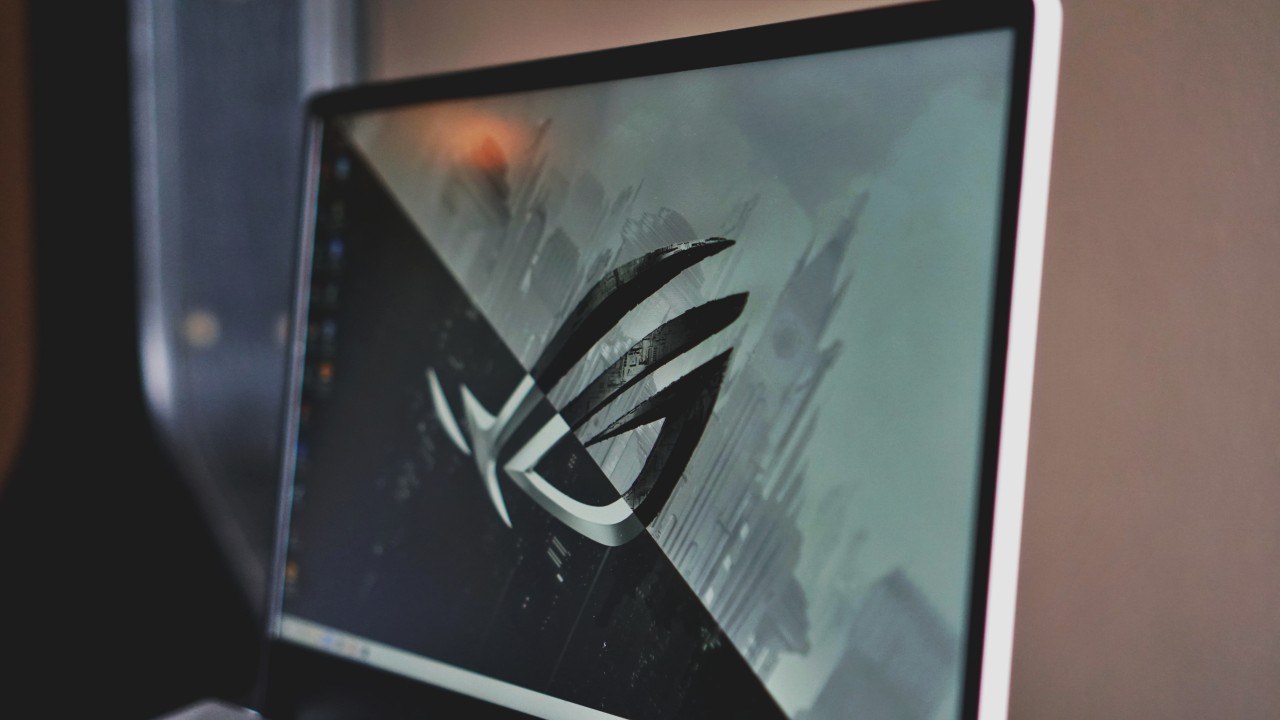
It has a 14-inch FHD IPS display with a 120Hz refresh rate

It comes with an NVIDIA RTX 2060 Max-Q inside

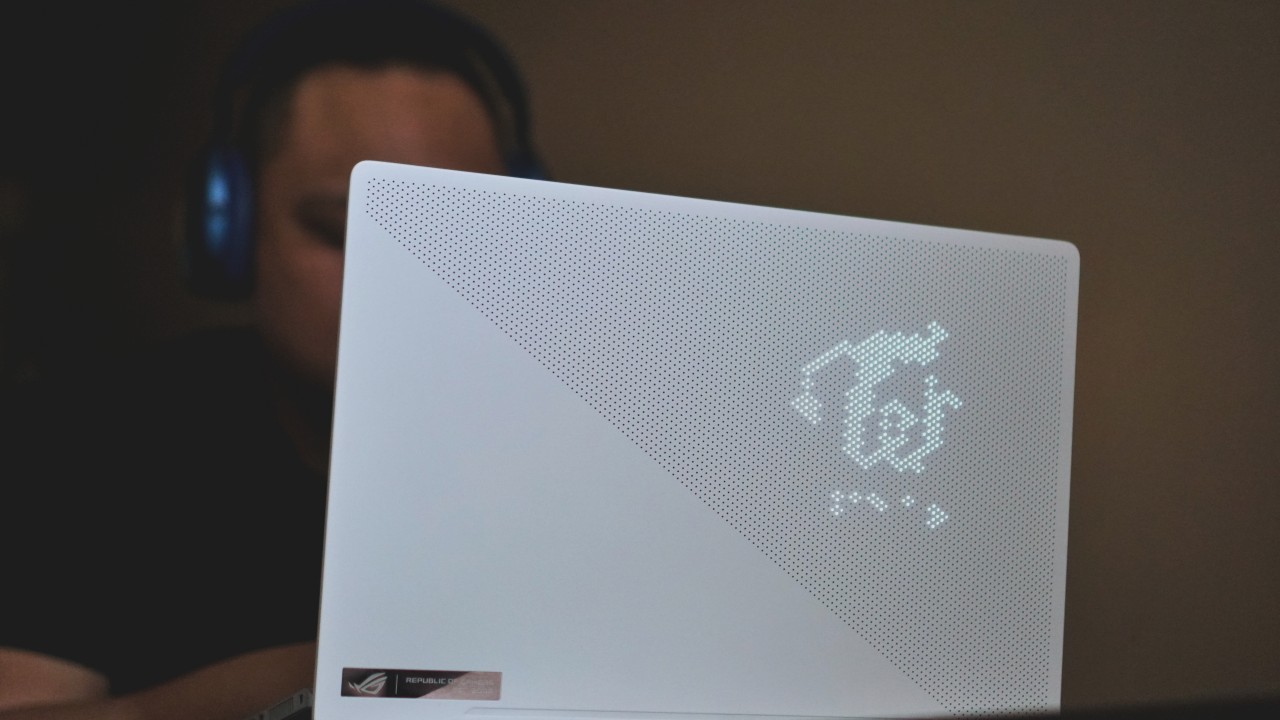
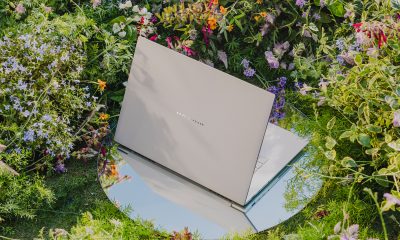
It comes in Midnight White, with the AniMe Matrix
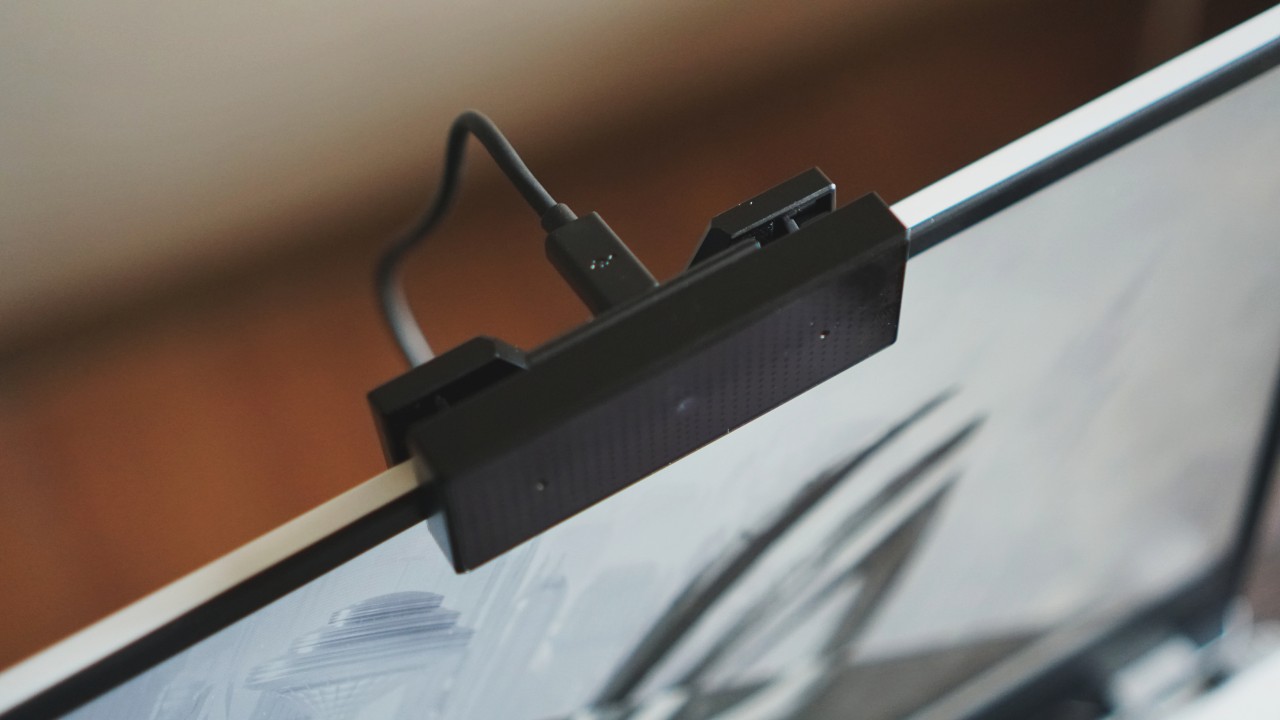
It even comes with the ASUS ROG GC21 Webcam inside
Gaming performance is already a given
Just to get the formalities out of the way: the ASUS ROG Zephyrus G14 is one game-ready device. Majority of the games I threw at it returned decent to excellent frame rates, even for competitive gamers. I honestly couldn’t think of a better way to summarize just how powerful the machine is, given the hardware inside it.
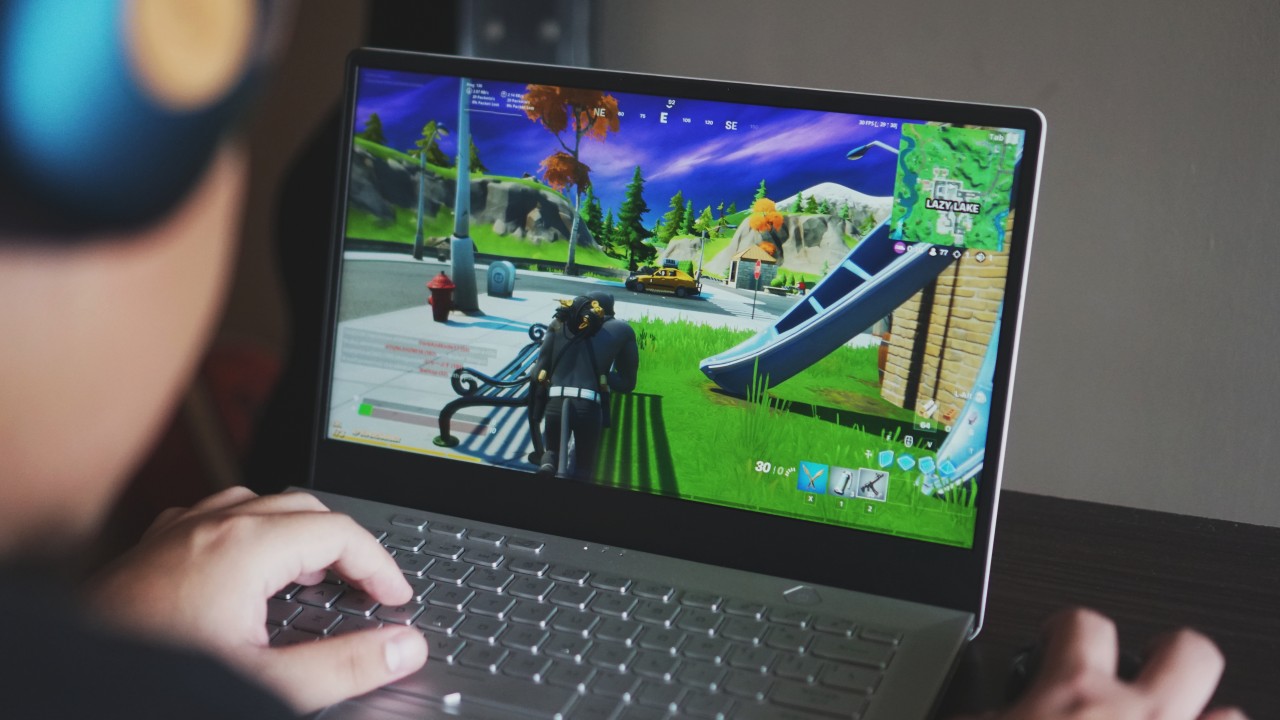
My unit came with an NVIDIA RTX 2060 Max-Q inside, prioritizing a more balanced performance setup. Most competitive shooter games like Fortnite, Apex Legends, and even GTA V produced high frame rates at their best possible settings. Even while on battery & turning off NVIDIA’s Game Ready optimization, these games still performed really well.
|
Game/Title |
Frame Rate (on Best Settings) |
| Fortnite: Battle Royale |
110 FPS |
| Apex Legends |
98 FPS |
| Grand Theft Auto V |
63 FPS |
| Call of Duty: Warzone |
32 FPS |
| Valorant |
126 FPS |
Battery management is also superb when gaming full-time because of the Max-Q design. When gaming full-time, I managed to sneak in six and a half hours before reaching for the charger. To me, that’s honestly good enough since most gaming laptops don’t last particularly long.
Your ideal workhorse machine
Unlike what was unveiled back in CES 2020, my unit came with the new AMD Ryzen 9 4900HS processor inside. Performance-wise, it ideally matches (or to some degree trumps) most high-end Intel chips while consuming less power. This, along with 16GB of RAM makes this a powerful laptop for work situations.

When you’re not gaming full time, this laptop is great for almost anything you throw at it. Normal tasks like browsing the web or having a Netflix party is made absolutely easy with the ROG Zephyrus G14. Even powerful and heavy data analytics works really well with this machine.
Hitting the nail for content creators
But where I feel this device truly shines is how it caters to its other popular use: content creation. Photo and video editing on this device was a blast thanks to its display and hardware inside. The 14-inch IPS, Pantone Validated display produced vibrant and accurate colors, which is great for achieving the best details as possible.

Video editing and rendering times were pretty solid for the device. I know that most people appreciate the 120Hz refresh rate for gaming purposes, but I’m sure video editors will give this a lot of love, too. The high refresh rate allows you to edit more accurately, leaving no detail behind. Rendering and exporting 1080p clips at 60 FPS, using Premiere Pro and Davinci Resolve , was a breeze. On average, I got about 10-12 minutes rendering a 15-minute compilation of gameplay with a ton of animations, sound bites, and facecam on.

As for streaming content, it’s not just the laptop that makes it ideal; it’s the entire package. My unit also came with the ROG GC21 Webcam, which honestly has great image quality as long as you’re in a well-lit room. Streaming gameplay at 720p, 60 FPS turned out pretty great and the device didn’t lag even for a second.
Interestingly strong battery life for a gaming laptop
I touched on this earlier but overall, the device’s battery life is pretty solid. On regular use, I got about 10 hours worth of juice out of this thing. Most gaming laptops, when used normally, don’t reach that far without going for the charger. I guess that AMD chip and Max-Q GPU proved to be the best of both worlds.
The thing is: the battery doesn’t discharge as fast as I’ve experienced with other gaming laptops. While it’s thermal setup leaves much to be desired with cooling the machine, I noticed that I was still at 50% after an hour of intense gameplay. I even checked NVIDIA’s Game Ready if I turned it to optimize performance while on battery, and I still had enough juice.
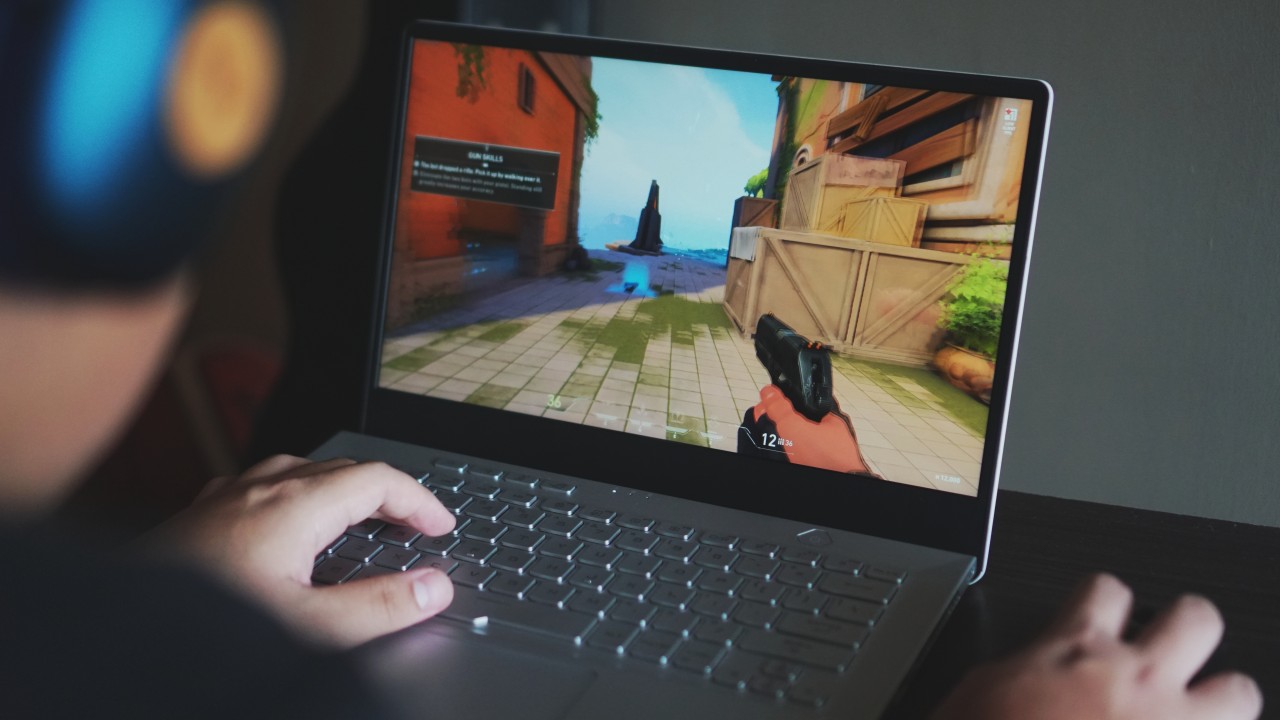
Charging the laptop didn’t take too long either, as I achieved a full charge in under two and a half hours. It even went from 0% to 60% in about 40 minutes, so that can already get you going, if you like. The device also comes with support for USB-C Power Delivery, which charges it a little longer.
My take on the inclusion of the AniMe Matrix
One of ASUS ROG’s most talked about additions to the Zephyrus G14 is the AniMe Matrix on the lid — and, rightfully so. The 1,215 mini-LED lights on the lid allow for more creativity on your end since you can display your own logo on it. And, in the dark, it’s actually pretty dope.
It’s even easy to set up since you can do it on ASUS’ Armoury Crate software. You can choose whether you want an image or scrolling text. Also, you can reposition it however you want for extra visibility. Although, you might want to use logos without a transparent background if you’re going for that.
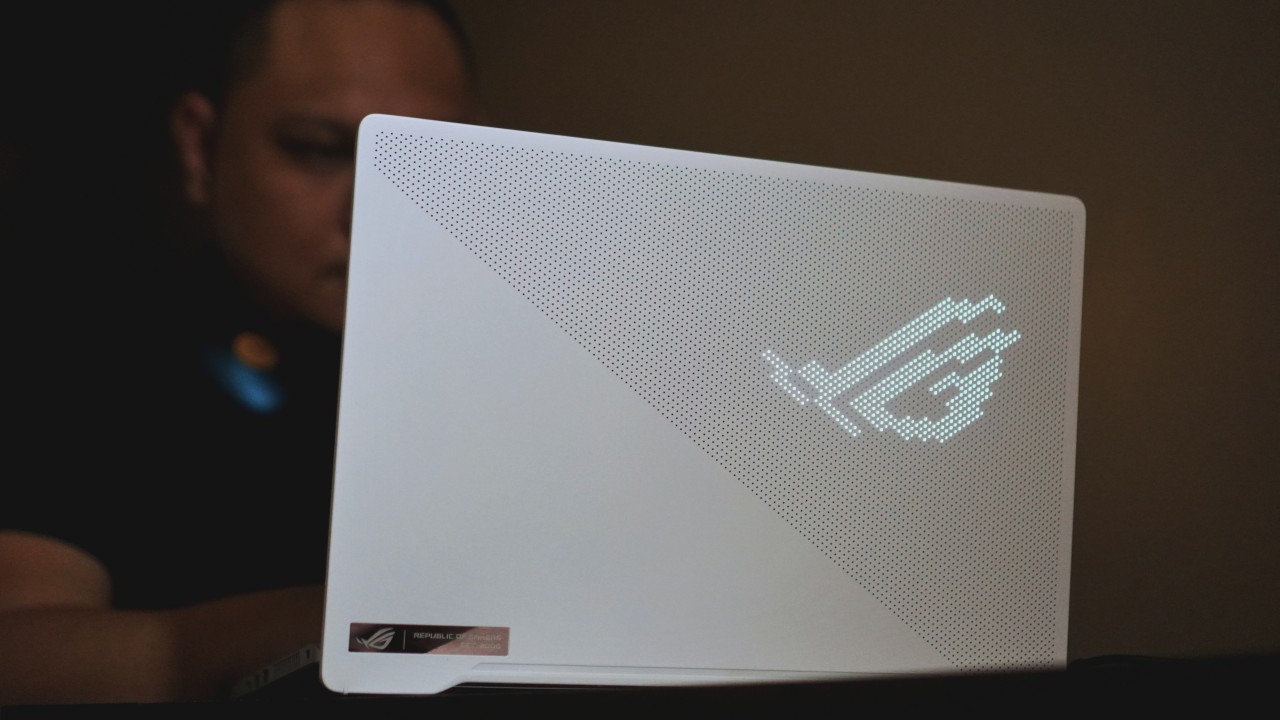
My only real criticism for it is what potential reason people will consistently use it. I say that because ASUS’ Armoury Crate was pretty explicit about how it significantly drains your battery. It’s good that you get to show off your fancy gaming machine, but think about your battery situation first.
Is this your GadgetMatch?
Starting at PhP 74,995, the ASUS ROG Zephyrus G14 is, simply put, the content-creating machine it was meant to be. ASUS was not afraid to go beyond the confines of a gaming laptop, and turned this into something more. It’s an excellent gaming laptop, and an even greater machine for everything else.
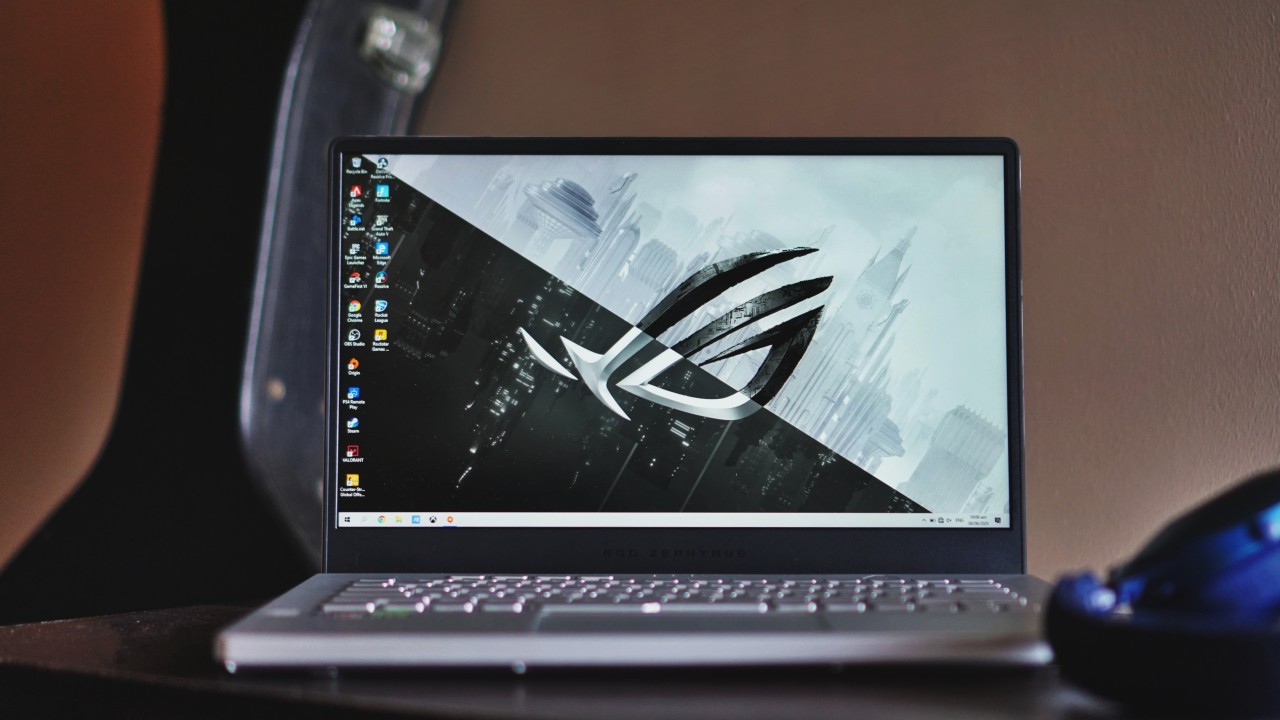
The unit I received costs PhP 109,995, and honestly it’s an investment worth having. The entire package itself was well thought of, all the way to the peripherals. Although, you only get all of them when you purchase this unit or the PhP 99,995 one that has an NVIDIA GTX 1660Ti inside.
Nonetheless, this is a machine that just gave me more & more reasons to believe that you can do anything with a gaming laptop. If you have more & more money to spend while still in quarantine, I highly recommend getting this as your go-to machine.





Gaming
The hunt begins: The Witcher in Concert hits Manila with surprises in tow
The Continent comes alive

If you’ve ever heard a haunting chant echo through a battlefield or felt the weight of a choice that isn’t as simple as good or evil, then you already know—the Path has a way of calling you back.
And if you haven’t stepped into that world just yet, consider this your invitation.
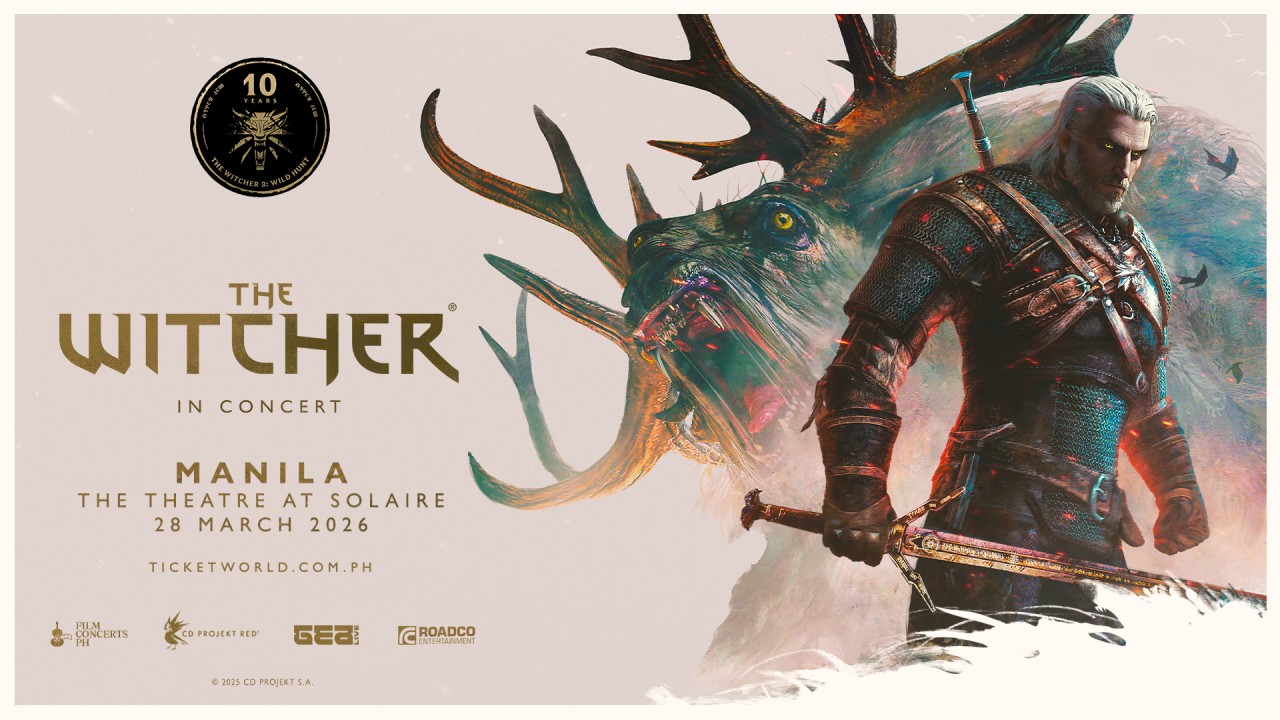
With less than two weeks to go, The Witcher in Concert is set to take over Manila for a one-night-only performance. It’s happening on March 28, 2026 at The Theatre at Solaire—bringing with it not just the music of a beloved RPG, but a full-on return to the Continent.
Celebrating the 10th anniversary of The Witcher 3: Wild Hunt, the concert transforms one of gaming’s most iconic soundtracks into a live experience. Expect performances from selected musicians of the Filharmonika Orchestra alongside Percival Schuttenbach—the Polish folk-metal band whose distinct sound helped define the game’s identity. Paired with in-game visuals, it’s a show designed to feel both nostalgic and entirely new.
As the night draws closer, here are three things fans can look forward to:
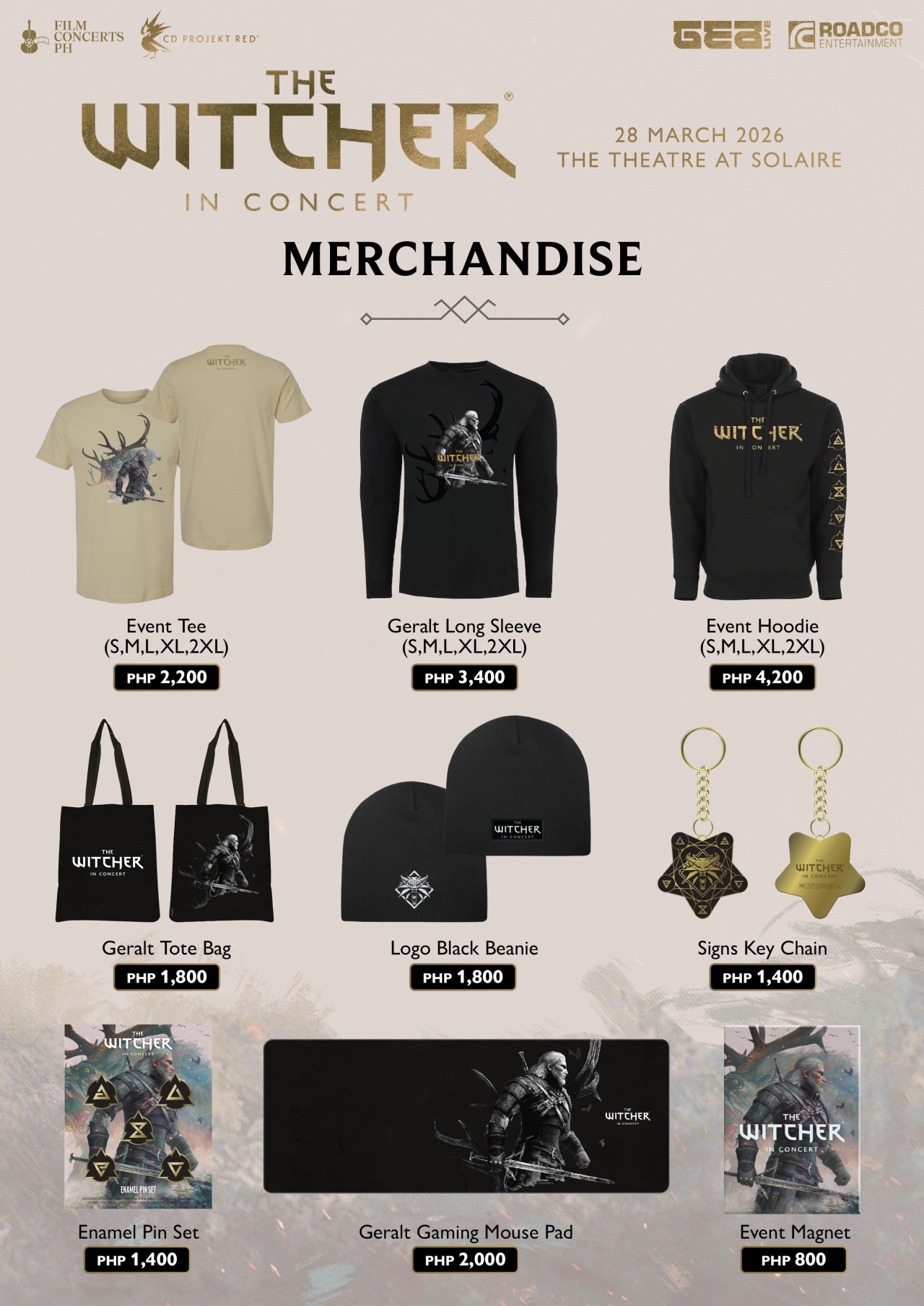
Relics from the Continent: official merchandise
For those who want to take a piece of the experience home, exclusive event merchandise will be available in limited quantities.
This includes the following:
- Event Tee (PhP2,200)
- Geralt Long Sleeve (PhP3,400)
- Event Hoodie (PhP4,200)
- Beanie (PhP1,800)
- Tote bag (PhP1,800)
- Key chain (PhP1,400)
- Enamel pin set (PhP1,400)
- Event magnet (PhP800)
- Geralt gaming mouse pad (PhP2,000)
It’s the kind of loot drop fans won’t want to miss.
The path to Solaire: getting there made easier
Getting to the venue is part of the journey—and this time, it’s a little easier. Attendees can use the Grab code FCPH2026 to get 20% off rides (up to PhP75). With the condition of a minimum fare of PhP250. The promo is valid for two rides per user and applies to trips to and from Solaire Entertainment City.
A rare encounter: meet Percival Schuttenbach
For a handful of lucky fans, the experience goes beyond the stage. Ten winners will get the chance to meet Percival Schuttenbach and receive an autographed CD.
To join, ticket holders need to share any official The Witcher in Concert post on their Instagram Story. They need to write what they’re most excited to hear live and tag @filmconcerts.ph. They need to submit their entry before March 24, 2026 at 5:00 PM. Winners will be announced on March 25.
Answer the call
As the Continent arrives in Manila, fans are encouraged to lean all the way in—whether that means coming in cosplay as a monster hunter, mage, bard, or something far more dangerous.
Tickets are available via TicketWorld and participating outlets nationwide.
The Path is open. The question is—will you answer the call?
Gaming
Monopoly: Star Wars Heroes vs. Villains launching on June 11
Introducing a team-based, cinematic twist to the classic board game
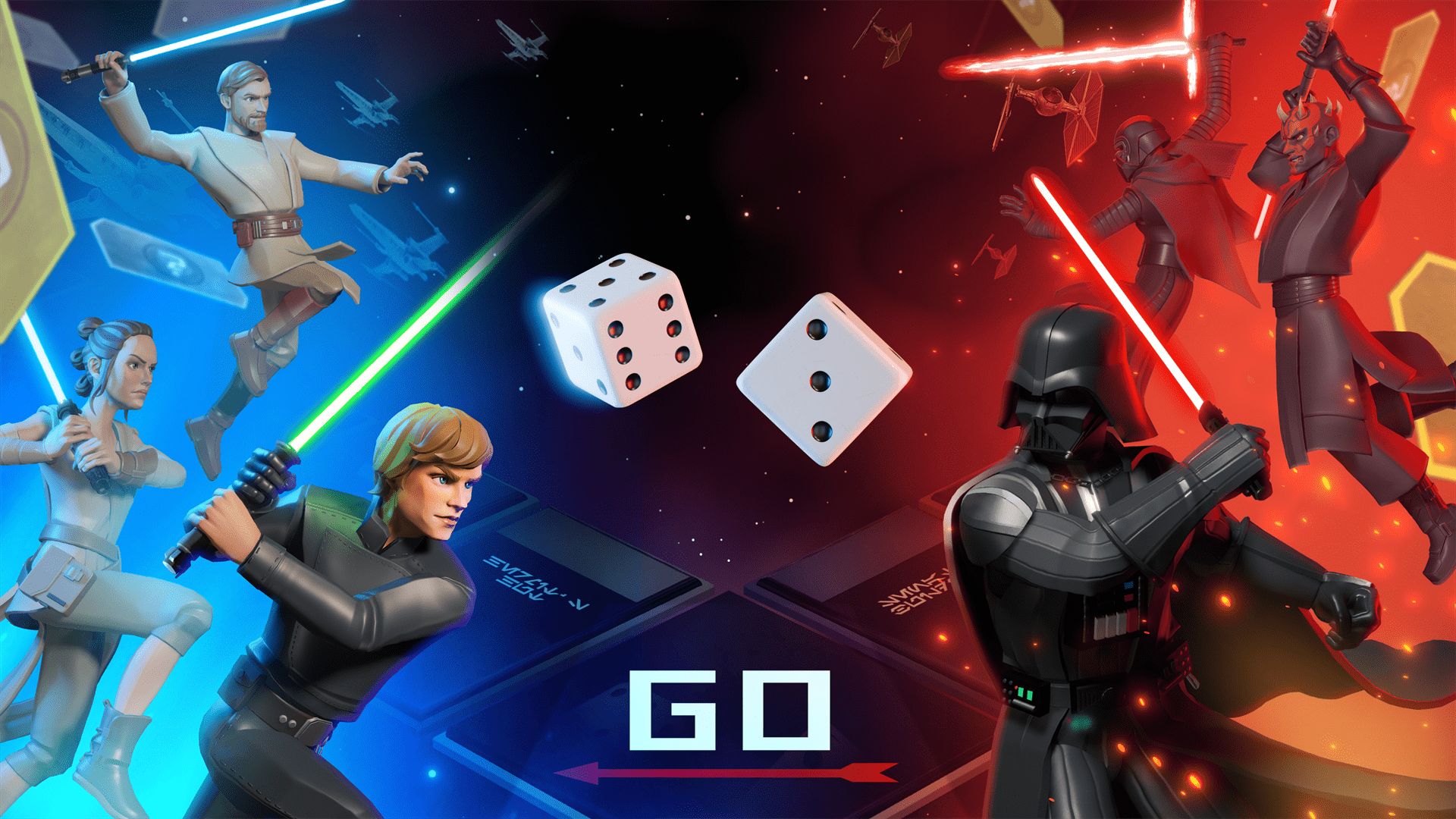
Monopoly: Star Wars Heroes vs. Villains will launch on June 11, Ubisoft has announced. It will debut on PlayStation 5, Xbox Series X|S, Nintendo Switch 1 and 2, GeForce Now, and PC through Steam, Epic Games, and the Ubisoft Store.
The Behavior Interactive title introduces a team-based combat twist to the traditional real estate board game. It includes competitive 2v2 and 3v3 modes, available online and through couch co-op.
This transforms the classic Monopoly gameplay into an action-packed, strategic showdown where teamwork and hero combinations matter.
Every turn carries high stakes as properties change hands in an instant. Dynamic GO events also introduce game-altering twists.
The full reveal will be on April 29.
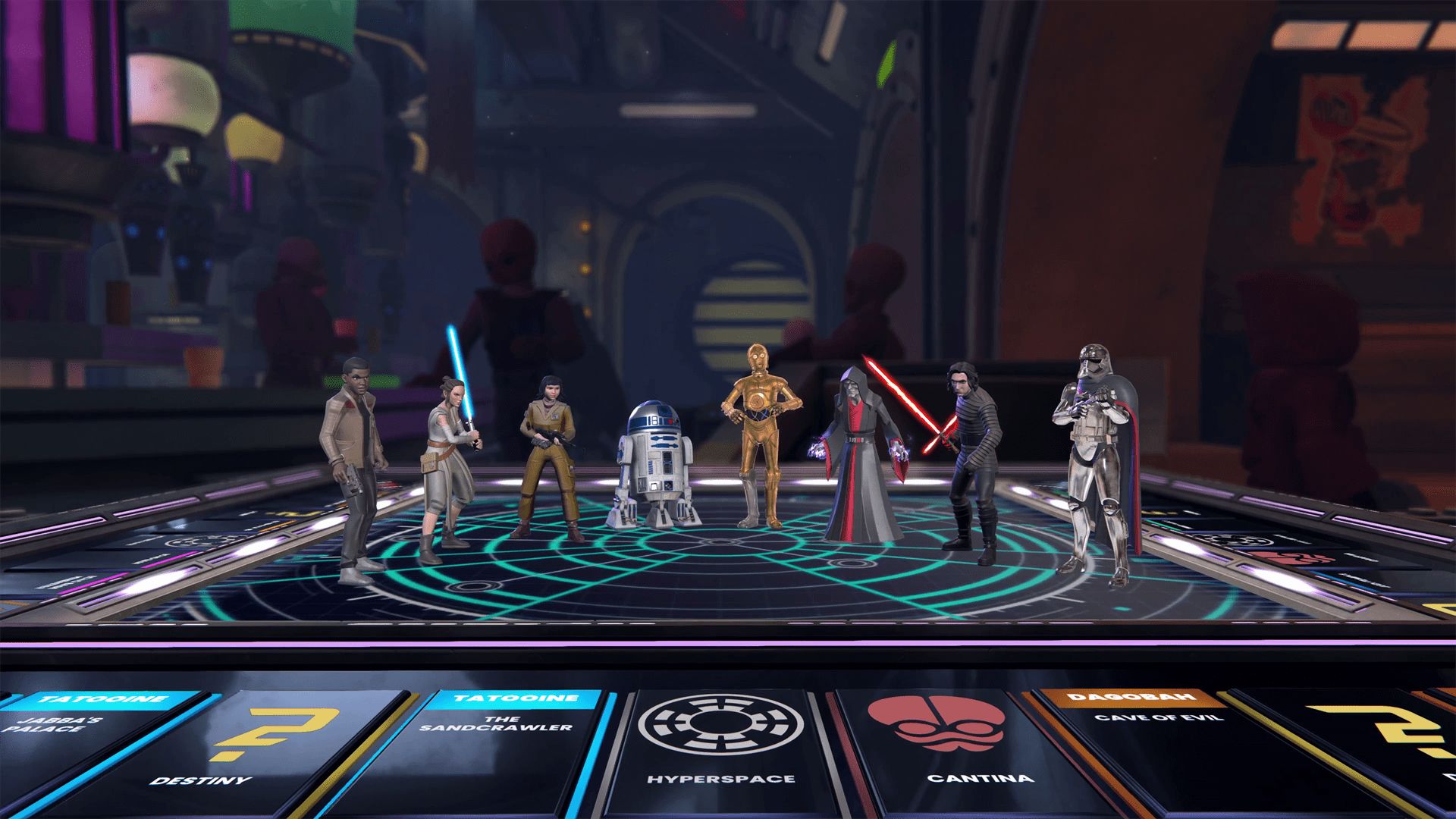
Monopoly: Star Wars Heroes vs. Villains transports players into the Star Wars galaxy with a custom Monopoly board, packed with iconic locations from across the saga.
The gameplay is reimagined with thrilling cinematic moments, themed spaces, and dynamic elements. These make up for a refreshed experience from start to finish.
Players can choose from a wide roster of Star Wars heroes and villains. There’s plenty of options, from Luke Skywalker and Princess Leia to Darth Vader and Darth Maul.
Each character brings unique abilities to shape the team’s strategy and affect the match’s complexion with every roll of the dice.
Gaming
Switch 2 now lets you play old games in 1080p
It tricks old games into thinking that the console is docked.

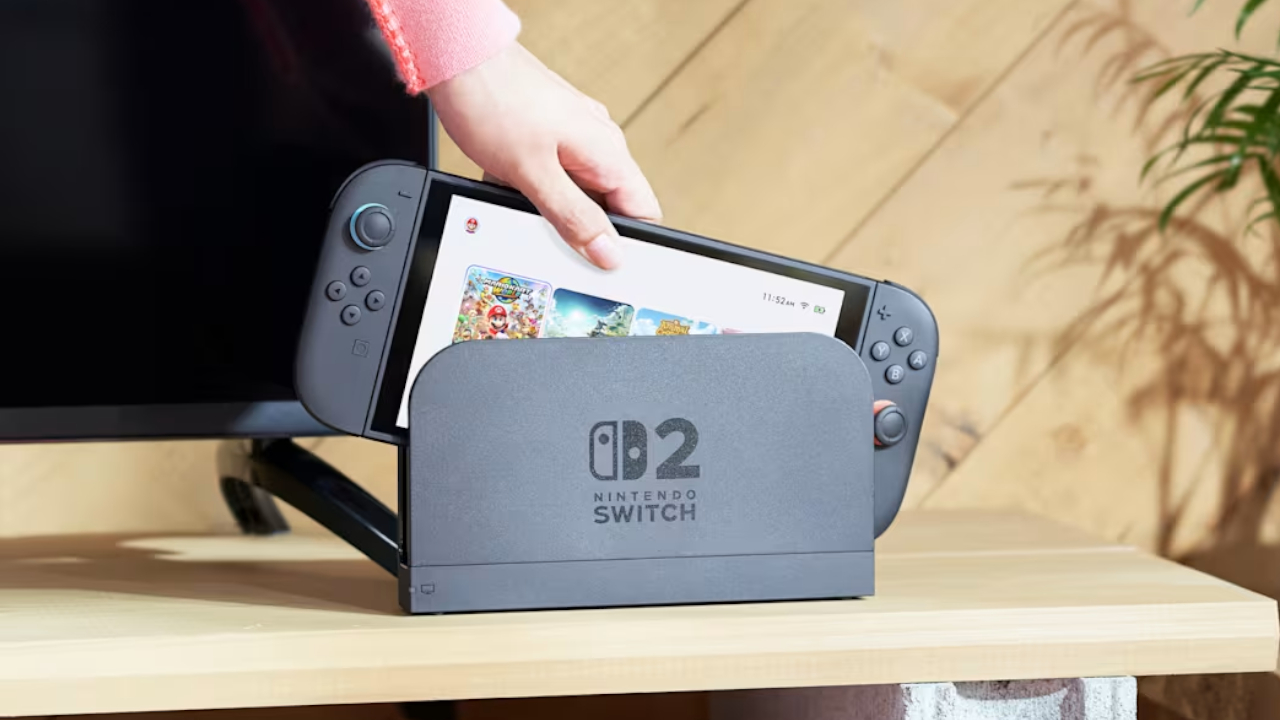
The Switch 2’s popularity is astonishing, to say the least. Just recently, a single game, Pokémon Pokopia, was responsible for taking the free times of over two million players on the Switch 2. Now, Nintendo has released a new feature which should make the console much more playable, especially for those who already had the original Switch.
Today, the Switch 2 received the 22.0.0 system update. Though the update is mostly a variety of smaller updates, one feature, called the Handheld Mode Boost, stands out among the rest. As per the patch notes, “Handheld Mode Boost will cause compatible Nintendo Switch software to run as if the console is being played in TV mode.” Put simply, the feature will unlock 1080p resolution for older games.
For gamers who had the original Switch, game resolution was a huge problem. The first console lived on a 720p screen, so the early games supported only lower resolutions. The only exception is when the console was docked, which allows 1080p resolution.
Now, the Switch 2 supports backwards compatibility. Players can access their older Switch games on the new console. The catch, however, is that these games are still stuck in 720p. Some titles, at least, have released an update to increase resolution on the new console.
Handheld Mode Boost tricks the console into thinking that it’s hooked up to the dock. In effect, the game will play in 1080p. The catch, however, is that it also thinks that the Joy-Cons are a single Pro controller, so players might lose some game features. It’s still a decent price to pay, though.
In other news, the update has also updated the naming of the “Hong Kong/Taiwan/South Korea” to “Hong Kong/Taiwan/South Korea/Southeast Asia,” potentially hinting that Southeast Asia might finally get an online store.
SEE ALSO: Now Playing: Yakuza 0 on Switch 2




Hermès launches a $5,000 MagSafe charger

REDMI Note 15 Series named Presenting Partner for Spartan Race Philippines 2026 season

Stylish, student-friendly HONOR X8d launches

The HONOR X8d is serviceable

Why the OPPO Reno15 5G series is a creator’s essential


-

 Reviews2 weeks ago
The Xiaomi 17 shoots Leica dream
-

 Reviews4 days ago
POCO X8 Pro Max review: A new beast from the far east
-

 News4 days ago
POCO X8 Pro Series: Price, availability in the Philippines
-

 Laptops1 week ago
Apple MacBook Neo Review
-

 Computers2 weeks ago
GIGABYTE collaborates with Capcom for RE Requiem custom PC
-

 Apps1 week ago
Google Maps is finally getting a 3D mode
-

 Entertainment1 week ago
The internet is thirsting over the One Piece Season 2 cast
-
 News2 weeks ago
Globe postpaid opens pre-orders for Samsung Galaxy S26 series