
Laptops
The ASUS Vivobook S16 is a great no-frills work laptop
A jack-of-all-trades with a beefy battery

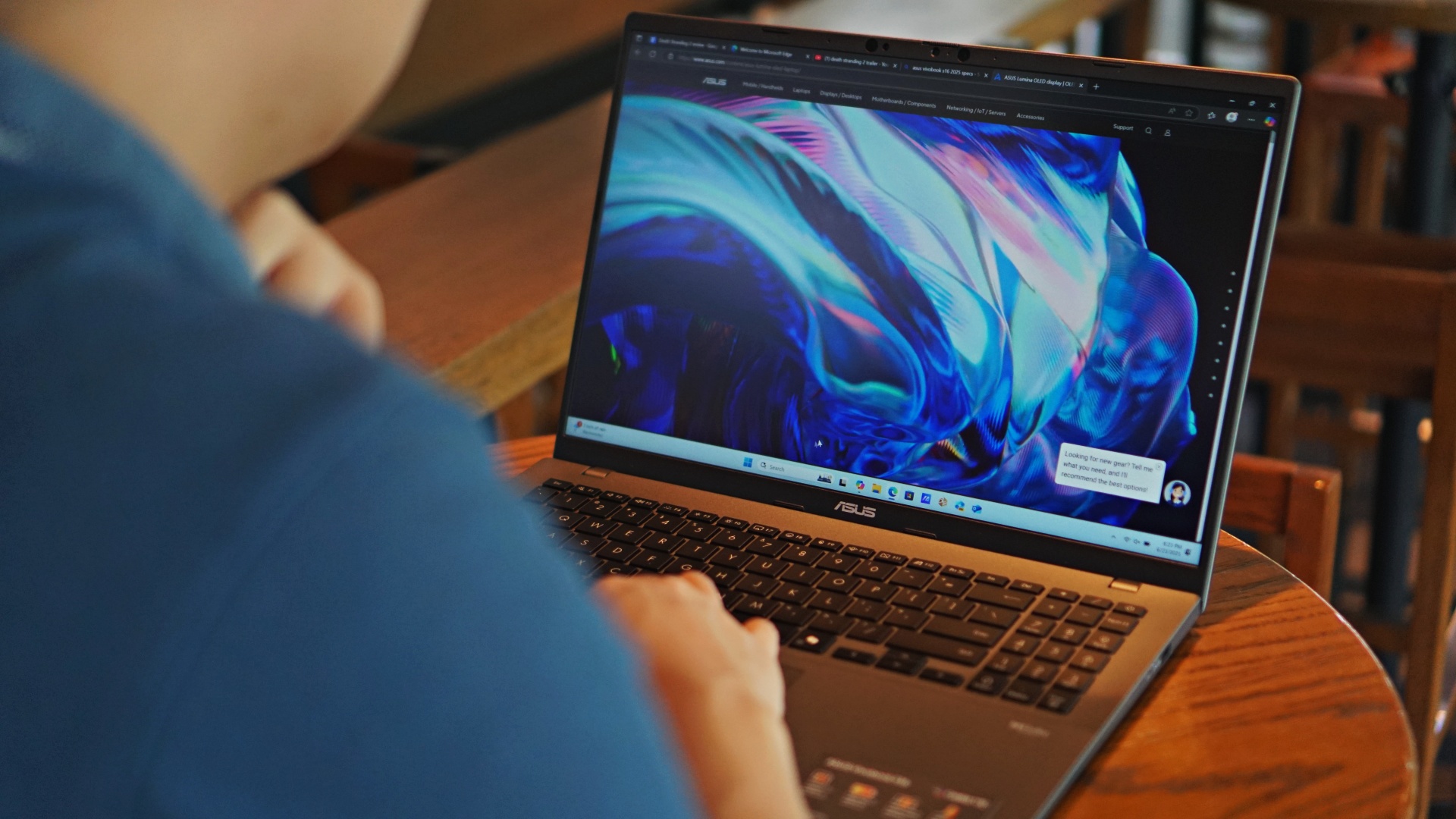
Shopping for anything with a chipset these days is a nightmare. With so many different hardware configurations, the wide variety of options can counterintuitively prevent users from making a definitive choice as to what they want. Sometimes, a new product’s selling point is so minute that it becomes a jack-of-all-trades without meaning to. But, as we’ll see with the new ASUS Vivobook S16, being a jack-of-all-trades isn’t really a bad thing.
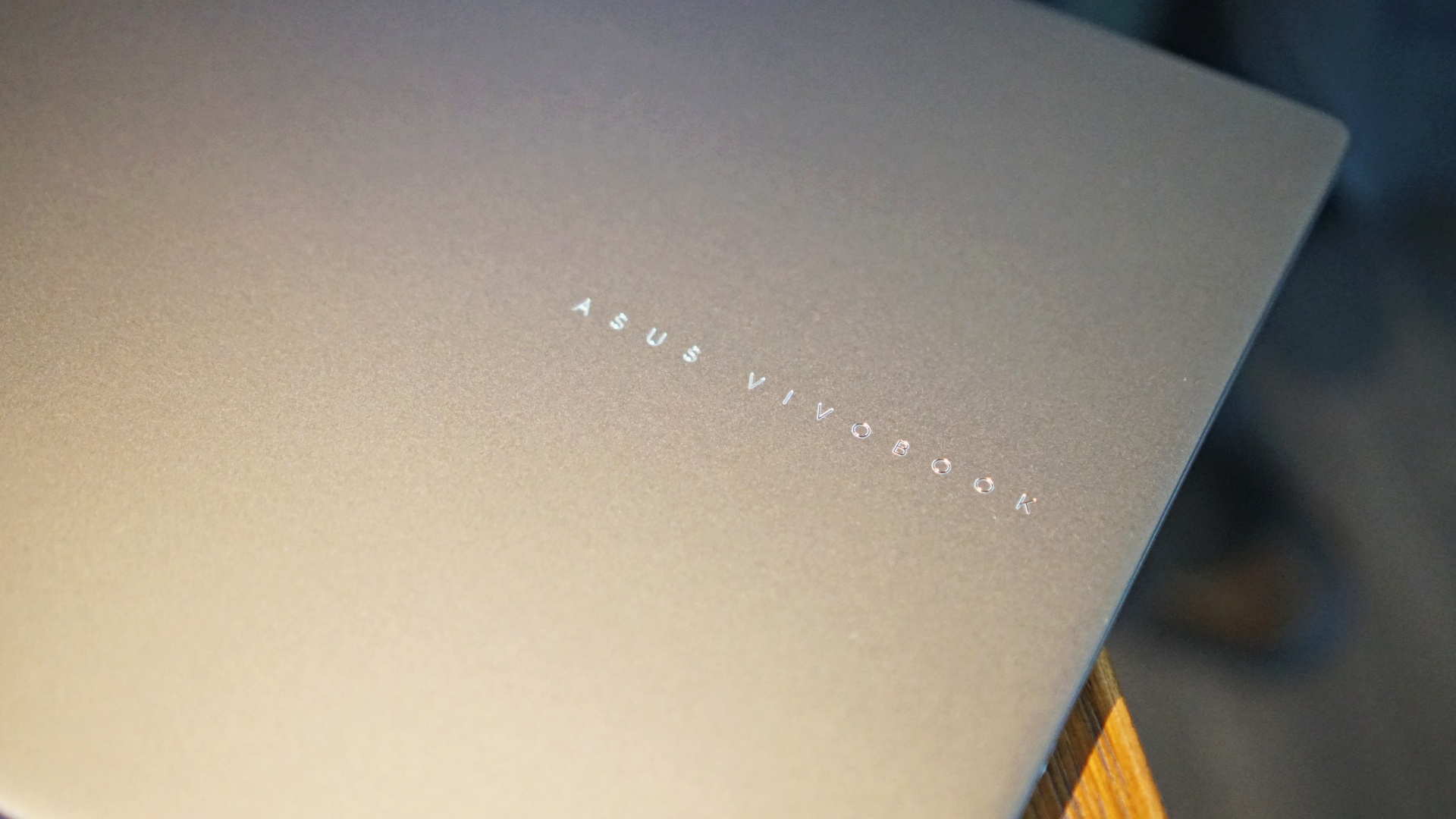
There’s no need to stand out
The Vivobook S16 follows the same design philosophy of ASUS’s other Vivobooks. You’re getting a fairly minimalist device with no frills. Besides the elegant “ASUS VIVOBOOK” logo on the laptop’s main panel, there’s nothing that really makes it stand out, which, if you’re using this for work, is actually an advantage. It just works.
Inside, the notebook comes with a large screen that maximizes its real estate, relative to the fairly thin top and bottom bezels. It also comes with a satisfying chiclet keyboard and numpad.
As a highlight, it has a larger touchpad with ASUS’s gallery of gesture controls. I have small hands, so the bigger surface area wasn’t an issue. It might lead to accidental swipes and clicks for those with larger hands or arms, though.
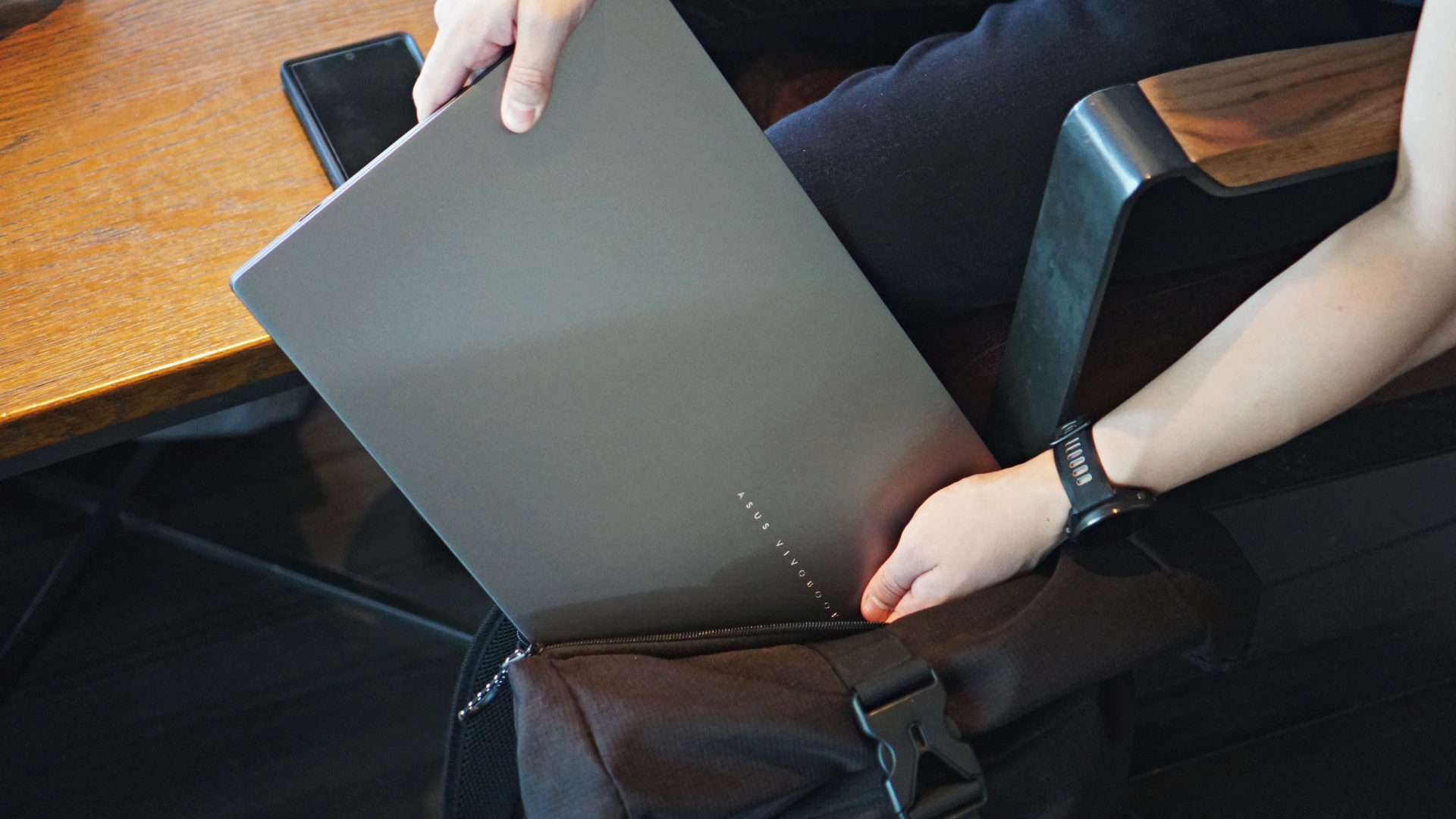
Weighing only 1.70 kilograms, the Vivobook S16 is light enough to carry around inside a backpack for a whole day. Honestly, I thought it could be lighter, especially with a smaller chipset like the Snapdragon X, but it’s not a bad weight for an everyday laptop.

A large screen but lacks an OLED option
As the name on the tin says, the Vivobook S16 has a large 16-inch screen. The sizable screen offers a lot of space for work. However, it does come in the new 16:10 WUXGA ratio, typical of external monitors. If you’re used to the older 16:9 widescreen notebooks, the additional vertical space might be jarring. Prepare for a lot of letterboxing when you watch movies on this thing.
That said, the image quality is decent enough for a quick watch in between meetings. The IPS display works well even in brightly lit environments, so working outdoors shouldn’t be a problem. Color reproduction is good enough, but it lacks the polish you’ll get from an OLED screen. Of course, the IPS display is a good compromise between offering decent quality and a more affordable price. I’d take it.

AI bolsters performance enough for everyday life
The biggest selling point of the new Vivobook S16 is the Snapdragon X chipset underneath. It’s not the first time that a Snapdragon processor made its way to an ASUS notebook. However, the chipset is definitely worth noting for potential buyers.
For the unfamiliar, Snapdragon historically makes chipset for smartphones. They only started branching out to notebooks recently. The brand’s notebook chipsets are capable, though. Though lightweight, the power can carry you through a day.
Each day, I usually have dozens and dozens of tabs running simultaneously, while running a variety of other apps like Microsoft Word and Photoshop. I didn’t experience tangible slowdowns juggling all these tasks, thanks to the NPU included inside. At most, the laptop’s fan roared to noticeable levels when under full loads.
The Vivobook S16 is a handy little tool for day-to-day activities. It was especially useful while I was out and about. I can leave my beefier gaming notebook at home and give my aching back a break.
Now, that said, this isn’t a notebook you can readily use for gaming. If you force it, you can squeeze in lighter games like Balatro or medium-sized ones like League (but at lower settings). However, give this a pass if you’re looking for a machine that can handle modern games.
A beefy battery
The Vivobook S16 comes with a huge 70Whr battery. A single full charge can supposedly last 32 hours.
Honestly, this is an optimistic estimate. A single full-length movie already drains around 20 percent of the battery. Thirty-two hours is a stretch.
Even if this is an optimistic number, taking only 20 percent of battery with a movie is pretty impressive. Meanwhile, a full eight- to nine-hour workday — without a video on repeat — takes only around 60 percent of the battery. Like the movie test, draining the battery by only a little over half the capacity in a single workday is a good showing.
For what the notebook lacks in robust hardware, it more than makes up for the deficiency with its highly durable battery.

Is the Vivobook S16 your GadgetMatch?
The ASUS Vivobook S16 is a jack-of-all-trades. Though it’s not great at one single thing, all the things that it is good at make this a laudable laptop in its own right. Plus, it’s not without its frills. The ginormous battery makes this a worthy purchase.
Swipe right if you want a capable workplace laptop without the bells and whistles of owning a “gaming beast” or an “ultra-thin marvel”. If you’re looking for a notebook for work or for school, this is something you’ll want to check out.
The Vivobook S16 costs PhP65,995. It’s a hefty purchase, for sure, but it’s an investment worth making.





Laptops
Alienware celebrates 30th anniversary with new Area-51 laptops
The series features Alienware 30, an all-new design language.
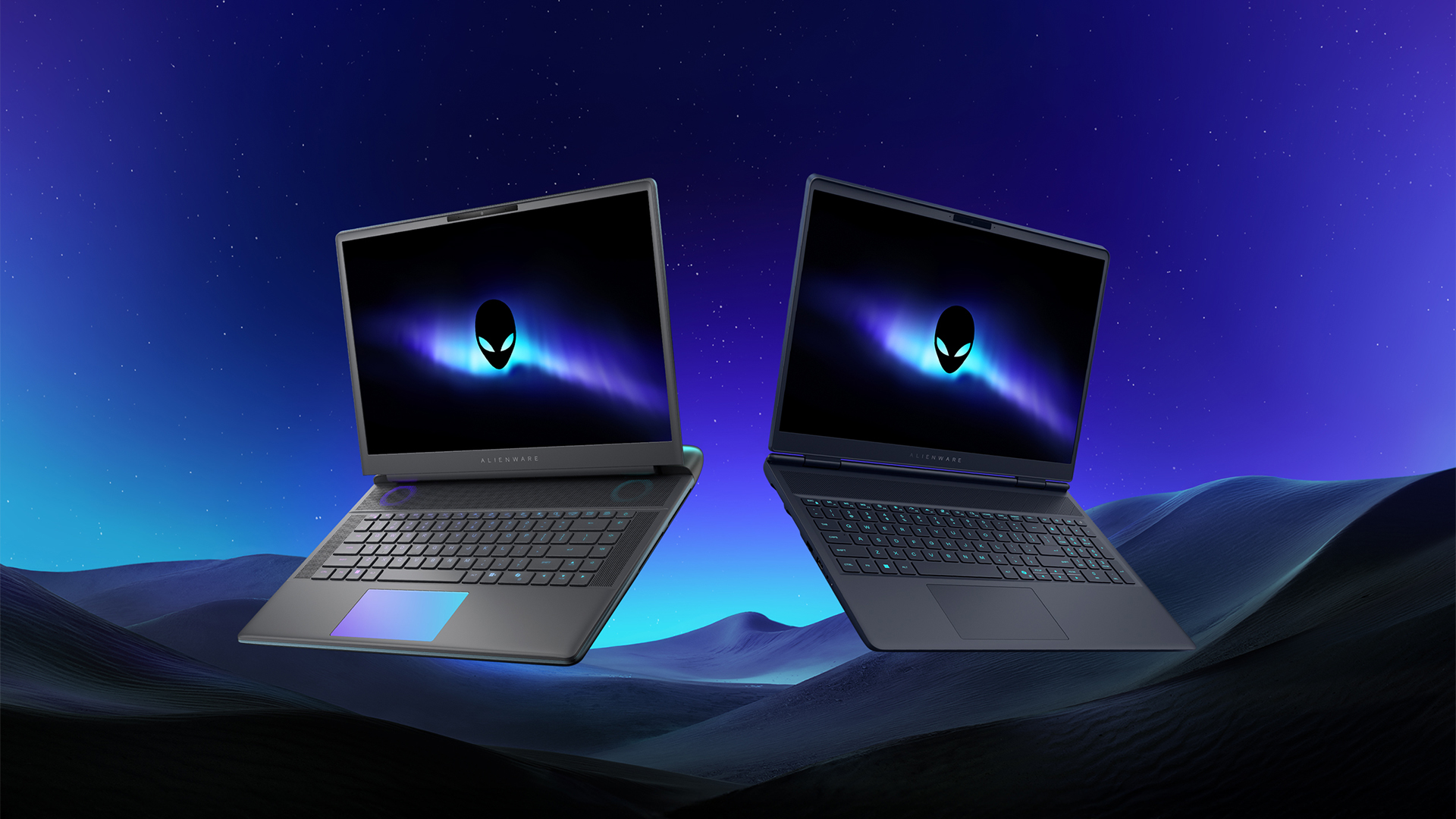
Despite the rise of more gaming brands, Alienware is still one of the most recognizable names for gamers who want dedicated hardware. This year, the brand is celebrating its 30th anniversary. To commemorate the milestone, Alienware has launched the new Area-51 and Aurora notebooks.
Alienware Area-51
Alienware’s Area-51 lineup is the brand’s flagship line of notebooks, packing in the best of the best from the industry. This time is no different.
First of all, the new series will rock Alienware 30, a new design philosophy made especially for the 30th anniversary. On the outside, the laptops have fluid contours, emphasizing curves opposed to the industry’s more angular contemporaries. It also has a Zero Hinge, which hides the laptop’s hinge from view. Finally, it has pillowed palm rests to make usage easy for long gaming sessions.
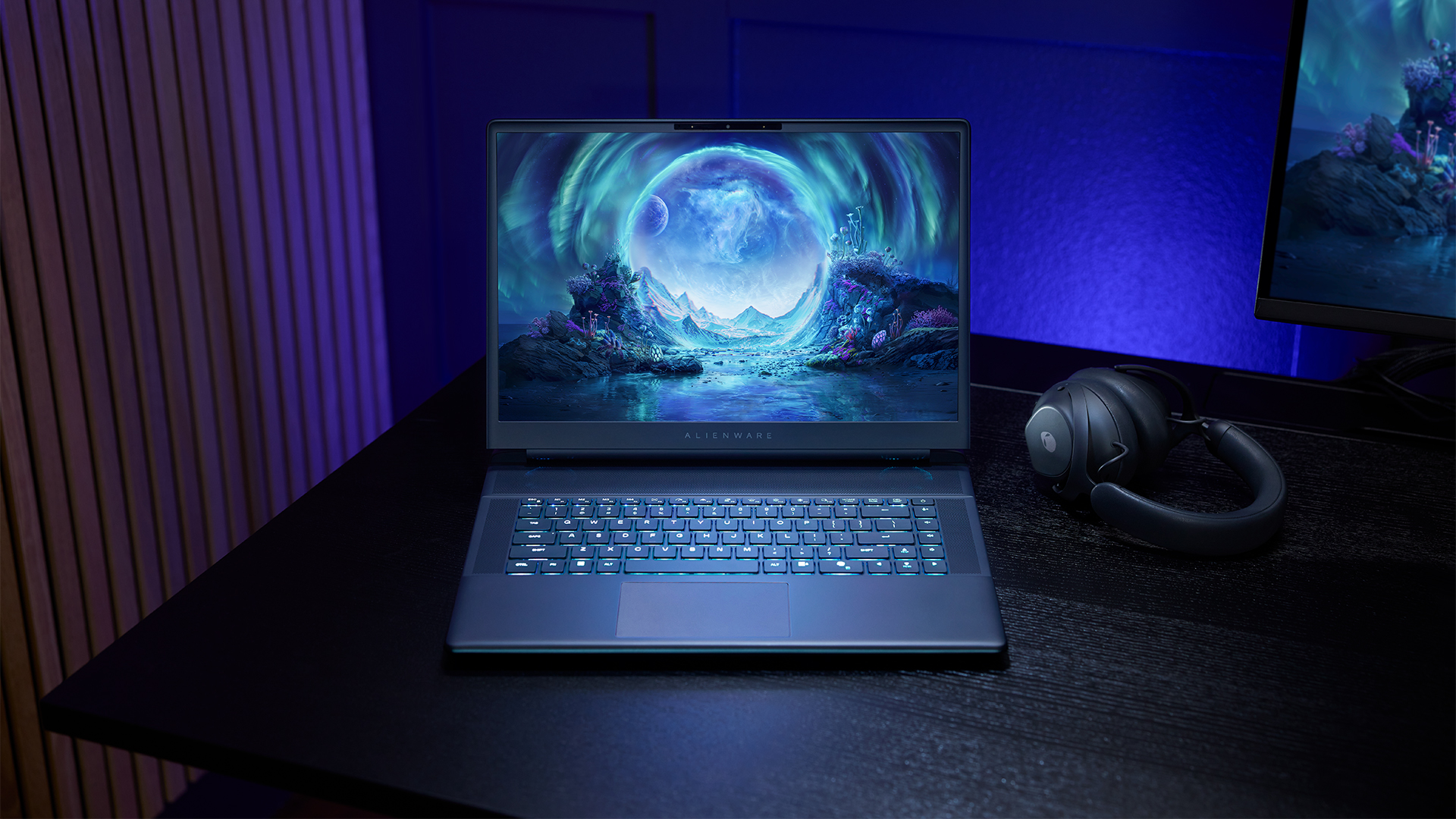
The 16-inch model can rock up to a WQXGA Anti-Glare OLED screen, featuring 240Hz refresh rate and 620 peak HDR nits. It will also have an LCD option. Alternatively, the 18-inch model has a WQXGA screen, featuring 300Hz refresh rate and 500 nits of brightness.
Inside, the Alienware Area-51 boasts up to an Intel Core Ultra 9 290HX processor and up to an NVIDIA GeForce RTX 5090 24GB GPU. For memory, gamers can enjoy up to 64GB Dual-Channel DDR5. Finally, for storage, the series can rock up to 2TB SSD natively but can support up to 3 slots, allowing for up to 12TB of internal storage.
The series will have a sizable 96Whr battery. This is complemented by a 280W adapter and the brand’s largest fans by volume to keep things cool.
Alienware 16X Aurora
For those who portability over raw power, the new Alienware 16X Aurora fits inside any day-to-day kit. For example, it ditches the thermal shelf typical of most gaming notebooks today to increase portability. It has rounded edges to make it easier to grasp and to create a slightly pillowed palm rest, similar to its flagship counterpart.
The 16-inch WQXGA OLED panel touts 240Hz refresh rate, 0.2ms response time, and 620 nits HDR peak brightness.
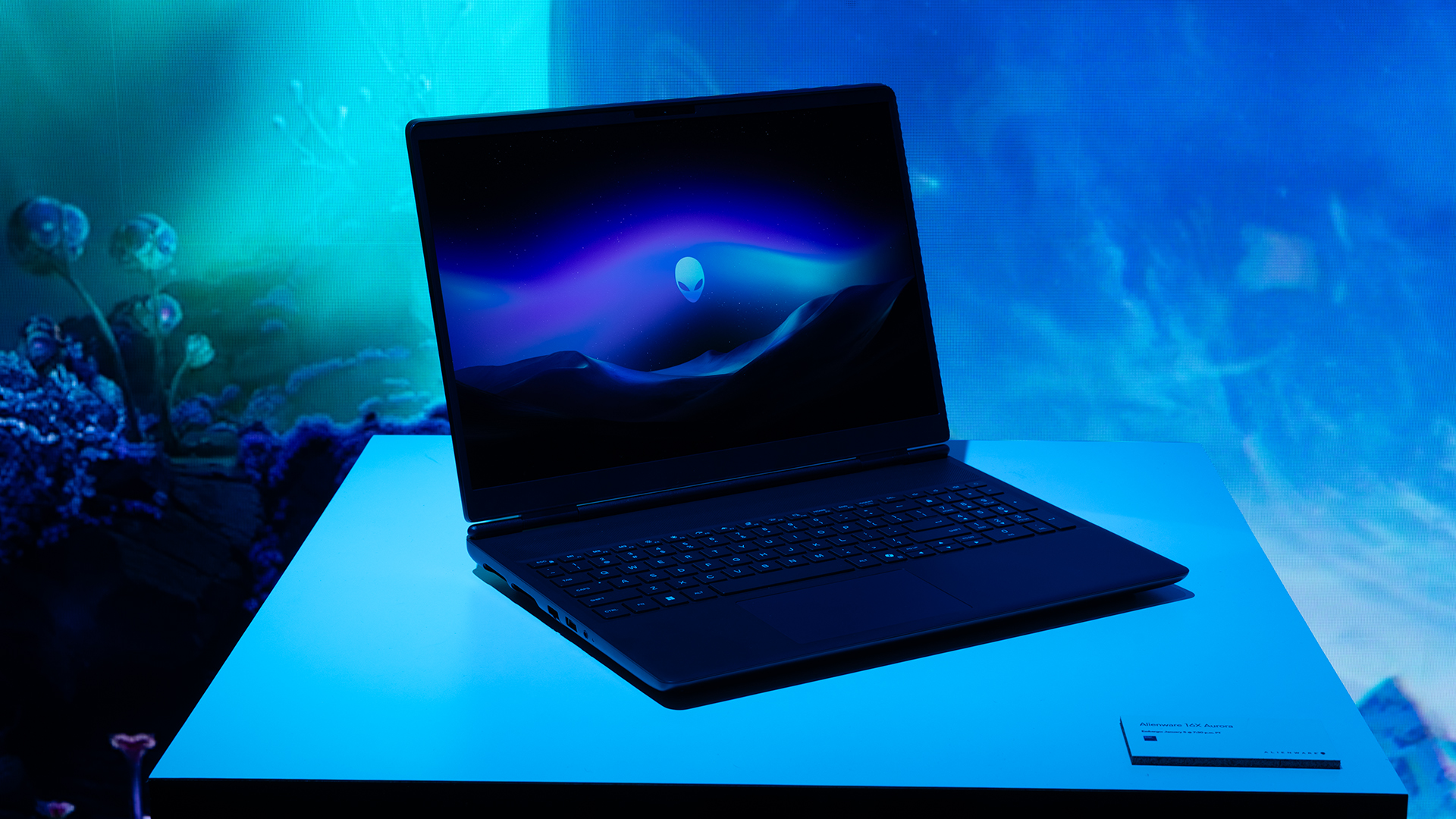
Inside, the notebook has up to an Intel Core Ultra 9 275HX processor and up to an NVIDIA GeForce RTX 5070 Ti GPU. These specs are paired with up to 64GB Dual-Channel DDR5 memory and up to 2TB SSD.
Finally, the Alienware 16X Aurora will have a 90Whr battery. This is supported by up to a 280W charger (for the RTX 5070 variant).
Price, availability
Both series are available starting today, March 17.

Apple disrupts the industry with their latest MacBook — an affordable to say the very least.
If you’re a student, a first-time Mac owner, someone who’s been priced out of this ecosystem their whole life, someone who just needs a laptop for basic tasks but one that looks great, without slowing them down, this is it!
Or maybe you’re torn choosing between the MacBook Neo and the more powerful M5 MacBook Air?
Well, that’s what we’re here for. Here’s our review with the all-new MacBook Neo.
Laptops
Hands-on: NEW iPhone 17e, iPad Air, MacBooks, Studio Displays
What Apple has announced other than the MacBook Neo


The MacBook Neo was the star of yesterday’s Apple event, and it has every right to be but it’s been a big week for Apple.
So as promised, we also went hands-on with every other device announced this week: iPhone 17e, M4 iPad Air, M5 MacBook Air, MacBook Pro with M5 Pro and M5 Max chips, and the new Studio Displays.



Stylish, student-friendly HONOR X8d launches

The HONOR X8d is serviceable

Why the OPPO Reno15 5G series is a creator’s essential

The hunt begins: The Witcher in Concert hits Manila with surprises in tow

WATCH: The Super Mario Galaxy Movie final trailer


-

 Reviews2 weeks ago
The Xiaomi 17 shoots Leica dream
-

 Hands-On2 weeks ago
OPPO Reno15 F 5G hands-on
-
 Gaming2 weeks ago
Project Helix is Xbox’s next console, and it plays PC games
-

 Computers2 weeks ago
GIGABYTE collaborates with Capcom for RE Requiem custom PC
-

 Reviews2 days ago
POCO X8 Pro Max review: A new beast from the far east
-

 Laptops1 week ago
Apple MacBook Neo Review
-

 Entertainment1 week ago
The internet is thirsting over the One Piece Season 2 cast
-

 Apps7 days ago
Google Maps is finally getting a 3D mode