
Features
Bali through the lens of the HUAWEI P60 Pro
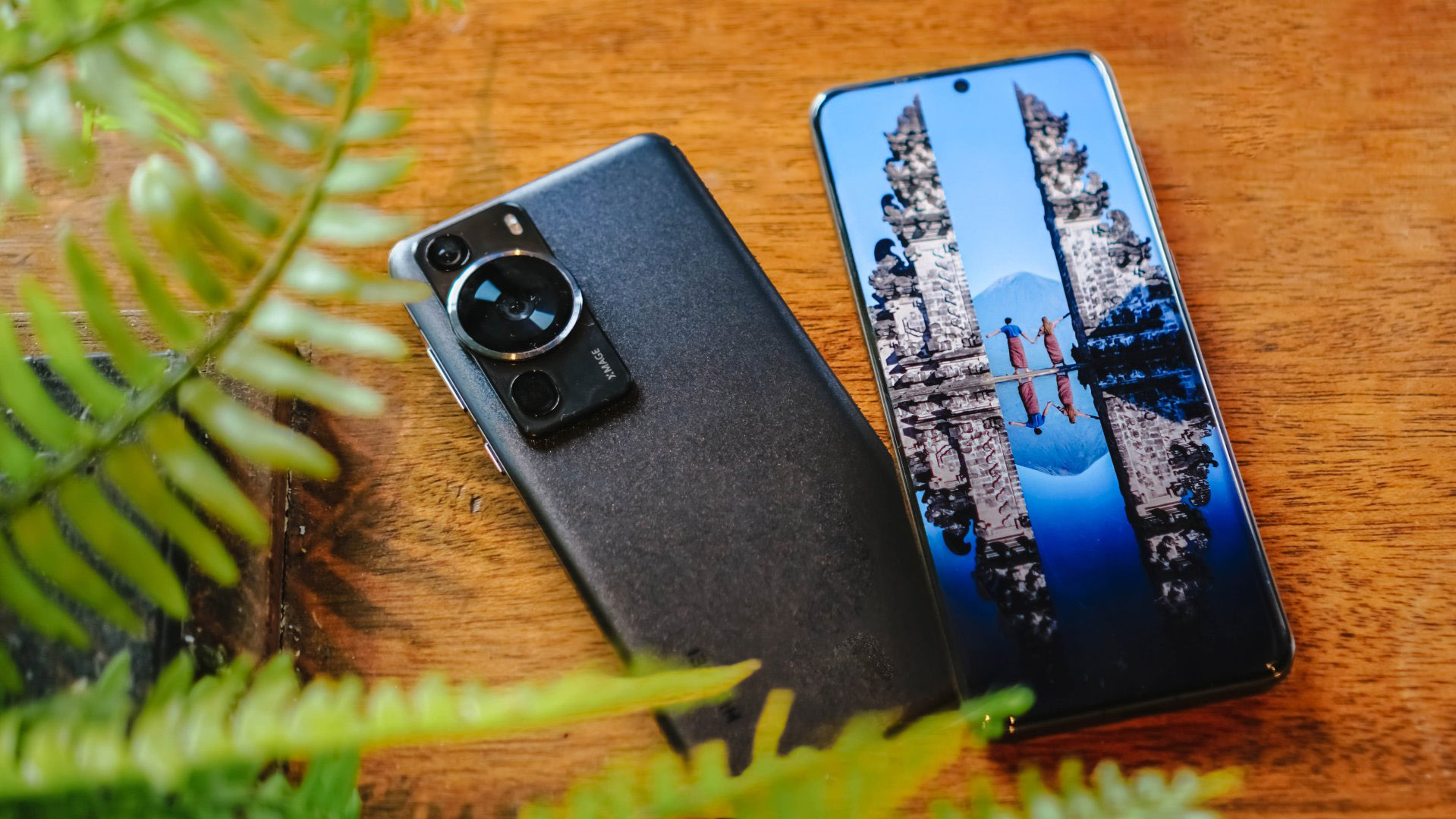
Bringing HUAWEI’s godlike camera smartphone to the Island of the Gods

Any Indonesians out there? Selamat pagi!
Or are you one of the gods in Bali? Om swastiastu!

Regardless if you’re a god or a boring human being (like yours truly), Bali, Indonesia is one heavenly place that is a must-visit. It’s called the “Island of the Gods” for a reason.

Not only does it have one of the best beaches around, it’s also an island home to scenic volcano views and mountainous peaks and terrain. Most of all, the rich Bali heritage and culture has been preserved for hundreds of years.
Godlike smartphone cameras
Just to backtrack, the HUAWEI P60 Pro was first launched in China last March 2023 followed by a global rollout this May.
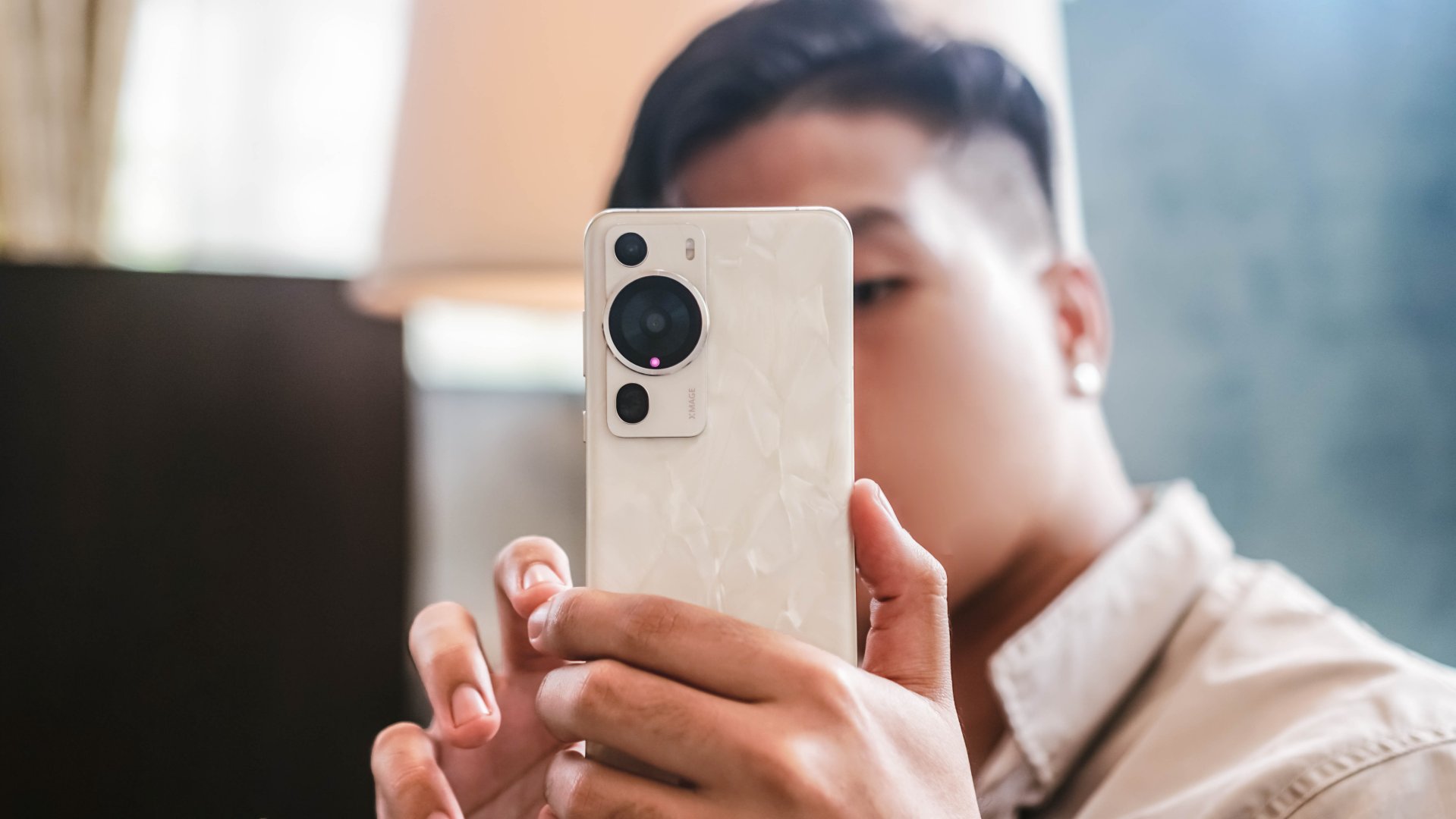
The specific camera hardware goes like this:
- 48MP main (wide) camera, f/1.4-4.0 Dual Variable aperture system
- 13MP f/2.2 ultra-wide angle (UWA) rear camera
- 48MP f/2.1 telephoto lens with 3.5x optical zoom
- 13MP f/2.4 ultra-wide angle (UWA) front camera
Even though it’s unfortunate that their exclusive partnership with Leica has ended, the phone’s XMAGE imaging system is still one of the best in the smartphone market today.
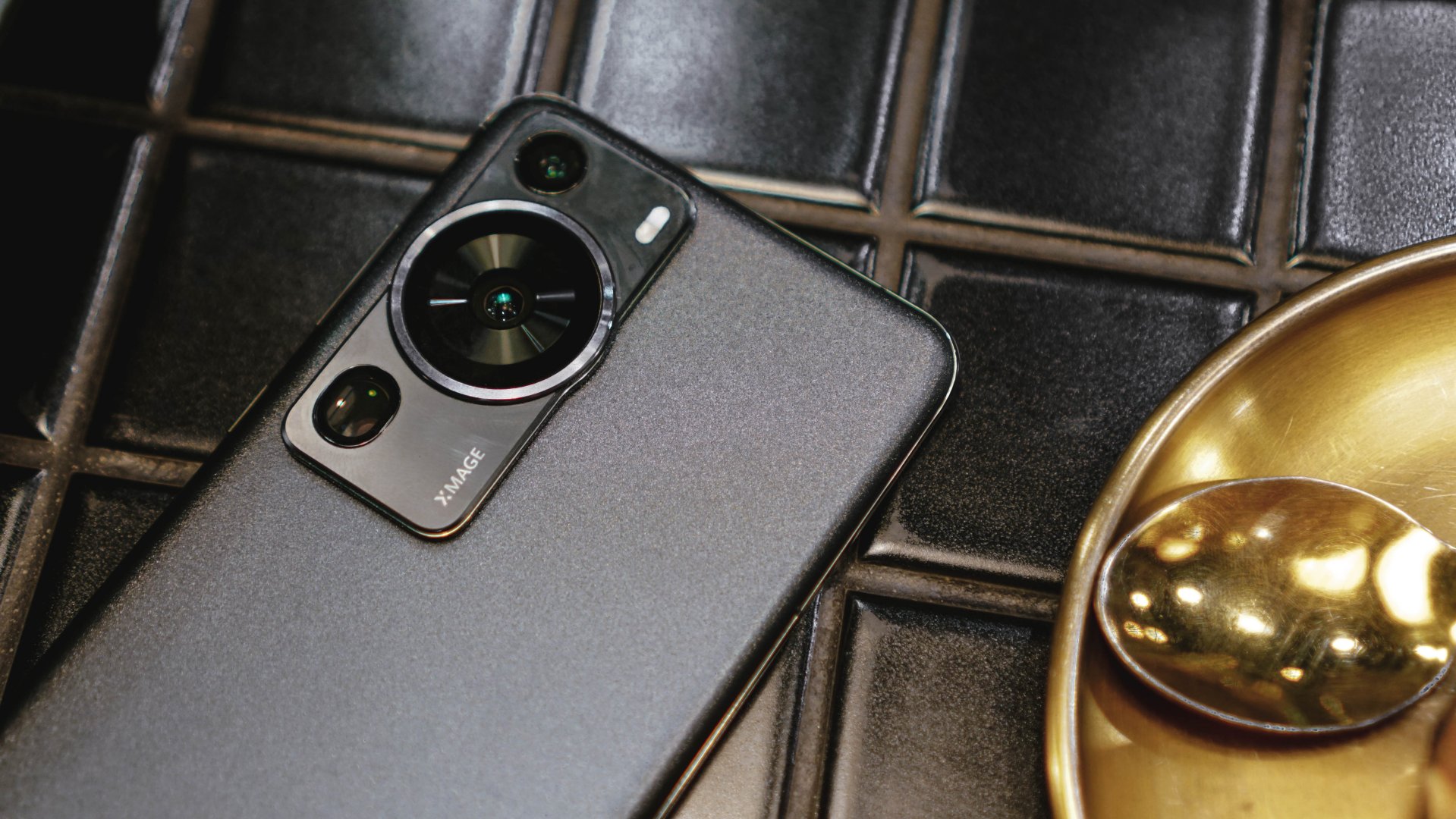
Can’t wait to see how the “godlike” cameras of the HUAWEI P60 Pro perform? Well, I’m gonna let all the 60 photo sets speak for themselves — with a little bit of trivia and commentary in-between.
Pop on the top
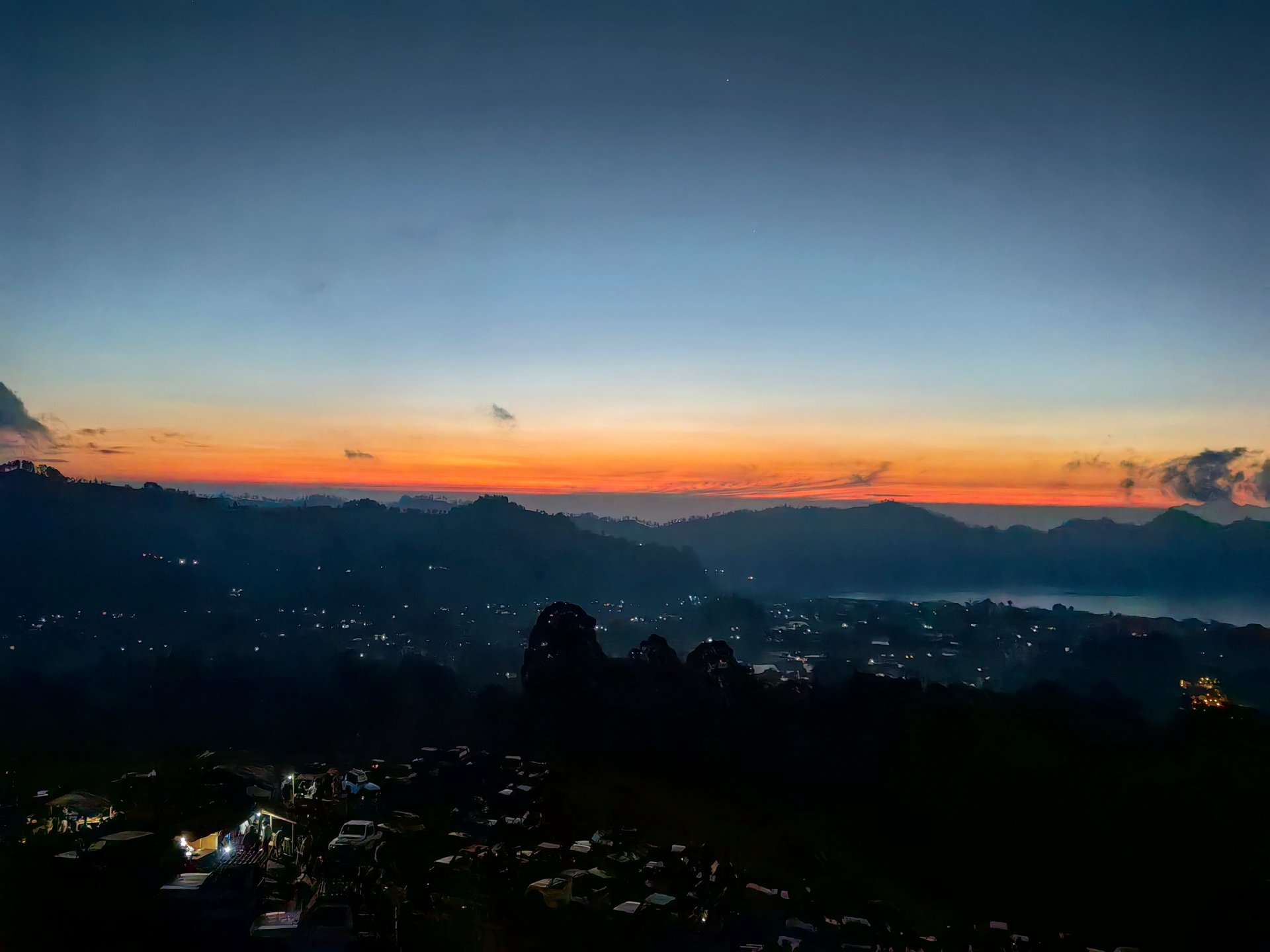
Admit it or not, most of us hate the idea of waking up early before the sun even shines. But it would be a big missed opportunity to skip the early morning ride towards the peak of an active volcano called Gunung Batur (or Mount Batur).

After some time, with the right weather and timing, you could end up having ✨ SwEEt anD LoVeLy ✨ shots like this.
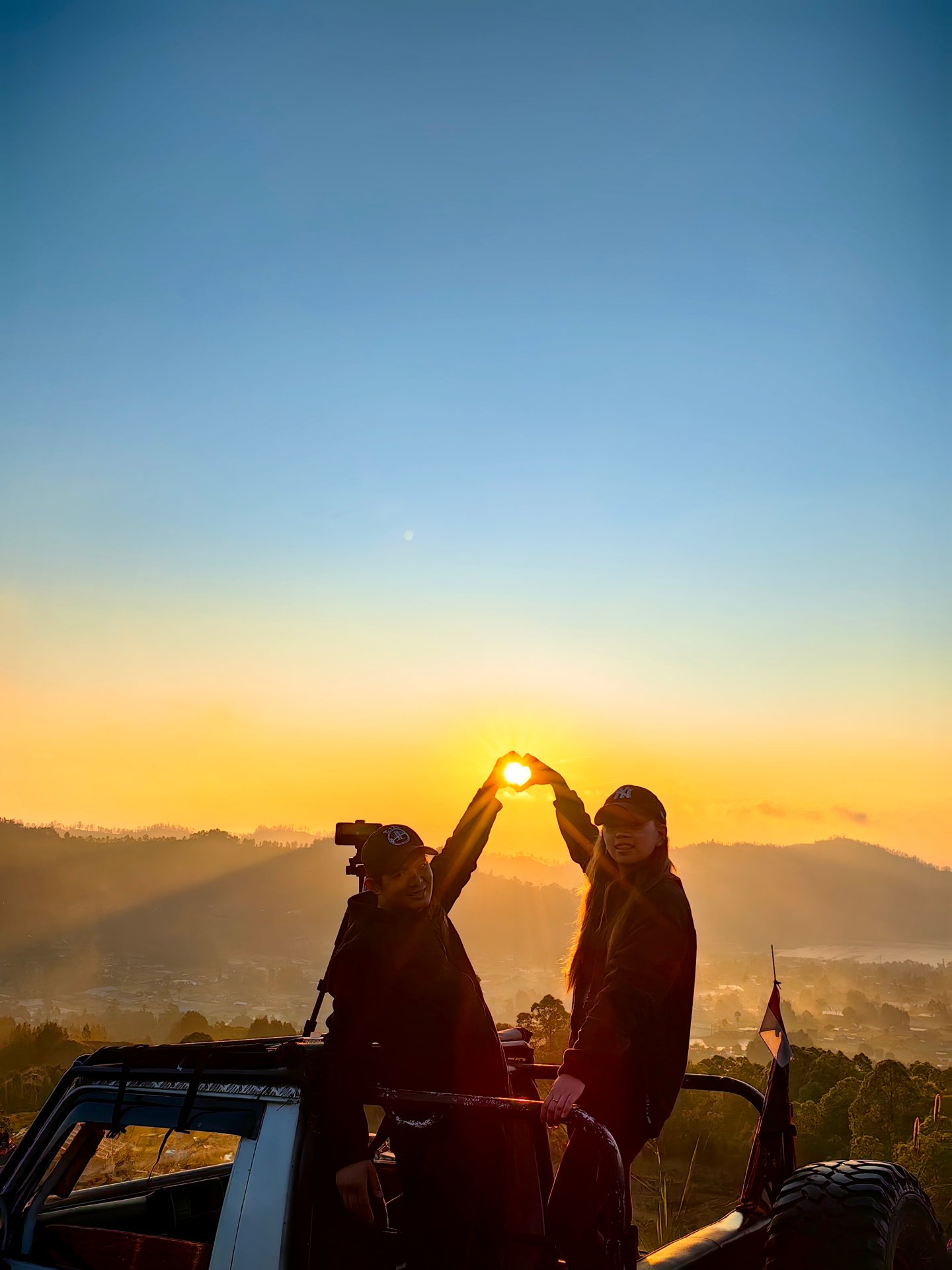
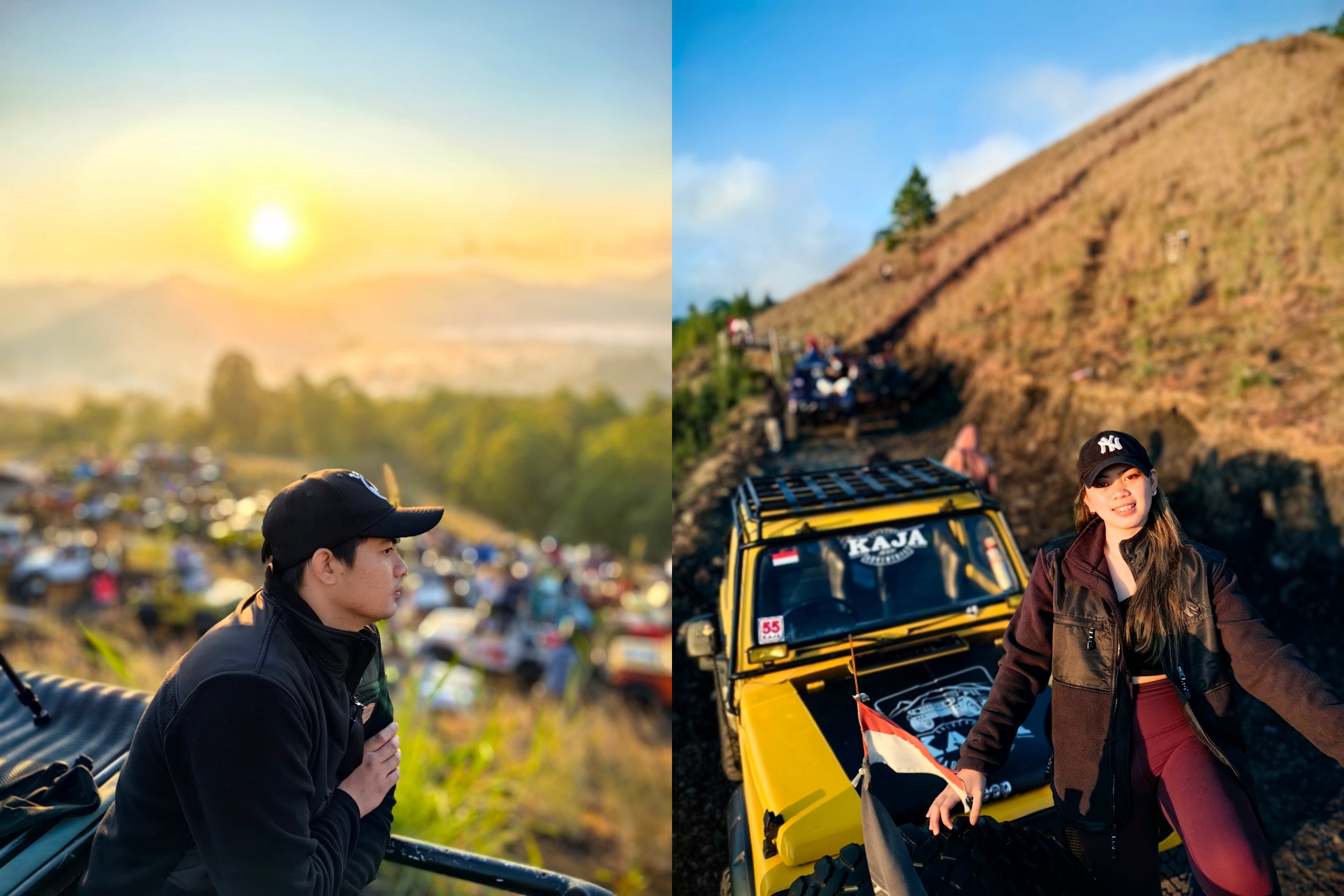
Portrait Mode
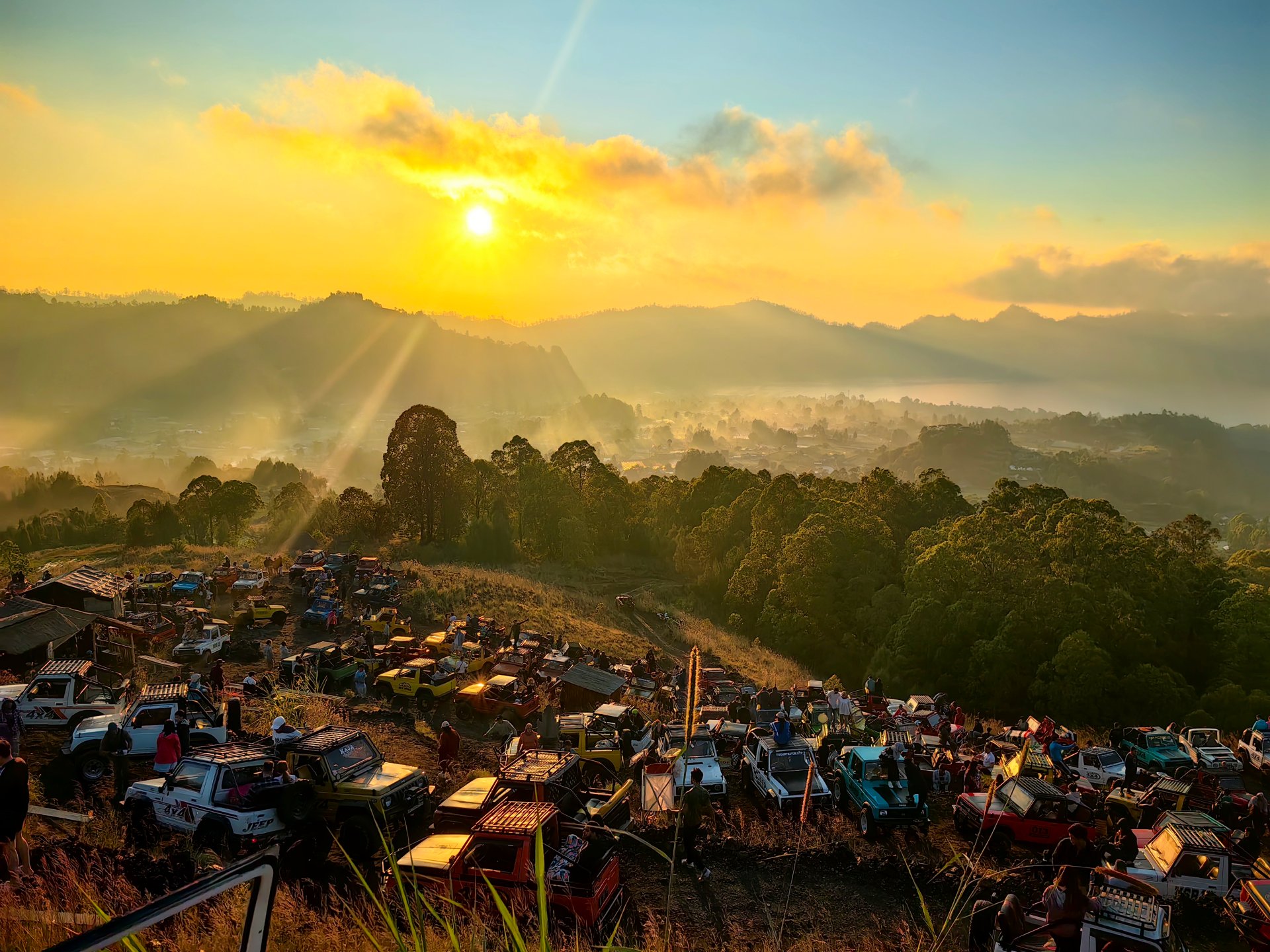
Despite the large pack of ATVs, the HUAWEI P60 Pro still clearly captured the detail of the grasses, trees, and the whole mountainous area. More so, how the colors of the sunrise pop with the right amount of HDR evident in the sun along its light rays.

Portrait Mode
Bear with us. There will be more definitely-in-a-relationship shots like this of my friend together with her Hype Boy.
Tough and rough
After that scenic sunrise, Bali tourists have the option to continue the ATV ride further down the rougher surfaces of the mountain (or volcano).

3.5x Telephoto Zoom
With the 3.5x telephoto zoom lens of the HUAWEI P60 Pro, my friend and her boyfie were able to take these exhilarating shots of the ATVs like they were shot by a professional camera with a super-fast shutter release.

3.5x Telephoto Zoom
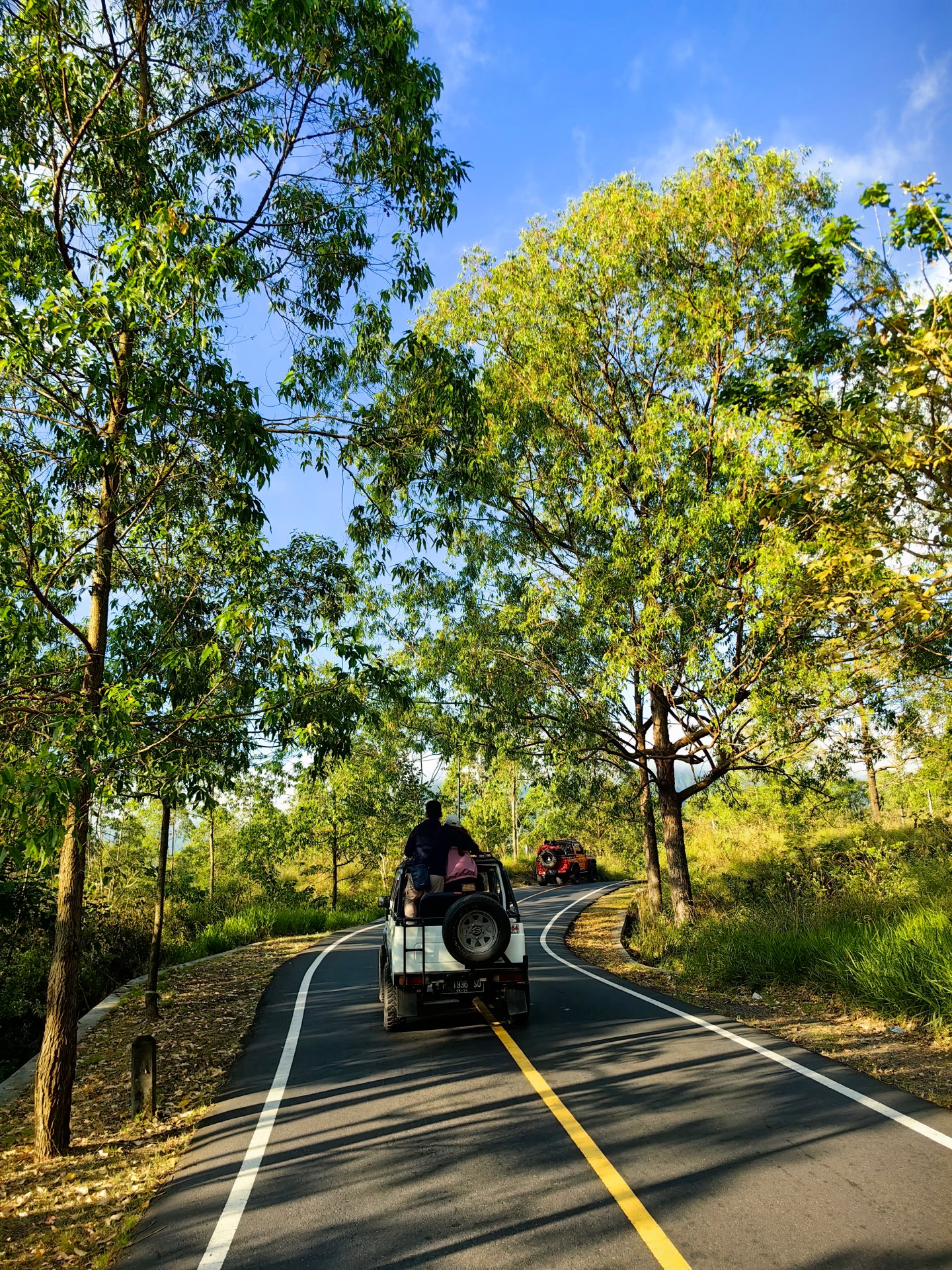
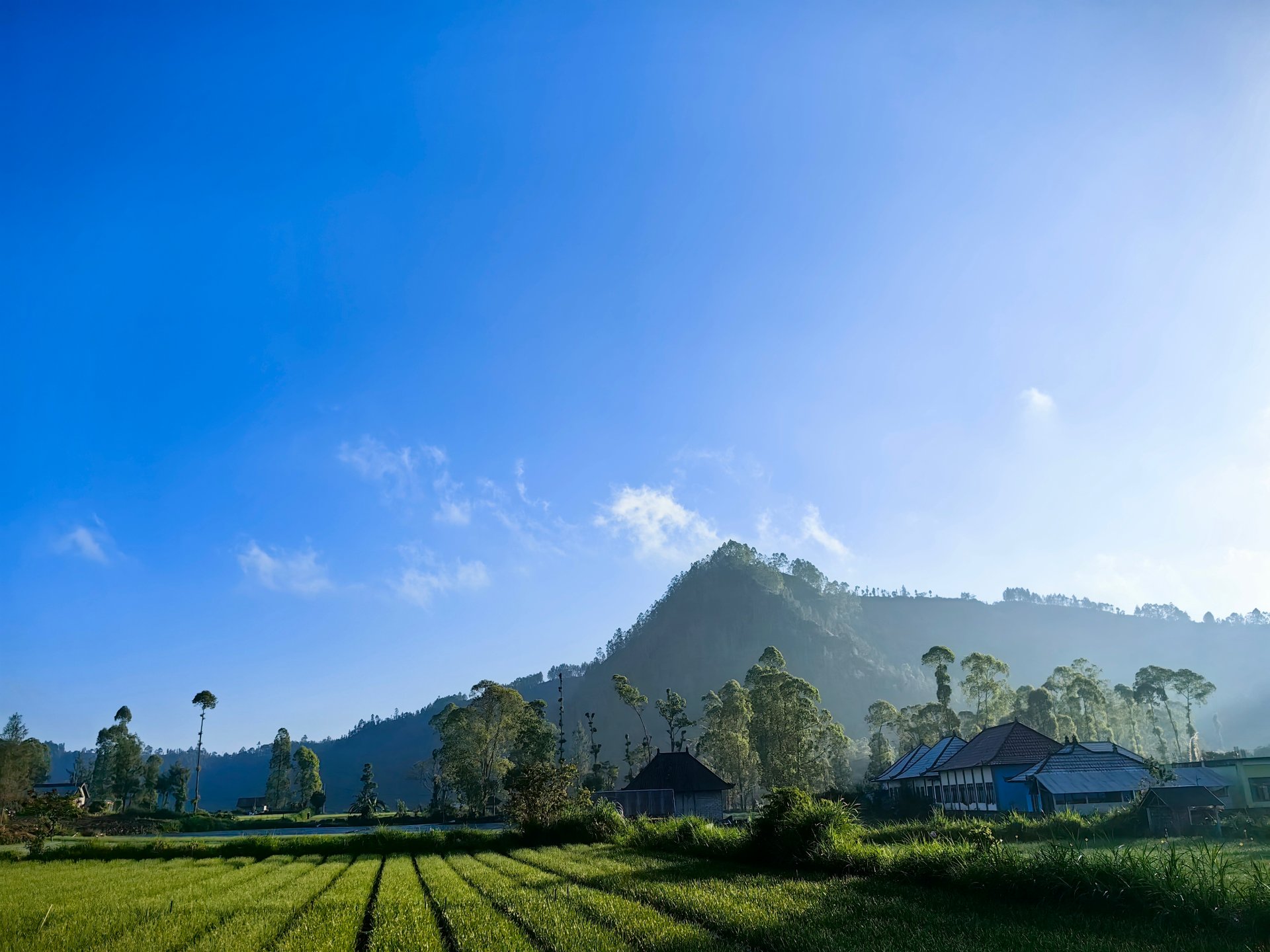
Even though these are the common sights among the rural parts of most Southeast Asian nations, these luscious forests and rural landscapes are the views that Bali tourists get to enjoy in their visit.
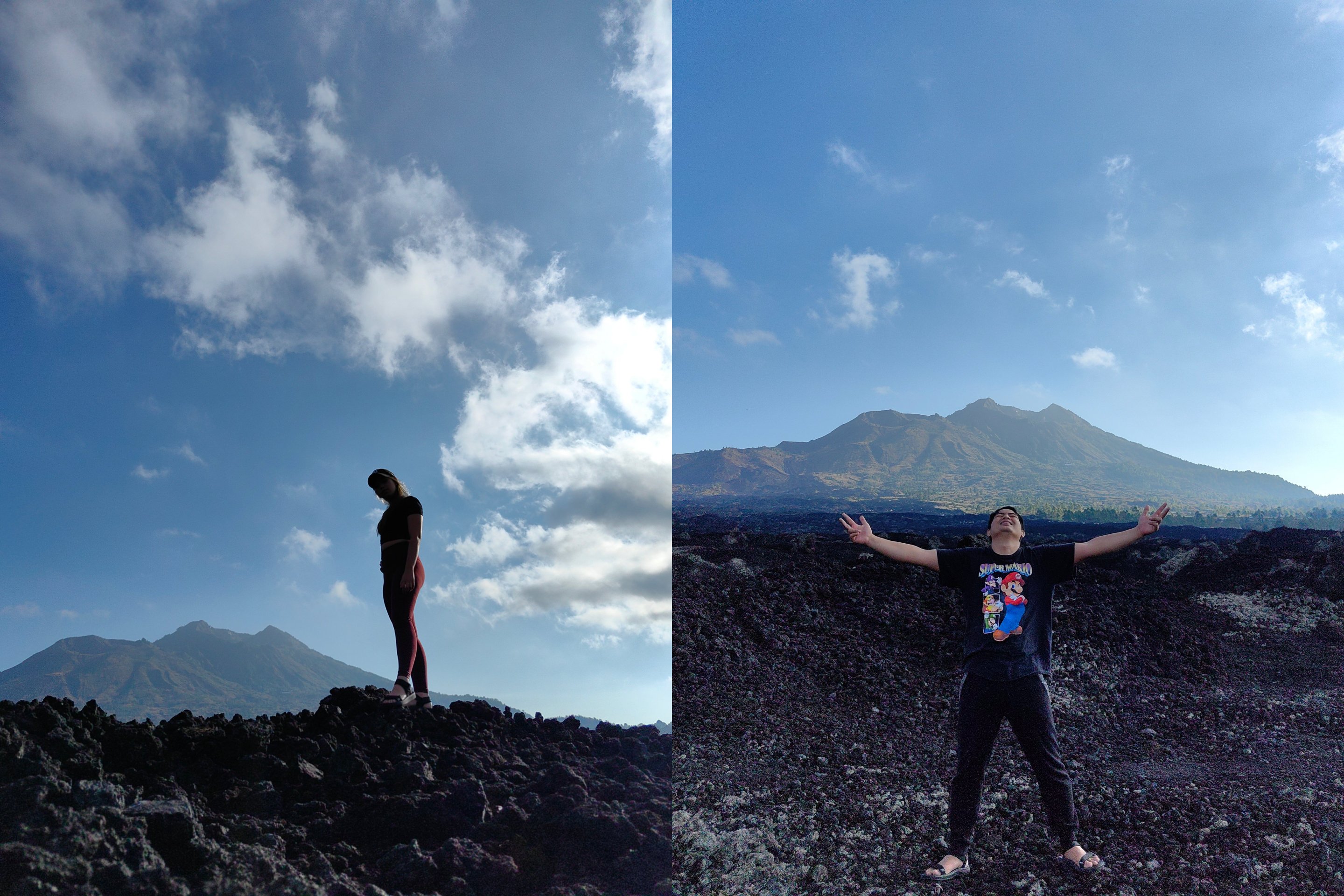
Life lesson: not everything is smooth-sailing. Just by looking at the transition of photos, that felt like a rough and tough ride.

This is where the ultra-wide angle (UWA) camera of the P60 Pro comes in handy. With that super-wide FoV (Field of View), my friend perfectly flexed her look alongside that massive ATV above those rocks (or hardened ash, whatever they may be).
Don’t Mess Up My Temple
If you read that to the tune of EXO’s (Don’t Mess Up My) Tempo, you were absolutely right — just in time for their latest 7th Album comeback release 🤩
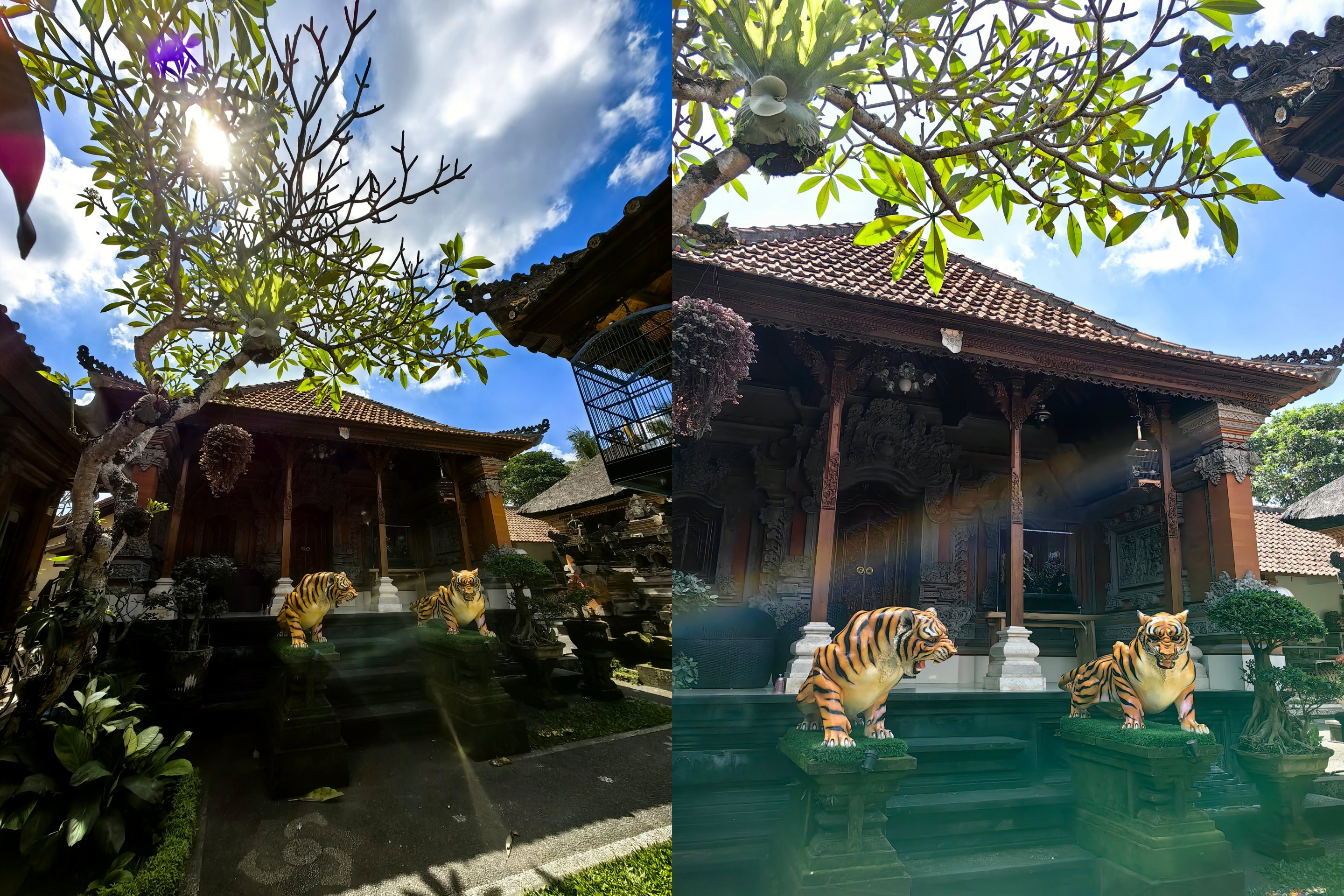
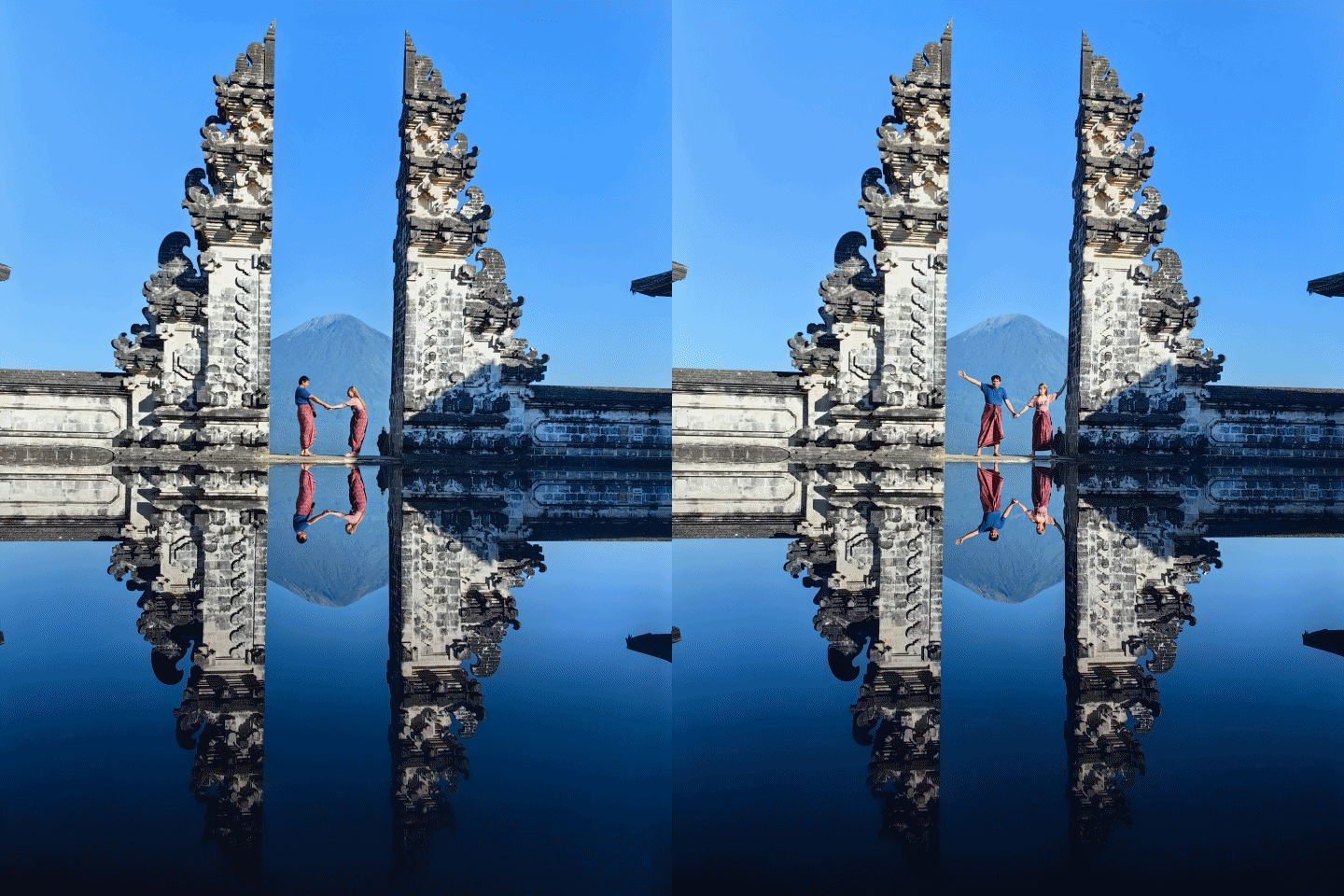
Anyhow, Bali being a god-loved island, you will see many temples around. One of which is the very popular Lempuyang Temple.
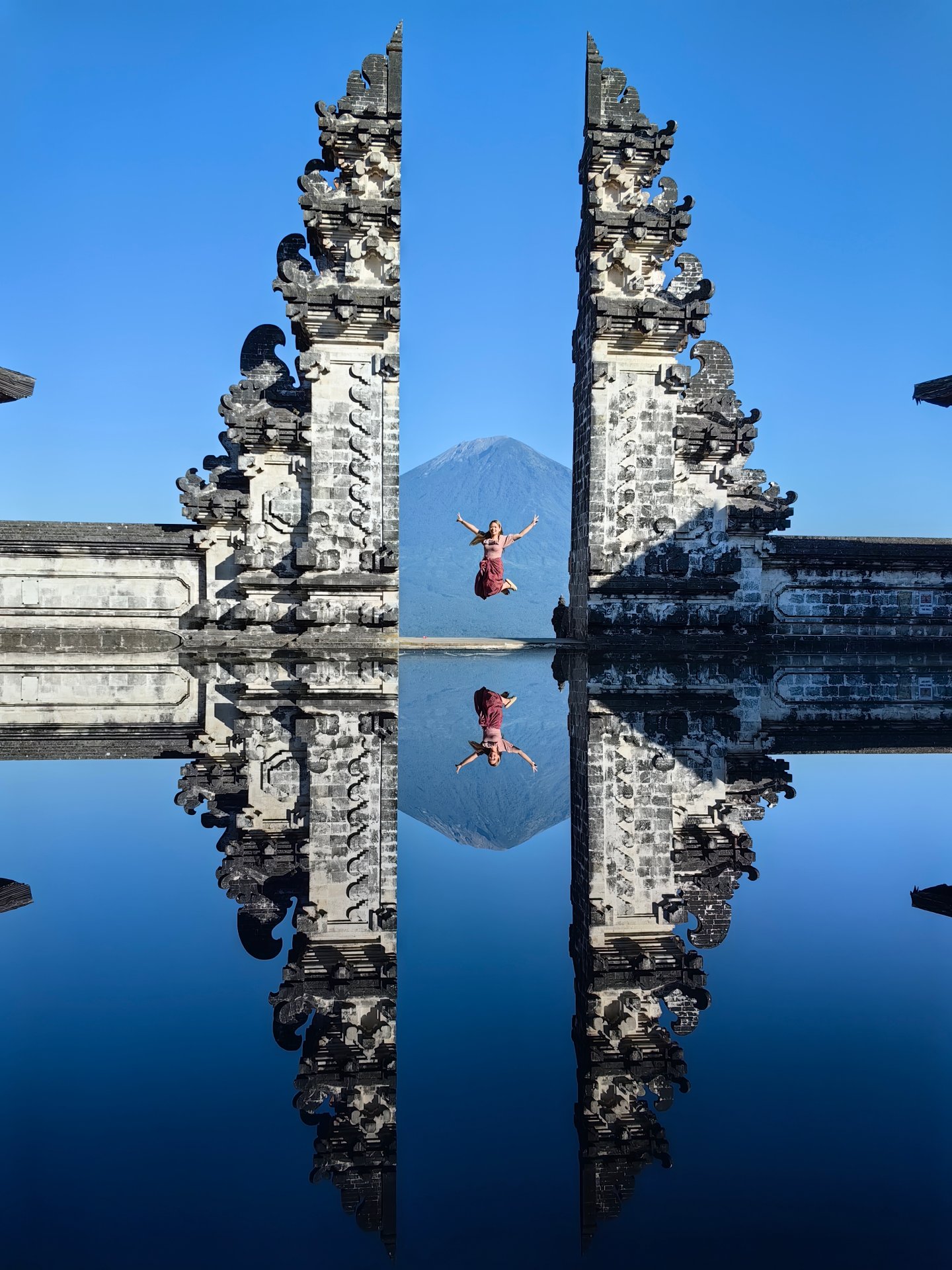
You can even do a photo-op with your lovey-dovey if you both like it that way 🙄
That’s just one among the many temples in the island. There are also the Temples of Uluwatu, Taman Ayun, Ulun Danu Beratan, Besakih Mother Temple, and many more in the itinerary.
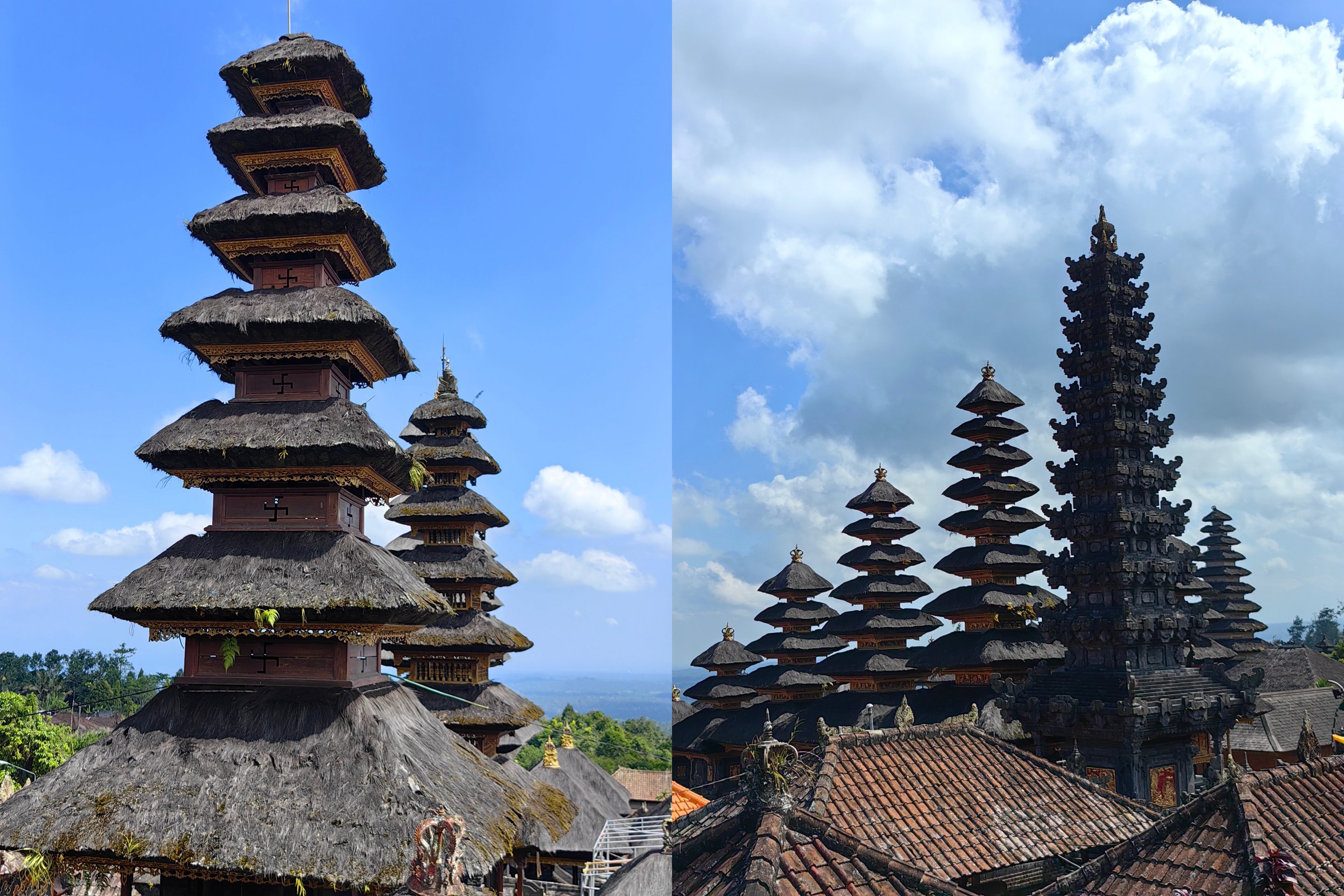
This suddenly reminded me of my Jakarta trip last January 2020 where I also wandered around several temples even in the middle of Indonesia’s city center. This proves how Indonesians value their culture.
Breathtaking Penida-scapade
Another highlight of Bali is none other than the view you will see when you go to the western part of the smaller Penida Island just below the main island of Bali — Nusa Penida to be precise.




If you can’t reach the ever-scenic shooting place featured in the Korean Drama Descendants of the Sun because it’s in the faraway island of Zakynthos in Greece (and requires a European visa for most travelers), Nusa Penida is your next best bet.

Whether it’s the main (wide) and ultra-wide cameras of the HUAWEI P60 Pro, shots look stunning and superb. Not only does it highlight the subjects, but also the full view you see like anyone who sees it IRL.

And as I was writing this, it felt like I teleported to that particular scenery and became part of their escapade.
I’m Gonna Swing…
From the chandelier? Not really. But here at Uma Ceking in Ubud, Bali, there are several swings for any couple to enjoy 👀

3.5x Portrait
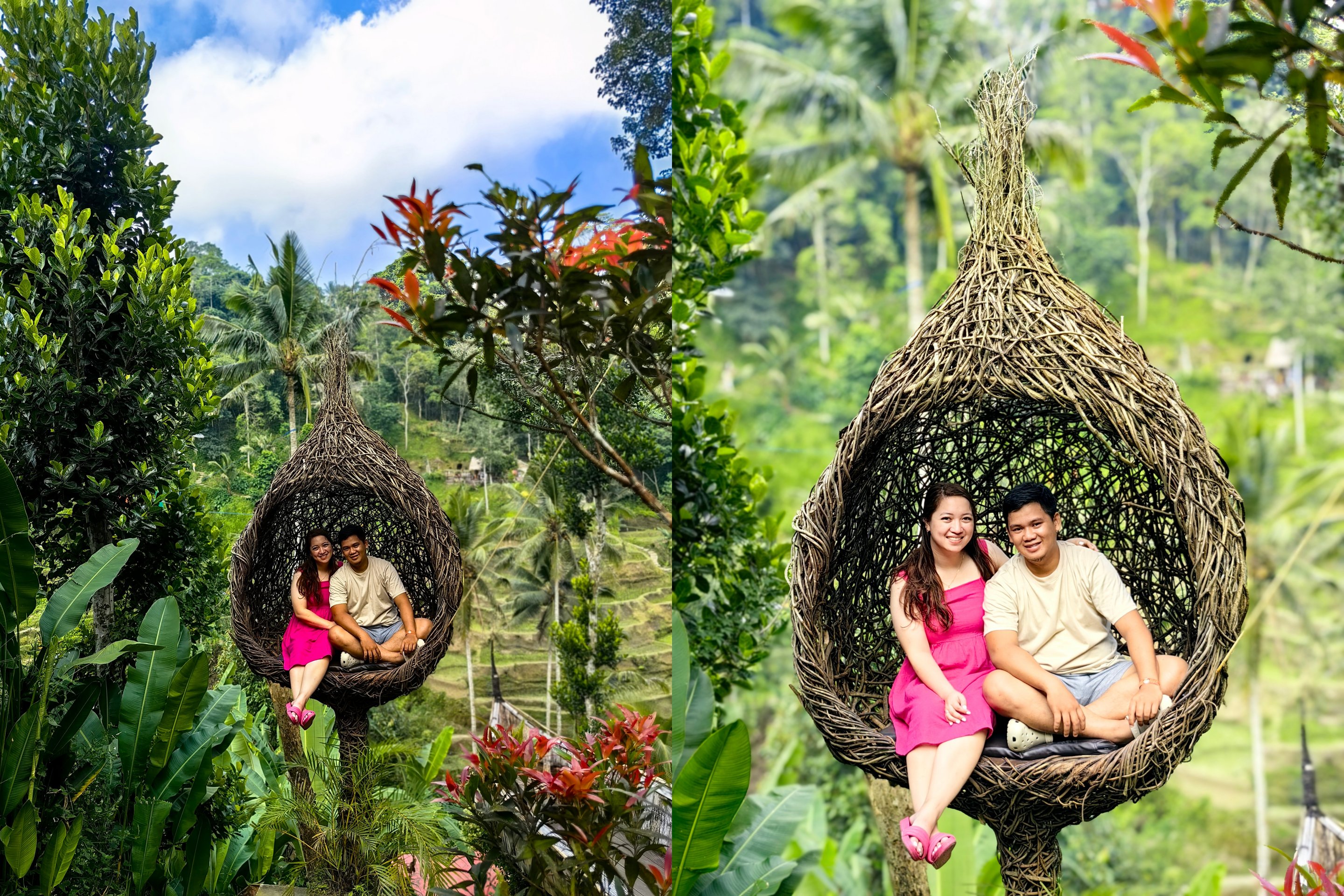
1x Portrait | 3.5x Portrait

Already evident with the heart-shaped swings and seats, it is, indeed, heaven for couples (and haven for the lovelorn souls 🥺).

Tourists from different parts of the globe surely enjoy their lovely surroundings.
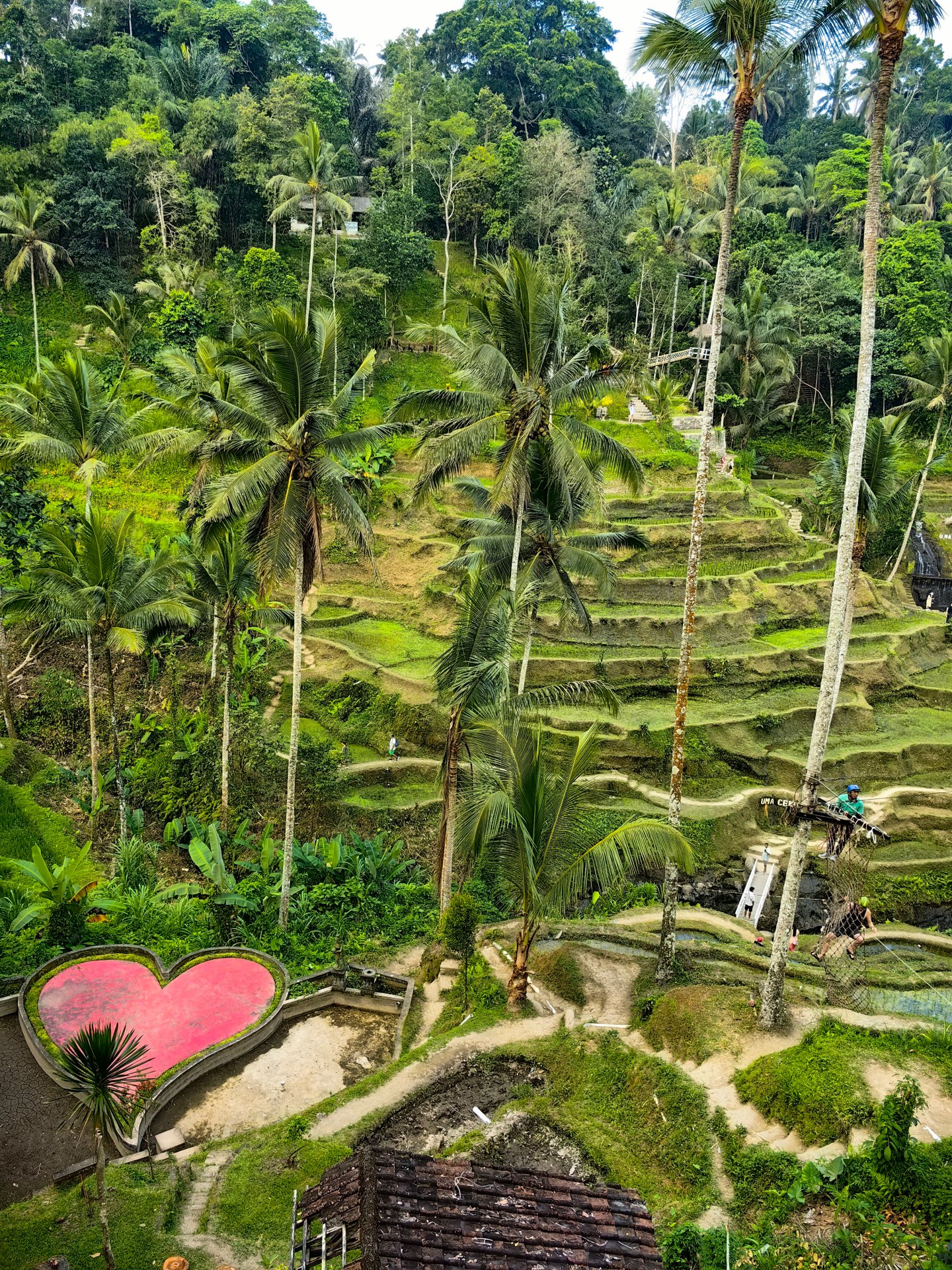
If I were here all by myself, I think I still would have enjoyed my alone time just by focusing on these beautiful stacks of Ceking Rice Terraces all noon long.
The Indo Taste
Indonesia is known for their popular fried rice Nasi Goreng, famous instant noodles Mi Goreng, or just several packs and varieties of Sambal that locals put in their rice, meat, or other types of meal.

Even though I love spicy food, the level of Indonesia’s spiciness is just on a whole other level.

Still, it wouldn’t be a complete Bali experience without actually trying their cuisine. These include a special set of nasi putih (white rice), daging (meat), kulit (roasted crispy pork skin), gorengan (batter fried meat), sayur (Balinese vegetables), and even sosis (blood sausage). Lastly, base genep (or Balinese spices) to top that authentic Bali taste.

And oh! The perfect way to fulfill that tropical island experience is by drinking fresh coconut juice.
Cat-puccino
You heard that right! Catpuccino (or “cat poo chino” as how they stylized it) is a real deal in Bali.
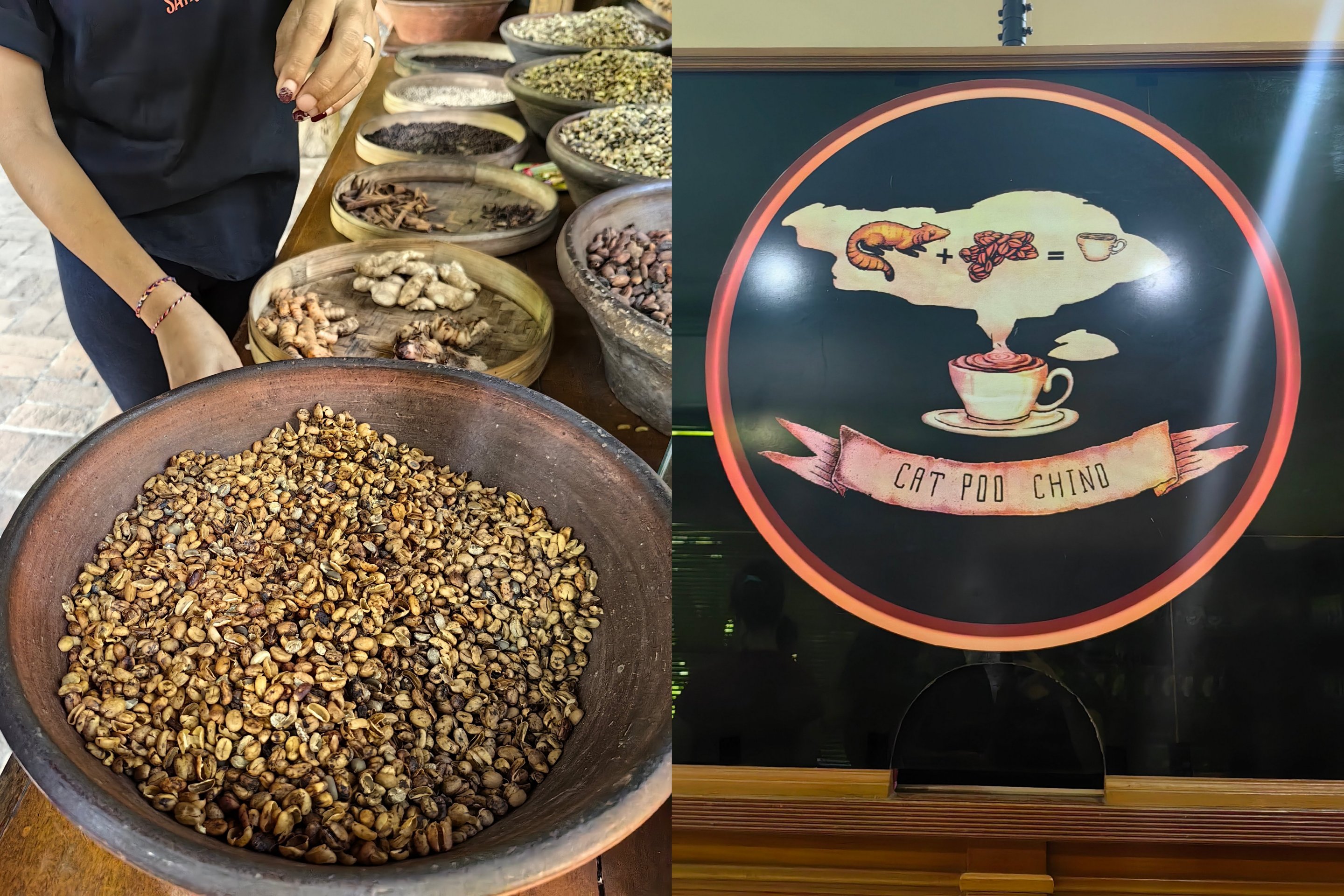
The “cat poop coffee” isn’t coming from the usual cats we see since most of us know that cats and coffee are not in good terms.

The coffee actually comes from Asian Palm Civets (also known as musang) — or just civet cats in simpler terms. But because of how they digest coffee cherries and leave the rest of the beans out, harvesters believe their “poo” gives an extra oomph when brewed as coffee.

Even though it looks or sounds disgusting, Kopi Luwak is considered as the most expensive coffee in the world. And with the very thorough and tedious process of actually making it into a by-product, it’s more of the many reasons why this Bali delicacy is a must-try.
Wild and mild
While we’re already on the topic, it’s also not surprising for any tropical country to have a variety of wild and mild animals roaming around.

Whether that may be a civet cat or a domesticated cat, these furries will be harmless as long as they are unharmed and being taken care of.
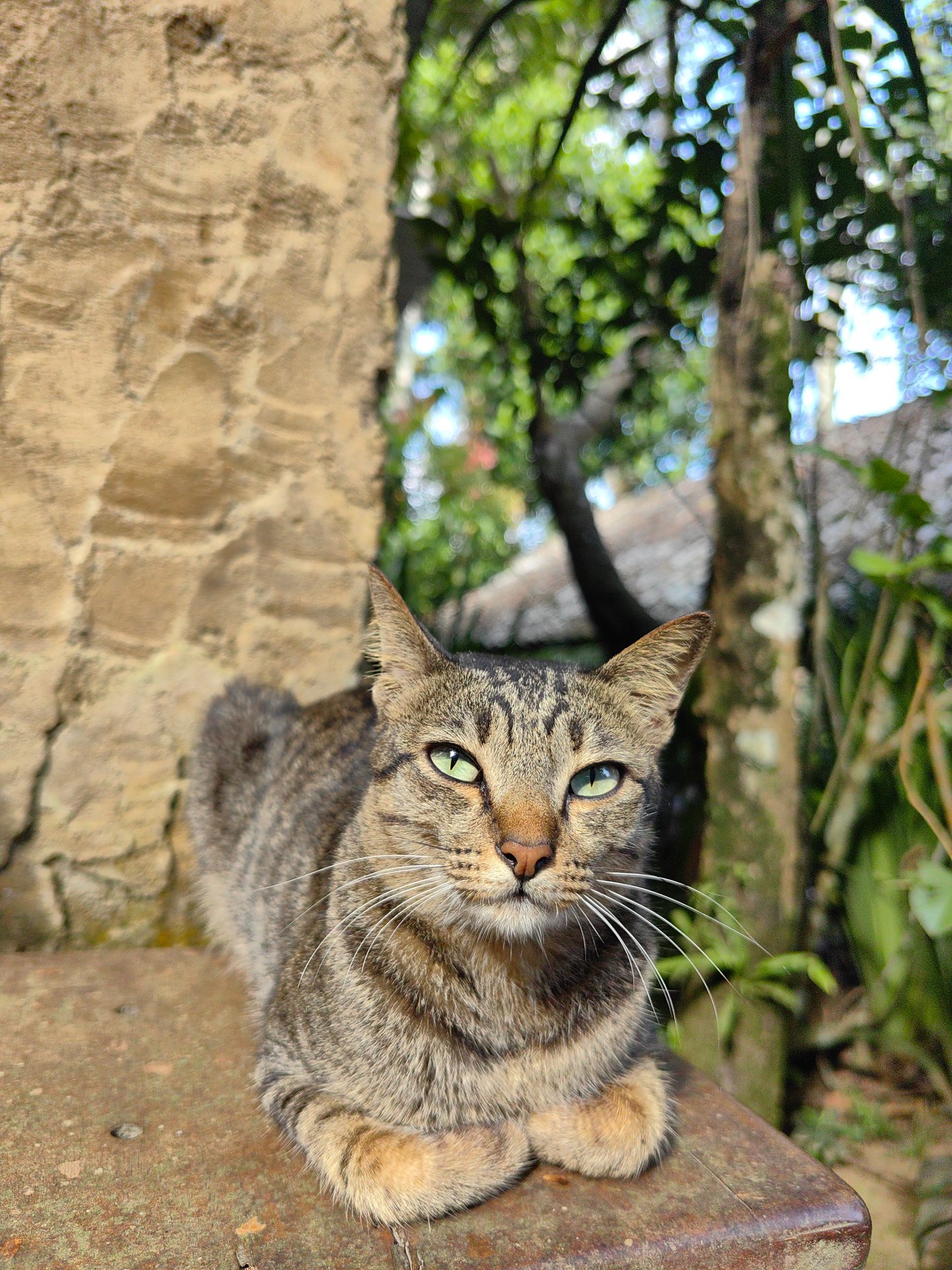
And can I just mention how fierce this tabby cat looks — the same way my indoor tabby cat looks at me whenever I’m eating.

I don’t support biases among pets but if cats aren’t your thing, these adorable sleeping puppies are enough to fill-up your empty day.
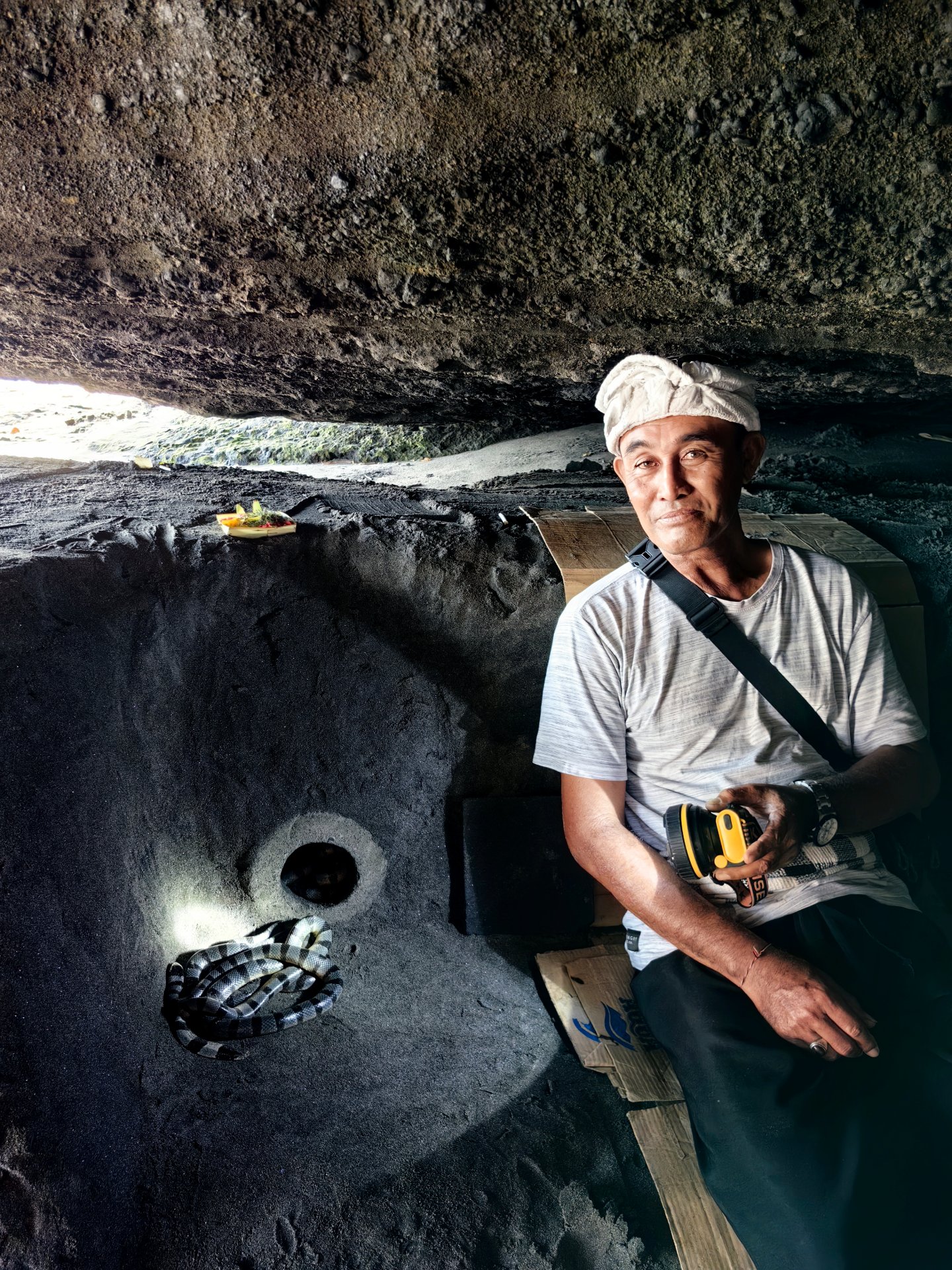
But if you’re more of a thrill-seeker, here’s a Malayan Krait (or Bungarus Candidus) at Tanah Lot — popularly known as the “Holy Snake”.
Built like a chimp-ion
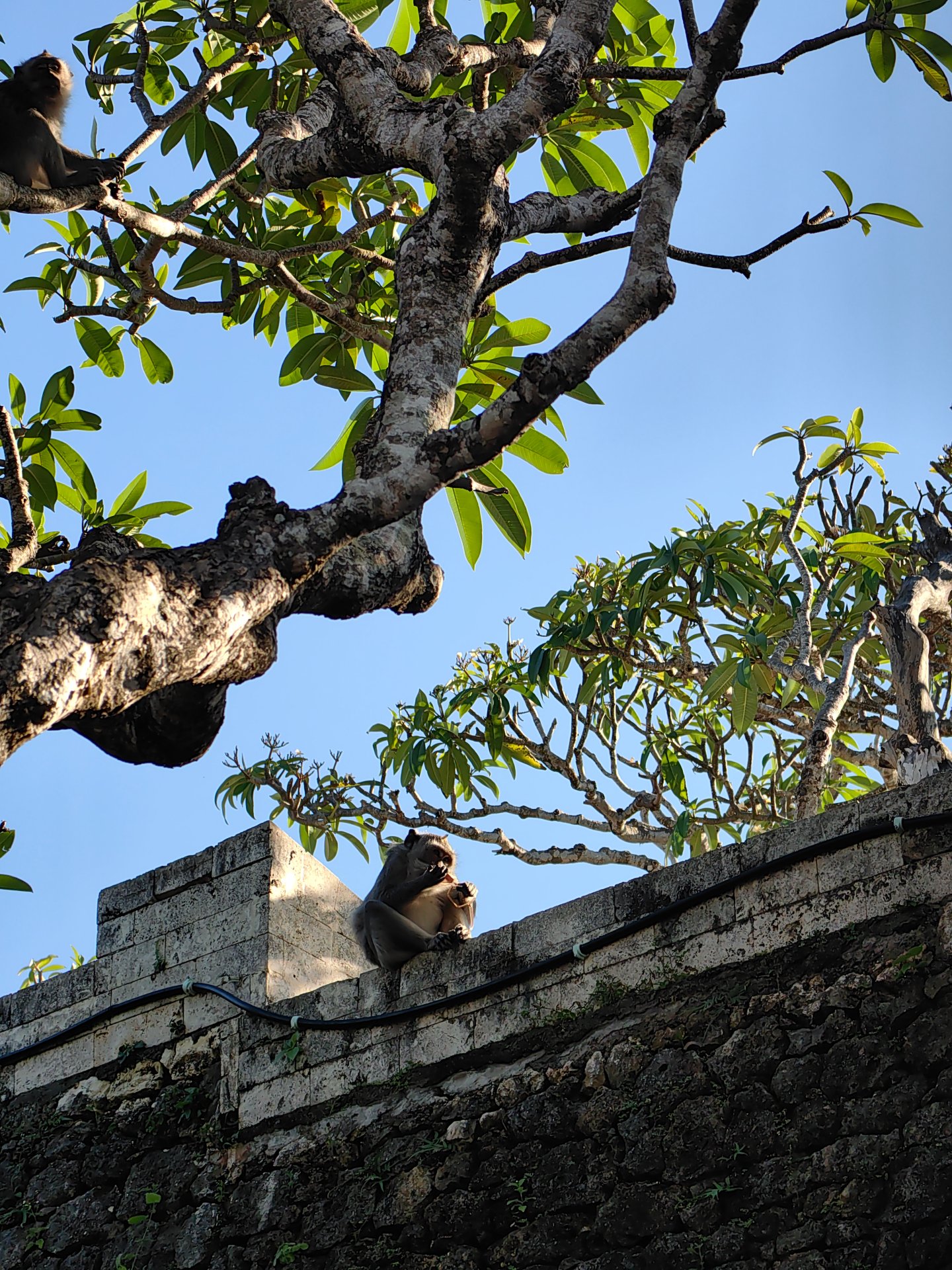
The aforementioned animals aren’t the only thingyou will see when you visit Bali. There’s a specific sanctuary for Bali Monkeys at the Ubud Monkey Forest.
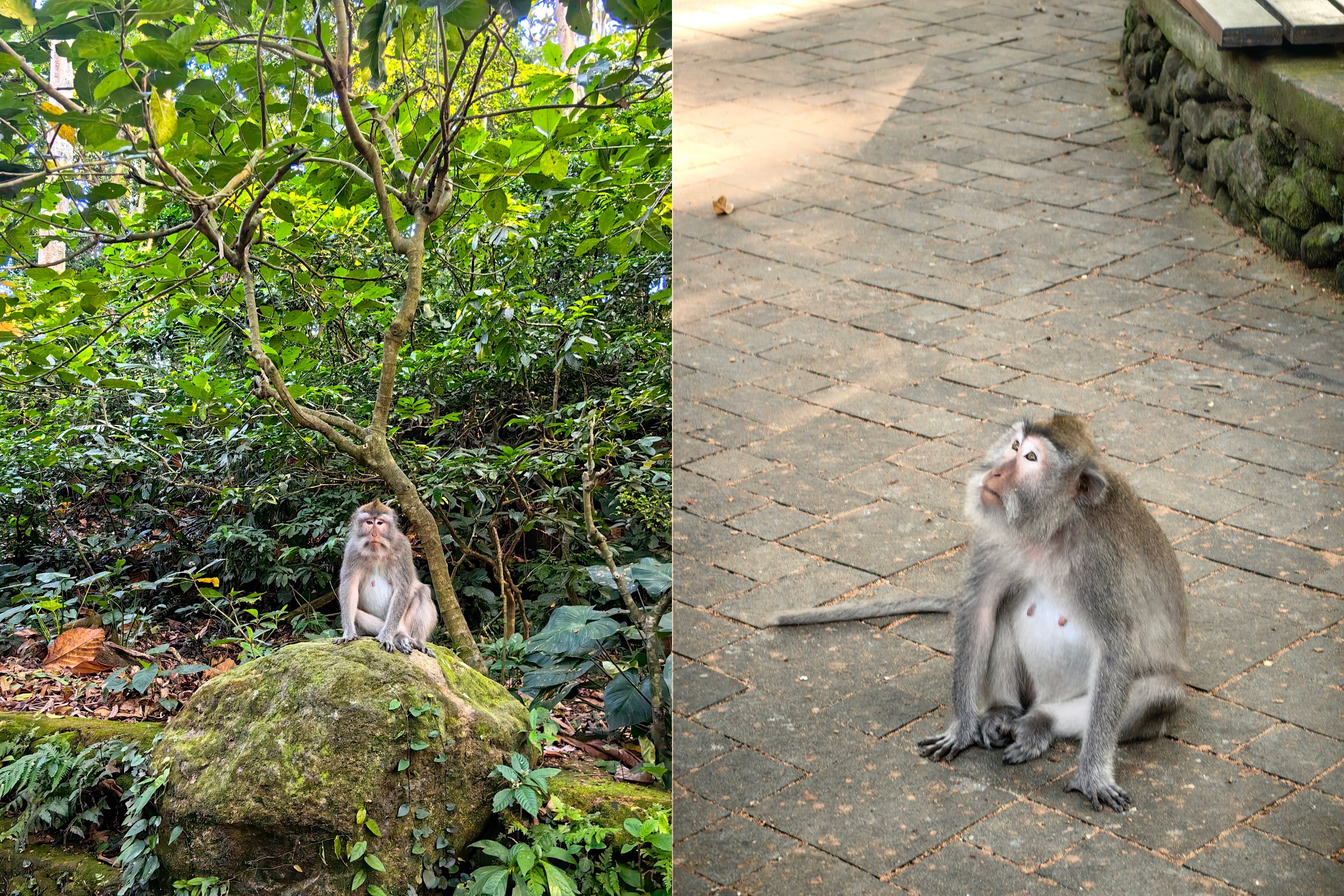
These long-tailed monkeys aren’t just here to wander. Knowing how intelligent these species are, they can even interact with you like you belong in their tribe.
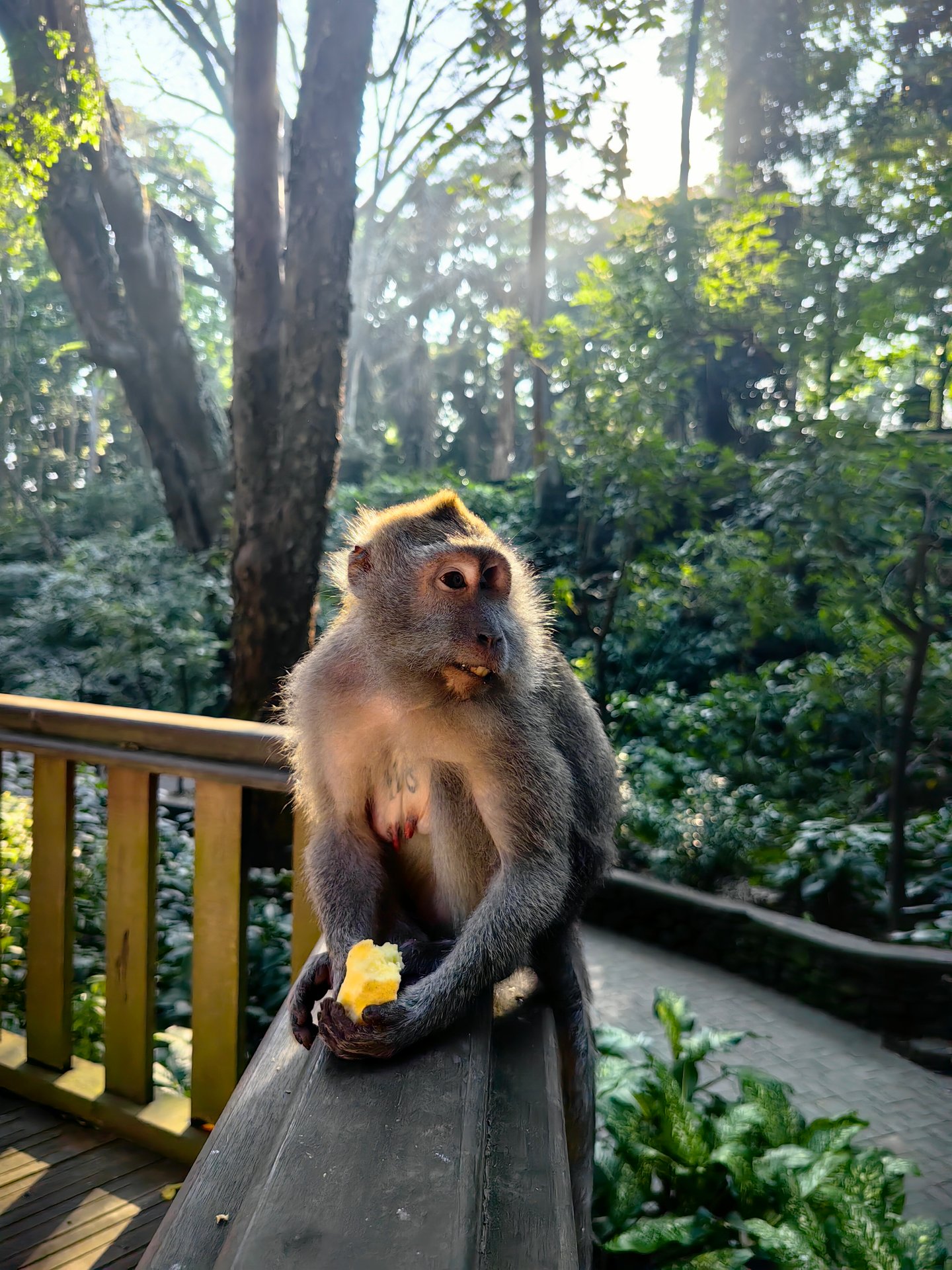

Taking selfies like a chimp-ion — like how this Balinese macaque held the HUAWEI P60 Pro and took ultra-wide angle (UWA) groufies with the gang.
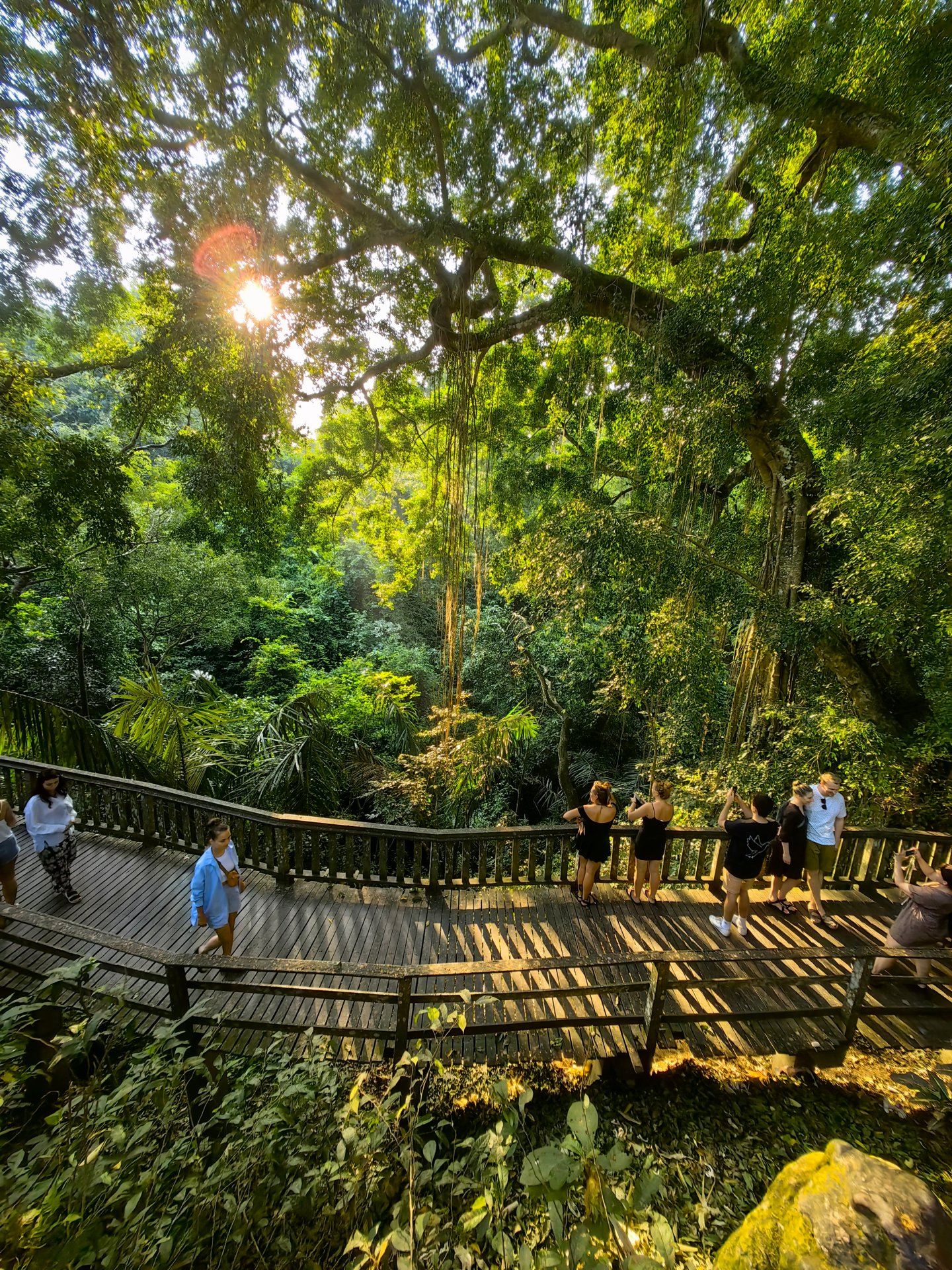
Using the same type of lens at the back gives us the ethereal vibe of the forest.

And even without the Leica lens optics, HUAWEI was still able to deliver “sun-kissed” shots with flares all around particularly due to its XMAGE imaging system.
Water the odds?
With Bali’s rich heritage, you shouldn’t be surprised to see a lot of water-filled temples, statues, symbolisms, and scriptures anywhere you go.

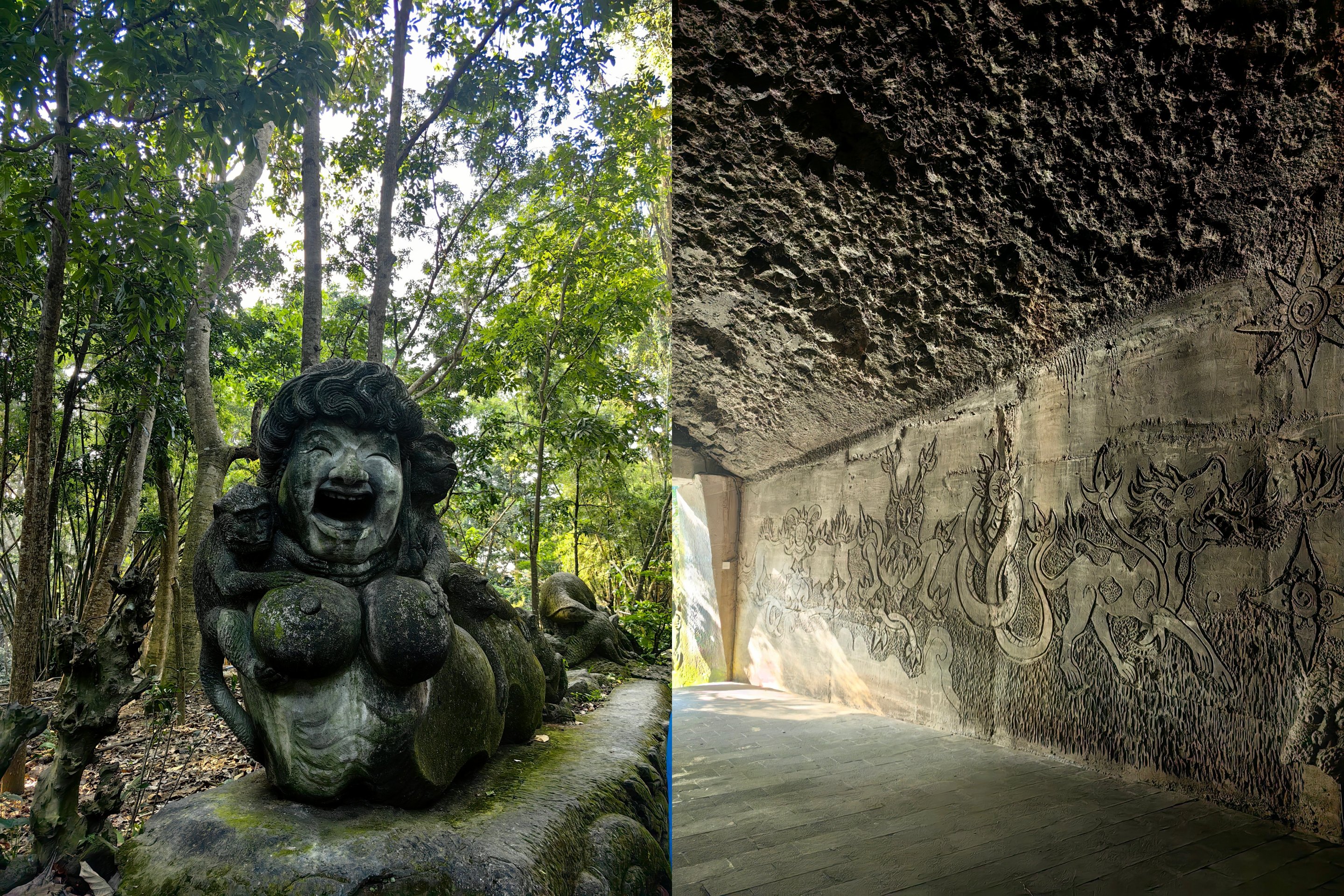
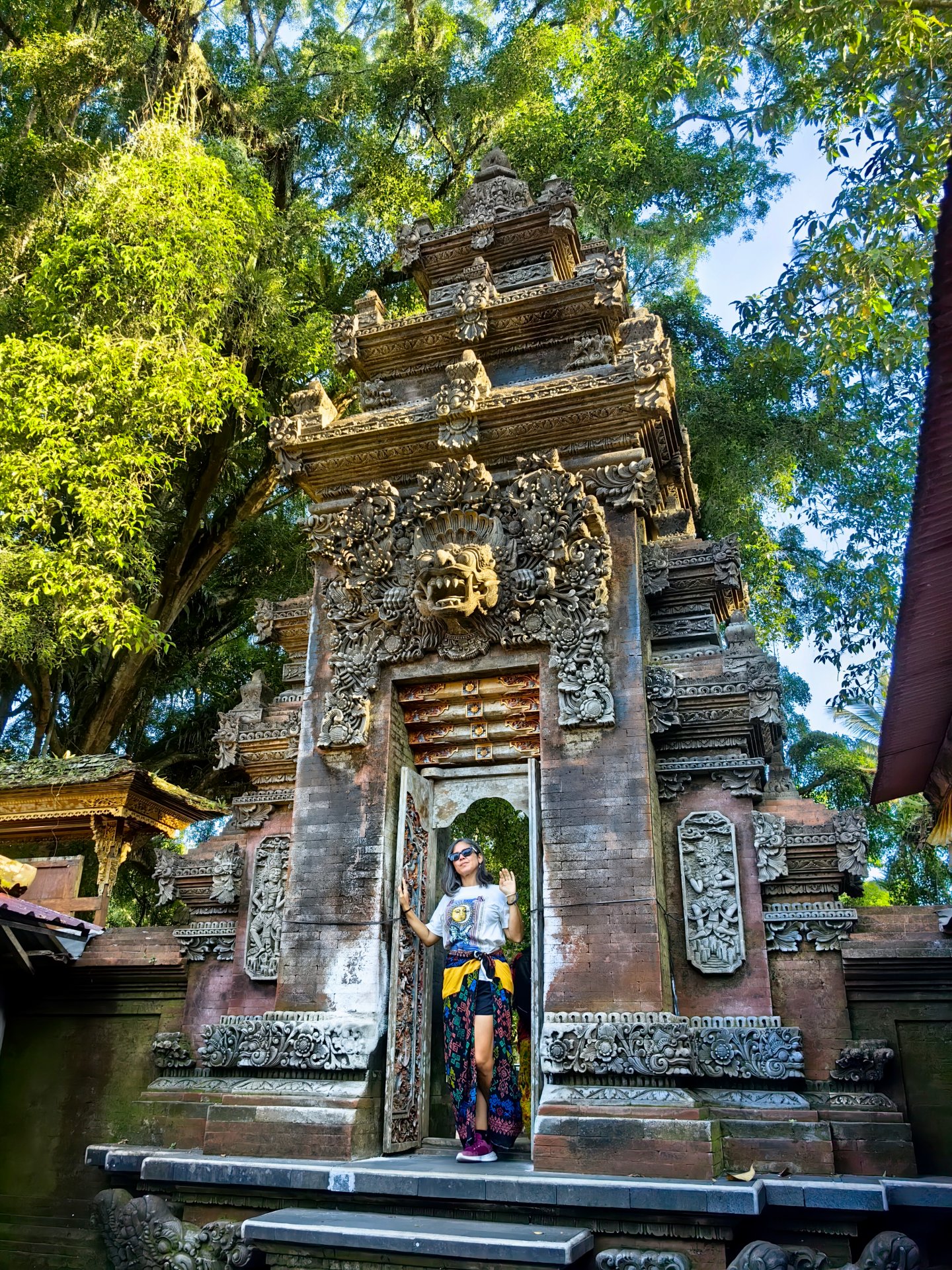
The abundance of temples will be more than enough for your photo-ops. Just remember to walk with respect and leave the preserved ruins unscathed.

Another must-visit is the Tirta Empul Temple where visitors can bathe in the sacred and holy water to “purify” and “cleanse” themselves.

Want to see and feed these giant Koi fishes? Tirta Gangga is where you have to head next!
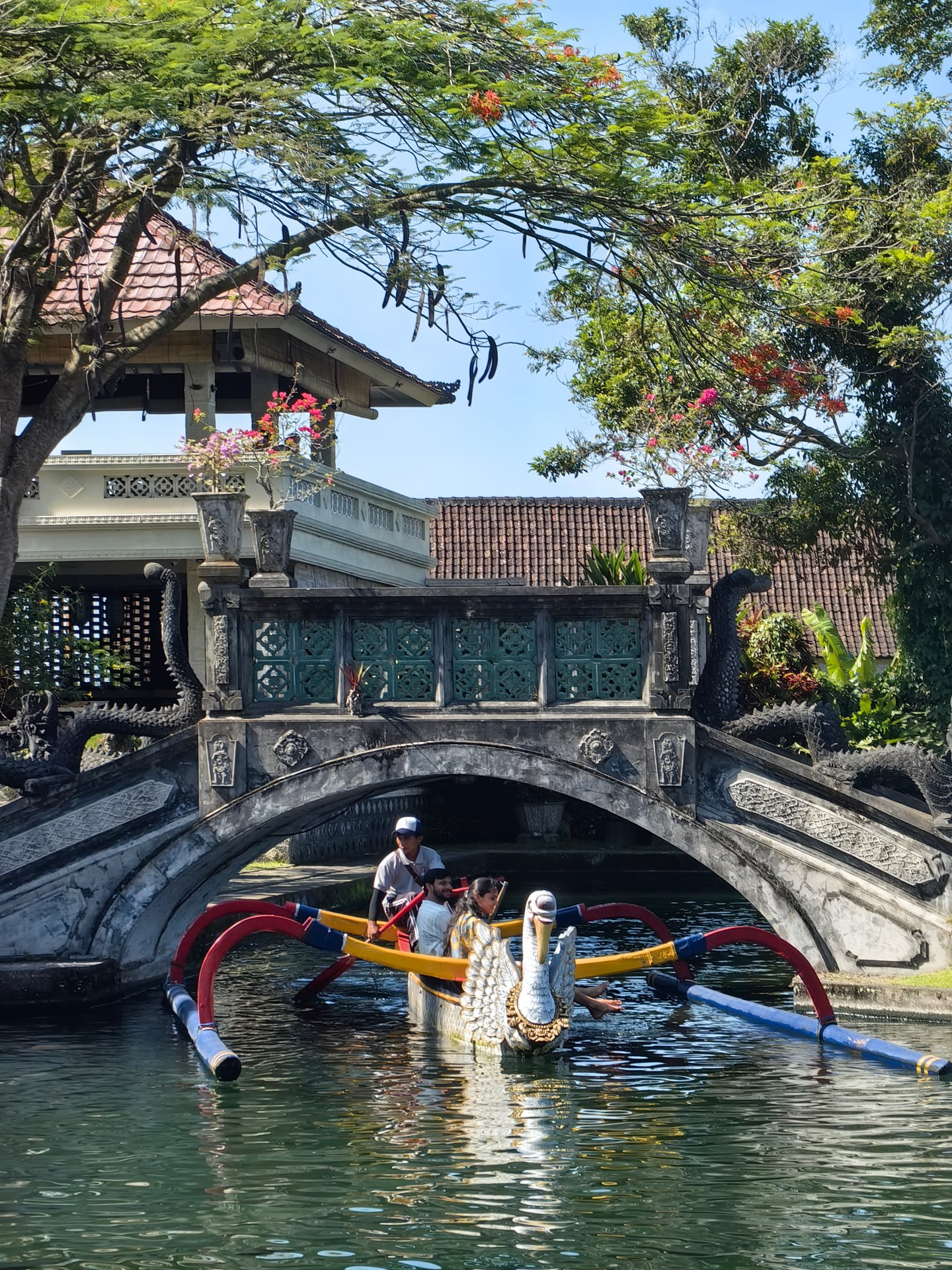
Can we just appreciate the prowess of the P60 Pro’s 3.5x telephoto shooter as it was able to achieve the beautiful scenery of the dragon-decorated bridge alongside the majestic-looking swan boat passing by.
Seas the day
How could one skip the swimming and tanning on Bali’s beautiful beaches?

Quality-wise, the consistency is evident all throughout the set — regardless which type of lens you use. Heck, its portrait mode algorithm even looks professionally-shot with that clear distinction between the foreground subject and objects against the slushy water waves.

Even these selfies are testaments that HUAWEI values not just the rear cameras on the P60 Pro, but even the front camera as well.
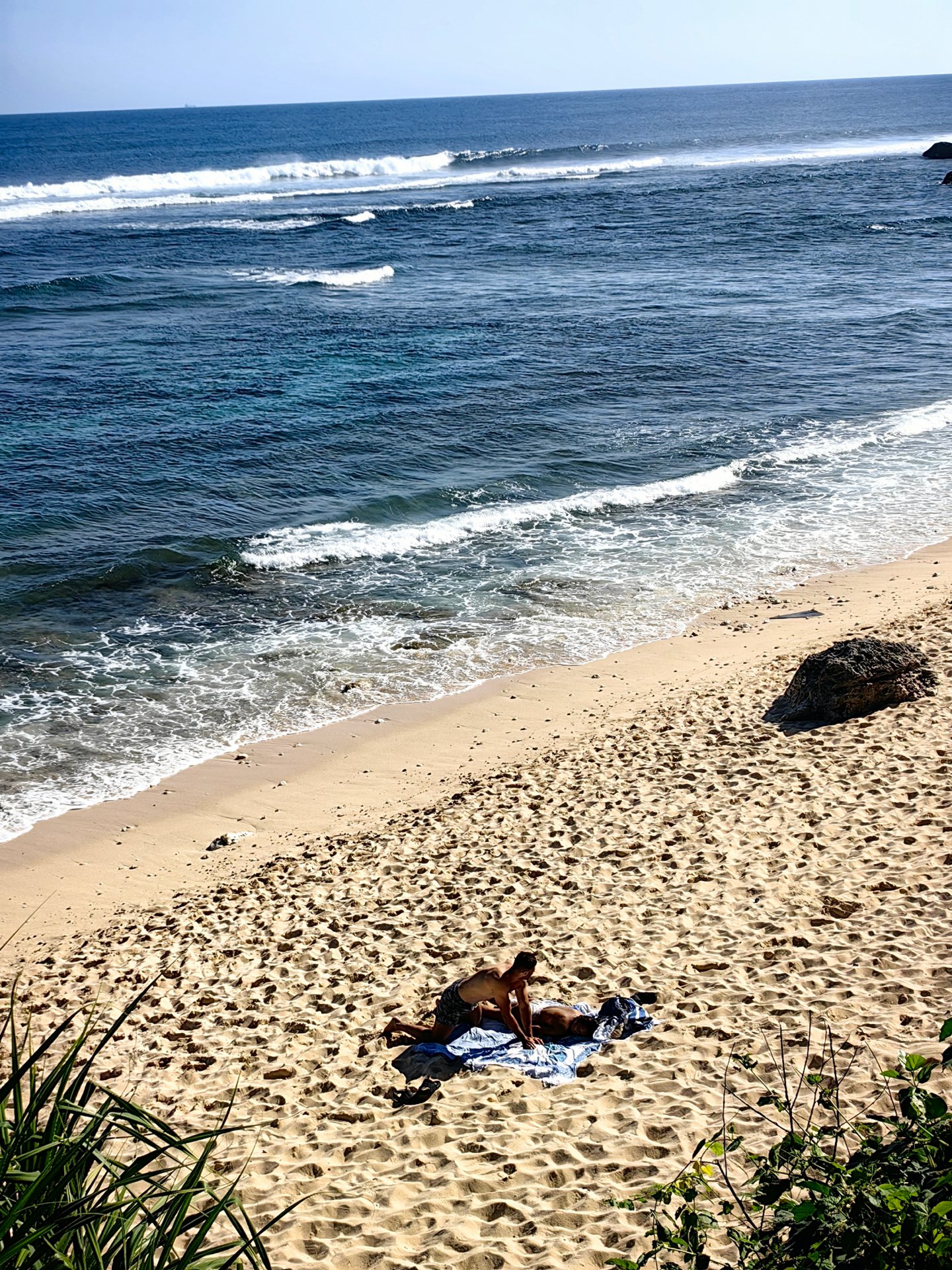
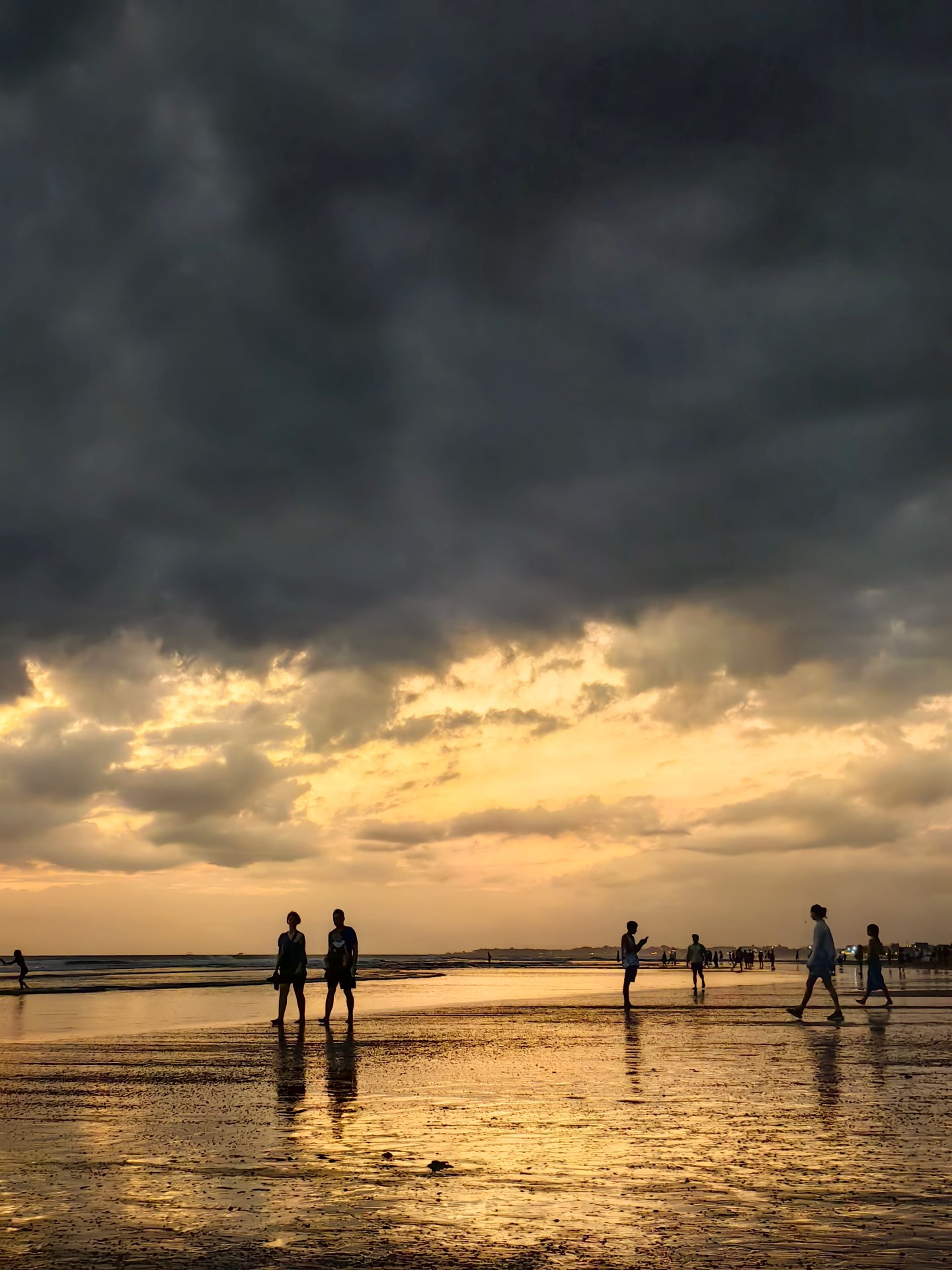
A split-second movement usually results to blurred shots. But with the fast AF (Auto Focus) of the P60 Pro, it felt like there was a freeze in time — regardless if there is an abundance or absence of light.
Mandatory memento
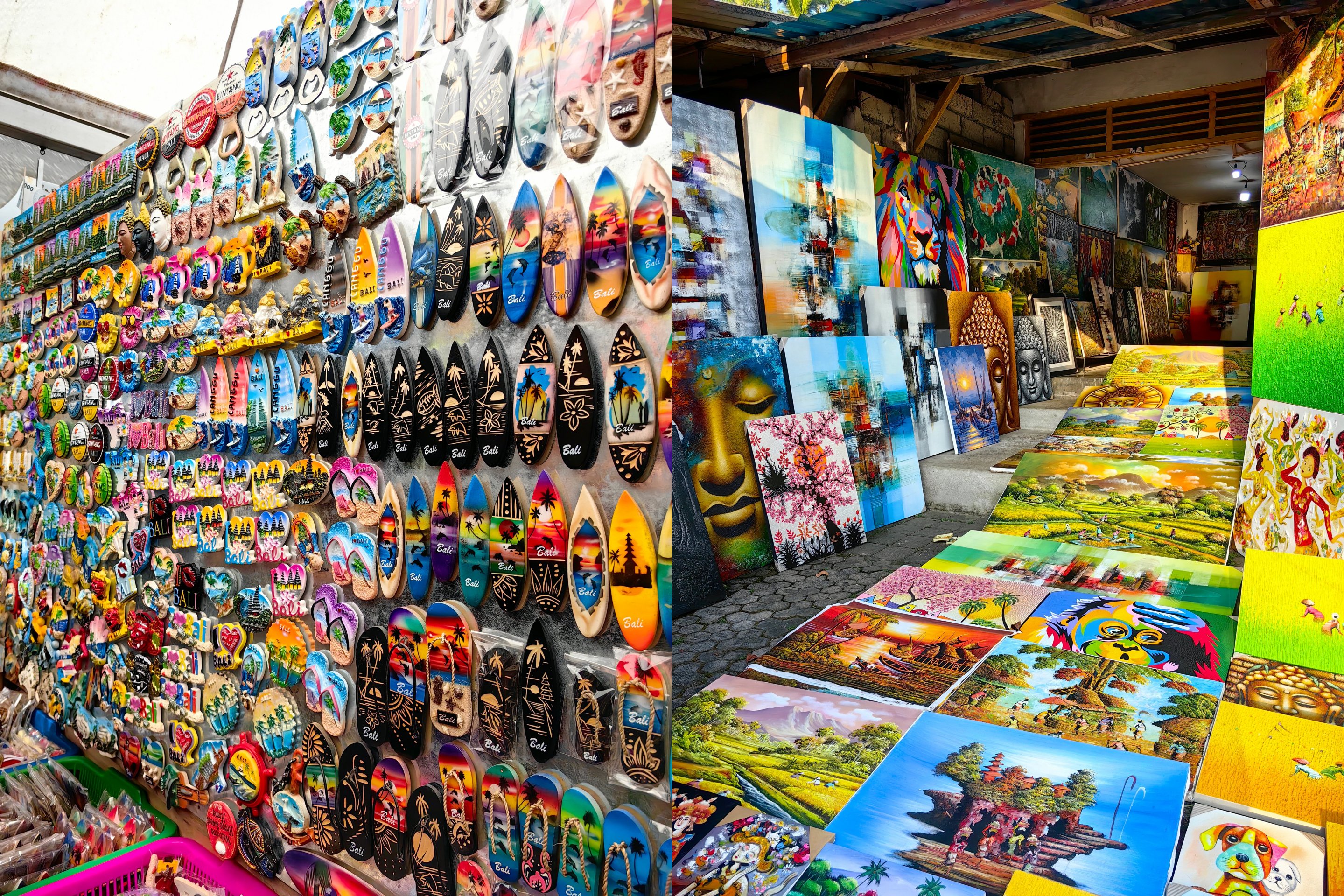
Any trip would feel incomplete without bringing along some souvenirs before going back home.

Whether it’s the tiny ref magnets, dangling keychains, vibrant surfboards, colorful paintings in huge canvases, wacky-looking Balinese masks (called barong), or just photos of these altogether, these are already enough to keep and relive the Bali moments whenever, wherever.
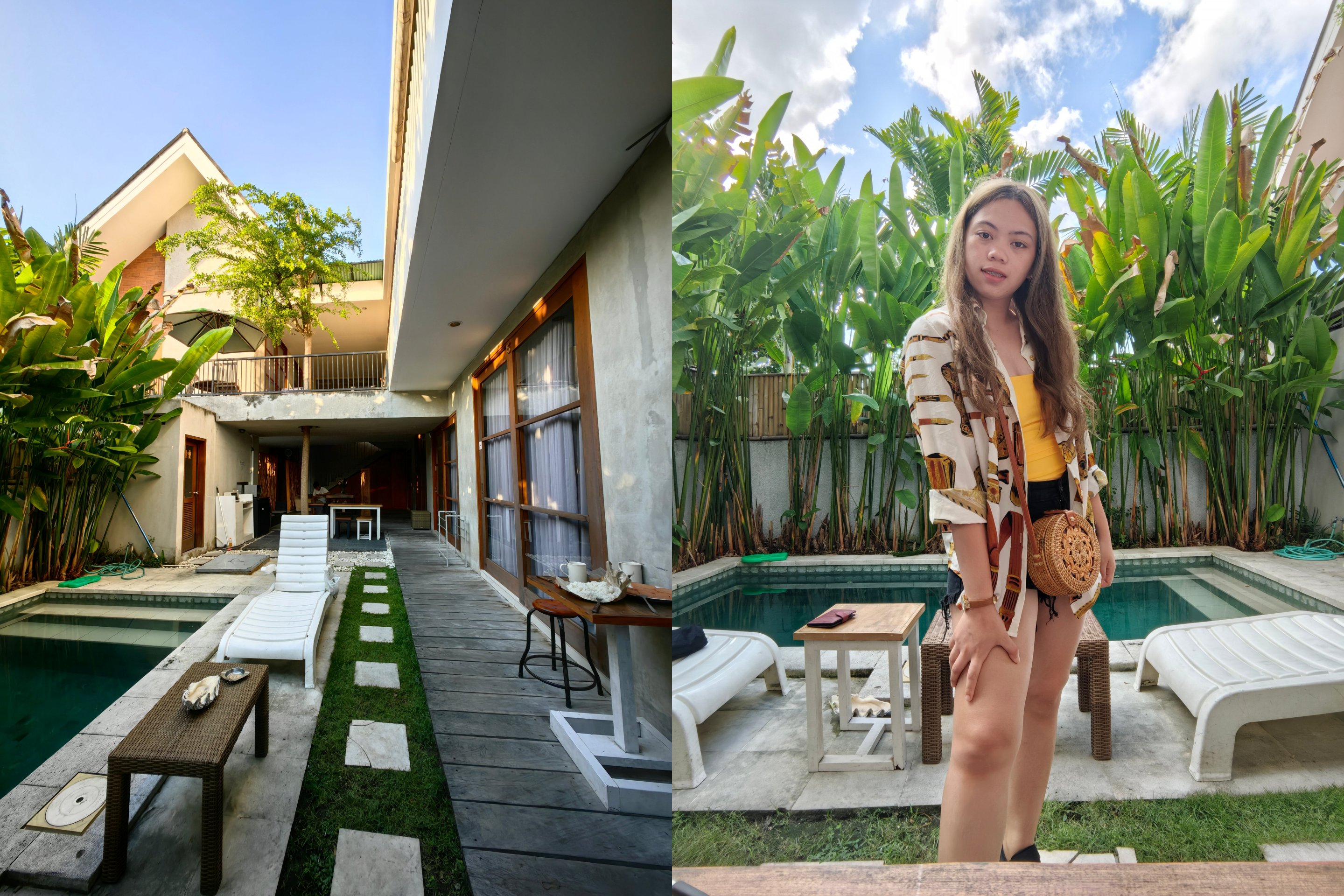
Even a photo of your hotel’s façade/balcony, or just a super wide-angle #OOTD selfie are enough mementos after all that hectic travel to and from several tourist spots around the town.

And don’t forget your mandatory plane window shots before you head back to reality!
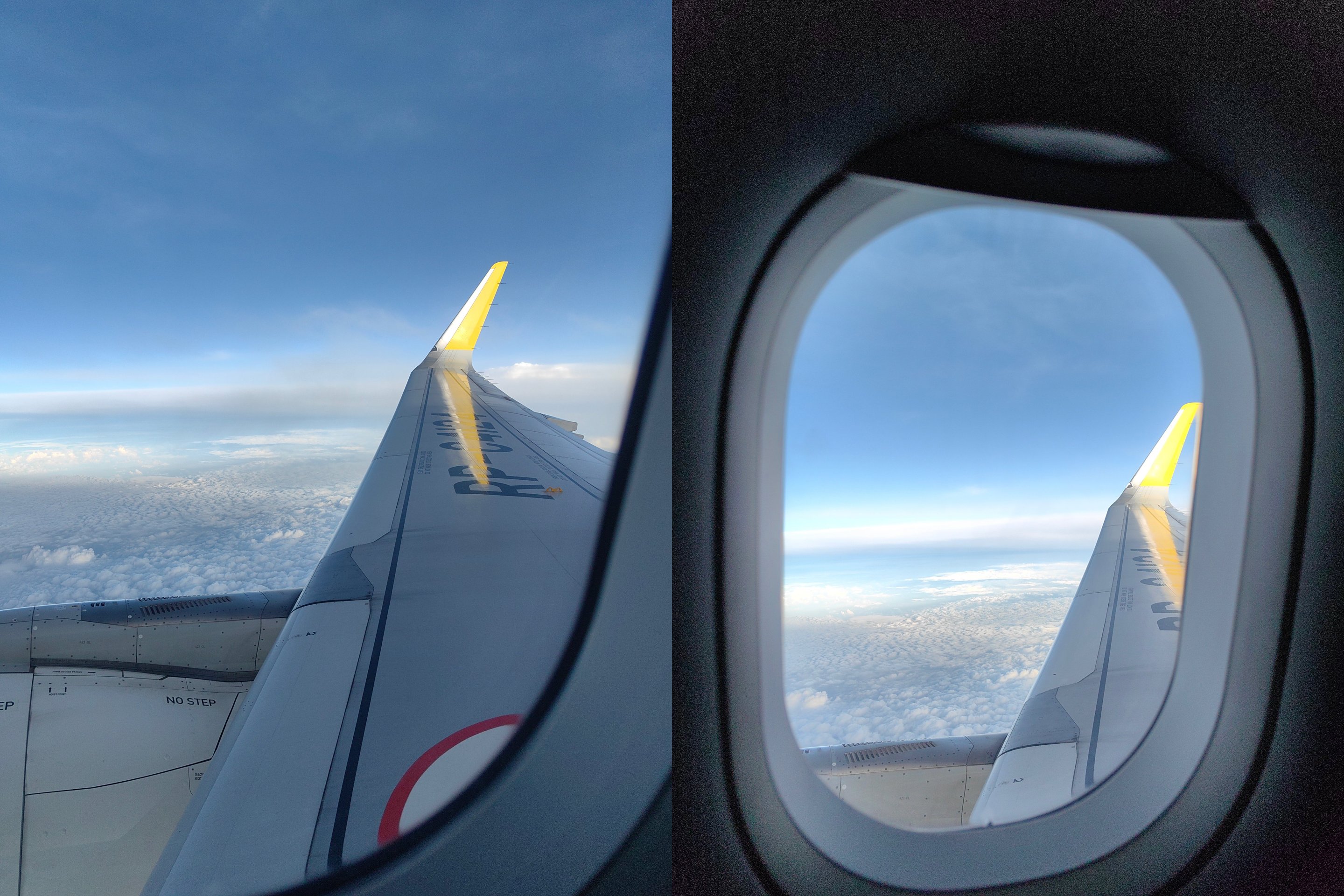
1x | Ultra-Wide
Perfect for pros and non-pros alike
Whether you take it early in the dawn or a little bit late by the dusk, the HUAWEI P60 Pro proves to be a real champ when it comes to taking photos — even without the necessary pro-grade skills and equipment to do so.

Admittedly, neither of them are professionals when it comes to photography. But as I usually say in my camera-specific write-ups, anyone can take professionally-looking snaps as long as they get the right framing and timing.
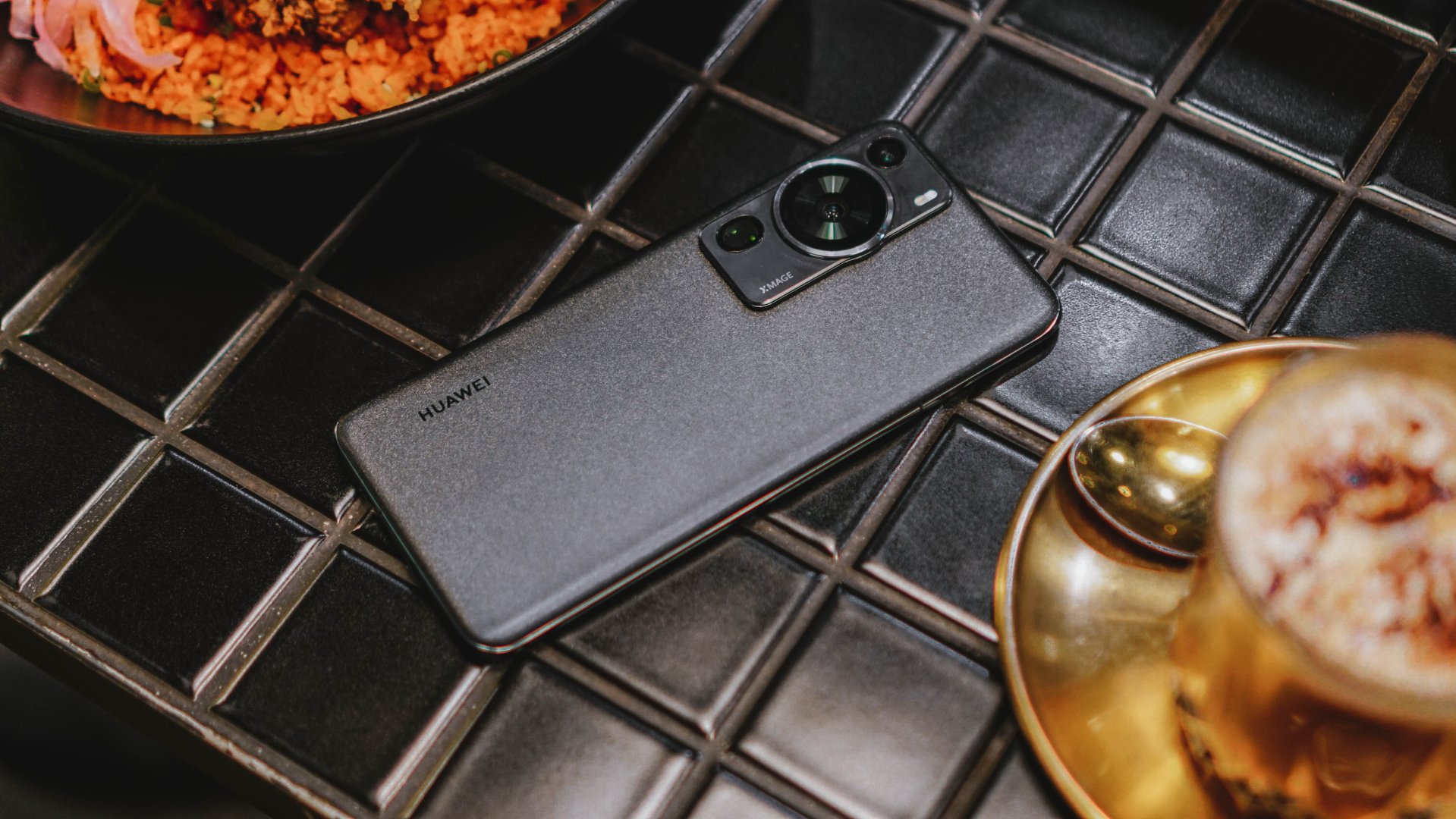
And with the HUAWEI P60 Pro’s astounding cameras plus excellent XMAGE imaging system and AI algorithm, they were able to shoot not just picture perfect photos, but professional-looking perspectives — at least in my eyes who’s very photography-centric.
Even that one macaque is a proof that regardless of which user is holding the phone, a device equipped with a great set of camera hardware contributes in taking great-looking sequential photos in a second — especially those blurry-free snaps we all desire.
SEE ALSO: HUAWEI P60 Pro review: Picture perfect
Special thanks to my friend Judai, together with her lovey-dovey boyfie and friends for bringing us (virtually) to Bali through the wonderful cameras of the HUAWEI P60 Pro.








Apple Pay is officially in the Philippines!
Pushing the country forward into a cashless and cardless future, Apple has now brought its contactless payment system to the Philippines. As with other countries, Apply Pay will work seamlessly and easily even for those who have problems with technology.
Now, despite how easy it is, sometimes we need to be pointed in the right direction. Here’s how you can set up Apple Pay on your iPhone:
Everything starts with the Wallet app. First, open your Wallet app. Tap the “+” button on the top and select “Debit or Credit Card.”
Normally, this is where you can input your card details (which you can still do, by the way), but the default method now is to just tap your card on the back of your iPhone. Your phone does the rest. You might need to confirm with your bank, but it’s as easy as a single tap.
Pick which cards to use. Once you have your cards online, you might need to change which one is the default card. Again, it’s easy. Just drag your preferred card to the front.
Afterwards, you can tap to pay in supported stores by priming the Wallet app for use. Tapping to pay is also available for Apple Watch. Meanwhile, online transactions can also work on MacBook.
Secure, all the time. If you’re worried about your security especially with online transactions, Apple keeps your information only between you and the seller. They don’t store your data.
Also, it’s not easy to make a transaction without your consent. You need Face ID, Touch ID, or your password. If you lose your phone, you can easily shut your phone down with the Find My app to prevent malicious parties from making transactions.

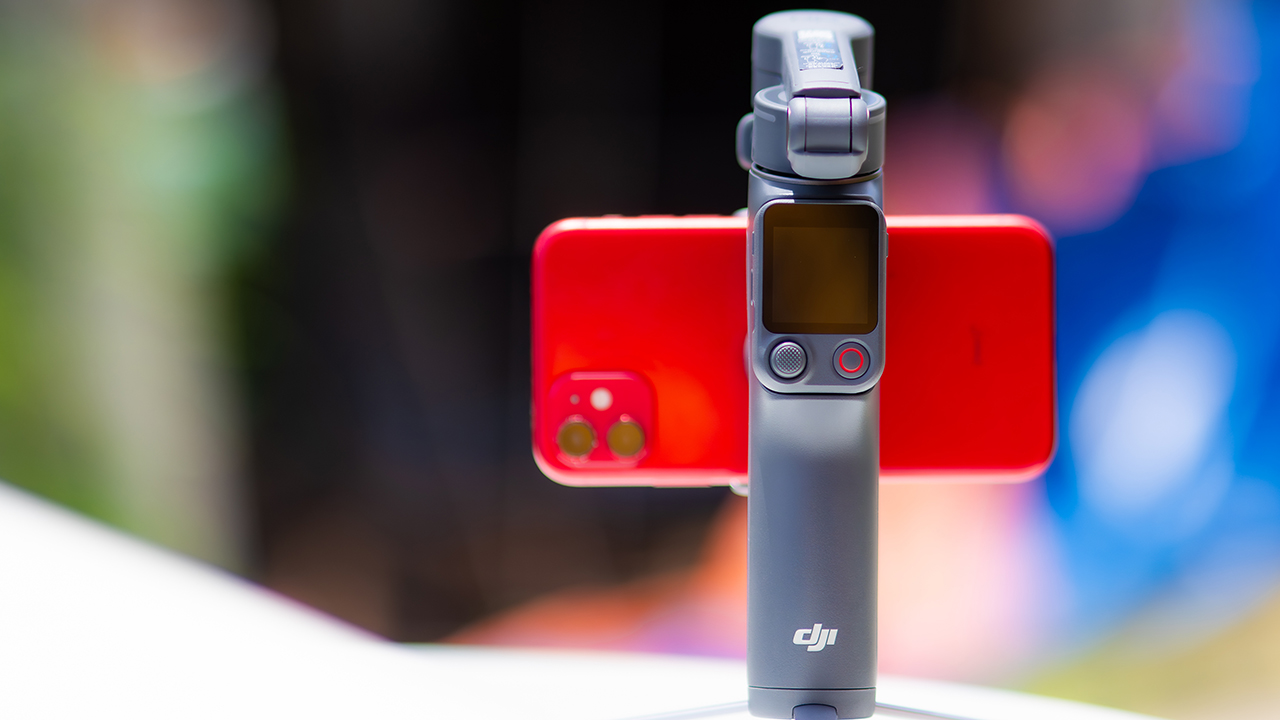
DJI’s smartphone gimbals have always chased one goal: delivering cinema-smooth footage without forcing you to carry a heavy rig.
The Osmo Mobile 8P (OM 8P) makes its priorities clear right out of the box. This is not a simple refresh. DJI rebuilt how you control the gimbal, and that decision shapes the entire shooting experience.
Freedom behind the lens
The biggest change is the FrameTap remote, and it’s the kind of upgrade that fixes a problem you didn’t realize was slowing you down until it’s gone.
On the standard OM 8, adjusting your framing meant reaching for your phone every time, which broke the flow of shooting and pulled you out of the moment.
FrameTap puts that control back in your hand. You can reframe shots and manage the gimbal without touching your phone at all, and for anyone shooting solo, that alone changes how usable the whole setup feels. Tracking has taken a real step forward too.
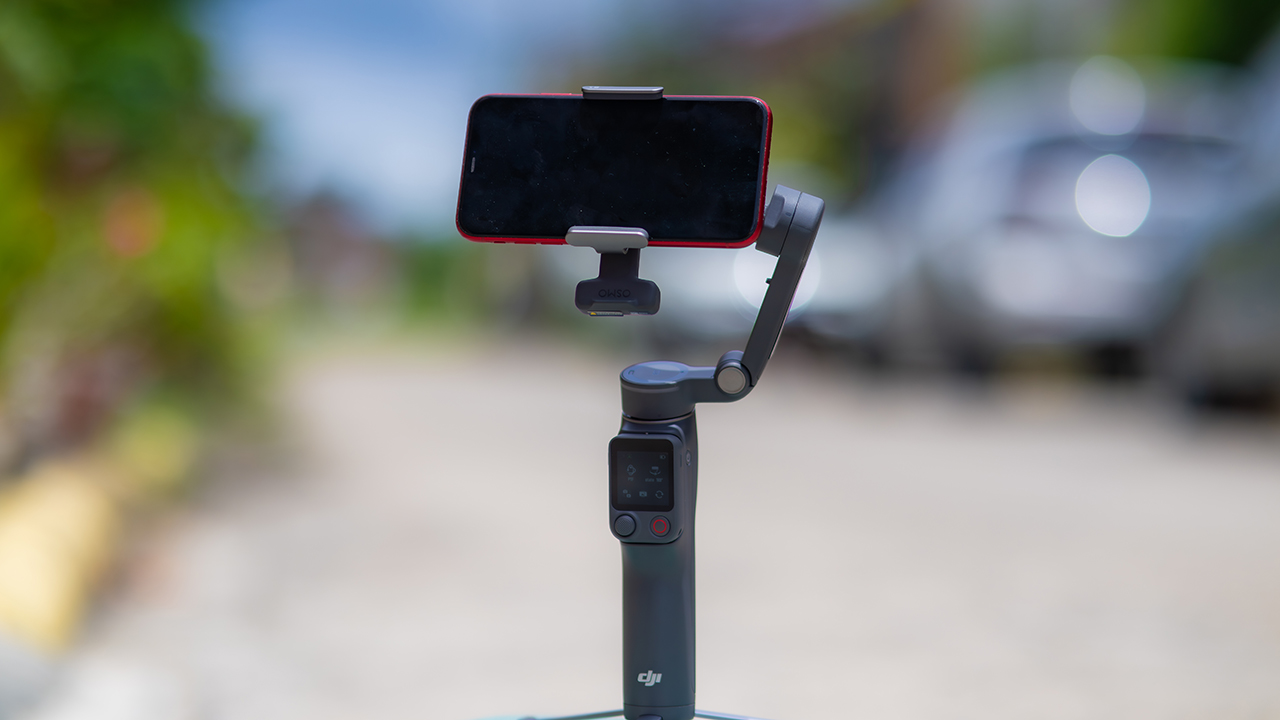
ActiveTrack 8.0, paired with Module 2, held onto its subject even after they stepped out of frame for a moment, then picked them back up without much fuss.
It also lets you sit off-center in the shot instead of forcing you into the middle every time, which gives you more room to compose something that doesn’t look like every other gimbal video.
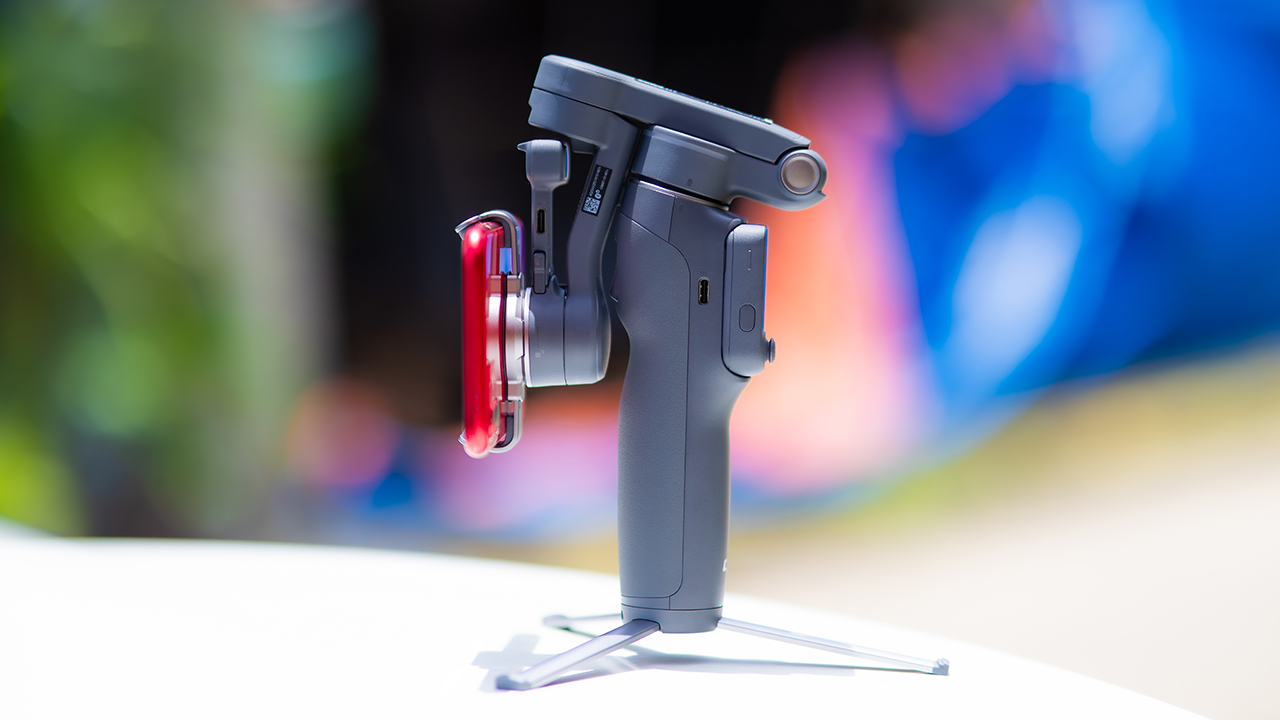
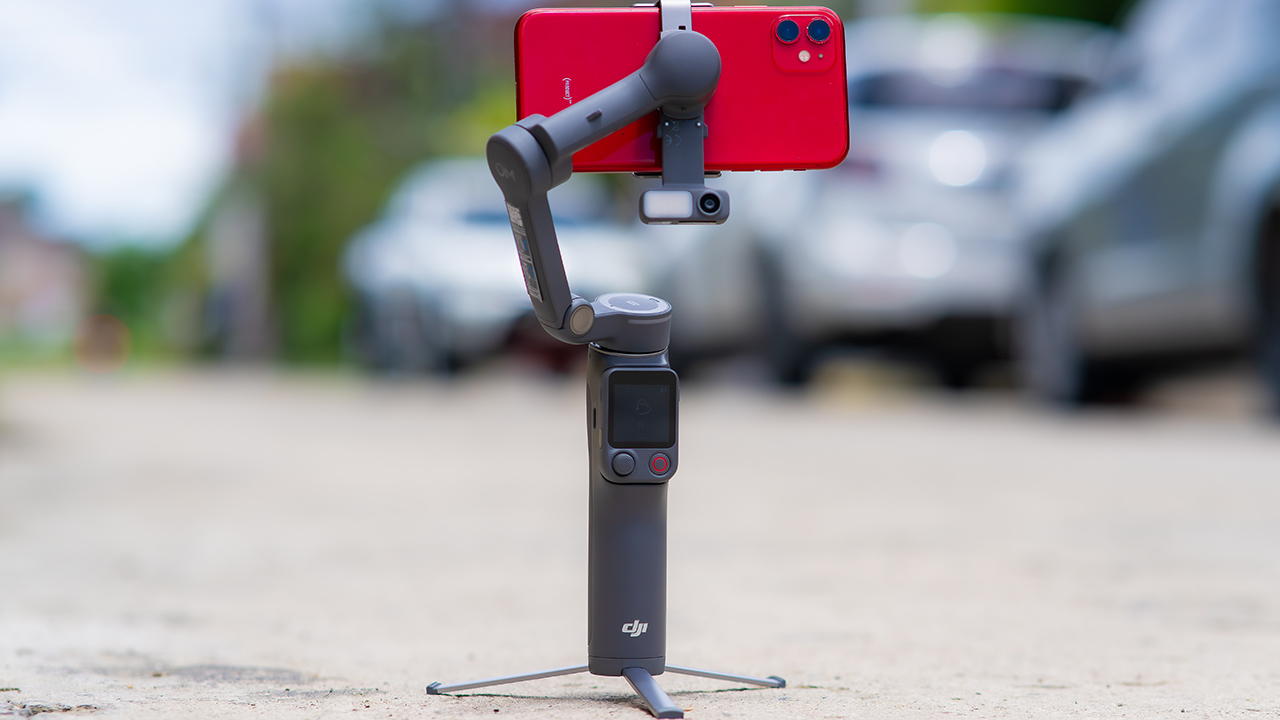
None of that would matter much if the gimbal itself wasn’t solid, and it still is. The OM 8P holds onto the same foldable design, magnetic phone clamp, and built-in tripod that made the OM 8 easy to live with.
And it remains one of the better compact options for stabilization, tracking, and portability in one package.
The tripod legs are a touch wider this time, and that extra width does make a noticeable difference on uneven ground.
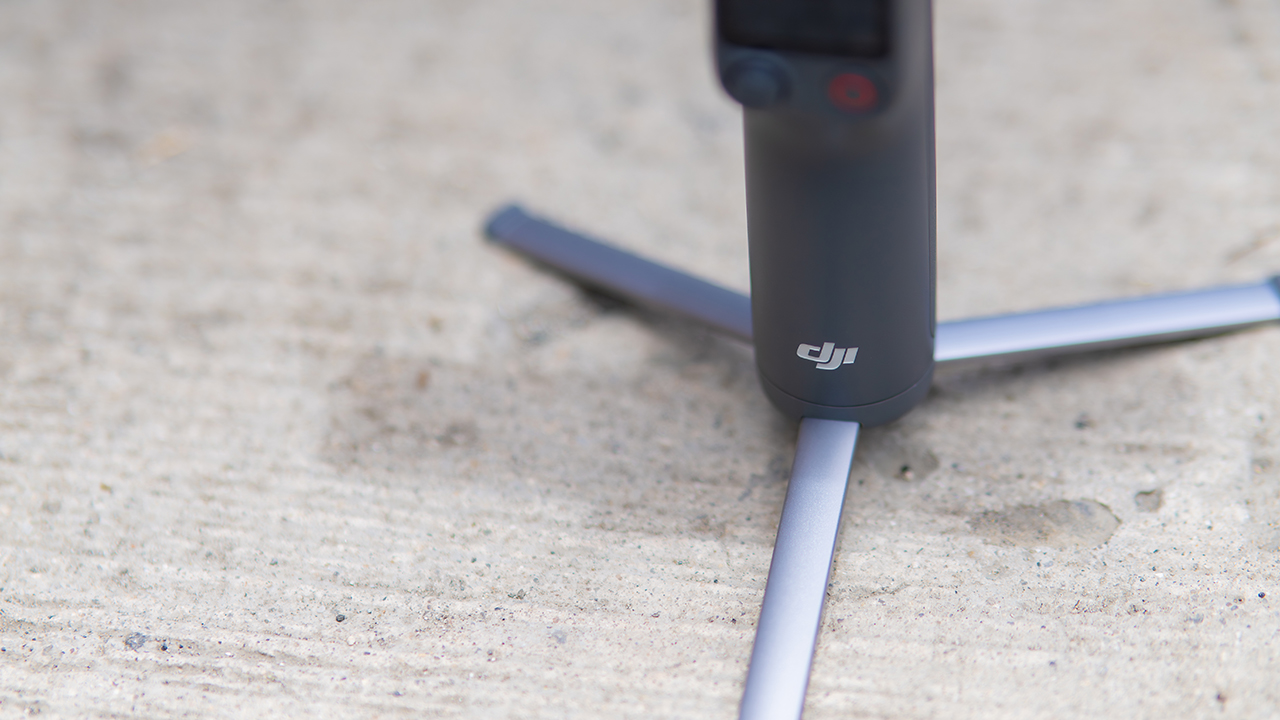
The trade-offs in touch
The trade-off for all that new remote functionality is a control scheme that takes more getting used to. More of the gimbal’s functions now live on the FrameTap touchscreen, the joystick is smaller, and switching between shooting modes takes a few extra taps compared to the OM 8. It’s not a dealbreaker, but it’s a learning curve you’ll need to budget time for.
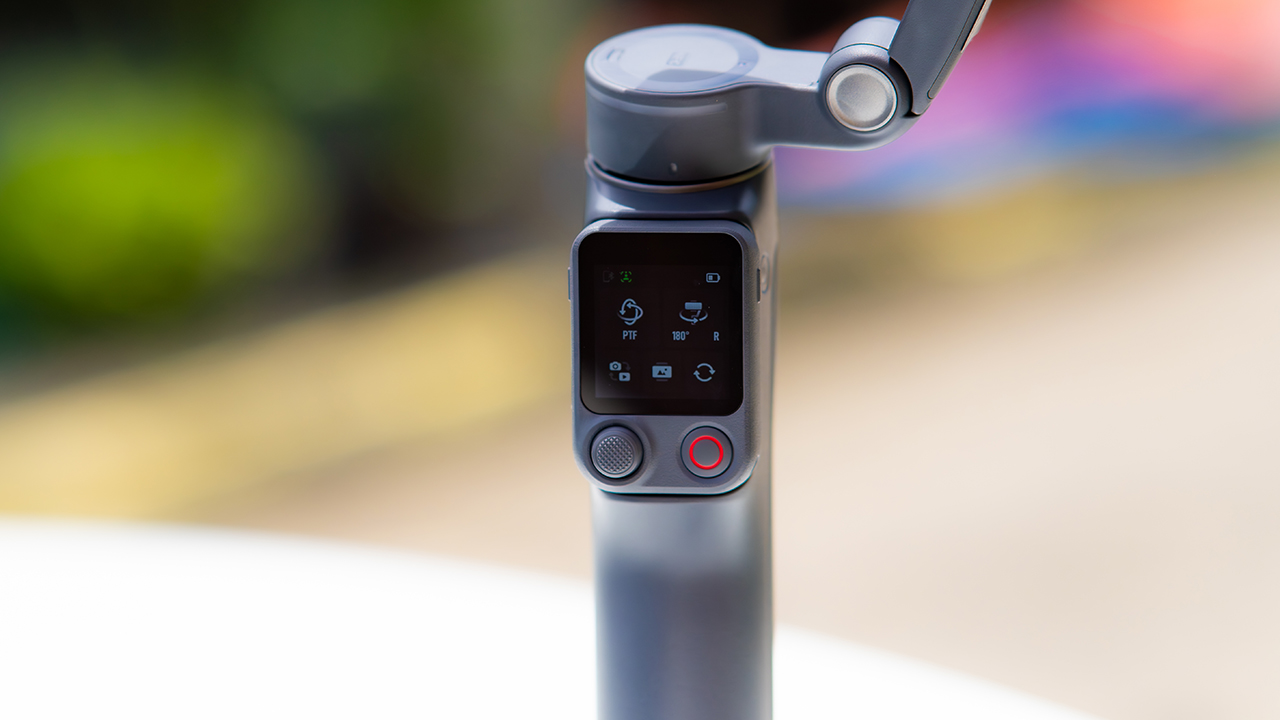
DJI also removed the zoom and focus wheel, so if you leaned on that dial for quick adjustments, you’ll feel its absence here. Module 2 no longer lets you plug a DJI wireless mic in directly either.
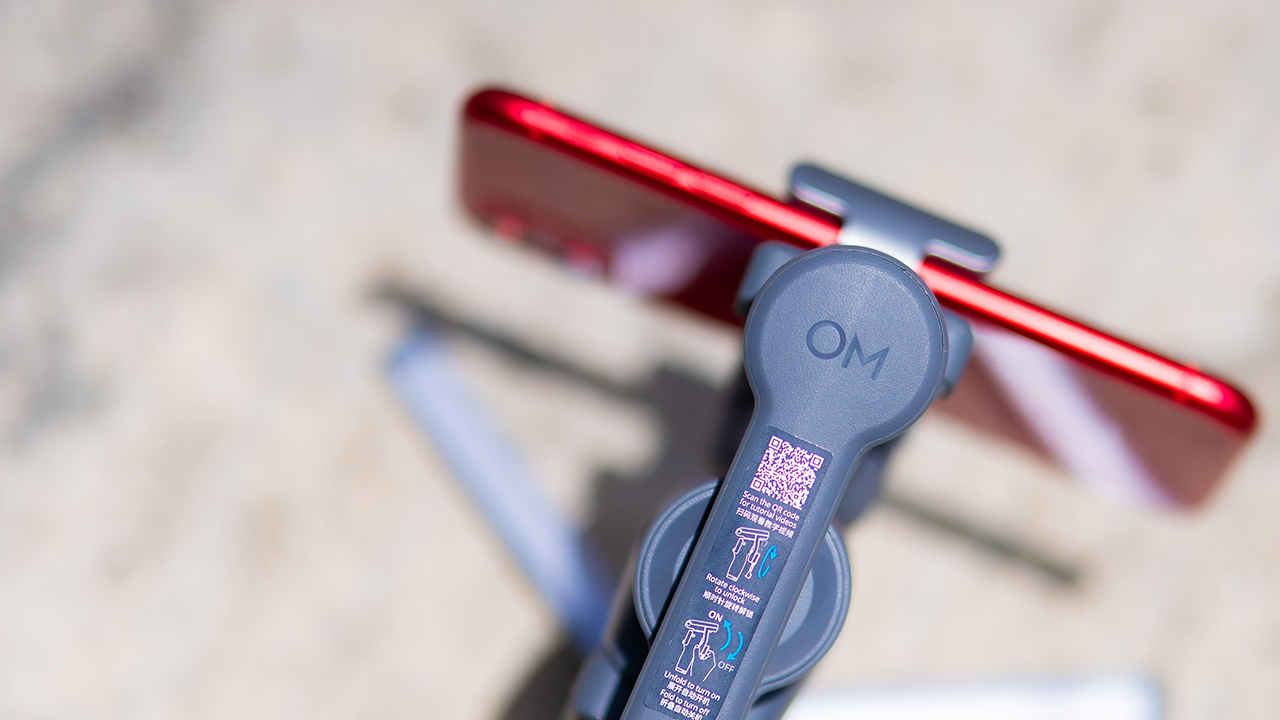
You’ll need to connect it to your phone instead, which adds a step to a setup that used to be simpler. Phone compatibility is still a limiting factor as well. DJI lists support for phones up to around 300g and 11mm thick, so bigger phones or ones in chunky cases may not clamp in properly.
Finding your ideal workflow
The OM 8P makes the most sense for solo creators who want dependable tracking and the freedom of remote framing without stepping up to a dedicated camera like the DJI Osmo Pocket.
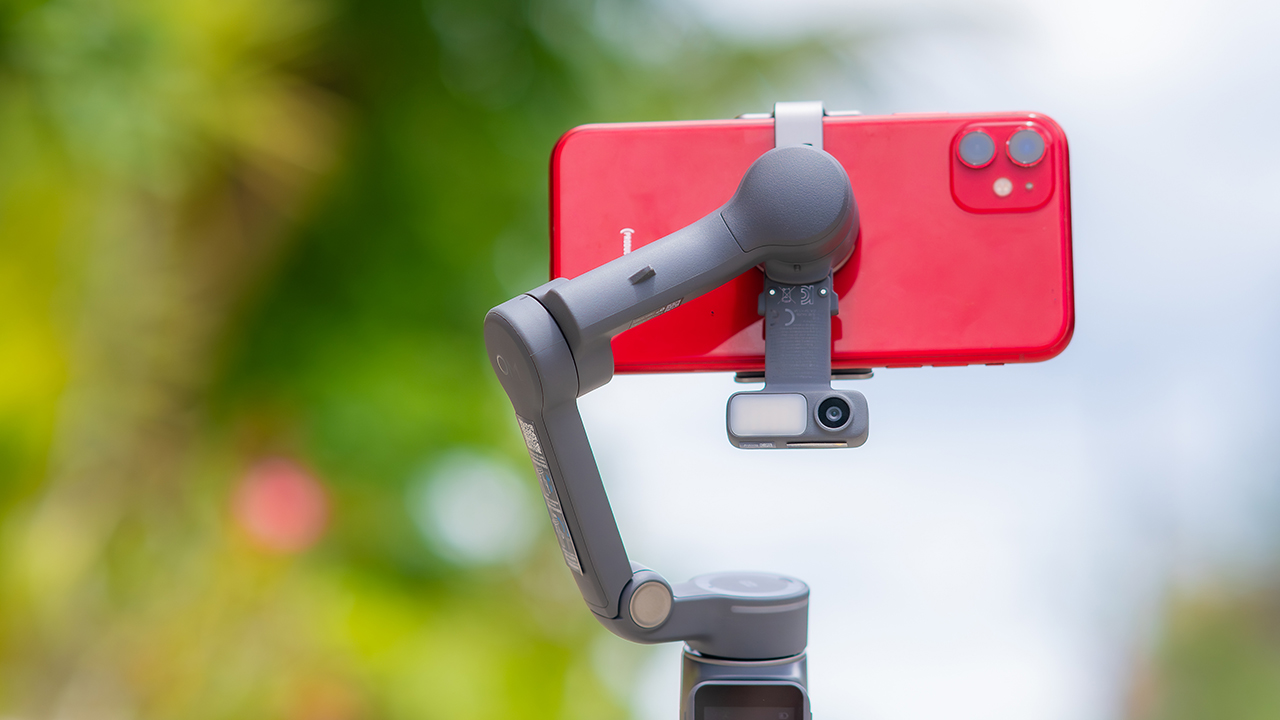
If you’re already shooting on a phone with a solid camera, this fills the gap nicely. It’s a tougher sell if you prefer physical buttons over touchscreen menus, or if your phone runs on the larger and heavier side, since fitting it onto the clamp might be a problem before you even get to shooting.
Price, availability
DJI is offering the OM 8P in three combos, so how much you pay depends on how much of the ecosystem you actually need.
- Standard Combo (PhP 7,499): the gimbal itself, with 8th-gen stabilization and the detachable FrameTap remote included.
- Advanced Tracking Combo (PhP 9,199): adds the Multifunctional Module 2 for the improved subject tracking we tested.
- Creator Combo (PhP 11,099): the full kit, built for creators who want everything DJI bundles in from the start.
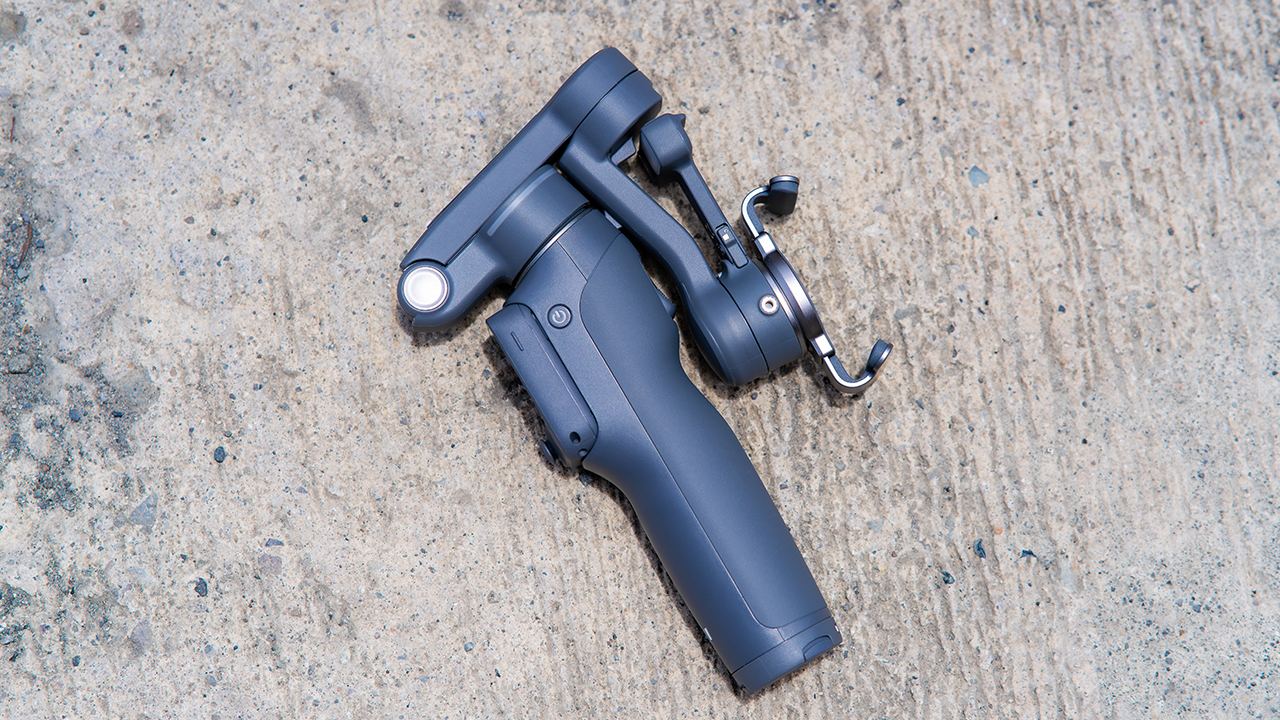
Is the DJI Osmo Mobile 8P your GadgetMatch?
The DJI Osmo Mobile 8P asks you to relearn a few habits in exchange for a gimbal that finally lets go of your phone. If hands-free framing and steadier tracking matter more to you than a dedicated zoom dial, this is worth the adjustment.
If you’d rather keep things exactly as they were on the OM 8, that learning curve might be the deciding factor.
Swipe right if you shoot alone often and have been waiting for a gimbal remote that actually works. The FrameTap remote alone justifies the upgrade if reaching for your phone mid-shot has been slowing you down.
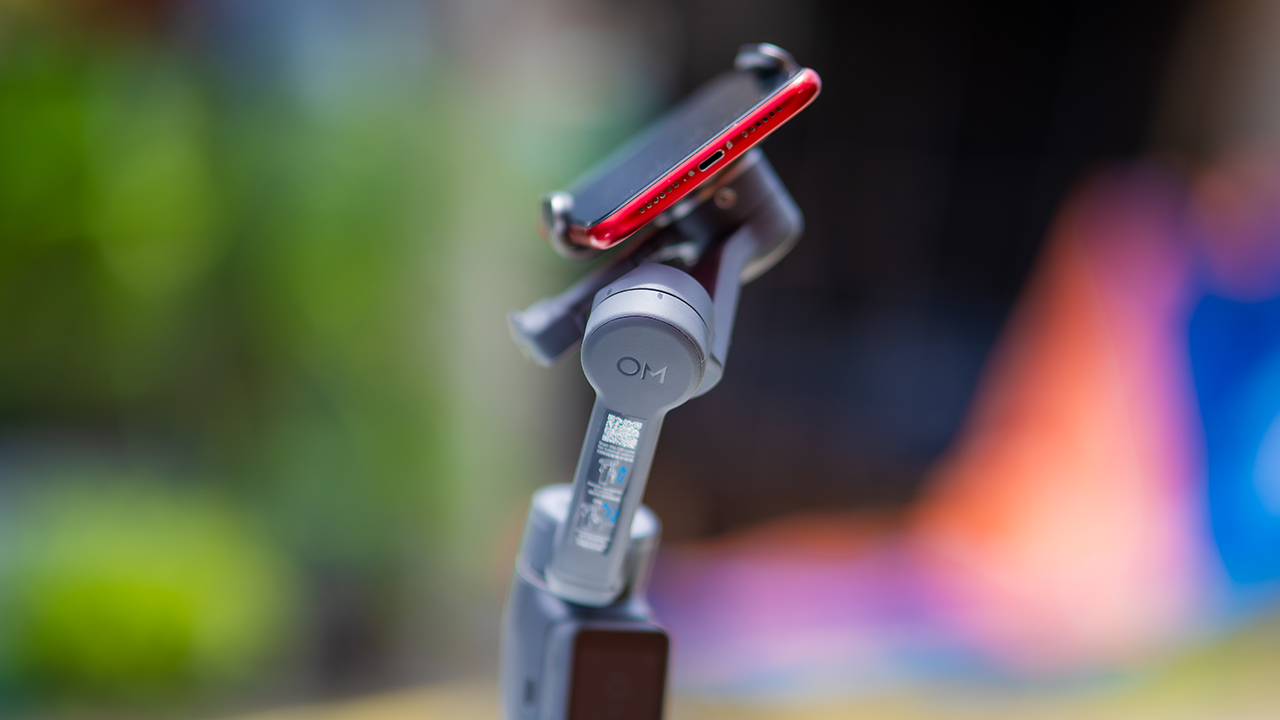
Consider this if reliable tracking matters to you, especially if you’ve had a subject wander out of frame and stay lost on older gimbals.
And of course, get this if you already own a capable phone under the weight and thickness limits, and you’d rather invest in a smartphone rig than jump to a dedicated camera like the Osmo Pocket.
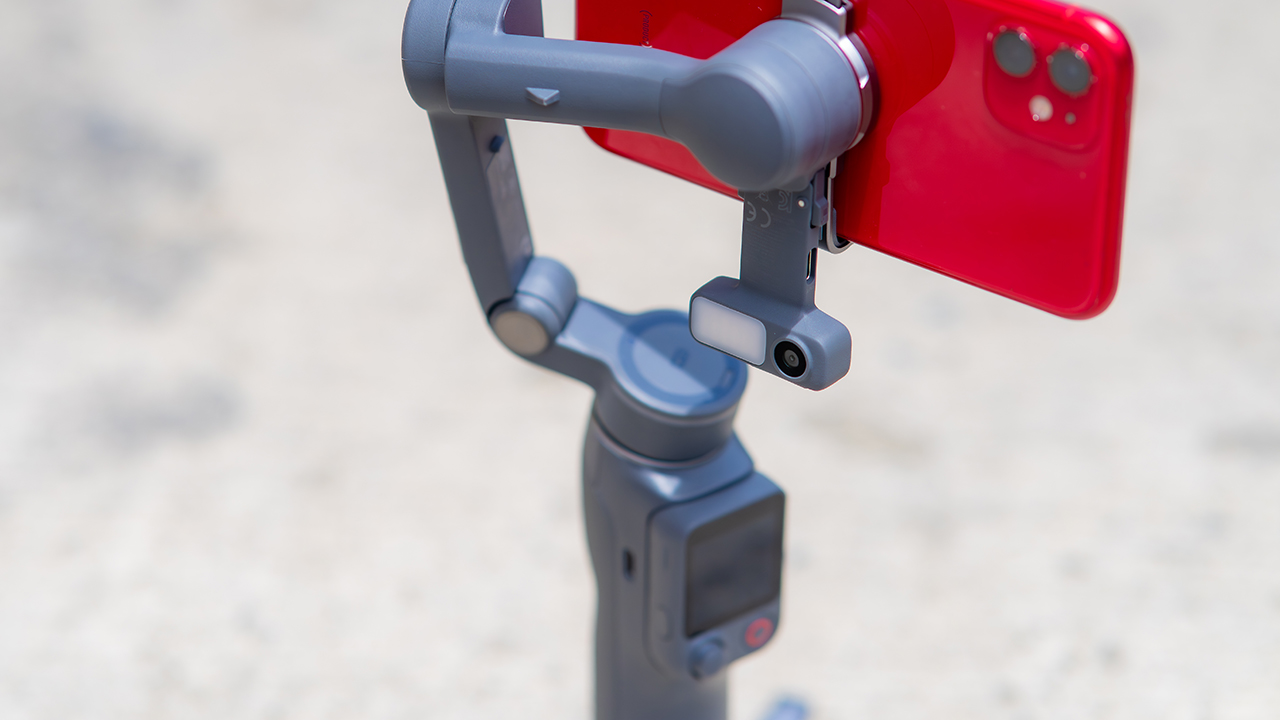
Swipe left if you lean on physical dials for zoom and focus, and moving those functions to a touchscreen sounds like a downgrade rather than an upgrade.
This is not for you if you use a DJI wireless mic and want it plugged directly into the module without routing through your phone first. Or, your phone runs heavier or bulkier than DJI’s limits allow, since no amount of enthusiasm fixes a clamp that won’t close.
Features
GadgetSnaps: Westminster Abbey
A thousand years of history, unfolded with the Samsung Galaxy Z Fold8 Ultra

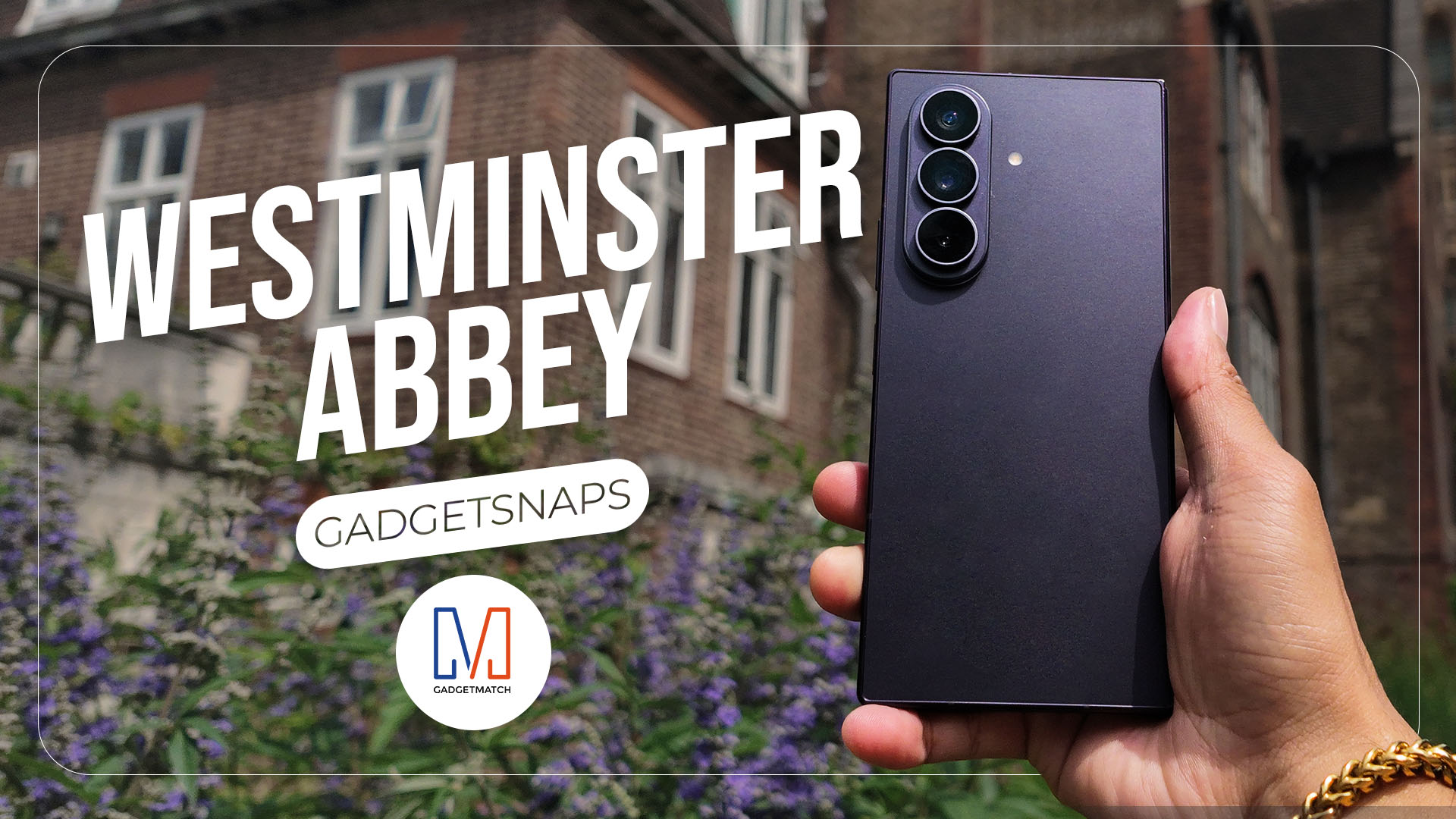
Westminster Abbey isn’t just another stop on the London tourist trail.
It’s the stage for coronations, royal weddings, and burials that span nearly a thousand years, all still playing out under the same vaulted ceilings that have been standing since before most countries had names.
Once you get past the crowds and the audio guides, a quieter version of the abbey starts to show itself: worn stone steps, poets resting a few feet from kings, light that shifts across the nave like it’s in on the performance too.
While losing track of time in Poets’ Corner (yes, me, playing amateur historian for an afternoon), I unfolded the Samsung Galaxy Z Fold8 Ultra and decided the abbey deserved more than a quick tourist snap.

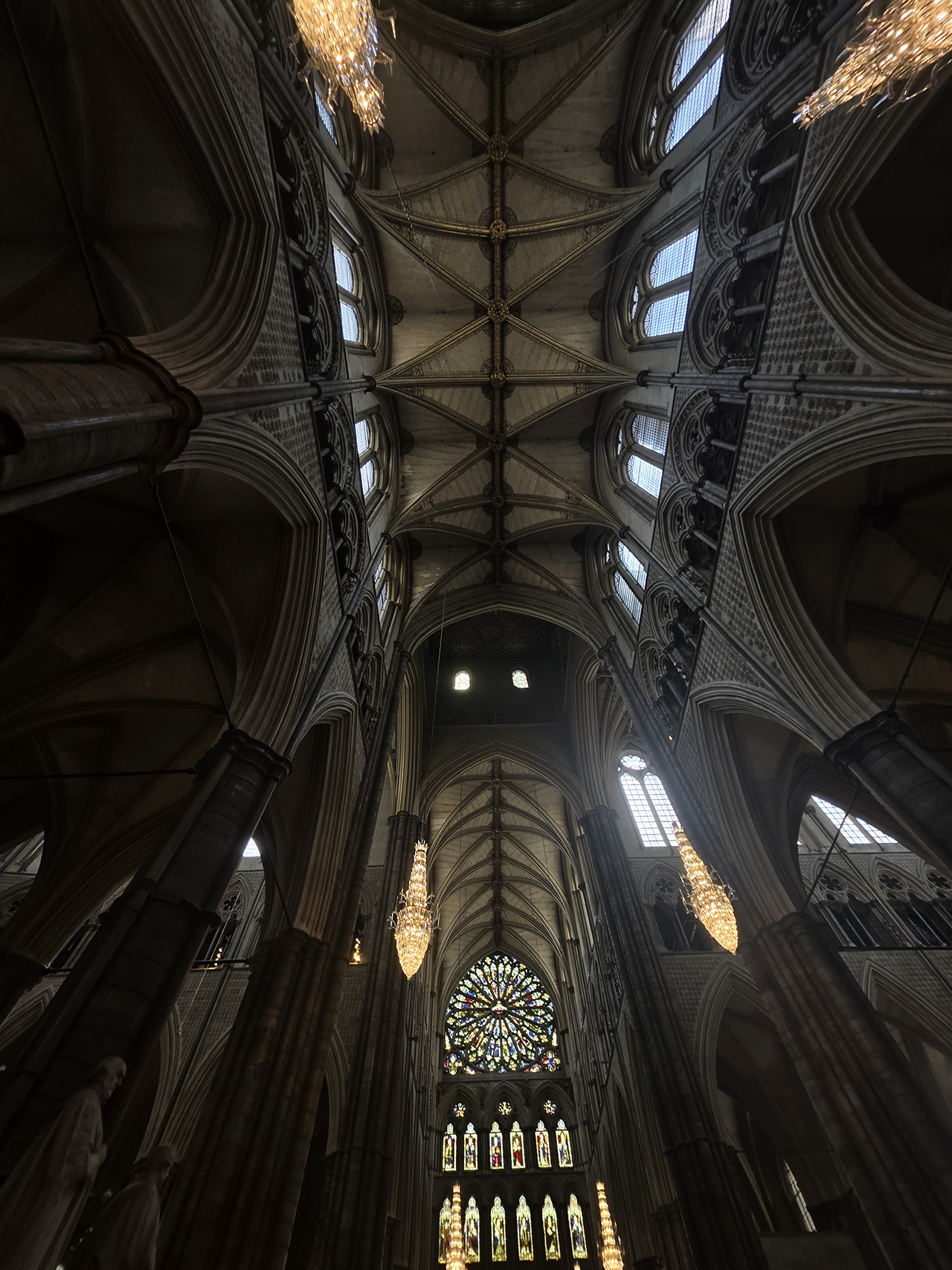
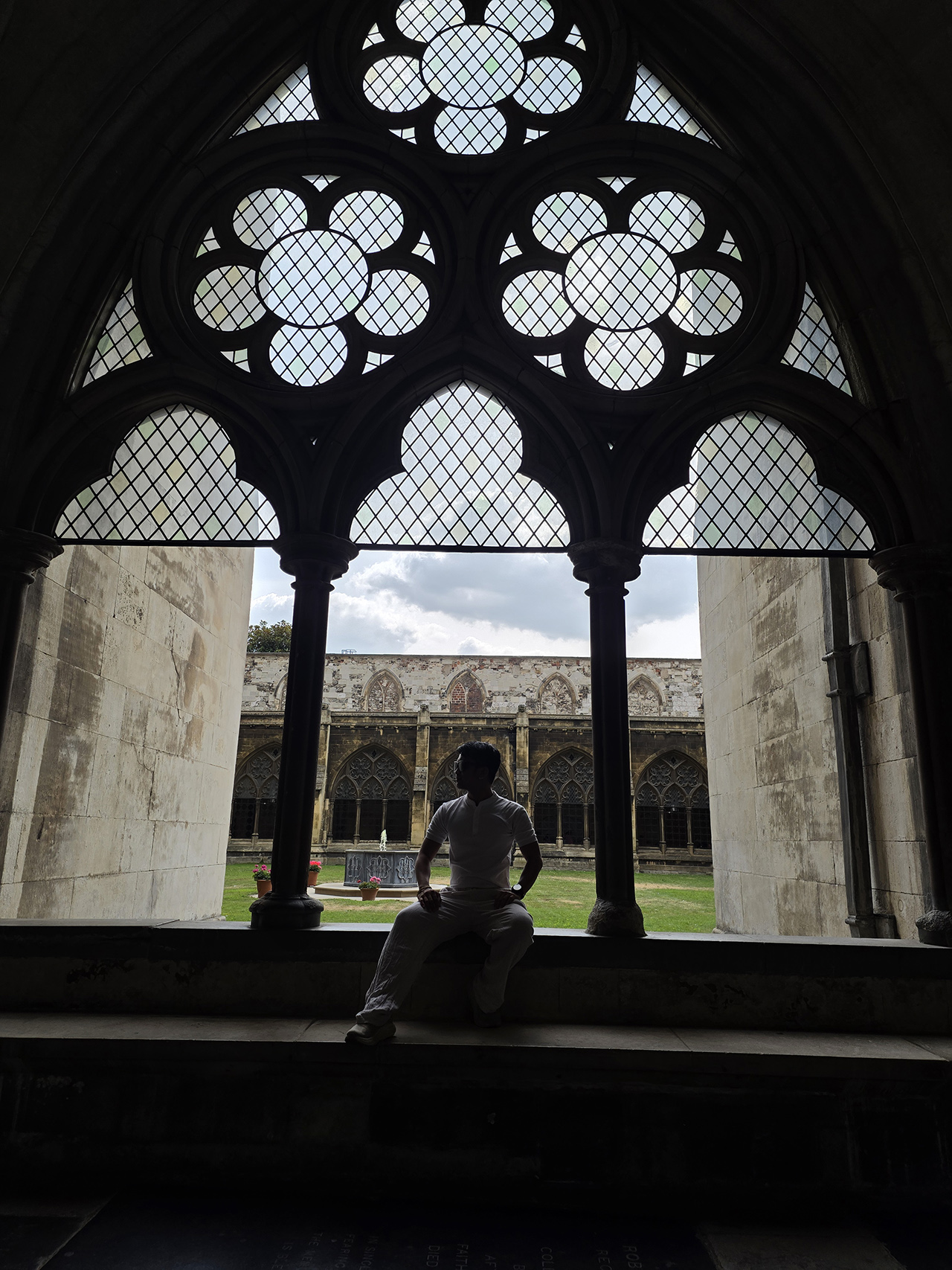
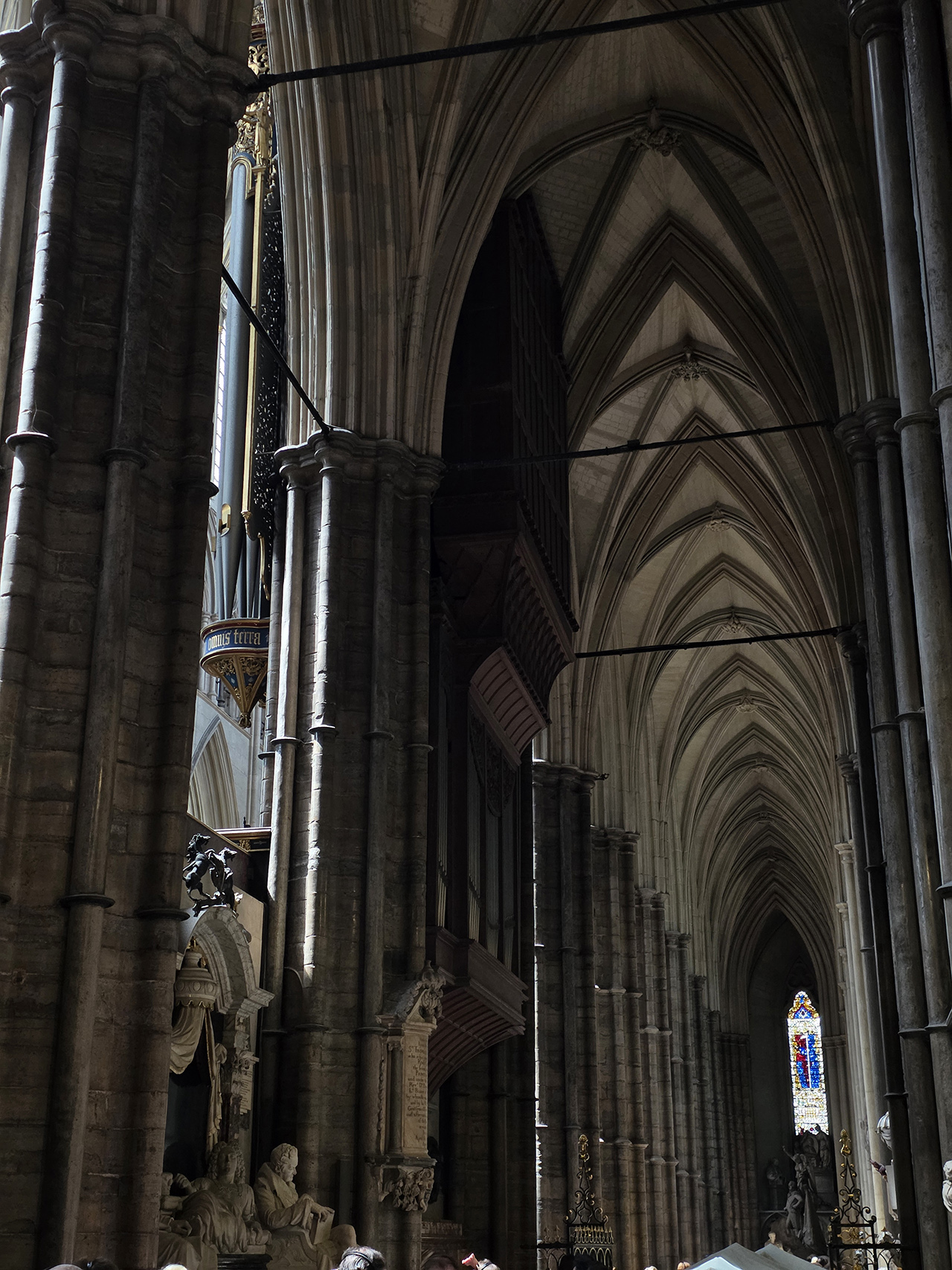



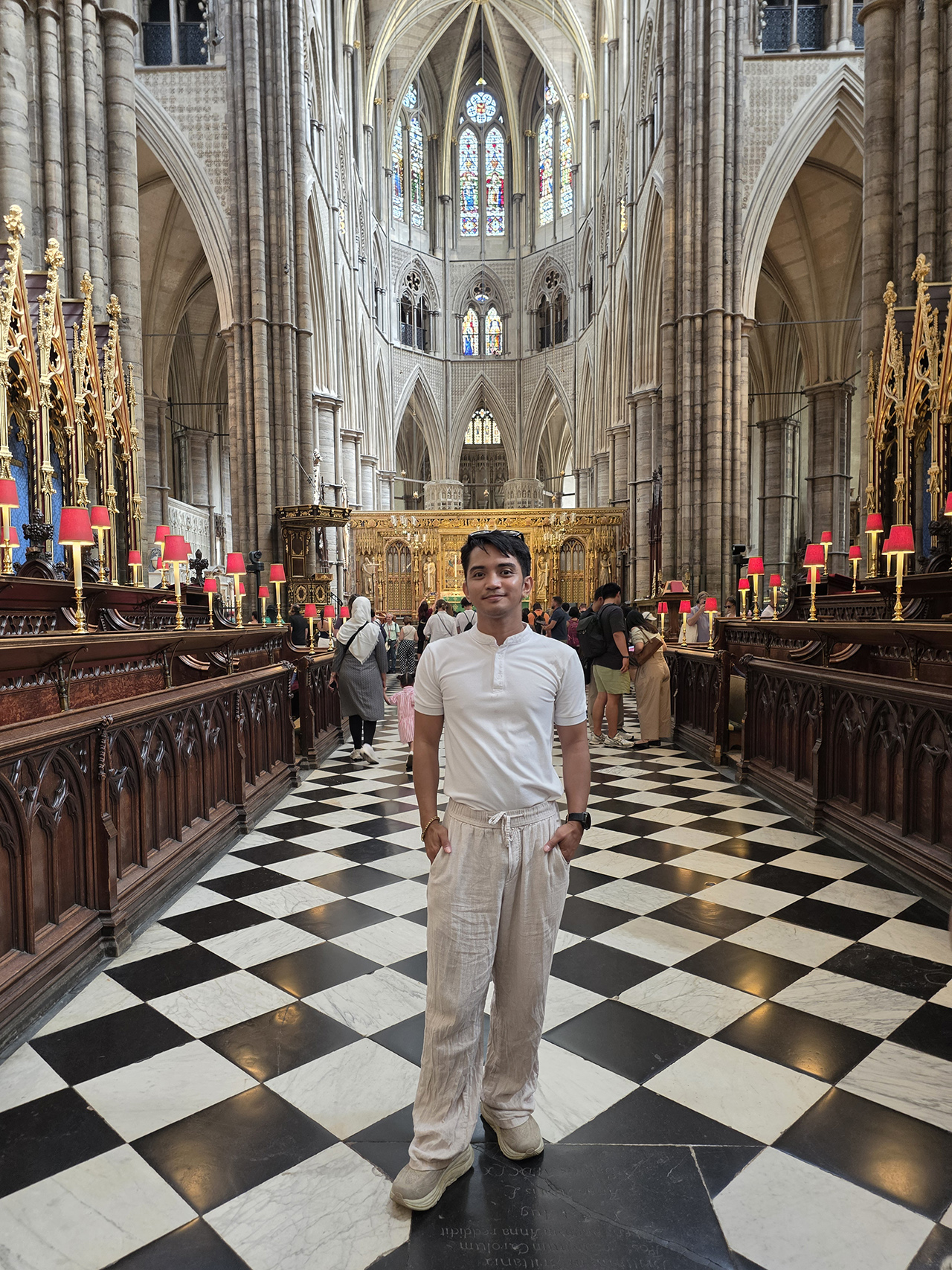

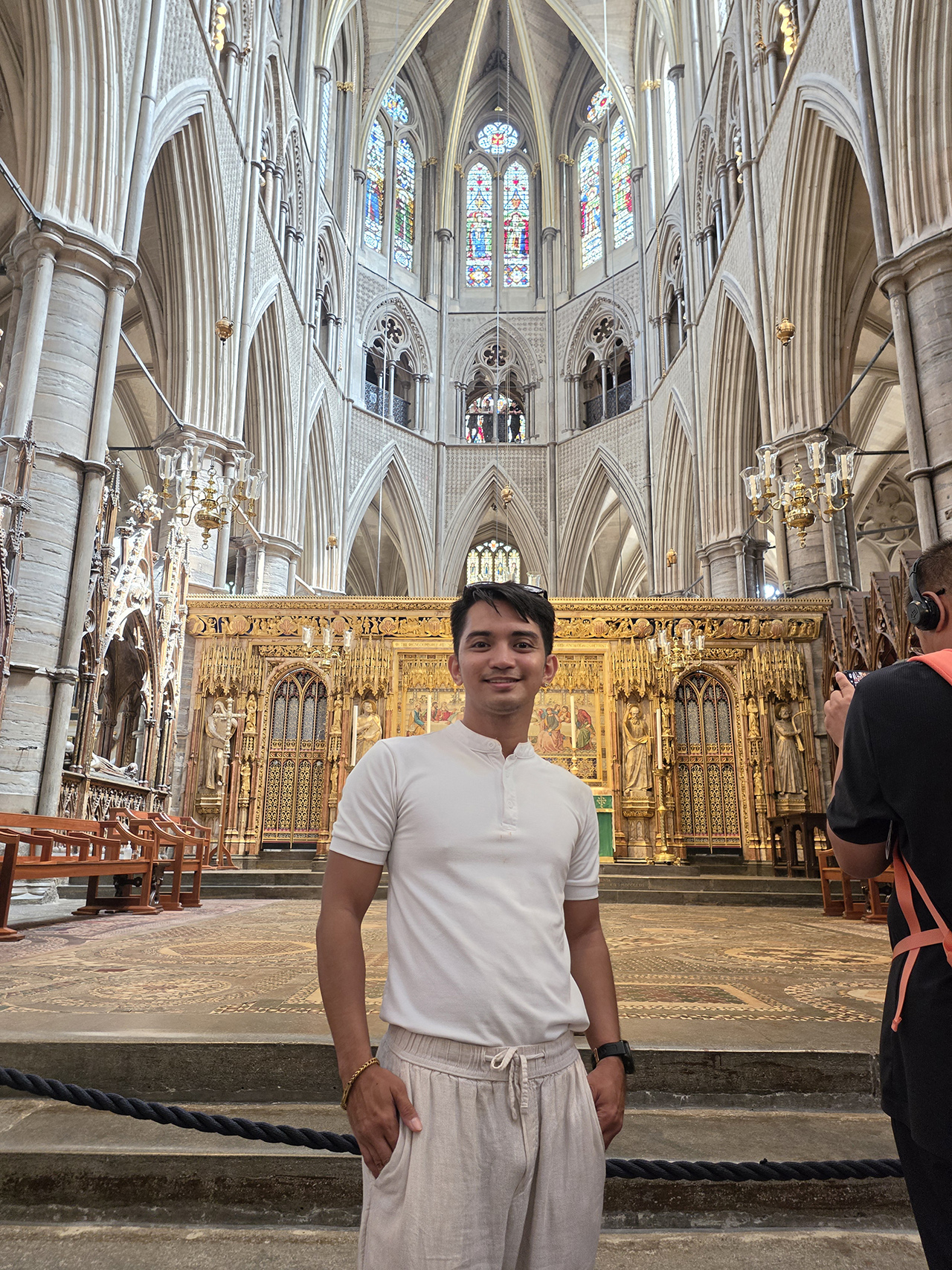











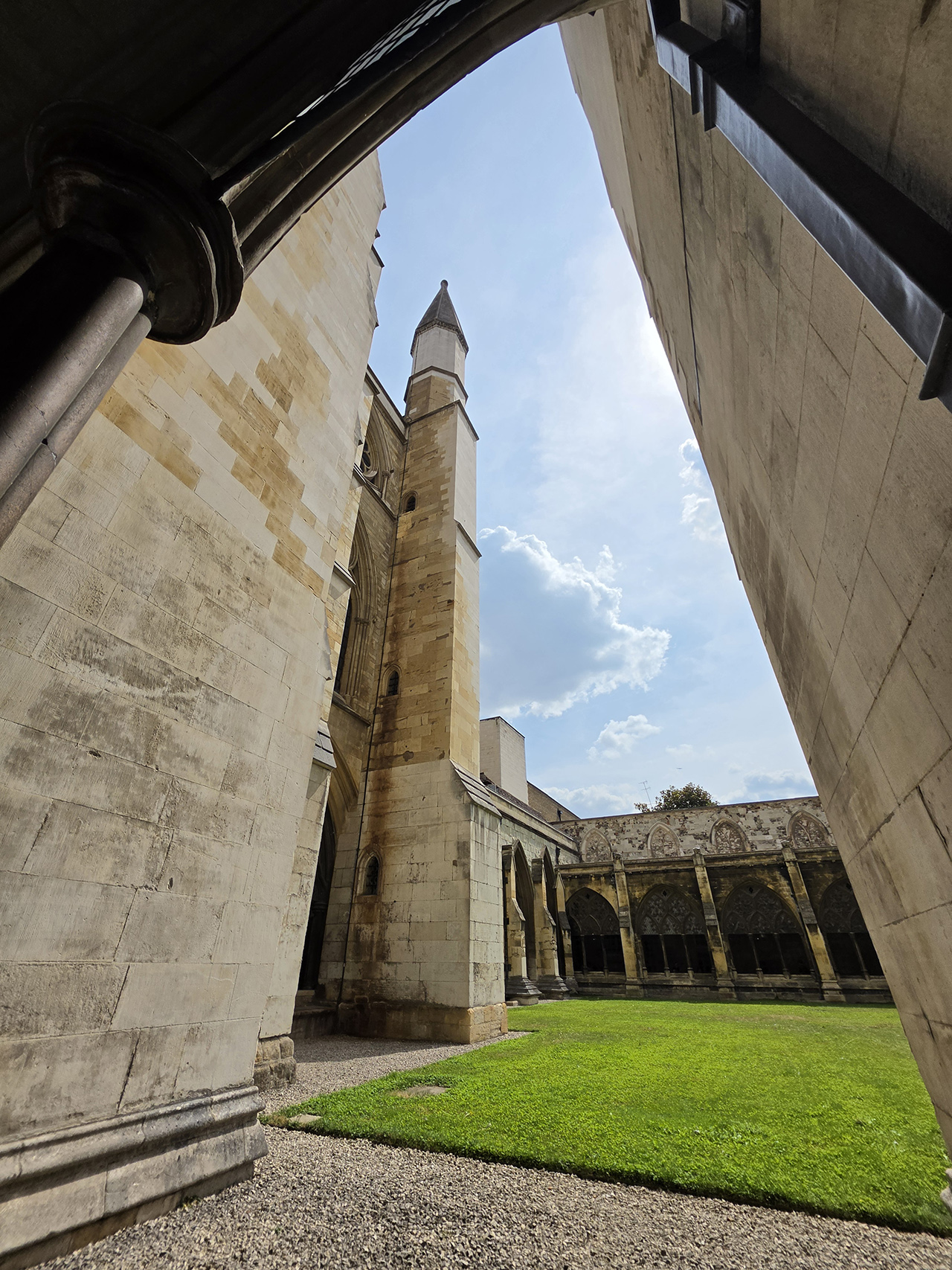

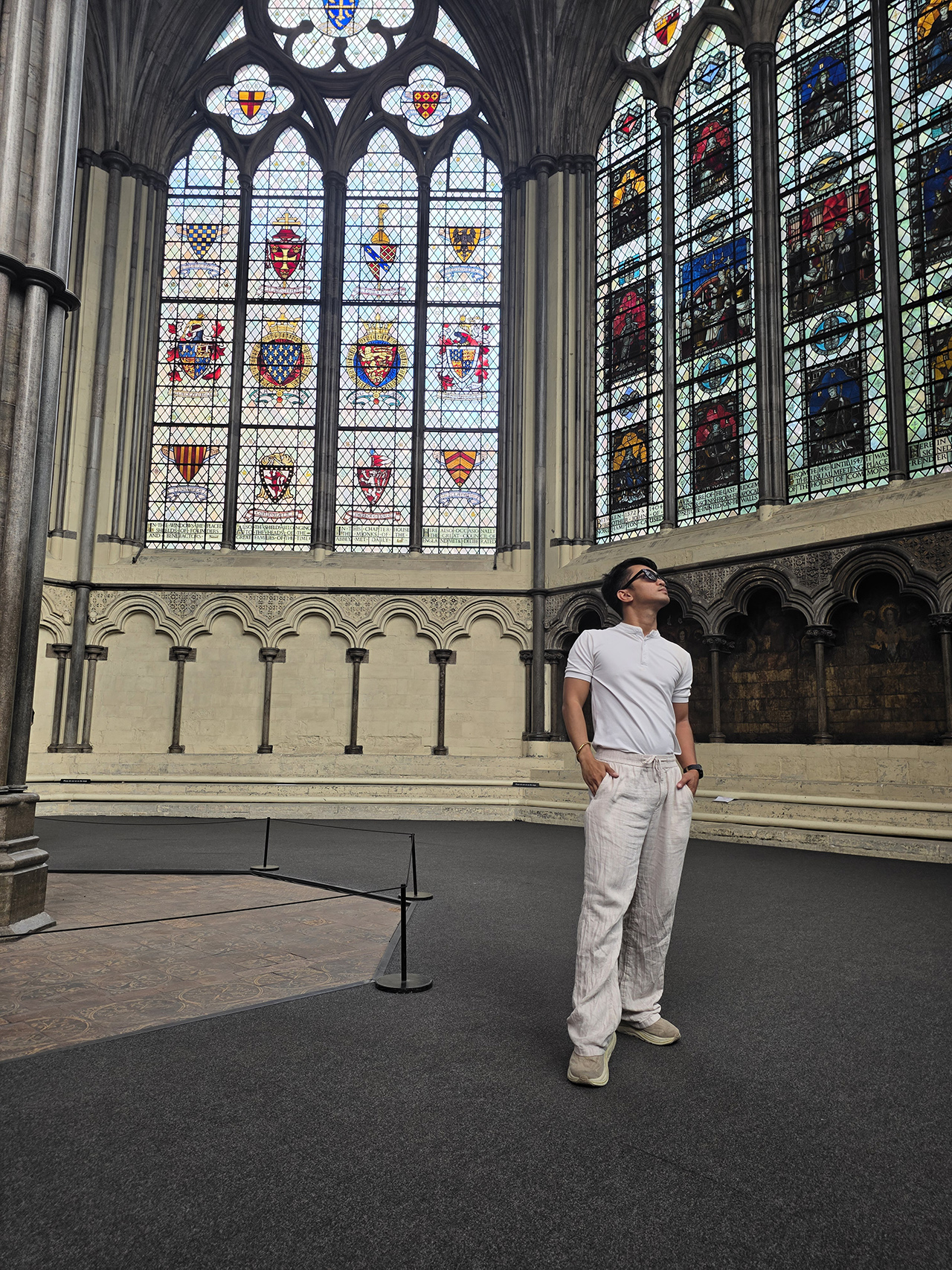
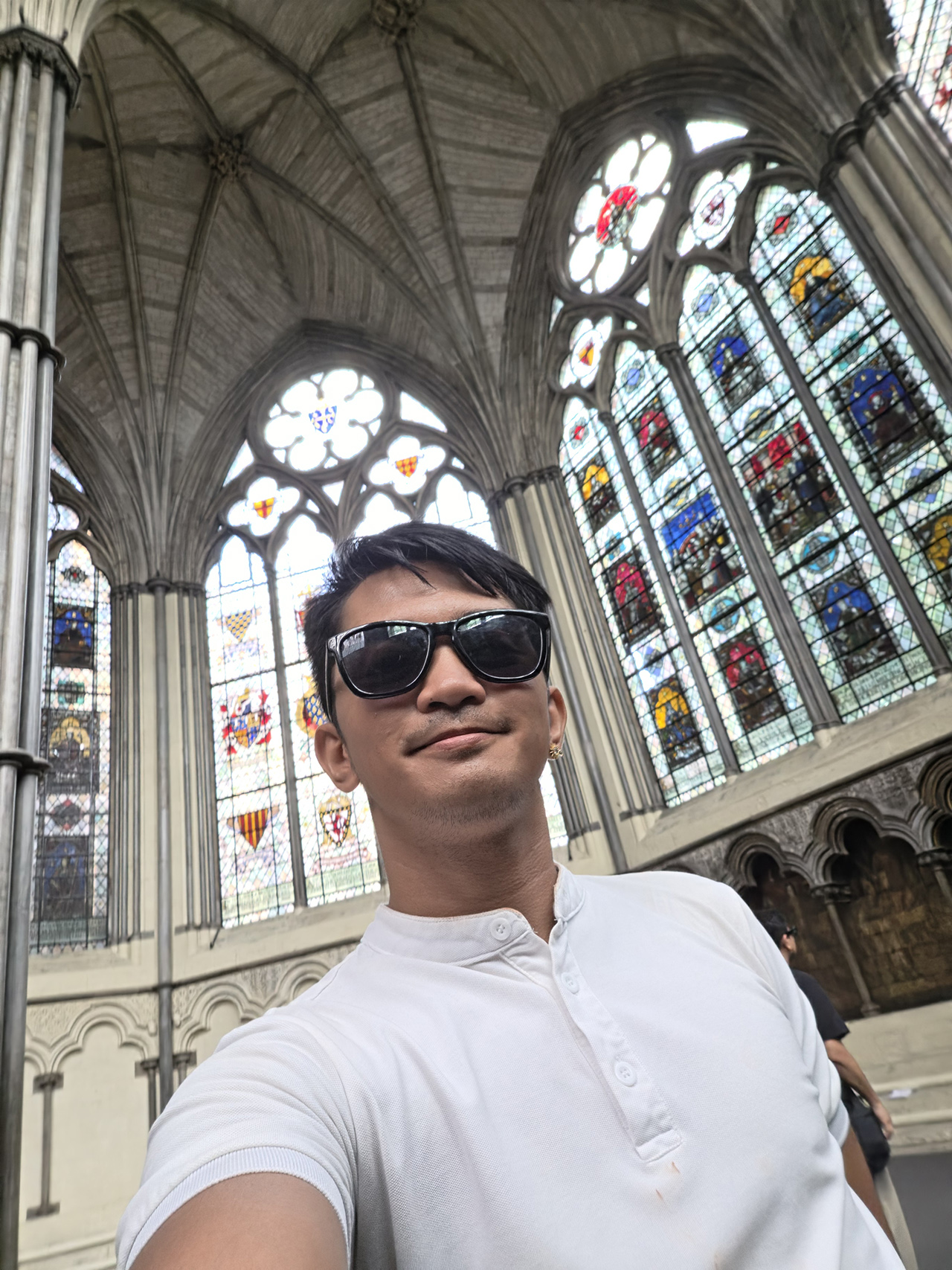

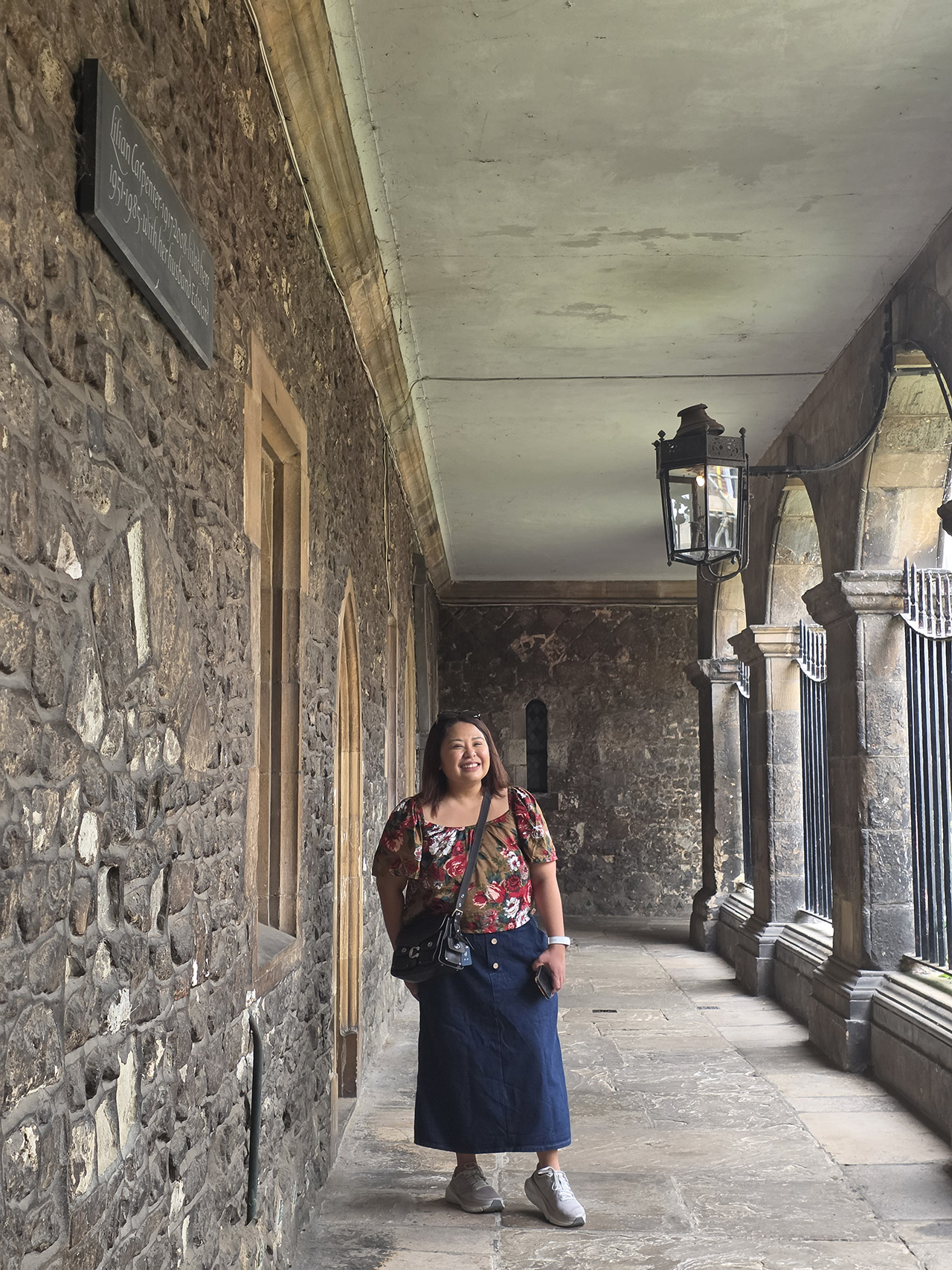
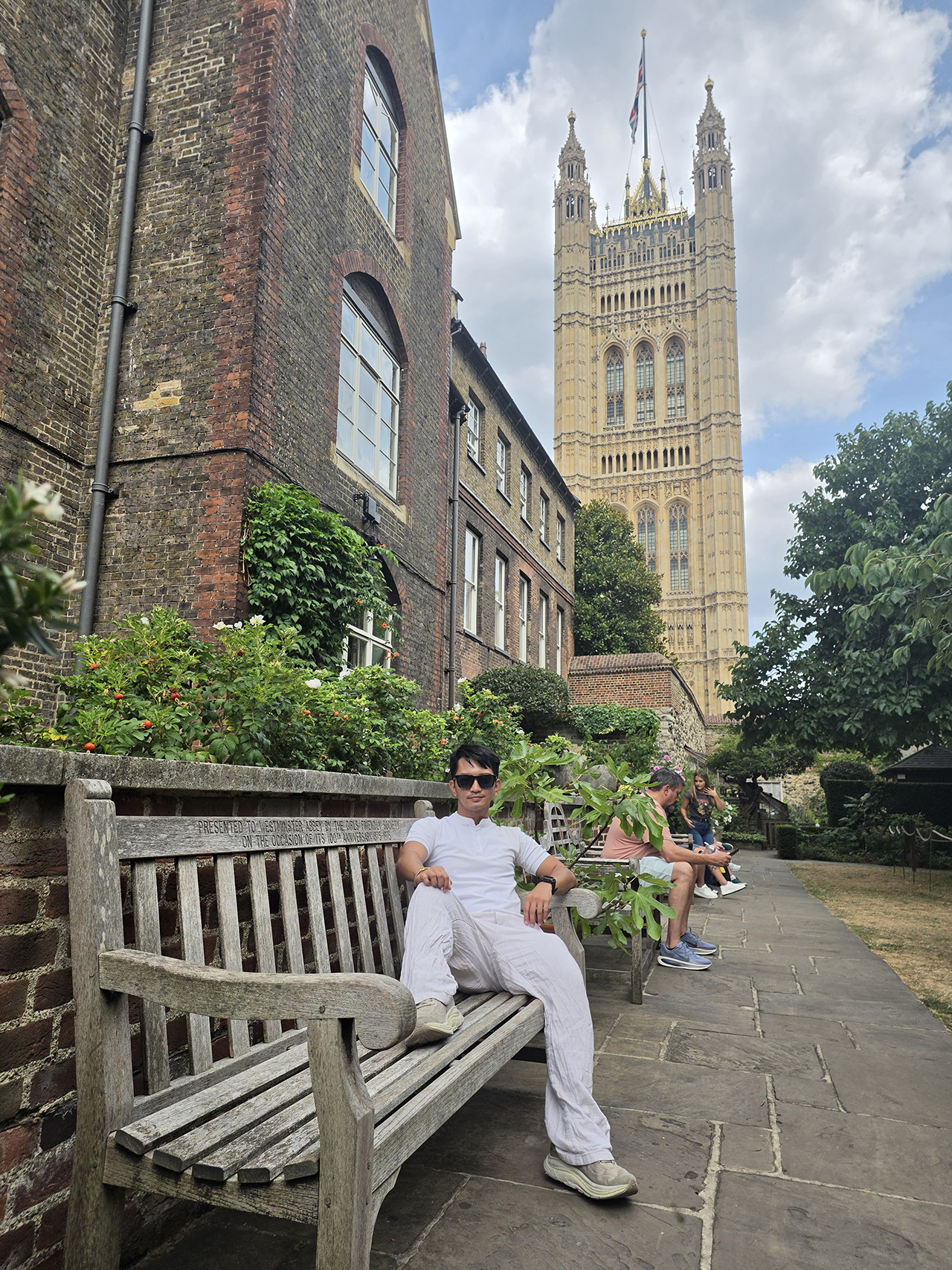

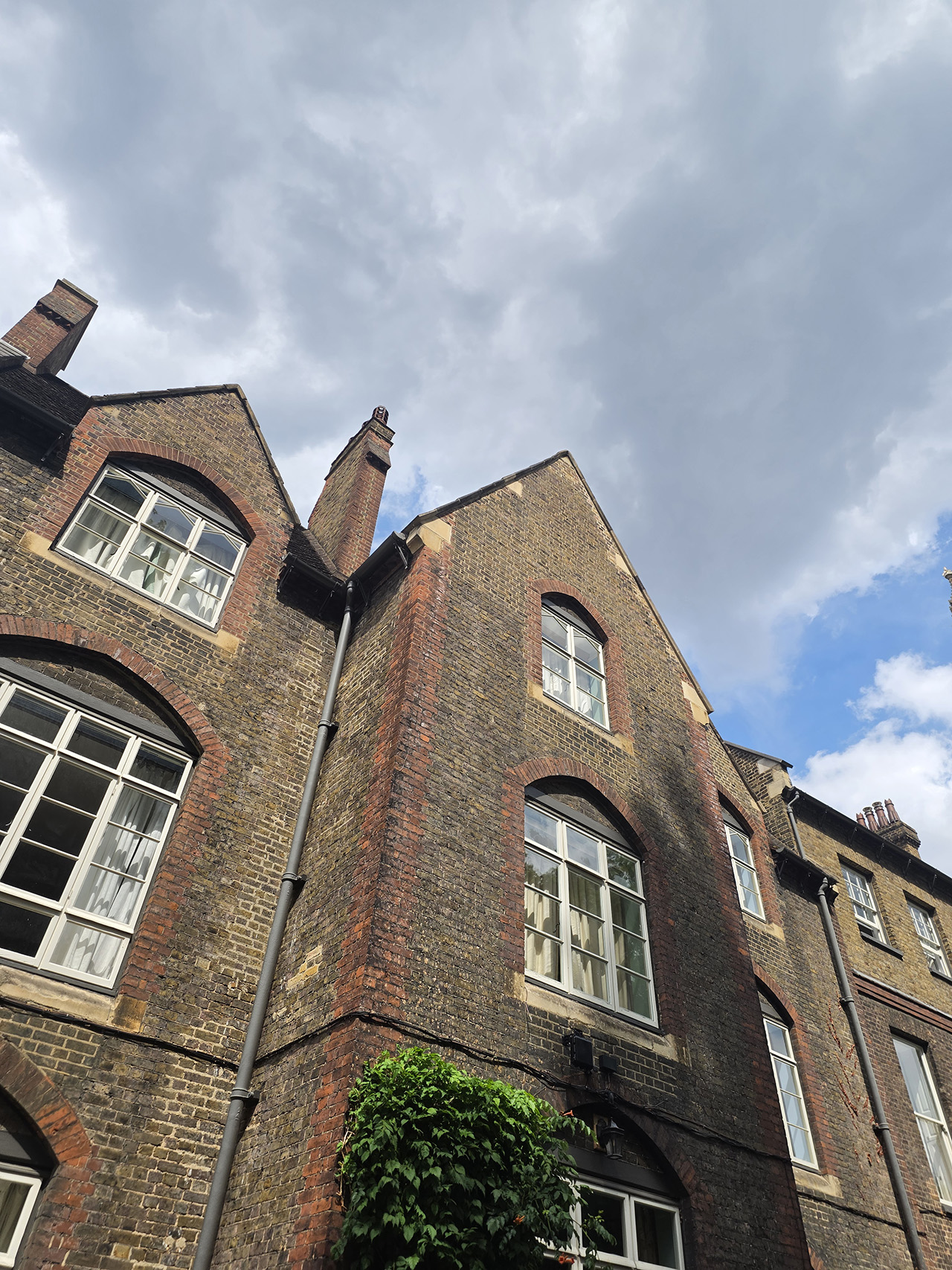
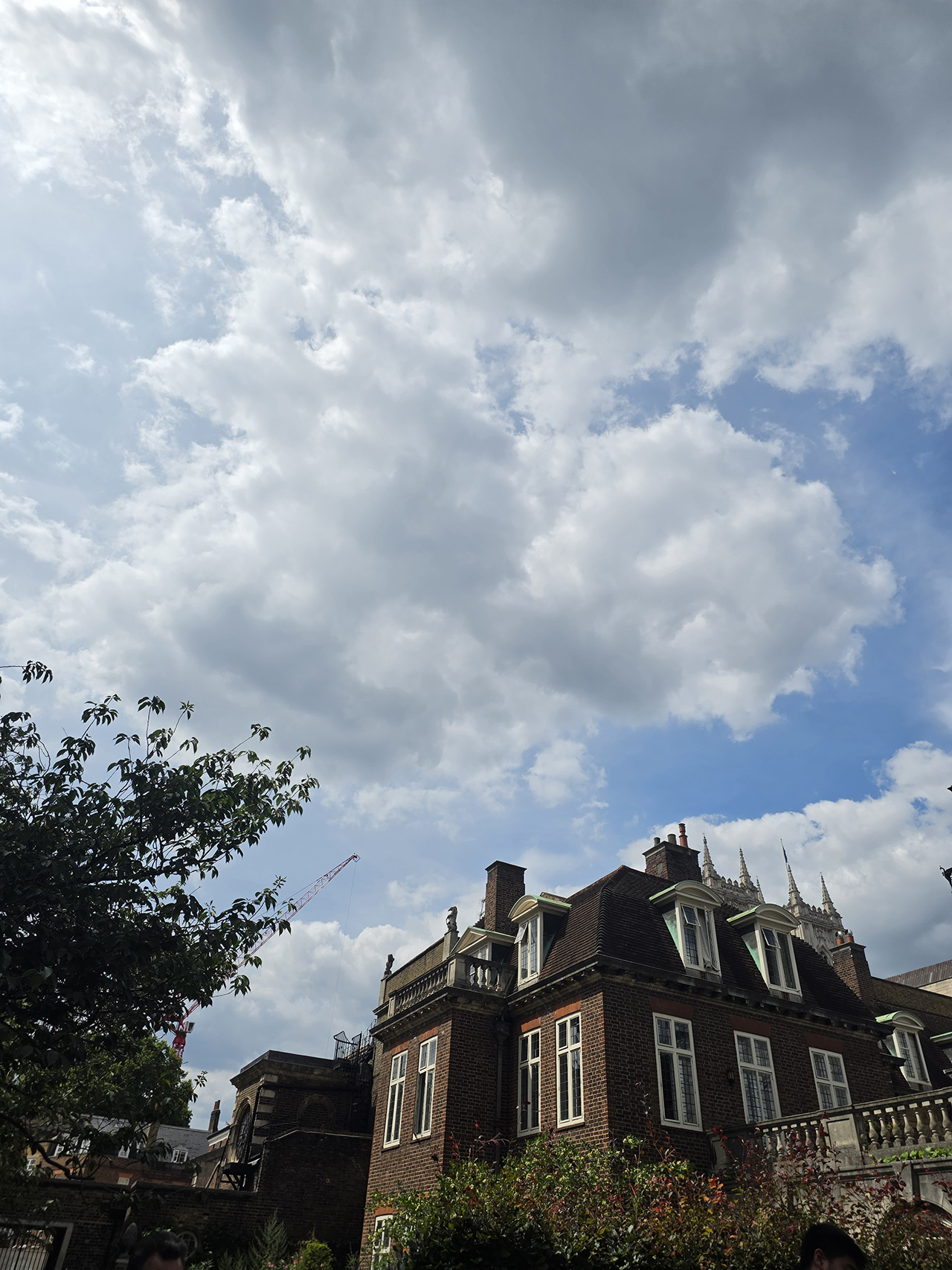
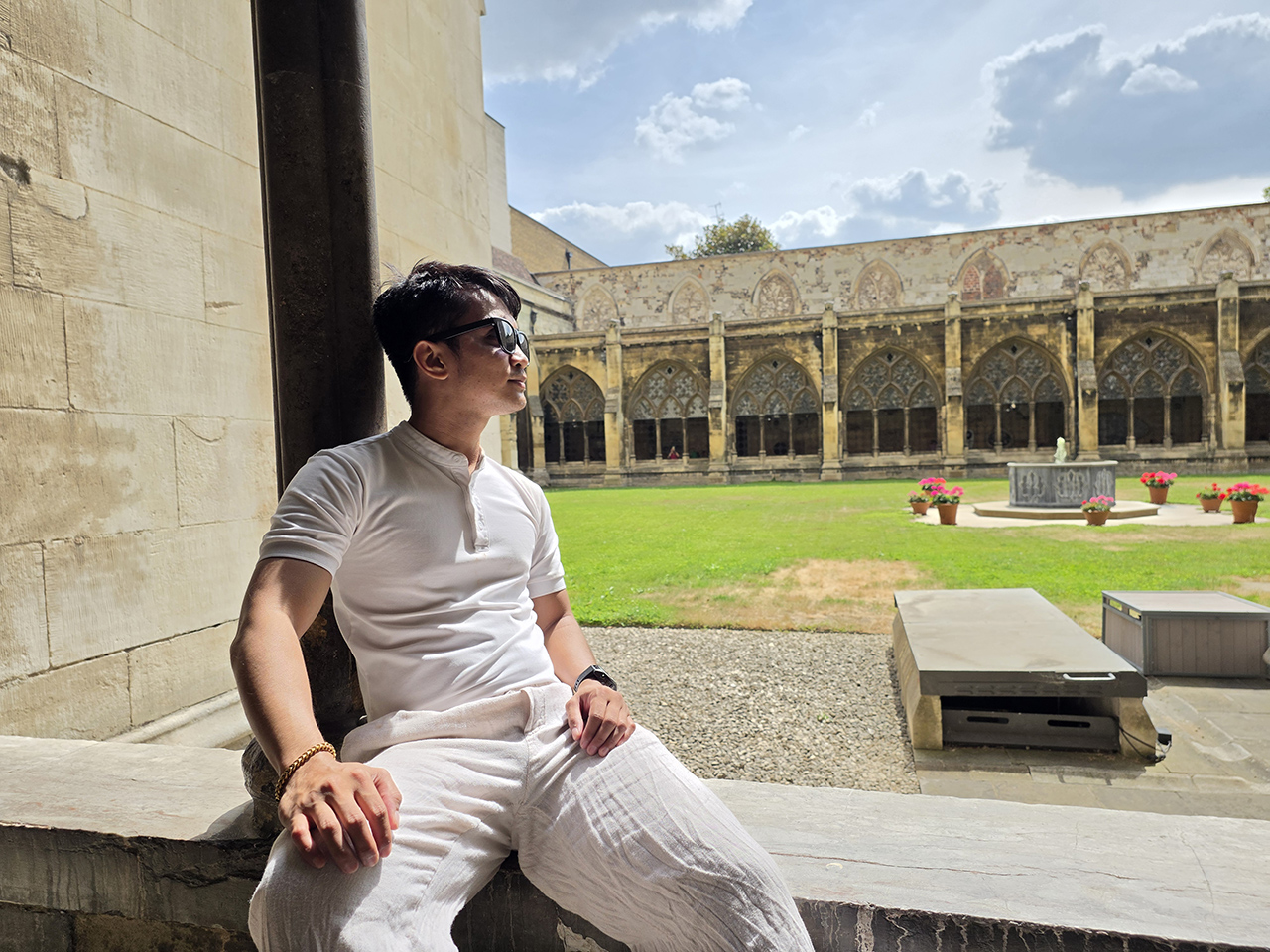

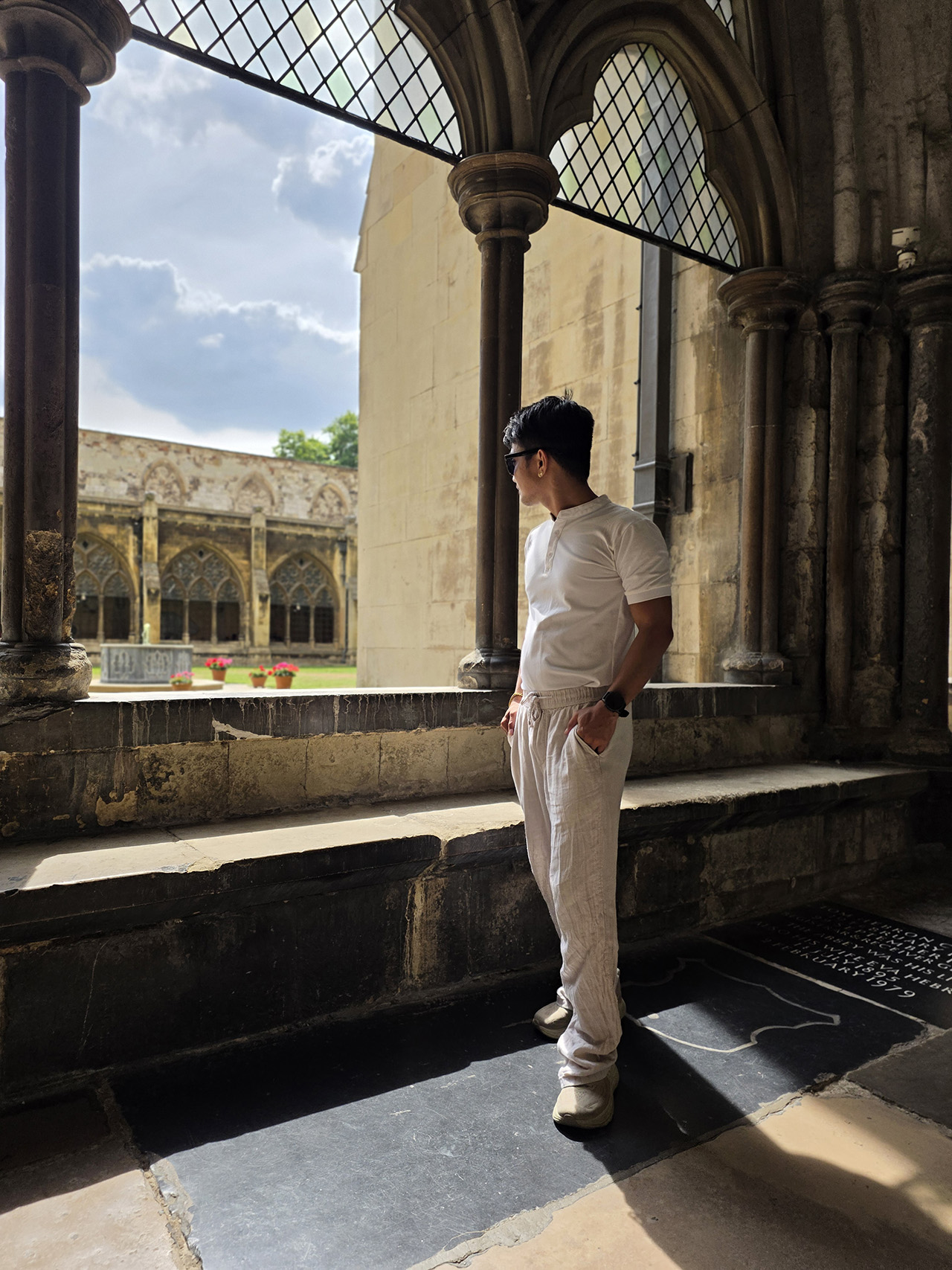
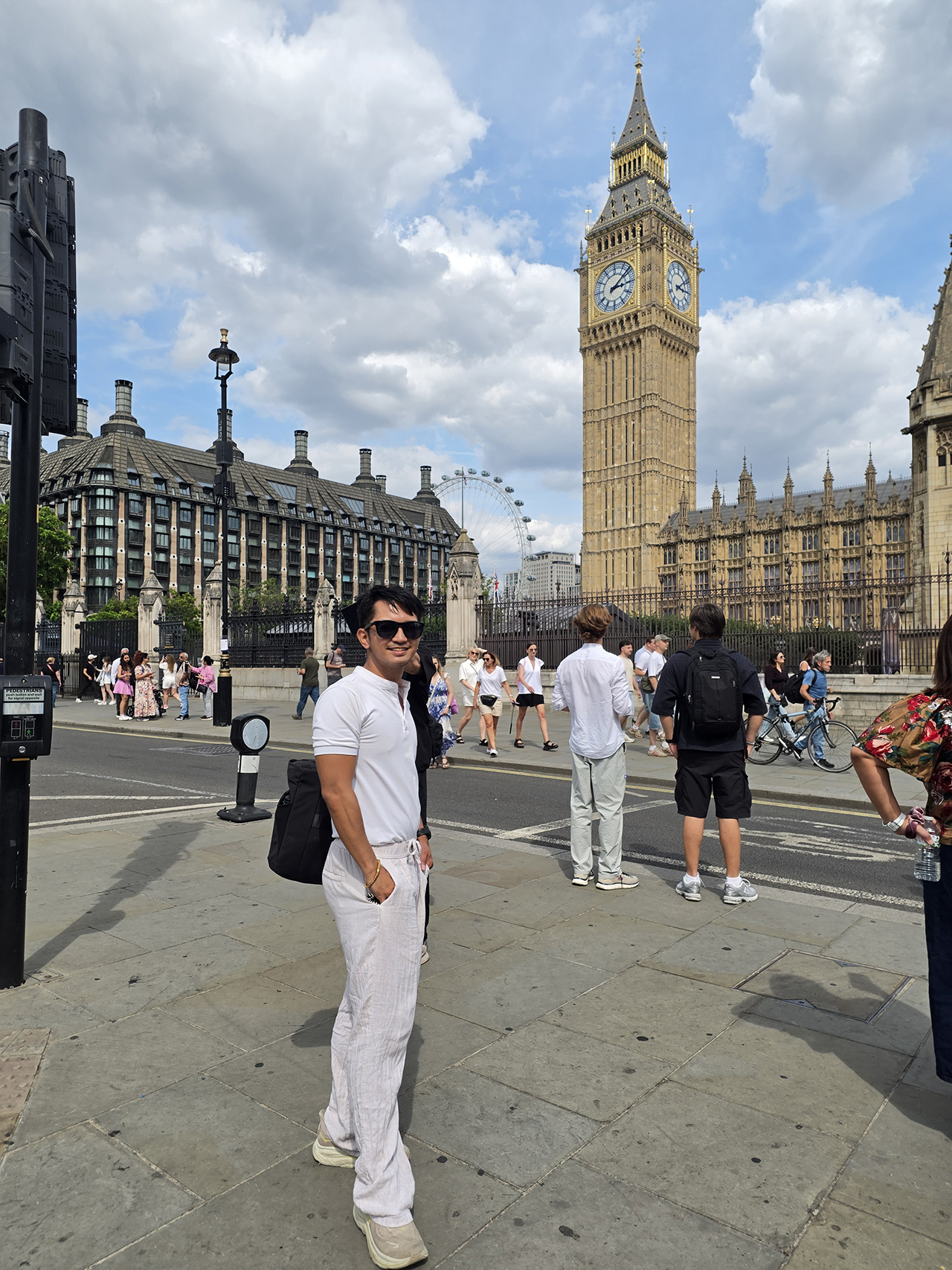

All photos captured using the Samsung Galaxy Z Fold8 Ultra.
-

 Automotive3 days ago
VinFast debuts two-wheeler models, opens 21 e-motorcycle showrooms
-

 Gaming2 weeks ago
FINAL FANTASY X | X-2 HD Remaster launches on Nintendo Switch 2
-

 Accessories2 weeks ago
CASETiFY revives Spider-Man collection for Brand New Day
-

 Computers2 weeks ago
AORUS MASTER 16 Gen 2 2026 AI gaming laptop launches
-

 Computers7 days ago
AMD launches Radeon RX 9050 graphics card
-

 Gaming1 week ago
God of War Laufey finally confirms its highly anticipated launch date
-

 Automotive5 days ago
Xiaomi debuts SkyNomad Series featuring new Kunlun platform
-

 Philippines2 weeks ago
OPPO Reno16 Series 5G is coming soon to the Philippines