
Automotive
BYD expands PH presence with entry of DENZA luxury EVs
4 initial showrooms planned


BYD Group premium sub-brand DENZA is officially entering the Philippine market.
The move marks a strategic shift to capture the luxury “new energy vehicle” (NEV) segment, beyond the company’s existing mass-market offerings.
This expansion follows a period of rapid growth for BYD in the Philippines under its distributor, ACMobility.
By introducing DENZA, the group aims to offer a tiered ecosystem of electrified transport that ranges from budget-friendly options to high-output luxury ones.
The sub-brand’s initial lineup could possibly include the high-end MPV, DENZA D9.
It features a triple-motor system and high-capacity batteries that provide significant electric-only range before the gasoline generator engages.
Potentially, SUVs DENZA B5 and DENZA B8 will also be introduced locally, positioned as plug-in hybrid EVs.
Offerings under the DENZA sub-brand will be distributed locally by BYD Philippines Corp.
Advanced technology, comfort
DENZA’s entry focuses on “passenger-centric engineering” rather than traditional luxury excess.
The vehicles will feature two of BYD’s flagship technologies: the DiSus system and e3 platform.
The first is an intelligent body control system that manages vehicle motion to balance executive-level ride comfort with sharp handling.
Meanwhile, the e3 Platform is a high-performance architecture utilizing a three-motor drivetrain.
This setup lets drivers pull off advanced maneuvers such as “crab-walking” and “compass turns,” while enhancing stability during high-speed travel or emergency situations.
Strategic presence
DENZA will establish a dedicated retail network separate from standard BYD showrooms to support its positioning.
The sub-brand is planning four initial locations in Makati, Greenhills, Alabang, and Cebu.
Once it officially rolls out, DENZA expects to compete against luxury vans like the Toyota Alphard and Lexus LM.





Automotive
Xiaomi Vision Gran Turismo makes global debut at MWC 2026
Tech giant becomes first technology brand in Vision GT program

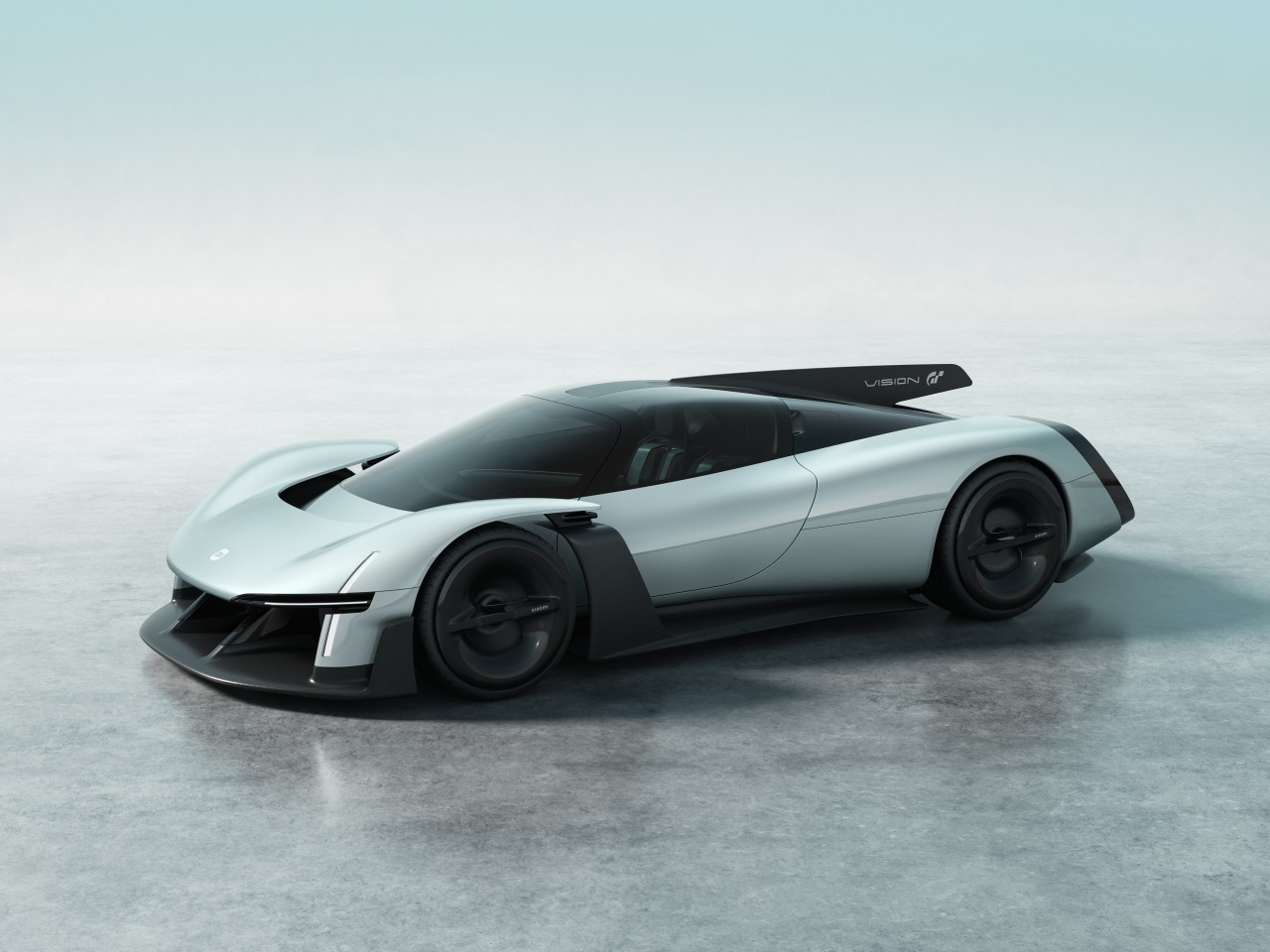
Xiaomi has unveiled the full-scale concept model of the Xiaomi Vision Gran Turismo or Xiaomi Vision GT at MWC 2026 in Barcelona, Spain. This marks the company’s official entry into the elite Vision Gran Turismo project.
Created for the legendary Gran Turismo franchise, the electric hypercar concept represents the first time a technology company has been invited to participate in the Vision GT program. Xiaomi now joins a select group of global automakers, becoming the 36th brand to take part and the creator of the 51st Vision Gran Turismo concept overall.
The project began at the GT World Series in London, where series producer Kazunori Yamauchi personally invited Xiaomi to design its own Vision GT car. For Xiaomi’s global EV design team, the opportunity meant rethinking hypercar development from a technology-first perspective, blending advanced aerodynamics with AI-driven intelligence.
Sculpted by the wind
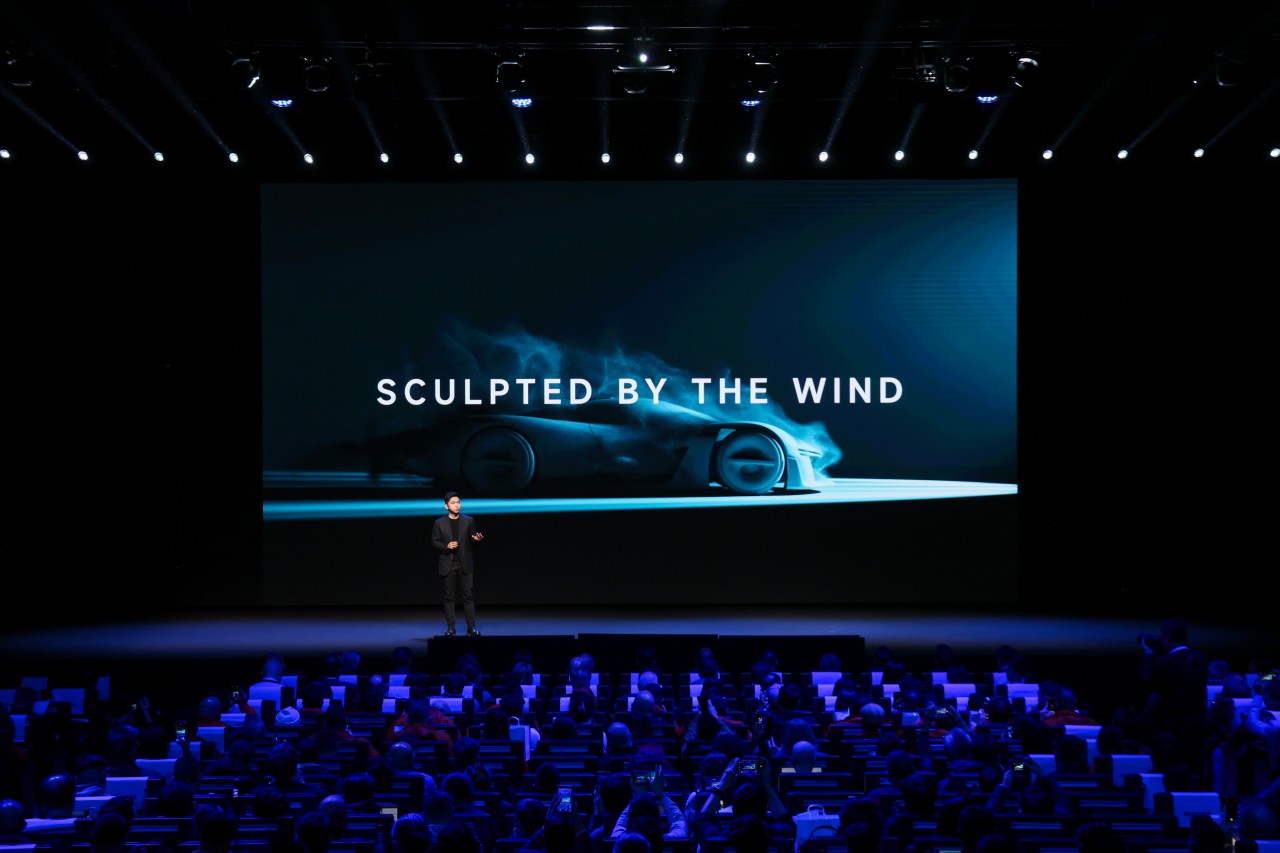
At the core of Xiaomi Vision Gran Turismo is aerodynamic balance. Instead of chasing extreme low drag or maximum downforce alone, Xiaomi pursued efficiency between the two.
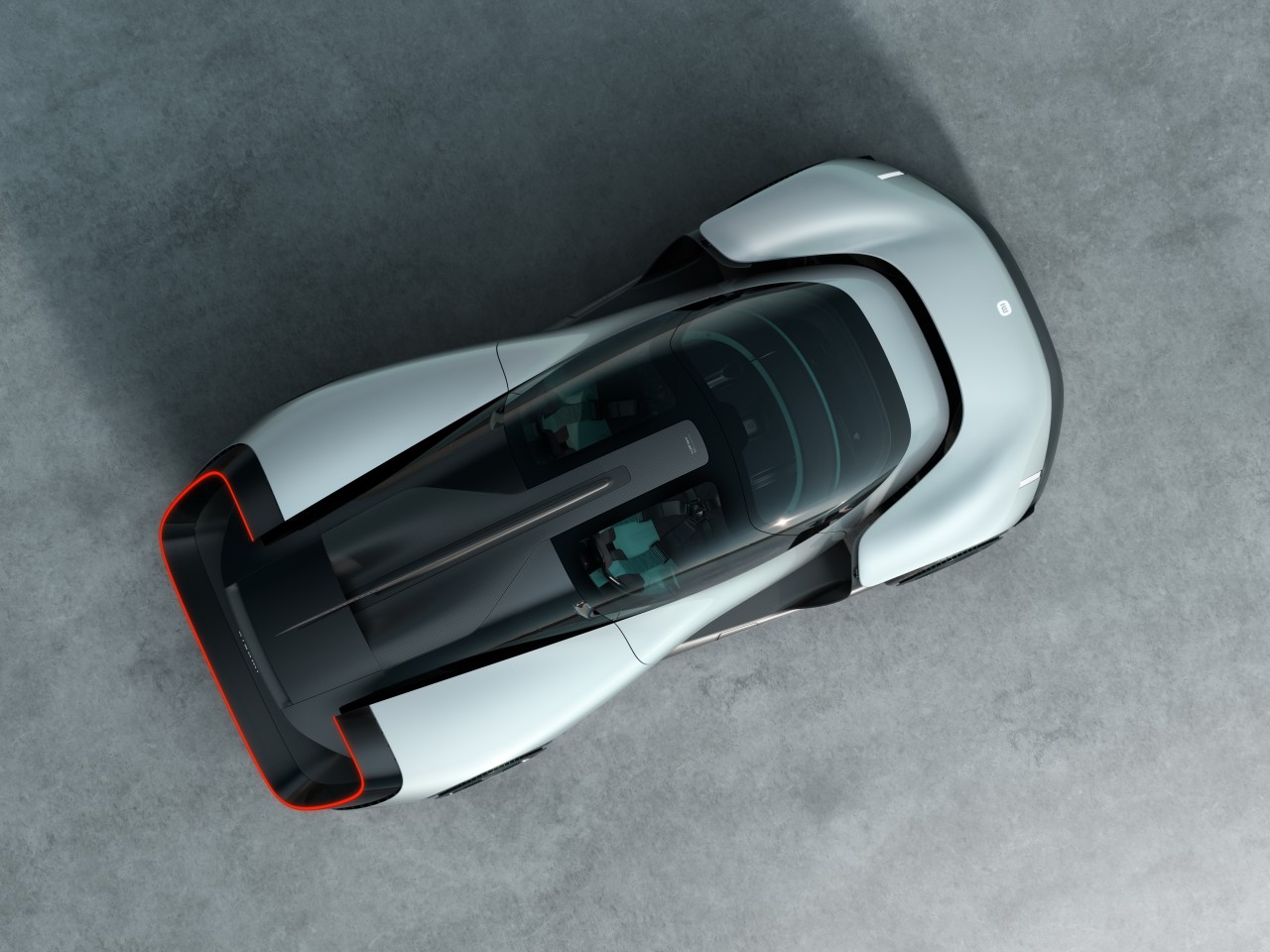
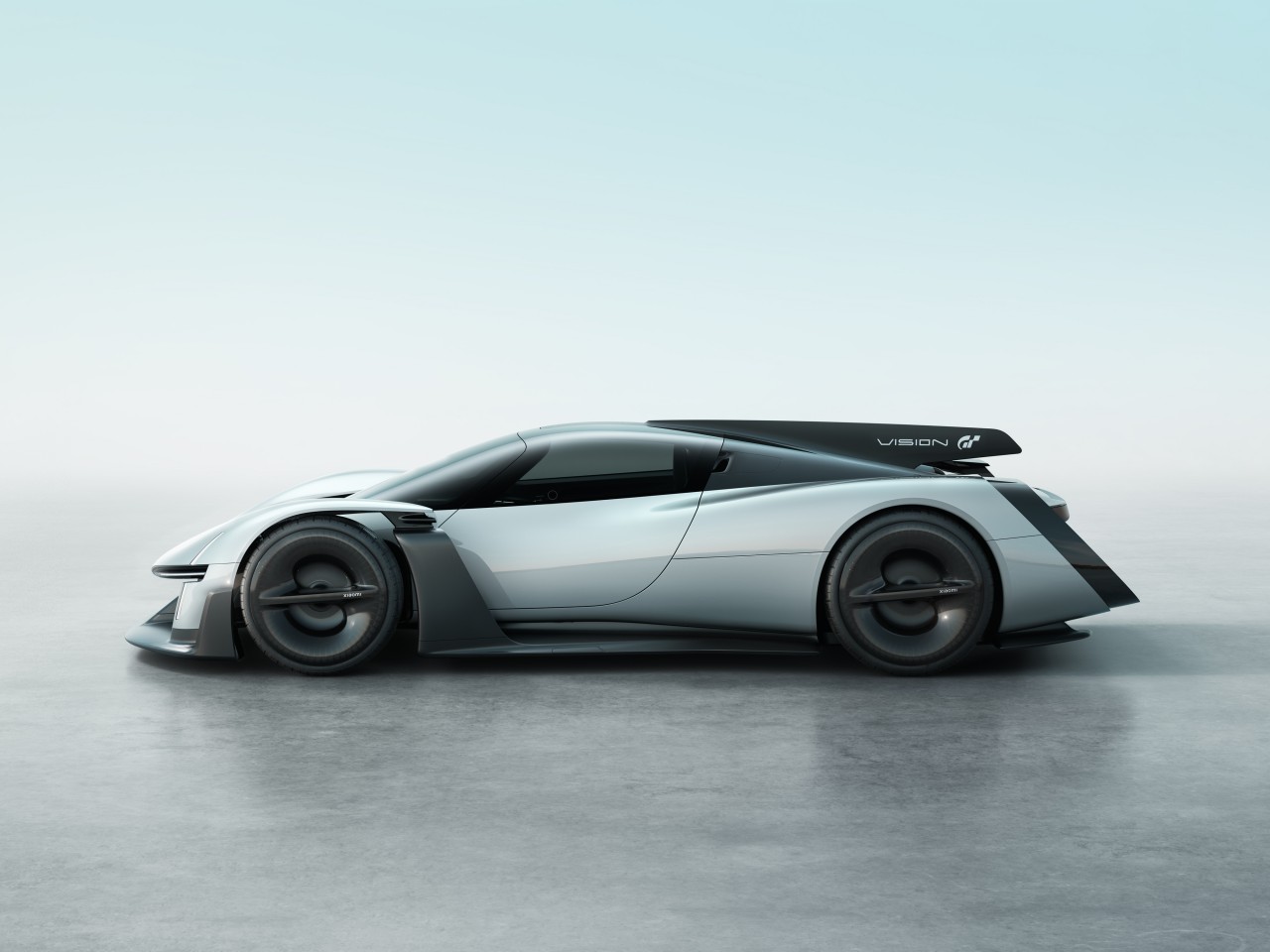
The concept follows a “Sculpted by the Wind” philosophy. Its teardrop cockpit silhouette, integrated air ducts, and airfoil-shaped structural elements guide airflow seamlessly from front to rear. The body avoids excessive add-ons, relying instead on built-in aerodynamic solutions.
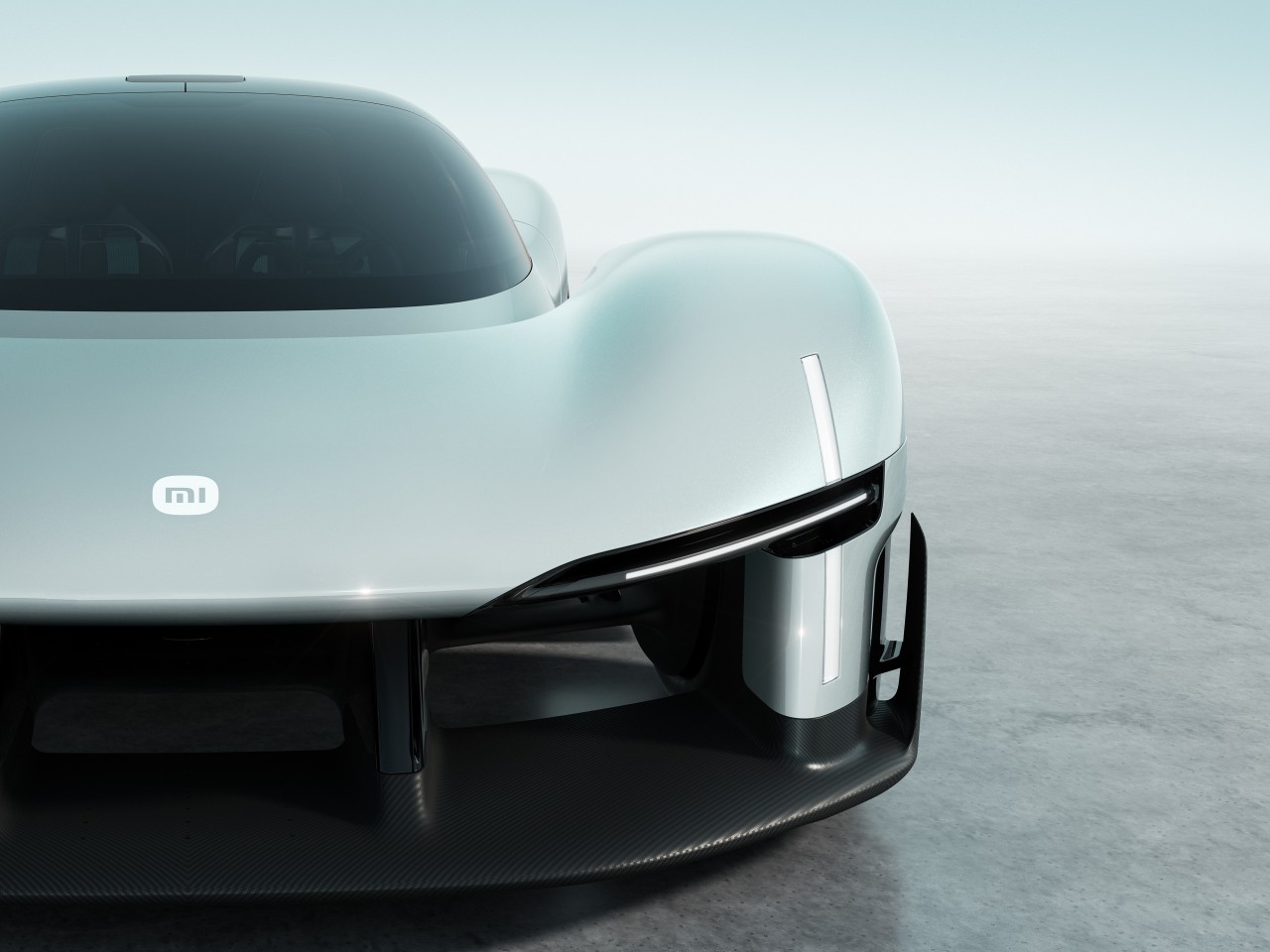
Signature design elements serve dual purposes. Cross-shaped headlights integrate into the airflow system, while the halo-shaped taillight sits within a massive rear air outlet. An Active Wake Control System surrounds the rear with micro-perforations that manage turbulent air using real-time speed and angle data.
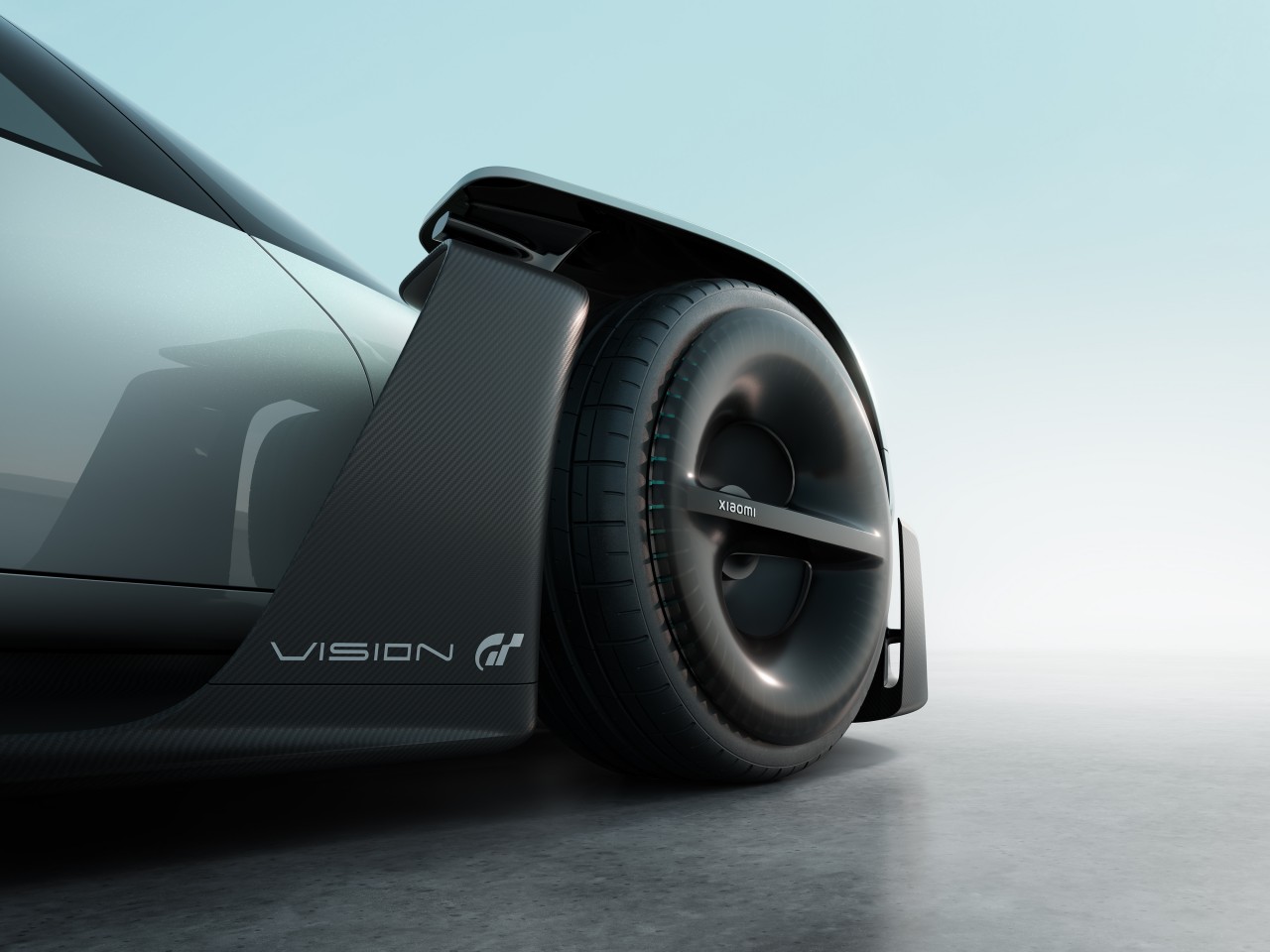
The Accretion Rims feature vortex-style wheel covers that remain visually stationary while the car is in motion, reducing drag from rotating surfaces. Internal turbine fins help cool the brakes during operation.
Through iterative simulation testing, Xiaomi says the concept achieves a drag coefficient of 0.29, downforce of negative 1.2, and an aerodynamic efficiency rating of 4.1 — figures that highlight balance rather than extremes.
A “sofa racer” interior
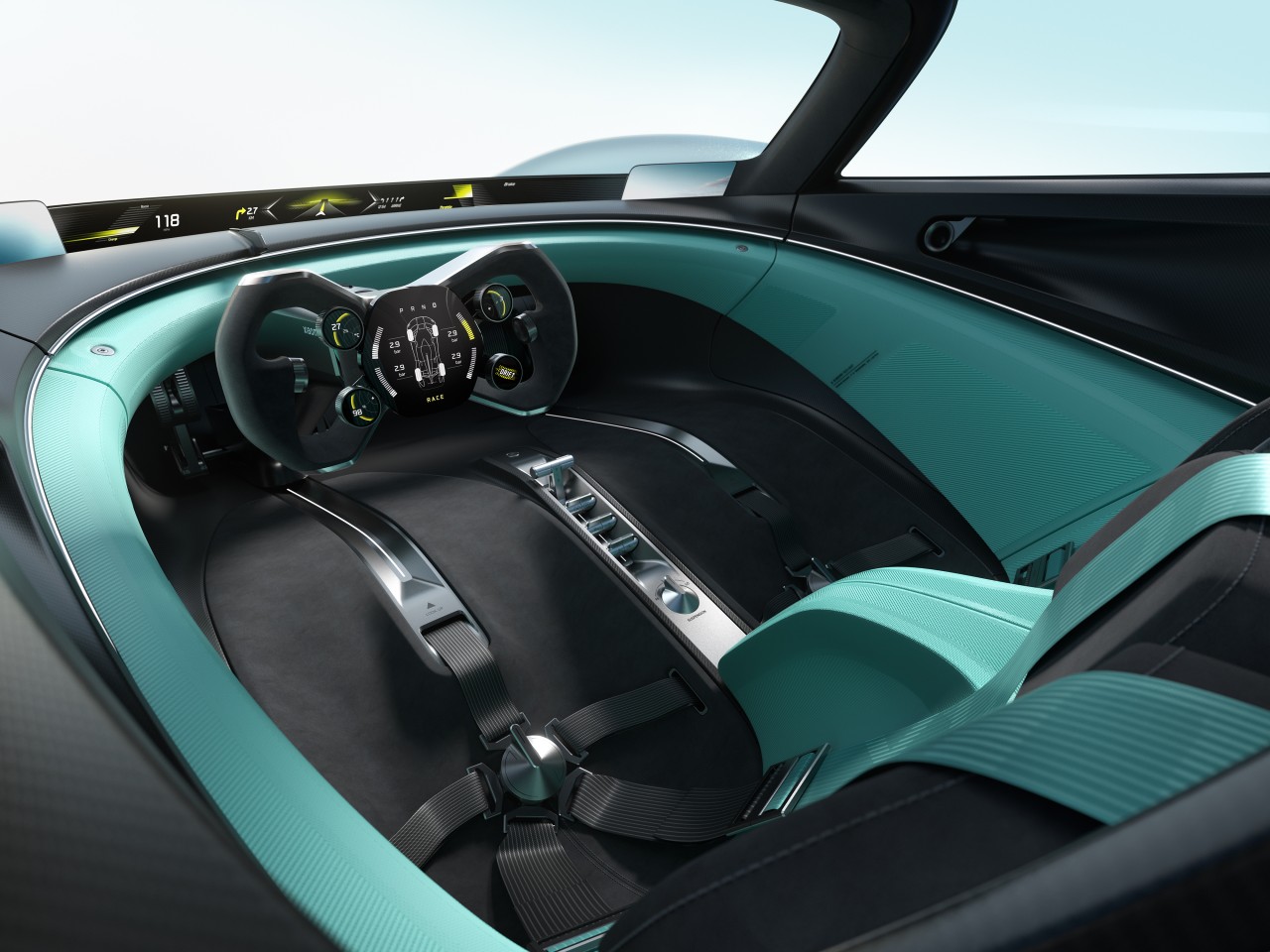
Inside, Xiaomi departs from the rigid, track-focused cabins typical of hypercars. The “Sofa Racer” concept emphasizes comfort without sacrificing control.
A ring-shaped cockpit architecture wraps around the driver, blending dashboard, doors, and seats into one continuous structure. Breathable 3D-knitted fabric materials aim to provide both support and warmth.
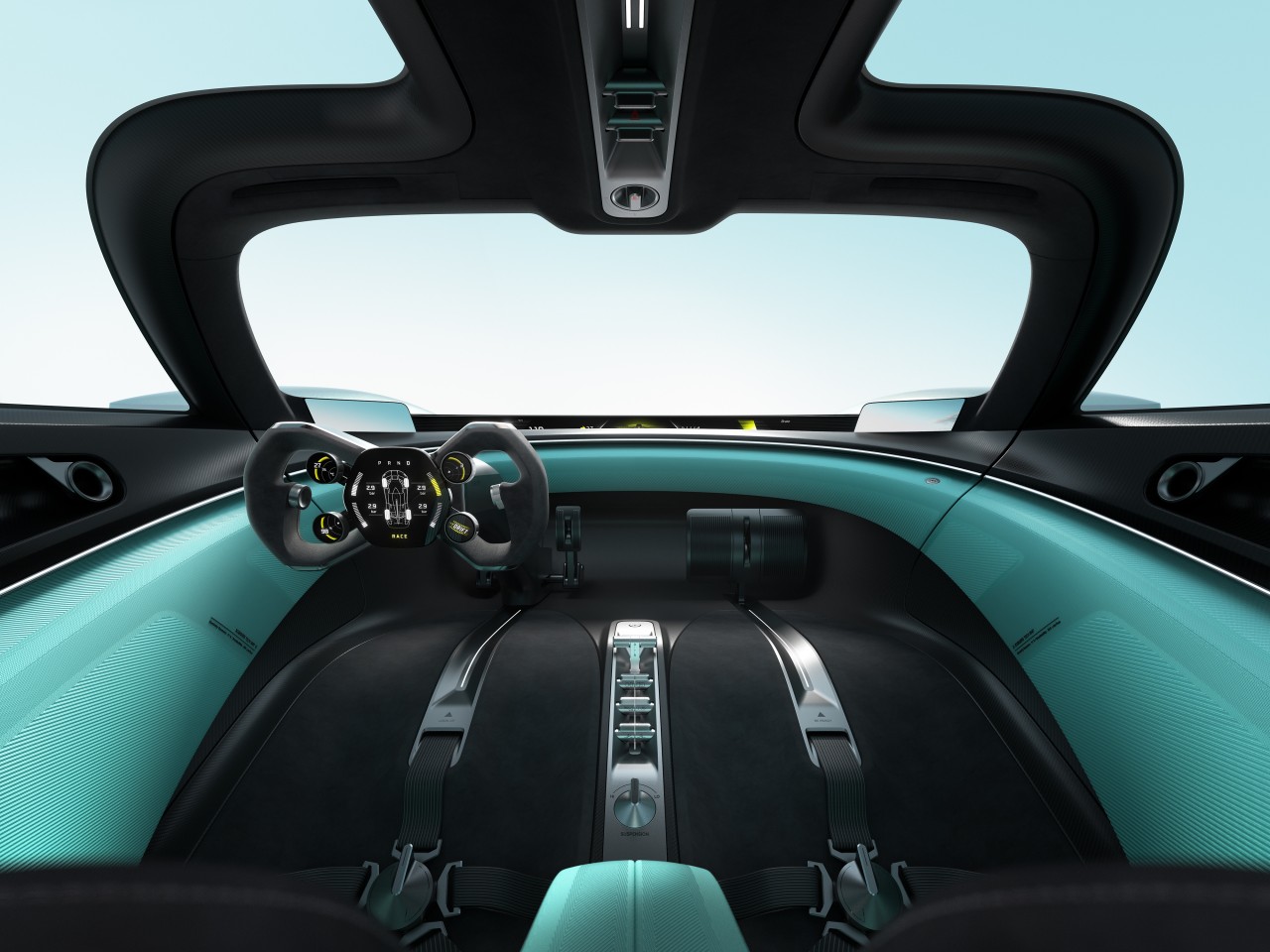
At the center is Xiaomi Pulse, an intelligent assistant integrated into the dashboard. Working alongside Xiaomi HyperVision and the company’s HyperOS platform, the system adapts displays and interactions based on driving mode and environmental data. Physical controls remain tactile and precise, including an infinite-shaped steer-by-wire wheel.
The concept also integrates into Xiaomi’s broader “Human × Car × Home” ecosystem. Powered by XiaoAi AI Assistant and the Xiaomi MiMo foundational model, the car connects with personal devices and smart home products, positioning itself as part of a unified digital lifestyle.
Xiaomi has also envisioned a companion driving simulator designed as furniture for the home, extending the Vision Gran Turismo experience beyond the vehicle itself.
Yamauchi praised the project, noting how the design successfully resolves the tension between low drag and high downforce. Further details about the car’s arrival in Gran Turismo 7 will be announced at a later date.
With its Vision Gran Turismo debut, Xiaomi signals a broader ambition: redefining the electric hypercar through AI integration, ecosystem connectivity, and aerodynamic precision.
Automotive
BYD’s high-end brand Denza launches in the Philippines
The debut starts with the Denza D9, a full-size MPV.

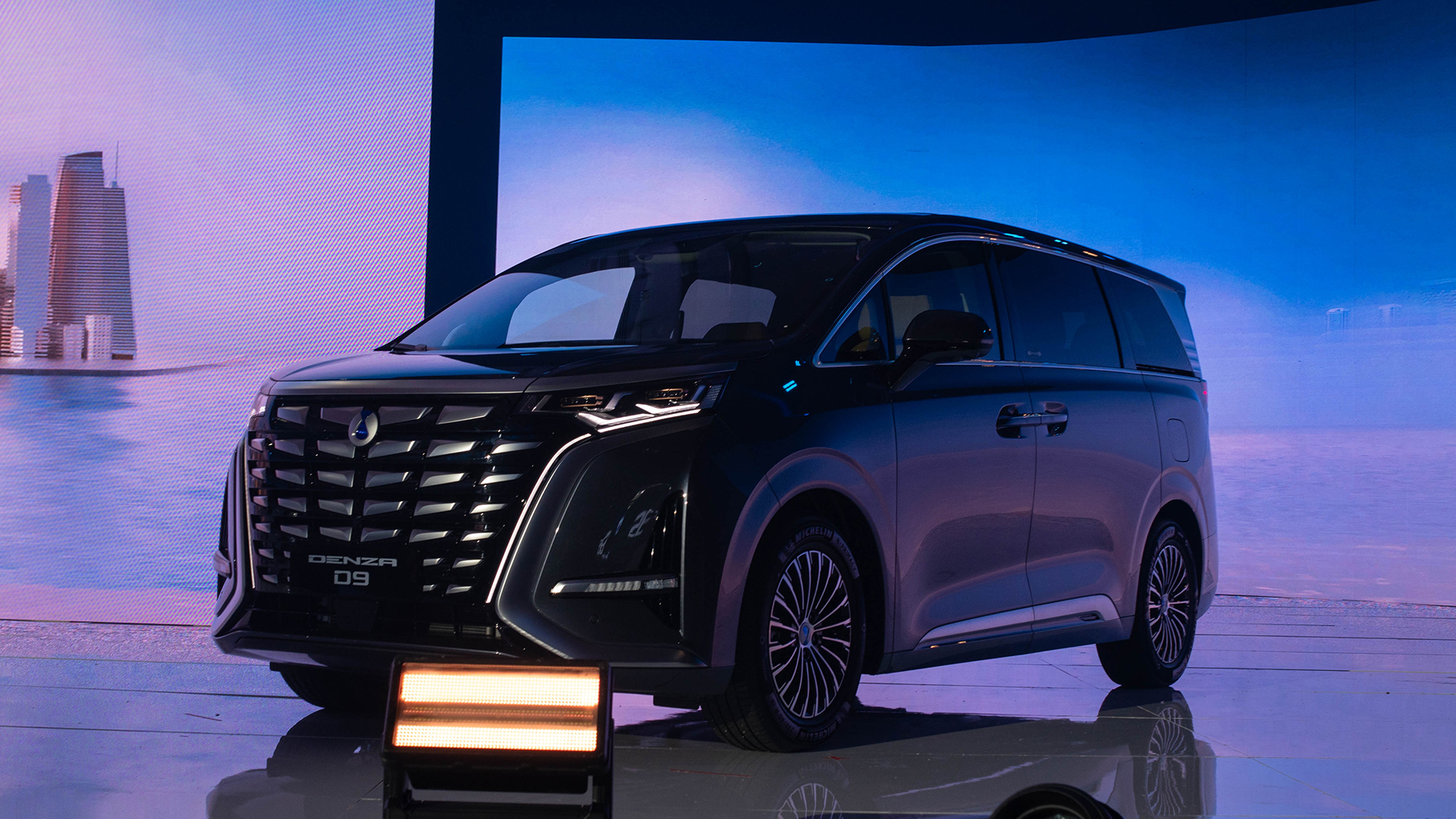
The BYD family in the Philippines just got bigger. After testing the waters and succeeding gracefully with the main brand, the Chinese automotive company is bringing in a new brand to the country: Denza.
Denza started off as a brand co-owned by both BYD and Mercedes-Benz (then known as Daimler). BYD’s meteoric success eventually led to Denza’s concurrent rise as well. Eventually, Mercedes-Benz relinquished all but 10 percent of the brand’s total shares to BYD in 2021. Then, in 2024, the German company withdrew entirely, leading to Denza being completely owned by BYD today.
The brand is known for delivering high-end PHEVs to several markets, which now includes the Philippines. The stint will start off with its ever-popular full-size MPV, the Denza D9.
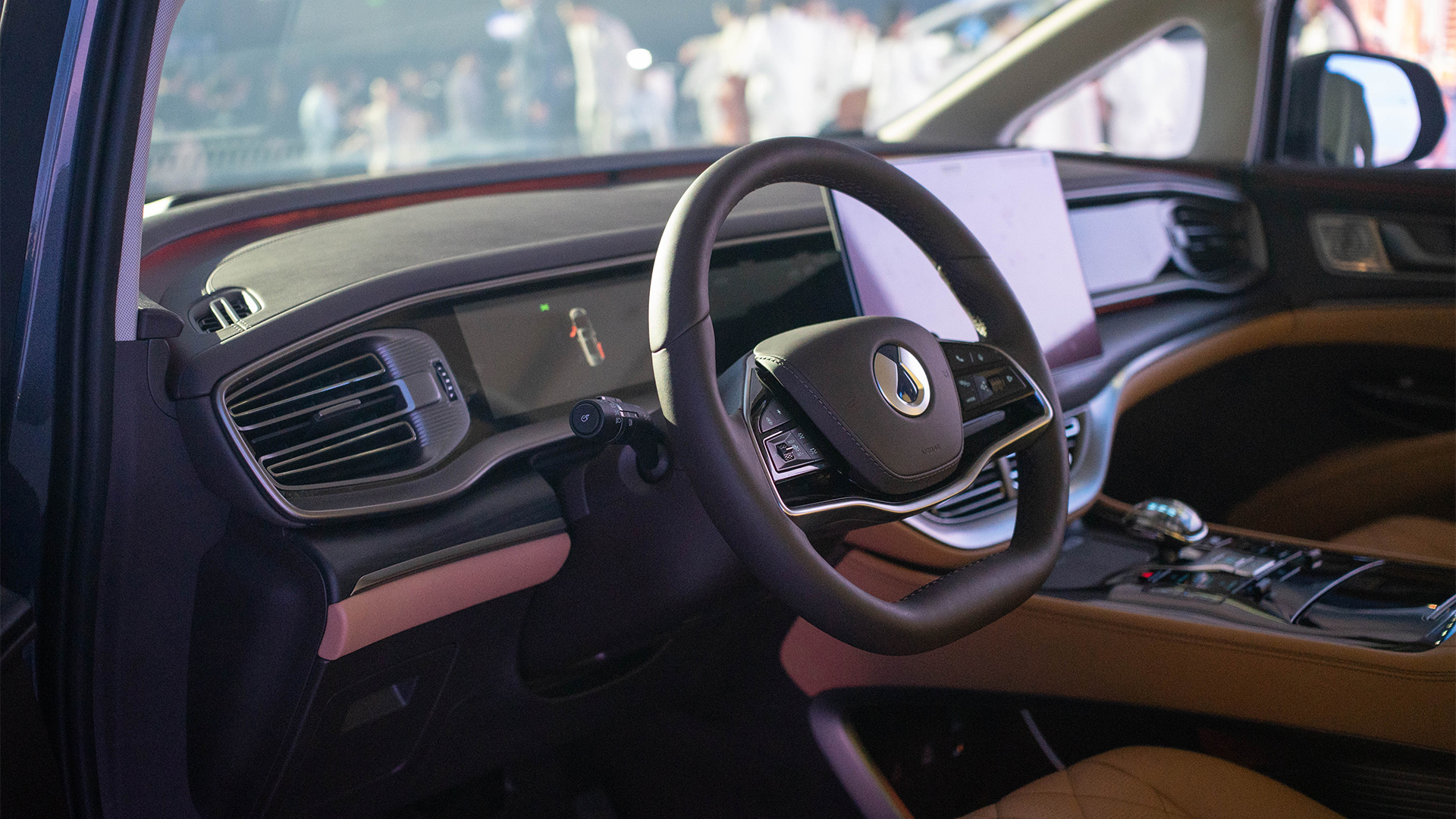
Introducing the Denza D9
Prior to today’s launch, I already saw the Denza D9 plowing through the streets. The sizable MPV already made quite an impression, to say the least.
Up close, the Denza D9 has a bold front fascia, exuding modern elegance and sleek body lines.
Inside, the car prioritizes comfort for all passengers with luxurious captain seats. Those seats feature a ten-way electric adjustment six-way adjustable headrests, and leg rests. They also come with seat ventilation to get through an intensely sunny day. Finally, each seat comes its own LED panel for maximum control.
The DiSus system keeps the car balanced throughout any situation. The drive will remain comfortable even during high-speed cornering, full-throttle acceleration, and sudden braking. It will also come with nine airbags to keep all passengers protected.
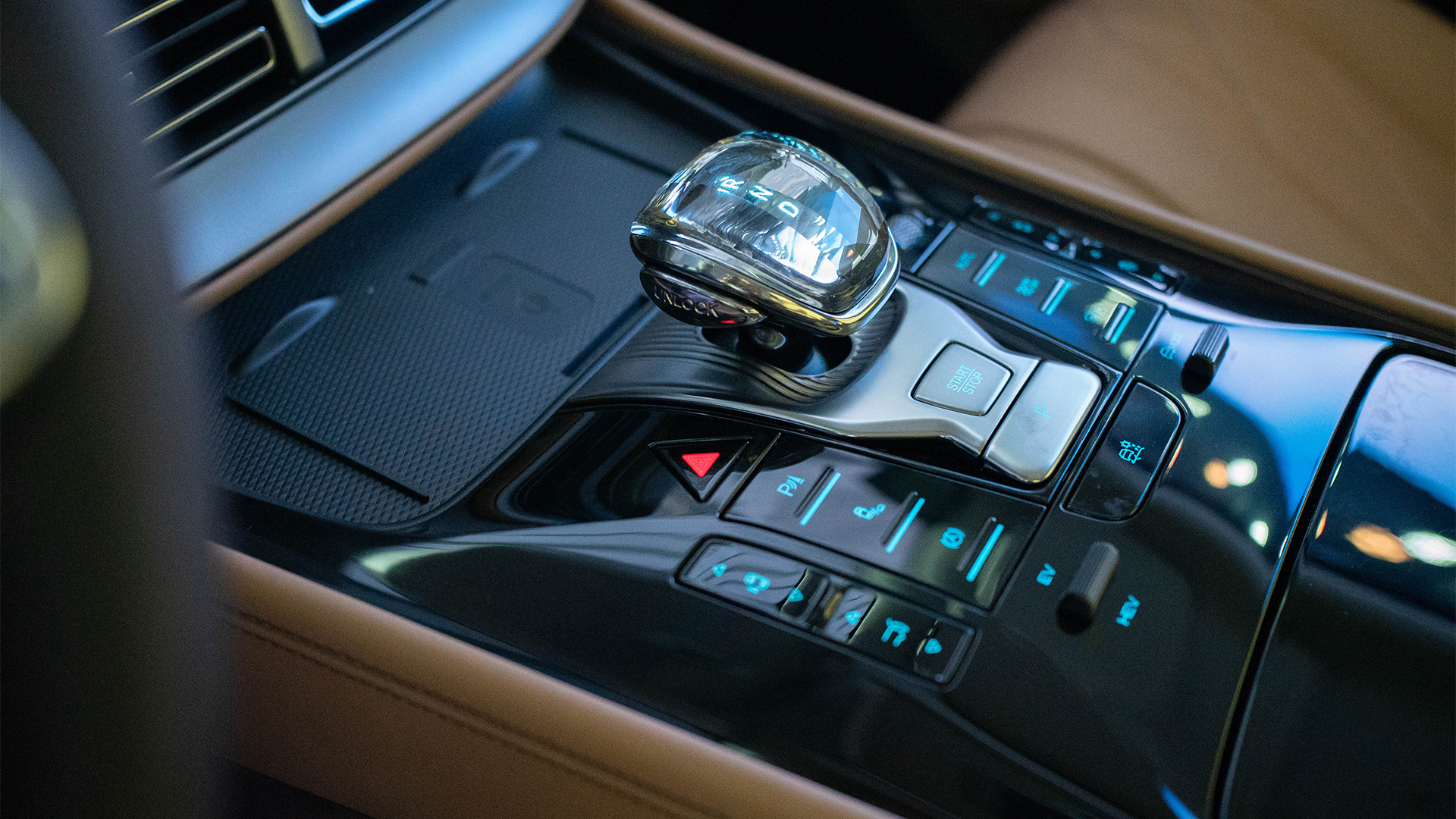
Price, availability
The Denza D9 is available now in Cosmos Black, Arctic White, Whale Sea Blue, and Starry Sky Grey. It will cost PhP 4,298,000.
Additionally, the MPV will have an exclusive premiere price of PhP 3,998,000 for the first 300 customers.
Automotive
VinFast updates battery subscription policy for large upfront savings
Up to 20% upfront savings with a battery subscription model
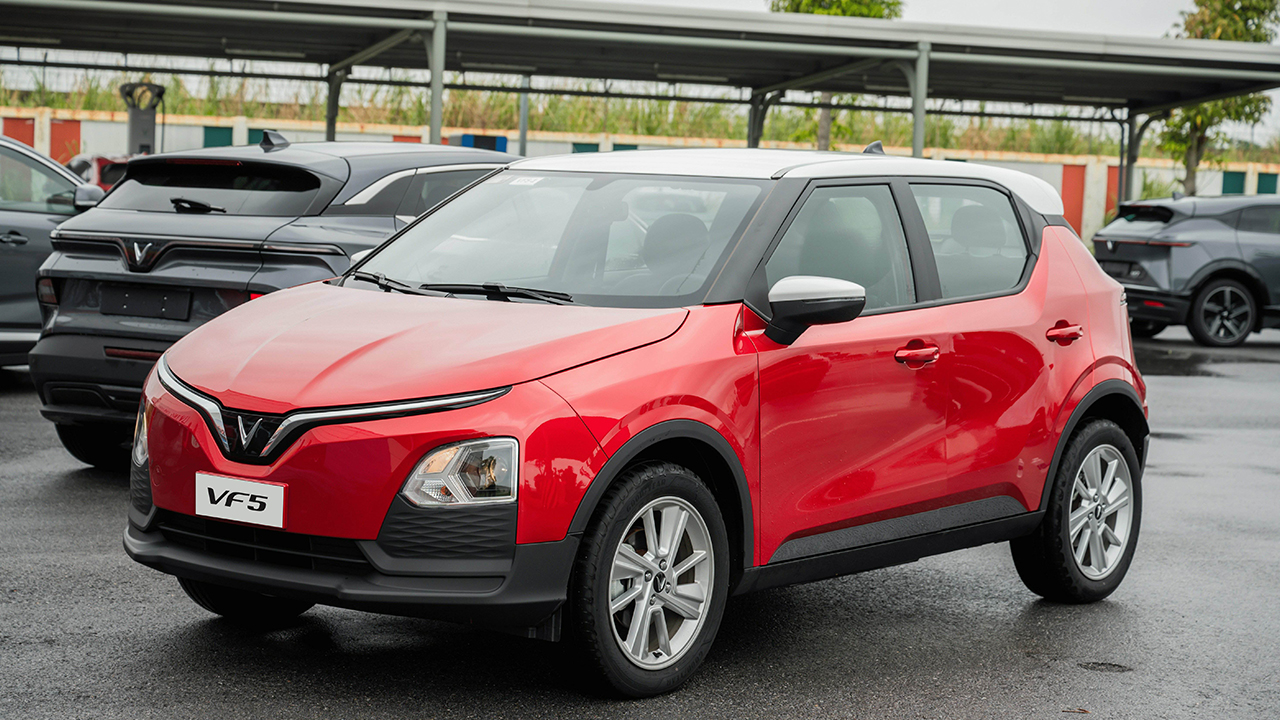
VinFast has updated its battery subscription policy for the Philippine market, offering consumers up to 20% savings in upfront costs.
In addition to the traditional vehicle purchase with battery included, customers can own a VinFast EV under a battery subscription model.
This option offers a more attractive initial investment, with upfront costs reduced by up to 20% — depending on the model.
Battery subscription fees are applied flexibly, starting from PhP 1,600 per month, based on actual distance.
For instance, the VinFast VF3 can be purchased at PhP 590,000 under the battery subscription model rather than PhP 745,000. The monthly subscription fee then starts at PhP 1,600.
Meanwhile, for the VF6 and above variants, the monthly costs start at PhP 2,350. Customers can also save more than PhP 1.5 million on the VF 9 Plus.
Flexible financial tool

Positioned as a “lifetime battery warranty” solution, the battery subscription policy is a flexible financial tool that optimizes cash flow. It is likewise a long-term commitment to consumers.
VinFast assumes full responsibility for battery performance throughout the subscription period. This includes maintenance, repairs, and free replacement when battery capacity drops below 70 percent.
In the event of battery damage caused by an accident, VinFast will handle the issue under the battery subscription policy. This helps minimize financial risks for customers.
The pioneering policy reinforces VinFast’s customer-centric commitment, advancing green mobility in the market.
Meanwhile, customers who opt for the traditional vehicle purchase with battery included, VinFast can still offer comprehensive aftersales benefits. This includes a battery warranty of up to 10 years or 200,000 kilometers.
The dual approach allows interested consumers to be in control of the ownership model that best suits their needs and personal financial capabilities.



OPPO Reno15 F 5G hands-on

Project Helix is Xbox’s next console, and it plays PC games

Nothing adds color to its wearables with the Headphone (a)

Nothing launches the Phone (4a) series

HMD is developing an AI assistant for the elderly

Xiaomi 17 Ultra is now available outside China

TECNO will showcase the CAMON 50 and POVA 8 series at MWC 2026

The art of being in and behind the frame

HUAWEI MatePad 11.5 S 2026: The better-than-ever 4-in-1 productivity tablet

TECNO MEGABOOK K16s 13th review: No-frills beneath those grills


-
 News6 days ago
Xiaomi 17 Ultra is now available outside China
-

 Camera Walkthrough2 weeks ago
OPPO Reno15 Pro: Camera Review
-

 MWC 20264 days ago
TECNO showcases cool concepts at MWC 2026
-

 MWC 20261 week ago
TECNO resurrects modular phones with this new concept
-

 Reviews6 days ago
Xiaomi Pad 8 review: Slab that slaps!
-

 Events2 weeks ago
Capcom to hold Resident Evil Requiem launch event in Jakarta
-

 MWC 20263 days ago
TECNO launches the all-new CAMON 50 series
-

 Reviews6 days ago
Forget the Phone: Xiaomi 17 Ultra Is A CAMERA!