
Explainers
Basics of cryptocurrency: Risks and benefits
Should you buy in on the craze?


For a while, cryptocurrencies became the talk of the town across the internet. People all over the world saw the potential of what is essentially “virtual money,” starting a frenzy of investments, theories, and yes, memes — particularly towards one of the more popular cryptocurrencies, Bitcoin.
But do we really understand the power these cryptocurrencies yield, and how such power can affect the whole world over?
What are cryptocurrencies?
Cryptocurrencies are virtual currencies that are exchanged online with no interference from anyone, not even the government. These currencies, through their language of cryptography, contain secured information and are exchanged through a recording system known as a blockchain.
No one regulates the exchanges and no one controls how much of the cryptocurrency should be out there, but the blockchain keeps all of the exchanges transparent and fair for everyone. Think of it as openly sharing your share of a pizza to a friend in exchange for money, with your other friends keeping track of the exchange. Your friends make sure that you have a slice of pizza to give, your friend has the money he promised you, and that these items are actually from each of you and not from someone else.

Because of the creation of numerous cryptocurrencies all over the internet, a virtual market has been created for people who are interested and invested in these virtual currencies to trade among themselves. Groups of people have also made an effort to produce their own cryptocurrencies from their computers through cryptomining. Cryptomining, much like regular mining, is creating cryptocurrency tokens (an online version of coins) and putting them into the blockchain to be traded; it’s printing your own money, except it’s done from a computer and shared online.
In Bitcoin, for example: People who want to contribute to its blockchain to earn some share of the cryptocurrency would go through activities such as cryptomining. Despite it being one of the primary activities for creating and gaining Bitcoin, it’s also one of the more expensive ways of doing so since most cryptomining setups require computers with the most up-to-date hardware and processing speeds. Any person who wishes to do cryptomining would spend a ton of money just for the necessary hardware — all just to mine their own Bitcoin.
Where did the hype come from?
The tailend of 2017 (October to December) saw people get into a frenzy towards cryptocurrencies and its perceived value — a frenzy driven by growing interest. People had started to not only be invested (pun intended) in learning about cryptocurrencies in general, but they also searched “Bitcoin” a whole lot.
With more people understanding cryptocurrencies, investments towards such virtual currencies (particularly towards Bitcoin) increased, thereby expanding the market by a whopping 1,200 percent. Imagine getting 15,000 shares on your Facebook post about your dog within two days – that’s how quickly it blew up.

Another phenomenon that contributed to the rise of cryptocurrencies is the creation of initial coin offerings (ICO). An ICO is a public, unregulated way of earning funds for cryptocurrencies and is widely used by startups to bypass the usual fundraising activities for capital; ICOs are much like crowdfunding (such as Kickstarter or GoFundMe), except no one controls how the funding goes.
ICOs are usually distributed in Bitcoins; these will be used to start projects or applications that people create but initially have no money to operate. Because people have new ideas and the Internet is one of the faster ways to have the idea develop and spread all over, more and more people would go through ICOs to fund their projects instead of getting bank loans or using their own money.
Effects of cryptocurrencies
The impact of these cryptocurrencies take on a grand scale, especially from an economic context. People continually join the hype towards cryptocurrencies, so much so that it drives demand for them. Participating in online trading for cryptocurrencies is faster than those in the stock market, and is easily accessible by people since it is unregulated.
As such, governments are pushing for cryptocurrencies as a means for payment to add convenience for customers, especially those with plans to go paperless with their money. The Indian government, for example, is learning to embrace Bitcoin within their monetary system after taking in measures against tax evasion in black markets; they are also looking into regulating Bitcoin and other cryptocurrencies as well in the near future.

The risk of partaking in cryptocurrencies lies in its greatest feature: an organic form of virtual currency. Because no entity has any control of cryptocurrencies — including governments — these virtual currencies are prone to online attacks (most common form of attack: hacking), which rapidly hamper their growth and reduce their value significantly. With a large number of people currently trading cryptocurrencies online, the risk of hackers increases significantly, causing these people to lose more money when worse comes to worst.
Another threat posed by its greatest feature is that people would abuse the high interest rates and entice new investors to purchase tokens. Because there is no body to regulate the trading online, people engage in scams to take advantage of new investors who are not guided properly in the virtual currency market — despite it being heavily secured by cryptography.
Participating in the schemes makes the trade unfair, even with efforts to make things equal for everyone. One example is the Bitcoin Savings and Trust Ponzi scheme in 2011, which was shut down in 2012 due to the perpetrator, Trendon Shavers, being accused of raising 700,000 BTC — all from new investors who didn’t know any better.
Cryptocurrencies at present
At the moment, Bitcoin remains to be the top-traded cryptocurrency within the market, valued at US$ 151.1 billion — in spite of its decline over the past few months. Countries are starting to either accept Bitcoin as part of their national economies or reject Bitcoin and its risks. Litecoin, which was dubbed as an alternative to Bitcoin, is not performing as well as Bitcoin within the past month, culminating in a so-far failing venture with digital wallet service Abra. Ethereum, one of Bitcoin’s closest competitors, has quickly risen due to its value to customers.
There are countries in the world that think that cryptocurrencies can bring them out of total economic collapse and keep the country afloat. Venezuela, for instance had released its own cryptocurrency, Petro, after its own national currency lost its value. Other struggling nations such as Iran and Turkey are looking to follow suit, but would need enough investment to get the necessary equipment for creating their own cryptocurrencies.
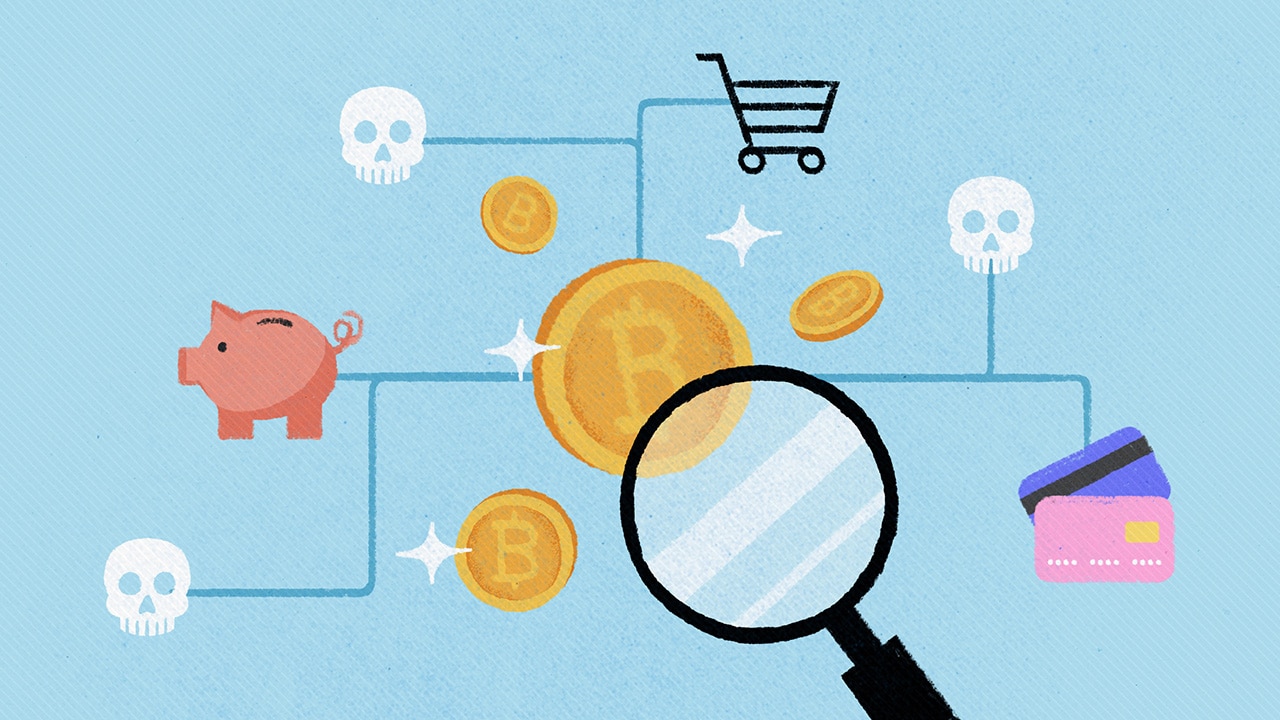
Should you be worried? Do your research, familiarize yourselves with terminologies used in the world of cryptocurrencies, and always proceed with caution.
Even with the possibility of countries going paperless with their currencies, there are some that still fear its effects and have not wholeheartedly embraced cryptocurrencies. Despite the aforementioned efforts from the Indian government to shift to cryptocurrency-based payment methods, the Reserve Bank still finds engaging in cryptocurrencies illegal, to the point of barring banks from engaging in them. Reports of ransomware spreading in the United States, hacking computers used for mining Bitcoin raise security concerns for people investing in Bitcoin.
Should you be worried?
Whether you are currently investing in cryptocurrencies or not, the risks of such virtual currencies will remain to be there as long as other people keep increasing their investments towards them. The value of these cryptocurrencies continue to be unstable to this day, especially with the hype slowly dying down due to people learning more and more about cryptocurrencies and their possible (and real) dangers.
The call for people who wish to invest in these cryptocurrencies is to practice caution. Do some research, get to know more about the terminologies used in the world of cryptocurrencies, look at news reports — with the internet at your disposal, it’s better to know what you’re getting into, should you want to get into it. Anyone who wishes to create their own cryptocurrency might want to start saving up as early as now for all the hardware.
Should you be worried? Yes, to an extent, but it helps to be prepared.







With a huge change in naming scheme, Apple promises a big leap ahead.
The all-new Liquid Glass design isn’t just breath of fresh air — it’s a bold redesign ever since the iOS 7 came out.
It’s not limited just to the iPhone. It’s coming to the iPad, Mac, and even the Apple Watch!
And with latest Public Beta now available across all devices, now is the perfect time to try ’em out.
Here are our favorite features, design updates, and hidden gems in Apple’s latest OS 26 series of software updates.
Namely iOS 26, iPadOS 26, watchOS 26, visionOS 26, and macOS Tahoe.
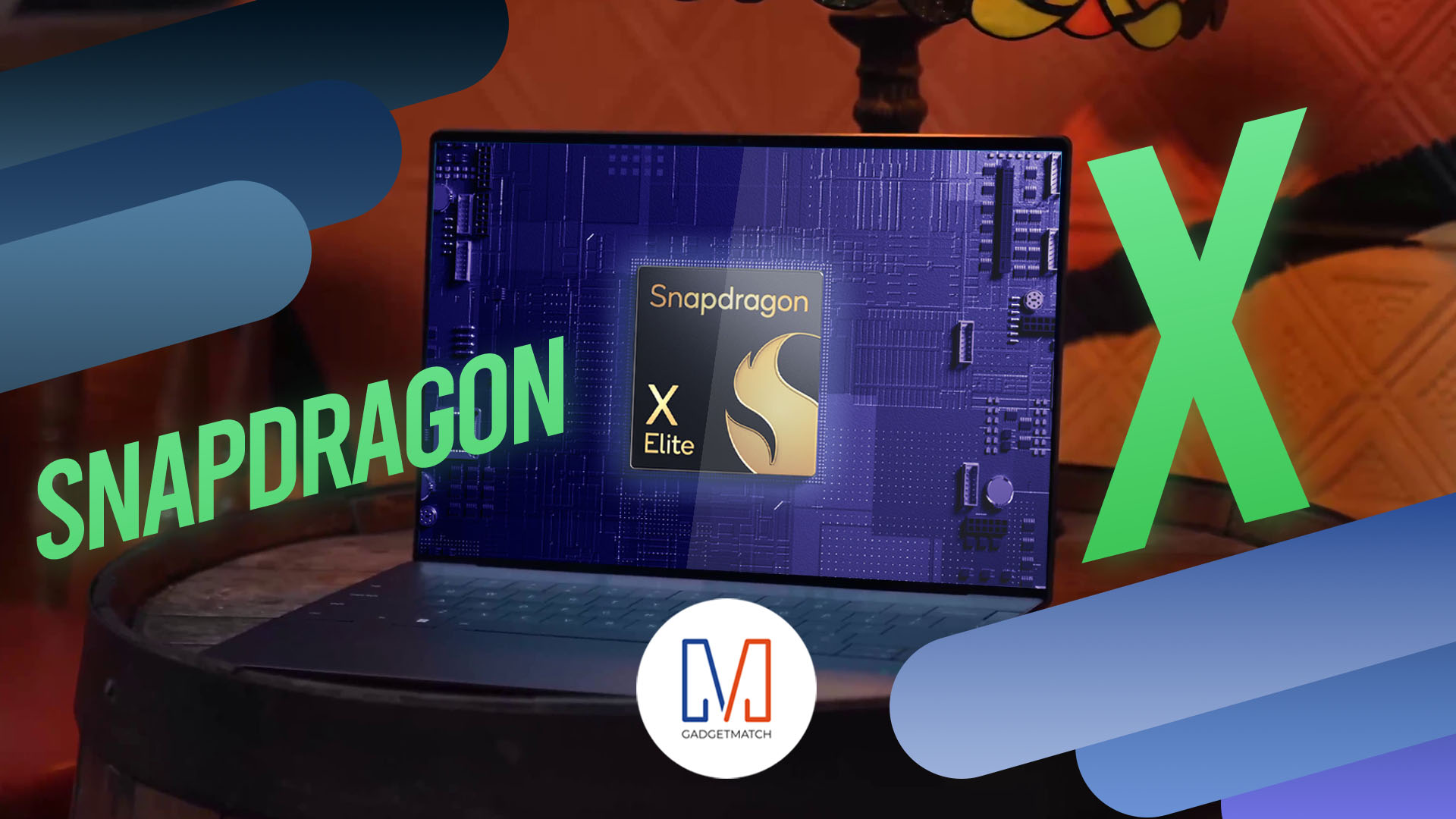
Shopping for a new Windows laptop?
With so many choices out there, it can be tough to know where to start.
Should you prioritize performance, battery life, or portability? Can you find something affordable and premium-looking?
In this video, we break down everything you need to know about the new Snapdragon X Series laptops — a new category of Windows PCs that promise power, efficiency, and sleek design in one package.
Whether you’re a student, creative, or just looking to upgrade, this buyer’s guide will help you decide if a Snapdragon X Series laptop is right for you.

Apple dropped a ton of surprises in this year’s WWDC — and there’s more than just the Liquid Glass redesign.
From Workout Buddy, to game-changing Apple Intelligence features.
All the way to collaborative visionOS updates, and the next generation of iOS 26, macOS 26, and iPadOS 26.
Watch to see the top announcements NEED to know from the WWDC 2025 keynote!
Here are Michael Josh’s biggest takeaways from WWDC 2025 in one video — with the help of some TechTuber friends!





Now Playing: Hoppers

Jackery SolarSaga series: Free power for small devices

UGREEN adds new Nexode Pro power bank, charger to lineup

nubia to launch new Neo 5 series gaming phones on March 28

SHINOBI: Art of Vengeance’s SEGA Villains Stage out on April 3


-

 Reviews5 days ago
POCO X8 Pro Max review: A new beast from the far east
-

 News5 days ago
POCO X8 Pro Series: Price, availability in the Philippines
-

 Laptops2 weeks ago
Apple MacBook Neo Review
-

 Computers2 weeks ago
GIGABYTE collaborates with Capcom for RE Requiem custom PC
-

 Apps1 week ago
Google Maps is finally getting a 3D mode
-

 Entertainment2 weeks ago
The internet is thirsting over the One Piece Season 2 cast
-

 Features1 week ago
Galaxy AI on the Samsung Galaxy S26 Ultra
-

 Automotive2 weeks ago
BYD is reportedly considering an F1 team