
Gaming
Death Stranding review: Trying to recover what we’ve lost
A take on the importance of human connection

As morbid as it is, the reality is we will all meet our end. And it’s not just our own personal ends as we grow old, but also the end of civilization as we know it. There are game titles that detail every possible scenario of near-extinction for the human race, and how the survivors deal with what’s left.
Death Stranding initially seems to follow that trend — a game that tackles another possible near-extinction of the human race. At first, it seemed like another post-apocalypse storyline, mixed with the advent of technology and leaving it all to human effort to harness it. Every other video game that deals with technology, to me always ends in bloodshed.
But as I played through this game, it showed something else.
Avoiding craters and building bridges
You play as Sam Porter Bridges, voiced by Norman Reedus from The Walking Dead. His role in society is a delivery man, tasked to simply deliver supplies and resources to different cities in America. From my understanding, he’s an isolated fellow — prefers to just be on his own, and deems himself untouchable out of fear.
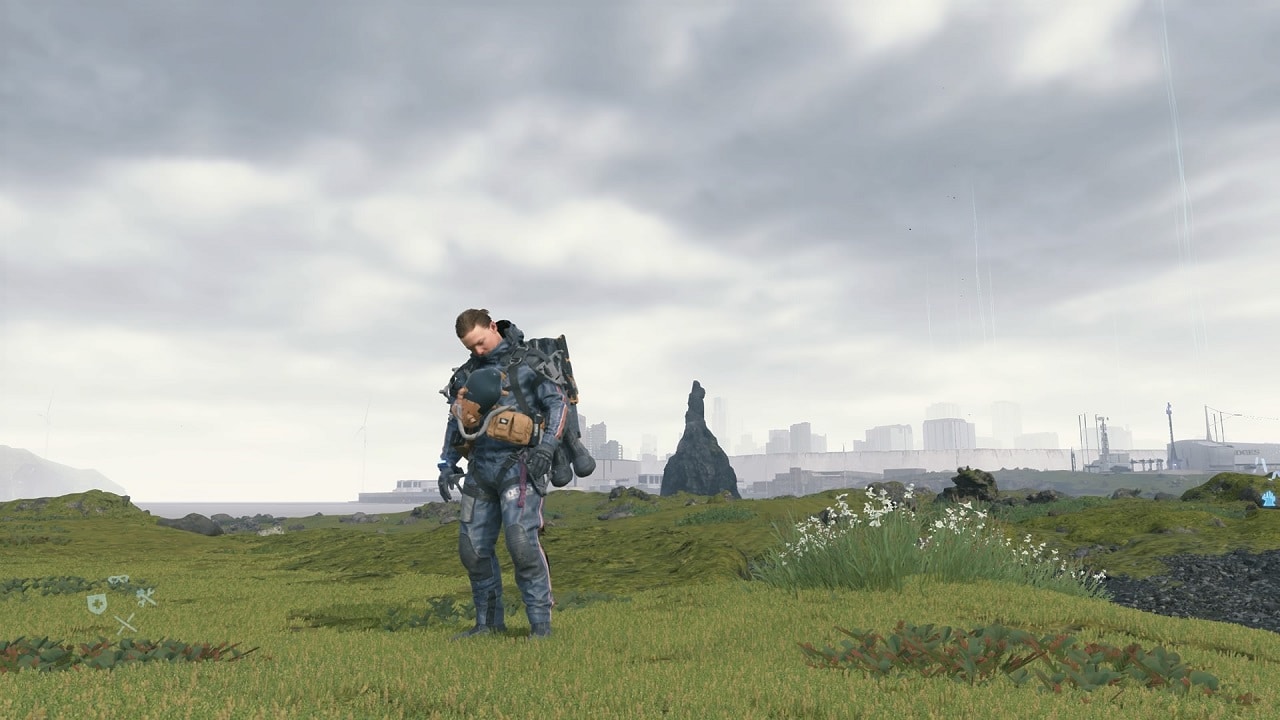
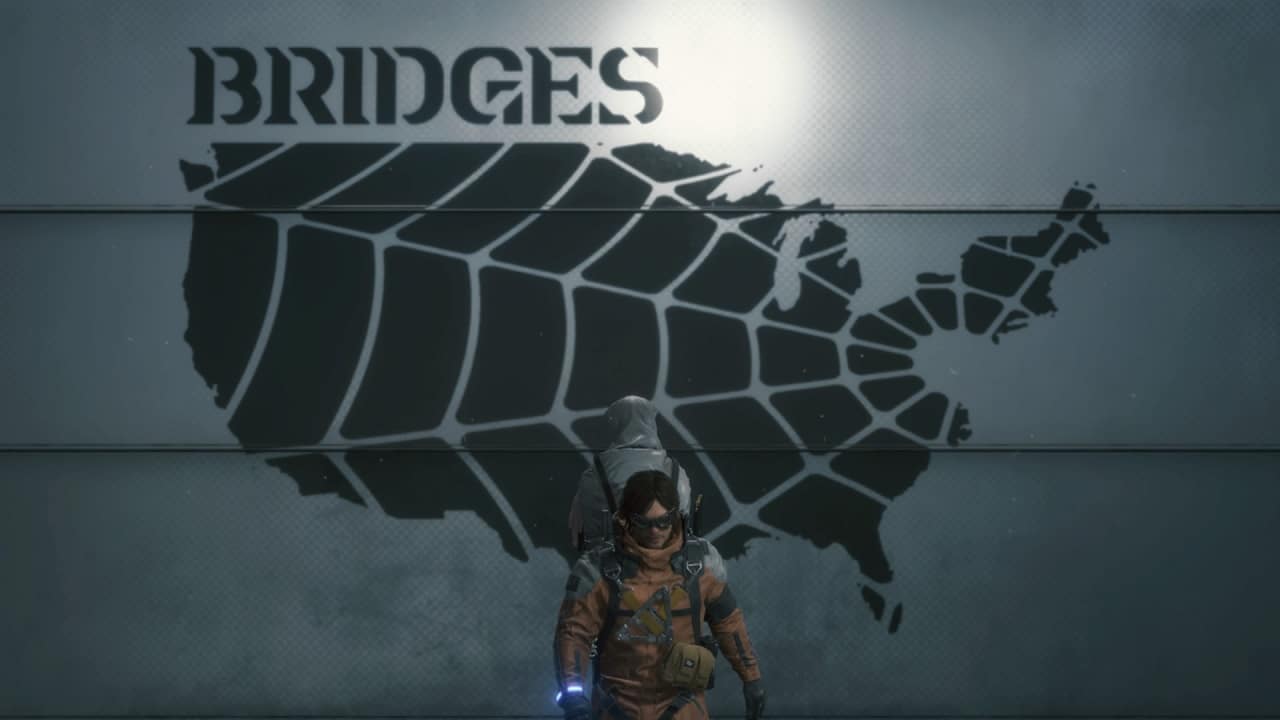
The entire game takes place in whatever’s left of America some time after a series of voidouts that killed millions. Sam reports to BRIDGES in the capital of the United Cities of America; as the name suggests, BRIDGES wants to repair the broken UCA and its divided people. The surrounding area of the capital is what you would expect: shielded from the outside for a good reason.
To me, this is one interesting take on human survival. Normally, in post-apocalyptic worlds, the goal is to save yourself (or your loved ones) while mauling your way through every peril. With Death Stranding, the goal is simply to survive and ensure the survival of everyone else. And the only way to do that is to, well, bridge every human together.
Realistically going all over America and its perils
Death Stranding, to me comes close to capturing the humanity of any character in terms of physical aspects. The game allows you to explore every facet of being a human while establishing a level of purpose for doing simple things. And yes, that includes taking a shower before heading out for expeditions.
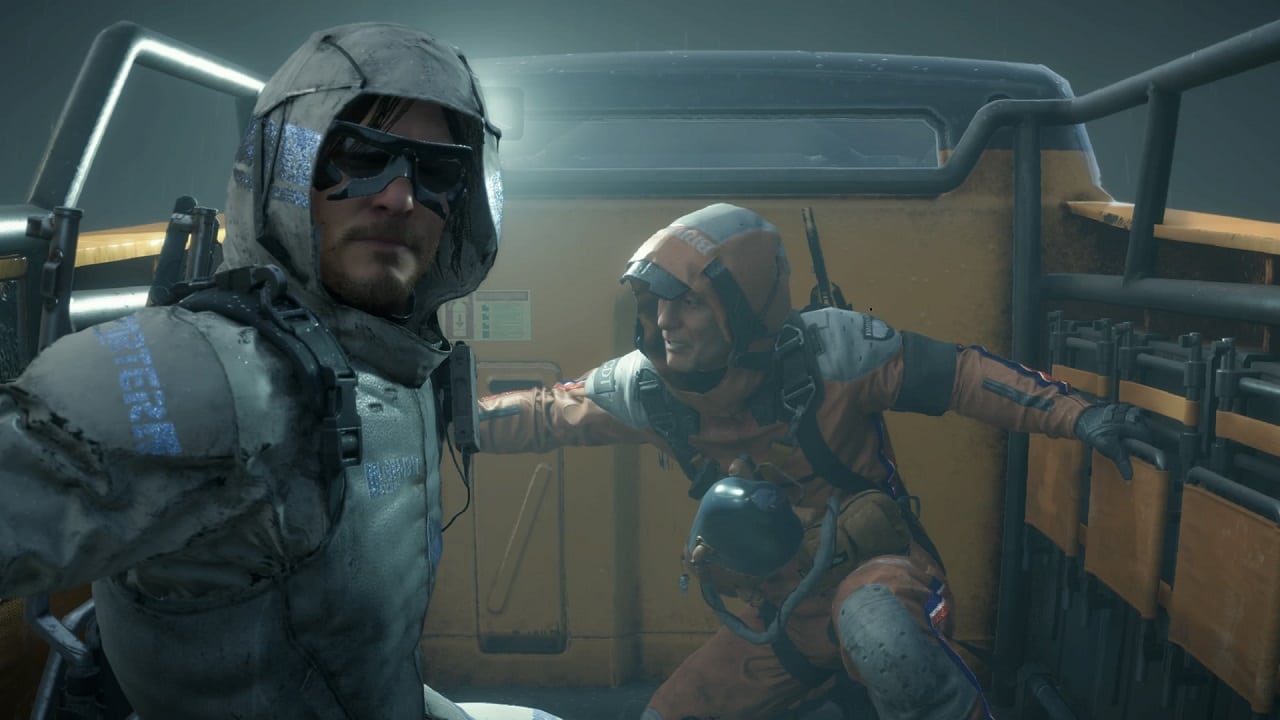
DEATH STRANDING™_20191020205536
Movement in this game is what you would usually expect. As a delivery man, you got some valuable cargo on your hands, hips, and back; balance is as important as survival instincts. Fortunately, the game has controls that allow you to maintain your balance while moving. This is especially important when you’ll start carrying heavier cargo and supplies.
There’s also a level of incorporating the natural surroundings while you’re moving or running around. Even simply tripping on rocks causes damage to you, and possibly the cargo you’re bringing along. Managing your balance and stamina is necessary to survive and to get your deliveries in order.
But one interesting highlight in this game is the rain, known as Timefall which effectively renders cargo protection useless. In game, Die-Hardman reminds you that Timefall speeds up time while also inviting the unseen anomalies you’re trying to avoid. While you have an option to simply seek shelter in caves or rocks, I just went for it and ran for my life.
The concept of irreversible damage unto the world
As the game will show you early on, you are a repatriate — essentially given the ability to come back to life. Every time you die in-game, you are placed in what is known as an upside-down world. To return to life, simply follow a strand that leads to Sam’s body. This is the kind of respawn that I felt was the game’s strongest feature over all other post-apocalyptic titles.

See, when you die and repatriate with your body, anything that happened before you died stays exactly as they are. If you die from a voidout, the huge crater stays and any life lost is forever gone. For some reason, the cargo you were bringing along stays where they are/relatively intact.
I personally found this to be most realistic way to do a respawn mechanic in-game. If you’re going for full human experience, you don’t get a chance to undo any damage already caused in the world. You only get to proceed with unfinished business, but no takebacks.
There’s great emphasis on the human connection
The endgame of bridging every human possible is protection from the BTs — discovered to be former humans turned into dark matter. BTs are the ones formally responsible for all the voidouts that occur in-game. Heartman highlights that the slightest interaction with the BTs could start the ticking time bomb.
Perhaps Sam’s biggest protection against the BTs involve two things given to him: a sickness called DOOMS and a BB module. The BB module contains an actual baby inside a vat of yellow liquid, keeping it safe. Sam’s connection to the BB module only strengthens his protection and awareness of the BTs around him.
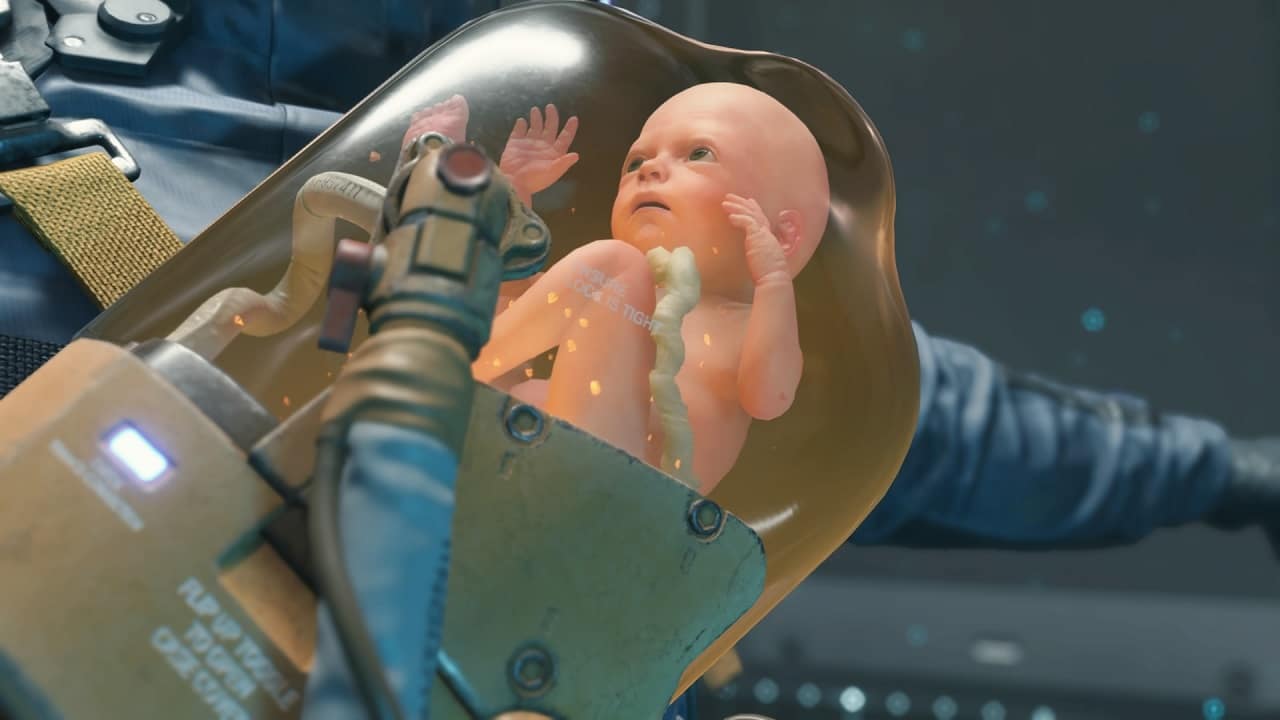
What I find a little troublesome about the BBs and BTs is that it doesn’t necessarily provide you protection. While the whole set-up of the Sam-BB relationship was for protection, running past the BTs is still pretty difficult because the baby won’t stop crying. Also, any damage done to the BB module severely stresses out the baby, making it more difficult to move around. But, I guess that’s where the ultimate challenge lies.
Overall, it hits the core principle of human survival
Death Stranding offers a unique yet relevant take on post-apocalyptic survival. As a game, several human mechanics are spot on and given their full justice. From trekking to managing your balance and cargo, you will definitely feel the realism in the human experience.
But more than anything, this game truly highlights a facet vital for human survival: connection. At its forefront, the game puts together a story that hinges on the importance of human connection on every turn.
Sam, an isolated human being has to trust BRIDGES in hopes to restore the world to a less broken state. No lives lost, only those saved and protected from BT exposure. For the first time, I didn’t have to kill to survive; I just needed to survive so others may survive, as well.
This game offers relatively simple movement mechanics, mixed with a unique take on a post-apocalypse storyline. And if you’re looking for a different type of action-survival game, a game like Death Stranding is something truly worth to give a shot.
Death Stranding will be available on November 8 for the PlayStation 4.






Gaming
Project Helix is Xbox’s next console, and it plays PC games
It might be as powerful as a modern PC.


Among all the platforms in today’s generation of consoles, the Xbox has to be biggest loser. Compared to the PlayStation 5 and the Switch 2, the Xbox Series X|S isn’t as memorable. To rectify its position in the rankings, Xbox is heavily teasing its next console codenamed Project Helix.
As was hinted before, Xbox is trying something different with its next-generation console. Rather than just a simple iteration over the current-generation console, the upcoming one will reportedly double as a PC. Today, the company itself has confirmed that this is the case for Project Helix.
Through a post on X, Xbox CEO Asha Sharma said that the console will “lead in performance and play your Xbox and PC games.”
Great start to the morning with Team Xbox, where we talked about our commitment to the return of Xbox including Project Helix, the code name for our next generation console.
Project Helix will lead in performance and play your Xbox and PC games. Looking forward to chatting about… pic.twitter.com/Xx5rpVnAZI
— Asha (@asha_shar) March 5, 2026
There are two things to unpack here. Firstly, Project Helix will aim to bridge the perilous divide between console players and PC players. Unlike the past, there will be a way to play both platforms on both devices… except for games exclusive to the PlayStation and the Switch, that is.
Secondly, a “lead in performance” seems to indicate that this isn’t just a mini-PC. Most recently, Valve announced the Steam Machine. Though it offers a convenient way to play Steam games in one device, it doesn’t have the best specs. Project Helix, if Sharma’s words are to be believed, might be as powerful as a modern PC.
Xbox won’t wait long before revealing more details about the console. Sharma, who only recently started her post as CEO, will be at next week’s Game Developers Conference to explain Project Helix more.
SEE ALSO: AMD teases next-gen Xbox coming in 2027
Gaming
Ubisoft confirms Assassin’s Creed: Black Flag remake
It’s officially called Assassin’s Creed: Black Flag Resynced.
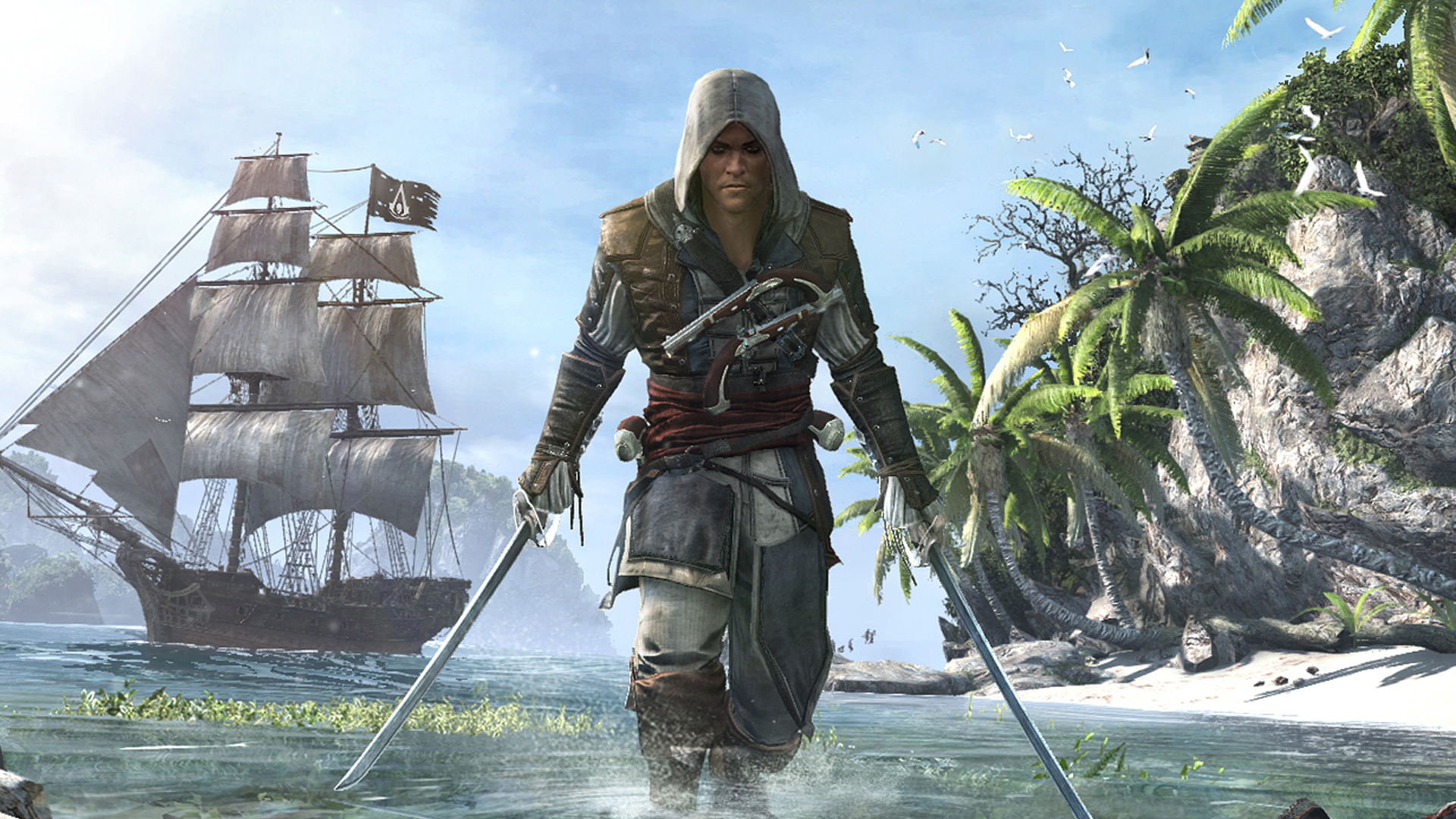
If you ask an Assassin’s Creed fan what their favorite game of the series is, Assassin’s Creed: Black Flag will likely be one of the top contenders. Because of its reputation, gamers are constantly asking for a remake of the popular pirate simulator. Now, the dream is finally here. Ubisoft has confirmed that a remake, called Assassin’s Creed: Black Flag Resynced, is coming.
Released in 2013, Assassin’s Creed: Black Flag saw the journey of Edward Kenway, a vagabond pirate haplessly thrust into life as part of the Assassin Brotherhood against his will. The critically acclaimed game was something that all gamers have been clamoring for since Sid Meier’s Pirates: a true pirate simulator. It was no surprise that the game got as popular as it did.
Today, through an official roadmap shared by the company, Ubisoft has confirmed that Assassin’s Creed: Black Flag Resynced is real, and it might launch later this year. The company also released the first concept art for the remake.
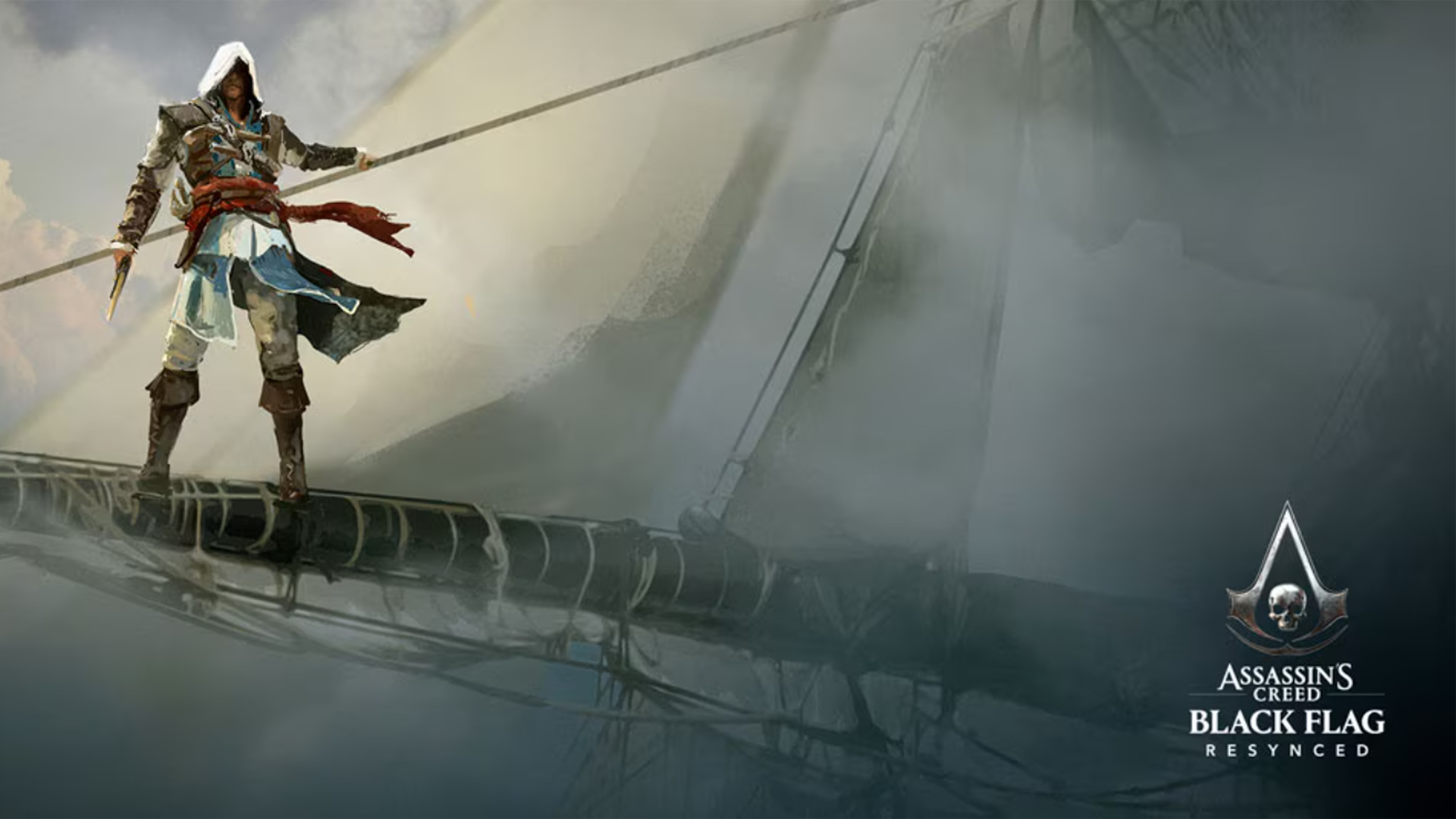
Currently, there’s no official word as to how Ubisoft is remaking the game. At the very least, we can expect significant graphical upgrades to put it up to par with the modern games. We wouldn’t be opposed to more stories and missions too.
Now, though the Black Flag remake is already a big deal, the same roadmap also emphasizes that Codename Hexe, the next mainline title, is still coming. Ubisoft hasn’t confirmed the actual timeline yet, but the game will depict “a pivotal moment in history.” With post-launch development for the ongoing Shadows winding down, efforts to launch Codename Hexe should be ramping up soon.
SEE ALSO: Assassin’s Creed Shadows gets Attack on Titan-themed content
Gaming
PlayStation will stop releasing its games on PC
A new reports suggests that Sony is going back to console exclusives.
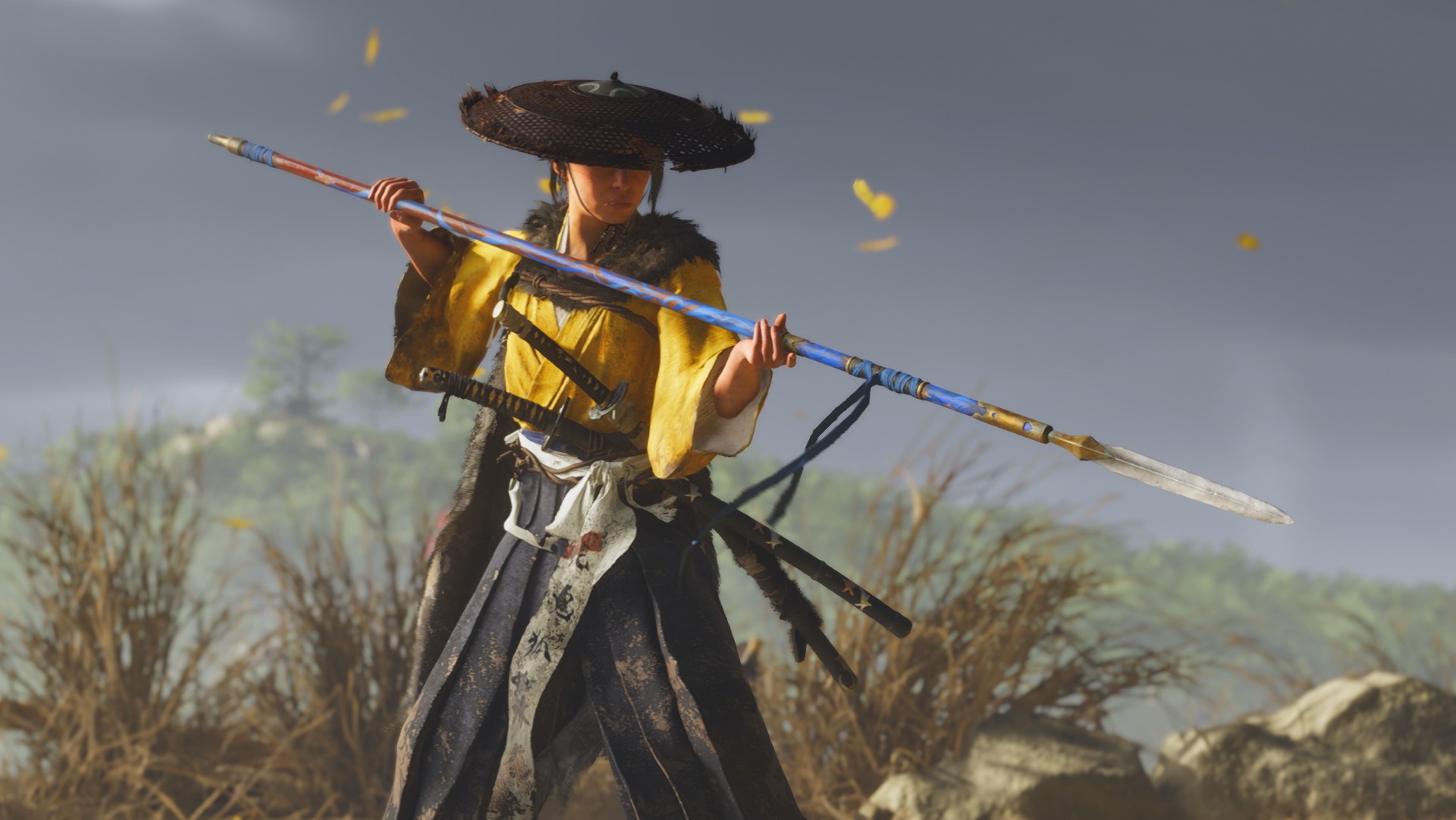
PC-only gamers have been eating well for the past few years. The formerly exclusive PlayStation library opened its gates and released worthy ports for PC. Unfortunately, Sony is putting an end to this short-lived era of openness to PC gamers. According to a new report, the company is once again making first-party PlayStation games exclusive to the console.
During the pandemic, Sony started releasing its critically acclaimed first-party games on PC. The new wave saw gamers get the ability to play titles such as Horizon Zero Dawn, The Last of Us, Marvel’s Spider-Man, and God of War on another platform. Even now, players are still eagerly awaiting the PC launch of Death Stranding 2, due out later this year.
However, as reported by Bloomberg’s Jason Schreier, Sony has just had a change of heart and will no longer release any more games on the PC, beyond those already confirmed for future launches.
This will mean that last year’s Ghost of Yotei and the upcoming Saros will remain PlayStation exclusives for the foreseeable future.
It’s a big change to Sony’s direction. However, it’s not without its precedents. For one, Microsoft has started to compete in the non-exclusive market. The company is already set to launch Fable and Forza Horizon 6 on other platforms, including PC and PlayStation, concurrently with the Xbox launch. To compare, PlayStation still waits a long time before launching exclusive games on PC.
Also, now that rumors have begun to speak of a fabled PlayStation 6, Sony might want to keep things close to its chest for now. After all, selling the console might be its top priority for now.
SEE ALSO: PlayStation 6 reportedly delayed to 2029 because of RAM shortage


The Xiaomi 17 shoots Leica dream

Nintendo sues the United States

OPPO Reno15 F 5G hands-on

Project Helix is Xbox’s next console, and it plays PC games

Nothing adds color to its wearables with the Headphone (a)

Xiaomi 17 Ultra is now available outside China

TECNO will showcase the CAMON 50 and POVA 8 series at MWC 2026

The art of being in and behind the frame

HUAWEI MatePad 11.5 S 2026: The better-than-ever 4-in-1 productivity tablet

TECNO MEGABOOK K16s 13th review: No-frills beneath those grills


-
 News7 days ago
Xiaomi 17 Ultra is now available outside China
-

 MWC 20265 days ago
TECNO showcases cool concepts at MWC 2026
-

 MWC 20261 week ago
TECNO resurrects modular phones with this new concept
-

 Reviews7 days ago
Xiaomi Pad 8 review: Slab that slaps!
-

 MWC 20264 days ago
TECNO launches the all-new CAMON 50 series
-

 Reviews7 days ago
Forget the Phone: Xiaomi 17 Ultra Is A CAMERA!
-
 Reviews4 days ago
TECNO CAMON 50 Ultra review: End of an era?
-

 MWC 20263 days ago
Infinix NOTE 60 Ultra makes a motorsport-inspired debut