

The way video games have evolved over time is nothing short of impressive. Studios and franchises keep finding ways to improve and adapt to cater to the demand of the modern gamer. Blocky characters became more realistic, gameplay more complex, worlds vastly expanded. But it can get overwhelming and sometimes you just want to come home to something familiar.
Enter Dragon Quest XI: Echoes of an Elusive Age, a classic JRPG that will warm your heart and hit you hard with nostalgia.
What a wonderful world

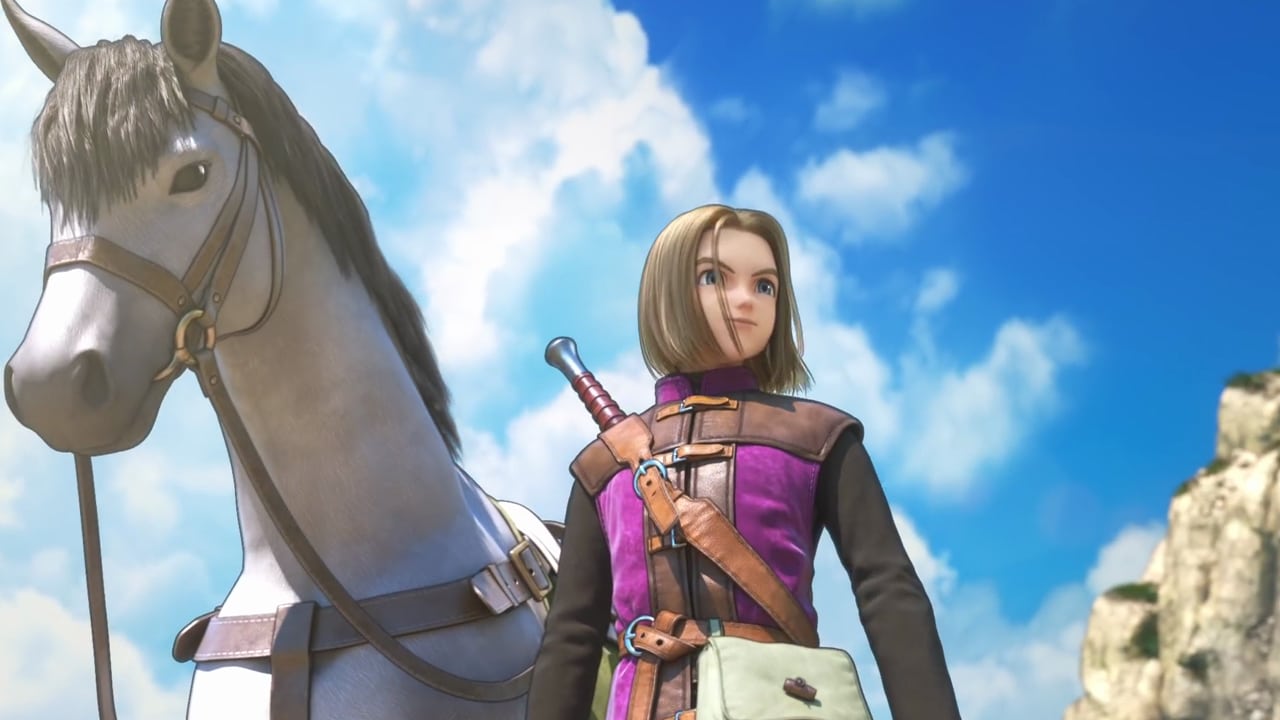
I was welcomed into the bright world of Erdrea with a cinematic that explained how the hero (you get to name him) ended up in the humble town of Cobblestone. It’s later revealed that he’s the Luminary, a legendary hero tasked to save Erdrea from darkness. This catapults our hero into his journey to fulfill his destiny. It’s honestly not a spectacular opening, not even remotely original. But I was glad to find that as the game progressed, the story started to introduce twists to the story. Sooner, much rather than later, I was hooked.
The characters are as wonderfully colorful and diverse as the world they live in. The crazy menagerie of monsters, bumbling NPCs, and quirky members of your party add another level of entertainment. Your party, for example, despite sticking to the classic JRPG classes, have their own distinct personalities that try and stray away from the expected. No big, macho tanks here but you do get a fun, dancing circus performer.

The towns that you visit also have their own identities (and accents!) which make them unique; it’s like visiting a different country each time.
Fun fact: The artist of Dragon Quest is also the artist of Dragon Ball, hence the similarity in character designs.
New but familiar
Dragon Quest XI is an apple that doesn’t fall far from the classic dungeon crawler tree by sticking to turn-based fighting and point-based character building. What’s great this time around is that enemies are visible in the overworld which eliminates the element of random encounters. This may be a good or bad thing depending on what kind of player you are. For me, it was incredibly helpful because I was able to choose my battles. Once I got to a certain level, I started avoiding the weaker enemies so I could save my HP and MP for the ones that that gave higher experience points or just go straight to the boss battles.

Staying true to the formula, it’s a lather-rinse-repeat kind of game. To progress the story and level up, you fight several enemies and bosses, go to towns, accomplish quests and then do it all over again. Dragon Quest attempts to relieve the repetitiveness of this kind of gameplay by giving the option to have your party attack automatically. It worked great in getting past easy monsters without much effort and also for level grinding.
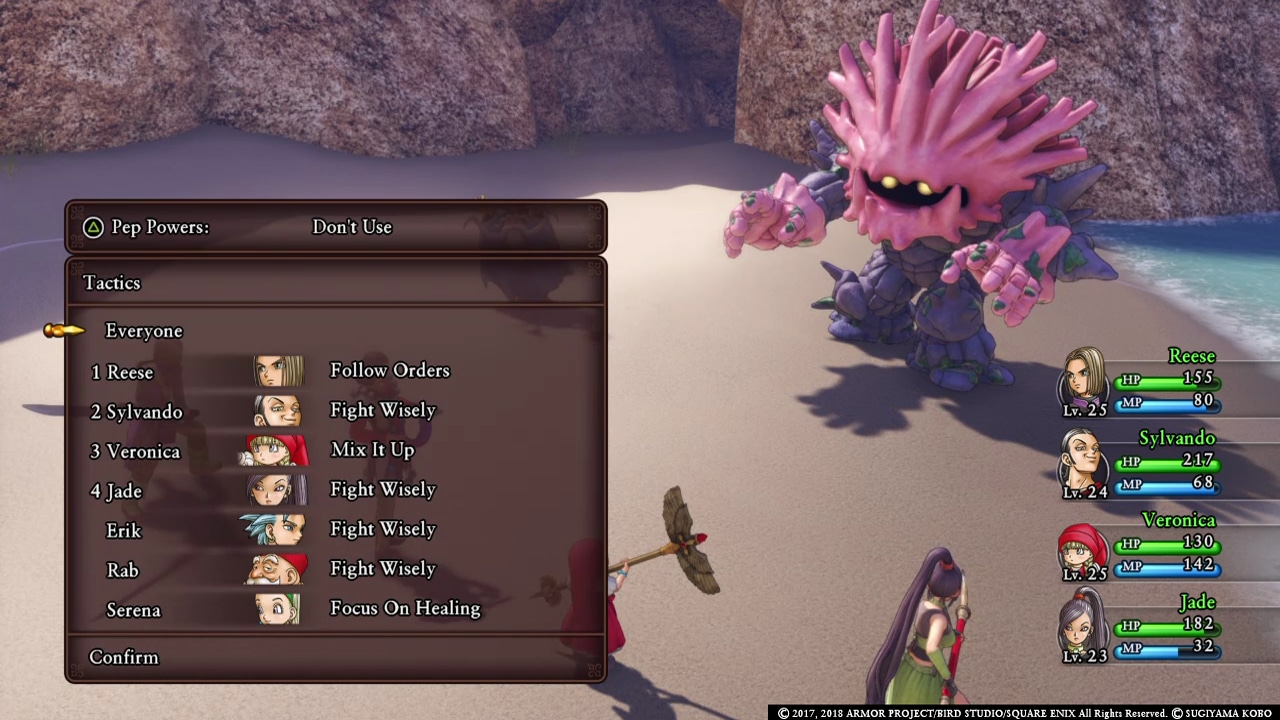
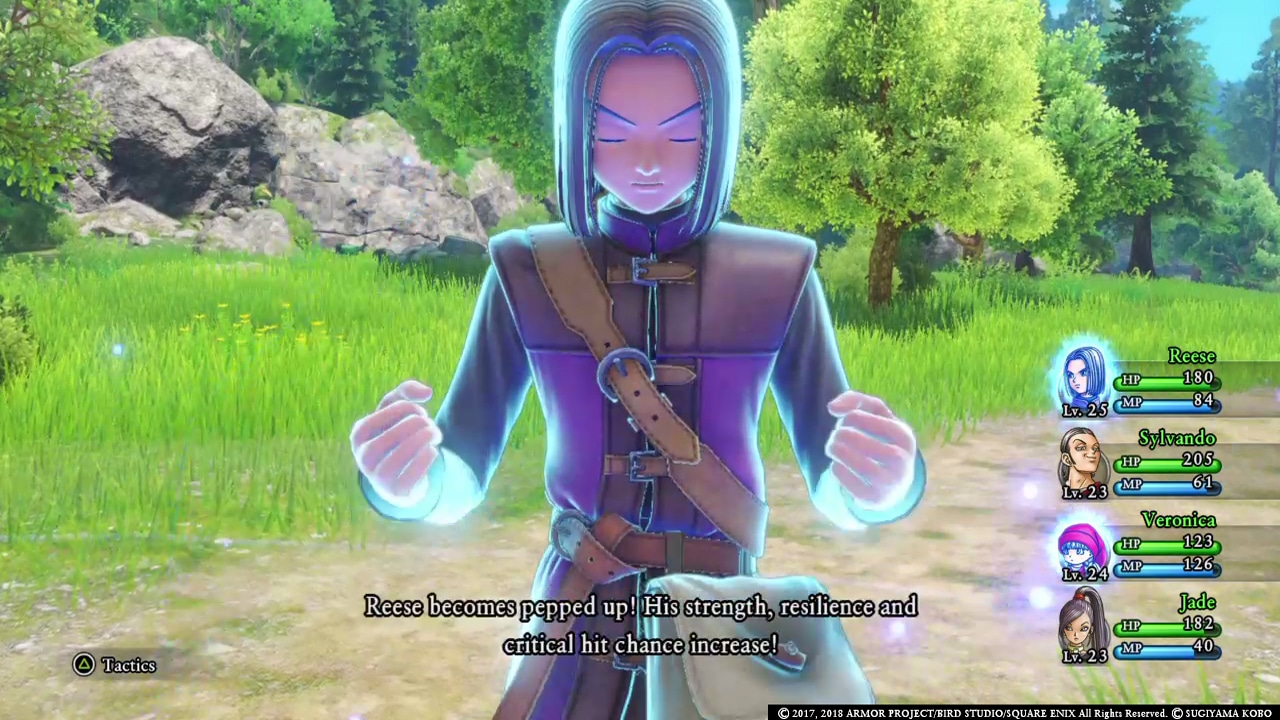
Pep Powers are also introduced in the game. When a member of your party is hit a number of times, they get “Pepped Up” which increases their stats and adds special moves that he/she can perform alone or with another pepped-up party member; different combinations of characters yield different attacks/buffs. If you’re familiar with Limit Breaks, it’s similar to that. I found it hard to manage, though, as only the main hero will attain the ability to get pepped up on command. The rest of your party will do it at random, making it more difficult if you want to execute a certain ability.
Linear but large
As expected, Dragon Quest XI is not an open-world game. And while you are free to roam around the map, you won’t get far without following the main story, as new areas are usually blocked. For each town, there are different story arcs that not only support the main story but add to the rich tapestry of Dragon World XI’s world. It’s surprising how easily each town’s story seamlessly weaves into the next making it quite hard to stop playing.
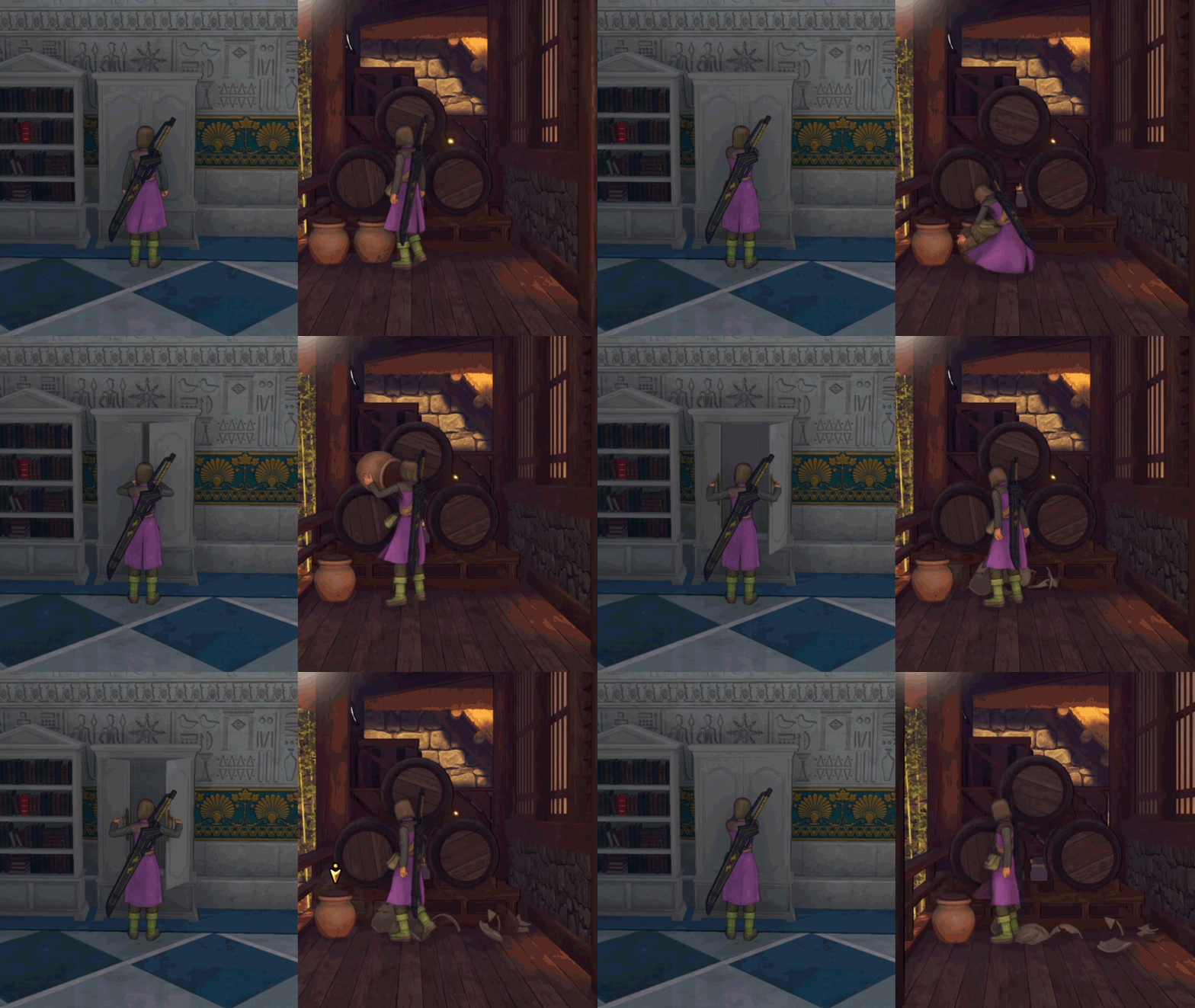
Moving around is easy with the option to fast travel using a spell given in the early levels of the main character. But unless there’s a specific goal to achieve in these towns, I found going by foot or by horse was much more enjoyable, plus you’ll be able to search for treasure chests and crafting materials hidden throughout the world. The game also rewards you for breaking pots and barrels, as well as looting cabinets and bookshelves in the homes of townspeople.
Dragon Quest makes up for being linear by offering so much content. On average, you’ll need about 70 hours to finish the main game, but with the post-game content, you can easily stretch your play time well above the hundred-hour mark. Thankfully, Erdrea is huge (Mild spoiler: You’ll be needing a boat) and the story is strong enough to support this lengthy game.
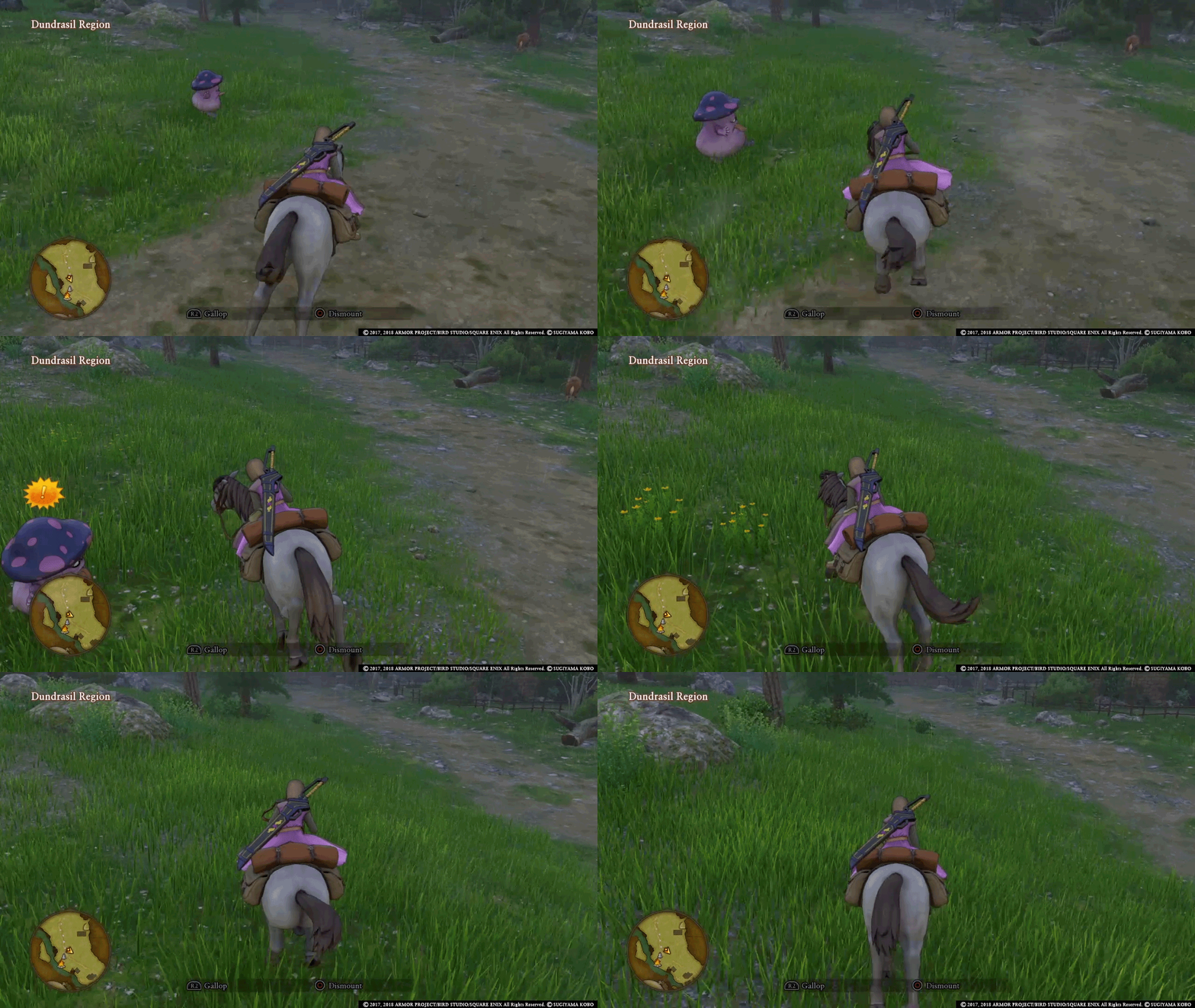
Overall, Dragon Quest XI: Echoes of an Elusive Age is a wonderful testament to the JRPG genre and a great example of how a classic formula can be successfully brought into the modern age of video games. It’s a familiar and comfortable game that still offers quite a challenge. It lives up to its name, surely pleasing fans of the series and the genre but also creating a welcome atmosphere for new players. Despite the slow start, you’ll soon find yourself lost in the beautiful world of Erdrea and heavily invested in the story and its characters.

From scouring corners of the world for crafting materials to spending time on each character’s skill tree or even playing some of the town’s mini-games, Dragon Quest XI offers a multitude of things to accomplish that will leave you playing for hours. If you find yourself wanting to play a new game but also yearning for a touch of the classic dungeon crawlers of before, Echoes of an Elusive Age is definitely a game to consider
Dragon Quest XI: Echoes of an Elusive Age was released worldwide on September 4, 2018 and is available on PS4 and Steam. This article was based on a digital copy for the PS4.






Gaming
Nintendo might be working on an Ocarina of Time remake
It will reportedly launch in the second half of 2026.

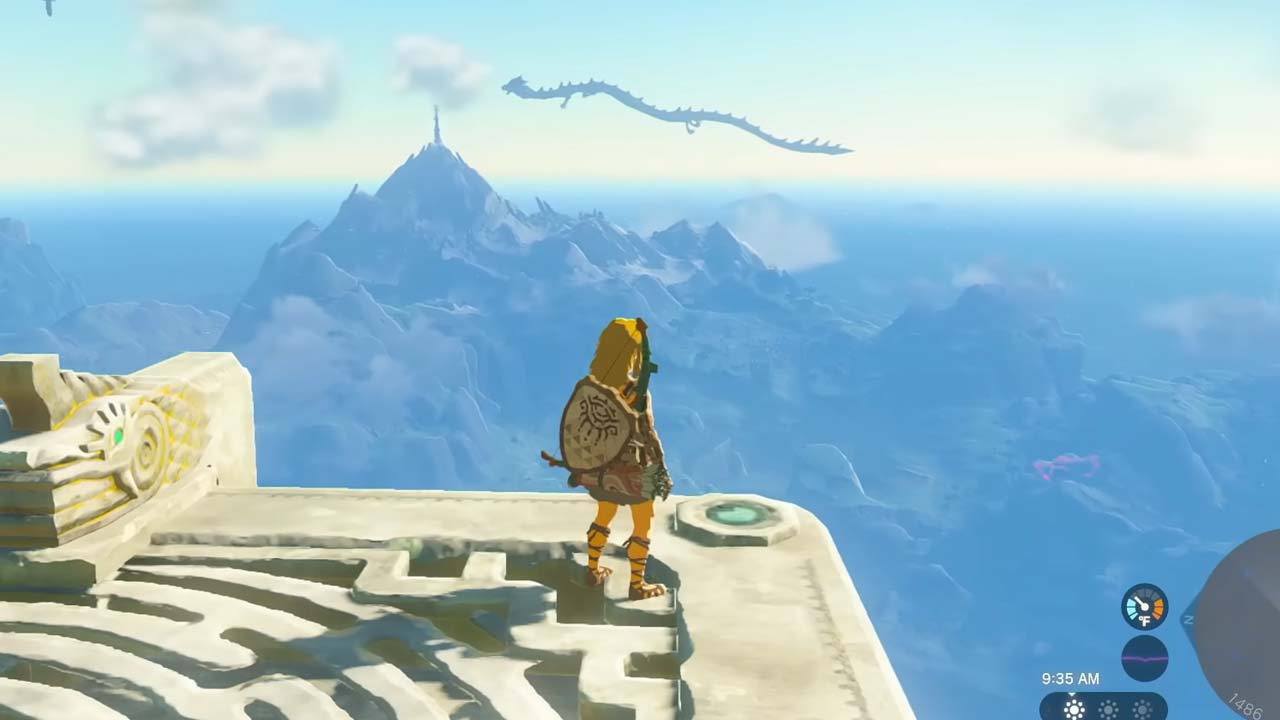
What is the greatest game of all time? There’s a substantial chance that The Legend of Zelda: Ocarina of Time will be on the board. Even beside the Switch’s critically acclaimed Breath of the Wild duology, the Nintendo 64 title is one of the most quintessential games you can ever play. That said, it’s pretty dated. But maybe, not for long.
According to Nintendo insider NatetheHate, the company is working on a rerelease of Ocarina of Time. The title is scheduled for launch within the second half of 2026.
The wording is important here. “Rerelease” can mean anything. To be fair, NatetheHate, through his latest podcast, says that it’s likely we’ll get either a like-for-like remake or a full reimagining of the essential game. However, he does not discount the possibility that it’s just an HD remaster for the new consoles. Either way, Ocarina of Time is coming back this year.
If you can’t wait, the title isn’t exactly missing from the shelves. You can play the original from the list of available games through Nintendo Switch Online. The game also got a remaster for the 3DS.
There is no shortage of Zelda-related news lately. The franchise is getting a live-action adaptation next year, which now becomes a worthy follow-up to The Super Mario Galaxy Movie coming early next month.
SEE ALSO: The Legend of Zelda film gets its first official photos
Gaming
Life is Strange: Reunion now available on consoles and PC
Max and Chloe return for an emotional finale

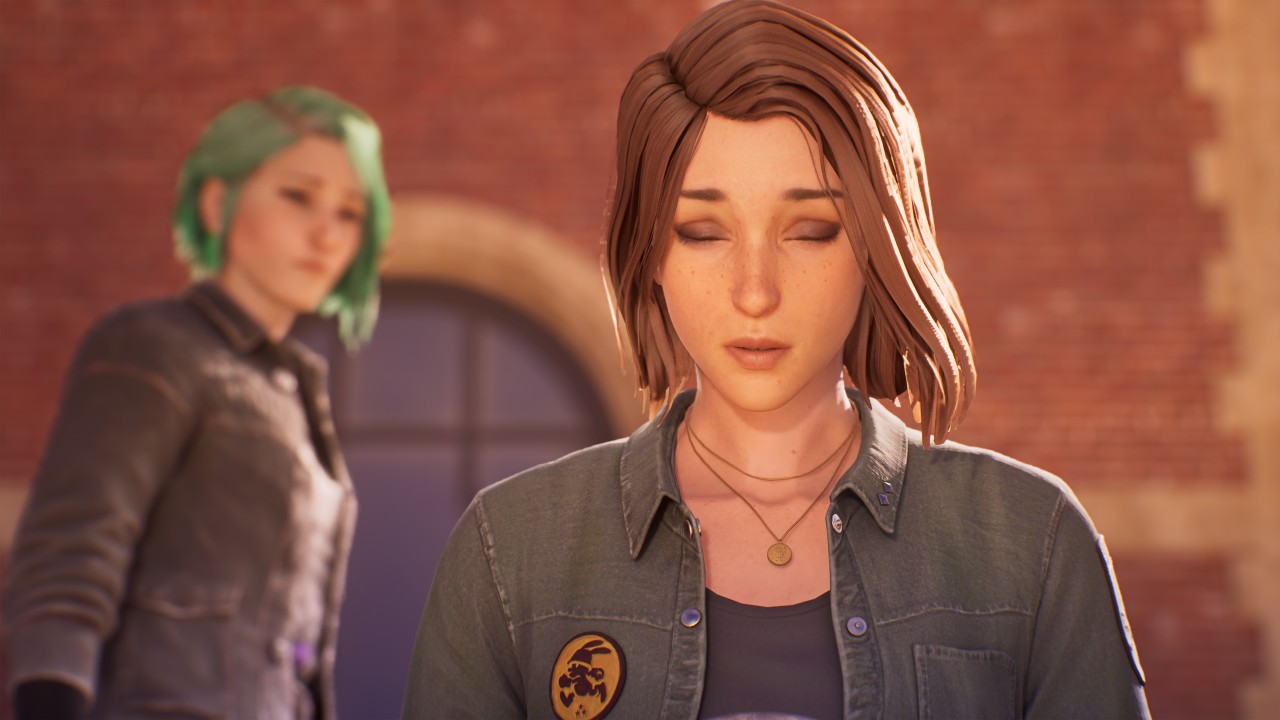
Bandai Namco Entertainment Asia and Square Enix have officially launched Life is Strange: Reunion, the latest entry in the narrative adventure series. Developed by Deck Nine Games, the title is now available on PlayStation 5, Xbox Series X|S, and PC via Steam and the Microsoft Store. A physical PlayStation 5 edition is also available across Southeast Asia.
The launch comes with an official trailer, marking the return of one of the franchise’s most beloved storylines.
A long-awaited reunion
Set 11 years after the original events, Life is Strange: Reunion brings back Max Caulfield and Chloe Price as they reunite to solve a new timeline-spanning mystery. This time, the stakes center on a devastating inferno threatening Caledon University–Max’s workplace as a photography teacher.
Returning from a trip, Max discovers the campus engulfed in flames, with lives lost across the university. She survives only by using her Rewind ability, a power that allows her to reverse time.
The situation takes an unexpected turn with Chloe’s sudden arrival–an outcome tied to the timeline-merging events of Life is Strange: Double Exposure. Now dealing with fractured memories and an unstable sense of reality, Chloe once again finds herself relying on Max.
Dual perspectives, new gameplay dynamics
For the first time in the series, players can take control of both Max and Chloe, switching perspectives as the story unfolds.
Max’s Rewind power lets players revisit decisions, reshape conversations, and manipulate environments to solve complex, time-based puzzles. Meanwhile, Chloe brings her signature Backtalk ability, allowing her to push conversations in her favor and access situations Max cannot.
This dual-character approach expands both narrative depth and gameplay variety, offering different ways to uncover clues and influence outcomes.
A character-driven finale
Life is Strange: Reunion continues the series’ focus on grounded, emotional storytelling, with choices that carry meaningful consequences. The game builds toward a dramatic climax that aims to close out Max and Chloe’s journey.
As the final chapter in their story, Reunion positions itself as both a continuation and a conclusion–tying together years of narrative threads while delivering a new mystery shaped by time, loss, and choice.
Gaming
Nintendo will make it cheaper to buy digital games than physical
Physical releases will have the same price.
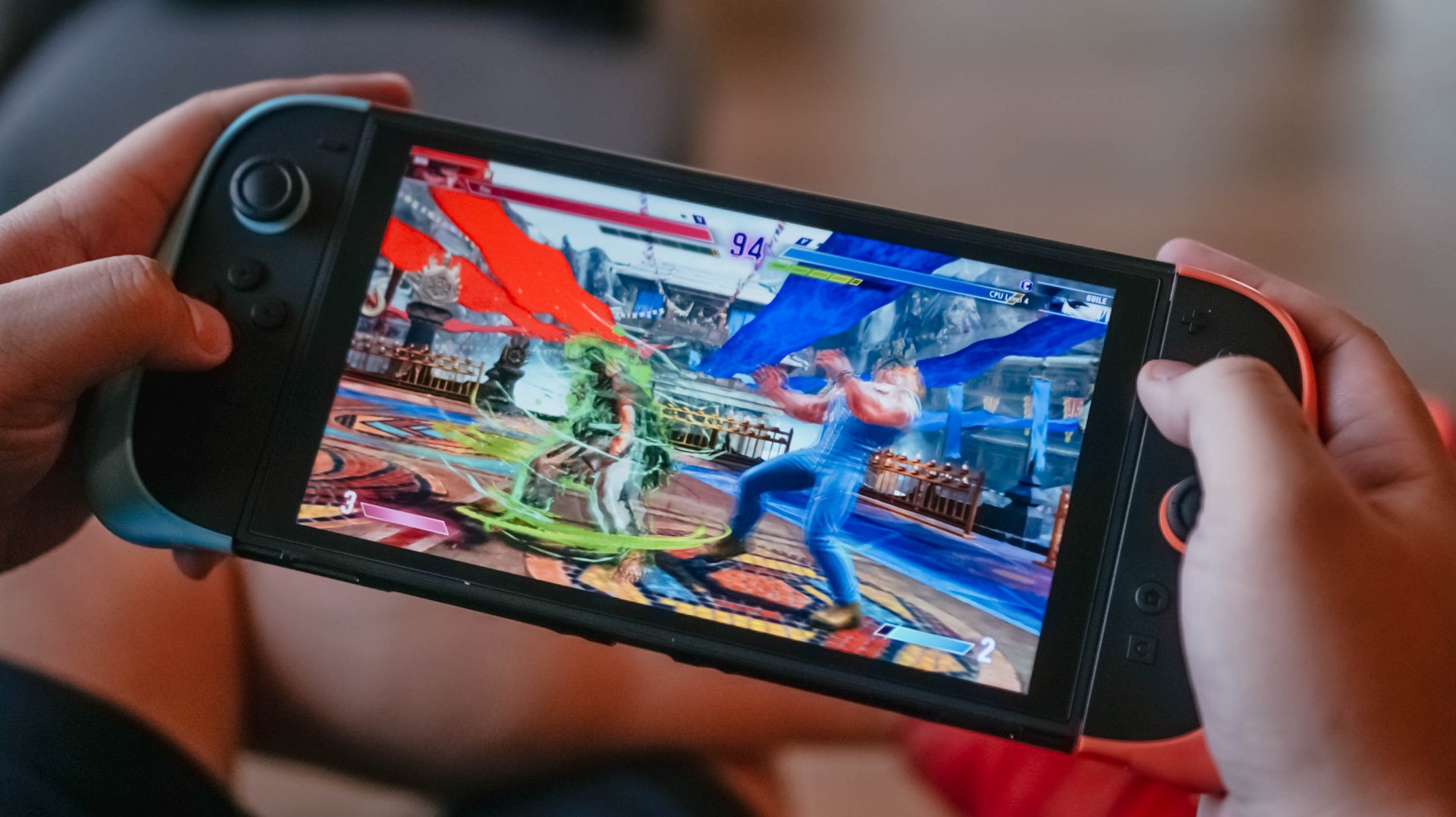
The days of lining up for a newly released game are well and truly over. Though some games still experience shortages in brick-and-mortar stores, such as the widely successful Pokémon Pokopia, gamers can get their titles digitally. Now, Nintendo is making digital releases more enticing by offering a tempting discount on the eShop.
Starting in May, Nintendo will start charging different prices for the physical and digital releases of first-party games. While physical releases will still have the same prices going forward, digital releases via the eShop will enjoy a discount.
The discount, of course, will likely depend on the title itself. Nintendo has already given the upcoming Yoshi and the Mysterious Book as the first example. The new platformer will cost US$ 70 from retailers. However, it will cost only US$ 60 on the digital eShop.
The company says that the new pricing scheme “simply reflects the different costs associated with producing and distributing each format.” With the prices of chips skyrocketing, it’s no surprise that the physical release is more expensive than the digital one.
To be more technical about it, Nintendo has started skipping a physical game card for a while now. The physical release of Pokémon Pokopia, for example, has only a game-key card or a code to download the game. In this format, physical releases are just pretty cases you can display on your shelf.
Also, digital releases do carry the added risk of getting delisted on the whims of the developers, the publishers, or Nintendo itself. It is, however, still a cheaper option, especially in a world where getting any discount is a welcome thought.
SEE ALSO: Nintendo sues the United States


Shokz OpenFit Pro: Somewhere between awareness and focus
Find your balance


Why this 180-degree gimbal projector is a “small win” for solo living
At $200, the XGODY N6 Pro transformed my one-bedroom apartment into a sanctuary of independence


Nothing Phone (4a) + (4a) Pro review
Is "different" actually better?
Shokz OpenFit Pro: Somewhere between awareness and focus

Nintendo might be working on an Ocarina of Time remake

Global tech leaders to convene in Singapore for GITEX AI Asia 2026

Fujifilm Philippines introduces instax Mini Evo Cinema, Mini Link+
Why this 180-degree gimbal projector is a “small win” for solo living


-

 Reviews2 weeks ago
POCO X8 Pro Max review: A new beast from the far east
-

 News2 weeks ago
POCO X8 Pro Series: Price, availability in the Philippines
-

 Reviews2 weeks ago
POCO X8 Pro Iron Man Edition review: Midrange phone in superhero armor
-

 Automotive2 weeks ago
VinFast extends free unlimited charging in 3 markets amid rising fuel prices
-

 Philippines2 weeks ago
The HONOR X8d is serviceable
-

 News2 weeks ago
POCO X8 Pro Series launches in Singapore with early bird prices
-

 News2 weeks ago
POCO introduces X8 Pro Series with Dimensity 9500s
-

 Gaming1 week ago
WWE 2K26 lets you live out all the fantasy matches you could want