


Did you know that the first electric vehicle was invented by Scottish inventor Robert Anderson in 1832? Back then, electricity-powered cars were nothing but curiosities and novelties. Now, electric vehicles are readying themselves to take over the car industry in just a few decades.
As with all revolutionary technology, reception for electric cars is lukewarm at best. Most consumers are still wary with converting to full electric, citing an unstable and uncertain future for the industry.
With the car and fuel industry hanging in the balance, gas car companies have a lot to gain by downplaying the benefits of electric vehicles. Due to the lack of information available, unproven myths inevitably pop up. Myths, as always, need to be debunked especially when electric cars overtake gas car production.
Myth 1: Electric cars are more expensive than gas cars
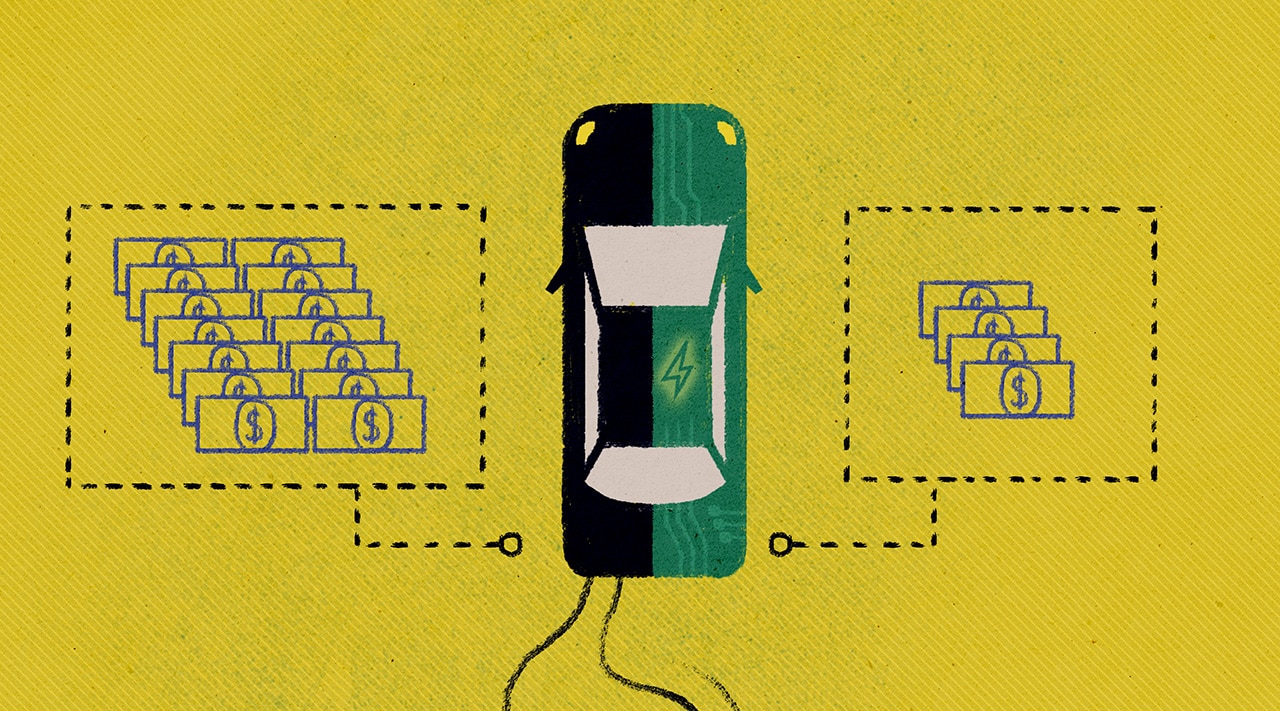
The cost of an electric vehicle is the most hotly contested aspect of EVs. Admittedly, the world’s most famous electric car, the Tesla Model S, still falls under the luxury car category. The battery-powered car still hovers around the US$ 100,000 range.
Budget-friendlier alternatives are out now, but their price ranges are still a bit more than a conventional car. The Chevrolet Bolt and the Nissan Leaf both cost around US$ 40,000, for example.
Illustrations by Yanni Panesa
Additionally, installing a home charging station compounds that price by about US$ 600.
It’s no surprise that most consumers are turned off by the exorbitant costs of EVs. However, the one-time price tag fails to show how much cheaper it is in the long run.
Right now, the cost of one kilowatt-hour (the standard for EVs) is below the cost of one liter of gasoline. Roughly estimating, one kWh costs 20 cents, while one liter of gas costs US$ 1, according to today’s standards.
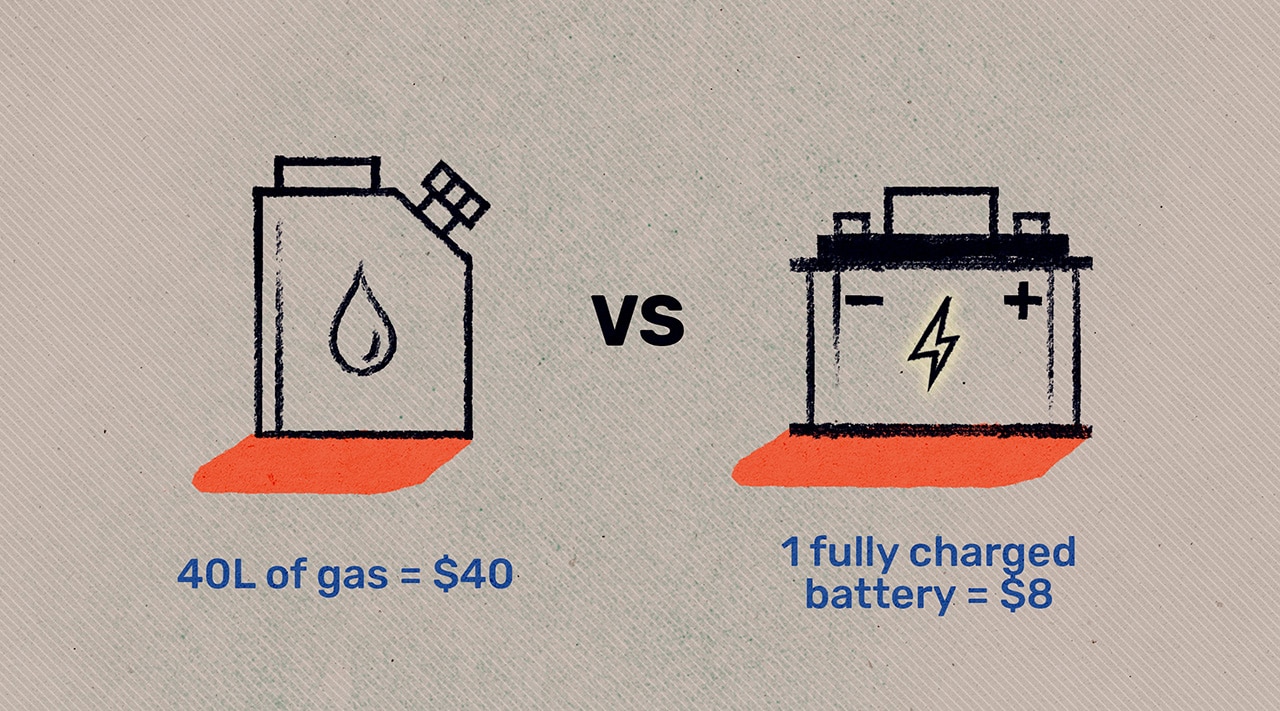
The Nissan Leaf carries a 40kWh battery. Charging it to full will cost 40kWh x US$ 0.20 = US$ 8. Meanwhile, a 40L gas car will cost 40L x US$ 1 = US$ 40. Added with a much steeper maintenance cost, gasoline vehicles will quickly overtake the cost of EVs in the long run. (Of course, actual costs will still vary on usage, real prices, and road conditions.)
Myth 2: EVs don’t perform as well as gas cars
Don’t be fooled. Even if EVs are remarkably silent on the road, they are hiding powerful engines that are quickly catching up to the standards of speed today.
At their core, gasoline vehicles are inherently faulty. Their emissions aren’t only a hit on air pollution; they also mean that a car wastes a huge portion of their energy through heat, smoke, and other harmful pollutants.
On the other hand, EVs convert up to 62 percent of their stored energy for movement. For comparison, gas cars only use up 21 percent of their energy.
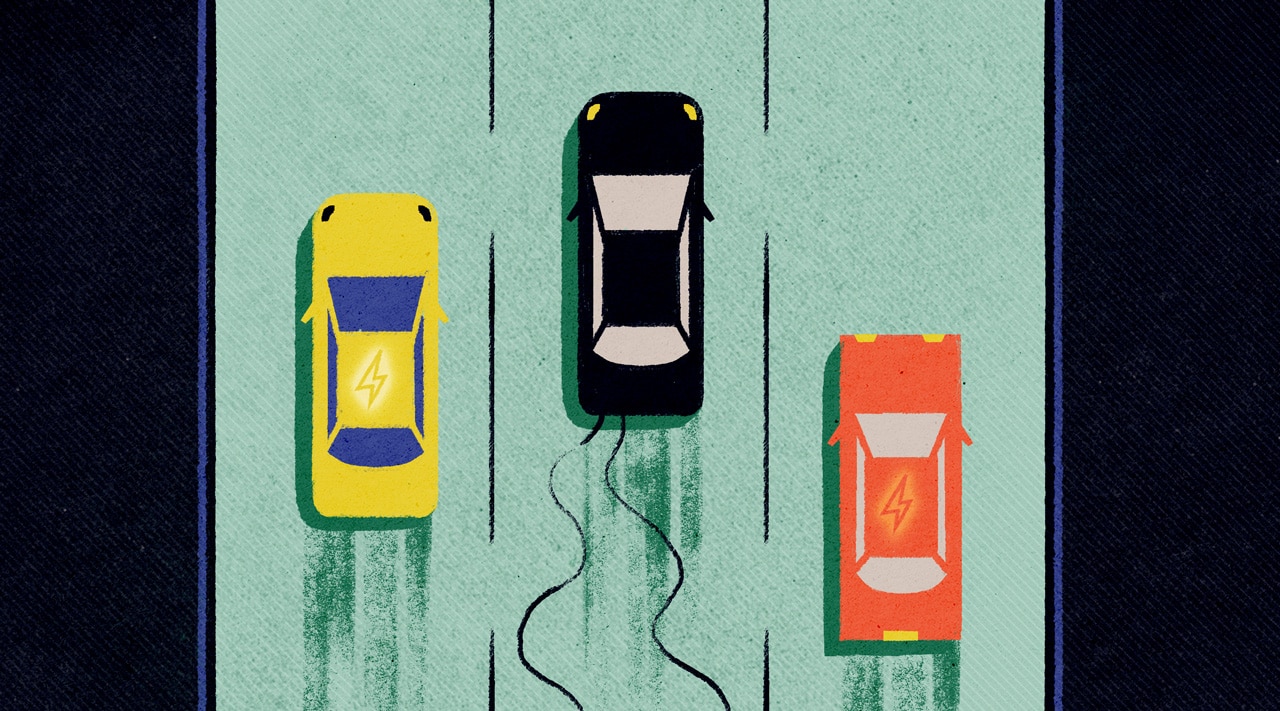
In terms of mileage, EVs can travel up to 193 kilometers on a full charge, adequate for a day’s worth of traveling. However, gas cars still rule the road by hundreds of kilometers more. It’s only a matter of time before EVs catch up, though. The industry-leading Tesla Model S 100D already tops out at 530+ kilometers.
Finally, when it comes to speed, EVs can do well to catch up with you in traffic. For example, both the Nissan Leaf and the Chevrolet Bolt reach speeds of up to 150km/h. While the more widely available EVs can still be woefully left in the dirt on a straightaway, the Tesla Model X blazes through with a top speed of 250km/h.
Amid all of this, EVs do their jobs quietly. If you’re not paying attention, an EV can sneak up on you from behind. Besides air pollution, EVs avoid noise pollution, too.
Myth 3: Maintaining an EV is more trouble than it’s worth
Both an EV and a gas car take you from one place to the other. EVs just do it with far fewer components. Unlike conventional cars, EVs aren’t frequent visitors to the mechanics. Fewer parts mean fewer components to maintain.
That doesn’t mean that everything is breezy, though. Replacing the battery is a nightmare for your budgeting. For example, a Nissan Leaf replacement battery costs US$ 5,499.

Thankfully, batteries are a lot more durable than you would expect. The Nissan Leaf guarantees a battery life of eight years or 100,000 miles (or approximately 161,000 kilometers). Most electric car brands already offer warranties (including replacements) before their batteries expire. Moreover, electric car batteries are completely recyclable. You might even get a trade-in return for your old battery.
Currently, the only hurdle impeding an electric car’s maintenance is the lack of able mechanics who specialize in EVs. On the bright side, by the time that you’ll need a thorough repair on your EV, the employment industry will have evolved to accommodate your needs.
Myth 4: Electric vehicles are the saviors of the environment
There is no doubt that EVs eliminate the carbon emissions that gas cars will always emit. Even from their construction, EVs carry a design trait that puts them beyond gas cars: They don’t have a tailpipe.
Currently, 75 percent of air pollution comes from motor vehicles. With their energy-efficient design, EVs eliminate the pollution caused by carbon emission. Converting to an EV is one of the greenest decisions you can make to save the environment.
However, it has its own fair share of gray areas. Critics often share the myth that EVs only displace the emissions from the tailpipe to a coal plant’s smoke stack.
Which is partly true.
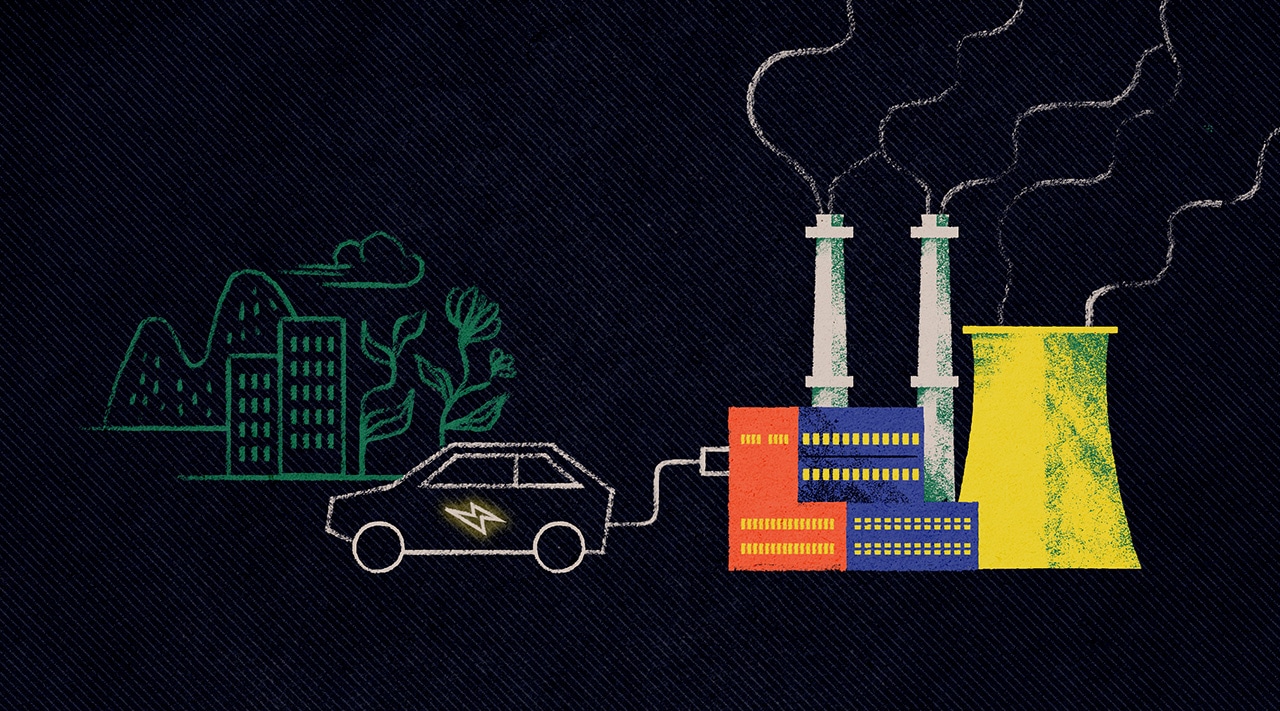
On their own, the world’s main methods of producing power are terribly unprepared for a sudden surge in demand. Despite recent developments in renewable energy, coal power is still the world’s leading generator of electricity.
Hypothetically, if everyone in the world adopted EVs right now, coal plants would have to exponentially increase their output, creating more smokestack emissions as a result.
Luckily, the world isn’t ready to go full EV yet. Early predictions still date the takeover to 2040. We still have a lot of time to adjust our energy consumption for more energy-efficient means, like solar, hydro, and nuclear.
In reality, EVs can’t save the world by themselves. The myth that they just displace damage is only half-true. However, the environment can’t survive with 50 percent solutions. It has to rely on us changing our perspectives on energy.
Electric vehicles are the future. But with unchecked energy consumption rates, that future can look quite grim.






Automotive
VinFast updates battery subscription policy for large upfront savings
Up to 20% upfront savings with a battery subscription model

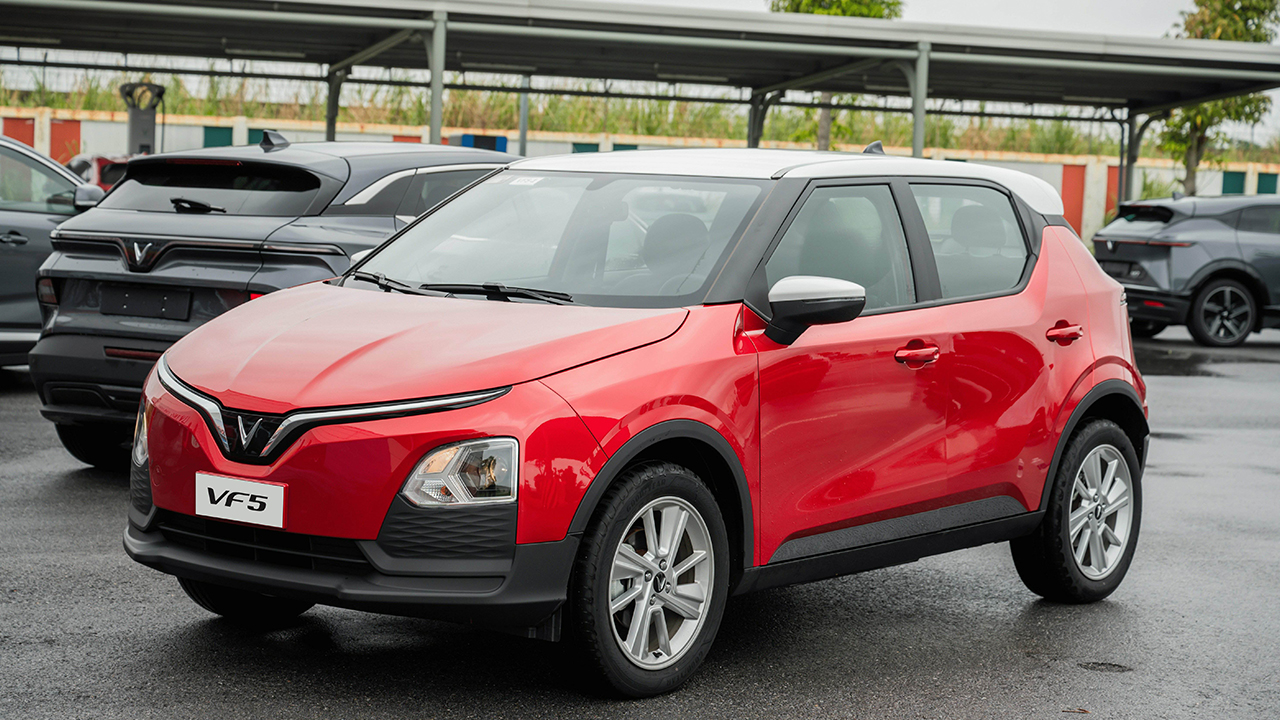
VinFast has updated its battery subscription policy for the Philippine market, offering consumers up to 20% savings in upfront costs.
In addition to the traditional vehicle purchase with battery included, customers can own a VinFast EV under a battery subscription model.
This option offers a more attractive initial investment, with upfront costs reduced by up to 20% — depending on the model.
Battery subscription fees are applied flexibly, starting from PhP 1,600 per month, based on actual distance.
For instance, the VinFast VF3 can be purchased at PhP 590,000 under the battery subscription model rather than PhP 745,000. The monthly subscription fee then starts at PhP 1,600.
Meanwhile, for the VF6 and above variants, the monthly costs start at PhP 2,350. Customers can also save more than PhP 1.5 million on the VF 9 Plus.
Flexible financial tool
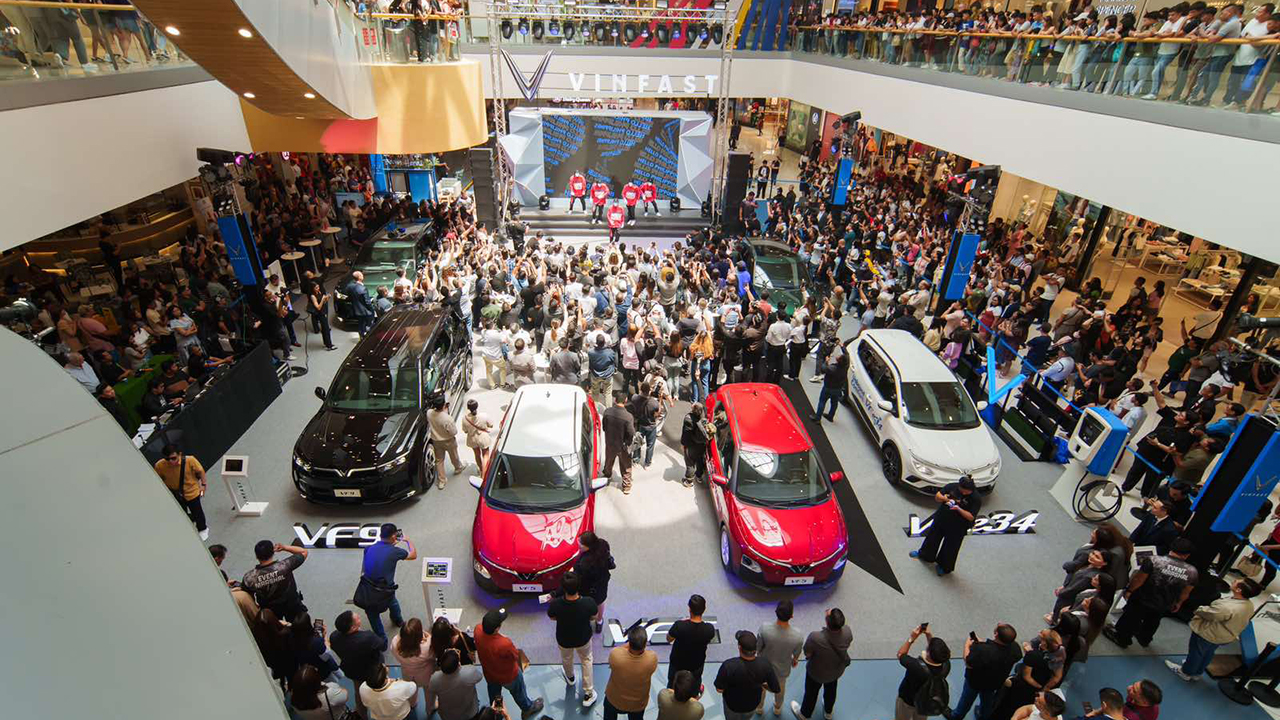
Positioned as a “lifetime battery warranty” solution, the battery subscription policy is a flexible financial tool that optimizes cash flow. It is likewise a long-term commitment to consumers.
VinFast assumes full responsibility for battery performance throughout the subscription period. This includes maintenance, repairs, and free replacement when battery capacity drops below 70 percent.
In the event of battery damage caused by an accident, VinFast will handle the issue under the battery subscription policy. This helps minimize financial risks for customers.
The pioneering policy reinforces VinFast’s customer-centric commitment, advancing green mobility in the market.
Meanwhile, customers who opt for the traditional vehicle purchase with battery included, VinFast can still offer comprehensive aftersales benefits. This includes a battery warranty of up to 10 years or 200,000 kilometers.
The dual approach allows interested consumers to be in control of the ownership model that best suits their needs and personal financial capabilities.

BYD Group premium sub-brand DENZA is officially entering the Philippine market.
The move marks a strategic shift to capture the luxury “new energy vehicle” (NEV) segment, beyond the company’s existing mass-market offerings.
This expansion follows a period of rapid growth for BYD in the Philippines under its distributor, ACMobility.
By introducing DENZA, the group aims to offer a tiered ecosystem of electrified transport that ranges from budget-friendly options to high-output luxury ones.
The sub-brand’s initial lineup could possibly include the high-end MPV, DENZA D9.
It features a triple-motor system and high-capacity batteries that provide significant electric-only range before the gasoline generator engages.
Potentially, SUVs DENZA B5 and DENZA B8 will also be introduced locally, positioned as plug-in hybrid EVs.
Offerings under the DENZA sub-brand will be distributed locally by BYD Philippines Corp.
Advanced technology, comfort
DENZA’s entry focuses on “passenger-centric engineering” rather than traditional luxury excess.
The vehicles will feature two of BYD’s flagship technologies: the DiSus system and e3 platform.
The first is an intelligent body control system that manages vehicle motion to balance executive-level ride comfort with sharp handling.
Meanwhile, the e3 Platform is a high-performance architecture utilizing a three-motor drivetrain.
This setup lets drivers pull off advanced maneuvers such as “crab-walking” and “compass turns,” while enhancing stability during high-speed travel or emergency situations.
Strategic presence
DENZA will establish a dedicated retail network separate from standard BYD showrooms to support its positioning.
The sub-brand is planning four initial locations in Makati, Greenhills, Alabang, and Cebu.
Once it officially rolls out, DENZA expects to compete against luxury vans like the Toyota Alphard and Lexus LM.
Automotive
Ford Philippines kicks off the year with Drive Now, Pay Later
Get offers up to three months of free amortization!
Ford Philippines opens the year with a strong push for drivers ready to start fresh. Introducing Drive Now, Pay Later, the program is designed to make stepping into a new Ford feel lighter and more timely.
At the center of the offer are two of Ford’s most in-demand nameplates. Customers can take home the Ford Everest Trend today with three months of free amortization.
Meanwhile, the Ford Ranger lineup brings even more flexibility. The Ranger Wildtrak 4×2 comes with four months of free amortization, and the Ranger Sport 4×4 is offered with three months free.
These offers allow buyers to drive their new vehicle now and begin bank financing only after several months. This eases the transition into ownership at the start of the year.
More ways to save this January
Beyond deferred payments, Ford Philippines is extending a wide range of January offers that focus on value and flexibility.
The Ford Everest comes with cash savings of up to PhP 95,000 this month, alongside an all-in option priced at PhP 69,000 on select variants for customers seeking simpler entry costs.
Across the Ranger lineup, buyers can enjoy cash discounts reaching up to PhP 155,000 or opt for a PhP 69,000 all-in down payment on select variants.
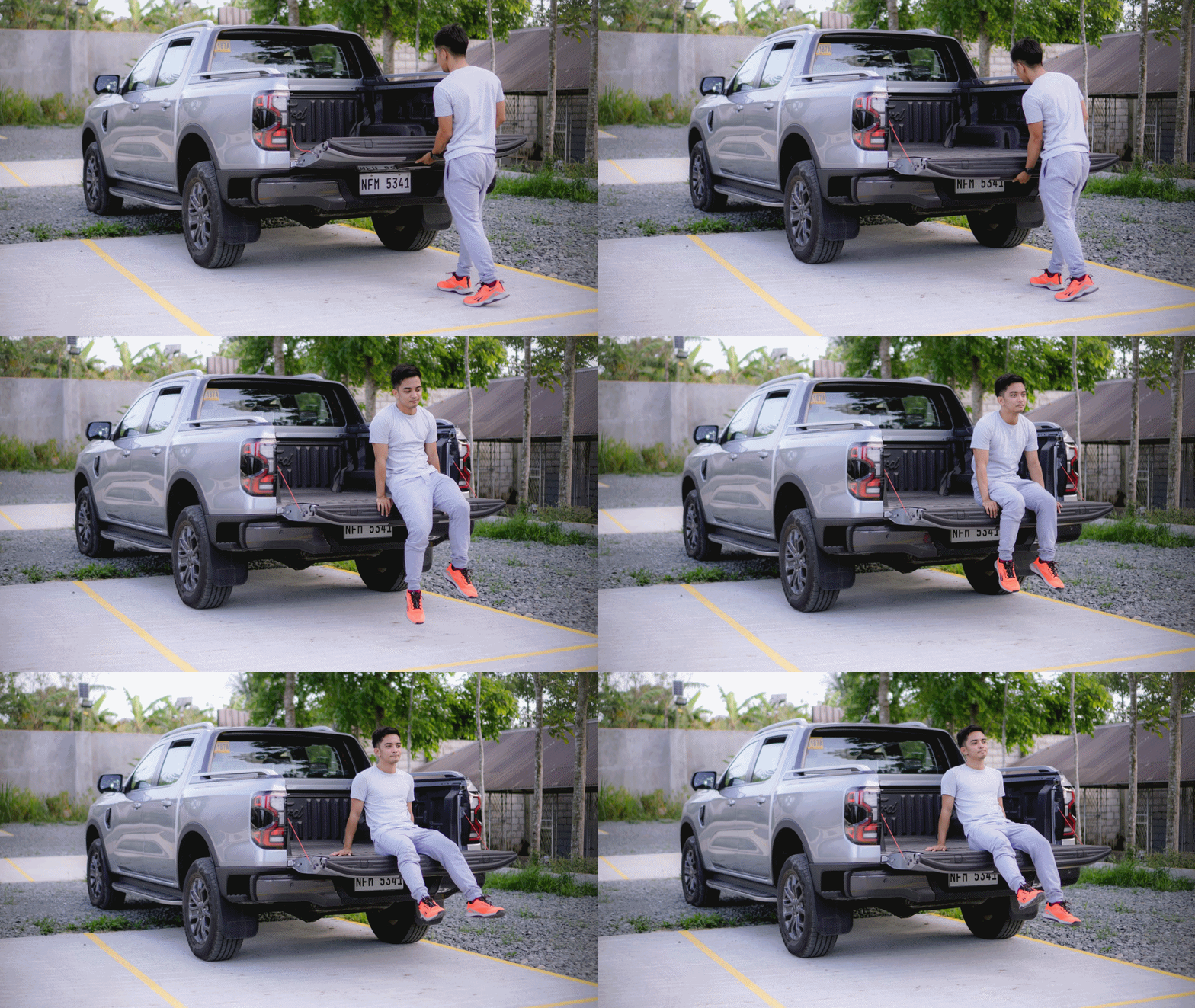
The Ranger XLS AT remains one of the most accessible ways to enter the lineup, with a starting price of PhP 1,379,000.
Performance-focused customers can also take advantage of extended January offers for the Ford Raptor. Options include cash discounts or bundled savings with the 5-Star Care Package, depending on the variant.
Electrified and premium options
For drivers ready to explore electrified mobility, the Territory Hybrid Trend starts at PhP 1,399,000. This January, customers may choose between a PhP 20,000 discount or a complimentary three-year Scheduled Service Plan.
Ford’s larger SUVs are also part of the month’s offerings. The Ford Explorer is available with a PhP 99,000 all-in option or 0 percent interest with 20% down payment for 60 months. The Ford Bronco carries the same flexible choices, too.
Availability
The Drive Now, Pay Later program runs across all Ford dealerships nationwide until January 31, 2026. Customers can visit Ford Philippines’ official website or social media channels to explore the full details.



Pokémon FireRed and LeafGreen are coming to the Switch

HUAWEI launches Mate X7, MatePad 11.5 S 2026, FreeClip 2

iPhone 17 Pro Max is somehow the most traded-in phone today

vivo V70 launched globally, introduces 4K 60fps, OriginOS 6, more

Osmo Pocket 4 makes a surprising appearance in public

HONOR X9d 5G review: Tougher, more long-lasting and optimized

Now playing: Final Fantasy VII Remake INTERGRADE on Switch 2

Breaking up with Adobe Photoshop after 20 years

Razer fully unwraps these limited BLACKPINK Edition gaming gear

TECNO will showcase the CAMON 50 and POVA 8 series at MWC 2026


-
 News1 week ago
TECNO will showcase the CAMON 50 and POVA 8 series at MWC 2026
-

 Laptops2 weeks ago
TECNO MEGABOOK K16s 13th review: No-frills beneath those grills
-

 Features2 weeks ago
HUAWEI MatePad 11.5 S 2026: The better-than-ever 4-in-1 productivity tablet
-

 Gaming1 week ago
Now Playing: Yakuza Kiwami 3 & Dark Ties
-

 Reviews1 week ago
The art of being in and behind the frame
-

 First Look1 week ago
Match Pulse: OPPO Reno15 Pro
-

 India1 week ago
TECNO POVA Curve 2 5G packs an 8000mAh battery
-

 Accessories1 week ago
Sony WF-1000XM6 is out now: Price, availability