
Automotive
First Drive: Nissan Terra 4×4 SUV
It’s a powerful ride on- and off-road

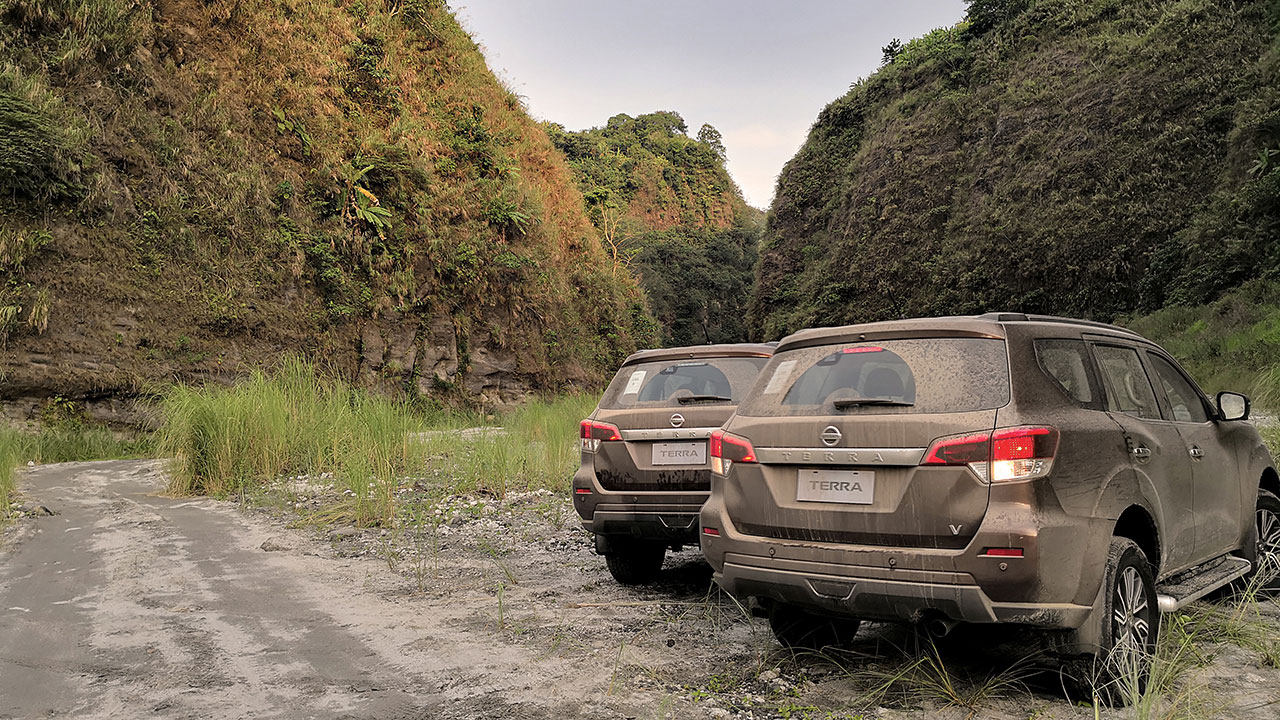
When we’re not reviewing the latest smartphones, cameras, or laptops, we go for long drives and that’s exactly what we did earlier this week as Nissan officially introduced its new vehicle.
Having been revealed in China earlier this year with slight differences in specs, Nissan chose the Philippines as the official venue to introduce its new Terra SUV to the ASEAN region.

Delegates were flown in for this two-day event and escorted straight to Clark, Pampanga. Here, the company set up an outdoor space to ensure the new mid-size SUV had a sizable area to play around in.

Terra up close
We had our first encounter with the Terra right after the launch was done. All five variants were there and as soon as the closing remarks were said, media representatives were lured to the vehicles like moths to a flame — only it didn’t burn us.
Although it takes a lot of cues from the Navara, you’ll know the DNA of the popular Patrol has been passed down to the Terra. Standing before it, you’ll be staring at its V-motion grille that has been a signature look of the company for quite a while now.
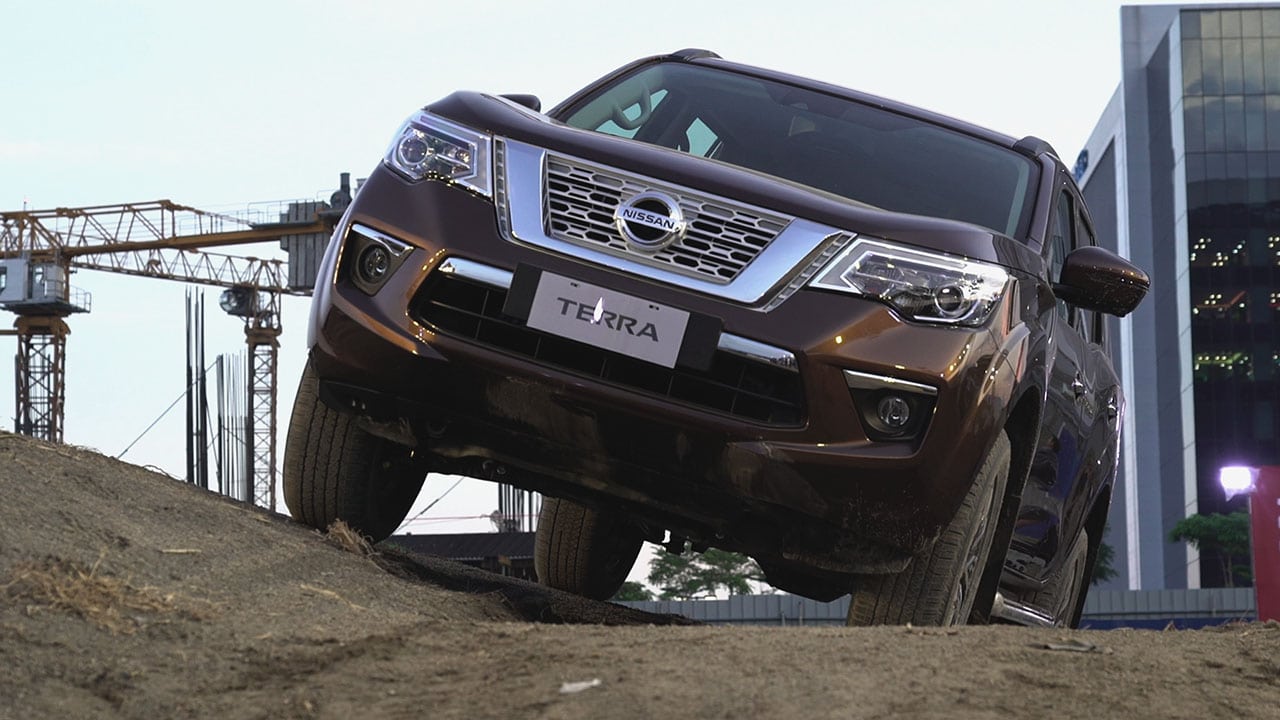
Boomerang-shaped LED headlamps with daytime running lights also made their way to the new Terra while wheel arches remain bulky just like its pickup sibling. The lamps at the rear are also as eye-catching as the ones in front.

Inside, the layout of the dashboard and its instrumentations are straight up similar to the Navara. I personally like the layout of the truck since it’s simple and I know exactly where to look. Although it might be for the exact same reasons that a potential buyer might get turned off.
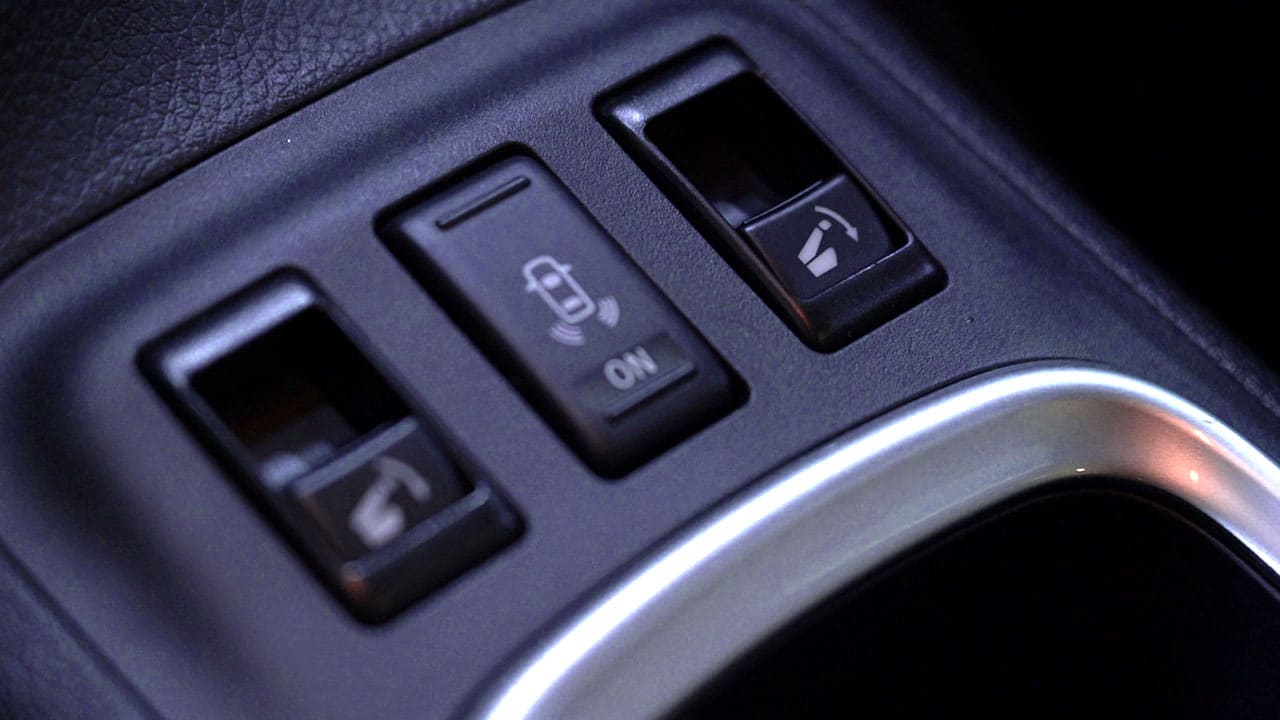
The Terra seats seven people (unlike its Chinese counterpart). Now, if you’ve ever ridden on the last row of a seven-seater SUV before, you’re familiar with the effort it takes to flip over the second-row seats just to get in and out of the vehicle. Nissan made things easier with the use of a button right beside the driver. With one press, you can fold and tumble either side of the seats on the second row — no elbow grease needed.
The launch event in itself was already a treat, and though I already knew the second day will be an off-road test drive, I never thought it would be an experience to remember.
Highway cruising
My schedule dictated that I belonged to the last batch of media to drive the Terra off-road. And right before it was our turn, light rain started pouring in. As the rain died down a bit, a fleet of brown, muddy Terras with step boards covered in sand started rolling in to the hotel’s driveway.
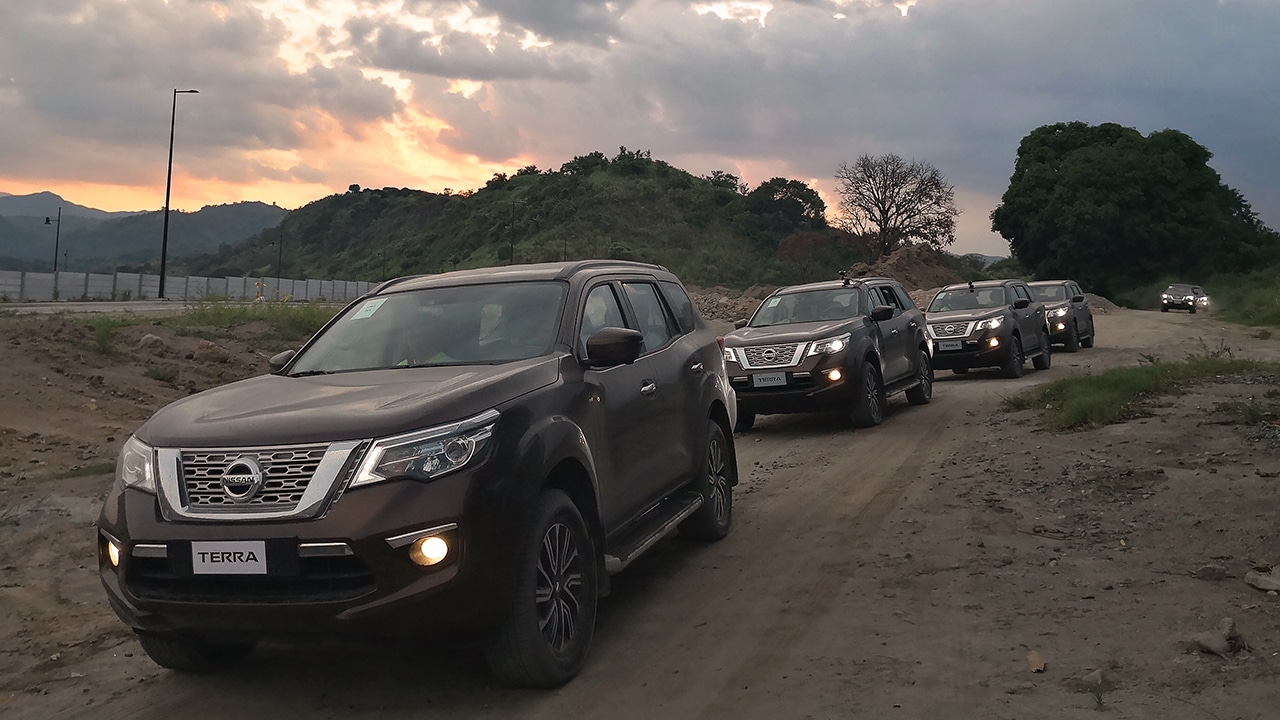
We were all given the top variant 4×4 VL Terra with 7-speed AT and as soon as we got inside our designated SUVs, we were off for the trails.
From Clark, getting to the site is via the SCTEx (Subic-Clark-Tarlac Expressway), so we got to experience the Terra for some highway driving.

One thing everyone in the vehicle immediately noticed was how quiet the ride was. Nissan says they implemented a three-layer dampening system to keep the cabin as quiet as possible and it was evident — at least during the few hours of us riding in it.

Both the new Nissan Terra and Navara pickup share the same 2.5-liter turbo-diesel engine at their cores. The Terra didn’t even break a sweat getting the needle up the speedometer. Stepping on the gas pedal increased the speed effortlessly to the point that I had to be extra aware to keep it within the speed limit.
We also got to try out some of the vehicle’s safety tech from the Nissan Intelligent Mobility suite. Together with its Blind Spot Warning, changing lanes without flipping the signal light will activate its Lane Departure Warning through a series of beeps. These aren’t new features, but we appreciate these models all coming standard with bells and whistles.
Off-road adventure
After having our short drive on the highway, we finally reached our kick-off point for the day’s main adventure.

Aerial view of the site. Can you see the line of Terras?
The site is called Sapang Uwak – Delta V Circuit and is one of the more challenging trails that lead to Mount Pinatubo — an active stratovolcano in the northern Philippines.

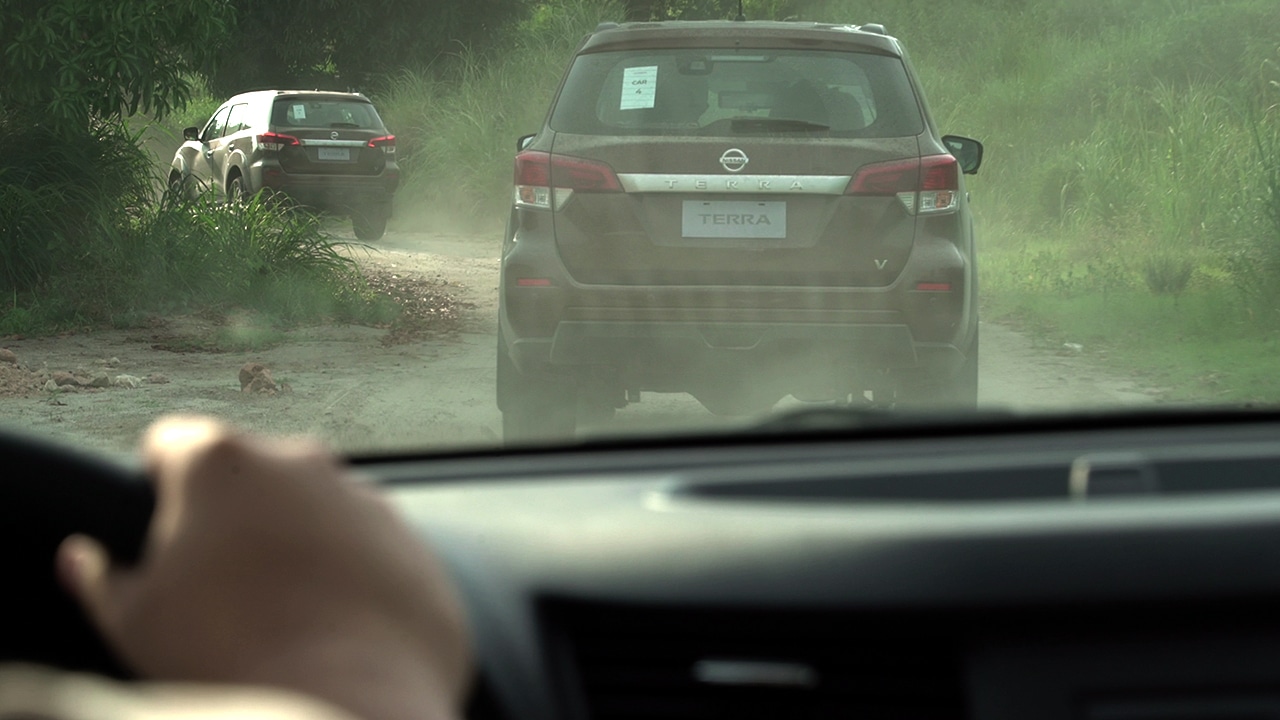
We were no longer on paved roads, but we started the convoy on a relatively wide course which quickly escalated to a narrow crawl of uneven terrain. Slow and steady, we inched our way through the first stage. We also transitioned to 4WD and the SUV’s differential lock system was already put to use early on.
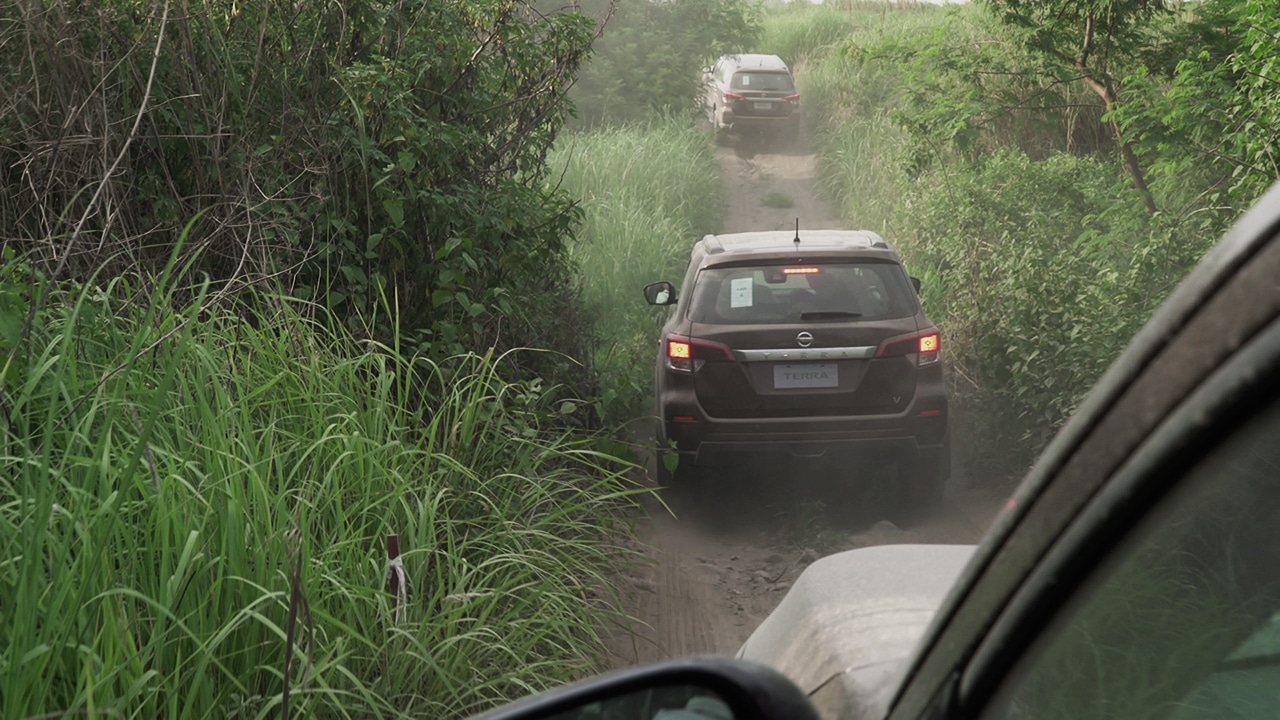
The Japanese company has some interesting tech up their sleeves and we’re already quite familiar with the Around View Monitor from when we were at Mt. Malasimbo. It once again proved useful during this trip. The trail was narrow enough for only one vehicle, and its Intelligent Rear View Monitor turned from a normal mirror into a display that shows up to four different angles when you need an extra “spotter” for common blind spots.

One view is through a back-facing camera just beside the third brake light. Nissan says this would help drivers see the rear better at night. There’s also a rear bumper view for backing up, and the Around View Monitor switches between a bird’s eye view of the Terra, as well as a closer view of the right front wheel to completely eliminate blind spots.
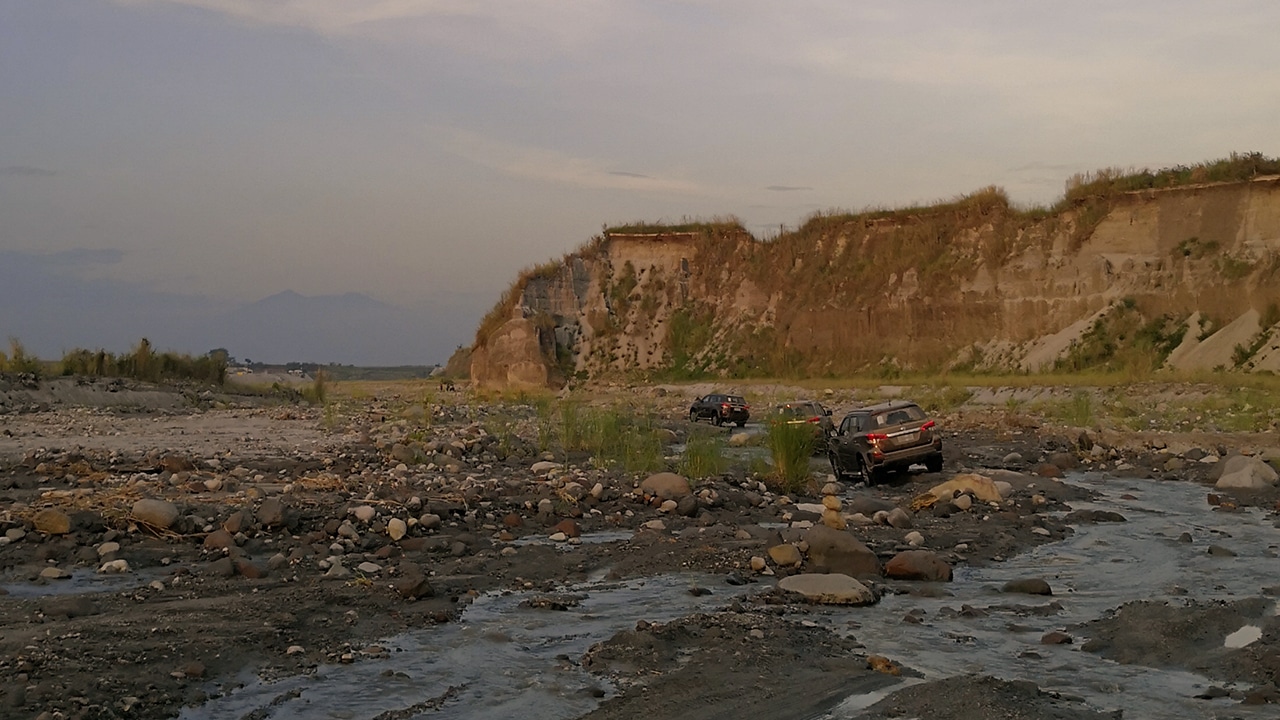
We eventually reached the lahar-covered riverbed which is what the area has been known for. In other words, it was when the real fun started.
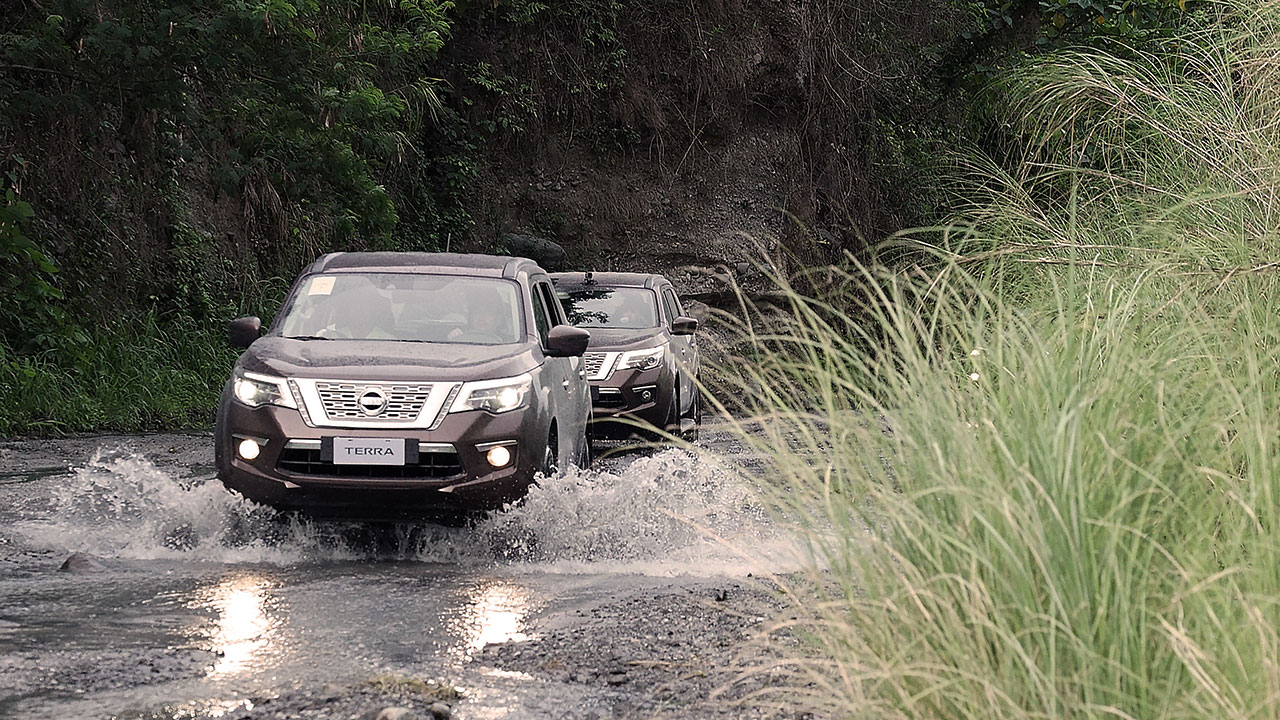
Lahar, having the same consistency as sand, tends to easily sink big cars and is usually a challenge for off-roaders. There were also shallow bodies of water and huge, sharp rocks scattered along the way. The Terra didn’t back down or show signs of struggle as we followed the trail — no, not even once.

We spent about an hour blazing through valleys with short breaks only to change drivers and take photos. It’s quite impressive, really, since the Terras were taking on the trail like a full-fledged off-road vehicle while running only on factory-fresh stock tires.

One of the driving marshalls even added that we were all driving pre-release models and the batch for dealerships will arrive with slight improvements and tweaks.
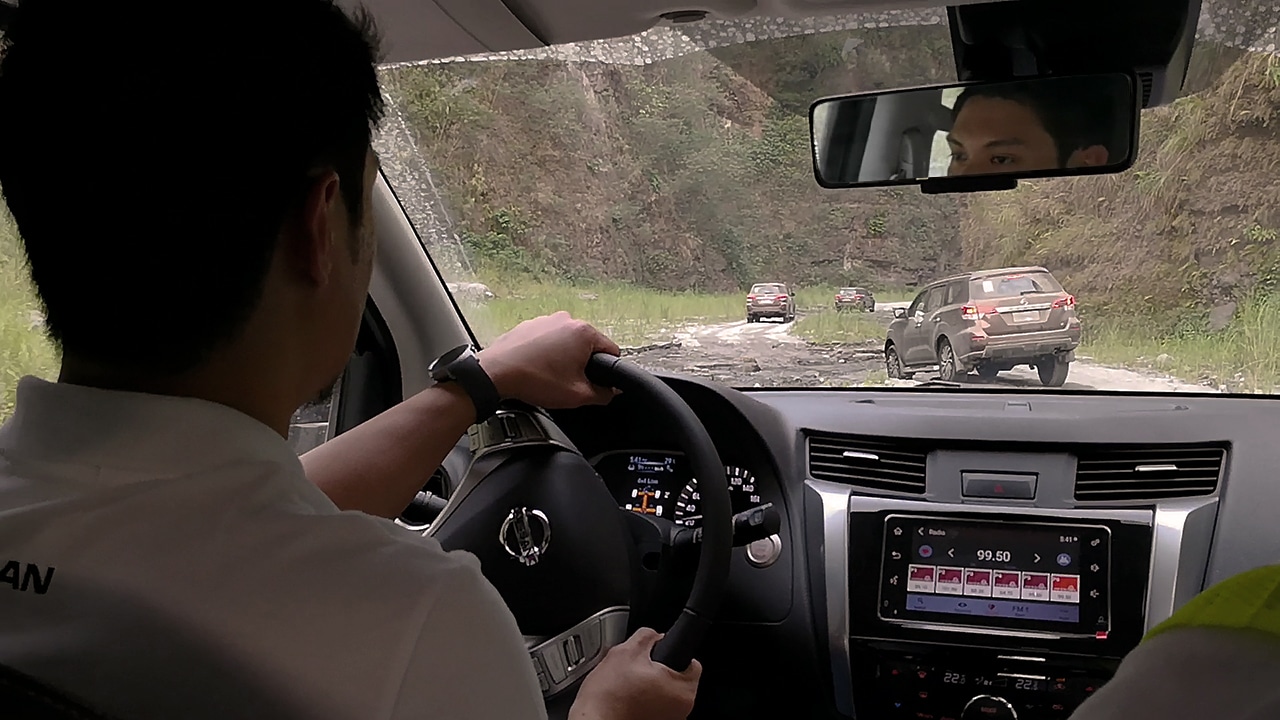
Mind you, we were not just crawling throughout the course. The marshall gave me a green light to floor the pedal and I did exactly that during a stretch. Needless to say, the Terra took beatings like a proper SUV and without losing significant traction on the surface of lahar.

Another thing I loved about the Terra was that even in these kinds of bumpy drives, ride comfort was still top-notch thanks to the company offering a coil spring rear suspension system. It’s been the same experience with the Navara, so I wasn’t really surprised the Terra inherited this trait.
Thoughts on the way home
After an entire day of being driven by four groups of thrill-seeking media reps and pushing the vehicles to their limits, there’s simply no argument that the Nissan Terra is more than capable of tackling roads less traveled.
We only used it for a couple of hours and though it might not be enough to give a complete verdict, believe us when we say it has a smooth ride on- and off-road, a quiet cabin, power on tap, and is equipped with tech for safe and convenient drives.

Although, since it was lifted from a Navara, similarities are found inside and out. This could either be a good or a bad thing for prospective customers. Another thing is that out of the five variants, only one has a manual transmission and it’s found on the base 4×2 model. The lack of a 4×4 MT variant could potentially drive away off-road nuts that still prefer driving stick.
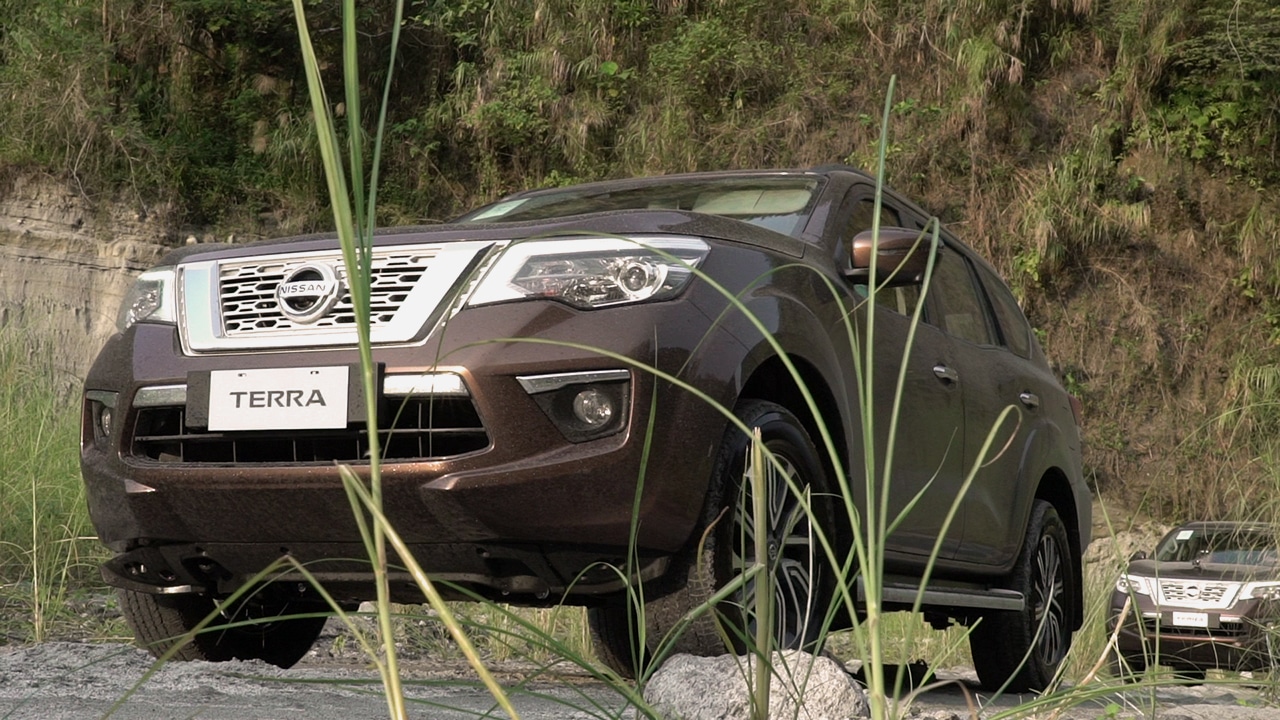
The Nissan Terra might be facing an uphill battle being late to the game and skipping on features like sunroof or a power tailgate, but it’s a vehicle that specializes in conquering challenging obstacles.




Automotive
Ford Philippines kicks off the year with Drive Now, Pay Later
Get offers up to three months of free amortization!

Ford Philippines opens the year with a strong push for drivers ready to start fresh. Introducing Drive Now, Pay Later, the program is designed to make stepping into a new Ford feel lighter and more timely.
At the center of the offer are two of Ford’s most in-demand nameplates. Customers can take home the Ford Everest Trend today with three months of free amortization.
Meanwhile, the Ford Ranger lineup brings even more flexibility. The Ranger Wildtrak 4×2 comes with four months of free amortization, and the Ranger Sport 4×4 is offered with three months free.
These offers allow buyers to drive their new vehicle now and begin bank financing only after several months. This eases the transition into ownership at the start of the year.
More ways to save this January
Beyond deferred payments, Ford Philippines is extending a wide range of January offers that focus on value and flexibility.
The Ford Everest comes with cash savings of up to PhP 95,000 this month, alongside an all-in option priced at PhP 69,000 on select variants for customers seeking simpler entry costs.
Across the Ranger lineup, buyers can enjoy cash discounts reaching up to PhP 155,000 or opt for a PhP 69,000 all-in down payment on select variants.
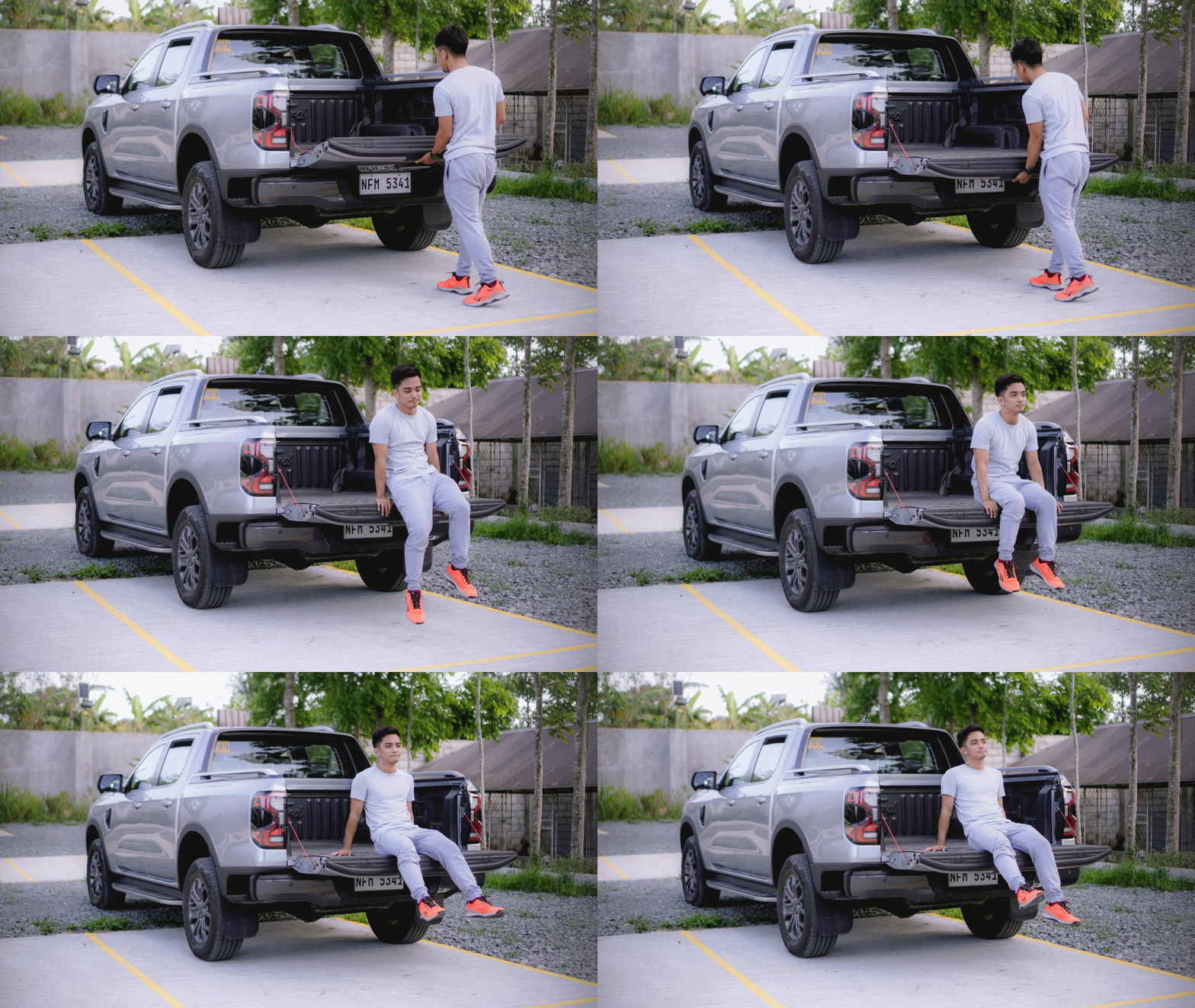
The Ranger XLS AT remains one of the most accessible ways to enter the lineup, with a starting price of PhP 1,379,000.
Performance-focused customers can also take advantage of extended January offers for the Ford Raptor. Options include cash discounts or bundled savings with the 5-Star Care Package, depending on the variant.
Electrified and premium options
For drivers ready to explore electrified mobility, the Territory Hybrid Trend starts at PhP 1,399,000. This January, customers may choose between a PhP 20,000 discount or a complimentary three-year Scheduled Service Plan.
Ford’s larger SUVs are also part of the month’s offerings. The Ford Explorer is available with a PhP 99,000 all-in option or 0 percent interest with 20% down payment for 60 months. The Ford Bronco carries the same flexible choices, too.
Availability
The Drive Now, Pay Later program runs across all Ford dealerships nationwide until January 31, 2026. Customers can visit Ford Philippines’ official website or social media channels to explore the full details.
Automotive
The price I paid for trusting my car too much
A minor crash forced me to confront how technology and misplaced trust can erode the responsibility every driver still carries.

I never imagined I would be the kind of person who crashes into someone else’s car.
I drive slowly and gently, and practice restraint when another car provokes me on the highway. I’ve made it a habit to pray right before I roll out of the garage. It’s my small ritual asking for protection and patience.
I’ve watched countless videos of drivers making terrible decisions, caught in road rage, accidents, and violations that somehow get tolerated by culture and circumstance. Years of driving and I never thought I would be one of them.
It was a Wednesday morning when I decided to drive south to meet colleagues for a project in Tagaytay. I was already carrying an aching heart, passing through my own version of Cornelia Street along the long stretch of the South Luzon Expressway.
Grief and memory sat beside me in the passenger seat. What was meant to be a coffee run, heavy with nostalgia, became something I wish I could undo.
While reversing out of my parking spot, my right leg twitched. In a flash, my rear bumper hit someone else’s car.
I know that sound. Anyone who drives knows it. I froze before my brain even caught up. My stomach dropped and my chest tightened. I sat there, eyes flicking between the screen, the side mirror, and the rearview mirror, trying to understand how this had happened.
What unsettled me most was the silence.
There were no warning beeps. No flashing icons and no alerts telling me to stop. The sensors that had trained me to trust them went quiet all at once. In that moment, there was no one else to blame. It was only me and a mistake I failed to prevent.
I was lucky. The people whose car I hit were around my parents’ age. They were kind and willing to settle things without turning the situation into something heavier than it already was.
Their brunch was interrupted by my carelessness, and that thought stayed with me longer than the dent itself.
The damage was minor. Their front bumper was dented and the radiator cover cracked. My car only carried scratches on the plastic stepper.
Still, my heart pounded harder than the situation seemed to warrant. The inconvenience stretched on for months through insurance and repairs, unfolding at the same time my life was already unraveling from heartbreak and forced transition into a new home.
It took me months to recover emotionally. I stopped driving the way I used to. Driving once gave me relief when my thoughts felt too loud. After that day, it only reminded me of how easily I failed to be present.
My mistake was allowing technology to take over a part of my responsibility.
I had grown comfortable believing that if something was behind me, my car would tell me. If danger was close, the system would sound the alarm.
Somewhere along the way, I let my awareness be filtered through cameras and sensors instead of relying fully on my own body and judgment. That comfort cost me time, money, and peace of mind.
We live in the most advanced era of driving the world has ever known. Cars can see farther than mirrors ever could. Brakes are designed to react faster than human reflexes. Our car’s systems warn us when we drift or speed up, and when something approaches from the side.
These features save lives, and I am deeply grateful for them. Still, assistance is not replacement.
Without realizing it, I behaved less like a driver and more like a supervisor watching a machine do the work. Even though I checked behind me, I failed to be more careful.
I relied on expecting a warning and trusted that the car would intervene before I had to.
When systems fail and sensors miss angles, there’s no safety net waiting for you.
There’s only the person behind the wheel.
I was lucky that day that I hit a car, and not a person. No one was walking behind me and no child crossed at the wrong moment.
The consequences were small enough for the world to forgive, though my conscience hasn’t fully done the same. I know how easily this could have been worse.
I should’ve done the simplest thing a driver can do. I should have turned my head and looked again. No matter how advanced a vehicle becomes, the most important safety system is still human attention.
Because when the warning never comes, you’re responsible for what happens next. And sometimes, it only takes one missed glance to remind you how fragile everything really is.
Automotive
Inside the Next-Gen Ford Ranger Wildtrak 4×4
A closer look at the cabin that makes this truck feel smarter and more comfortable than expected.
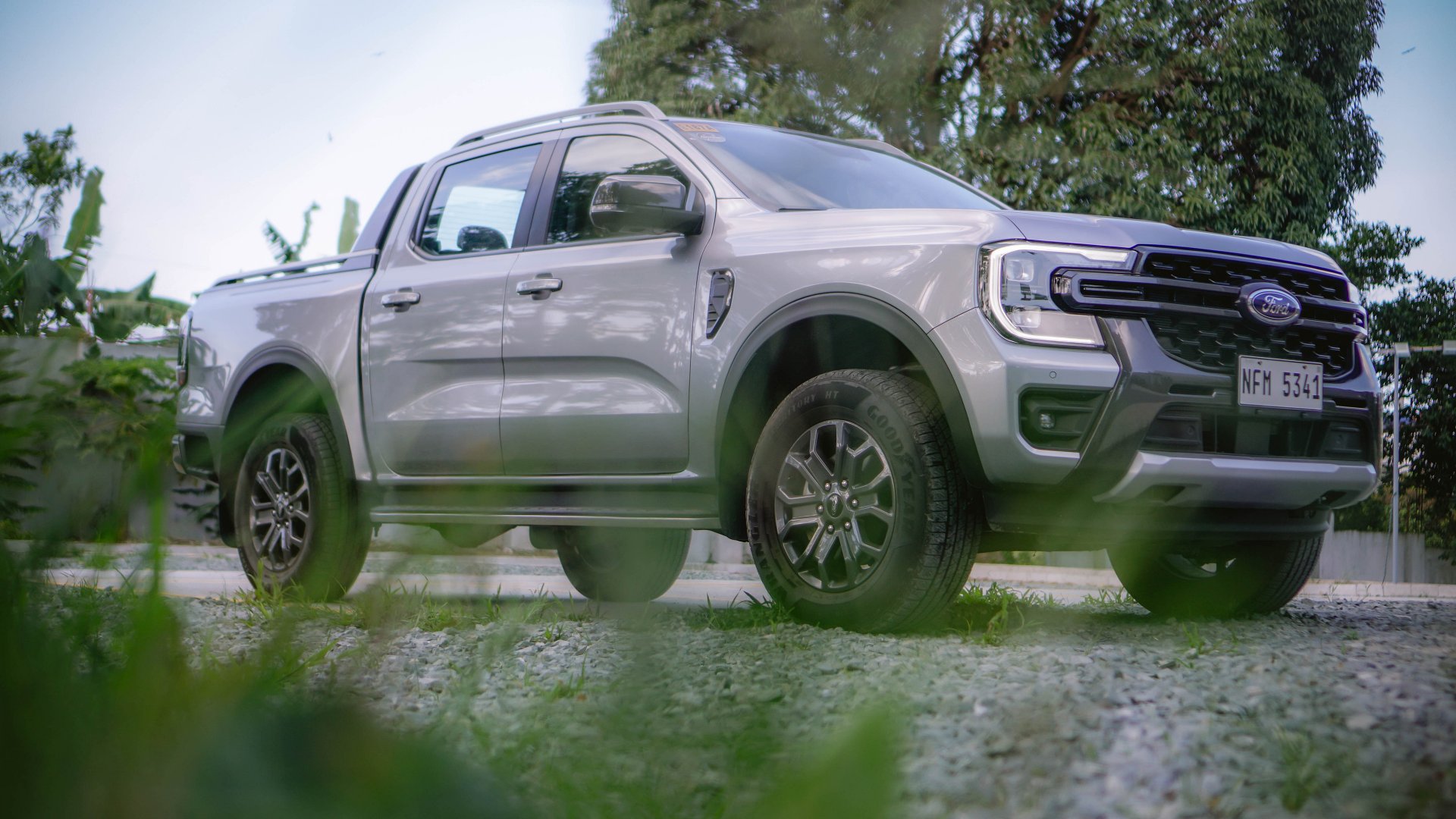
They call it a truck, but the moment you step inside, you understand why that word no longer feels enough.
The Next-Gen Ford Ranger Wildtrak 4×4 carries a tough, ready-for-anything energy you’d expect from a pickup. It looks like it was built for mud or long highways that stretch beyond the city.
But inside, it tells a different story. One about comfort and knowing exactly how people live with their cars now.
Inside the Ranger is the kind of cabin that doesn’t ask you to brace yourself. Rather, it invites you to settle in.
Comfort with consideration
The first thing you notice is how easy it is to find your place behind the wheel.
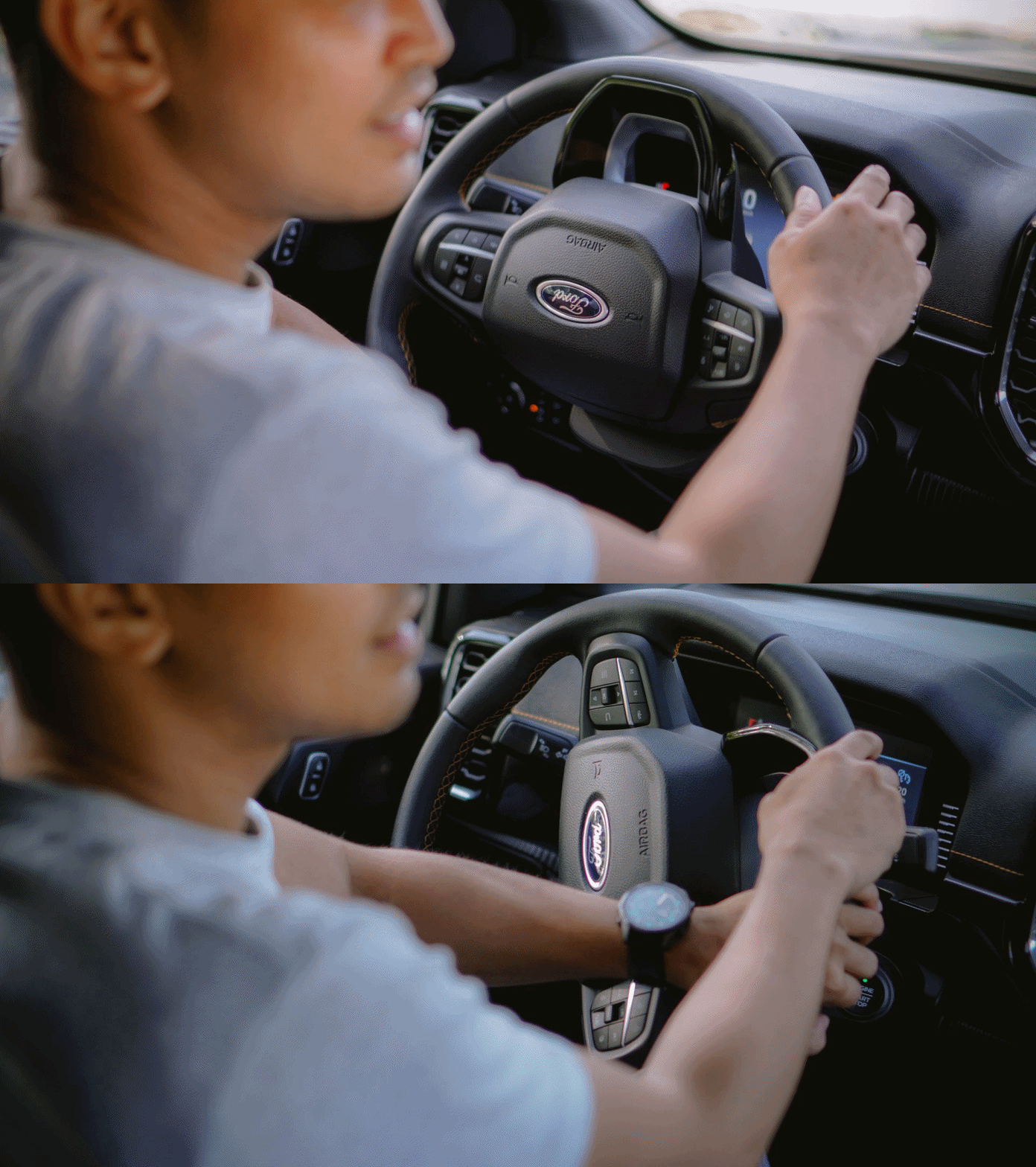
The driver’s seat adjusts in eight ways, which means posture never feels like a compromise. The front passenger seat gets four-way adjustment, which still feels thoughtful rather than basic.
A combination of leather and synthetic leather seats add a softness that immediately changes your mood, the moment you sit down. It’s as if they were designed for long drives that accompany you in heartfelt conversations and unplanned detours.
Temperature never becomes a discussion inside the Wildtrak. With Dual-zone electronic automatic climate control, both sides of the cabin stay exactly how the people inside will want it.
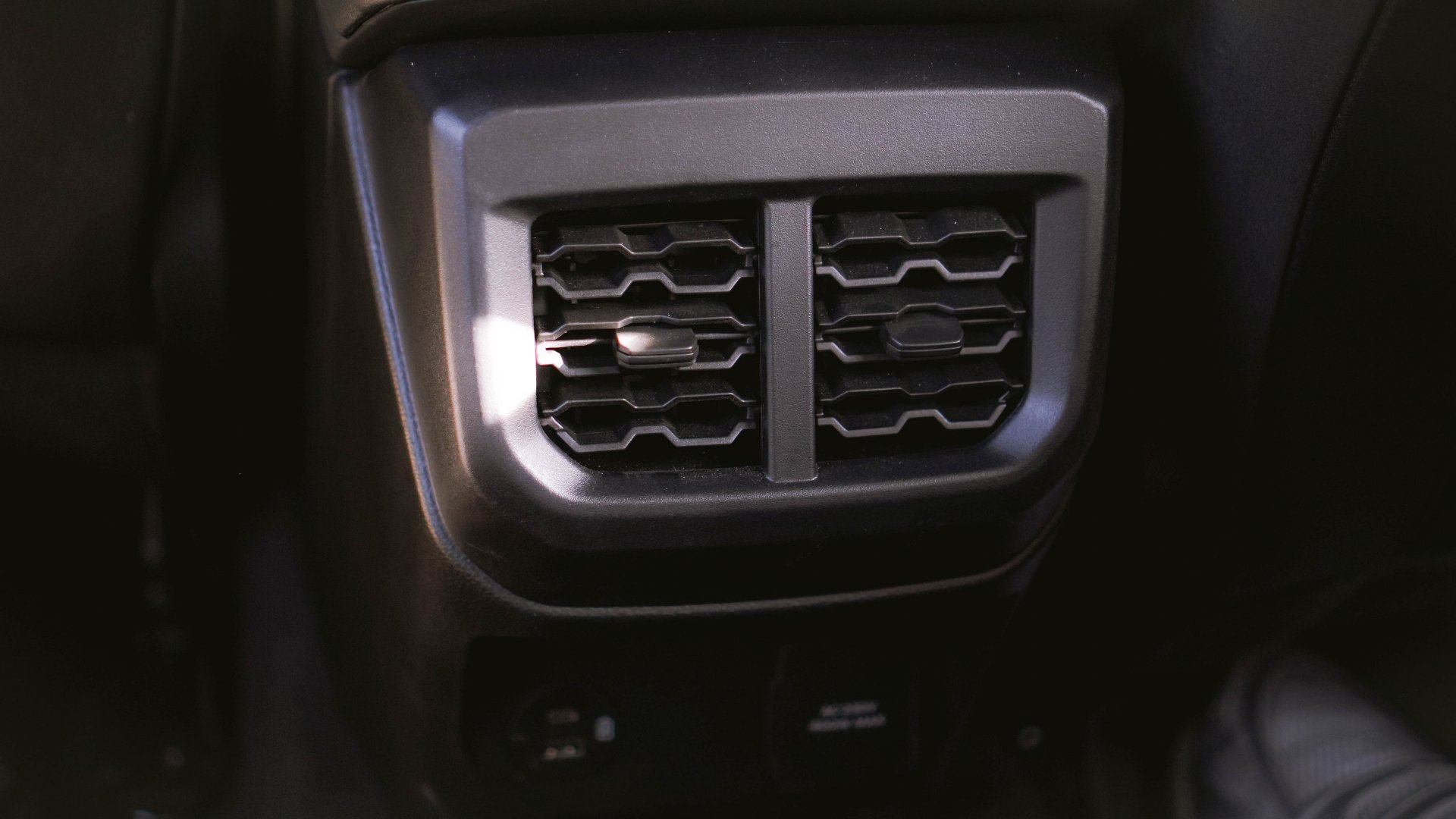
Rear passengers get their own air vents, too, which reinforces the idea that this truck is meant to be shared. Everyone rides comfortably, no matter where they sit.
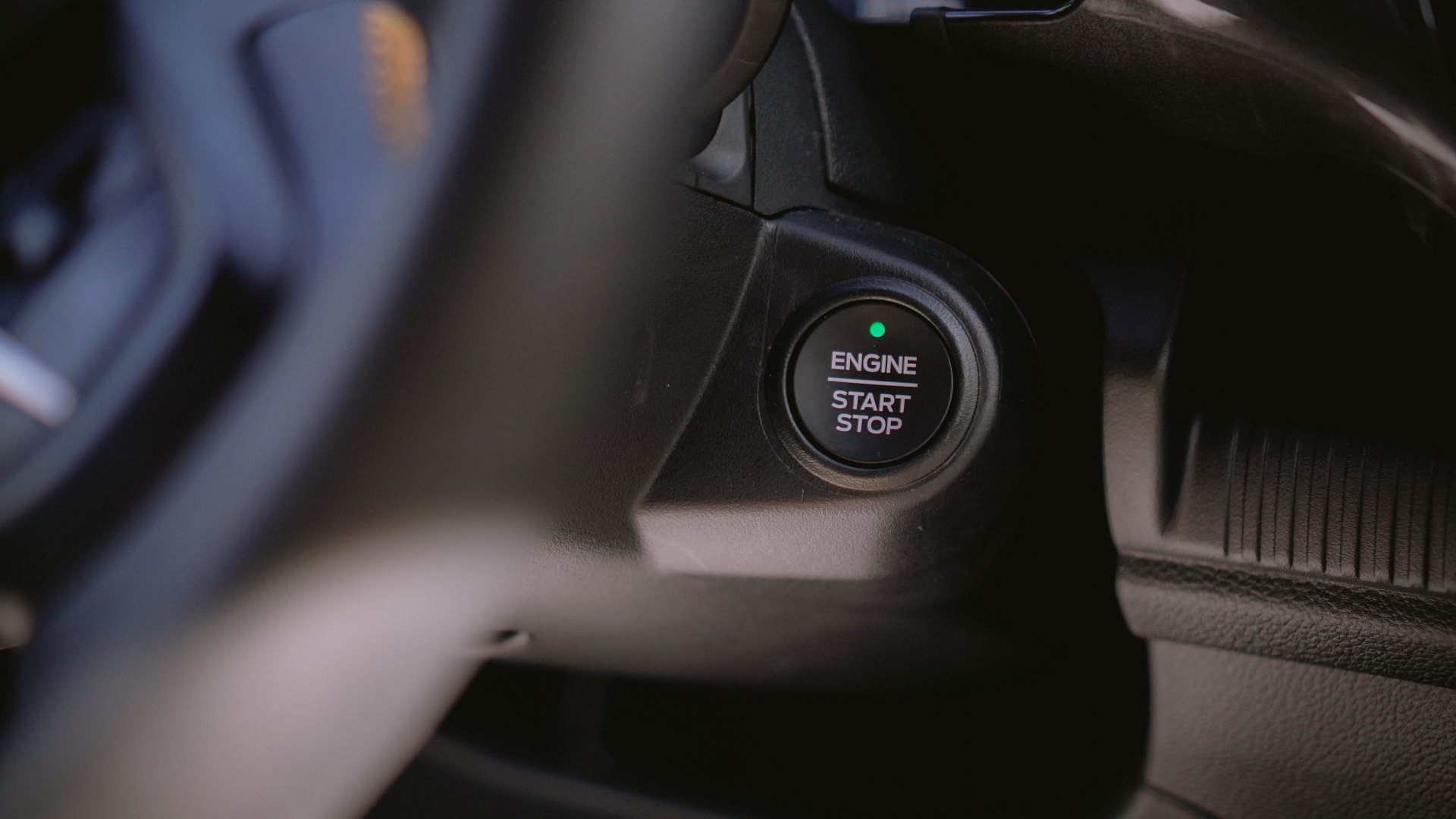
Even the small conveniences matter here. For instance, I love how the smart keyless entry and push-button start make it easy to start the car. The auto-dimming rearview mirror also takes care of harsh headlights, especially at night.

This cabin understands technology
Taking center stage is the 12-inch portrait touchscreen running SYNC 4A. The Wildtrak’s display feels intuitive and easy to trust, especially with how quickly it responds to inputs.
Voice commands work naturally, allowing your eyes to stay on the road where they belong. Wireless Apple CarPlay and Android Auto connect almost instantly, and once you experience that kind of seamless pairing, cables start to feel unnecessary.
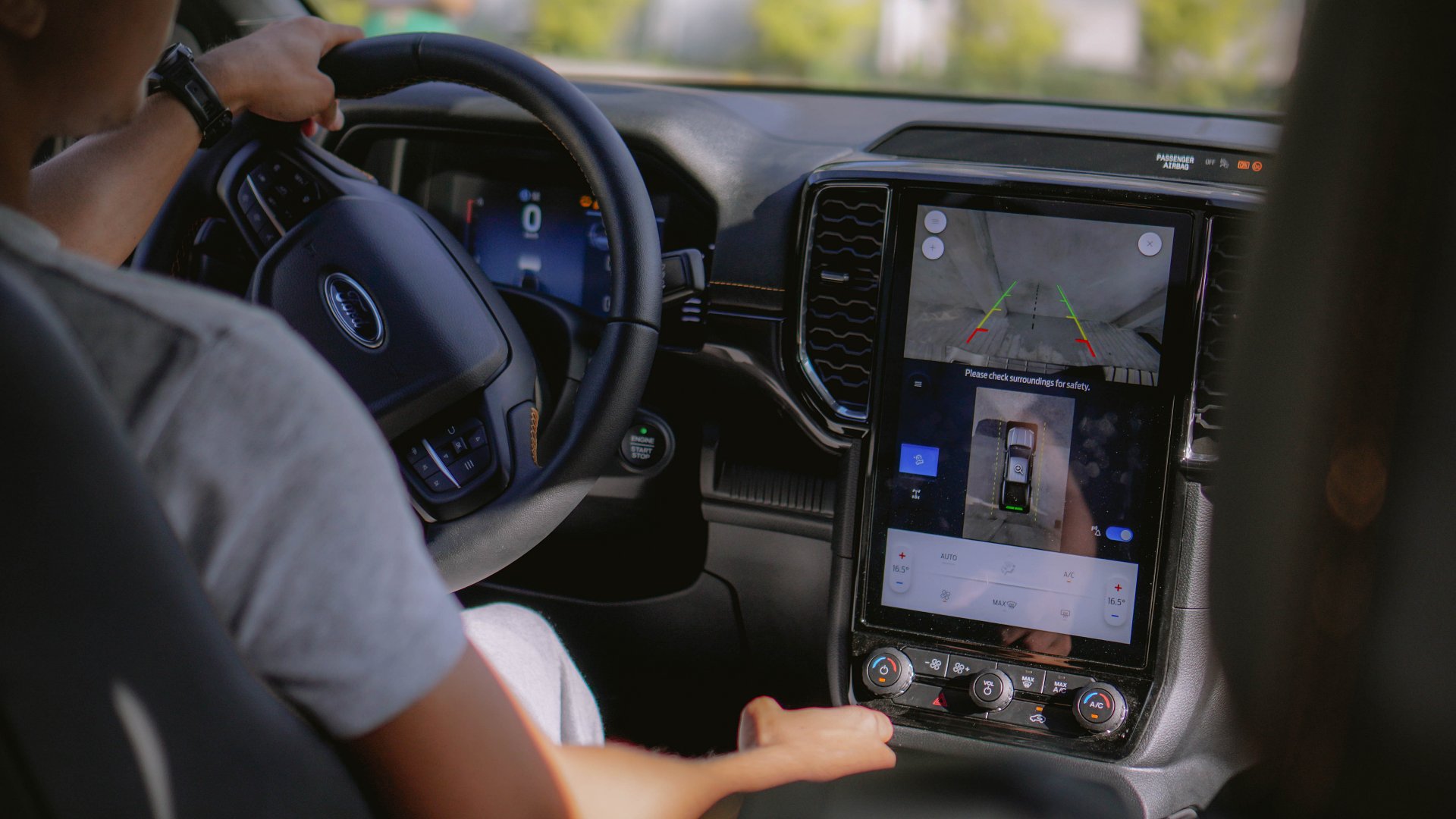
In real-world use, I did notice that my Android devices occasionally disconnected, which eventually pushed me to plug them in for longer drives. Google Maps is non-negotiable for me, especially when I am navigating unfamiliar routes.
On the other hand, my iPhones connected more consistently and only tended to lose signal in congestion-heavy areas, like certain stretches of the South Luzon Expressway.
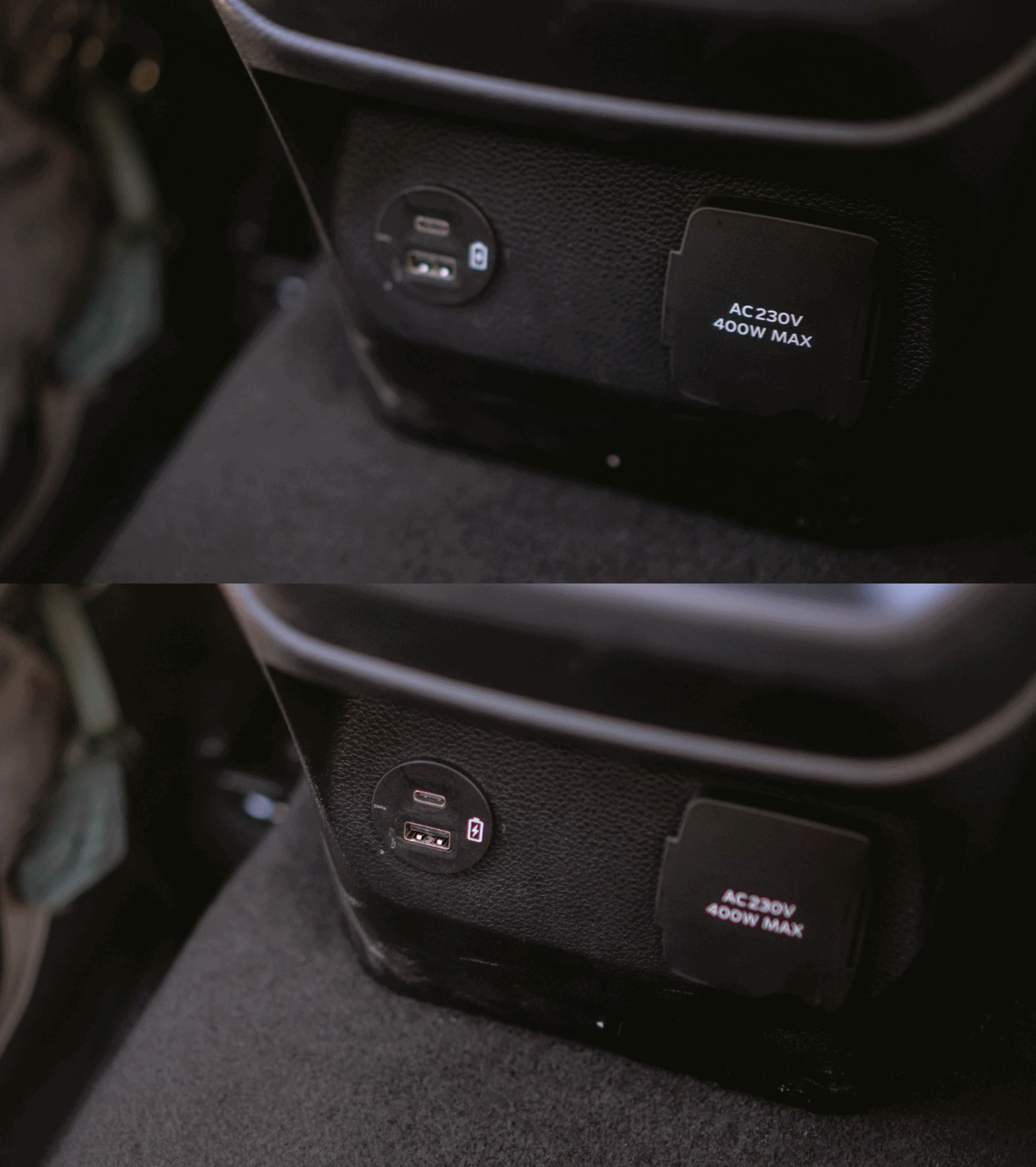
Still, the Wildtrak makes it easy to stay powered and connected. There is a wireless charging pad ready for your phone, along with multiple USB ports placed exactly where you expect them to be.
The six-speaker sound system is controlled directly from the steering wheel, which means music is always within reach. It also means I can comfortably get through Taylor Swift’s “The Tortured Poets Department” whenever traffic slows everything down.
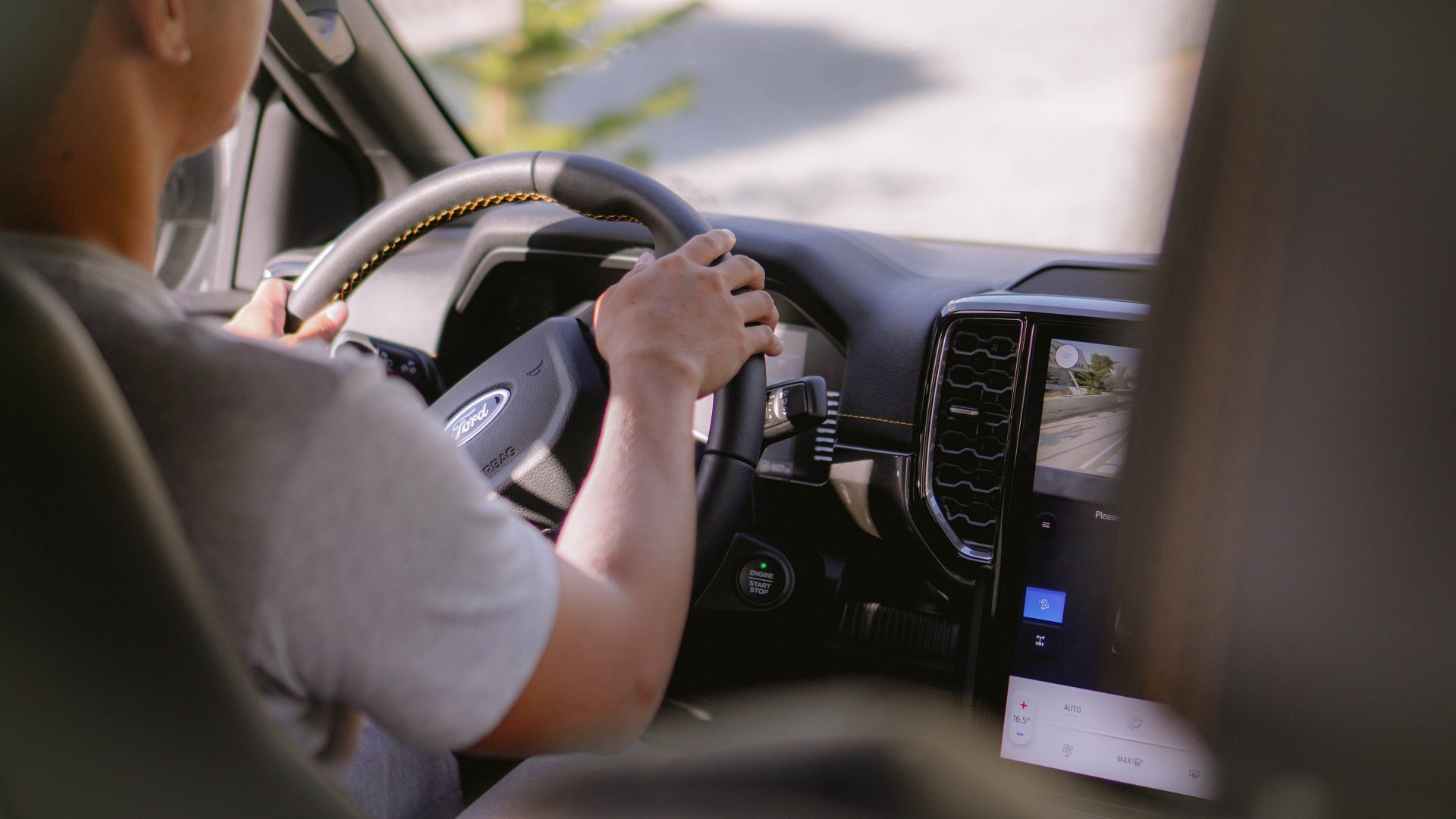
Everything feels accessible without ever feeling crowded. That includes the 8-inch digital instrument cluster, which presents all the information you need in a clean and reassuring way, without overwhelming the driver.
Driving with confidence
Out on the road, the Wildtrak feels like it is constantly looking out for you. Adaptive Cruise Control with Stop and Go takes the edge off heavy traffic, especially during bumper-to-bumper moments when the drive feels longer than it should.
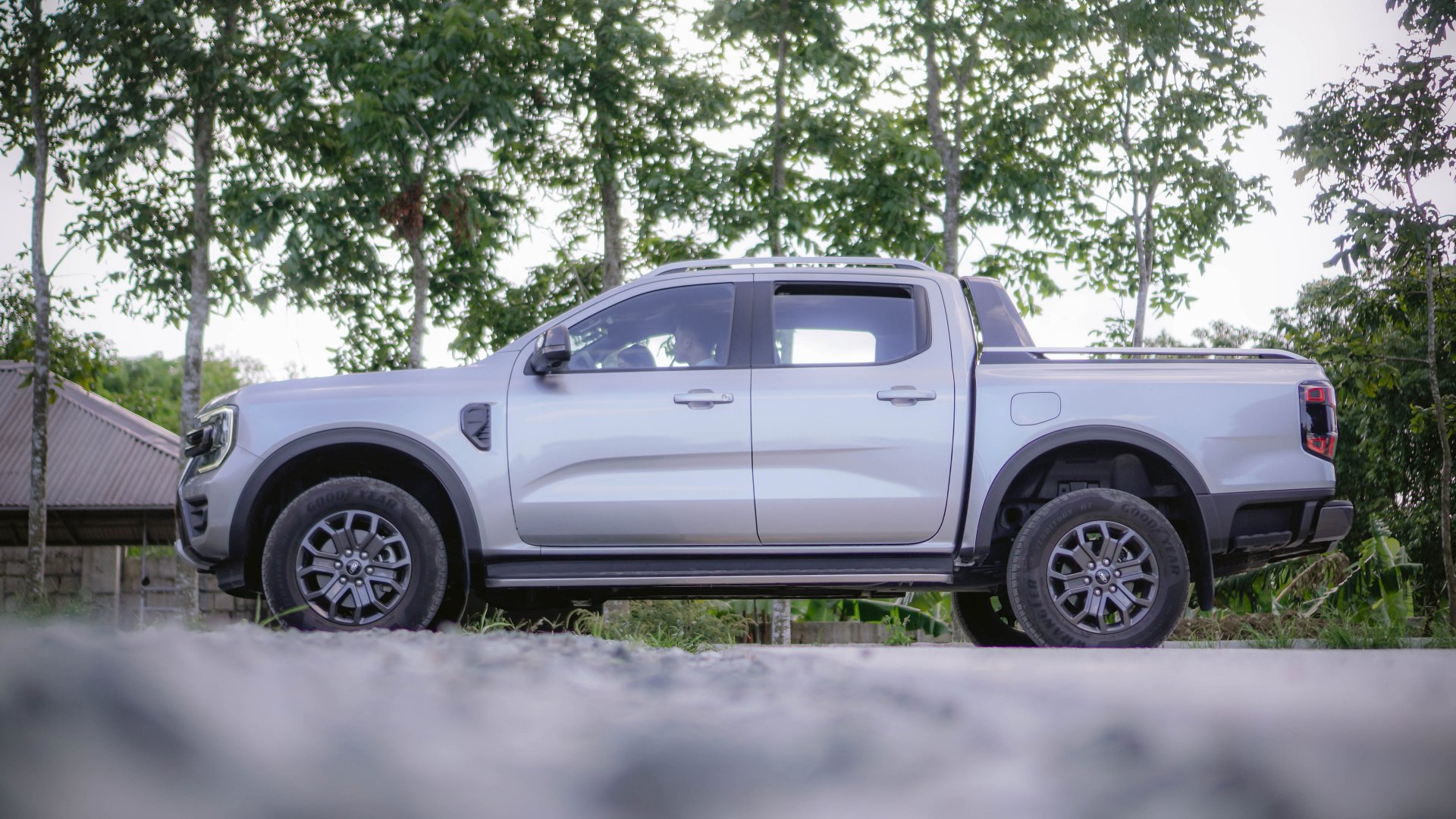
Once you hit the freeway, the Wildtrak feels composed and confident, like a Beast let loose. Features like Lane Centering and Evasive Steer Assist help keep everything steady and controlled, particularly on long southbound drives where fatigue can creep in.
In the city, Autonomous Emergency Braking with Pedestrian Detection becomes one of those features you hope you never need, yet deeply appreciate once you understand how quickly it reacts. It responds faster than instinct, which matters when every second counts.
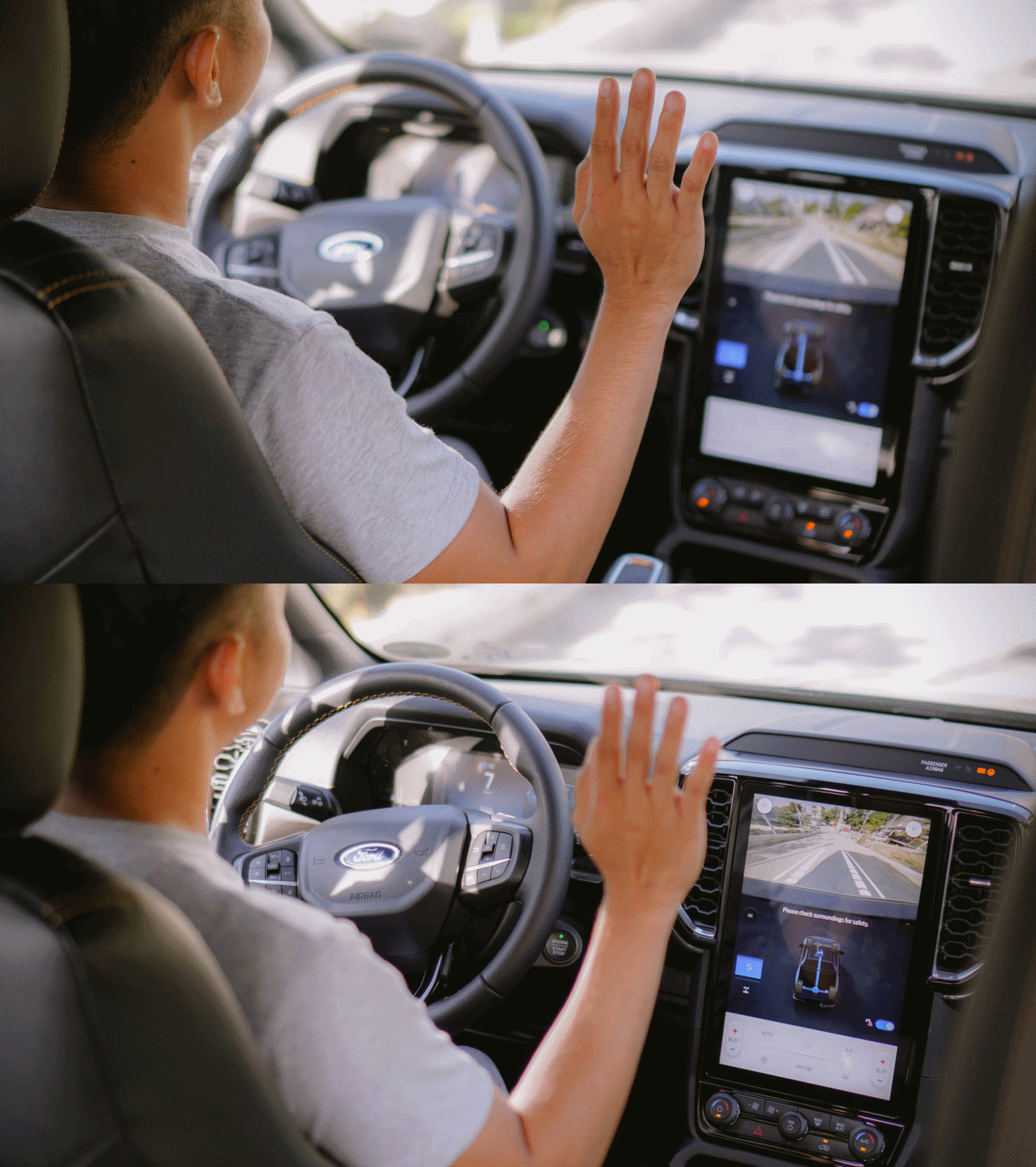
Add Hill Descent Control, Hill Launch Assist, and the Electronic Locking Rear Differential, and the Wildtrak feels prepared for situations you cannot always predict. Even the rear parking sensors earn their keep, especially when backing into tight spaces where visibility is limited.
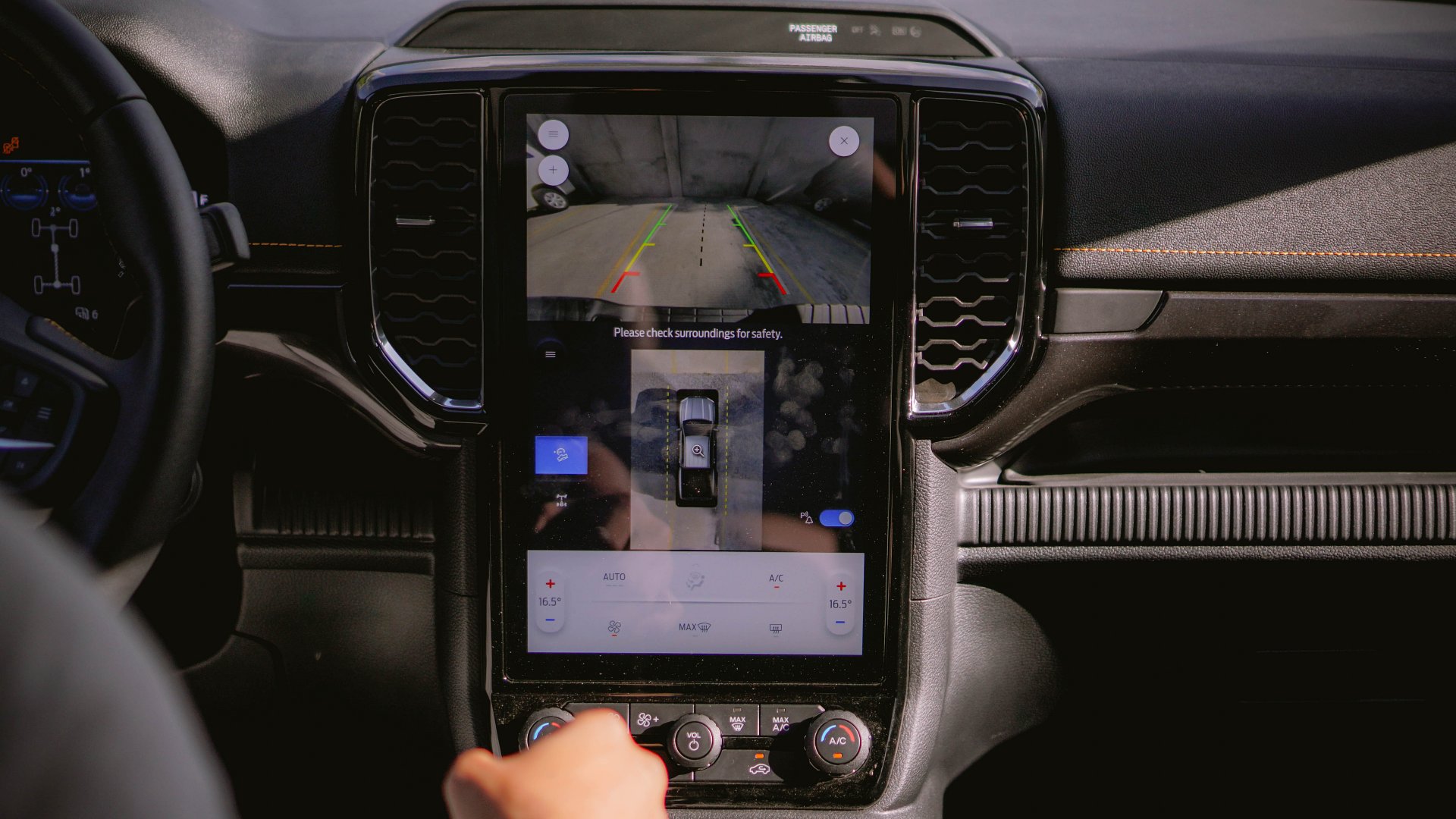
Despite its imposing size, parking never feels intimidating. The 360-degree camera quickly becomes a trusted companion, making tight spots manageable and reducing the stress that often comes with driving a large vehicle.
It’s especially reassuring for drivers who love big trucks but are still getting used to their presence on city streets.
More than a truck
The Next-Gen Ford Ranger Wildtrak 4×4 feels like it understands modern life.
It balances being tough with power and comfort. It feels ready for anything, whether it’s a weekday traffic or a weekend escape.
If you’re looking for a truck that feels like it already knows what you need, this one makes a strong case without ever raising its voice.
This is what it feels like inside the Next-Gen Ford Ranger Wildtrak 4×4.

POCO M8 Pro review: Goin’ loco over this POCO
POCO starts 2026 with some bang
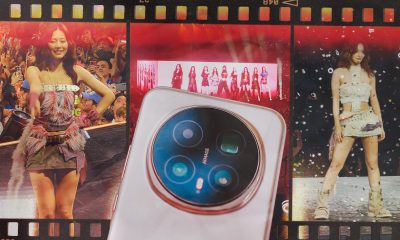

HONOR Magic8 Pro Stage Mode at a TWICE concert
Good… with room to grow


HONOR Magic8 Pro review: What sorcery is this?
Looks incremental on paper. Feels like magic in real life.
POCO M8 Pro review: Goin’ loco over this POCO

Spotlight: ASUS Zenbook at CES 2026

Sony ships its LinkBuds Fit Hatsune Miku edition to the United States

Apple Creator Studio: Creative apps bundled into single subscription

TNT earns honors at 2025 International Business Awards


-

 News6 days ago
HONOR X9d 5G launches in the Philippines: Price, preorder, availability
-
 Reviews2 weeks ago
OPPO A6 Pro: Adequate tool, no definitive punch
-
Reviews7 days ago
HONOR Magic8 Pro review: What sorcery is this?
-
Camera Walkthrough7 days ago
HONOR Magic8 Pro Stage Mode at a TWICE concert
-
 CES 20261 week ago
The ROG Flow Z13-KJP brings your Death Stranding dreams to life
-
 CES 20261 week ago
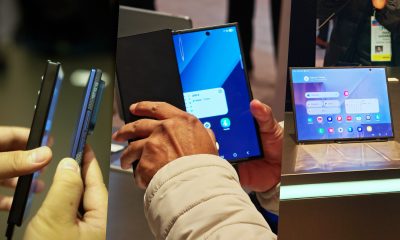
First Look: Samsung Galaxy Z TriFold
-
 CES 20267 days ago
Lenovo Legion Pro Rollable Concept was possible thanks to TCL
-
 CES 20261 week ago
Samsung thinks AI works best together