
Wearables
Fitbit has launched its Fall 2020 collection
Available in late September 2020

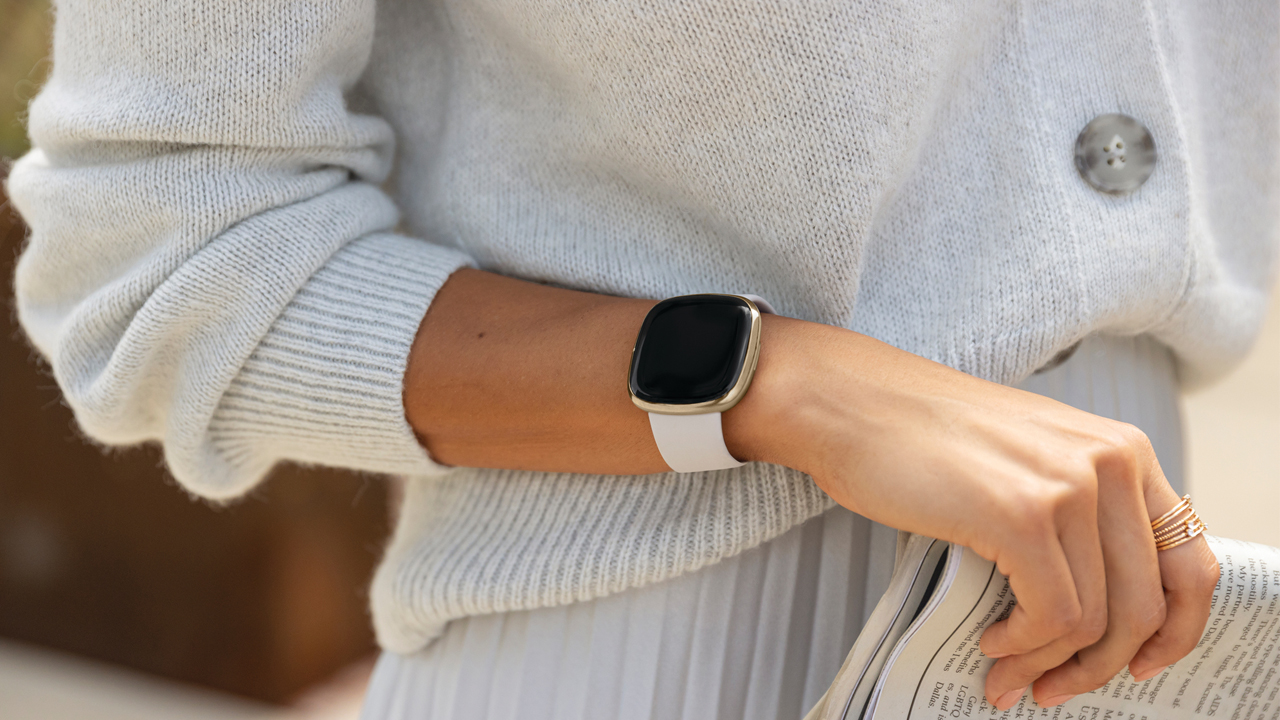
After the pandemic finally blows over, the world will find new ways to care about health and disease. Even now, it’s extremely important to start detecting the onset of a new sickness before it can materialize. With health awareness on the rise, health-oriented industries — like the smartwatch industry — are stepping up. For example, Fitbit has launched its Fall 2020 collection, touting new and improved functionalities like stress detection and skin temperature sensing.

Fitbit Sense
First of all, Fitbit has debuted its most advanced smartwatch to date. Besides the usual gallery of health sensors, the Fitbit Sense is armed with new features for stress management, heart health, and COVID-19 detection.
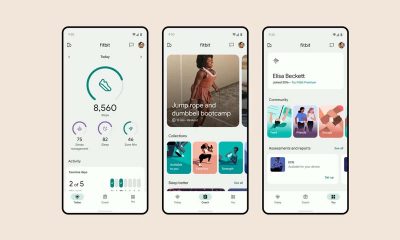
The new stress management system can detect both the psychological and physiological symptoms of stress. The device uses an electrodermal activity (EDA) sensor to analyze physical effects of stress. With the new sensor, the Fitbit Sense can detect the small body changes caused by stressors. Users can also perform a quick stress check by placing their palms on the watch’s face. It can then calculate how stressed you are, based on the sensor’s data, heart rate, and sleep activity.
The Fitbit Sense also has a new PurePulse 2.0 technology, allowing for an advanced way to analyze heart rates. For one, it scans a user’s heart rate 24/7. It can send notifications when heart rate dips below or peaks above normal. Further, the Fitbit Sense is the first Fitbit device to detect atrial fibrillation, a condition affecting more than 33.5 million people. Fitbit also says that you can share their data to your doctor for medical purposes.
Besides the new features, the Fitbit Sense comes with what you’d expect from a Fitbit watch. It comes with on-board GPS, more than 20 exercise modes, automatic activity tracking, and advanced sleep tools. The watch can also now detect skin temperature, allowing it to notify you of potential fevers, illnesses (like COVID-19), or a new menstrual phase.
It is compatible with voice assistants and contactless payments. The device can last for more than six days on a single battery life. Finally, buying the watch comes with six free months of Fitbit Premium.

Fitbit Versa 3
Fitbit is also launching an upgraded version of its iconic watch line, the Fitbit Versa 3. The Fitbit Versa 3 comes with the same upgraded functionalities such as on-device GPS, in-app workout intensity maps, PurePulse 2.0, and Active Zone minutes.
Further, the new Fitbit Versa 3 can manage a connected smartphone just as well with built-in Google Assistant and Amazon Alexa. It comes with Fitbit Pay to ease online payments. It also comes with more than six days of battery life and fast charging.
Finally, the Fitbit Versa 3 has partnered with global designers Pendleton and Victor Glemaud for stylish and comfortable watch straps.

Fitbit Inspire 2
For a lighter experience, the Fitbit Inspire 2 packs in a lot of features in a smaller package. For one, the device’s battery can last a whopping ten days. It packs in more than 20 goal-based exercise modes, advanced sleep tools, 24/7 heart rate tracking, menstrual tracking, and food intake tracking. Finally, it comes one free year of Fitbit Premium.
Pricing and availability
All three devices are now available for pre-order and will ship out starting in late September.
The Fitbit Sense will retail for US$ 329.95 and will come in carbon/graphite stainless steel and lunar white/soft gold stainless steel.
Meanwhile, the Fitbit Versa 3 will retail for US$ 229.95 in black/black aluminum, pink clay/soft gold aluminum, and midnight/soft gold aluminum.
The Fitbit Inspire 2 will retail for US$ 99.95 in black, lunar white, and desert rose.
Finally, Fitbit Premium will sell for US$ 9.99 per month.






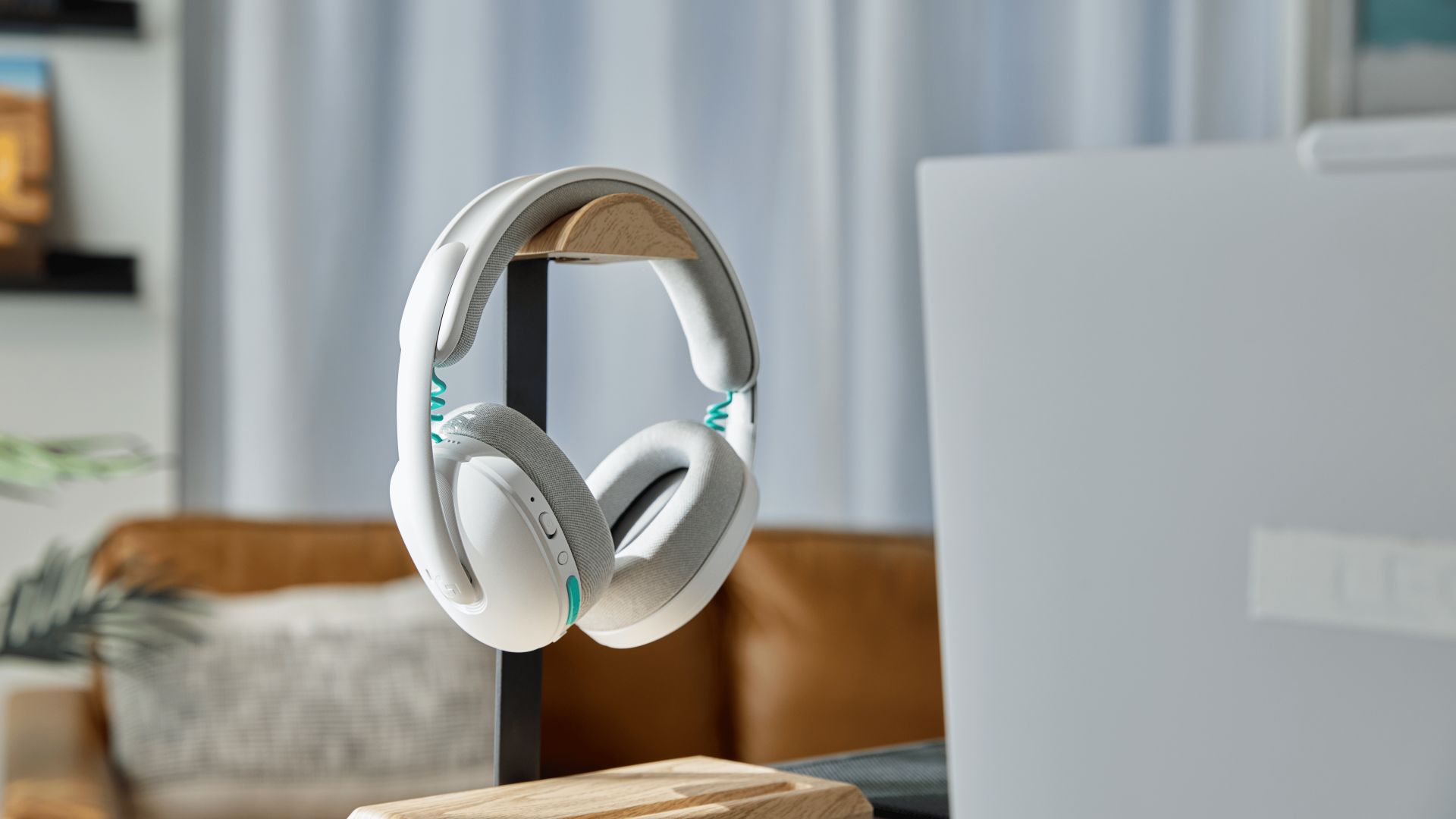
Logitech has expanded its G3 series with the announcement of the G325 LIGHTSPEED wireless gaming headset, available in Black and White colorways.
This powerful gaming headset is designed to support seamless gameplay both at home or on the go. It brings together premium features, including immersive 24-bit audio, flexible connectivity, superior comfort, and long-lasting battery life.
The Logitech G325 LIGHTSPEED is equipped with 32mm audio drivers for 24-bit audio over LIGHTSPEED wireless. This way, users can experience rich, detailed, and dynamic sound with enhanced depth and clarity.
Such audio quality enables detecting in-game subtleties more accurately while also enjoying fuller bass and more immersive soundscapes. A 10-band EQ and game-optimized presets also allow for further personalization. These can all be accessed through the Logitech G HUB software and mobile app.
For comfort, the G325 LIGHTSPEED comes with a modern, close-fit headband design with breathable fabric materials. The dual-layer memory foam ear cups also provide a cushioned and secure fit. These keep users cool and comfortable even during extended wear.
Moreover, the headset comes with a dual beamforming microphone system for clear communication. This makes voices a lot clearer while reducing surrounding background noises, thanks to an integrated AI-powered noise reduction system.
The G325 LIGHTSPEED also supports in impressive wireless range of up to 30 meters, Bluetooth 5.3 connectivity, and over 24 hours of continuous play.
Price, availability
The new Logitech G325 LIGHTSPEED is available at Logitech authorized retail partners. It is priced at US$ 79.99 / £ 69.99 / PhP 5,495.
Entertainment
ARTMS Heejin shows KPop concert day through Ray-Ban Meta glasses
Heejin films concert POV


What does a KPop concert look like from the idol’s perspective? Heejin of ARTMS gives fans exactly that.
In a short Instagram Reel filmed using Ray-Ban Meta Smart Glasses, the ARTMS member records an entire concert day from her point of view — from backstage moments to standing on stage in front of hundreds of fans.
The clip begins with Heejin showing off the Ray-Ban Meta glasses before putting them on. She then continues vlogging on her phone while already wearing the smart glasses, casually demonstrating how the wearable camera fits into her usual routine.
From there, the Reel jumps through several moments leading up to the show. We see Heejin signing what appear to be albums for the concert, followed by a quick meal before rehearsals begin.
At one point, she even chats with staff members who seem curious about the Ray-Ban Meta glasses she’s wearing.
Then the highlight arrives.
The perspective suddenly shifts to the stage.
View this post on Instagram
From Heejin’s POV, the crowd stretches across the venue while she performs alongside her fellow ARTMS members. There’s a quick glimpse of choreography while she’s still wearing the glasses — offering fans a rare look at what performing in front of thousands of people actually feels like.
The Reel winds down with the group bowing to the audience as the concert ends.
Finally, the video returns to the same visual from the opening. Heejin lies down on a bed, mirroring the start of the day — a quiet signal that the long concert schedule has finally wrapped.
There are a few fancams too showing the day Heejin wearing the glasses while performing on stage.
@seoshu heejin with glasses… I NEED HER #artmsinlondon #heejin #artms #grandclubicarus ♬ original sound – vro
@yvessyih i’m a sucker for nerds💔 heejin i love u #heejin #loona #artms #fyp #kpop @Official ARTMS ♬ Drunk in love – Megan ★
From LOONA to ARTMS
For longtime fans, Heejin needs little introduction.
She first debuted in 2016 as the very first member of LOONA, a group known for its ambitious storytelling and global fanbase.
Following LOONA’s restructuring, Heejin went on to become part of ARTMS, a project group that reunites several former members while continuing their creative direction.
Moments like this Reel give fans a small but personal glimpse into that journey — this time through the lens of smart glasses.
What the Ray-Ban Meta glasses actually do
The Ray-Ban Meta Smart Glasses are wearable smart glasses created by Meta in collaboration with Ray-Ban.
They feature a built-in ultra-wide camera, microphones, and open-ear speakers that allow users to capture photos and videos completely hands-free.
Because the camera sits directly in the frame, the footage naturally captures a first-person perspective — exactly the kind of viewpoint that makes Heejin’s Reel feel so immersive.
Instead of watching a concert from the audience, viewers briefly experience what it’s like to be the person standing on stage.
A new perspective for fans
POV videos aren’t new online, but using smart glasses to capture a full concert day adds a new layer to behind-the-scenes content.
For a few moments, fans aren’t just watching the performance.
They’re seeing it through the idol’s eyes.
And for longtime fans who first met Heejin during her early days in LOONA, the moment carries a little extra weight.
From debut stages to a new chapter with ARTMS, the view has changed — but the stage is still the same.
Now the real question is: Which idol would you want to see try this next?
News
Nothing adds color to its wearables with the Headphone (a)
The Pink and Yellow colors look great!
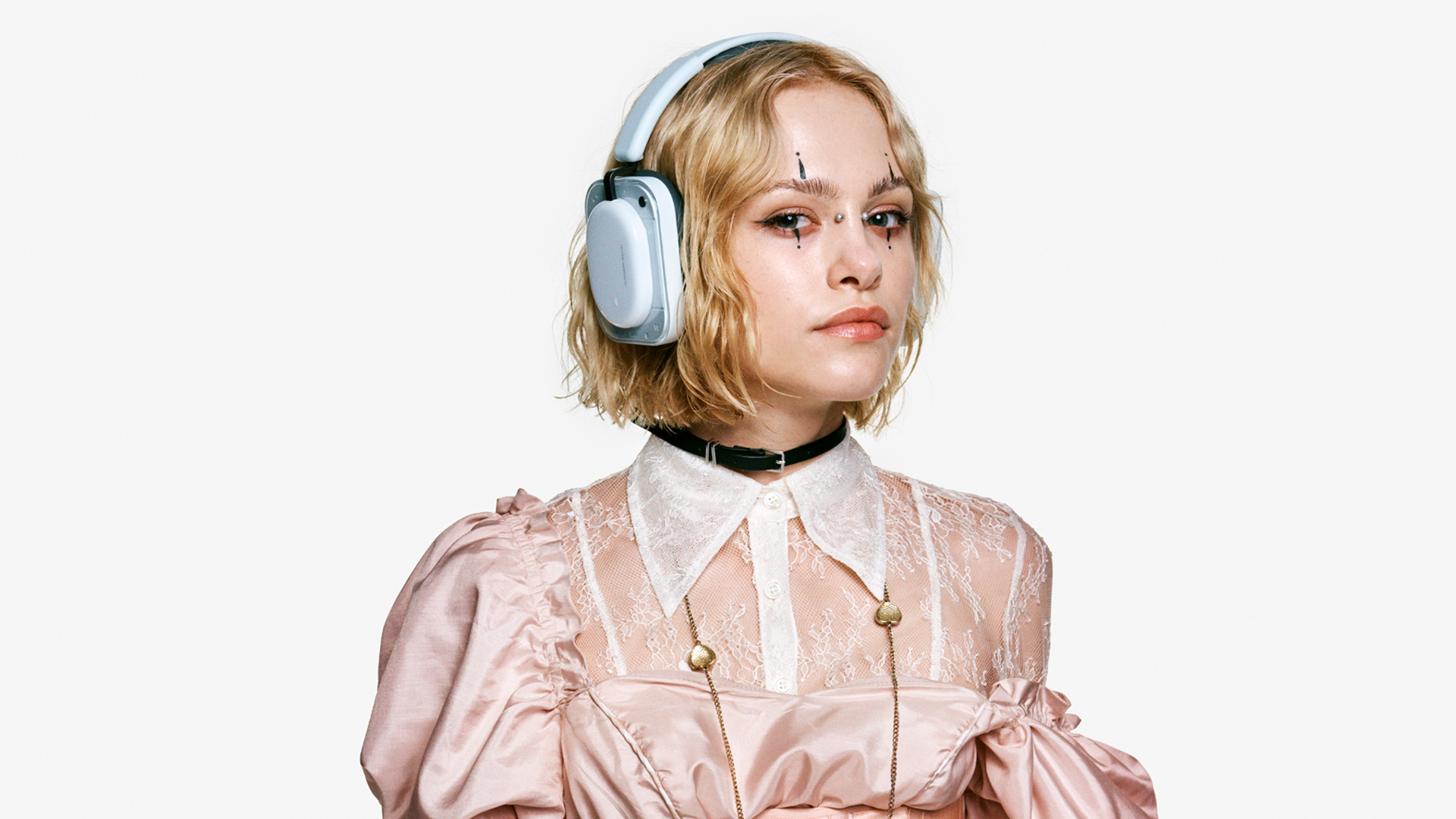
Last year, the Nothing Headphone (1) added a sense of fashion to the drab headphone market. Today, Nothing is adding a splash of color to its stylish lineup of headphones through the newly launched Headphone (a).
As with the (a) series of phones, the Headphone (a) melds fashion with affordability and performance. For quality, the wearable will have intelligent noise cancellation and sharper voice pick-ups with a 3-microphone Environmental Noise Cancellation system. It will also deliver rich immersive sound through Static Spatial Audio.
It’s only 310g light for easy use throughout the day.
For convenience, the Headphone (a) will have tactile gestures, such as a Button, Roller, and Paddle, to easily control the device without need of a phone. Users can integrate features like Channel Hop and Camera Shutter mode straight into the controls.
The headphones are designed for up to five days of battery life. Plus, a five-minute charge time can already provide five hours of playback. Finally, for durability, it is rated for IP52 resistance.
The Headphone (a) is available for preorders now. Starting March 13, it will be available in White, Black, and Pink. It will sell for EUR 159. Meanwhile, a limited-edition Yellow pair will be available starting April 6.



Disney+ launches a TikTok-coded vertical feed called Verts

Google Maps is finally getting a 3D mode

KPop Demon Hunters is officially getting a sequel

Bringing Care-a-Lot to my daily carry

Galaxy AI on the Samsung Galaxy S26 Ultra


-
 News2 weeks ago
Xiaomi 17 Ultra is now available outside China
-
 MWC 20261 week ago
Infinix NOTE 60 Ultra makes a motorsport-inspired debut
-
 Reviews2 weeks ago
TECNO CAMON 50 Ultra review: End of an era?
-
 MWC 20262 weeks ago
TECNO launches the all-new CAMON 50 series
-
 MWC 20262 weeks ago
TECNO showcases cool concepts at MWC 2026
-

 Reviews2 weeks ago
Xiaomi Pad 8 review: Slab that slaps!
-
 Reviews2 weeks ago
Forget the Phone: Xiaomi 17 Ultra Is A CAMERA!
-
 MWC 20262 weeks ago
TECNO unleashes Tonino Lamborghini collection