

Gaming
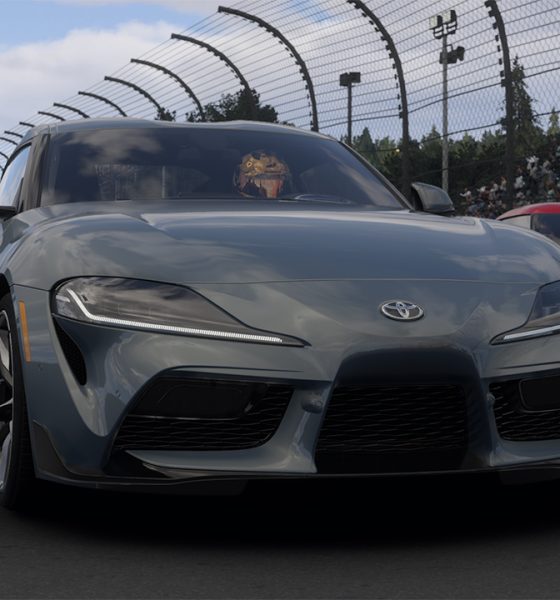
Forza Motorsport helped me grow up and still love fast cars
A transition from the wacky to the reality

As a racing game enthusiast, any chance I got to play a simulated racing game made me feel giddy inside. Since getting my hands on my first console, titles like Crash Team Racing, Ridge Racer, and Need for Speed dominated my headspace. Safe to say that I got drawn to fast cars, and only wanted to finish ahead of the pack in the fastest way possible.
To be honest, organized motorsport would be the last thing that I’ll try out within the racing game space. There’s just a lot of things to consider even within your vehicle of choice, especially if you want to improve speed and handling. Also, a huge part of my racing experience revolves around the game just automatically showing me how fast my car could be. Even in supposed motorsport games like Forza Motorsport, speed would still be my priority.

As I grew older, however, I became a bit more open to these types of racing simulation games. Of course, the nostalgia coming from remastered versions of the racing games I grew up on outweighed this sudden interest. Ever since I gained access to better hardware and subscription services, I decided to try them out to see if I will appreciate them to any extent.
Learning how to operate a vehicle
I have to admit that Forza Motorsport had a bit of a learning curve when you first play it. This is especially true if you’re coming from a background of wacky racing games with gimmicks and everything is done for you. Even though I already had some prior experience playing a Forza game like Forza Horizon 5, Motorsport dives deeper into the racing than free roam driving.
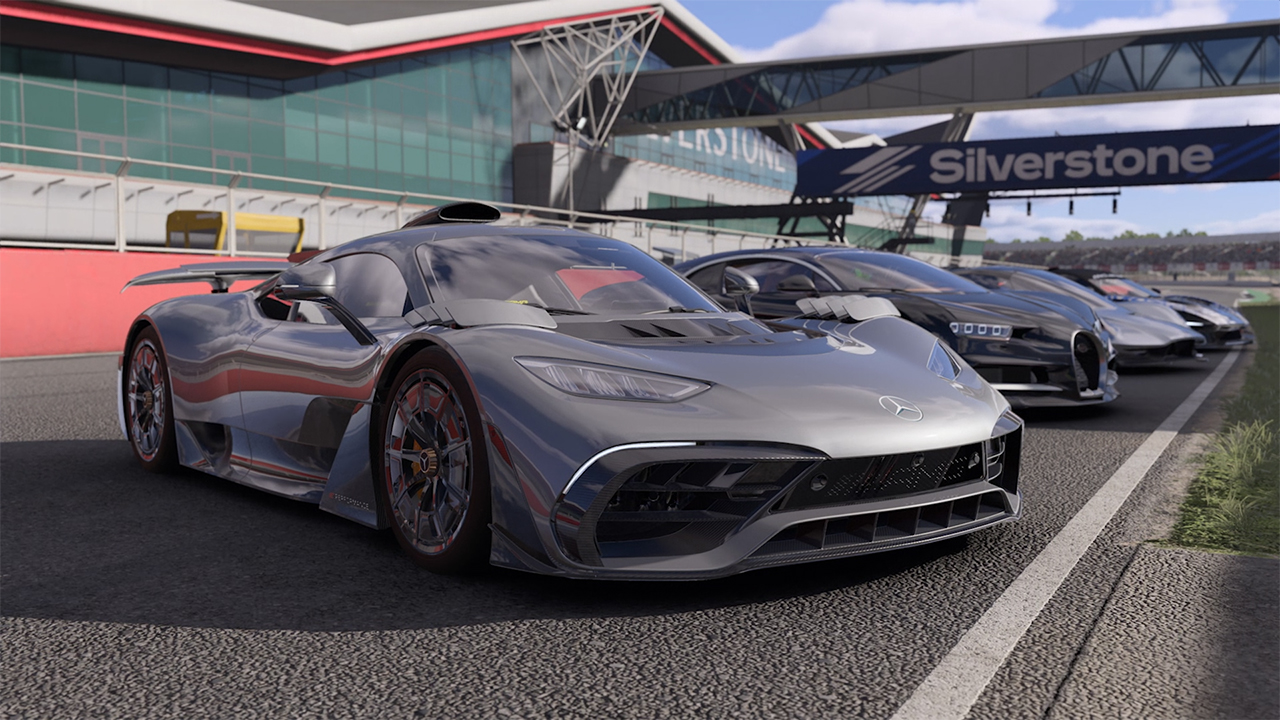
Similar to most of the games within Forza’s extensive library, you can tweak your driver settings depending on your comfort. By default, you will have most of the driving-related settings on Automatic (brakes, mode of driving, assisted turns, etc.) to ease you in. I did appreciate the fact that you could do this and they give you a good explanation of what happens when certain settings are active.
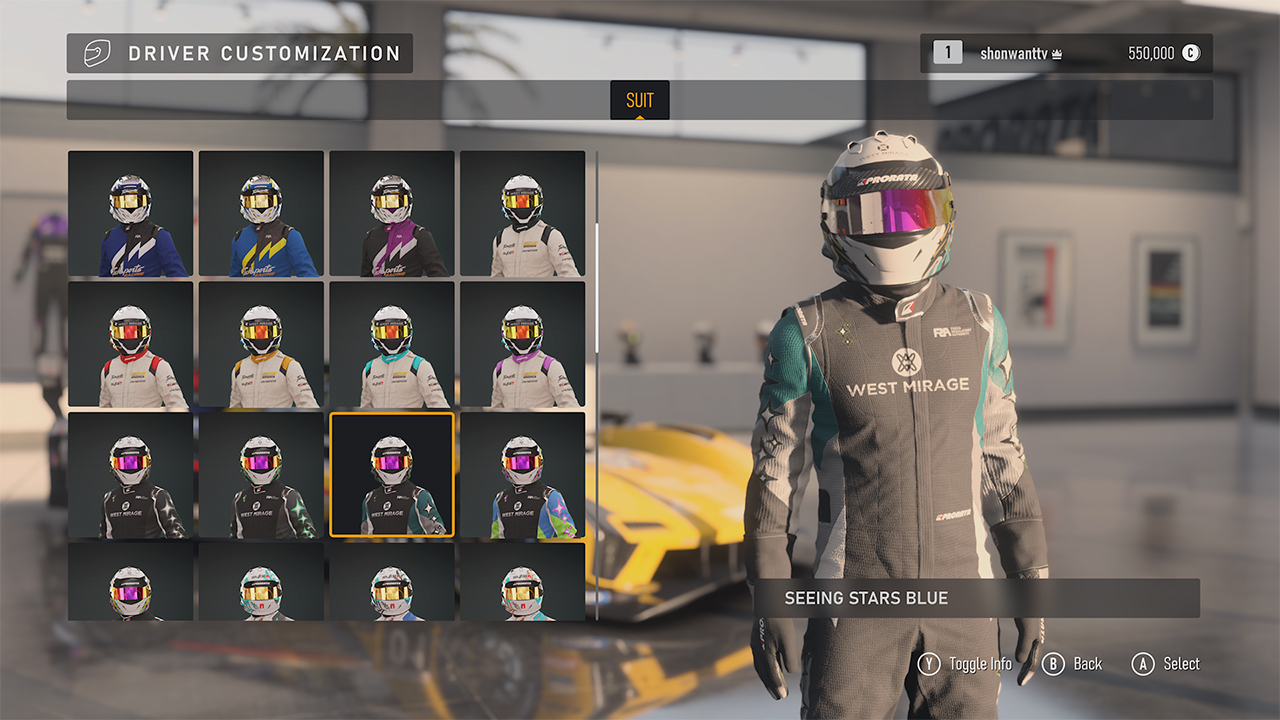
When you’re using the controller, its controls are pretty easy to get around; think Mario Kart or Rocket League when it comes to acceleration and brakes. Unlike all the wacky racing games I played, I’m using simulated versions of actual sports cars and the controller will make you feel that through haptic feedback.
Understanding the environment
Here’s a quick side story: I remember on my first day of my driving lessons, I literally bumped a sign post that was on the road. In my defense, I was aware for a brief moment that it was there but I was busy learning how to operate the car I was using. Similarly, with my first race in Forza Motorsport, I took several bumps along some of the tracks trying to get a feel of it, and I scratched my head every time.
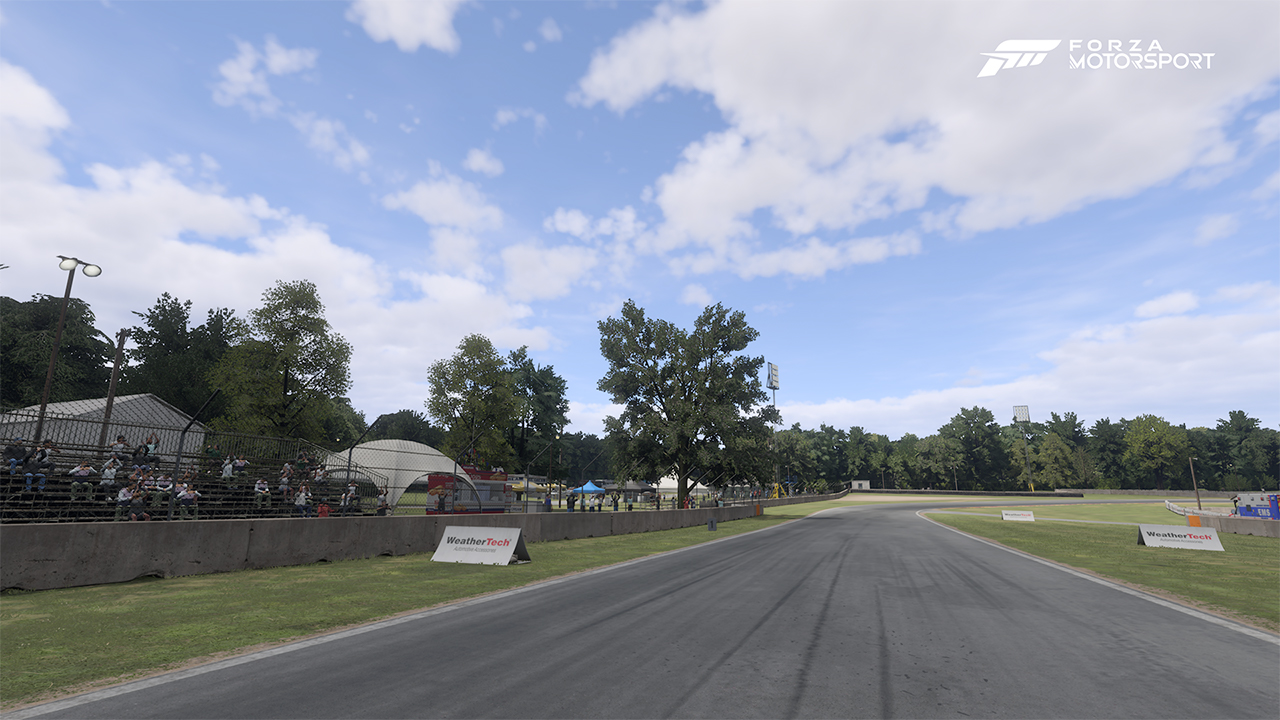
Speaking of the tracks, Motorsport for 2023 gave us 20 unique tracks built and based on some of the world’s premier race areas. I literally had to stop the game and go into Photo Mode to get a glimpse of the accuracy at which they rendered everything. I mean, even the crowd watching the races were included into the environment – especially when I was going through practice races.

Going back to those bumps, I also found it rather funny that the level of detail extends even to scratches on decals. The developers did such a wonderful job rendering all the vehicles at your disposal, and even went the extra mile to show you the damage you’ve done. Also, just to give another shout out to Photo Mode, I’m quite happy that you could just remove decal damage there and then it gets removed upon exiting.
Off to the races
By this point, I’ve gotten used to how the vehicles operate, how the tracks go, and how most of the other controls work. Much like driving school, here comes the first checkpoint on my road to getting into virtual motorsport: the practical driving actual racing. I decided to go around three different tracks to see how I would stack up: Suzuka, Circuit de Spa-Francorchamps, and the Le Mans.
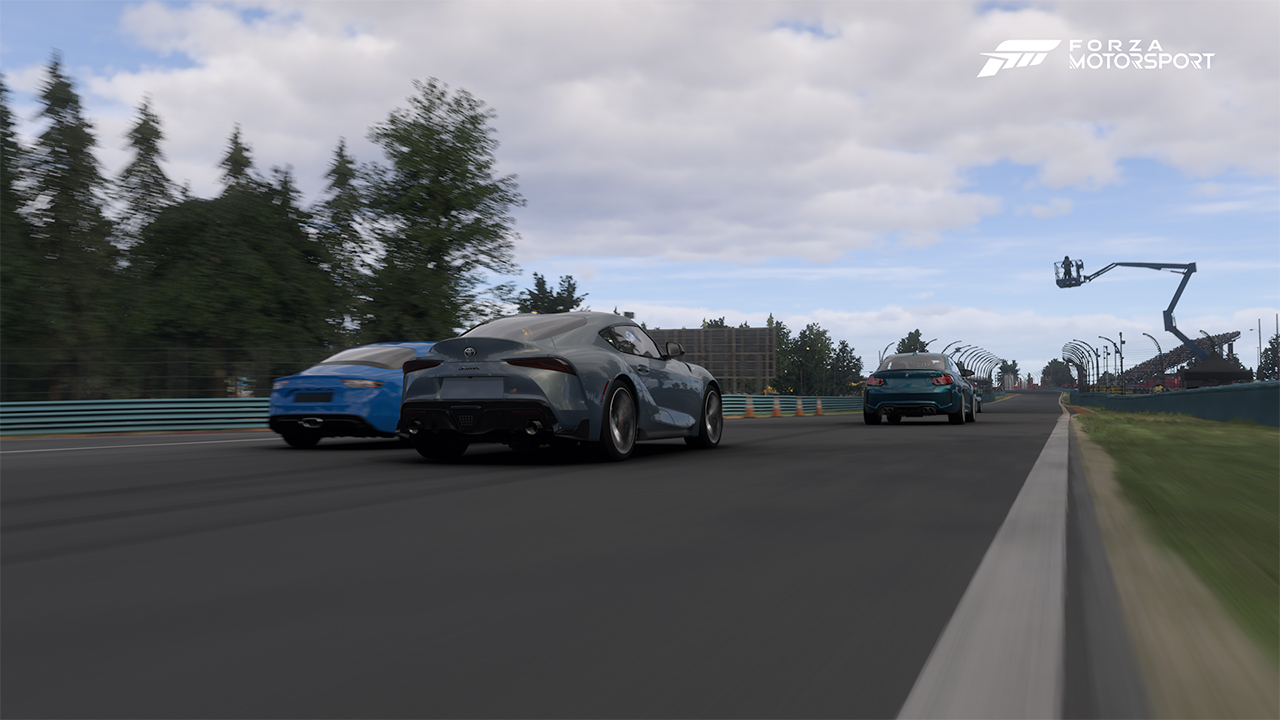
In the simplest way possible, Forza Motorsport is as straightforward of a racing game as you can imagine. It’s a simulated race with no special gimmicks, no powerups, no shortcuts, and you can’t drift to go faster. There’s also a blue line that sort of guides you in terms of the best possible path to take when racing bumper to bumper with 19 other cars. Basically, it’s organized racing with fast cars.
My transition from wacky to organized went as well as I thought it would – kinda bad. It’s one thing to know how to steer the car while controlling your input on the gas and brake. However, it’s an entirely different thing when you consider that the vehicle you’re driving doesn’t handle well, or it takes a deeper press of the left trigger to apply the brakes. Although, I still managed to finish first in Suzuka so that’s a good start.
If you ain’t first, build a faster car
After three races, I wanted to understand how I could further improve the cars I chose to race with since I noticed they gained levels. It’s a feature that they introduced within the main Forza Horizon series as Car Mastery, which would allow you to utilize certain perks the more XP you gain. In Motorsport, it comes in the form of levels with car upgrades to enable it to go faster and give you more control.
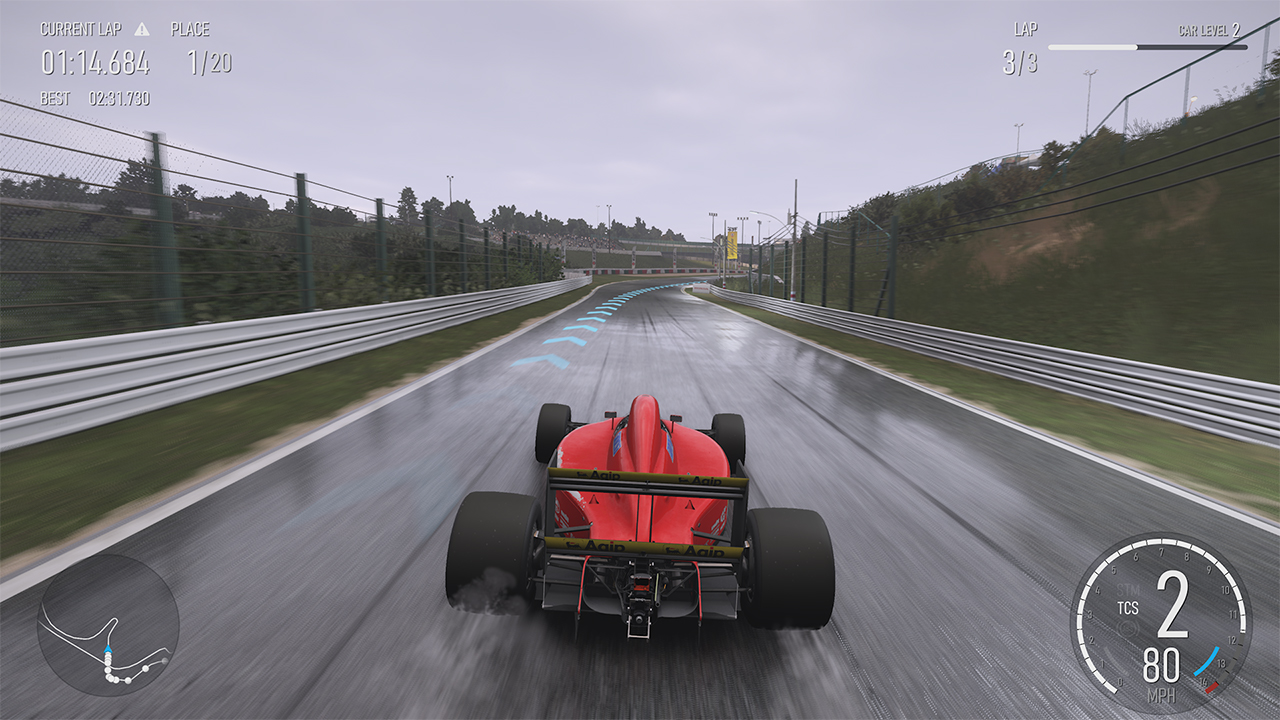
The thing though is, well, I’ve never really had any experience tinkering the inside of any car. Even my little experience in Forza Horizon 5 didn’t help me out with this one. Of course, Forza Motorsport lends you a hand by showing you which parts to upgrade and how it affects your car’s overall stats. Yet, I barely understood what I was even doing or what I was upgrading throughout the whole time. I even opted to just press “Quick Upgrade” and the game just automatically showed me the upgrades needed to make the car faster.
Luckily, the Career Mode known as the Builders’ Cup kinda helped me out in that regard. In Career Mode, you basically get to race in circuits with specific types of vehicles built for each. This requires you to purchase or rent only a set amount of vehicles and limit the upgrades to fit the circuit you’re in. Also, the races are quite fun and you get to test out your upgrades properly.
A lengthy drive home
After everything I had done to learn more about this game, I felt the need to just do one more practice run before calling it a day. This time, however, I decided to just turn off all the automatic settings and go manual – with a clutch pedal, too. After all, if I couldn’t drive a car on manual transmission in real life, I might as well do it here.
During the practice run that went on for 20 laps, I started to get the groove of things. From the way the vehicle turns to the gear shifting with the clutch, it felt right. I just found myself coasting through the track, with some hiccups but no bumps this time! This was, for me, the second checkpoint to appreciating virtual motorsport: the practical test; safe to say, I passed!
Forza Motorsport was simple enough to understand and get by with little assistance. Of course, for new players, there is a learning curve to all the features, the vehicles, the tracks, and everything in between. Once you’re in, you will just enjoy what the experience has to offer — no gimmicks, nothing wacky to get in your way.
It’s strategic, organized, and resembles that of driving an actual car — and, I’ve grown to like that now. This game reinforced my love for fast driving in racing simulators, just with a bit more maturity in acknowledging that you don’t need wacky gimmicks to enjoy it.

Gaming
SHINOBI: Art of Vengeance’s SEGA Villains Stage out on April 3
Face off against legendary SEGA bosses from different franchises

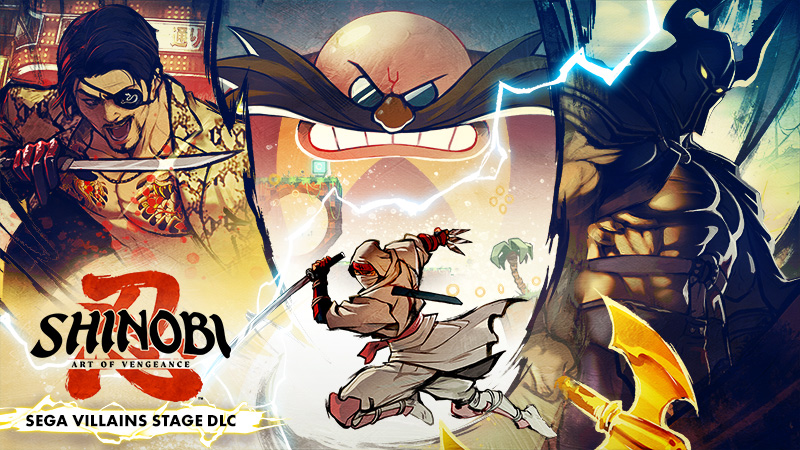
The SEGA Villains Stage DLC for SHINOBI: Art of Vengeance will release on April 3 for PlayStation 4 and 5, Xbox Series X|S, XBox One, Nintendo Switch, and Steam.
The DLC lets players face off against legendary SEGA bosses from different franchises: Like a Dragon and Yakuza, Golden Axe, and Sonic.
An animated trailer has been unveiled as part of the announcement. It features those franchises’ characters, Goro Majima, Death Adder, and Dr. Eggman.
There will be a total of five crossover stages, three bosses, and two Boss Rush modes featuring the bosses for the DLC.
In addition, there will be three more Ninpo, three new outfits, and six new music tracks. The SEGA Villains Stage DLC is a free update for all players.
Aside from the crossover, players can also try out a new Hardcore Mode which features changes in enemy placement and stronger boss attacks.
Additional combat settings also lets players adjust recovery frames, the flash effect, and camera shake. Various quality-of-life improvements are also planned for the 2D action-platformer.
Gaming
The hunt begins: The Witcher in Concert hits Manila with surprises in tow
The Continent comes alive
If you’ve ever heard a haunting chant echo through a battlefield or felt the weight of a choice that isn’t as simple as good or evil, then you already know—the Path has a way of calling you back.
And if you haven’t stepped into that world just yet, consider this your invitation.
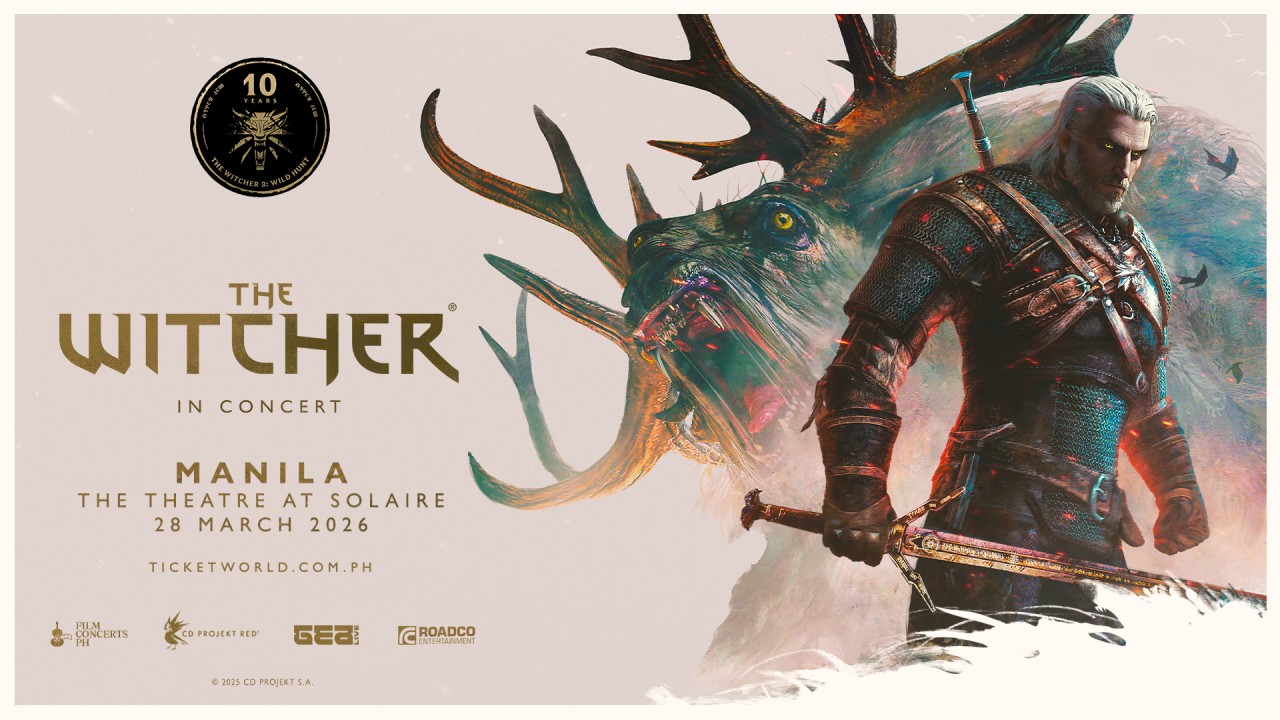
With less than two weeks to go, The Witcher in Concert is set to take over Manila for a one-night-only performance. It’s happening on March 28, 2026 at The Theatre at Solaire—bringing with it not just the music of a beloved RPG, but a full-on return to the Continent.
Celebrating the 10th anniversary of The Witcher 3: Wild Hunt, the concert transforms one of gaming’s most iconic soundtracks into a live experience. Expect performances from selected musicians of the Filharmonika Orchestra alongside Percival Schuttenbach—the Polish folk-metal band whose distinct sound helped define the game’s identity. Paired with in-game visuals, it’s a show designed to feel both nostalgic and entirely new.
As the night draws closer, here are three things fans can look forward to:
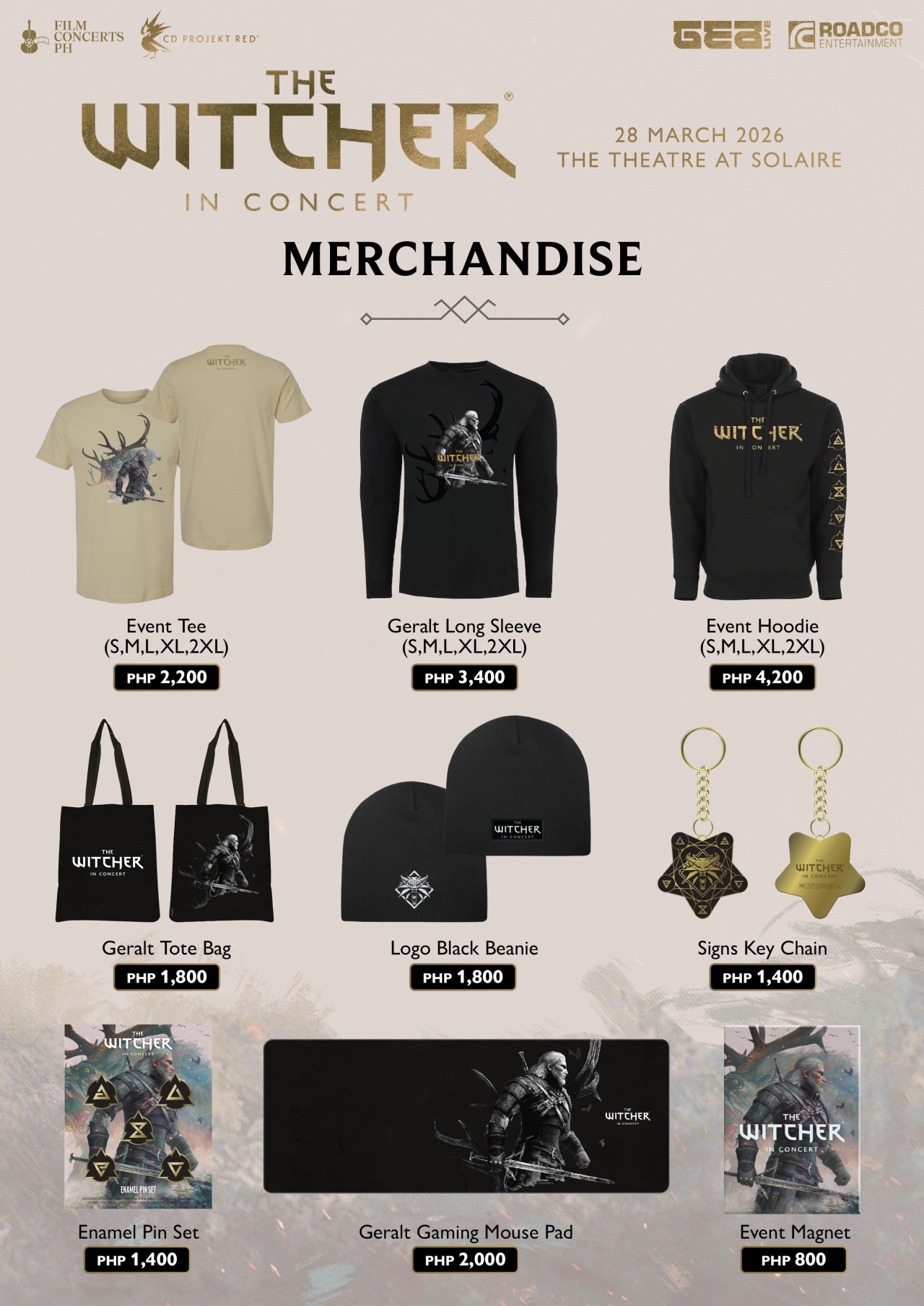
Relics from the Continent: official merchandise
For those who want to take a piece of the experience home, exclusive event merchandise will be available in limited quantities.
This includes the following:
- Event Tee (PhP2,200)
- Geralt Long Sleeve (PhP3,400)
- Event Hoodie (PhP4,200)
- Beanie (PhP1,800)
- Tote bag (PhP1,800)
- Key chain (PhP1,400)
- Enamel pin set (PhP1,400)
- Event magnet (PhP800)
- Geralt gaming mouse pad (PhP2,000)
It’s the kind of loot drop fans won’t want to miss.
The path to Solaire: getting there made easier
Getting to the venue is part of the journey—and this time, it’s a little easier. Attendees can use the Grab code FCPH2026 to get 20% off rides (up to PhP75). With the condition of a minimum fare of PhP250. The promo is valid for two rides per user and applies to trips to and from Solaire Entertainment City.
A rare encounter: meet Percival Schuttenbach
For a handful of lucky fans, the experience goes beyond the stage. Ten winners will get the chance to meet Percival Schuttenbach and receive an autographed CD.
To join, ticket holders need to share any official The Witcher in Concert post on their Instagram Story. They need to write what they’re most excited to hear live and tag @filmconcerts.ph. They need to submit their entry before March 24, 2026 at 5:00 PM. Winners will be announced on March 25.
Answer the call
As the Continent arrives in Manila, fans are encouraged to lean all the way in—whether that means coming in cosplay as a monster hunter, mage, bard, or something far more dangerous.
Tickets are available via TicketWorld and participating outlets nationwide.
The Path is open. The question is—will you answer the call?
Gaming
Monopoly: Star Wars Heroes vs. Villains launching on June 11
Introducing a team-based, cinematic twist to the classic board game
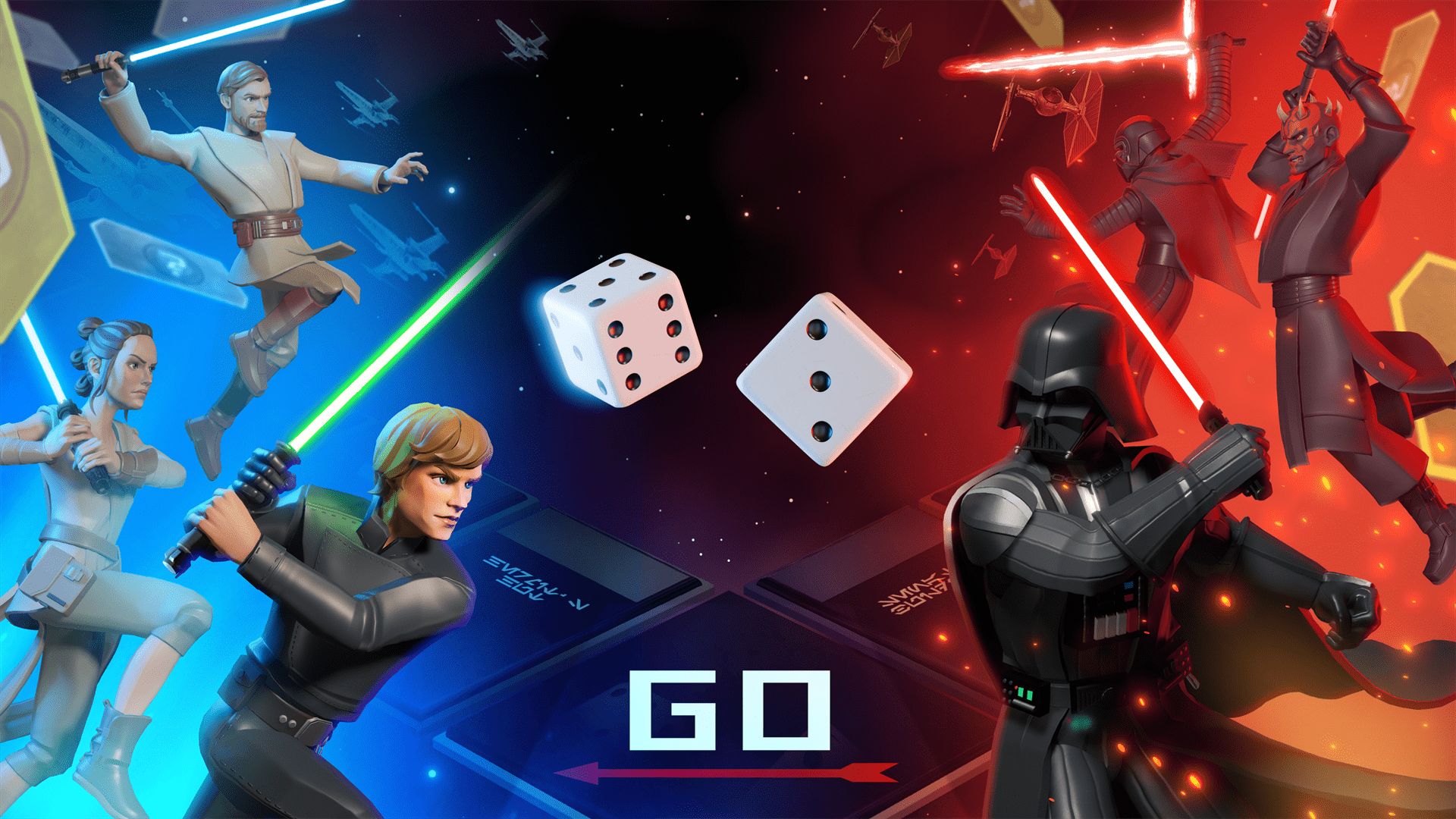
Monopoly: Star Wars Heroes vs. Villains will launch on June 11, Ubisoft has announced. It will debut on PlayStation 5, Xbox Series X|S, Nintendo Switch 1 and 2, GeForce Now, and PC through Steam, Epic Games, and the Ubisoft Store.
The Behavior Interactive title introduces a team-based combat twist to the traditional real estate board game. It includes competitive 2v2 and 3v3 modes, available online and through couch co-op.
This transforms the classic Monopoly gameplay into an action-packed, strategic showdown where teamwork and hero combinations matter.
Every turn carries high stakes as properties change hands in an instant. Dynamic GO events also introduce game-altering twists.
The full reveal will be on April 29.
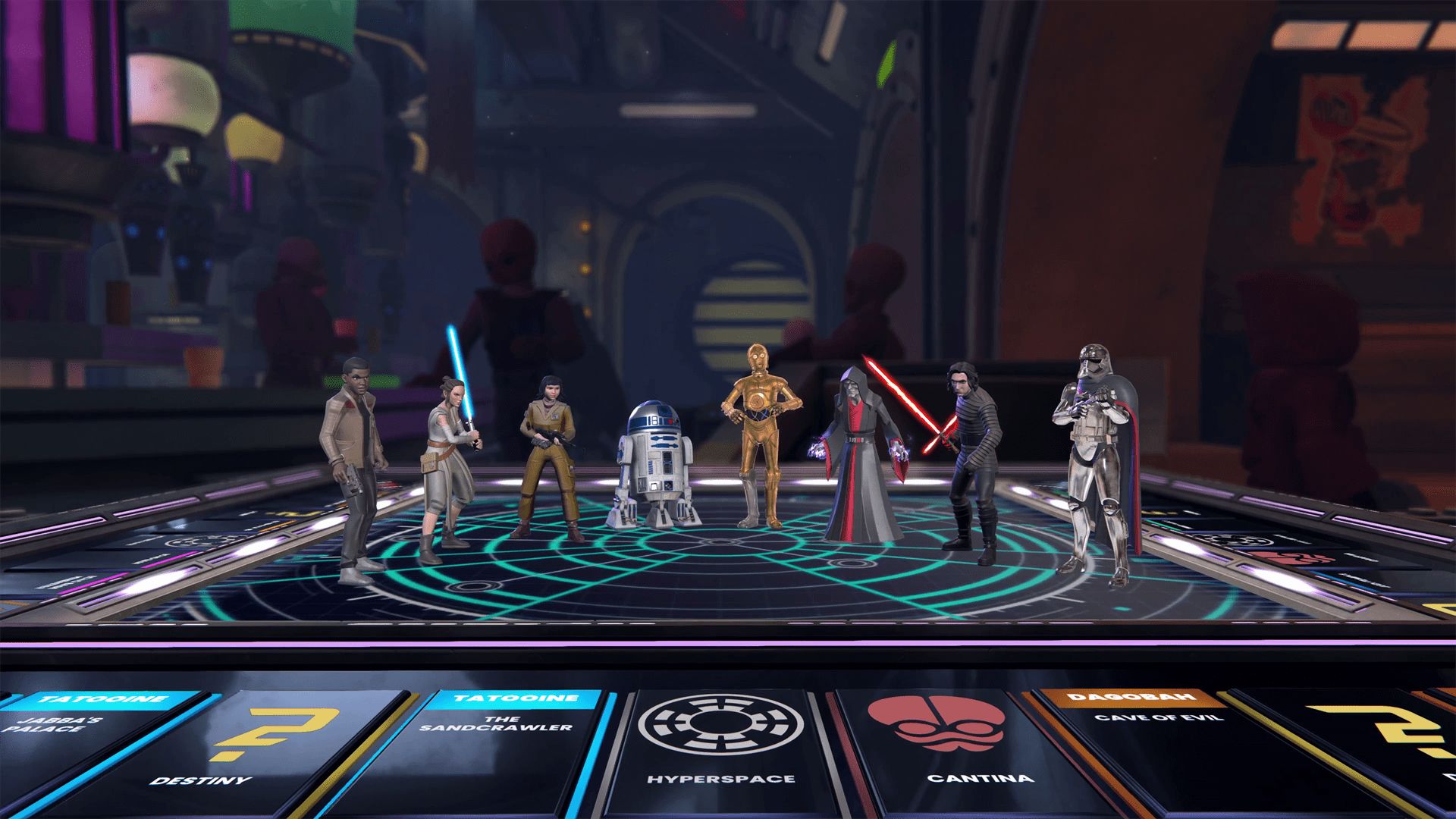
Monopoly: Star Wars Heroes vs. Villains transports players into the Star Wars galaxy with a custom Monopoly board, packed with iconic locations from across the saga.
The gameplay is reimagined with thrilling cinematic moments, themed spaces, and dynamic elements. These make up for a refreshed experience from start to finish.
Players can choose from a wide roster of Star Wars heroes and villains. There’s plenty of options, from Luke Skywalker and Princess Leia to Darth Vader and Darth Maul.
Each character brings unique abilities to shape the team’s strategy and affect the match’s complexion with every roll of the dice.





nubia to launch new Neo 5 series gaming phones on March 28

SHINOBI: Art of Vengeance’s SEGA Villains Stage out on April 3

AMD poised to lead agentic AI era with high-performance CPUs

CIPTA debuts AI GPU server, edge workstation at CloudFest 2026

Dune: Part Three teaser trailer: First look at Robert Pattinson’s Scytale


-

 Reviews4 days ago
POCO X8 Pro Max review: A new beast from the far east
-

 News4 days ago
POCO X8 Pro Series: Price, availability in the Philippines
-

 Laptops1 week ago
Apple MacBook Neo Review
-

 Computers2 weeks ago
GIGABYTE collaborates with Capcom for RE Requiem custom PC
-
 Apps1 week ago
Google Maps is finally getting a 3D mode
-

 Entertainment1 week ago
The internet is thirsting over the One Piece Season 2 cast
-

 News2 weeks ago
Globe postpaid opens pre-orders for Samsung Galaxy S26 series
-

 Features1 week ago
Galaxy AI on the Samsung Galaxy S26 Ultra