
News
Google Home smart speaker gets Mini and Max versions


The smart speaker market gets two new entries from Google today. The Google Home family grows with smaller and larger siblings, which are designed to meet their competition from Amazon and Apple.
The Google Home Mini is a smaller companion to the standard Google Home smart speaker, and is also the cheapest in the family. It’s designed like Amazon’s Echo Dot, with its miniature and friendlier-looking form factor. It connects with other speakers wirelessly and can stream music to a Chromecast-enabled speaker if you want it to.

It has Google Assistant built in like any other Google Home product. It’s actually meant to get the digital assistant into more rooms and corners of your home, but has its own speaker so it can talk and play music.

The Google Home Mini will only cost US$ 49 and comes in three color options: chalk, charcoal, and coral. It’s now up for pre-order and will be available starting on October 19.
The Google Home Max, on the other hand, is a huge desk speaker that’ll compete with the Apple HomePod due to its size. It has two 4.5-inch woofers for deep bass and two tweeters for the high notes, which are all hidden behind a stylish fabric cover.

Of course, the Home Max has Google Assistant that’ll respond even when you’re playing music, thanks to the speaker’s far-field microphones. It has a feature called Smart Sound, which automatically tunes the speaker for the room size and to the audio you’re listening to — may it be a song, podcast, or phone call.
The Home Max features touch controls and supports Bluetooth and Google Cast for wireless music playback from any compatible device. It also has access to YouTube Music, Spotify, Google Play Music, Pandora, and iHeartRadio for streaming. If you want to go wired, it still has a 3.5mm audio port.

The Google Home Max will retail for US$ 399 and is coming sometime in December. It’s actually fifty bucks more expensive than the HomePod, but Google will throw in a 12-month ad-free YouTube Music subscription with every purchase.
SEE ALSO: Amazon introduces Echo Spot: your next bedside smart clock
[irp posts=”21301″ name=”Amazon introduces Echo Spot: your next bedside smart clock”]





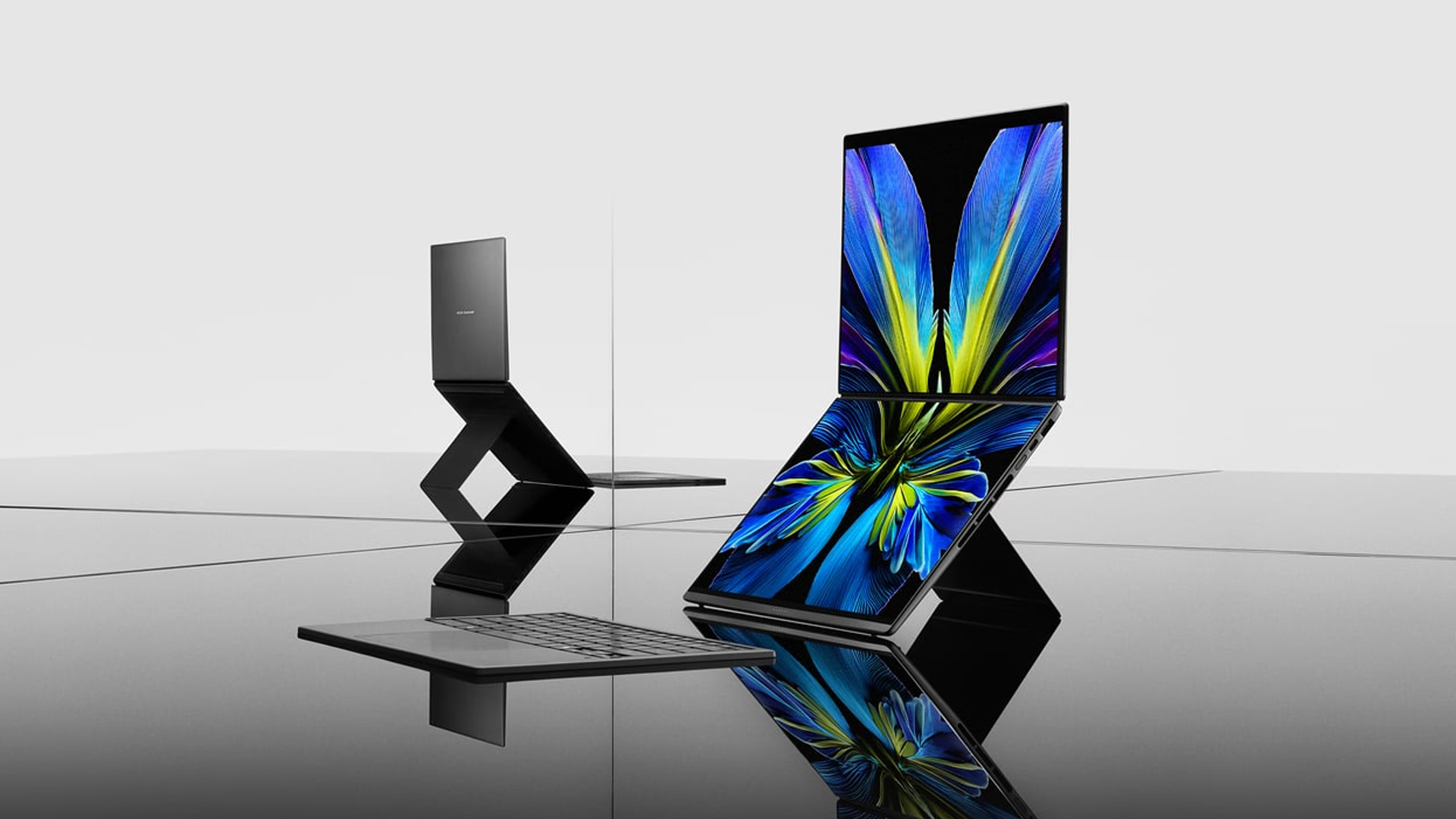
At CES 2026, ASUS unveiled an exciting lineup of notebooks headed for launch throughout the year. Earlier this month, the brand finally launched the latest Zenbooks built for maximum portability. Now, ASUS has released the new Zenbook S16 and S14, plus the new Zenbook DUO, in the Philippines.
Zenbook S16, S14
Much like its predecessor, the latest Zenbook S16 is designed for ultra portability. In terms of thinness, the notebook measures only 1.1 centimeters. Plus, it weighs only 1.5 kilograms, making it a perfect addition to your daily kit. The Zenbook S14, on the other hand, weighs only 1.1 kilograms.
As is always expected from the Zenbook S lineup, both laptops will have a tactile Ceraluminum lid, bolstered by an EasyLift hinge for ease of use. It will also have an ErgoSense keyboard with dished keycaps.
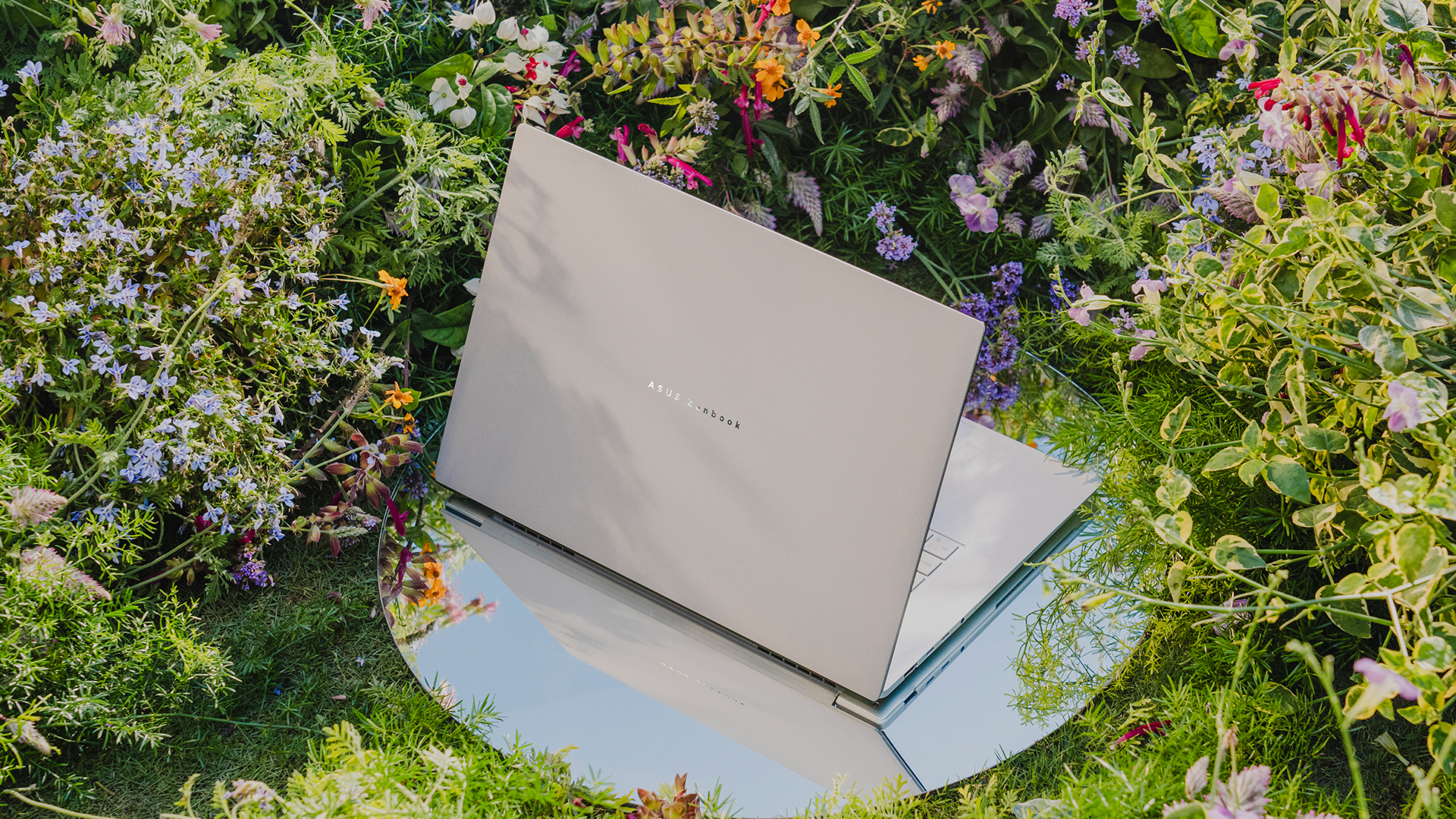
The 16- and 14-inch 3K ASUS Lumina OLED screen has touchscreen capabilities and a refresh rate of 120Hz. For audio, the S16 has a six-speaker Dolby Atmos system, including four front-firing tweeters and dual woofers. The S14 has four speakers.
Under the hood, the Zenbook S16 will sport an AMD Ryzen AI 9 465 chipset, while the Zenbook S14 has an Intel Core Ultra 9 Series 3 processor.
For battery, the S16 will have an 83 Wh battery, which can reportedly last over 21 hours, and the S14 has a 77 Wh battery.
Zenbook DUO
If portability isn’t your main focus, the new Zenbook DUO packs in two screens in one device. Though it packs a bit more punch the Zenbook S series, the dual-screen notebook still weighs only 1.65 kilograms.
The Zenbook DUO features the newest Intel Core Ultra 9 Series 3 processor, up to 32GB of memory, and up to 1TB of internal storage. This time, both screens have anti-reflective coating for a better viewing experience.
As with the previous generations of the DUO, this iteration comes with a detachable keyboard and a four different use cases including dual screen, laptop, desktop, and sharing modes.
Powering the beast is a huge 99Wh battery. ASUS says that this is the most they can pack inside without getting users in trouble at the airport.
Zenbook 14
To be clear, this is different from the Zenbook S14, but it bears a striking resemblance to that previous notebook, both in terms of design and hardware. For one, the new Zenbook 14 is 14.9mm thin and only 1.2kg light.
The 14-inch screen carries a WUXGA ASUS Lumina OLED display, putting out images in a 16:10 aspect ratio. The notebook also has an Ergosense keyboard and touchpad for more comfortable typing and more precise controls.
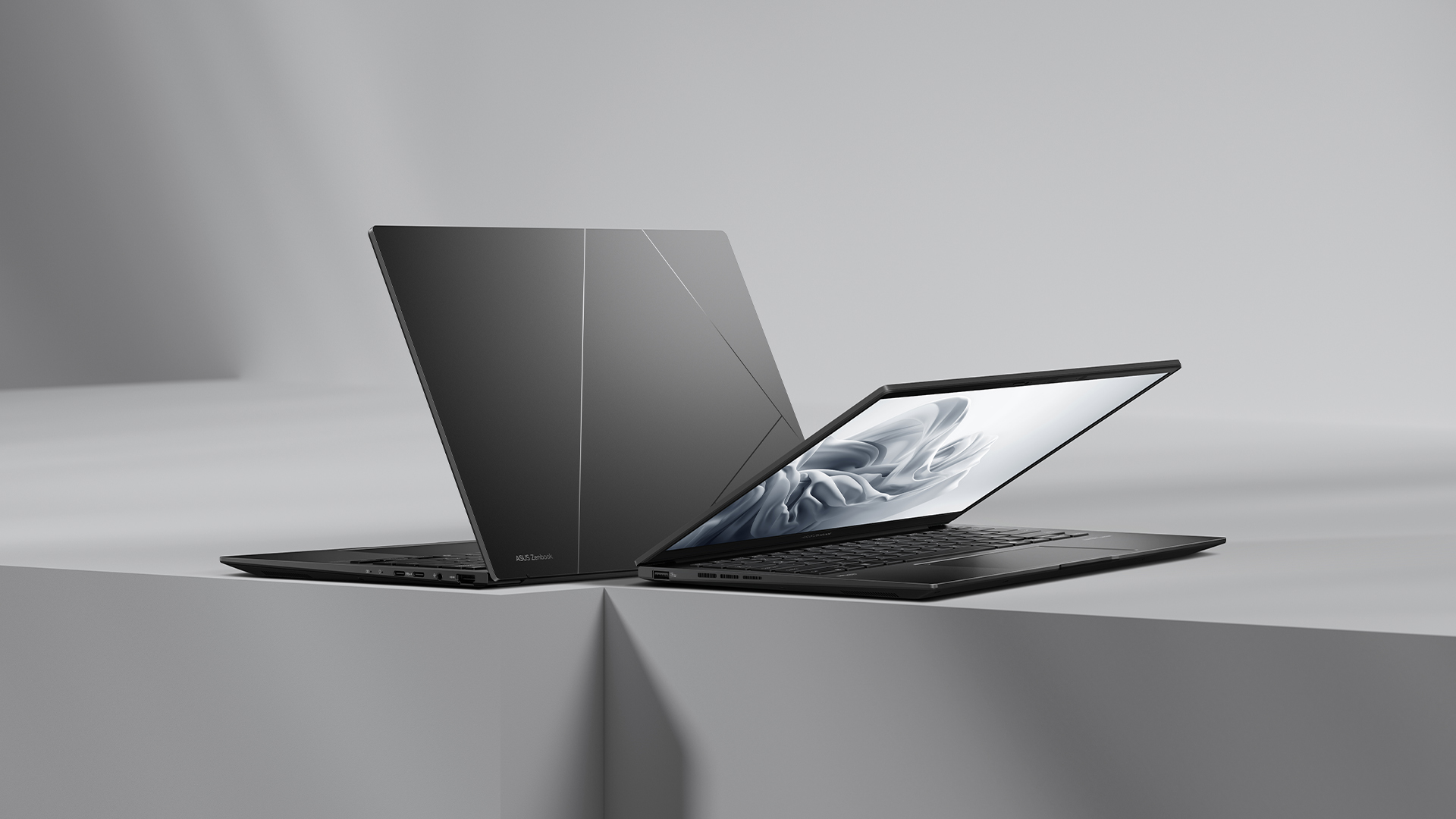
Under the hood, the Zenbook 14 trades the S14’s Intel chip for an AMD Ryzen AI 7 445 processor, capable of up to 50 TOPS. It will also have 16GB of RAM and 1TB of storage.
For battery, the notebook will have a 75 Wh battery, reportedly capable of lasting over 15 hours of unplugged use.
Zenbook A16
Embodying the spirit of “if it ain’t broke, don’t fix it,” the brand is also introducing a modest upgrade to the Zenbook A series.
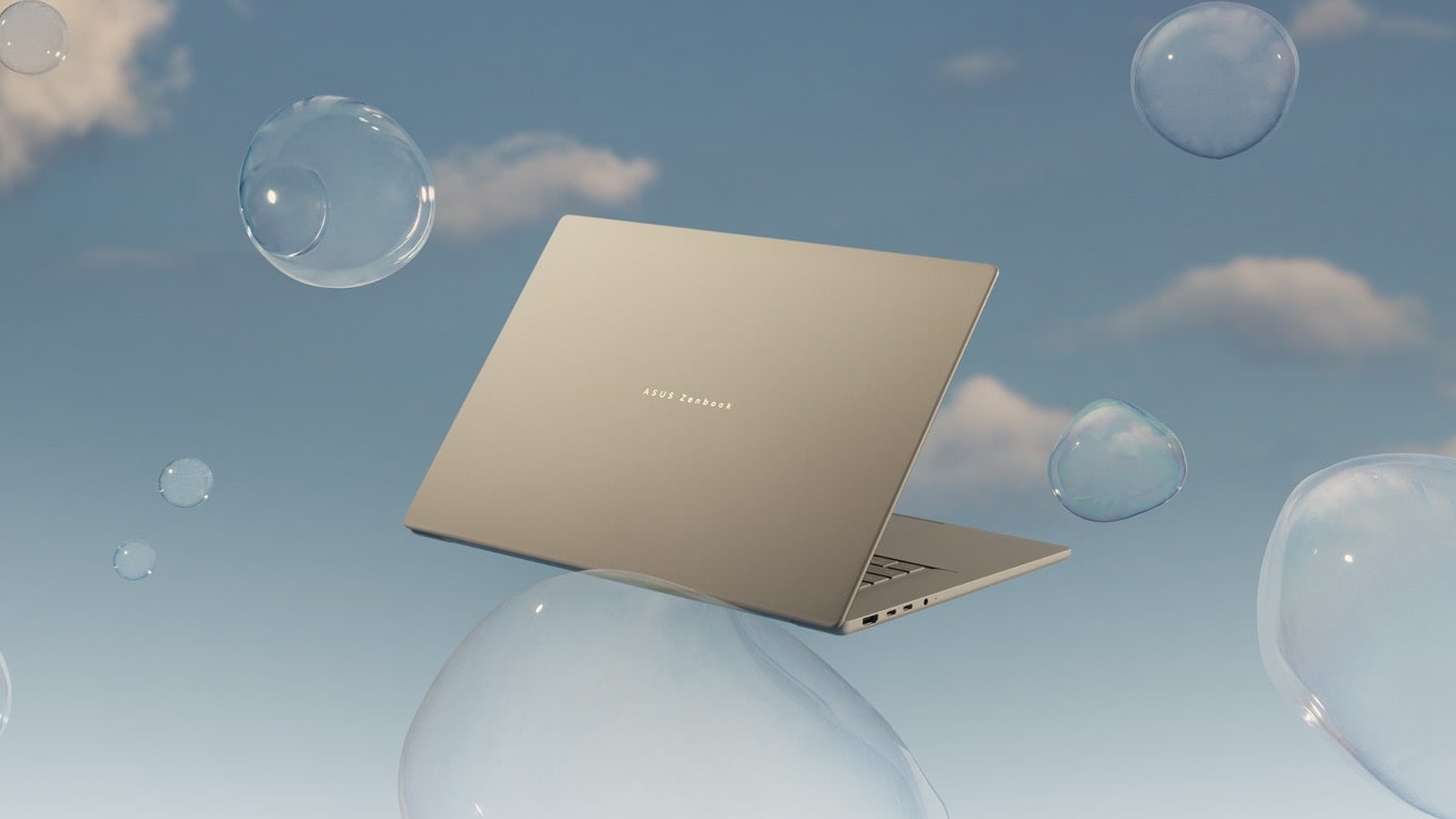
The new Zenbook A16 is only 1.2 kilograms in weight. Plus, with a 70Wh battery, the notebook can remain unplugged and outside for an entire day. The A16 comes with a 16-inch 3K 120Hz OLED screen and the Snapdragon X2 Elite Extreme.
Price, availability in the Philippines
The Zenbook S16 comes in Scandinavian White and starts at PhP 134,995. Meanwhile, the Zenbook S14 comes in Antrim Gray and sells for PhP 129,995.
The Zenbook DUO comes in Moher Gray and starts at PhP 179,995.
Meanwhile, the Zenbook 14 comes in Jade Black and sells for PhP 79,995.
Finally, the Zenbook A16 is coming soon.
News
More iPhone switchers this year than Android switchers, report says
Only the Google Pixel might be exempt from a global Android dip.

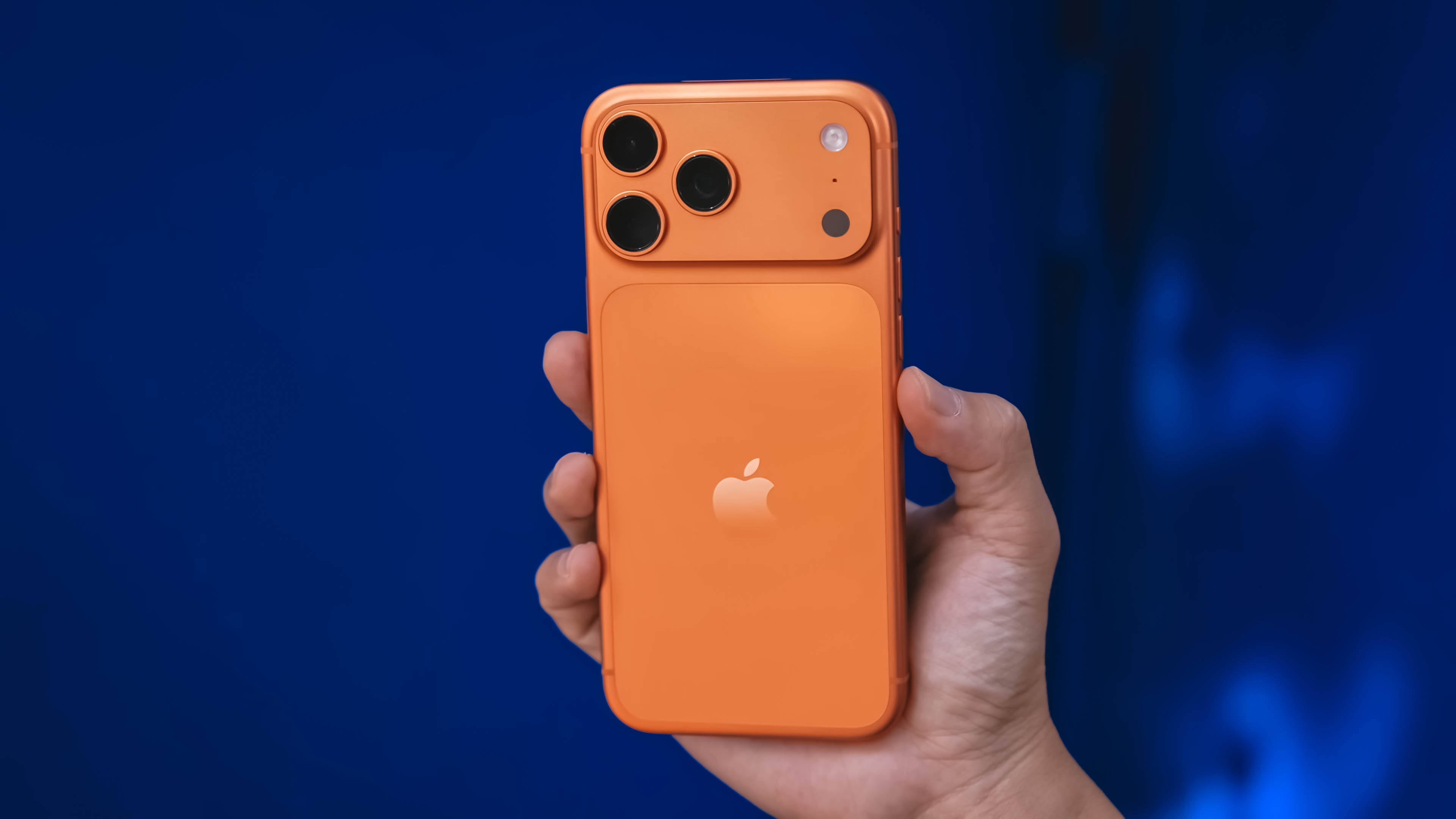
With the prices of chips skyrocketing this year, the commonly held rule of thumb is to hold on to your devices for as long as possible. Of course, the dip in demand will also translate to a dip in supply. According to new reports, users this year might favor switching to an iPhone over an Android phone.
As early as late last year, smartphone makers have already warned consumers that the prices of new devices might go up to anticipate the rising prices of RAM. For now, the prices are still manageable, but forecasts don’t look too kindly on the future.
According to a Morgan Stanley report via Investing.com, the shipments of Android phones might drop by as much as 15 percent this year, compared to the last. This encompasses all brands using the platform.
However, there is one notable holdout: the Google Pixel. According to the same report, the lineup will still enjoy some modicum of growth heading into their release schedule this year.
More notably, though, Apple might be the biggest winner this year. Though iPhone shipments might still drop by 2 percent, it’s nothing compared to the former’s 15 percent drop. When comparing the two, that should translate to a growth in Apple’s share of the pie this year. In other words, more people might switch to Apple, compared to people switching to any phone running on Android.
Now, to be fair, these are all just predictions. Anything can still happen, but it looks like Apple might be heading to a stellar performance later this year.
SEE ALSO: Hands-on: NEW iPhone 17e, iPad Air, MacBooks, Studio Displays
Entertainment
Marvel’s Wonder Man greenlit for a rare second season
The first season holds a 91% rating on Rotten Tomatoes.

Is the Marvel Cinematic Universe back? After years of floundering through Phases Four and Five, Marvel Studios is poised to get its mojo back from a flurry of much-awaited Phase Six projects this year, including the second season of Daredevil: Born Again, Spider-Man: Brand New Day, and Avengers: Doomsday. And it all started this year with the critically acclaimed Wonder Man. Now, after the success of that series, a second season is officially in the works.
When its first trailer came out, Wonder Man did not look like anything that Marvel Studios has worked on before. For one, it was incredibly grounded, perhaps overshadowed only by Daredevil: Born Again. Second, it was about the reboot of a fictional superhero movie, itself called Wonder Man.
Actor Simon Williams (played by Yahya Abdul Mateen II) wants to energize his career by performing in the upcoming Wonder Man revival from acclaimed director Von Kovak (Zlatko Burić). Helping the former is the returning Trevor Slattery (Ben Kingsley), who you might remember as the fake Mandarin from Iron Man 3.
Despite how different it looks compared to previous Marvel Studios projects, the series is one of the most acclaimed, currently holding a 91 percent approval rating on Rotten Tomatoes. Because of this, Wonder Man has received the green light for a second season, via Variety.
A second season is relatively rare for Marvel Studios with its history of one-and-done series. There are some exceptions, though. Loki, for example, ended its run with a second season. Daredevil: Born Again will air its second season very soon (with a third one potentially in the works already).
SEE ALSO: Marvel’s Wolverine gets a release date


Galaxy Buds4 Pro review: I thought I was done with in-ears
This Buds4 you


WWE 2K26 lets you live out all the fantasy matches you could want
But you have to play for hours and hours to unlock everyone.

The HONOR X8d is serviceable
Steady but slow?

ASUS launches Zenbook DUO and S14 in the Philippines

Logitech G debuts PRO X2 SUPERSTRIKE with faster click tech

More iPhone switchers this year than Android switchers, report says

Marvel’s Wonder Man greenlit for a rare second season

Apple’s WWDC 2026 will be from June 8 to 12


-
 Reviews1 week ago
POCO X8 Pro Max review: A new beast from the far east
-

 News1 week ago
POCO X8 Pro Series: Price, availability in the Philippines
-

 Laptops2 weeks ago
Apple MacBook Neo Review
-
 Features2 weeks ago
Galaxy AI on the Samsung Galaxy S26 Ultra
-

 Apps2 weeks ago
Google Maps is finally getting a 3D mode
-

 Entertainment2 weeks ago
The internet is thirsting over the One Piece Season 2 cast
-

 Reviews1 week ago
POCO X8 Pro Iron Man Edition review: Midrange phone in superhero armor
-
 Gaming2 weeks ago
Valve is embroiled in a lawsuit with New York over loot boxes