
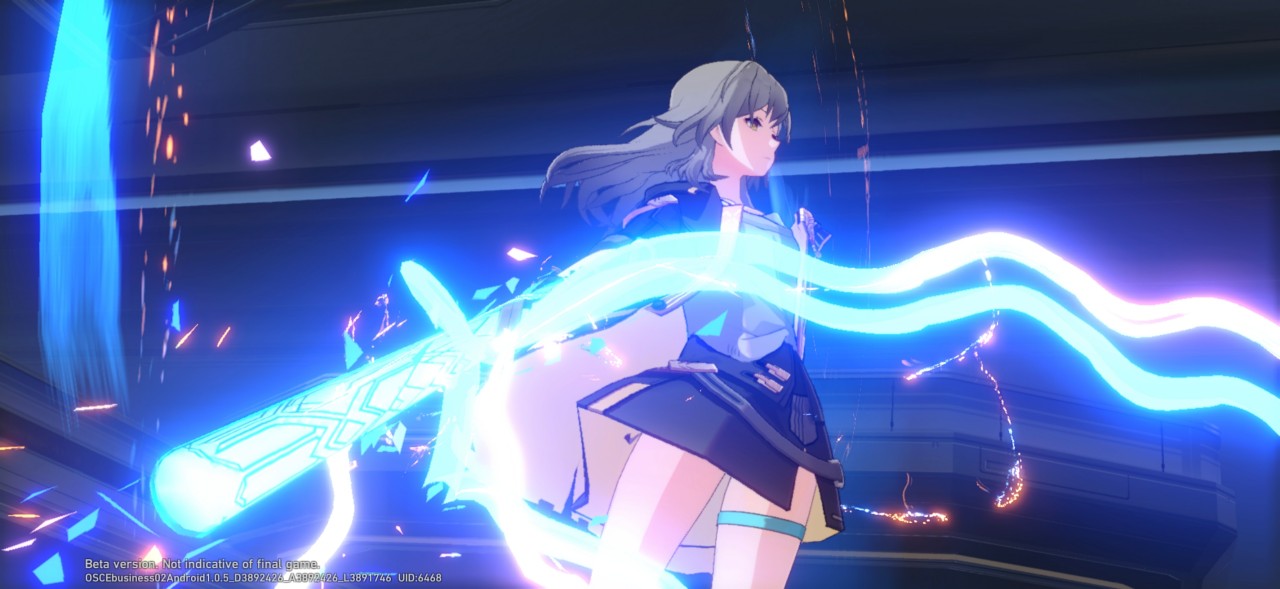

Honkai: Star Rail is officially available to download today on the Epic Games Store, PC, Android, iOS. A PlayStation version is also coming but is still under development. It’s the latest game from HoYoverse – makers of the ever popular Genshin Impact. We had the chance to play the game ahead of today’s release and here we’ll try to answer the question: Should you play it?
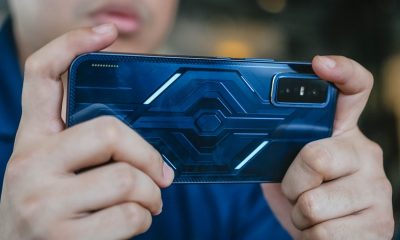
Some quick notes before we proceed. All the screenshots on this article were taken during the first hour or so of the game. And while it’s available on other platforms, our play time was only on Android. Specifically, the HONOR Magic5 Pro.

Getting Started

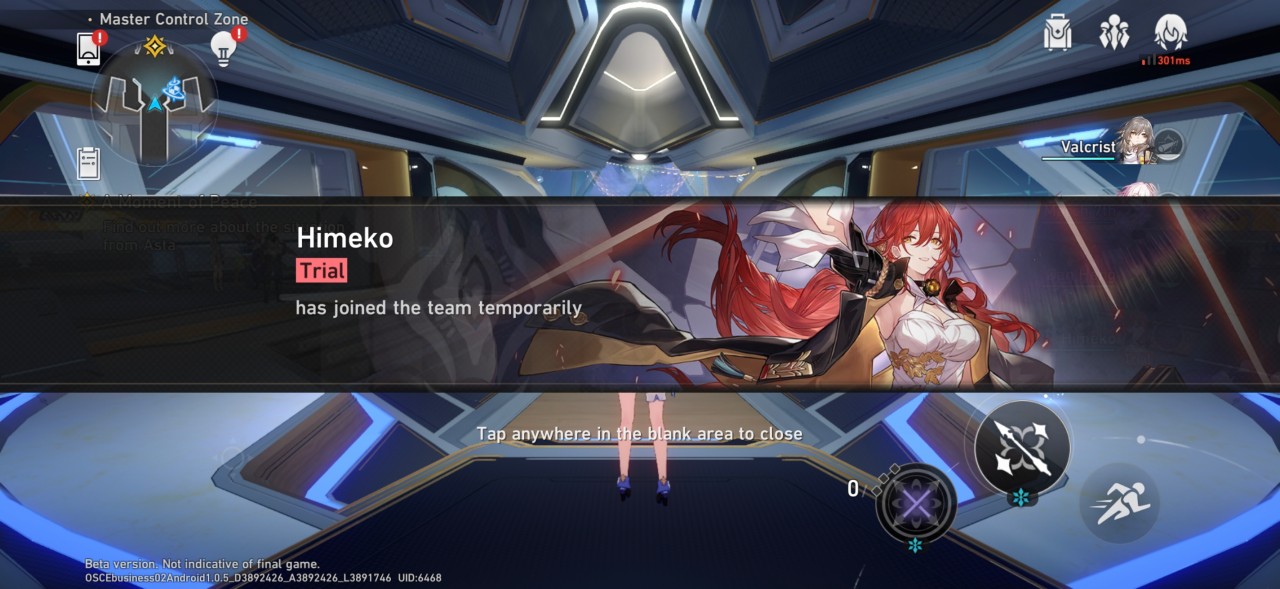
Honkai: Star Rail’s first hour or so is pretty much a story-based tutorial of the game. You get a hold of two characters to start and you’re slowly shown how to do things. Unlike Genshin Impact, this game isn’t open world. Instead, you do a fair bit of exploration in certain stages in a linear fashion.
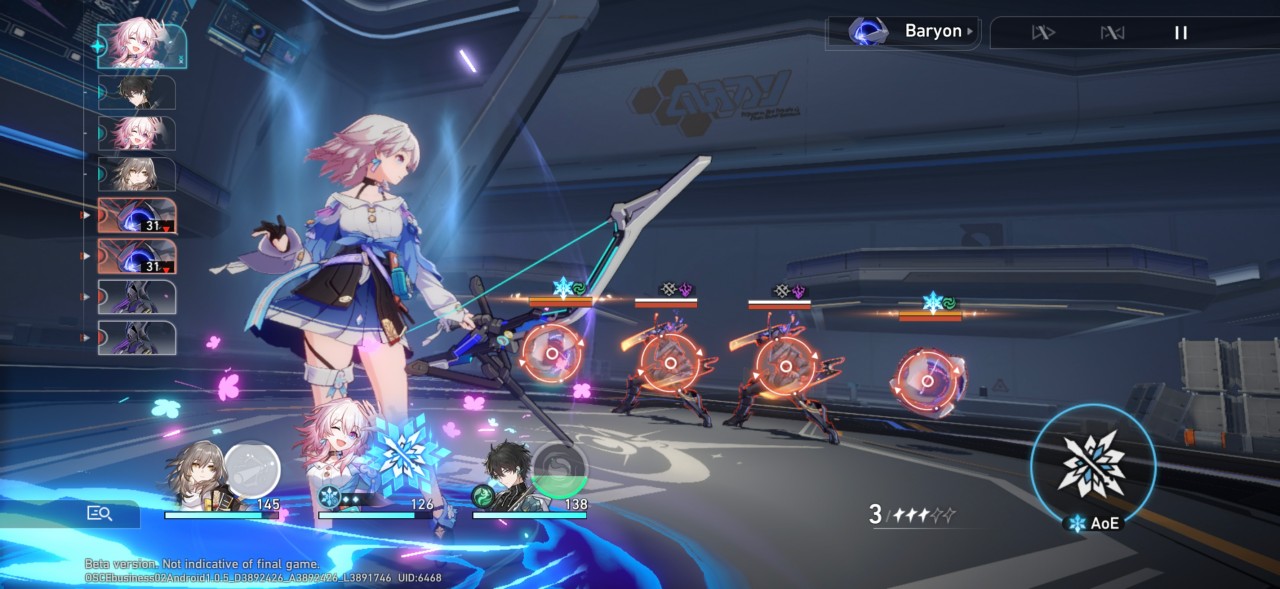
During exploration, you encounter enemies that you either hit or hit you first. This is key in determining the order of turns in combat. Once this is triggered, the game immediately shifts to turn-based combat with stunning, flashy animations.
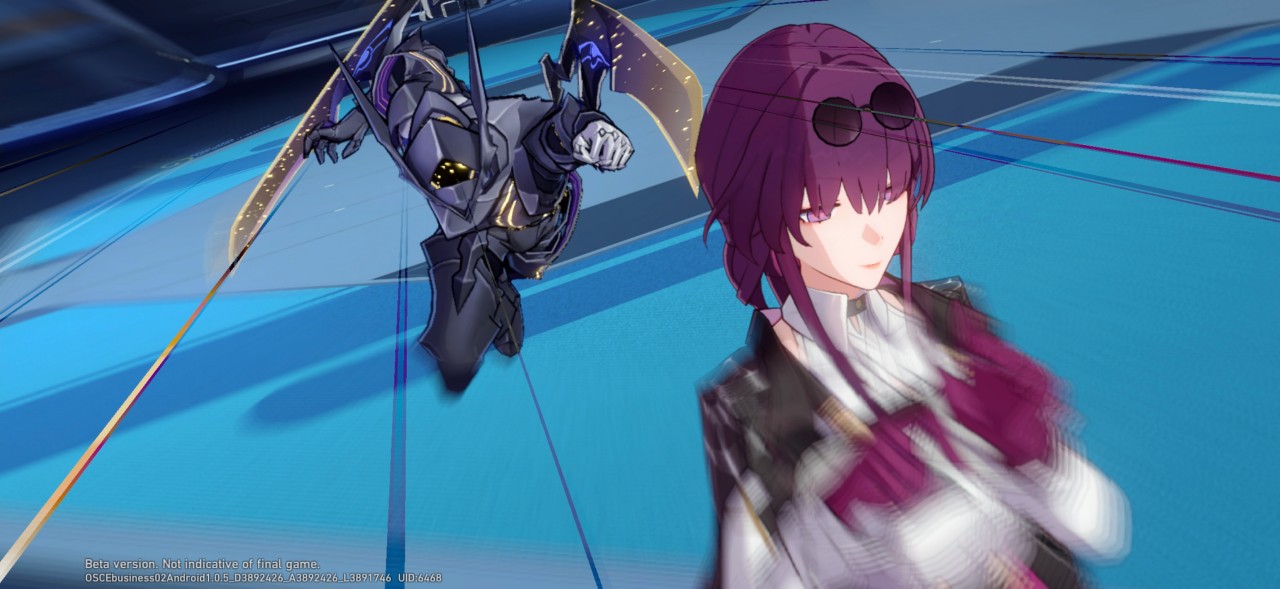
If, like this writer, you grew up playing a good chunk of JRPGs, this gameplay loop will feel very familiar.
Midway through the tutorial, the characters you control will encounter the protagonist. In Genshin Impact, they’re called ‘Traveler’. Here the main character (MC) is referred to as the ‘Trailblazer’.

Like in Genshin Impact, you pick whether the Trailblazer is male or female. In our gameplay, this didn’t seem to affect the general storyline.
HoYo-skinned JRPG
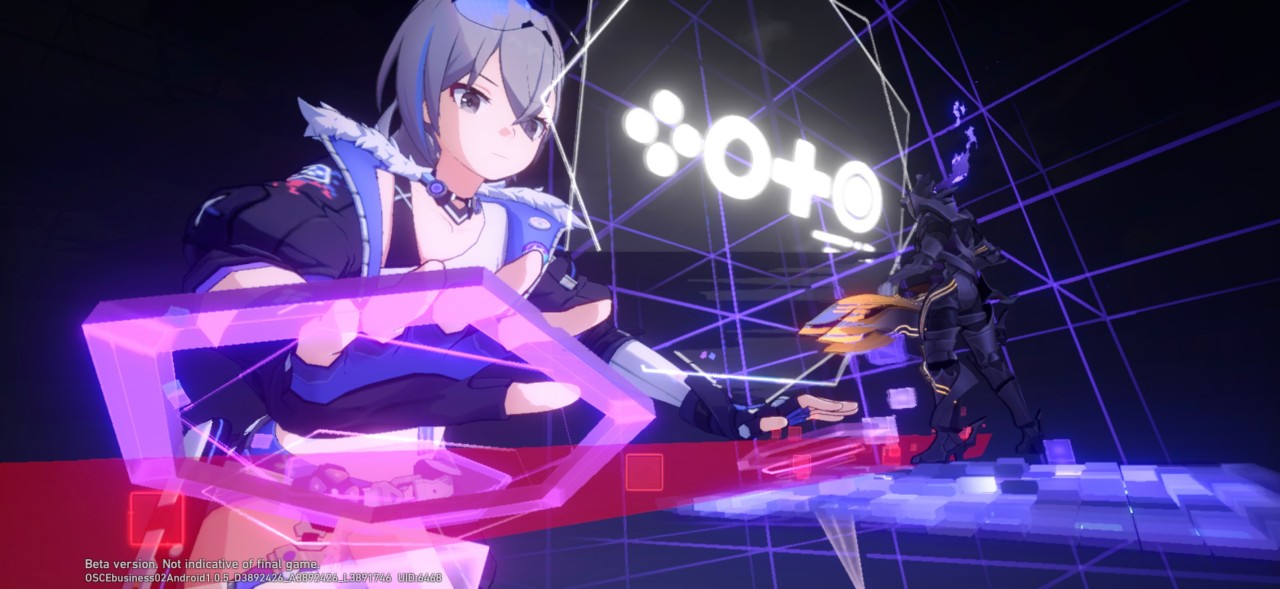
The look and general feel of Honkai: Star Rail is very reminiscent of HoYoverse’s 2020 breakout game, Genshin Impact. The obvious traces are in the character’s art style. This seems intentional to clearly tie everything to the grand HoYo-scheme of things.
The menu layout and character screens look pretty much the same.
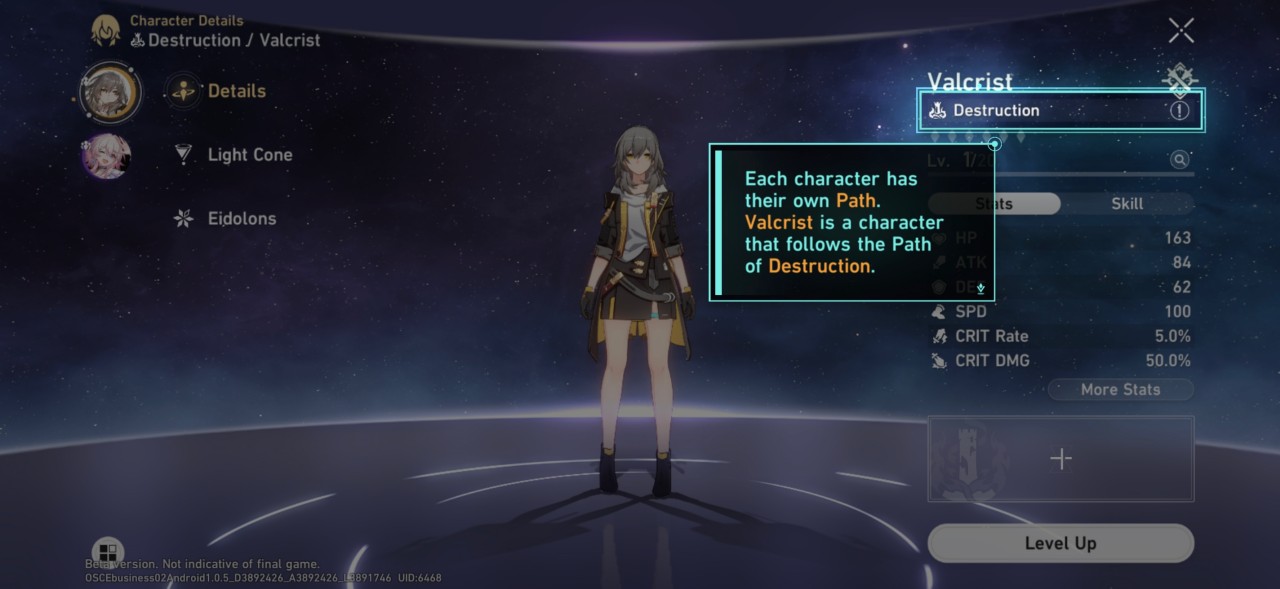
The skill trees are also accessed by tapping on a particular character. The ‘gacha’ mechanics are also identical. Although I didn’t get to try it all that much during my playthrough.
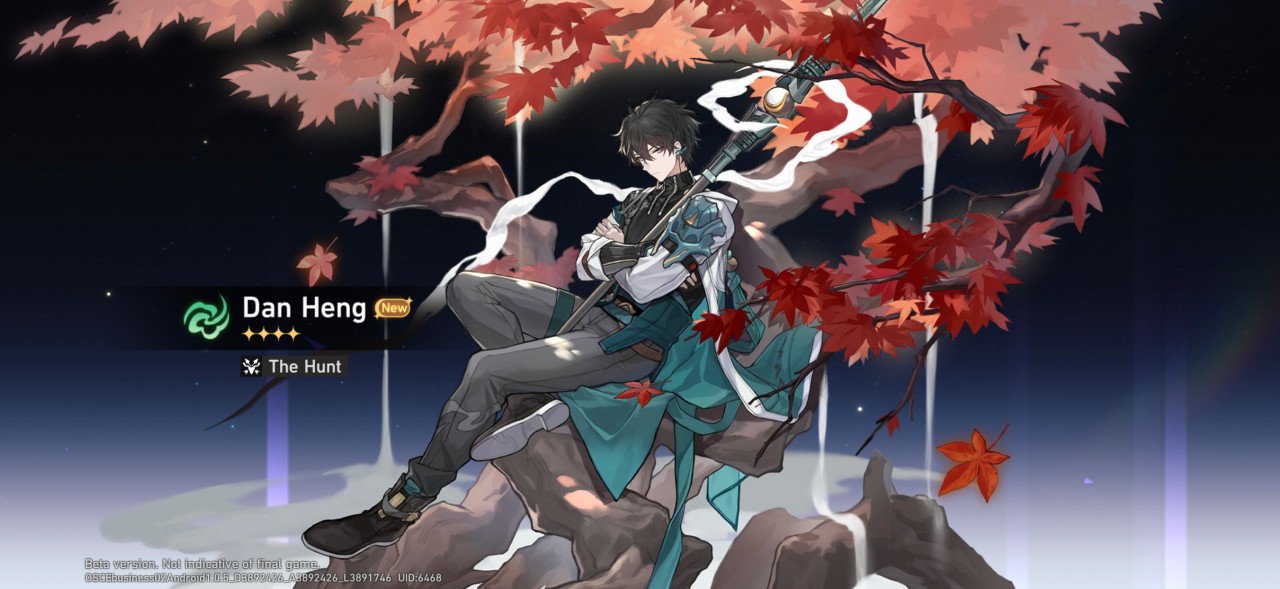
The presentation is great too. The dialogue parts feel dynamic thanks to the various camera shots used. It’s not just the same two shots of characters going back and forth. Instead, we get various tight, medium, and wide shots to make what otherwise would have been a boring yet overwhelming banter feel more tolerable.

Oh and there’s even a photo mode where you can change the ’emotion’ of your character. Perfect if you just want to admire the art style.

Turn-based Genshin Impact?
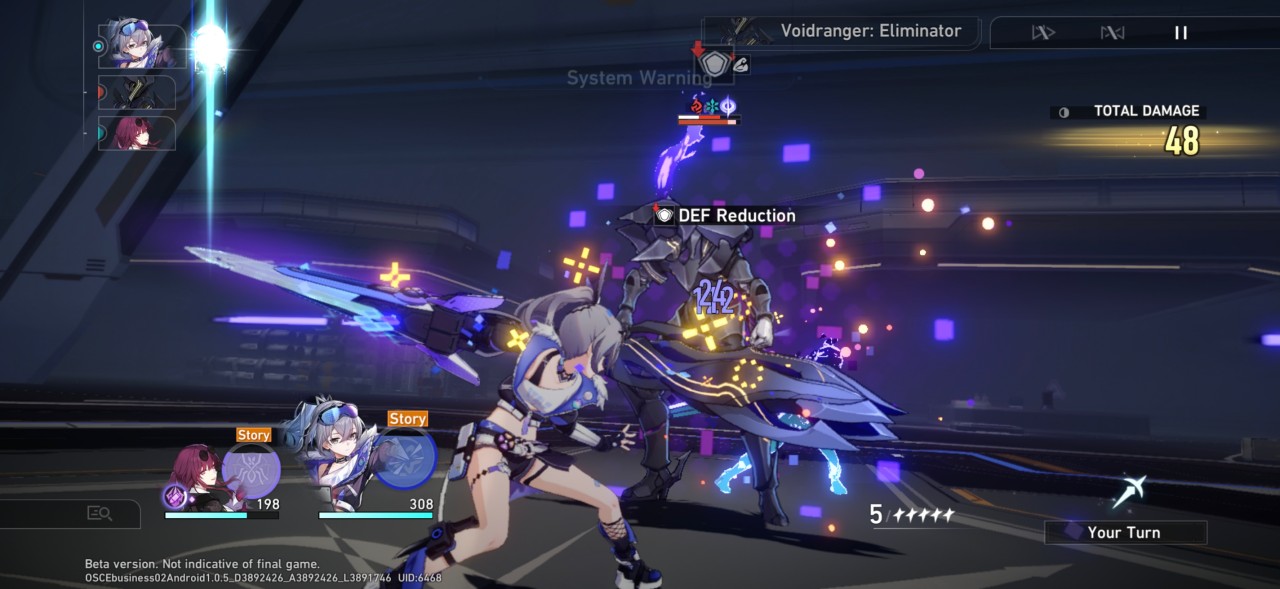
Calling Honkai: Star Rail a turn-based combat version of Genshin Impact is an oversimplification. But it’s the best way to describe the game at the moment.
As mentioned earlier, many of the layouts, skill trees, and character mechanics are almost identical. But the gameplay varies drastically when it comes to combat.

As someone who hopped on the Genshin Impact train late and only really boarded during smartphone and occasional PC review sessions, I wanted to make sure to get in early for this game.
What really piqued my interest is the turn-based combat. I have been longing for a high-quality, turn-based combat game to play on mobile for the smartphone reviews I do and it’s finally here.
Diving into combat
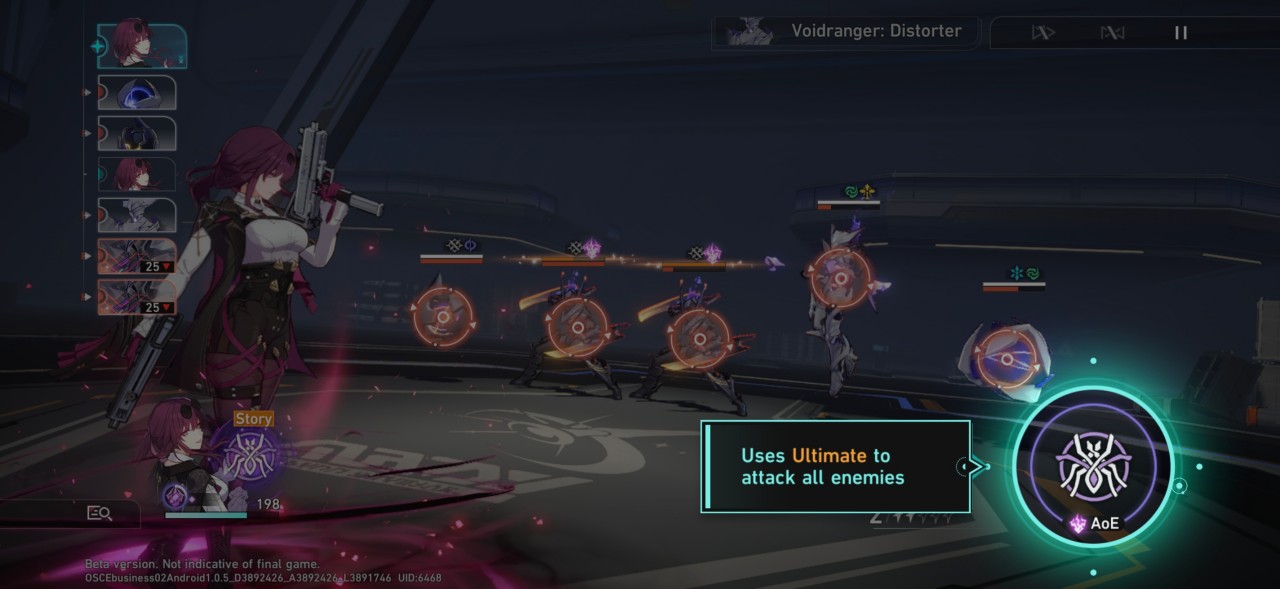
Combat essentially starts while you’re in exploration. If you hit an enemy first, you gain first strike advantages and vice versa. This is key in turn-based combat. The earlier you can deal damage, the faster the dispose of the enemies.
The turns are displayed on the upper left side of the screen. This helps you determine your strategy based on your opponent. Like most JRPGs, enemies will have some elemental weaknesses.
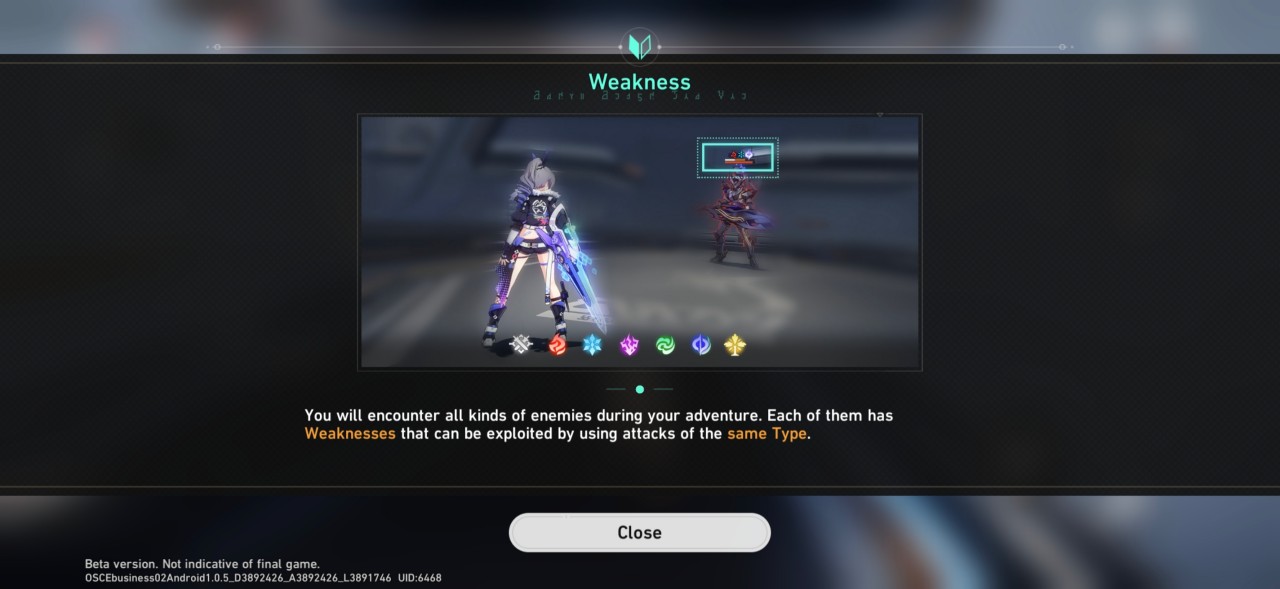
These are immediately displayed for lower-level enemies to start. For others, you’ll have to dig in a little bit before it shows up.
Every character has a basic attack and a special. Some basic attacks can only hit one target, while others can hit multiple. Most special attacks deal damage to multiple targets. Specials have a cool down period that replenish when you attack and when you get hit.
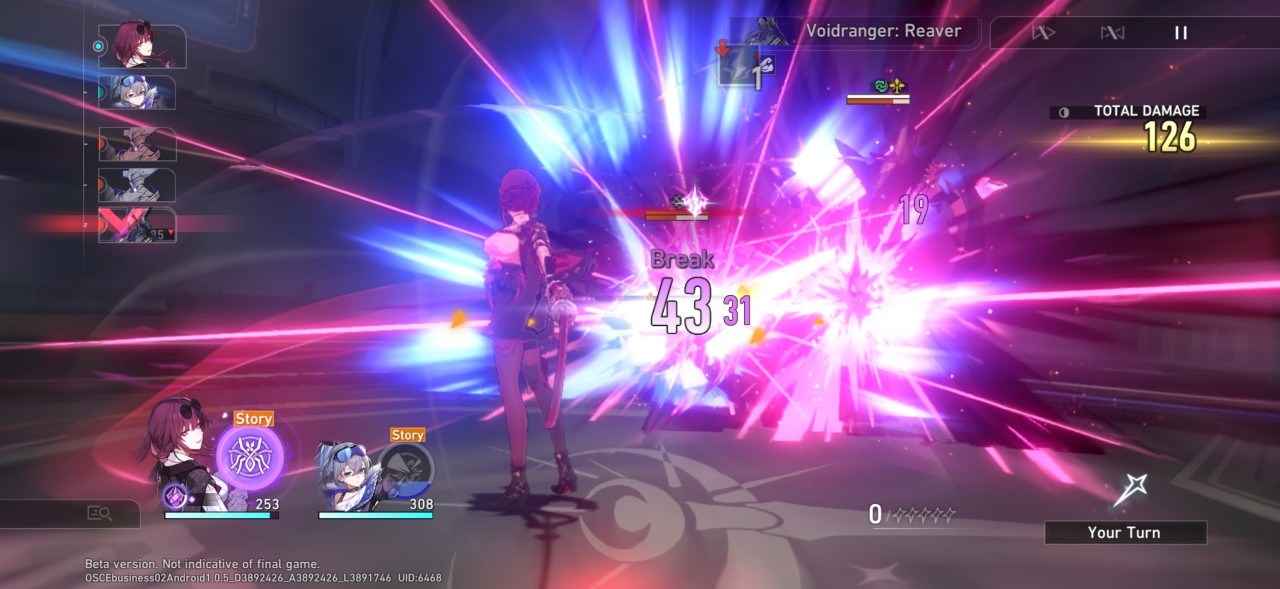
It’s a fantastic turn-based combat system that challenges a player’s strategic side in real-time.
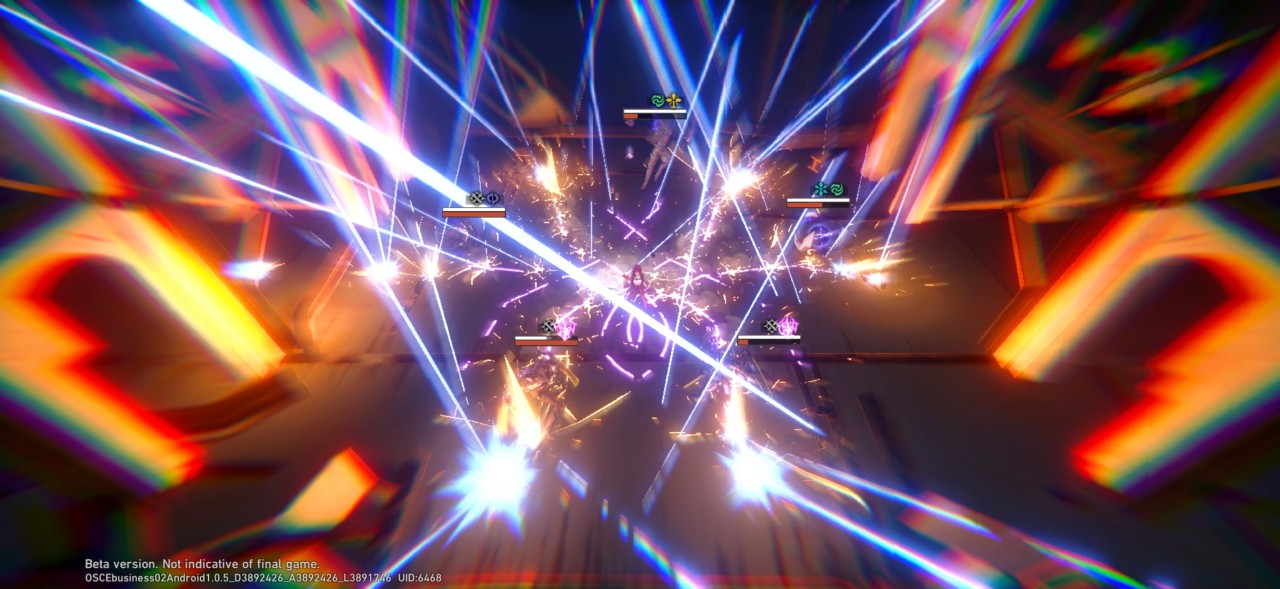
There’s so much to consider from elemental weaknesses, choosing whether to attack a target or defend an ally, and picking the right moment to unleash a special attack.
Hardware performance

As mentioned earlier, we played the game on a flagship Android smartphone. By default, the settings are turned to high. But midway in the playthrough, I turned it up to very high with Game mode turned on.
The overall smoothness of your gameplay will depend on the hardware you’re playing with. I’d say to go with the default settings for an efficient experience. After all, it’s not open world and the art style lends itself nicely to lower resolution and frame rates.
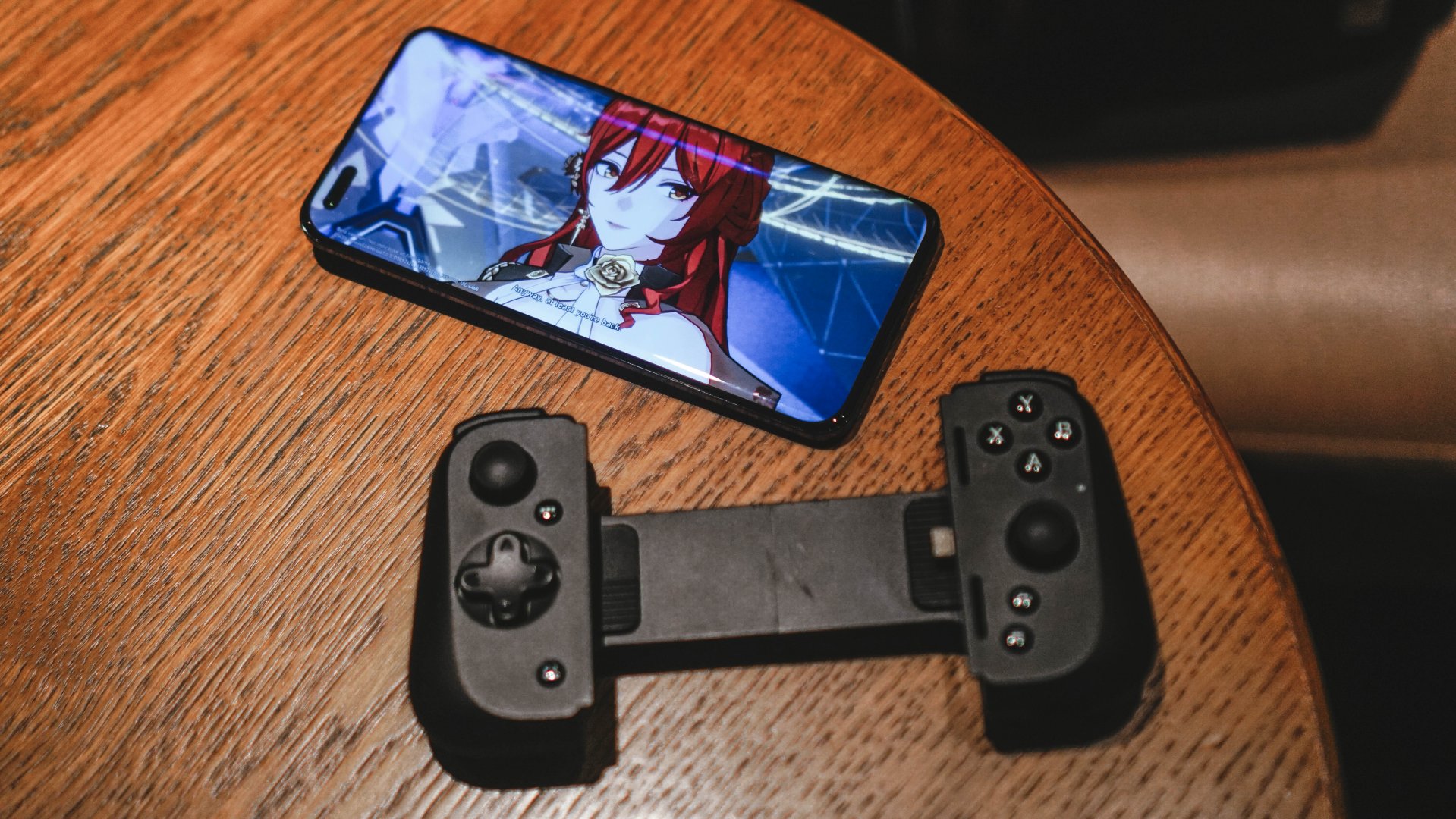
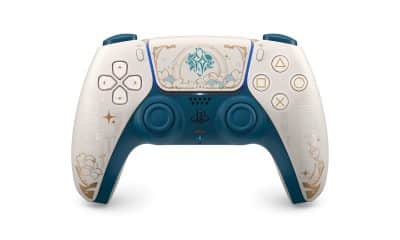
As of writing, the Android version of the game isn’t compatible with any game controllers. We’ll ask HoYoverse if this is in the pipeline and update this space as needed.
We’ll also try the game on a gaming PC soon and share performance details also on this space.
Should you play Honkai: Star Rail?

If you’re reading this, you likely are just curious about the game and aren’t part of the thousands who have already started playing. My general advice is to give the game at least three hours of playthrough to see if it’s for you or not.
For fans of turn-based combat, there’s a lot here that you’ll appreciate. It’s pretty simple to start but the variety of characters, enemies, elemental weaknesses, and more offer enough to make the combat feel deep.
And if you’re into the whole game-anime waifu-collecting that HoYoverse is dishing out, then I’d say this is for you.
Honkai: Star Rail takes the aesthetic of Genshin Impact and puts it on gameplay reminiscent of classic JRPGs. It seems like a backwards approach considering how more people seem to prefer action-type games. But there seems to be enough enthusiasm for this type of gameplay based on the buzz it has generated so far.
Personally, it looks like this is going to be my go-to mobile game for the foreseeable future. But I’m also excited to play it on the PlayStation 5.





Gaming
Esports Nations Cup 2026 secures US$ 45M funding
ENC to elevate global esports with structured national ecosystem


The inaugural Esports Nations Cup (ENC) 2026 has just secured a US$ 45 million funding commitment, the Esports World Cup Foundation has announced.
This three-part funding commitment is structured to support the esports ecosystem through player and coach prizing, club release incentives, and national team development.
The first ever ENC will include a US$ 20 million in total prize money, paid directly to players and coaches across 16 titles.
The ENC introduces a placement-based prize framework, applied across all game titles. It is designed to be clear and player-centric.
Every qualified participant earns prize money and is guaranteed a minimum of three matches. Equal placement earns equal pay, meaning the same finishing position plays the same amount per player across all titles.
For a quick overview, the first-place finisher earns US$ 50,000 per player, whether competing in a solo or team title. Second-placers get US$ 30,000 per player, and third-placers get US$ 15,000 per player.
For team titles, payouts scale with roster size, so the result is consistent and transparent for everyone competing.
Meanwhile, the EWCF will provide US$ 5 million in club incentives for esports clubs that release and enable their professional players to participate in ENC.
In addition, there will also be another US$ 20 million for the ENC Development Fund. This supports official national team partners with logistics, travel, program operations, marketing, and the long-term growth of national team pathways.
The ENC 2026 is set to debut from November 2 to 29 in Riyadh, Saudi Arabia. It will move to a rotating host-city model, bringing nation-based esports to major cities around the world.
The event is to be held every two years. Among confirmed titles for 2026 include Mobile Legends: Bang Bang, Trackmania, and DOTA 2.
Gaming
CODE VEIN II now available for consoles, PC
Launch trailer previews characters, combat gameplay, more
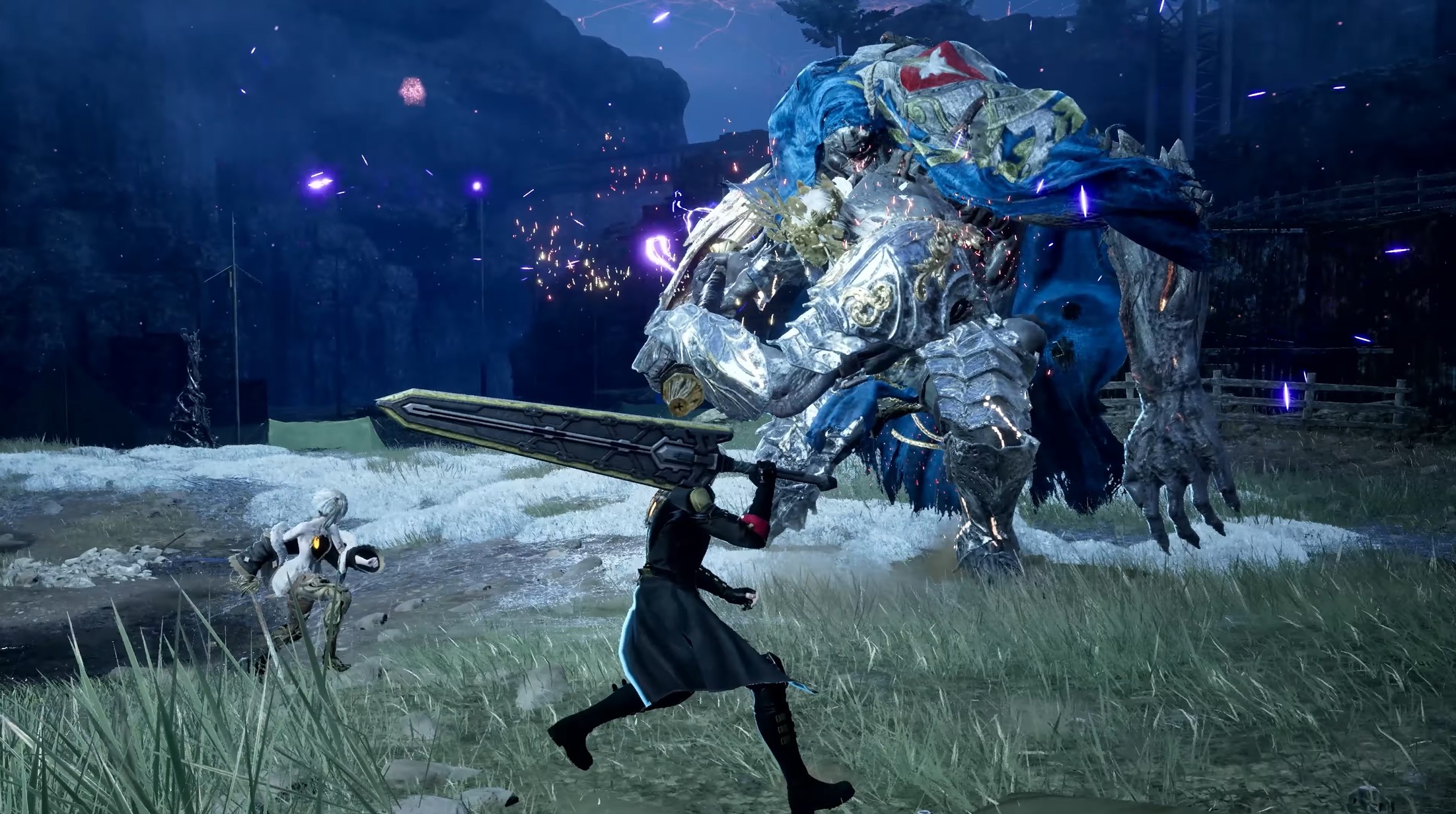
Bandai Namco’s CODE VEIN II is now available for PlayStation 5, Xbox Series X|S, and PC.
A new launch trailer has also been revealed, previewing the Soulslike action RPG’s characters, combat gameplay, and more.
Players can experiment with the character creator demo and create their own ideal character for the game.
The demo showcases how in-depth and detailed players can get when creating their own character. It allows for them to experience Photo Mode in the base of MagMell to take pictures of their looks.
Additionally, players who try the demo are allowed to carry their created looks over into the game.
CODE VEIN II is set in the dystopian near future, focusing on the stories of Revenants who must fight against their terrible fate.
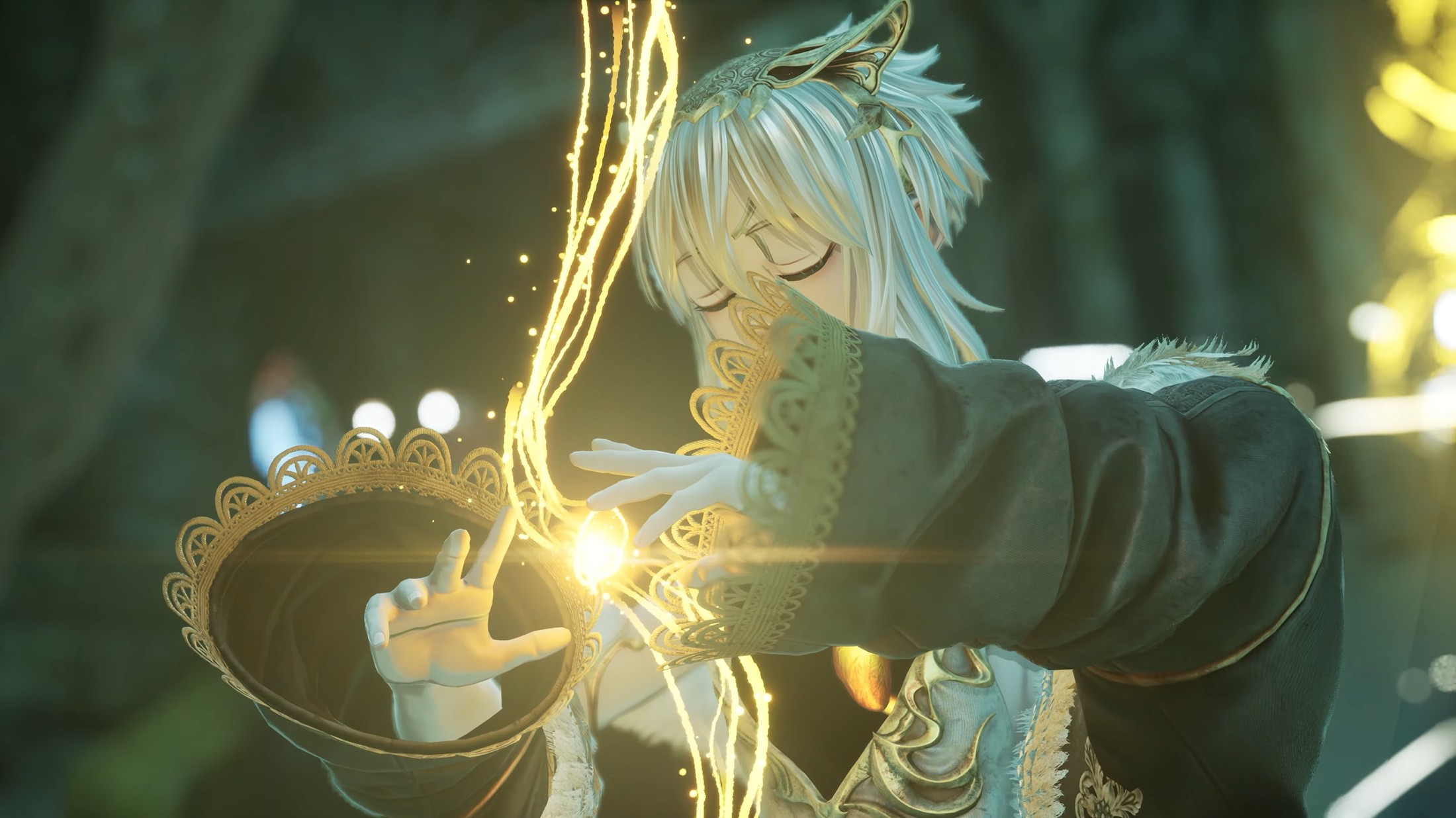
In this reality, civilization has collapsed due to an event called the Resurgence. Humanity has only managed to survive, thanks to immortal vampire-like creatures called Revenants.
However, the sudden appearance of Luna Rapacis has turned these Revenants into mindless cannibals.
As a Revenant Hunter, the protagonist is tasked to save the world. Joining him in a journey 100 years into the past is a young girl.
In the process, they will witness the history-changing drama as they try to save the world from ruin.
The game is a combination of exploration action, wherein players can venture through dangerous areas and tackle powerful foes.
Combat against enemies are mainly hack-and-slash, while the protagonist can also explore the world like in the case of riding a motorbike.
Gaming
Xiaomi SU7 Ultra makes Gran Turismo 7 debut
Xiaomi’s premium, high-performing electric sedan joins the GT7 roster
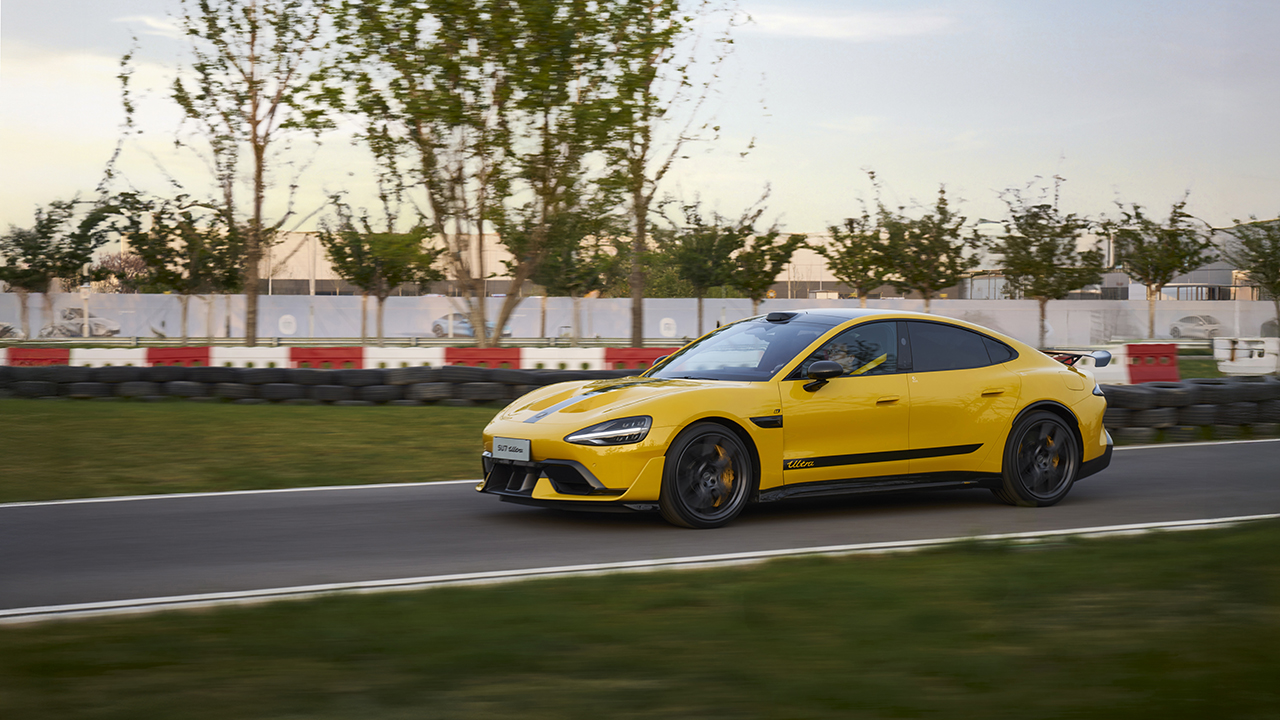
Xiaomi’s high-performing electric sedan, the Xiaomi SU7 Ultra, is now on the acclaimed racing simulation, Gran Turismo 7.
The premium EV debuted as part of the “Update 1.67” patch, marking Xiaomi’s first entry into the storied Gran Turismo franchise.
Players worldwide can now experience the prowess of the high-performance luxury car on the game’s virtual tracks.
The Xiaomi SU7 Ultra represents a new addition to the series’ curated lineup, following an official collaboration announcement last June 2025.
As a benchmark in racing simulations, the Gran Turismo series is recognized for its hyper-realistic driving experience and stringent vehicle selection criteria.
The EV was test-driven on multiple occasions in several locations, including Beijing, the Nürburgring Nordschleife, and the Tsukuba Circuit.
To ensure an authentic experience, Xiaomi EV’s vehicle dynamics performance team traveled to Polyphony Digital’s studio for the final driving experience validation.
In reality, the SU7 Ultra is powered by an in-house developed Dual V8s + V6s Xiaomi Hyper TRi-Motor system.
It delivers 1,548 horsepower and achieves 0-100km/h in 1.98 seconds. The production version previously set a lap time of 7:04.957 at the Nürburgring Nordschleife.
To celebrate the launch, Gran Turismo 7’s developer will host a two-week official lap-time challenge on the title’s historic Monza circuit.


Breaking up with Adobe Photoshop after 20 years
Wedding planning and Apple Creator Studio made me realize it was time

Now playing: Final Fantasy VII Remake INTERGRADE on Switch 2
Final Fantasy VII Remake, handheld again


HONOR X9d 5G review: Tougher, more long-lasting and optimized
Beyond all the marketing, it's a compelling all-around smartphone that actually works well

Star Wars: Maul – Shadow Lord to premiere on April 6

Canon PhotoMarathon returns, introduces video, open categories
Breaking up with Adobe Photoshop after 20 years

Esports Nations Cup 2026 secures US$ 45M funding

CODE VEIN II now available for consoles, PC

HONOR X9d 5G launches in the Philippines: Price, preorder, availability

POCO M8 Pro review: Goin’ loco over this POCO

OPPO A6 Pro: Adequate tool, no definitive punch

Infinix NOTE Edge debuts: High-end features for accessible pricing

HONOR Magic8 Pro review: What sorcery is this?


-
 News2 weeks ago
Infinix NOTE Edge debuts: High-end features for accessible pricing
-
Reviews1 week ago
HONOR X9d 5G review: Tougher, more long-lasting and optimized
-
 Automotive2 weeks ago
BYD expands PH presence with entry of DENZA luxury EVs
-

 News2 weeks ago
HONOR slaps the iPhone Air with the all-new Magic8 Pro Air
-
Gaming1 week ago
Now playing: Final Fantasy VII Remake INTERGRADE on Switch 2
-

 News2 weeks ago
Beyond the Box, Digital Walker turn over Tesla Model Y to iPhone 17 raffle winner
-
 Accessories1 week ago
Razer fully unwraps these limited BLACKPINK Edition gaming gear
-
 Gaming1 week ago
Forza Horizon 6 launches on May 19