
Enterprise
Huawei and Google release official statements regarding trade blacklist
Existing users shouldn’t worry


The tech world erupted earlier today when a Reuters report claimed that Google is blacklisting Huawei devices after an executive order by US President Donald Trump imposed a trade ban between Huawei and the US.
To be specific, Huawei may not buy equipment from US companies without the approval of the North American government. At the same time, US companies also aren’t allowed to deal with Huawei for parts and services.

It was the deadly blow dealt after a years of accusations between the two camps. Previously, fellow Chinese brand ZTE experienced similar banning on North American soil because of concerns over security and data breaches.
With this order in action, Google must pull out its apps and services from future Huawei devices. These include YouTube, Gmail, and the Google Play store itself. To add insult to injury, other US-based tech companies have followed suit in the trade ban, namely Intel, Broadcom, and Qualcomm.
Fortunately — and this is the most positive spin to this developing story — Google released a statement explaining that existing Huawei products will continue to function and won’t be affected by this blacklisting.
For Huawei users’ questions regarding our steps to comply w/ the recent US government actions: We assure you while we are complying with all US gov’t requirements, services like Google Play & security from Google Play Protect will keep functioning on your existing Huawei device.
— Android (@Android) May 20, 2019
The keyword here is existing, meaning Google isn’t promising support for future Huawei products. This hopefully doesn’t mean that other Chinese brands like Xiaomi and OnePlus will go through the same fate as Huawei’s.
Huawei had its own statement to share, and it’s just as reassuring to existing users:
“Huawei has made substantial contributions to the development and growth of Android around the world. As one of Android’s key global partners, we have worked closely with their open-source platform to develop an ecosystem that has benefited both users and the industry. Huawei will continue to provide security updates and after sales services to all existing Huawei and Honor smartphone and tablet products covering those have been sold or still in stock globally. We will continue to build a safe and sustainable software ecosystem, in order to provide the best experience for all users globally.”
The sentence in bold may be the biggest takeaway here. Not only is Huawei committed to providing promised firmware updates and support for current Huawei device holders, sub-brand Honor is part of the company’s reassurance, as well.
This also confirms that current Huawei and Honor users don’t have to sell or trade away their gadgets. Even a newly bought unit from the companies’ present lineups will work just fine with Google’s services and apps.
In effect, only future products will be affected, which brings into question how Honor will treat the Honor 20 launch in London tomorrow, as well as what the landscape will look like by the time Huawei’s flagship Mate 30 rolls in.
Additional questions at the moment are: How will upcoming Huawei smartphones look and function without an Android operating system? Will Huawei release its own OS in time for the next batch of handsets? Will American companies soon block trades with other Chinese manufacturers, too? For now, we’ll have to wait and see.





Enterprise
realme is reportedly going back to being an OPPO sub-brand
All scheduled phones will still launch on time, though.

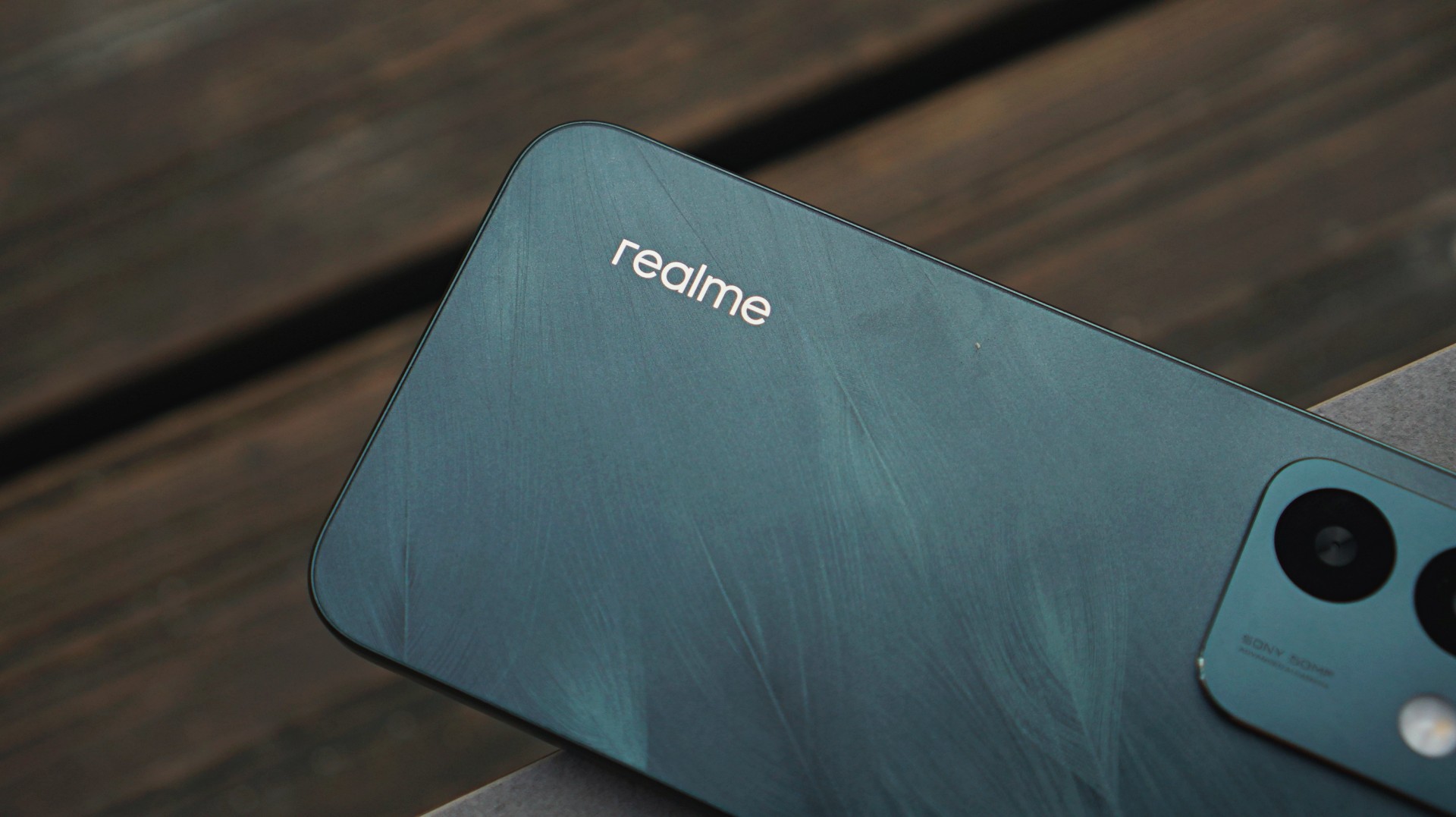
A popular story among Chinese smartphone brands is whenever a sub-brand spinning off into its own independent entity. A less common one is when an independent entity suddenly merges back into the main entity. And yet, that’s the story we have today. realme is reportedly going back to being a sub-brand of OPPO.
If you don’t remember realme’s time as a sub-brand, then it’s hardly your fault. It’s been a long while since realme was considered a sub-brand. In 2018, the brand spun off on its own to form one of the most popular names in the Chinese smartphone space.
Today, via Leiphone, realme will return to OPPO as a sub-brand. Current realme CEO Sky Li will still retain his responsibilities heading the brand. Plus, all products on the current release schedule will still come out as planned.
However, starting this year, realme will start reintegrating back into OPPO, particularly through the latter’s after-sales programs. OnePlus will also follow the same structure going forward.
Currently, realme has not officially announced the move. That said, we also don’t know how the brand will address the reported change. It’s possible that the shift is just internal and has no effect on how the brand faces the public. For now, only time will tell.
SEE ALSO: realme C85 with 7000mAh battery, 5G connectivity officially launches
The big story late last year was the skyrocketing prices of chips. Analysts are predicting that the demand for RAM will cause the entire industry to experience hikes this year. Some users, especially in the PC building scene, are already feeling the burn. PCs won’t be the only victims, though. Xiaomi is already expecting hikes across the board. Now, Samsung is adding its voice to the growing list of warnings about price increases.
During CES 2026, Wonjiun Lee, Samsung’s global marketing chief, confirmed that the memory shortages are, in fact, real (via Bloomberg). Moreover, the company is now evaluating whether more price hikes are needed this year for its products. Though Lee expressed regret over pushing the prices to consumers, the state of the industry might force the company’s hand.
Samsung’s opinion has a lot of weight. While other brands have also voiced out their opinions lately, Samsung itself is a producer of chips. If a chip supplier is already warning users of prices affecting them, the effect will likely cascade even more when it comes to device manufacturers.
The ongoing shortage of chips is a result of the overwhelming demand from companies looking to build and bolster AI-based servers. The business-to-business demand is notably different from how regular consumers, who will soon find it hard to buy their own devices, see it.
At the very least, Samsung has not confirmed any price increases yet. However, all eyes are on the next Galaxy Unpacked, when Samsung will launch its newest Galaxy products. Will prices increase or stay the same?
Enterprise
TikTok finally gets a buyer in the United States
The deal targets a closing date in late January.
The year started with a ban. A day before Donald Trump started his second term, TikTok went dark, in anticipation of an impending ban. The platform quickly went back online, leading to an ultimatum that saw TikTok hunt for an American buyer to full stave off a definitive ban in the United States. Now, as the year ends, a buyer is finally here.
Via CNBC, TikTok has reportedly inked a deal to finalize a deal in the United States, as stated in an internal memo from CEO Shou Zi Chew. The memo, which was sent just this week, details a plan that will see the deal close by January 26, 2026.
Fifty percent of TikTok’s newly restructured U.S. arm will be held by a collection of American investors including Oracle, Silver Lake, and MGX. Meanwhile, already existing investors of TikTok will hold 30.1 percent. Finally, ByteDance will retain 19.9 percent.
Additionally, TikTok’s algorithm in the United States will be retrained with American data. The American arm will also handle the country’s “data protection, algorithm security, content moderation, and software assurance.” Oracle will be the “trusted security partner” in charge of making sure the company keeps within regulations in the country.
With a deal pushing through, the long-running TikTok saga in the United States might finally come to a close.


Now playing: Final Fantasy VII Remake INTERGRADE on Switch 2
Final Fantasy VII Remake, handheld again


HONOR X9d 5G review: Tougher, more long-lasting and optimized
Beyond all the marketing, it's a compelling all-around smartphone that actually works well


Redmi Note 15 Pro+ 5G review: The midrange fashion piece
Work-ready and style-friendly!

Xiaomi SU7 Ultra makes Gran Turismo 7 debut

3D printing made accessible: Bambu Lab enters Philippine market

OBSBOT launches AI-powered 4K Tiny 3 series webcams

Soundtrack for the city: HIDDEN.NY x AIAIAI TMA-2 headphones

HUAWEI FreeBuds 7i to launch in the Philippines

HONOR X9d 5G launches in the Philippines: Price, preorder, availability

OPPO A6 Pro: Adequate tool, no definitive punch

POCO M8 Pro review: Goin’ loco over this POCO

Infinix NOTE Edge debuts: High-end features for accessible pricing

HONOR Magic8 Pro review: What sorcery is this?


-
 News1 week ago
Infinix NOTE Edge debuts: High-end features for accessible pricing
-
Reviews2 weeks ago
Redmi Note 15 Pro+ 5G review: The midrange fashion piece
-
 Features2 weeks ago
Can the REDMI Note 15 Pro+ 5G Survive?
-
Reviews1 week ago
HONOR X9d 5G review: Tougher, more long-lasting and optimized
-

 Gaming2 weeks ago
Civilization VII coming to Apple Arcade this February 5th
-

 Automotive1 week ago
BYD expands PH presence with entry of DENZA luxury EVs
-

 News1 week ago
HONOR slaps the iPhone Air with the all-new Magic8 Pro Air
-

 News1 week ago
Beyond the Box, Digital Walker turn over Tesla Model Y to iPhone 17 raffle winner