
News
Huawei Mate 30 series pricing and availability in Singapore
Comes in a bundle gift for a day!


The Huawei Mate 30 and Mate 30 Pro are coming to Singapore.
First announced in September 2019, the Mate 30 series faced a unique challenge as it launched right after the whole US ban. While it still runs on Android, it will instead run on Huawei Mobile Services out of the box.
That said, the Mate 30 Pro is still the hardware powerhouse it has always been. It’s equipped with the best cameras on an Android smartphone: A 40MP SuperSensing Camera, 16MP Ultra Wide-angle Camera and an 8MP Telephoto Camera. It’s also powered by Huawei’s latest chip the Kirin 990.

The Huawei Mate 30 sports a 4200mAh battery while the Mate 30 Pro has an even bigger battery capacity with 4500mAh.
Pricing and availability
The Mate 30 Pro (8GB/256GB) and Mate 30 (8GB/128GB) will be sold in Singapore from November 16 at SG$ 1,298 and SG$ 948 respectively with a one-day launch event at 313@Somerset, Level 1 Atrium from 10AM to 10PM. The phones will come in both Black and Space Silver.
Customers who purchase a Huawei Mate 30 Pro or Mate 30 at the 313@Somerset roadshow will receive a gift bundle while stocks last. Only a limited quantity of 500 HUAWEI Mate 30 Series will be available for sale. Due to limited quantities available, each customer will only be entitled to purchase one handset at the roadshow.
The Mate 30 Pro bundle include: DJI Mobile Osmo 3 Combo, Huawei Super Charge Wireless Car Charger, Huawei Mate 30 Pro PU Case, Huawei Super Charge 12,000 40W Power Bank. That’s a total value of SG$ 463.
Meanwhile the Mate 30 bundle include: Huawei Super Charge Wireless Car Charger, Huawei Mate Pro PU Case, Huawei Super Charge 12,000 40W Power Bank. That’s a total value of SG$ 274.
For those who are unable to purchase at the roadshow, the Mate 30 Pro and Mate 30 will also be available at selected M1 and StarHub shops, consumer electronic stores, official online store with Lazada and at all Huawei Concept Stores.
SEE ALSO: Huawei Mate 30 Pro review: The best Android smartphone in an ideal world







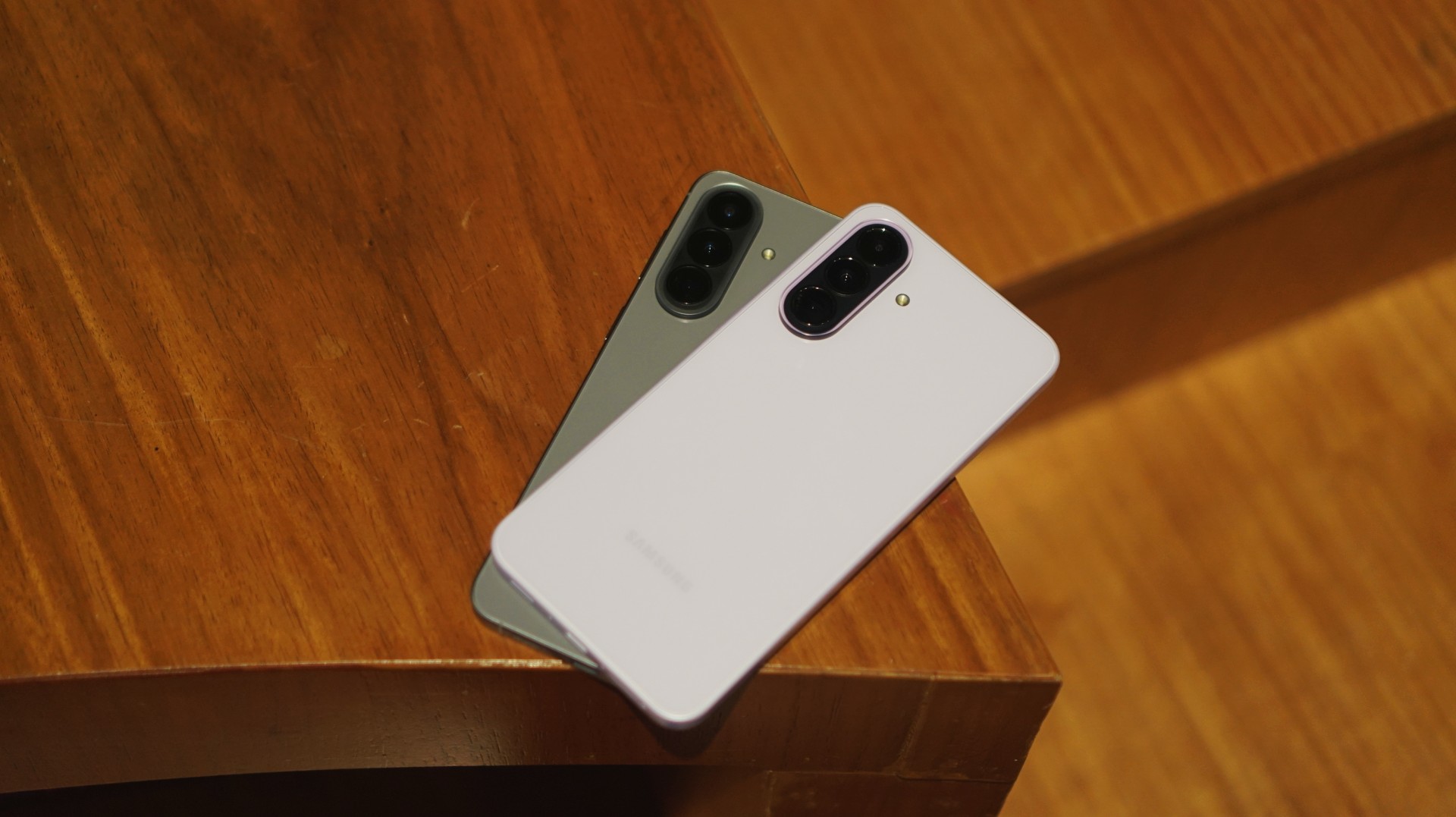
Samsung is expanding its AI push beyond flagships with the launch of the Galaxy A57 and Galaxy A37 — two devices positioned as accessible entry points into the broader Galaxy ecosystem.
These new Galaxy A Series smartphones don’t just refresh specs. They carry over a growing part of what Samsung now considers core to the Galaxy experience: AI-powered tools, long-term software support, and tighter ecosystem integration.
For users who aren’t quite ready to commit to a flagship Galaxy S device, this is Samsung making its case: you can start here.
A softer entry into Galaxy AI
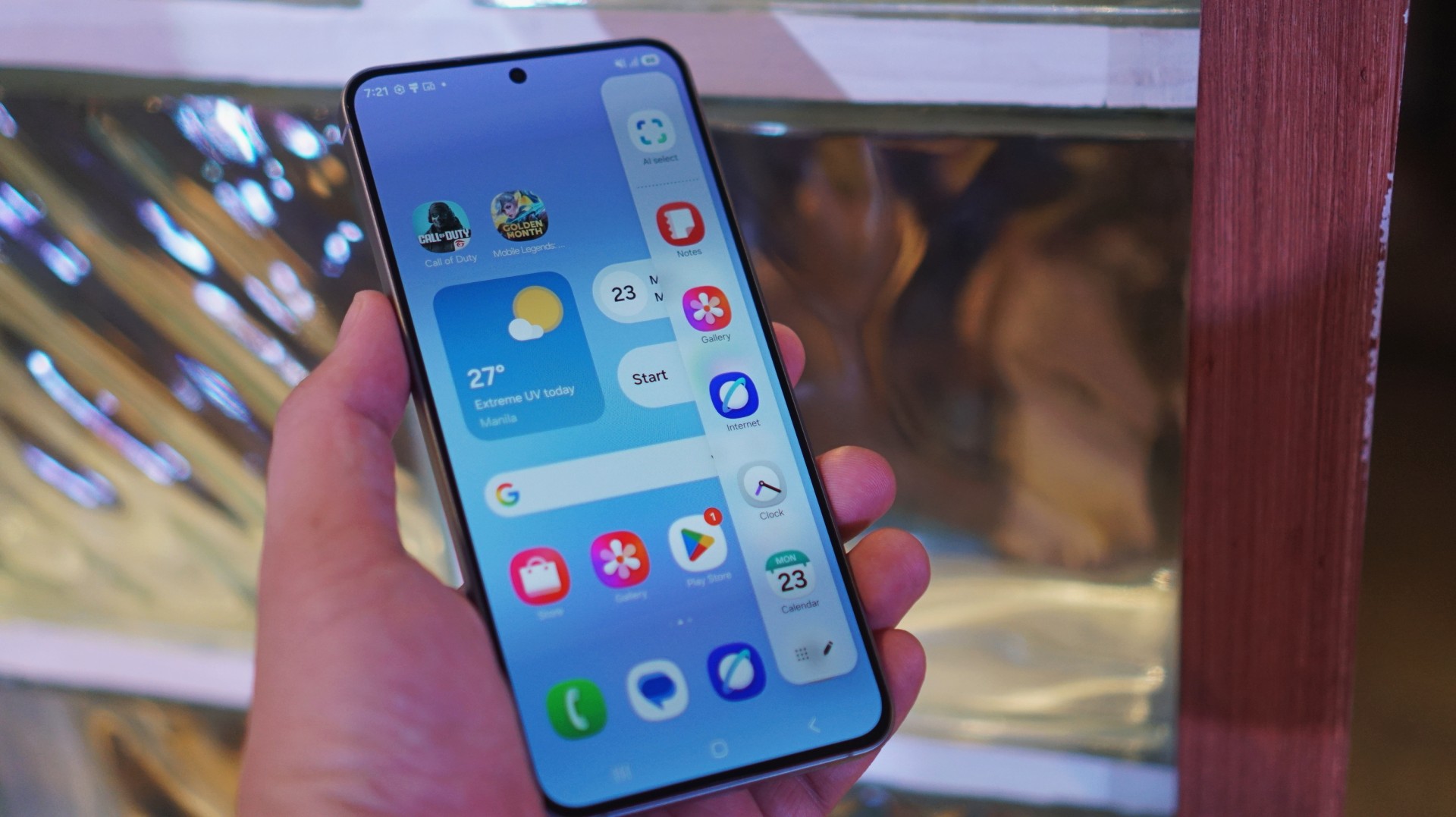
The headline feature here is what Samsung calls “Awesome Intelligence,” its midrange-friendly take on Galaxy AI.
Running on One UI 8.5, both devices bring features that feel familiar if you’ve seen Samsung’s recent flagships — just scaled for a wider audience.
There’s Voice Transcription baked into the Voice Recorder, letting you convert recordings into text. AI Select surfaces contextual actions directly from the screen, making it easier to grab text, images, or snippets without jumping between apps. And yes, Circle to Search with Google is here too, now with multi-object recognition.
Even Samsung’s voice assistant gets a boost. Bixby becomes more conversational, while Google’s Gemini is integrated to handle more complex, cross-app tasks.
It’s not the full flagship AI suite, but it’s enough to give you a taste of how Samsung sees everyday interactions evolving.
And that’s really the pitch: not everything, but enough to get you started.
Cameras that lean on AI, not just megapixels
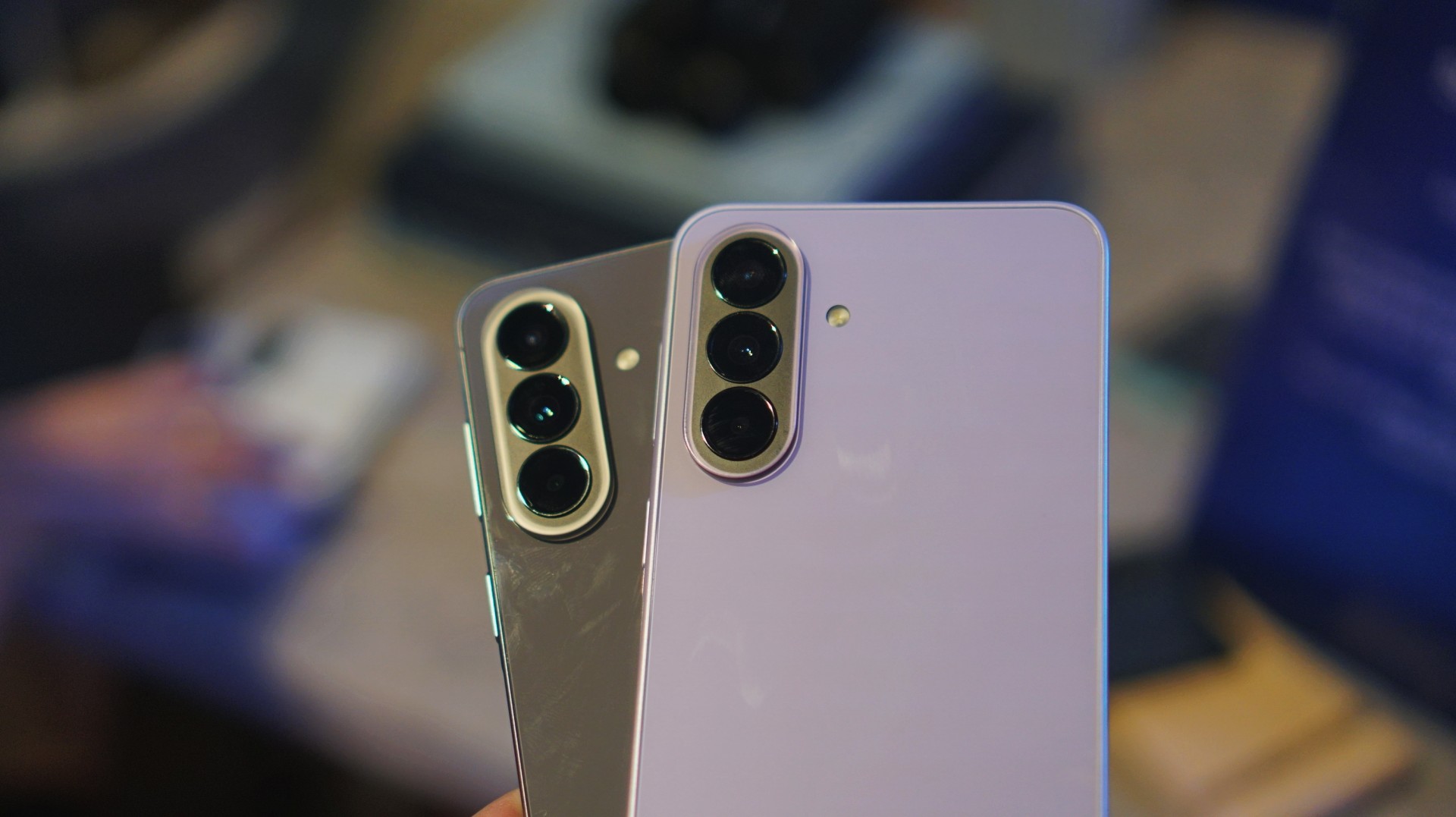
Both phones pack a familiar but reliable triple-camera setup, anchored by a 50MP main sensor.
On paper, it’s straightforward. In practice, Samsung is leaning heavily on AI to elevate the experience.
Object Eraser now produces more natural edits. Best Face (on the Galaxy A57 5G) helps salvage group shots. And scene optimization works in the background to balance exposure, skin tones, and detail.

Low-light photography also gets a boost with improved Nightography, aiming for clearer shots without needing manual tweaks.
The Galaxy A57 pulls slightly ahead here, with better image processing, faster shutter speeds, and more refined detail handling — the kind of upgrades you’ll notice when shooting moving subjects or tricky lighting conditions.
For most users, though, both cameras aim to do the same thing: remove friction. Point, shoot, fix — all within seconds.
Built for everyday use (and long-term ownership)
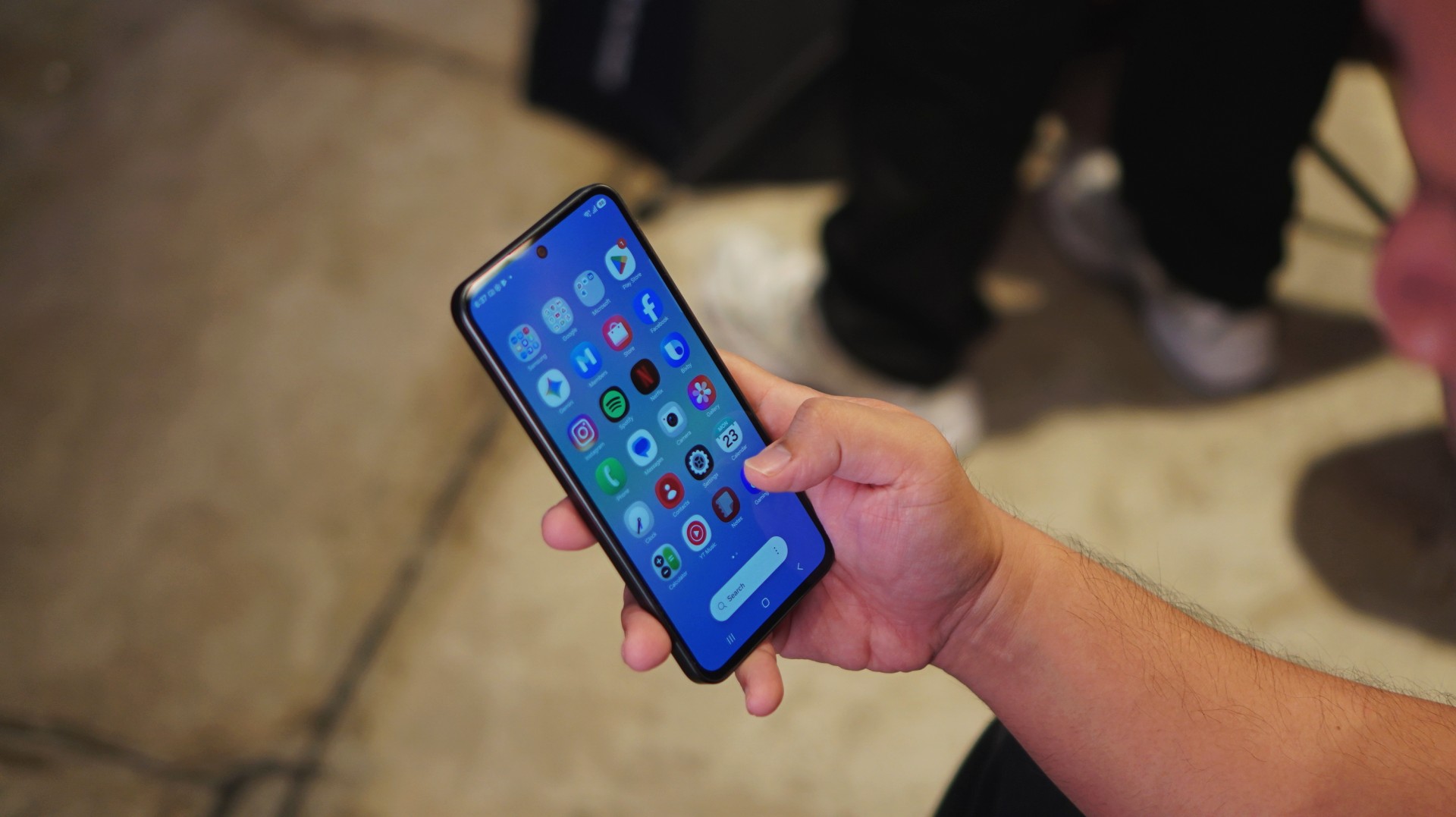
Where the Galaxy A Series continues to shine is in longevity.
Both the Galaxy A57 5G and Galaxy A37 5G promise up to six generations of Android and One UI updates, plus six years of security patches — a commitment that used to be reserved for premium devices.
That’s paired with practical hardware choices:
- 6.7-inch FHD+ AMOLED displays with up to 120Hz refresh rate
- 5,000mAh battery on both models
- IP68 water and dust resistance
- Samsung Knox security with features like Private Album and Privacy Alerts
The Galaxy A57 5G adds a bit more headroom for performance, with upgraded CPU, GPU, and NPU, along with a larger vapor chamber to keep things stable during longer sessions. That’s true whether it’s for gaming, recording, or just heavy multitasking.
It’s also slimmer and lighter, with a more refined finish that pushes the Galaxy A Series closer to flagship territory, at least in-hand.
The ecosystem play
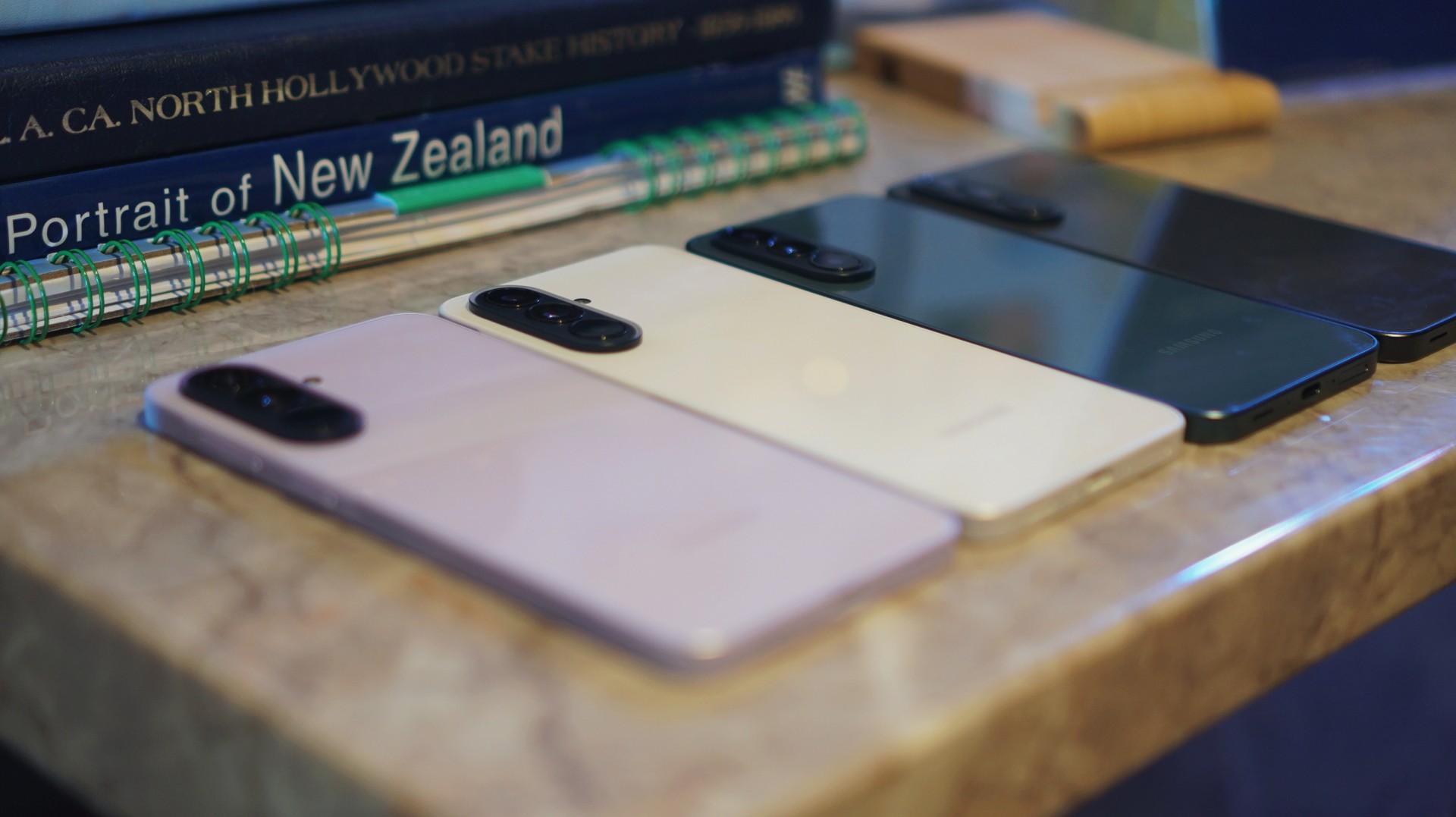
More than anything, the Galaxy A57 and Galaxy A37 feel like onboarding devices.
They’re not trying to outshine the Galaxy S lineup. Instead, they introduce you to how Samsung wants everything to work together — from AI tools to SmartThings to cross-device workflows.
It’s the kind of phone you get when you’re curious about Galaxy, but not fully committed yet.
You get a preview of the experience. The AI tools. The software longevity. The ecosystem hooks.
And if it clicks, Samsung is betting you’ll eventually move deeper into its lineup.
Pricing and availability
Philippine pricing and availability
The Galaxy A57 5G and Galaxy A37 5G are now available in Samsung Authorized Stores nationwide.
For pricing, the Galaxy A57 5G comes in three configurations:
- 128GB – PhP28,990
- 256GB – PhP30,990
- 512GB – PhP37,990
Meanwhile, the Galaxy A37 5G is available in:
- 128GB – PhP25,990
- 256GB – PhP27,990
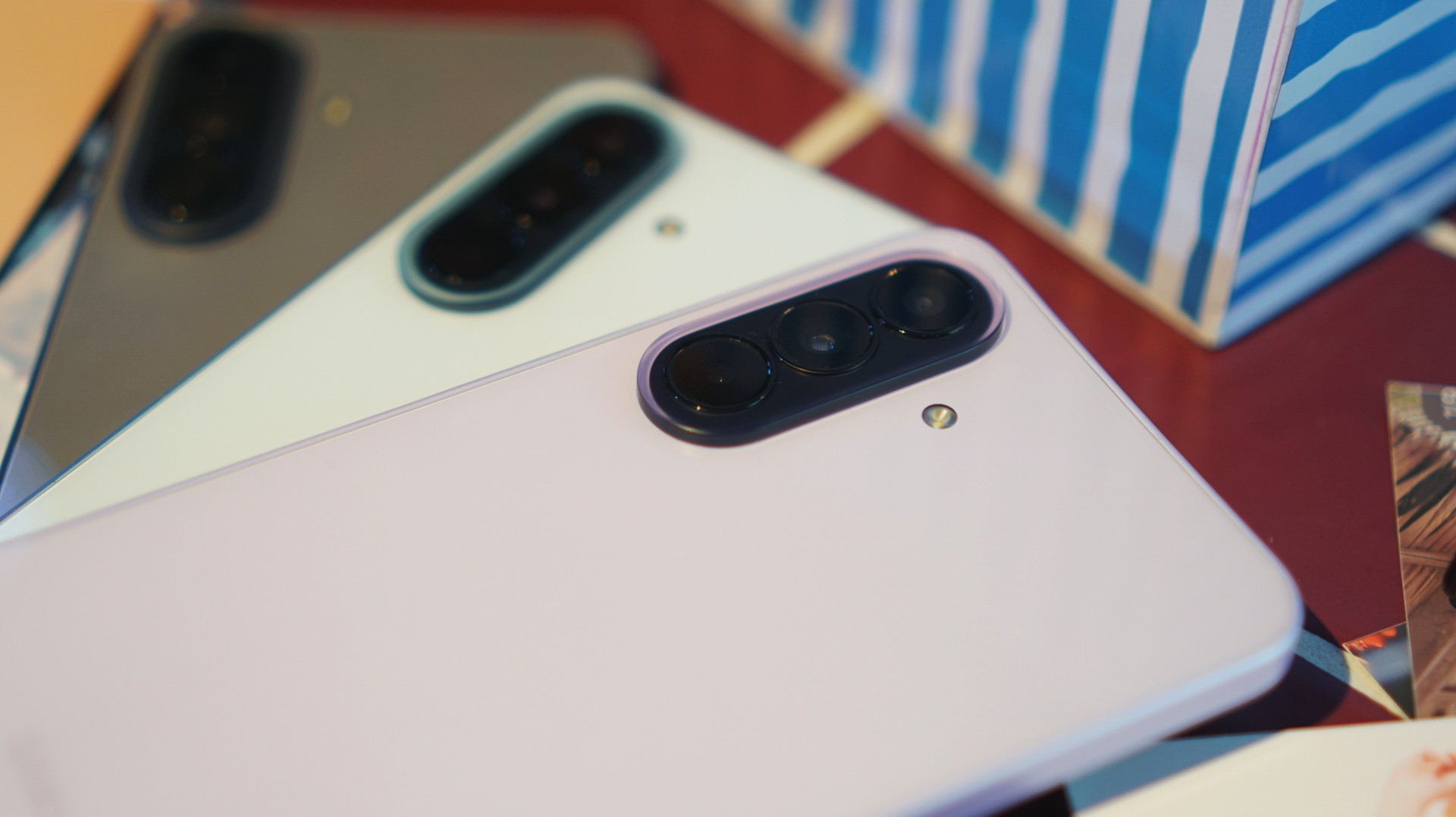
Color options vary per model. The Galaxy A57 5G is offered in Awesome Navy, Awesome Gray, Awesome Icyblue, and Awesome Lilac. The Galaxy A37 5G, on the other hand, comes in Awesome Lavender, Awesome Charcoal, Awesome Graygreen, and Awesome White.
For added peace of mind, Samsung Care+ is also available, offering coverage options designed to help protect the device’s value over time.
In the US, the Galaxy A57 5G starts at $549.99, while the Galaxy A37 5G starts at $449.99.
Context matters here.
In the US, these price points sit firmly in the midrange — not quite “entry-level,” but still more accessible than flagship devices that typically start at $799 and above. They’re often positioned as practical upgrades for users coming from older devices or prepaid/carrier plans.
But when directly converted to Philippine pesos, that’s roughly around PhP30,000+ and PhP25,000+, respectively — a range that already overlaps with aggressively priced upper midrange and even some near-flagship alternatives locally.
For comparison, what many would consider a true “entry point” in the Philippines usually starts closer to PhP12,000 to PhP15,000 ($200–$250).
Which makes the positioning interesting.
These may be “entry points” into the Galaxy ecosystem — but not necessarily entry-level in terms of price, especially in markets like the Philippines. That’s a distinction that matters.
Early take
On paper, the Galaxy A57 5G and Galaxy A37 5G check a lot of boxes: modern design, capable cameras, meaningful AI features, and long-term support.
As much as these feel like “entry points,” they’re also creeping closer to premium territory. And that balance will ultimately decide how compelling they really are.
At CES 2026, ASUS unveiled an exciting lineup of notebooks headed for launch throughout the year. Earlier this month, the brand finally launched the latest Zenbooks built for maximum portability. Now, ASUS has released the new Zenbook S16 and S14, plus the new Zenbook DUO, in the Philippines.
Zenbook S16, S14
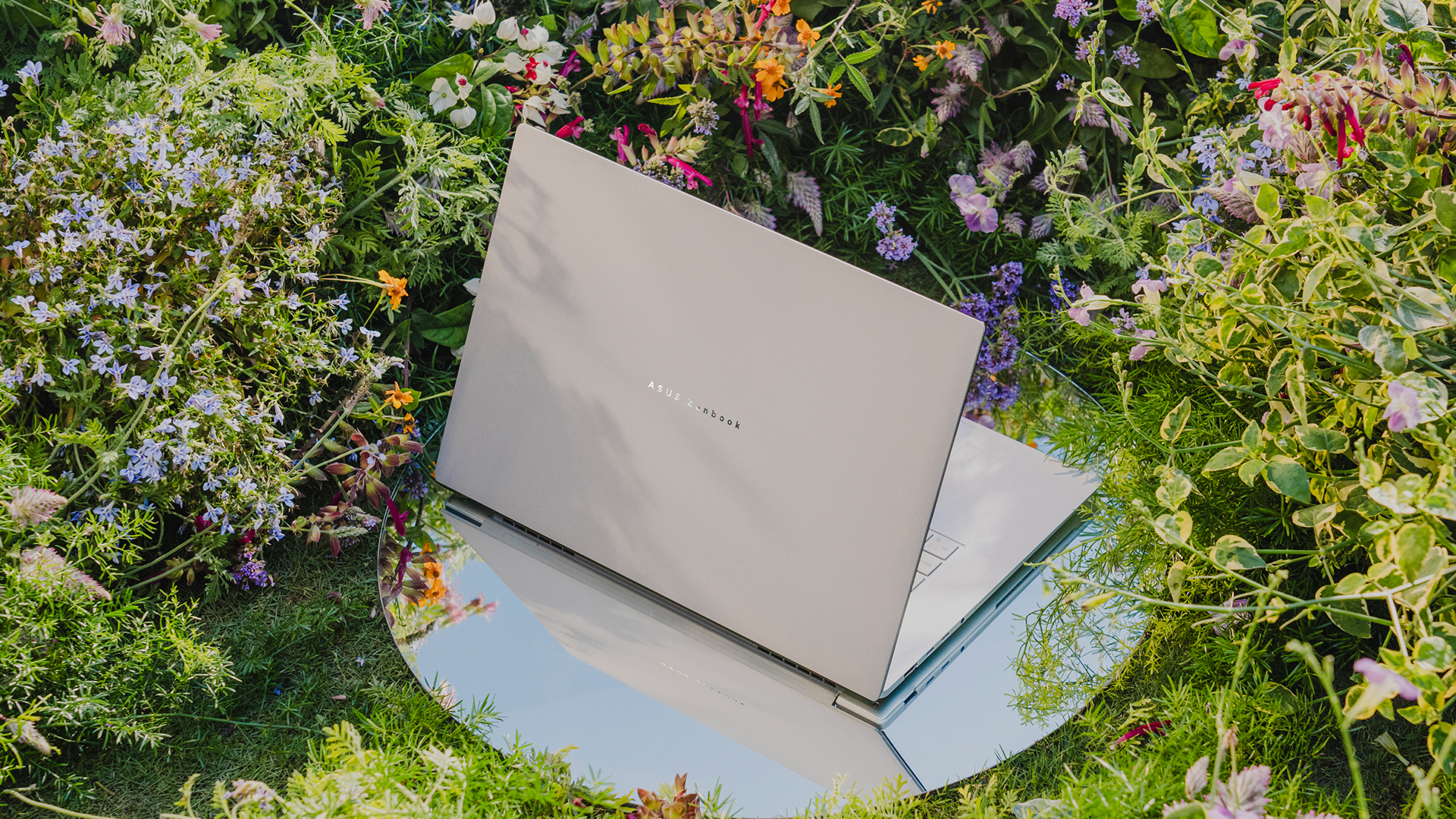
Much like its predecessor, the latest Zenbook S16 is designed for ultra portability. In terms of thinness, the notebook measures only 1.1 centimeters. Plus, it weighs only 1.5 kilograms, making it a perfect addition to your daily kit. The Zenbook S14, on the other hand, weighs only 1.1 kilograms.
As is always expected from the Zenbook S lineup, both laptops will have a tactile Ceraluminum lid, bolstered by an EasyLift hinge for ease of use. It will also have an ErgoSense keyboard with dished keycaps.
The 16- and 14-inch 3K ASUS Lumina OLED screen has touchscreen capabilities and a refresh rate of 120Hz. For audio, the S16 has a six-speaker Dolby Atmos system, including four front-firing tweeters and dual woofers. The S14 has four speakers.
Under the hood, the Zenbook S16 will sport an AMD Ryzen AI 9 465 chipset, while the Zenbook S14 has an Intel Core Ultra 9 Series 3 processor.
For battery, the S16 will have an 83 Wh battery, which can reportedly last over 21 hours, and the S14 has a 77 Wh battery.
Zenbook DUO
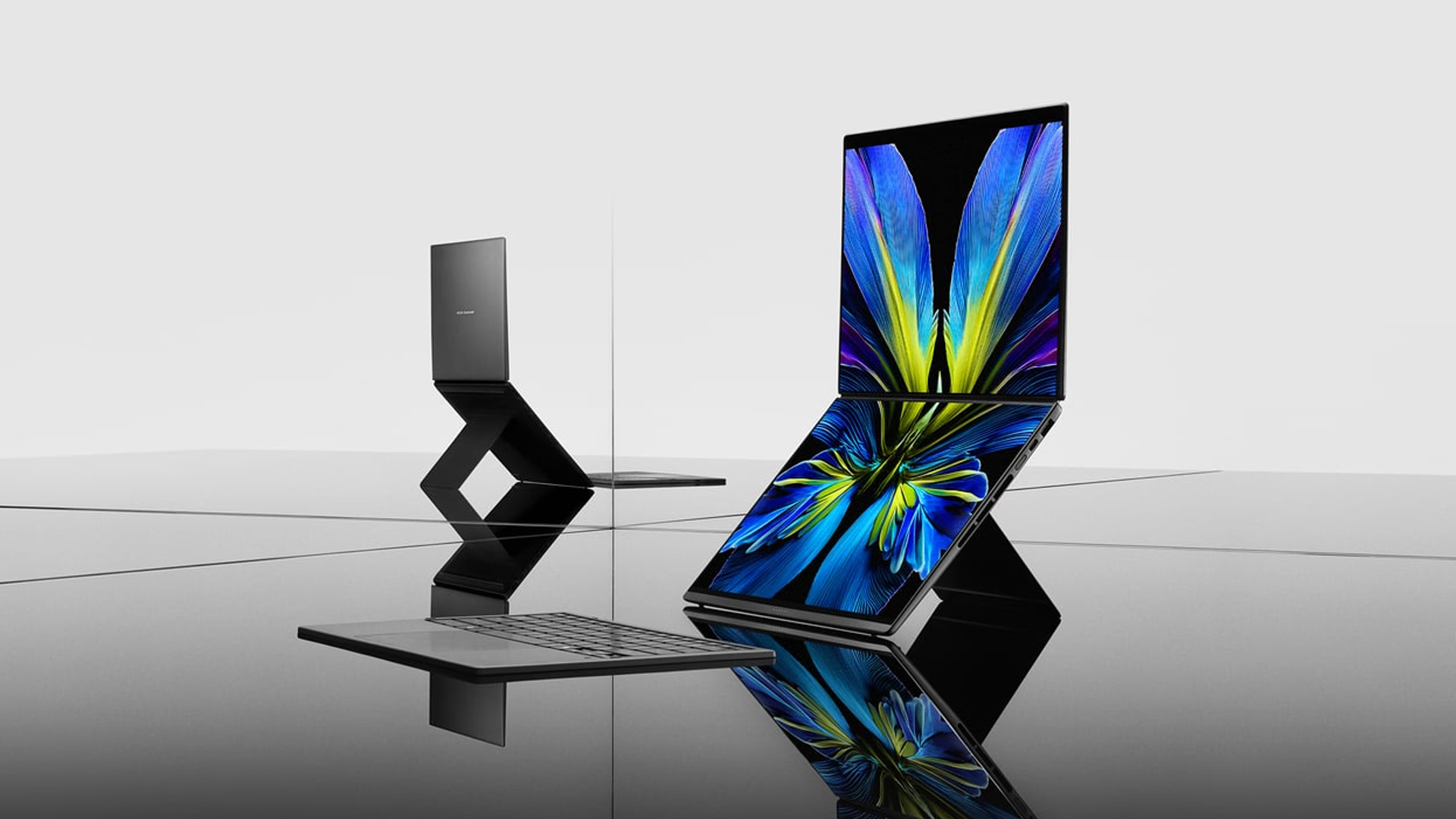
If portability isn’t your main focus, the new Zenbook DUO packs in two screens in one device. Though it packs a bit more punch the Zenbook S series, the dual-screen notebook still weighs only 1.65 kilograms.
The Zenbook DUO features the newest Intel Core Ultra 9 Series 3 processor, up to 32GB of memory, and up to 1TB of internal storage. This time, both screens have anti-reflective coating for a better viewing experience.
As with the previous generations of the DUO, this iteration comes with a detachable keyboard and a four different use cases including dual screen, laptop, desktop, and sharing modes.
Powering the beast is a huge 99Wh battery. ASUS says that this is the most they can pack inside without getting users in trouble at the airport.
Zenbook 14
To be clear, this is different from the Zenbook S14, but it bears a striking resemblance to that previous notebook, both in terms of design and hardware. For one, the new Zenbook 14 is 14.9mm thin and only 1.2kg light.
The 14-inch screen carries a WUXGA ASUS Lumina OLED display, putting out images in a 16:10 aspect ratio. The notebook also has an Ergosense keyboard and touchpad for more comfortable typing and more precise controls.
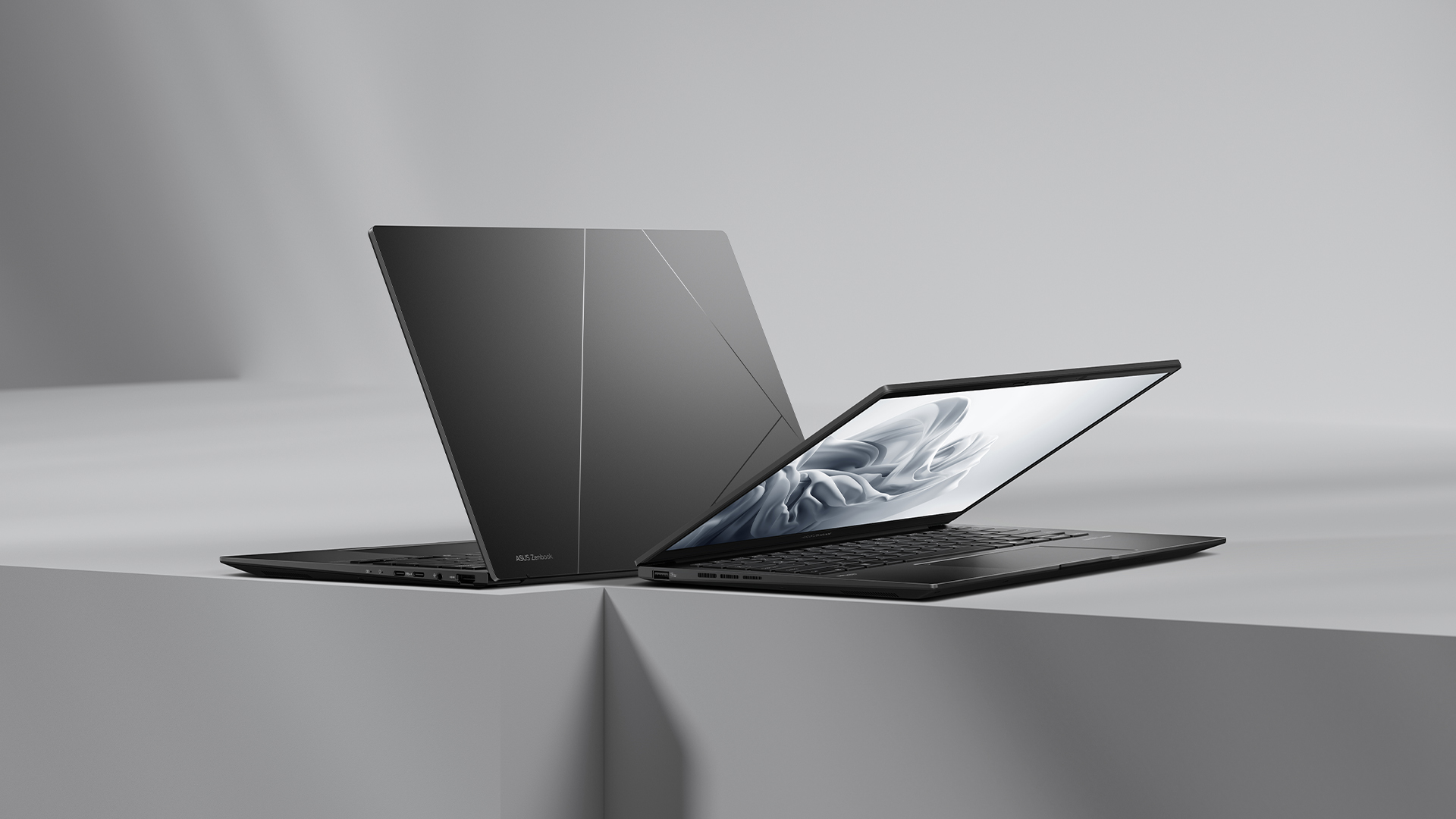
Under the hood, the Zenbook 14 trades the S14’s Intel chip for an AMD Ryzen AI 7 445 processor, capable of up to 50 TOPS. It will also have 16GB of RAM and 1TB of storage.
For battery, the notebook will have a 75 Wh battery, reportedly capable of lasting over 15 hours of unplugged use.
Zenbook A16
Embodying the spirit of “if it ain’t broke, don’t fix it,” the brand is also introducing a modest upgrade to the Zenbook A series.

The new Zenbook A16 is only 1.2 kilograms in weight. Plus, with a 70Wh battery, the notebook can remain unplugged and outside for an entire day. The A16 comes with a 16-inch 3K 120Hz OLED screen and the Snapdragon X2 Elite Extreme.
Price, availability in the Philippines
The Zenbook S16 comes in Scandinavian White and starts at PhP 134,995. Meanwhile, the Zenbook S14 comes in Antrim Gray and sells for PhP 129,995.
The Zenbook DUO comes in Moher Gray and starts at PhP 179,995.
Meanwhile, the Zenbook 14 comes in Jade Black and sells for PhP 79,995.
Finally, the Zenbook A16 is coming soon.
News
More iPhone switchers this year than Android switchers, report says
Only the Google Pixel might be exempt from a global Android dip.

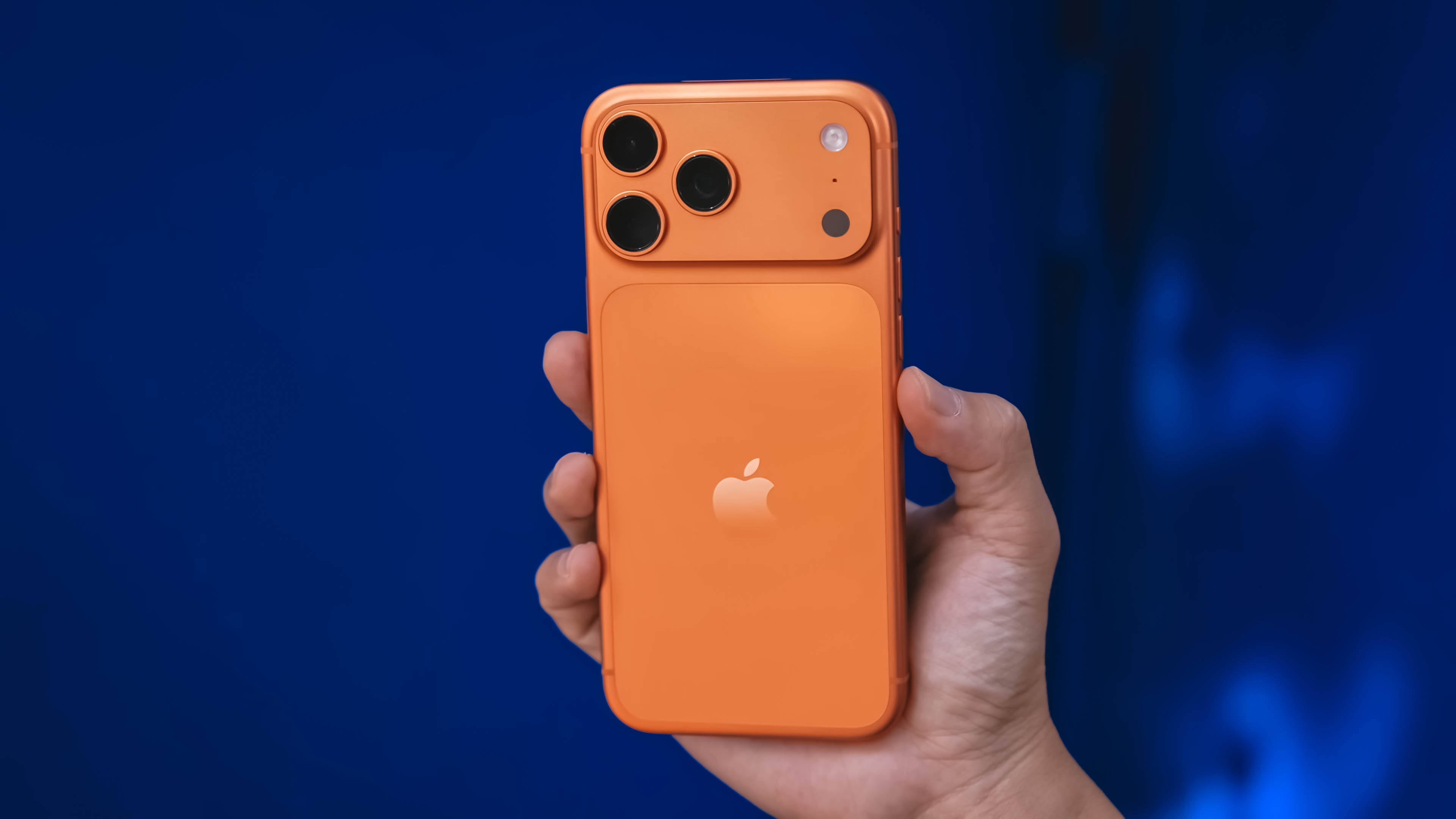
With the prices of chips skyrocketing this year, the commonly held rule of thumb is to hold on to your devices for as long as possible. Of course, the dip in demand will also translate to a dip in supply. According to new reports, users this year might favor switching to an iPhone over an Android phone.
As early as late last year, smartphone makers have already warned consumers that the prices of new devices might go up to anticipate the rising prices of RAM. For now, the prices are still manageable, but forecasts don’t look too kindly on the future.
According to a Morgan Stanley report via Investing.com, the shipments of Android phones might drop by as much as 15 percent this year, compared to the last. This encompasses all brands using the platform.
However, there is one notable holdout: the Google Pixel. According to the same report, the lineup will still enjoy some modicum of growth heading into their release schedule this year.
More notably, though, Apple might be the biggest winner this year. Though iPhone shipments might still drop by 2 percent, it’s nothing compared to the former’s 15 percent drop. When comparing the two, that should translate to a growth in Apple’s share of the pie this year. In other words, more people might switch to Apple, compared to people switching to any phone running on Android.
Now, to be fair, these are all just predictions. Anything can still happen, but it looks like Apple might be heading to a stellar performance later this year.
SEE ALSO: Hands-on: NEW iPhone 17e, iPad Air, MacBooks, Studio Displays


Galaxy Buds4 Pro review: I thought I was done with in-ears
This Buds4 you


WWE 2K26 lets you live out all the fantasy matches you could want
But you have to play for hours and hours to unlock everyone.

The HONOR X8d is serviceable
Steady but slow?

Samsung Galaxy A57, A37 bring Galaxy AI closer to more users

ASUS launches Zenbook DUO and S14 in the Philippines

Logitech G debuts PRO X2 SUPERSTRIKE with faster click tech

More iPhone switchers this year than Android switchers, report says

Marvel’s Wonder Man greenlit for a rare second season


-

 Reviews1 week ago
POCO X8 Pro Max review: A new beast from the far east
-

 News1 week ago
POCO X8 Pro Series: Price, availability in the Philippines
-

 Laptops2 weeks ago
Apple MacBook Neo Review
-

 Features2 weeks ago
Galaxy AI on the Samsung Galaxy S26 Ultra
-

 Apps2 weeks ago
Google Maps is finally getting a 3D mode
-

 Entertainment2 weeks ago
The internet is thirsting over the One Piece Season 2 cast
-

 Reviews1 week ago
POCO X8 Pro Iron Man Edition review: Midrange phone in superhero armor
-
 Reviews1 week ago
Samsung Galaxy S26 Ultra review: A phone you live with