


Features
Huawei Mate 40 Pro vs Samsung Galaxy Note 20 Ultra
An inevitable comparison between Android flagships

Two major flagships, one inevitable clash. This is our Huawei Mate 40 Pro vs Samsung Galaxy Note 20 Ultra 5G.
Let’s jump right in and see how these two stack on paper.

| Huawei Mate 40 Pro | Samsung Galaxy Note 20 Ultra | |
| DISPLAY | 6.76”
OLED, HDR10, 90Hz |
6.9”
Dynamic AMOLED 2X, 120Hz, HDR10+ |
| SoC + GPU | Kirin 9000 5G (5 nm)
Mali-G78 MP24 |
Exynos 990 (7 nm+)/ Qualcomm SM8250 Snapdragon 865+ (7 nm+)
Mali-G77 MP11/ Adreno 650 |
| RAM + ROM | 8GB + 256GB
8GB + 512GB UFS 3.1 |
12GB + 128GB
12GB + 256GB 12GB + 512GB UFS 3.0 |
| MAIN CAMERAS | 50 MP, f/1.9, 23mm (wide), 1/1.28″, 1.22µm, omnidirectional PDAF, Laser AF
12 MP, f/3.4, 125mm (periscope telephoto), PDAF, OIS, 5x optical zoom 20 MP, f/1.8, 18mm (ultrawide), PDAF |
108 MP, f/1.8, 26mm (wide), 1/1.33″, 0.8µm, PDAF, Laser AF, OIS
12 MP, f/3.0, 120mm (periscope telephoto), 1.0µm, PDAF, OIS, 5x optical zoom, 50x hybrid zoom 12 MP, f/2.2, 120˚, 13mm (ultrawide), 1/2.55″, 1.4µm |
| SELFIE CAMERA | 13 MP, f/2.4, 18mm (ultrawide)
TOF 3D, (depth/biometrics sensor) 4K@30/60fps, 1080p@30/60/240fps |
10 MP, f/2.2, 26mm (wide), 1/3.2″, 1.22µm, Dual Pixel PDAF
4K@30/60fps, 1080p@30fps |
| OS | Android 10, EMUI 11,HMS | Android 10, One UI 2.5. GMS |
| BATTERY + CHARGING | 4400mAh
Fast charging 66W Fast wireless charging 50W Reverse wireless charging 5W |
4500mAh
Fast charging 25W USB Power Delivery 3.0 Fast Qi/PMA wireless charging 15W Reverse wireless charging 4.5W |
Design

As with most phones in the same category these days, the gaps are narrow and the differences minute. Most of the time, it comes down to preferences. As beings who like to look and make initial assessments, how the Mate 40 Pro and the Galaxy 20 Ultra look will drive the decision between the two.
The smartphones we’re comparing today clash most in the looks department. The Mate 40 Pro, while the larger phone in Huawei’s two major flagship series, dwarfs in comparison to the Samsung Galaxy Note 20 Ultra.
The size makes the Galaxy Note 20 Ultra almost exclusively a double-handed phone. It’s difficult to use on one hand alone, unless you have unusually large hands. The camera module also protrudes so much that, uncased, it’ll be wobbly when set it down on a table.
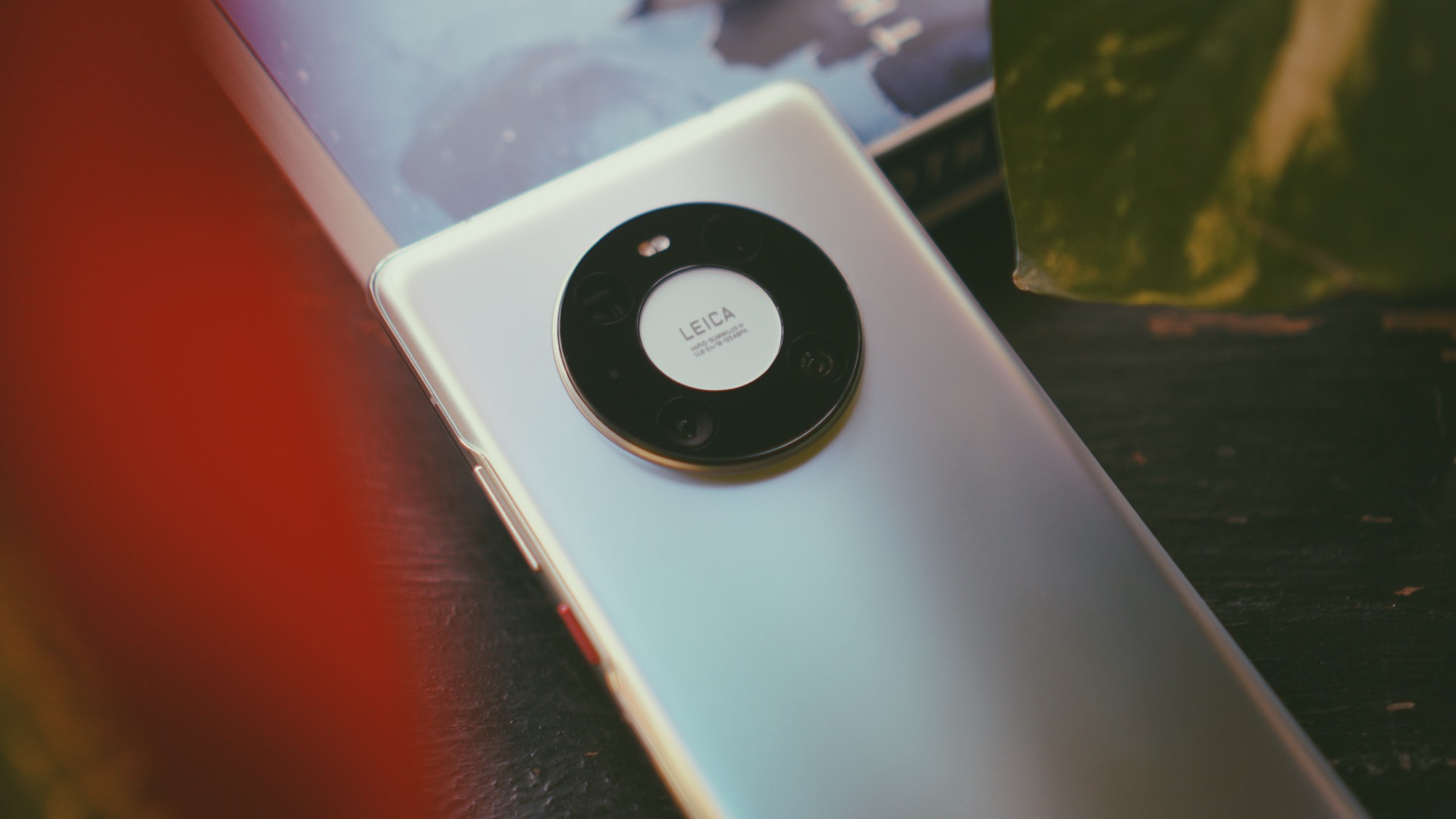
Meanwhile, the Mate 40 Pro has a large display while still being welcoming to beings with a smaller pair of mitts. The camera module with its space ring design is distinctly Huawei Mate and does not protrude as much.
Both also come in new-ish colors with the Galaxy S20 Ultra coming in with the bronze finish and the Mate 40 Pro in Mystic Silver that will speak to anyone with a sleek style.
Overall Performance
This is one of those areas that are just too close to call. It’s a testament to how far mobile consumer tech has come. Throw any task at either of these phones and they’ll handle it like a champ.
One thing the Mate 40 Pro has going for it is that it’s performance will be consistent across the board no matter where in the world you get it. The same can’t be said for Samsung which ships the Note 20 Ultra with two processors — one Qualcomm and the other Exynos. Markets that get Exynos feel slighted. This isn’t an issue with the Mate 40 Pro that’s just Kirin 9000 5G through and through.
Exynos equipped Note 20 Ultras tend to heat up more when pushed to the brink. It’s a problem that has been historically associated with the chip. Hopefully, Samsung is able to fix it in the next iteration.
Meanwhile, the Kirin 9000 5G is just an absolute workhorse that gives you a performance that’s undeniably flagship-level. Switching from one app to another is seamless, refresh rate is fast, and your overall interaction with the device will just be a breezy and smooth experience.

This also means a variance in overall battery life. Power management doesn’t rely solely on how many mAh the phone is equipped with. The processor does a lot of heavy lifting in this department as well. In our usage, you’ll feel more at ease if you forget to charge the Mate 40 Pro overnight vs the Galaxy Note 20 Ultra.
More on juicing up the devices, the Mate 40 Pro edges the Galaxy Note 20 Ultra here by a mile thanks to its support for 66W SuperCharge.
Software
With the Mate 40 Pro relying solely on Huawei Mobile Services (HMS), it’s easy for most people to assume that the Galaxy S20 Ultra will wipe the floor with the Mate in the software department.
Huawei has done a marvelous job in just a year to get developers on board and make plenty of apps available on their phones via the App Gallery and Petal Search.
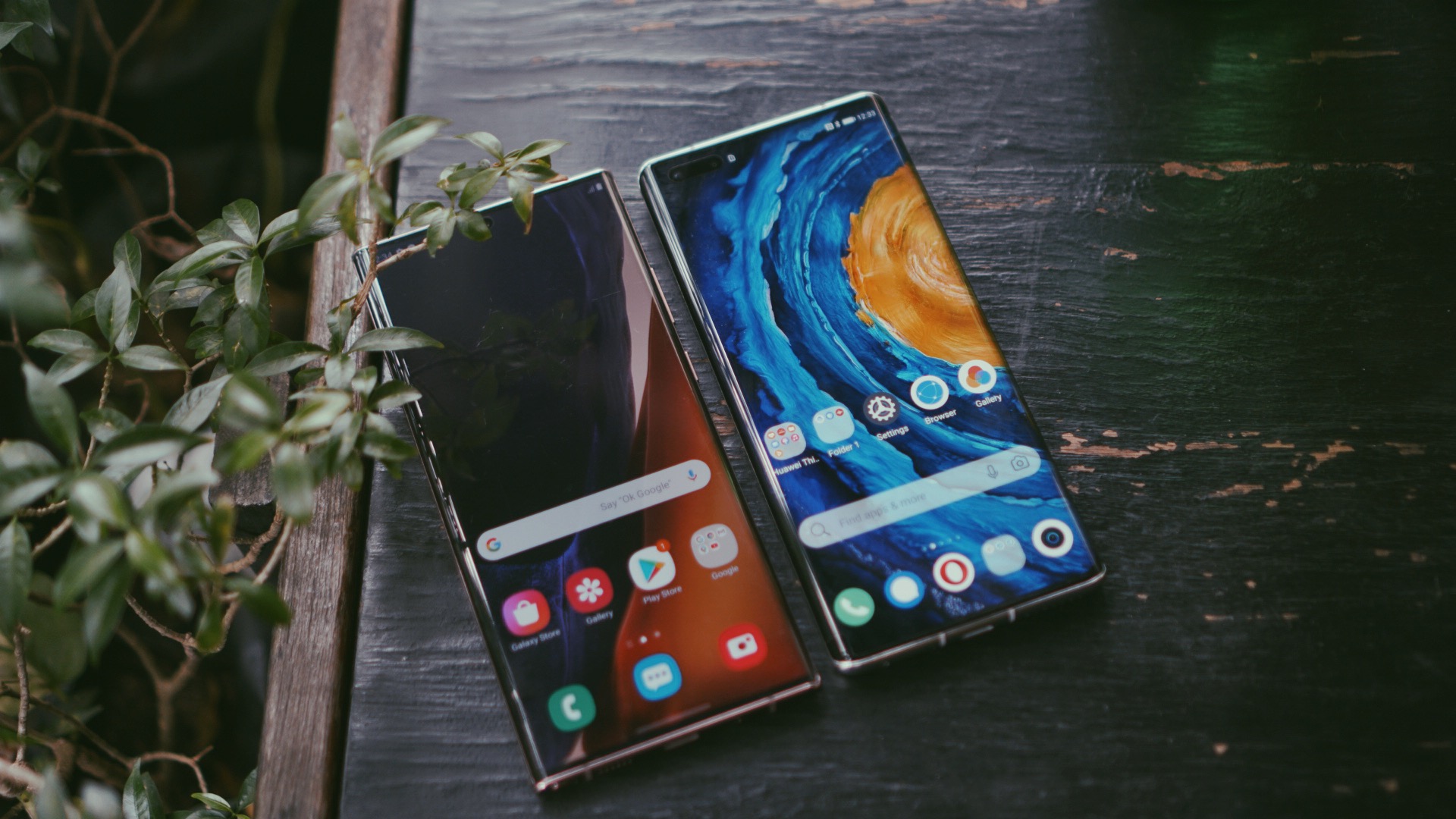
EMUI 11 and ONE UI 2.5 also comes down to preference. In terms of default aesthetics, ONE UI might look cleaner but it also offers less customization. If you’re the type who really wants to make their device feel like their own, you’ll have a field day with EMUI 11’s wealth of customization options.
The ability to personalize what appears on the Eyes On/Always On display, the massive number of themes, and even the option to choose what shows up on screen while it’s locked all help make the Mate 40 Pro truly feel like your own.
Videography
As professional video-makers, we’ll always prefer to use our mirrorless cameras to make our stuff. However, not everyone does what we do for a living. For most people, they just want to document life’s moments.
The Galaxy Note 20 Ultra’s biggest feature to this end is Single Take which was introduced in the Galaxy 20 Series. It essentially captures a moment in various ways. It sounds great on paper but is mostly gimmicky in practice.
Meanwhile, the Huawei Mate 40 Pro made improvements on already existing features. If you’re gonna go into vlogging with the Mate, the selfie camera has plenty of shooting capabilities to enhance this experience.
They added a host of new vlogging solutions like AI tracking and Audio Zoom to help you capture your subject better both in video and audio. If you’re shooting something fast-paced, there’s Super motion image stabilization to help you get a good shot, and if you need to whip up something quick, there’s Vlog story made that takes dramatic shots for you — all you need to do is point and shoot!

Want to up the quality? The Mate 40 Pro’s selfie video can now take 4K at 60PS. You can even take Slow Mo videos with it for even more dramatic effect.
Huawei also took extra time to add other helpful features that are part of their whole Cine Camera approach. For instance, both the front and back cameras are HDR-capable and have fantastic video stabilization.
Another thing that sets the Mate 40 Pro’s shooting capabilities apart is the dual-view feature. You can shoot from the front and rear cameras simultaneously. It opens the possibilities for plenty of creative shots.
As far as quality and stabilization goes, we’ll leave the assessment to you with the videos below. Bare in mind, these were edited down to 1080P 30PS for faster processing. No other edits were applied.
Huawei Mate 40 Pro
Samsung Galaxy Note 20 Ultra
Main cameras
Now onto everyone’s favorite — photo comparisons. People like to have fun with these, dissecting every detail, composition and color reproduction. It’s understandable given how plenty of us still live out some version of our lives on social media where we can’t help but our best foot forward.
To make the comparisons easier for everyone, all the photos on the left side were taken with the Huawei Mate 40 Pro while those on the right side were taken with the Samsung Galaxy Note 20 Ultra.
The photos are untouched save for being resized and collaged all for your convenience.
1X-HDR




The one obvious difference in the photos above is how the Galaxy Note 20 Ultra photos tend to highlight even the really darker areas in certain scenes. It’s not a faithful reproduction of the scene but is a little more social media ready.
If you’re a fan of warmer tones, that seems to be where the Mate 40 Pro shines. Plus it really made that damn juicy burger look super appetizing.
5X Zoom


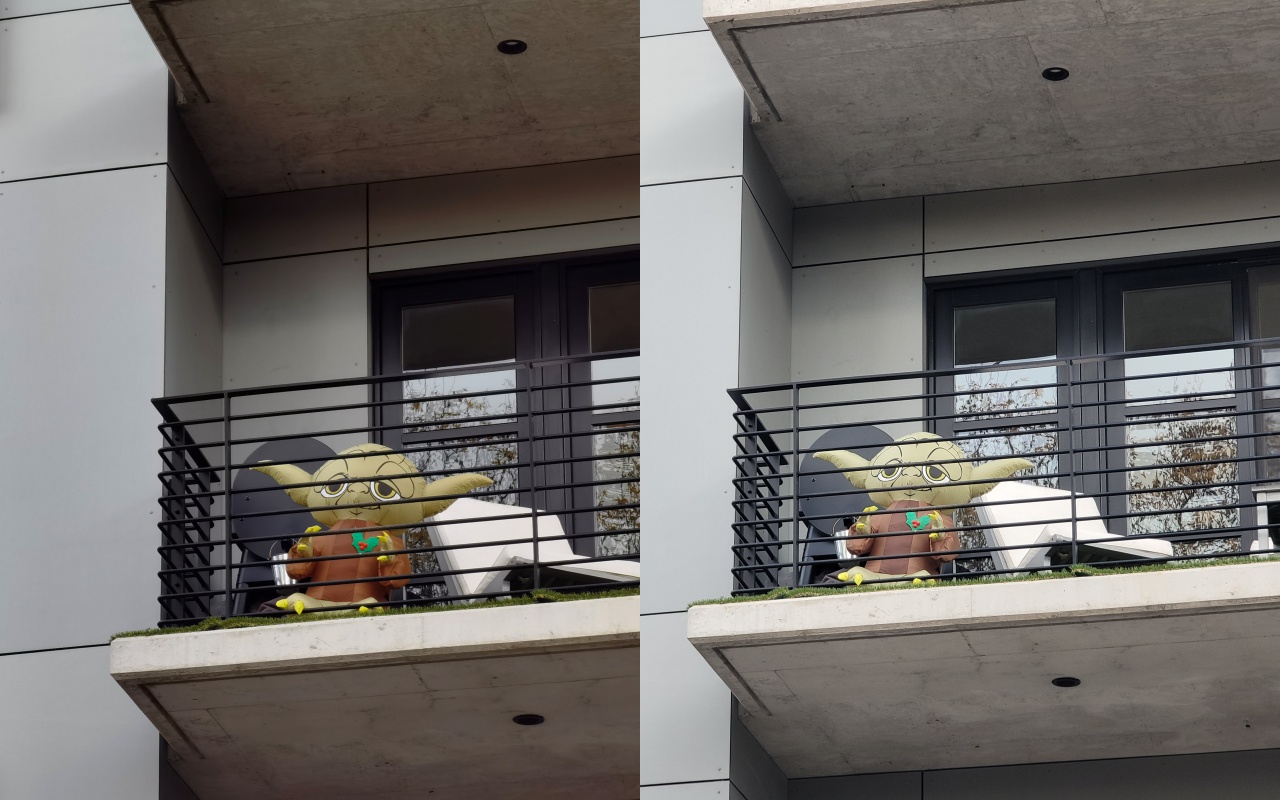
Taking closer shots from afar this time at 5X Zoom, again the difference is pretty apparent. The Mate 40 Pro produces warmer shots while the Galaxy Note 20 Ultra tends to crank up the highlights more than necessary.
A closer look will also show that the Mate 40 Pro does a better job at retaining a bit more detail.
10X Zoom



10X Zoom appears to produce images similar to 5X Zoom. Warmer and more detail with the Mate 40 Pro.
Portrait


This one’s almost pretty darn even. If you want that creamy bokeh look for your profile image, both phones do a fantastic job of applying separation between the subject and the background.
The key differentiator, again, is the color reproduction. The Mate 40 Pro is more faithful to the actual colors of the scene vs the Galaxy Note 20 Ultra.
Selfie

The roles reversed a little here with the Mate 40 Pro applying more highlights than the Galaxy S20 Ultra. This is a default on most Huawei phones and works really well in low-light scenarios.
Ultrawide angle


We’re back to the rear cameras and the ultrawide angle lenses of the two tell mostly the same tale — warmer shots for the Mate 40 Pro and higher highlights and whites on the Galaxy Note 20 Ultra.
But overall, ultrawide angle shots taken on both have no noticeable distortion which is a win for us all.
Which one is your GadgetMatch?
At the end of the day, the choice is up to you and what you ultimately value. This comparison was pretty close with the primary differentiators being the size and design, image reproduction, and overall access.
Oh right. Pricing. The Huawei Mate 40 Pro retails for PhP 55,999 while the Galaxy Note 20 Ultra will set you back at a maximum of PhP 72,990.
This feature is a collaboration between GadgetMatch and Huawei Philippines





Convenient Smart Home
This is the BRIGHTEST 4K Projector In Its Class!
Meet the XGIMI HORIZON 20 Max

Since THE Michael Josh lives in New York, space is an ultimate premium.
While he has space for a huge TV, having a big black piece of glass imposing itself on his entire living room isn’t the vibe.
Thankfully there’s a better option that lets him have his home cinema and a luxe flat.
Cue the XGIMI HORIZON 20 Max!
It’s gotta be the ultimate all-in-one home entertainment 4K cinema solution without all that bulk and clutter.
Head over to XGIMI HORIZON 20 Max on the spotlight to know everything about the brightest 4K Projector in its class!

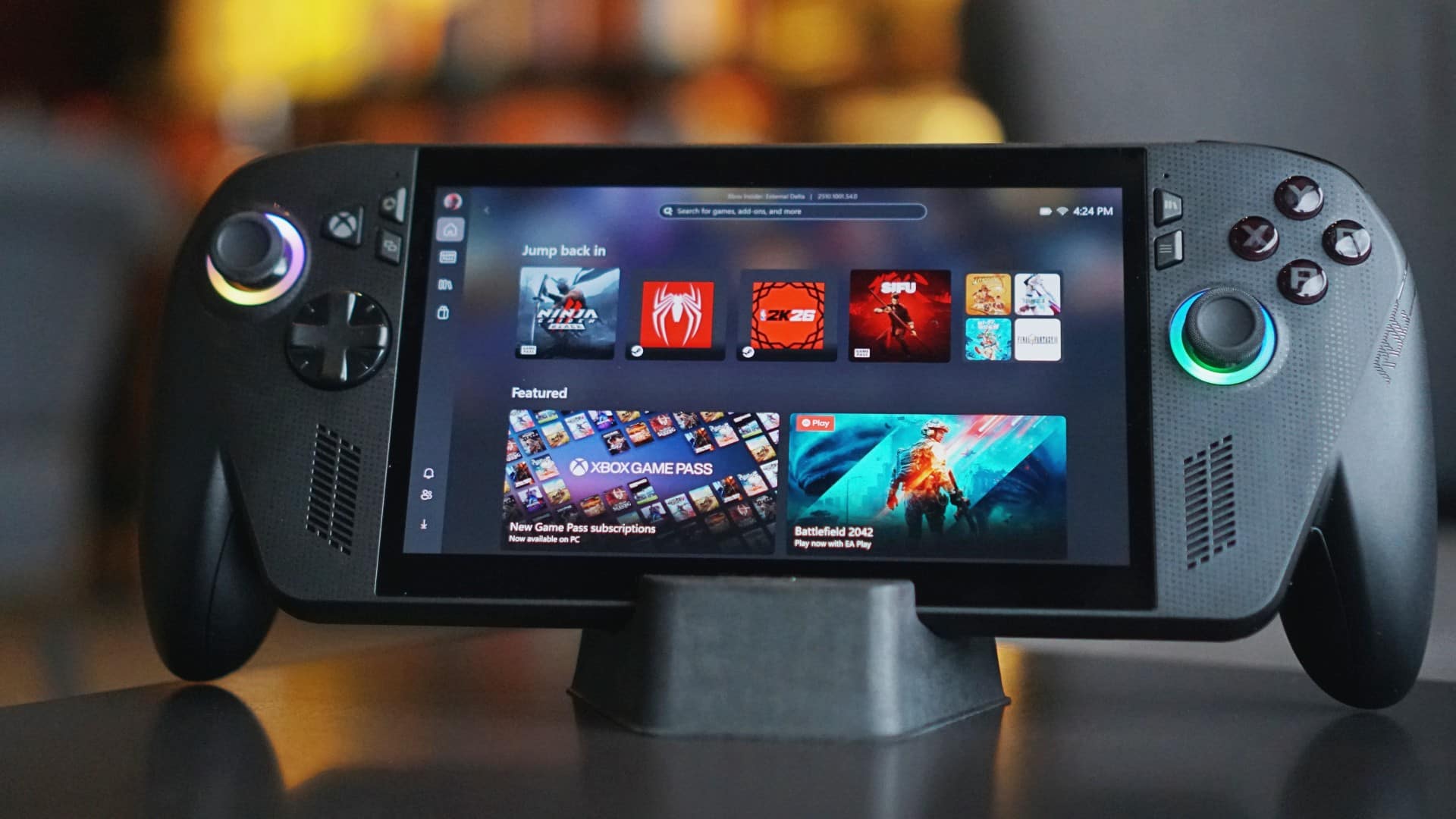
We’ve spent enough time with the ROG Xbox Ally X to say this: it’s no longer just a novelty, it’s a handheld that finally knows what it wants to be.
The first Ally from 2023 was exciting — a bold step toward making PC gaming portable. But after a few sessions, it felt more like a prototype for what was coming next.
This one? It feels complete.
So, in this edition of Match Pulse, let’s talk about how the Ally X grips better, plays longer, and why it finally deserves the Xbox badge printed on it.
First look
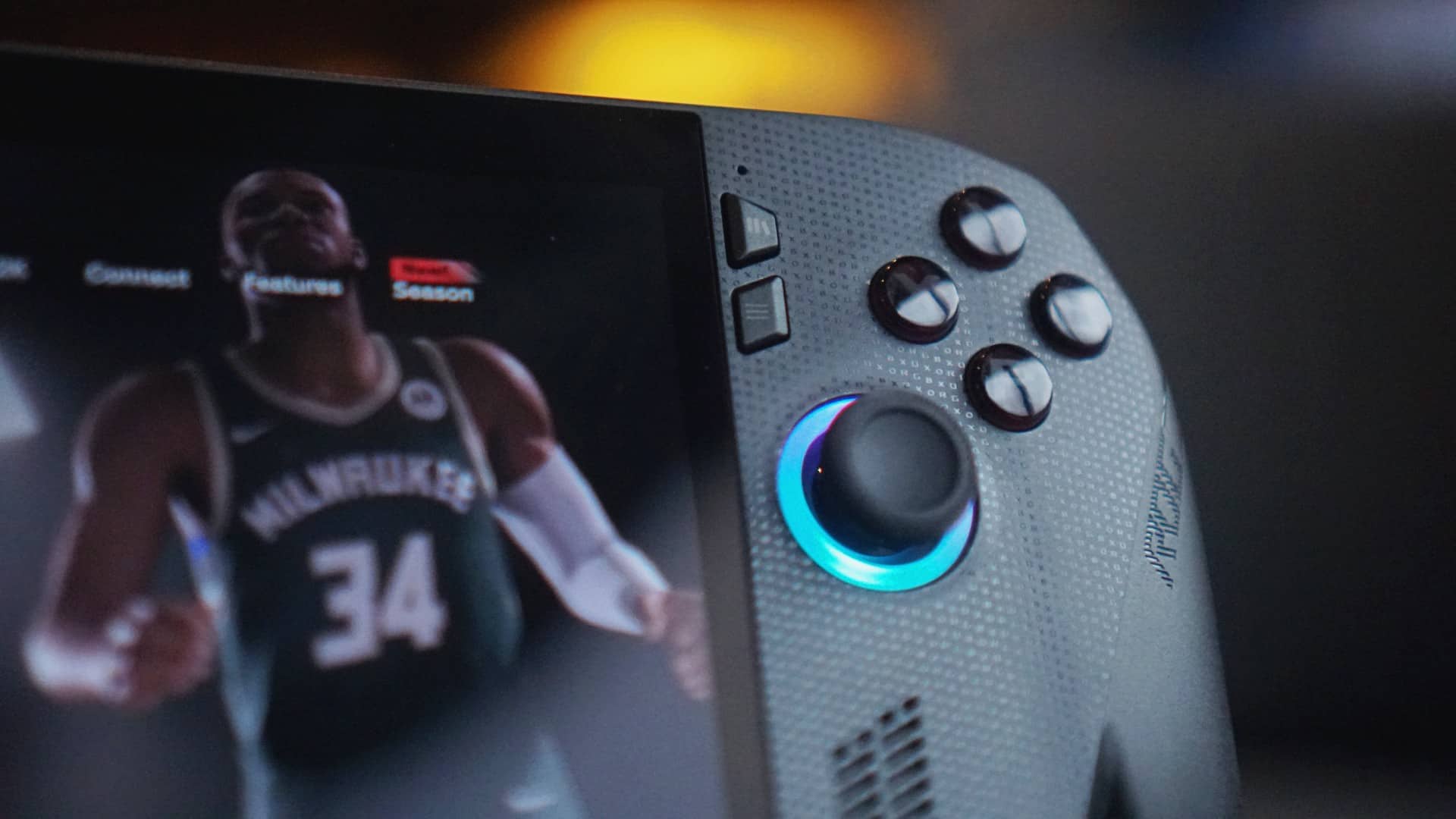
The first touch felt awkward — the kind of feeling you get when you’re not sure how to hold something new. But the longer you hold it, the more it starts to make sense.
The redesigned grips, patterned after Xbox controllers, give it a natural curve that rests well in your palms. It still doesn’t dig in as much as I’d like to – the way it does on the Legion Go S – but it’s certainly an improvement.
It’s subtly heavier than the original, but the weight works in its favor. The balance feels right. The texture, more grounded. It feels made for long sessions, not quick demos.
This is where ASUS seems to have listened. What was once a bit slippery now feels like an extension of your hands. The matte finish stays clean, the edges no longer bite. It’s a small but significant shift — and one that makes a world of difference in how it’s used.
First date
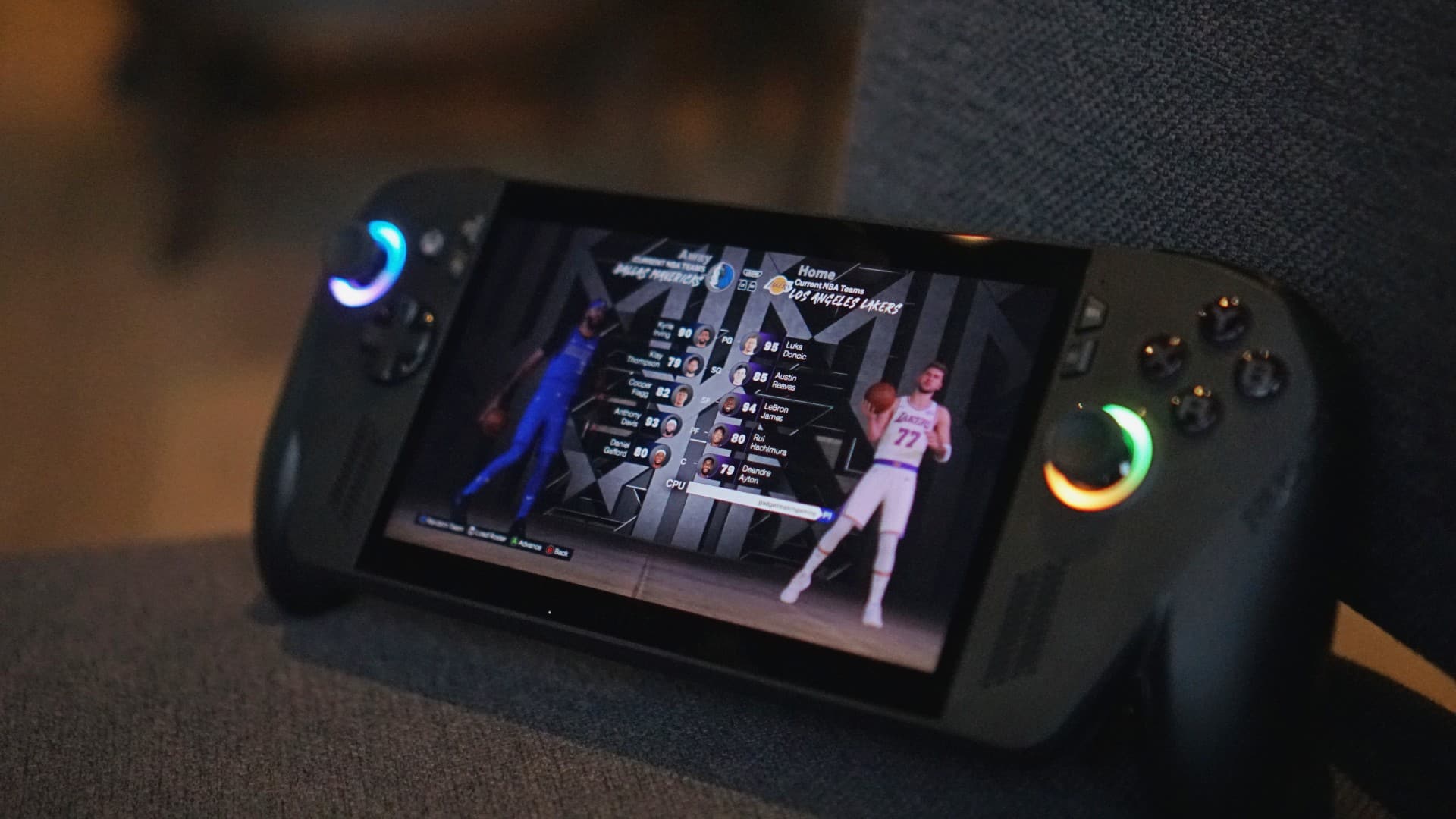
We tested it the same way we tested the original Ally: unplugged, Turbo mode, 25W TDP, NBA 2K Quick Play.
Back then, we couldn’t finish more than a single game and a few minutes of freestyle practice before the battery flatlined.
This time, it’s double that.
Two full games before reaching for the charger — and that’s without dialing down the settings. The new 80Wh battery doesn’t just promise endurance; it delivers it.
The cooling system has also been reworked, quieter yet just as efficient. It’s the kind of update that doesn’t make headlines, but you hear it – or I guess In this case, not hear it as much.
Together, these tweaks make the Ally X something the original never quite managed to be — a handheld that lets you play longer unplugged.
First impressions

The Xbox influence is everywhere, and it’s not just branding. The Ally X now boots straight into the Xbox app, with the familiar button logo acting as your home key. Press it, and you’re instantly back in the Xbox ecosystem.
It feels less like a PC pretending to be a console, and more like a handheld that understands both worlds.
You can still jump into Steam or Game Pass with ease, but the default experience is unmistakably Xbox — intuitive, familiar, and cohesive.
All these refinements add up to something simple but powerful: this finally feels like a true successor.
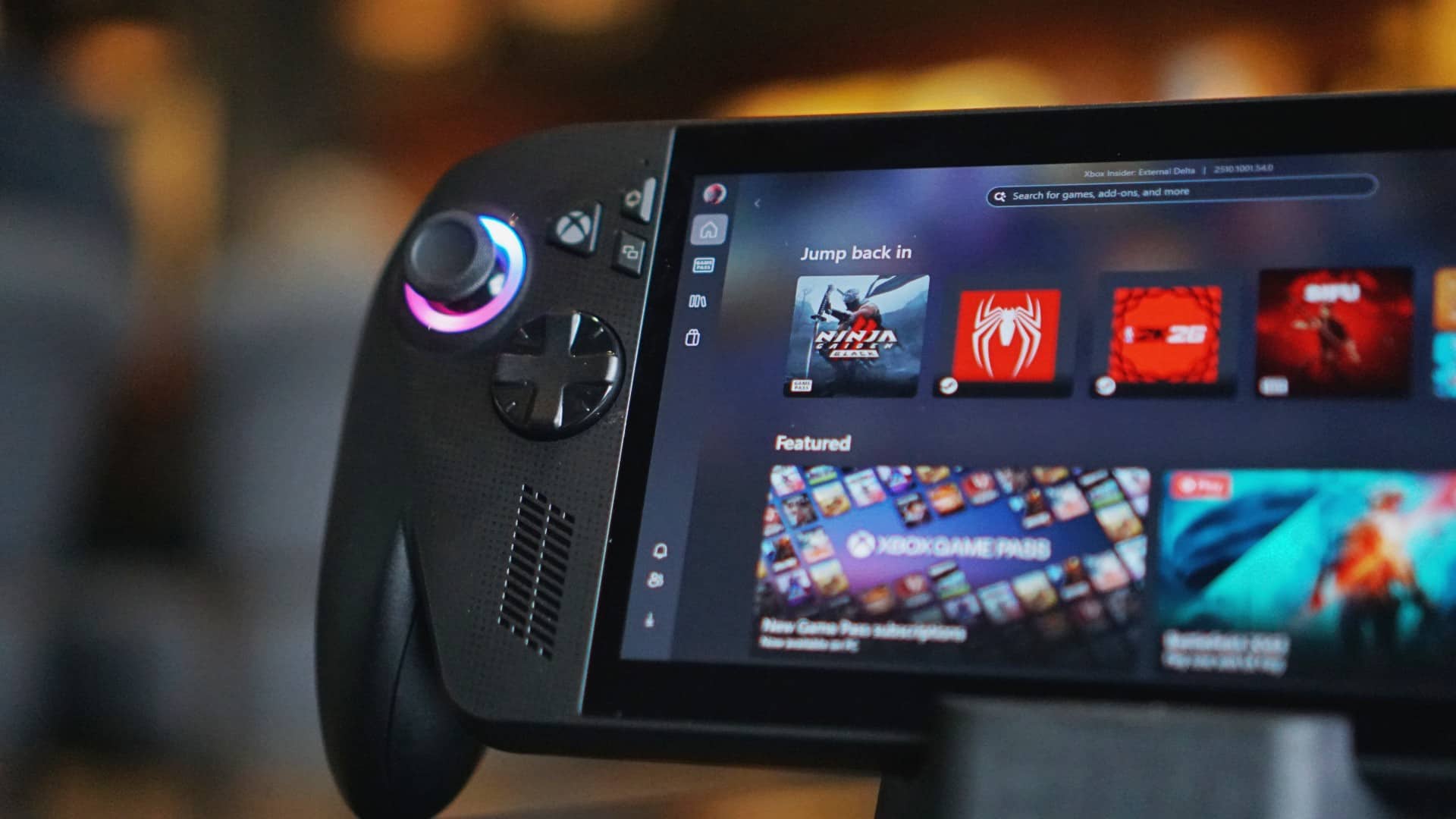
The ROG Xbox Ally X doesn’t reinvent the idea of handheld gaming, but it refines it where it matters — in the way it feels in your hands, in how long it lasts, and in how effortlessly it connects to what you want to play.
If the original was a promise, this one is fulfillment – still with room for improvement, sure, but I trust you get the gist.
Learn more: https://ph.rog.gg/playALLYourgames2025
Where to buy: https://ph.rog.gg/wheretobuy2025
Automotive
What it’s like to spend a day at BYD’s All-Terrain Circuit
It’s a showcase of extremes and a reminder that driving dreams evolve with technology.


I never realized I’d love learning and testing cars, at least not until a rally driver sat beside me during a slalom run, speaking words that would calm even the most restless heart.
“Don’t worry about the cones,” he said as I wobbled through my first lap. And when I drifted into something close to perfection, he whispered “you’re good” more times than I deserved.
Those words stuck more than the speed, and definitely more than the skid marks.
This wasn’t in my bingo card. After winning at the 24th Henry Ford Awards, I thought I’d already said my parting words to automotive coverage.
I poured myself into a passion project tied to my life as an endurance athlete, and when that wrapped, I thought I’d simply move on.
Yet here I was, in Zhengzhou, China — invited by ACMobility — to witness BYD’s first all-terrain circuit, one of the first in the country built exclusively for new energy vehicles.

Arriving at a playground built for new energy vehicles
It was a cold Thursday morning when I boarded a bus to the circuit. The ride stretched over an hour, the kind that lulls you into a half-sleep, half-reverie.
My head bobbed against the window, eyes occasionally opening to marvel at the changing landscape outside. Blue skies meeting industrial romance.

When we finally arrived, I was greeted not just by the sheer expanse of the All-Terrain Circuit but also by the stars of the day: the BYD eMax 9 and Sealion 8, parked like models awaiting their cue.
Before diving into the schedule, I warmed myself with a familiar oatmilk latte from the BYD Café and gawked at the base version of the Yangwang U9 — one of the world’s fastest production car — gleaming under the lights as if to remind us that speed, too, can be art.

We were told the facility housed eight experience zones, each a playground for machines and a test of our courage. And with that, the adventure began.
The world’s tallest artificial dune, now a test track
The first stop was the Indoor Sand Dune, a 29.6-meter vertical drop with a 28-degree slope, certified by Guinness World Records as the highest and largest dune-climbing facility in existence.

Constructed with 6,200 tons of sand, it was designed to mimic the Alxa Desert. Watching the Yangwang U8 command the terrain was nothing short of cinematic. Its wheels tore through the sand with authority, moving like a predator that knew no fear.

We didn’t get to try it ourselves, but my mind drifted to the dunes of Ilocos back home. I wondered how it would feel to tame our own desert with a machine like this, if the U8 ever makes its way to Philippine shores.
What driving through water looks like in the future
The Yangwang U8 returned to center stage at the Wading Pool, a 70-meter stretch of water that felt more like a flood zone than a testing ground.

Through the underwater glass, we watched the vehicle maneuver forward, reverse, and even turn while afloat, all thanks to BYD’s E4 platform.

It was an eerie yet comforting sight, technology meeting something similar to a calamity head-on. In a country like ours, where typhoons strike as often as heartbreaks, such a feature could be a lifeline.

For a moment, I wasn’t just watching a demo; I was imagining families safe inside, crossing flooded streets with grace instead of fear.
Riding shotgun in one of the fastest production cars in the world
Then, came the Yangwang U9. On paper, it’s a beast with 1,290 horsepower and 960 kilowatts. In reality, it was an experience that rewrote my understanding of speed.

I strapped myself in, buff and helmet in place, choosing the Moonlight Stone colorway with interiors in regal purple, which perfectly matched my lavender Nike jacket.

The acceleration was like a trail run on steroids. The heartbeat I feel when descending a mountain trail — reckless yet alive — was the same beat that coursed through me as the U9 devoured the 1,758-meter track with its nine curves and long straight stretch.

The seats hugged me like a co-conspirator, keeping me steady even as the world outside blurred. I didn’t even realize how fast we were going until I glanced at the dashboard.

Fear and euphoria danced together in my chest. Now, I get the high and adrenaline from racing cars.
Learning to let go while machines take over
The off-road testing area spanned 27 scenarios, though time only allowed us to try the Fangchengbao Bao 5 in the junior section.

Still, it was enough to excite me. The car climbed 27-degree slopes, crawled down stairways (and not feel anything), and tiptoed over rocks as if they were pebbles.

I had to fight the instinct to control everything. But these machines were designed to carry you safely even when your nerves frayed.

It was a strange kind of intimacy and learning to surrender. I realized that sometimes, letting go is the only way forward.
Drifting in circles I had no business being in
At the heart of the circuit lay a 15,300-square-meter dynamic paddock, our next stop.

The Kick-Plate simulated icy roads, throwing the car into sudden skids while professional drivers demonstrated how NEV safety systems took over with precision.
It was held in a controlled emergency situation, simulating scenarios we pray never happen but feel grateful to be prepared for.

Later, I took the Denza Z9 GT onto the Low Friction Circle, a 44-meter-diameter track laid with 30,000 basalt bricks covered in water. I had no business drifting — let alone in front of a crowd of seasoned drivers — but BYD’s millisecond-level control and Drift Mode made it possible.

For a few seconds, I found flow, spinning in rhythm with the machine. Until the instructor told me to “maintain,” and pressure snapped me out of it, spinning me like I was in a film getting in an accident.

My knees were shaking when I stepped out, equal parts embarrassed and exhilarated.
How a slalom course became my favorite part
What surprised me most was how much I loved the slalom. Maybe it’s because obstacles have always defined my life, on and off the Spartan course.

Driving the BYD Seal EV through cones and curves felt oddly personal. I wasn’t the best.
I hit cones and I apologized to the rally driver guiding me. Yet when I drifted through U-turns and roundabouts, something familiar sparked in me.

It reminded me of growing up on highways filled with those very curves, sneaking in practice at midnight when no one was watching.

This time, though, the sun was setting, and the moment felt bigger. The course ended not just with applause but with reflection. Life, like a slalom, is about moving through obstacles with grace, even when you stumble

The bigger dream behind the Zhengzhou circuit
The BYD Zhengzhou All-Terrain Circuit is more than a playground. It’s a vision of what driving could become in an age of new energy vehicles.
It democratizes technology, making once-distant innovations something you can touch, feel, and experience.

Soon, another BYD circuit will rise in Shaoxing, with a sprawling off-road area set 500 meters above sea level.
Alongside CAMF, BYD is also launching the “New Track Scheme,” a program meant to cultivate 100 professional racers and introduce racing culture to more people.

As I left the circuit, lavender jacket still smelling faintly of rubber and adrenaline, I realized that this wasn’t about cars alone.
It was about rediscovering joy in places I never thought I’d find it. Maybe that’s what the road ahead is about. Not just speed or power, but new ways of dreaming.


The BOYA Magic is now my go-to mic for everything
Microphones turned into essentials during the pandemic. It became impossible — or at least, unprofessional — to hold video calls...


‘Quezon’ muddies the president’s legacy to inspire true change
It's the movie that the country needs now.


Samsung Galaxy S25 FE review: Closer to flagship than ever
Thoughtfully refined

Apple continues to backtrack from Liquid Glass
The BOYA Magic is now my go-to mic for everything

Marvel New York Comic Con: Major updates, 2026 Disney+ slate

vivo V60 Lite starts at 14,999 pesos in the Philippines

Power Mac Center iPhone 17 midnight launch draws massive crowd

Xiaomi 17 Pro Max takes a jab at Apple’s iPhone 17 Pro Max

The Xiaomi Pad Mini is discounted until October 13

DJI Osmo Nano review

The HONOR MagicPad 3 is an almost perfect premium pad partner

Xiaomi 15T Pro review: Big battery, clean shots, smooth performance

This is the BRIGHTEST 4K Projector In Its Class!

Unboxing: Ghost of Yotei Collector’s Edition

Unboxing the latest Apple Watch × Hermès

Lenovo Yoga 7i Aura Edition: Ten generations of foldable goodness

21-Day Battery, Pro Sports Tracking: HUAWEI WATCH GT 6 Series
-
 Cameras1 week ago
DJI Osmo Nano review
-
 Reviews1 week ago
The HONOR MagicPad 3 is an almost perfect premium pad partner
-
Reviews1 week ago
Samsung Galaxy S25 FE review: Closer to flagship than ever
-

 Reviews2 weeks ago
TECNO Slim review: Smexy, Antifragile Slab
-

 News1 week ago
vivo X300 Pro headlines Dimensity 9500 and Sony’s LYT-828 image sensor
-

 Reviews2 weeks ago
The Xiaomi OpenWear Stereo Pro is a midrange wearable in premium packaging
-

 Apps2 weeks ago
You can now connect your Spotify account to ChatGPT
-
 News2 weeks ago
Abenson goes big with iPhone 17 pre-order deals