
News
The Mate 60 Pro+ and Mate 60 RS are HUAWEI’s best flagships yet
HUAWEI’s direct take on the iPhone 15 Pro Max?


It seems like HUAWEI is unstoppable with their very confusing way of silently rolling out devices within just two weeks.
The first two phones on the Mate 60 series (Base and Pro variants) were announced in the last week of August. This early September, it seems like the rumors were true after all as the company unveiled their full-on flagship, the HUAWEI Mate 60 Pro+. This product unveil was announced alongside the slightly-revamped HUAWEI Mate X5.
UPDATE: The HUAWEI Mate 60 RS Ultimate Design was finally unveiled at the very end of September and completes the 2023 Mate lineup.
Pro+ Reborn

HUAWEI Mate 40 Pro (2020)
It was in 2020 when HUAWEI had a Pro+ model with the Mate 40 series — or the so-we-thought the last of its kind.

HUAWEI Mate 50 Series (2022)
After two years, HUAWEI resurrected the Mate lineup with four different versions — but the Pro+ wasn’t in that list. Instead, the best Mate 50 variant you could get last year was the Porsche Design RS model with great hardware and a stealthier design in mind.
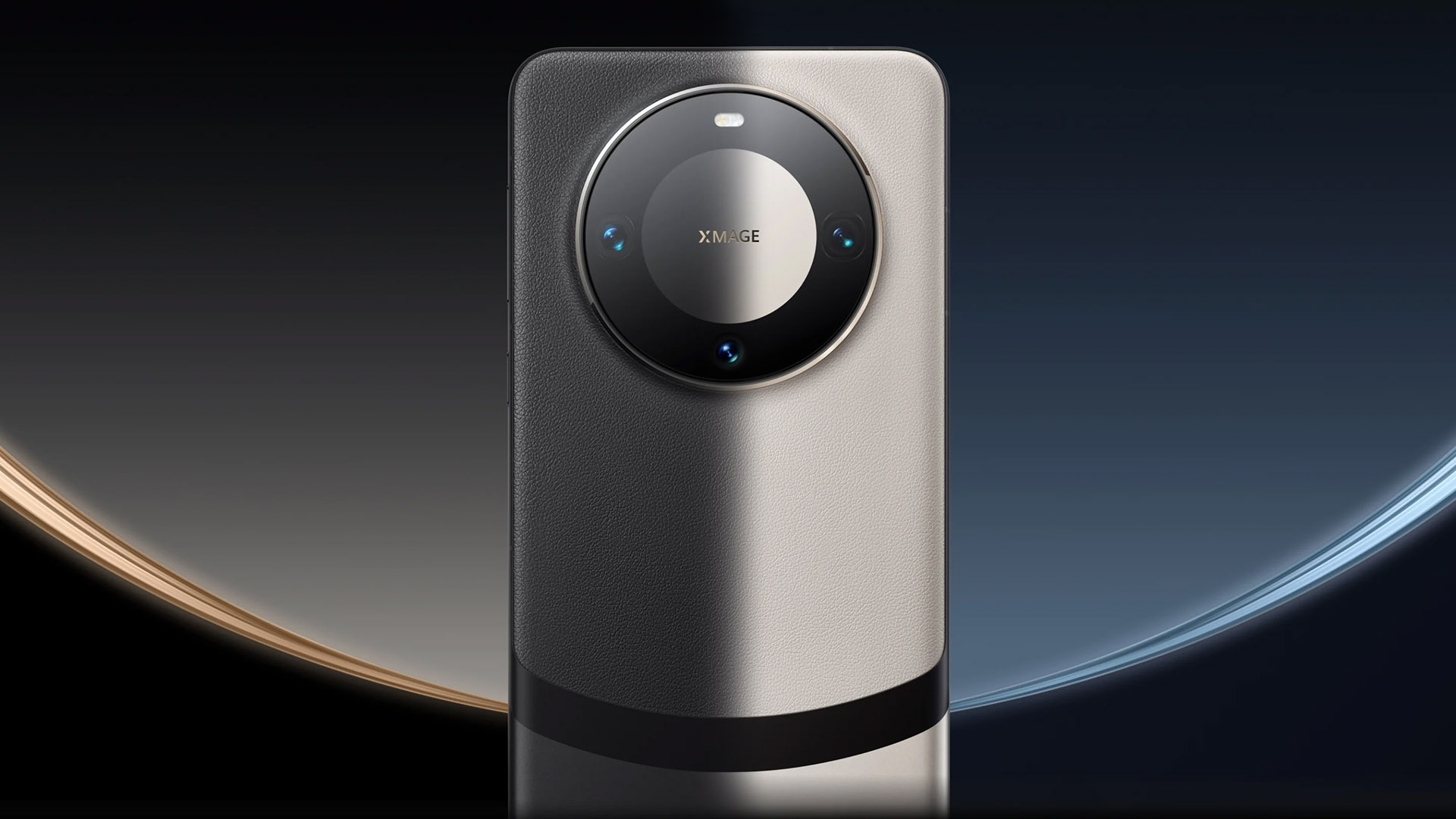
Graphics by Vincenz Lee | GadgetMatch
Finally, after three years of hiatus, HUAWEI has finally decided to bring back the Pro+ line to life.
For the flagship-savvy
I’m already gonna spoil you: there are just quite a few (but major) changes that the HUAWEI Mate 60 Pro+ has over its “lesser Pro” sibling.
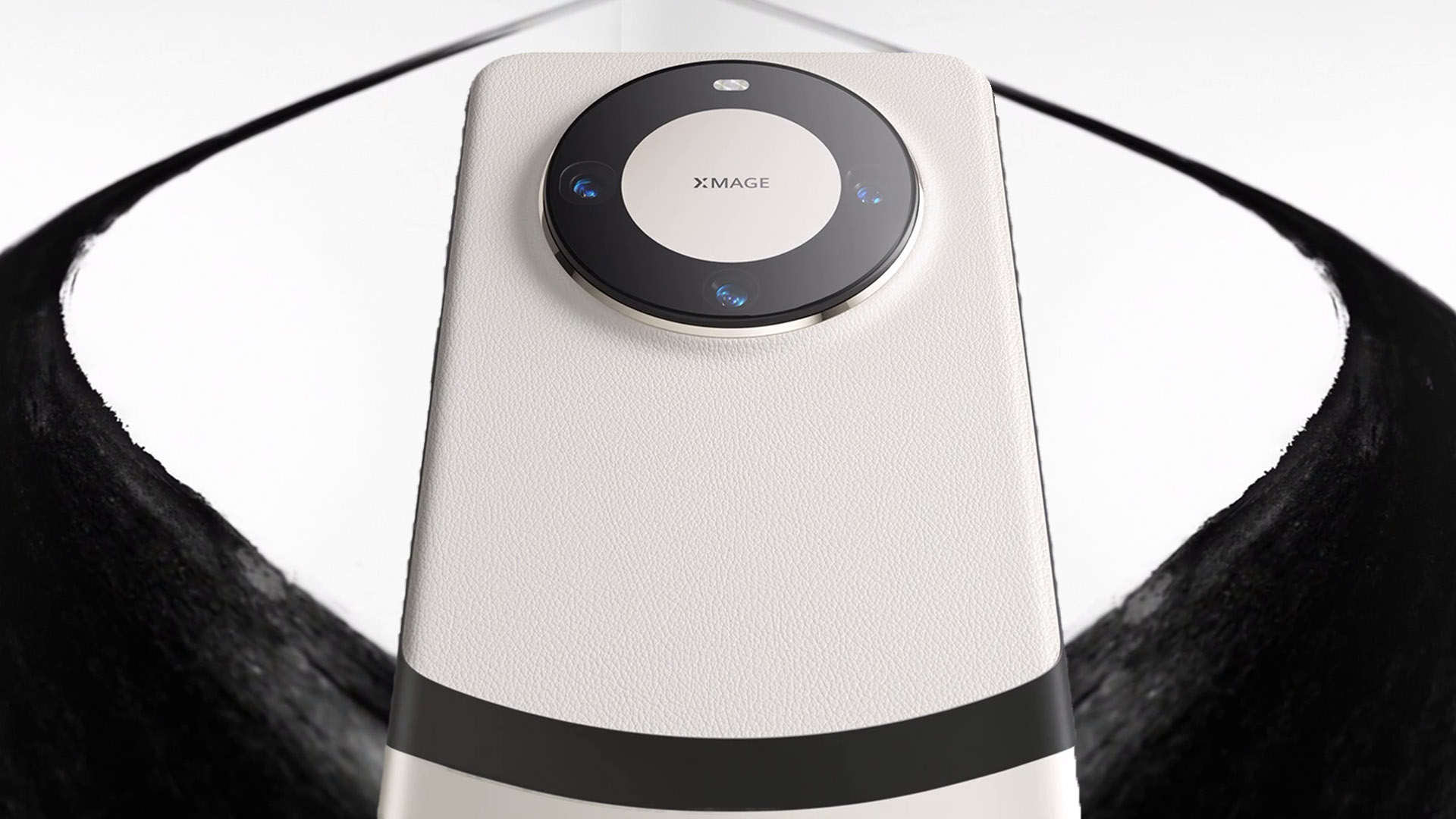
Graphics by Vincenz Lee | GadgetMatch
First, its got better storage and memory configurations for flagship-savvy users. There’s a bigger 16GB RAM. You can also choose between just the 512GB or a whopping 1TB storage option.
If that’s still not enough for your storage needs, HUAWEI’s NM (Nano Memory) card saves the day with its up to 256GB expandability.
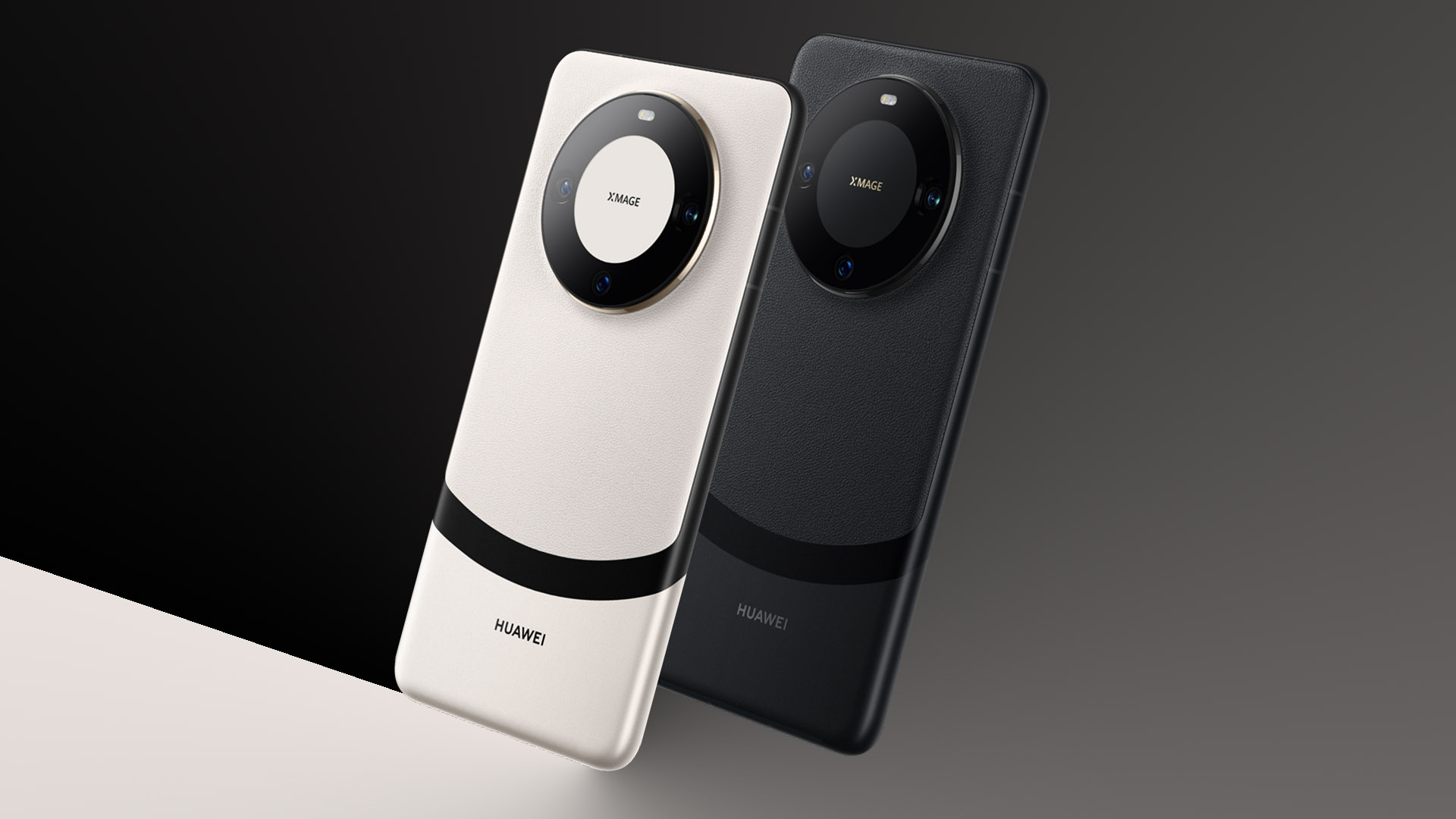
Graphics by Vincenz Lee | GadgetMatch
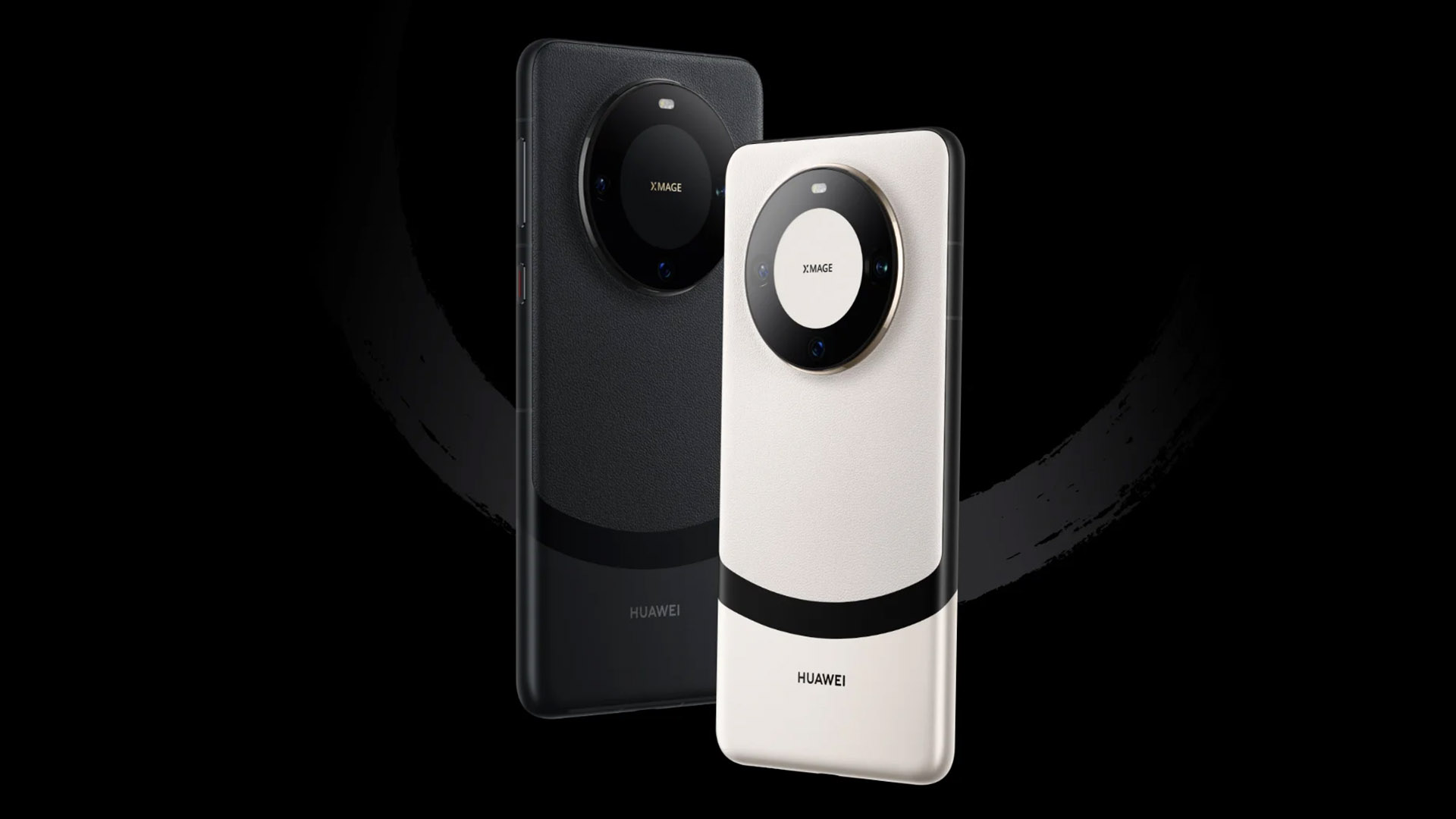
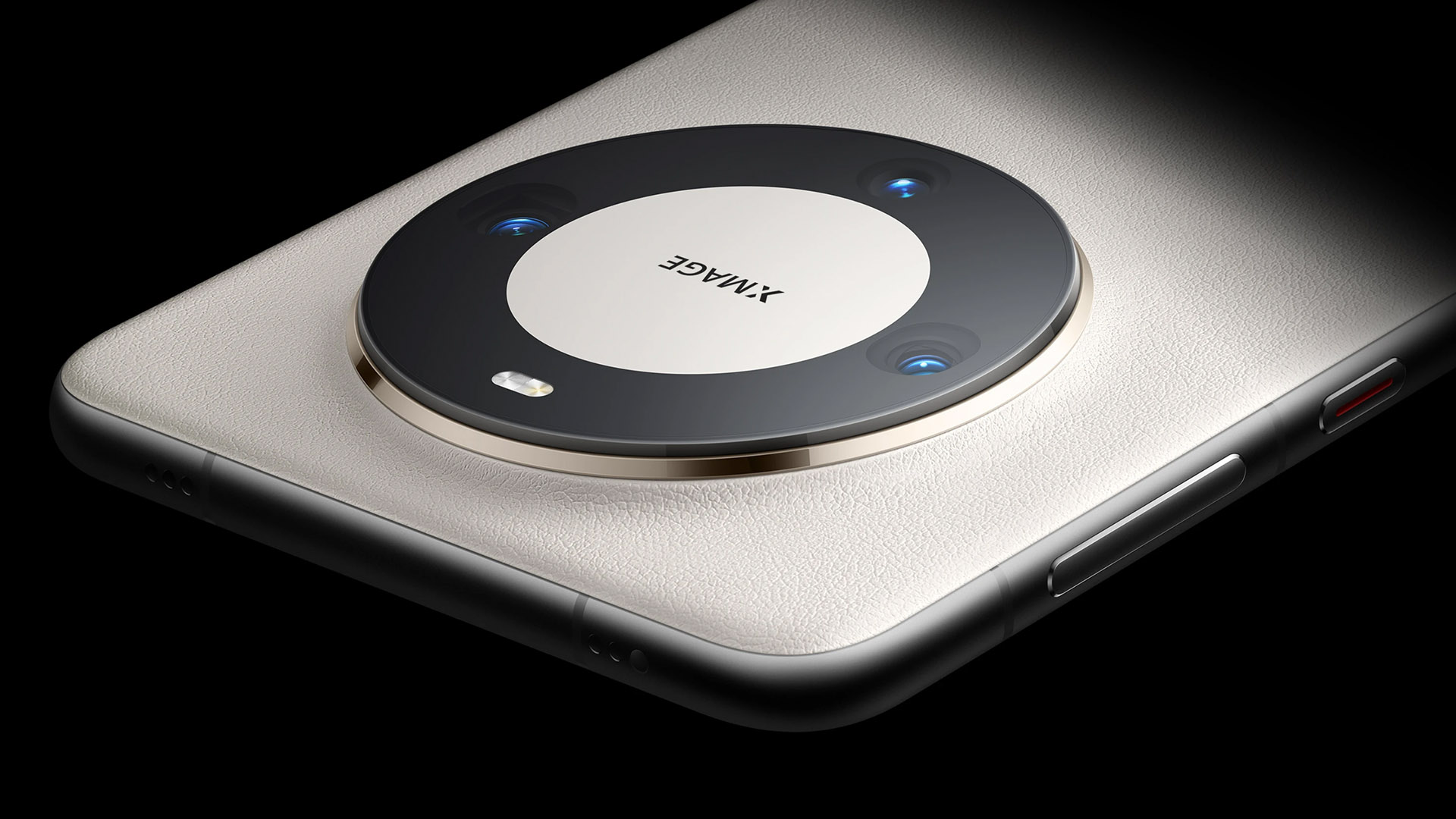
Second, unlike its lesser Pro siblings, the Mate 60 Pro+ are only being offered in two classic yet streamlined-looking colorways: Xuanbai (which is white), and Inkstone Black.
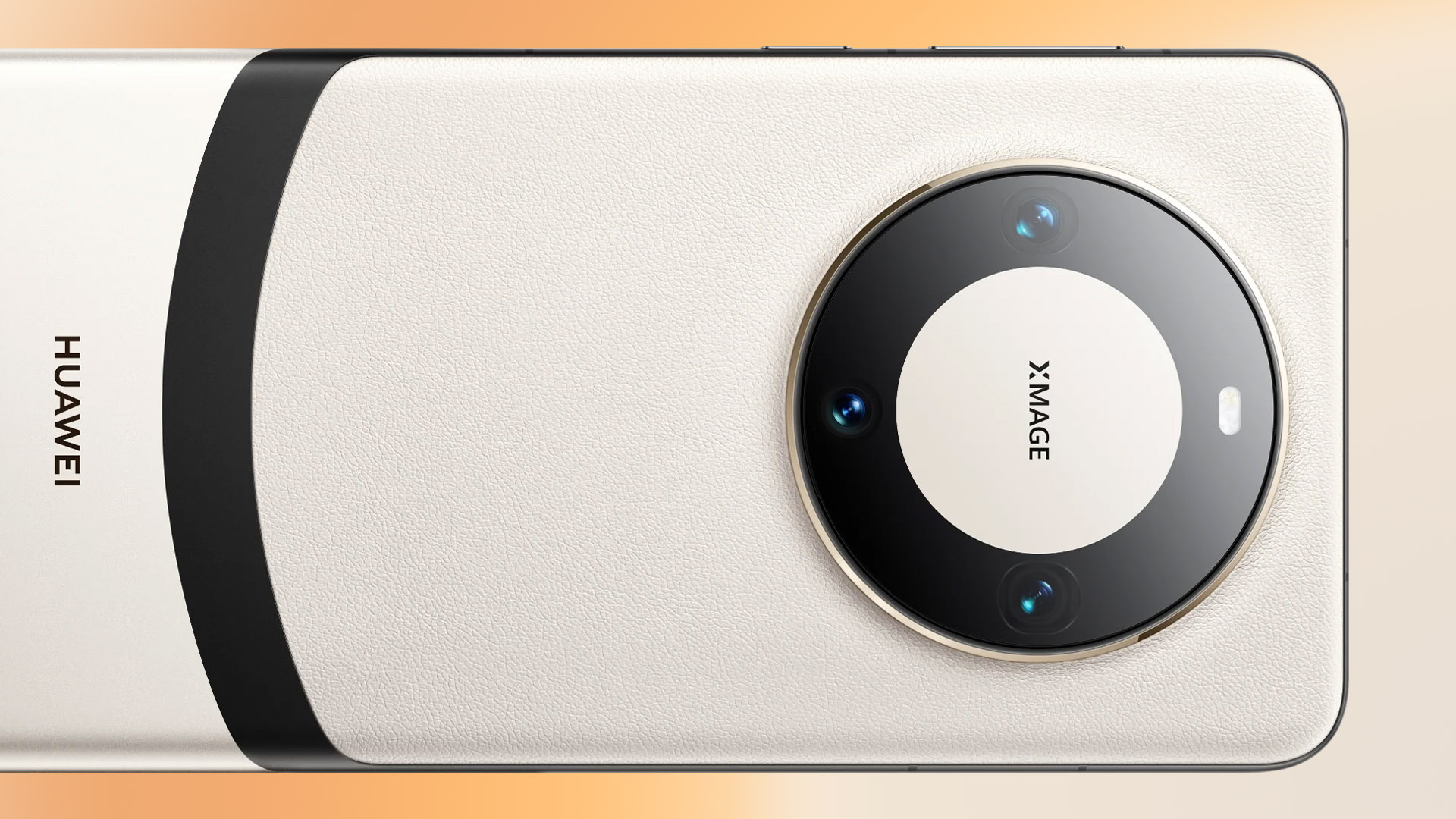
Graphics by Vincenz Lee | GadgetMatch
Last but definitely not the least, both Pro phones have two major differences in their respective camera department:
| Mate 60 Pro+ | Mate 60 Pro | |
| Wide | 48MP f/1.4-4.0 Super Spotlight Camera OIS |
50MP f/1.4-4.0 Super Optical Camera OIS |
| Ultra-Wide | 40MP f/2.2 | 12MP f/2.2 |
| Telephoto | 48MP f/3.0 3.5x optical zoom 100x digital zoom OIS |
48MP f/3.0 3.5x optical zoom 100x digital zoom OIS |
| Rear | 13MP f/2.4 UWA selfie 3D Depth |
13MP f/2.4 UWA selfie 3D Depth |
Of course, this is with the inclusion of HUAWEI’s excellent XMAGE imaging system.
Best in Class
As the old saying goes: If it ain’t broke, don’t fix it. The Mate 60 Pro+ still keeps the best in class features that its Pro sibling already have.
On the outside, they’re just like twins: 8.1mm thin and a lightweight smartphone at just 225 grams.

Graphics by Vincenz Lee | GadgetMatch
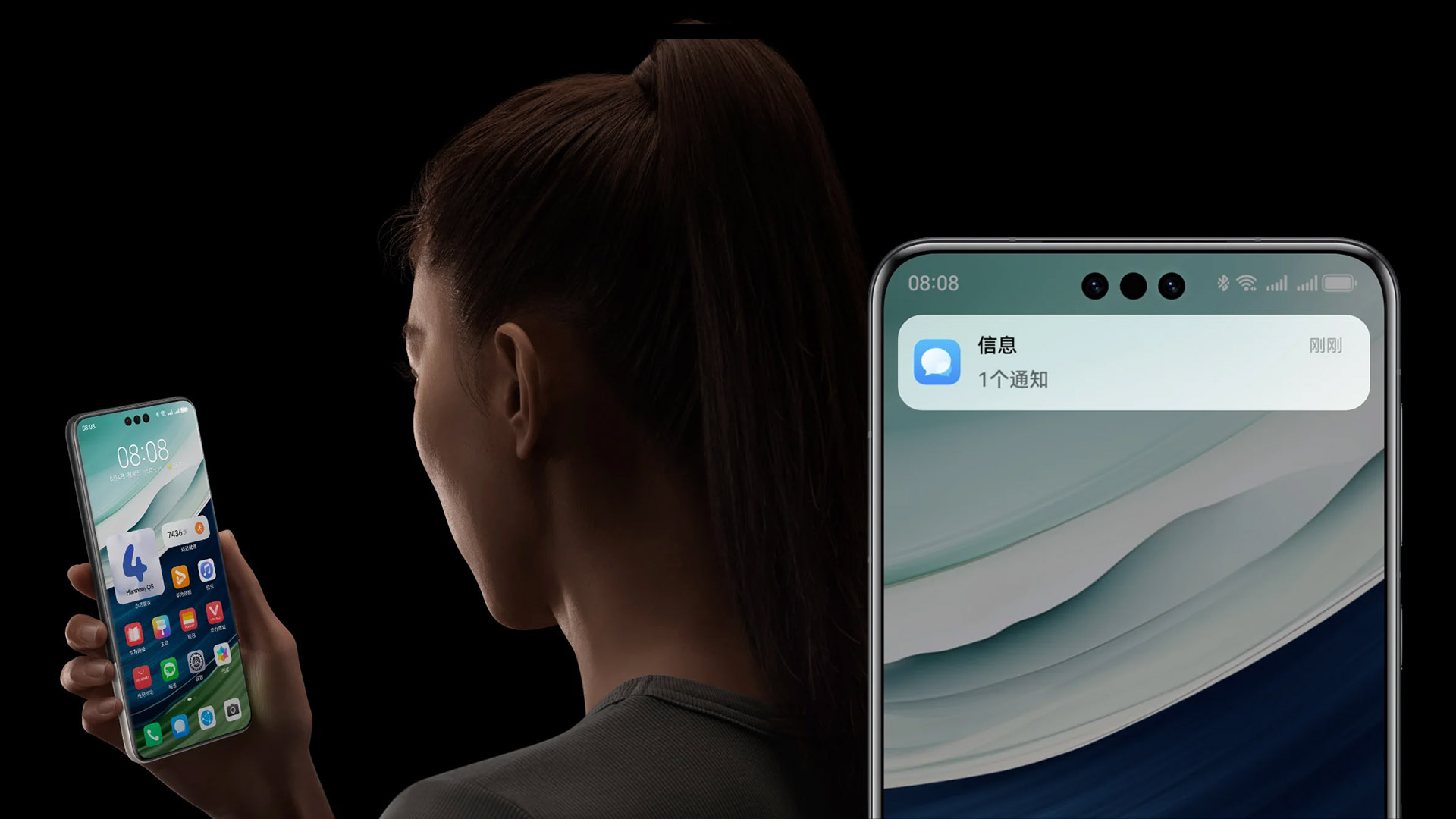
Display specifics are never different: 6.82-inch LTPO OLED Full HD+ display with a 1-120Hz adaptive refresh rate, 300Hz touch sampling rate, 1440Hz PWM Dimming, plus DCI-P3 Wide Color Gamut and 1.07 Billion Colors support.
Graphics by Vincenz Lee | GadgetMatch
Of course, it would be questionable if they didn’t equip it with the new triple punch-hole cutout — which can later be changed to a pill-shaped one via its software settings.
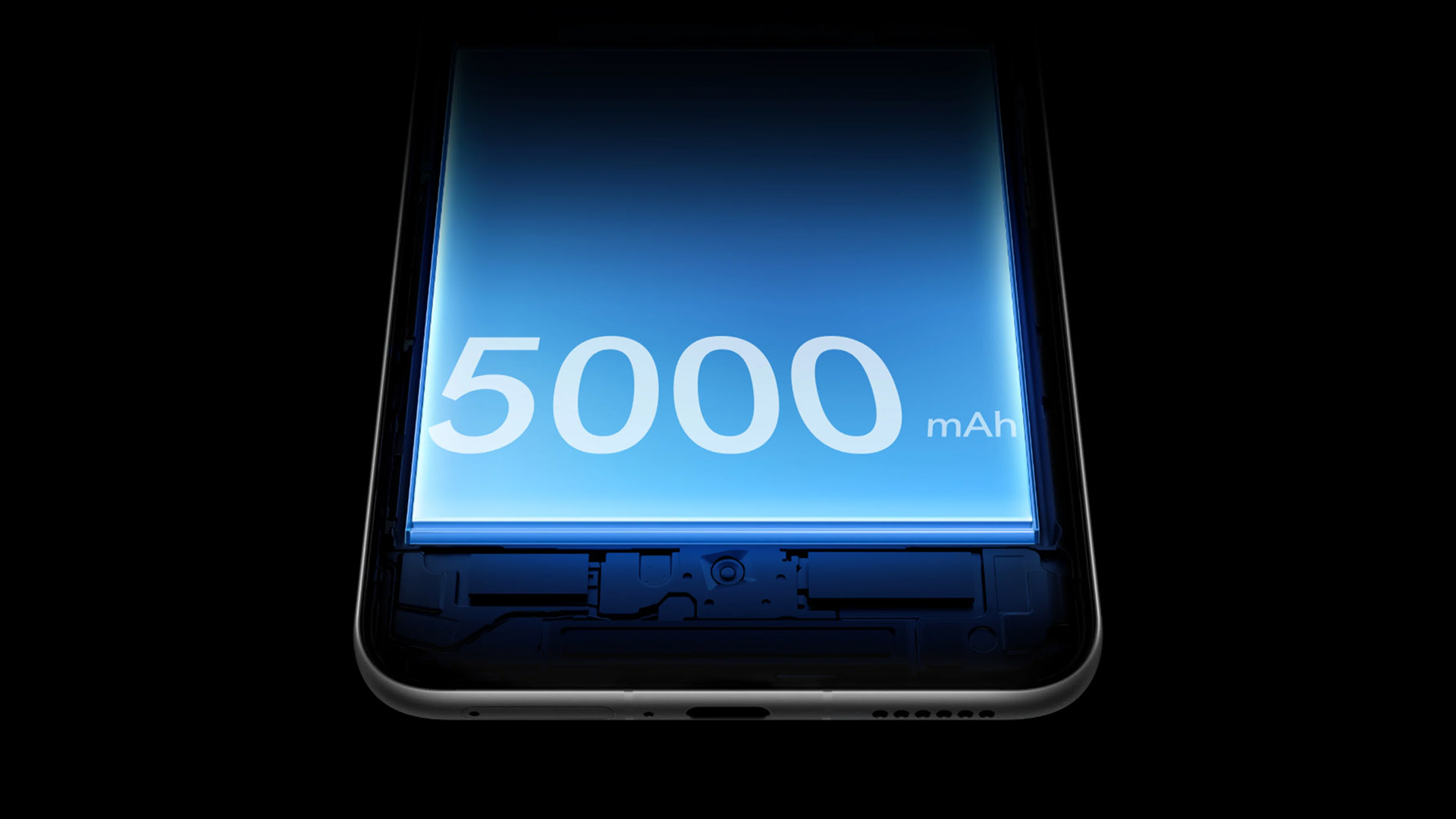
Battery? Still that 5000mAh battery with 88W wired SuperCharge support, 50W through wireless, and 20W when reverse wireless charging is being used.
Last but definitely not the least is found inside its core. The HUAWEI Mate 60 Pro+ is also powered by the newest Kirin 9000s chipset in a 7nm process.
Though its official spec sheet say nothing about the CPU it uses, it’s very evident that HUAWEI has invested much of their time and money on R&D just to manufacture their own chips without having to deal with partnership issues alongside other manufacturers. This enables not just 5G connectivity but also the company’s satellite communication technology altogether.
Satellite Service Support
Speaking of, unlike the Mate 60 Pro, the Pro+ version supports both two different Chinese satellite-based services: Beidou and Tiantong.
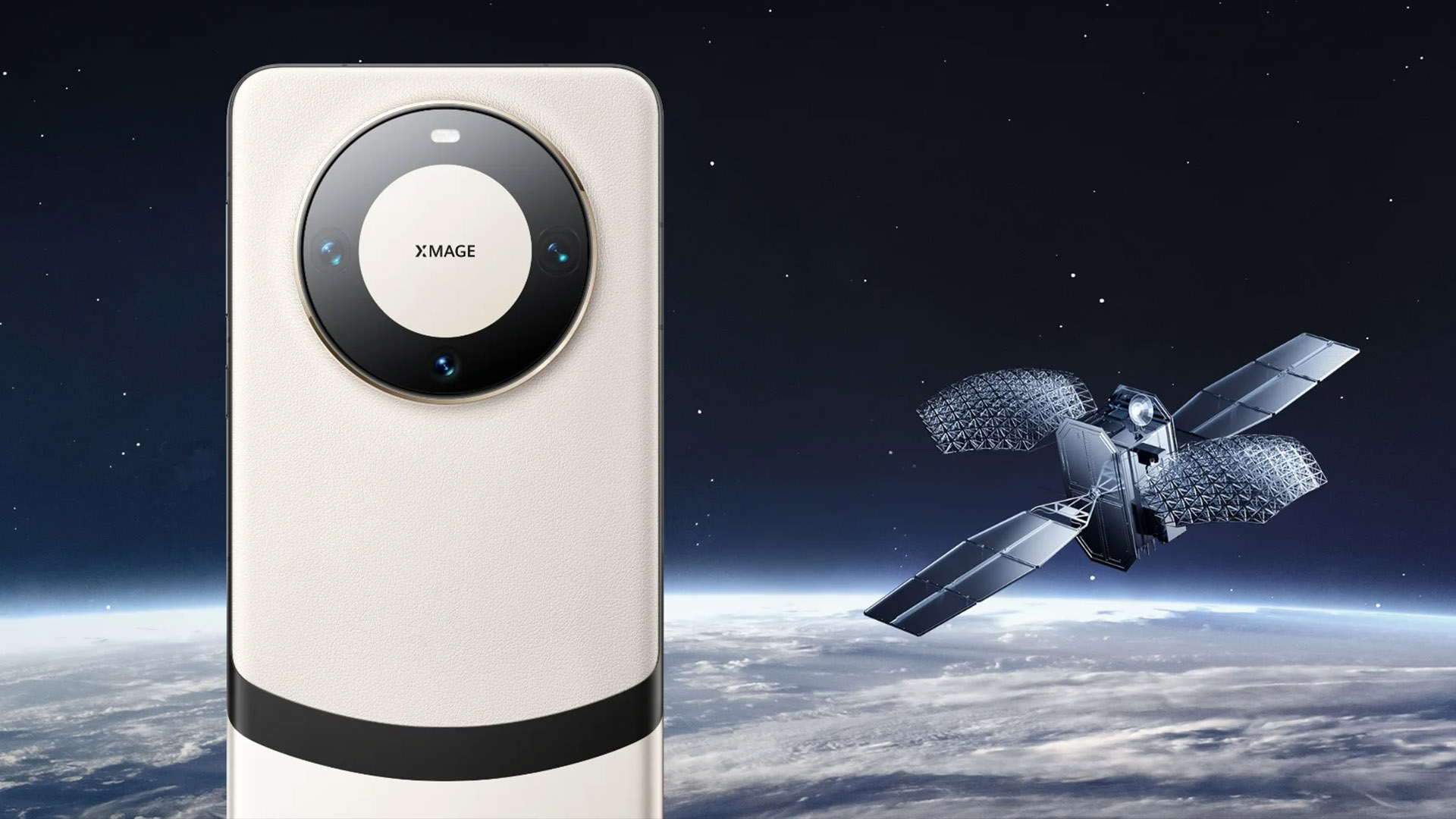
Beidou satellite tech first made its debut on the HUAWEI Mate X3 and P60 series. This technology doesn’t require any SIM card in order for it to work but has limitations when it comes to sending messages. Making calls are simply impossible.
Whereas Tiantong-based satellite tech prompts the user to insert a SIM card prior using the service. This also means it can do more than messaging such as calls, sending media, and even surfing the web.
Beidou is currently free of charge when sending short messages under public beta testing while Tiantong offers several plans for users to avail — whether it’s for local or international use.
Utmost robustness
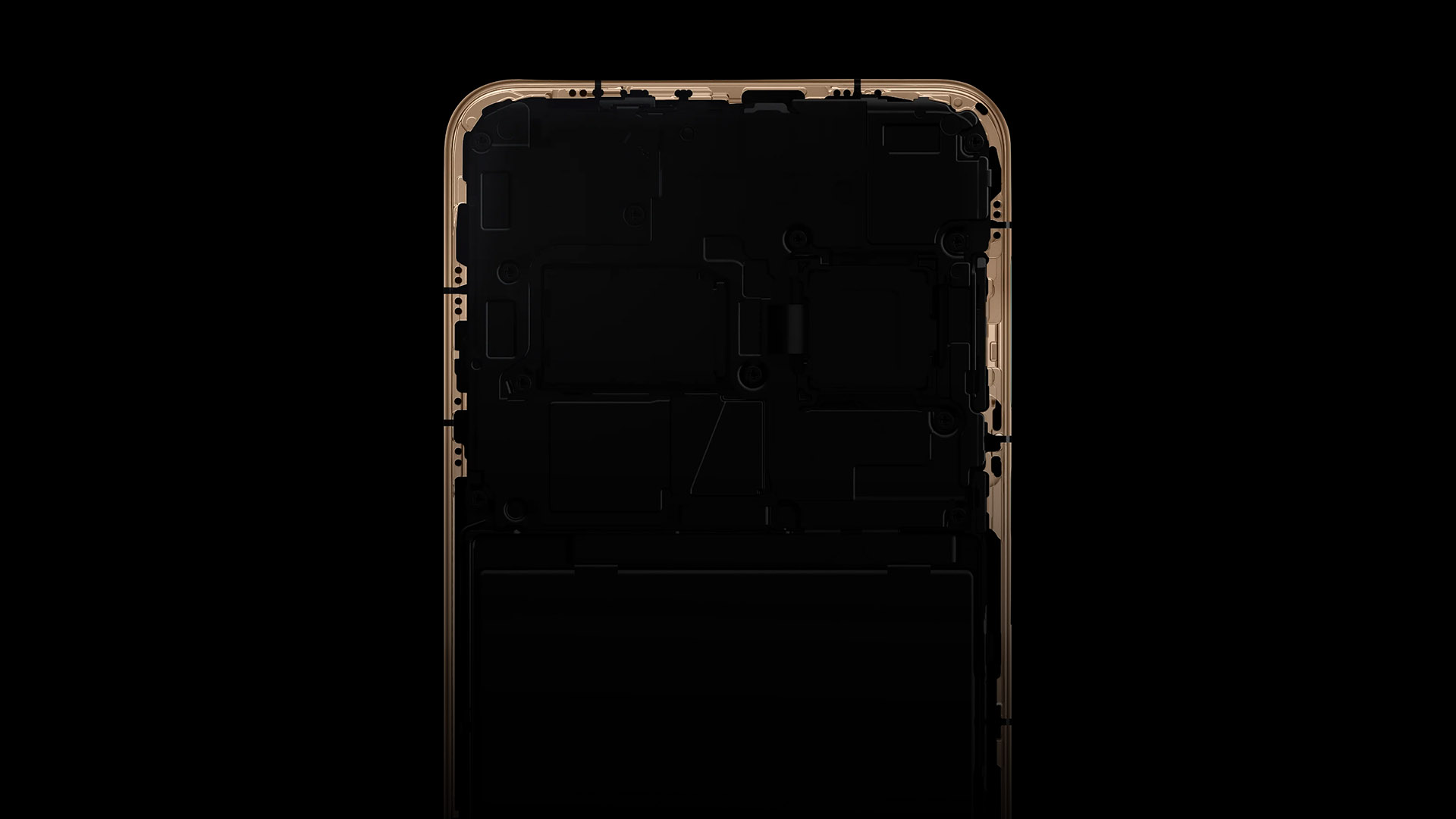
The “Xuanwu architecture” (or Xuanwu design) wasn’t forgotten. With an ultra-strong basalt body and ultra-durable brocade fiber material alongside HUAWEI’s very-own second-generation Kunlun Glass, it gives the phone a three-layer protection and strengthens the phone’s overall reliability.
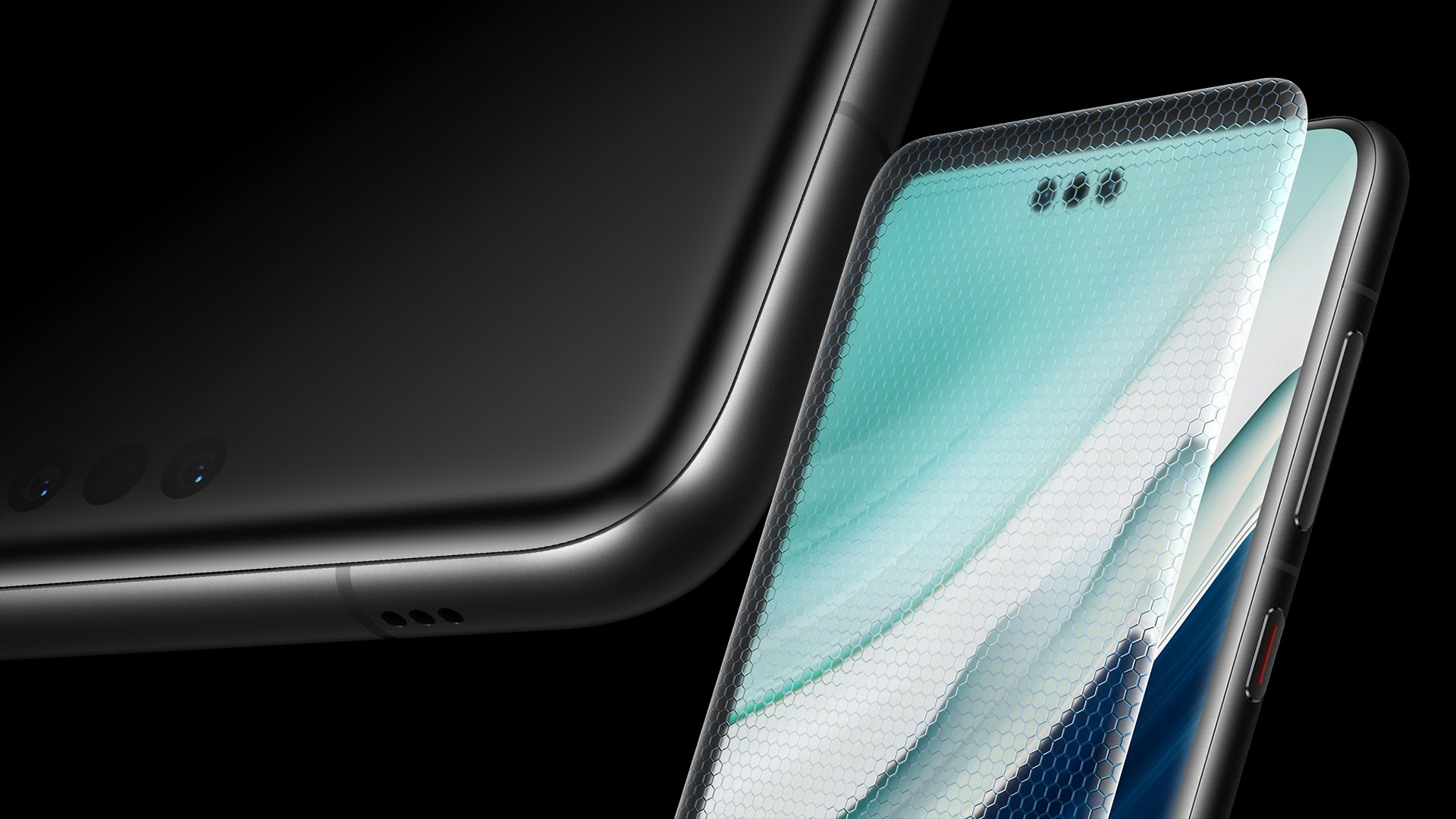
Graphics by Vincenz Lee | GadgetMatch
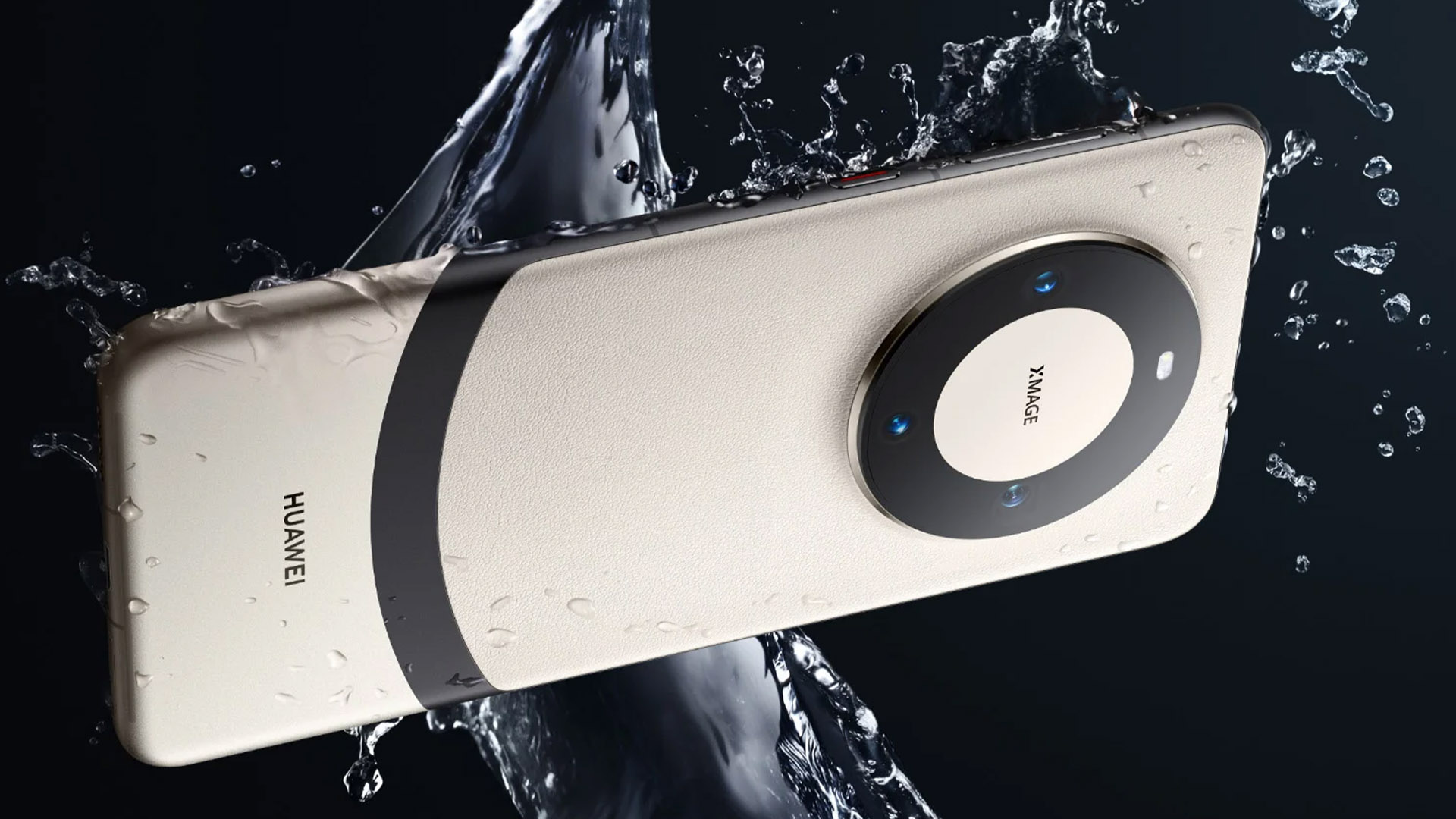
Other flagship features worth keeping are the IP68 water and dust resistance rating.
Ultimate Design
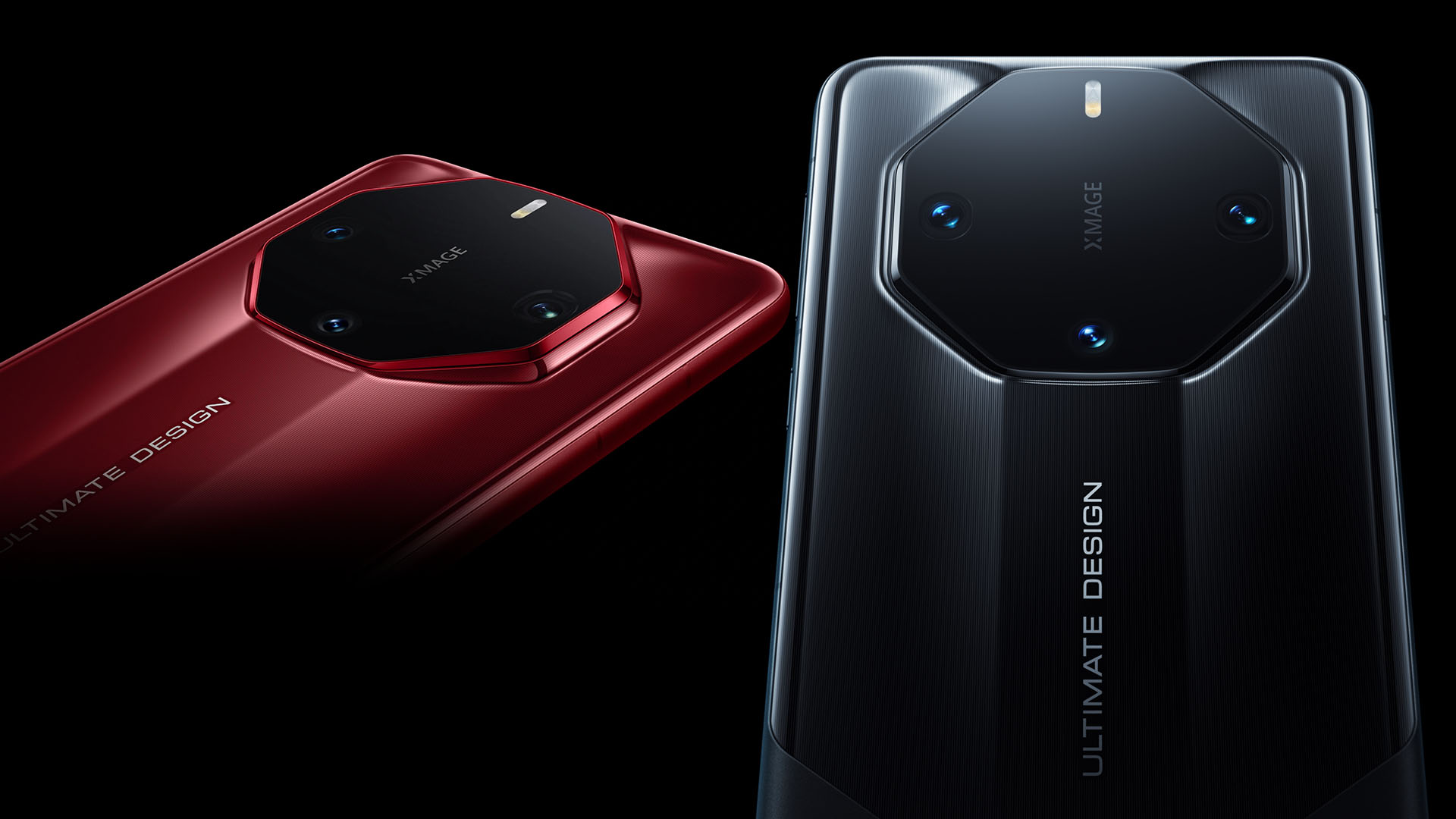
As previously rumored, the long-term collaboration between the fashion brand Porsche Design and the Chinese company has come to an end as the Chinese company didn’t want to renew their partnership that started last 2016 with the Porsche Design Huawei Mate 9. Thus, the Mate 60 RS “Ultimate Design” was born (and actually trademarked by HUAWEI).

Graphics by Vincenz Lee | GadgetMatch
Specs-wise, it’s the same Mate 60 Pro+ but in a classier, more premium aesthetics plus a more intricate craftsmanship. But unlike the Mate 50 RS Porsche Design, there are no differences in this year’s cameras nor device configurations.

Graphics by Vincenz Lee | GadgetMatch
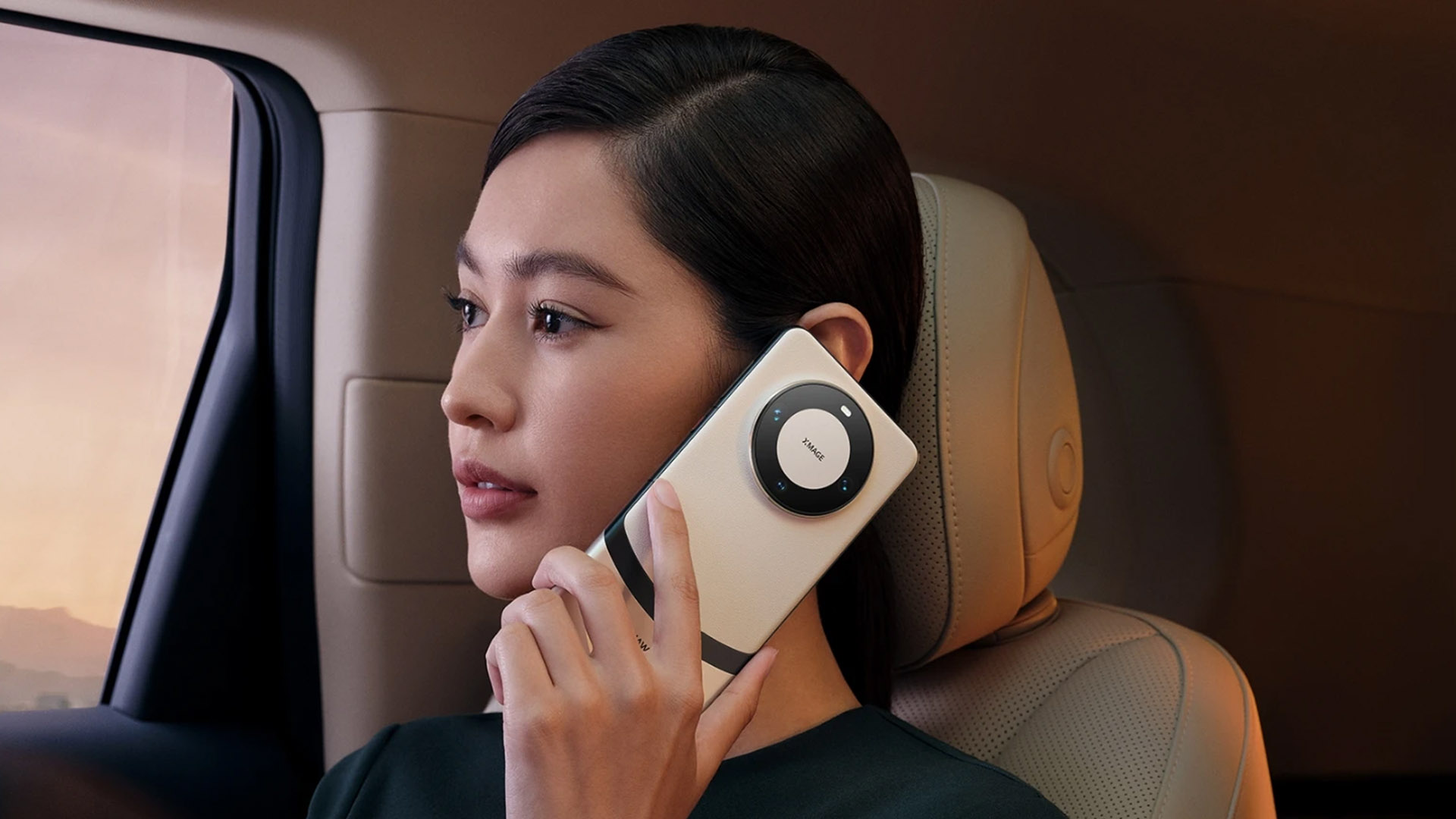
To make it easier to differentiate, the Mate 60 RS Ultimate Design uses a ceramic and metal combo. On the other hand, the Mate 60 Pro+ features leather and metal while the Mate 60 sticks with glass and metal.
You can choose between two bold colors: Ruihong (Red) and Xuanhei (Black on Black).
Pricing and availability
As previously mentioned, the HUAWEI Mate 60 Pro+ and Mate 60 RS Ultimate Design are limited with just two configurations:
Mate 60 Pro+
- 16GB + 512GB = CNY 8999 (US$ 1231 / EUR 1158 / GBP 1007 / SG$ 1682 / PhP 69,865 / INR 102,319)
- 16GB + 1TB = CNY 9999 (US$ 1368 / EUR 1286 / GBP 1119 / SG$ 1868 / PhP 77,628 / INR 113,689)
Mate 60 Pro RS Ultimate Design
- 16GB + 512GB = CNY 11,999 (US$ 1641 / EUR 1543 / GBP 1342 / SG$ 2242 / PhP 93,156 / INR 136,429)
- 16GB + 1TB = CNY 12,999 (US$ 1778 / EUR 1672 / GBP 1454 / SG$ 2429 / PhP 100,919 / INR 147,799)
Previously, HUAWEI has promised that the pre-ordered Mate 60 Pro+ units are expected to arrive before October 9, 2023 (Monday). It’s later moved to October 21, 2023 (Saturday).
There’s no word on the global availability of these new releases from HUAWEI. Still, don’t keep your expectations too high.
The thought of this phone being equipped with the new 5G Kirin chipset most likely hints that they will have the same fate as the other two Mate 60 models where a company representative confirmed them being solely China-exclusive. Still, we’re crossing our fingers for a global variant of at least the Mate 60 Pro+.





News
nubia to launch new Neo 5 series gaming phones on March 28
Head to SM Megamall for activities, guest appearances, surprises

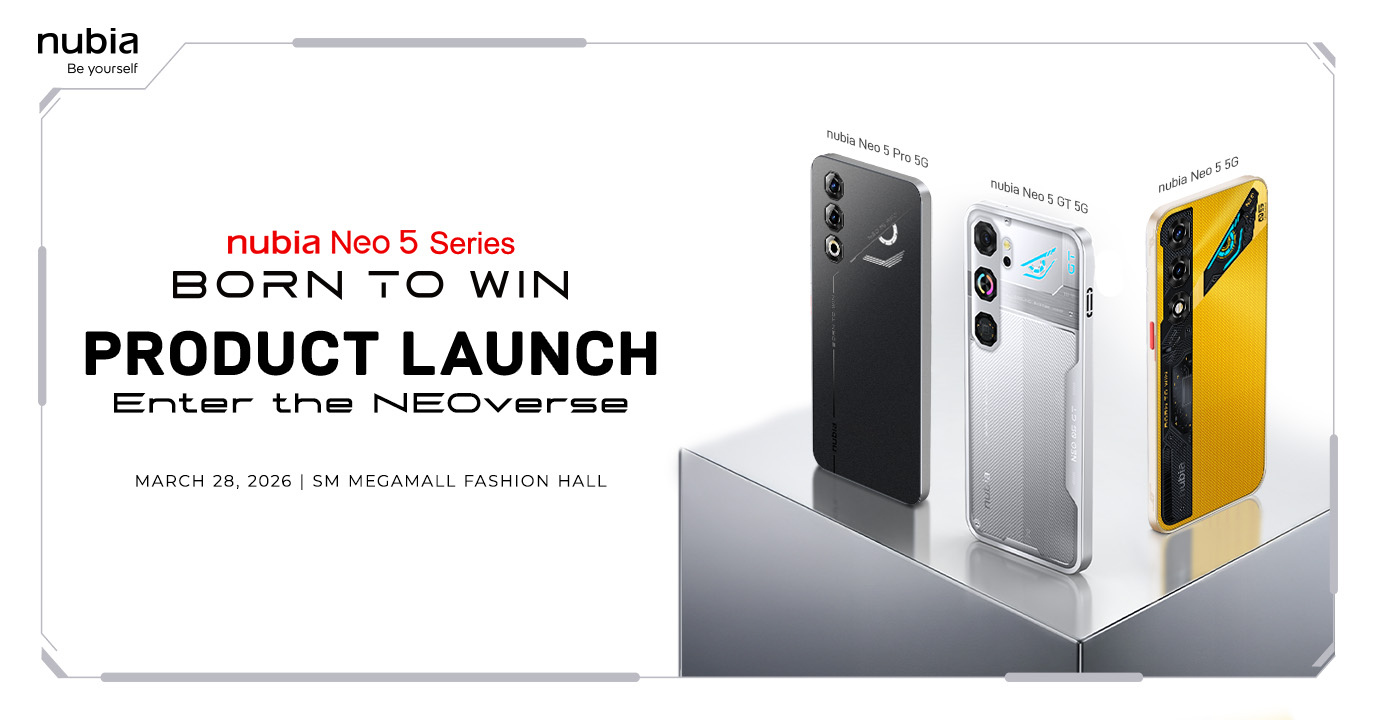
nubia Philippines will officially launch the nubia Neo 5 series gaming smartphone on March 28 at their “Enter The NEOVerse: Born To Win” event. It will be held at the SM Megamall Fashion Hall in Metro Manila.
The nubia Neo 5 series’ design and details will be unveiled during the event. It is inspired by the REDMAGIC Gaming Lab, which is behind the REDMAGIC’s high-performance gaming ecosystem.
The nubia Neo 5 series will introduce a bold gaming-centric aesthetic, paired with performance-driven specs.
Customers can expect a sleek, futuristic styling, as well as powerful hardware engineered to elevate everyday mobile gameplay.
Across the lineup, users can expect high refresh rate displays, powerful processors, advanced cooling systems, and the familiar gaming triggers from the previous series.
It does look like nubia is adding AI-powered gaming optimization to give players an extra edge for every competitive match.
All these, of course, minus the flagship price tag.
Enter the NEOverse
At nubia’s launch event, the activity area will be transformed into a gaming-inspired universe.
Guests can explore interactive zones, participate in challenges, and experience the nubia Neo 5 series firsthand. They can also unlock exclusive rewards and prizes.
Moreover, the event will feature appearances from nubia ambassadors Sanya Lopez and ONIC Philippines.
From there, there will be 1v1 gaming sessions with ONIC PH players, as well as a special “Play” segment featuring a yet-to-be-revealed cosplayer.
nubia will also offer event-exclusive deals for early shoppers during the launch. Customers can enjoy up to seven premium freebies per nubia Neo 5 model. This is available for the first 100 customers.
Furthermore, nubia will officially announce its TikTok Super Brand Week, as well as partnerships with Yanlala and Geely.
News
REDMI Note 15 Series named Presenting Partner for Spartan Race Philippines 2026 season
Titan Toughness takes center stage!

Being a Spartan athlete for five years has taught me that endurance isn’t just about physical strength; it’s about the mental grit to keep moving when your body begs you to stop.
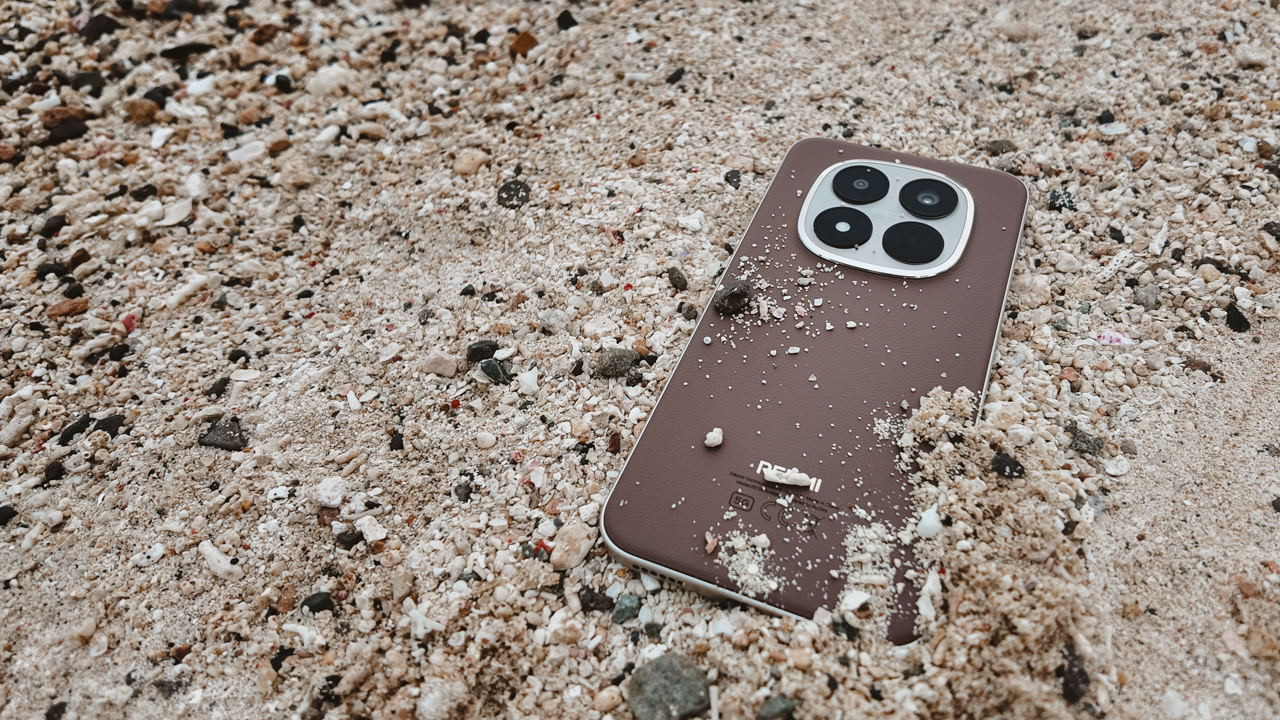
In this world, “toughness” becomes more than just a marketing buzzword. Now, it’s a requirement for survival. That’s why the partnership between Spartan Race Philippines and the REDMI Note 15 Series feels like a shared philosophy.
Partner for a tough course
Starting March 21, 2026, at Parklinks, Pasig City, the REDMI Note 15 Series officially joins the Spartan circuit.
For someone who has navigated these obstacles for years, I know that technology usually doesn’t belong in the mud. But the “Titan Tough” promise of the REDMI Note 15 is built for this exact routine.
It’s designed to be there for the moments that matter. For capturing the raw, unpolished triumph of the finish line; for surviving the grit of the course so you can focus on the next hurdle; and for finding the device at the heart of the festival area and the winner’s circle, mirroring the resilience of the athletes themselves.
Join the journey
Whether you are a seasoned elite racer or stepping into your first Open heat, this season is about testing your limits.
To help you get to that starting line, you can use the discount code REDMINOTE15 to get 10% OFF on all Spartan Race OCR, Spartan Kids Race, and Hurricane Heat events.
See you at the starting line. AROO!

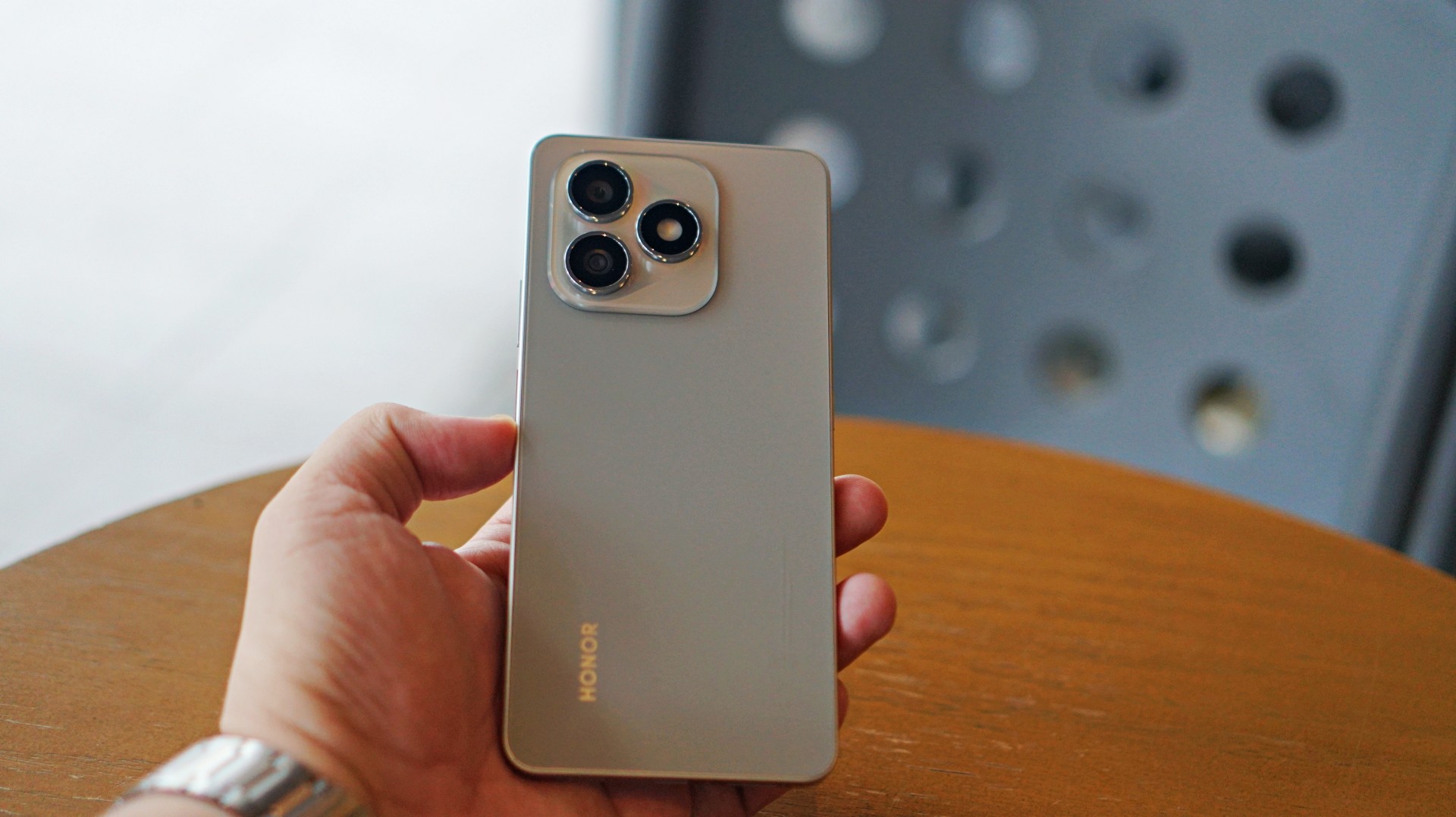
HONOR Philippines has launched its latest mass-market smartphone entry that caters to students and the youthful market in general: the HONOR X8d.
The budget smartphone is priced at PhP 15,999 and is available in Blue, Velvet Black, and Velvet Grey colors.
As part of launch offers, those who pre-order until March 27 can get a free accessory and can also avail of 0% installment plans via credit cards and Home Credit.
Customers can get the device through Lazada, Shopee, and HONOR stores.
REVIEW: The HONOR X8d is serviceable
The HONOR X8d is powered by a Snapdragon 6s 4G Gen 2 processor and comes with 8GB of RAM (plus 8GB expansion) and 256GB of storage.
It has a large 7,000mAh battery which supports 45W charging, making it a very long-lasting daily value companion.
The device features a 6.77-inch 120Hz display which has up to 3,000 nits of brightness, making it useful for practical situations.
The handset comes with usual display certifications and protections, including 3840Hz PWM dimming, E-Book mode, SGS drop resistance, and an IP65 rating.
For its cameras, the X8d has a 108MP main camera, plus a 16MP front camera. The main shooter can capture decent quality at 1x, 2x, and 3x zoom ranges.
There are also handy AI editing tools like AI Eraser, AI Cutout, and AI Upscale.
Out of the box, the HONOR X8d runs on MagicOS 10 based on Android 16. It also has staple productivity tools like AI Translate, AI Writing, AI Notes, and AI Recorder, alongside features such as Magic Portal and Circle to Search.




Now Playing: Hoppers

Jackery SolarSaga series: Free power for small devices

UGREEN adds new Nexode Pro power bank, charger to lineup

nubia to launch new Neo 5 series gaming phones on March 28

SHINOBI: Art of Vengeance’s SEGA Villains Stage out on April 3


-
 Reviews5 days ago
POCO X8 Pro Max review: A new beast from the far east
-

 News5 days ago
POCO X8 Pro Series: Price, availability in the Philippines
-

 Laptops2 weeks ago
Apple MacBook Neo Review
-

 Computers2 weeks ago
GIGABYTE collaborates with Capcom for RE Requiem custom PC
-

 Apps1 week ago
Google Maps is finally getting a 3D mode
-

 Entertainment2 weeks ago
The internet is thirsting over the One Piece Season 2 cast
-
 Features1 week ago
Galaxy AI on the Samsung Galaxy S26 Ultra
-

 Automotive2 weeks ago
BYD is reportedly considering an F1 team