


Laptops
Huawei MateBook 13 review: 5 reasons to make the switch
And a couple of reasons why you shouldn’t

Lots of tech reviewers, including myself, considered the MateBook X Pro as one of the best Windows laptops of 2018. It has the build quality, performance, and look that could easily take on the MacBook Pro.
Naturally, Huawei followed up this major release with a set of new notebooks in early 2019. These include an updated MateBook X Pro, MateBook 14, and finally, the MateBook 13 we have here.
Given its name and pricing — starting at US$ 999 for the Intel Core i5 variant — it’s a given that this is at the lowest end of the MateBook lineup. But don’t let any of those figures fool you; this is one solid product.
I can provide a few reasons why.
Smaller yet equally powerful
Having used the MateBook X Pro as a daily driver for several months now, switching to the MateBook 13 felt like a downgrade at first. I’d miss the quad speaker setup and larger screen, but those were the only losses in the grander scheme. If you took even a single glance at the MateBook 13’s specs sheet, you’d know that it still packs a punch.

The particular model I reviewed, which retails for US$ 1,299, comes with a Core i7-8565U, 8GB of memory, 512GB of fast storage, and a GeForce MX150 GPU. That’s loads of power for a slim laptop that’s only 14.9mm thick with a weight of 1.3kg. That’s also perfect for pushing the 2160 x 1440 pixels on the 13-inch display.
All the convenience is here
I was a little worried that Huawei would remove the fingerprint scanner as a way to cut costs, but fortunately for me and everyone who uses the MateBook 13, it’s still conveniently placed on the power button. Keep your finger on the sensor for a couple of seconds during boot-up, and you’ll go straight to your desktop.
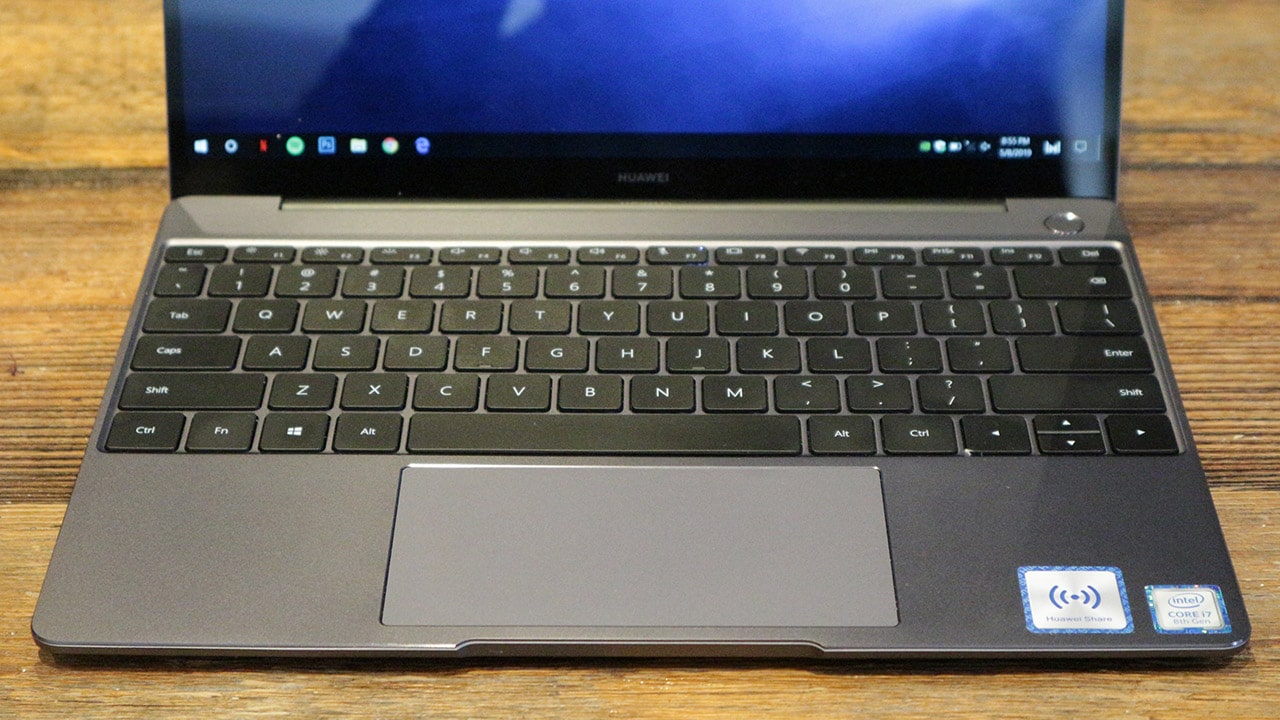
Another handy feature is the fast charger the MateBook 13 comes with. At 65 watts, it can bring this laptop from zero to full in about 1.5 hours, which is similar to what Huawei does with SuperCharge tech on its flagship smartphones. As a bonus, the cable ends in USB-C, so it can quickly charge your handset, as well.
Huawei Share is surprisingly good
I admit, there was some skepticism at the beginning with the Huawei Share sticker placed on the lower-right corner of the notebook. I’ve seen multiple attempts at making syncing between a smartphone and laptop seamless for ages, but nothing has really made it worth the try over simply plugging the mobile device in.
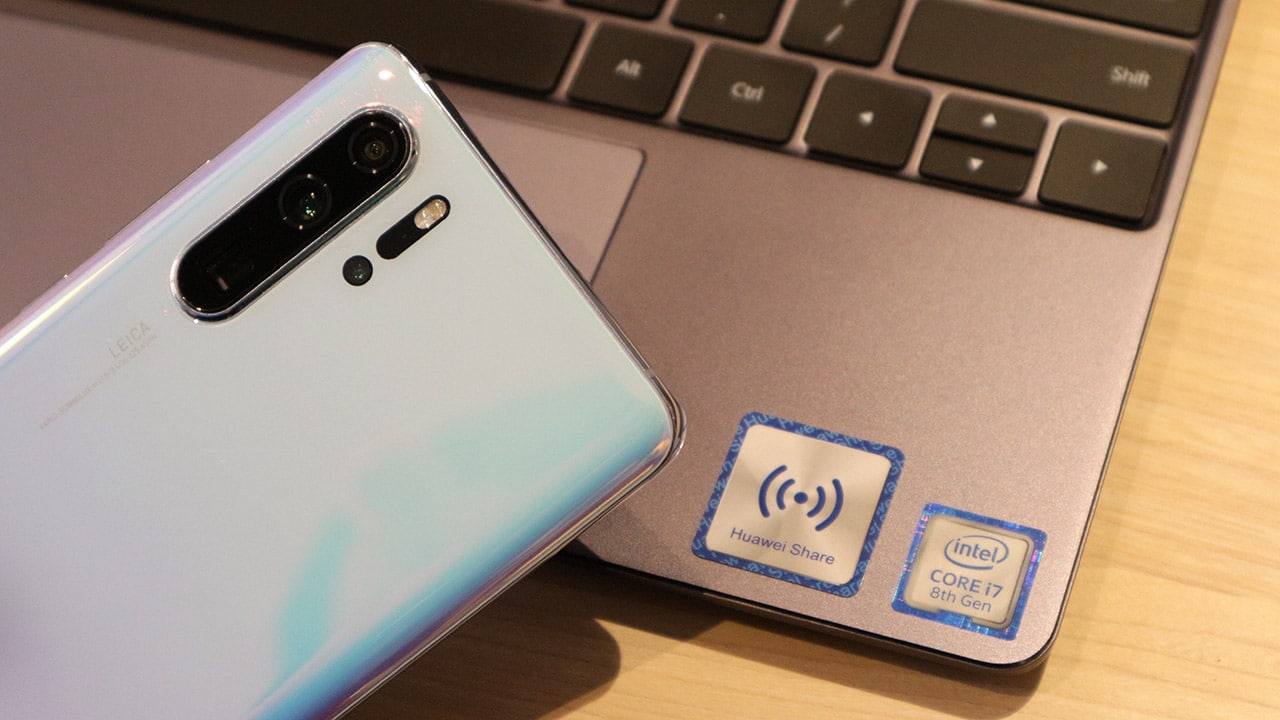
To my delight, Huawei Share legit works. I tap my P30 Pro to the right of the trackpad, and it automatically pairs through NFC. From there, you can select photos, videos, or music you’d like to share between the two devices. The only downside, of course, is that you need a compatible Huawei phone to make this work, which would alienate tons of users.
A much better webcam placement
The biggest complaint of any MateBook X Pro user centers around the notebook’s awkward webcam placement. While the pop-up mechanism is cool, the videos you get out of it aren’t. It’s the lone downside of an otherwise perfect Windows laptop.

Huawei took notes and put the webcam where it belongs on the MateBook 13. It’s right above the display this time and doesn’t add much to the top bezel. It’s a shame that Huawei didn’t just apply this to all of its laptops from the start, but I do miss the privacy I got from the hidden placement of the MateBook X Pro.
Pretty much everything about the design
I believe that 14 inches is the sweet spot for ultra-slim laptops; it provides enough real estate while fitting well inside any sort of backpack. However, the MateBook 13 makes a strong case for why 13 inches is even handier without losing much work space. Because the bezels are still so slim, the display always feels bigger than it looks.

I’m also glad that Huawei didn’t make any comprises with the keyboard and trackpad. The clickiness and response of every backlit key is spot on, and although the trackpad may be a bit too wide for its height, the responsiveness is equally satisfying and it’s so easy to apply gestures on it, especially if you pick the non-touchscreen option.
But then…
As usual, there are a few downsides. The most glaring one is the absence of a USB-A port. One can argue that USB-C is the future — and the MateBook 13 has two of these — but if the MateBook X Pro can have a couple plus one USB-A, so should the MateBook 13. There’s a dongle for this, but being able to plug in straight away is miles more convenient.

As alluded to earlier, this laptop bears only two downward-firing speakers. They can get loud, but clarity is lost at the higher levels, and is totally muffled when placed on a soft surface. And because of the smaller overall heft, battery life takes a hit. I could get easily get over six hours of usage on one full charge, but that isn’t MateBook X Pro levels.
Is this your GadgetMatch?
The MateBook 13 is best described as a more affordable MateBook X Pro that doesn’t compromise too much. In effect, it’s yet another MacBook competitor.
With the exception of video calls, there were several moments wherein I wished I’d been using the MateBook X Pro instead, specifically when binge watching shows and plugging in a flash drive.
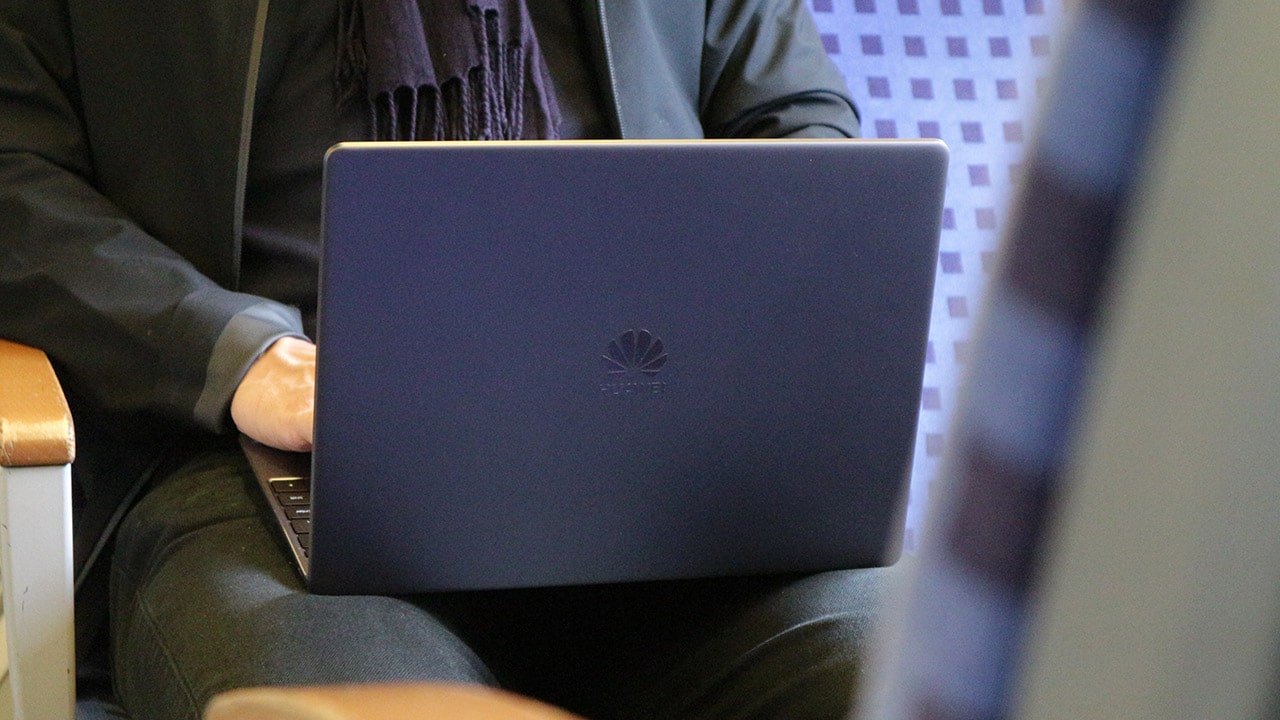
Otherwise, for the price it commands, the MateBook 13 is one of the best in its class. I love how you can get high performance and a quality build in such a compact package.
The best alternatives here are the MateBook 14 for something a little bigger and Dell’s XPS 13 line, which had been the undisputed champ before the current-gen MateBook series arrived. Now, that crown has to be shared.






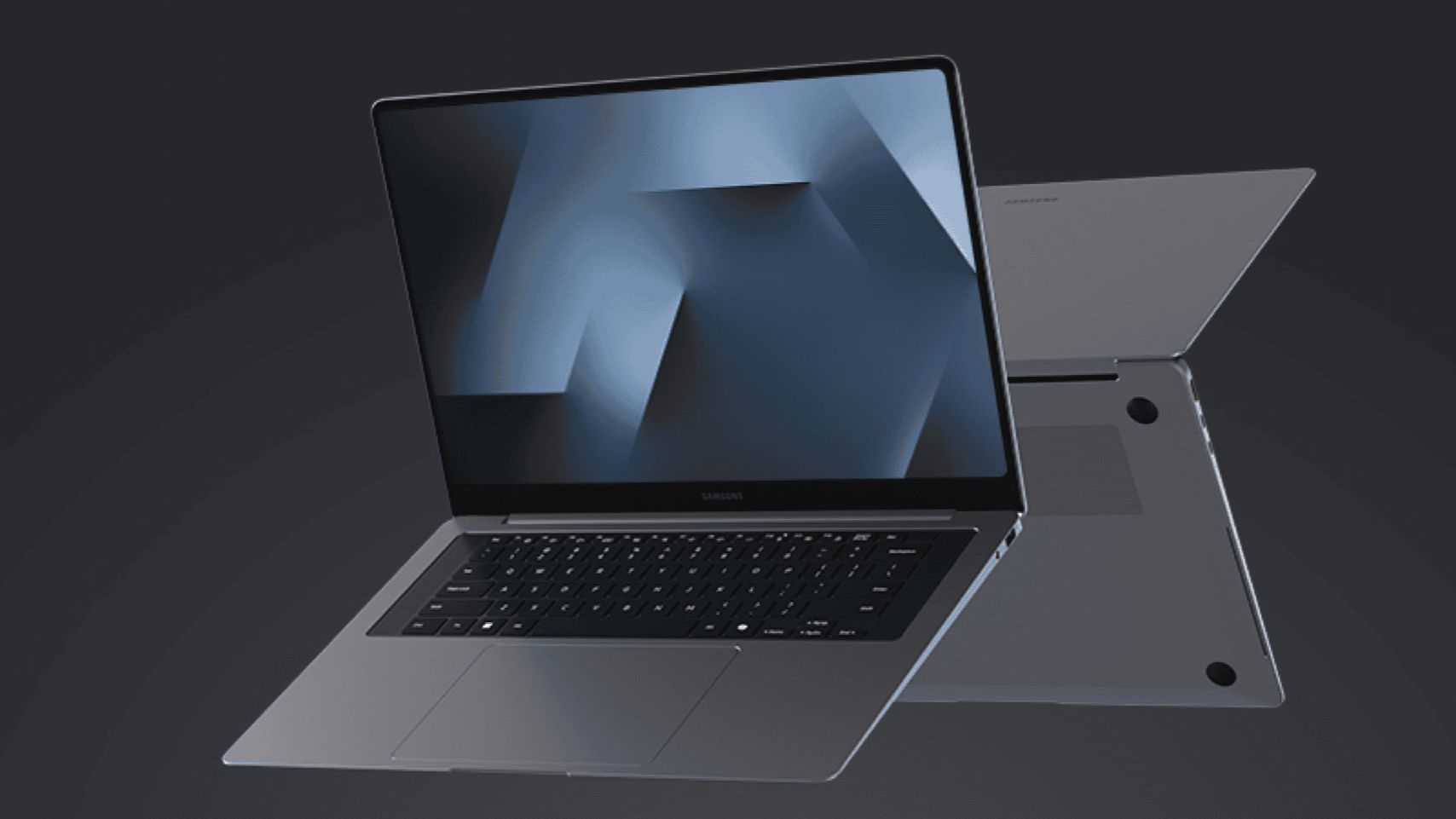
Samsung’s most advanced AI-powered PC lineup yet, the Samsung Galaxy Book6 series, will be available in the United States starting March 11.
The Samsung Galaxy Book6 Ultra, Book6 Pro, and Book6 are all powered by Intel Core Ultra Series 3 processors to deliver improved CPU, GPU, and NPU performance.
Galaxy AI features like AI Select and Intelligent Search streamline workflows, while Multi-Control and Second Screen enable seamless productivity across Galaxy devices.
Users can connect the Galaxy Book6 series to their Galaxy smartphone or tablet for multi-screen productivity. This includes accessing one’s phone storage straight from the Book6 PC.
And similar to Circle to Search on Galaxy mobile devices, the upcoming PCs have a feature wherein users can just trace whatever is on their screen and search.
In addition, the series combines ultra-thin designs with up to 30 hours of video playback.
Price, availability
Here are the pricing of the three devices under the series:
- Galaxy Book6 Ultra: Starts at US$ 2,449.99
- Galaxy Book6 Pro: Starts at US$ 1,599.99
- Galaxy Book6: Starts at US$ 1,049.99
They will be available nationwide at Samsung.com and Samsung Experience Stores beginning on March 11. Customers who reserve early will get a US$ 30 credit.
More details will be unveiled during the Samsung Galaxy Unpacked event on February 25 at 10:00 A.M. PT / 1:00 A.M. ET.
Laptops
Are you ready for a more colorful MacBook?
Apple is experimenting with quirkier colorway options for the MacBook.

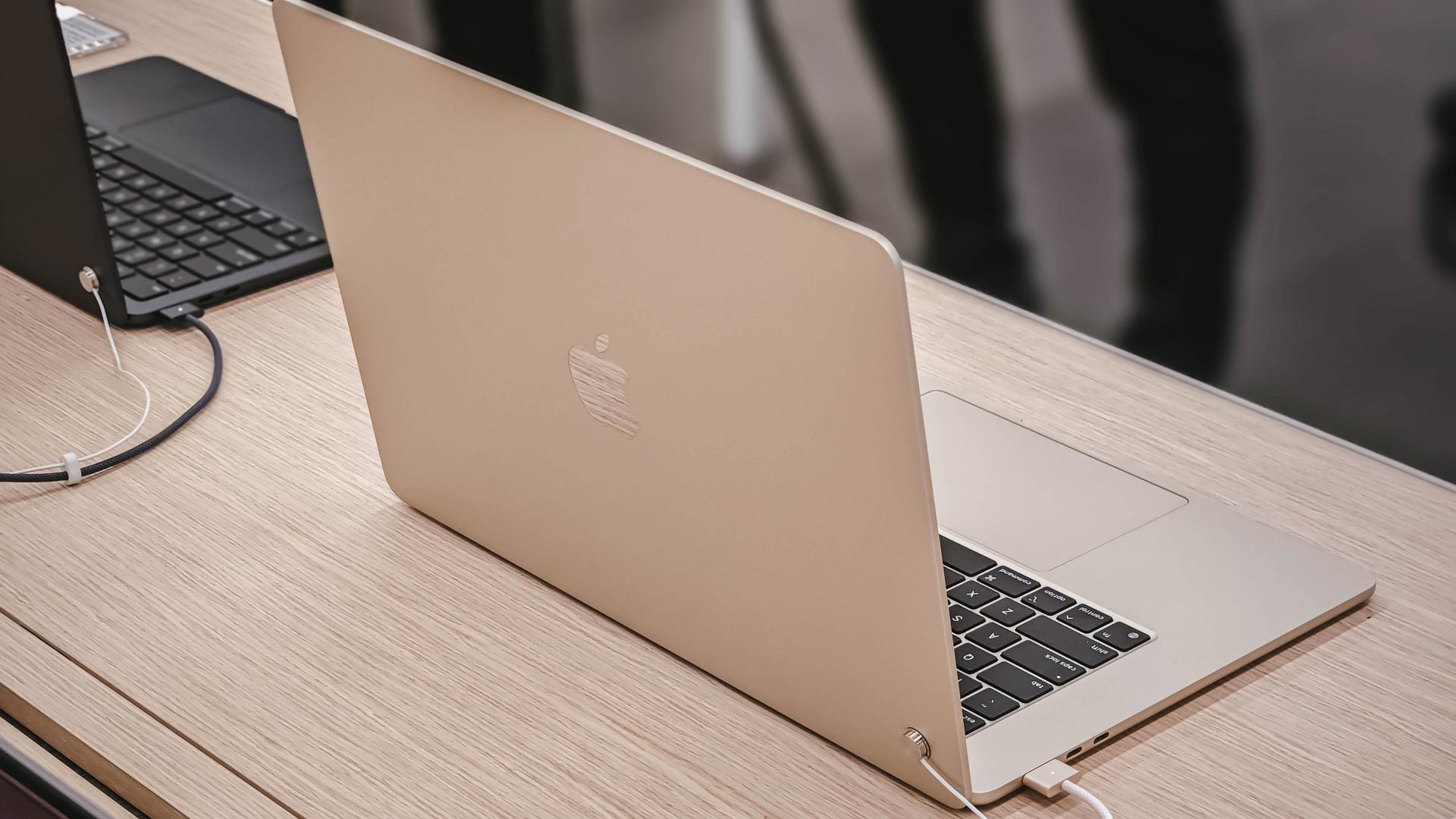
In recent years, Apple has relented on limiting the colors of its devices to only the more premium-looking options. Users can now pick quirkier colors for their iPhones, highlighted currently by the Cosmic Orange iPhone 17 Pro Max. Soon, the same splashes of color might make its way to the MacBook lineup.
According to Bloomberg’s Mark Gurman, Apple has been testing different colorway options for its upcoming entry-level MacBook. The unannounced lineup might come in pink, light yellow, light green, and blue.
It’s a big change for MacBooks. Currently, the only “quirky” option that users can get is the MacBook Air’s Sky Blue, which honestly looks more silvery than blue. Other than that, the MacBook simply seesaws from different shades of gold, silver, and black.
To be fair, the upcoming MacBook will still have the traditional colorways of the current lineup. Additionally, it’s unclear whether Apple will ultimately include all its experimental colors into the final lineup.
Reportedly, the new lineup will cost somewhere between US$ 699 to US$ 799. Of course, the lower price tag will come at the expense of some specs. Although, it should still be good if we’re talking about an entry-level laptop.
It’s even more interesting if it’s hinting at the return of truly colorful options but for the notebook. The iMac already got a similar renaissance back in 2024, which mimics the classic computer’s colorful history.
SEE ALSO: M5 MacBook Pro review
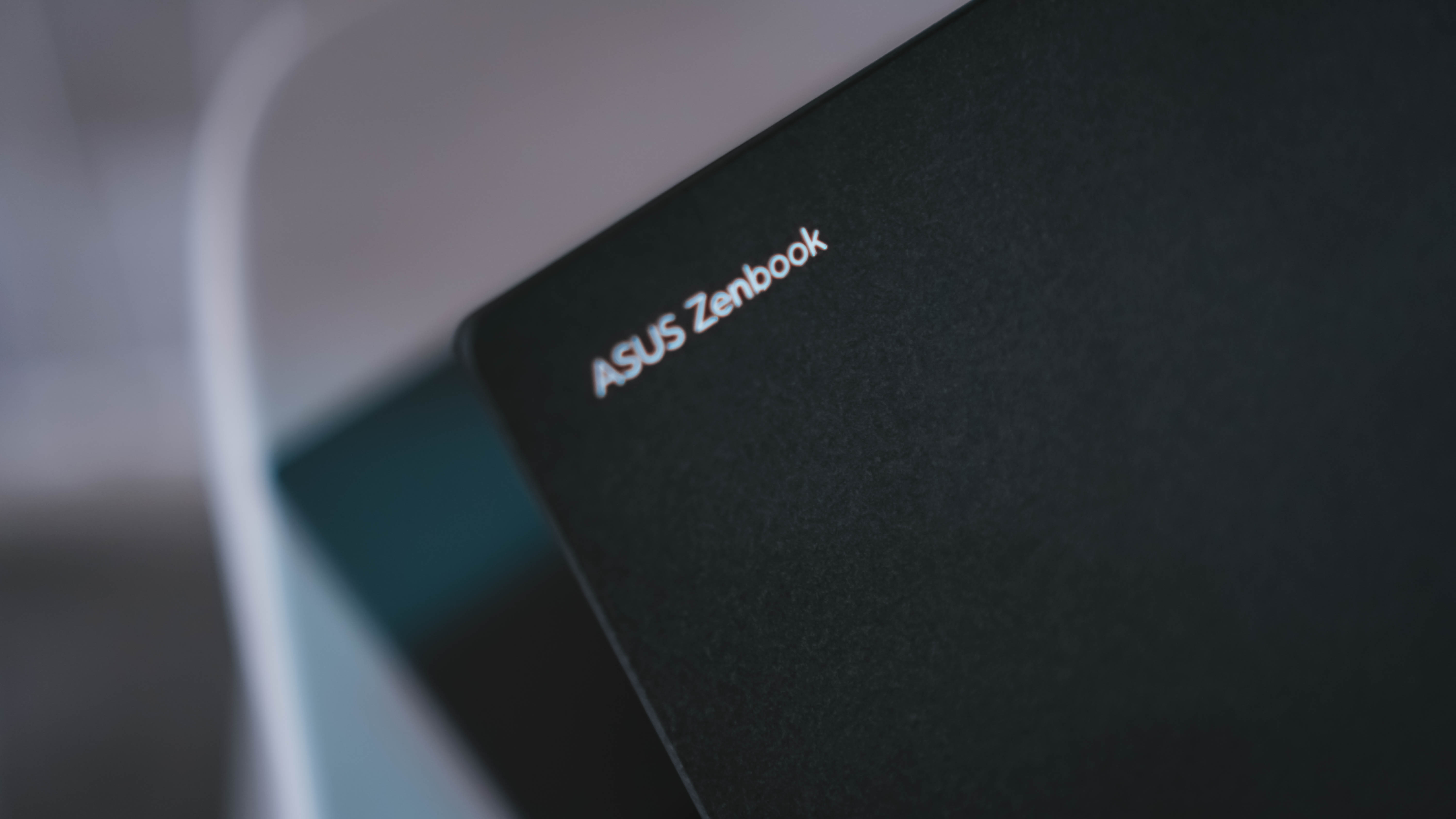
Brands getting banned are commonplace in today’s tech landscape. These usually happen because of geopolitical reasons, especially if it’s in the United States. In Europe, brands sometimes get banned for anticompetition reasons. Today, however, a commonly used codec, HEVC, is at the center of a controversy that has led to the banning of ASUS and Acer in Germany. Even crazier, Nokia is involved.
For context, Nokia owns several patents for video codecs. One of those codecs, HEVC (or High-Efficiency Video Coding) is ubiquitous in every PC, which means that every PC maker must purchase a license to include the codec in their machines. It’s an essential these days, so it’s unusual for ASUS and Acer to miss it.
In Germany, where licensing is stricter, both companies were found guilty of infringing the patent, as reported by German outlet Hardwareluxx. As a result, ASUS and Acer must stop selling PC and laptop sales until they obtain a license from Nokia.
To be clear, this doesn’t mean that the two brands have disappeared from the country. Third-party retailers can still sell their remaining stock. However, the companies cannot import or sell any new stock, pending a conclusion to the issue.
Naturally, the easiest fix is to just buy the license. Hisense, another company that found itself in the same mire, bought a license last month. Either ASUS and Acer are running into more technical issues, or they just didn’t feel the license was worth it for a single market.
SEE ALSO: ASUS is leaving the smartphone industry


Now Playing: Iron Lung
The premise will leave you wanting for more.


Infinix NOTE Edge: Stellar at street photography
Despite trailing in other specs, the Infinix NOTE Edge was built for point-and-shoot photography.


OPPO Reno15 Pro: Camera Review
Why is this even considered a "Reno"?

Unboxing: HONOR Magic8 Pro Photography Kit

Tales of Berseria Remastered is out now on consoles and PC

Pokémon Winds and Pokémon Waves will launch in 2027

ITZY’s YUNA is Infinix’s first ever global brand ambassador

BYD’s high-end brand Denza launches in the Philippines

Breaking up with Adobe Photoshop after 20 years

TECNO will showcase the CAMON 50 and POVA 8 series at MWC 2026

PlayStation, LE SSERAFIM Chaewon team for the ‘Love of Play’ campaign

VinFast updates battery subscription policy for large upfront savings

The art of being in and behind the frame


-

 Accessories2 weeks ago
Apple AirTag 2 Review
-
 First Look1 week ago
Match Pulse: Infinix NOTE 60 Pro
-

 Cameras1 week ago
Osmo Pocket 4 makes a surprising appearance in public
-
Camera Walkthrough6 days ago
OPPO Reno15 Pro: Camera Review
-

 Gaming2 weeks ago
Star Wars: Galactic Racer shows off new gameplay at State of Play
-

 News1 week ago
iPhone 17 Pro Max is somehow the most traded-in phone today
-

 Gaming1 week ago
LG unveils UltraGear evo, redefines 5K gaming with AI Upscaling
-

 News1 week ago
HUAWEI launches Mate X7, MatePad 11.5 S 2026, FreeClip 2