
Philippines
HUAWEI MatePad 12 X now in the Philippines: Price, availability
PC-level productivity in a sleek, portable form factor

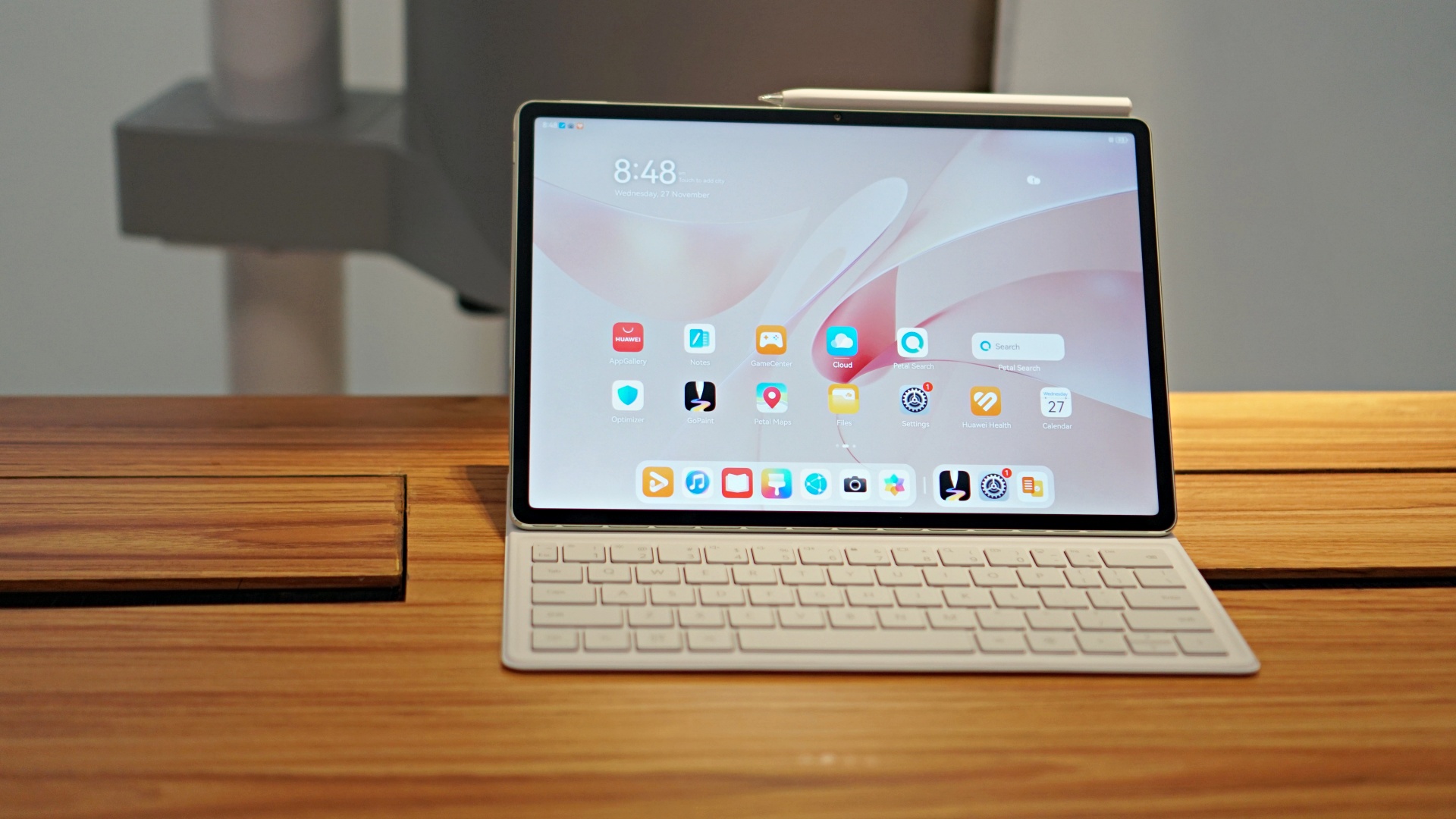
HUAWEI has announced the launch of the Huawei MatePad 12 X in the Philippines. The productivity tablet combines PC-level performance with a sleek and portable design.
The HUAWEI MatePad 12 X is available for PhP 37,999. Customers can purchase from HUAWEI Experience Stores nationwide, authorized dealers, the HUAWEI online store, and via Lazada, Shopee, and TikTok.
And as part of the launch promo, customers who purchase before December 31, 2024 will also get an exclusive bundle worth PhP 18,869. This bundle consists of a HUAWEI NearLink Keyboard, HUAWEI M-Pencil (3rd Gen), and more accessories.
Seamless PaperMatte Display
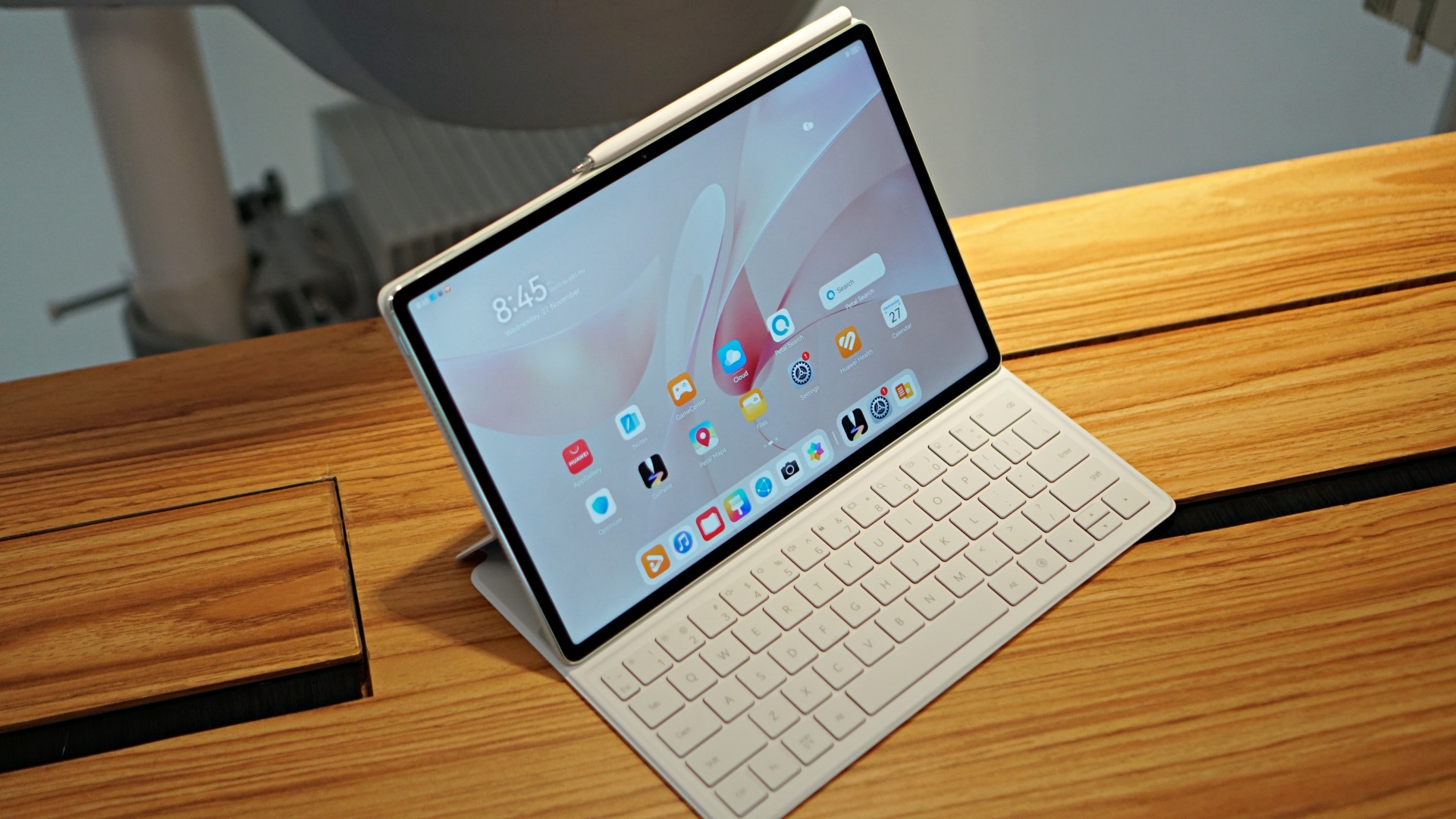
The new MatePad 12 X features HUAWEI’s signature PaperMatte display, which ensures minimal eye strain for users.
This display uses Nanoscale Anti-glare Etching Technology to reduce glare while emitting soft light to make the display easy on the eyes.
Moreover, the panel has ultra-hydrophobic and oil-resistant qualities to resist fingerprint stains. It also optimizes touch responsiveness for fluid and comfortable interactions.
The tablet has a Shimmery Pearlescent colorway, adding flair to the device’s overall look from the back. It also weighs just 555 grams and has a thickness of 5.9mm.
All-day PC-level productivity
For productivity, the tablet is equipped with WPS Office. This comprehensive office suite is exclusively available on HUAWEI MatePad tablets, offering users virtually the same efficiency on tasks they would do on a traditional PC.
WPS Office supports editing. On spreadsheets, users can format text, insert images, create tables, and utilize advanced functions. users can likewise multitask and run several applications simultaneously.
Of course, using the HUAWEI NearLink Keyboard and M-Pencil turns the experience into a mini laptop, streamlining tasks even further.
Boundless expression

And if you’re going to use the tablet to draw, write, doodle, and a lot more, the MatePad 12 X also comes with HUAWEI Notes and the GoPaint App.
Released earlier this year, GoPaint features over 150 professional brush types. It also has a Realistic Textures canvas so users can work on their masterpieces.
Speaking of which, HUAWEI has a GoPaint Worldwide Creating Activity 2024 contest for a chance to win US$ 1,000.
Users can take advantage of the M-Pencil to perform Note Replay, Multi-Note Opening, and One-Touch Split Screen.
The MatePad 12 X houses a 10,100mAh battery to sustain up to 14 hours of video playback, 12 hours of web browsing, and eight hours of intensive tasks on a single charge.
The battery supports 66 HUAWEI SuperCharge and Turbo Charging for up to a 100% recharge in as low as 85 minutes.





News
Shokz OpenFit Pro launches at Power Mac Center, brings open-ear noise reduction
Open-ear, now quieter

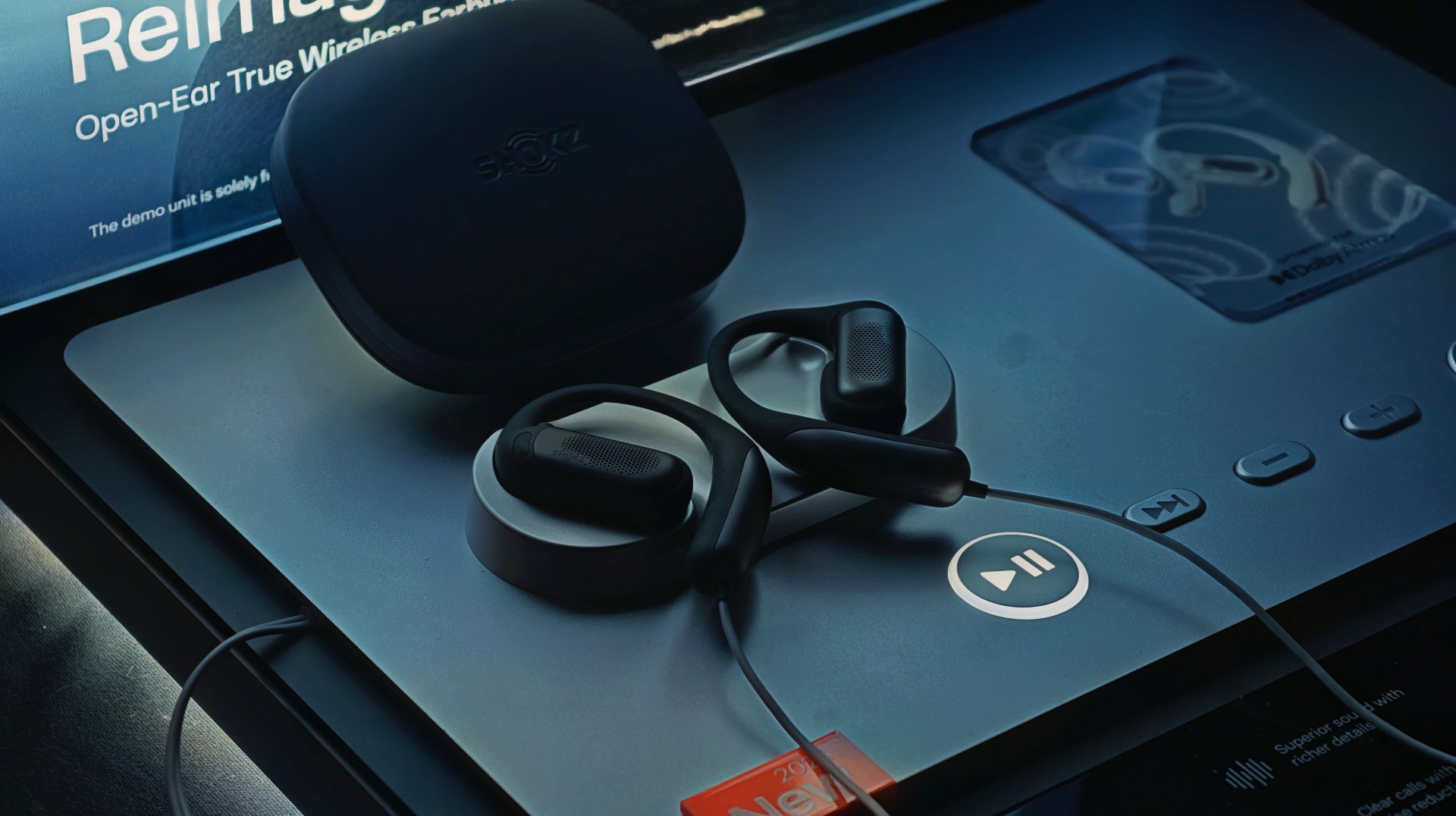
There’s a certain kind of listener this is built for. The kind who wants music on, but not the world off.
That’s exactly where the new Shokz OpenFit Pro steps in. Now officially available at Power Mac Center, the latest from Shokz pushes open-ear audio further with a feature that feels almost contradictory at first: noise reduction—without shutting you out.
It’s a balancing act. And from what we’ve seen at the launch, it’s one Shokz is leaning into hard.
Open-ear, but with focus when you need it
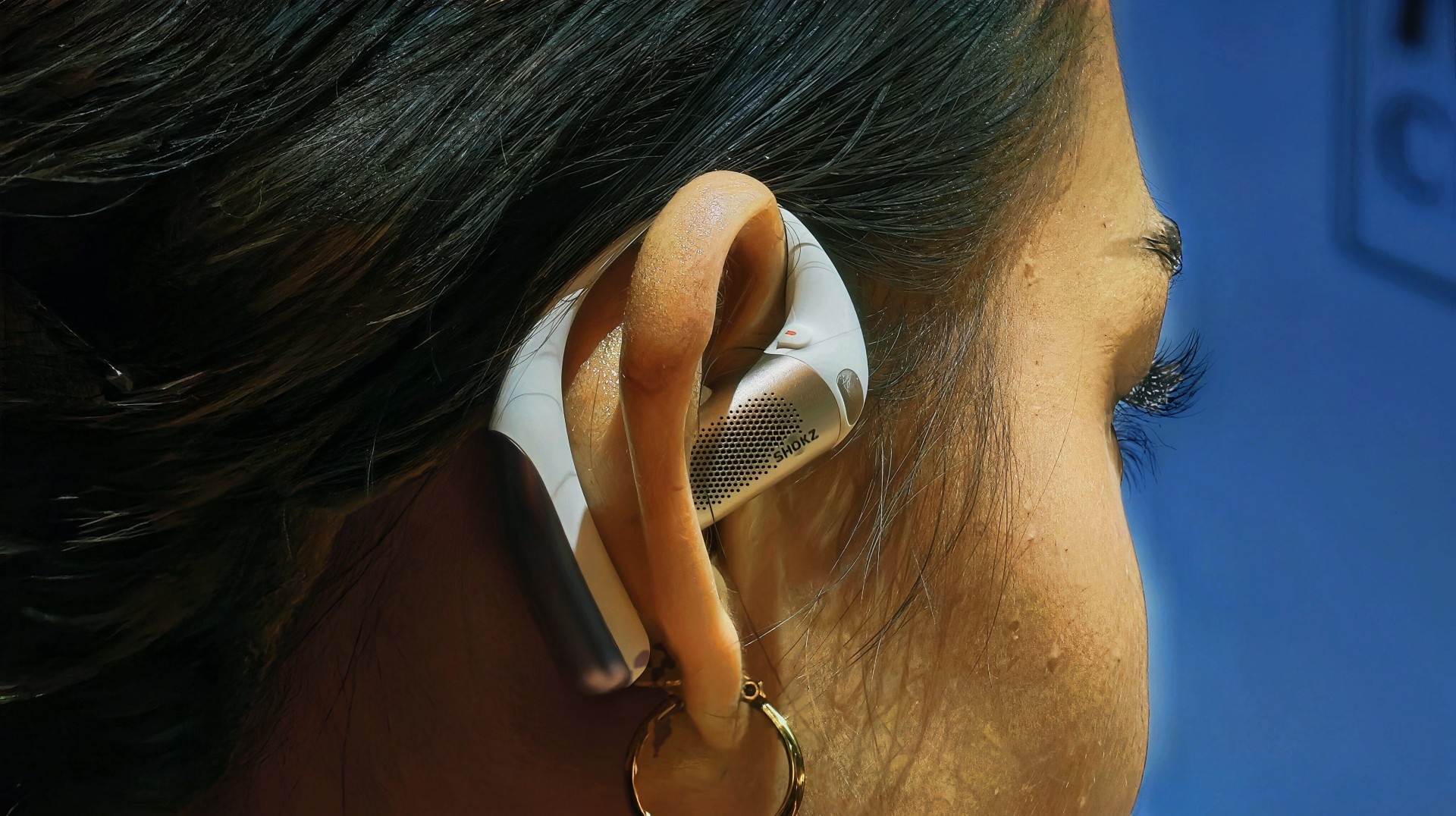
The headline feature here is Open-Ear Noise Reduction—a first for Shokz.
Instead of sealing your ears like traditional ANC earbuds, the OpenFit Pro keeps its signature open design. You still hear your surroundings, but now you can dial in a “focus mode” when things get too noisy.
It works through a triple-mic system paired with an ear-adaptive algorithm, which predicts in-ear noise and counters it with reverse sound waves. The result isn’t total silence, but a cleaner listening experience in places like offices, gyms, or busy streets.
It’s not about isolation. It’s about control.
Bigger sound, richer detail
Shokz is also going after better sound this time.
The OpenFit Pro uses a new Shokz SuperBoost™ dual-diaphragm driver, designed to deliver deeper bass and more detailed highs while keeping distortion low. The 11 × 20 mm driver performs like a larger speaker, giving it more room to breathe compared to typical open-ear buds.
There’s also Dolby Atmos support with head tracking, adding a more immersive layer—especially for supported content.
Built to stay on, all day
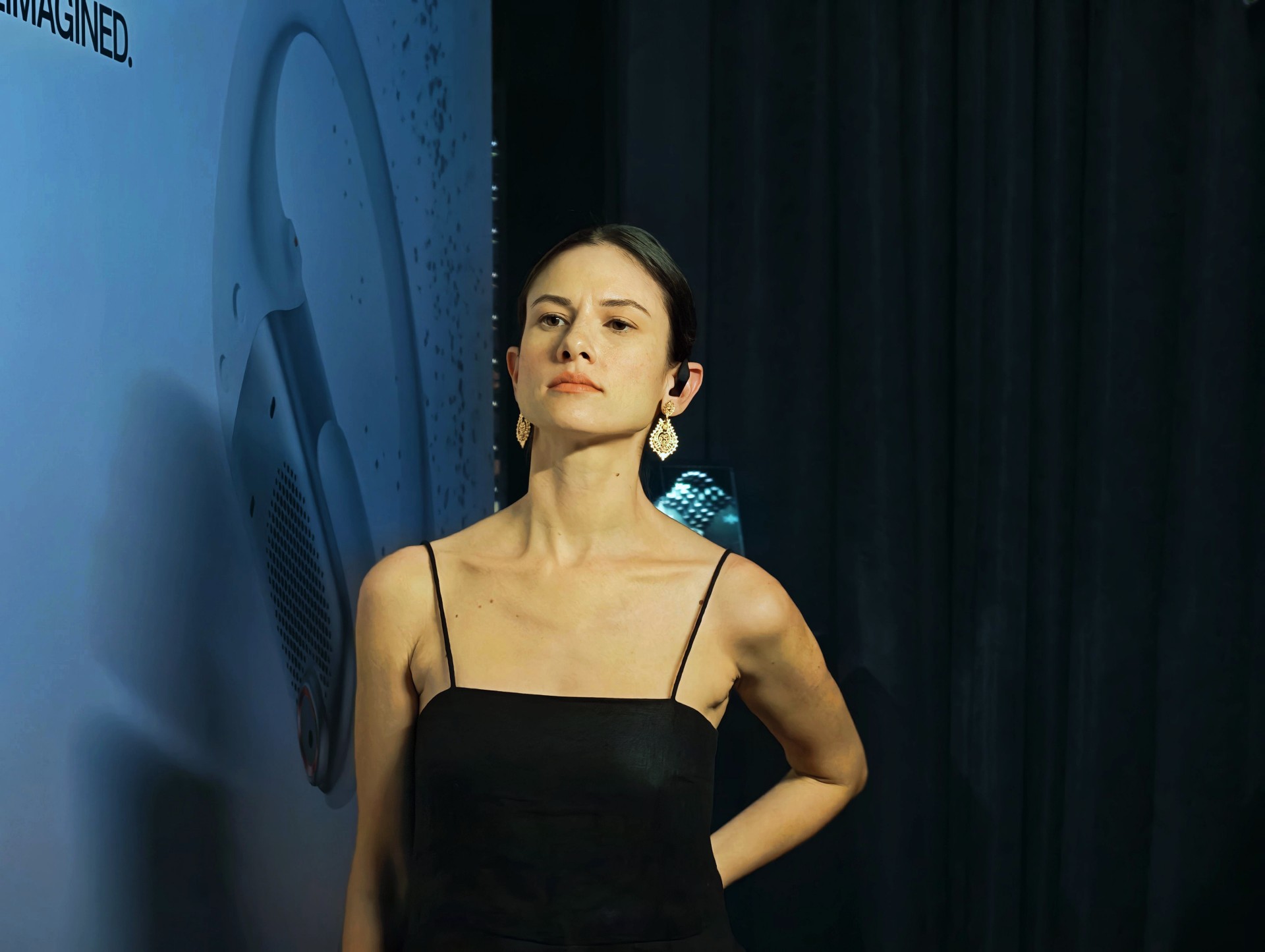
Comfort is still a big part of the pitch.
The earbuds use Ultra-Soft Silicone 2.0 and a flexible nickel-titanium ear hook that adapts to different ear shapes. They’re designed to stay secure whether you’re working out, walking, or just going through your day.
The build leans premium too, with an ultra-slim aluminum unibody design that keeps things lightweight and clean.
Calls, battery, and everyday extras
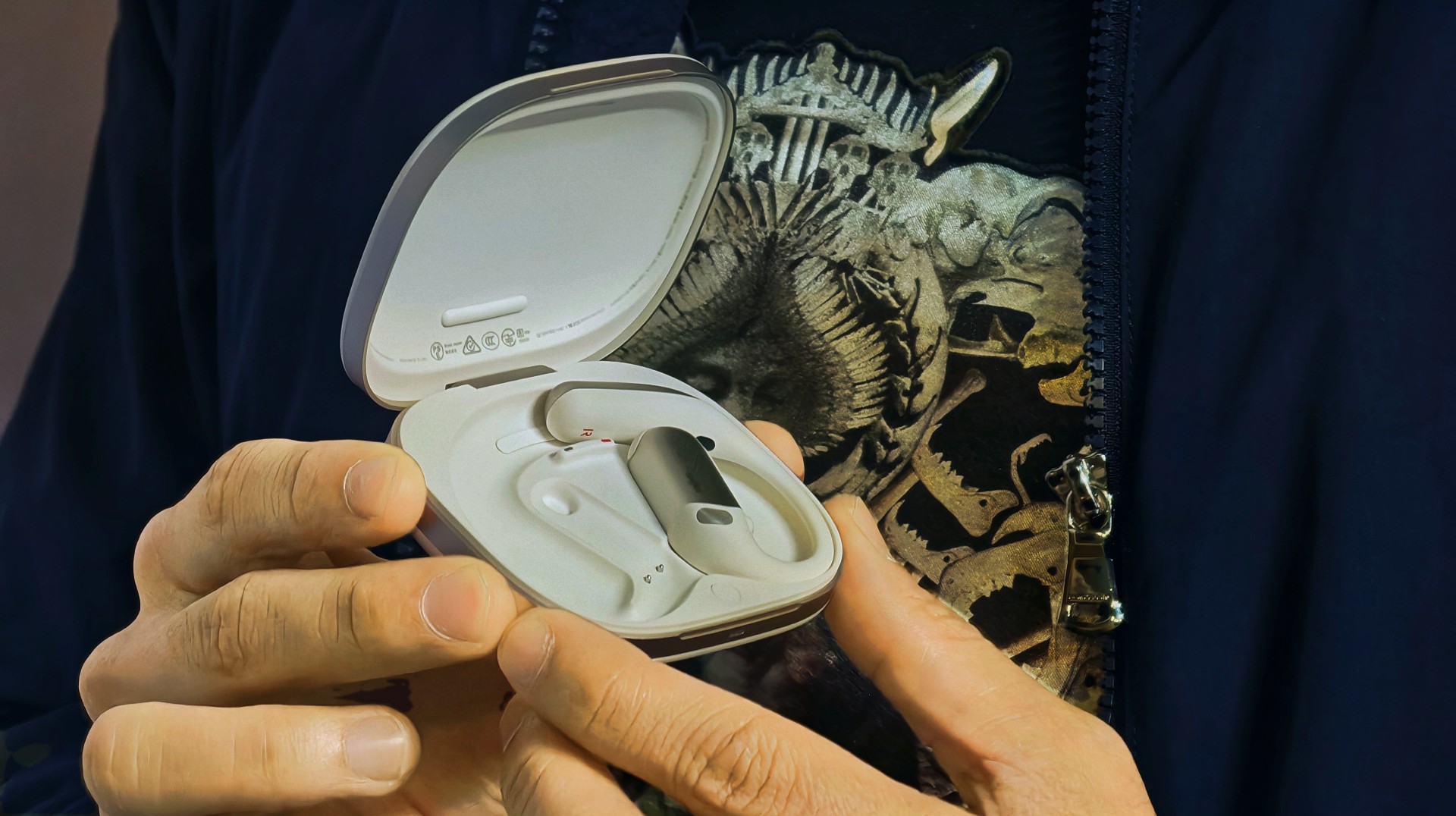
On the practical side, the OpenFit Pro checks a lot of boxes:
- AI-powered triple-mic system for clearer calls (with wind resistance up to 25 km/h)
- Up to 50 hours total battery with the case
- Up to 12 hours listening time (6 hours with noise reduction on)
- 10-minute quick charge = up to 4 hours playback
- Qi wireless charging support
- Multipoint pairing, smart wear detection, and Bluetooth 6.1
It’s also IP55-rated, making it suitable for workouts and light rain.
A different take on listening
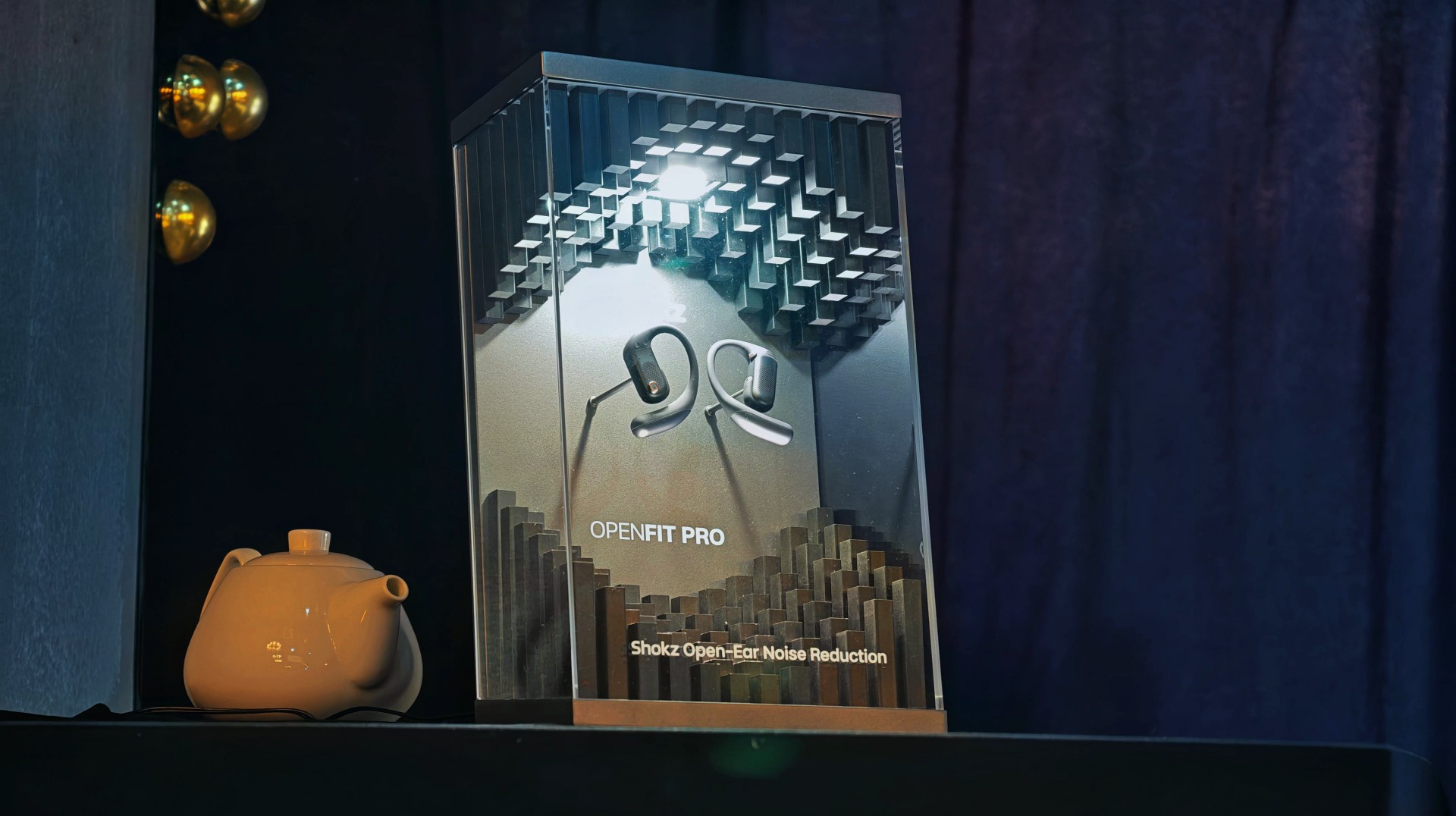
Open-ear audio has always been about awareness and comfort.
With the OpenFit Pro, Shokz is trying to add a third layer: focus on demand.
It doesn’t replace traditional noise-cancelling earbuds. It doesn’t try to. Instead, it gives you the option to stay present—while still tuning the noise down when it matters. And for a lot of people, that might be the better everyday choice.
Price and availability
The Shokz OpenFit Pro retails for Php 14,990 or PhP 2498.33/mo for six months with select credit cards. It’s available in Power Mac Center locations nationwide.
Gaming
God of War: Sons of Sparta takes a more contained approach to Kratos
Filipino devs were part of it.

There’s a version of God of War that lives in most people’s heads. It’s loud. Cinematic. Heavy with consequence. The kind of game that feels bigger than you.
God of War: Sons of Sparta isn’t that. At least, not in the way you expect.
It’s more contained. 2D. Pixel art. But spend a little time with it, and you start to see what it’s trying to do. Not replace the modern games. Not outdo them.
Just… revisit something familiar from a different angle.
A different take on Kratos
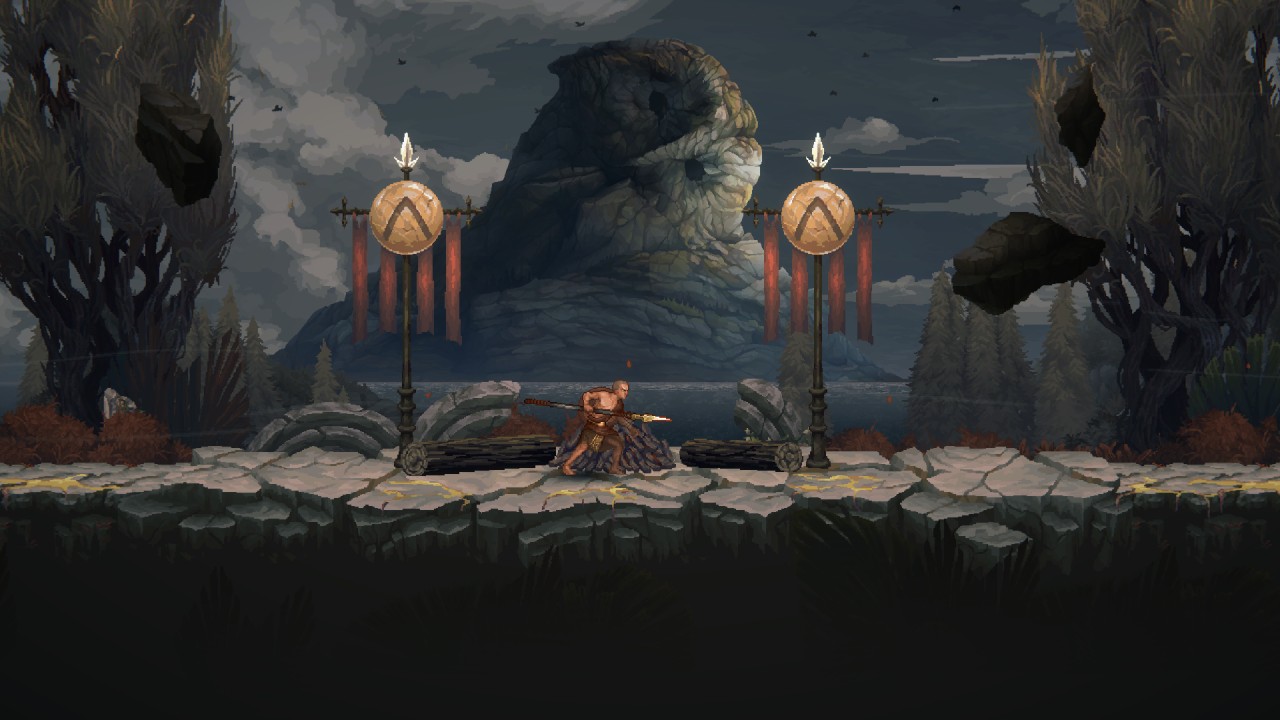
Instead of gods and world-ending stakes, Sons of Sparta focuses on Kratos earlier in his life, training as a Spartan alongside Deimos. It’s more contained. More personal.
You’re still fighting through brutal encounters. But the framing feels different. Less about destiny, more about who Kratos was before everything spiraled. And somehow, even in pixel form, it still feels like God of War.
Where Filipino developers come in
One of the more interesting parts of this project is how it came together.
Mega Cat Studios worked closely with Santa Monica Studio to build the game. That includes a strong presence from their Philippine team.
But it’s not framed as a separate unit.
“There is no separation between Mega Cat Pittsburgh and Mega Cat Philippines,” says Art Director Janley Clavio.
“We operate as one phalanx, and were part of the game from the beginning.”
That last part shifts the narrative from “support work” to actual collaboration.

The kind of work you feel more than you see
The team contributed to environment art, asset production, and overall polish across different areas of the game. Not the flashy headline stuff. But the kind that shapes how the game feels moment to moment.
“Our work supports the player experience without pulling attention away from the story,” Clavio explains.
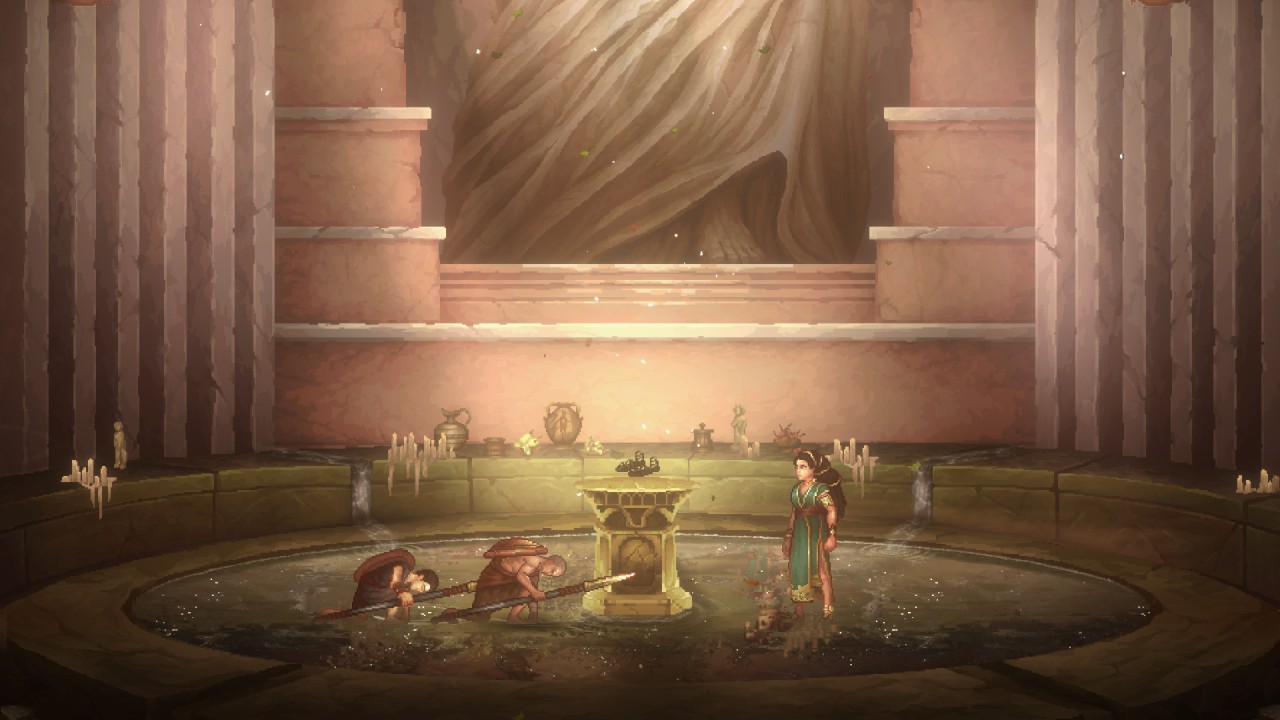
Think temple interiors and ruined battlefields. Small details that hint at what happened in a place before you got there. It’s subtle. But it adds up.
Staying true to God of War—even in 2D
Working on God of War comes with a certain weight. Fans know how this world is supposed to look and feel. So, even if Sons of Sparta shifts genres, the expectation doesn’t really change.
“We had to make sure it wasn’t just any retro pixel art game—it had to be a God of War pixel art game,” Clavio says.
That meant studying the details. How materials look. How lighting behaves. How environments guide you. And then translating all of that into something simpler—but still recognizable.
A team that knows when to hold back
One thing that stands out from the conversation is restraint. There’s an understanding that when you’re working on something like God of War, you don’t need to reinvent everything. You just need to get it right.
“When you’re working on something fans already love, your job is to enhance it—not reinvent it.”
That mindset shows up across the game. It respects what came before, but still finds space to do its own thing.
Small details, personal touches
There are also a few quiet nods tucked into the game. Nothing too obvious. Nothing that breaks immersion. But enough for the team to leave their mark.
“For our Filipino artists, it’s a point of pride knowing that a little piece of our culture helped shape a world millions of players will explore.”
It’s not something the game calls attention to. But it’s there.
Not just another spin-off
Sons of Sparta is easy to label as a side project. And sure, it kind of is.
But it’s also a good example of what happens when different teams come together with a clear understanding of what they’re building.
A more contained God of War game that still feels like it belongs. A different perspective on a familiar story. And a project where Filipino developers weren’t just involved. They were part of the process from the start.
It doesn’t try to be the biggest entry in the series. And honestly, it doesn’t need to be.
Accessories
Jackery SolarSaga series: Free power for small devices
Portable solar panels can charge small gadgets directly
As fuel prices continue to surge as of late, one of the ways to make up for the additional expenses is to turn to alternative power sources. That’s including solar power.
And Jackery is here to help Philippine consumers, with the availability of their portable SolarSaga panels.
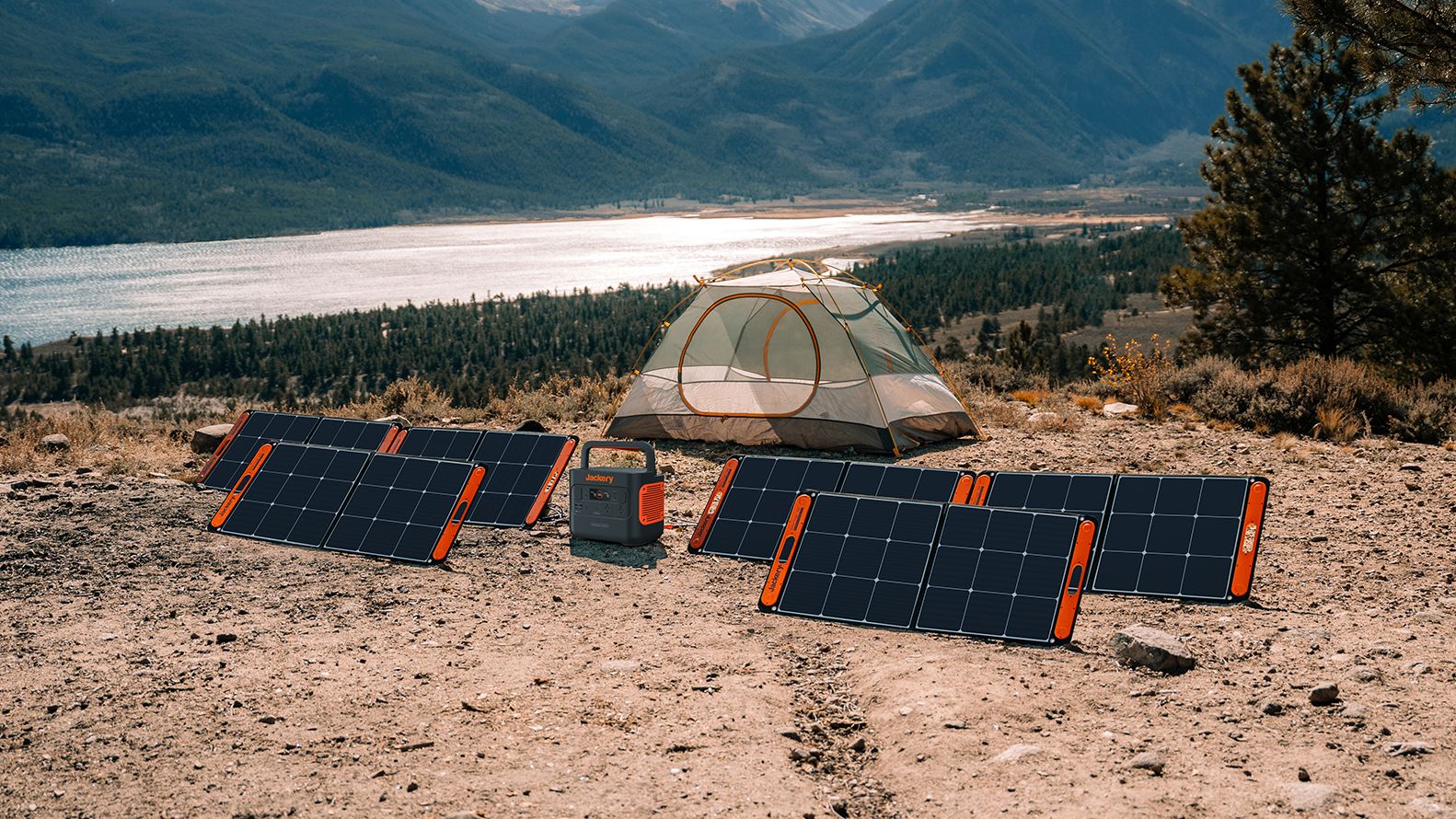
These solar panels are an alternative to traditional and permanently installed rooftop solar panels. They are engineered for modern and mobile life with portable, lightweight, and sleek designs. They are built primarily to be set up and put away easily, and charge small devices directly.
Simply put the Jackery SolarSaga panels where sunlight is available, and it will convert up to 25% of sunlight into usable energy.
To charge small gadgets like phones and portable fans, or even smartwatches, the SolarSaga panels come with a USB-C and USB-A port.
Another way is connecting the SolarSaga to Jackery’s Explorer power stations like the Explorer 300 Plus or 1000 Plus.
From there, users can power up devices, essentially for free. On its own, the Jackery SolarSaga panels are available in 100W and 200W variants.
The panels are also IP68 rated for water and dust resistance. This makes them usable outdoors when brought to adventures like camping, picnics, or beach trips.
The panels are already available through Jackery’s Lazada and Shopee platforms, as well as Techroom’s Lazada and Shopee accounts.


Galaxy Buds4 Pro review: I thought I was done with in-ears
This Buds4 you


WWE 2K26 lets you live out all the fantasy matches you could want
But you have to play for hours and hours to unlock everyone.

The HONOR X8d is serviceable
Steady but slow?

Logitech G debuts PRO X2 SUPERSTRIKE with faster click tech

More iPhone switchers this year than Android switchers, report says

Marvel’s Wonder Man greenlit for a rare second season

Apple’s WWDC 2026 will be from June 8 to 12
Galaxy Buds4 Pro review: I thought I was done with in-ears


-

 Reviews1 week ago
POCO X8 Pro Max review: A new beast from the far east
-

 News1 week ago
POCO X8 Pro Series: Price, availability in the Philippines
-

 Laptops2 weeks ago
Apple MacBook Neo Review
-

 Apps2 weeks ago
Google Maps is finally getting a 3D mode
-
 Features2 weeks ago
Galaxy AI on the Samsung Galaxy S26 Ultra
-

 Entertainment2 weeks ago
The internet is thirsting over the One Piece Season 2 cast
-

 Reviews1 week ago
POCO X8 Pro Iron Man Edition review: Midrange phone in superhero armor
-
 Gaming2 weeks ago
Valve is embroiled in a lawsuit with New York over loot boxes