
News
HUAWEI to launch TruSense-powered WATCH GT 5, two new MatePads, more
The HUAWEI WATCH GT 5 and more are coming on September 19


HUAWEI will be releasing five new devices on September 19 via a keynote event in Barcelona, Spain. The lineup will include the new HUAWEI WATCH GT 5 series, as well as two more smartwatches and two new HUAWEI MatePad tablets.
The Chinese tech giant has already released the Mate XT earlier this month. It is the world’s first tri-folding smartphone, which is expected to reset the standard for foldables. HUAWEI doesn’t plan on slowing down even as their competitors have announced their own latest devices.
Arguably the most anticipated highlight of the event is the HUAWEI WATCH GT 5 series. It is expected that the latest HUAWEI WATCH GT 5 will integrate the recently announced HUAWEI TruSense System.
As mentioned, this new innovation has the ability to track more than 60 health and fitness metrics and promises more precise and comprehensive data. It can even “measure” one’s emotional well-being, making the next HUAWEI wearable a potential game-changer in its segment.
READ: Huawei TruSense can measure your emotional well-being
Joining the HUAWEI WATCH GT 5 are the HUAWEI WATCH Ultimate, which is expected to have new features tailor-made for golf enthusiasts, and the HUAWEI WATCH D 2 which might boast of a next-generation blood monitoring function. Once it launches, the WATCH D 2 will be the first smartwatch to support real-time blood pressure monitoring.
New HUAWEI MatePad tablets
Furthermore, HUAWEI is set to debut two new MatePad tablets of similar sizes. First is the HUAWEI MatePad Pro 12.2″. This latest MatePad Pro is said to include a Tandem OLED PaperMatte Display.
The latest display features anti-glare capabilities, eye-soothing properties, and a pen-on-paper writing experience.
HUAWEI will also introduce an upgraded Glide Keyboard as part of its launch. The second tablet the company will be launching is the HUAWEI MatePad 12 X.







Laptops
Alienware celebrates 30th anniversary with new Area-51 laptops
The series features Alienware 30, an all-new design language.

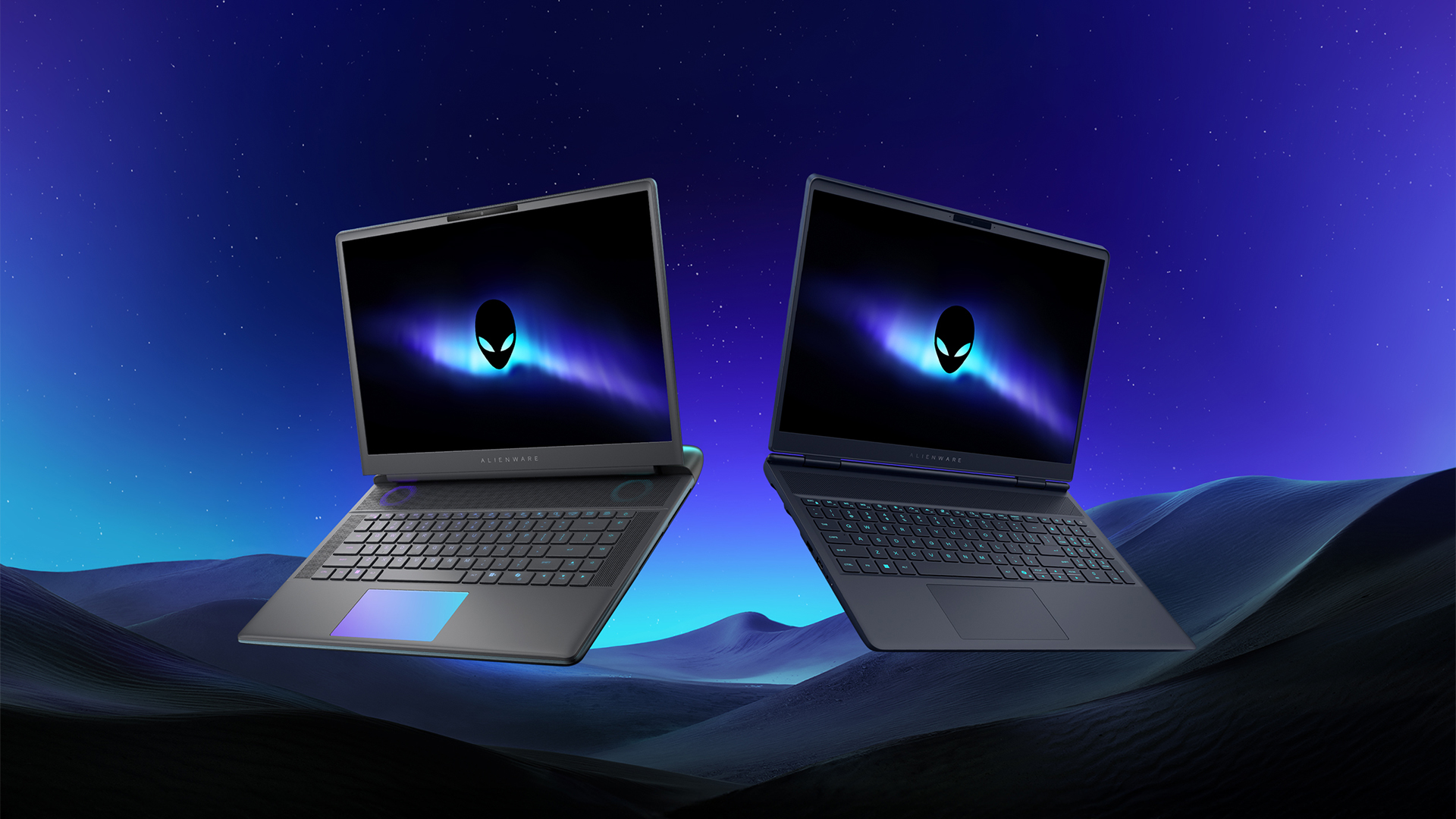
Despite the rise of more gaming brands, Alienware is still one of the most recognizable names for gamers who want dedicated hardware. This year, the brand is celebrating its 30th anniversary. To commemorate the milestone, Alienware has launched the new Area-51 and Aurora notebooks.
Alienware Area-51
Alienware’s Area-51 lineup is the brand’s flagship line of notebooks, packing in the best of the best from the industry. This time is no different.
First of all, the new series will rock Alienware 30, a new design philosophy made especially for the 30th anniversary. On the outside, the laptops have fluid contours, emphasizing curves opposed to the industry’s more angular contemporaries. It also has a Zero Hinge, which hides the laptop’s hinge from view. Finally, it has pillowed palm rests to make usage easy for long gaming sessions.
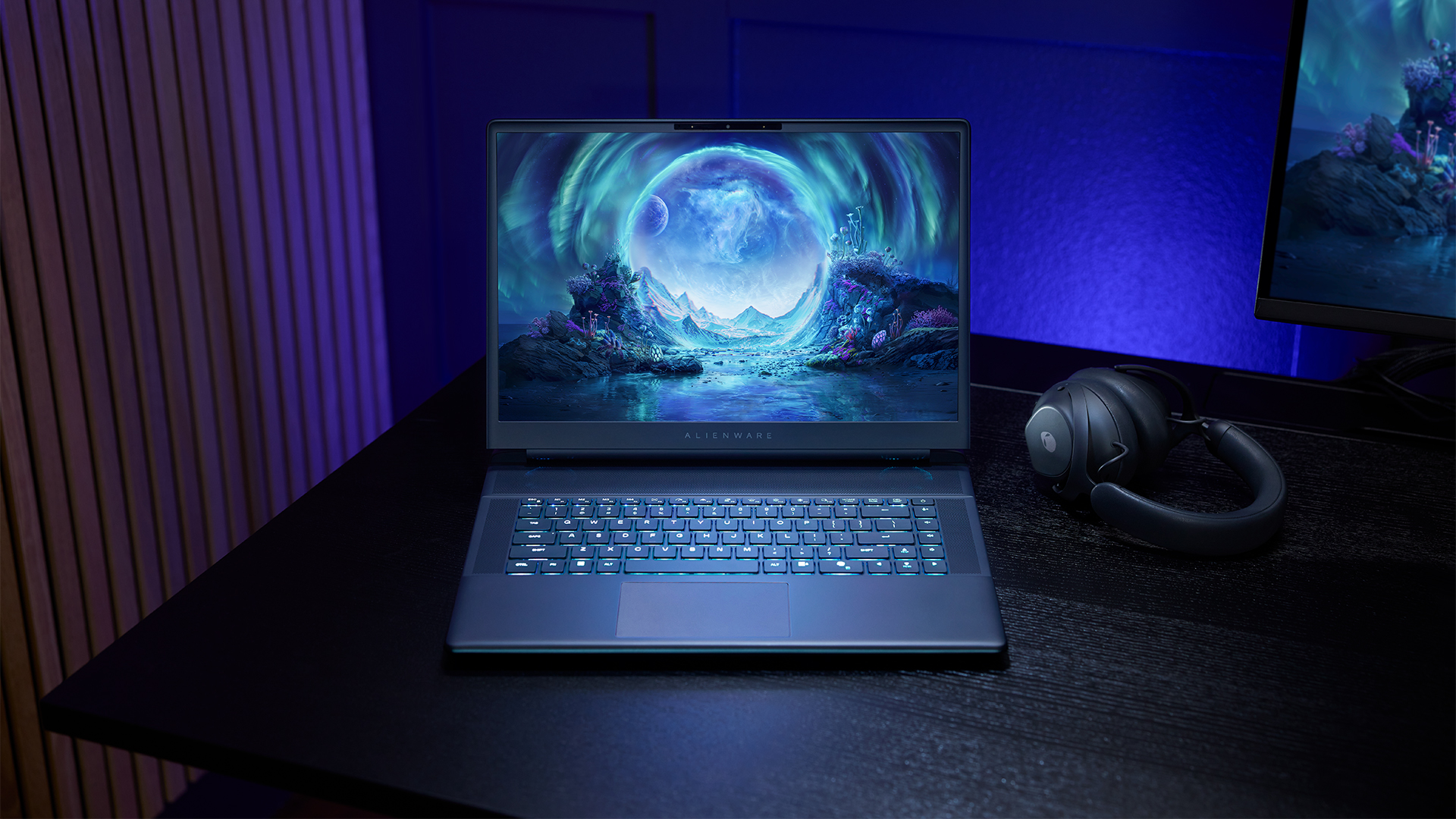
The 16-inch model can rock up to a WQXGA Anti-Glare OLED screen, featuring 240Hz refresh rate and 620 peak HDR nits. It will also have an LCD option. Alternatively, the 18-inch model has a WQXGA screen, featuring 300Hz refresh rate and 500 nits of brightness.
Inside, the Alienware Area-51 boasts up to an Intel Core Ultra 9 290HX processor and up to an NVIDIA GeForce RTX 5090 24GB GPU. For memory, gamers can enjoy up to 64GB Dual-Channel DDR5. Finally, for storage, the series can rock up to 2TB SSD natively but can support up to 3 slots, allowing for up to 12TB of internal storage.
The series will have a sizable 96Whr battery. This is complemented by a 280W adapter and the brand’s largest fans by volume to keep things cool.
Alienware 16X Aurora
For those who portability over raw power, the new Alienware 16X Aurora fits inside any day-to-day kit. For example, it ditches the thermal shelf typical of most gaming notebooks today to increase portability. It has rounded edges to make it easier to grasp and to create a slightly pillowed palm rest, similar to its flagship counterpart.
The 16-inch WQXGA OLED panel touts 240Hz refresh rate, 0.2ms response time, and 620 nits HDR peak brightness.
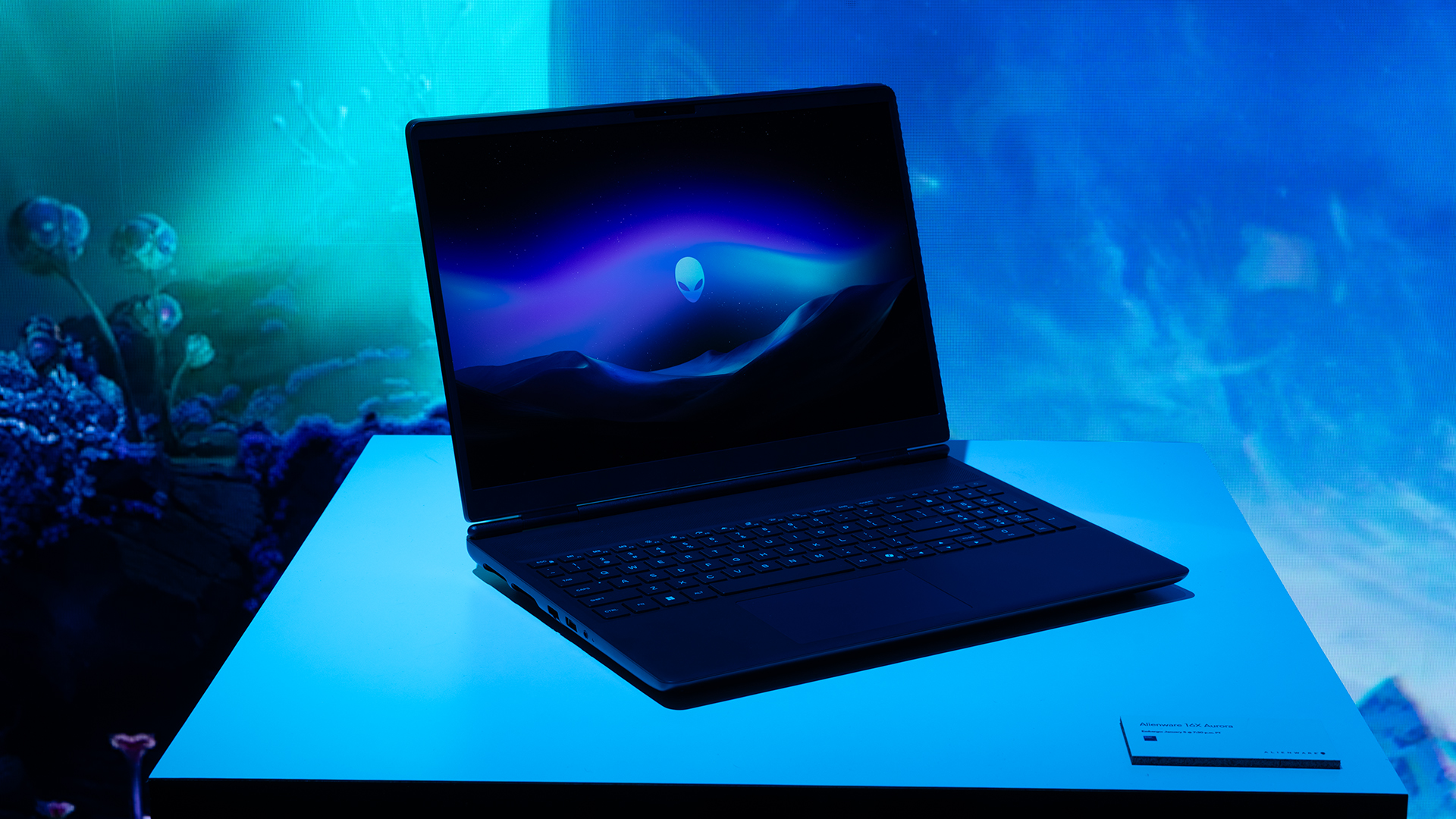
Inside, the notebook has up to an Intel Core Ultra 9 275HX processor and up to an NVIDIA GeForce RTX 5070 Ti GPU. These specs are paired with up to 64GB Dual-Channel DDR5 memory and up to 2TB SSD.
Finally, the Alienware 16X Aurora will have a 90Whr battery. This is supported by up to a 280W charger (for the RTX 5070 variant).
Price, availability
Both series are available starting today, March 17.
Gaming
NVIDIA’s DLSS 5 can turn your favorite AAA game into AI slop
DLSS 5 will launch on select games.

Have you ever wondered why RAM prices are going up this year? Everyone is rightfully saying that AI is the reason for the price hike, but it’s hard to palpably see why. Today, NVIDIA is showing off where its hard-earned profits are going by revealing DLSS 5.
For gamers who don’t have a particularly strong machine, NVIDIA’s DLSS technology upscales a game’s graphics quality and frame rate to artificially keep up with newer hardware. A few months ago, the company unveiled DLSS 4.5, which marks the latest step to help games sparkle. Today, with DLSS 5, the technology is going all-in on AI.
In a tech demo, NVIDIA showcased the latest version of the technology. This time, the feature will use photoreal lighting and materials to alter graphics. It can allegedly analyze a scene’s elements — including hair, fabric, and translucent skin — based simply on a single frame.
The demo’s most prominent example is Resident Evil Requiem. Grace Ashcroft, the gamer’s protagonist, evolves from her doll-like appearance into… well, something you might see on an AI-generated mobile game ad.
NVIDIA claims that the new version will make games look closer to real life. The jury is still out, especially with such a low sample size. However, in this writer’s humble opinion, it’s gonna be a no for me, dawg. I’d rather play with what the developer originally intended for their game than with yet another generic AI filter.
The new feature is rolling out to some of the biggest games today including Assassin’s Creed Shadows, Hogwarts Legacy, Resident Evil Requiem, and Where Winds Meet.
News
Samsung has reportedly stopped selling the Galaxy Z TriFold
The alleged end comes after only three months in the market.
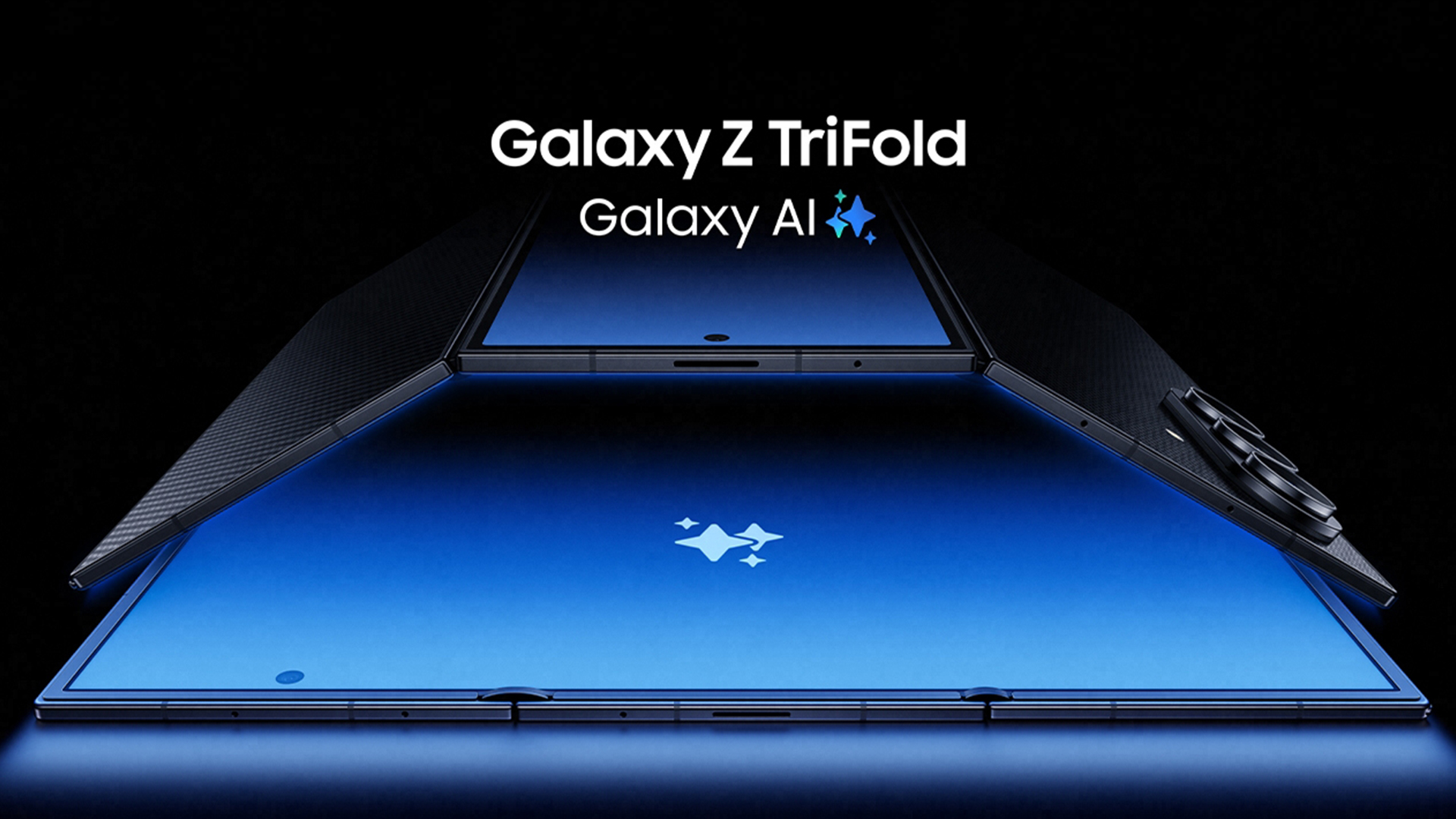
With the Galaxy Z TriFold, Samsung is hoping to take the infantile tri-fold smartphone market by storm. For the meantime, however, the band’s dream is short-lived. Samsung is reportedly done selling the Galaxy Z TriFold to the public.
According to South Korean outlet Dong-A Ilbo, Samsung has stopped selling the tri-fold smartphone. The alleged decision comes only three months after the brand unveiled the device.
Though the report seems to hint some doom and gloom for the brand’s new segment, it’s not entirely unexpected. Since this is the first of its kind for the company, the Galaxy Z TriFold hasn’t really meant to be a bestseller, merely a trial run for early adopters.
In context, Samsung’s experiment is still a success. The phone sold out in Korea almost instantly after sales first opened, despite selling for an eye watering US$ 2,899. Additionally, we got our hands on the phone, and we were rightfully impressed.
That said, Samsung probably isn’t done with the segment just yet. The brand will likely develop more variants, especially in response to this iteration’s success in the market.
But also, take this all with a grain of salt. Samsung has not confirmed that its first tri-fold phone is actually done for the day. There is a reason to keep selling a tri-fold phone today. After all, Huawei is still ruling the segment with last year’s Mate XT.
SEE ALSO: First Look: Samsung Galaxy Z TriFold






Alienware celebrates 30th anniversary with new Area-51 laptops

NVIDIA’s DLSS 5 can turn your favorite AAA game into AI slop

Samsung has reportedly stopped selling the Galaxy Z TriFold

Now Playing: Project Hail Mary

Honkai: Star Rail Version 4.1: Dark secrets within the Phantasmoon Games


-

 Reviews2 weeks ago
TECNO CAMON 50 Ultra review: End of an era?
-
 MWC 20262 weeks ago
Infinix NOTE 60 Ultra makes a motorsport-inspired debut
-

 MWC 20262 weeks ago
TECNO launches the all-new CAMON 50 series
-

 MWC 20262 weeks ago
TECNO unleashes Tonino Lamborghini collection
-

 Computers2 weeks ago
AMD announces Ryzen AI 400, AI 400 PRO series at MWC 2026
-

 MWC 20262 weeks ago
TECNO debuts latest devices, HiOS 16, upgraded Ella at MWC 2026
-

 Reviews1 week ago
The Xiaomi 17 shoots Leica dream
-

 Laptops2 weeks ago
Apple unveils MacBook Pro with M5 Pro and M5 Max