

Gaming
Lenovo Legion Phone Duel review: Raw gaming power
Everything you expect from a gaming smartphone

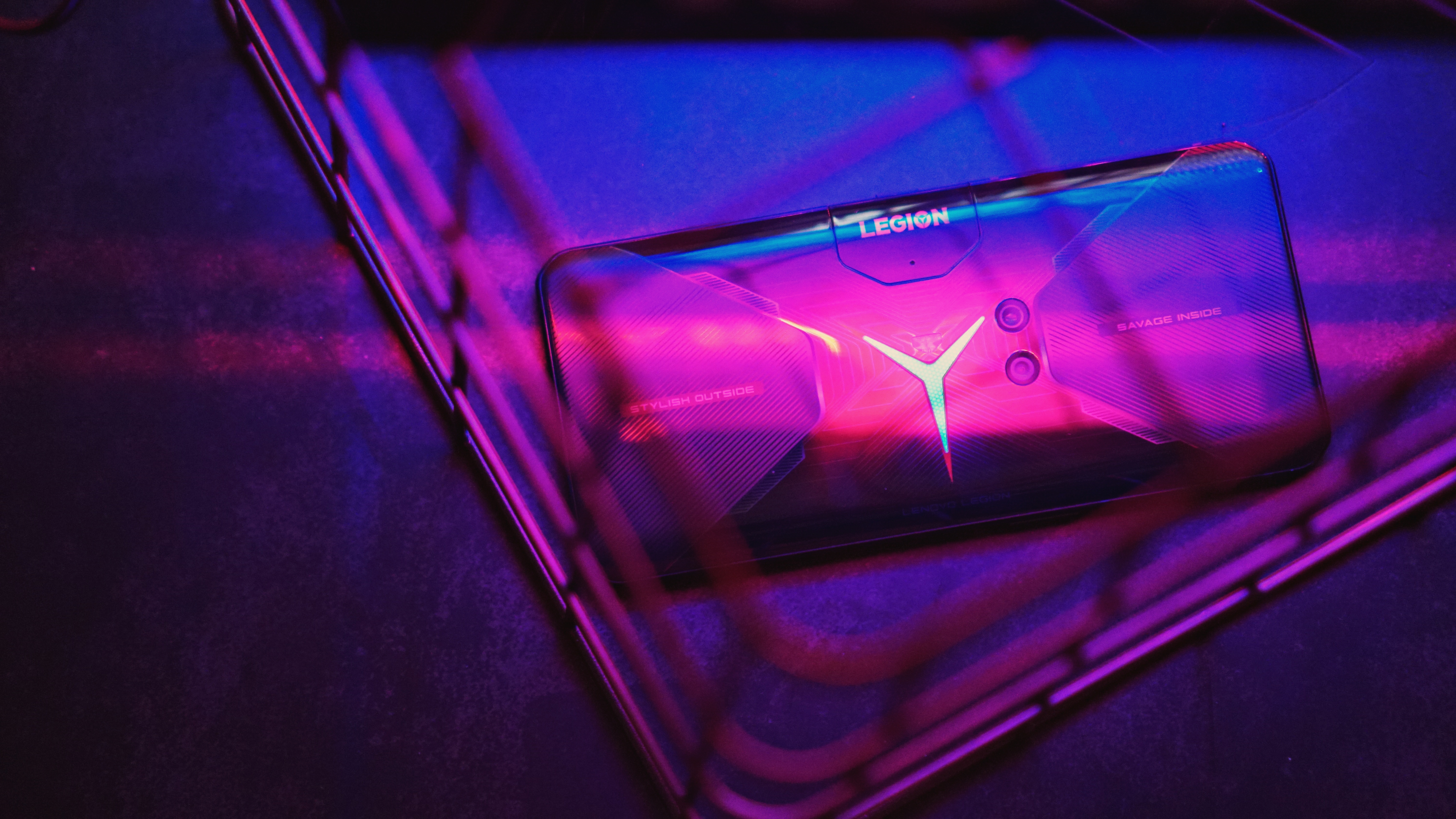
One look at the Lenovo Legion Phone Duel and you know right away that it’s made for people who hardcore want to play. But smartphones are for more than just gaming and that balancing act is what Lenovo tried to achieve.
The company has an interesting messaging on why it’s named “Duel”. It’s mostly on how it was built, but it’s also about striking a balance between work and play. Before we get ahead of ourselves, let’s first unbox the phone.
The box looks fantastic and is easier to figure out than its primary competition.

Opening it up reveals the Legion Phone Duel. A mechanical door opening sound effect plays every time you open the box.
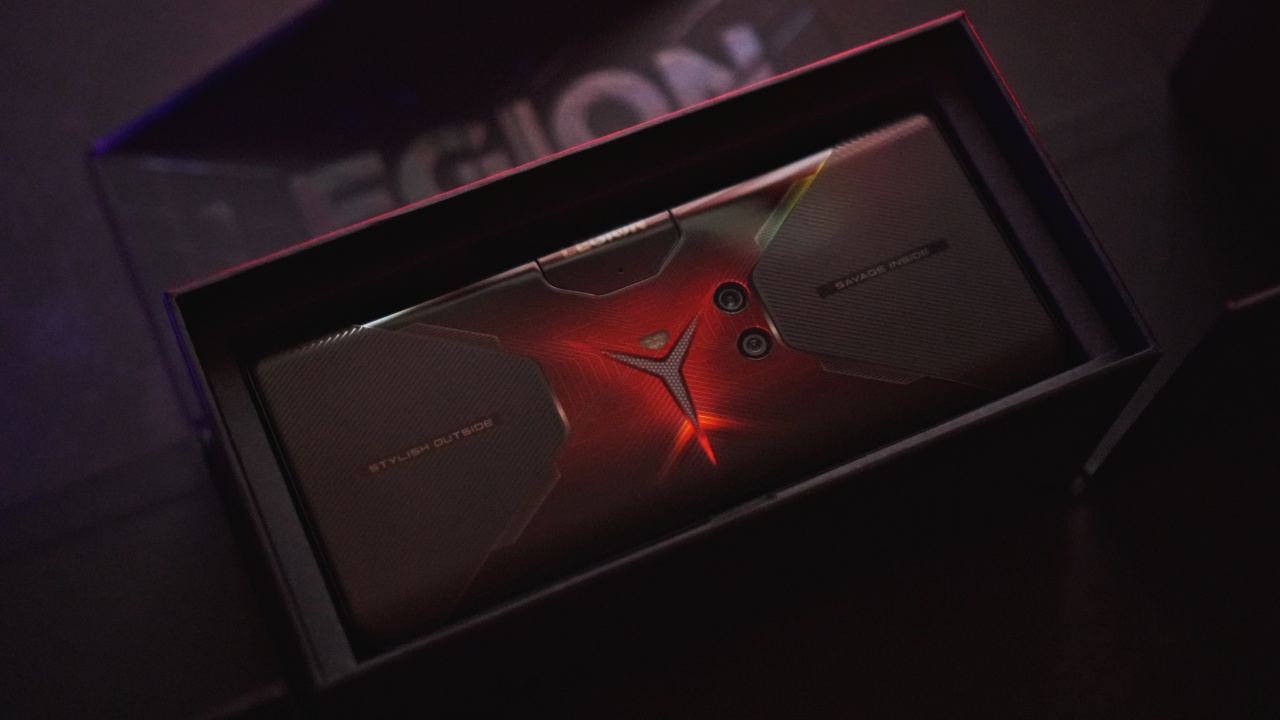
Cheated a little bit here. The phone will be wrapped with the usual plastic protection when you first open it up.
Digging deeper into the box you’ll find the massive power brick with two USB-C ports for dual charging. More on that later.

Elsewhere inside the box is USB-C to 3.5mm audio jack, a sim tray ejector tool, and the user guide.

It also comes with a plastic case for “some” protection. It snaps on the phone any which way as part of the dual, symmetrical design.

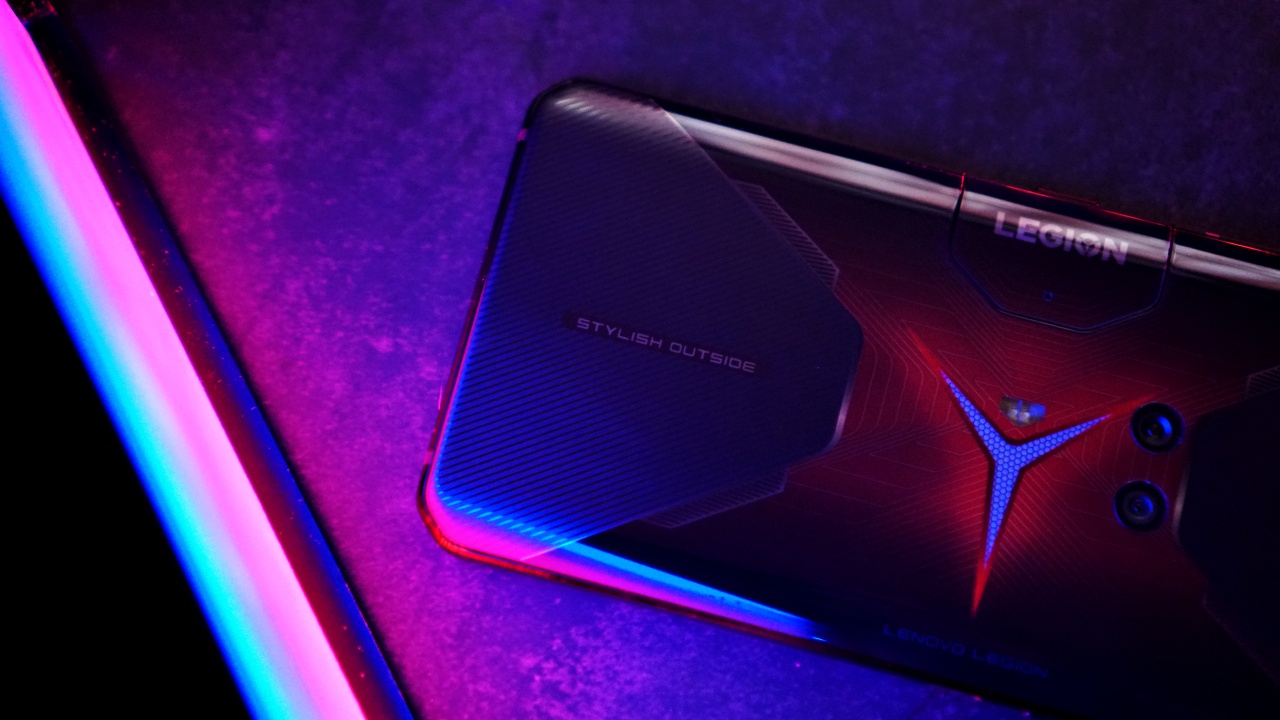
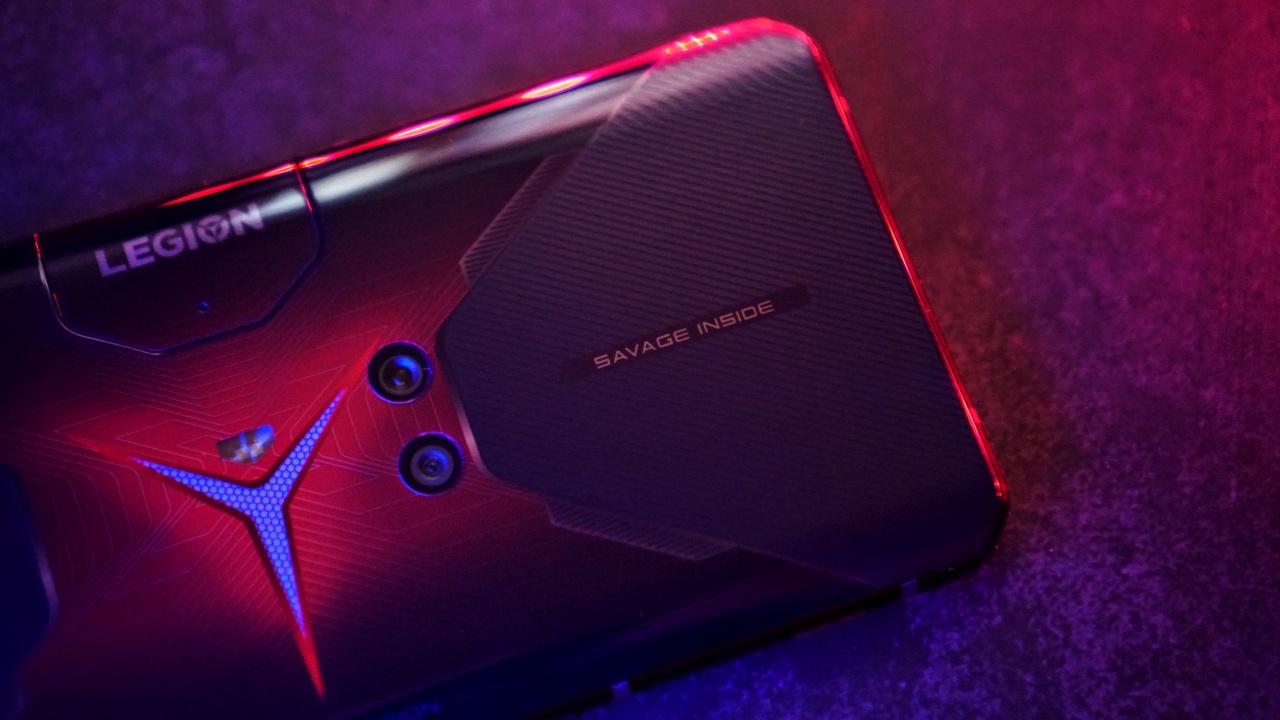
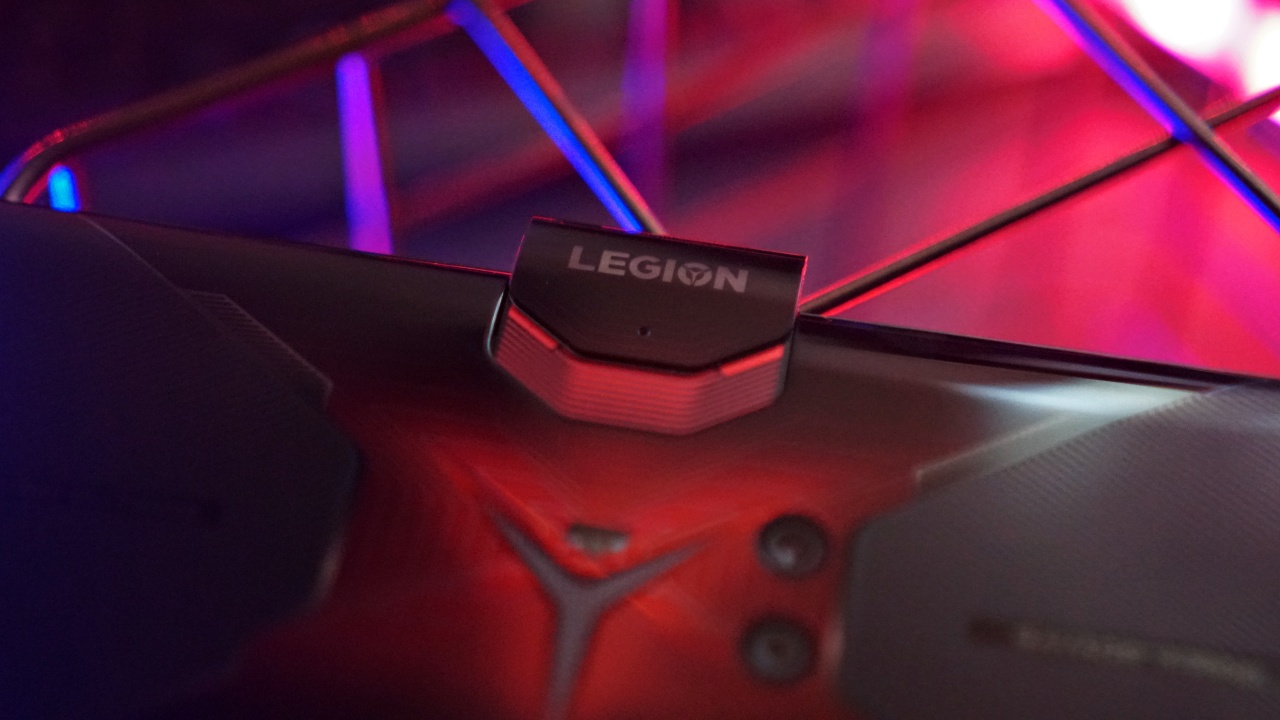
Taking a closer look at the phone, at the back you’ll find Legion’s slogan: Stylish outside. Savage inside.
How well does it play?
Let’s jump right into the gameplay. To launch games you have installed, the phone has the Legion Realm. It’s the gaming hub where you can customize how much of its combination of specs — Qualcomm Snapdragon 865 Plus and up to 16GB RAM — will be used for your gameplay session.
Funny thing is, it doesn’t seem to know exactly which apps are games or not. Upon firing it up the first time, it incorrectly identified Skype, Guitar Tuna and VSCO as gaming apps. You can, of course, manually take out and add apps, but this is a software kink that has to be fixed in an update.

Speaking of software kink, the Legion Phone Duel is built to go on landscape mode even on the home screen. But every time I try to enable auto-rotate, the screen kind of glitches for a second. It’s not that big of a deal but is worth mentioning.
Alright. Let’s jump in for real.
Call of Duty: Mobile

This is the game that I spend the most time with. On any given day, I would fire up a quick match when I need to step away from work for a while. I got pretty much the exact same sensations when I first played Call of Duty: Mobile on the ROG Phone 2.
The 144Hz screen refresh rate is smooth AF. It almost feels like you have an edge over the other players. Moving around and aiming the crosshair at my targets was easier.
This being a first-person shooter also really takes advantage of everything the phone has to offer. The shoulder buttons feel amazing and responsive. With this, you’ll be racking up kills in no time.
Genshin Impact

This is the game that I wish I could spend more time on. I typically don’t enjoy playing Action-RPG types on smartphones, but the combination of the phone’s raw power and stunning display along with the game’s design and gorgeous visuals made this such a fantastical experience.
Would like to note, though, that this is also the title where I experienced the most level of heating. It was nothing alarming, though and it mostly happened during days when it was also unbearably humid.
League of Legends: Wild Rift
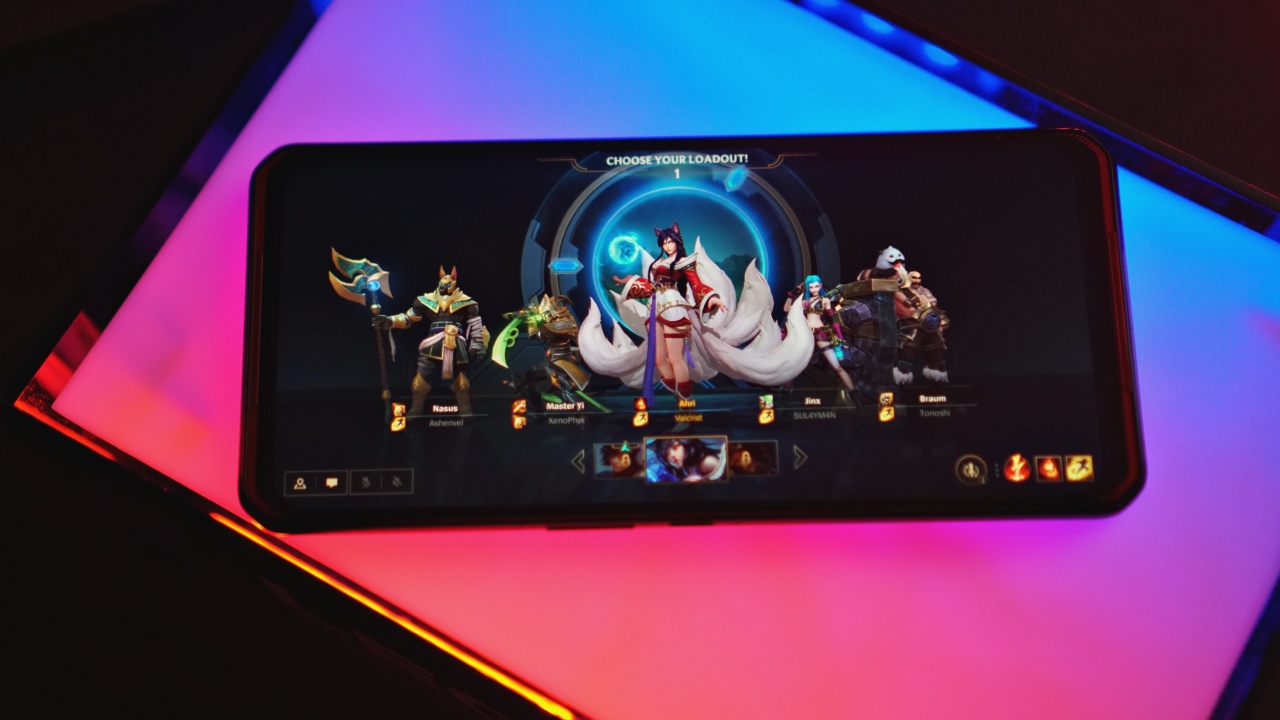
Honesty hour again. For this game, I only really played the tutorial part — which I thought it handles better than Mobile Legends: Bang Bang. I personally get no kick playing these types of games, but if this is your jam, know that it looks great and plays really well on the Legion Phone Duel.
Asphalt 9

This is the standard game for testing/playing racing games. The last time I played this though was on a budget tablet and I was pleasantly surprised at how good the game looks and plays on a high-end device. Again, same satisfying experience all throughout.
Injustice 2
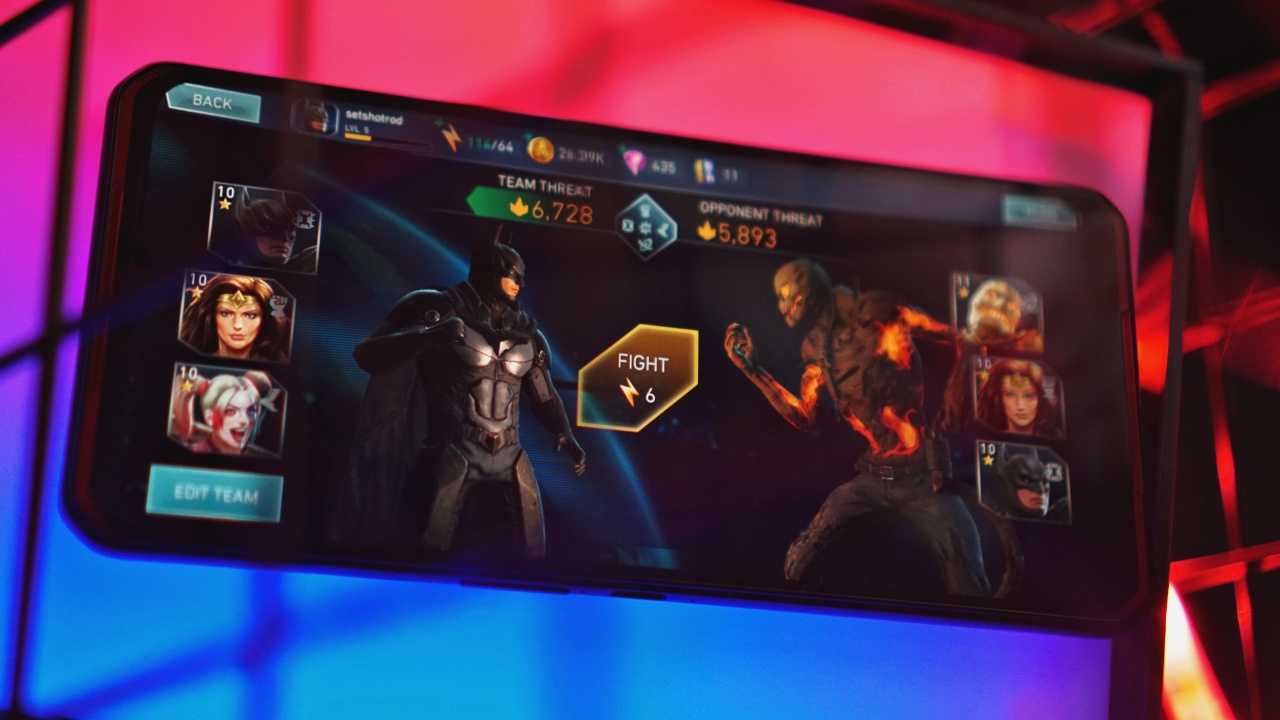
This is my go-to for trying fighting games, but like Action-RPG titles, I prefer to play fighting games on devices where I can button mash. That said, this game had the most noticeable graphical jump for me. I just don’t remember it looking this good on the other devices where I played it.
Delivers on gaming
As a gaming smartphone, the Legion Phone Duel impresses. All the design decisions that went into making this a truly satisfying gaming experience hits all the right spots.
The Dual Shoulder Controls with Dual Haptics feel great. The Legion assistant app is easy to access in-game and doesn’t feel intrusive. And it has just the right width and heft that won’t wear you out during extended gaming sessions.

The Dual front-firing speakers are okay. They’re great on a phone but since I regularly use HiFi audio accessories, it was easy to detect that it’s not able to register certain higher frequencies.
Fret not though, the Legion Phone Duel supports all kinds of HiFi audio format. If you have the gear for it, you’ll enjoy this even more.
Accessories?

Lenovo says the Legion Phone Duel was built only as a phone in mind. With that, it doesn’t come with any special Legion-branded accessories at launch,
However, it is compatible with other more universal accessories. And if you have a keyboard and more, or another controller lying around, you should be able to connect the phone with the right kind of dock.
Weak point: Cameras
The hardware is present: 64MP main camera and 16MP wide angle.

Even the design and camera position is thoughtful for what it’s trying to be. But the results are… well, they need improvement.
Some photos look like they have some sort of filter.


But every so often you will get a few good shots.

Be careful about shooting vertically, though as you might end up with something like this.

It’s decent indoors with a fair amount of lighting.


But it really struggles at night.


Occasionally, you’ll get something decent.

Up front is a 20MP Pop-up camera.
It’s steady. Selfies are about as hit and miss as the rear cameras. You also get this nifty dual shot feature.

But I used it more on a few video calls. It’s wide angle and captures a lot. Quality-wise, it’s decent. Better than any webcam on a laptop.

Dual Charging
Another dual aspect is charging. Instead of a single power cell, the Legion Phone Duel has two 2,500mAh situated on the sides of the phone as you hold it horizontally.
It also has two USB-C ports that you can use at the same time when juicing the phone up.

The results I got are as follows:
- Started “dual” charging at 10%
- Got to 100% in 1:12:25
- Started single charting at 43%
- Got to 100% in 49:34
Battery life is around what you expect. On a regular day where you’re doing work and are just browsing and playing during breaks, you won’t need to top-up overnight.
But on days where you do nothing but play, expect to run it dry twice as fast than on a regular day.
Dual looks, other things of note
Like any other Android phone, you can customize the Lenovo Phone Duel depending on your preferences. For its part, Lenovo has a selection of default wallpapers that look hardcore gamer and casual user.

As a media device, this phone is also fantastic. The 6.65” FHD+ AMOLED Display is such a treat to the eyes. That’s true whether you’re watching K-Pop videos on Youtube.

Or perhaps catching up on your favorite Netflix series.
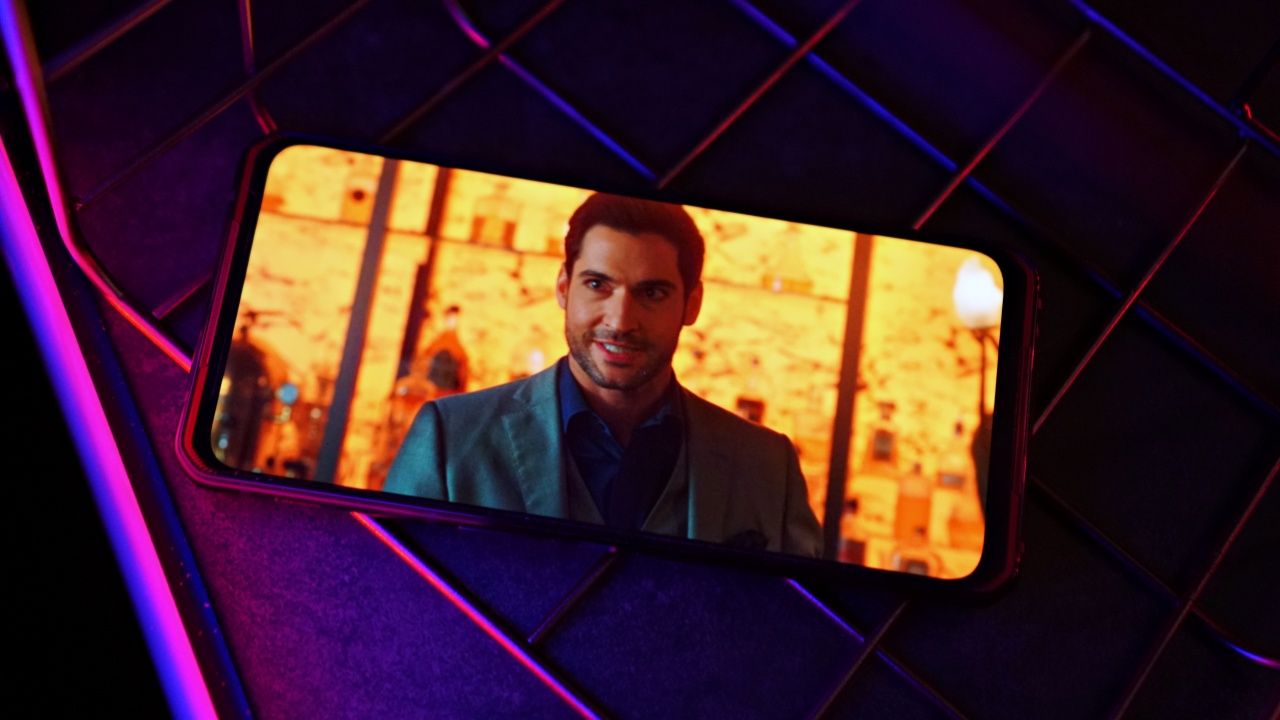
The display is also great even when you’re just casually browsing on social media.

Doubling down on its “dual” approach, the phone (In the Philippines at least), is available in only two variants.
- Blazing Blue — 12GB+256GB
- Vengeance Red — 16GB+512GB
(Editor’s Note: This was previously written as Blazing Blue (16GB+512GB) and Vengeance Red (12GB+256GB) as initially shared by Lenovo. This has now been corrected).
Asked why this was the case, Lenovo channeled their inner Yes or Yes Mina saying it’s to make the choice more simple for the buyers. It will be available in all authorized resellers by November 1, 2020.
Is Legion Phone Duel your GadgetMatch?
Lenovo has a few things to fix on the software end. The hardware, though, is fantastic. As a gaming smartphone, the Legion Phone Duel won’t leave you wanting.
It has the raw power to play just about any mobile game. The display is gorgeous with a speedy response time. The front-firing speakers are good on their own but paired with HiFi audio accessories, and you’re in for quite an immersive treat.
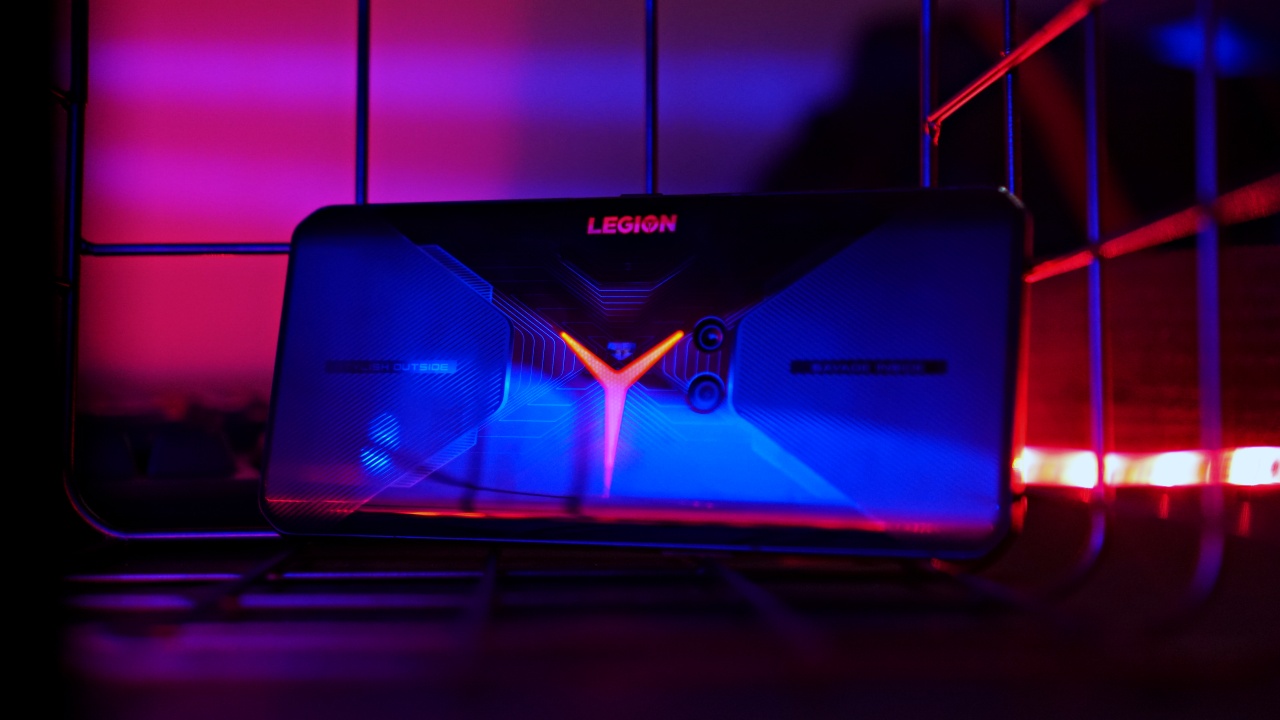
It has the natural shortcomings of a first generation gaming phone — the photos just aren’t there yet. However, it has more to do with Lenovo’s software processing more than anything. With a few software updates, I don’t see how this can’t improve.
As far as expectations for a gaming phone goes, the Legion Phone Duel is part for the course. It made some truly interesting design choices that it would probably take someone heavily invested on mobile gaming to make this their main smartphone.






Valve has been embroiled in an odd war as of late. A few weeks ago, the New York Attorney General filed a lawsuit against the gaming company for allegedly encouraging children to gamble through loot boxes primarily found in Counter-Strike 2. Today, Valve is fighting back by declaring how little its loot boxes have to do with gambling.
For years, governments have had a problem with loot boxes. To them, the mechanic makes it too easy for gamers to fall into a gambling addiction. In essence, loot boxes are earnable packs that contain a single or a number of random items that the player can use for their game. Most of the time, these items are purely cosmetic and don’t give a gameplay advantage.
Like Blizzard before it, Valve is also defending its loot boxes as non-essential to how players engage with their games. “There is no disadvantage to a player not spending money,” their statement reads.
Additionally, Valve says that their loot boxes are no different from Pokémon cards and Labubu blind boxes. As such, the company is also defending their users’ right to transfer obtained items to other users, as with two players trading cards or Pop Mart figurines.
Now, these items have monetary value in the market. In the same way, a rare Counter-Strike 2 skin can fetch thousands of dollars. However, Valve says that they are already proactive in shutting down accounts made only to gamble and avoiding pro-gambling businesses.
Valve is capping off its statement by saying that the NYAG is forcing the company to collect more information from its users, especially those using VPNs to prevent being located in New York. The company says that it will continue to protect user data, despite the demand.
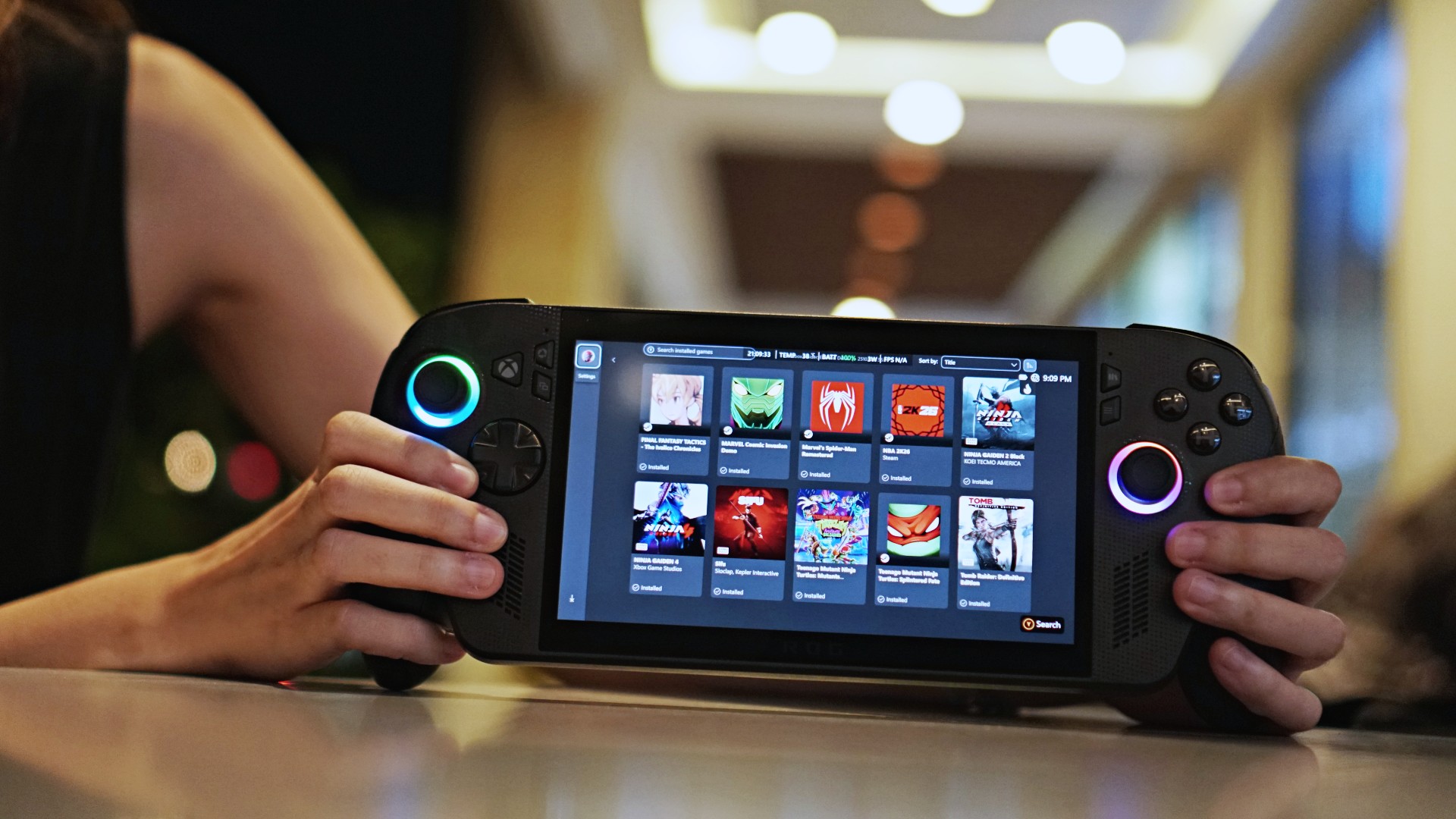
What is an Xbox? For the past year and a half, Microsoft will tell you that anything can be an Xbox. Now, with Project Helix on the horizon, Xbox wants to bring the idea of playing anywhere to the next level. Microsoft will start rolling out its new Xbox Mode to PCs in April.
Since the very first device out in the market, handheld consoles have changed how people play games. Naturally, a lot can already be said about the portability and the convenience of its hardware. But the software needs a special shoutout, too.
Though they are essentially PCs at heart, these consoles are built explicitly for gaming. Fiddling around with Windows isn’t ideal. Instead, they have special software that can collate all of a user’s games into one hub.
The new Xbox Mode, adapted from the ROG Xbox Ally X’s Xbox Full Screen Experience, will do just that but on an actual PC. As announced via an official blog post, Xbox will release the new mode to Windows 11 devices in April, starting with select markets. Like the software used in handheld consoles, Xbox Mode should include all the available games from the Game Pass, Steam, and the Epic Games Store.
Right now, the feature will likely go up against Steam’s Big Picture Mode, which does the same thing but only for Steam titles. However, it should also transition neatly to Project Helix. Xbox is now ramping up the development of its next-generation console codenamed Project Helix. The upcoming machine will be a high-end PC and a gaming console rolled into one, making it perfect for Xbox Mode.
SEE ALSO: Project Helix is Xbox’s next console, and it plays PC games
Gaming
Resident Evil Requiem will get a story expansion
There’s no word yet on when the story expansion will drop.


Resident Evil Requiem, Pokémon Pokopia, and Slay the Spire 2. Between these three, gamers today are eating well and good. Or rather, they’re not, because of how addicting of a time sink these titles are. The latter two especially are built to be played over and over for weeks and months. Now, Resident Evil Requiem is working on something, so you also won’t forget about it in a few months’ time.
Via an official post on Resident Evil’s social media platforms, Capcom has confirmed that a story expansion is coming to the horror game. Currently, the base game doesn’t take long to beat, especially when compared to other RPGs today. The expansion should add more content to explore the story’s world.
Right now, Capcom can’t share a timeline for the update’s launch. However, in the meantime, the developers are cooking up a few minor updates to keep the game alive. For one, the game will receive performance updates to improve the smoothness of gameplay and fix bugs. It will also get a photo mode for all you Leon-holics out there.
Finally, in May, the base game will get a “minigame” added to the main game. There’s no word as to what this minigame is, so we’ll have to wait for when it drops.
Resident Evil Requiem is out now on all major platforms. The game features the survival horror style of the modern Resident Evil games, while serving up the classic action gameplay with the return of Leon S. Kennedy as a co-protagonist with Grace Ashcroft.
SEE ALSO: Resident Evil Requiem is out now



Disney+ launches a TikTok-coded vertical feed called Verts

Google Maps is finally getting a 3D mode

KPop Demon Hunters is officially getting a sequel

Bringing Care-a-Lot to my daily carry

Galaxy AI on the Samsung Galaxy S26 Ultra


-

 News2 weeks ago
Xiaomi 17 Ultra is now available outside China
-
 MWC 20261 week ago
Infinix NOTE 60 Ultra makes a motorsport-inspired debut
-

 Reviews2 weeks ago
TECNO CAMON 50 Ultra review: End of an era?
-

 MWC 20262 weeks ago
TECNO launches the all-new CAMON 50 series
-

 MWC 20262 weeks ago
TECNO showcases cool concepts at MWC 2026
-

 Reviews2 weeks ago
Xiaomi Pad 8 review: Slab that slaps!
-

 Reviews2 weeks ago
Forget the Phone: Xiaomi 17 Ultra Is A CAMERA!
-
 MWC 20262 weeks ago
TECNO unleashes Tonino Lamborghini collection