
Laptops
Lenovo Yoga 910 review: Best Yoga yet?


Two years ago, I was one of the few people fortunate enough to have an early sample of Lenovo’s Yoga 900 convertible. Needless to say, it drew a lot of attention both here and abroad for its sharp looks. Does the Yoga 910 attract as much praise? See for yourself.
Here’s how it looks in laptop mode

For when you just want to type
This is tent mode

For watching Netflix and chilling
And I’m not sure what this is called
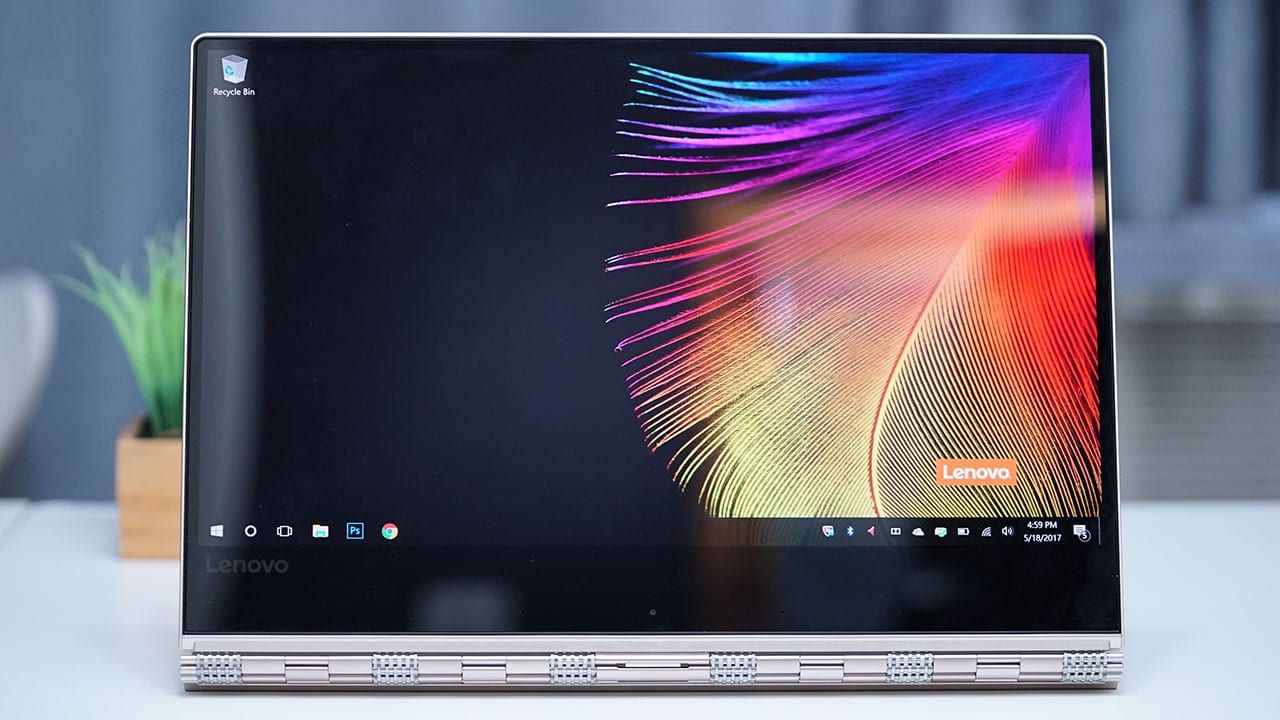
You can also bend it further back for a full tablet mode
Bending is made possibly by the watchband hinge
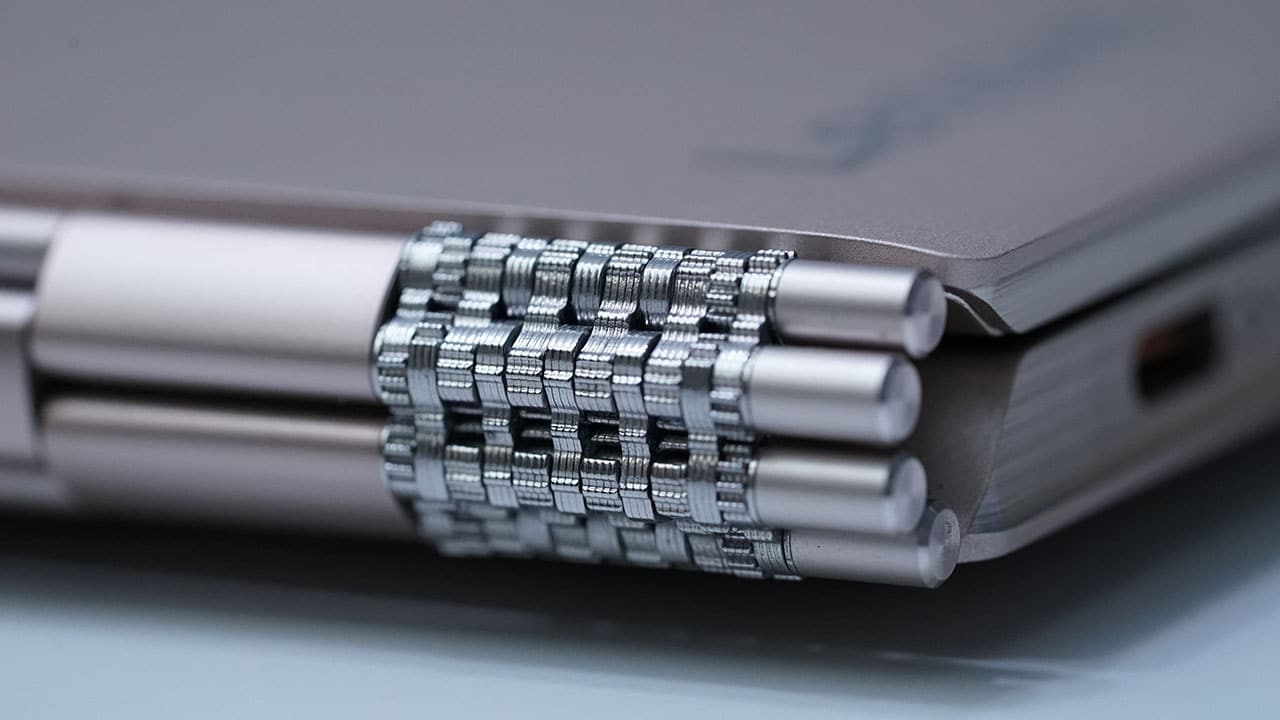
Looks and feels great!
The trackpad is spacious enough and accurate

I didn’t have any trouble with gestures here
And the keyboard has nice travel

Coming from a mechanical keyboard enthusiast, I enjoyed using these keys
You can log in using its fingerprint scanner

It hasn’t failed me so far
These are the ports and buttons on the right
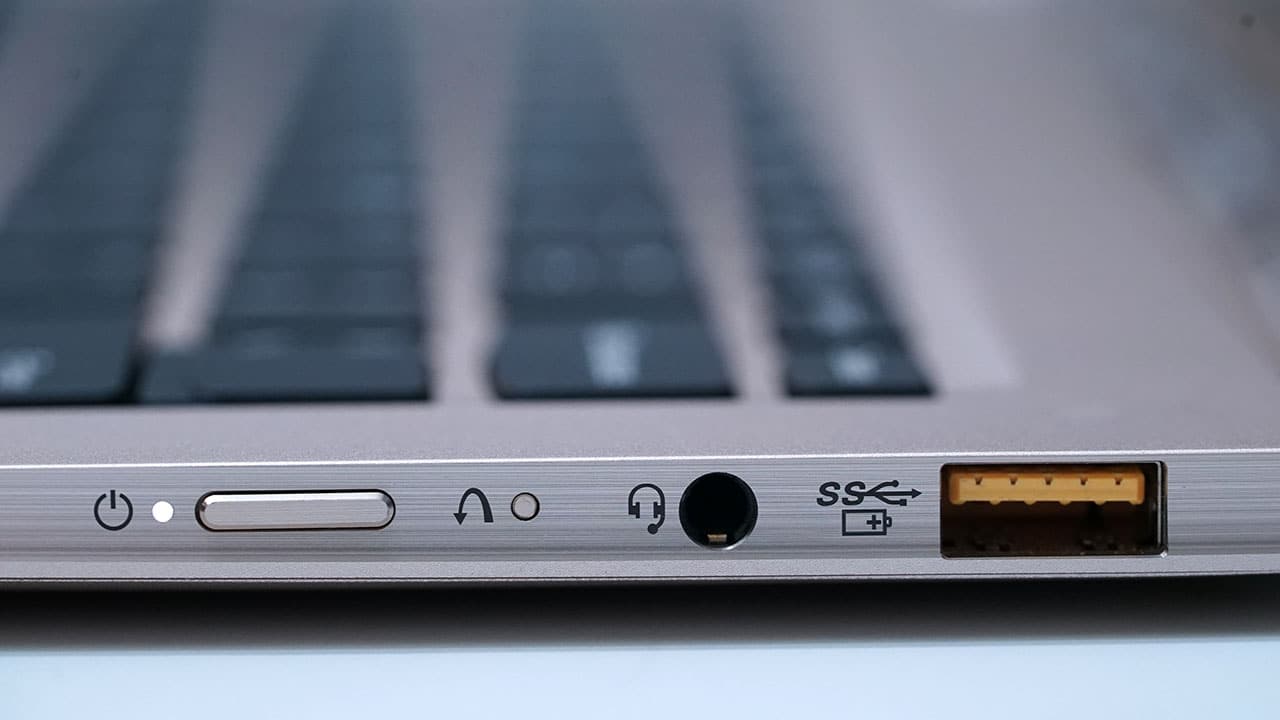
Power button, 3.5mm audio port, and full-sized USB port
While these are on the left
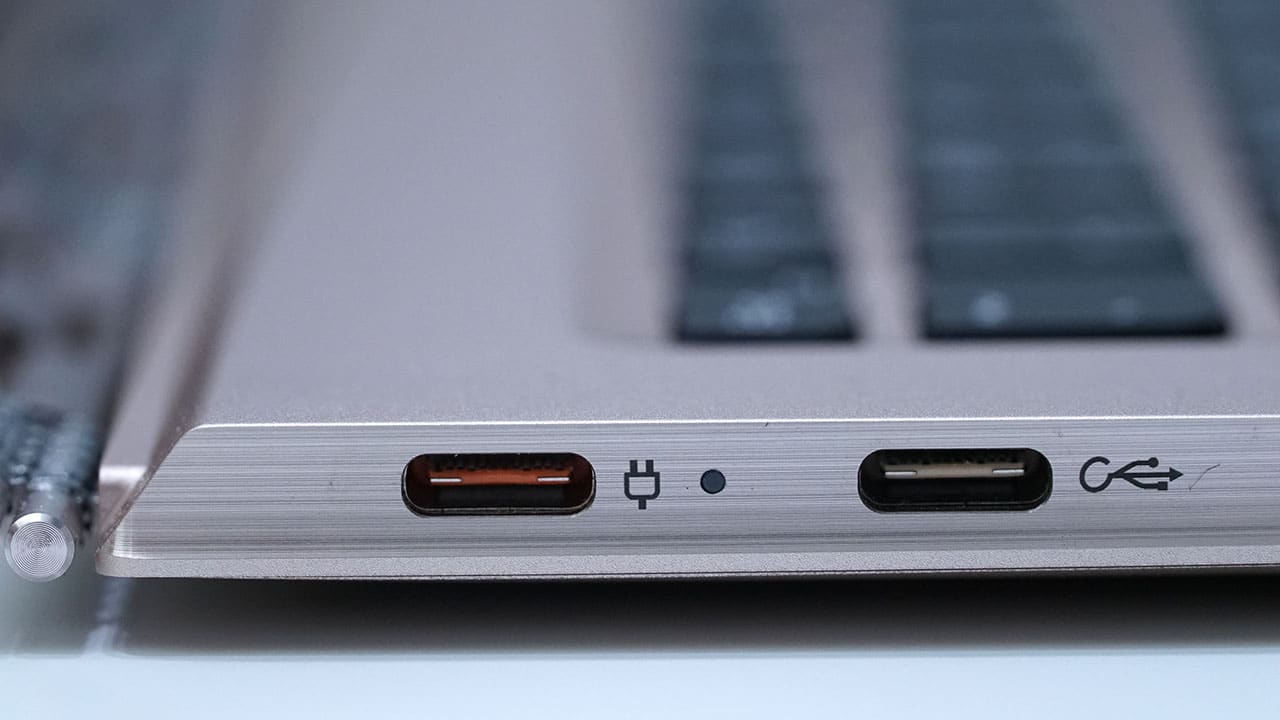
Two USB-C ports, one of which is for charging
A pair of speakers are found underneath
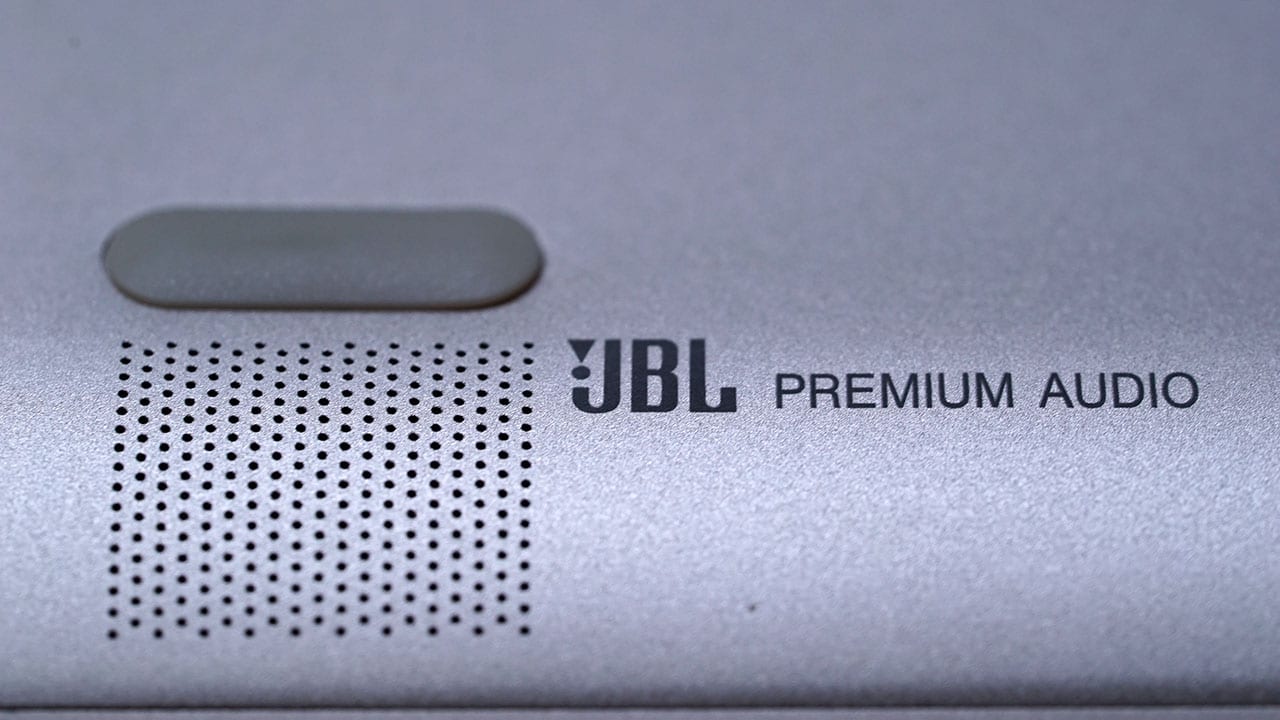
They get surprisingly loud with no distortion!
But how does it perform?
What’s a pretty convertible without performance to back it up? The unit we have here is equipped with Intel’s seventh-generation Core i7 processor, and it’s a real-deal CPU — not just one of those less-capable Core M processors found in most convertibles. There’s also 8GB of memory and 256GB of SSD storage inside.
Put all those together and you get a fast machine. It can cut through the increasingly bloated Chrome browser while handling several image files on Photoshop in the background. Startup is blitzy, too. But without a discrete graphics card, I don’t recommend using the Yoga 910 for high-resolution video editing.
How long does its battery last?
Not that long, unfortunately. A hundred percent charge provides me with enough juice to last a little over four hours of mixed use at a time. It also takes about as long to charge the Yoga 910 from zero, which isn’t great if you’re constantly on the go. The Ultra HD (3840 x 2160 pixels) resolution of our review unit is part to blame, so I’d expect the Full HD (1920 x 1080) version to do a little better.
Are there any deal-breakers?
There are three issues I have with the Yoga 910.
One: Its bundled bloatware is such a pain at times. It’s not as bad as what I had experienced on other Windows 10 laptops, but it’s annoying nonetheless. Lenovo has a history of pre-installing software that shouldn’t be there, and the trend continues.

Two: As pretty as the 13.9-inch edge-to-edge display is to look at, the awkwardly placed webcam below as a result isn’t. It’s a clear tradeoff we’ve been seeing since the Dell XPS 13 came out, and it’s not getting any better. The only remedy is to bend the Yoga 910 into tent mode, but then you’d lose the keyboard for chatting.
Three: This convertible gets really hot. I can’t leave this thing on my lap for more than 10 minutes without sweating excessively. The combination of the high-powered processor and full-aluminum chassis makes the Yoga 910 a perfect heater for cold climates — but not for the tropical weather I’m living in right now.
Is this your GadgetMatch?
As long as you know how to uninstall bloatware, don’t care much about video chat, and have a comfortable desk to rest it on, the Yoga 910 is a solid convertible for getting work done quickly.
It’s just a little pricey. The starting SRP is $1,200 which could be more after taxes, depending on where you live. Lenovo must have anticipated consumer reaction, and is also offering a more affordable, less exciting option.
The Yoga 900S takes advantage of the cooler Core M processor we mentioned earlier, and retails for up to $200 less. You just have to give up the Yoga 910’s addictive power and three-sided narrow bezels, but everything else is still there, including the bendy body and lovely port selection.
SEE ALSO: Lenovo Yoga Book hands-on review
[irp posts=”4534″ name=”Lenovo Yoga Book hands-on review”]








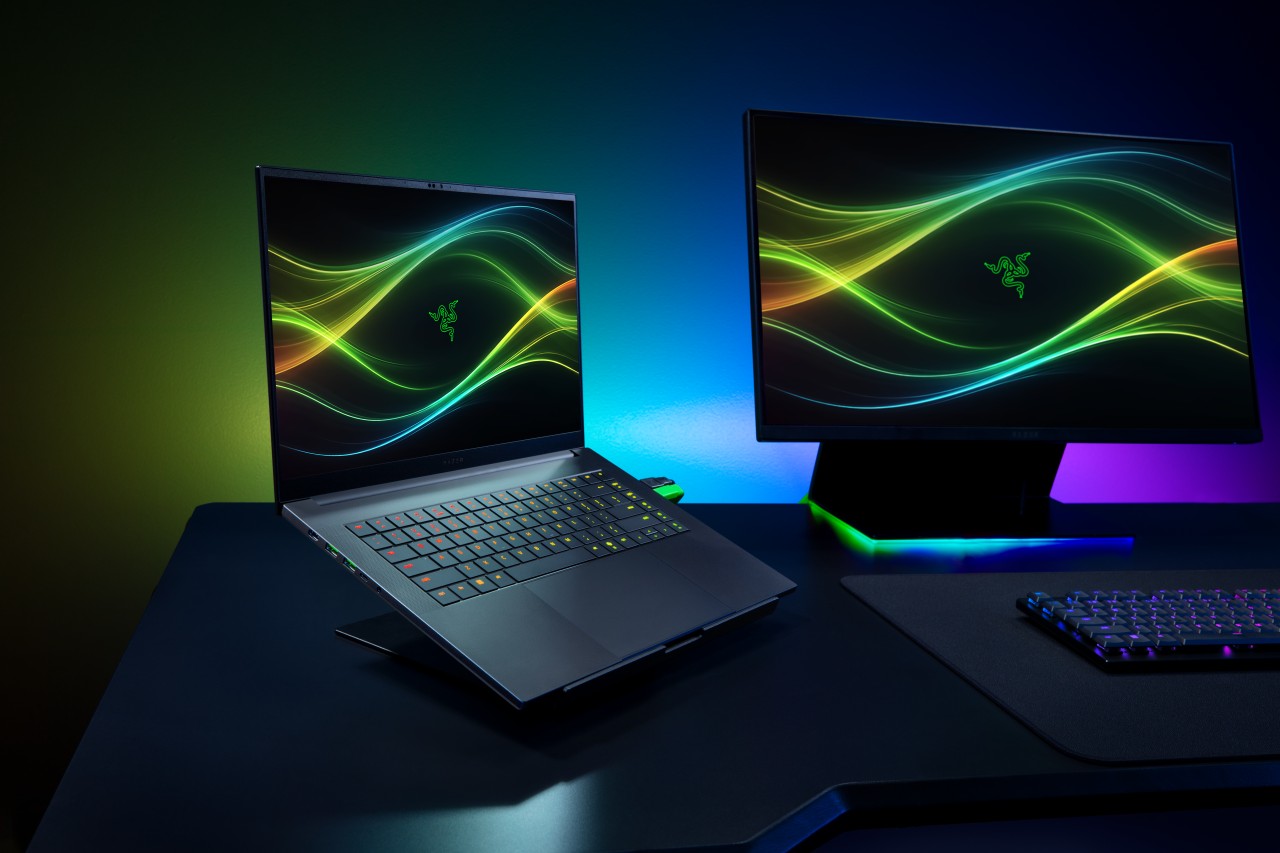
Razer has officially unveiled the 2026 version of its Blade 16, doubling down on what it does best: squeezing high-end performance into an ultra-slim chassis.
This year’s refresh focuses on meaningful internal upgrades. That includes a new Intel Core Ultra 9 processor, faster LPDDR5X memory, and NVIDIA’s latest RTX 50 Series laptop GPUs — all while keeping the Blade 16 as the thinnest gaming laptop in Razer’s lineup.
Performance gets a serious bump
At the core of the new Blade 16 is the Intel Core Ultra 9 386H, featuring 16 cores and up to 4.9GHz boost clock. Razer claims a 33% increase in core count versus the previous generation, translating to stronger performance across gaming, content creation, and AI workloads.
There’s also an integrated NPU capable of up to 50 TOPS, enabling faster on-device AI tasks like image generation and live translation.
Memory gets a notable upgrade too. The Blade 16 now supports up to 64GB of LPDDR5X-9600MHz RAM, which Razer positions as the fastest available in a laptop today. The result: quicker responsiveness for heavy multitasking, creative apps, and AI-assisted workflows.
On the graphics side, NVIDIA’s GeForce RTX 50 Series (Blackwell architecture) brings DLSS 4 and enhanced AI capabilities for both gaming and creator use cases.
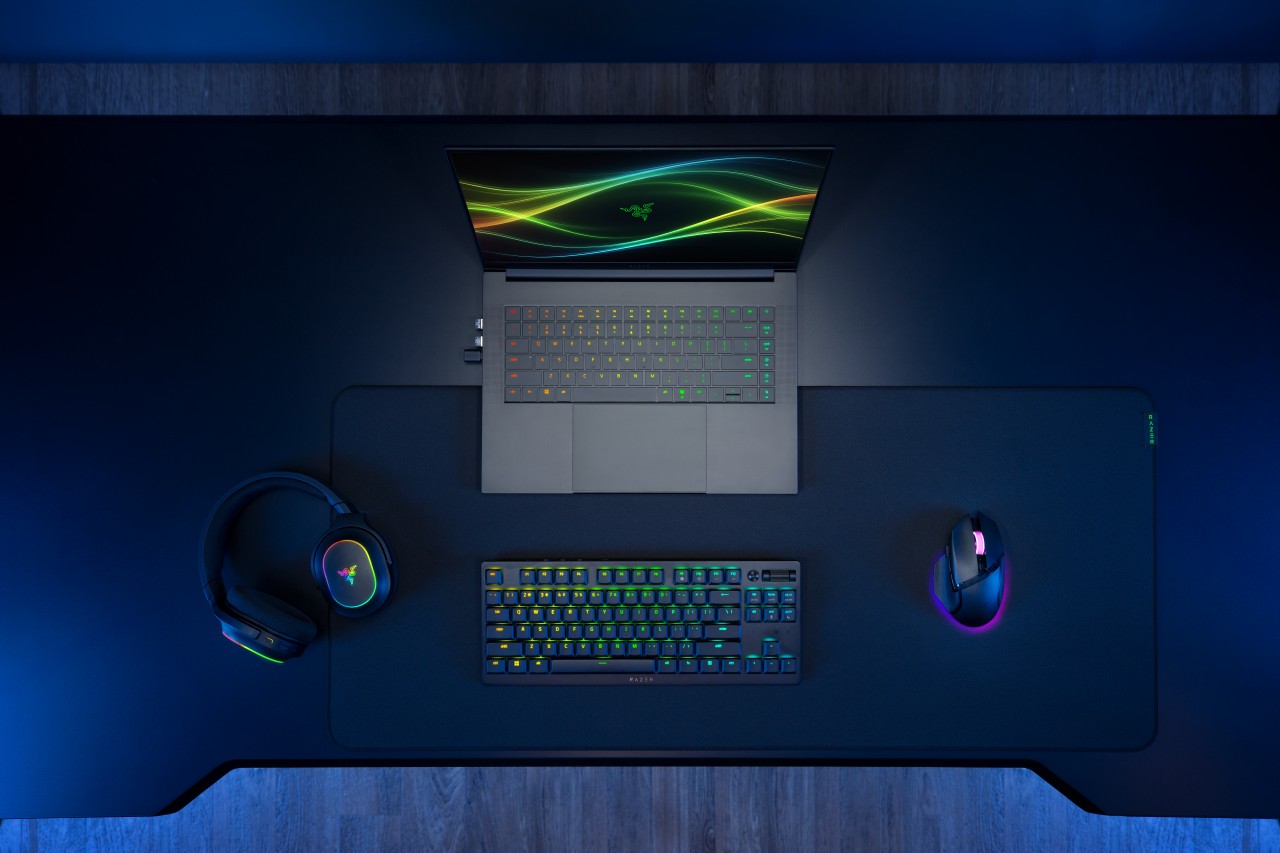
Display and design stay premium
Razer isn’t fixing what isn’t broken. The Blade 16 retains its signature CNC-milled aluminum chassis, measuring just 14.9mm thick and weighing around 2.14kg.
The display remains a highlight. You get a 16-inch QHD+ OLED panel with a 240Hz refresh rate, now brighter and certified for VESA DisplayHDR TrueBlack 1000. It supports full DCI-P3 coverage, Calman calibration, and NVIDIA G-SYNC, making it just as suited for creators as it is for competitive gaming.
Battery life and efficiency improve
Despite the performance gains, Razer is also pushing efficiency. Thanks to Intel’s newer architecture and system-level optimizations, the Blade 16 can hit up to 13 hours of productivity use and up to 15 hours of video playback under ideal conditions.
That’s a notable improvement for a machine in this class, especially given its slim form factor.
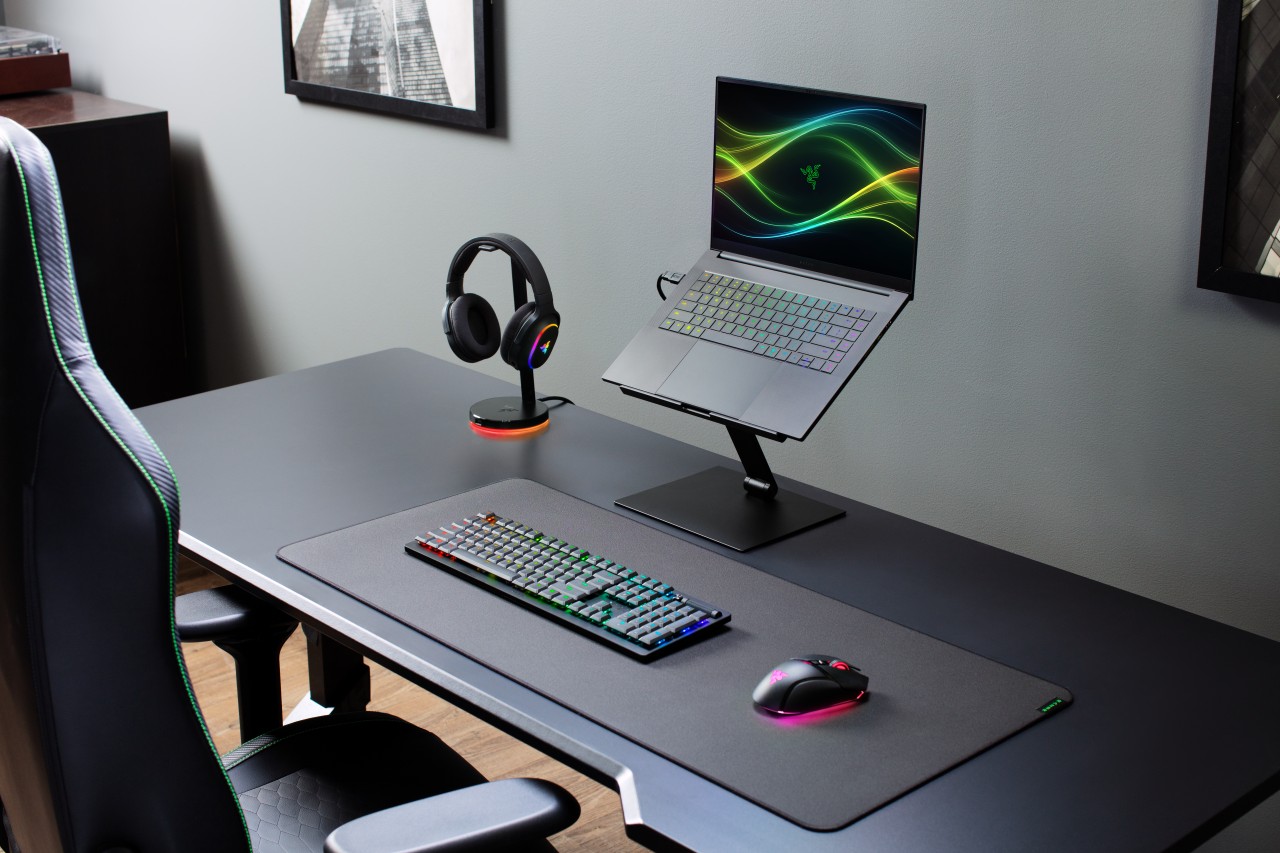
Connectivity and audio step up
The 2026 Blade 16 gets a future-ready connectivity suite, including Thunderbolt 5, Wi-Fi 7, and Bluetooth 6.0. There’s also a full set of ports, from USB-A to HDMI 2.1 and an SD card reader.
Audio gets an upgrade too. The six-speaker system now supports THX Spatial Audio+ with virtual 7.1.4 surround, aiming to deliver more immersive sound both on speakers and headphones.
Price and availability
The Razer Blade 16 configured with an NVIDIA GeForce RTX 5080 (16GB VRAM) and 32GB LPDDR5X-9600MHz RAM is priced at US$3,499.99 / €3,599.99 MSRP.
It is available now, exclusively via Razer.com and select RazerStores worldwide.
Still the Blade, just sharper
At a glance, the 2026 Blade 16 doesn’t reinvent the formula. But under the hood, it pushes performance, memory speed, and efficiency forward in ways that matter.
It’s still the same idea: a no-compromise gaming laptop that looks like it belongs in a minimalist workspace — just faster, smarter, and a bit more future-proof this time around.
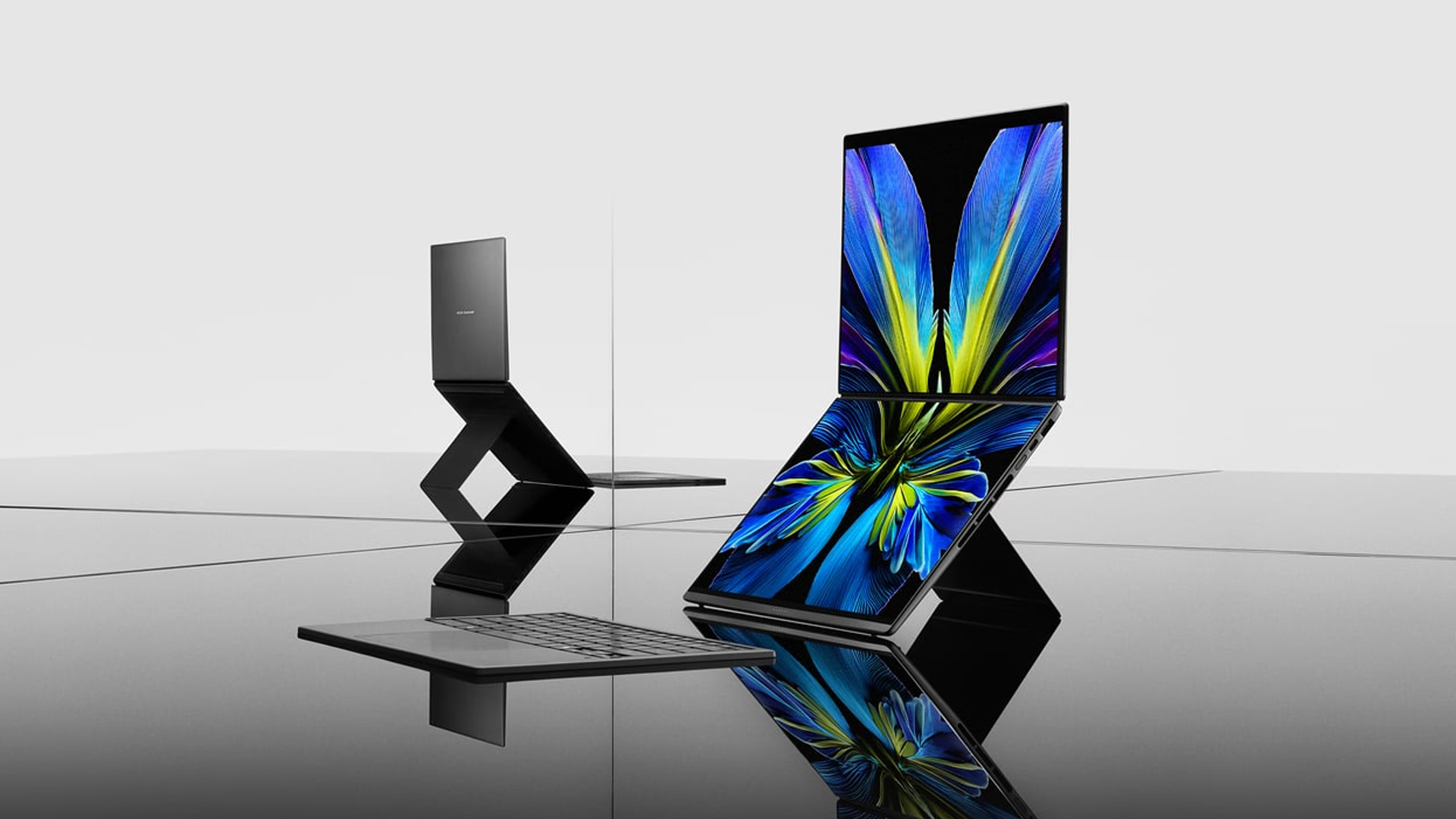
At CES 2026, ASUS unveiled an exciting lineup of notebooks headed for launch throughout the year. Earlier this month, the brand finally launched the latest Zenbooks built for maximum portability. Now, ASUS has released the new Zenbook S16 and S14, plus the new Zenbook DUO, in the Philippines.
Zenbook S16, S14
Much like its predecessor, the latest Zenbook S16 is designed for ultra portability. In terms of thinness, the notebook measures only 1.1 centimeters. Plus, it weighs only 1.5 kilograms, making it a perfect addition to your daily kit. The Zenbook S14, on the other hand, weighs only 1.1 kilograms.
As is always expected from the Zenbook S lineup, both laptops will have a tactile Ceraluminum lid, bolstered by an EasyLift hinge for ease of use. It will also have an ErgoSense keyboard with dished keycaps.
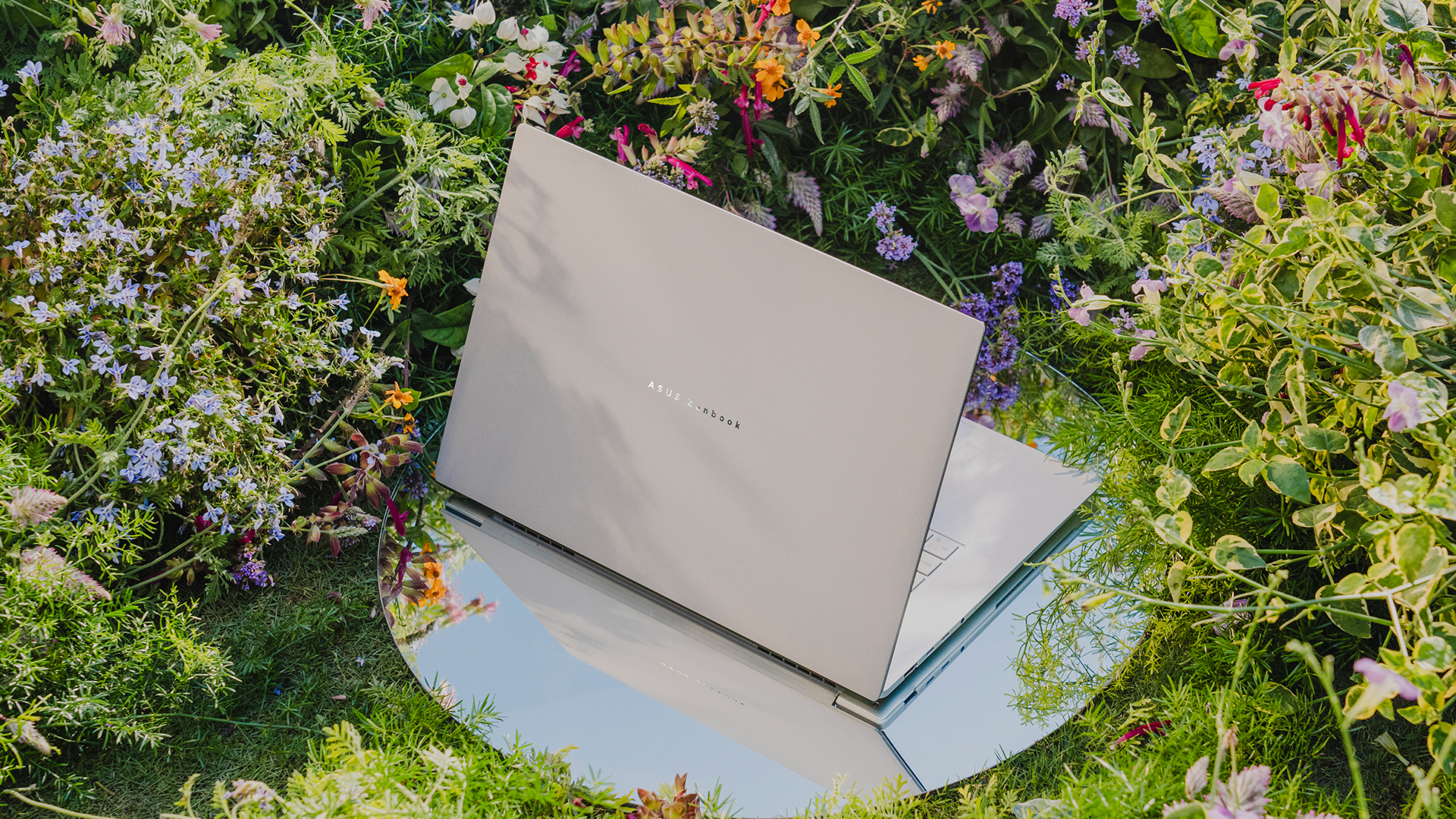
The 16- and 14-inch 3K ASUS Lumina OLED screen has touchscreen capabilities and a refresh rate of 120Hz. For audio, the S16 has a six-speaker Dolby Atmos system, including four front-firing tweeters and dual woofers. The S14 has four speakers.
Under the hood, the Zenbook S16 will sport an AMD Ryzen AI 9 465 chipset, while the Zenbook S14 has an Intel Core Ultra 9 Series 3 processor.
For battery, the S16 will have an 83 Wh battery, which can reportedly last over 21 hours, and the S14 has a 77 Wh battery.
Zenbook DUO
If portability isn’t your main focus, the new Zenbook DUO packs in two screens in one device. Though it packs a bit more punch the Zenbook S series, the dual-screen notebook still weighs only 1.65 kilograms.
The Zenbook DUO features the newest Intel Core Ultra 9 Series 3 processor, up to 32GB of memory, and up to 1TB of internal storage. This time, both screens have anti-reflective coating for a better viewing experience.
As with the previous generations of the DUO, this iteration comes with a detachable keyboard and a four different use cases including dual screen, laptop, desktop, and sharing modes.
Powering the beast is a huge 99Wh battery. ASUS says that this is the most they can pack inside without getting users in trouble at the airport.
Zenbook 14
To be clear, this is different from the Zenbook S14, but it bears a striking resemblance to that previous notebook, both in terms of design and hardware. For one, the new Zenbook 14 is 14.9mm thin and only 1.2kg light.
The 14-inch screen carries a WUXGA ASUS Lumina OLED display, putting out images in a 16:10 aspect ratio. The notebook also has an Ergosense keyboard and touchpad for more comfortable typing and more precise controls.
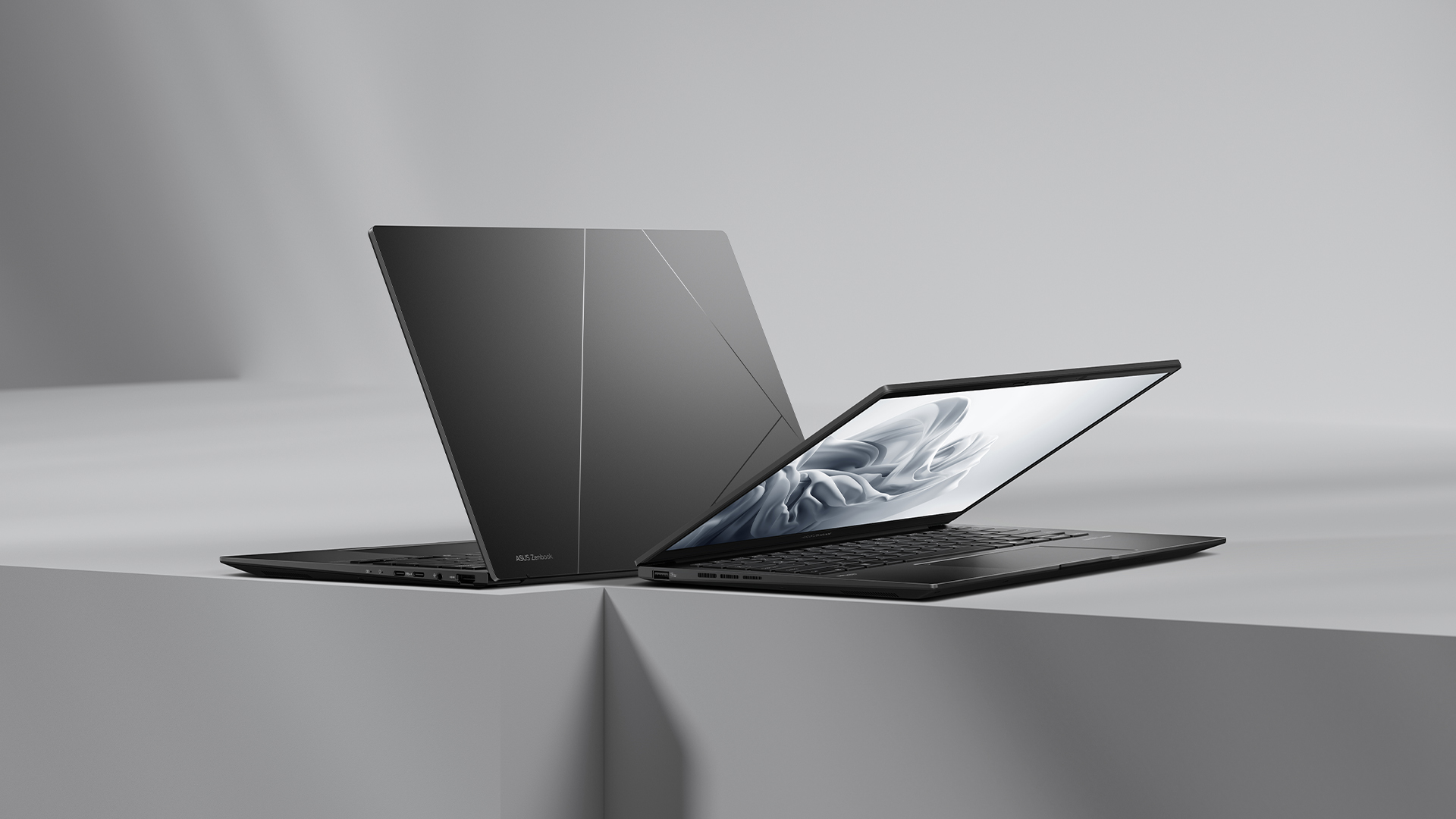
Under the hood, the Zenbook 14 trades the S14’s Intel chip for an AMD Ryzen AI 7 445 processor, capable of up to 50 TOPS. It will also have 16GB of RAM and 1TB of storage.
For battery, the notebook will have a 75 Wh battery, reportedly capable of lasting over 15 hours of unplugged use.
Zenbook A16
Embodying the spirit of “if it ain’t broke, don’t fix it,” the brand is also introducing a modest upgrade to the Zenbook A series.
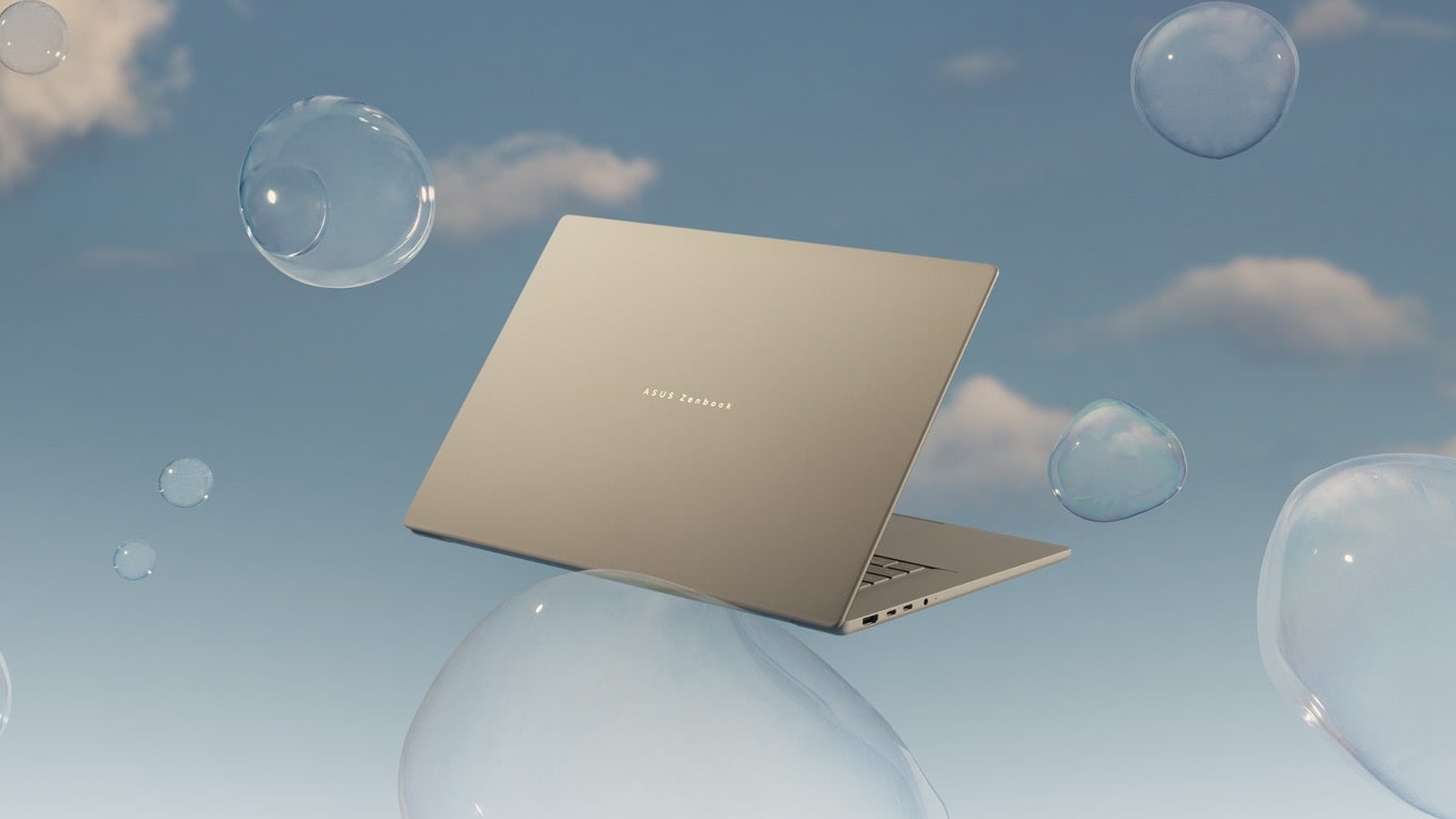
The new Zenbook A16 is only 1.2 kilograms in weight. Plus, with a 70Wh battery, the notebook can remain unplugged and outside for an entire day. The A16 comes with a 16-inch 3K 120Hz OLED screen and the Snapdragon X2 Elite Extreme.
Price, availability in the Philippines
The Zenbook S16 comes in Scandinavian White and starts at PhP 134,995. Meanwhile, the Zenbook S14 comes in Antrim Gray and sells for PhP 129,995.
The Zenbook DUO comes in Moher Gray and starts at PhP 179,995.
Meanwhile, the Zenbook 14 comes in Jade Black and sells for PhP 79,995.
Finally, the Zenbook A16 is coming soon.
Laptops
Alienware celebrates 30th anniversary with new Area-51 laptops
The series features Alienware 30, an all-new design language.

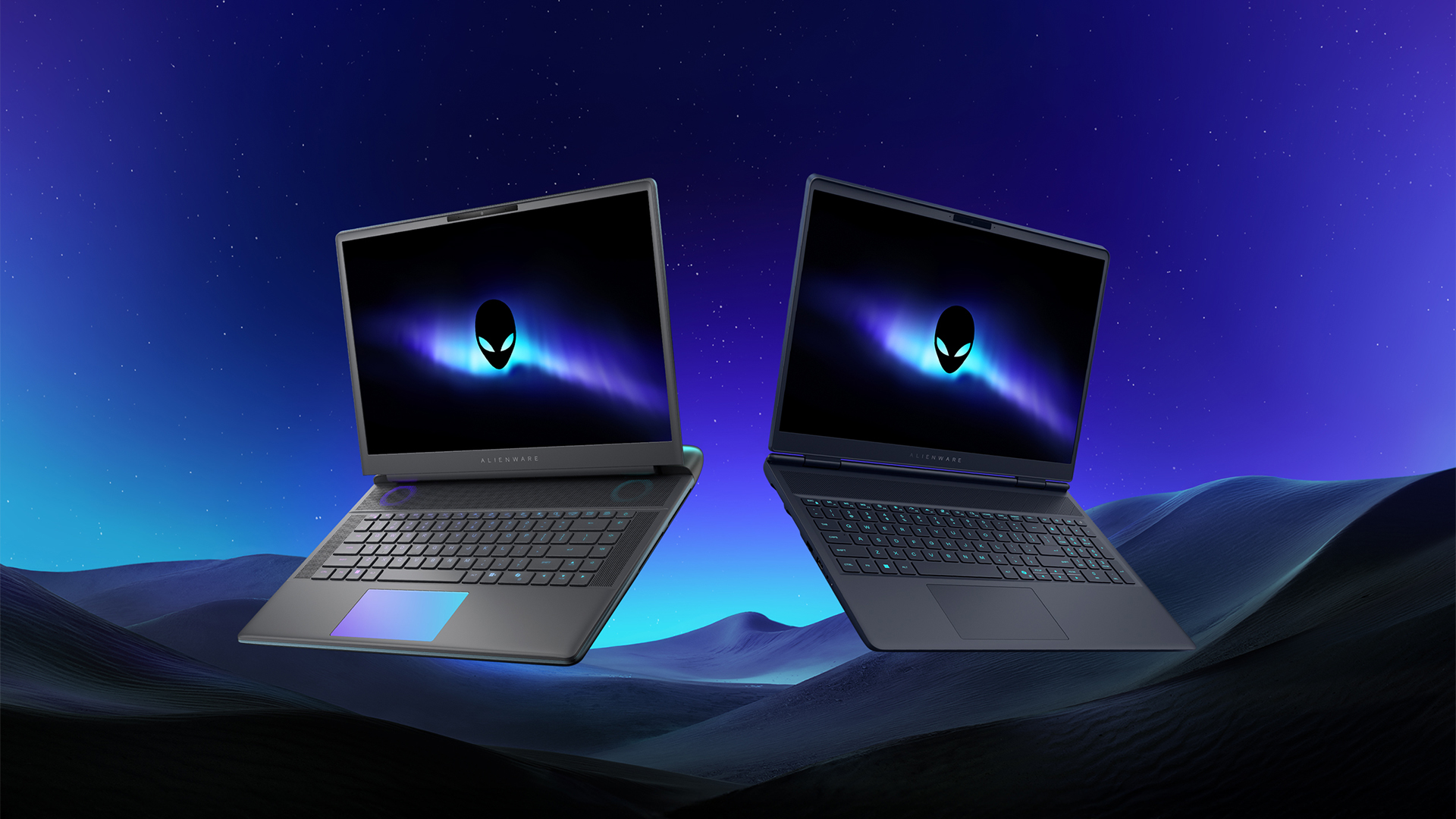
Despite the rise of more gaming brands, Alienware is still one of the most recognizable names for gamers who want dedicated hardware. This year, the brand is celebrating its 30th anniversary. To commemorate the milestone, Alienware has launched the new Area-51 and Aurora notebooks.
Alienware Area-51
Alienware’s Area-51 lineup is the brand’s flagship line of notebooks, packing in the best of the best from the industry. This time is no different.
First of all, the new series will rock Alienware 30, a new design philosophy made especially for the 30th anniversary. On the outside, the laptops have fluid contours, emphasizing curves opposed to the industry’s more angular contemporaries. It also has a Zero Hinge, which hides the laptop’s hinge from view. Finally, it has pillowed palm rests to make usage easy for long gaming sessions.
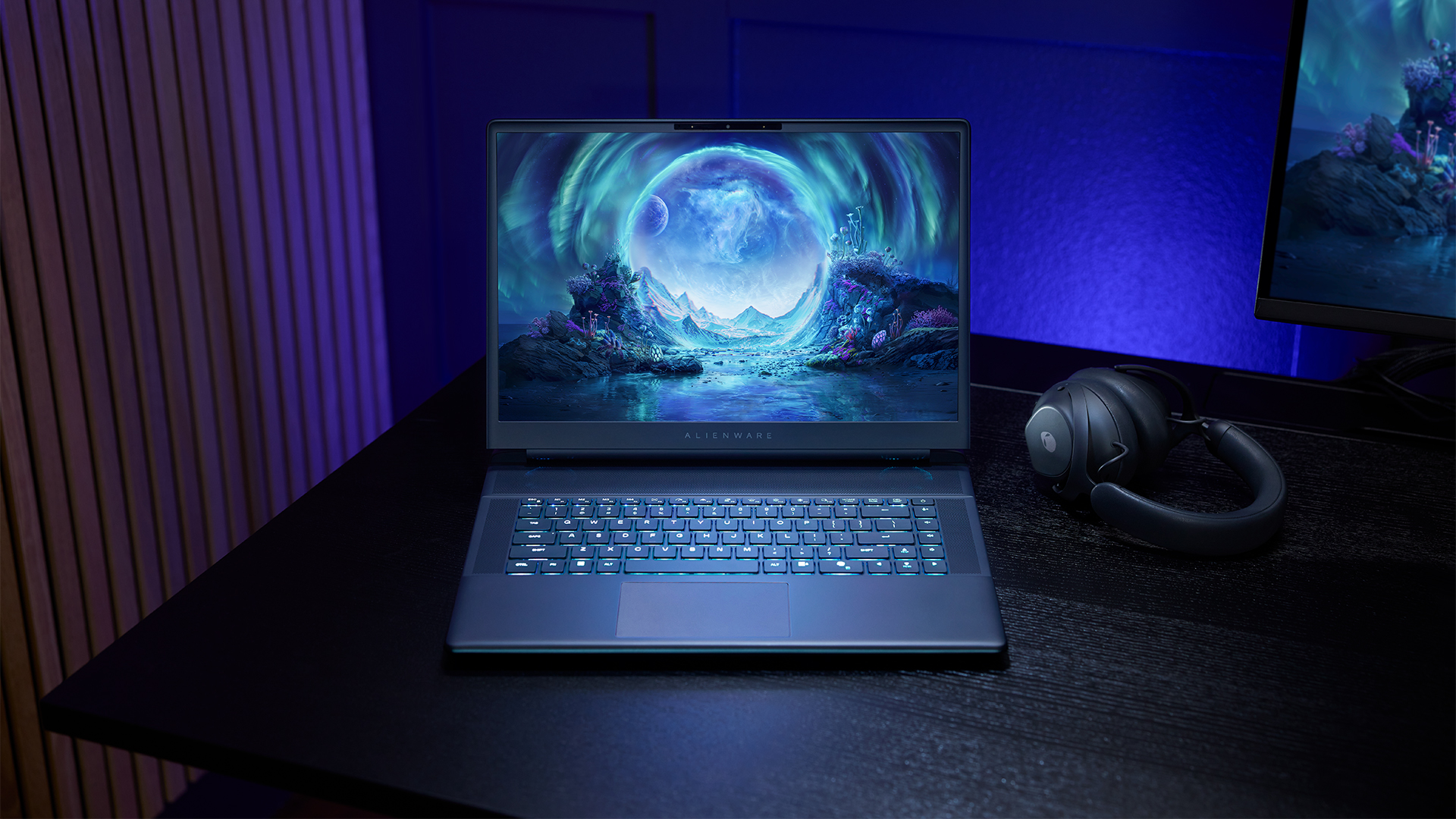
The 16-inch model can rock up to a WQXGA Anti-Glare OLED screen, featuring 240Hz refresh rate and 620 peak HDR nits. It will also have an LCD option. Alternatively, the 18-inch model has a WQXGA screen, featuring 300Hz refresh rate and 500 nits of brightness.
Inside, the Alienware Area-51 boasts up to an Intel Core Ultra 9 290HX processor and up to an NVIDIA GeForce RTX 5090 24GB GPU. For memory, gamers can enjoy up to 64GB Dual-Channel DDR5. Finally, for storage, the series can rock up to 2TB SSD natively but can support up to 3 slots, allowing for up to 12TB of internal storage.
The series will have a sizable 96Whr battery. This is complemented by a 280W adapter and the brand’s largest fans by volume to keep things cool.
Alienware 16X Aurora
For those who portability over raw power, the new Alienware 16X Aurora fits inside any day-to-day kit. For example, it ditches the thermal shelf typical of most gaming notebooks today to increase portability. It has rounded edges to make it easier to grasp and to create a slightly pillowed palm rest, similar to its flagship counterpart.
The 16-inch WQXGA OLED panel touts 240Hz refresh rate, 0.2ms response time, and 620 nits HDR peak brightness.
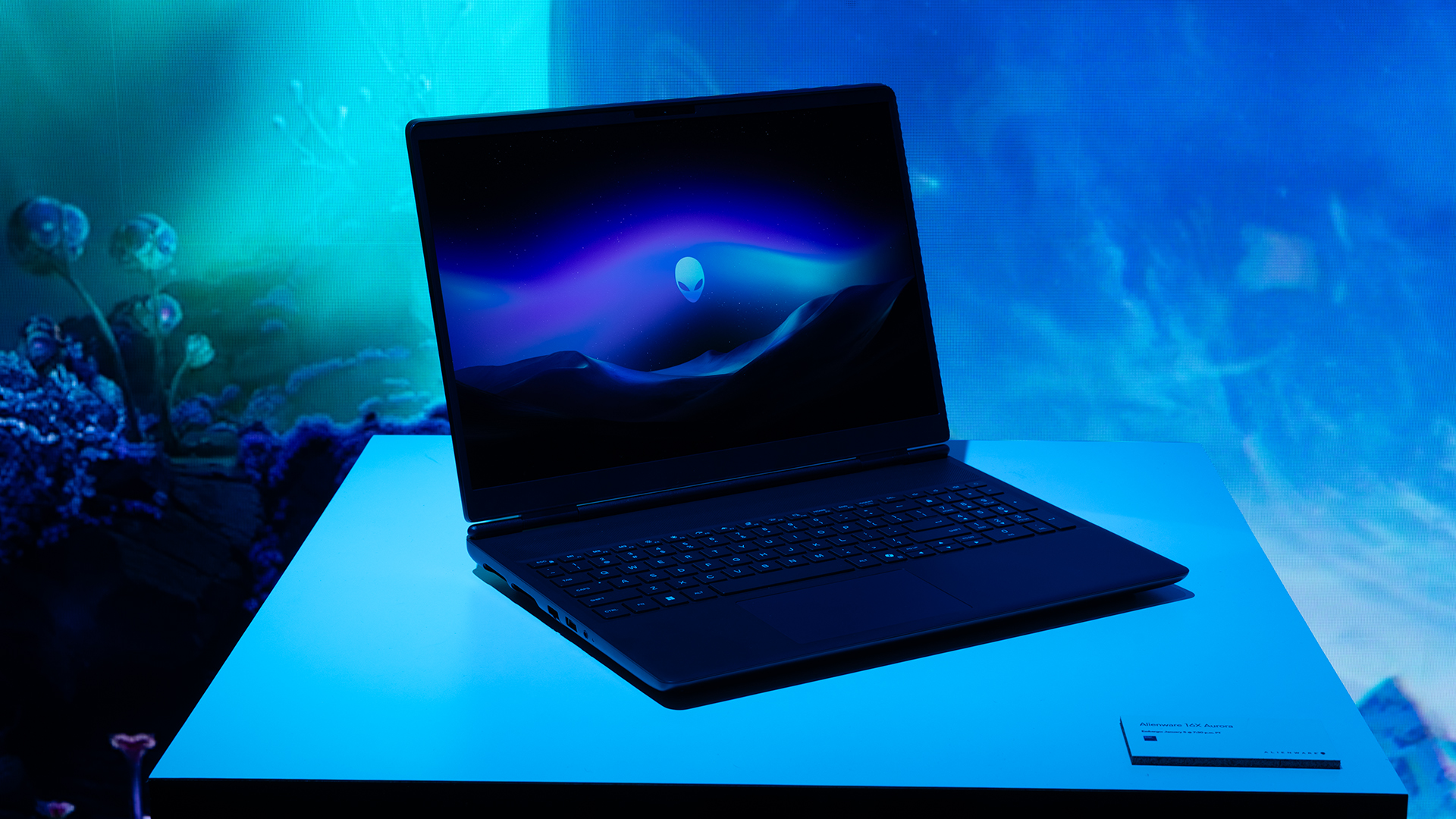
Inside, the notebook has up to an Intel Core Ultra 9 275HX processor and up to an NVIDIA GeForce RTX 5070 Ti GPU. These specs are paired with up to 64GB Dual-Channel DDR5 memory and up to 2TB SSD.
Finally, the Alienware 16X Aurora will have a 90Whr battery. This is supported by up to a 280W charger (for the RTX 5070 variant).
Price, availability
Both series are available starting today, March 17.


Galaxy Buds4 Pro review: I thought I was done with in-ears
This Buds4 you


WWE 2K26 lets you live out all the fantasy matches you could want
But you have to play for hours and hours to unlock everyone.


The HONOR X8d is serviceable
Steady but slow?

nubia Neo 5 series launches in the PH, starts below PhP 12K

Life is Strange: Reunion now available on consoles and PC

Why this AI-powered eye health exam is the only reading you need this season

DJI officially launches the Avata 360 with 8K immersive imaging

The Changan Eado Plus officially lands in the Philippines


-

 Reviews2 weeks ago
POCO X8 Pro Max review: A new beast from the far east
-

 News2 weeks ago
POCO X8 Pro Series: Price, availability in the Philippines
-

 Reviews2 weeks ago
POCO X8 Pro Iron Man Edition review: Midrange phone in superhero armor
-

 Automotive2 weeks ago
VinFast extends free unlimited charging in 3 markets amid rising fuel prices
-
Philippines1 week ago
The HONOR X8d is serviceable
-

 News2 weeks ago
POCO introduces X8 Pro Series with Dimensity 9500s
-
 Reviews2 weeks ago
Samsung Galaxy S26 Ultra review: A phone you live with
-

 Gaming2 weeks ago
NVIDIA’s DLSS 5 can turn your favorite AAA game into AI slop