
Explainers
LTE-A Explained


A few weeks ago, I was lounging on a beach chair in Boracay Island in the Philippines, sipping on a mojito and enjoying crazy fast mobile internet speeds of about 200 megabits per second.
For the uninitiated, at 200 Mbps, you can download the original Iron Man movie in high def, or the popular racing game Need For Speed in well under 2 minutes.
Not that the average joe constantly needs to download large apps or movies while out and about. But the promise of LTE-A is an internet experience that’s free from waiting – YouTube videos that don’t buffer, web pages that load in a snap, and hiccup-free FaceTime calls.
It’s almost cruel that this alternate reality, this internet utopia, exists on this tiny little island. But that’s the point; because it is both a relatively small land mass and one that’s heavily frequented by local and foreign tourists, the paradise island of Boracay is the perfect test case for what eventually should roll out to the entire archipelago.
If all goes according to plan (and promise) the wait won’t be too long. Smart Communications, the telco behind the Boracay experiment says LTE-A will become a reality for Filipinos within a year and a few months. Users in Australia, the US, South Korea and Turkey already enjoy LTE-A speeds.
A few years back, while living in Seoul for a few months, I would get faster data speeds on my smartphone than I did in my apartment. And that’s saying a lot considering, South Korea enjoys some of the fastest internet speeds in the world.
So what does LTE-A mean? How does it work? And how is it able to deliver super fast mobile internet speeds
The secret sauce behind LTE-A is technology called carrier aggregation. But for you to understand this better, it’s important to first understand how data is transferred from the internet through cell towers to your phones.
Every time you access the internet to download a new instant message, stream a Spotify track, song or watch a video on Facebook data – it’s like transferring cargo from point A to point B. Trucks pick up the cargo and drive them down a single lane highway to their destination.

Imagine each truck carried 100 megabytes of data. You’d need 30 trucks to make up 3GB, the average size of a Full HD movie.

It will take a while for 30 trucks travel from point A to point B on a single lane highway.

But imagine if there were 5 lanes – more trucks could travel at the same time, and at a faster speed, allowing all 30 trucks to get to the destination sooner.

That’s exactly how carrier aggregation on LTE-A works. Using multiple LTE bands (up to 5 in theory, 3 on Smart’s LTE-A network) data is transferred to your smartphone simultaneously. Smartphones that support LTE-A have multiple antennas for receiving multiple data streams from multiple signals.
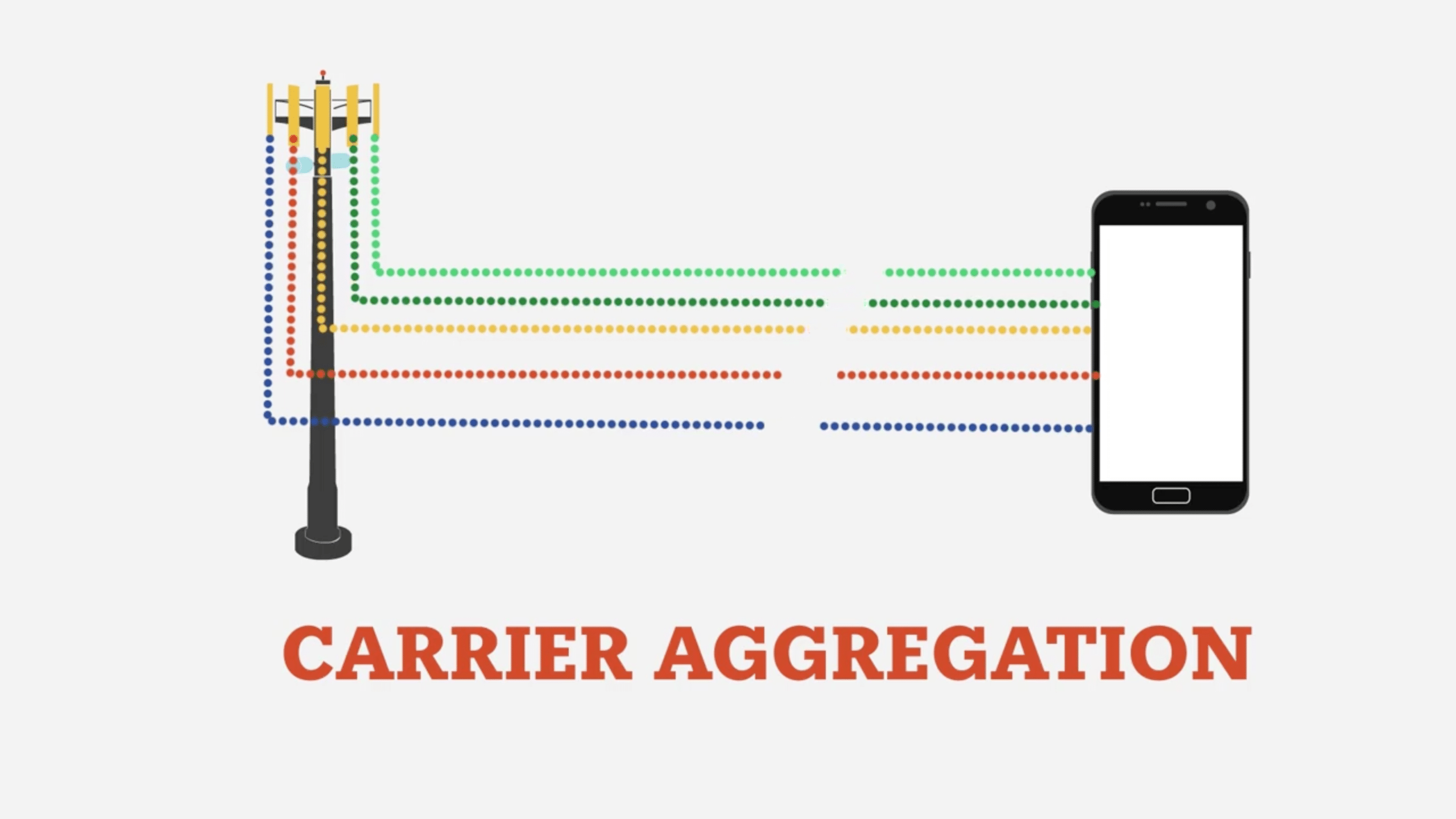
LTE-A promises theoretical speeds of up to 1Gbps. That’s insanely fast. Here’s to hoping that soon it will become a reality for everyone.
Editor’s Note: As is always the case, I expect a bit of backlash from the consumer public – why tease the next big thing in mobile internet when LTE speeds aren’t even that great yet, and let’s not get started on the data capping debate. Both are important issues that deserve attention and discussion – but it should not distract from the fact that the technology exists, and if implemented properly is something that can improve lives.
[irp posts=”7566″ name=”Singapore, S. Korea dominate 4G LTE rankings, Philippines struggles”]








With a huge change in naming scheme, Apple promises a big leap ahead.
The all-new Liquid Glass design isn’t just breath of fresh air — it’s a bold redesign ever since the iOS 7 came out.
It’s not limited just to the iPhone. It’s coming to the iPad, Mac, and even the Apple Watch!
And with latest Public Beta now available across all devices, now is the perfect time to try ’em out.
Here are our favorite features, design updates, and hidden gems in Apple’s latest OS 26 series of software updates.
Namely iOS 26, iPadOS 26, watchOS 26, visionOS 26, and macOS Tahoe.
Shopping for a new Windows laptop?
With so many choices out there, it can be tough to know where to start.
Should you prioritize performance, battery life, or portability? Can you find something affordable and premium-looking?
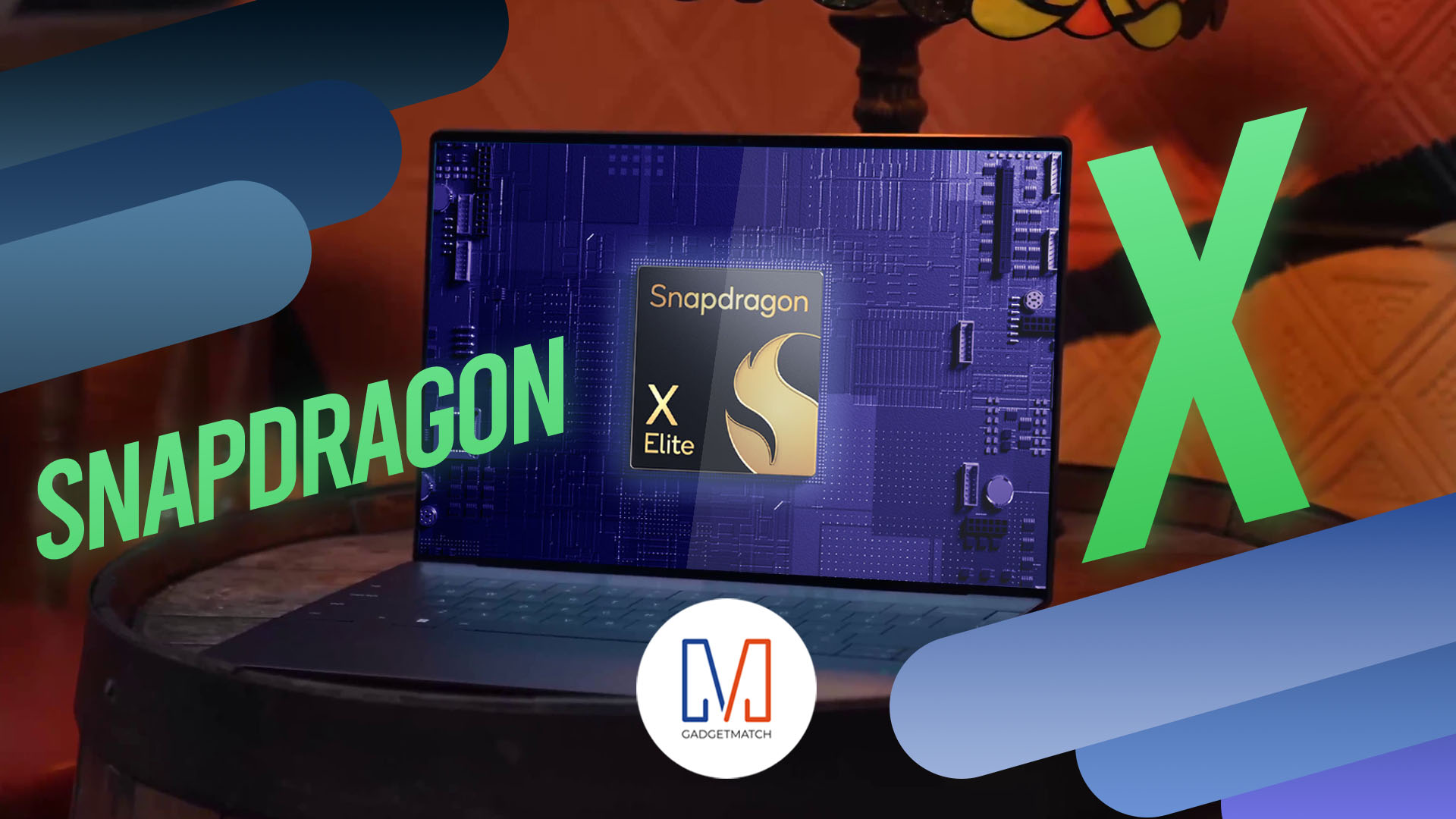
In this video, we break down everything you need to know about the new Snapdragon X Series laptops — a new category of Windows PCs that promise power, efficiency, and sleek design in one package.
Whether you’re a student, creative, or just looking to upgrade, this buyer’s guide will help you decide if a Snapdragon X Series laptop is right for you.

Apple dropped a ton of surprises in this year’s WWDC — and there’s more than just the Liquid Glass redesign.
From Workout Buddy, to game-changing Apple Intelligence features.
All the way to collaborative visionOS updates, and the next generation of iOS 26, macOS 26, and iPadOS 26.
Watch to see the top announcements NEED to know from the WWDC 2025 keynote!
Here are Michael Josh’s biggest takeaways from WWDC 2025 in one video — with the help of some TechTuber friends!







The razr fold enters motorola into the book-style foldable market

The quirky Legion Go Fold stole the show at MWC 2026

Globe extends roaming assistance to customers in the Middle East

CASETiFY relaunches Evangelion collab for 30th anniversary

CASETiFY launches Samsung Galaxy S26 collection

Xiaomi 17 Ultra is now available outside China

TECNO will showcase the CAMON 50 and POVA 8 series at MWC 2026

PlayStation, LE SSERAFIM Chaewon team for the ‘Love of Play’ campaign

The art of being in and behind the frame

HUAWEI MatePad 11.5 S 2026: The better-than-ever 4-in-1 productivity tablet


-
 News3 days ago
Xiaomi 17 Ultra is now available outside China
-

 Camera Walkthrough1 week ago
OPPO Reno15 Pro: Camera Review
-
 First Look2 weeks ago
Match Pulse: Infinix NOTE 60 Pro
-

 Cameras2 weeks ago
Osmo Pocket 4 makes a surprising appearance in public
-

 Gaming2 weeks ago
LG unveils UltraGear evo, redefines 5K gaming with AI Upscaling
-
 News2 weeks ago
iPhone 17 Pro Max is somehow the most traded-in phone today
-

 News2 weeks ago
HUAWEI launches Mate X7, MatePad 11.5 S 2026, FreeClip 2
-

 Gaming2 weeks ago
PlayStation 6 reportedly delayed to 2029 because of RAM shortage