
News
Dimensity 9500 will power 2026’s flagship 5G smartphones
New phones will launch in Q4 2025.


We are nearly at the last quarter of the year. As astute followers of the tech industry, you know what time it is, and we’re not talking about Christmas. It’s finally time to unveil the next generation of smartphone processors. First up for the flagship team is MediaTek with the new Dimensity 9500.
As has been the trend over the past couple of years, the new Dimensity 9500 focuses on improvements for on-device AI, console-level gaming, and power efficiency. The processor specifically aims to power next year’s slate of flagship 5G smartphones.
Built on a 3nm process, the Dimensity 9500 features a third-generation All Big Core design. It combines a single 4.21GHz ultra core, three premium cores, and four performance cores, supplemented by an industry-first four-lane UFS 4.1 storage. It delivers 32 percent higher single-core and 17 percent higher multi-core performance compared to last year.
Plus, the processor uses 55 percent less power at peak performance, thanks to the ultra core. Altogether, the design is 30 percent more efficient for heavy usage. Still, it supports up to 120fps raytracing for console-level gaming with the Arm G1-Ultra GPU.
The Dimensity 9500 touts the MediaTek NPU 990 with Generative AI Engine 2.0. Users will benefit from the faster generation and lower power consumption.
Smartphones with this processor will enjoy the MediaTek Imagiq 1190. It supports RAW-domain pre-processing, 200-megapixel capturing, 4K 60fps portrait videos, and 30fps continuous focus tracking. In tandem with the efficient processors, devices can prevent overheating from extended camera usage.
MediaTek expects that the first smartphones with the new processor will arrive sometime in the fourth quarter of 2025.
SEE ALSO: MediaTek Dimensity 8400 with improved performance, efficiency, AI announced






News
REDMI Note 15 Series named Presenting Partner for Spartan Race Philippines 2026 season
Titan Toughness takes center stage!

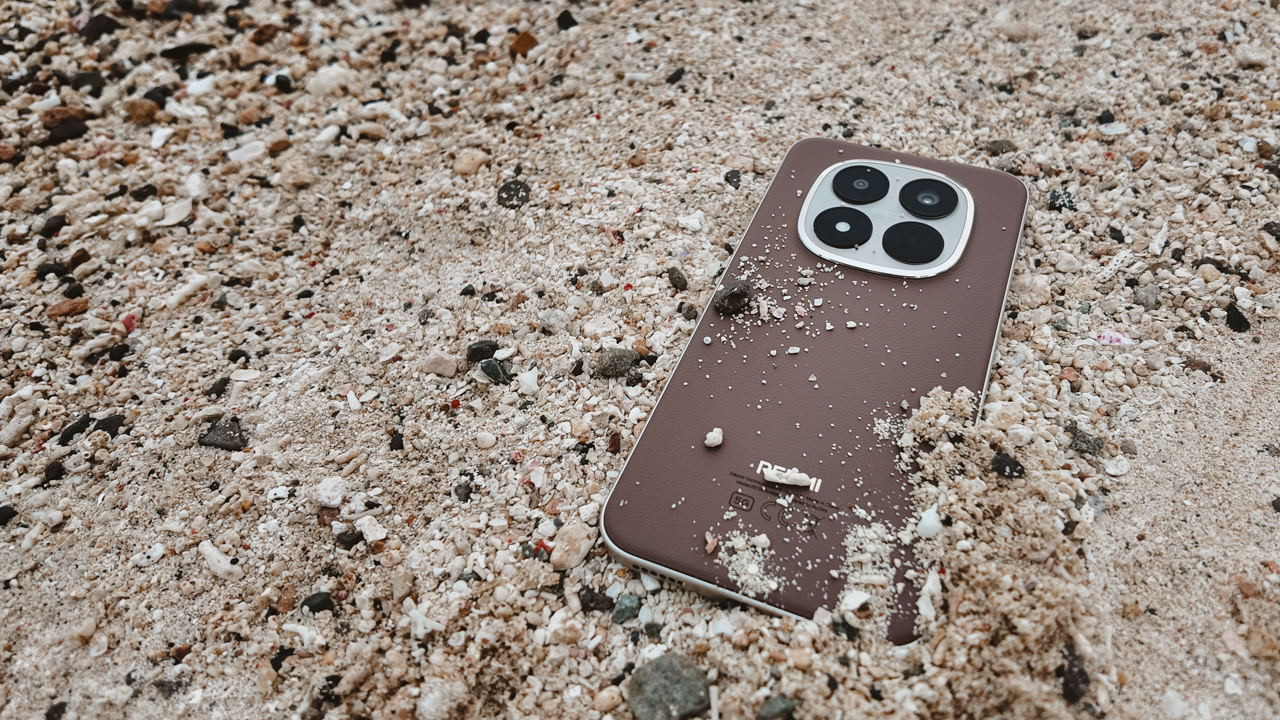
Being a Spartan athlete for five years has taught me that endurance isn’t just about physical strength; it’s about the mental grit to keep moving when your body begs you to stop.
In this world, “toughness” becomes more than just a marketing buzzword. Now, it’s a requirement for survival. That’s why the partnership between Spartan Race Philippines and the REDMI Note 15 Series feels like a shared philosophy.
Partner for a tough course
Starting March 21, 2026, at Parklinks, Pasig City, the REDMI Note 15 Series officially joins the Spartan circuit.
For someone who has navigated these obstacles for years, I know that technology usually doesn’t belong in the mud. But the “Titan Tough” promise of the REDMI Note 15 is built for this exact routine.
It’s designed to be there for the moments that matter. For capturing the raw, unpolished triumph of the finish line; for surviving the grit of the course so you can focus on the next hurdle; and for finding the device at the heart of the festival area and the winner’s circle, mirroring the resilience of the athletes themselves.
Join the journey
Whether you are a seasoned elite racer or stepping into your first Open heat, this season is about testing your limits.
To help you get to that starting line, you can use the discount code REDMINOTE15 to get 10% OFF on all Spartan Race OCR, Spartan Kids Race, and Hurricane Heat events.
See you at the starting line. AROO!
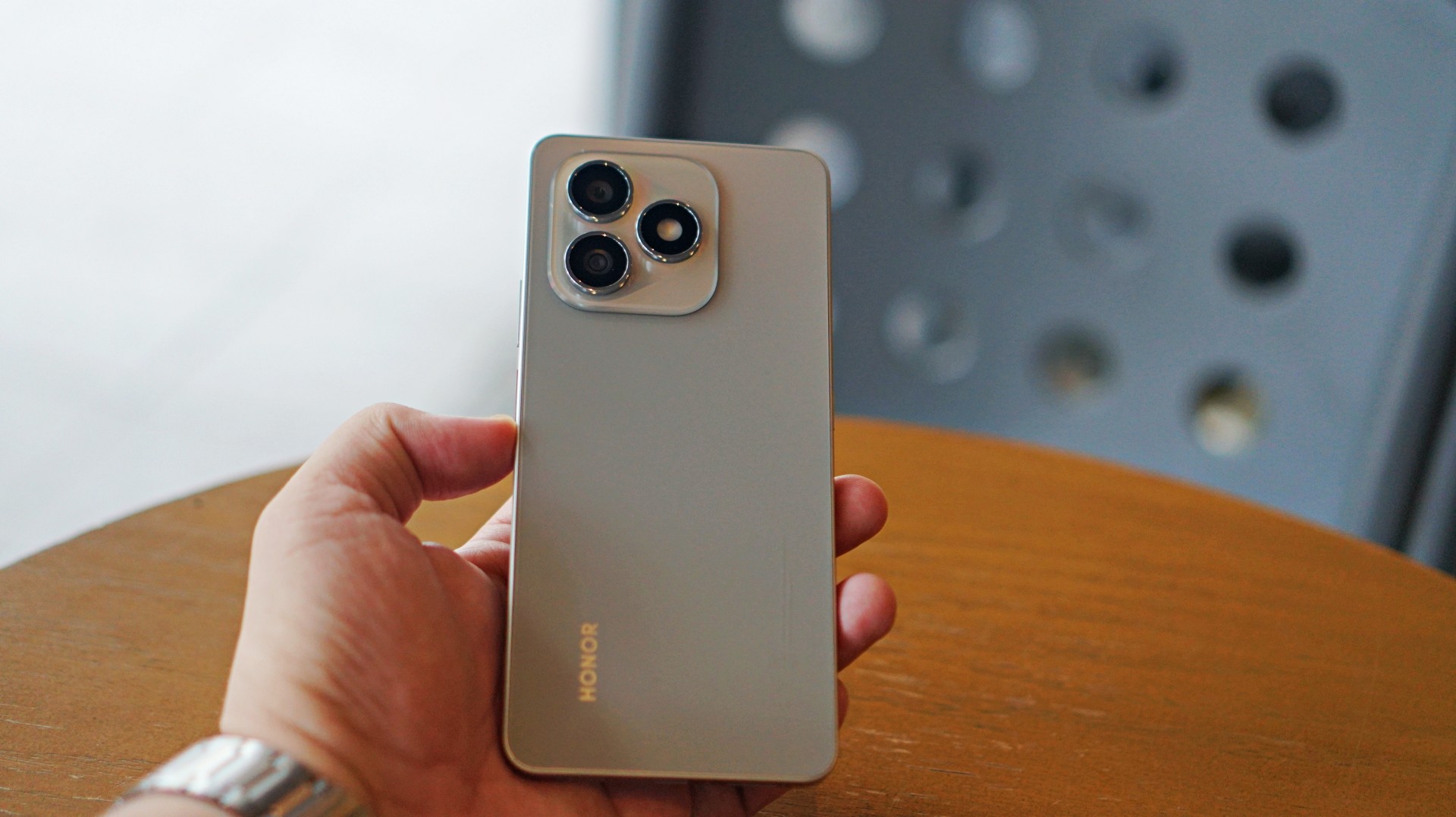
HONOR Philippines has launched its latest mass-market smartphone entry that caters to students and the youthful market in general: the HONOR X8d.
The budget smartphone is priced at PhP 15,999 and is available in Blue, Velvet Black, and Velvet Grey colors.
As part of launch offers, those who pre-order until March 27 can get a free accessory and can also avail of 0% installment plans via credit cards and Home Credit.
Customers can get the device through Lazada, Shopee, and HONOR stores.
REVIEW: The HONOR X8d is serviceable
The HONOR X8d is powered by a Snapdragon 6s 4G Gen 2 processor and comes with 8GB of RAM (plus 8GB expansion) and 256GB of storage.
It has a large 7,000mAh battery which supports 45W charging, making it a very long-lasting daily value companion.
The device features a 6.77-inch 120Hz display which has up to 3,000 nits of brightness, making it useful for practical situations.
The handset comes with usual display certifications and protections, including 3840Hz PWM dimming, E-Book mode, SGS drop resistance, and an IP65 rating.
For its cameras, the X8d has a 108MP main camera, plus a 16MP front camera. The main shooter can capture decent quality at 1x, 2x, and 3x zoom ranges.
There are also handy AI editing tools like AI Eraser, AI Cutout, and AI Upscale.
Out of the box, the HONOR X8d runs on MagicOS 10 based on Android 16. It also has staple productivity tools like AI Translate, AI Writing, AI Notes, and AI Recorder, alongside features such as Magic Portal and Circle to Search.
Deals
GoTyme Bank, Visa partner for FIFA World Cup 2026 raffle giveaway
Win an all-expense-paid trip to the World Cup with your GoTyme Visa Debit Card

GoTyme Bank and Visa have officially teamed up for a FIFA World Cup 2026 raffle giveaway.
This gives Filipino football fans the chance to win an all-expense-paid trip to attend either the World Cup Group Stage or Final in the United States.
The partnership marks GoTyme Bank’s growing presence not only in the market but also in the global stage. Recently, the digital bank has grown to over 9 million customers in the Philippines, and 20 million worldwide.
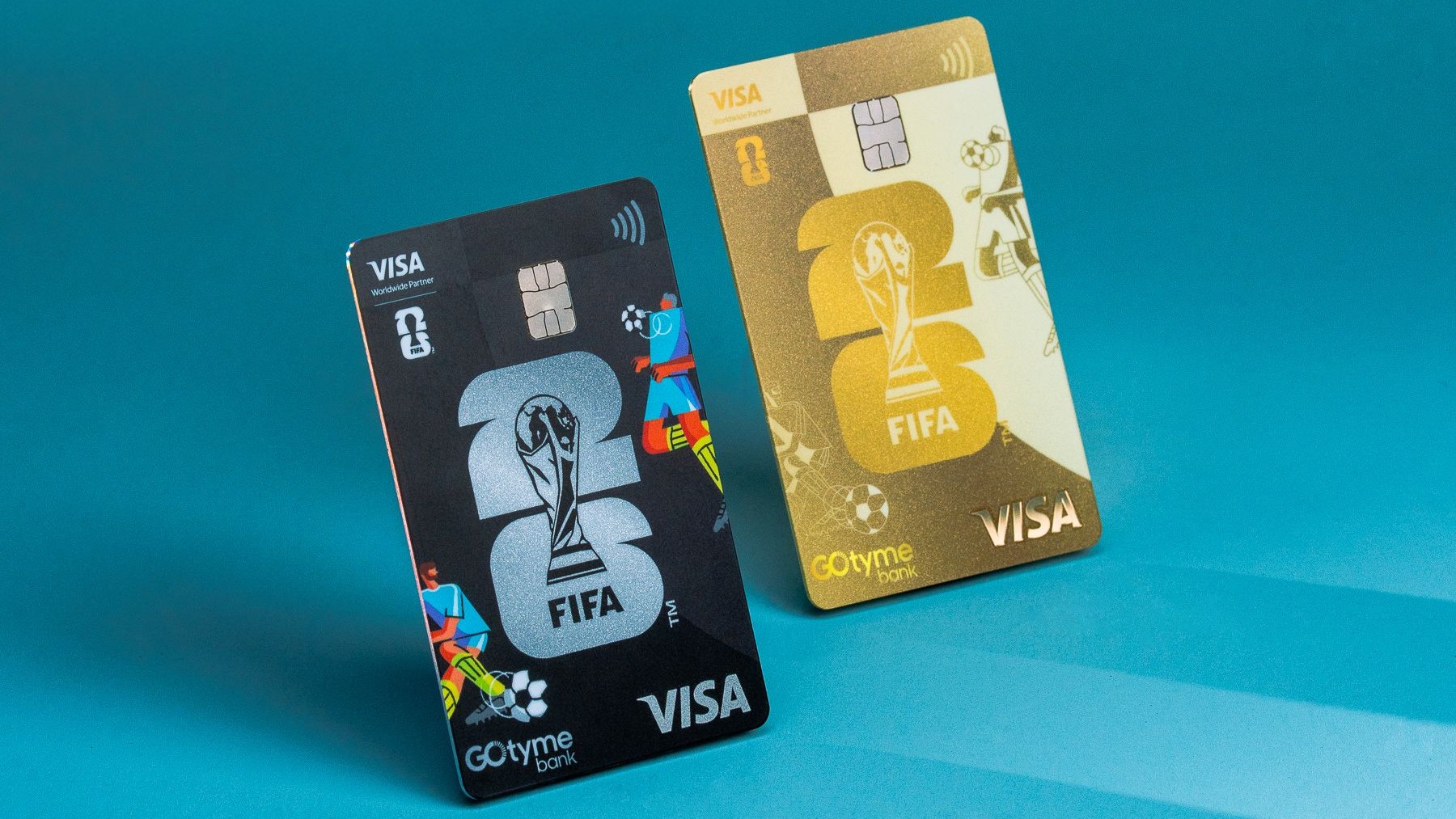
Under the partnership, GoTyme Bank and Visa have released new limited-edition FIFA World Cup 2026-themed Visa Debit Cards.
These are available in two designs: Pitch Black and Trophy Gold. Both are designed by Filipino artist Ross Du, who incorporated the iconic tournament’s iconic trophy.
The latter, in particular, has some rarity as there will only be 20,000 copies printed in GoTyme Bank kiosks nationwide. Customers can have them printed starting March 23.
Print, Spend, Score
To join the raffle, cardholders simply have to spend at least PhP 1,000 for a raffle entry. That’s using the Classic or Pitch Black card.
Overseas spending also comes with a 3x multiplier, meaning three entries for every PhP 1,000 spent abroad.
Two winners — one Classic and one Pitch Black cardholder — will each win an all-expense-paid trip for two to attend the FIFA World Cup 2026 Group Stage in Los Angeles.
But even better, those who get the exceptionally rare Trophy Gold card will automatically get a raffle entry for the grand prize raffle draw — with no minimum spend required.
One Trophy Gold cardholder will win an all-expense-paid trip for two to attend the World Cup Final in New York City. This includes roundtrip business class seats as well.
In addition to the major prizes, 10 customers will receive exclusive FIFA World Cup 2026 Visa Premium merchandise.
The fly-off promo runs until May 7 for the Classic and Pitch Black cardholders and until June 10 for the Trophy Gold cardholders.



CIPTA debuts AI GPU server, edge workstation at CloudFest 2026

Hermès launches a $5,000 MagSafe charger

REDMI Note 15 Series named Presenting Partner for Spartan Race Philippines 2026 season

Stylish, student-friendly HONOR X8d launches

The HONOR X8d is serviceable


-

 Reviews4 days ago
POCO X8 Pro Max review: A new beast from the far east
-

 News4 days ago
POCO X8 Pro Series: Price, availability in the Philippines
-

 Laptops1 week ago
Apple MacBook Neo Review
-

 Computers2 weeks ago
GIGABYTE collaborates with Capcom for RE Requiem custom PC
-

 Apps1 week ago
Google Maps is finally getting a 3D mode
-

 Entertainment1 week ago
The internet is thirsting over the One Piece Season 2 cast
-
 News2 weeks ago
Globe postpaid opens pre-orders for Samsung Galaxy S26 series
-

 Features1 week ago
Galaxy AI on the Samsung Galaxy S26 Ultra