
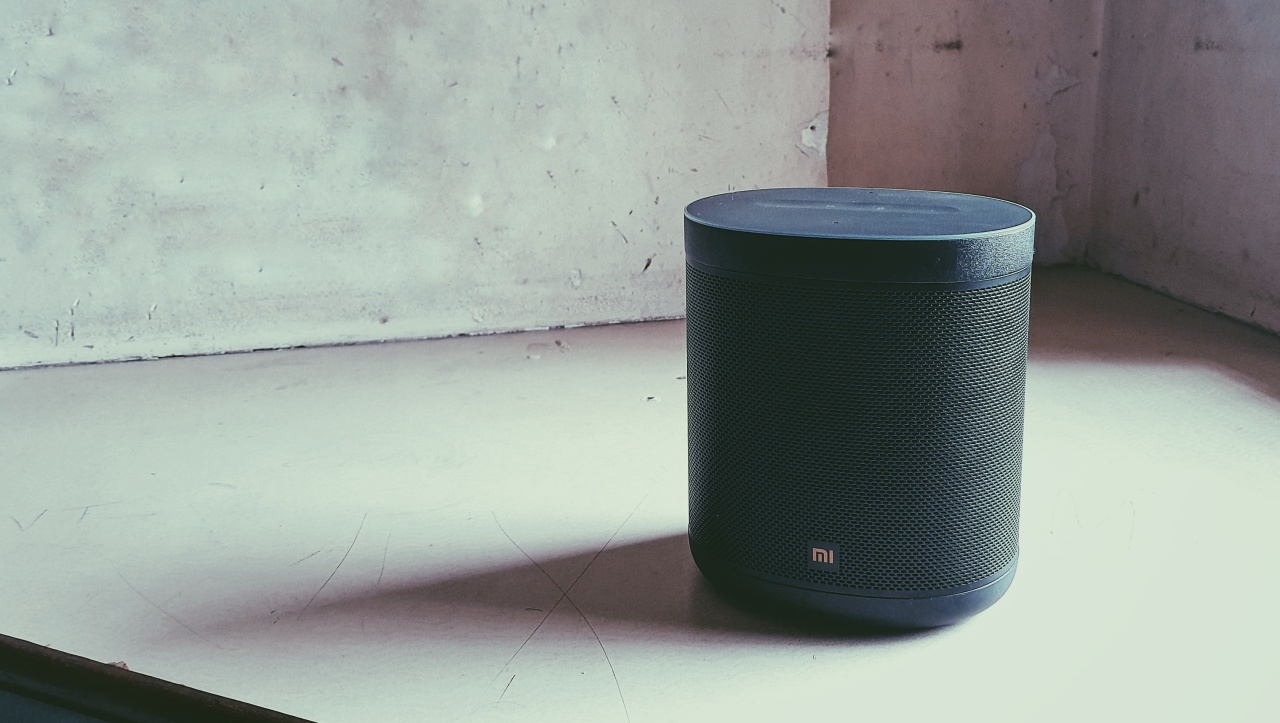


Voice assistants have been around for a long time and we’ve all used them at some point. Every Android phone has Google Assistant and it’s just a tap away. If you’re into the Amazon ecosystem, Alexa is for you. And Apple has Siri.
But when was the last time you actually used these personal assistants actively? Most people always end up asking a generic question about the weather or search for GPS navigation. Even though these assistants barely take up any computing resources, their real-world applications are limited and often found to be a hassle.
In the last few years, all major companies released affordable smart speakers that incorporate these smart assistants. And, it has been a hit. Echo speakers fly off the shelf during the festive season, Nest speakers are consistently improving and bundled along with various offers, and Apple has taken a slightly more premium route, but still has low-cost offerings.
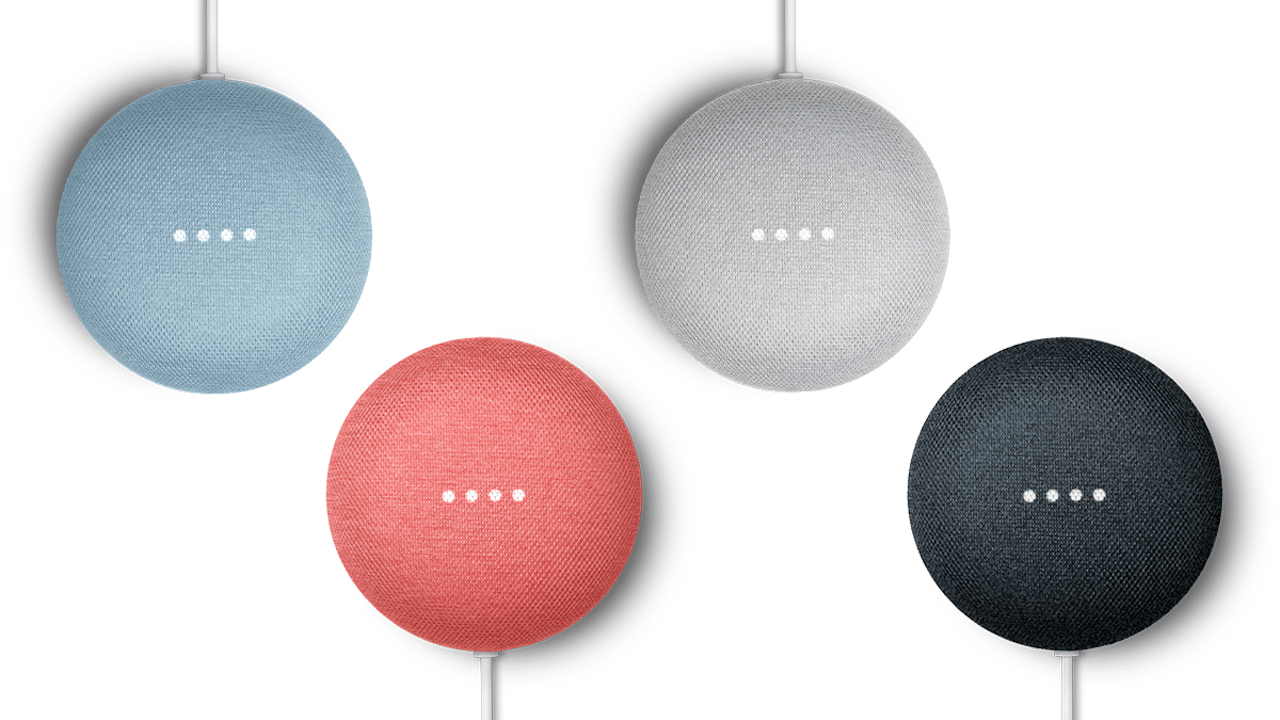
But, is it worth spending US$ 30 to US$ 60 on a tiny palm-sized speaker that’s basically just a hardware package designed to run the assistant? I’ve used the affordable offerings from Google as well as Amazon and my answer would be no.
The volume is too low for my liking, sound quality goes for a toss, and you’re just left with a speaker that runs Google Assistant or Alexa. The initial euphoria around a voice assistant soon fades. And if you’re looking for a decent speaker that can be used primarily for music, the cost escalates to more than US$ 100.
In a developing country like India, the price difference is considerable and you’re entering the premium segment. Xiaomi found this sweet spot and launched the Mi Smart Speaker in the country. It’s priced at INR 5,999 (US$ 81) officially, but available for INR 2,999 (US$ 40) under various discounts and schemes.
A significantly large speaker for the price
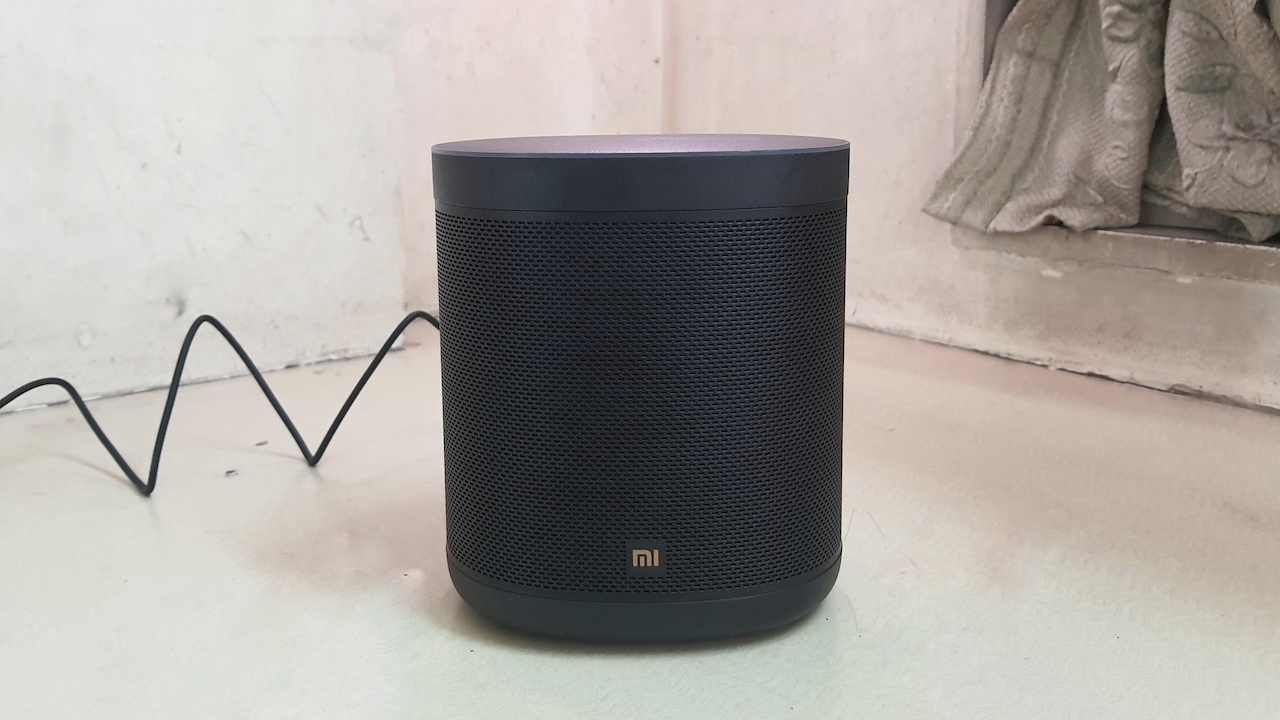
The Mi Smart Speaker is huge when compared to Google Nest Mini or the Echo Dot. Just like its price, it looks like a perfect combination of an entry-level speaker and a high-end one. Xiaomi’s complete portfolio is based on offering value-for-money goods and the brand has dominated key segments with its products like the Mi Band, Mi Box, and Mi TWS.
Following the same strategy, the company has entered a space where it has no competition. And, the pricing is very aggressive in nature. The brand tried to make a mark with Bluetooth speakers, but the market is very saturated and price sensitive. The Mi Smart Speaker is its first smart speaker and has a lot of weightlifting to do.
A premium design without the heavy price tag
At first glance, the speaker instantly reminded me of the Sonos One. While Xiaomi’s offering is more oval, it is built of top-notch materials and barely feels cheap or flimsy. A perforated grille runs around the speaker and sits firmly on the table thanks to the tiny rubber legs on the bottom. No matter where you keep it, it’ll look subtle and aesthetic.
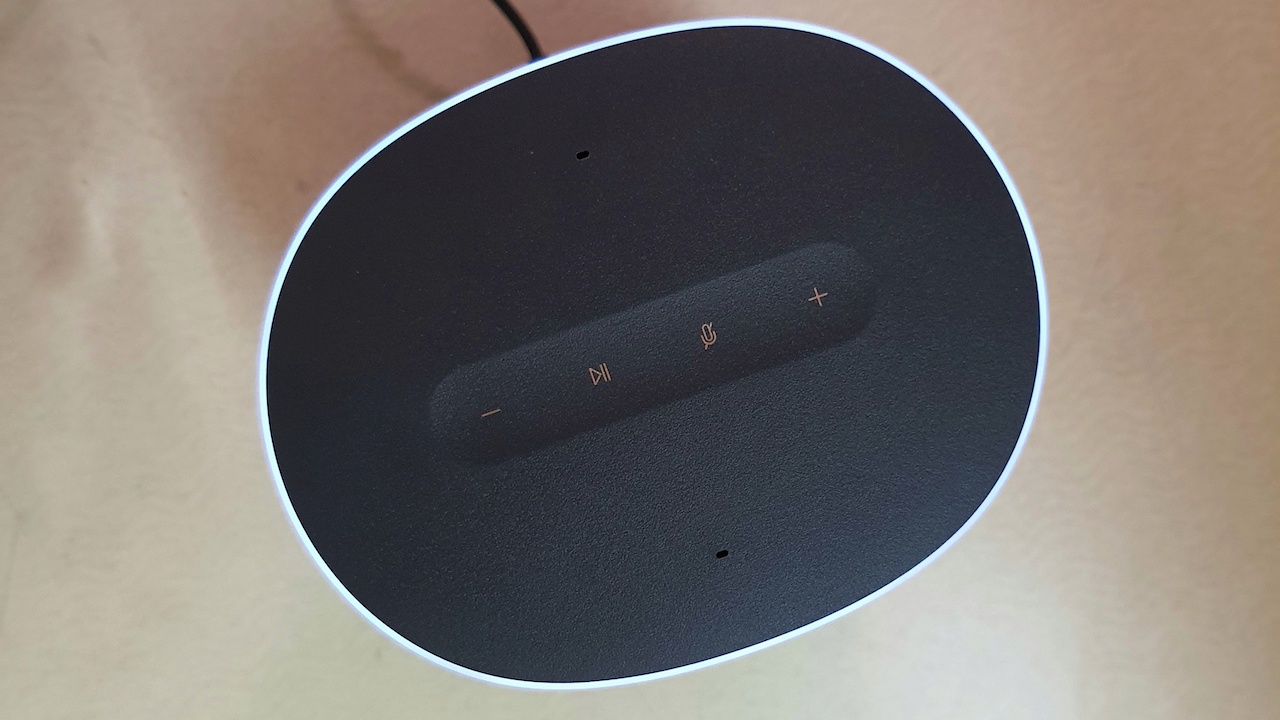
There’s just a small Mi logo on the front while the top has four touch buttons for volume, pause/play, and microphone. As a standalone product, it has a distinctive look that doesn’t look like it’s ripped off. The top edge has a small LED ring that’ll turn blueish-white when Google Assistant is summoned. If you turn off the mic, the lighting shall remain orange.

The rear has a barrel connector and the adapter is provided along. But this is the only thing I didn’t like about the speaker. Xiaomi could’ve provided a USB port, just like all its other products. This might become a challenge because the speaker will take up an additional socket in your house, instead of sharing a USB wire out of a multi-port adapter. Obviously, there’s the option of a splitter but it’ll need more space and look much messier.
Sounds excellent and satisfied everyone’s needs
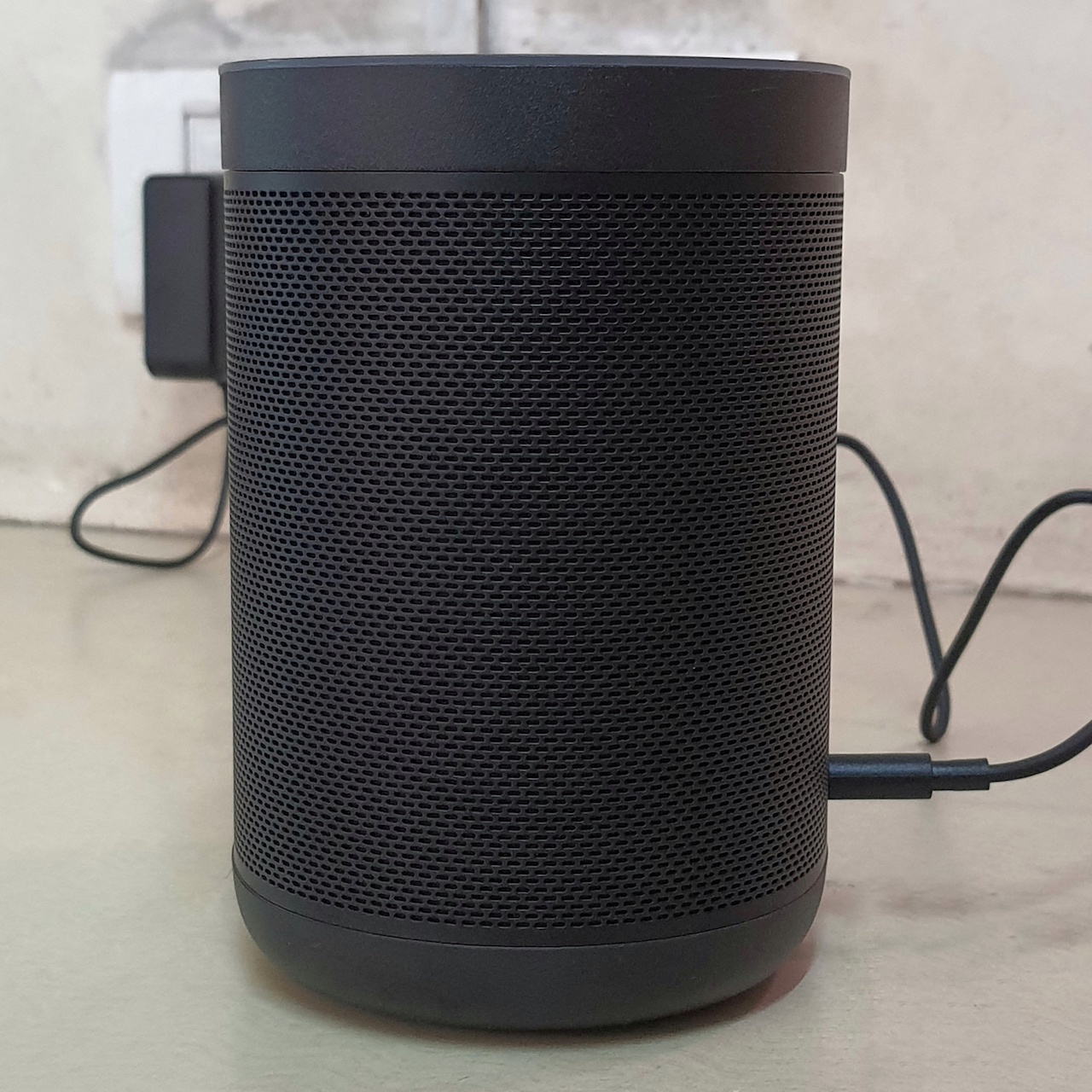
The Mi Smart Speaker has a 2.5-inch driver that’ll push out 12W of audio output. This isn’t a very big driver and smaller speakers like the Amazon Echo have a 3-inch driver. But I’d recommend skipping the technicalities in favor of the listening experience.
The speaker is sufficiently loud and the vocals are very clear. It isn’t enough for a full-fledged party, but more than enough for regular usage in the living room or bedroom. The high frequencies are very well balanced and the bass is decent. I don’t think the speaker needs any more tuning or improvement.
Lastly, you can connect two Mi Smart Speakers together for a stereo experience and indirectly improve the loudness. Interestingly, buying two Mi Smart Speakers will still be cheaper than getting the Nest Audio or borderline with the Amazon Echo.
And the star of the show, Google Assistant!

The Mi Smart Speaker has two microphones and they do an excellent job in detecting voice commands from a distance. The far-field microphones always detected my voice even when music was playing at maximum volume. And if everyone’s asleep, a low murmur is also detected with ease.
The speaker connects to your phone via the Google Home app and brings in all the software firepower straight from Google. Additionally, Google Home is a combined package that can host your smart appliances, bulbs, and more. So, if you want to see the full power of Google Assistant, just connect a smart bulb and you’ll slowly enter the future like a Black Mirror episode.
I have a Mi Smart LED Bulb and connecting the two was a very straightforward task. Google Home supports a plethora of products and you can buy Google Assistant-enabled bulbs from Xiaomi, Syska, Wipro, and more. Even your Android TV is directly available for Cast.
I’ve used the speaker for almost three weeks now and it’s now responsible for controlling multiple bulbs in the house, stream content on the Sony Bravia TV, and keep a watch out via a security camera. All major third-party services like YouTube and Spotify are supported.
It has Bluetooth compatability, but you’ll have to pair it via the Google Home app. And, a fresh pairing isn’t possible if the speaker is offline. This can be a hassle sometimes in case you don’t have a solid WiFi connection.
Is this your GadgetMatch?
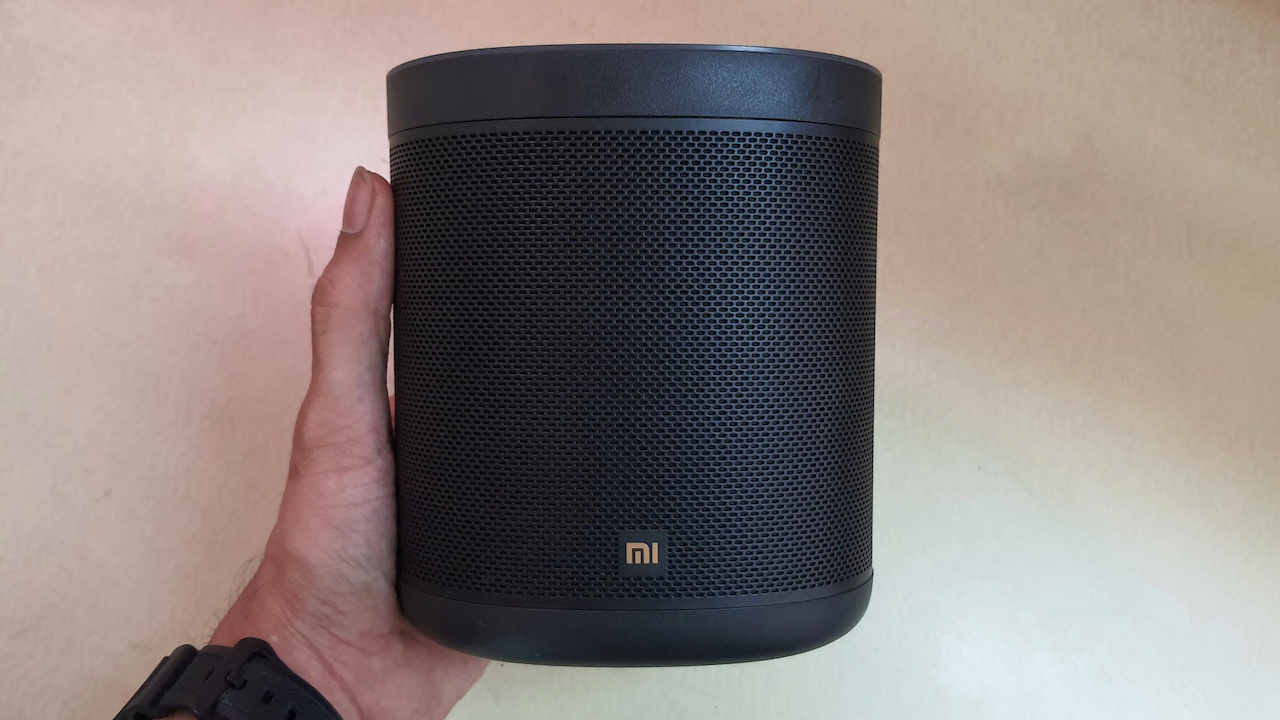
Yes. The Mi Smart Speaker is an excellent product that brings something new, without costing a bomb. A simple device that is primarily a speaker, but can do a lot more than just play music. If you haven’t experienced the comfort of Google Home, the Mi Smart Speaker is an ideal entry-level device that won’t disappoint. Plug along with a few other devices and you’ve created a small network of your own, controllable via voice commands.
After a long time, I’ve reviewed a tech product that’s perfect. And, it’s unique. Even if you’re just looking for a generic speaker, this should be your choice. And considering the lighter price, it can be a lovely gift for the Diwali season!






India
Nothing opens first India store in Bengaluru
New retail space blends self-expression, creator culture, and community play.

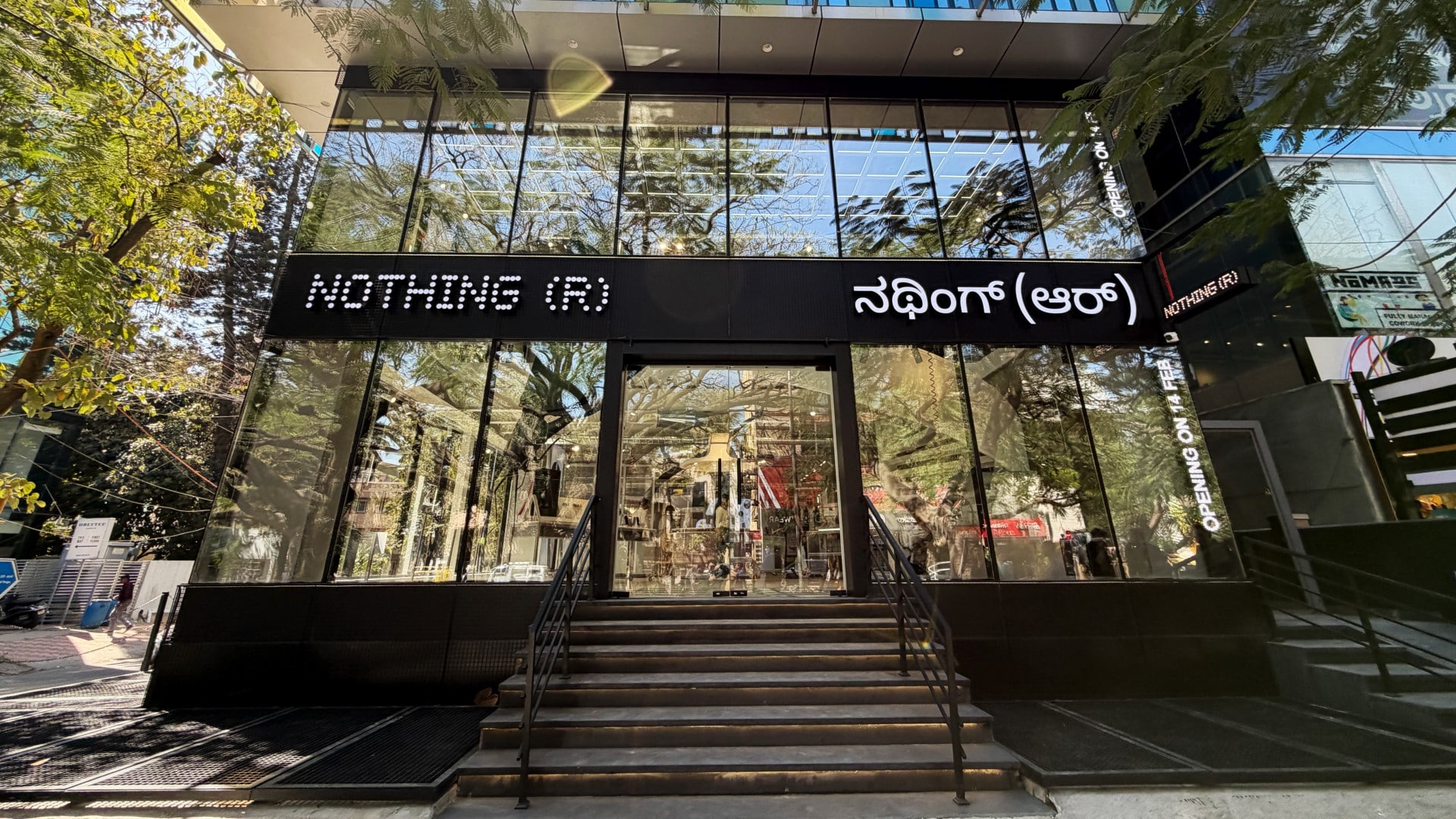
Nothing has officially opened its first India store in Bengaluru, marking a major step in the brand’s global retail expansion.
Located in Indiranagar, Nothing Store Bengaluru spans 5,032 square feet across two floors. The space draws inspiration from 1970s assembly lines and workshops, translating Nothing’s rebellious design language into an interactive, hands-on environment built for the local community.
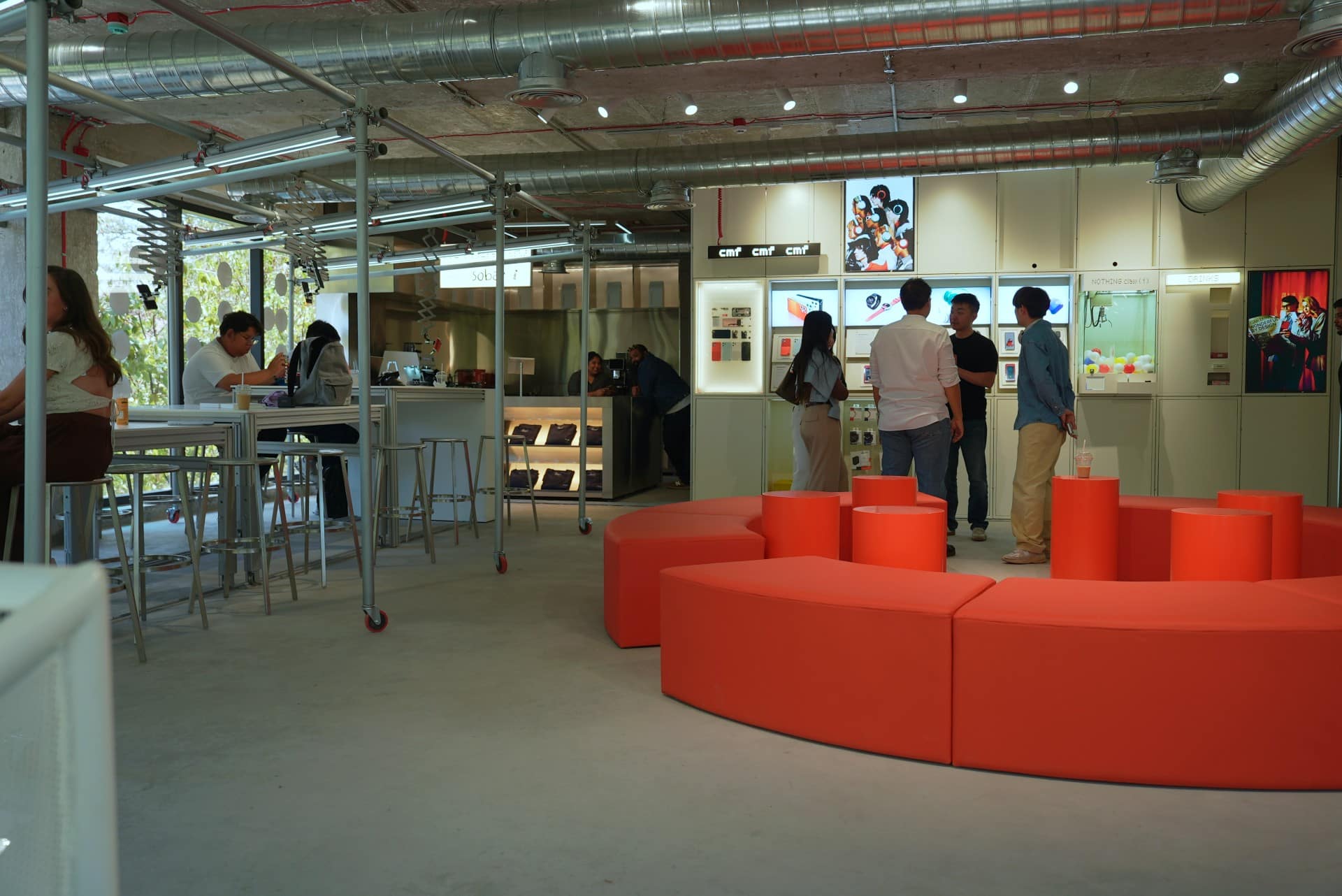
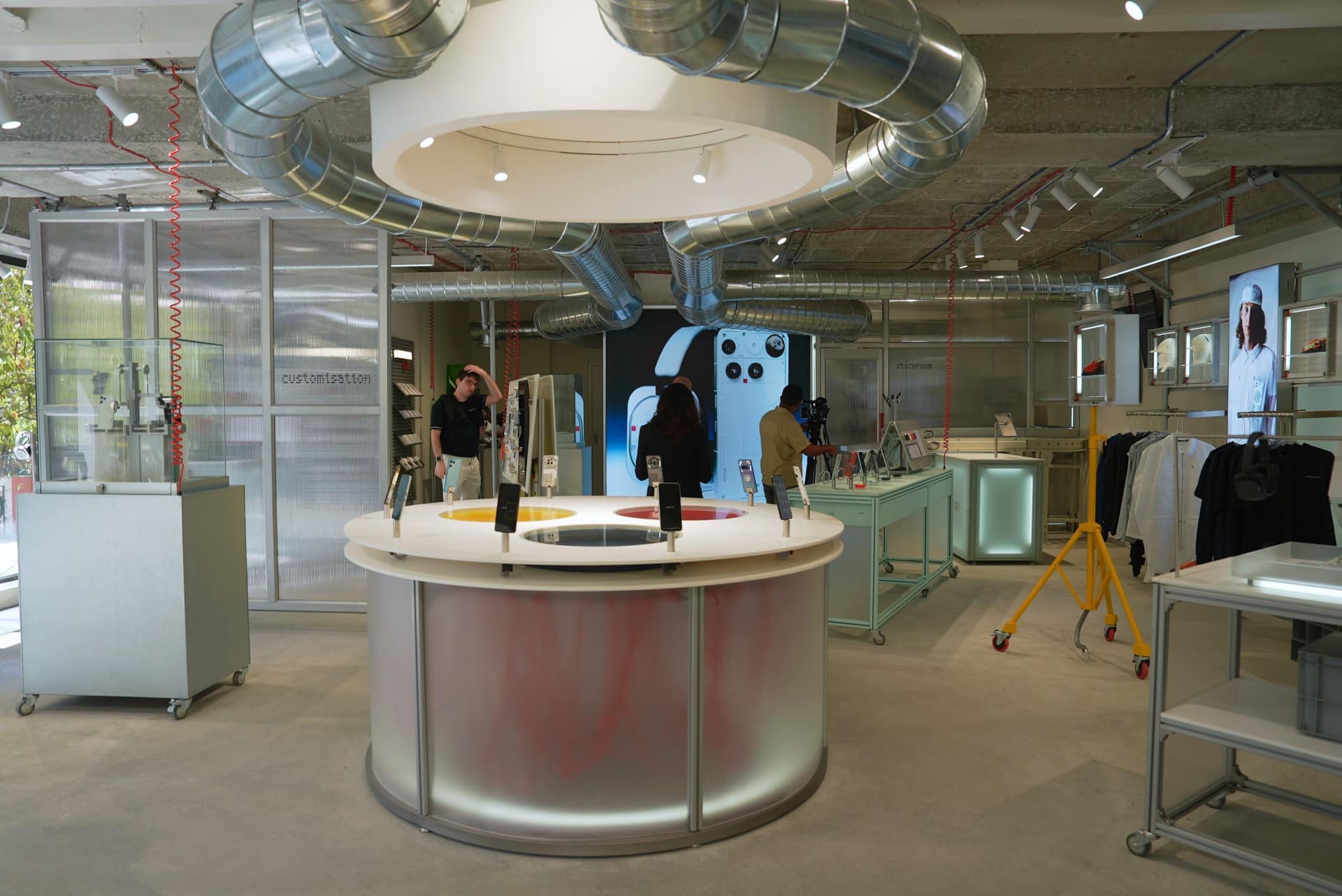
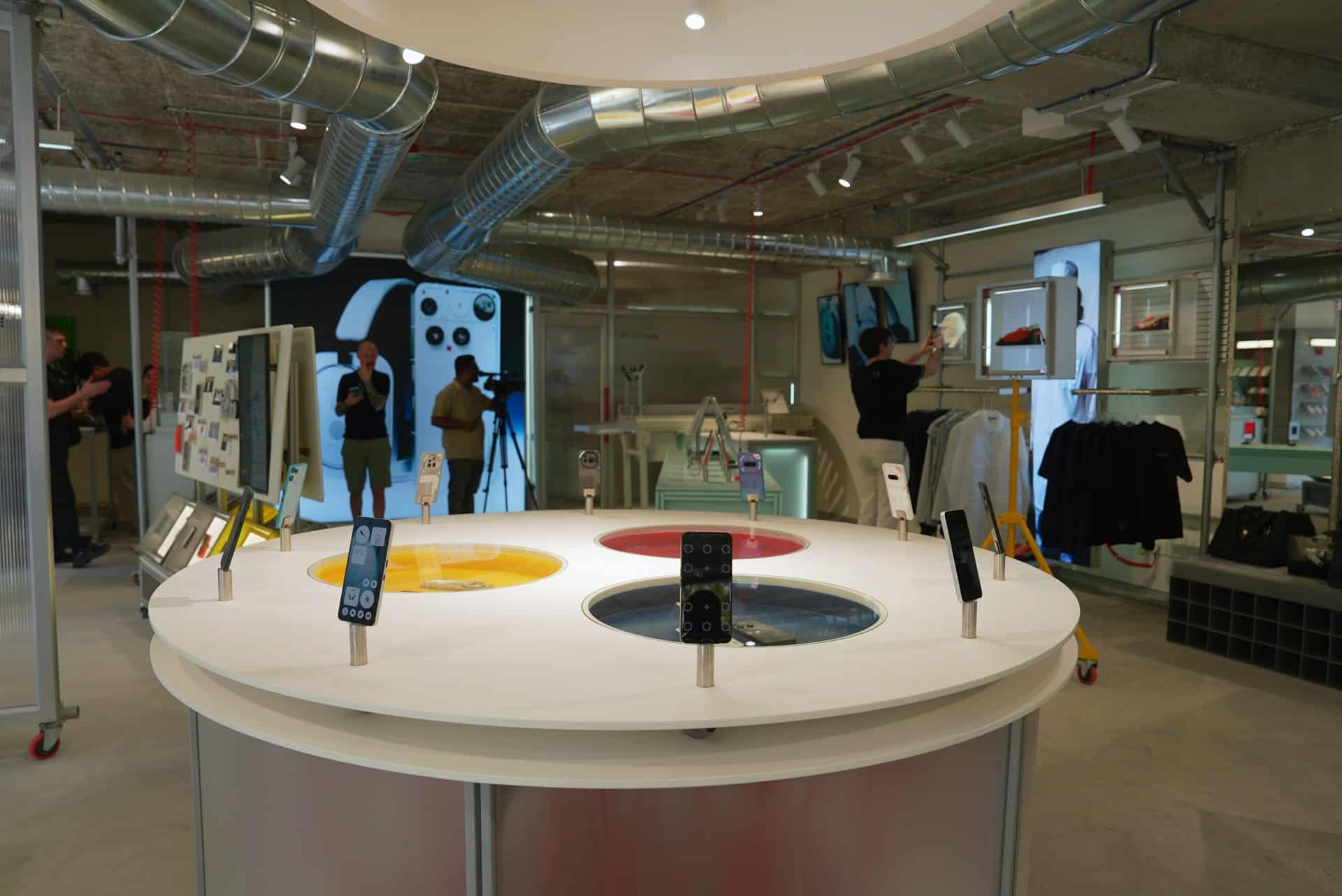

The store puts self-expression at its core. It is the only Nothing location worldwide where customers can personalise their products. A dedicated studio also supports creator unboxings and hands-on content, reinforcing the brand’s focus on co-creation.
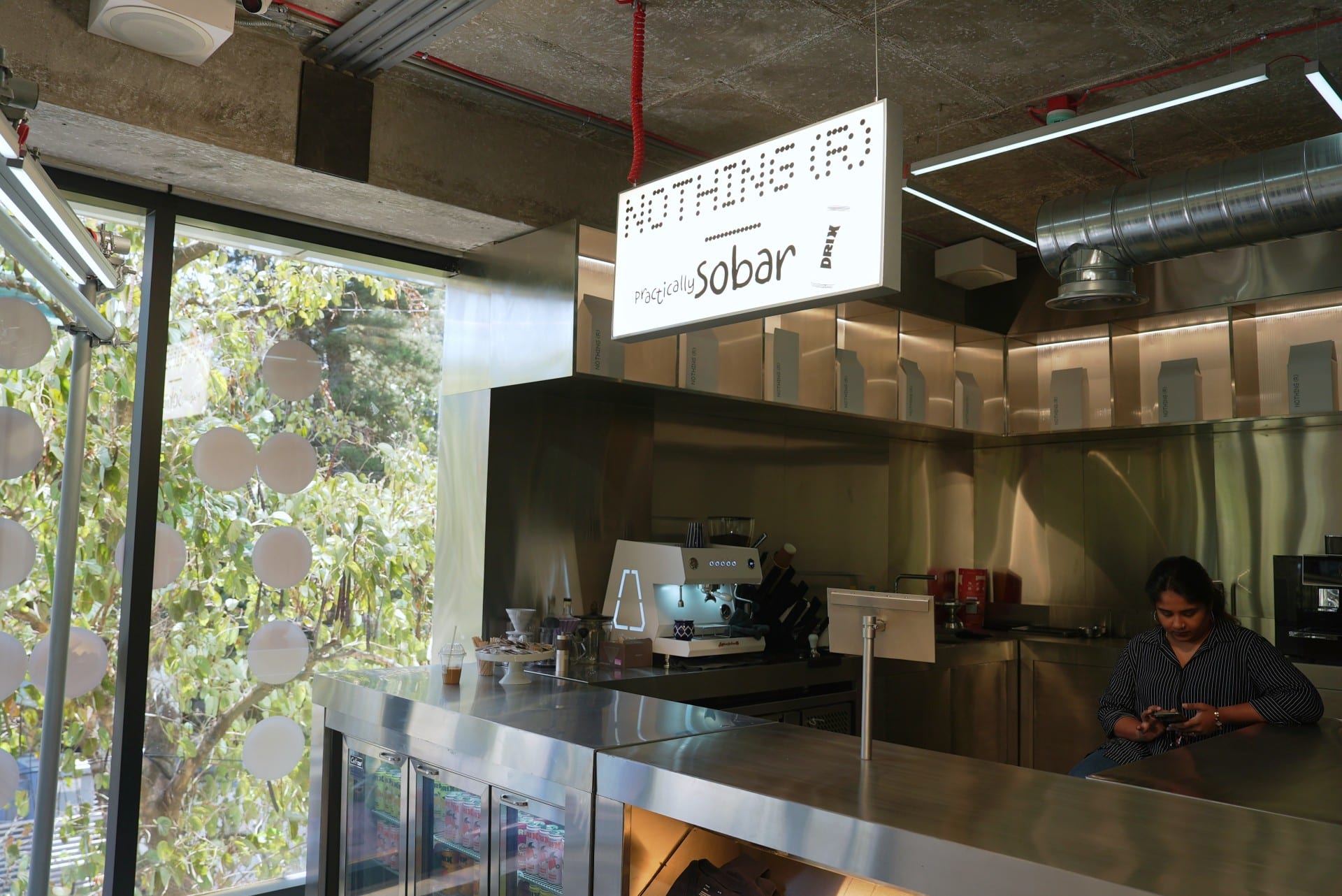
The space includes a community hangout zone for events and meetups, alongside playful elements such as vending machines, claw games, and conveyor-belt displays. An in-house coffee shop, seating areas, and workshop spaces position the store as a cultural hub rather than a traditional retail outlet.
View this post on Instagram
Nothing and CMF products are available in store, alongside official Nothing merchandise. The brand says the location will evolve over time through collaborations, workshops, and limited-run installations by local creators, reflecting the rhythm and voices of the city.
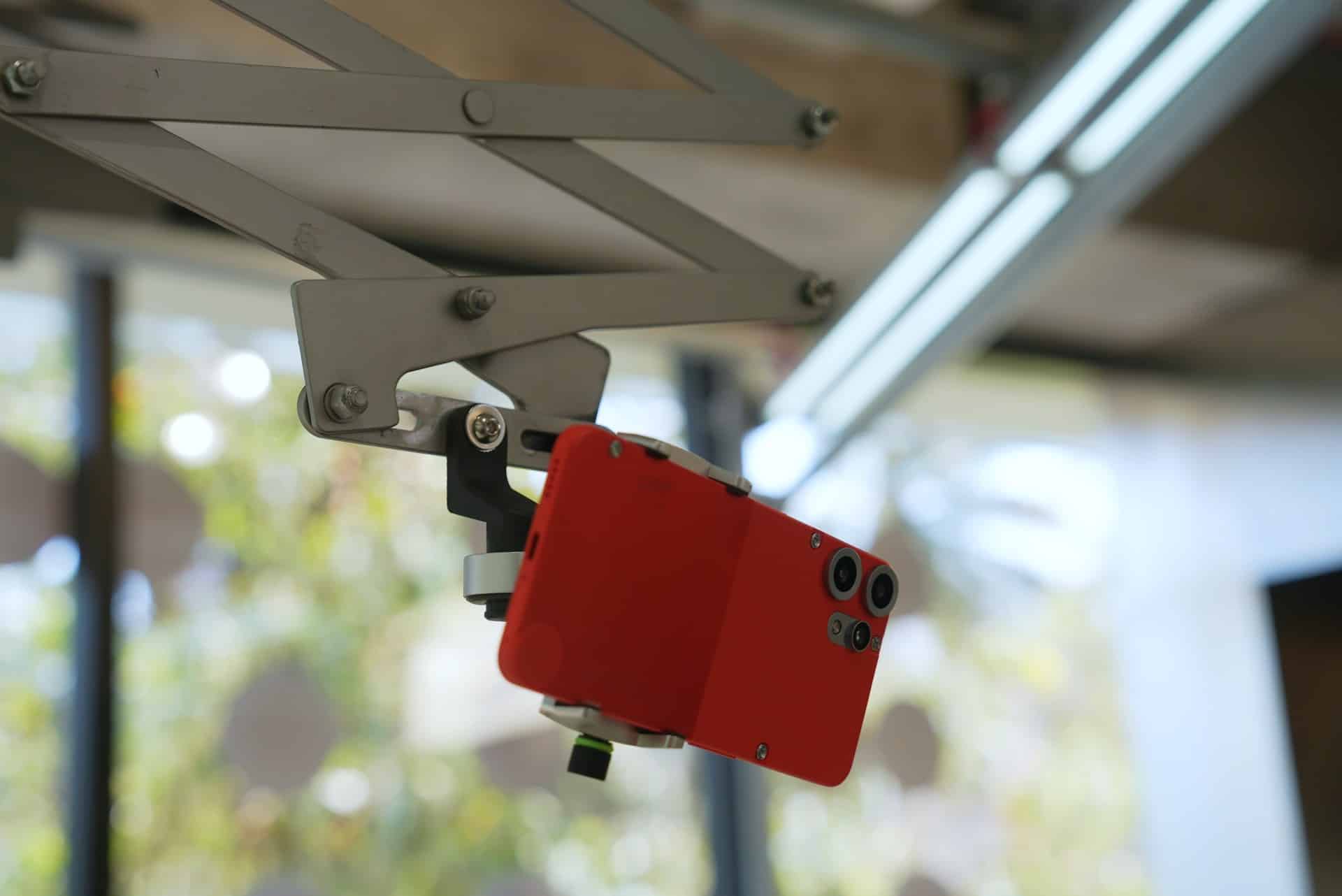
Bengaluru was chosen for its role as India’s innovation capital and its community of early adopters, creators, and cultural tastemakers. Indiranagar’s creative energy and lifestyle focus made it a natural home for Nothing’s first physical store in the country.
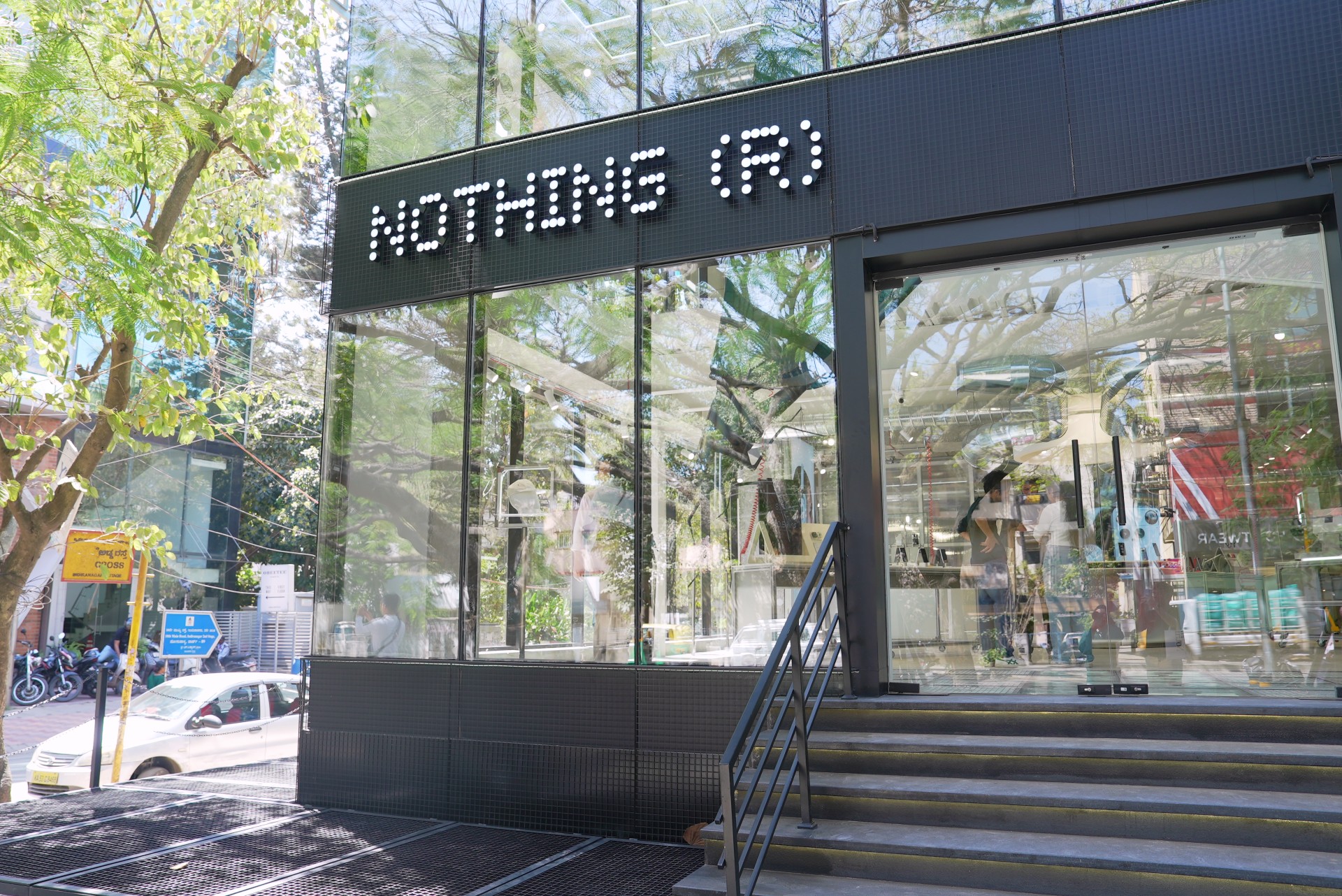
The Bengaluru opening builds on Nothing’s first store in Soho. The company has confirmed plans to open additional locations in New York and Japan.
Nothing Store Bengaluru opens on February 14, 2026, at 12:00 PM IST. It is located at 660/1, 100 Feet Road, 1st Stage, Indiranagar, Bengaluru. Regular store hours are 10:00 AM to 9:00 PM daily.
India
TECNO POVA Curve 2 5G packs an 8000mAh battery
The brand’s biggest battery in a smartphone yet

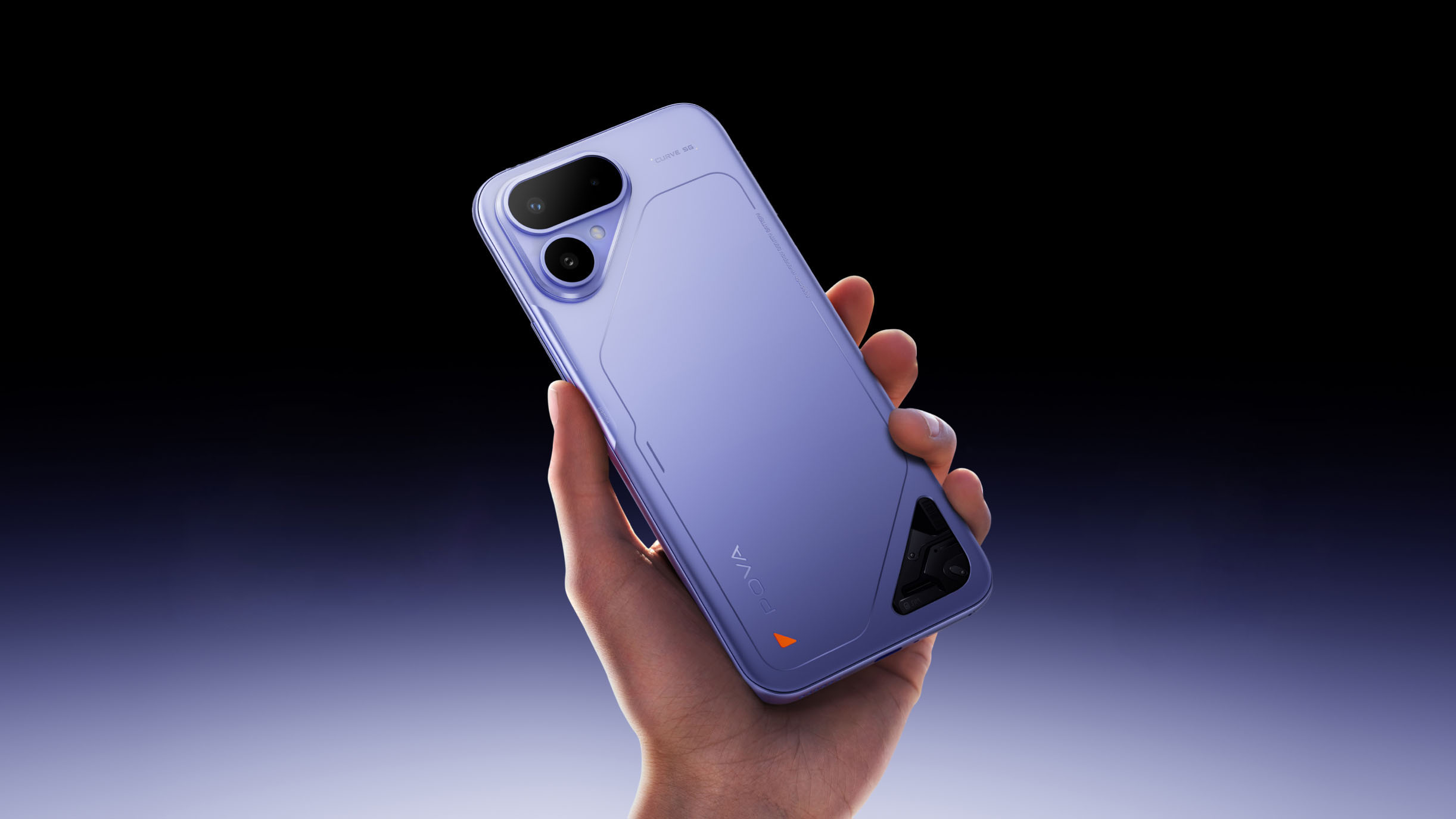
This 2026, TECNO is refreshing its performance-focused POVA lineup by adding a new member in it.
Big power without the bulk
Despite its slim and curved 7.42mm design (and weight of only 195g), the POVA Curve 2 5G arrives with TECNO’s largest battery yet — 8000mAh battery to be precise.
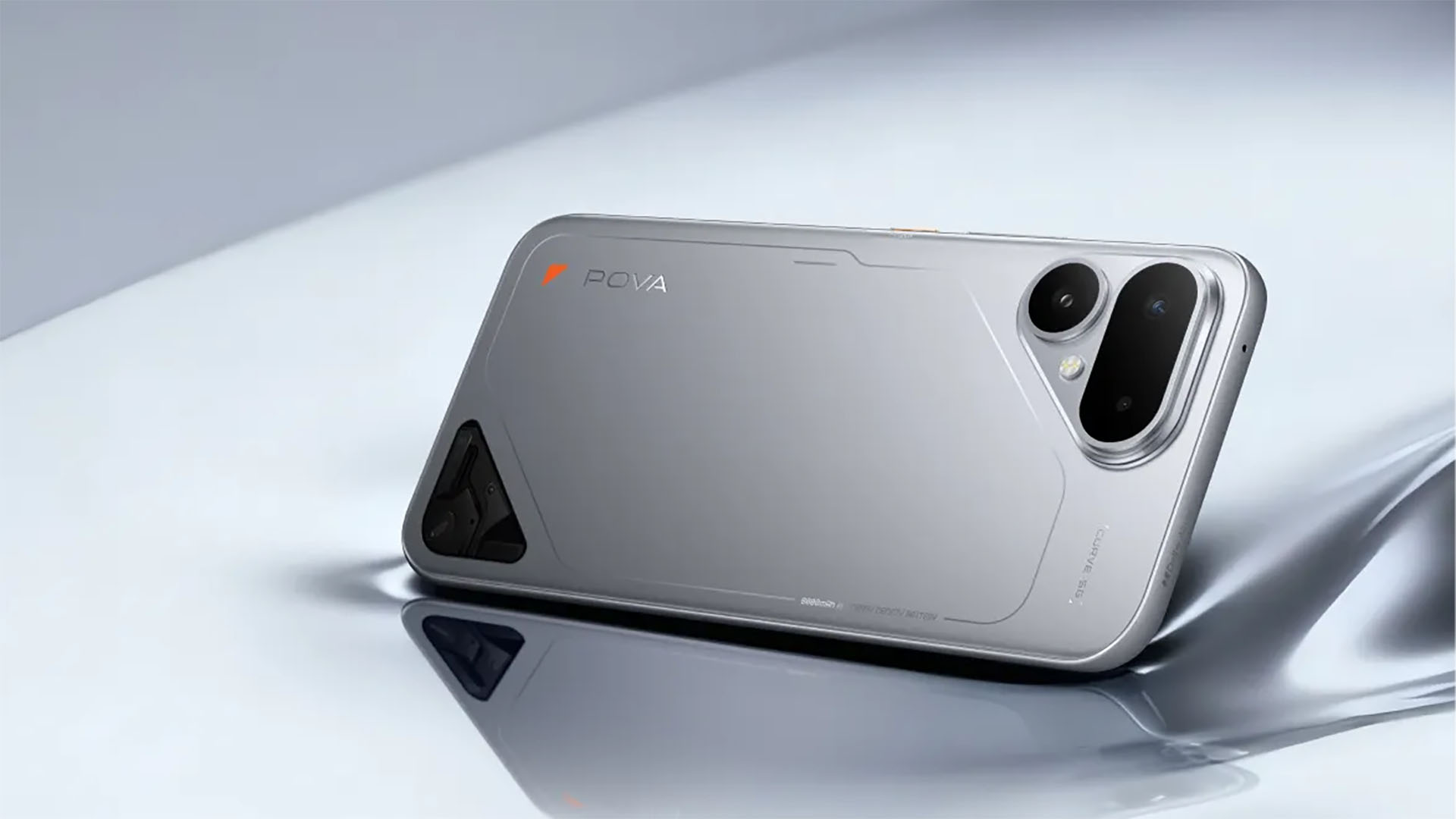
TECNO says the battery is TÜV SÜD-certified for long lifespan and is engineered to last up to six years. It’s also rated to operate in extreme temperatures ranging between as hot as 60°C (140ºF) or as cold as -20ºC (-4ºF).
If you’re already in a pinch, there’s the 45W fast charging with Bypass charging support in tow.
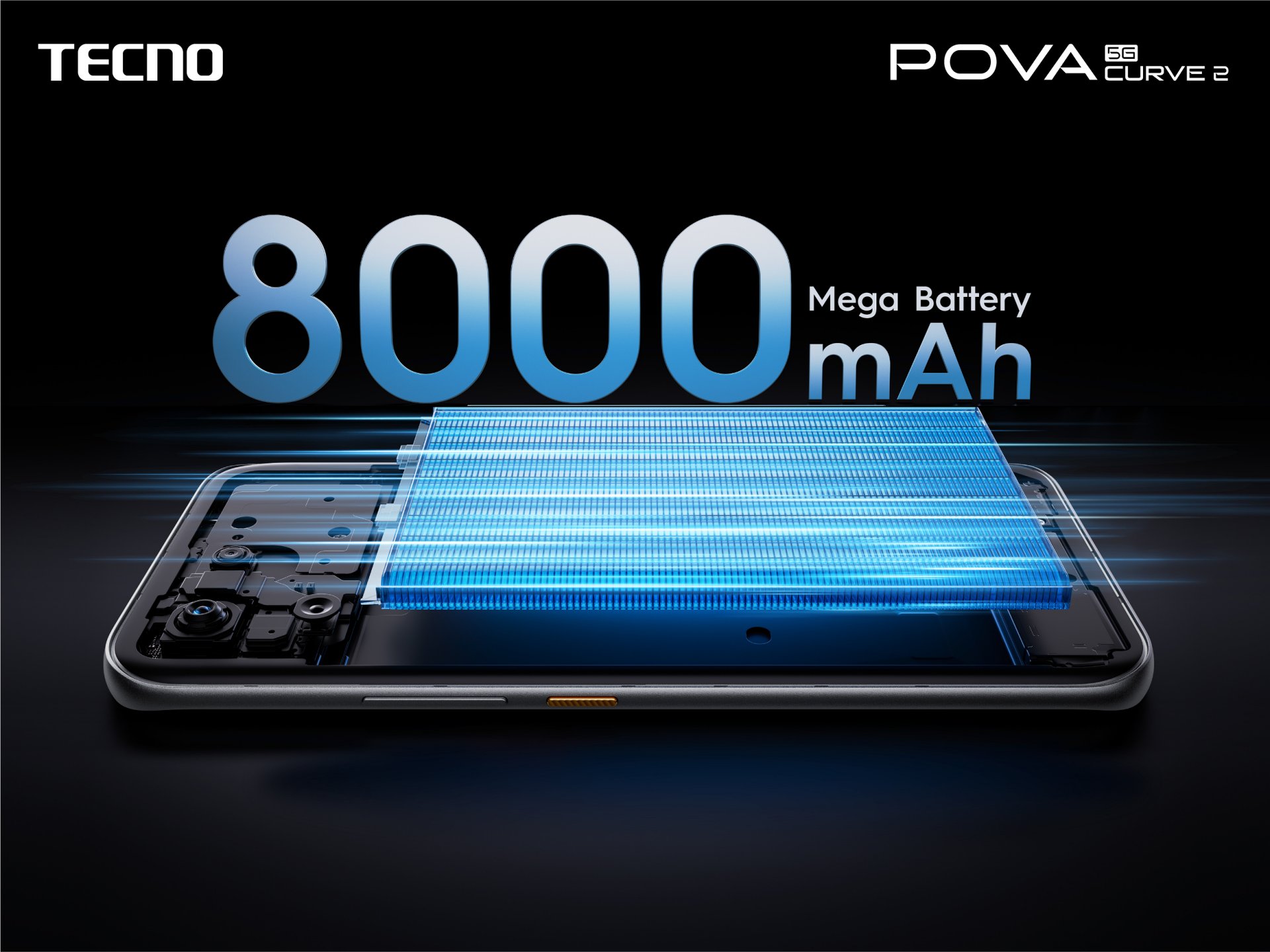
Durability was not compromised as it has a Corning Gorilla Glass 7i Front Glass protection, IP64 water and dust resistance rating, even SGS-certification for 1.5m drop protection.
Speaking of front, it features a curved 6.78-inch AMOLED display with a 144Hz refresh rate. Beneath that glass lies MediaTek’s Dimensity 7100 5G SoC.
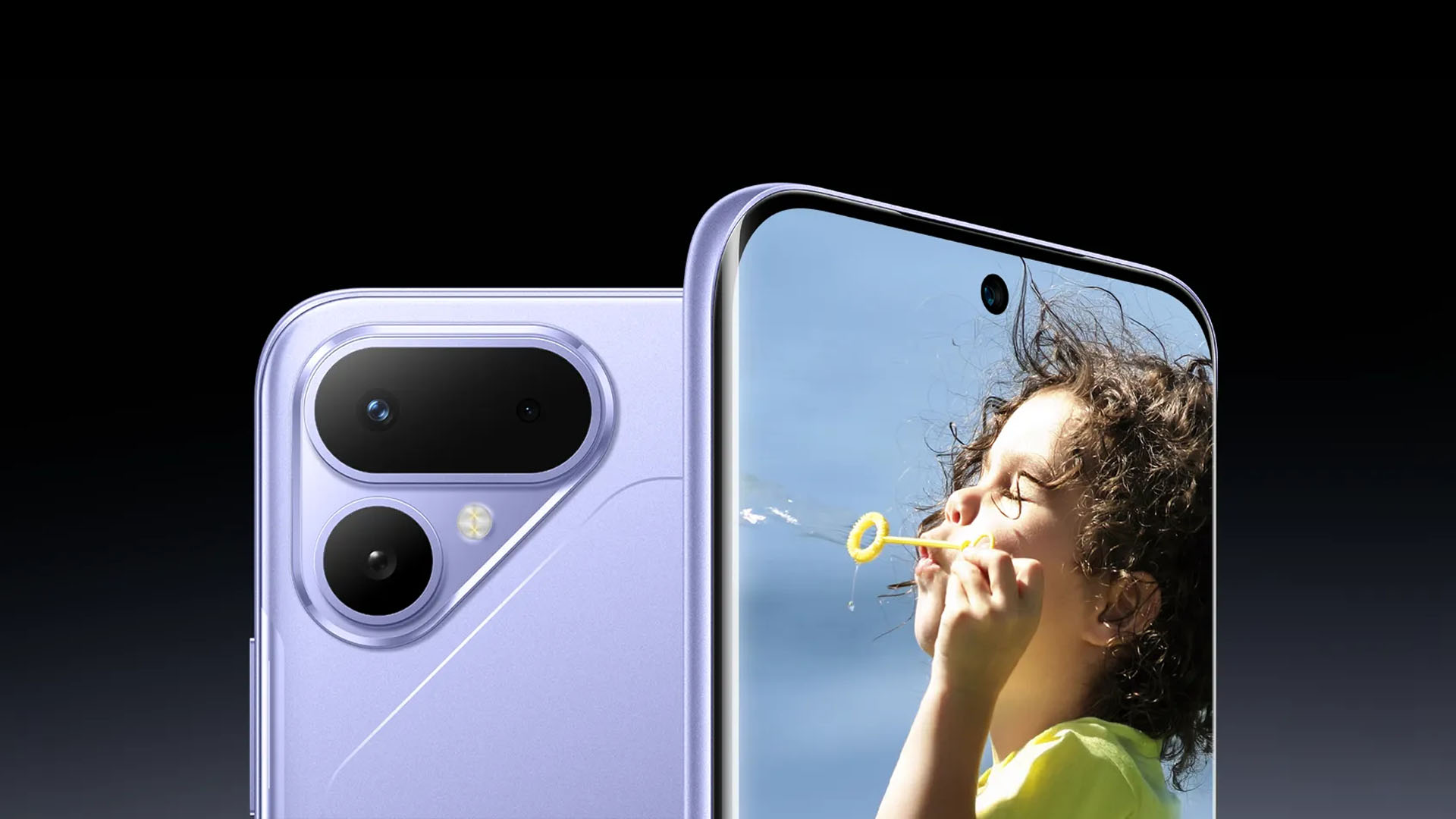
On the software side, it runs the latest HiOS 16 (based on Android 16) with integrated AI tools in mind. That means AI-powered content summaries, writing assistance, call noise reduction, and automatic photo enhancements.
TECNO’s Ella AI Assistant has also been improved with more personalized interactions across the system. One-tap FlashMemo also exists for instantly capturing on-screen information. Moreover, Mind Hub organizes notes and AI-generated content in one place.
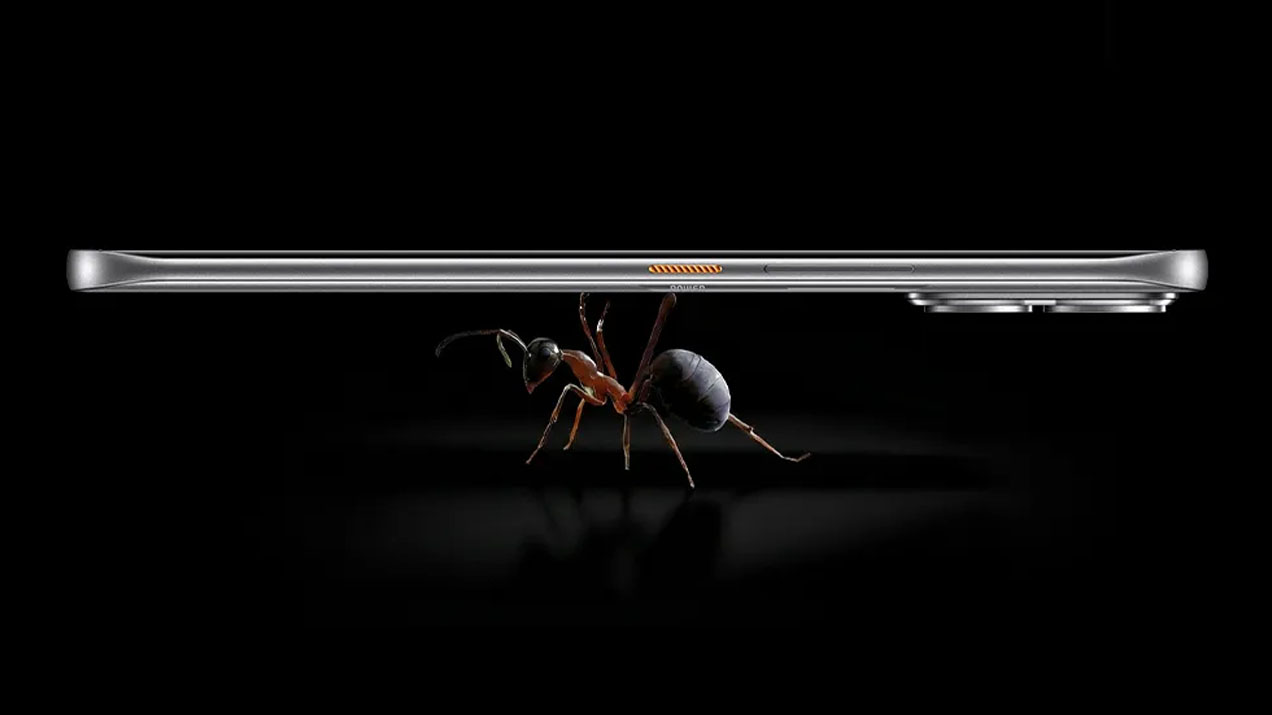
Lastly, connectivity gets a boost, too. With POVA Curve 2 5G’s dual-signal enhancement, it has an improved cellular and Wi-Fi performance in crowded or weak-signal environments. Interestingly, it also supports offline voice, text, and image communication up to 1.5km in open areas.
With all these in mind, TECNO promises two major Android OS upgrades.
Pricing and Availability
The TECNO POVA Curve 2 5G comes in three colorways: Melting Silver, Storm Titanium, and Mystic Purple.
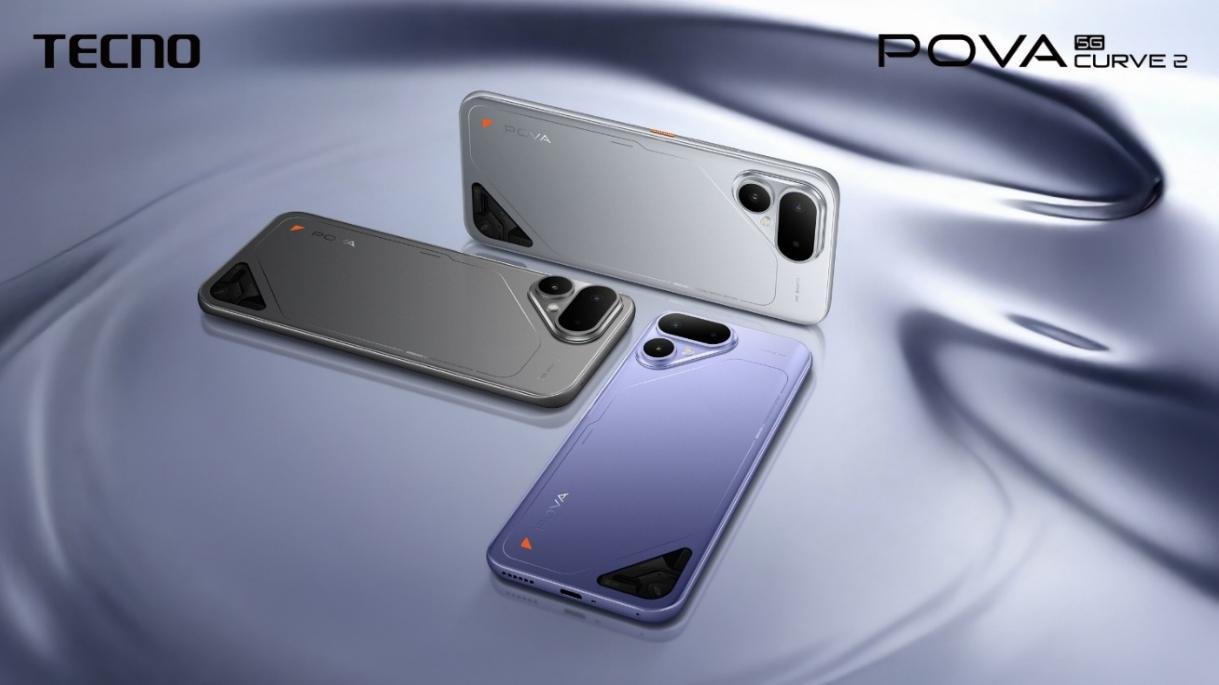
It launches first in India this February 2026. Pricing is between INR 31,999 and INR 34,999 for the 8+128GB and 8+256GB configurations respectively.
It will also make an appearance at MWC 2026 this upcoming March 2 until March 5, 2026.
India
The vivo V60 is a rebadged vivo S30 for international markets
The first V-series phone with periscope telephoto lens
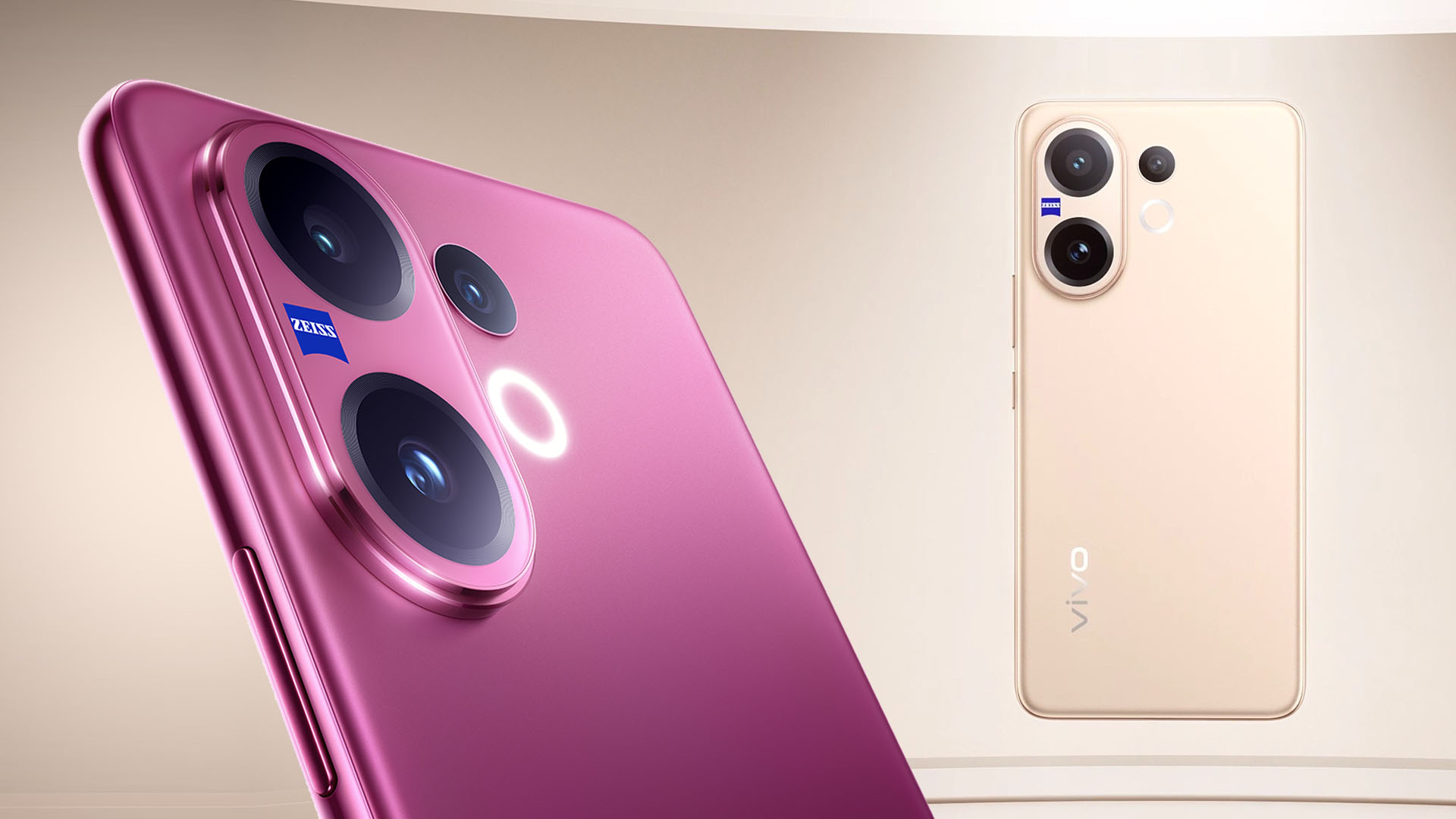
vivo is just on time with its biannual refresh of the V-series.
After the V50 launched last February 2025, the Chinese company has just revealed the newest vivo V60 in India six months after.
Rebadged vivo S30
If you’ve been following vivo for quite some time, you won’t be surprised that the China-exclusive vivo S30 will be the next V-smartphone in their global roster.
For the most part, it is a rebadged vivo S30 for the international market.
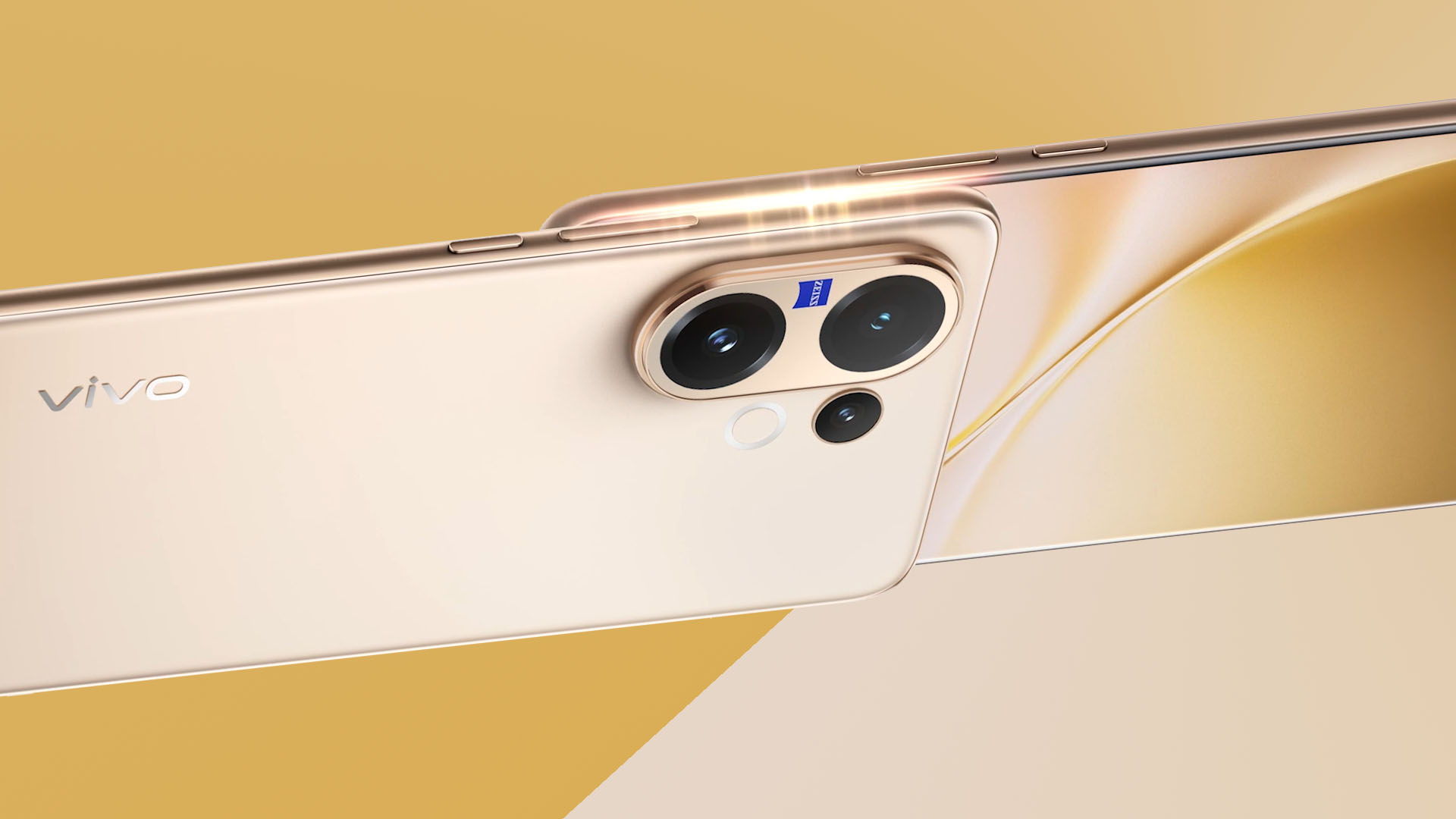
Graphics by Vincenz Lee | GadgetMatch
Internals are identical: Snapdragon 7 Gen 4 4nm 8-core SoC, Adreno 722 GPU, up to 16GB LPDDR4X memory and 512GB UFS 2.2 storage.
It may be a good or bad thing but the vivo V60 has an 8+128GB base model whereas the S30 starts with a bigger 12+256GB configuration.

Cameras are neither different: 50MP f/1.88 main, 8MP f/2.0 Ultra-Wide Angle (UWA), and 50MP f/2.2 selfie.
However, the vivo V60 now sports an additional 50MP f/2.65 periscope telephoto lens that its predecessor lacks. It’s also the same shooter found on the flagship-grade vivo X200.
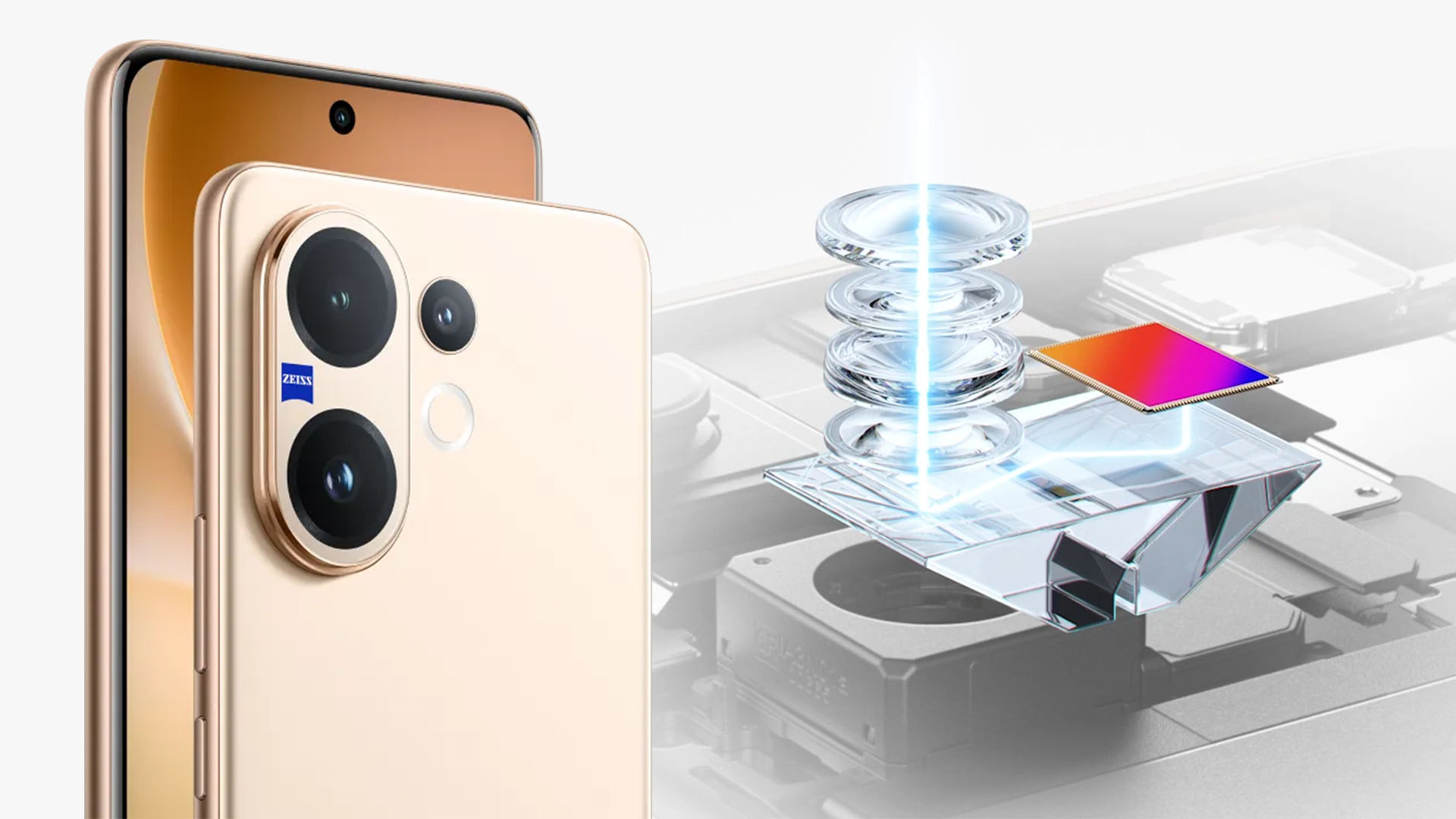
Graphics by Vincenz Lee | GadgetMatch
This newly-added camera is based on Sony’s widely-used IMX882 sensor and supports OIS (Optical Image Stabilization).
It can take 3x optically zoomed photos, and clear 10x shots through Stage Portrait Mode.
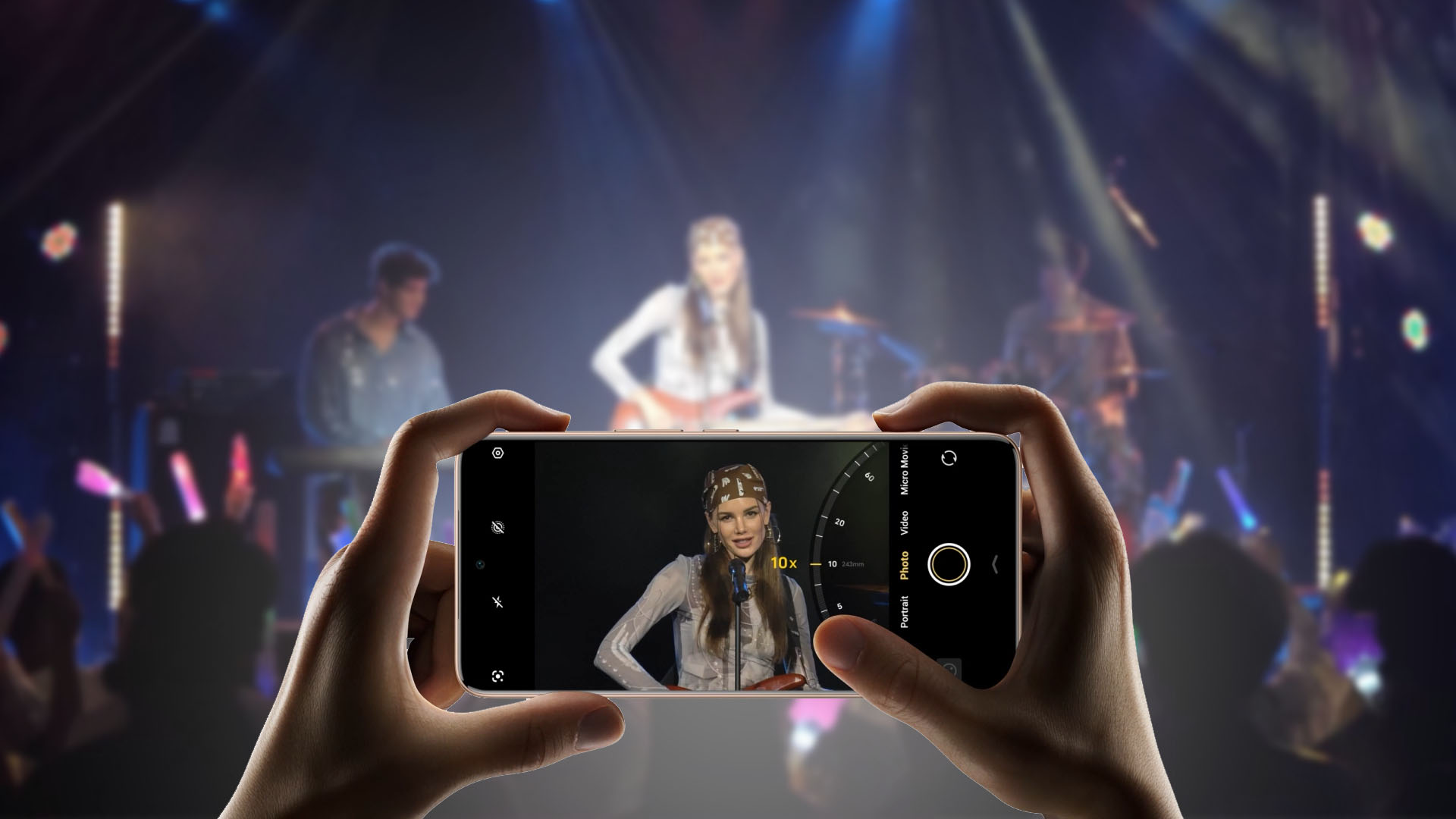
Graphics by Vincenz Lee | GadgetMatch
50x zoomed shots is also possible via vivo’s all-new AI Hyper Zoom.
vivo’s signature ring flash dubbed “Aura Light Portrait 2.0” is here to stay.
A 6500mAh Si/C BlueVolt battery is also here alongside vivo’s speedy 90W FlashCharge standard.
Wireless charging is still absent but reversed wired charging is present for those who need it.
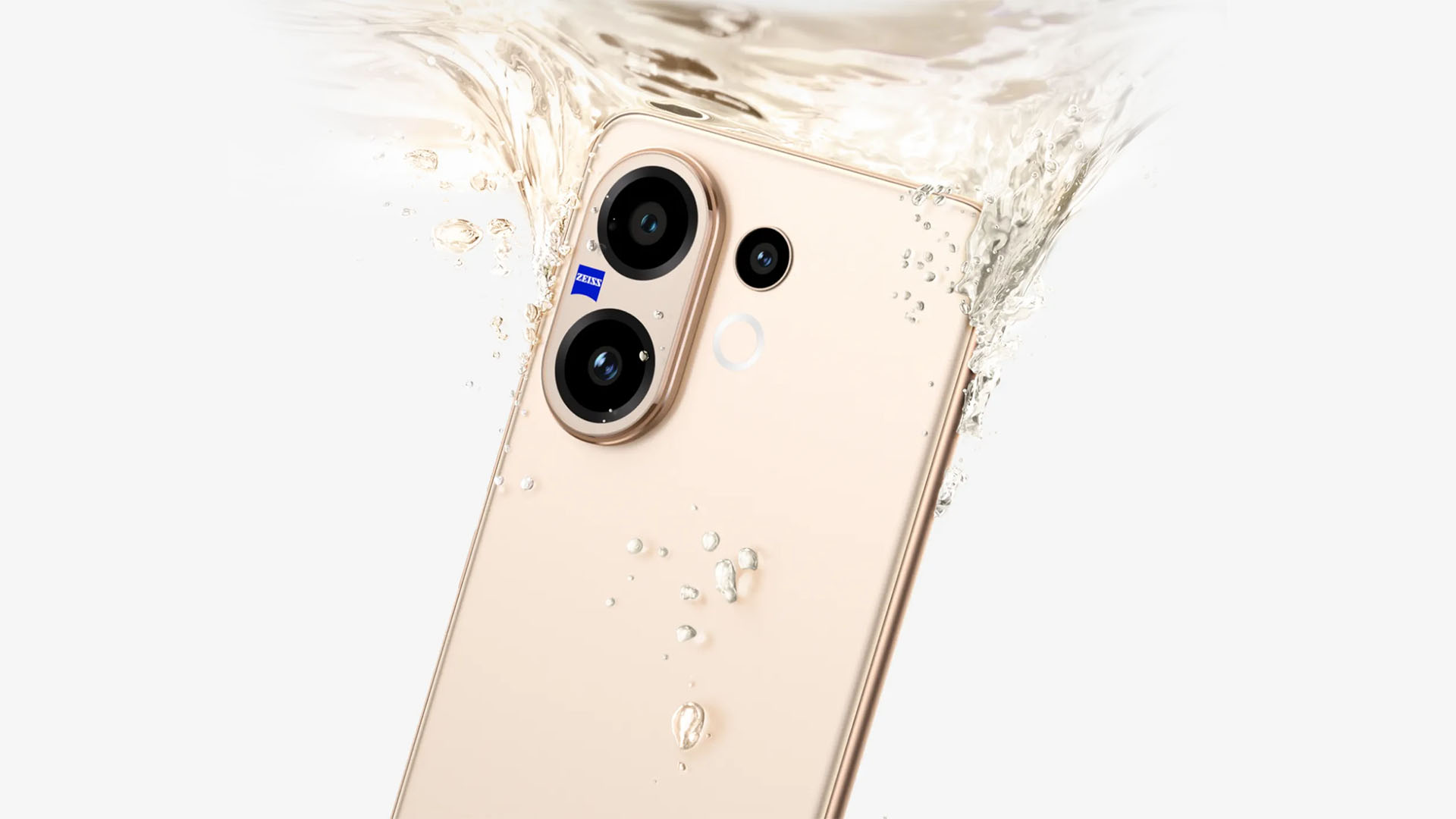
Dual IP68+IP69 water and dust resistance ratings also remain.
Not a total clone
The vivo V60 is not a total clone of the S30 as there are some differences that may or may not matter to most of you.
The vivo V60 has a slightly bigger 6.77-inch 120Hz AMOLED display but only with a Full HD+ resolution and pixel density of 388ppi.

Graphics by Vincenz Lee | GadgetMatch
The Chinese vivo S30 has a smaller 6.67-inch screen of the same tech, but with more resolution at 1.2K and tighter 460ppi.
As expected, the Chinese model runs OriginOS 5 while the latter still runs Funtouch OS 15 that are both based on Android 15 — shutting the rumor that vivo Global will adopt their Chinese OS in the new V-phone.
That also means vivo’s already rich AI prowess are ever-present with improvements in AI Erase and Image Expander as well as highlighting newly-added AI capabilities such as AI Magic Move, AI Photography Suite, and even AI Four-Season Portrait.
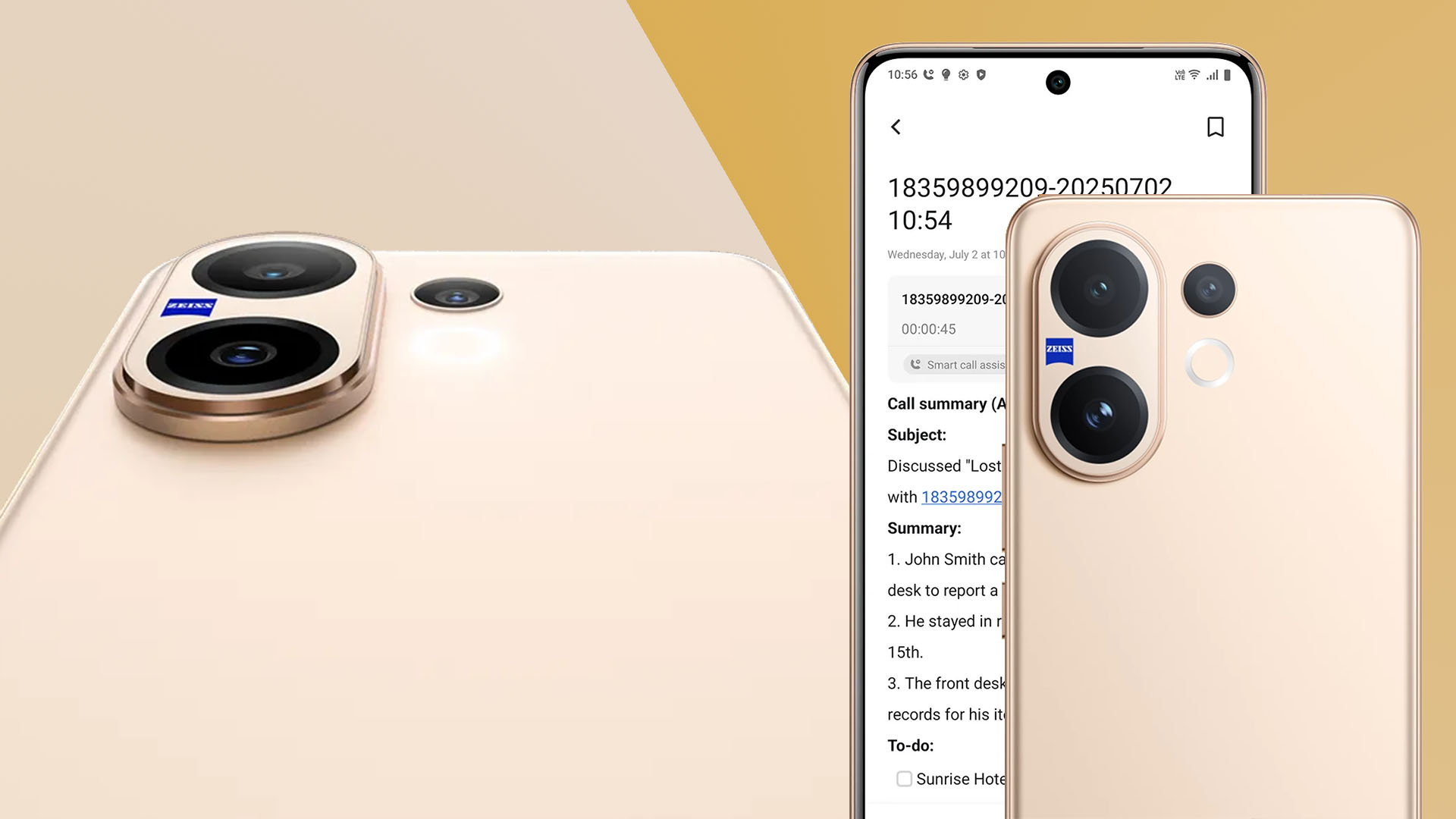
Graphics by Vincenz Lee | GadgetMatch
As expected, the vivo V60 still rocks the ZEISS Camera System that its Chinese counterparts never had since the S18 Pro (Chinese version of the V30 Pro).
Indian vivo V60s are also expected to have an exclusive Wedding vLog and Portrait Studio presets.
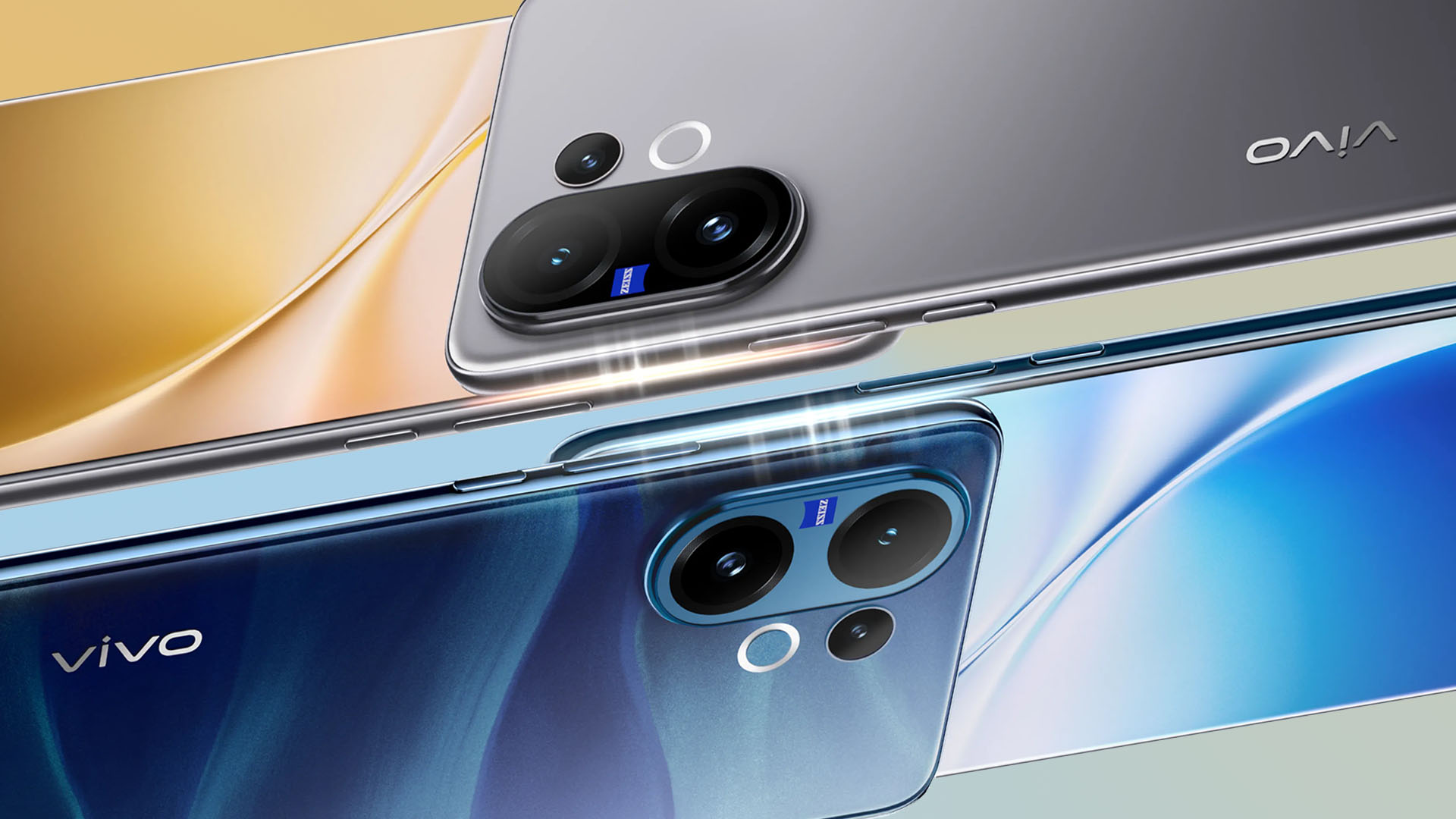
Graphics by Vincenz Lee | GadgetMatch
Lastly, the vivo V60 has executed premium finishes and colorways: Auspicious Gold, Moonlit Blue, and Mist Gray.
That’s in contrast to S30’s pastel slash two-tone options derived from the S30 Pro mini (or X200 FE).
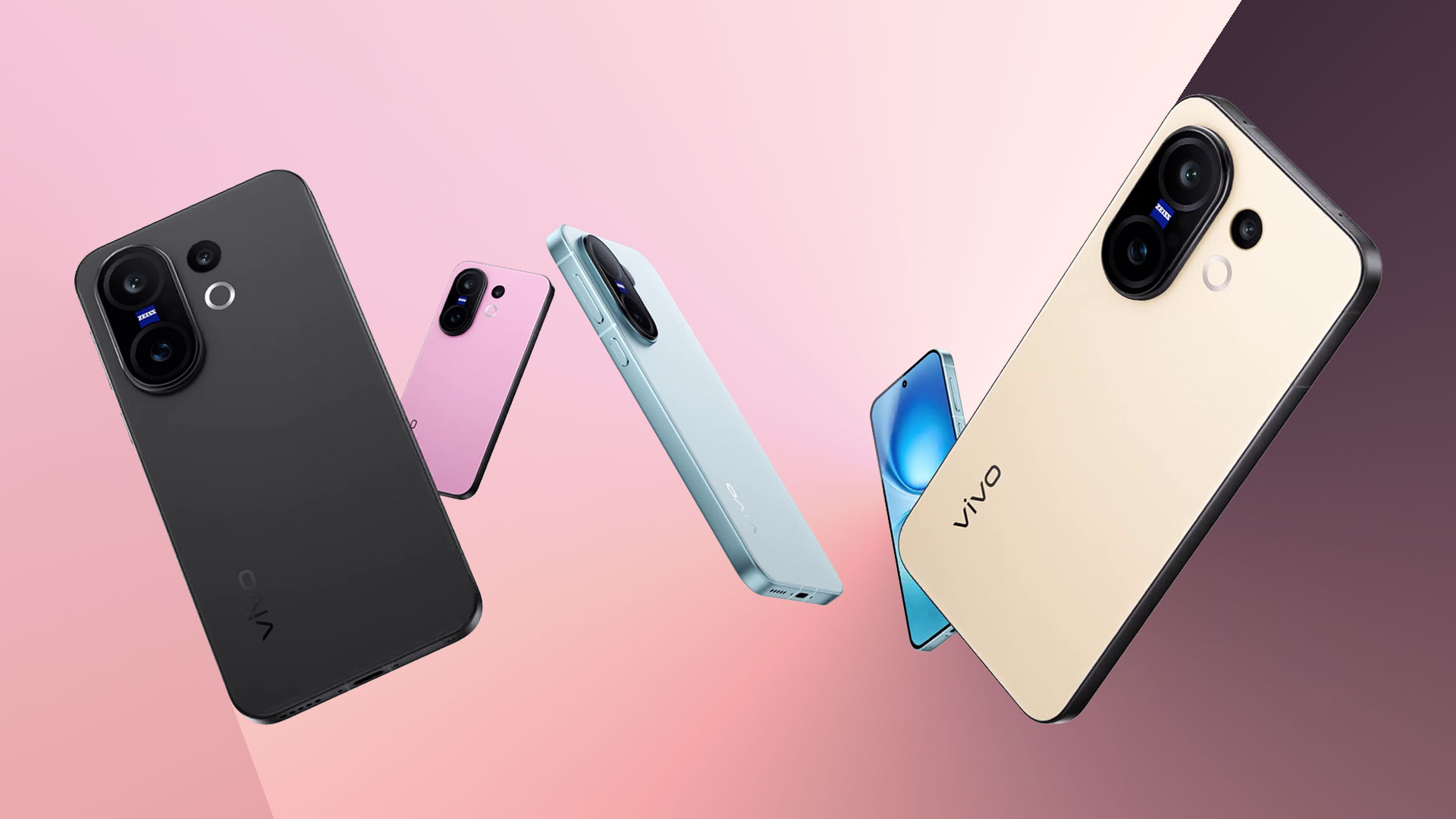
Graphics by Vincenz Lee | GadgetMatch
Although the gold and blue options have glass backs, the gray one is made from plastic.
That also makes up for its varying thickness: 7.53mm (gray), 7.65mm (gold), 7.75mm (blue).
All in all, the vivo V60 is slightly thicker over the S30 (7.49mm).
Pricing and Availability
Although there’s no “V60 Pro mini” (nor a V60 Pro), the X200 FE already exists as the global version of China’s vivo S30 Pro mini.
And unlike the vivo X200 FE where it was launched first in Malaysia and Taiwan, the vivo V60 headlines the global launch in India.
Here are India’s specific pricing per configuration:
- 8+128GB = INR 36,999
- 8+256GB = INR 38,999
- 12+256GB = INR 40,999
- 12+512GB = INR 45,999
It will just be a matter of time which markets the vivo V60 will come right after India.
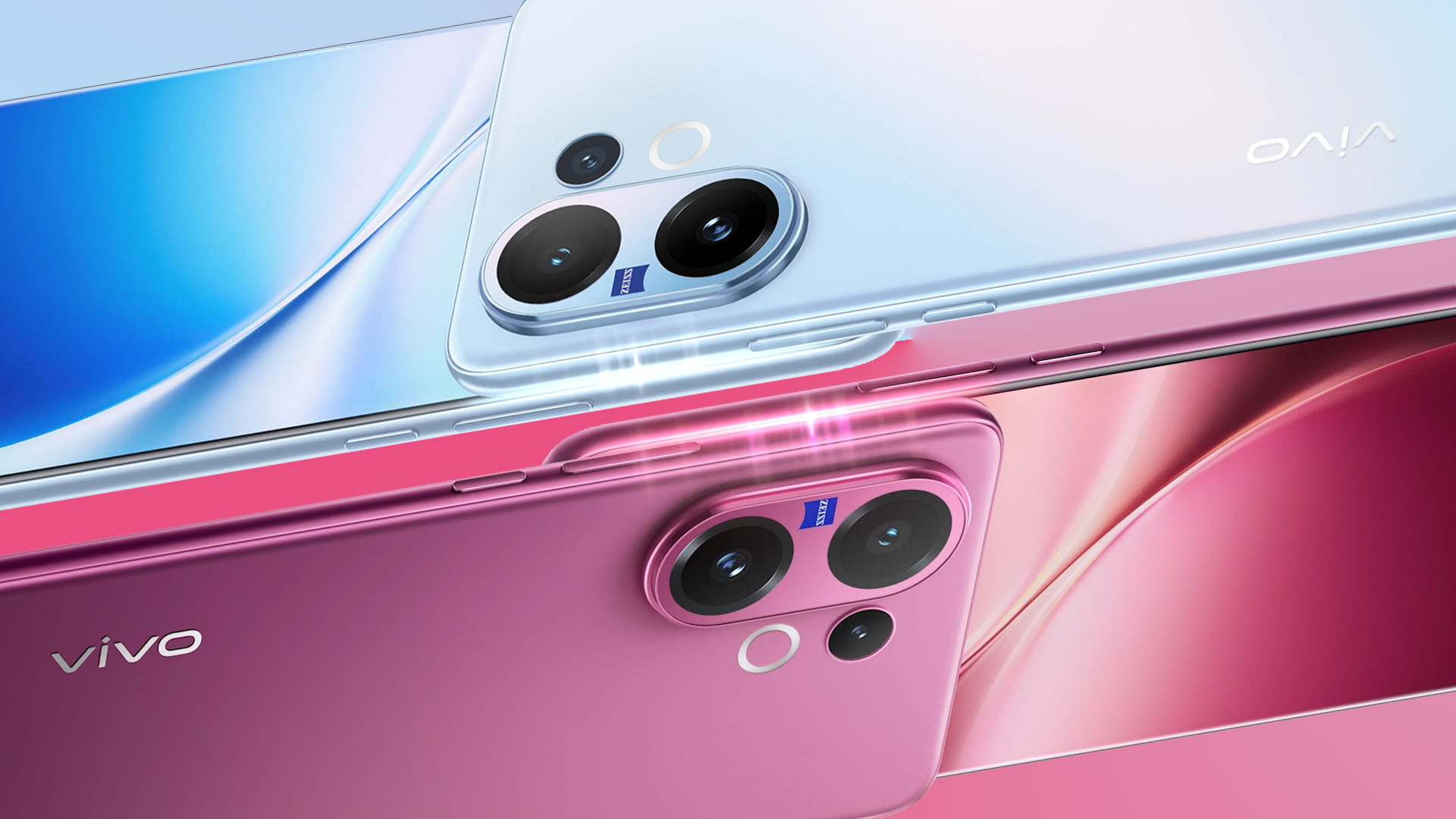
Graphics by Vincenz Lee | GadgetMatch
It’s good to note though that vivo Malaysia already teases the V60 up on their website with two different colorways opposed to the Indian options: Berry Purple and Summer Blue.




nubia to launch new Neo 5 series gaming phones on March 28

SHINOBI: Art of Vengeance’s SEGA Villains Stage out on April 3

AMD poised to lead agentic AI era with high-performance CPUs

CIPTA debuts AI GPU server, edge workstation at CloudFest 2026

Dune: Part Three teaser trailer: First look at Robert Pattinson’s Scytale


-
 Reviews4 days ago
POCO X8 Pro Max review: A new beast from the far east
-

 News4 days ago
POCO X8 Pro Series: Price, availability in the Philippines
-

 Laptops1 week ago
Apple MacBook Neo Review
-

 Computers2 weeks ago
GIGABYTE collaborates with Capcom for RE Requiem custom PC
-

 Apps1 week ago
Google Maps is finally getting a 3D mode
-

 Entertainment1 week ago
The internet is thirsting over the One Piece Season 2 cast
-

 Features1 week ago
Galaxy AI on the Samsung Galaxy S26 Ultra
-
 News2 weeks ago
Globe postpaid opens pre-orders for Samsung Galaxy S26 series