
Gaming
NBA 2K23 review: A certified All-Star
One of the best in recent years


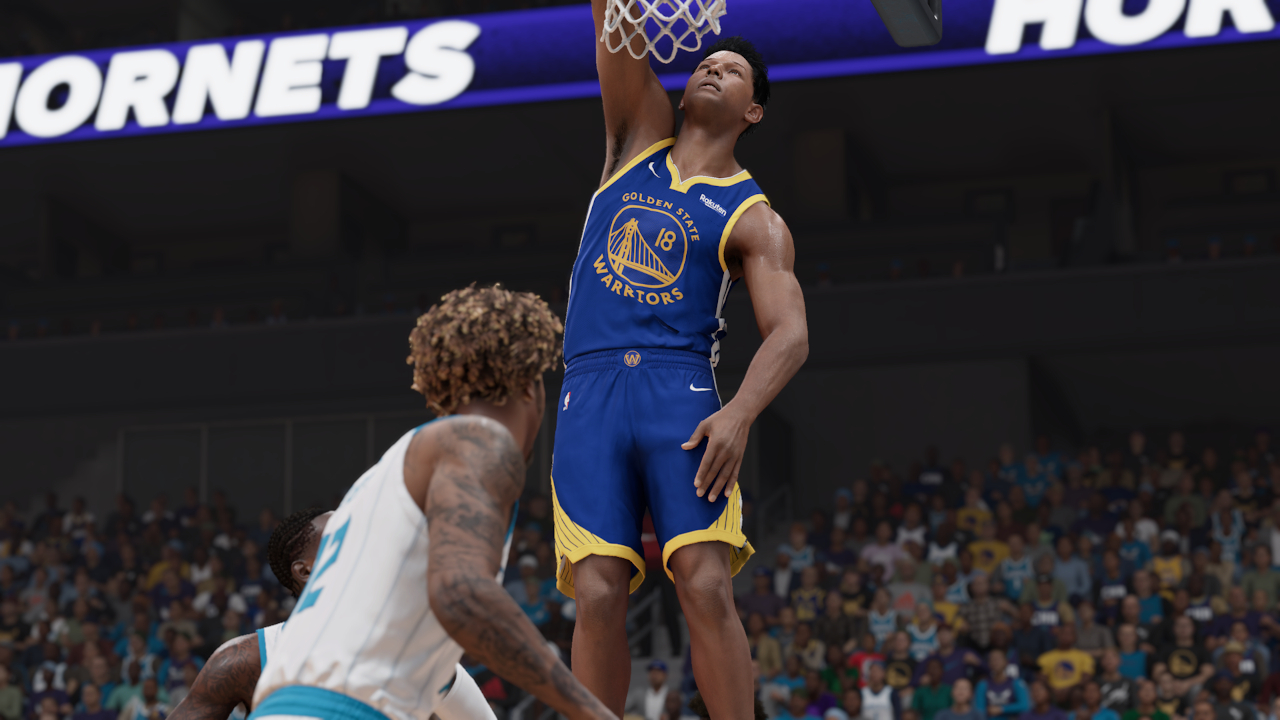
It’s been roughly about a month since NBA 2K23 was unleashed to the world. So, how has it been so far? Is it really just the same game? Here’s our review. Quick Note: We’re reviewing the Next-Gen version of the game both on the PlayStation 5 and the Xbox Series X.
Slightly improving the core gameplay mechanics
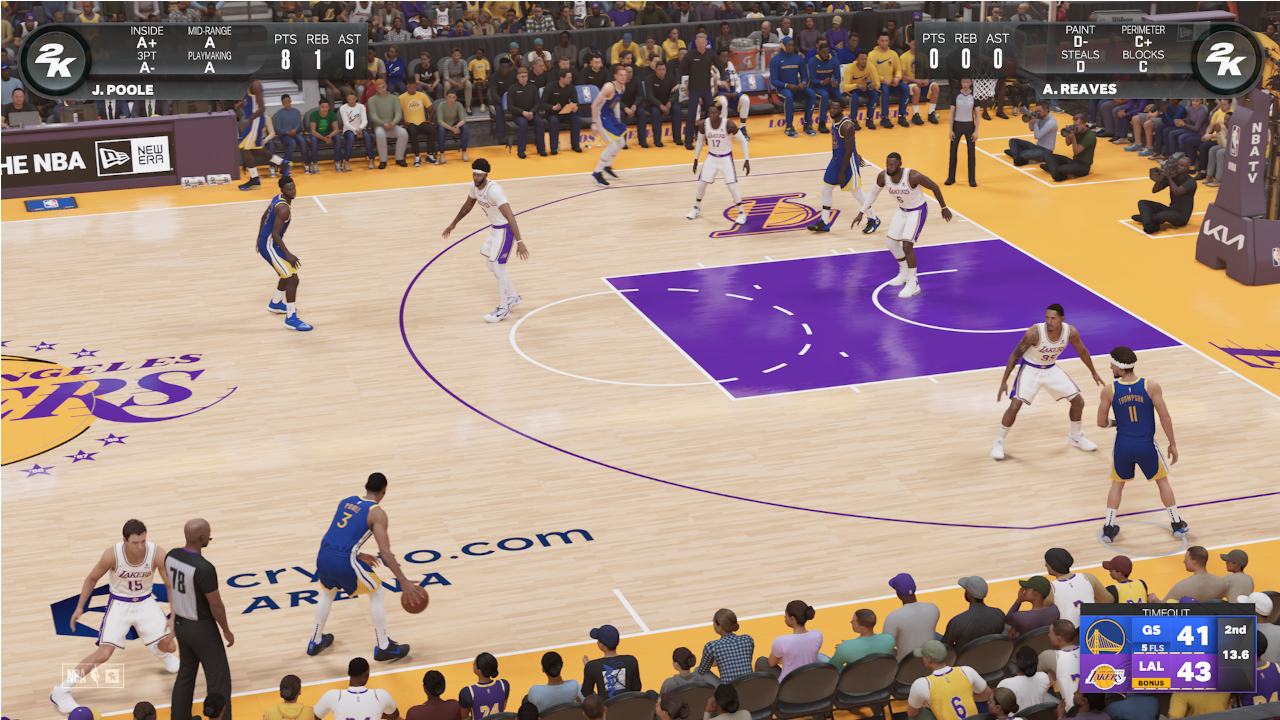
Gab: Like what they say, if it ain’t that broke, don’t fix it; for the most part, NBA 2K23 doesn’t do anything over the top with the core gameplay. It’s still that same NBA basketball simulator which relies on precise user timing for both offense and defense, with some minor improvements. For starters, the shot meter feels more manageable in terms of user shot timing vis-a-vis the NBA player’s release.
With enough tinkering, you can adjust how you want the shot meter to look like when taking shots in-game. To be fair, it’s a minor detail but if you were used to seeing your shot meter a certain way, this is a good change. Also, I felt that movement and dribble moves feel a bit smoother to execute.
Rodneil: I agree with Gab that the core gameplay doesn’t feel drastically different from previous years. The shot meter definitely received tweaks. And you’re gonna want to go into settings right away to figure out the release timing that best works for you.
I also felt that the overall pace of the game is more simulation and less arcade-ish. What I mean by that is that it’s not as fast as 2K22. And you also have to be more adept in running plays to find a good shot. Shot control is much more precise, blocking shots is a little more difficult, and stealing and stripping the ball away is much more challenging.
MyCareer and The W made simpler and more robust
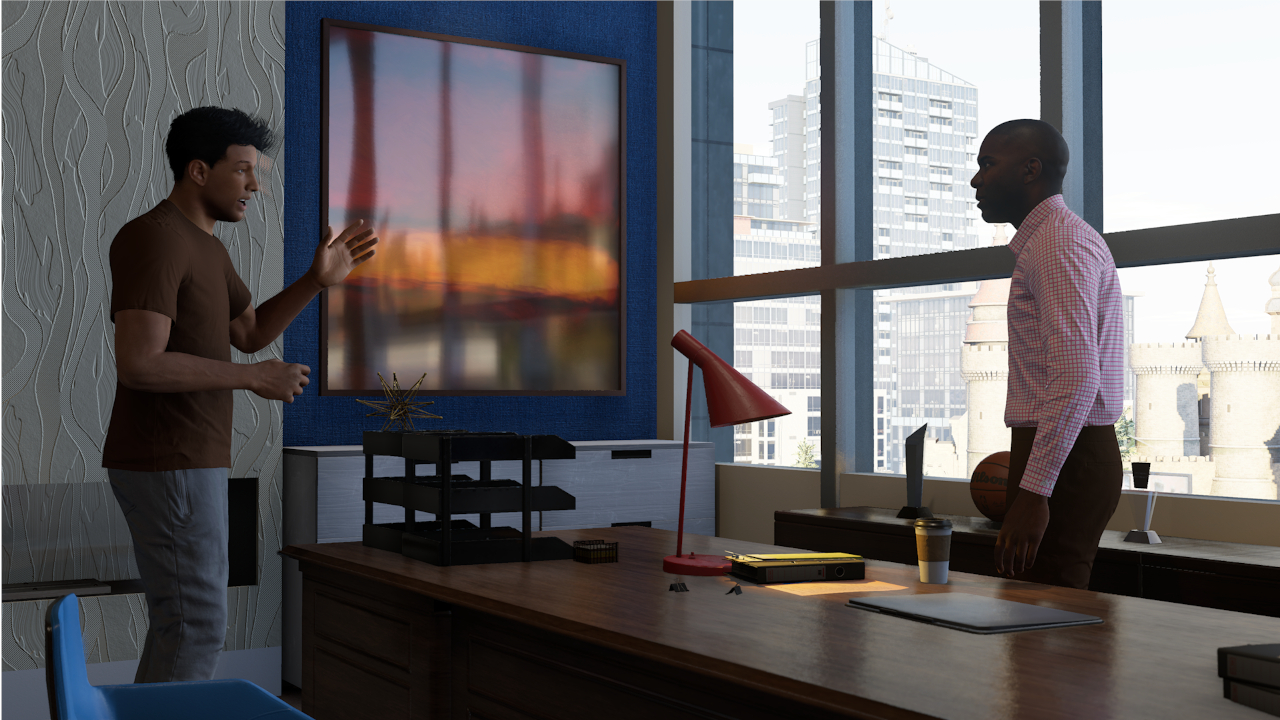
Gab: The first thing that came to my mind before playing MyCareer was “how will they make this any different across the board?” Honestly, I’ve seen 2K Sports throw out all kinds of storylines and gimmicks that I’m not so sure what else they could do to provide a different experience. All of a sudden, I boot up MyCareer and to my surprise: no elaborate backstory, no college leagues or trying out in the G-League.
MyCareer literally throws you right into things as a promising rookie drafted by your team of choice. No more pre-draft interviews, no more stat-padding in college – you pick the team that drafts you and work your way up. All this while everyone in your management team is trying to help you manage your brand, especially when fans were initially disappointed that they picked you.
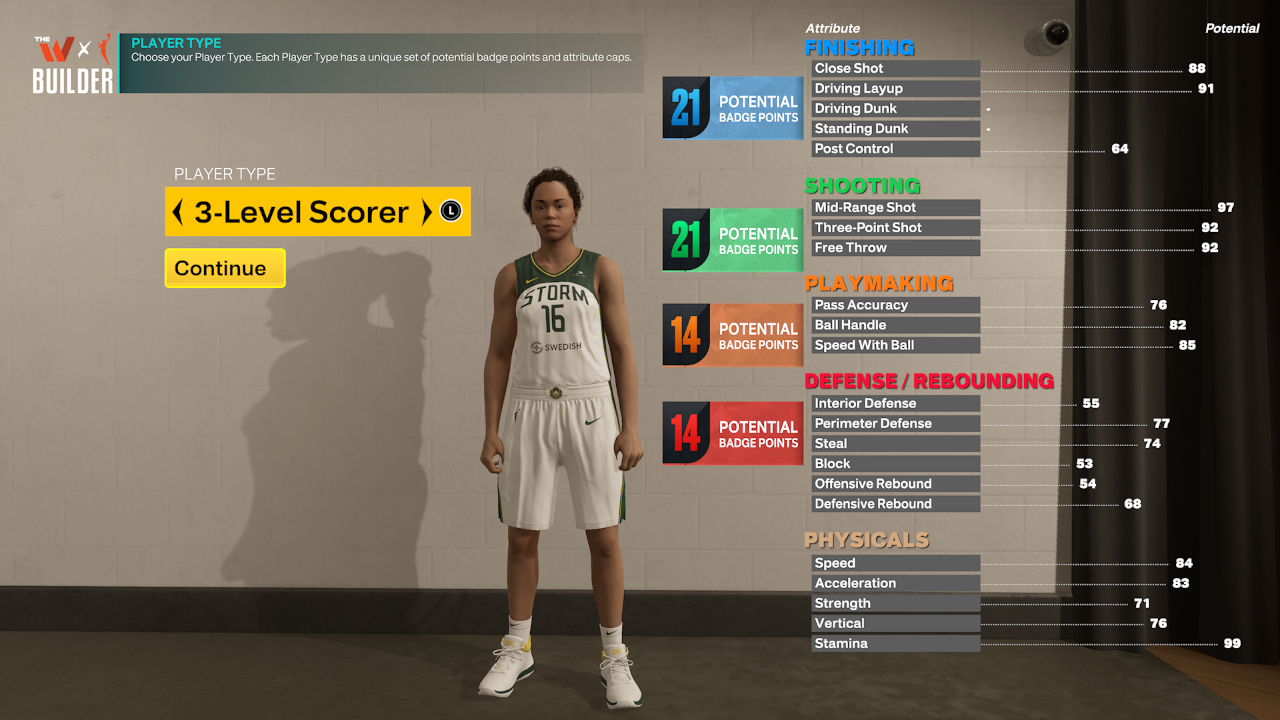
Crossing over to the other side, The W is designed in such a similar way but simpler. As this is the WNBA’s version of MyCareer (a first for NBA 2K, as well), it’s not surprising that it’s this straightforward. You build your MyWNBA Player, accomplish a few tasks, play the games, earn badges – as standard as it could get.
The now robust MyPlayer Builder
Gab: At the start of every MyCareer, you’re greeted with the MyPlayer Builder which essentially helps you create the best version of your player. Much like the last two iterations of NBA 2K, this feature comes with a full belt of attributes, badge forecast, and Takeovers to choose from. For NBA 2K23, however, they really pulled out all the stops with the whole experience.
One key adjustment was in the amount of badges you can earn depending on how you shape your attributes. Compared to NBA 2K22, my 3-Level Scorer has a significantly beefed up amount of badges for Finishing, Playmaking, and Rebounding – unlike last year where Rebounding, in particular, was one badge, at most.
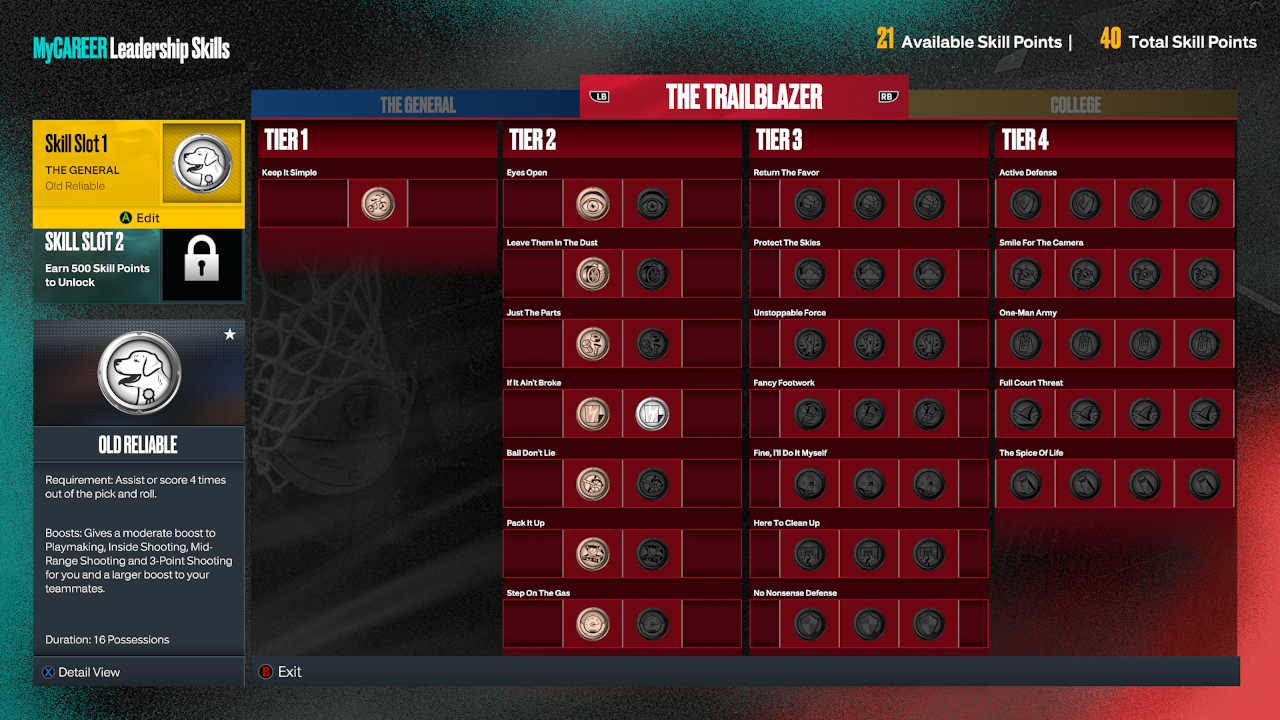
Of course, the more major changes revolve around adding in Leadership Skills and Core Badges to your MyPlayer. Although you get access to these after building your MyPlayer, it gives you a great incentive to play harder and better. Now, if only they could indicate what the actual challenges are for the Core Badges on the Badges screen, that’d be pretty great.
Replica Builds
Rodneil: The biggest addition this year is the Replica Build. If you get the stats just right, including the height, weight, and jersey number, you’ll get Replica Builds of actual NBA Players. The first one to pop-up online was The Joker which is a replica of reigning MVP Nikola Jokic.
There are plenty more builds featuring Black Mamba (Kobe Bryant), Half-Man, Half-Amazing (Vince Carter), The Glove (Gary Payton), The Big Fundamental (Tim Duncan), and many more.
For the full list, as well as the stats, check out this post from Game Skinny.
Unfortunately, these Replica Builds aren’t exactly the best for Park. Sure, you can mess around with them in MyCareer but you might feel they are lacking in Park Play.
MyTeam and MyNBA Eras
Rodneil: I only really started playing MyTeam after I’ve done everything I thought I could do in MyCareer for NBA 2K22. Part of me wishes now that I didn’t enjoy this mode as much because it has now become an addiction. Collecting Player Cards and using them in the many game types in MyTeam is such a treat. What really drew me in is how it has a set of Agendas – a task list of sorts. You cross off agendas, you get rewards. And rewards come in EXP, MyTeam Points, Player Cards, Card boosts, etc. It’s super addicting, especially for someone like myself who likes crossing off lists.
My only gripe is that you’re really gonna have to spend if you want to reach Level 40 each Season. And I really have to squeeze every ounce of self-discipline and restraint to not spend too much on the game.
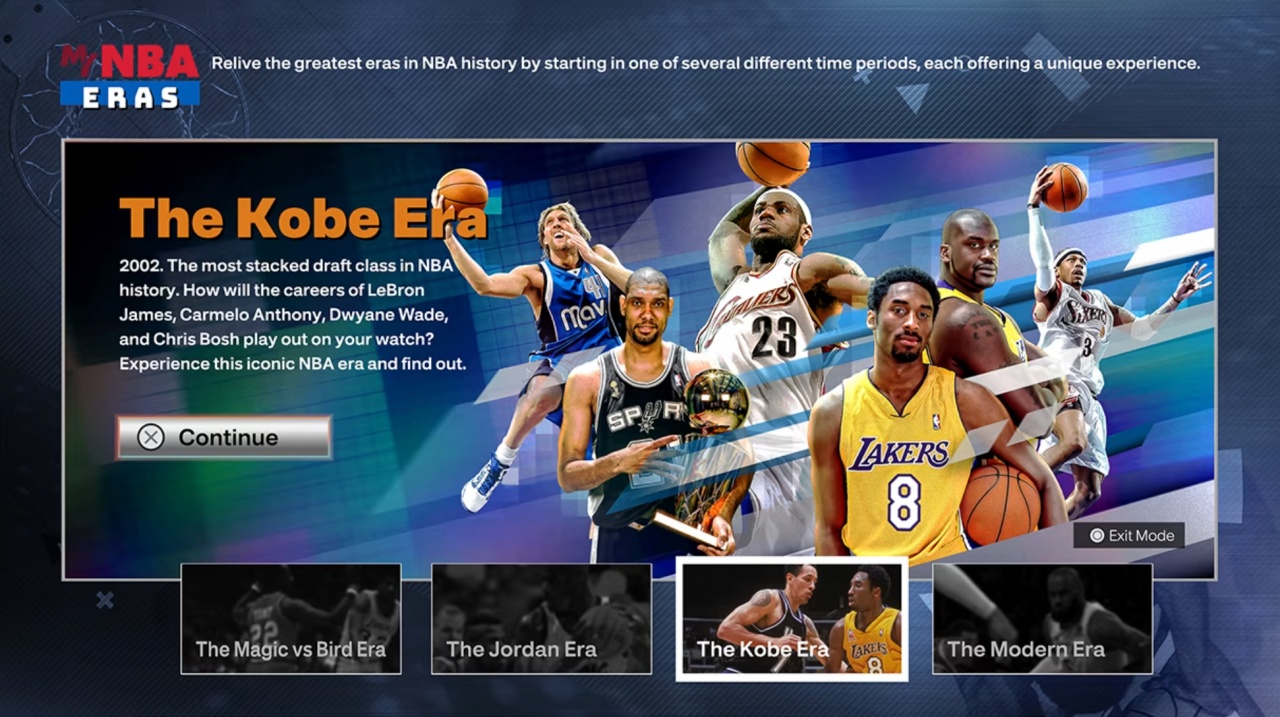
MyNBA Eras is a nice touch. The vintage filter is present in other game modes, but to really experience its full effect, you have to play the MyNBA mode where you take control of a franchise or two during a certain NBA era. It’s a good experience overall and you get to live what-if moments like what if Detroit drafted Carmelo Anthony instead of Darko Millicic.
Of course, it isn’t perfect. The draft classes and rosters aren’t complete. This is primarily due to licensing issues with players but 2K really needs to try harder. I’m pretty sure they earn a good amount from all the microtransactions in the game to be able to pay what some of the retired athletes are demanding.
The Jordan Challenge

Rodneil: This is everything I want and more. I have been begging 2K to bring this back and now they have. The Jordan Challenge is a great way to relive the historic career of the best to lace it up. It adds a couple of college games to the mix to keep things interesting.
So, where do we go from here? How about the Kobe Challenge next for NBA 2K24?
Turnovers
The game suffers even more with microtransactions. As some 2K Content Creators have noted, you’ll likely have to spend another $100 to max out your MyCareer player. And that’s just one player. Sure, you can grind your way through it but that takes so much longer.
Same is true for the MyTeam mode which also demands plenty of Virtual Currency from you. Sure, you can enjoy these modes on your own without shelling out much. But if you want to play competitively, you’re gonna have to drop some dough. It’s literally pay-to-win.
Definitely an All-Star
NBA 2K23 is easily one of the franchise’s better releases in recent years. There are no massive bugs at launch. Gameplay has been steady and poses an enough challenge. And there are plenty of game modes to keep you busy for possibly its entire life cycle.
NBA 2K is fantastic to play, especially if you’re into basketball and the NBA. The additions are great but not revolutionary and the microtransactions hold it back from being a true superstar. That said, it’s not bad at all. NBA 2K23 is an All-Star of a game through and through.




Gaming
Project Helix is Xbox’s next console, and it plays PC games
It might be as powerful as a modern PC.


Among all the platforms in today’s generation of consoles, the Xbox has to be biggest loser. Compared to the PlayStation 5 and the Switch 2, the Xbox Series X|S isn’t as memorable. To rectify its position in the rankings, Xbox is heavily teasing its next console codenamed Project Helix.
As was hinted before, Xbox is trying something different with its next-generation console. Rather than just a simple iteration over the current-generation console, the upcoming one will reportedly double as a PC. Today, the company itself has confirmed that this is the case for Project Helix.
Through a post on X, Xbox CEO Asha Sharma said that the console will “lead in performance and play your Xbox and PC games.”
Great start to the morning with Team Xbox, where we talked about our commitment to the return of Xbox including Project Helix, the code name for our next generation console.
Project Helix will lead in performance and play your Xbox and PC games. Looking forward to chatting about… pic.twitter.com/Xx5rpVnAZI
— Asha (@asha_shar) March 5, 2026
There are two things to unpack here. Firstly, Project Helix will aim to bridge the perilous divide between console players and PC players. Unlike the past, there will be a way to play both platforms on both devices… except for games exclusive to the PlayStation and the Switch, that is.
Secondly, a “lead in performance” seems to indicate that this isn’t just a mini-PC. Most recently, Valve announced the Steam Machine. Though it offers a convenient way to play Steam games in one device, it doesn’t have the best specs. Project Helix, if Sharma’s words are to be believed, might be as powerful as a modern PC.
Xbox won’t wait long before revealing more details about the console. Sharma, who only recently started her post as CEO, will be at next week’s Game Developers Conference to explain Project Helix more.
SEE ALSO: AMD teases next-gen Xbox coming in 2027
Gaming
Ubisoft confirms Assassin’s Creed: Black Flag remake
It’s officially called Assassin’s Creed: Black Flag Resynced.
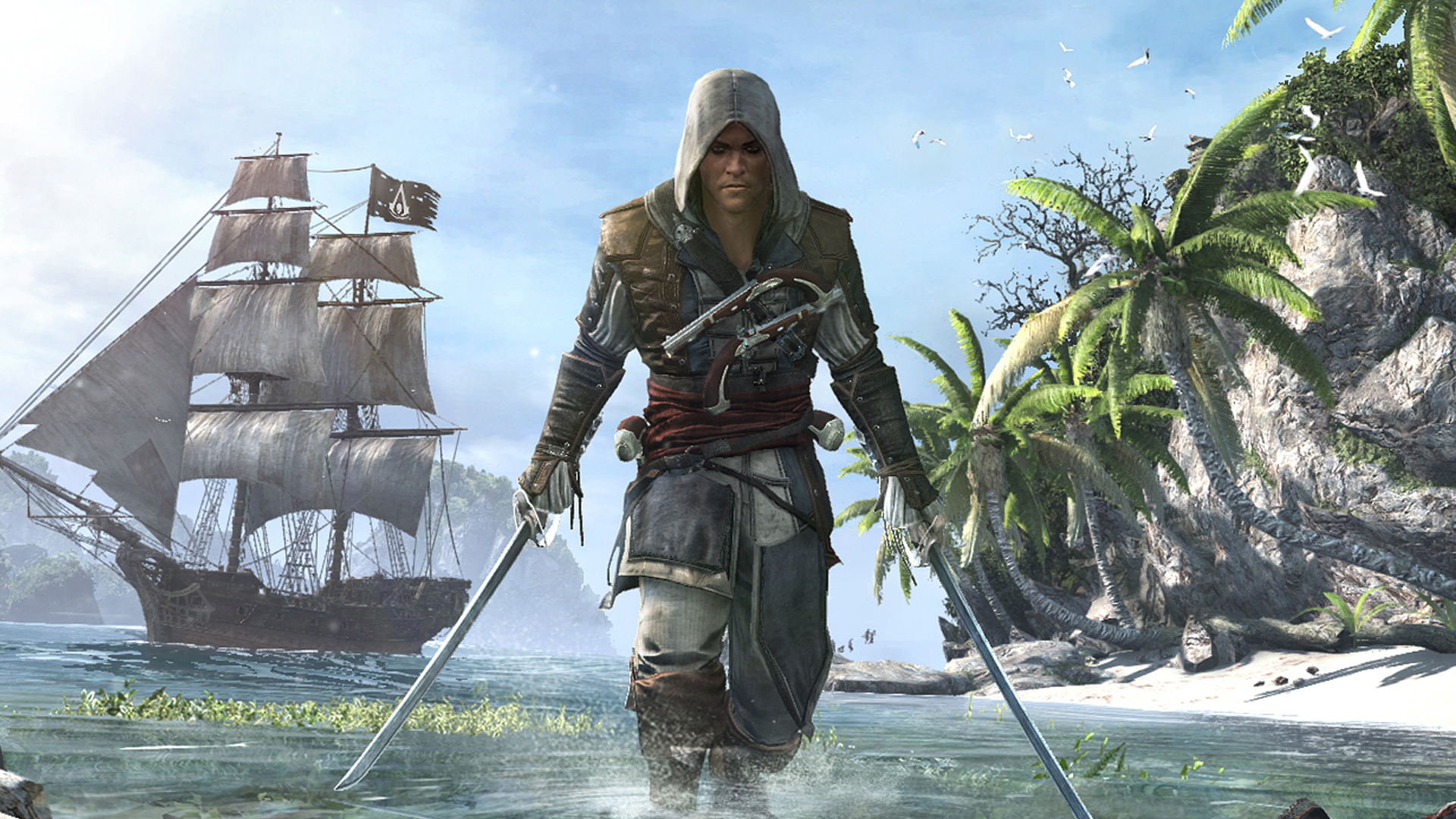
If you ask an Assassin’s Creed fan what their favorite game of the series is, Assassin’s Creed: Black Flag will likely be one of the top contenders. Because of its reputation, gamers are constantly asking for a remake of the popular pirate simulator. Now, the dream is finally here. Ubisoft has confirmed that a remake, called Assassin’s Creed: Black Flag Resynced, is coming.
Released in 2013, Assassin’s Creed: Black Flag saw the journey of Edward Kenway, a vagabond pirate haplessly thrust into life as part of the Assassin Brotherhood against his will. The critically acclaimed game was something that all gamers have been clamoring for since Sid Meier’s Pirates: a true pirate simulator. It was no surprise that the game got as popular as it did.
Today, through an official roadmap shared by the company, Ubisoft has confirmed that Assassin’s Creed: Black Flag Resynced is real, and it might launch later this year. The company also released the first concept art for the remake.
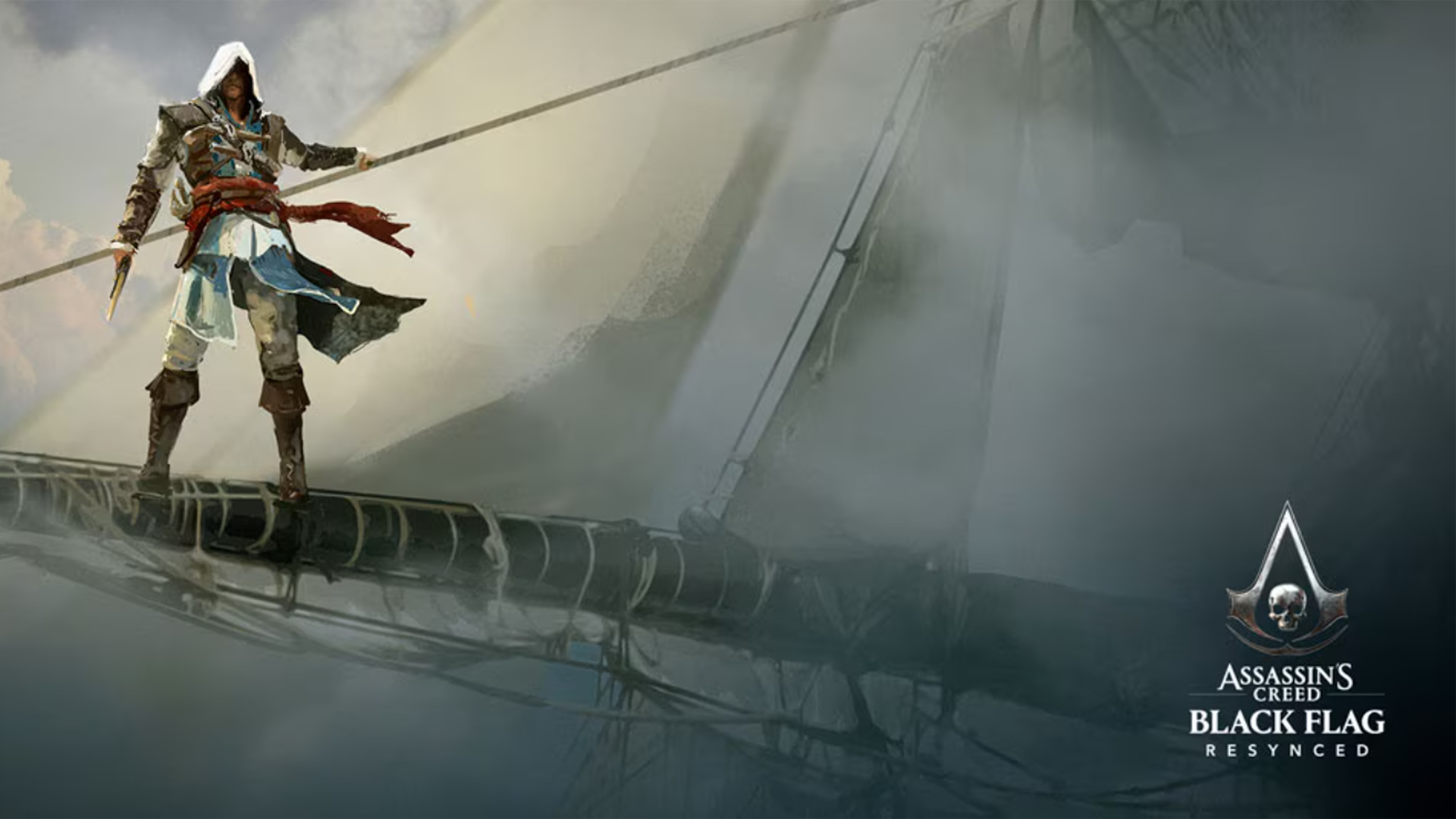
Currently, there’s no official word as to how Ubisoft is remaking the game. At the very least, we can expect significant graphical upgrades to put it up to par with the modern games. We wouldn’t be opposed to more stories and missions too.
Now, though the Black Flag remake is already a big deal, the same roadmap also emphasizes that Codename Hexe, the next mainline title, is still coming. Ubisoft hasn’t confirmed the actual timeline yet, but the game will depict “a pivotal moment in history.” With post-launch development for the ongoing Shadows winding down, efforts to launch Codename Hexe should be ramping up soon.
SEE ALSO: Assassin’s Creed Shadows gets Attack on Titan-themed content
Gaming
PlayStation will stop releasing its games on PC
A new reports suggests that Sony is going back to console exclusives.
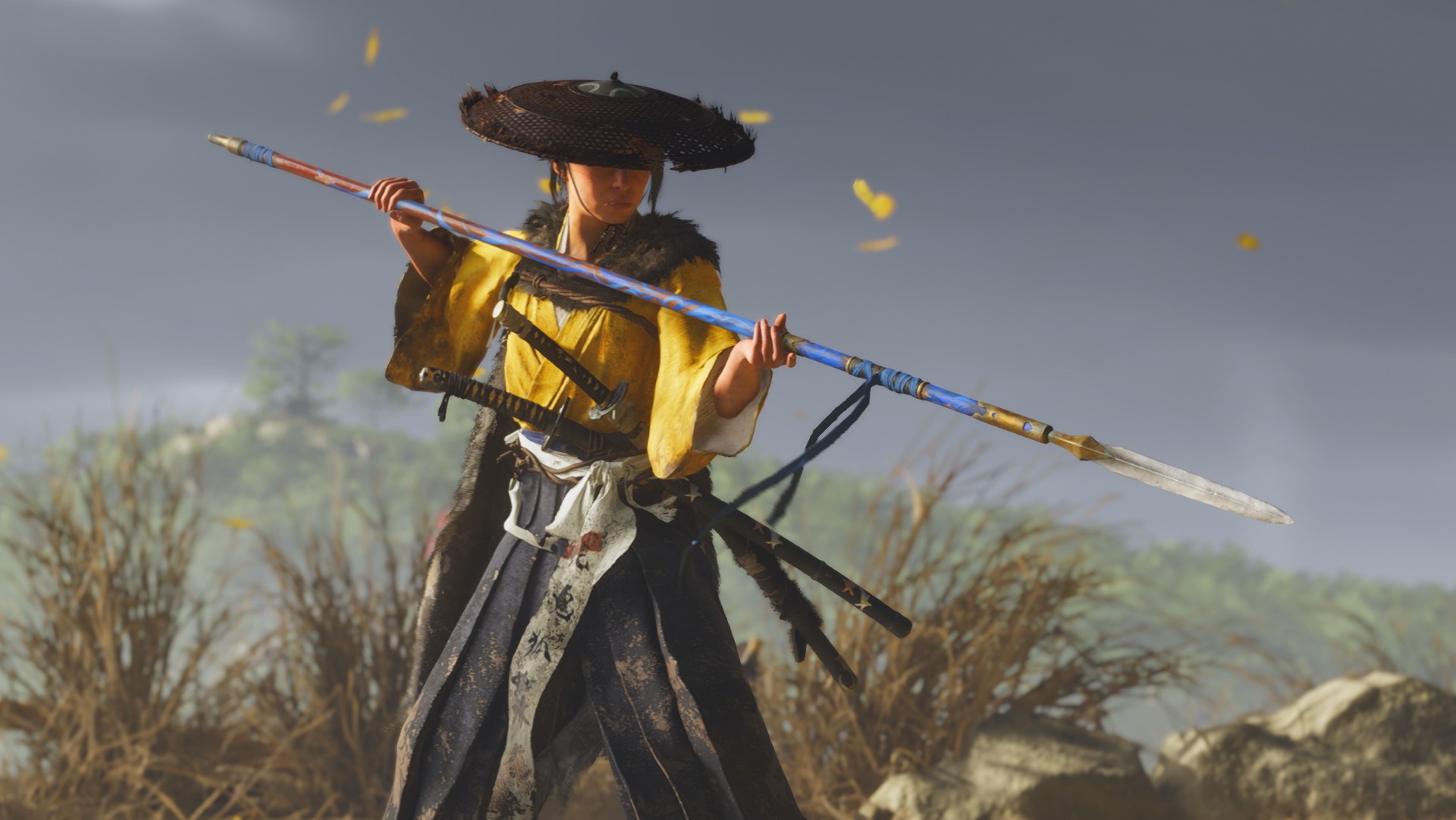
PC-only gamers have been eating well for the past few years. The formerly exclusive PlayStation library opened its gates and released worthy ports for PC. Unfortunately, Sony is putting an end to this short-lived era of openness to PC gamers. According to a new report, the company is once again making first-party PlayStation games exclusive to the console.
During the pandemic, Sony started releasing its critically acclaimed first-party games on PC. The new wave saw gamers get the ability to play titles such as Horizon Zero Dawn, The Last of Us, Marvel’s Spider-Man, and God of War on another platform. Even now, players are still eagerly awaiting the PC launch of Death Stranding 2, due out later this year.
However, as reported by Bloomberg’s Jason Schreier, Sony has just had a change of heart and will no longer release any more games on the PC, beyond those already confirmed for future launches.
This will mean that last year’s Ghost of Yotei and the upcoming Saros will remain PlayStation exclusives for the foreseeable future.
It’s a big change to Sony’s direction. However, it’s not without its precedents. For one, Microsoft has started to compete in the non-exclusive market. The company is already set to launch Fable and Forza Horizon 6 on other platforms, including PC and PlayStation, concurrently with the Xbox launch. To compare, PlayStation still waits a long time before launching exclusive games on PC.
Also, now that rumors have begun to speak of a fabled PlayStation 6, Sony might want to keep things close to its chest for now. After all, selling the console might be its top priority for now.
SEE ALSO: PlayStation 6 reportedly delayed to 2029 because of RAM shortage
-

 News1 week ago
Xiaomi 17 Ultra is now available outside China
-

 MWC 20265 days ago
TECNO showcases cool concepts at MWC 2026
-

 MWC 20261 week ago
TECNO resurrects modular phones with this new concept
-

 Reviews1 week ago
Xiaomi Pad 8 review: Slab that slaps!
-
 MWC 20264 days ago
TECNO launches the all-new CAMON 50 series
-

 Reviews1 week ago
Forget the Phone: Xiaomi 17 Ultra Is A CAMERA!
-
 Reviews4 days ago
TECNO CAMON 50 Ultra review: End of an era?
-

 MWC 20263 days ago
Infinix NOTE 60 Ultra makes a motorsport-inspired debut