
Automotive
People now more open to owning electric vehicles – Study
A sustainable future is the primary factor for consideration

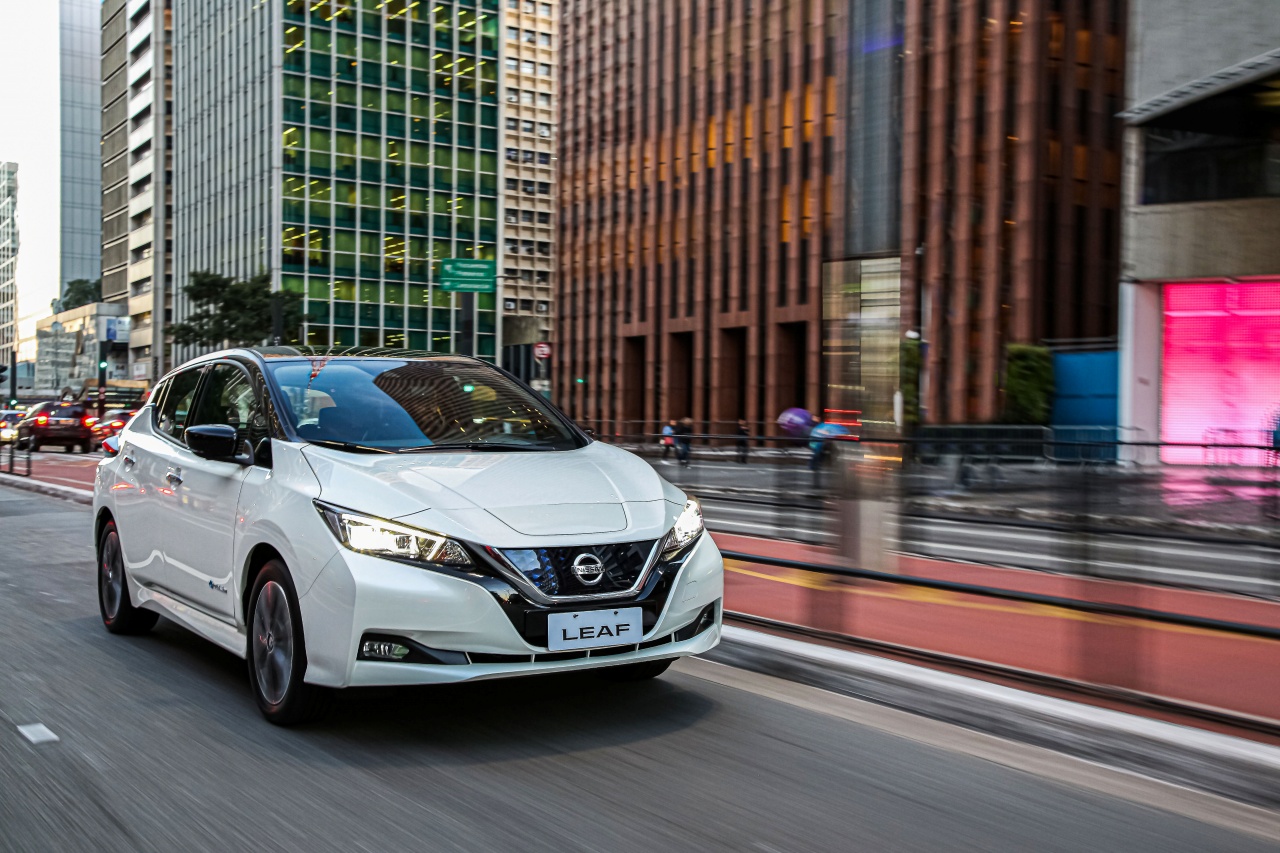
A new study shows that people in Southeast Asia continue to be highly enthusiastic about owning an electrified vehicle. It’s largely driven by a growing need to create a more sustainable future.
The second edition of the Nissan-commissioned study by Frost & Sullivan, titled “The Future of Electrified Vehicles in Southeast Asia” was released today during “Nissan FUTURES – Electrification and Beyond”, a virtual gathering of industry leaders, government officials and media.
Consumer research in Thailand, the Philippines, Indonesia, Malaysia, Vietnam and Singapore reveals that nearly two-thirds (64%) of respondents across Southeast Asia say they are more willing to consider an electrified vehicle than they were five years ago. 66% of consumers across the region believe they will inevitably adopt electrified mobility as part of their lives in the near future.
According to the study, 45% of Filipino car drivers state they would certainly consider an electrified vehicle as their next car purchase within the next three years. The positive impact to the environment is the most motivating factor for Filipinos to buy an electrified vehicle, as 46% of respondents — the highest in the region — feel strongly about the environment and climate change.
Contribution to a greener future
The study also unveils growing environmental awareness across Southeast Asia, with respondents believing that their adoption of an electrified vehicle would undoubtedly contribute to environmental protection. In 2020, 38% of regional respondents can be classified as ‘environmentalists’, compared to 34% in a similar research in 2018.
This group of consumers is driven by strong environmental awareness and climate change concerns. They view electrified vehicle use as a way to do their bit for the environment.
81% of study respondents across the region mentioned that their choice would be significantly influenced by different power sources. This care for the environment was found to be most important to consumers in the Philippines and Thailand.
Barriers for adoption reduced
The fear of running out of power before arriving at the charging station (48%) continues to be the most significant barrier in the adoption of an electrified vehicle across the region. While barriers remain, consumers are more enthusiastic about the adoption of electrified vehicles.
In line with the 2018 findings, over three-quarters of the recent study respondents (77%) indicate that tax benefits and installation of charging stations at apartment buildings (75%) are the top-2 incentives for them to switch to an electrified vehicle. For Filipinos to make that switch to EVs, survey respondents identify tax incentives (80%), charging infrastructure in residential areas (77%), and priority lanes for EVs (52%) as top incentives for that move. This demonstrates the ongoing need for car manufacturers, policy makers and private parties to collaborate to spur the adoption of electrified mobility.
About the study
The study “The Future of Electrified Vehicles in Southeast Asia” was conducted by Frost & Sullivan in September 2020 in six ASEAN markets: Indonesia, Malaysia, Singapore, Thailand, the Philippines and Vietnam. The findings are based on 3,000 online customer responses among car drivers in select cities, to understand customers’ awareness, attitudes, behavior and perceptions towards electrified vehicles. “Electrified vehicle” in this study means battery electric vehicle, plug-in hybrid electric vehicle and e-POWER. It excludes full hybrid vehicles. The research is a follow-up from a study conducted in January 2018.
This is a press release from Nissan





Automotive
BYD’s high-end brand Denza launches in the Philippines
The debut starts with the Denza D9, a full-size MPV.

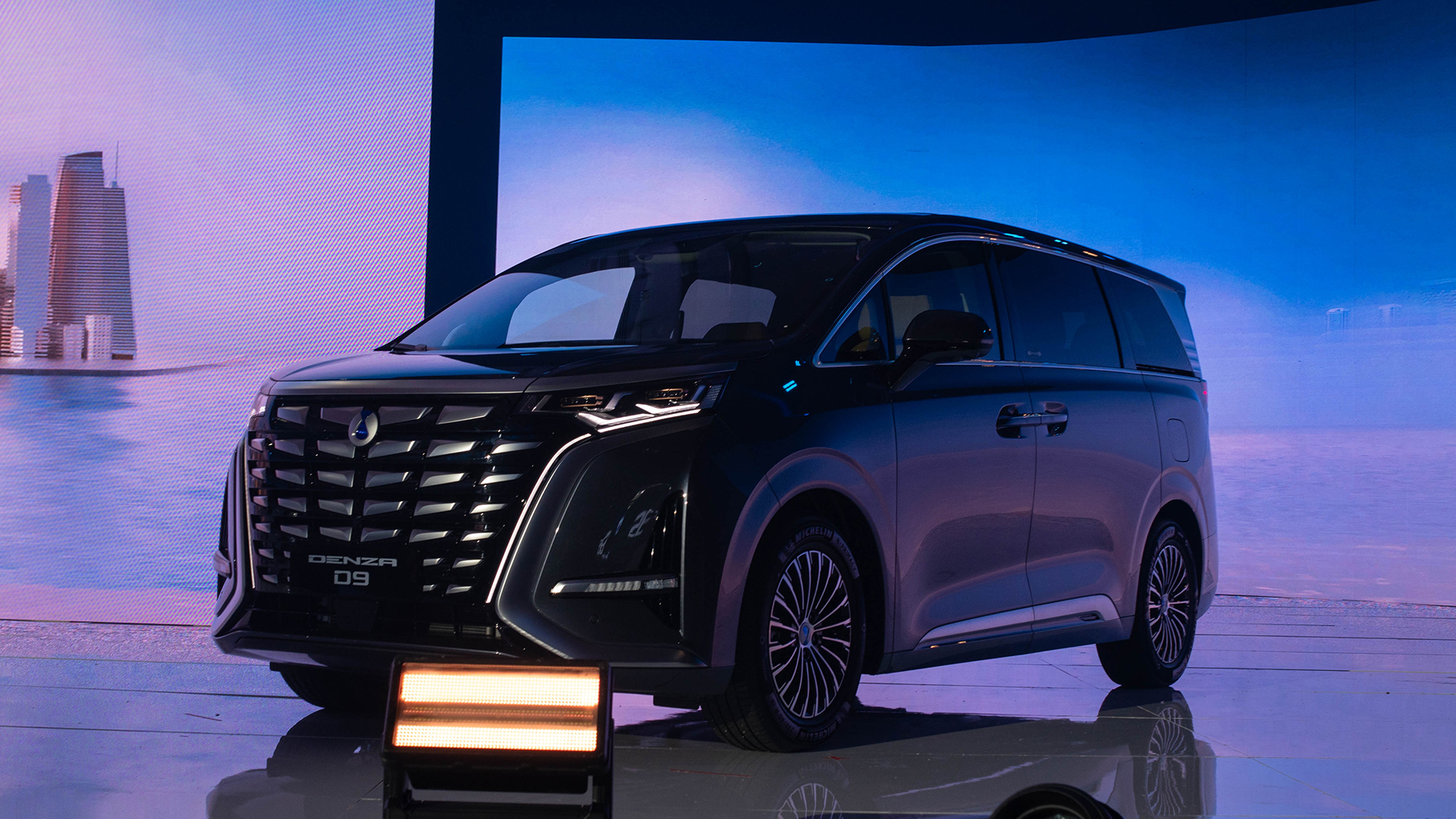
The BYD family in the Philippines just got bigger. After testing the waters and succeeding gracefully with the main brand, the Chinese automotive company is bringing in a new brand to the country: Denza.
Denza started off as a brand co-owned by both BYD and Mercedes-Benz (then known as Daimler). BYD’s meteoric success eventually led to Denza’s concurrent rise as well. Eventually, Mercedes-Benz relinquished all but 10 percent of the brand’s total shares to BYD in 2021. Then, in 2024, the German company withdrew entirely, leading to Denza being completely owned by BYD today.
The brand is known for delivering high-end PHEVs to several markets, which now includes the Philippines. The stint will start off with its ever-popular full-size MPV, the Denza D9.
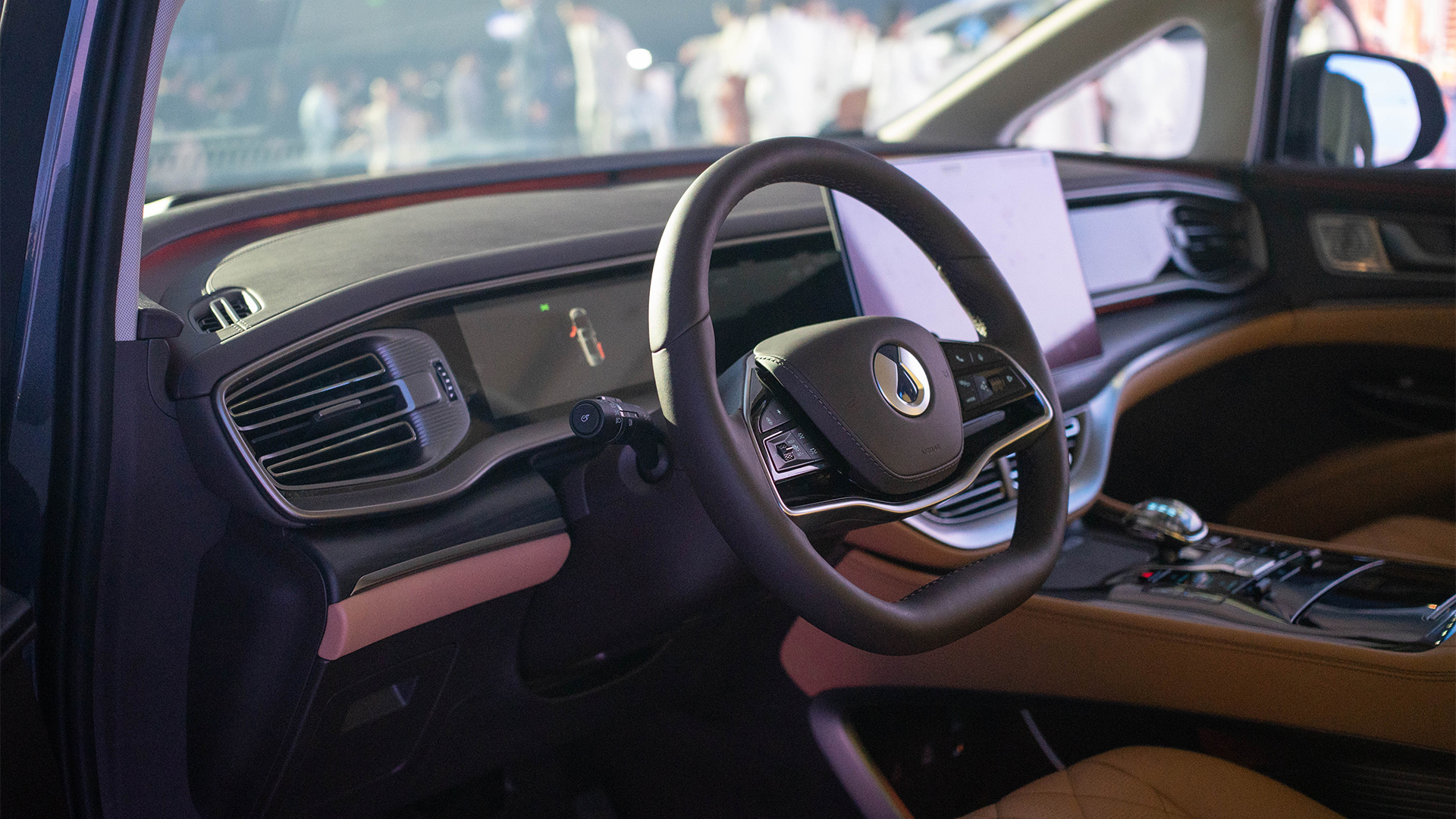
Introducing the Denza D9
Prior to today’s launch, I already saw the Denza D9 plowing through the streets. The sizable MPV already made quite an impression, to say the least.
Up close, the Denza D9 has a bold front fascia, exuding modern elegance and sleek body lines.
Inside, the car prioritizes comfort for all passengers with luxurious captain seats. Those seats feature a ten-way electric adjustment six-way adjustable headrests, and leg rests. They also come with seat ventilation to get through an intensely sunny day. Finally, each seat comes its own LED panel for maximum control.
The DiSus system keeps the car balanced throughout any situation. The drive will remain comfortable even during high-speed cornering, full-throttle acceleration, and sudden braking. It will also come with nine airbags to keep all passengers protected.
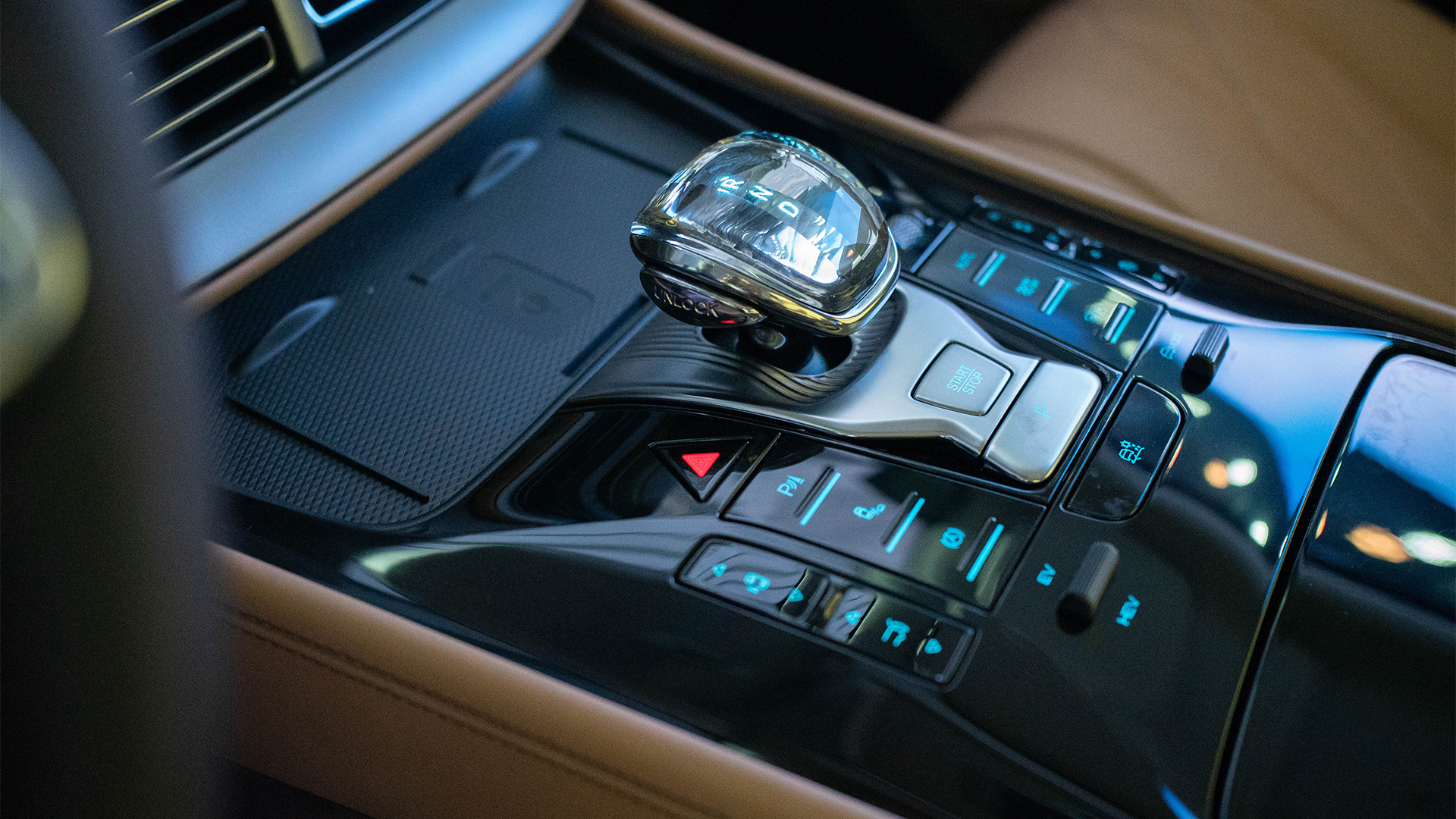
Price, availability
The Denza D9 is available now in Cosmos Black, Arctic White, Whale Sea Blue, and Starry Sky Grey. It will cost PhP 4,298,000.
Additionally, the MPV will have an exclusive premiere price of PhP 3,998,000 for the first 300 customers.
Automotive
VinFast updates battery subscription policy for large upfront savings
Up to 20% upfront savings with a battery subscription model
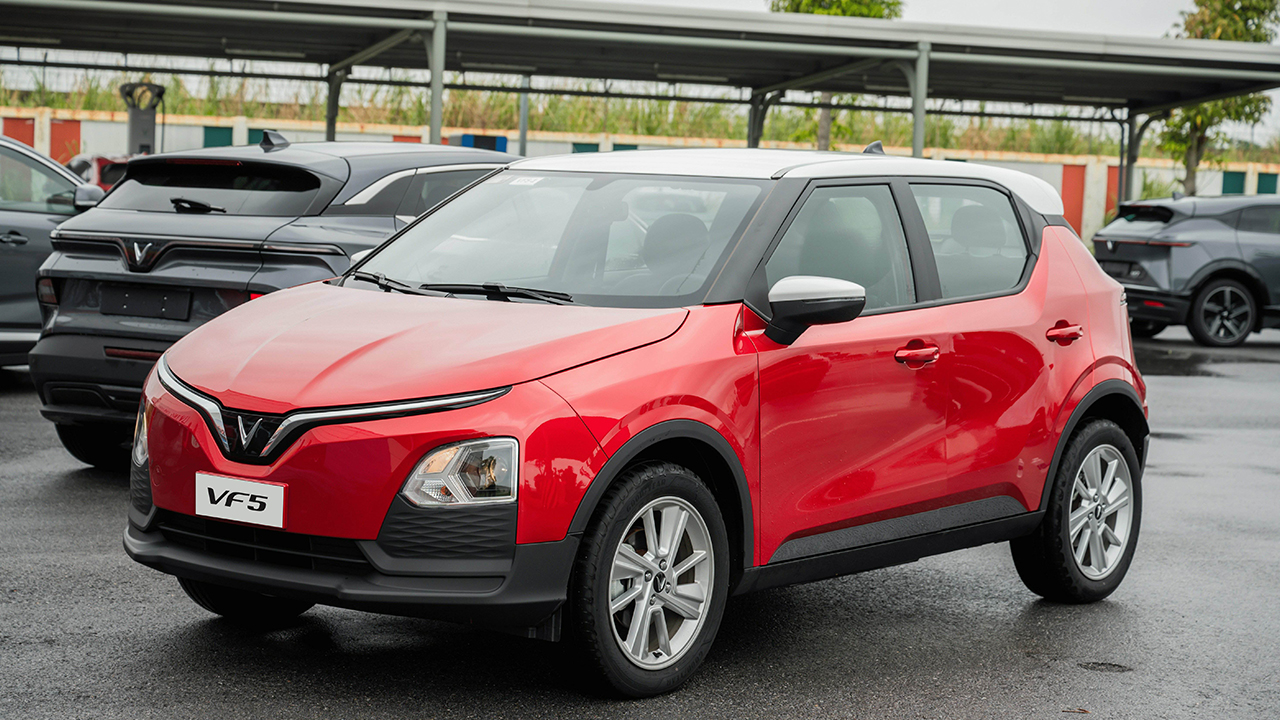
VinFast has updated its battery subscription policy for the Philippine market, offering consumers up to 20% savings in upfront costs.
In addition to the traditional vehicle purchase with battery included, customers can own a VinFast EV under a battery subscription model.
This option offers a more attractive initial investment, with upfront costs reduced by up to 20% — depending on the model.
Battery subscription fees are applied flexibly, starting from PhP 1,600 per month, based on actual distance.
For instance, the VinFast VF3 can be purchased at PhP 590,000 under the battery subscription model rather than PhP 745,000. The monthly subscription fee then starts at PhP 1,600.
Meanwhile, for the VF6 and above variants, the monthly costs start at PhP 2,350. Customers can also save more than PhP 1.5 million on the VF 9 Plus.
Flexible financial tool
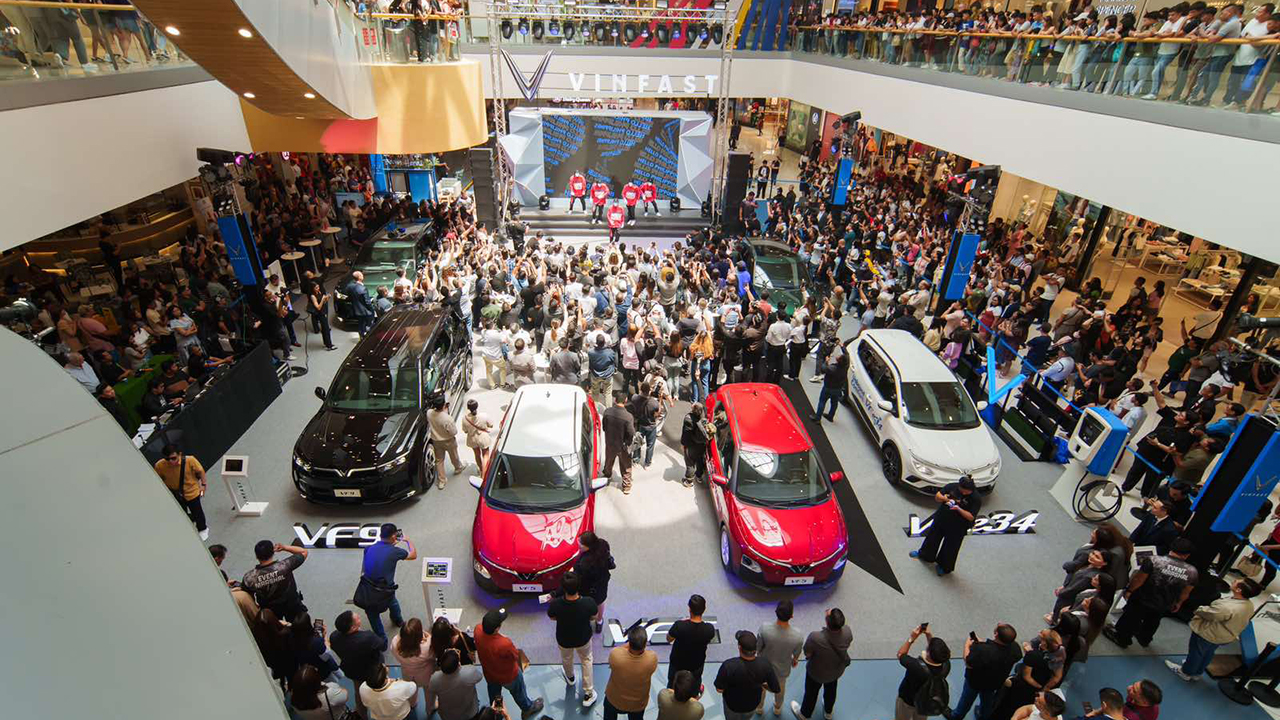
Positioned as a “lifetime battery warranty” solution, the battery subscription policy is a flexible financial tool that optimizes cash flow. It is likewise a long-term commitment to consumers.
VinFast assumes full responsibility for battery performance throughout the subscription period. This includes maintenance, repairs, and free replacement when battery capacity drops below 70 percent.
In the event of battery damage caused by an accident, VinFast will handle the issue under the battery subscription policy. This helps minimize financial risks for customers.
The pioneering policy reinforces VinFast’s customer-centric commitment, advancing green mobility in the market.
Meanwhile, customers who opt for the traditional vehicle purchase with battery included, VinFast can still offer comprehensive aftersales benefits. This includes a battery warranty of up to 10 years or 200,000 kilometers.
The dual approach allows interested consumers to be in control of the ownership model that best suits their needs and personal financial capabilities.

BYD Group premium sub-brand DENZA is officially entering the Philippine market.
The move marks a strategic shift to capture the luxury “new energy vehicle” (NEV) segment, beyond the company’s existing mass-market offerings.
This expansion follows a period of rapid growth for BYD in the Philippines under its distributor, ACMobility.
By introducing DENZA, the group aims to offer a tiered ecosystem of electrified transport that ranges from budget-friendly options to high-output luxury ones.
The sub-brand’s initial lineup could possibly include the high-end MPV, DENZA D9.
It features a triple-motor system and high-capacity batteries that provide significant electric-only range before the gasoline generator engages.
Potentially, SUVs DENZA B5 and DENZA B8 will also be introduced locally, positioned as plug-in hybrid EVs.
Offerings under the DENZA sub-brand will be distributed locally by BYD Philippines Corp.
Advanced technology, comfort
DENZA’s entry focuses on “passenger-centric engineering” rather than traditional luxury excess.
The vehicles will feature two of BYD’s flagship technologies: the DiSus system and e3 platform.
The first is an intelligent body control system that manages vehicle motion to balance executive-level ride comfort with sharp handling.
Meanwhile, the e3 Platform is a high-performance architecture utilizing a three-motor drivetrain.
This setup lets drivers pull off advanced maneuvers such as “crab-walking” and “compass turns,” while enhancing stability during high-speed travel or emergency situations.
Strategic presence
DENZA will establish a dedicated retail network separate from standard BYD showrooms to support its positioning.
The sub-brand is planning four initial locations in Makati, Greenhills, Alabang, and Cebu.
Once it officially rolls out, DENZA expects to compete against luxury vans like the Toyota Alphard and Lexus LM.





Forget the Phone: Xiaomi 17 Ultra Is A CAMERA!

Xiaomi Pad 8 review: Slab that slaps!

Xiaomi 17 Ultra is now available outside China

The Xiaomi Pad 8 series is now official

Samsung Galaxy S26 Ultra OLED receives Privacy Display verification


-
 News6 hours ago
Xiaomi 17 Ultra is now available outside China
-

 Accessories2 weeks ago
Apple AirTag 2 Review
-
 Camera Walkthrough1 week ago
OPPO Reno15 Pro: Camera Review
-
 First Look2 weeks ago
Match Pulse: Infinix NOTE 60 Pro
-

 Cameras1 week ago
Osmo Pocket 4 makes a surprising appearance in public
-

 Gaming2 weeks ago
Star Wars: Galactic Racer shows off new gameplay at State of Play
-

 Gaming1 week ago
LG unveils UltraGear evo, redefines 5K gaming with AI Upscaling
-

 News1 week ago
iPhone 17 Pro Max is somehow the most traded-in phone today