
Reviews
Nokia C1 review: You get what you pay for
A surprisingly affordable Android Go smartphone


The competition in the budget smartphone segment is intense. Every month, smartphone companies churn out budget devices that appeal to people that don’t exactly have plenty of cash to spare. While most Chinese tech companies have already perfected the formula for a winning budget device, others are still getting there.
That is the case with the Nokia C1. While the asking price of this phone is surprising, the features that come with it may not impress some people. However, it’s better to expect what you’re getting for a phone that costs less than PhP 3,000. Using this is a matter of moderating one’s expectations. After all, this is an entry-level phone.

So, what can you expect from Nokia C1?
No-nonsense design
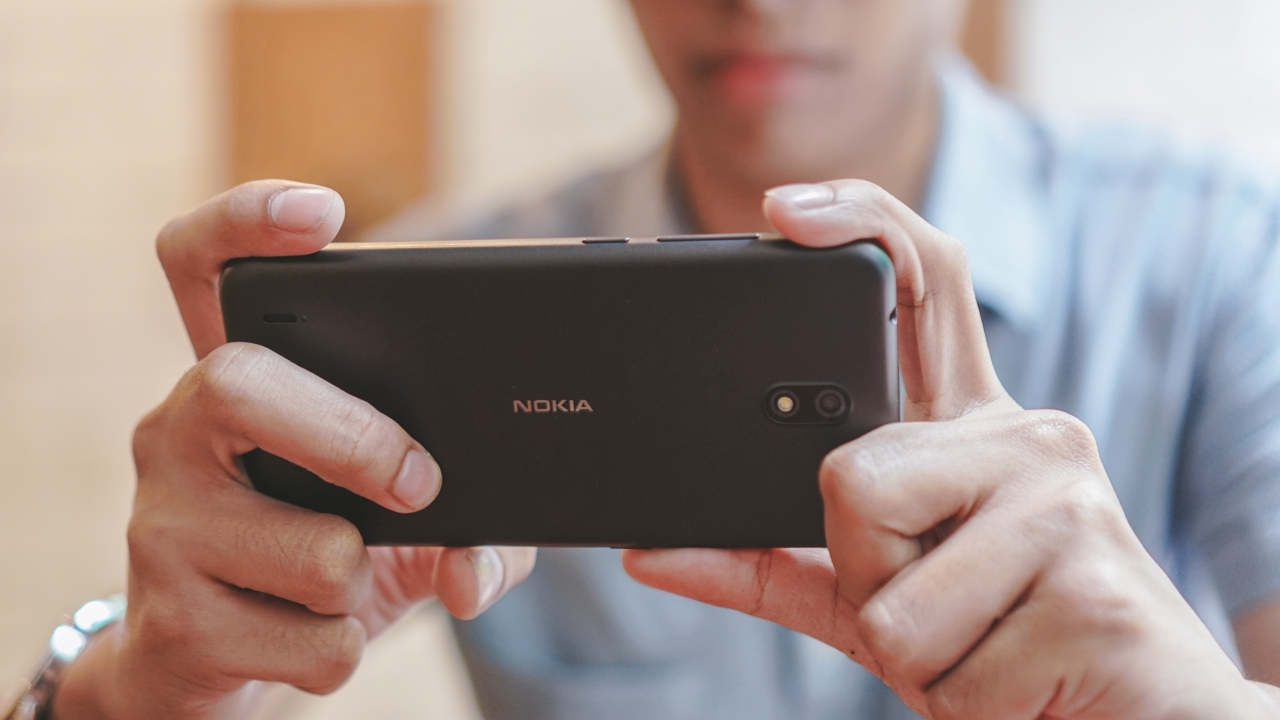
Here’s one way to put Nokia C1’s design: it’s simple and refreshingly bland. I said refreshingly bland because this device is a break from the gradient design of most phones out there. It may not be flashy, but its simple, monotone-back design is a striking change in a sea of smartphones with enormous camera bumps and gradient backs.
Plus, there’s much to love with the Nokia C1 in black. It’s discreet, and you can see the signature Nokia logo stand out. As a bonus feature, the phone doesn’t have a camera hump. Nokia positioned the rear camera in the upper center of the device. Honestly, I prefer this camera positioning over other phones released recently — including flagship ones.
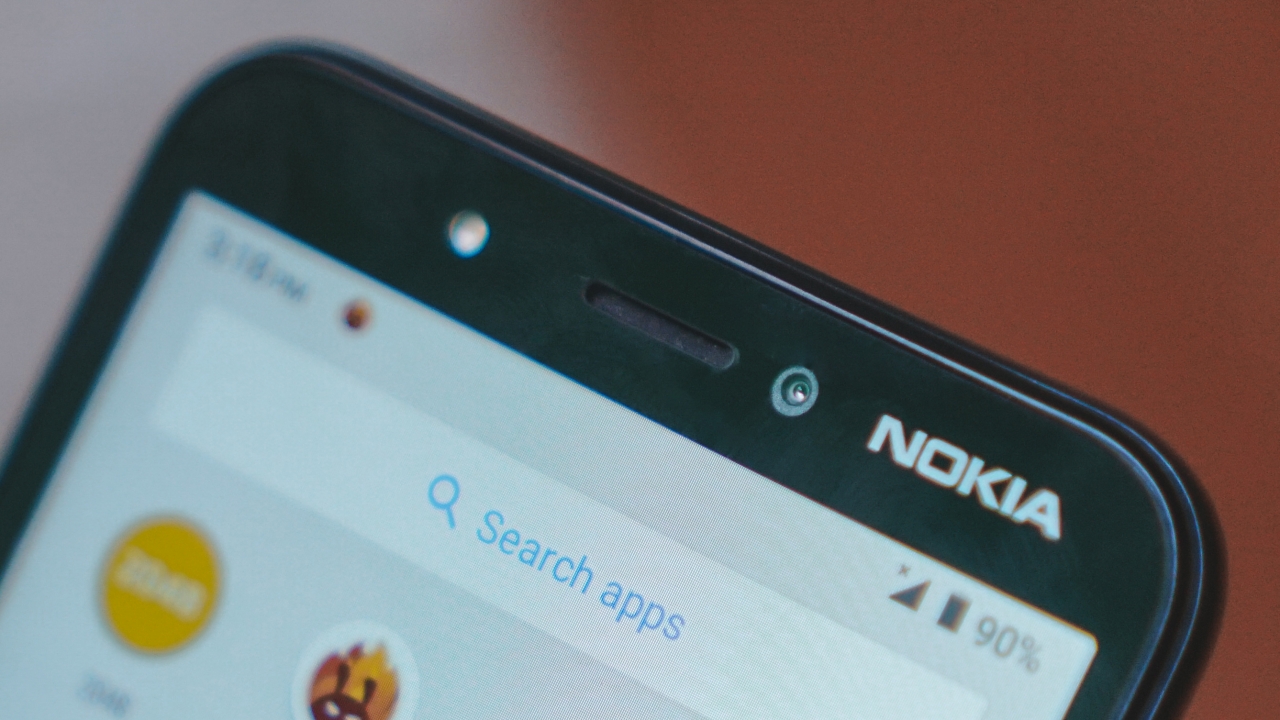
Moving over to the front, you will see bezels that pale in comparison to this year’s smartphones. It’s fine. I don’t mind the bezel at all when they’re so symmetrically positioned. If you hate notches in smartphones so much, you’ll find consolation in the lack of one. The top bezel houses the loudspeaker, a camera flash, and the Nokia logo (again). Nokia really wants to remind you that it made this phone.
So-so display
Nokia’s latest budget entry is a step behind this department since most devices today feature an HD+ display as a bare minimum. The display, owing to its low 960 x 480 resolution, is literally blurry. I can almost see the individual pixels on this device when I look at it from a close distance.

As a cost-cutting measure, Nokia put an IPS LCD panel instead of an AMOLED panel. Blacks appear as a washed-out gray color, and there’s not much to talk about the display’s color saturation. The display’s brightness is fine as long as you don’t plan to use the device in direct sunlight.
Performance that can’t keep up with the times
Disappointingly, Nokia C1’s performance can’t keep up with the times. Nokia hasn’t specified exactly what processor was used for the phone. That doesn’t matter, however, as the device’s processor is just enough for light smartphone usage. It’s powered by the lightweight Android Go OS, but you’ll hardly see any differences compared to a full-fledged Android.
Since this is an Android Go Edition device, you’ll spend a lot of time with lite editions of Google apps. These lite apps — Google Go, Gmail Go, Maps Go, YouTube Go — come preinstalled. Plus, Google recommends the lite version of popular apps when you search in the Play Store.

There’s a reason why I think you will need to download lite versions of popular apps for this device. No, it’s not the storage — the 16GB of storage, while inadequate, can be expanded with a MicroSD card. What is not enough, however, is the amount of RAM this device wields.
With only 1GB of RAM, you’ll surely be looking at a blank screen for a few seconds before an app opens. There is a considerable lag with app animations, and certain tasks take minutes to finish.
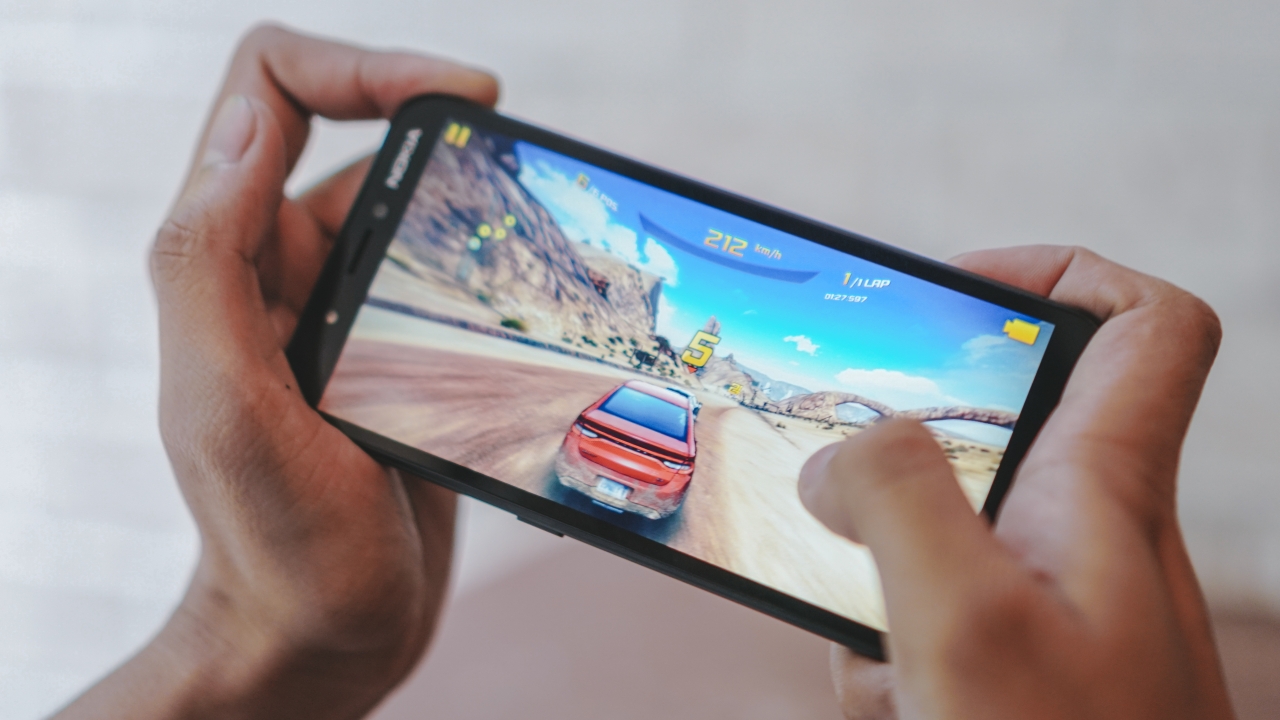
Don’t expect to game on this device too. The weak processor combined with a little amount of RAM is an indication that this is not built for gaming. For me, the device is fine for a casual gaming session. Surprisingly, the device handled Asphalt 8 on low to medium settings just fine.
Connectivity is also an issue. I’m really annoyed that Nokia didn’t even bother to include 4G connectivity since most networks around the globe now support 4G as a bare minimum. So, you will be stuck between 2G or 3G all the time with this device.
Low-quality cameras for an occasional snap
Nokia C1’s price accurately reflects the state of its cameras. In the back, you’ll find a 5MP snapper and an LED flash. Yes, there are no fancy telephoto or ultra-wide-cameras here. The low-res wide-angle camera shoots images and videos that come straight from a phone of a bygone era. Simply put, the images taken by this device are worse.
Most of the time, daytime shots are blurry. In this image taken on a gloomy weather, I can’t easily determine the finer details in the grass. Details are smeared — honestly, the images look like an oil painting. There is not enough saturation, and the colors are all washed out. Dynamic range is absent, and noise is visibly present.

Shooting at night? Forget it, since the shots taken at night is just unusable. The camera’s low resolution is much evident when shooting in a darker environment. Fine details are absent, and the colors are washed-out. Noise is also visible all throughout.

The device’s selfie camera also tells the same story as its rear camera. Even though I don’t usually take selfies, I can tell from the photos that it carried the weakness of the rear cameras into the front. Plus, there is no option to shoot bokeh portraits.
-

- Indoor selfie
-

- Outdoor selfie
In the end, I don’t recommend taking a picture with Nokia C1 unless you don’t mind capturing low-res, washed-out photos every day.
Dismal battery life
For a device packing entry-level specs, you would expect Nokia to bundle a large battery as a consolation. However, that is not the case since the Nokia C1 packs a dismal 2500mAh battery. I found out that the device lasts for a day on a normal usage scenario. I defined normal usage scenario here as light browsing on the Internet, streaming Netflix or YouTube videos, and responding to messages and calls.
Don’t rely on the device to last you a day if you’ll do some gaming here though. Games typically consume two to three percent of the battery after a minute or so.
Charging is also a disappointing experience. Remember, this is an entry-level device, so fast-charging had to be left out in order to save cost. As a result, charging from 20% to 100% will take a painfully slow four hours.

Do remember, however, that it does come with a removable battery. So, you can just swap an extra battery when you’re low on juice. Still, who removes their smartphone batteries in this day and age?
MicroUSB and a trusty headphone jack

Instead of adopting USB-C connectors for Nokia C1, the company decided to stay behind and put a MicroUSB instead. That’s not an issue if you have a lot of MicroUSB cables lying around, but most people are now adapting to a world where USB-C is the norm. Maybe, in future iterations of this device, we can expect a USB-C connector. But for now, we have to be content with what Nokia provided for us.
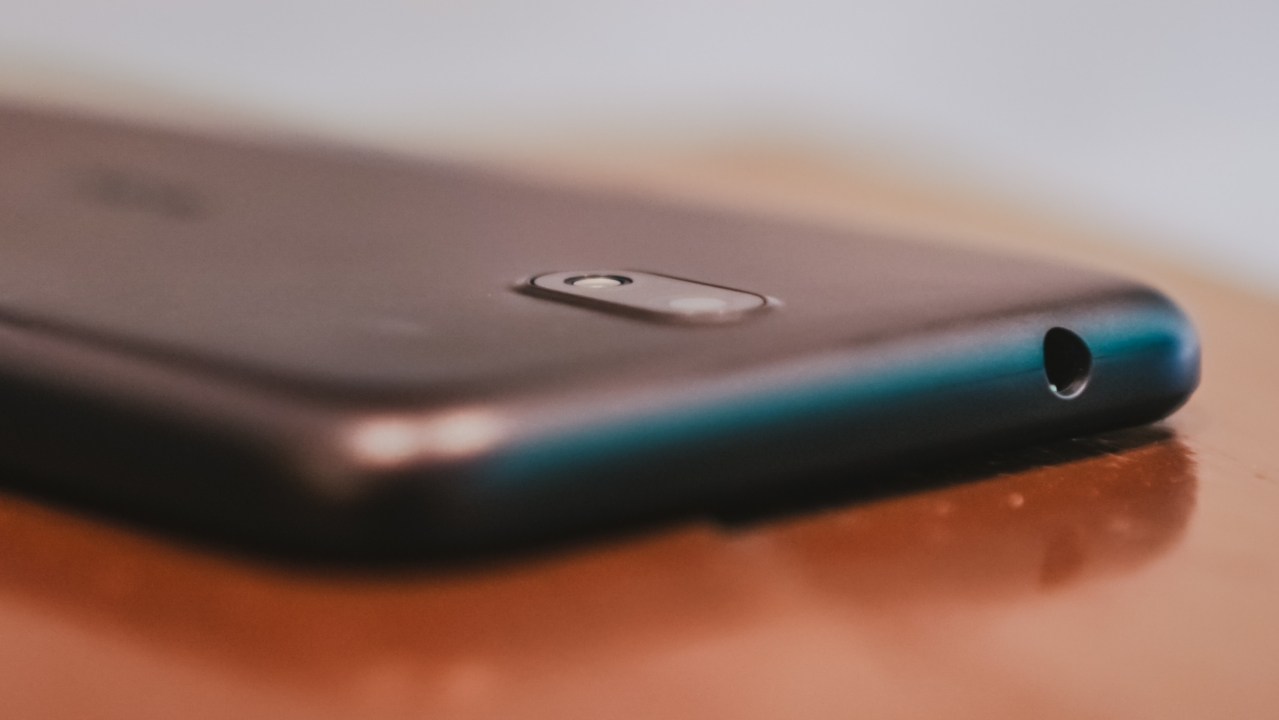
We have to give credit to Nokia though for retaining the headphone jack on its budget devices. At home, I still use a speaker that connects only through an AUX cable. The headphone jack reminds me of the long-lost convenience of simply connecting a cable and pressing “play” on a device. Nowadays, I use a Bluetooth headphone and adapter to listen to music, and I can tell you that it’s not convenient sometimes.
Is this your GadgetMatch?

If there’s any saving grace to this device at all, it will be its asking price. Nokia C1 starts at a jaw-dropping PhP 2,990. For an Android Go smartphone, this is a fair asking price. The price alone is enough for those with a very tight budget to forget its shortcomings. Tempering your expectations is a must for something marketed with a super-low price.
Honestly, I think the Nokia C1 makes a nice throw-away/back-up phone too. As an Android smartphone, you can download popular apps and make sure that you’re not missing out on anything. The feature list of this device is respectable, and you’re better off buying this phone than any other feature phone if you’re looking for a back-up.
Overall, the Nokia C1 is a capable entry-level phone that carries a super low price to attract first-time cash-strapped buyers. However, buyers who can afford a bigger budget must look elsewhere for their next smartphone.


Microphones turned into essentials during the pandemic. It became impossible — or at least, unprofessional — to hold video calls while sounding like a garbled airport intercom. Personally, I chose the Blue Yeti, an affordable USB mic, for my setup. Times can quickly change, though. A microphone that seems perfect for the pandemic era might not fly as high today. So, when I got the new BOYA Magic, it felt like getting a much-needed patch.
Not a one-hit wonder
The unfortunate aspect of most microphones today is their lack of versatility. A desktop mic, for example, is usually took big to use for an outdoor interview. It’s also too much of a hassle to set up a lapel mic for desktop recording.
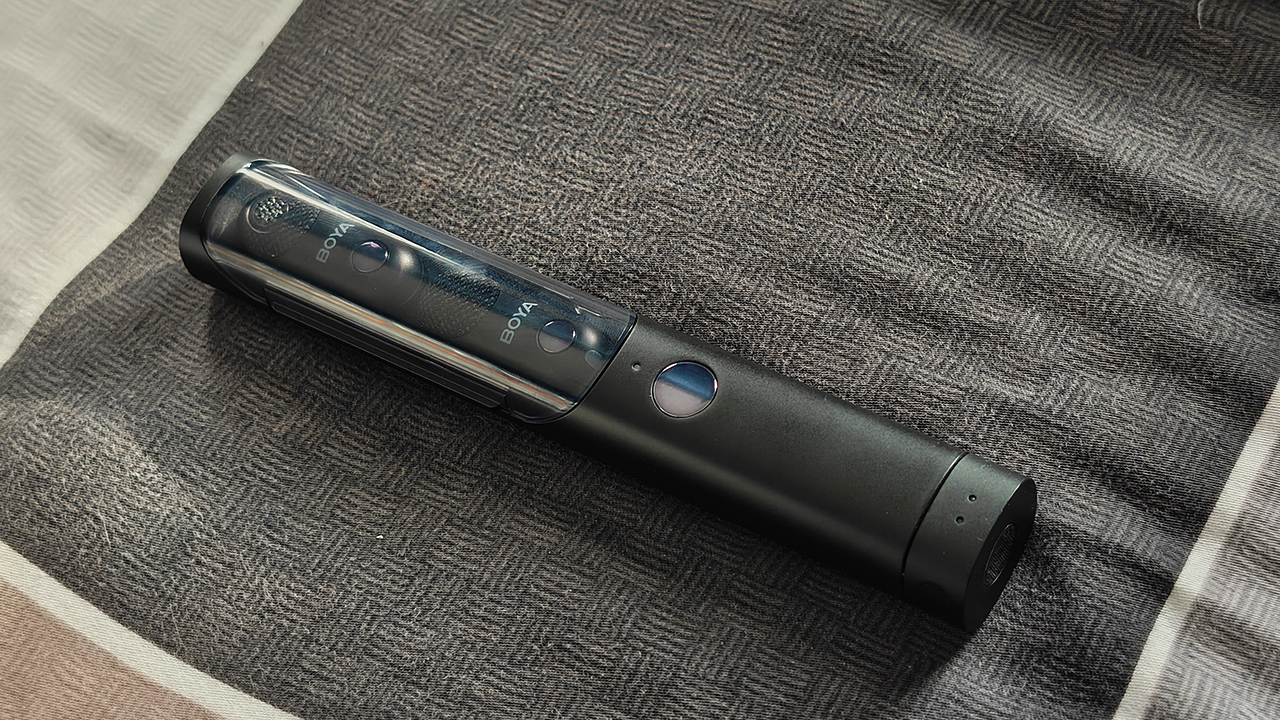
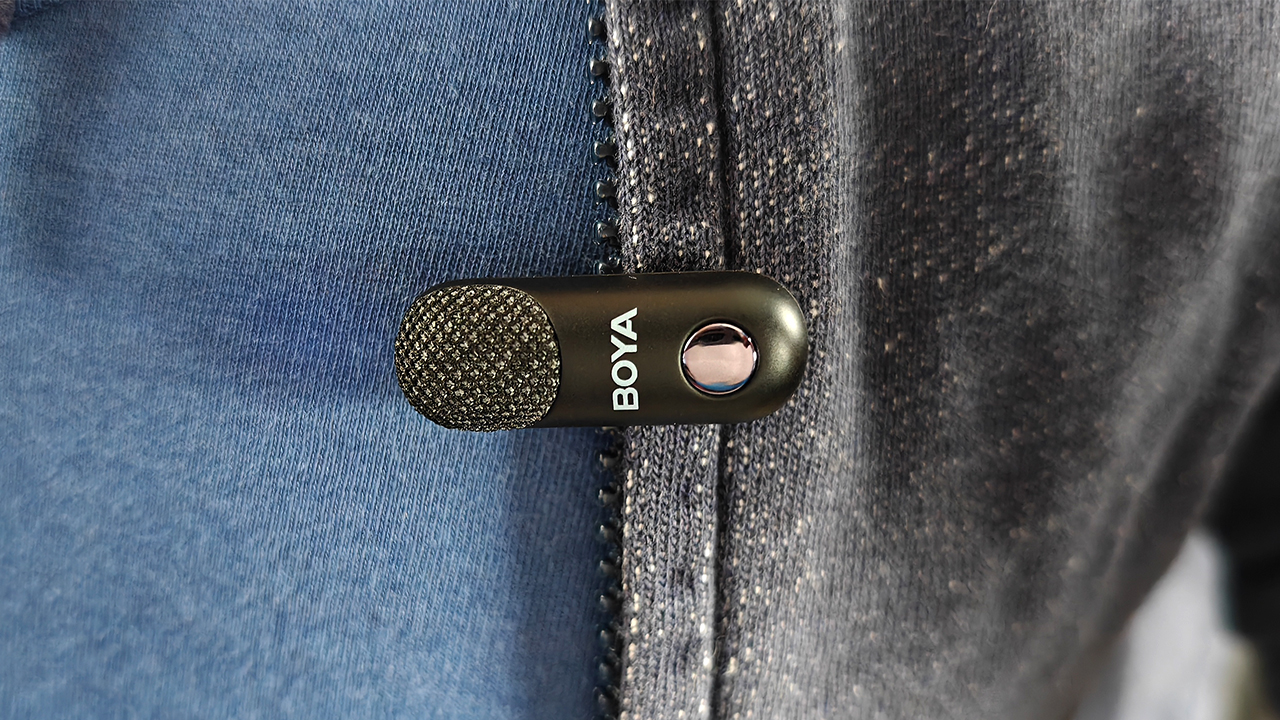
That said, the BOYA Magic is a rare specimen. It can be used in four different ways: as a desktop mic, a handheld, a camera accessory, or a clip-on. To be fair, you still need an external accessory to access desktop and camera modes. Still, out of the box, you’re getting a charging case shaped like a handle, a series of receivers, and the mics themselves.
I’ve tried all four modes, and none of them felt like a halfhearted addition. Even the desktop mode, which should look clunky, still feels like it belongs. Both camera and clip-on modes are easy to set up. However, my absolute favorite is the handheld mode. As someone visibly irked at vloggers holding up tiny lapel mics at their interviewee’s faces, the BOYA’s handheld mode feels natural.

All the sleeves you’ll need
Out of the box, the BOYA Magic comes with four sleeves for noise and distortion. The charging case has a foam cover and a furry wind cover. There are also two furry covers for the two transmitters.
These four sleeves are a much-welcome addition to the package. Though they’re not absolute necessities, it’s nice to have windy and noisy situations covered in a pinch.
Besides the sleeves, the package also comes with a series of short cables to cover almost all uses. There’s also three receivers for USB-C, Lightning, and 3.5mm.
Can you believe that these all come inside a small pouch as big as a pencil case? Of course, the most portable option is still just the single charging case that some other brands have. But, for the accessories available, a small pouch is perfect.
Audio quality perfect for vloggers
One of my favorite places to shoot content is inside a café. For most of the products I review, a café is the most applicable place for real-world uses. Unfortunately, staying at a café has its drawbacks. Most notably, a café can get noisy because of chatty patrons and loud coffee machines.
When I shot a video using the BOYA Magic, the world around me just magically disappeared. The AI noise cancellation easily cuts out earsplitting blenders and outside screams. I conferred with our videographer, and he agrees; the mic needed no postproduction to get rid of noise. My voice was captured flawlessly for a full-length video.
It was also enough for desktop use. I tried the mic on for simple voice calls and multiplayer gaming. Installation was easy. Plus, it’s small enough, so I can replace my clunky Blue Yeti for this.
To be fair, placement is still a factor. There were some angles where the audio quality can dip. Then again, it’s light enough to physically pick up and speak directly into the mic. Just be careful not to blow your friends’ eardrums out. That said, this is more than enough for voice calls, podcasting, and casual recording sessions.
Some trouble connecting
There is one tiny thing to note, though. While I was recording something in clip-on mode, the camera I was using had a hard time connecting to both transmitters. It’s an odd contrast to how the BOYA Magic promises a quick and easy setup for devices.
I wasn’t able to replicate this again, so it might just be a one-off. You just need to note that it’s not immune to the occasional gremlin.
Enough for long shoots
Finally, the BOYA Magic promises six hours on a single charge. The charging case further extends this to 30 hours.
This is definitely a just-in-case thing. Under most scenarios, six hours is more than enough for a shooting session. But, if you do find yourself in that influencer life, the entire pack can last an entire days of being out and about. This is an essential for creators.
Is the BOYA Magic your InfluencerMatch?
I love the BOYA Magic. The 4-in-1 mic is easily the most versatile audio solution for any creator. The number of ways to use the mic easily trumps any other option today. Besides being a great mic, the package is also filled with several just-in-case accessories for the unpredictability of outdoor shoots.
Plus, the price is just right. The base package — with only a USB-C receiver — comes at only US$ 89.99. All three will set you back by US$ 129.99. The tripod, unfortunately, is a separate purchase, costing you US$ 30.00.
Still, just for the sheer flexibility and audio quality, the BOYA Magic is an easy Super Swipe.
Reviews
‘Quezon’ muddies the president’s legacy to inspire true change
It’s the movie that the country needs now.


Before reading, please beware of spoilers for Quezon.
Whenever the question of who the best President of the Philippines comes up, a name that often pops up is Manuel L. Quezon. The President of the Commonwealth is credited with numerous reforms during his time and the relentless quest to free the country from the yoke of American imperialism. So, when Quezon was named as the third and final hero in Jerrold Tarog’s Bayaniverse trilogy, it made all the sense in the world.
However, contrary to the hero-making of the past two films, Quezon takes a surprising approach by cutting the former President down to a more human size. It’s the deconstruction of a myth, albeit heavily helped by fictional narratives. Yet, despite the new approach, the film is just what the country needs now, as she faces a period of political strife.
Focus on the message, not the hero
The previous two films in the trilogy, Heneral Luna and Goyo, focus on war heroism hampered by political machinations. Quezon, on the other hand, leaves the revolution behind and transitions fully into political gamesmanship.
After surviving the bloody Philippine-American War, Manuel Quezon (Jericho Rosales) plays the lofty game of politics to eventually bring the Philippines to true independence from her colonizers. However, the President’s righteous ambitions soon fall to the cruder temptations of padrino politicking and brute charm.
Quezon’s method of delivery for his charm is a campaign video, shot by his fictional goddaughter Nadia Hernando (Therese Malvar). Unbeknownst to Quezon, Nadia creates two versions. Throughout the film, audiences are shown the two opposing videos: one shows the President as the handsome savior of the Philippines, while the other reveals him as a smarmy politicking snake.
In a clever bit of cinematic doubling, Nadia’s filmmaking presents the grim reality that attractive politicians might not be as charming behind the curtain. It’s a plot element that reflects well on Tarog’s own intent in capping off his trilogy with the more political Quezon.
Sacrifice the hero
Both Luna and Goyo end in sacrifice. Luna ignores the political game of appeasement to prod the Filipino people into patriotism. His methods irk his contemporaries, causing his assassination by disgruntled Filipinos. Goyo ends his life with a more literal sacrifice, as he gives up his own safety to allow Filipino forces to escape the Americans.
In Quezon, it’s not the President who sacrifices himself for the good of the Filipino people. Rather, it’s Tarog himself, the filmmaker, who sacrifices the mystique of Manuel L. Quezon to present a message topical to today’s Filipinos.
One might feel that Quezon, as a historical figure, was shafted in service of another, especially for those who consider him as the best leader of the country. In a way, their dismay is valid. Quezon is not a character-driven biopic; the President does not have a traditional struggle or a redemption arc. In the end, as he gets carted off into forced exile in the United States, Quezon leaves kicking and screaming, desperately clinging on to the power he’s amassed.
Hope in deconstruction
Much like Luna and Goyo, hope is a scarcity in Quezon’s denouement. The President discovers his goddaughter’s secret films and successfully shuts down his naysayers. Nadia, portrayed as a headstrong filmmaker destined to reveal the truth of Quezon, is ultimately unable to effect any change.
Where is the hope?
Despite his creative license, Tarog doesn’t alter the course of history. Luna and Goyo are both historically killed. Quezon is historically shipped off to continue his term in exile. These aren’t figures who got happy endings. The mistake is seeking hope from the cruel mistress of history. Rather, the hope is in the act of deconstruction.
For fiction writers, a common rule of thumb is to never be afraid to kill your darlings. As soon as you stop worrying over the wellbeing of your characters and allow them to experience harsher realities, that’s when true change can happen.
By killing Quezon’s positive image, Tarog invites his audience to tear down their constructs of Filipino heroes, to kill our darlings. In doing so, true change can finally blossom. By stopping our worship of public figures, we can discern which of our politicians actually have the country’s best interests in mind. And that is where the hope is.
Manuel L. Quezon’s legacy seems like a small price to pay in comparison to the trillions we’ve lost over the years. No matter what you think about Quezon as a movie, it’s undeniable that the film’s message defies convention, but it is what the country needs today: a call for true change.


For years, Samsung’s Fan Edition (FE) line has been the go-to choice for users who want flagship-level performance without the flagship price tag. This year, that promise is stronger than ever. The Samsung Galaxy S25 FE brings premium design, top-tier performance, and smart AI features from the Galaxy S25 series — all at a lower price point. It’s shaping up to be Samsung’s most well-rounded FE device yet.
Before we delve deeper into the details, here’s a quick rundown of what you’re getting this year.
Samsung Galaxy S25 FE Key Specifications:
- Display: 6.7-inch Dynamic AMOLED 2X, 120Hz, peak brightness up to 1,900 nits
- Chipset: Exynos 2400 (4nm)
- RAM/Storage: 8GB RAM with 128GB / 256GB / 512GB storage options
- Rear Cameras: 50MP (wide) + 12MP (ultrawide) + 8MP (telephoto, 3x optical zoom)
- Front Camera: 12MP wide
- Battery: 4,900mAh with 45W fast charging, reverse wireless charging
- Build: Enhanced Armor Aluminum frame, Corning Gorilla Glass Victus Plus
- OS: Android 16 with One UI 8 and Galaxy AI features
- Other: IP68 water and dust resistance, under-display fingerprint sensor (optical)
Familiar yet refined
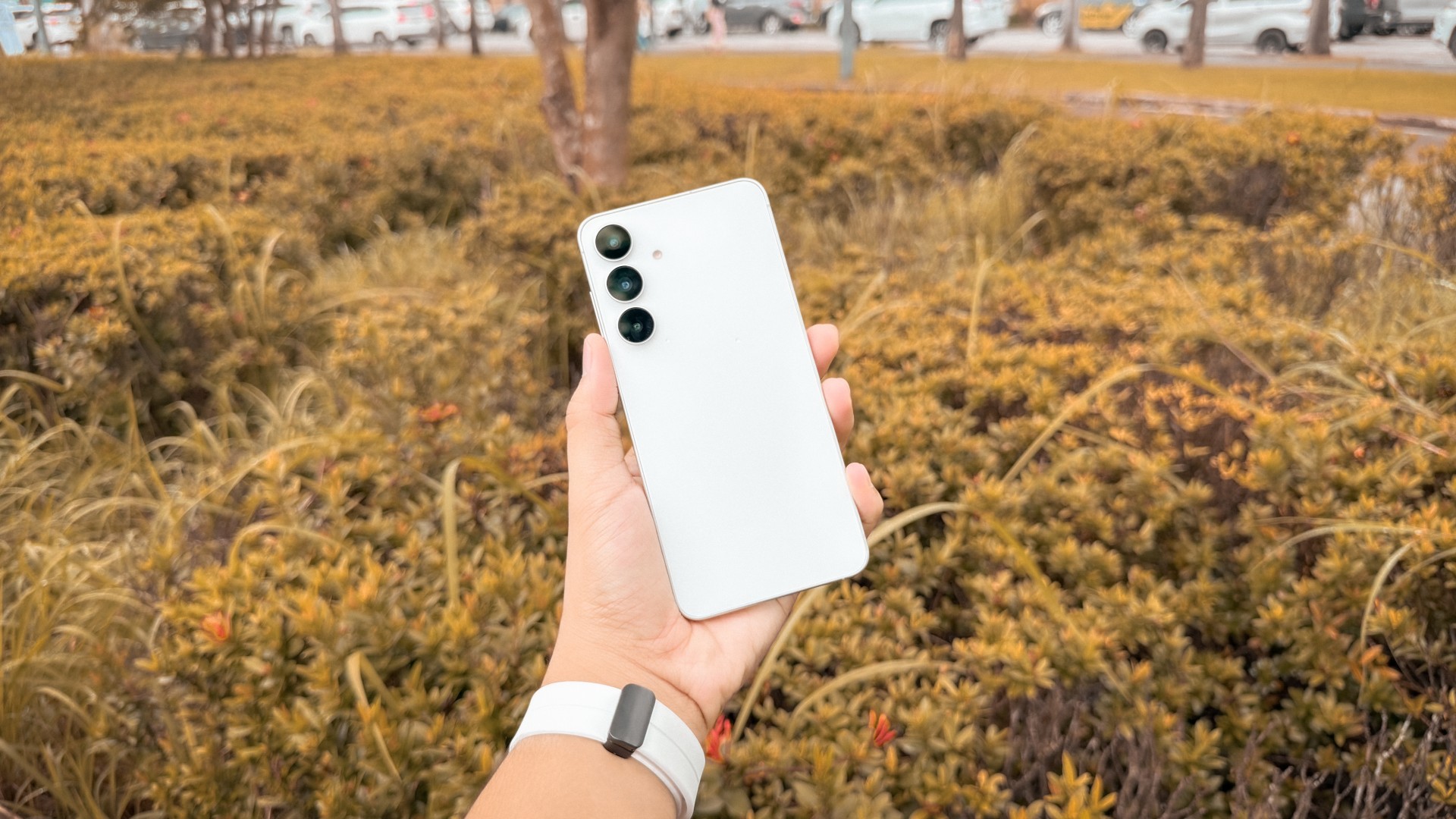
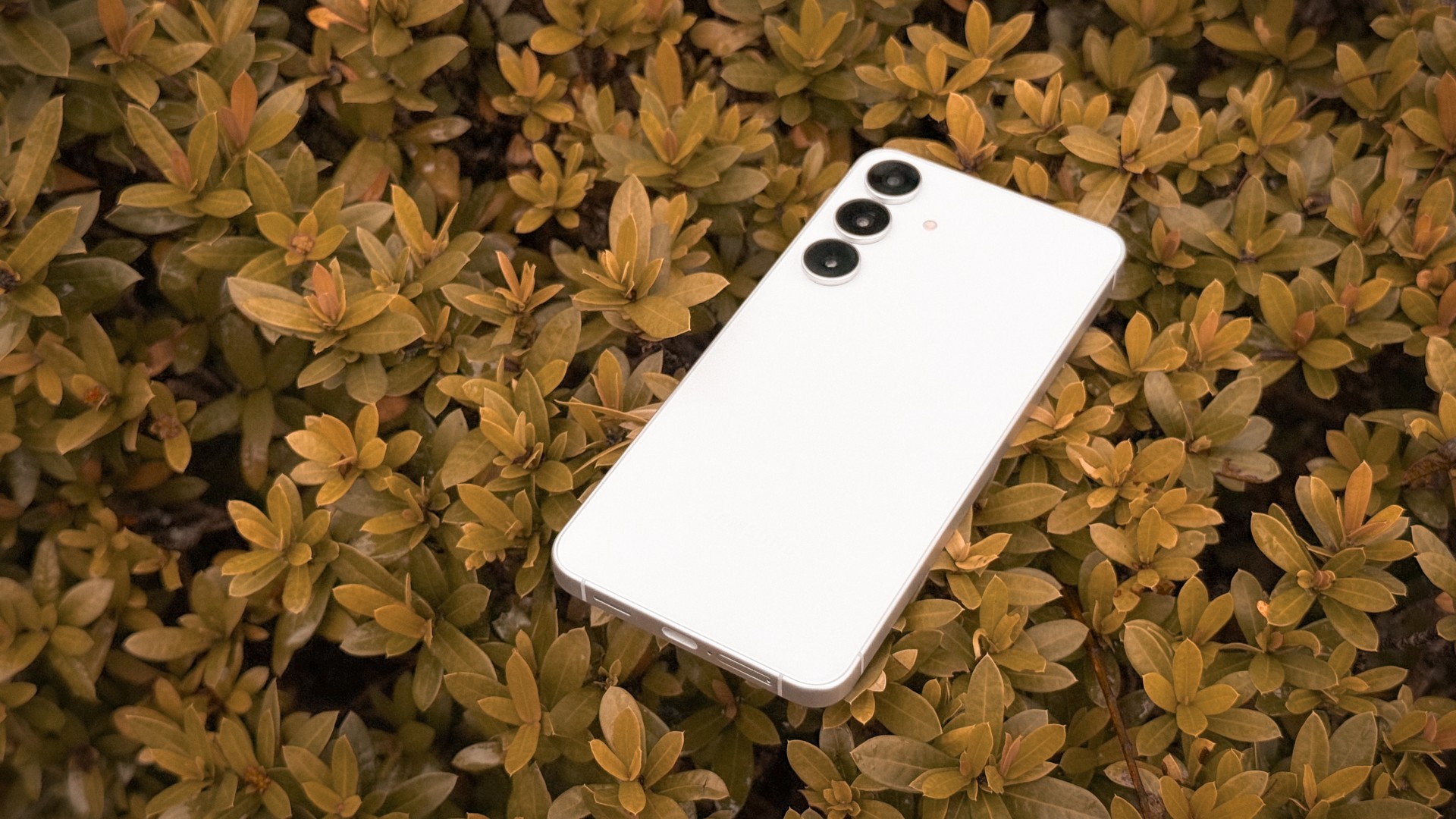
Samsung has made subtle but meaningful design tweaks to the Galaxy S25 FE. It now features an enhanced Armor Aluminum frame, offering a sturdier, more premium feel while remaining lightweight at just 190g—down from 213g last year. Despite being an FE model, it feels every bit as polished as a flagship, especially with its refined matte finish and smooth edges.
The phone comes in four colors: White, Navy, Icy Blue, and Jet Black. All options look sleek and minimal but as a white phone enthusiast, the white variant I have I think looks the best. The overall aesthetic feels more refined and flagship-like than ever before. The IP68 rating ensures protection against dust and water, while Corning Gorilla Glass Victus Plus keeps both front and back safe from scratches.
In the hand, the Galaxy S25 FE feels solid yet slim, giving off that high-end feel you’d expect from Samsung’s flagship series. However, because of its thin profile, it can be a bit slippery. I’ve had it slip a few times when I wasn’t gripping it tightly. Thankfully, I’m still not beyond my quick reflex years. Simply put, it’s one of those devices that feels so smooth and premium, you’ll want to handle it with just a bit more care.
Display: Bright, immersive, and fluid
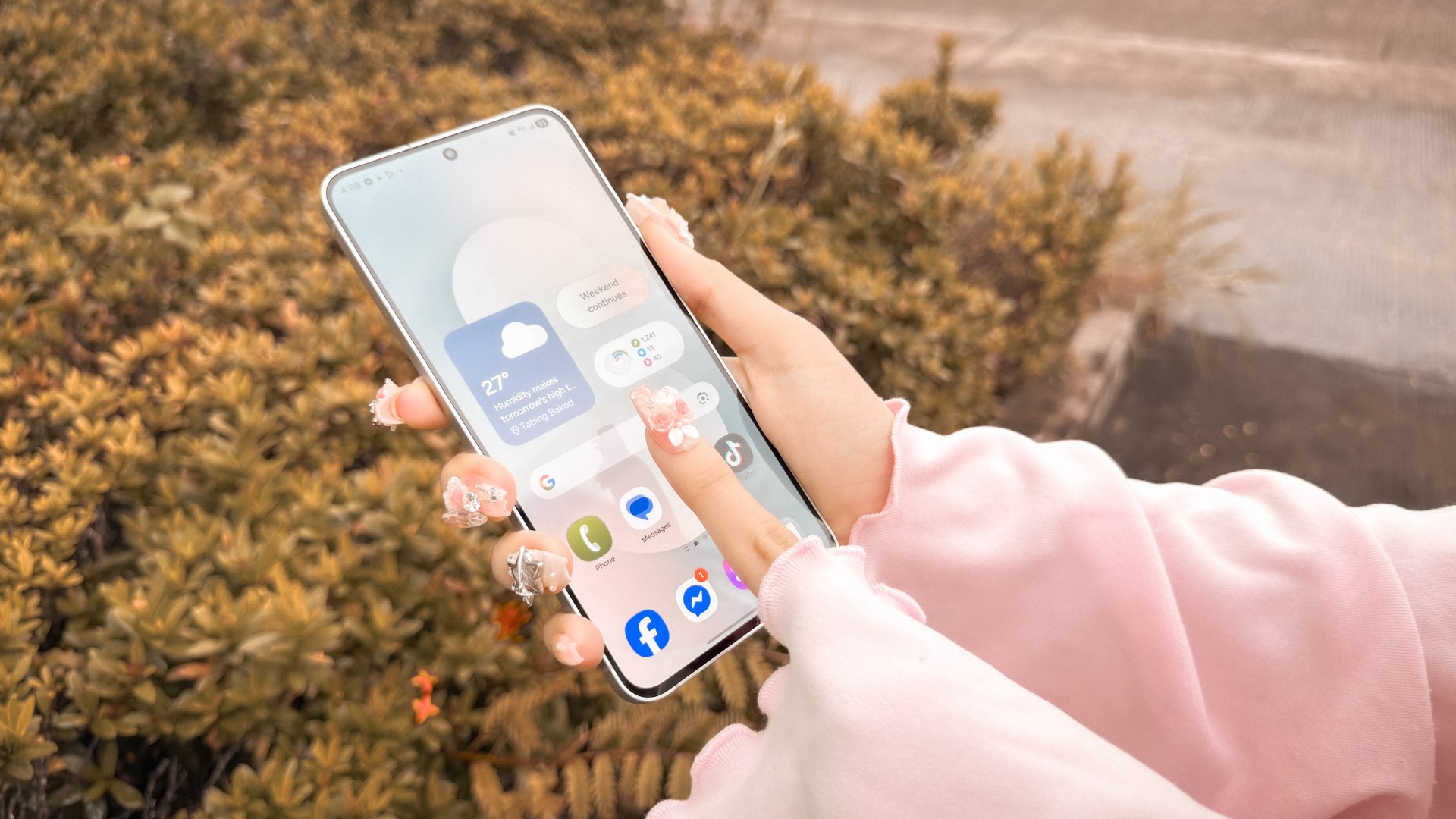
The Galaxy S25 FE’s 6.7-inch Dynamic AMOLED 2X display is one of its strongest features. Colors are rich and accurate, blacks are deep, and overall contrast is excellent. With a peak brightness of 1,900 nits, outdoor visibility is more than decent, even under harsh sunlight.
Samsung has also made the bezels slimmer this time. From last year’s 88% screen-to-body ratio, the S25 FE now reaches 89.2%, thanks to a noticeably thinner bottom bezel. It’s still slightly thicker than the rest, but the improvement is clear and adds to the phone’s more immersive look.
The display supports up to 120Hz adaptive refresh rate, which automatically adjusts depending on what you’re doing. You can also switch to the standard 60Hz mode if you prefer to extend battery life. Overall, the Galaxy S25 FE delivers a true flagship experience when it comes to display performance. It’s bright, fluid, and immersive, easily one of the best you’ll find at this price range.
Powerful but runs warm

Under the hood, the Samsung Galaxy S25 FE runs on the Exynos 2400 chipset paired with 8GB of RAM, delivering consistently smooth performance across day-to-day tasks. Multitasking feels fluid, with apps launching quickly and transitions appearing seamless whether you’re browsing, watching videos, or switching between social media apps.
Gaming is also a strong point for this phone. Titles like Asphalt Legends and Roblox run smoothly with stable frame rates and no visible lag or stuttering. The graphics look sharp, and animations remain fluid even during fast-paced moments.
However, one noticeable issue is heat buildup. The phone tends to get quite warm during extended gaming sessions or when used heavily, sometimes to the point of being uncomfortable to hold. Using a case helps reduce the heat transfer to your palms, but if you prefer using the phone without one, it might be something to watch out for.
Overall, the S25 FE offers reliable performance that feels fast and responsive in everyday use — just be mindful of the heat during intensive tasks.
Reliable shooters, great versatility
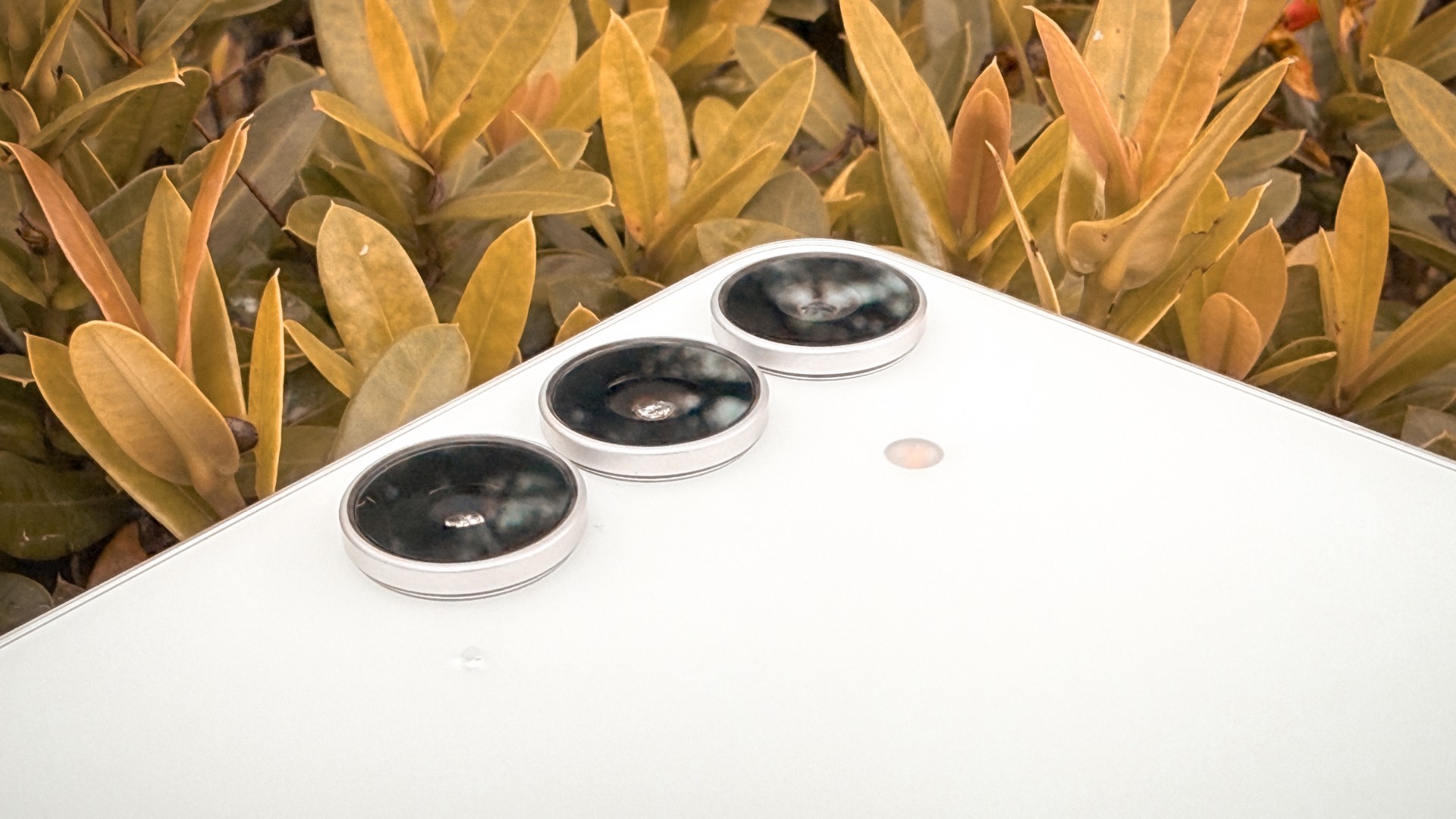
The Samsung Galaxy S25 FE carries over the same camera hardware as last year’s model — a 50MP wide, 12MP ultra-wide, and 8MP telephoto lens with 3x optical zoom. While this setup still delivers reliable performance, it’s a bit of a letdown that Samsung didn’t introduce any hardware upgrades. The company also didn’t confirm whether there were any major software or image processing improvements, so the overall shooting experience feels quite familiar if you’ve used the previous model.
That said, the cameras remain solid performers. The 50MP wide camera produces sharp, detailed photos that are processed down to 12MP by default for better dynamic range and noise control.




You can switch to full 50MP mode for higher resolution, but the results often look a bit softer — possibly due to aggressive noise reduction.

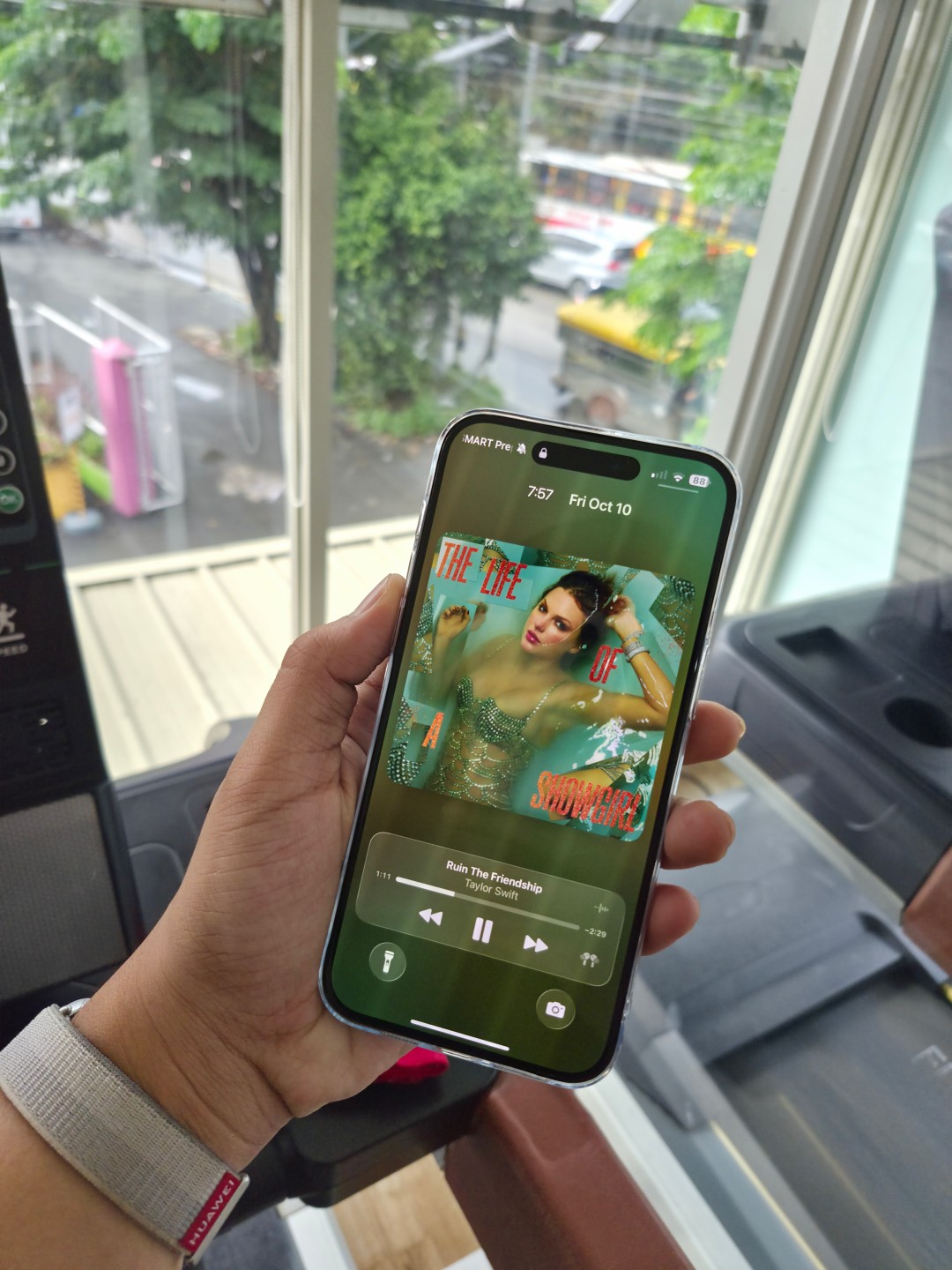
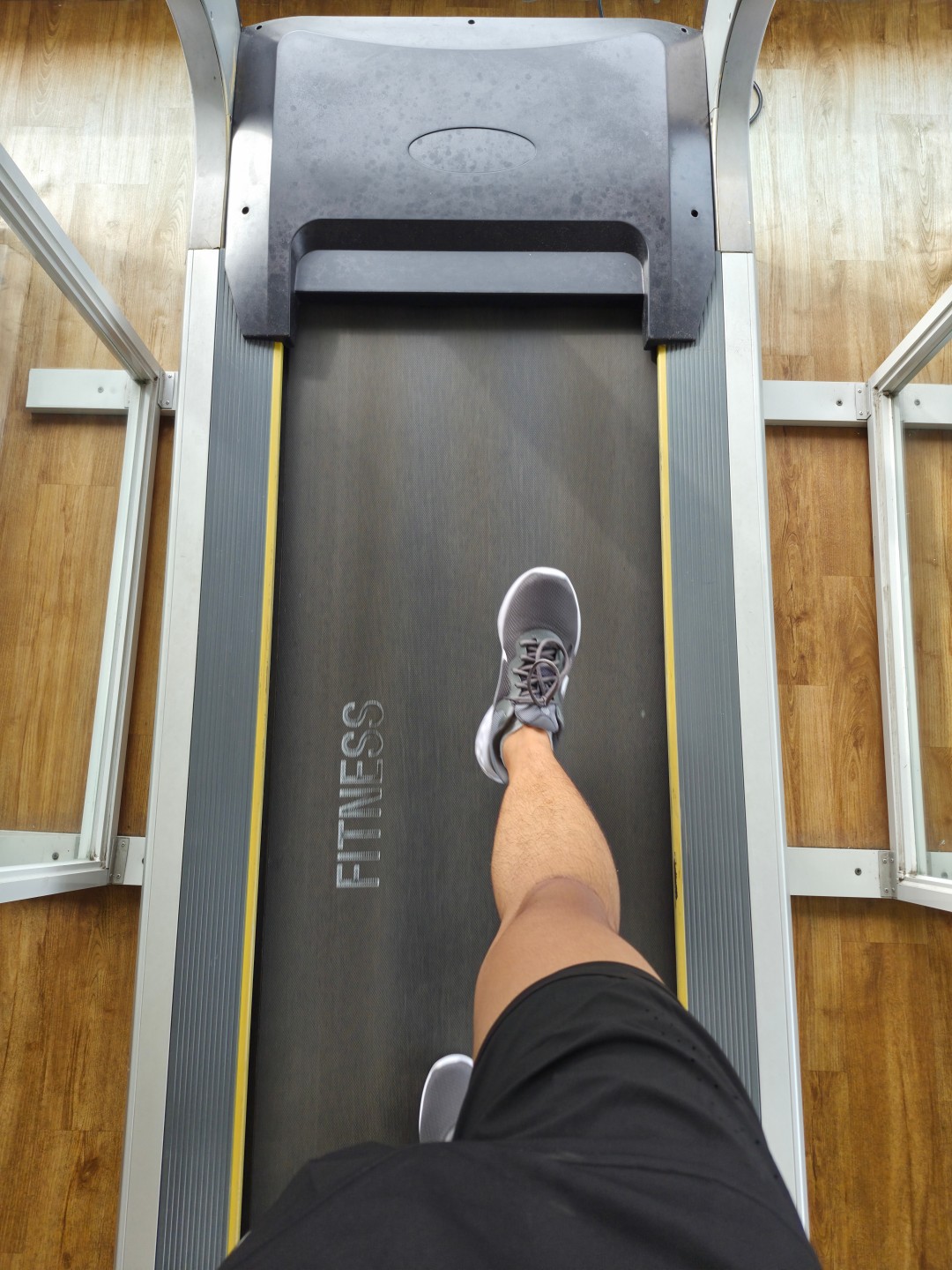
The 12MP ultra-wide lens performs well, capturing expansive shots with consistent color reproduction and minimal distortion.



The 8MP telephoto lens handles 3x optical zoom decently, particularly in well-lit environments.



However, image quality noticeably dips in lower light or indoor settings, where details appear less defined. It’s still very usable for social media and casual photography, but the limitations of an 8MP sensor are clear.


On the bright side, the 2x digital zoom delivers surprisingly clean, almost lossless results, adding flexibility to your shooting options.
Portrait mode works as expected — subject separation is good, and the background blur feels natural.



The 12MP front camera is a welcome upgrade from last year’s 10MP sensor, offering sharper selfies with improved detail and color accuracy. It can occasionally oversaturate skin tones, depending on lighting, but overall, it’s a dependable shooter for daily use.



In short, while the S25 FE’s cameras aren’t a big leap forward, they still offer a versatile, reliable setup that gets the job done across a variety of scenarios.
Battery life and charging: Reliable all-day power

The Galaxy S25 FE has a 4,900mAh battery, a small but welcome upgrade over the previous 4,700mAh cell. Real-world performance is solid: it easily lasts a full day of moderate use, including streaming, browsing, and social media.
Heavy users might find themselves needing a top-up by evening, but with 45W fast charging, getting back to 100% takes just a bit over an hour. Samsung claims similar charging speeds to the Galaxy S25+, and while it’s not the fastest on the market, it’s definitely efficient. Reverse wireless charging is another handy addition for powering accessories on the go.
Galaxy AI Features: Smarter than ever
One of the biggest upgrades this year is the inclusion of Samsung Galaxy AI features, previously limited to flagship models. You now get tools like Circle to Search, AI Photo Editing, Live Translate, and Note Assist—all designed to make everyday tasks faster and smarter.
These features genuinely elevate the experience, especially if you’re into productivity or creativity. Having AI-powered tools on a Fan Edition model makes the S25 FE feel much more premium and future-proof.
Price and Availability
The Samsung Galaxy S25 FE is available in three variants:
- 8GB + 128GB – PhP 39,990
- 8GB + 256GB – PhP 44,990
- 8GB + 512GB – PhP 53,990
Is the Samsung Galaxy S25 FE your GadgetMatch?

The Samsung Galaxy S25 FE is a thoughtfully refined Fan Edition device that brings flagship-grade features within reach. Its bright display, sturdy build, versatile camera system, and Galaxy AI enhancements make it a strong all-rounder for daily use.
It’s a no-brainer Swipe Right, recommended for anyone who wants the essence of the Galaxy S25 experience in a more affordable package.
Still, for its PhP 39,990 starting price, it faces tough competition. While it does most things right, I can’t help but feel that Samsung could have pushed a bit further — especially in battery longevity and heat management.
That said, the Galaxy S25 FE delivers a flagship-like experience without going all-in on flagship prices. It’s the kind of phone that gets the essentials right and looks good doing it.


The BOYA Magic is now my go-to mic for everything
Microphones turned into essentials during the pandemic. It became impossible — or at least, unprofessional — to hold video calls...


‘Quezon’ muddies the president’s legacy to inspire true change
It's the movie that the country needs now.


Samsung Galaxy S25 FE review: Closer to flagship than ever
Thoughtfully refined
The BOYA Magic is now my go-to mic for everything

Marvel New York Comic Con: Major updates, 2026 Disney+ slate

vivo V60 Lite starts at 14,999 pesos in the Philippines

Power Mac Center iPhone 17 midnight launch draws massive crowd
‘Quezon’ muddies the president’s legacy to inspire true change

Xiaomi 17 Pro Max takes a jab at Apple’s iPhone 17 Pro Max

The Xiaomi Pad Mini is discounted until October 13

DJI Osmo Nano review

The HONOR MagicPad 3 is an almost perfect premium pad partner

Xiaomi 15T Pro review: Big battery, clean shots, smooth performance

This is the BRIGHTEST 4K Projector In Its Class!

Unboxing: Ghost of Yotei Collector’s Edition

Unboxing the latest Apple Watch × Hermès

Lenovo Yoga 7i Aura Edition: Ten generations of foldable goodness

21-Day Battery, Pro Sports Tracking: HUAWEI WATCH GT 6 Series
-
 Cameras1 week ago
DJI Osmo Nano review
-
 Reviews1 week ago
The HONOR MagicPad 3 is an almost perfect premium pad partner
-
Reviews7 days ago
Samsung Galaxy S25 FE review: Closer to flagship than ever
-

 Reviews2 weeks ago
TECNO Slim review: Smexy, Antifragile Slab
-

 News7 days ago
vivo X300 Pro headlines Dimensity 9500 and Sony’s LYT-828 image sensor
-

 Reviews2 weeks ago
The Xiaomi OpenWear Stereo Pro is a midrange wearable in premium packaging
-

 Enterprise2 weeks ago
Tim Cook might soon step down as Apple’s CEO
-
 Apps2 weeks ago
You can now connect your Spotify account to ChatGPT