


Gaming
Now Playing: Death Stranding 2
Hideo Kojima comes back better than ever in this post-apocalyptic sequel

Death Stranding or, as I’ve seen it called, “the glorified Uber Eats simulator” still gets a bad rap today. When you add Hideo Kojima’s unconventional storytelling methods, you get a game that a good number of people will skip for more conventional games. However, falling into this way of thinking locks you out of the most cinematic experience you can get from the world of gaming today. If you missed out on the original game, then there’s absolutely no reason to miss out on the sequel, Death Stranding 2: On the Beach.

Back to work
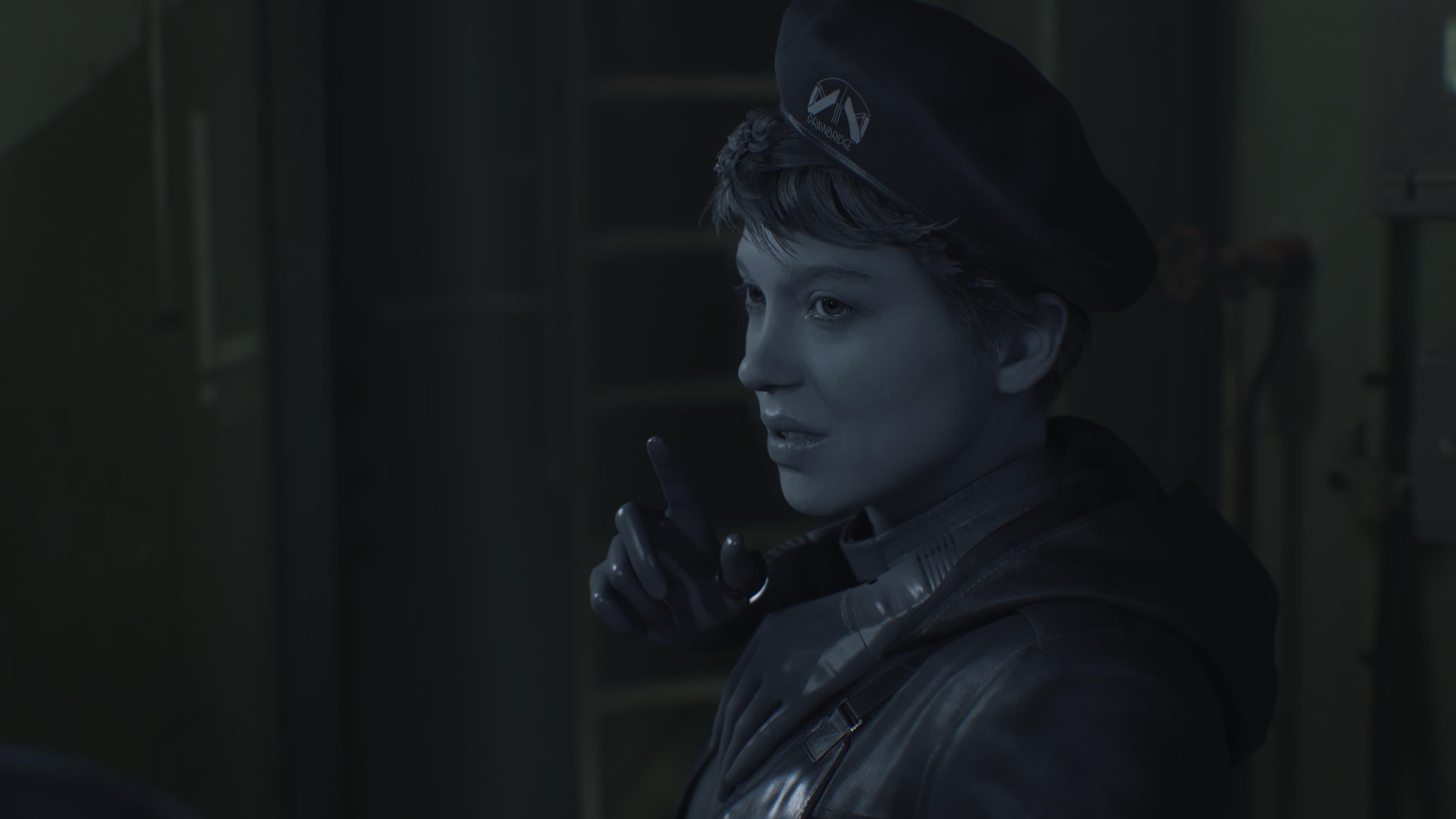
The original game ends with Sam Porter Bridges (Norman Reedus) going off the grid to raise Lou, a Bridge Baby whom he freed from captivity in a pod. However, in a new America connected by a sweeping chiral network, disappearing for good is nigh impossible. Eventually, Fragile (Lea Seydoux), the head of a delivery company called Fragile Express, finds and recruits him for another task: connect Mexico to the chiral network, which he agrees to do.
When Sam finishes the entire connection, a new phenomenon called a Plate Gate shows up at the edge of the country. The Gate is a two-way portal connecting the North American continent with Australia. Drawbridge, the new organization created by Fragile, comes up with a new task: create the same chiral network in Australia, in the hopes of creating another Plate Gate to further connect more continents together.
A familiar task for fans of the original
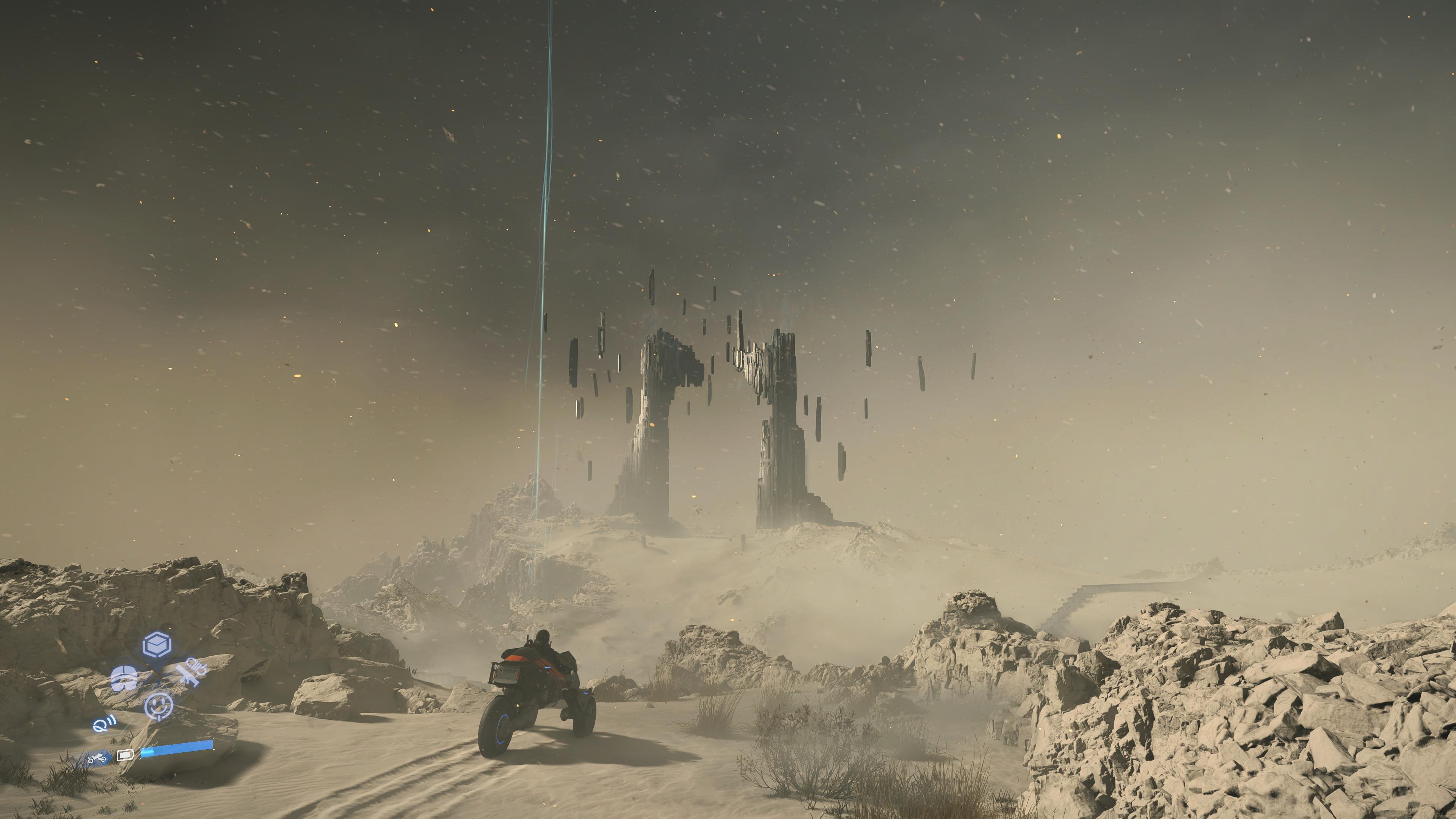
Because it’s a fresh canvas, players are facing the same challenges as they did in the first game. Unconnected by a network, Sam must brave the harsh outdoors with a limited toolkit. Besides the terrain, he also has to face the perennial threat of timefall (a time-accelerating rainfall), BTs (ethereal ghosts from the other side), and hostile survivalists.
Most of the game’s runtime involves grueling climbs and long drives. The lack of action might turn off gamers who prefer more fast-paced games. In fact, the slower pace is the reason why the franchise’s detractors use “Uber Eats simulator” derogatorily.
Personally, the more methodical approach to traversal is part of the game’s charm. I spent nights hypnotically fulfilling deliveries across the entire continent. Before I knew it, it was way past my bedtime, and I barely made any progress in the main story.
Of course, that’s not to say that Death Stranding 2 lacks any sort of action. Heavily defended camps, scary BT-filled areas, and the threat of rainfall keeps players on their toes. Armed with a complete arsenal of weapons, the game features a variety of ways to tackle challenges. Plus, all of them feel well balanced. Regardless of whether you prefer to go guns blazing, silently, or to avoid hostiles altogether, the game satisfies with apt rewards for your chosen path.
Should we have connected?
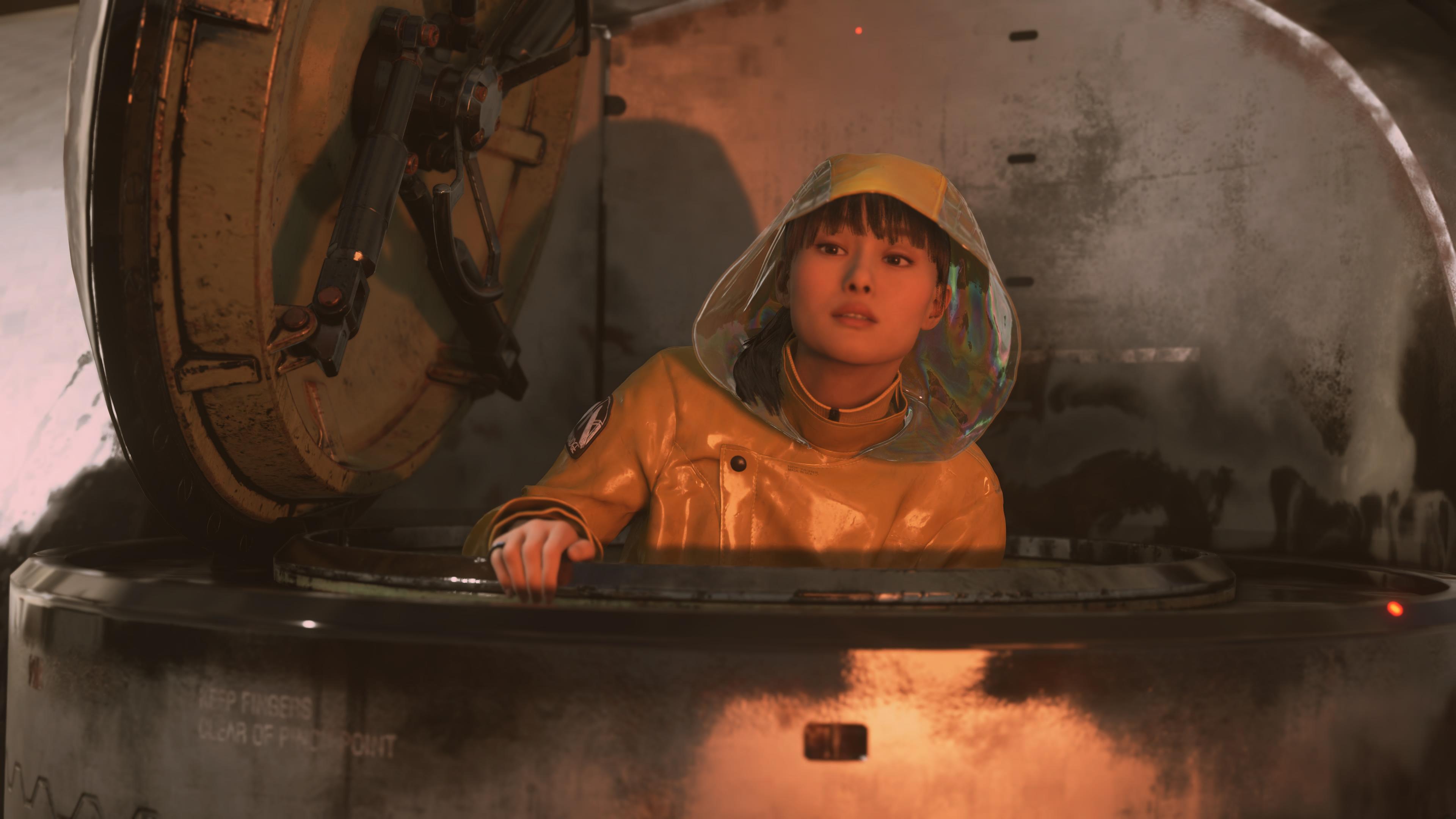
Such is the tagline of Death Stranding 2. Connection is an integral part of the game. Though you won’t see other players in your own game, you can feel their presence in the world.
For example, at the start of the game, Australia does not have any paved roads. By pooling resources online, players can collectively contribute to paving parts of the continent’s road system. By themselves, roads can take a few thousand units of metal and ceramics. When pooled with others, finishing a road might take only a few hundred of each.
Additionally, structures built by other players might make their way to your world. While you’re in the middle of a long trek through the wilderness and are running out of battery for your vehicle, you might find a lone generator waiting down the road because it was put up by another player who went through the same journey. Similarly, any structures you put up will get the chance to help other players.
Despite not meeting other players directly, the world of Death Stranding 2, when connected online, feels like a world well lived in. This post-apocalyptic world doesn’t seem lonely at all whenever I get a notification that says someone used a shelter I built or someone upgraded a road I helped pave.
All that said, I believe that the best way to play Death Stranding 2 is online. Outside of the game’s actual difficulty settings, online play is the real easy mode. Regardless, it only complements the entire point of connecting people.
Choosing the lonely road
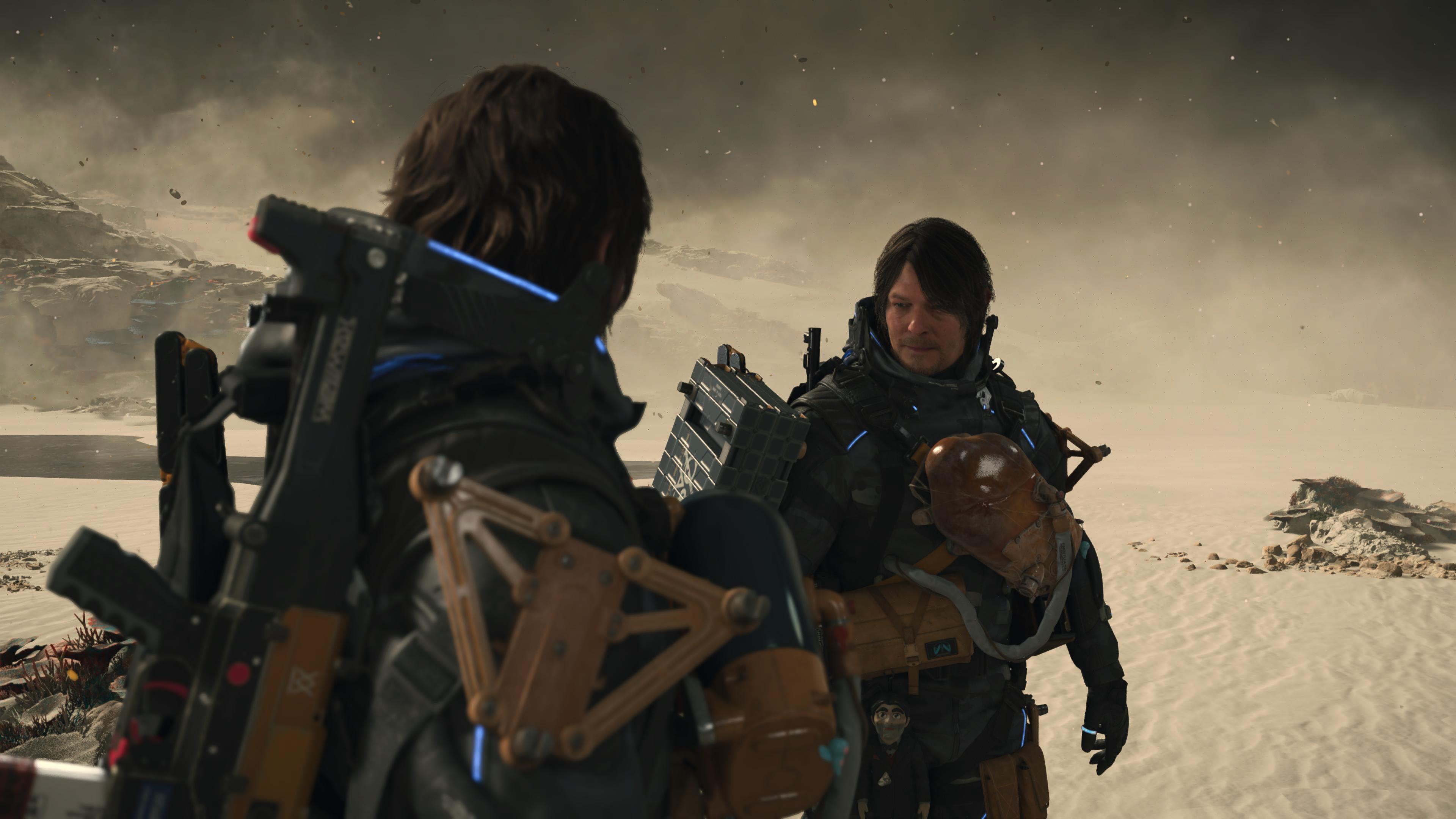
On the flipside, going offline is a more challenging way to play. Because you’re not getting structures built by other people, you’ll have to do everything yourself, which costs more materials and takes more time.
I’ve tried both offline and online play. Though I still prefer online, I can see the appeal of going offline. Doing so definitely changes the way you think about the game. Each delivery order I took necessarily came with the question of “do I have enough materials or weapons to survive a long trek?”
It’s a more difficult game mode that further emphasizes the game’s survival aspect, but it doesn’t make Death Stranding 2 any less accessible. The game is just as enjoyable without the constancy of connection.
The most cinematic game I’ve ever played
Anyone who follows Hideo Kojima will know that he’s a fan of more obtuse storytelling. In fact, it will take more than a few videos to completely recap the events of the first Death Stranding. The sequel is no different, but the story is much more explosive and heartfelt this time around. Each beat of the plot is rendered with so much impact and emotion that it’s hard not to feel anything by the time the credits roll.
Even moments that straddle the edge of whimsy are complementary to the story’s intensity. As is typical of Kojima, there are scenes where characters burst randomly into a dance number. Normally, serious creators would shy away from the ludicrous. However, Kojima is one of the very few creators who doesn’t mind getting silly and who can make silliness work in a more serious setting.
Everything just works. Admittedly, there are a few twists that almost broke the suspension of disbelief. There are also a few philosophizing moments too contrived for my mind. But it’s still a complete package for a thought-provoking story.
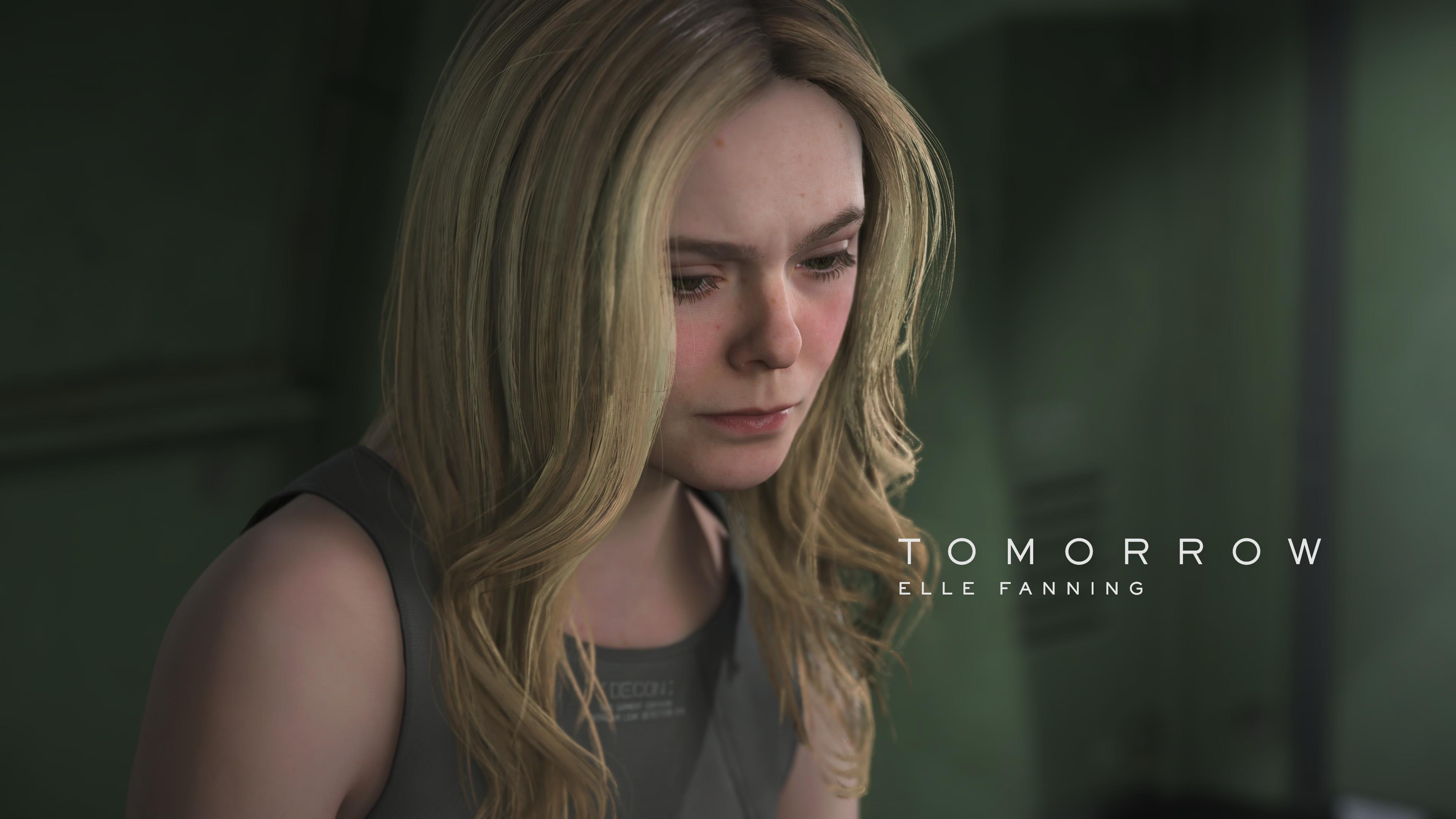
It also helps that the cast consists of incredibly talented actors such as Norman Reedus, Lea Seydoux, and, debuting for the series, Elle Fanning. While the performances of the first game were brilliant in their own right, the production is much more advanced for this sequel. You can sense every emotion and wow at every action-packed scene.
To top it all off, Kojima recruited Woodkid to do the game’s soundtrack. Unfortunately, the previous game’s lead, Low Roar, passed away during the sequel’s production. Thankfully, Woodkid is more than enough to cover the long sequel and amplify the game as an emotional masterpiece.
Is Death Stranding 2 your GameMatch?
Prior to playing Death Stranding 2, I held Clair Obscur: Expedition 33 as a clear Game of the Year winner with the potential to sweep a huge swath of the available awards. I don’t think that now.
Death Stranding 2: On the Beach is one of the best games I’ve ever played. With its methodical gameplay and its cinematic story, the game is an experience. However, much like anything Kojima has ever come up with, it’s an experience that you have to try for yourself. And yes, I do recommend that you try it. It’s a masterpiece.






Gaming
NVIDIA’s DLSS 5 can turn your favorite AAA game into AI slop
DLSS 5 will launch on select games.
Have you ever wondered why RAM prices are going up this year? Everyone is rightfully saying that AI is the reason for the price hike, but it’s hard to palpably see why. Today, NVIDIA is showing off where its hard-earned profits are going by revealing DLSS 5.
For gamers who don’t have a particularly strong machine, NVIDIA’s DLSS technology upscales a game’s graphics quality and frame rate to artificially keep up with newer hardware. A few months ago, the company unveiled DLSS 4.5, which marks the latest step to help games sparkle. Today, with DLSS 5, the technology is going all-in on AI.
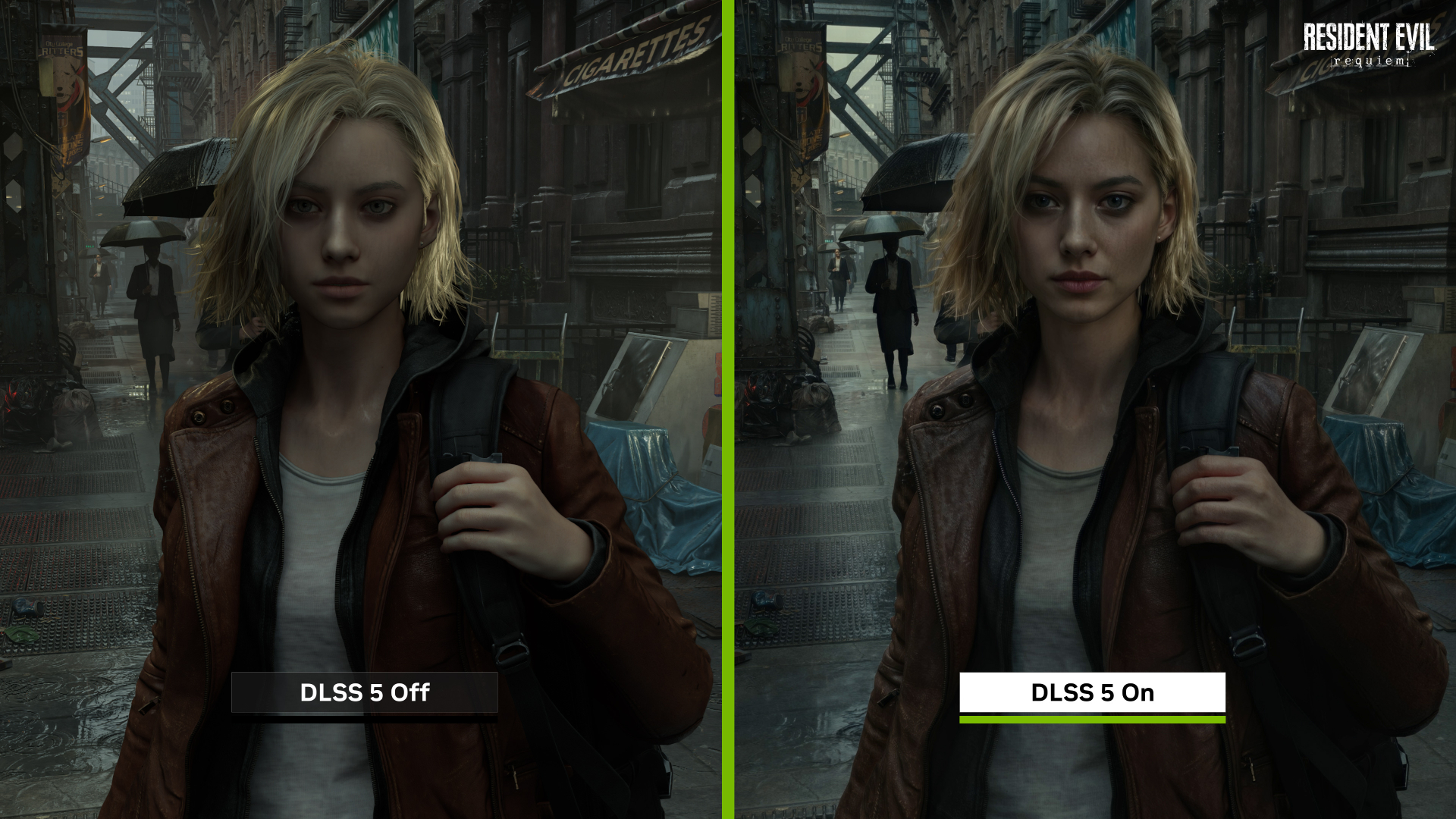
In a tech demo, NVIDIA showcased the latest version of the technology. This time, the feature will use photoreal lighting and materials to alter graphics. It can allegedly analyze a scene’s elements — including hair, fabric, and translucent skin — based simply on a single frame.
The demo’s most prominent example is Resident Evil Requiem. Grace Ashcroft, the gamer’s protagonist, evolves from her doll-like appearance into… well, something you might see on an AI-generated mobile game ad.
NVIDIA claims that the new version will make games look closer to real life. The jury is still out, especially with such a low sample size. However, in this writer’s humble opinion, it’s gonna be a no for me, dawg. I’d rather play with what the developer originally intended for their game than with yet another generic AI filter.
The new feature is rolling out to some of the biggest games today including Assassin’s Creed Shadows, Hogwarts Legacy, Resident Evil Requiem, and Where Winds Meet.
Gaming
Honkai: Star Rail Version 4.1: Dark secrets within the Phantasmoon Games
Ashveil becomes playable character

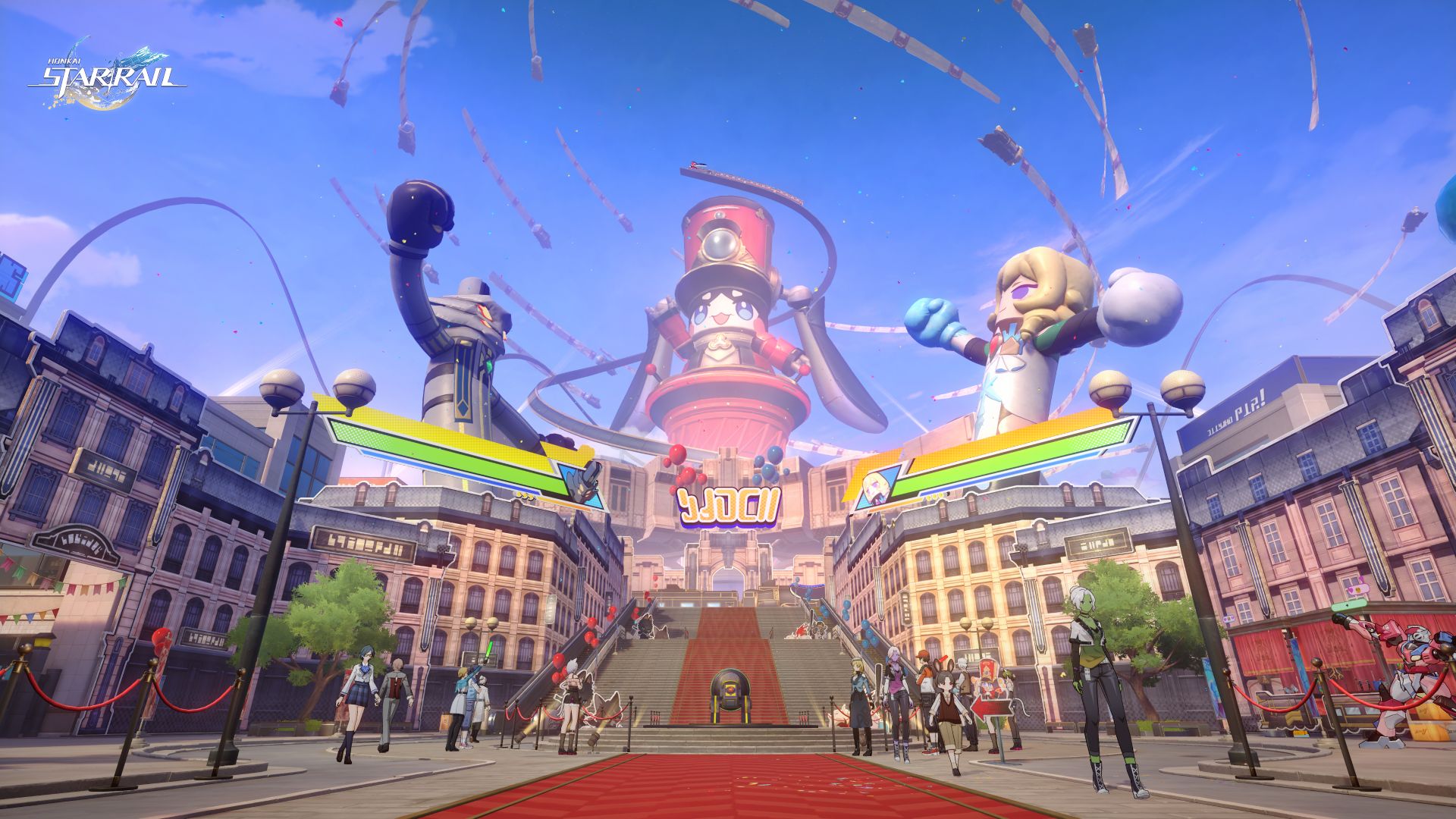
The Version 4.1 update for Honkai: Star Rail will be available on March 25. Called “Unraveled for Daybreak”, the update will continue to revolve around the story of Planarcadia.
Here, the Astral Express Crew is invited to attend the grand Star Rail FEST, a fan festival inspired by their past interstellar journeys.
In the process, they will join a new 5-Star Character, Ashveil, as they uncover the dark secrets lurking during the Phantasmoon Games.
Star Rail FEST
This festival features three major open zones: the Belobog Zone, Xianzhou Luofu Zone, and Penacony Zone.
The festival is set-up after the Trailblazer has successfully obtained the mask of the supplicant to participate in the Phantasmoon Games. Pearl, the CEO of Planarcadia, then collaborates with the Astral Experss Crew to hold a grand exposition.
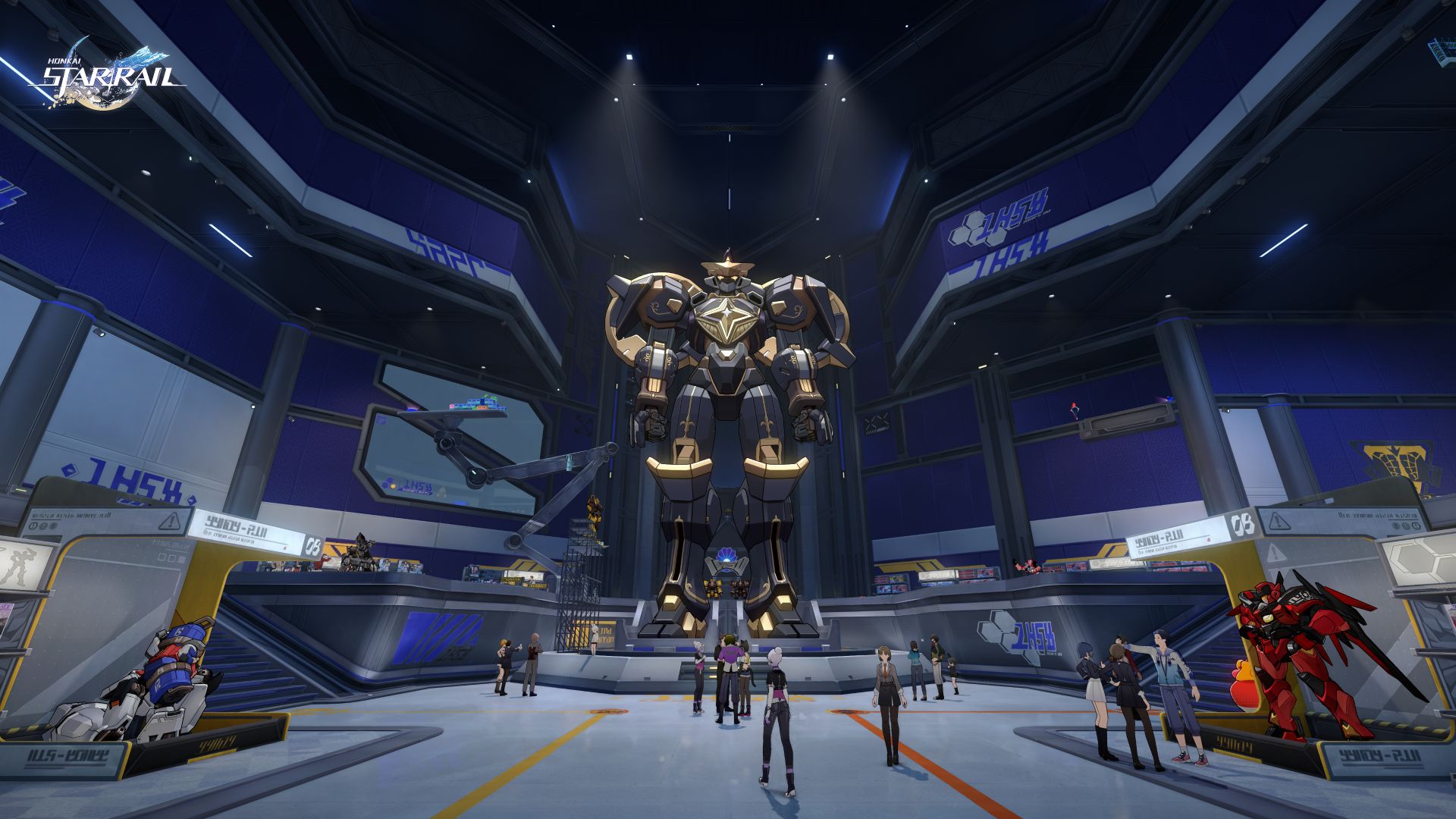
Citizens of Planarcadia can board a special Pom-Pom front shuttle express through Interplanar Jump to enjoy the highlights of their trailblaze journey.
Trailblazers can witness giant balloon figures, immerse themselves in a duel against the Lord Ravager Phantylia, and charge headlong at The Great Septimus.
Meanwhile, the festival’s organizer, Pearluxe Corp, will also have an area unlocked: Pearluxe Tower. Inside is a newly ultra-poseable model, “Alloy King Pom-Pom” and a variety of mechatron-themed interactive activities.
However, beneath the revelry, conspiracies are abound, and various crises will soon follow.
Ashveil joins the list of playable characters
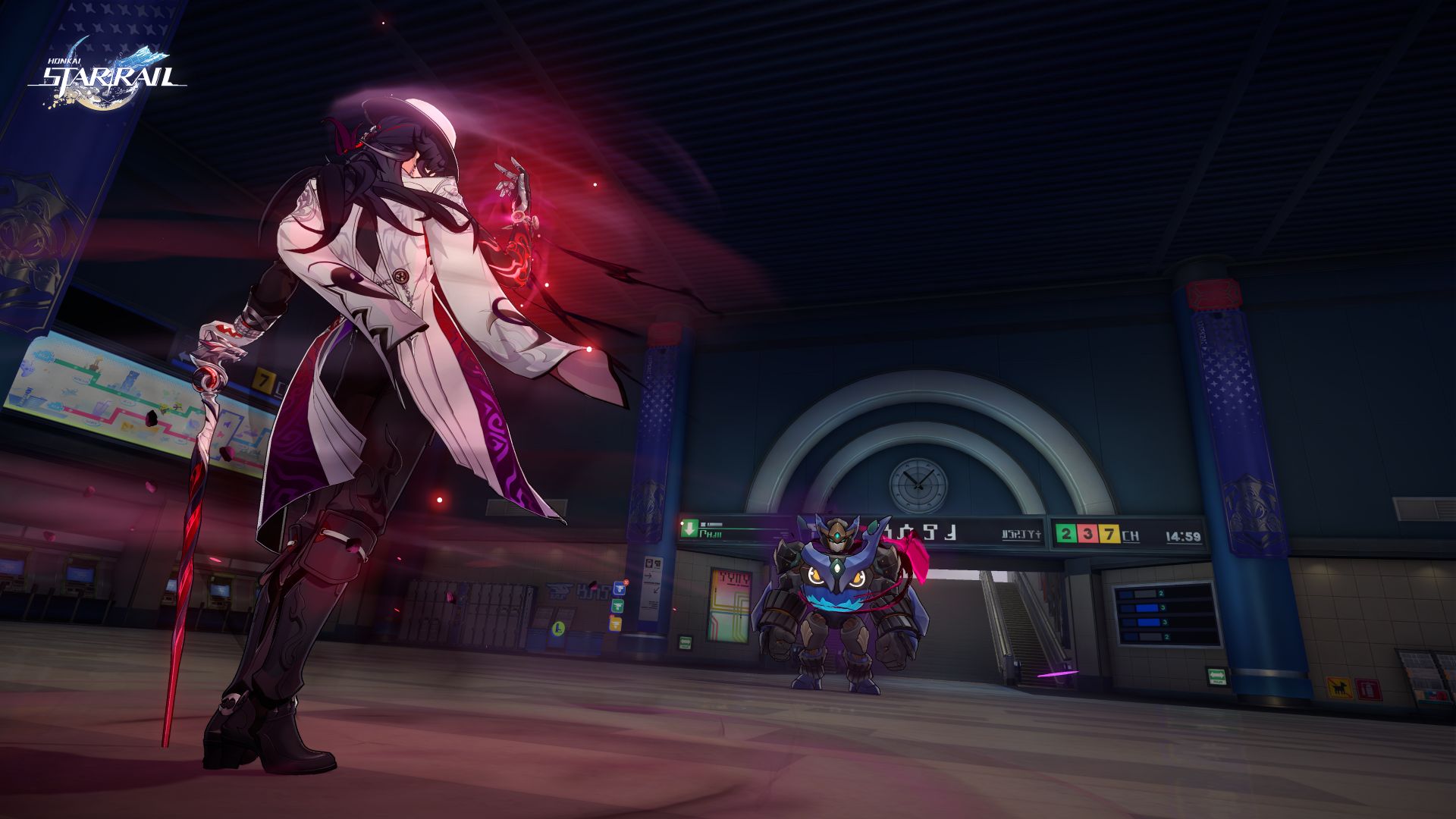
This marks the start of a new adventure for the Trailblazers, to be joined by famous detective, Ashveil.
This 5-star Lightning-Type (Path of The Hunt) “detective unreliable” will showcase his serious and dependable side as a playable character.
Ashveil uses his Technique to inflict a Stunned state on enemies within a certain range. After entering combat, he can increase the CRIT DMG of all allies and selects one enemy to be the Bait.
As long as the Bait is on the field, the DEF of all enemies will be reduced. And when Ashveil uses his Skill on the Bait again, he will deal extra DMG and recover Skill Points for the entire team.
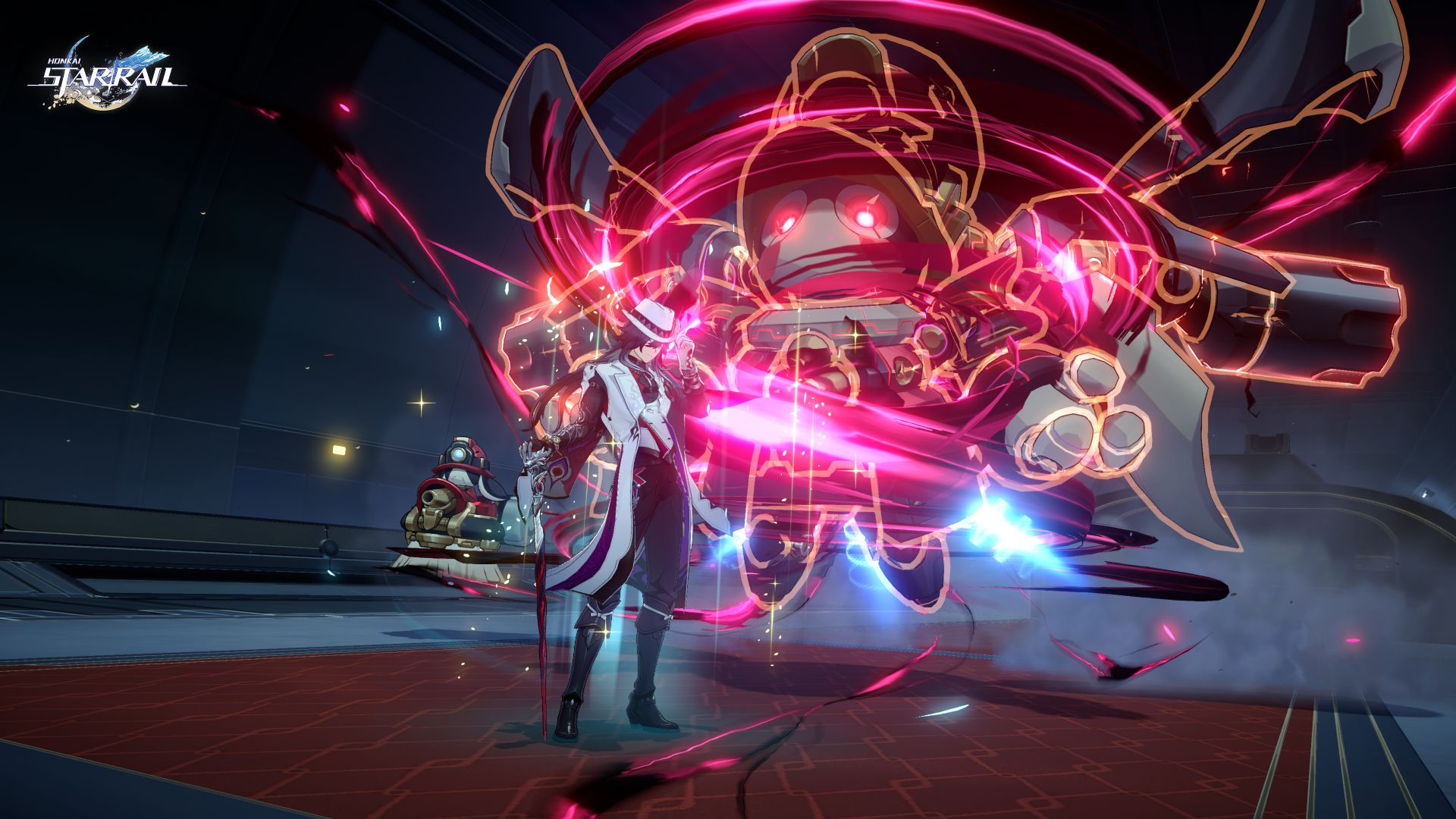
Moreover, when a teammate attacks the same Bait, Ashveil unleashes a Follow-Up ATK and gradually accumulates Gluttony in combat. Consuming this can further enhance the unit’s Follow-Up capabilities.
At the end of the last story stage, he will enter the Phantasmoon Games and begin investigating the murder case that occurred in the Dovebrook District.
He will work alongside the Astral Express Crew to uncover the conspiracy hidden beneath the surface of the elation feast to deliver justice for the fallen.
More features
In addition, Honkai: Star Rail Version 4.1 will launch with the Wispae War Saga. The Trailblazer can lead various types of wispae soldiers to battle in the Graphia Academy.
Here, they can defeat powerful champions by employing different strategies, upgrading wispae, and using spell cards and capsules with different effects.
Players can acquire both rewards and engage in even more challenging matches against outsider adversaries.
Gaming
Zenless Zone Zero Version 2.7 available on March 24
Featuring Hollow Champions tournament, new Agents
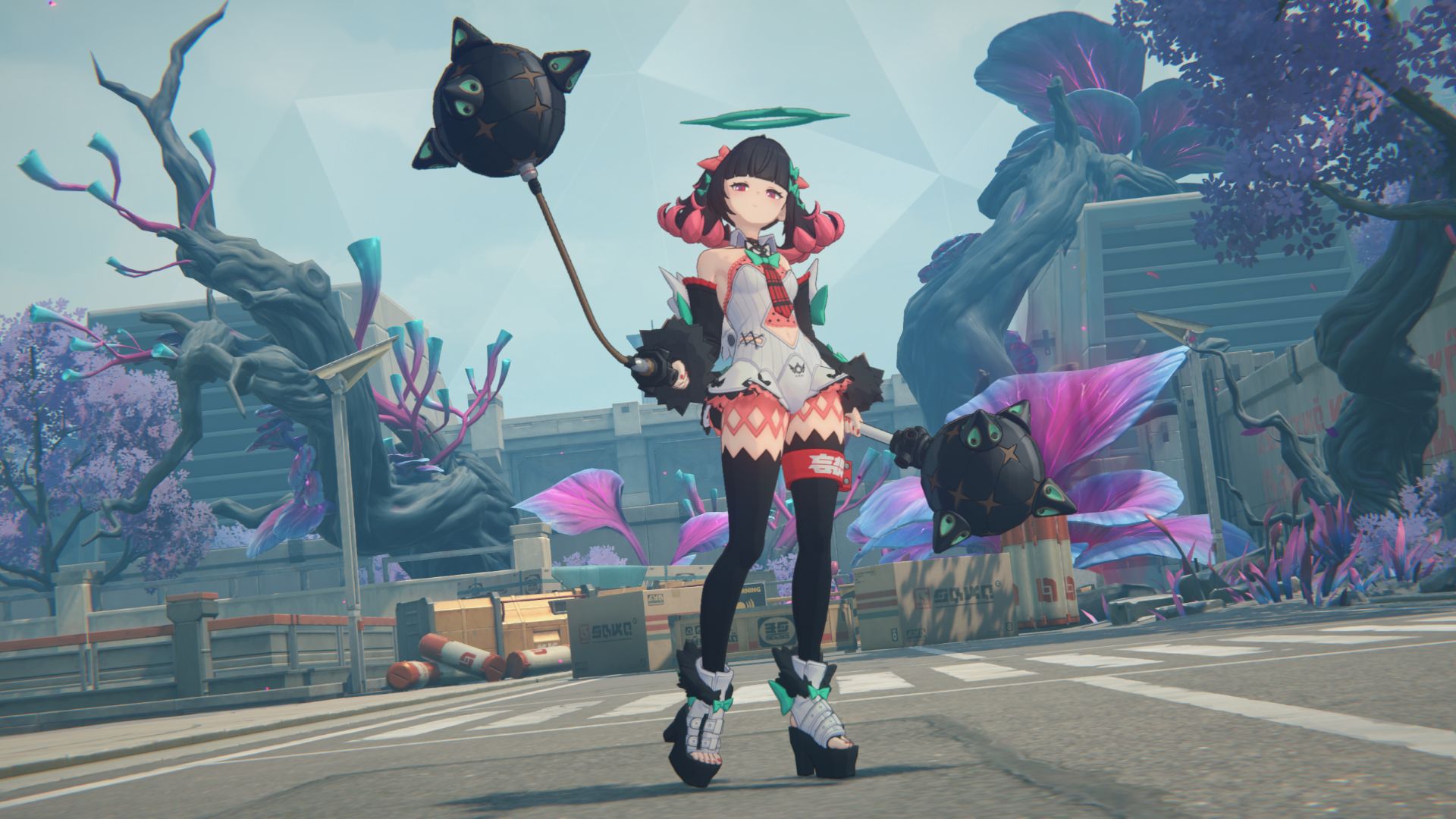
Version 2.7 of Zenless Zone Zero will become available on March 24 across platforms. Called “Champions Never Fall to the Past”, the update features the Hollow Champion competition and new agents.
The Hollow Champion competition sweeps across New Eridu — hosted by TOPS — spreading excitement as far as beyond the city center.
Competitors can take home high-stakes rewards, including the rare Porcelloy W-Engine. The tournament’s scale draws not only familiar allies, but even several unexpected participants.
There’s the Public Security’s Metropolitan Order Division, aside from the Cunning Hares and Sons of Calydon. It is said that the Calydon’s Sweepers will also step into the competition.
New Agents emerge
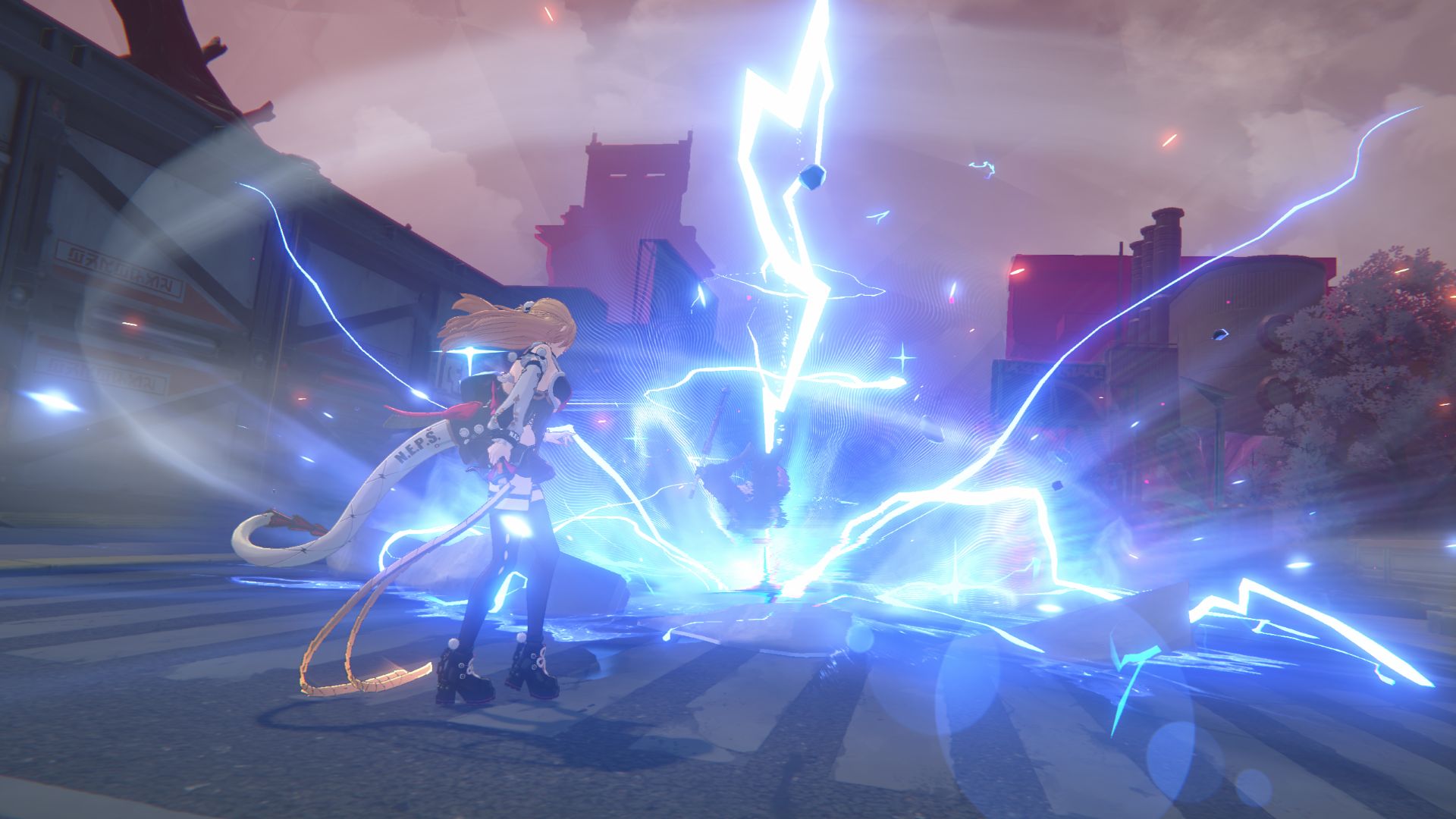
Furthermore, among the figures emerging from the shadows is the infamous Black Wolf Romeul. In battle, Romeul can activate a Corruptive Barrier for increased CRIT Damage Resistance and Interruption Resistance. This also causes opponents to continuously lose HP.
To break through this barrier, teams must be capable of delivering sustained Anomaly damage. This adds a new tactical layer for those wanting to challenge him.
Moreover, Cissia of the Metropolitan Order Division will also enter the race. As an S-Rank Electric Attack agent, Cissia gains three stacks of Venom upon entering battle.
Each stack deals Electric damage, while temporarily increasing her own CRIT Rate. The Venom gradually dissipates over time, but Cissia can also generate additional stacks through her EX Special Attack. As the stacks accumulate, she may expend them with her Basic Attack, Serpent’s Kiss.
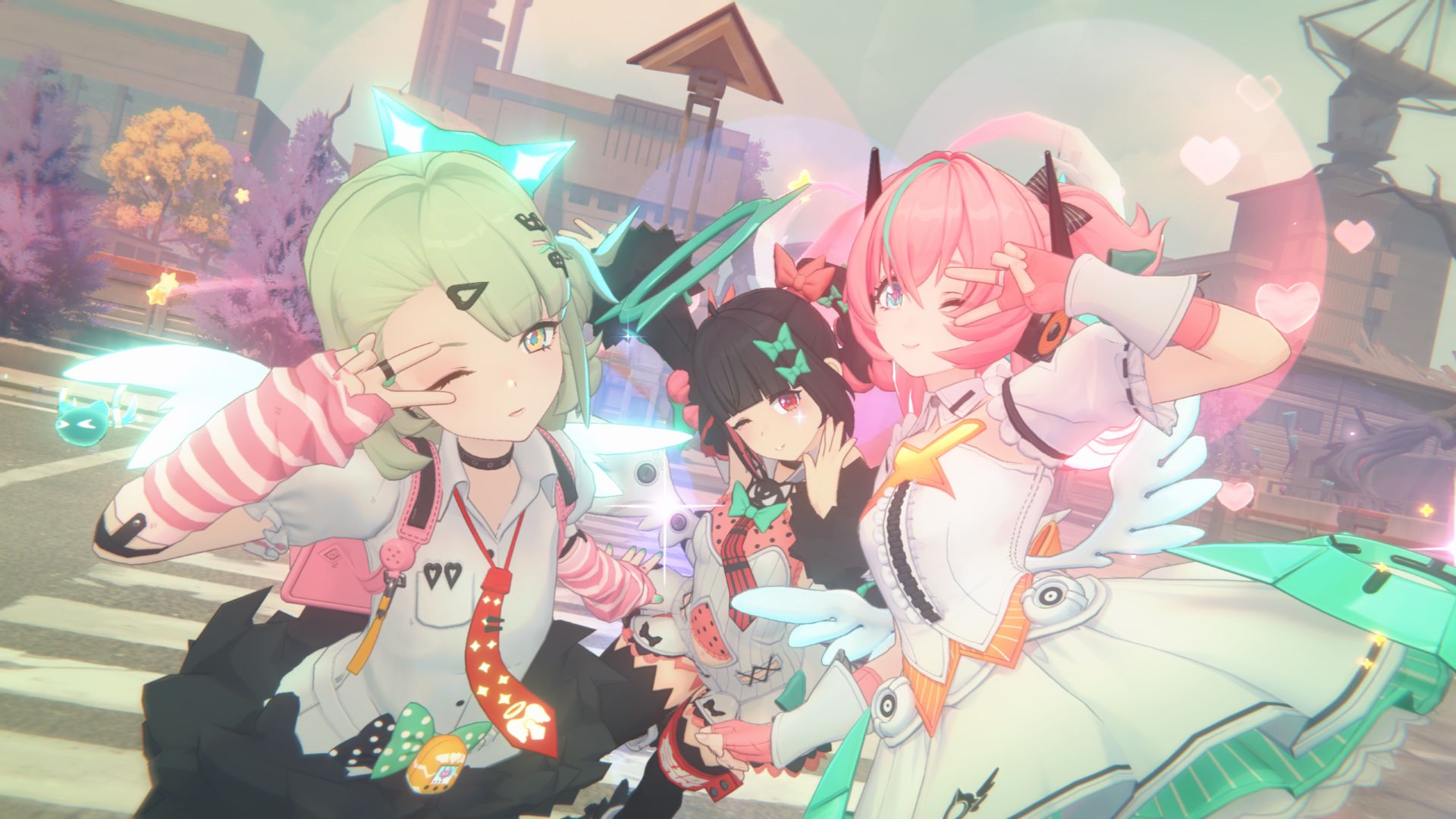
Joining Cissia is the Angels of Delusion lineup, captained by their dancer, Nangong Yu. The S-Rank Ether Stun Agent enhances her team’s Anomaly Buildup Rate against Stunned enemies.
During combat, she automatically regenerates Downbeat over time. Additional Downbeat is also restored whenever a squad member inflicts Anomaly on enemies.
Once the Downbeat is sufficient, she can unleash powerful charged attacks to extend the enemy’s Stun duration. This is while her own Stun and Anomaly buildup accelerates. Meanwhile, her Ultimate can activate Ether Veil: Delusion Reprise to boost the squad’s entire Attack.
Proxies can unlock an exclusive faction wallpaper after collecting all members of Angels of Delusion. In addition, S-Rank Ice Rupture Agent Yidhari and Electric Attack Agent Seed will also return to Zenless Zone Zero Version 2.7.


POCO X8 Pro Max review: A new beast from the far east
That "Pro Max" naming superlative is more than justified
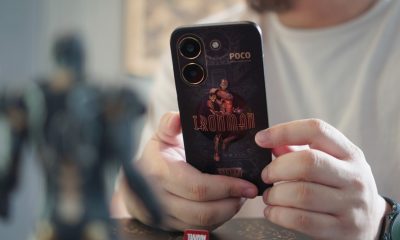

POCO X8 Pro Iron Man Edition review: Midrange phone in superhero armor
POCO x MK15


Now Playing: Project Hail Mary
It's a treat for those who loved the original book.

OPPO Find N6 launches globally with near crease-free foldable display
POCO X8 Pro Max review: A new beast from the far east
POCO X8 Pro Iron Man Edition review: Midrange phone in superhero armor

POCO X8 Pro Series launches in Singapore with early bird prices

POCO X8 Pro Series: Price, availability in the Philippines


-
 MWC 20262 weeks ago
Infinix NOTE 60 Ultra makes a motorsport-inspired debut
-

 Computers2 weeks ago
AMD announces Ryzen AI 400, AI 400 PRO series at MWC 2026
-

 Reviews1 week ago
The Xiaomi 17 shoots Leica dream
-
 Laptops2 weeks ago
Apple unveils MacBook Pro with M5 Pro and M5 Max
-
 Gaming2 weeks ago
Ubisoft confirms Assassin’s Creed: Black Flag remake
-

 Hands-On2 weeks ago
OPPO Reno15 F 5G hands-on
-
 Gaming2 weeks ago
PlayStation will stop releasing its games on PC
-

 Computers2 weeks ago
Apple unveils Studio Display and all-new Studio Display XDR