
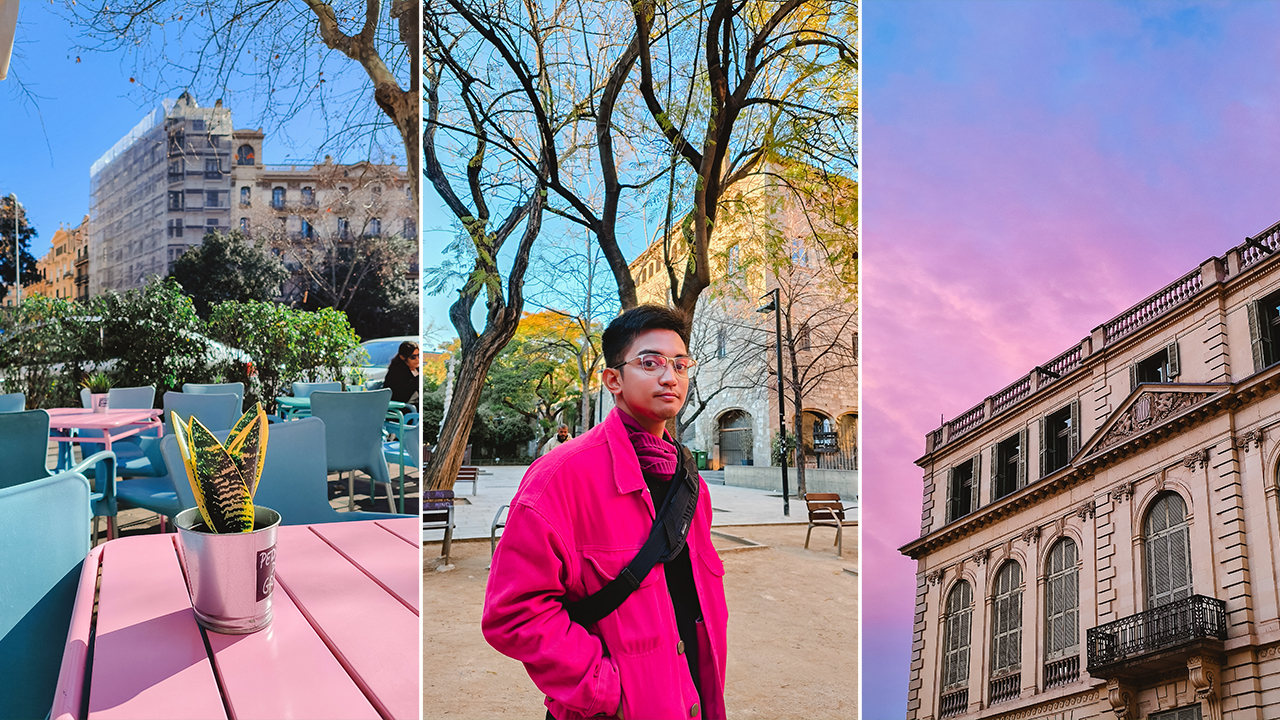
Features
Exploring wonders and falling in love with Barcelona
Spectacles of the cosmopolitan capital through the lens of the OPPO Find N2 Flip

Barcelona was never quite the city I wanted to fall in love with. But that’s the beauty of love, isn’t it? We don’t get to decide whom we fall for.
With its quaint abodes, cobblestone streets, fine architecture, evergreen trees, and naked branches — the sights are perpetually picturesque.
Everywhere you look is a marvel; buildings glimmering from the sun’s glow. But there’s something about its nook and cranny that are filled with love and charm, and it only shows up when you take the time to get to know the city.
In love with the streets of Eixample
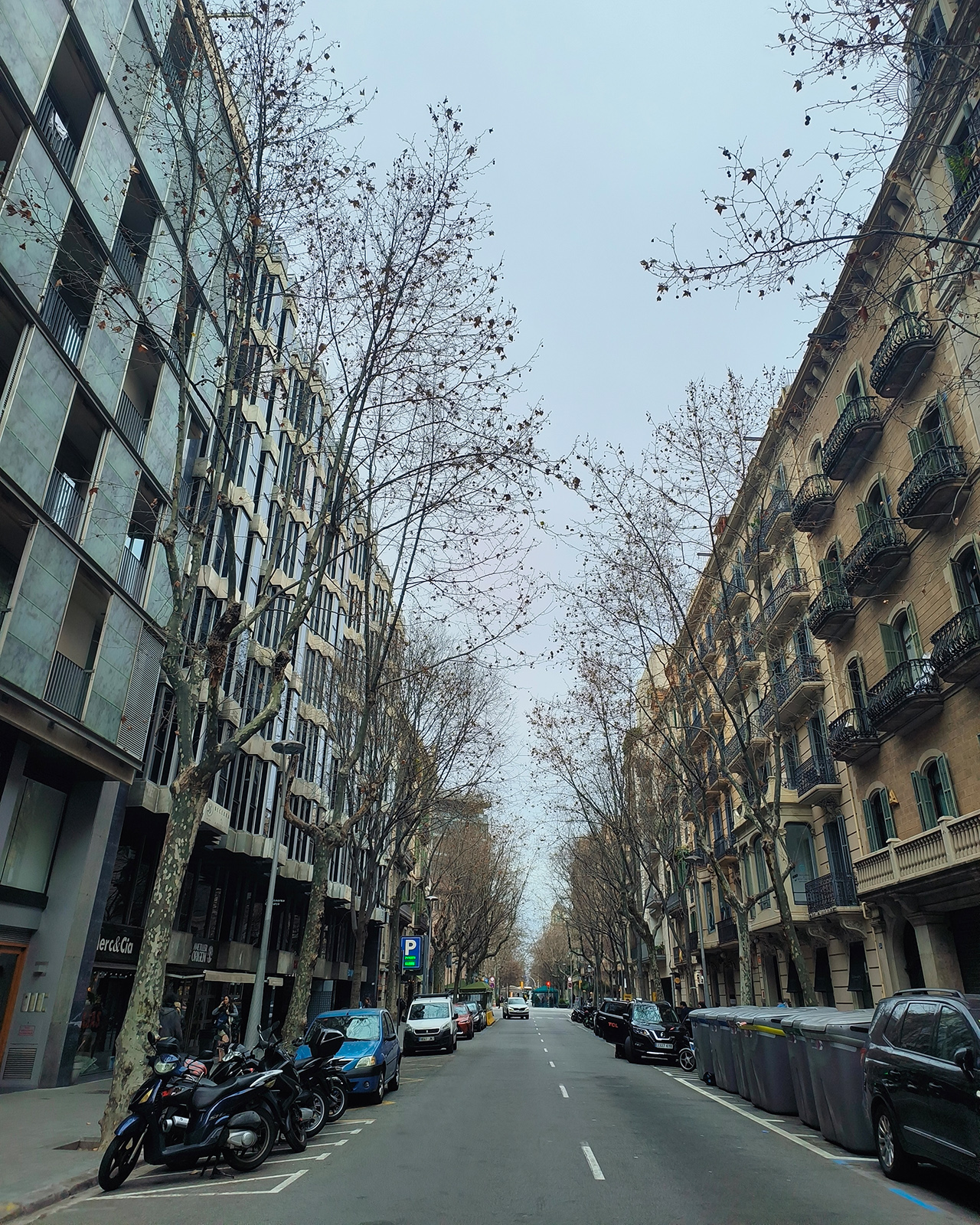
Every street in Eixample brims with magic. It is, after all, one of the busiest districts in Barcelona known for its iconic grid pattern and octagonal blocks.
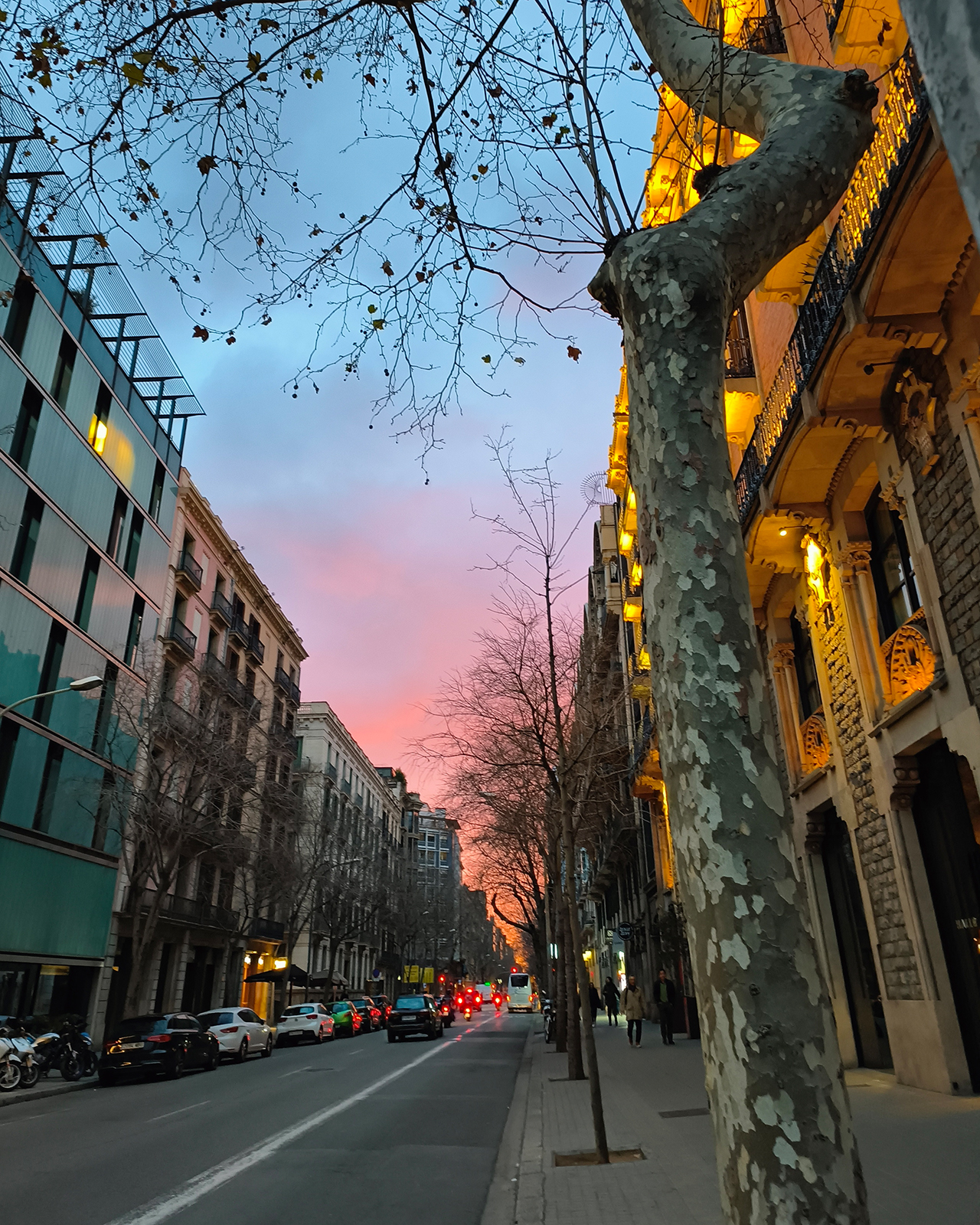
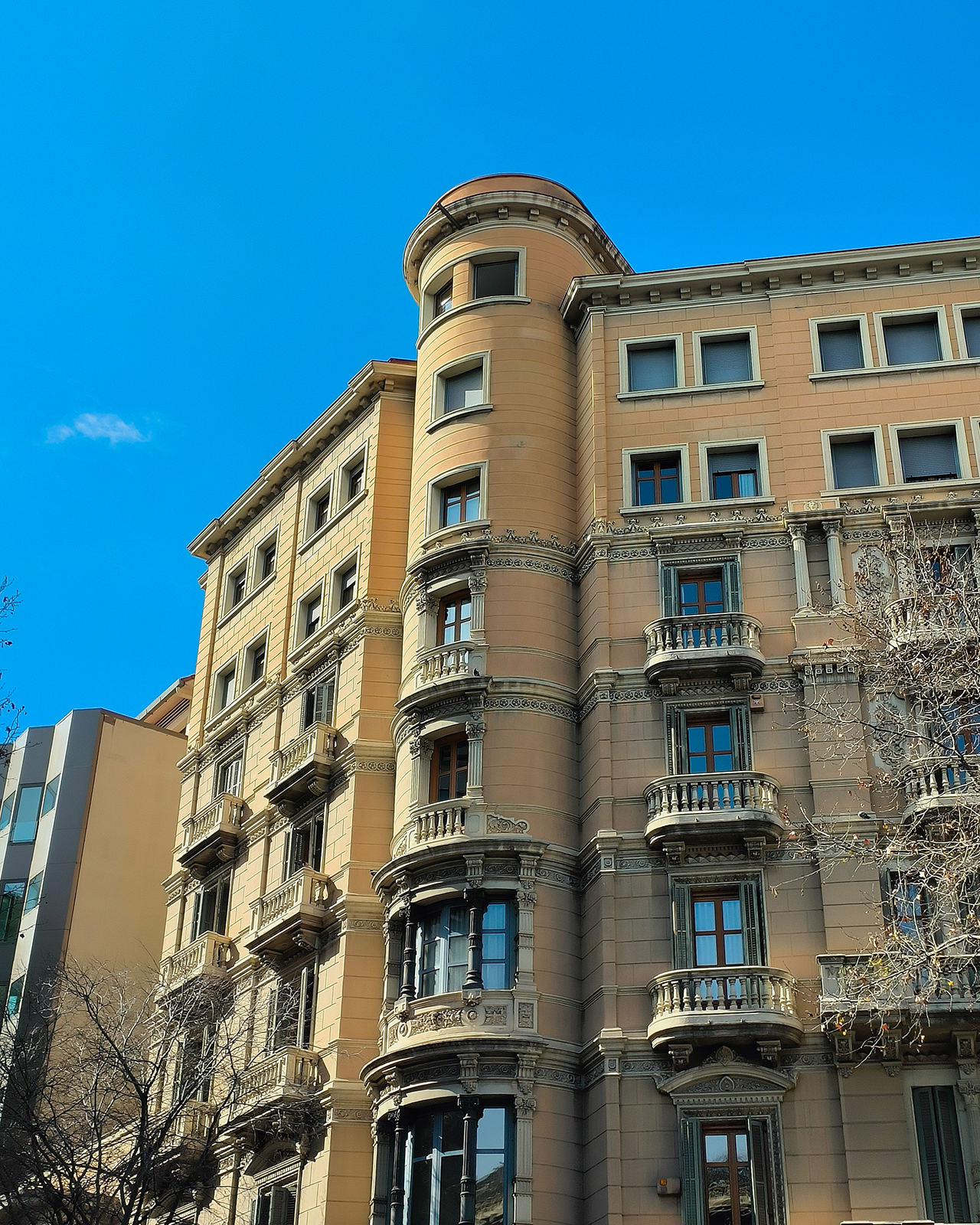
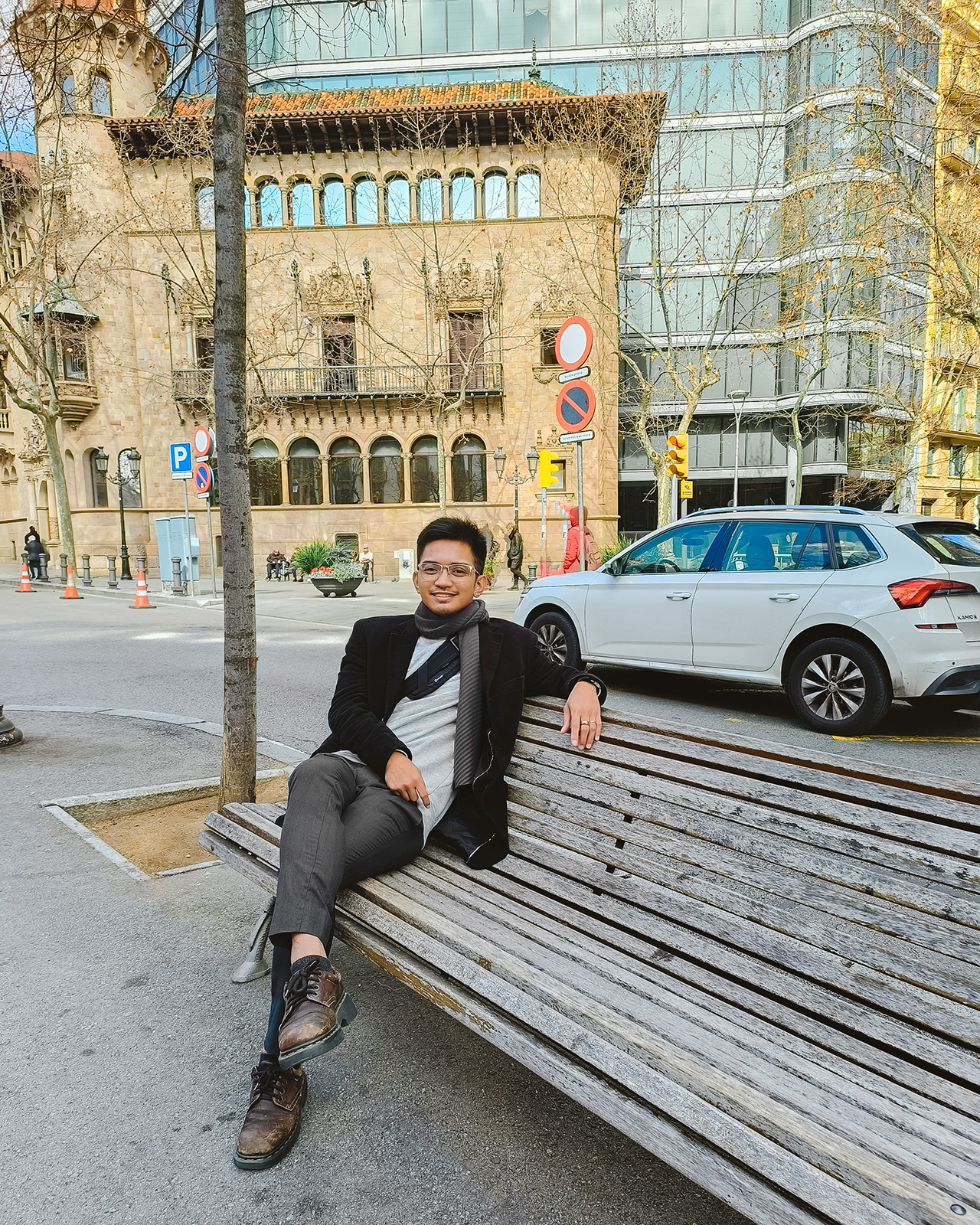
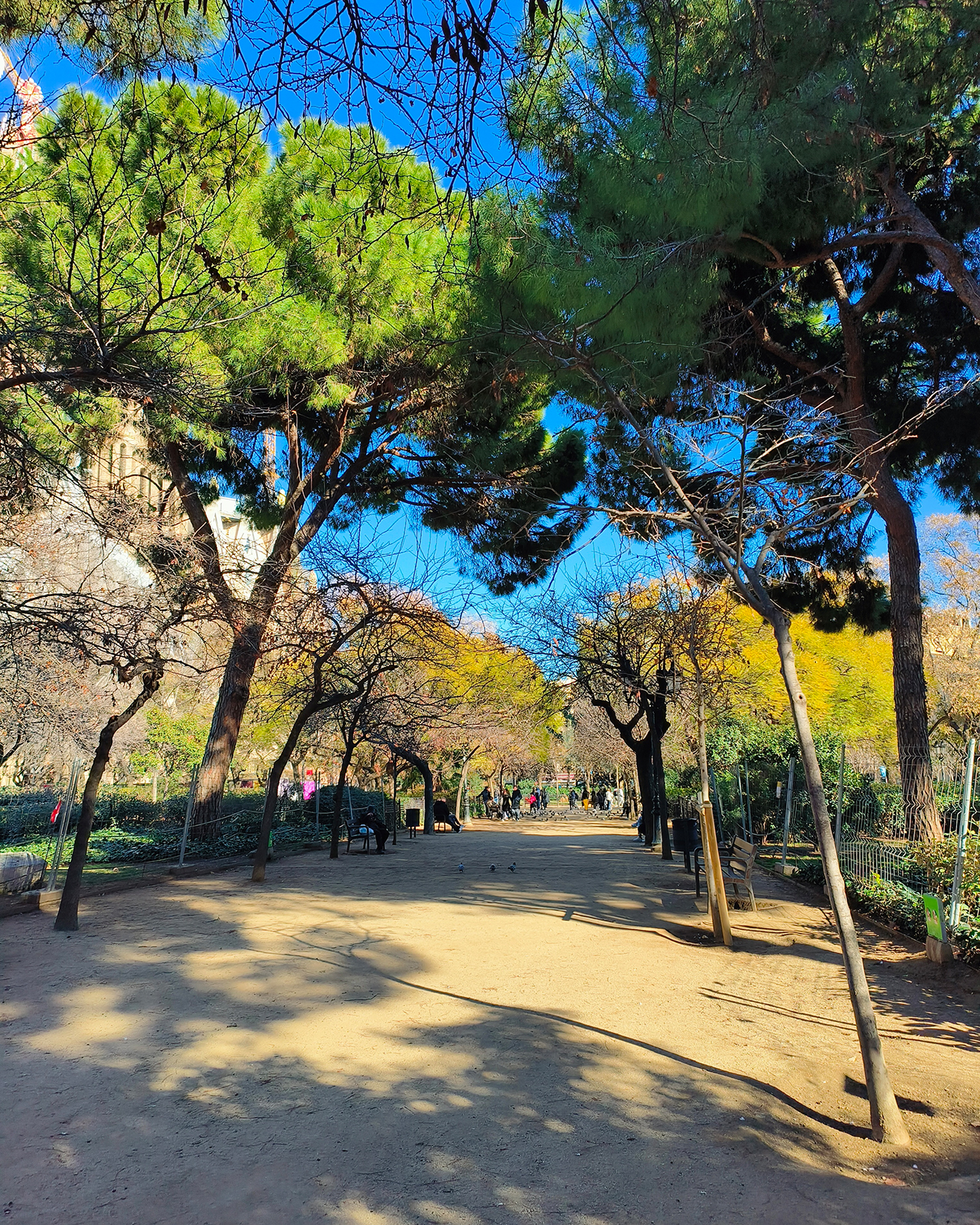
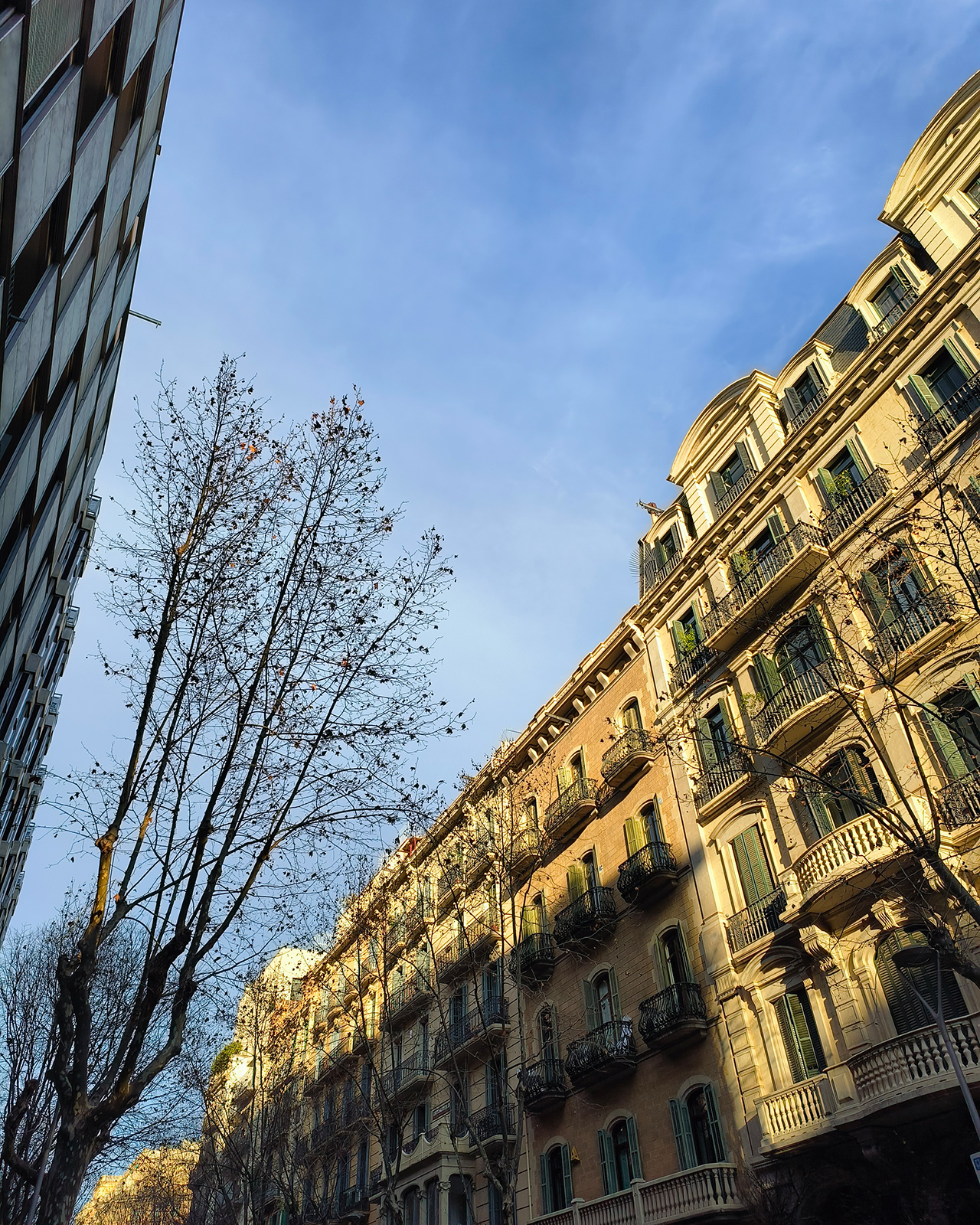
It’s dubbed as the trendiest neighborhood — home to streets of stylish boutiques and restaurants.
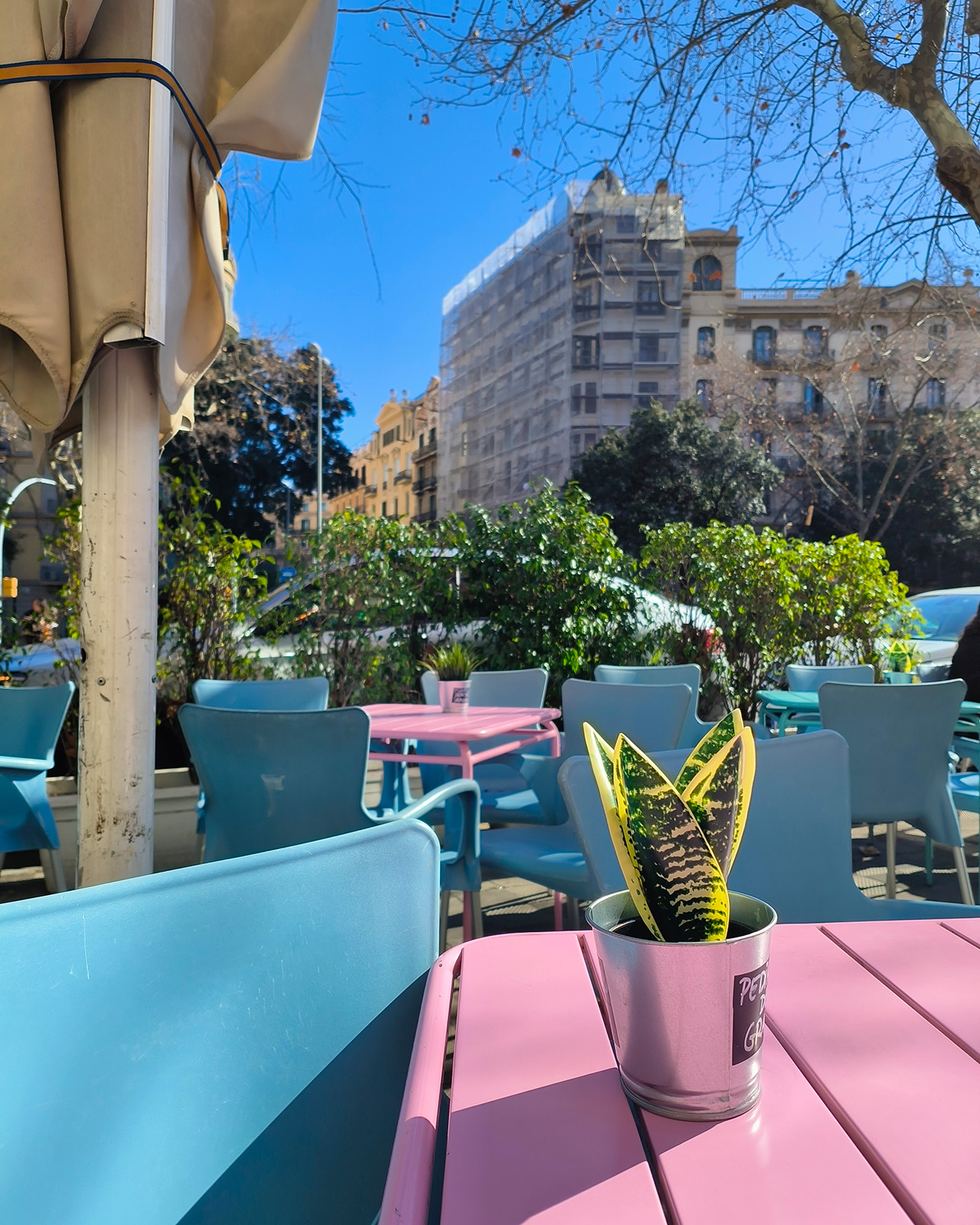
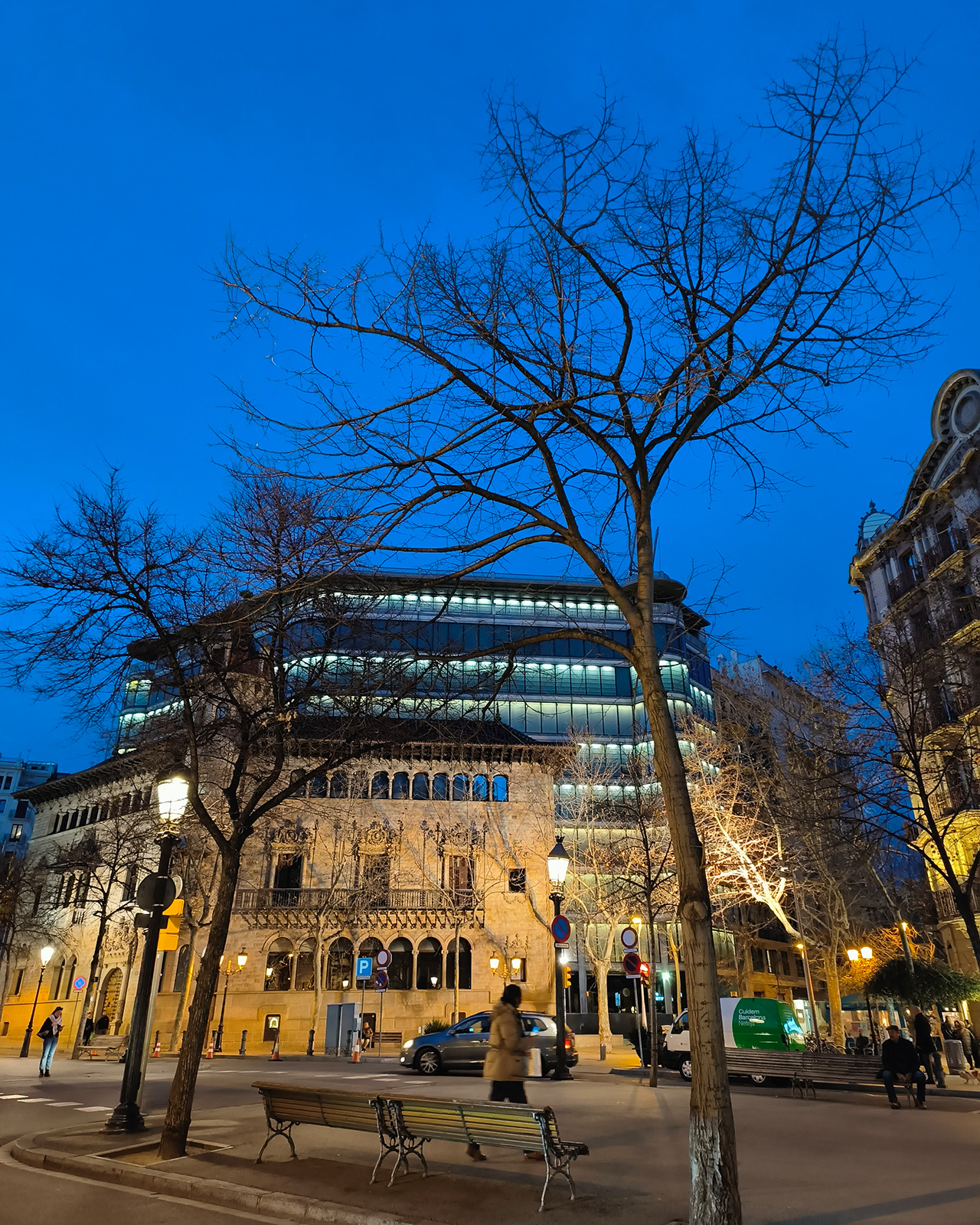
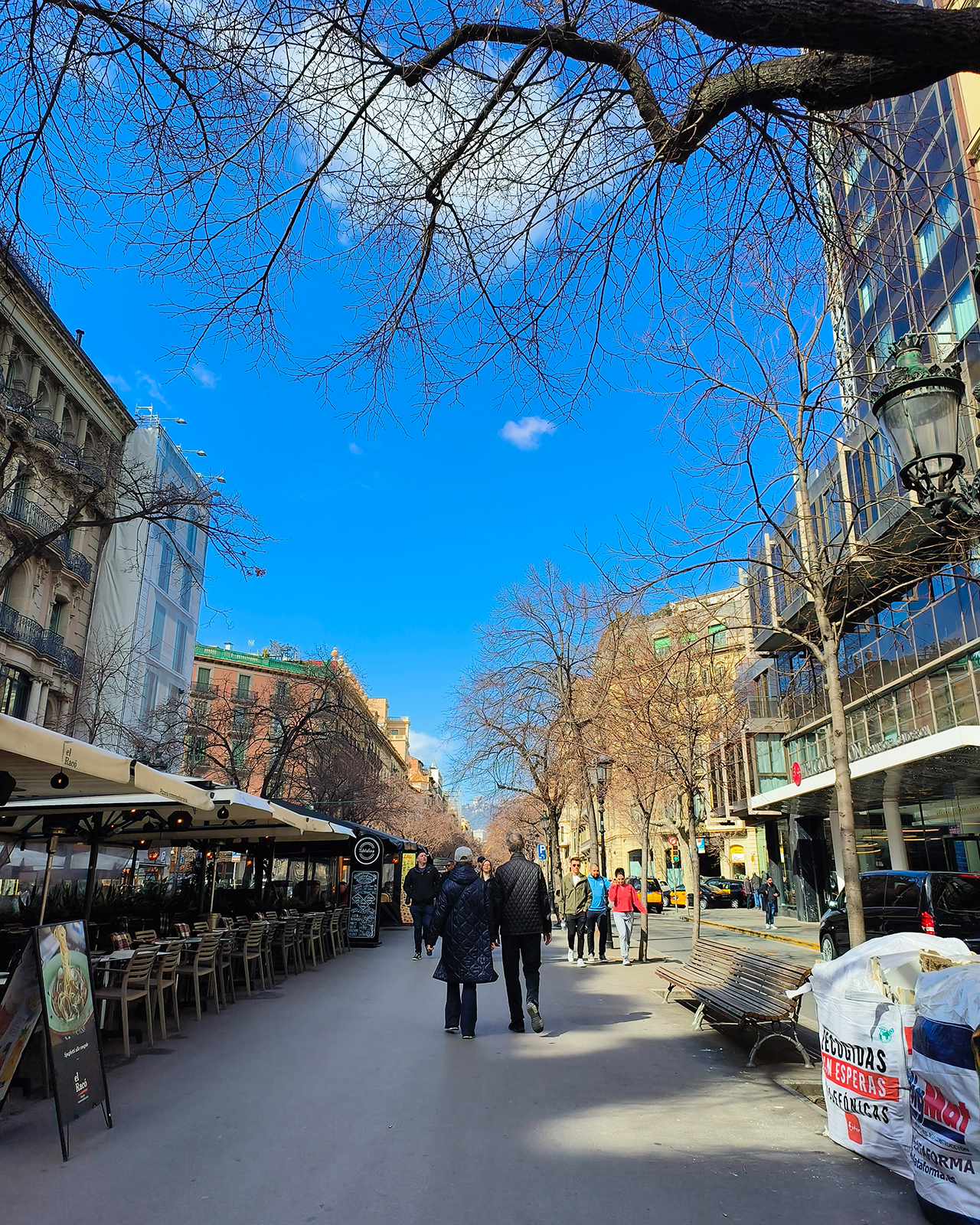
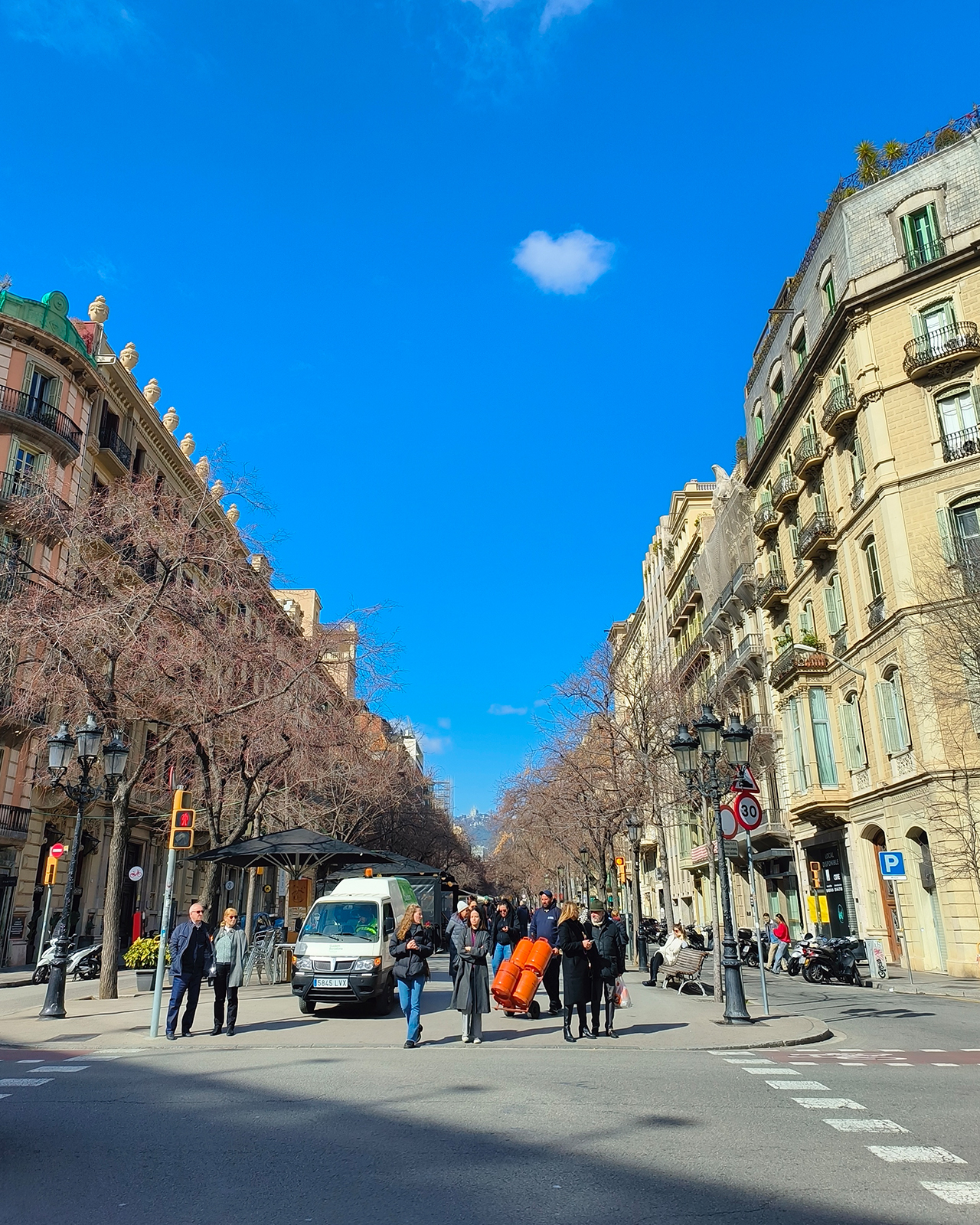

It’s impossible not to feel wonderstruck when you wander, most especially when you cross its main thoroughfare, Passeig de Gracia, and my favorite street: Rambla Catalunya.
Sunny days around Fira Gran Via
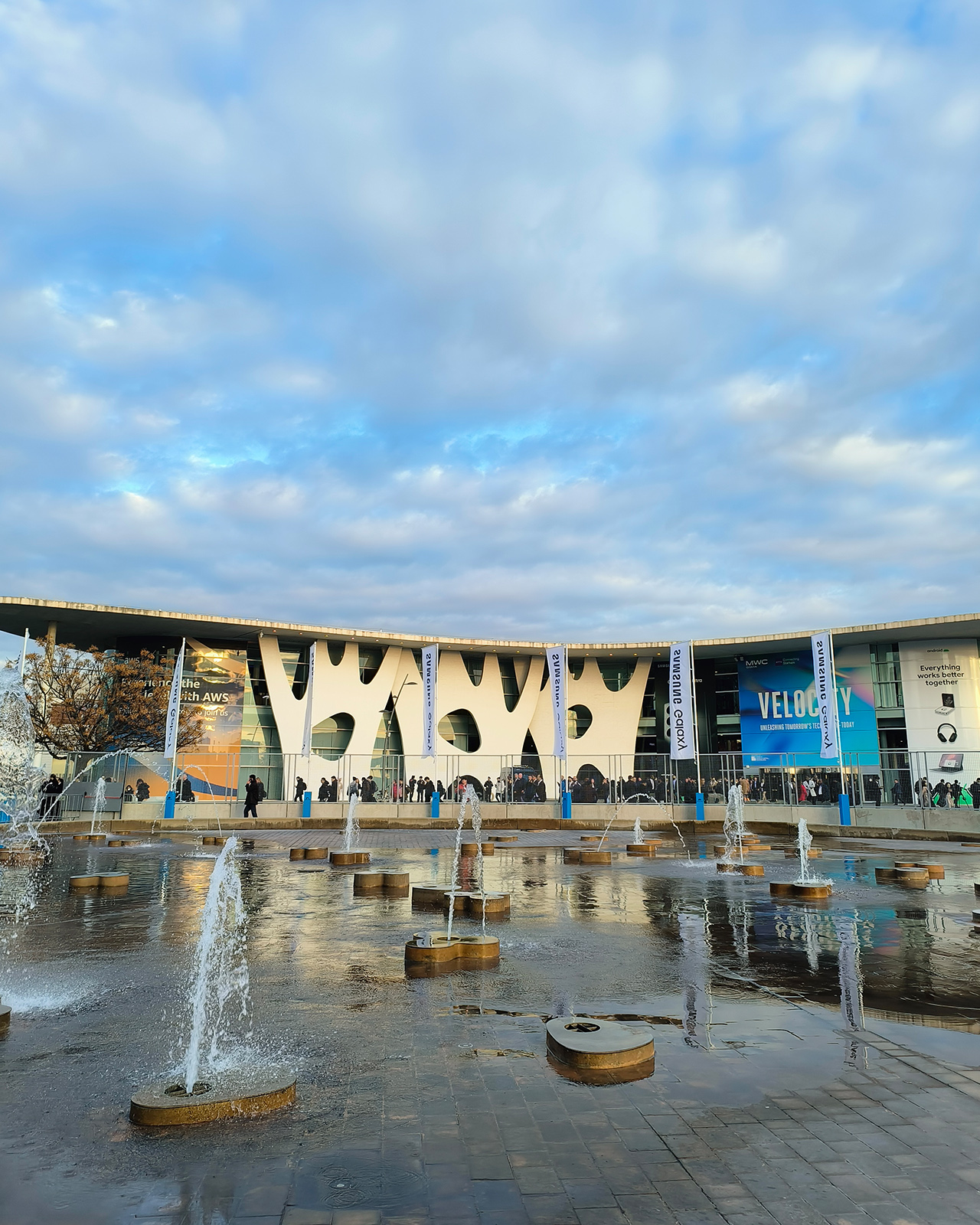
Every year, technology journalists from around the world convene in Barcelona to cover the annual Mobile World Congress.



This year, I was able to join other delegates from the Philippine press. The annual technology conference was set at Fira Barcelona Gran Via, a contemporary exhibition and trade center.

The majority of our days were spent in and out of this area, and I was lucky to experience sunny days around Fira Gran Via even in the middle of winter.

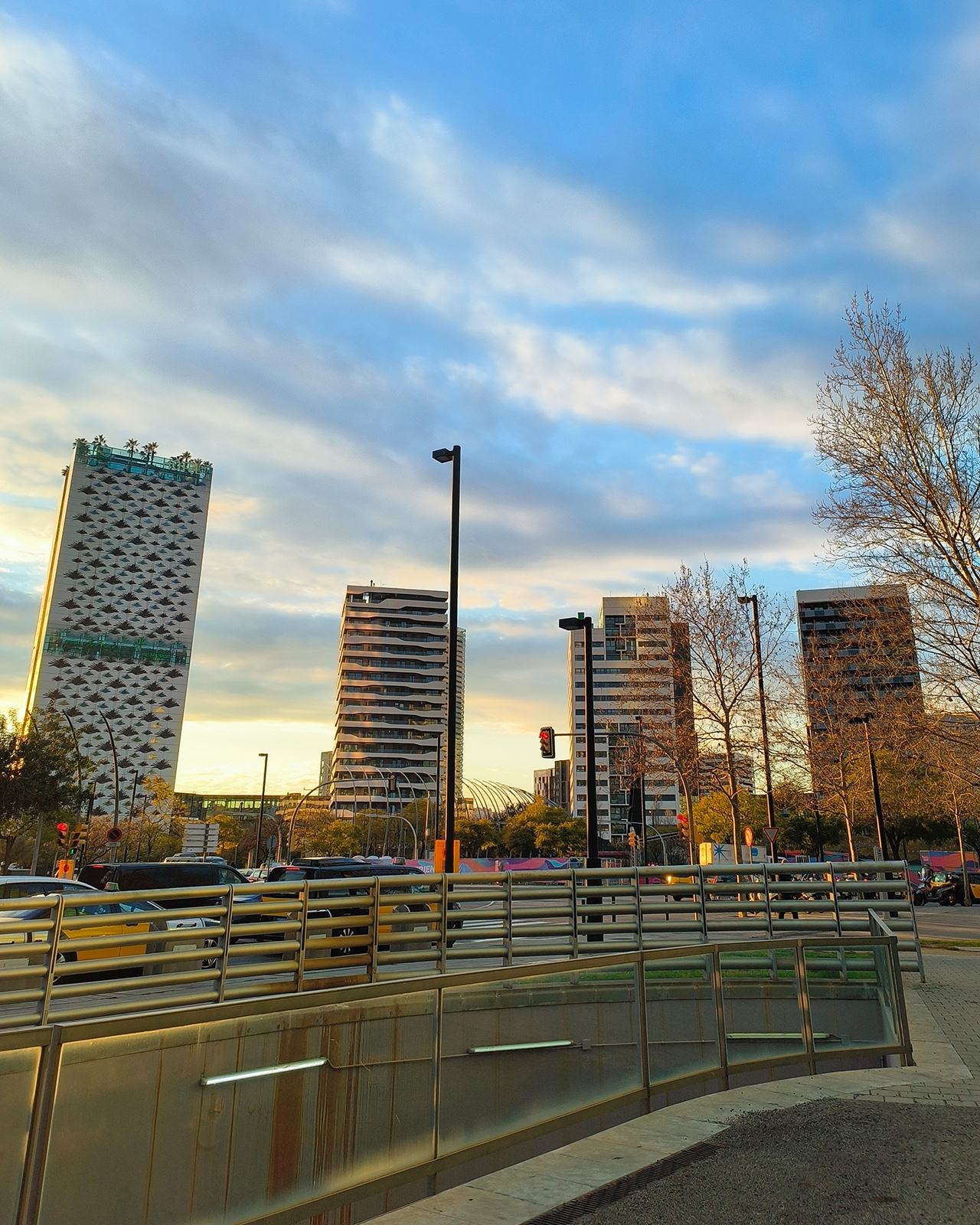

The sheer cold was balanced by the heat of the sun’s rays, allowing me to admire the district amidst the busy crowd.
A blend of architecture across Barcelona

Barcelona is home to towering pieces of architecture — contemporary, art nouveau, and historic landmarks blending in the beauty of the city.
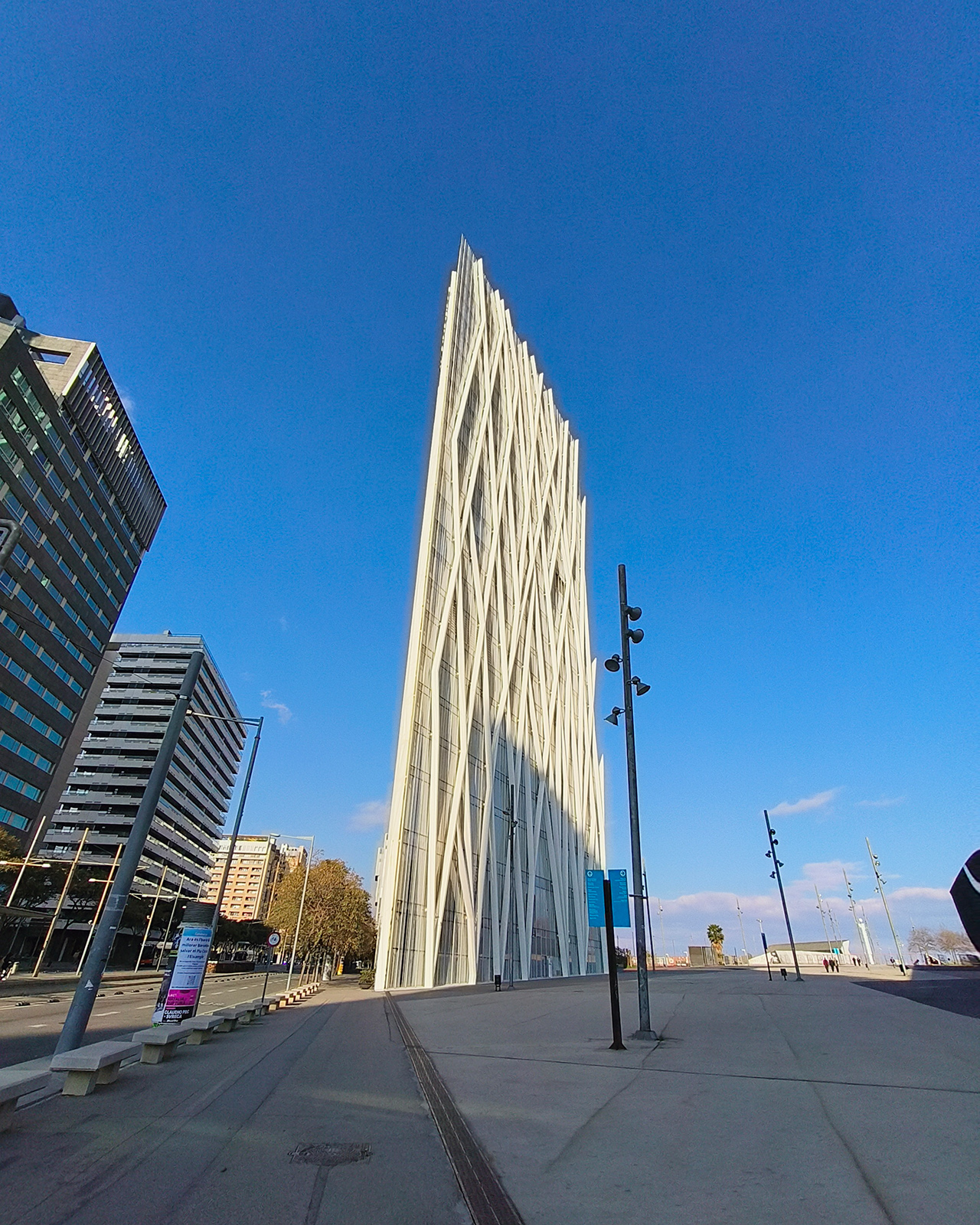
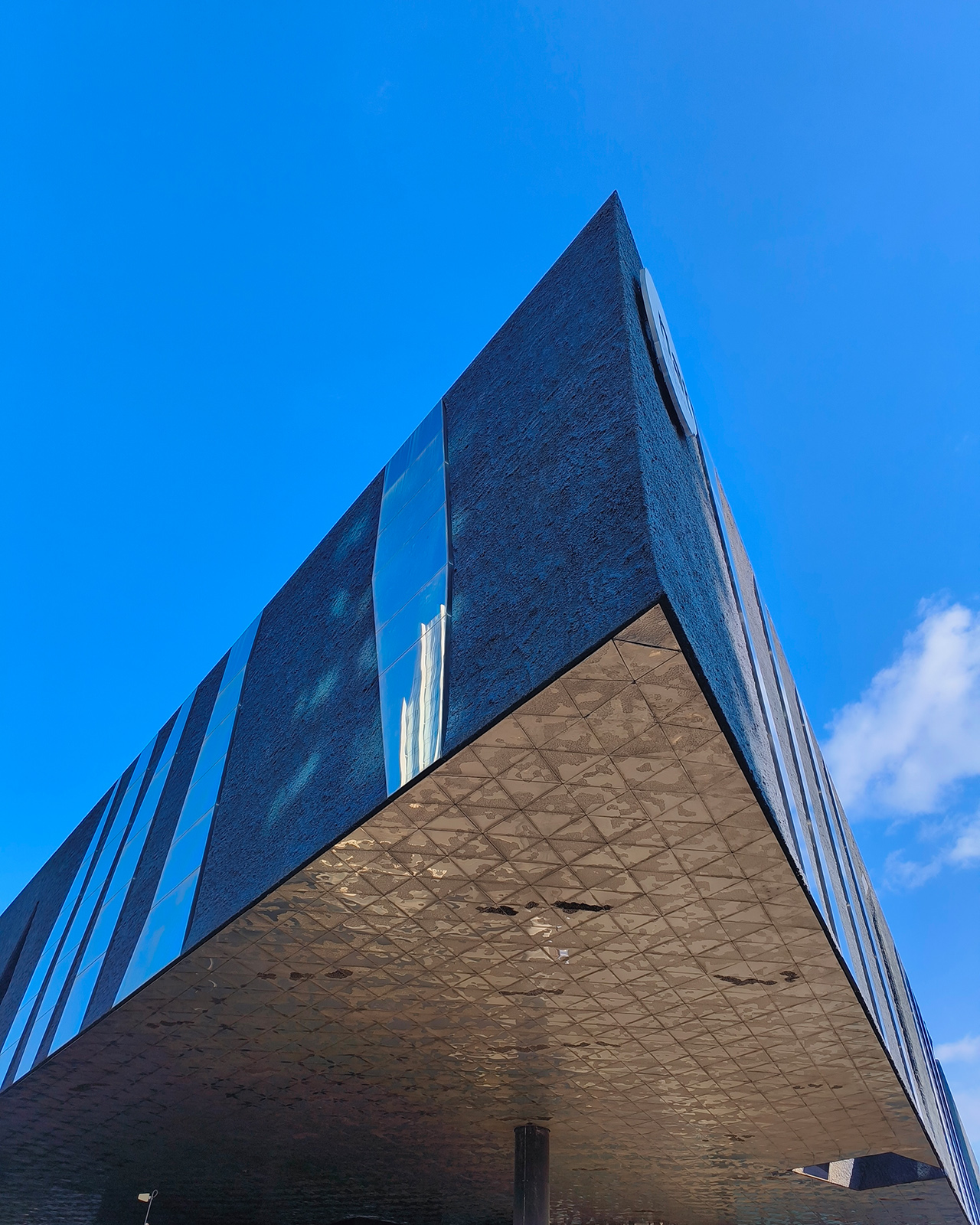
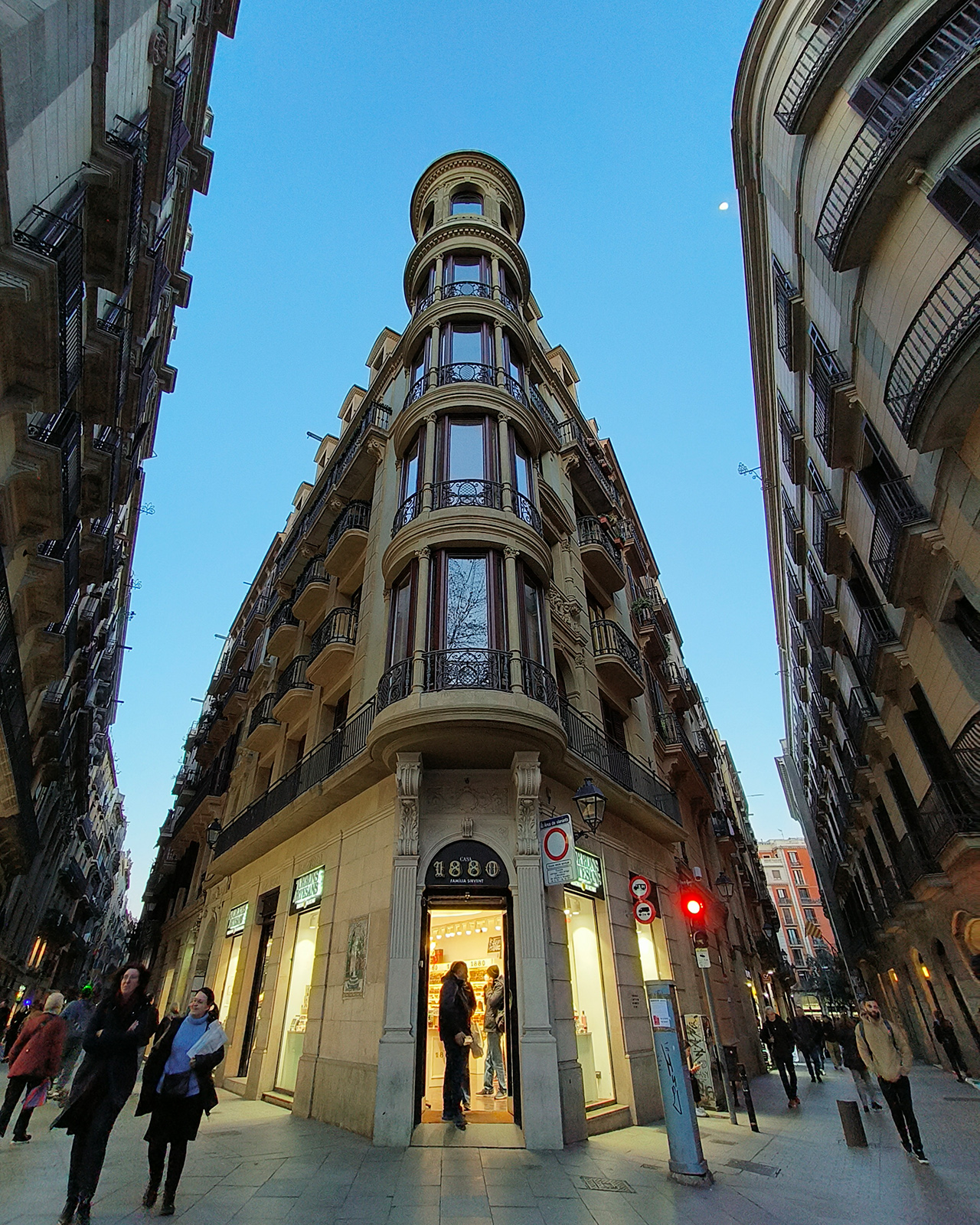



These pieces of architecture stand the test of time; a wish we all make for the connections that we have in our lives.
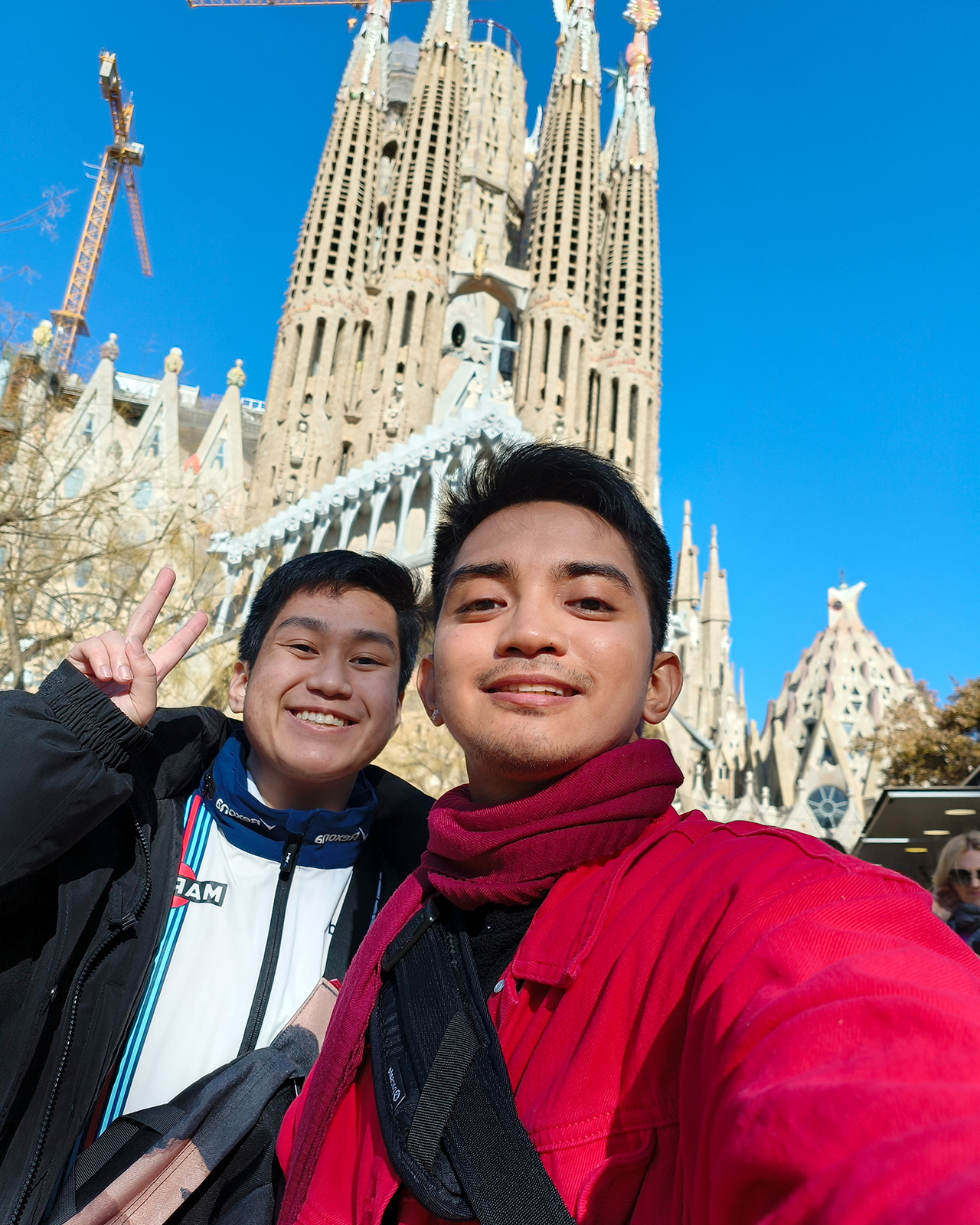
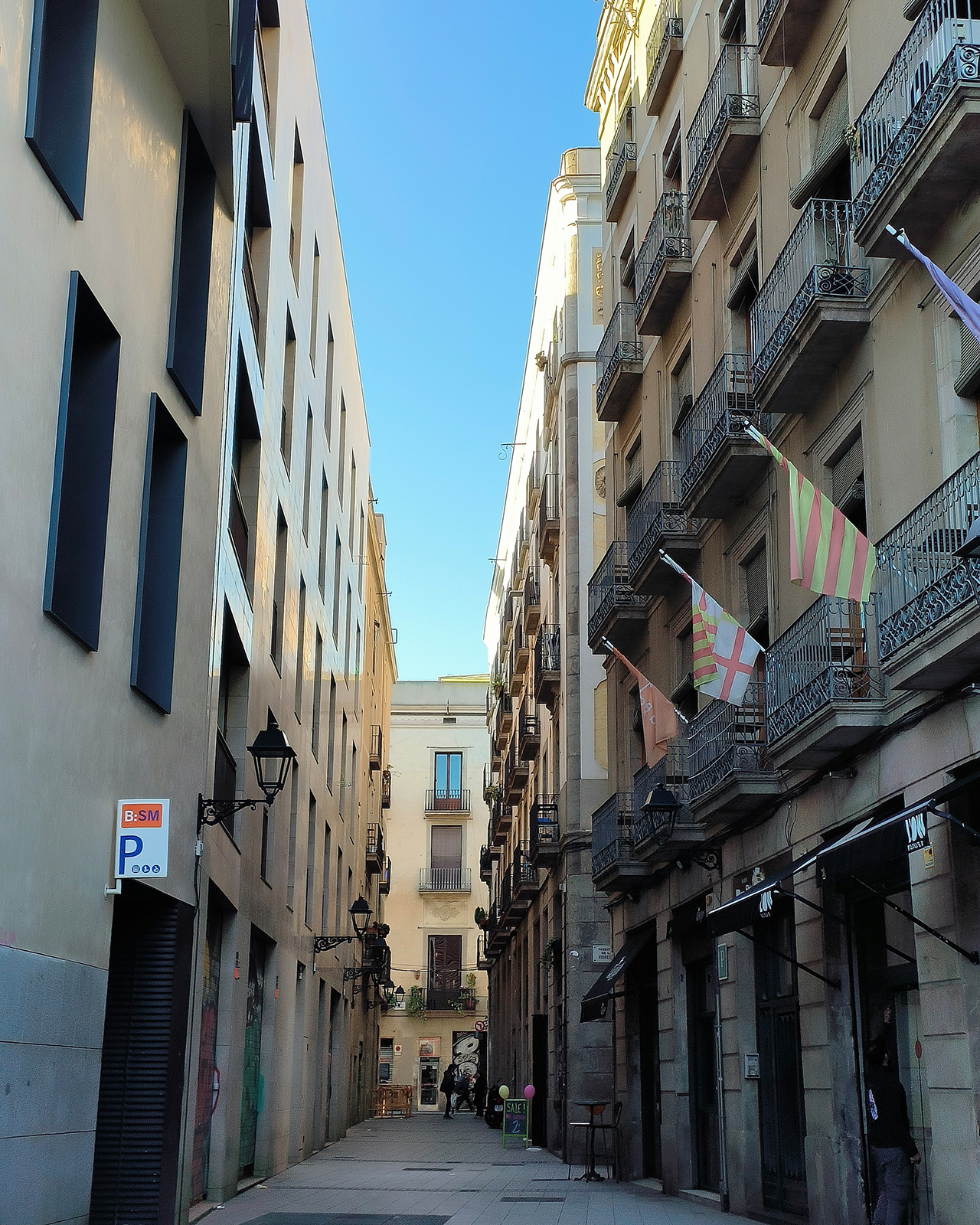
In most explorations, I accompanied my friend Nathan as we dilly-dally around Barcelona, hoping to stumble upon undiscovered gems.
Unexpected beauty of Plaça Reial
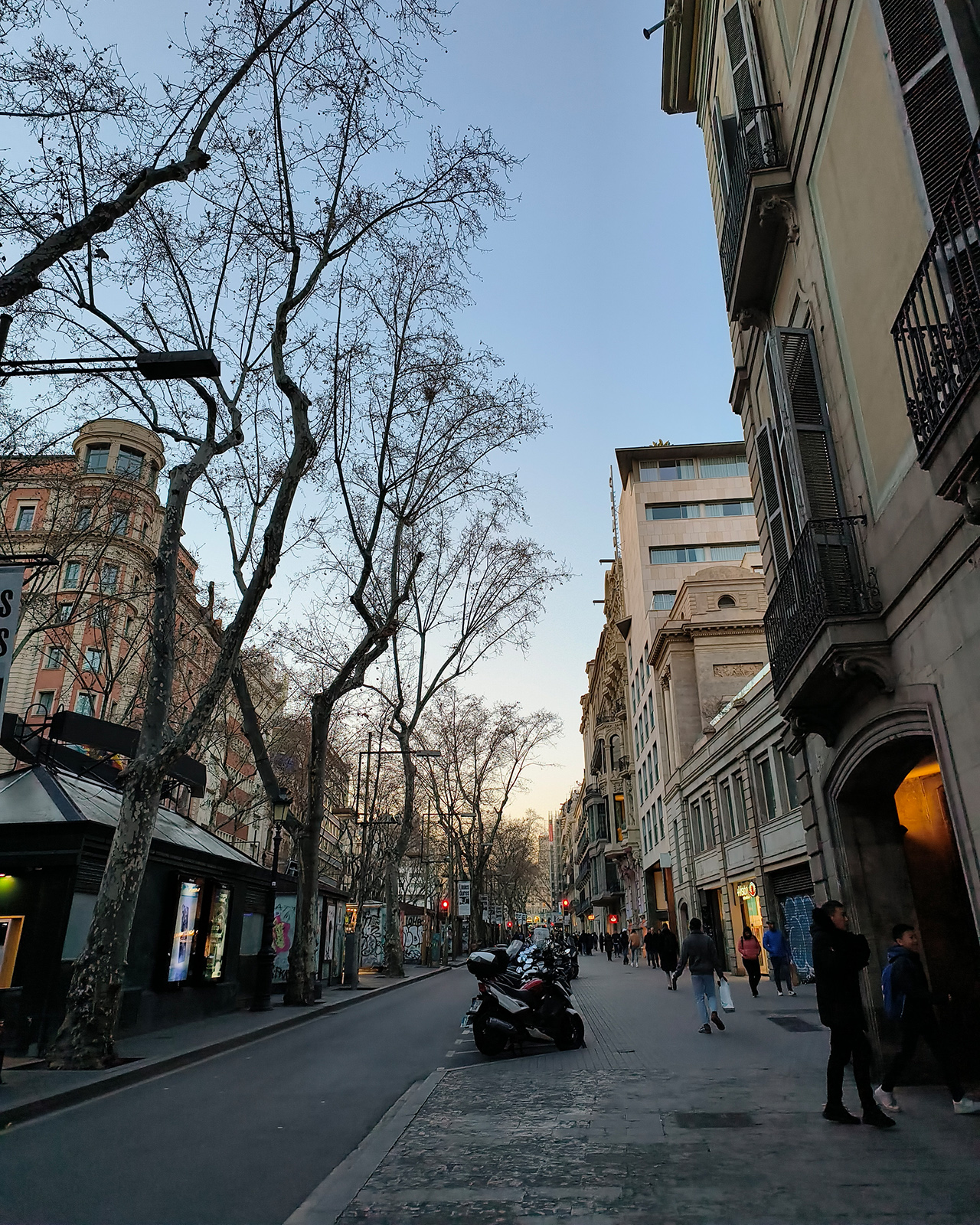
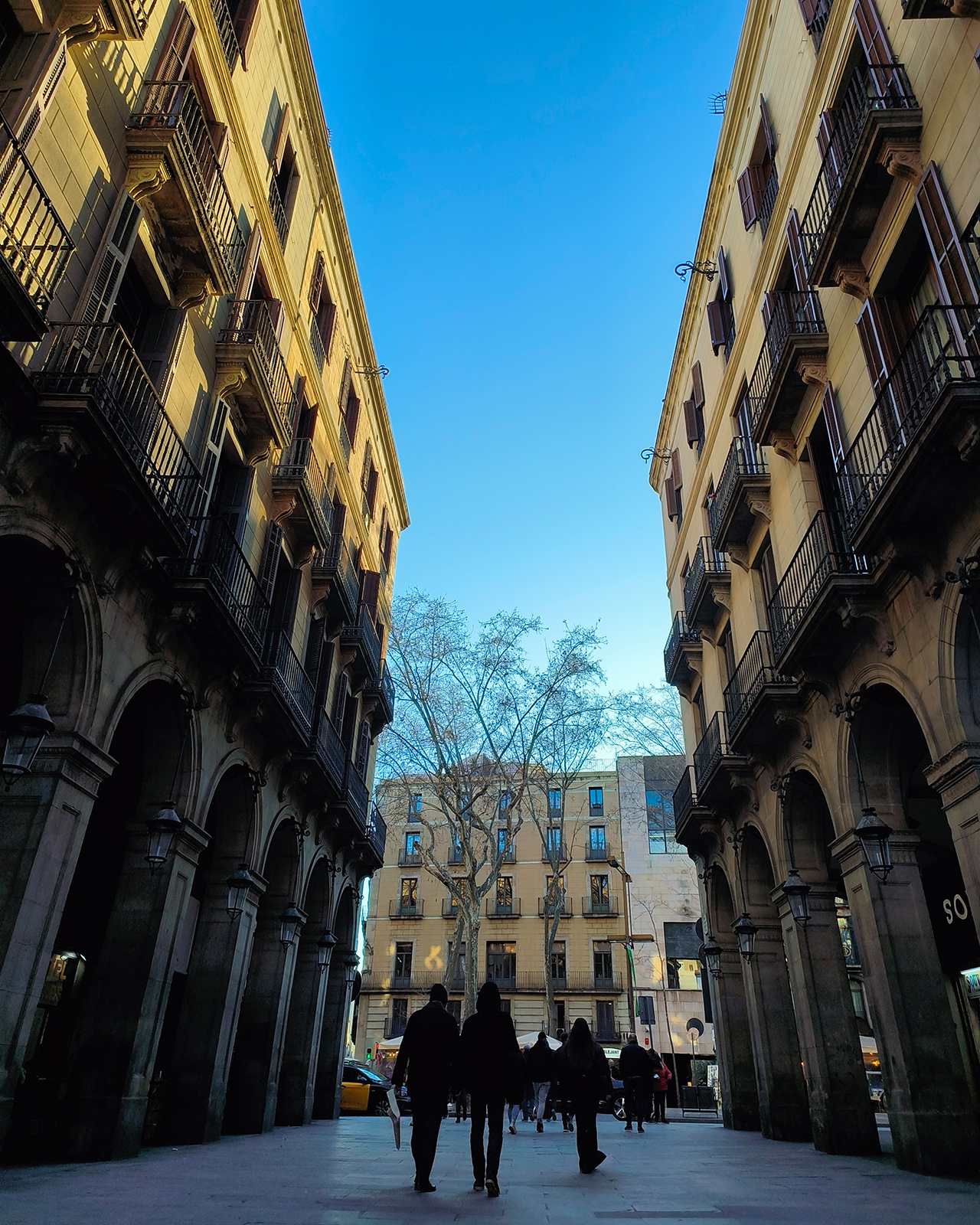
Going past Mercado de La Boqueria, we found ourselves wandering La Rambla to get to the Gothic Quarter — the historic center of the old city of Barcelona — until we discovered Plaça Reial.

Believe me, I was only looking for a beautiful cafe so we can sit and sip some good coffee when we came across this paved square with towering palm trees.


I was astounded by its lampposts designed by Catalan architect Antoni Gaudí, the man behind historical landmarks such as Sagrada Familia, Casa Batlló, and Casa Milà.


Plaça Reial, in a way, reminded me of how love works. It catches you when you least expect it. A risk and a gamble. What’s waiting for you can end up being the best decision you ever make.
Now, it’s my favorite spot in the city of Barcelona, so far.
Midnights became my afternoon

With my companions, the city was alive and well by midnight.



I’m still reeling from the number of dinners I attended, filled with stories and new memories to bring home.




The highlight would probably be the old and new faces I met, and the shrieks of laughter passed in between.
Overlooking, overview

I’ve had plenty of opportunities to stand in good spots, overlooking Barcelona from different destinations.



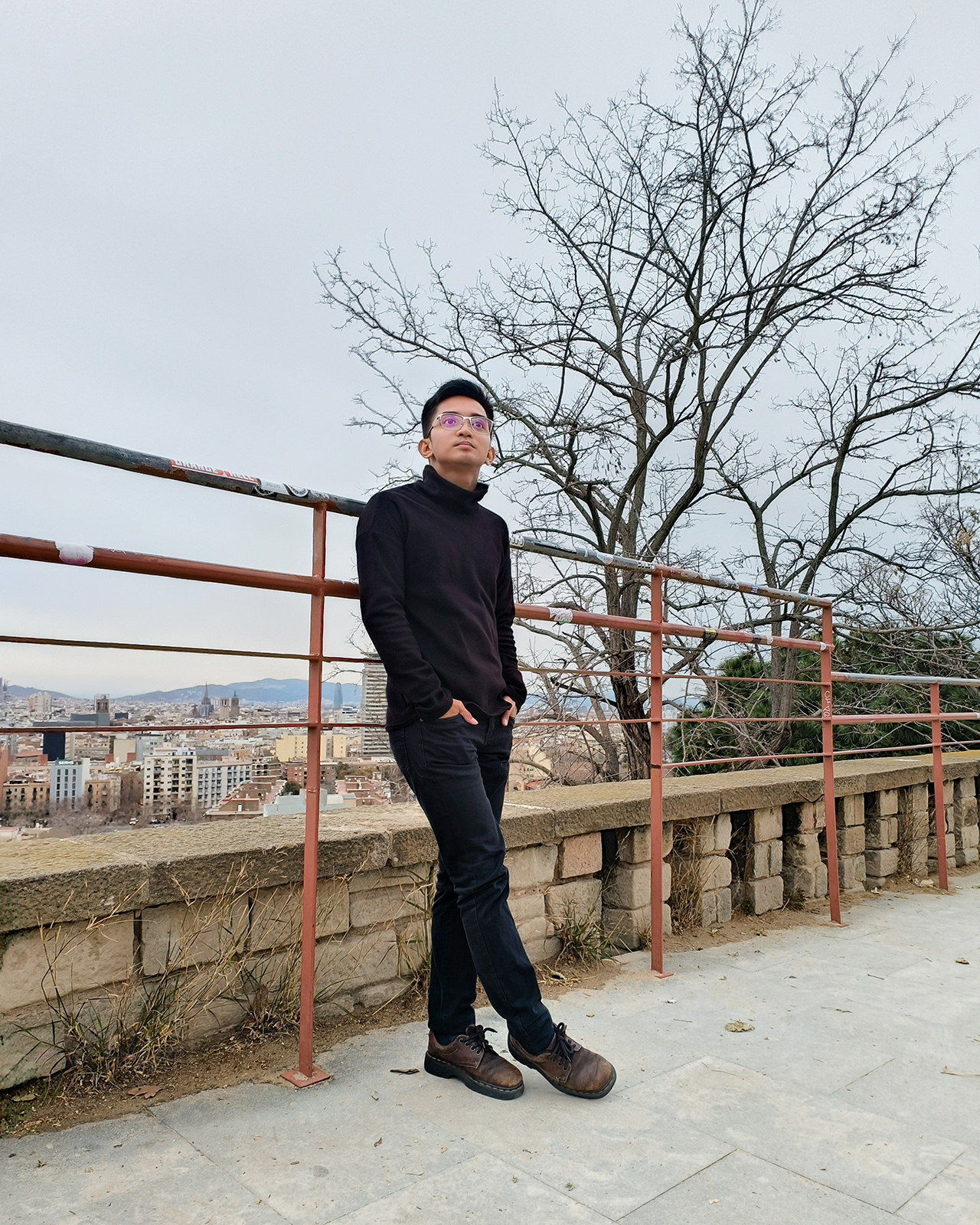
While I find myself in awe, I still took the time to be grateful for the beauty that unfolds in front of me.
Gratefully, I had the OPPO Find N2 Flip to capture the spectacles of Barcelona. It’s a city I didn’t expect to fall in love with. And a place I’d be glad to come back to in the future. Hopefully, with someone to hold hands with in the middle of winter.
All photos were taken using the OPPO Find N2 Flip.





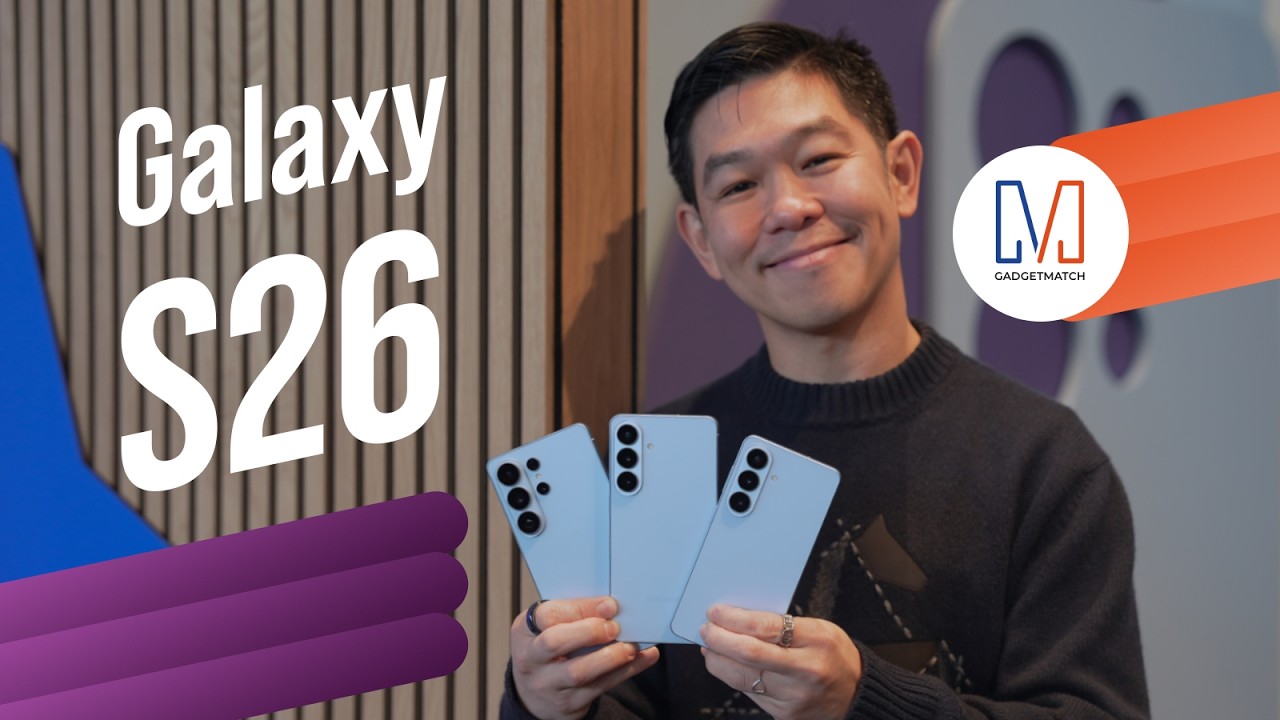
Did Samsung push forward or play it safe with the Samsung Galaxy S26 Series? Well, it’s a little bit of both.
Here’s our Hands-on with the new Samsung Galaxy S26 series to find out.
PRE-ORDER and SAVE up to $900 with enhanced trade-in credit:

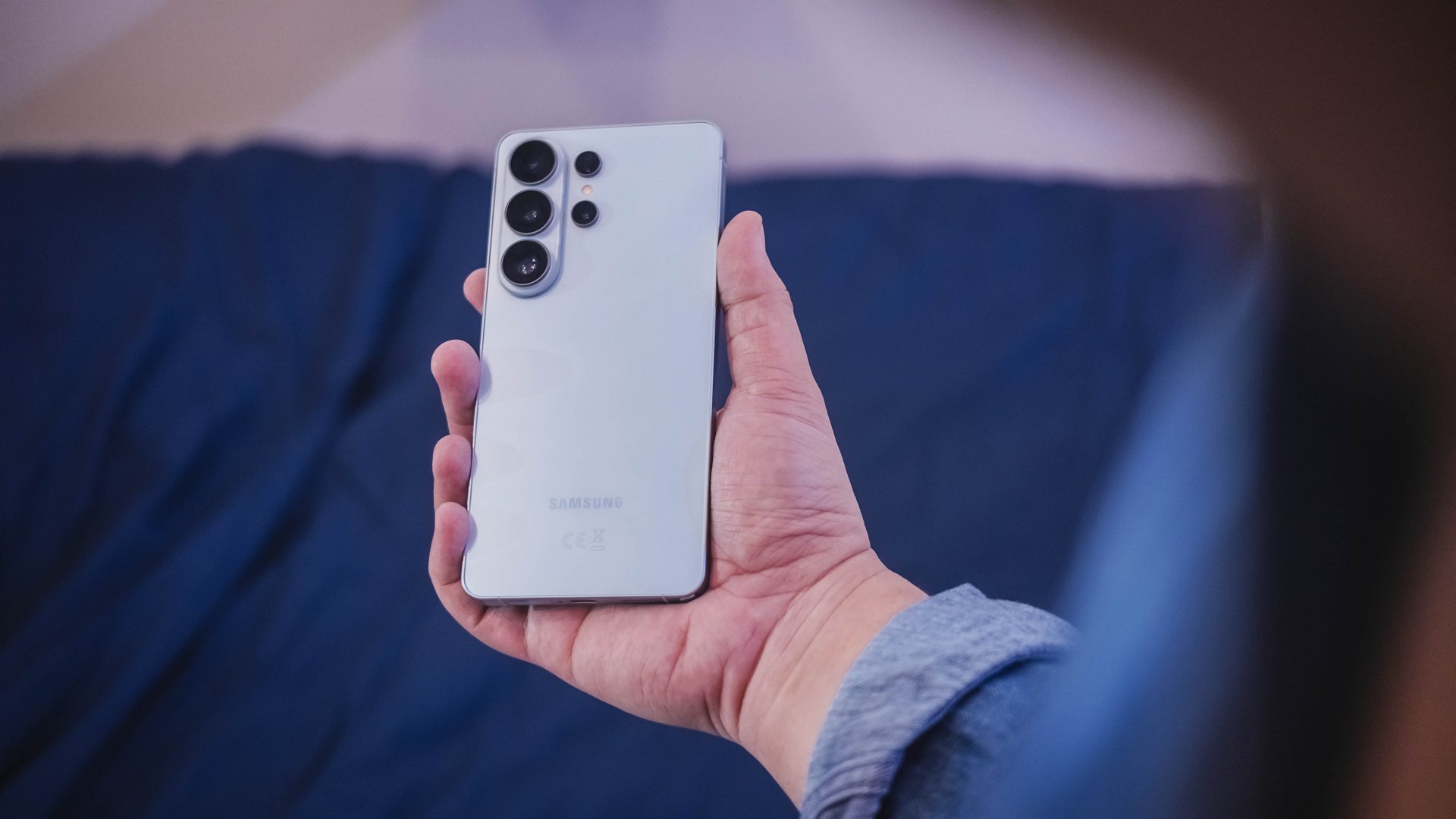
“Our philosophy has never been about chasing specs.”
That line from Samsung’s presentation captures the Galaxy S26 Series better than any spec table.
This isn’t a year of radical hardware shifts. Battery capacities remain unchanged. Megapixel counts are familiar. The design language evolves rather than transforms.
But incremental doesn’t automatically mean irrelevant.
The S26 Ultra feels like Samsung refining its priorities — usability, privacy, and AI integration — instead of pursuing headline-grabbing numbers.
Hardware refinement, not reinvention
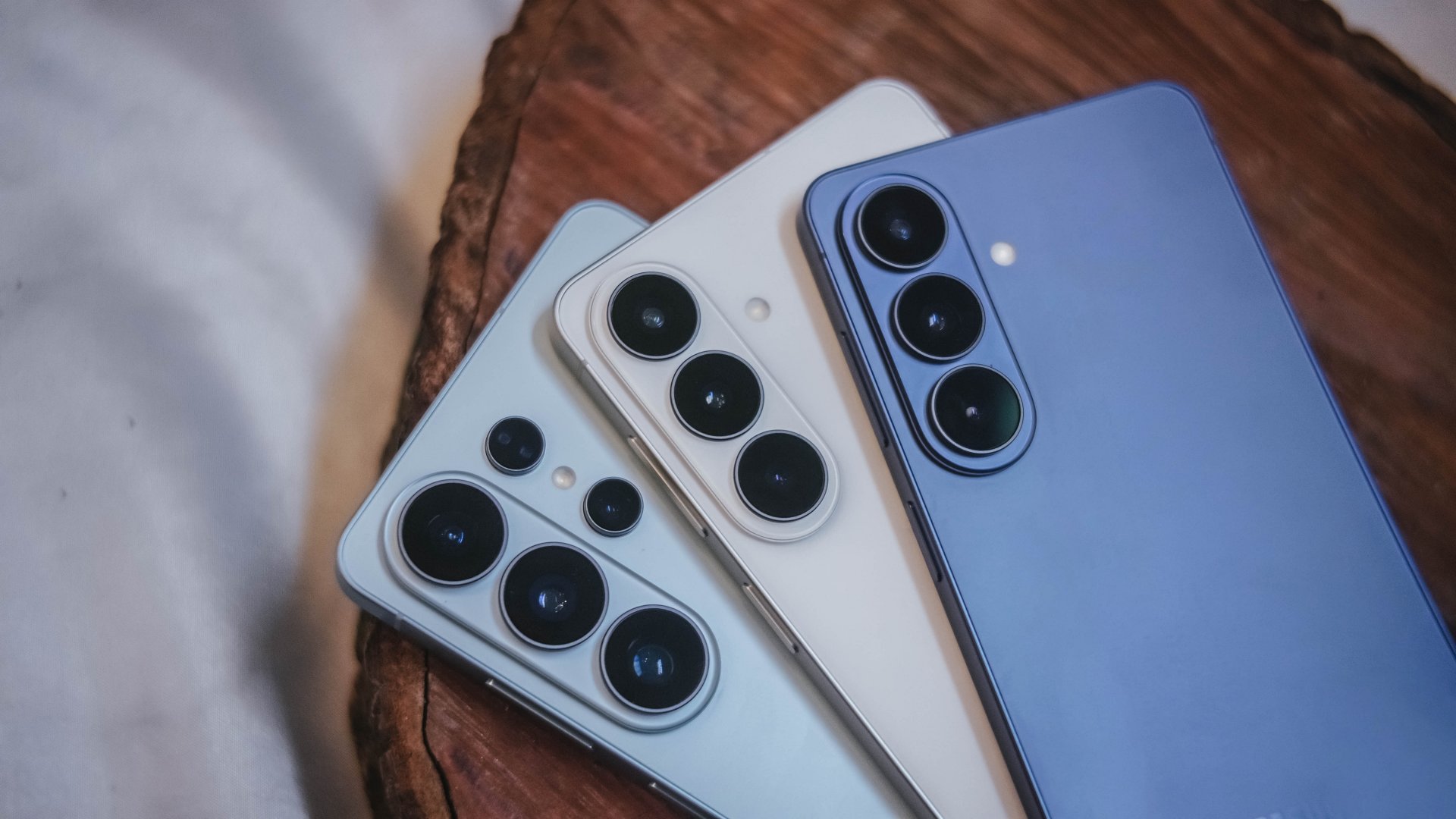
The Galaxy S26 series looks more unified. All three models now share the same corner radius, creating a consistent visual identity. The Ultra no longer stands apart with sharper edges. It’s a small change, but it makes the lineup feel cohesive.
The camera module sits on a more defined island rather than blending into the rear panel. It’s subtle, but noticeable in person.
Samsung also trimmed weight and thickness on the Ultra. At 7.9mm and 214 grams, it handles slightly better than last year’s model. The company switched to Light Armor Aluminum, which it claims improves heat dissipation and weight. The difference in hand isn’t dramatic, but it’s appreciated during extended use.
Charging finally moves forward. The Ultra supports 60W wired charging, up from 45W. Samsung says you can reach 75 percent in around 30 minutes. That’s a meaningful improvement for quick top-ups.
However, 60W isn’t industry-leading in 2026. Competing brands have offered similar or faster speeds for years. This feels less like Samsung setting a new benchmark and more like closing a gap.
Battery capacity remains 5,000mAh. That’s consistent with previous models. While fast charging helps daily convenience, endurance gains will depend on software optimization and real-world usage.
AI and software remain the headline
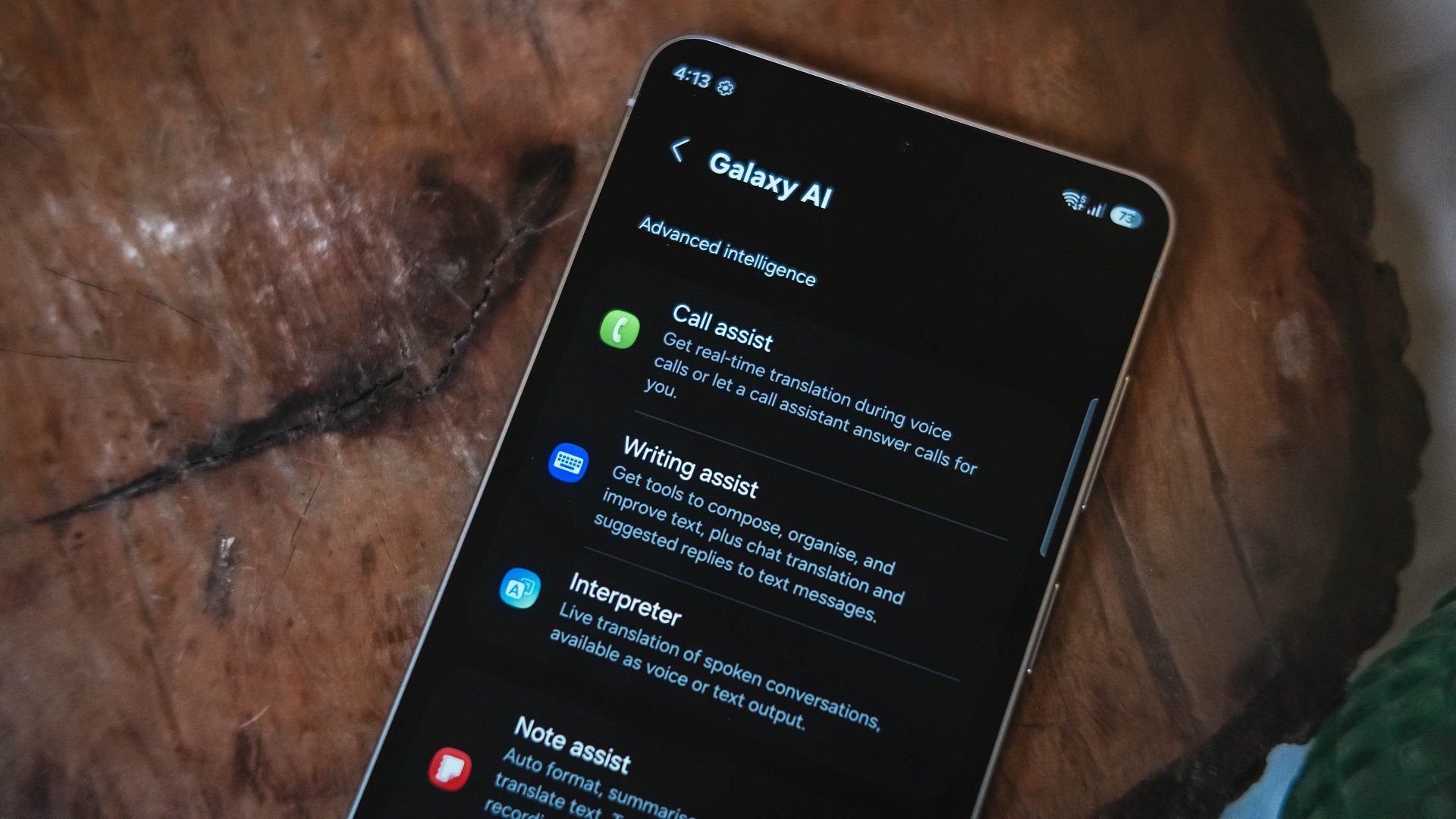
Like recent Galaxy generations, the S26 Series leans heavily on software features.
Privacy Display is one of the more practical additions. It restricts viewing angles at the pixel level, functioning like a built-in privacy filter. If you’re using your phone in public spaces, people nearby will struggle to see what’s on screen.
You can toggle the feature or enable it only for specific apps. That flexibility matters. It allows privacy protection for sensitive apps while keeping general use unaffected.
This addresses a real-world problem. Public screens are inherently visible. Privacy Display doesn’t eliminate that risk, but it reduces casual glances and unwanted observation.
Audio Eraser also gets an upgrade. It now works across third-party apps. We tested it on a noisy K-pop fancam from YouTube, and the background noise reduction was noticeable without destroying audio quality.
It’s not perfect. Overprocessing can occur in extreme cases. But for cleaning up shared videos or reducing ambient noise, it proves useful.
AI Photo Assist introduces text-prompt editing directly inside the Gallery app. Users can describe edits in natural language — remove objects, expand backgrounds, or modify elements — without exporting images to external tools.
This isn’t groundbreaking technology. Similar generative edits exist in other AI platforms. The difference is integration.
By embedding generative tools inside the Gallery, Samsung turns them into part of the default workflow. Photo editing becomes more accessible rather than requiring specialized knowledge or separate apps.
That shift is meaningful. It signals that generative AI editing is becoming a standard smartphone feature rather than an experimental add-on.
Cameras: computational evolution
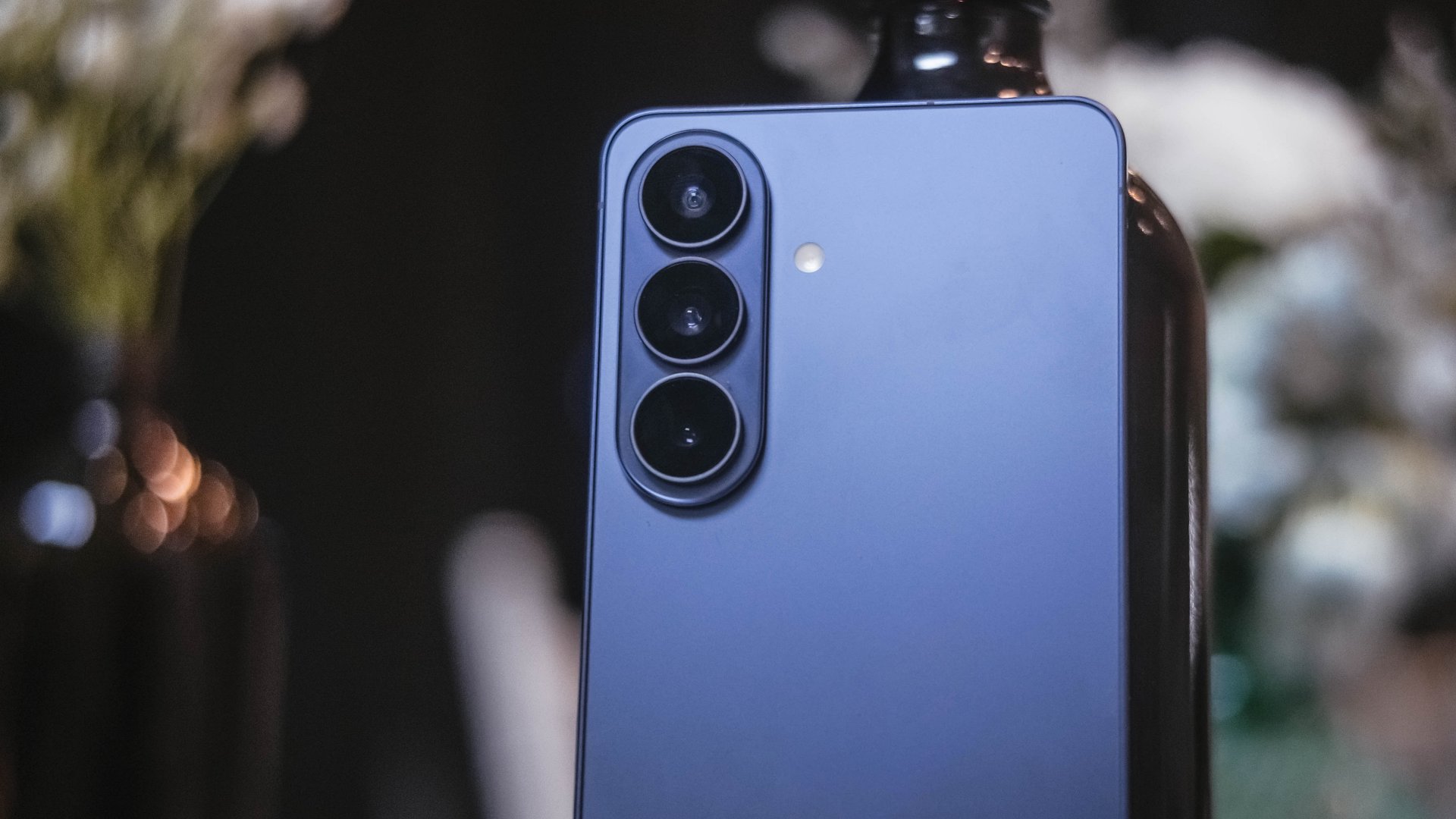
The camera hardware remains familiar. The Ultra continues with a 200MP main sensor and telephoto configurations similar to last year.
Improvements focus on computational photography.
Samsung widened apertures to allow more light. Stabilization has been refined. AI sharpening and Nightography processing aim to produce cleaner images with reduced noise.
From samples shown during the presentation, low-light shots appear brighter and cleaner. However, the processing can feel aggressive. Details sometimes look overly smoothed, and textures can appear artificial.
This reflects Samsung’s long-standing approach — prioritize computational enhancements over megapixel increases. The S26 continues that philosophy.
For video creators, APV (Advanced Professional Video) enables 8K recording with minimal quality degradation during edits. Super Steady Video also improves handheld stabilization.
These features cater to content creation workflows rather than casual snapshots.
Incremental but intentional

The Galaxy S26 Ultra doesn’t try to shock. It doesn’t reinvent Samsung’s design language or introduce dramatic hardware leaps.
Instead, it refines existing ideas.
Privacy Display addresses public visibility concerns. Audio Eraser improves real-world video cleanup. AI Photo Assist integrates generative editing into everyday photo workflows. Charging speeds improve without industry-leading ambitions.
Even the design changes — unified corner radii, a defined camera island, lighter materials — emphasize cohesion.
This strategy resembles the broader shift in the smartphone industry. Hardware innovation has slowed. Software and usability improvements drive differentiation.
Samsung appears comfortable with that reality.
Of course, first impressions only tell part of the story. We still need extended testing for battery life, thermal performance, camera consistency, and AI reliability.
The S26 Ultra may not represent a revolution. But refinement can matter — especially when it targets usability and practical features.
Samsung will have to make significant hardware upgrades eventually. But for now, it feels like the company is doubling down on incremental progress. Not flashy. Not radical. But purposeful.
Whether that strategy resonates will depend on real-world performance.
Samsung Galaxy S26 Series – Specs
| Feature | Galaxy S26 Ultra | Galaxy S26+ | Galaxy S26 |
| Display | 6.9″ Dynamic AMOLED 2X
|
6.7″ Dynamic AMOLED 2X
|
6.3″ Dynamic AMOLED 2X
|
| Rear Camera: Ultra Wide | 50MP, F1.9, 0.7 µm | 12MP, F2.2, 1.4 µm | 12MP, F2.2, 1.4 µm |
| Rear Camera: Wide | 200MP, F1.4, 0.6 µm | 50MP, F1.8, 1.0 µm | 50MP, F1.8, 1.0 µm |
| Optical Quality 2x | |||
| Rear Camera: Telephoto 1 | 10MP, F2.4, 1.12 µm | 10MP, F2.4, 1.0 µm | 10MP, F2.4, 1.0 µm |
| 3x optical zoom | |||
| Rear Camera: Telephoto 2 | 50MP, F2.9, 0.7 µm
|
— | — |
| Front Camera | 12MP, F2.2, 1.12 µm | 12MP, F2.2, 1.12 µm | 12MP, F2.2, 1.12 µm |
| Processor | Snapdragon® 8 Elite Gen 5 for Galaxy (3 nm) | Exynos 2600 (2 nm)* | Exynos 2600 (2 nm)* |
| Memory (RAM) | 12GB / 16GB | 12GB | 12GB |
| Storage | 256GB / 512GB / 1TB | 256GB / 512GB | 128GB / 256GB / 512GB |
| (Micro SD: N/A) | |||
| Battery | 5,000 mAh | 4,900 mAh | 4,300 mAh |
|
|||
| Dimensions | 78.1 x 163.6 x 7.9 mm
214 g (Sub6/mmWave) |
75.8 x 158.4 x 7.3 mm
190 g (Sub6/mmWave) |
71.7 x 149.6 x 7.2 mm
167 g (Sub6) |
| Colors | Standard: Cobalt Violet (Hero), Sky Blue, Black, White
Online: Silver Shadow, Pink Gold |
Standard: Cobalt Violet (Hero), Sky Blue, Black, White
Online: Silver Shadow, Pink Gold |
Standard: Cobalt Violet (Hero), Sky Blue, Black, White
Online: Silver Shadow, Pink Gold |






HONOR unveils Robot Phone concept at MWC 2026

HONOR partners with ARRI to bring cinematic image science to smartphones

HONOR pushes embodied AI vision at MWC 2026

HONOR MagicPad4 unveiled with 3nm Snapdragon 8 Gen 5

Match Pulse: HONOR Magic V6


-
 News1 day ago
Xiaomi 17 Ultra is now available outside China
-
 Camera Walkthrough1 week ago
OPPO Reno15 Pro: Camera Review
-
 First Look2 weeks ago
Match Pulse: Infinix NOTE 60 Pro
-

 Cameras1 week ago
Osmo Pocket 4 makes a surprising appearance in public
-

 Gaming2 weeks ago
LG unveils UltraGear evo, redefines 5K gaming with AI Upscaling
-
 News1 week ago
iPhone 17 Pro Max is somehow the most traded-in phone today
-

 News1 week ago
HUAWEI launches Mate X7, MatePad 11.5 S 2026, FreeClip 2
-

 Gaming2 weeks ago
PlayStation 6 reportedly delayed to 2029 because of RAM shortage