

Features
Gilas Pilipinas-New Zealand through the lens of the OPPO Find X8 Pro
Best camera phone for sports and concerts?

Let’s just say I was able to capture sports history with the help of the OPPO Find X8 Pro. OPPO’s newly-released flagship smartphone series boasts of one of the best camera packages in its segment, co-developed by Hasselblad.
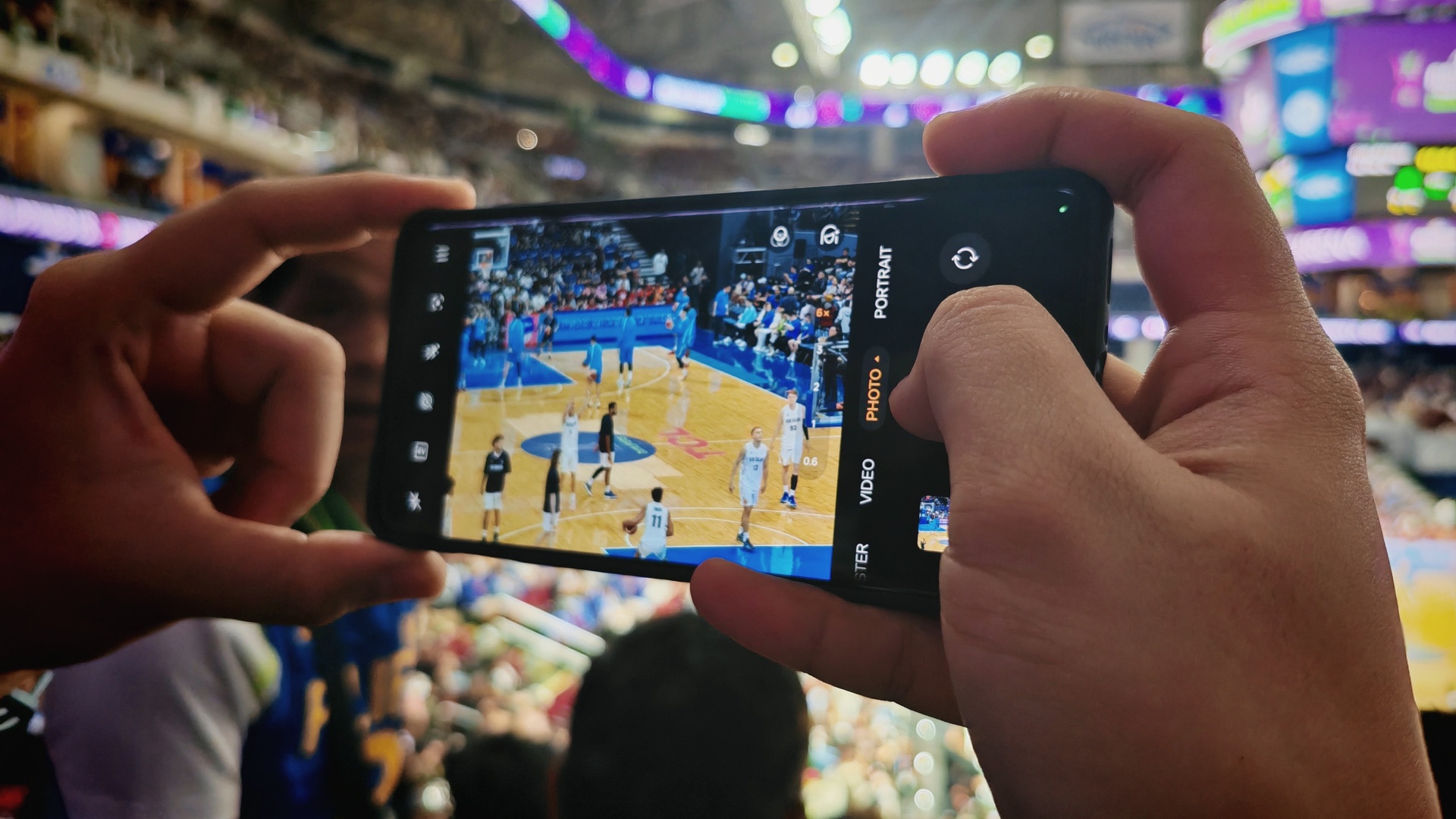
During its launch event, OPPO also made it clear that the Find X8 Series is promoted as a device that’s ideal for concerts and sports. That’s mainly due to the double periscope cameras specifically on the Find X8 Pro variant.
And what better way to try that claim than by bringing the Find X8 Pro to Gilas Pilipinas’ (the Philippine men’s national basketball team) home game against the New Zealand Tall Blacks as part of the 2025 FIBA Asia Cup qualifiers.
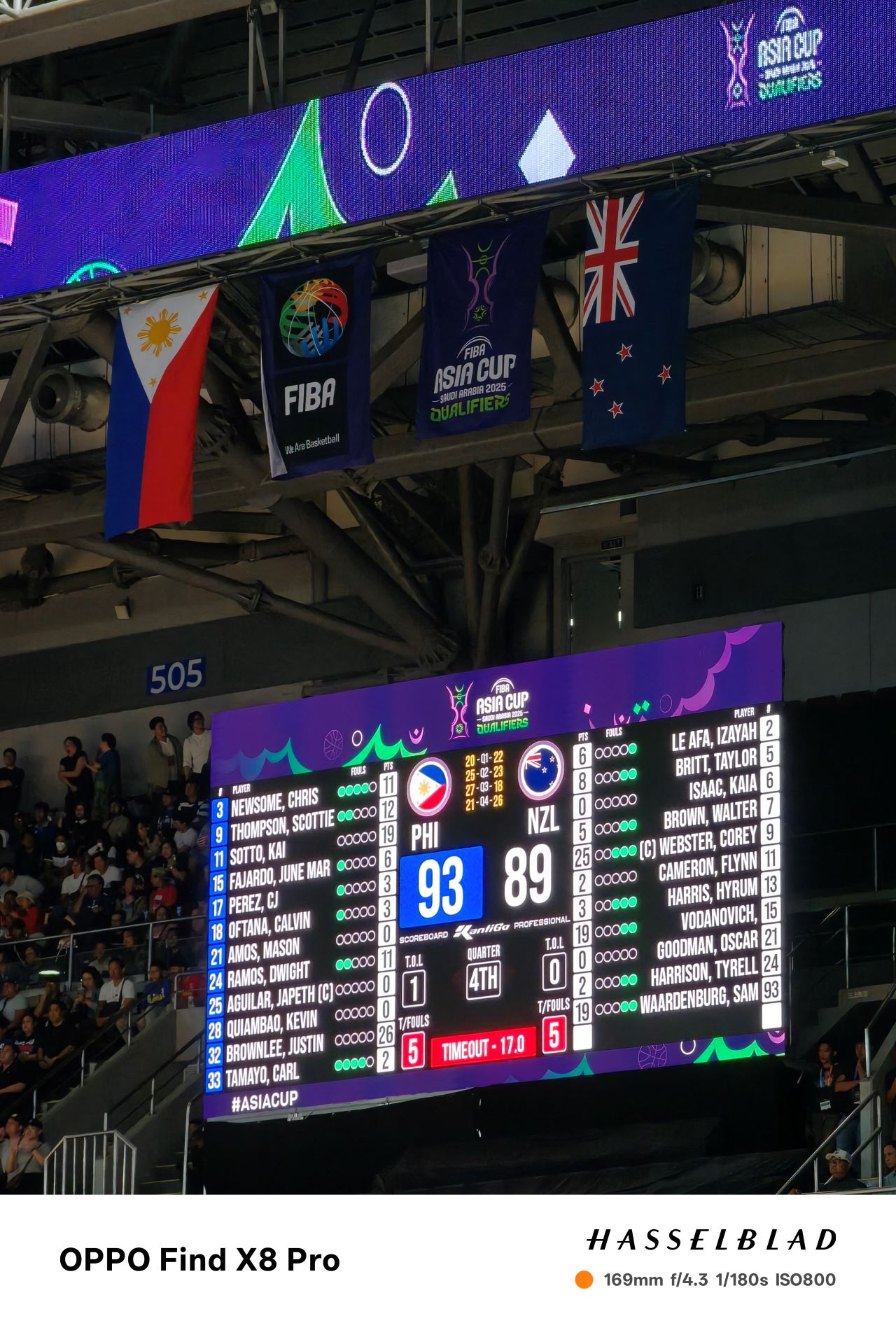
Coming into the game, the Philippines has never beaten New Zealand in international hoops. That’s all but a footnote now, as Gilas used a strong second half and a solid team effort to secure a 93-89 victory in front of thousands of fans inside the Mall of Asia Arena.
And thanks to our friends at OPPO who lend us the Pro model, we were able to record everything — stills and videos. (Take note that this model is not available in the Philippines. Globally, it retails for SG$ 1,649 / IDR 15,999,000).
OPPO Find X8 Pro cameras
Before we show you some sample images, here are the OPPO Find X8 Pro camera specs:
- Ultra-wide angle: 50MP; f/2.0; FOV 120°; 6P lens; AF supported
- Wide angle: 50MP; f/1.6; FOV 85°; 7P lens; AF supported; 2-axis OIS supported
- Telephoto: 50MP; f/2.6; FOV 33°; 1G3P lens; AF supported; 2-axis OIS supported
- Ultra-Telephoto: 50MP; f/4.3; FOV 18°; 1G3P lens; AF supported; 2-axis OIS supported
The Find X8 Pro also happens to be the first handset to feature two periscope cameras. OPPO uses Sony sensors for its “Master Camera System.”
Click here for the rest of the OPPO Find X8 Series’ specs.
Gilas makes history
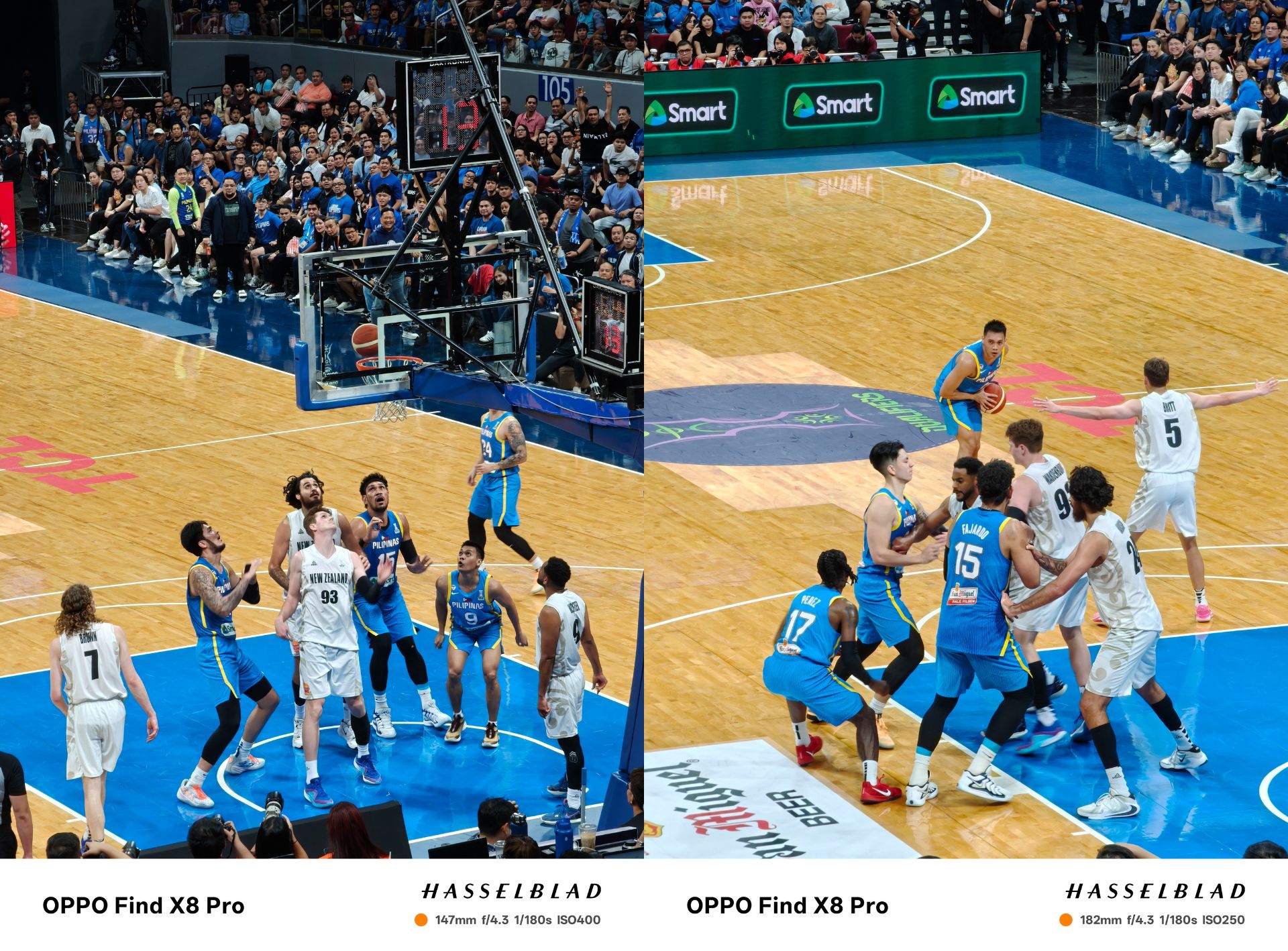
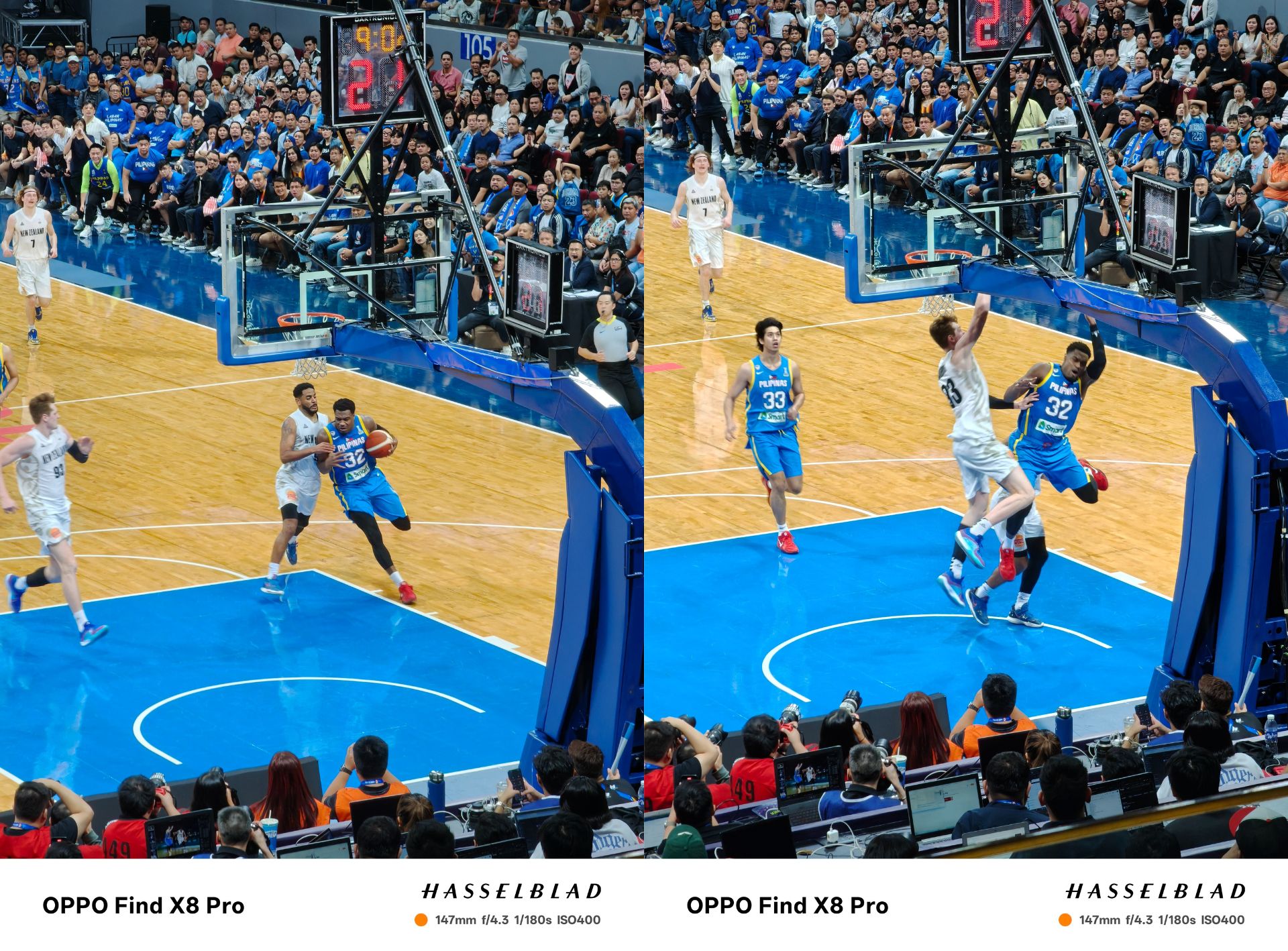
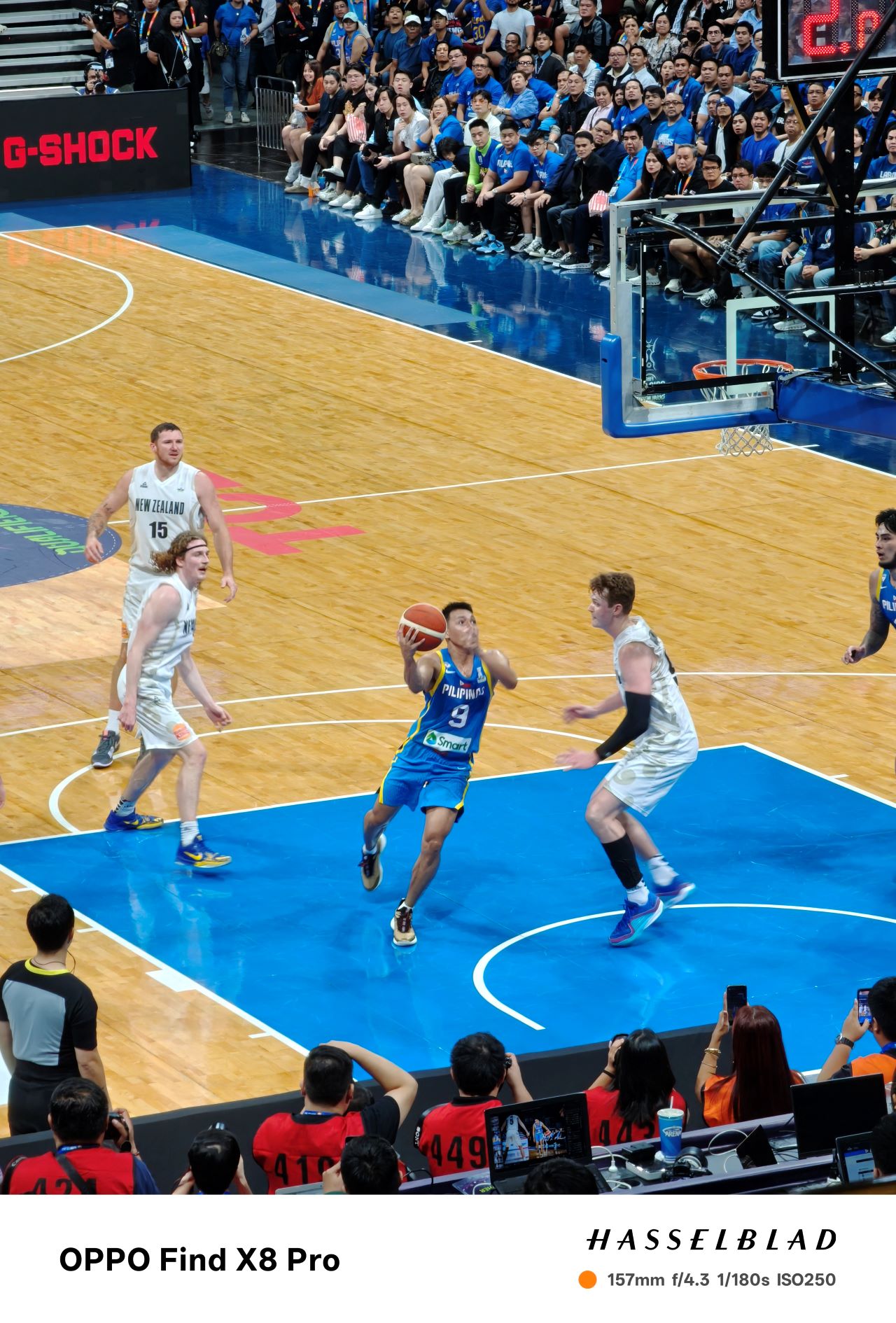
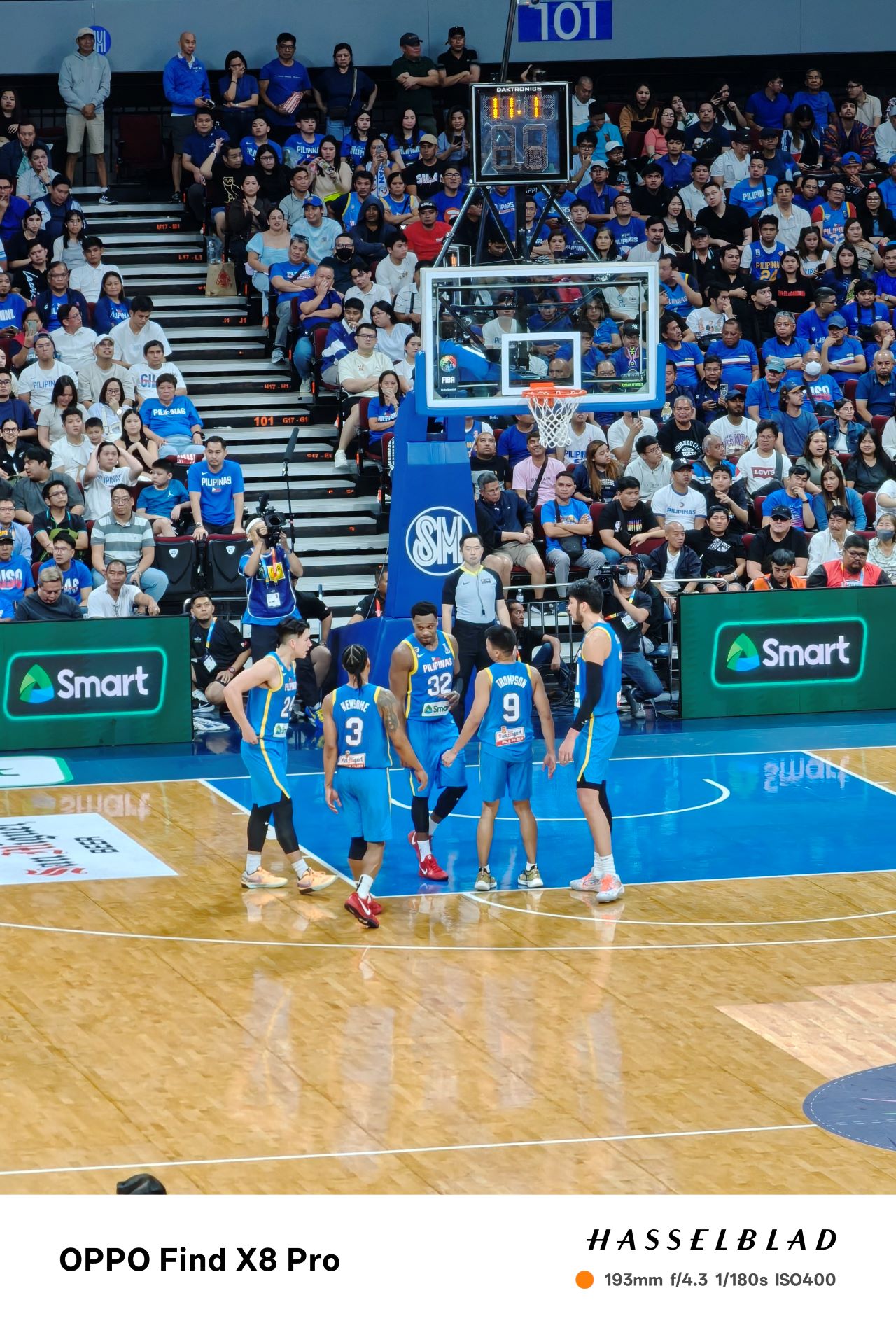
Almost all of these photos were taken from about 6x zoom and beyond. The Find X8 Pro uses the second telephoto camera when shooting from this distance. Results wise, I am fond of the color reproduction and overall clarity and sharpness.
Mind you, these are fast-moving subjects running up and down the floor and executing difficult moves. The Find X8 Pro did a spectacular job freezing almost all the moments with great detail.
All shots were also from default. I switched to Action Mode sometimes, but didn’t really bother to experiment with Pro Mode (“Master” Mode). A colleague pointed out not to be afraid to make the shutter speed faster and the ISO higher. I’ll try that next time.
Without further ado, here’s a glimpse of the action:
Warm-ups
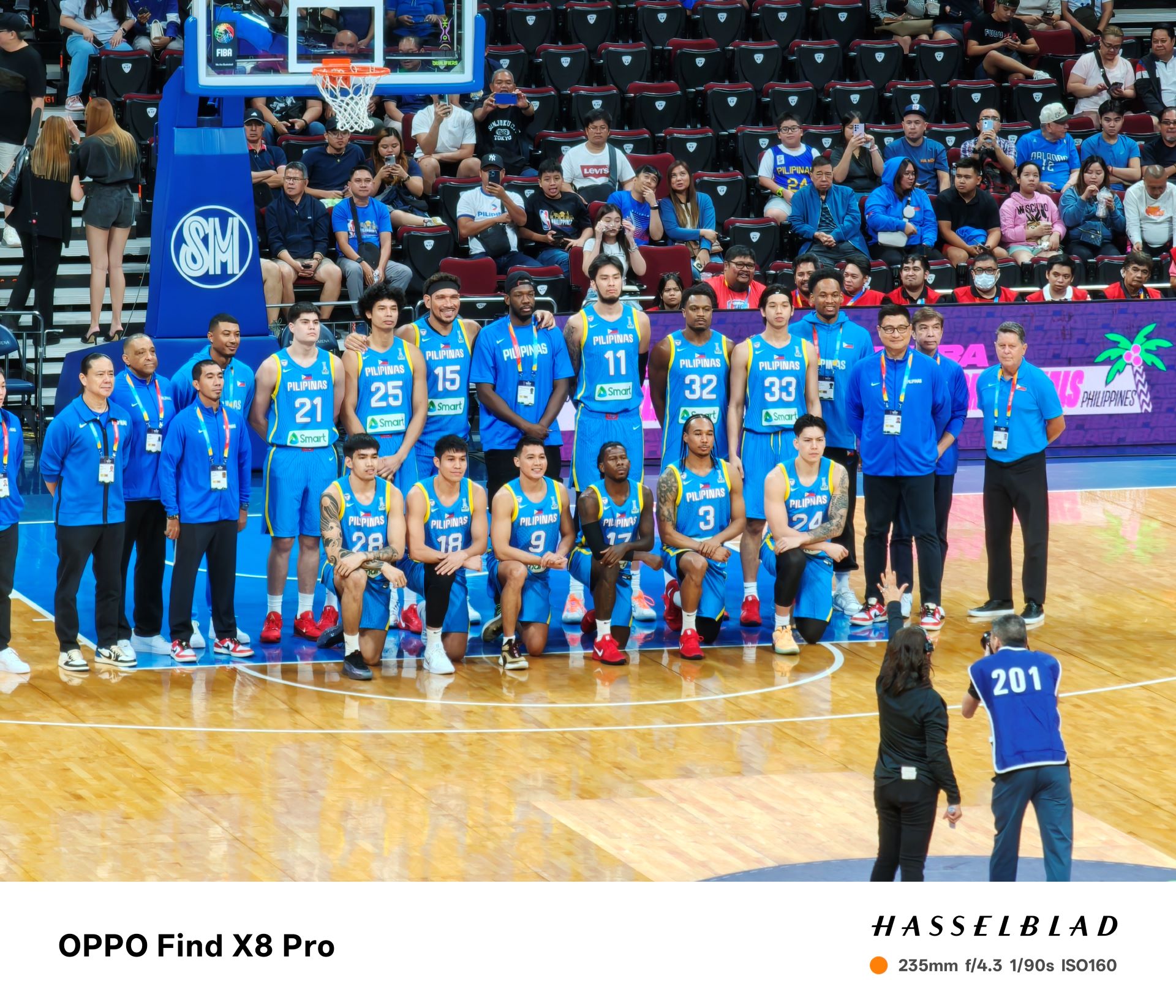

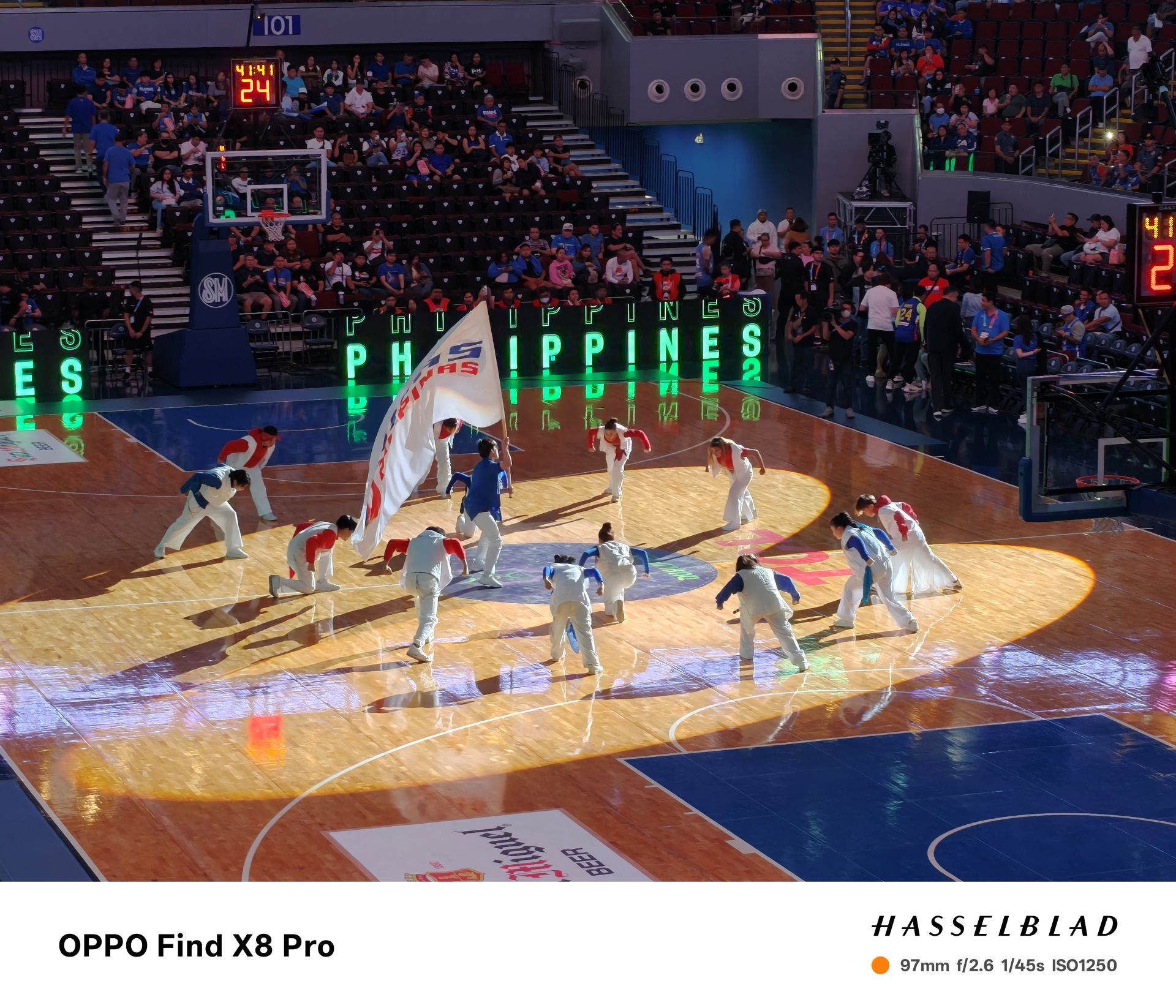
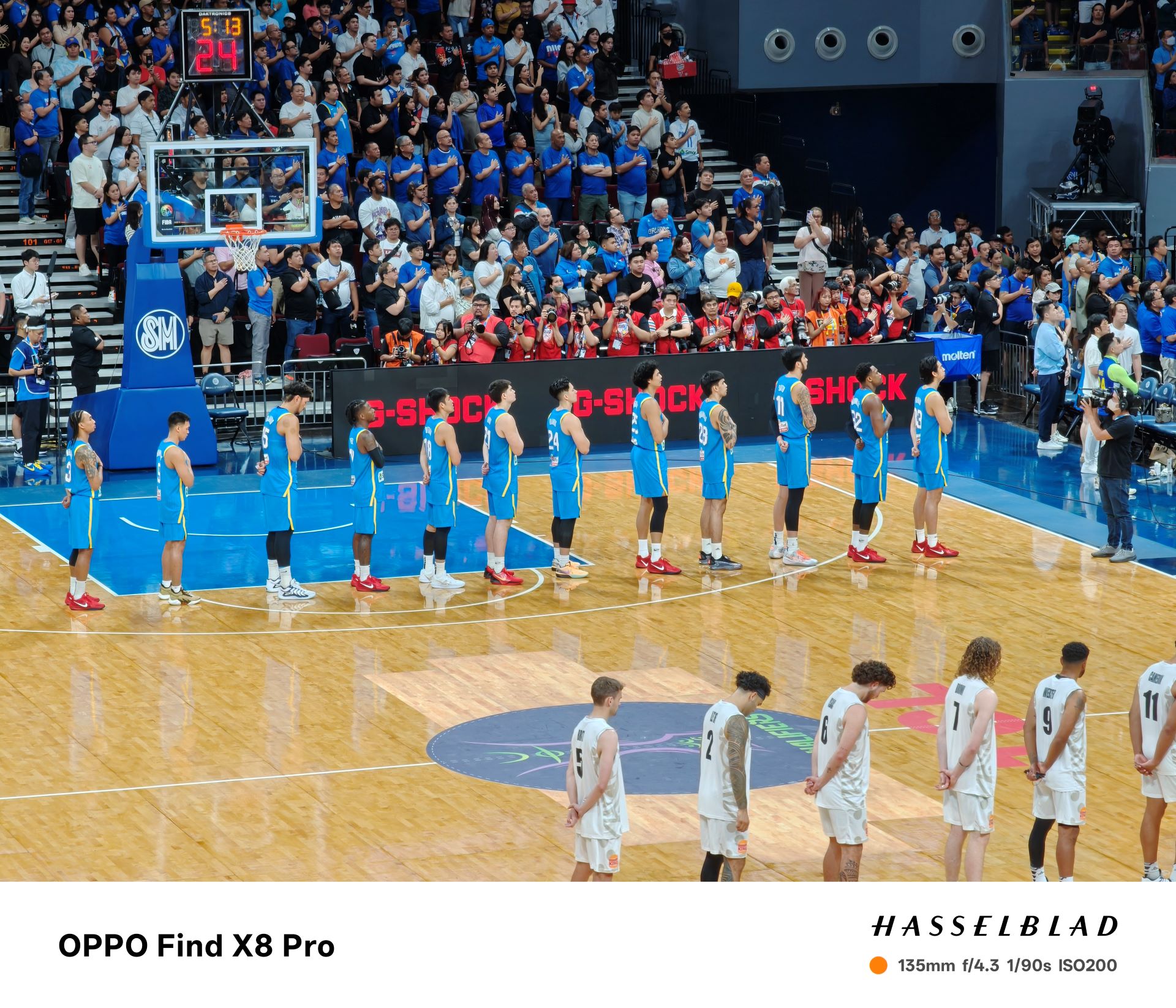
Pre-match pleasantries

This is where we sat and how far the lower box seats actually are from the playing court.
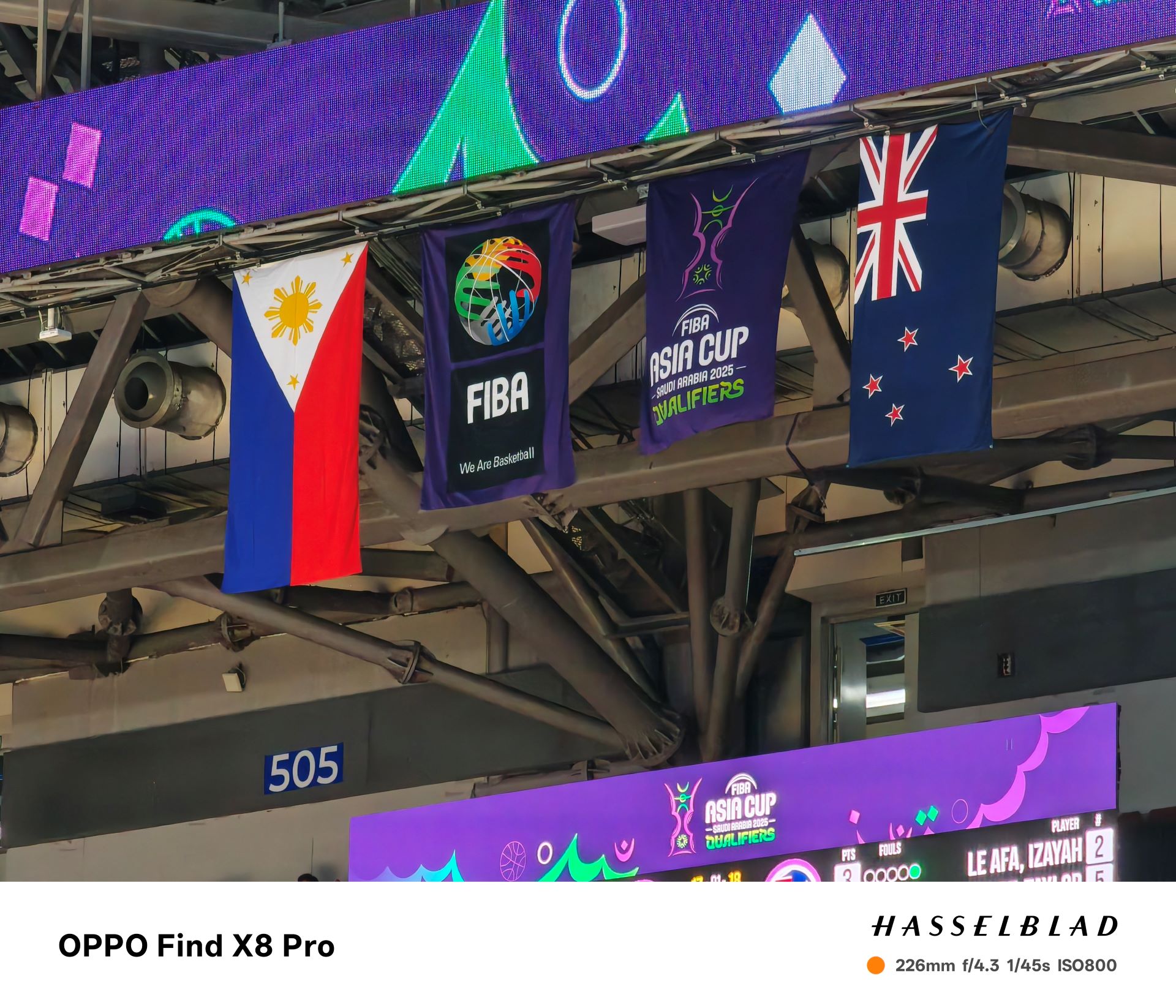
OPPO Find X8 Pro telephoto lens at work.


First half
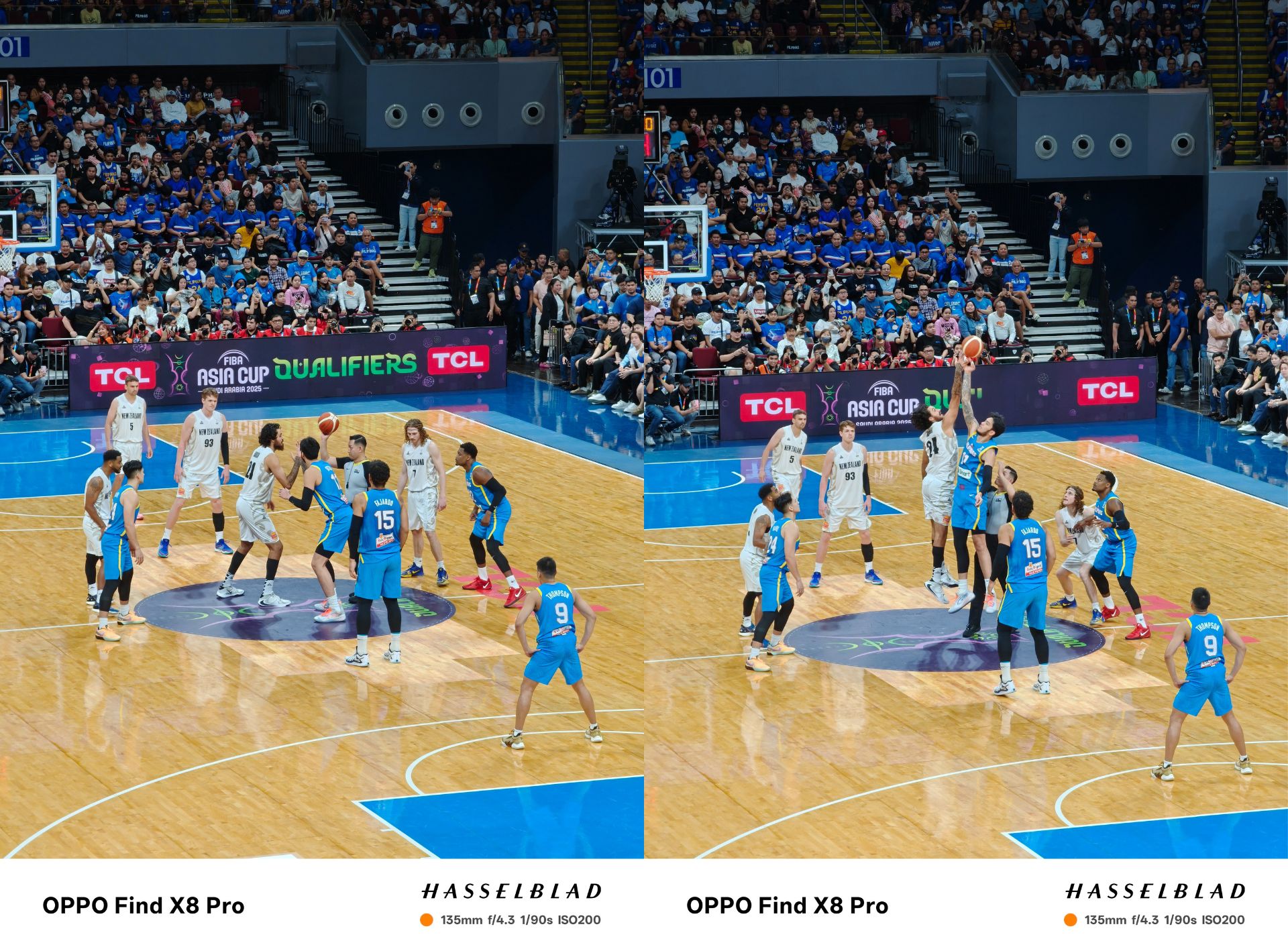
The visitors asserted themselves early. Corey Webster — who saw action for the Dallas Mavericks’ Summer League team once — showed just the kind of player his caliber is. New Zealand 8, Gilas Pilipinas 0.

Corey Webster.

But the home team did not let the slow start affect them. Once they got into rhythm, it was a 50-50 battle.
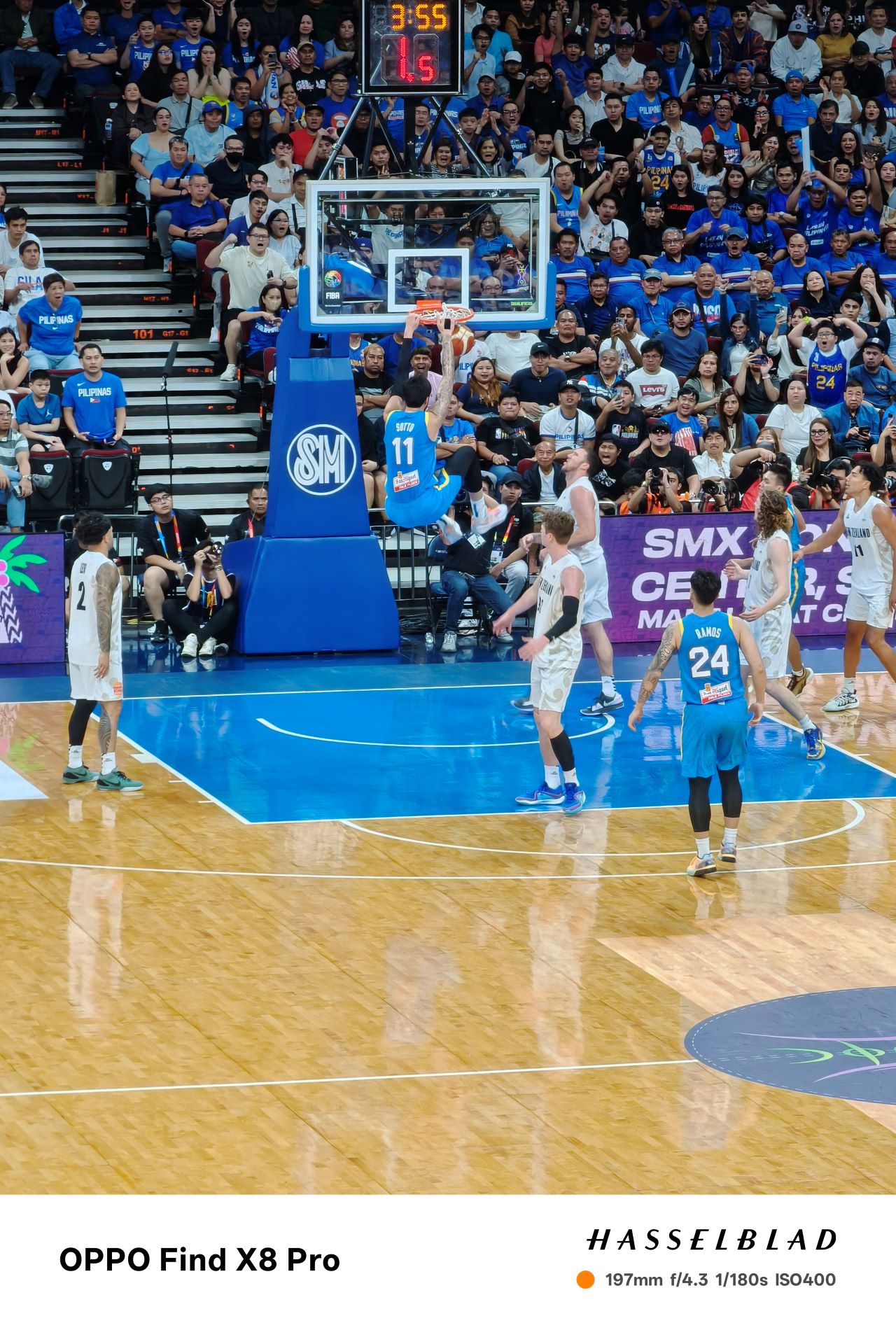
Kai Sotto with the two-handed flush.
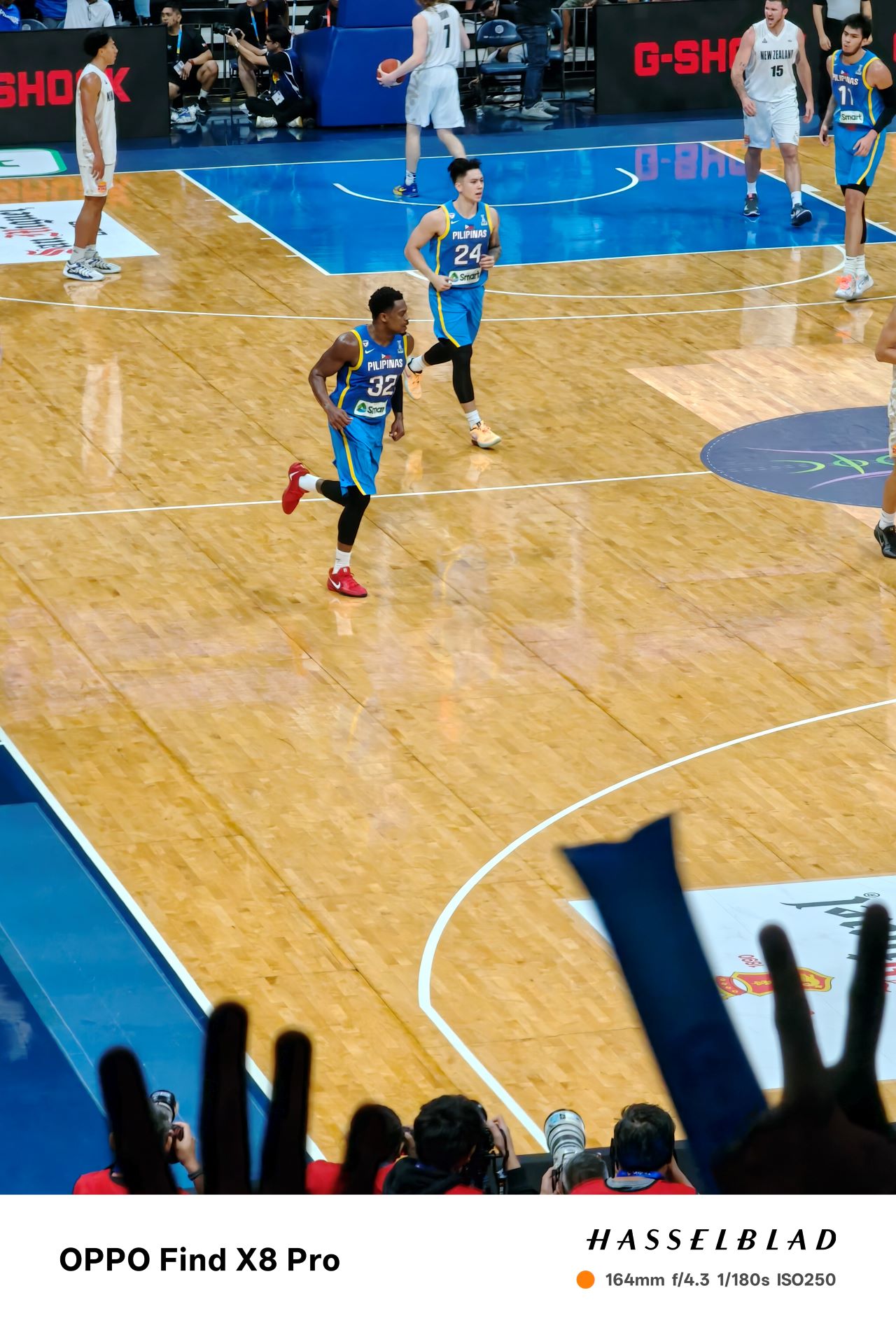
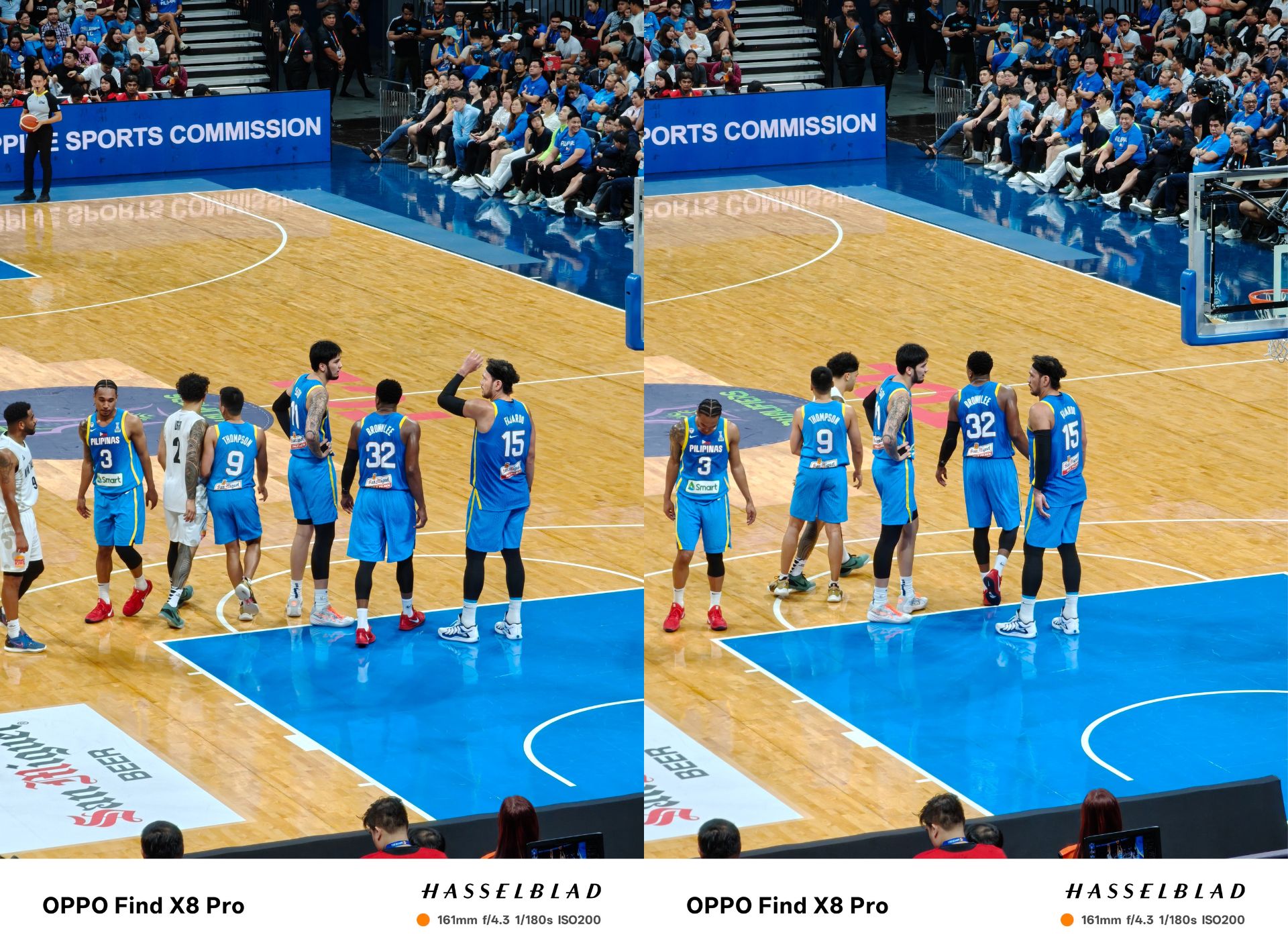
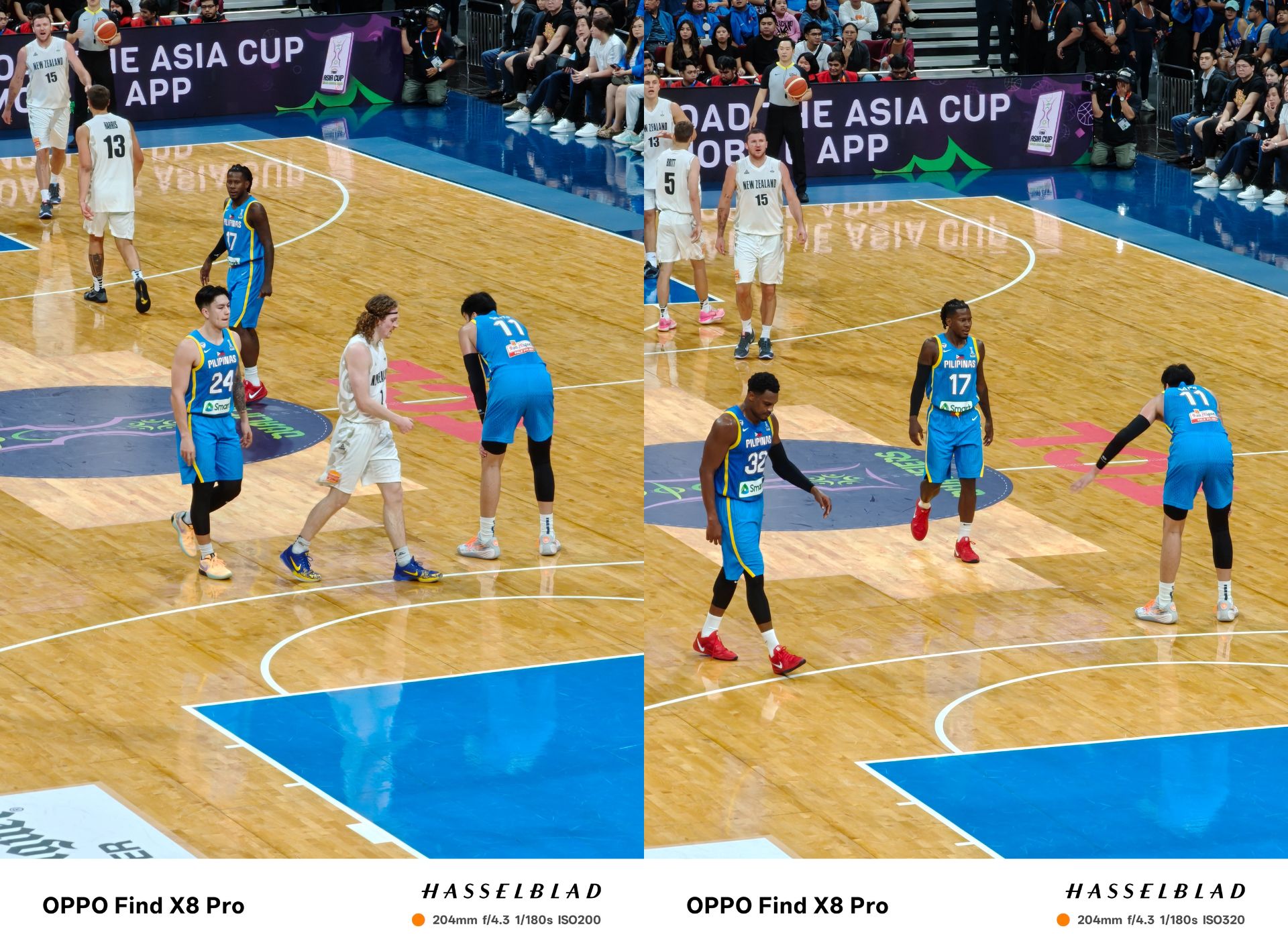
The game turned into a massive back-and-forth, with both sides throwing their best punches. The opening half ended even, 45-all.
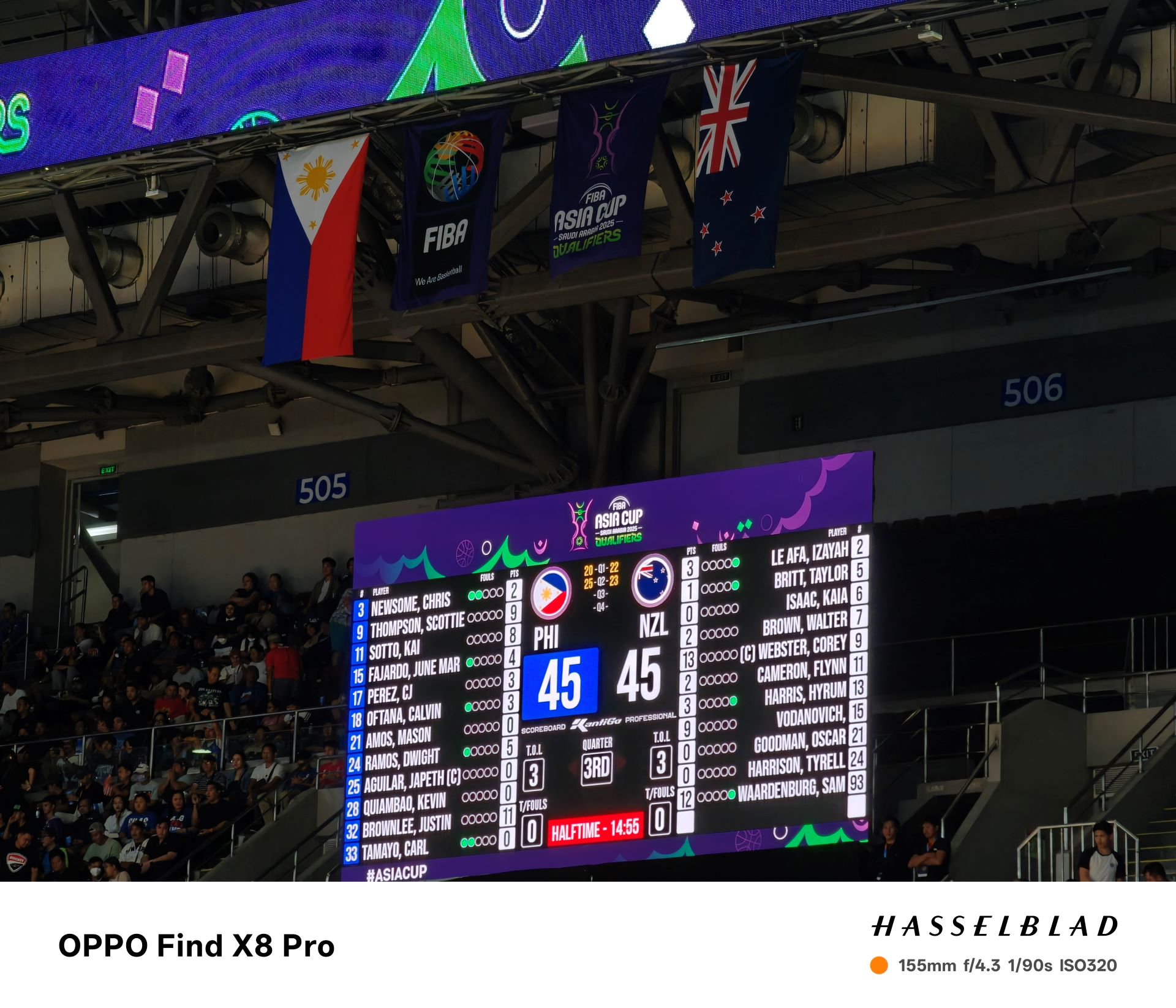
The digital scoreboard from quite far. Still detailed and all texts are legible.
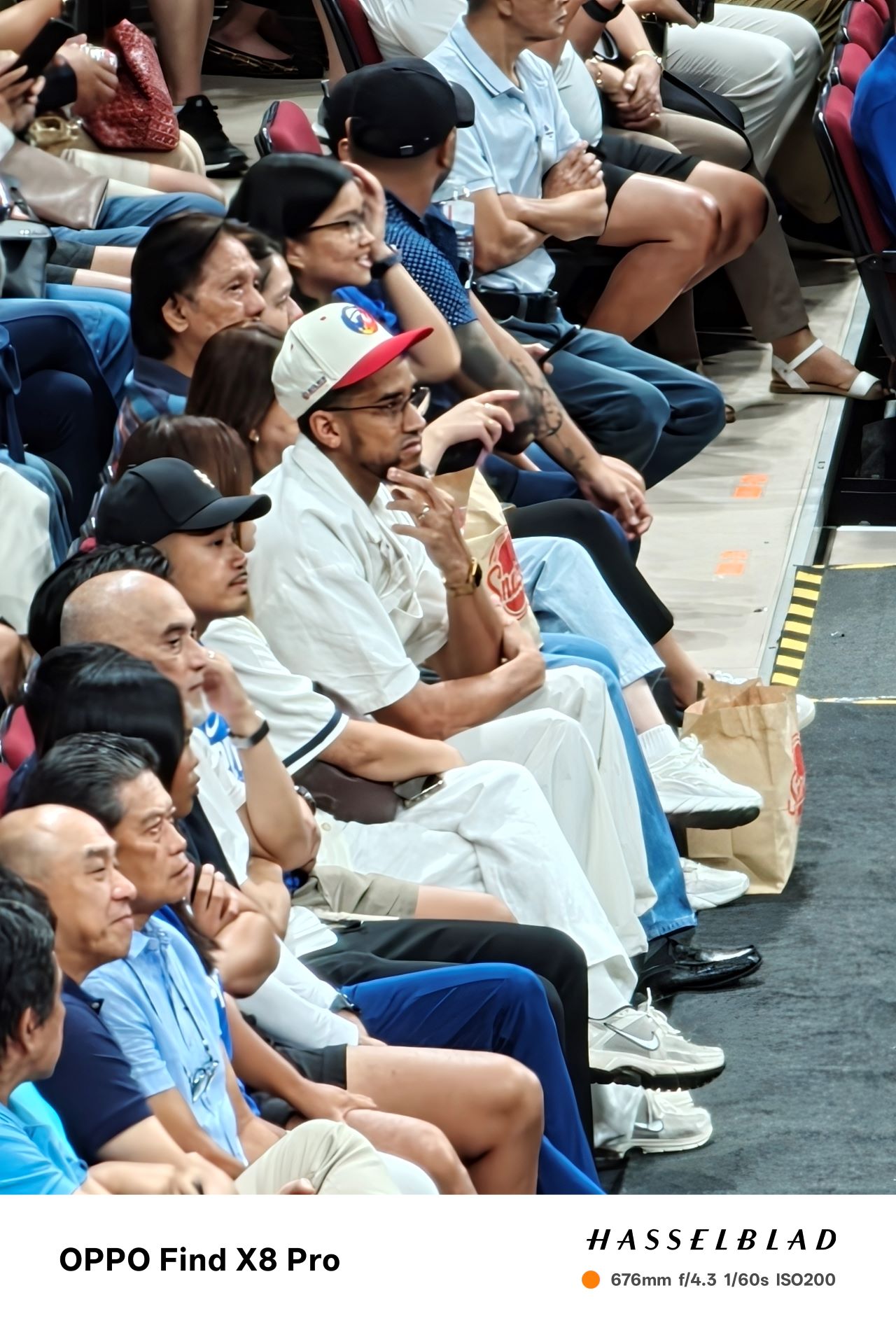
Gilas Pilipinas alum, Gabe Norwood, shot at about 30x zoom. Telephoto camera’s detail preservation is impressive.
Third quarter
It was still a pretty even contest during the first few moments of the third quarter. But after that, Gilas finally got going.
They scored in transition. They pounded the paint. Coach Tim Cone’s troops also got some second chance points to open up a double-digit separation.
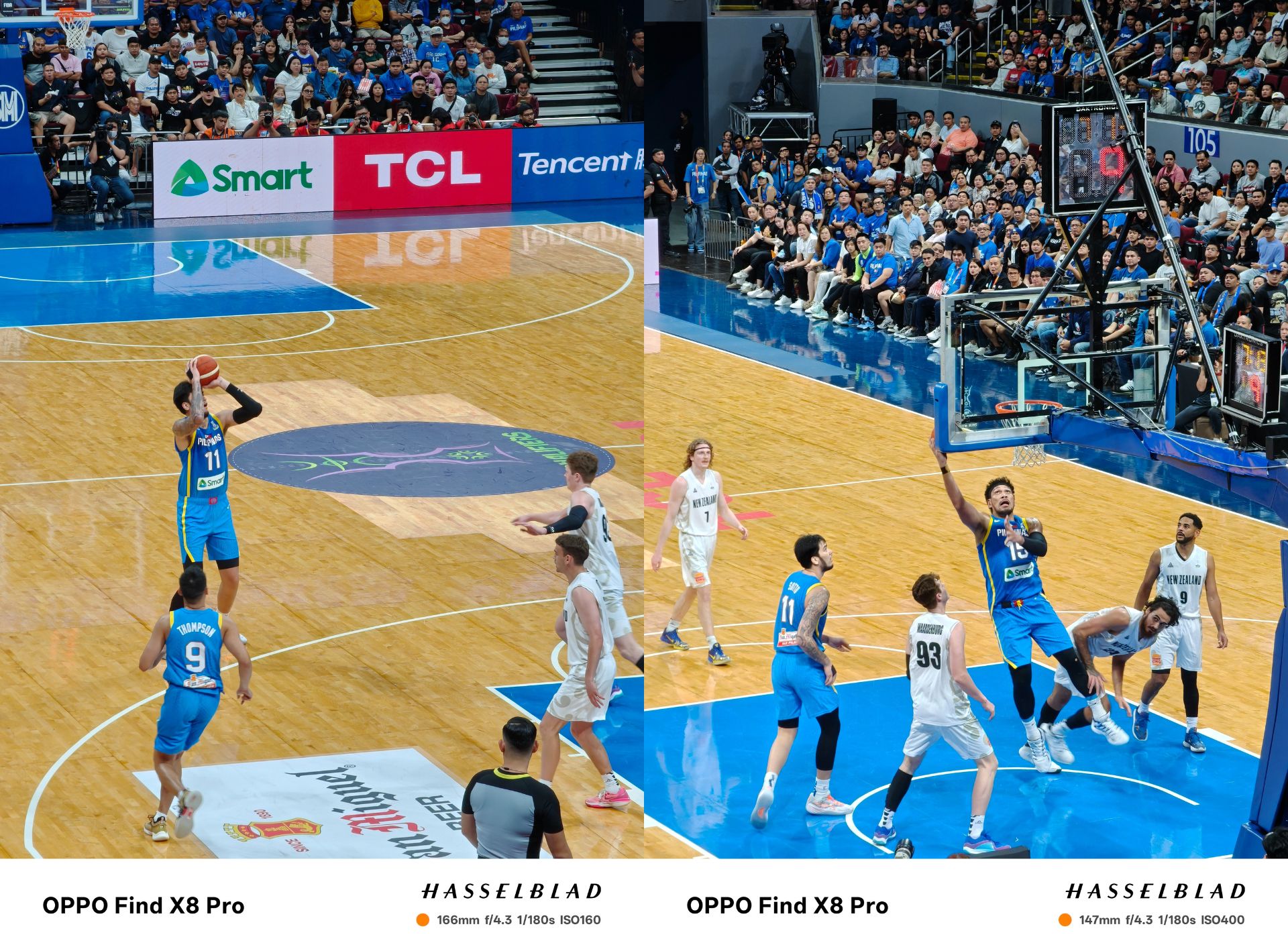
Gilas twin towers at work.

Name a better Gilas five right now.
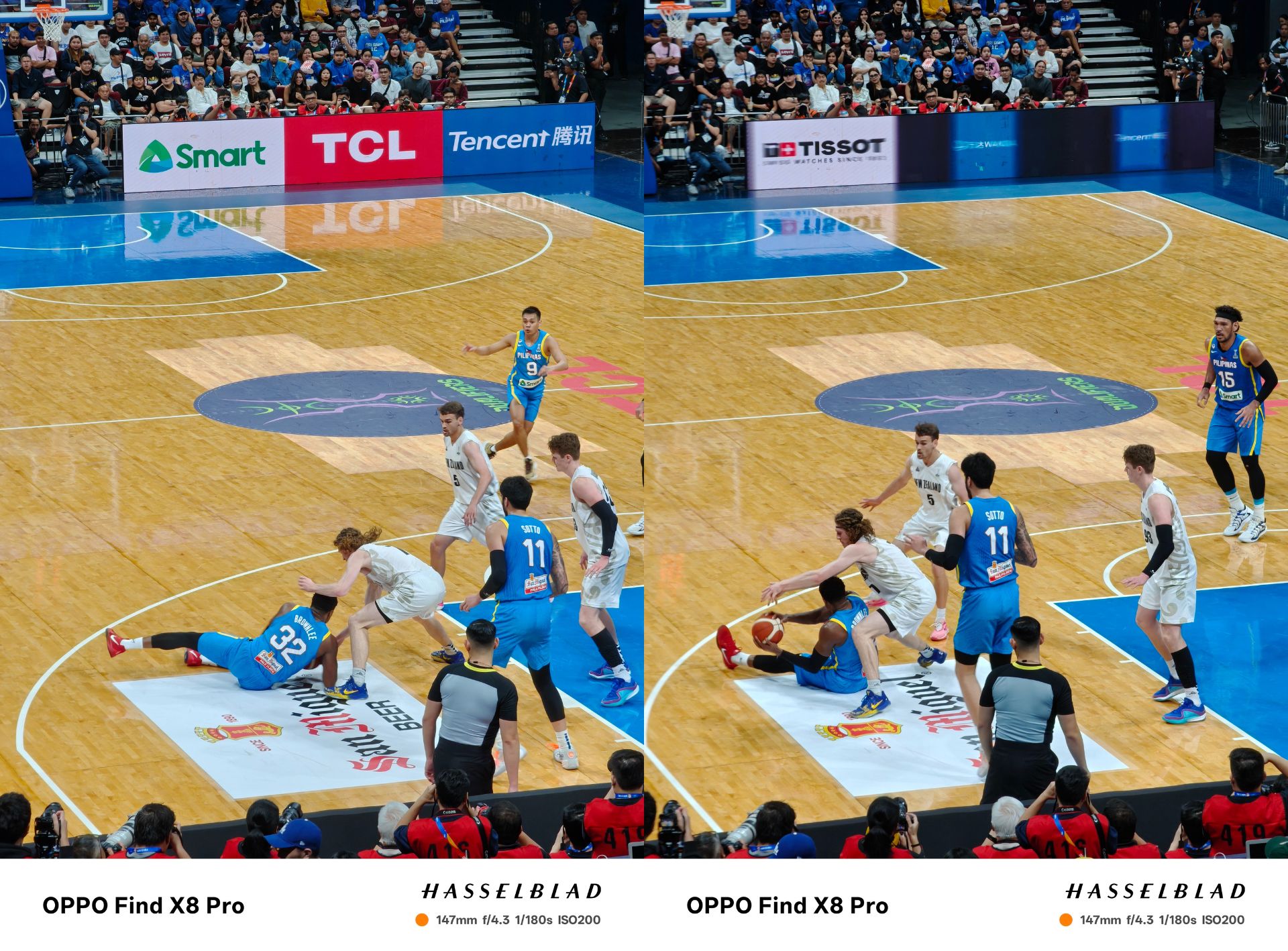
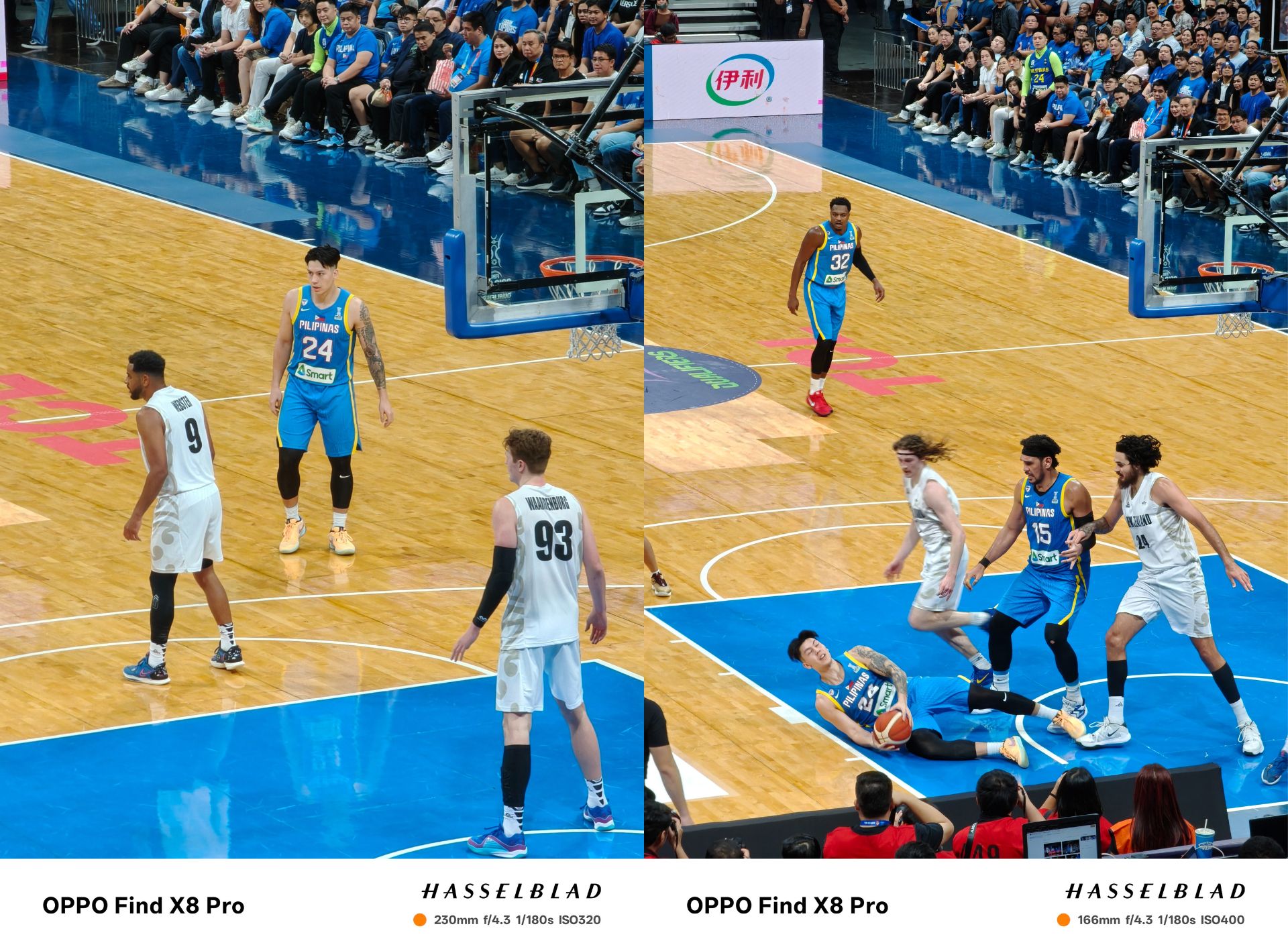
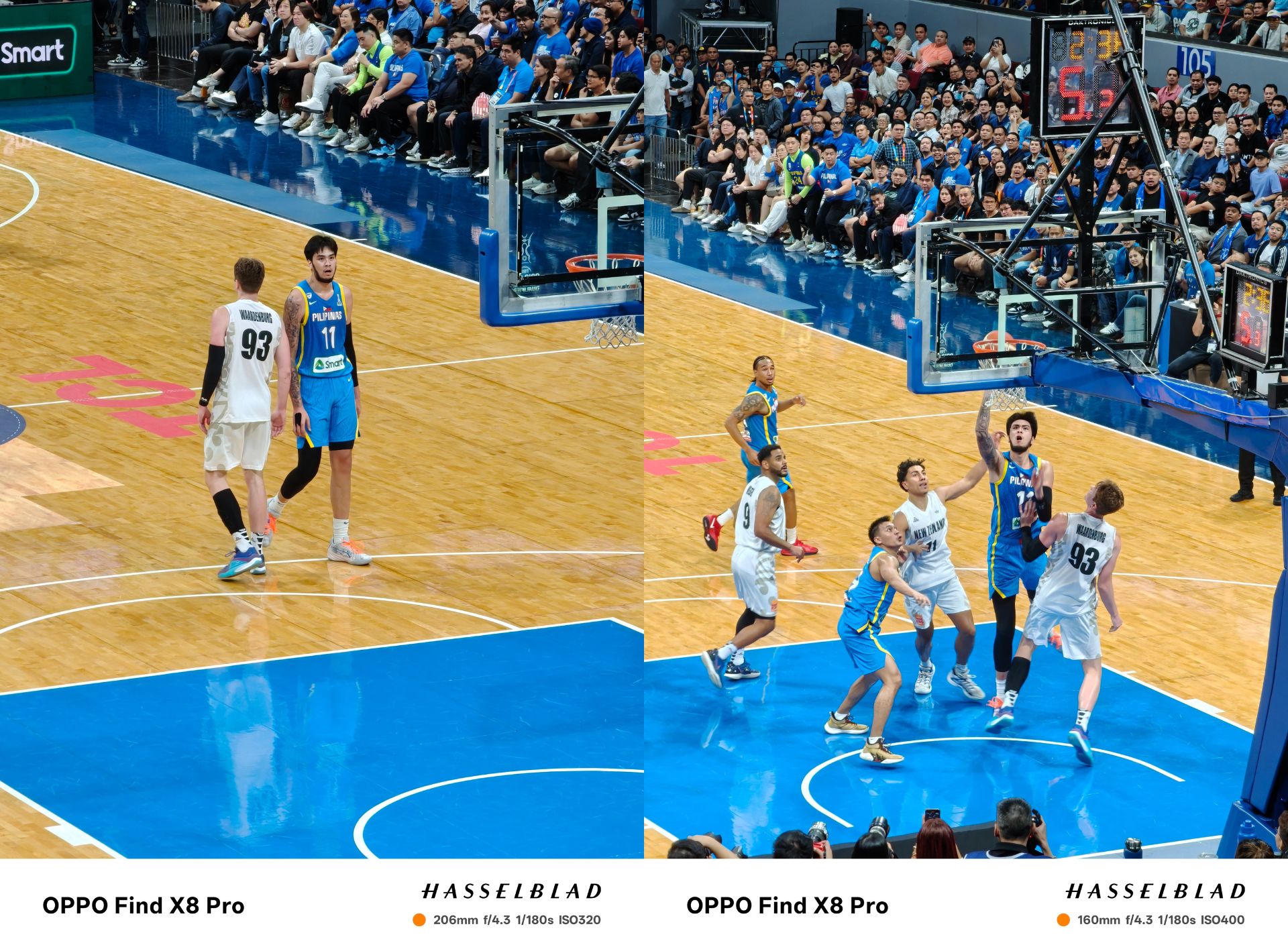
Kai Sotto show
If there arguably was a standout performer, it was Kai Sotto. The 7-foot-3 center finished with 19 points, 10 rebounds, and seven assists in what was one of his best international games for the Philippines.
Now, let’s not get ahead of ourselves and say he’s of NBA quality, but boy, Sotto really brought a new dimension of his game to the stage against New Zealand.
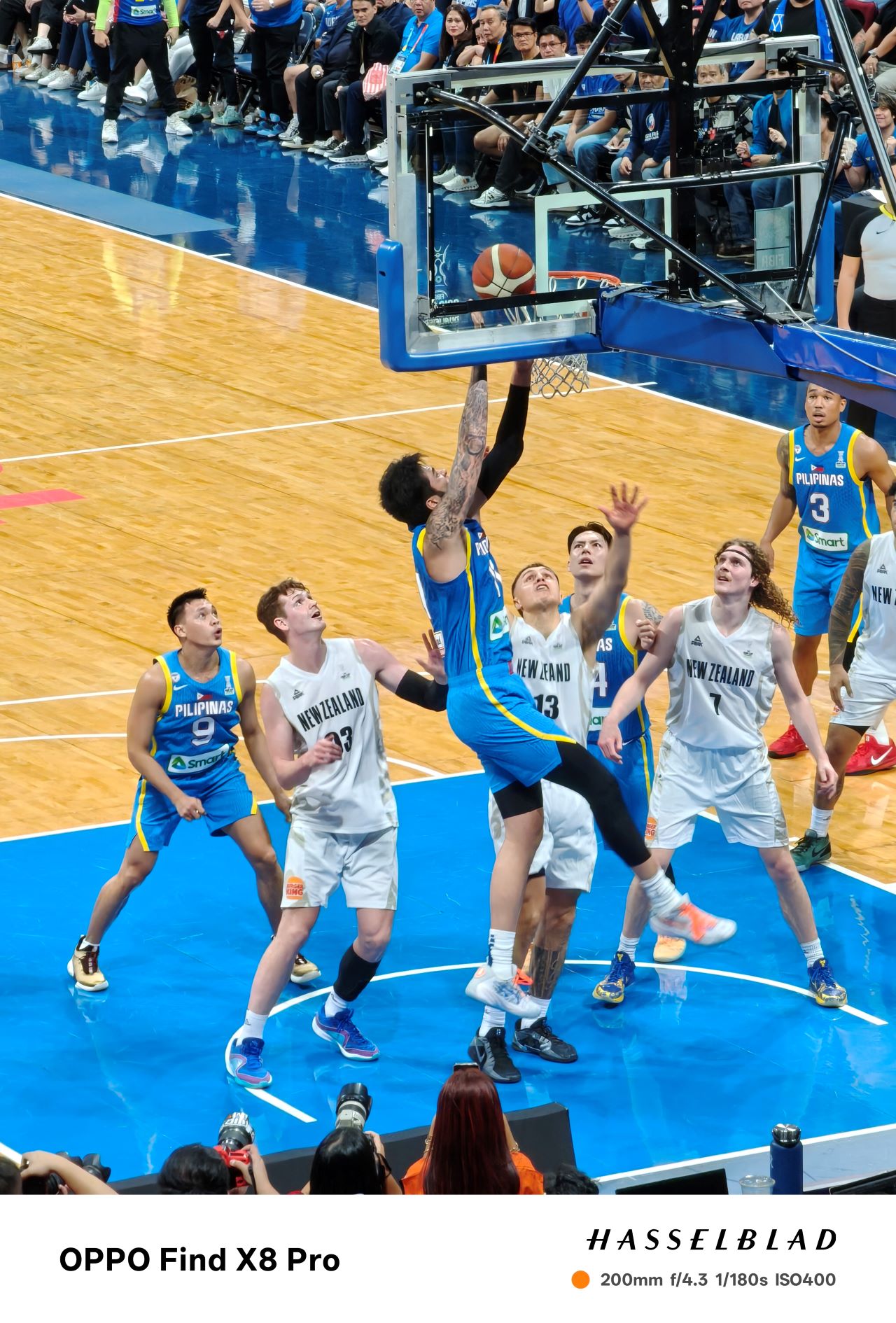
Kai Sotto towers amongst everyone else.

Fourth quarter
Of course, it wasn’t just Sotto. It was a total team effort on the part of Gilas.
Naturally, the Tall Blacks did not back down. It was a gripping and physical contest, with both teams showing just how important it was to win the match.
FIBA Scottie Thompson
If there was still any doubt as to how Scottie Thompson cannot fit the FIBA style of play, this game showed how integral he was to Gilas.
He had his handprints all over the game. From keeping possessions alive to sneaking in layups over much taller defenders, Thompson also had quite a performance.
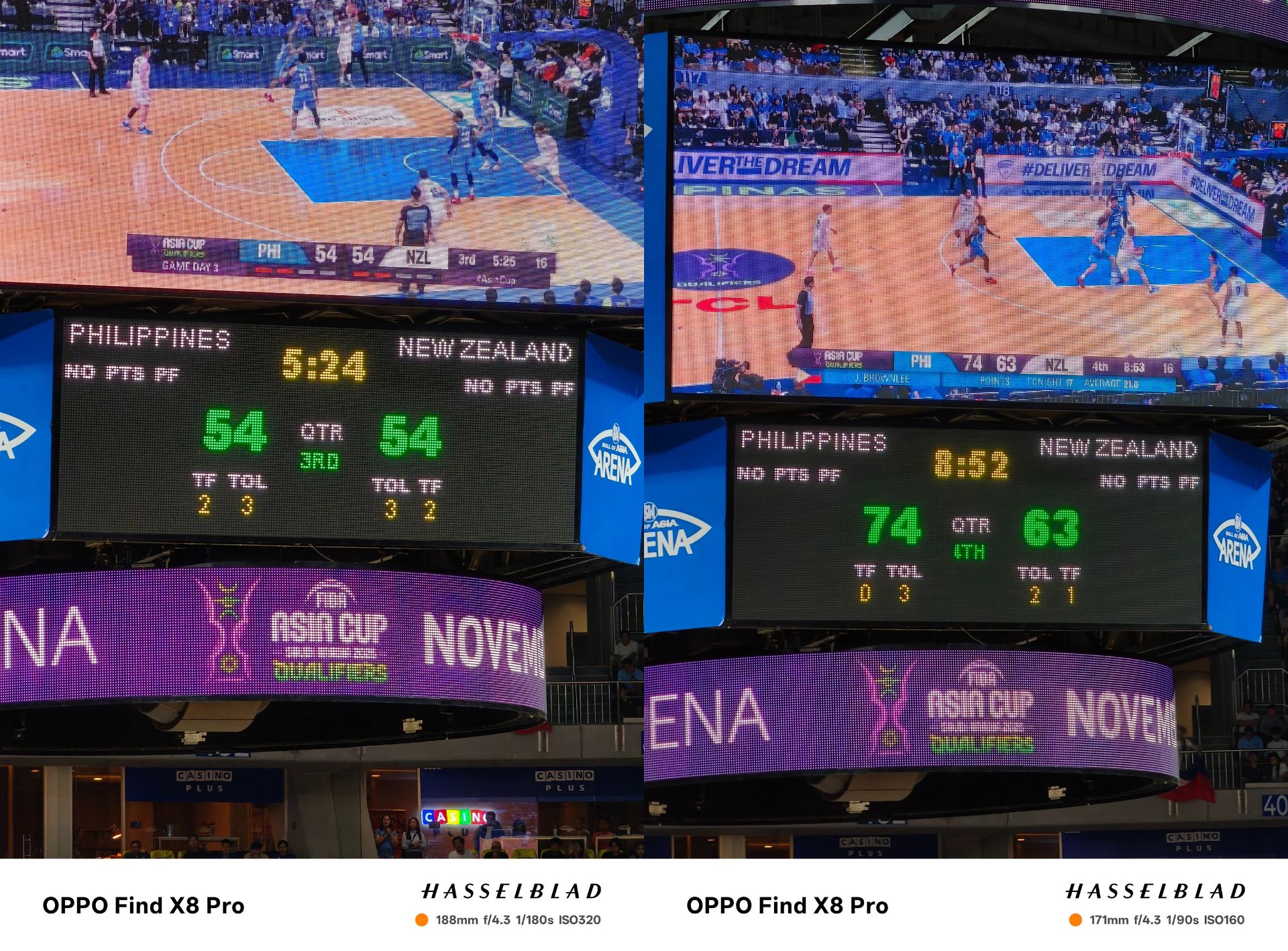
MOA Arena jumbotron showing how Gilas Pilipinas pulled away in the second half.

Clutch Chris Newsome
Towards the end, go-to defender Chris Newsome came up with clutch stops defensively. He also happened to knock down a crucial triple with just above a minute to give Gilas more cushion, 91-84.
I captured that play on video with the Find X8 Pro. With four 50MP cameras, it’s seamless to switch from 0.6x zoom all the way to 3x zoom and beyond.
The video quality itself and sound pick up is likewise topnotch. I can see how this phone can be utilized for concerts, specially since most venues do not allow professional cameras.
It’s quite iPhone-esque to be blatant. I know social media apps compress the quality anyway, but to have a great raw material to begin with makes up for that.
That’s a foul
Furthermore, I liked how the Find X8 Pro can really show you specific details you’re looking for from the action.
For instance, it was obvious that Dwight Ramos got fouled during this play. The phone’s camera system has a fast shutter to just keep snapping quick captures in succession.
I didn’t utilize OPPO’s own “camera control” button which they simply call the shutter button. Using the traditional camera app button sufficed.


Justin Brownlee takeover
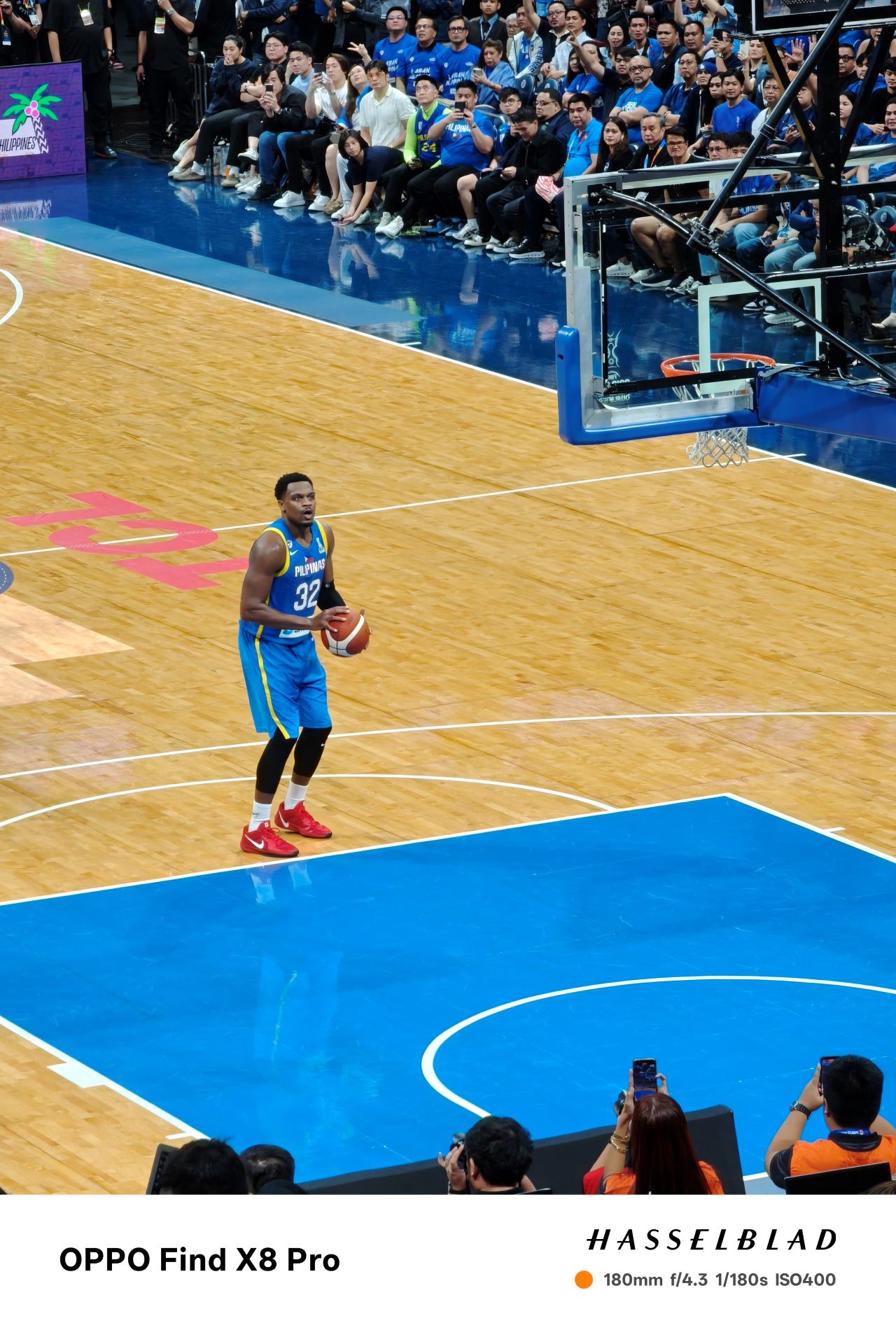
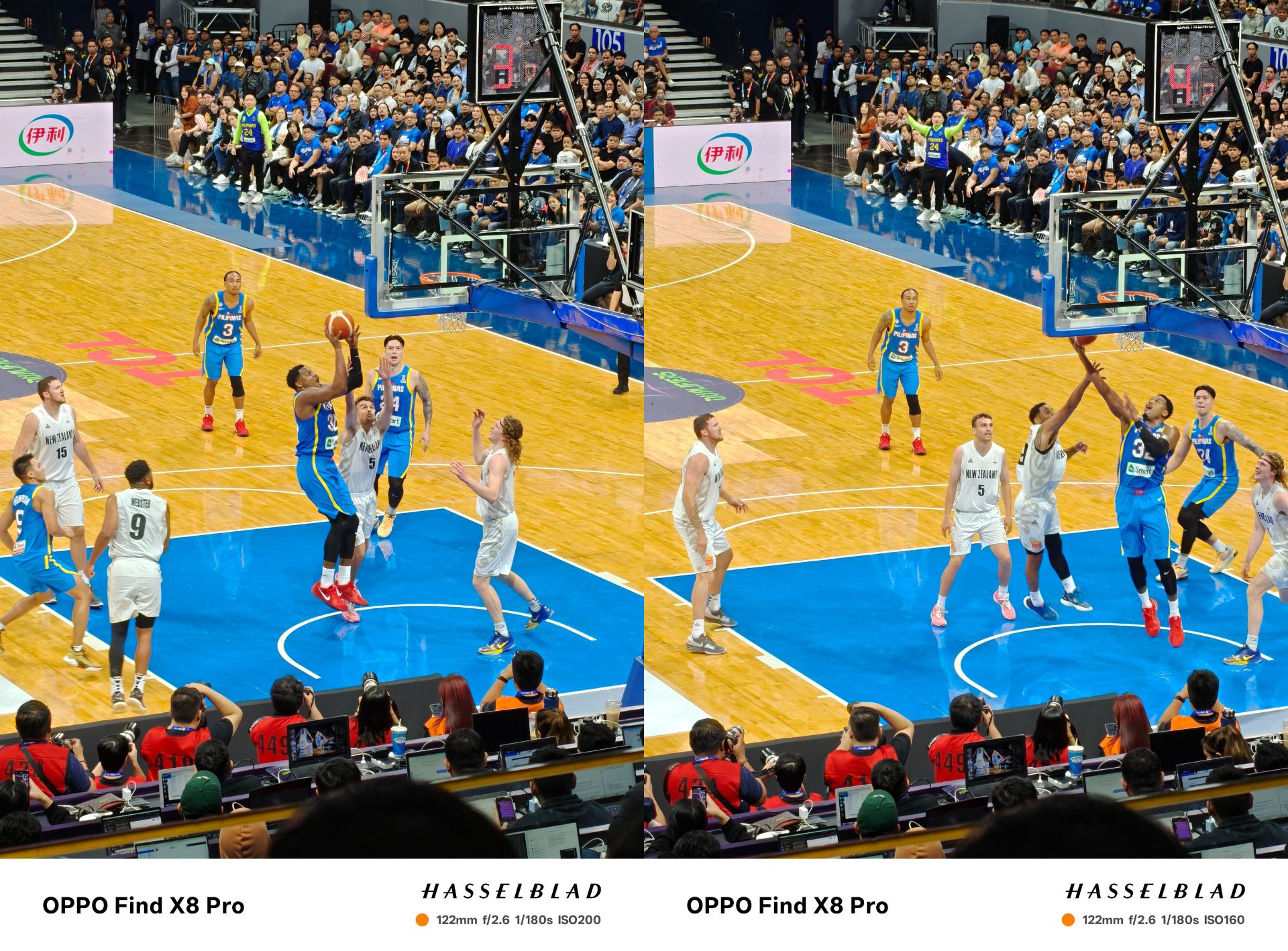
And when Gilas needed someone to take charge late, of course, it turned to naturalized stalwart Justin Brownlee.
The go-to guy came up with big plays and hit tough baskets down the stretch. He also had some clutch free throws to seal the win.

Brownlee made this tough stretch layup and drew a foul for the and-one play.


More Brownlee

Night night, New Zealand
History made. Enough said. This was a stellar effort against a formidable opponent. We’re just excited for what the Philippines can achieve in this era as far as international basketball is concerned.

Outtakes

OPPO wasn’t kidding with the telephoto sensors on this device.

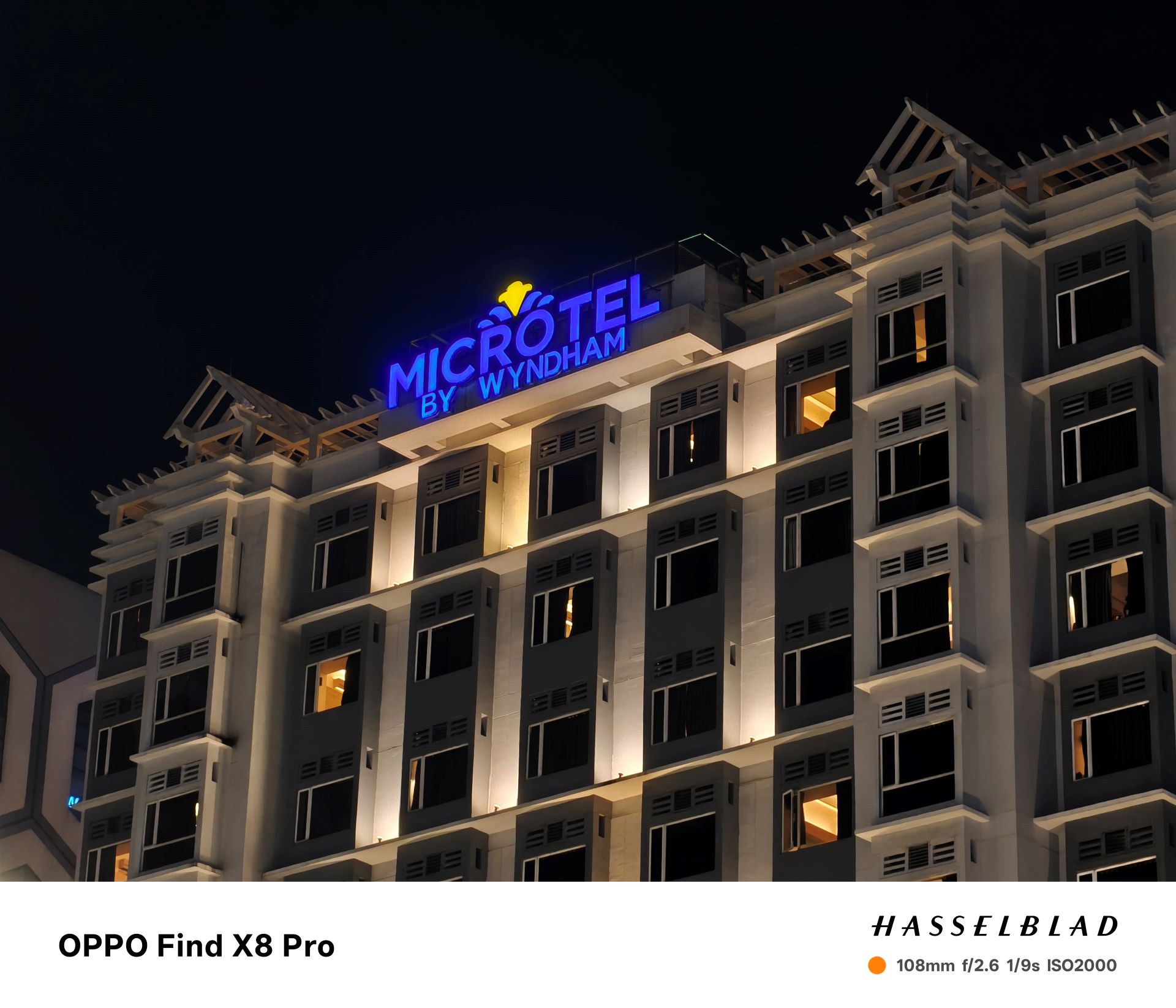

 The Find X8 Series also comes with 32MP selfie cameras. Processing leans on the more natural-toned side of the spectrum. Not much smoothening but not so sharpened and overdone as well.
Best camera phone for concerts, sports, more?
There is no doubt that the OPPO Find X8 Series is a daily driver you can take for special occasions. Whether it’s sports, concerts, or even just vacation trips for you to take splendid captures of landscapes, food, portraits, and more, OPPO’s latest flagships will do the trick.
What’s next?
Previously, we took the HONOR Magic6 Pro to the same Philippine team’s open practice last February and the action shots were likewise crisp. Only time will tell if the HONOR Magic7 Pro can top that when it releases (presumably) at MWC 2025. Naturally, a three-way shootout with Samsung Galaxy S25 series is imminent too.
Keep it here on GadgetMatch for more.




Hands-On
Apple iPhone 18 Pro Series Hands-on
And everything announced during Apple’s September 2026 Event

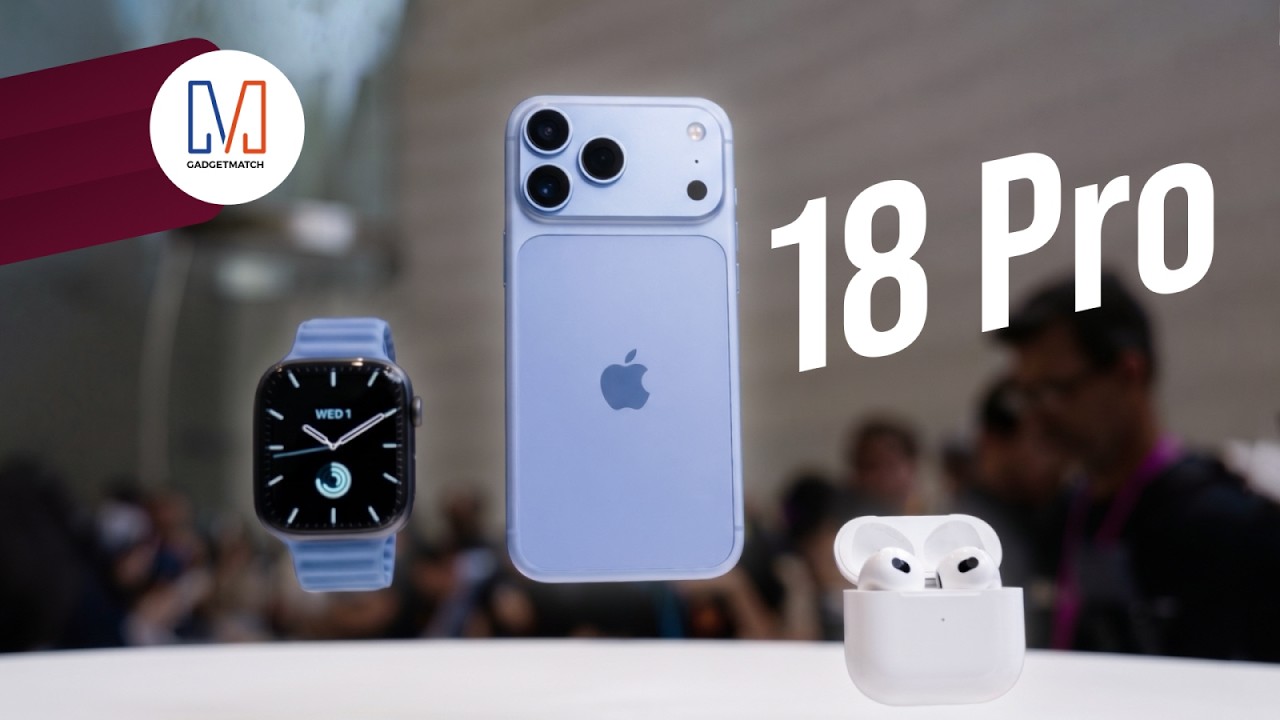
The latest Apple event isn’t just about the shiny new Apple Duo. There’s a lot to talk about!
In this video, we break down everything Apple has announced during their September 2026 keynote.
First, there’s the updated iPhone 18 Pro and 18 Pro Max. That’s alongside their design and color changes, battery and performance improvements. Even that massive camera upgrade.
There’s even the ANC-infused AirPods 5 alongside the newer Apple Watch Series 12 and Apple Watch Ultra 4. Plus, the latest software updates coming to both these wearables.
So, are these worth the upgrade?
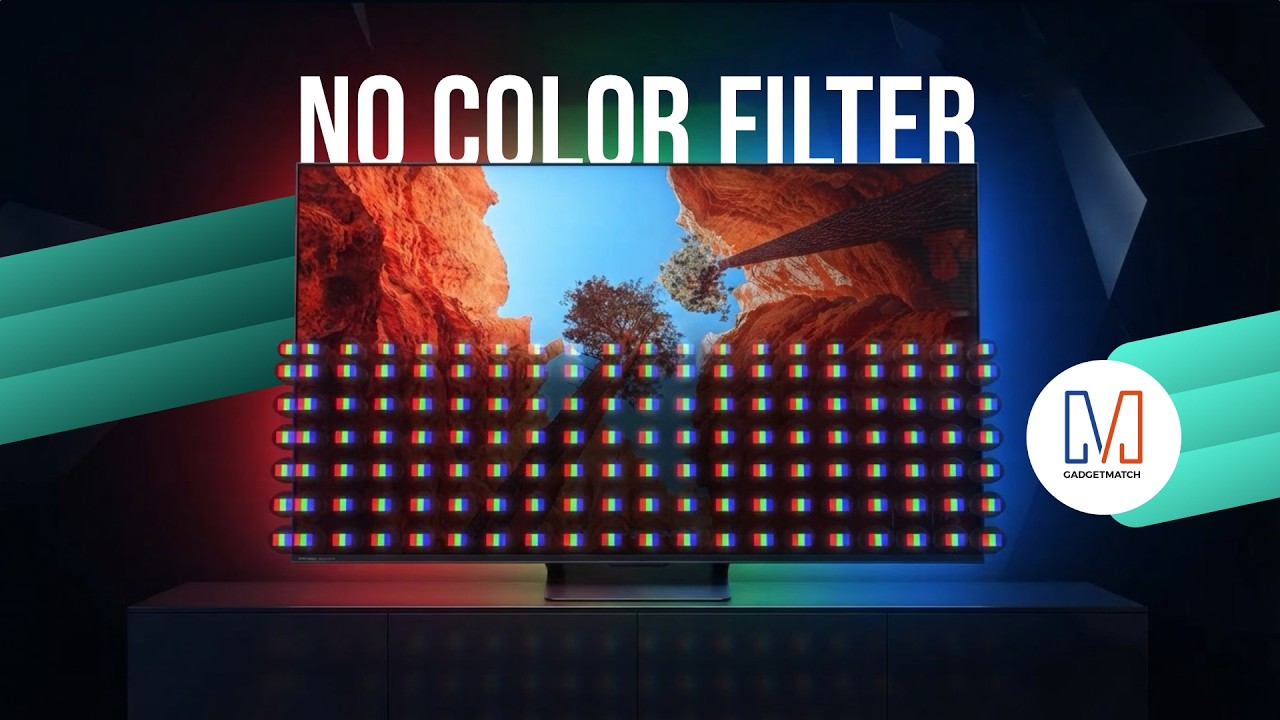
TV technology is changing in a way you can’t see. And it starts with how color itself is made.
Hisense’s new RGB MiniLED technology could change the way we see TVs.
Here’s our spotlight on their latest Hisense UR8 offering.
Check out the Hisense UR8 TV: https://bit.ly/4cxo6xl
Features
How did new CEO John Ternus do for his first Apple event?
Is a new golden age coming for Apple?


For a brief moment, I thought Tim Cook was refusing to step down as Apple’s CEO.
Apple’s “Surprise and shine” event, which heralded the coming of the foldable iPhone Duo, started bombastically with a montage of cinematic moments spanning different genres. The main point was: “what’s the best way to start an opening scene?”
After what felt like an age, the all-too-familiar voice of Tim Cook came on, perhaps for the very last time. But rather than overstaying his exit as the former CEO, he describes that the perfect opener should be classic, as a car that is, quite symbolically, riding off into the sunset. He then explains that he’s not the main character anymore.
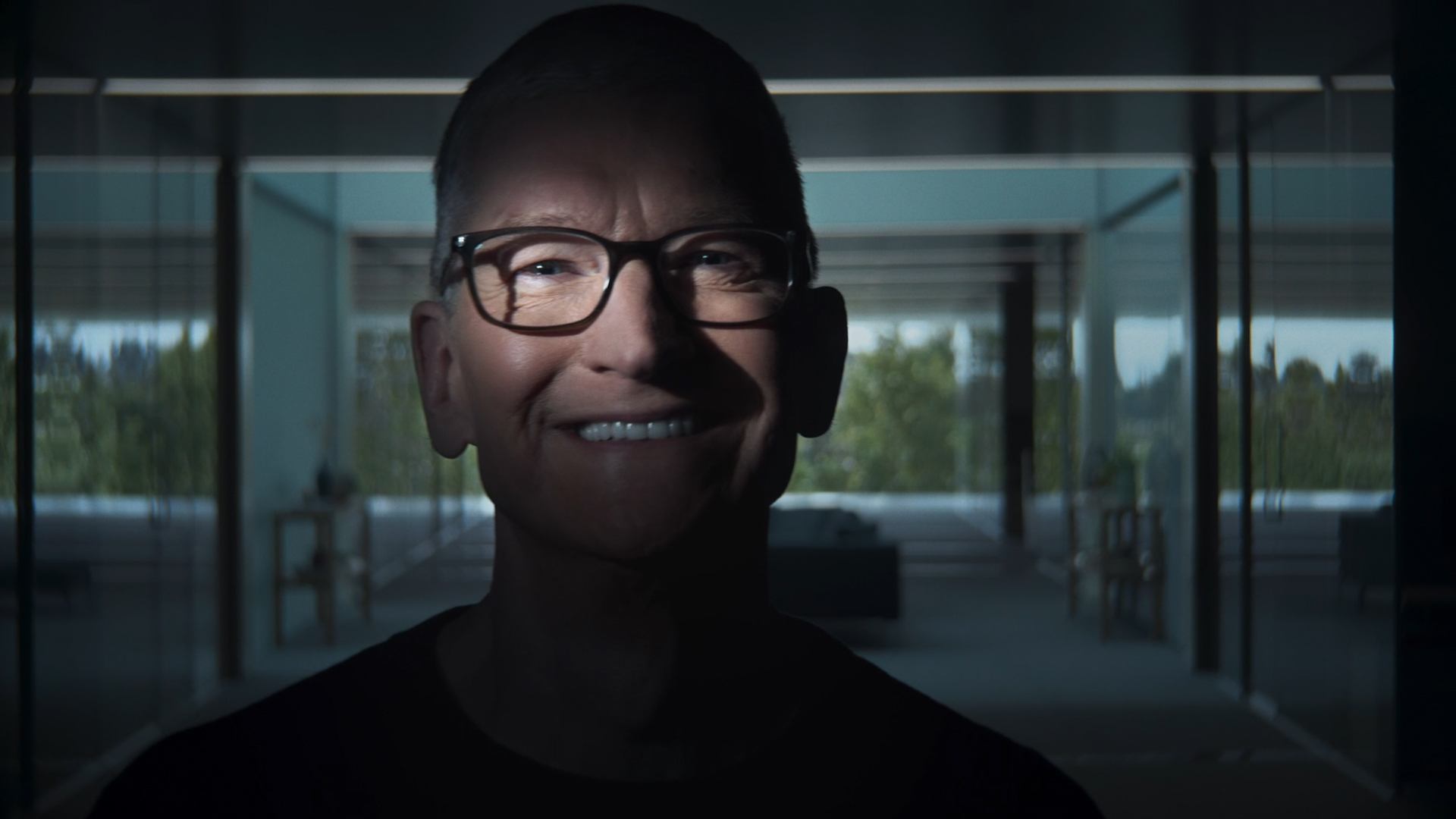
Last shot of Tim Cook at the Surprise and Shine event
“That’s your guy,” he said, before pointing to John Ternus, who steps into frame without an introduction or even a name card. It’s hard to image that this guy is the new face of Apple.
It’s the perfect end to Tim Cook’s tenure and as perfect a start for John Ternus’s.
Moving from an age of crisis to a golden age
After a decade and a half of being the face of the brand, Tim Cook stepped down from his tenure as CEO. He leaves the company in a much better state than when he took over. Thanks to him, the iPhone is now a household item. It’s a ubiquitous phone that draws millions of fans every time a new one comes out every year.
But his tenure didn’t start on a bed of roses. When he took over in 2011, it was in response to Steve Jobs’s failing health, who passed away soon after. He inherited a company constantly threatened by competitors trying to eat into Apple’s slice of the pie.
Indeed, Cook’s tenure was peppered with crises. He had to navigate Trump’s first reign, destructive as it was towards relationships in China. He had to figure out survival during the tempestuous pandemic years. Finally, he had to carefully build a strategy for the dawn of AI.
Cook is, first and foremost, a businessman. While the Jobs era was typified by innovation after innovation, Cook built upwards, turning Apple into a trillion-dollar company. Although we didn’t see a lot of new exciting segments introduced, the company built on what it was already good at, delivering a premium and refined experience.
John Ternus comes at an opportune time. Though the brand will always have a healthy share of diehard fans, Apple must now find the next big thing and rediscover the spice of years past.
A time for AI?
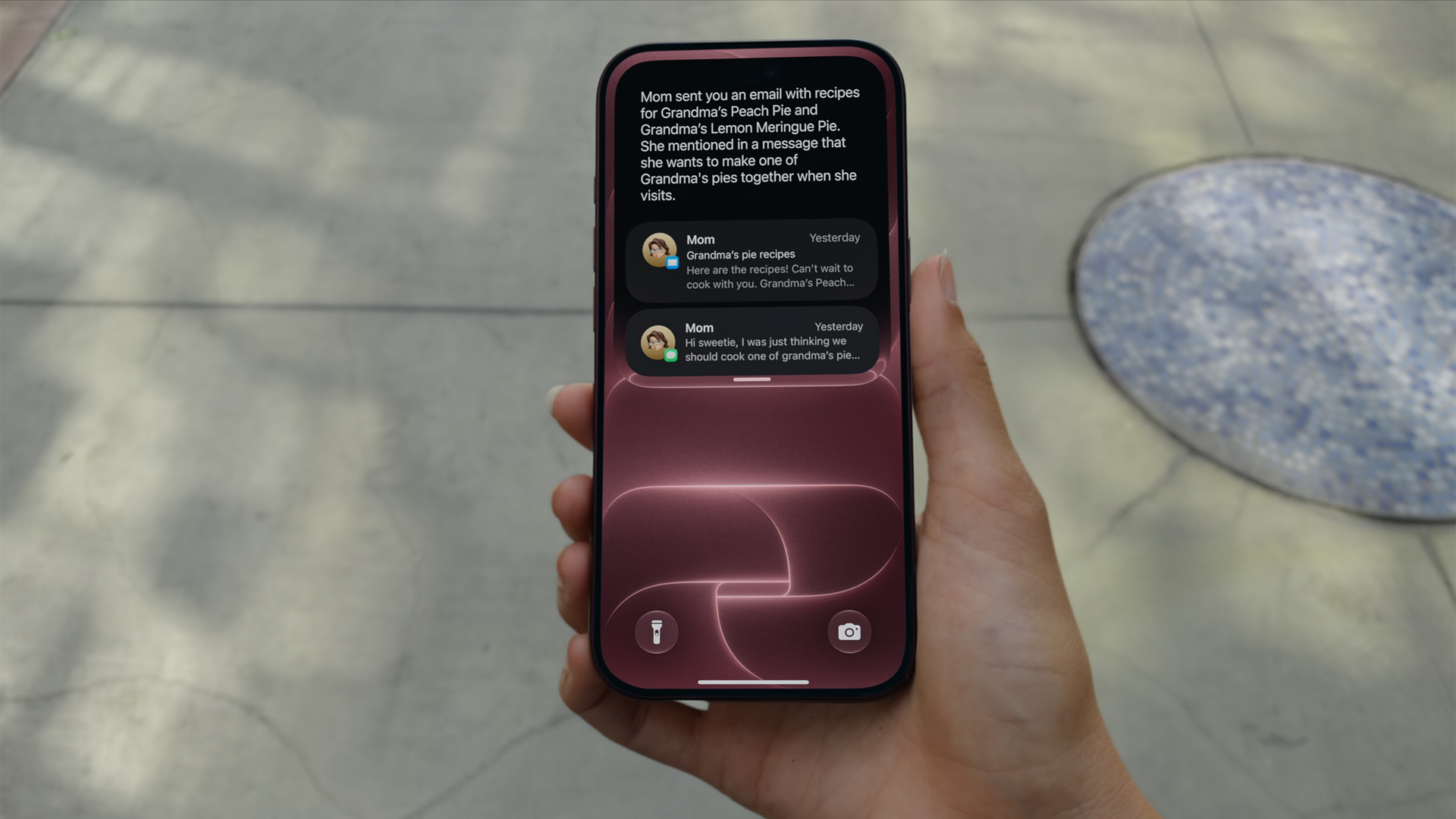
After his nonchalant introduction, Ternus immediately goes on the offensive and describes his vision for Apple Intelligence. Rather than dwell on NPUs, TOPS, and other metrics that a regular user can’t make heads or tails of, he described Apple Intelligence and Siri AI as a personal assistant. Usage versus performance, in other words.
If you’re an AI enthusiast, the renewed push towards Apple Intelligence should give you hope that the iPhone won’t just be a receptacle for other AI software. Rather, it’s building its own. Wherever the AI industry is going, Apple looks like it can keep up.
Now, if you don’t like AI at all, that’s fine, too. Ternus isn’t there just for the AI.
Unlike Jobs or Cook, Ternus comes from a strictly engineering background. In today’s world, hardware complements AI. The software must use NPUs after all. But, when the AI bubble finally pops, Ternus isn’t out of a job. In fact, if his track record is any indication, it’s just getting started.
Or a time for new hardware?
This year is absolutely monumental for Apple. Earlier this year, the company launched the MacBook Neo, its first budget-friendly notebook built for everyone. If you were looking to get into the MacBook lifestyle, now is the perfect time to buy in. A lot of users felt a subtle changing of the guard.
From there, you can feel Ternus’s influence already seeping in. And if it wasn’t obvious back then, it’s more than apparent now.
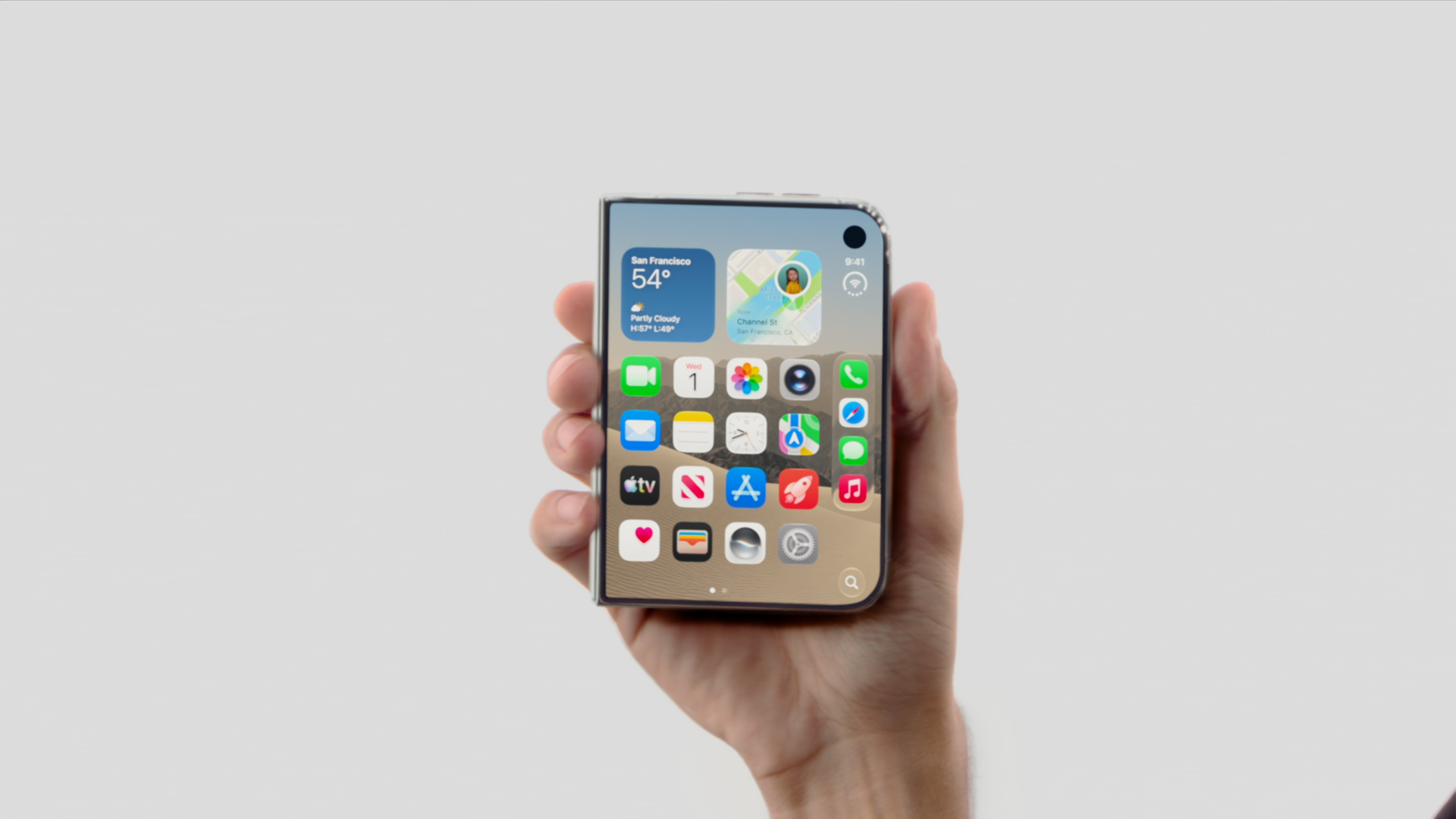
In his first ever “One More Thing,” Ternus started his tenure strong with the introduction of the iPhone Duo. Almost twelve hours since the phone’s announcement, I’ve never seen a more visceral reaction to the launch of a new iPhone.
Whereas most of their annual releases reveled in more incremental improvements that primarily tickled already dedicated fan, the iPhone Duo is something new. Everyone’s talking about it. It’s gotten so crazy that even Samsung, often more nonchalant with its prodding, openly attacked the foldable after teasing the brand to go foldable last year.
Though it’s technically not a new segment, the iPhone Duo is patching up the mistakes of past foldables. Rather than just pasting two screens together, Apple’s take feels like a unified whole, emphasized by an interface that seamlessly changes from folded to unfolded.
Where Tim Cook failed to illicit more than a modest ripple with the Vision Pro, Ternus flew to new heights with the iPhone Duo’s announcement. And the phone isn’t even out yet.
Now, there’s still a chance that the Duo won’t be a hit with sales, especially because of the price. But this is still a strong opener for Ternus.
Who is the main character?
“That’s your guy,” Tim Cook pointed.
I don’t think he was pointing in the right direction. Though the camera cut to Ternus himself, his first outing clearly states that the main character is no longer whoever is handling the reins. His decision to skip an official introduction feels intentional. The main character, after all, is the hardware itself: the iPhone 18 Pro, the iPhone Duo.
The entire event started with a bold declaration that everything was shot with an iPhone. It ended, in fact, with the same declaration. Channeling their inner Marshall McLuhan, Ternus’s Apple wants you to believe in the iPhone again.
Even as someone who doesn’t use Apple products mainly, I’m stoked to see what the new era will bring to the table. This is an exciting time for Apple. We might be in the first year of a new golden age.


Marvel’s Wolverine review: When the claws come out
A brutal, cinematic superhero adventure

Setting your bedsheets ablaze with the Lovense Solace Pro
The closest proxy I could find where I'm guilty as sin

Now Playing: Elden Ring Tarnished Edition
Is the Switch 2 port worth the price?

Apple is reportedly working on its own gaming controllers

BlizzCon 2026 announces World of Warcraft: Forever and Diablo V

Apple iPhone 18 Pro Series Hands-on

Spotlight: Hisense UR8 + RGB MiniLED Explained

First Look: Apple iPhone Duo

TECNO MEGAPAD 2 review: Eyes on the size

realme 16T 5G with 8000mAh battery, IP69 Pro rating launches in PH

HUAWEI Pura X View is 2026’s first WIDE slab-type smartphone

REDMI reveals the refreshed Note 17 and Note 17 Pro series

REDMI Note 17 Series focuses on long-term reliability


-
 News7 days ago
HUAWEI Pura X View is 2026’s first WIDE slab-type smartphone
-

 News1 week ago
The CAMON Slim 5G is TECNO’s latest ultra-slim smartphone
-
 Cameras2 weeks ago
DJI Osmo 360 II review: Going all-in on the ecosystem
-
 IFA 20262 weeks ago
TECNO MEGABOOK T15 360 unveiled at IFA 2026
-

 Gaming2 weeks ago
NBA 2K27 review: A two-way All-Star
-
 Reviews2 weeks ago
Samsung Galaxy Z Fold8 Ultra review: It’s time to get a foldable
-
 News5 days ago
iPhone 18 Pro series: Price, availability in the Philippines
-

 IFA 20261 week ago
TECNO’s POVA 8 Pro gets a stealthy makeover