
News
OPPO R9s, R9s Plus with 16MP rear and front cameras break cover in China


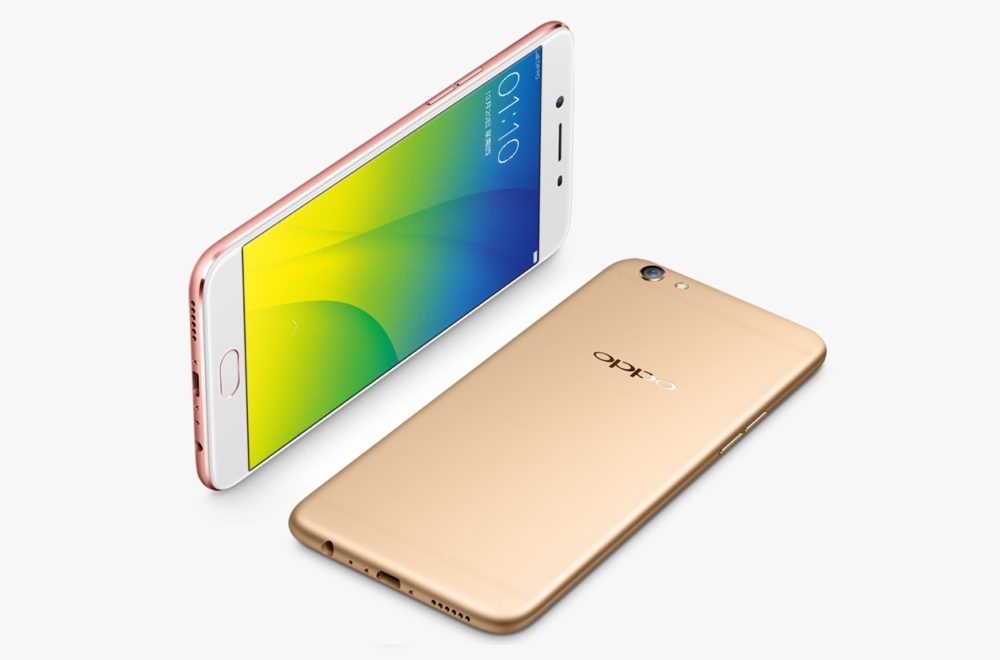
Two new OPPO smartphones broke cover recently at a press event in China. The OPPO R9s and R9s Plus look particularly iPhone-ish, except the antenna lines on the metal-clad back of these devices are barely visible and their home button evokes Samsung’s aesthetics.
Oh, and they each have 16-megapixel rear- and front-facing cameras, which not only makes it infinitely easier for us to remember their camera specs, but also makes the phones an alluring pick for the selfie-loving generation. We were impressed with the 16-megapixel selfie cam on the F1 Plus, the R9s’ predecessor, and it would make sense to think OPPO has something similar, if not better, on offer here.
[irp posts=”2006″ name=”OPPO F1 Plus Hands-On Review”]
The rear-facing camera system, objectively speaking, is an even more impressive specimen, featuring a Sony sensor that no other device has yet and an f/1.7 aperture for superior performance in low light and to achieve a better depth of field, which some photographers refer to as “bokeh.” It can also shoot super-crisp 4K video at the standard 30 frames per second, though only the R9s Plus has an optically stabilized camera to compensate for shaky hands and movement.
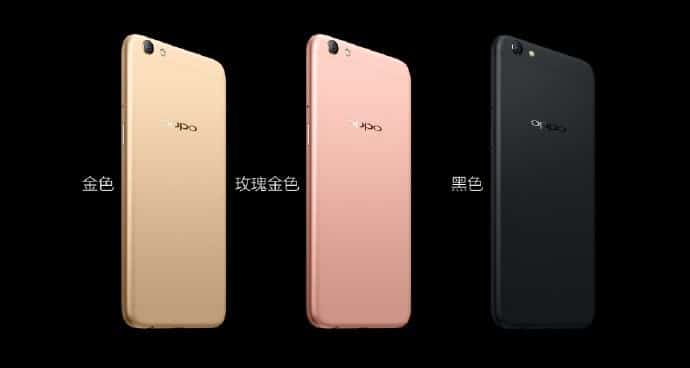
The R9s will come in shades of gold, rose gold, and black
The R9s comes with a 5.5-inch, 1080p screen with curved-but-not-too-curved Gorilla Glass 5; a Qualcomm Snapdragon 625 system-on-a-chip, alongside 4GB of RAM and 64GB of expandable storage; a fingerprint scanner on the home button; and a 3,010mAh battery that charges to 75 percent in 30 minutes.
The R9s Plus has a larger footprint, opting for a 6-inch display at full resolution and minimal bezels on the sides to keep the size of the phablet in check. Rounding off the specs, the Plus model makes use of a Snapdragon 653 chip, an incremental upgrade over the Snapdragon 652 inside many of today’s top midrange phones; 6GB of RAM; 64GB of storage; and a 4,000mAh battery.
[irp posts=”3906″ name=”The OPPO F1s is an affordable ‘selfie expert'”]
Both devices ship with Android 6.0 Marshmallow, making them the company’s first Marshmallow devices, although that isn’t meant to be a compliment. OPPO has been notoriously slow to adopt the latest Android software, with their existing phones still running Android Lollipop and below.
The OPPO R9s and R9s Plus will retail for 2,799 yuan ($415) and 3,499 yuan ($520) in their native China. They will go on sale starting October 28. The three available color options include gold, rose gold, and black. No word yet on pricing or an intended release outside China, but dollars to donuts, international markets will see the R9s under a different name before the year ends.
At least we hope so. These phones sound promising, and we’d hate to see them get a limited release.
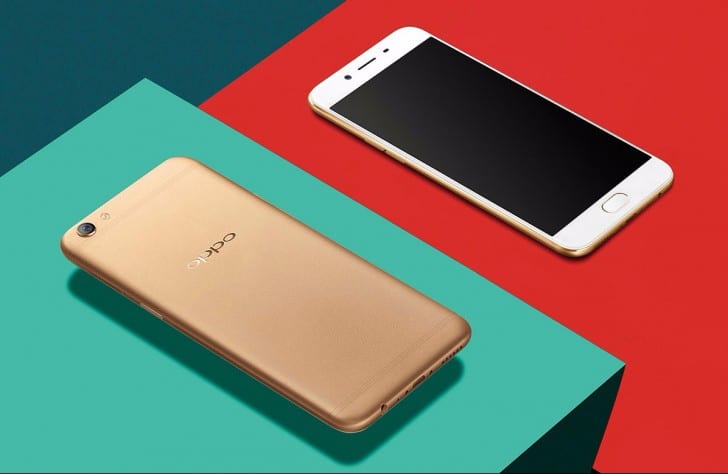
Source: GSMArena



Gaming
Project Helix is Xbox’s next console, and it plays PC games
It might be as powerful as a modern PC.


Among all the platforms in today’s generation of consoles, the Xbox has to be biggest loser. Compared to the PlayStation 5 and the Switch 2, the Xbox Series X|S isn’t as memorable. To rectify its position in the rankings, Xbox is heavily teasing its next console codenamed Project Helix.
As was hinted before, Xbox is trying something different with its next-generation console. Rather than just a simple iteration over the current-generation console, the upcoming one will reportedly double as a PC. Today, the company itself has confirmed that this is the case for Project Helix.
Through a post on X, Xbox CEO Asha Sharma said that the console will “lead in performance and play your Xbox and PC games.”
Great start to the morning with Team Xbox, where we talked about our commitment to the return of Xbox including Project Helix, the code name for our next generation console.
Project Helix will lead in performance and play your Xbox and PC games. Looking forward to chatting about… pic.twitter.com/Xx5rpVnAZI
— Asha (@asha_shar) March 5, 2026
There are two things to unpack here. Firstly, Project Helix will aim to bridge the perilous divide between console players and PC players. Unlike the past, there will be a way to play both platforms on both devices… except for games exclusive to the PlayStation and the Switch, that is.
Secondly, a “lead in performance” seems to indicate that this isn’t just a mini-PC. Most recently, Valve announced the Steam Machine. Though it offers a convenient way to play Steam games in one device, it doesn’t have the best specs. Project Helix, if Sharma’s words are to be believed, might be as powerful as a modern PC.
Xbox won’t wait long before revealing more details about the console. Sharma, who only recently started her post as CEO, will be at next week’s Game Developers Conference to explain Project Helix more.
SEE ALSO: AMD teases next-gen Xbox coming in 2027
News
Nothing adds color to its wearables with the Headphone (a)
The Pink and Yellow colors look great!

Last year, the Nothing Headphone (1) added a sense of fashion to the drab headphone market. Today, Nothing is adding a splash of color to its stylish lineup of headphones through the newly launched Headphone (a).
As with the (a) series of phones, the Headphone (a) melds fashion with affordability and performance. For quality, the wearable will have intelligent noise cancellation and sharper voice pick-ups with a 3-microphone Environmental Noise Cancellation system. It will also deliver rich immersive sound through Static Spatial Audio.
It’s only 310g light for easy use throughout the day.
For convenience, the Headphone (a) will have tactile gestures, such as a Button, Roller, and Paddle, to easily control the device without need of a phone. Users can integrate features like Channel Hop and Camera Shutter mode straight into the controls.
The headphones are designed for up to five days of battery life. Plus, a five-minute charge time can already provide five hours of playback. Finally, for durability, it is rated for IP52 resistance.
The Headphone (a) is available for preorders now. Starting March 13, it will be available in White, Black, and Pink. It will sell for EUR 159. Meanwhile, a limited-edition Yellow pair will be available starting April 6.
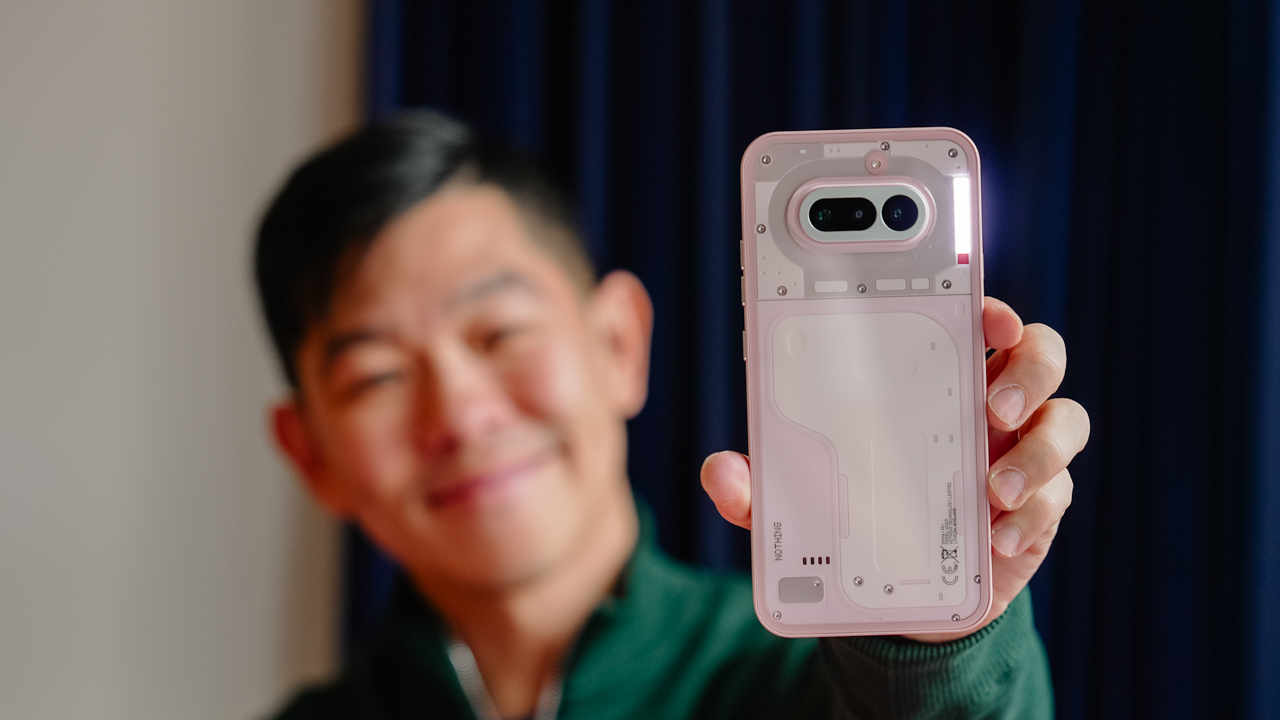
Nothing is not launching the Phone (4) this year. Though the lack of a flagship is certainly disappointing, the brand is still launching the Phone (4a) series, and now that it’s official, there really is no reason to feel like we’re missing out.
Nothing Phone (4a)
The base Nothing Phone (4a) carries over the circular camera island design of the previous Phone (3a). However, this generation will feature the new Glyph Bar, a subtler and more functional take on the brand’s iconic lighting system. It has 63 mini-LEDs in seven square light zones. It provides 3500 nits of brightness, which is 40 percent brighter than the Phone (3a)’s Glyph Interface.
The 6.78-inch AMOLED screen delivers images at 1.5K resolution,120Hz refresh rate, and 440 pixels per inch.
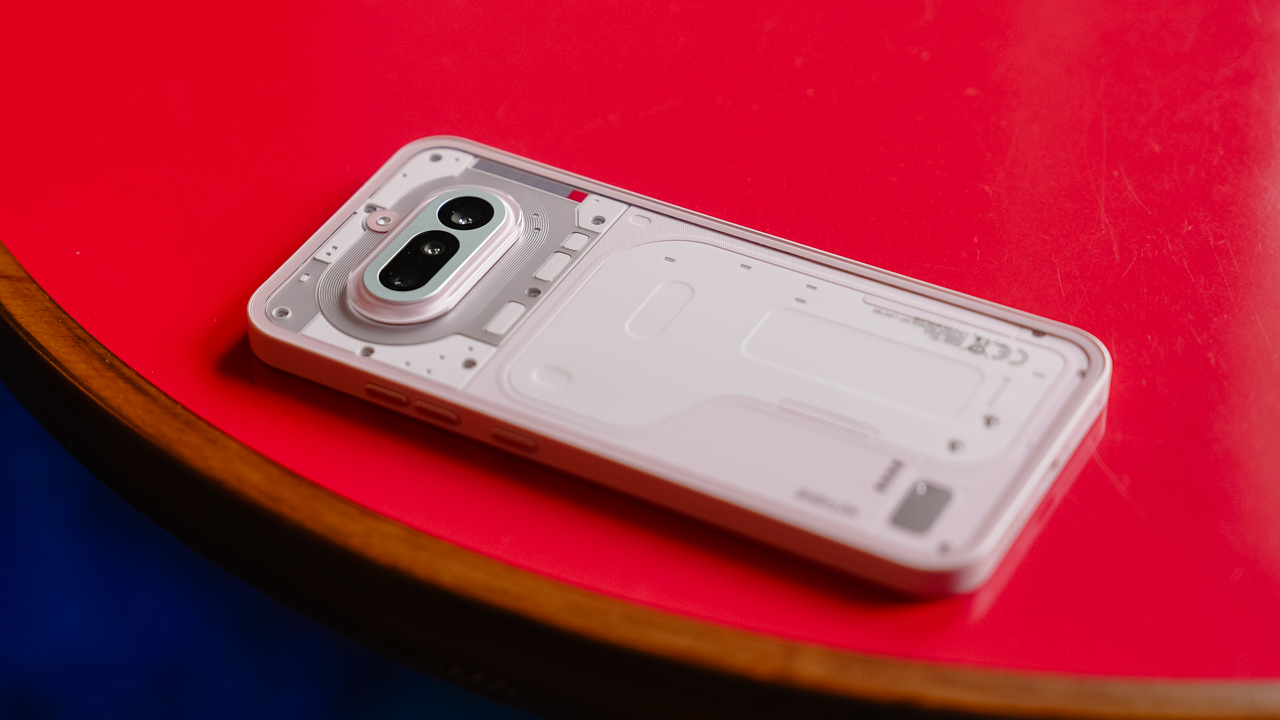
Inside, the Phone (4a) is powered by the Snapdragon 7s Gen 4. This is paired with up to 12GB of RAM and 256GB of internal storage. It can reportedly play Call of Duty: Mobile at up to 90fps.
For cameras, the model carries a Samsung GN9 50-megapixel main camera. It can take in more light and offer a wider field of view. Plus, the camera can zoom by up to 3.5 times using an optical zoom. There’s also 7x lossless zoom and 70x ultra zoom.
Using Qualcomm’s triple Image Signal Processor, the camera can shoot 4K video at 30 frames per second. It can also shoot Full HD videos at 120 frames per second.
Finally, the Phone (4a) has a large 5080mAh battery, capable of charging up to 60 percent in just 30 minutes.
Nothing Phone (4a) Pro
Meanwhile, the Nothing Phone (4a) Pro takes the best parts of the Phone (3) and brings it to life in the (a) series.
For one, the bolder camera island revives the Glyph Matrix of the flagship series and packs in more shooters inside. The three-camera system consists of a Sony LYT-700C 50-megapixel main shooter, a Samsung J5 50-megapixel periscope lens, and a Sony IMX355 ultrawide camera.

The 6.83-inch LTPS AMOLED screen is protected by Gorilla Glass 7i. It can deliver images at 1.5K resolution, 144Hz refresh rate, and 5,000nits peak brightness.
Inside, the Pro model sports the Snapdragon 7 Gen 4. Plus, the RAM Booster can increase the up to 12GB of RAM to 20GB. It will also have 256GB of internal storage.
It still has the large 5080mAh battery of its regular sibling and all the power that promises.
Price, availability
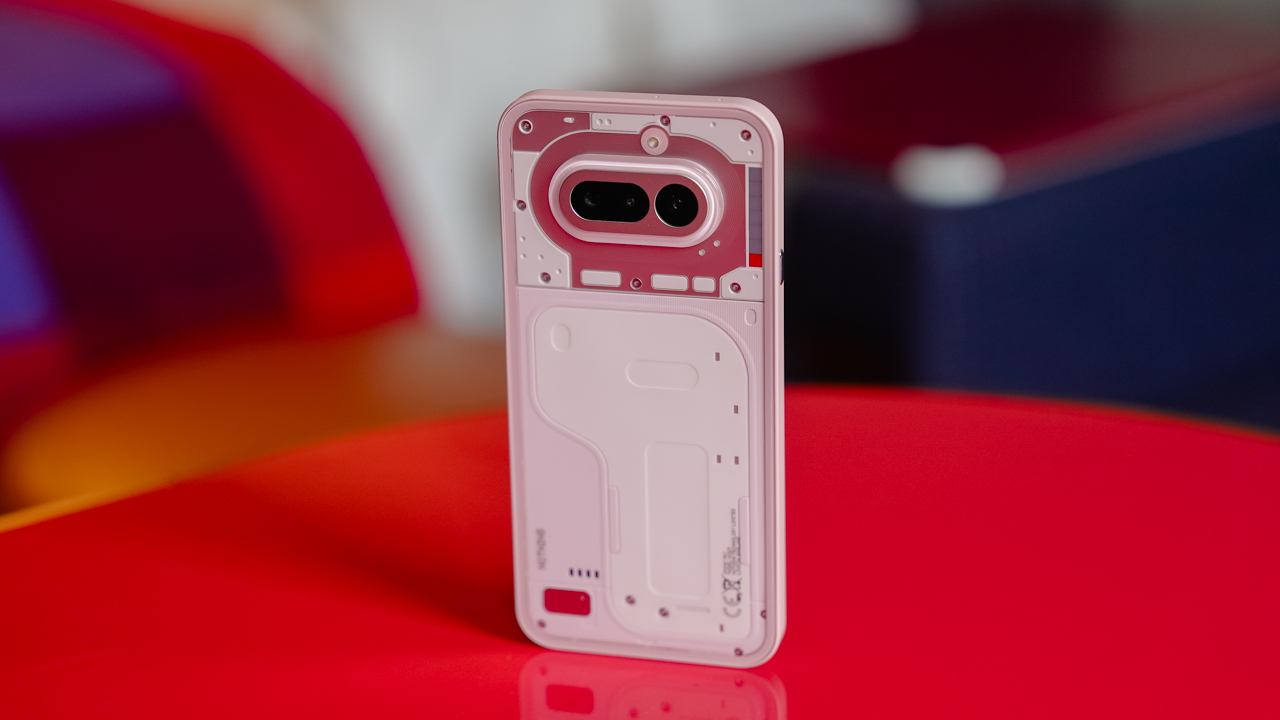
The Nothing Phone (4a) will be available in black, white, blue, and pink. It starts at EUR 349 for the 8+128GB configuration, topping off at EUR 429 for the 12+256GB model.
The Nothing Phone (4a) Pro will be available in black, silver, and pink. It starts at EUR 479 for the 8+128GB model, with the 12+256GB version selling for EUR 549.




Project Helix is Xbox’s next console, and it plays PC games

Nothing adds color to its wearables with the Headphone (a)

Nothing launches the Phone (4a) series

HMD is developing an AI assistant for the elderly

OPPO is finally getting AirDrop support

Xiaomi 17 Ultra is now available outside China

TECNO will showcase the CAMON 50 and POVA 8 series at MWC 2026

The art of being in and behind the frame

HUAWEI MatePad 11.5 S 2026: The better-than-ever 4-in-1 productivity tablet

TECNO MEGABOOK K16s 13th review: No-frills beneath those grills


-
 News6 days ago
Xiaomi 17 Ultra is now available outside China
-

 Camera Walkthrough2 weeks ago
OPPO Reno15 Pro: Camera Review
-

 MWC 20261 week ago
TECNO resurrects modular phones with this new concept
-
 MWC 20264 days ago
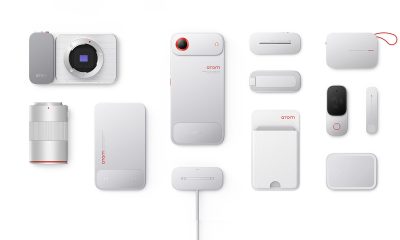
TECNO showcases cool concepts at MWC 2026
-

 Reviews6 days ago
Xiaomi Pad 8 review: Slab that slaps!
-

 Events2 weeks ago
Capcom to hold Resident Evil Requiem launch event in Jakarta
-
 Gaming2 weeks ago
Pokémon FireRed and LeafGreen are coming to the Switch
-
 MWC 20263 days ago
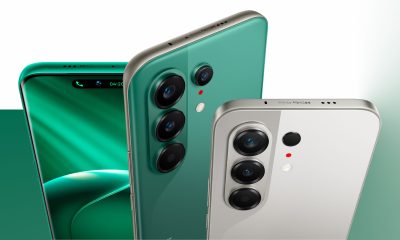
TECNO launches the all-new CAMON 50 series