
Smartphones
POCO F7 Series now available in the Philippines
Pricing, availability details of POCO’s latest powerful mid-rangers

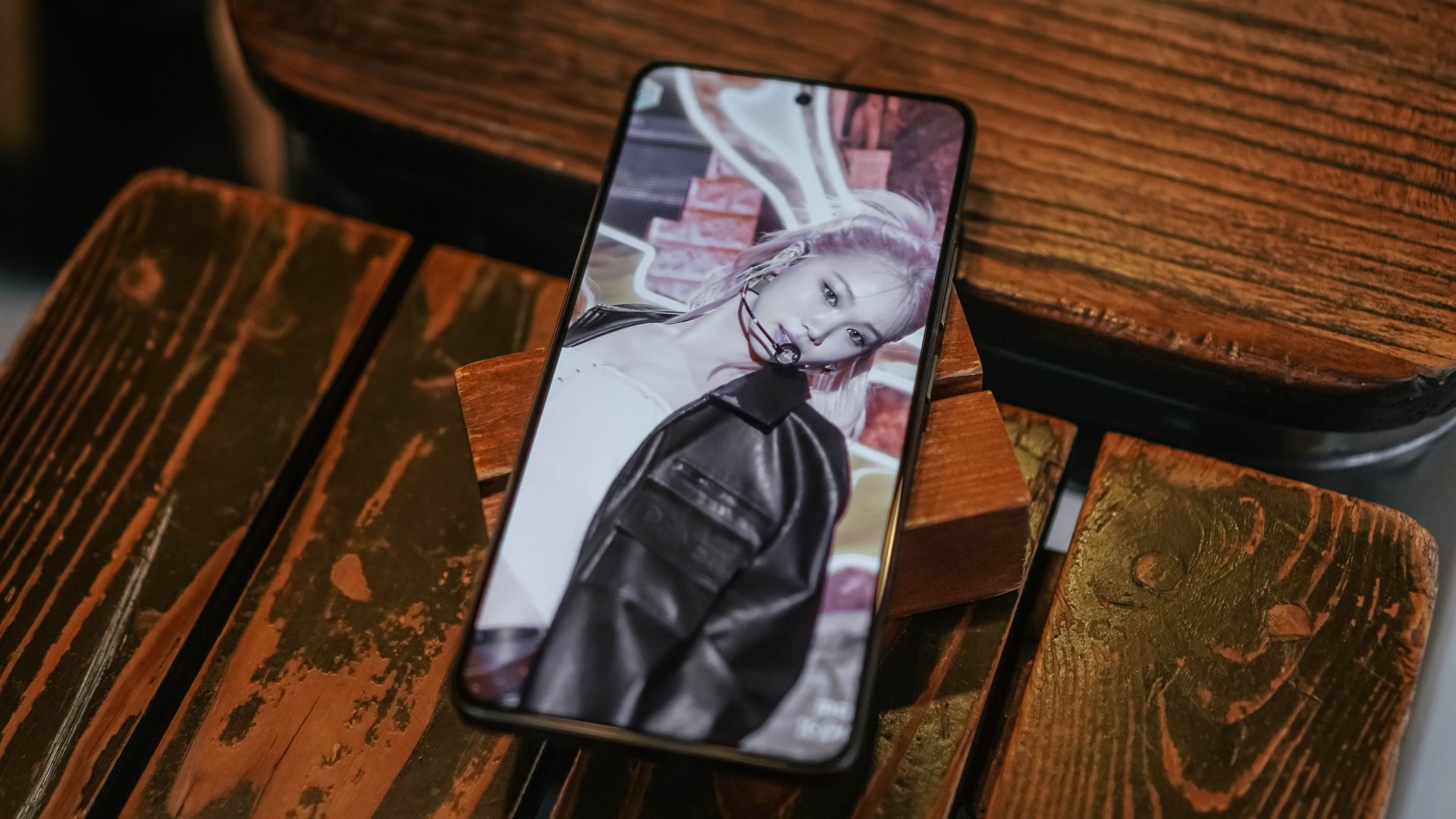
The POCO F7 Series, comprised of the POCO F7 Ultra and POCO F7 Pro, is now available in the Philippines. Customers in the country can avail of the devices at Early Bird Prices from March 27 to April 3.
Both devices come with two storage configurations each. The pricing details are as follows:
POCO F7 Ultra (Yellow, Black) — Exclusively available on Lazada
- 16GB+512GB: PhP 37,999 (from PhP 39,999)
- 12GB+256GB: PhP 34,999 (from PhP 36,999)
Customers can also get an additional PhP 1,500 discount from the online shopping platform.
POCO F7 Pro (Black, Silver, Blue) — Exclusively available on Shopee
- 12GB+512GB: PhP 25,999 (from PhP 29,999)
- 12GB+256GB: PhP 24,099 (from PhP 27,999)
Pushing the limits of power, performance

The POCO F7 Ultra is powered by a Snapdragon 8 Elite mobile platform. Built on the 3nm process, the platform delivers 45% CPU and 44% GPU performance boosts, respectively, while also reducing power consumption significantly.
This processor is complemented by an F7 Ultra-exclusive VisionBoost D7 chipset to take visual effects to a whole new level. Gameplay feels incredibly immersive with Smart Frame Drop, 2K Super Resolution, and GameHDR.
Meanwhile, Dual-core Visuals technology enhances resolution, frame rates, and HDR quality across video content, like YouTube and Netflix, to bring every scene to life.
The hardware is paired with Xiaomi HyperOS 2 which features HyperCore, HyperConnect, and HyperAI for further optimizations, cross-platform connectivity, and Google Gemini.
On the other hand, the POCO F7 Pro is powered by a Snapdragon 8 Gen 3 chipset. It has the same HyperOS 2, WildBoost Optimization 4.0, and Smart Frame Rate features.
Furthermore, LiquidCool Technology 4.0 on both devices keeps them cool. This features a 3D dual-channel IceLoop system with an extra-large loop heat pipe to allow extended gaming, video editing, and multitasking without sacrificing performance.
On the battery end, the Ultra has a 5,300mAh battery with support for 120W HyperCharge and 50W wireless HyperCharge. The Pro has a 6,000mAh counterpart with support or 90W HyperCharge.
Premium, durable design
Onto its display, the POCO F7 Series touts 6.67-inch 2K Flow AMOLED displays with 3200 nits peak brightness and 1800 nits HBM brightness. The panels are likewise certified for eye care.
The phones are also rated IP68 for dust and water resistance. That’s thanks to the POCO Shield Glass on the Ultra and the Corning Gorilla Glass 7i on the Pro. The gloss-matte design on the glass back covers also add to the premium yet durable aesthetic.
Advanced imaging systems
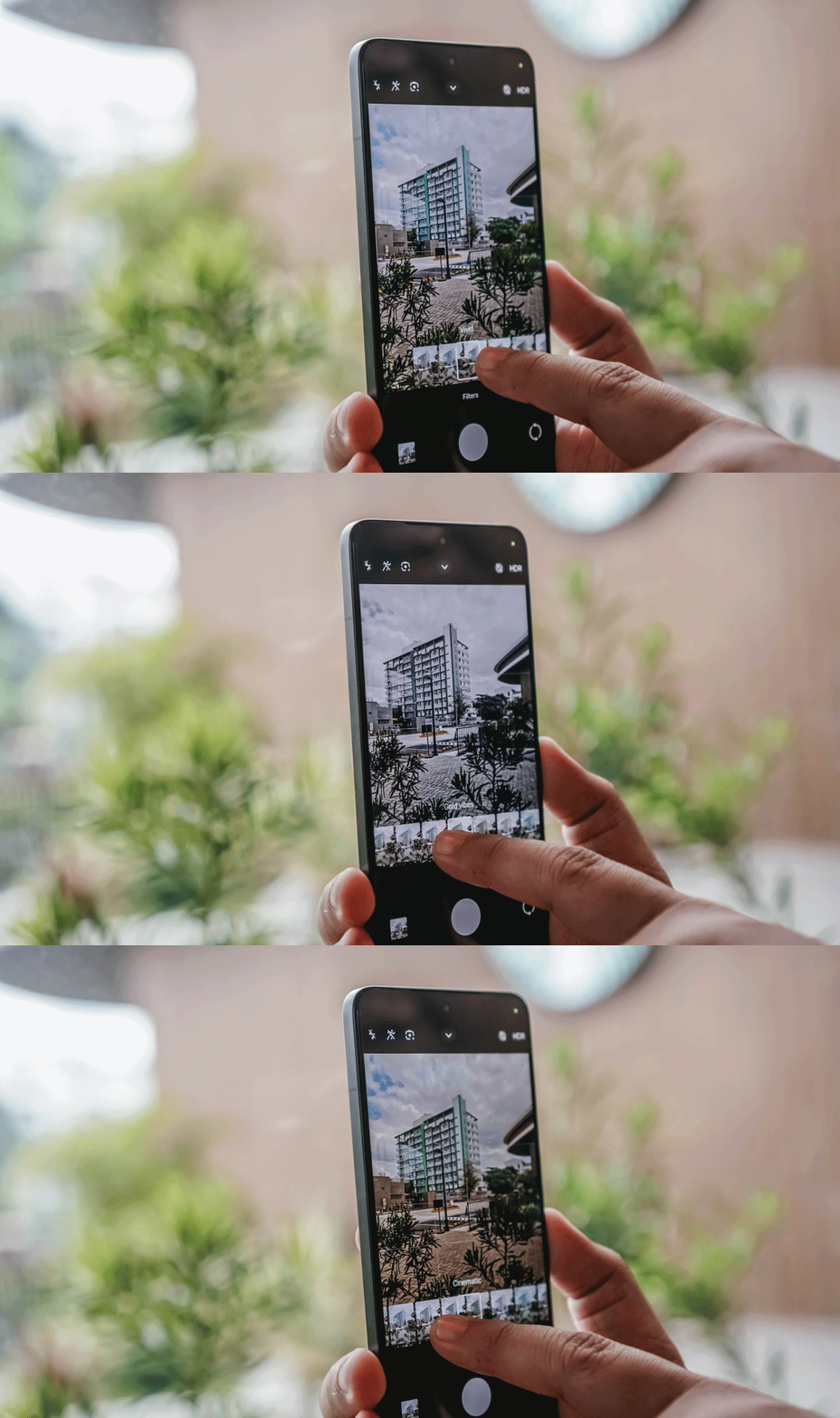
Lastly, the POCO F7 lineup also boasts of the brand’s most advanced imaging system yet. Particularly, the triple lens setup on the F7 Ultra combines a strong HDR main camera, a flagship-level floating telephoto lens, and a high-pixel ultra-wide camera.
The F7 Ultra has the following shooters:
- 1/1.55-inch 50MP Light Fusion 800 f/1.6 main camera 6P lens OIS (four focal lengths, including 35mm and 48mm)
- 50MP f/2.0 floating camera OIS (2.5X to 5X in-sensor zoom)
- 32MP 120° FOV ultra-wide camera
- 32MP front camera
The F7 Pro, meanwhile, has these for its camera package:
- 1/1.55-inch 50MP Light Fusion 800 f/1.6 main camera 6P lens OIS
- 8MP ultra-wide camera
- 20MP front camera
These hardware are backed by POCO AISP – POCO’s first-ever AI LM computational photography platform. This integrates the computational power of the CPU, GPU, NPU, and ISP through Xiaomi HyperOS.
Camera features on both phones include 20X UltraZoom Beta, Dynamic Shots, UltraSnap, and more.





News
REDMI Note 15 Series named Presenting Partner for Spartan Race Philippines 2026 season
Titan Toughness takes center stage!

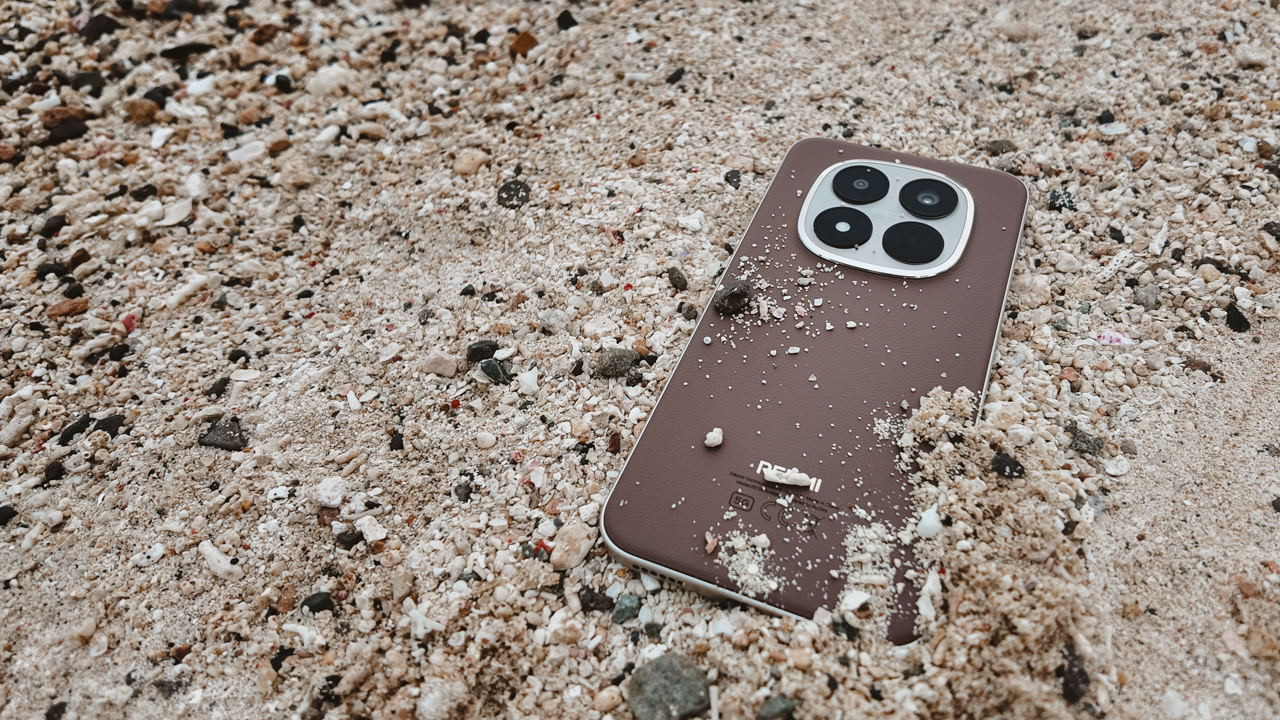
Being a Spartan athlete for five years has taught me that endurance isn’t just about physical strength; it’s about the mental grit to keep moving when your body begs you to stop.
In this world, “toughness” becomes more than just a marketing buzzword. Now, it’s a requirement for survival. That’s why the partnership between Spartan Race Philippines and the REDMI Note 15 Series feels like a shared philosophy.
Partner for a tough course
Starting March 21, 2026, at Parklinks, Pasig City, the REDMI Note 15 Series officially joins the Spartan circuit.
For someone who has navigated these obstacles for years, I know that technology usually doesn’t belong in the mud. But the “Titan Tough” promise of the REDMI Note 15 is built for this exact routine.
It’s designed to be there for the moments that matter. For capturing the raw, unpolished triumph of the finish line; for surviving the grit of the course so you can focus on the next hurdle; and for finding the device at the heart of the festival area and the winner’s circle, mirroring the resilience of the athletes themselves.
Join the journey
Whether you are a seasoned elite racer or stepping into your first Open heat, this season is about testing your limits.
To help you get to that starting line, you can use the discount code REDMINOTE15 to get 10% OFF on all Spartan Race OCR, Spartan Kids Race, and Hurricane Heat events.
See you at the starting line. AROO!

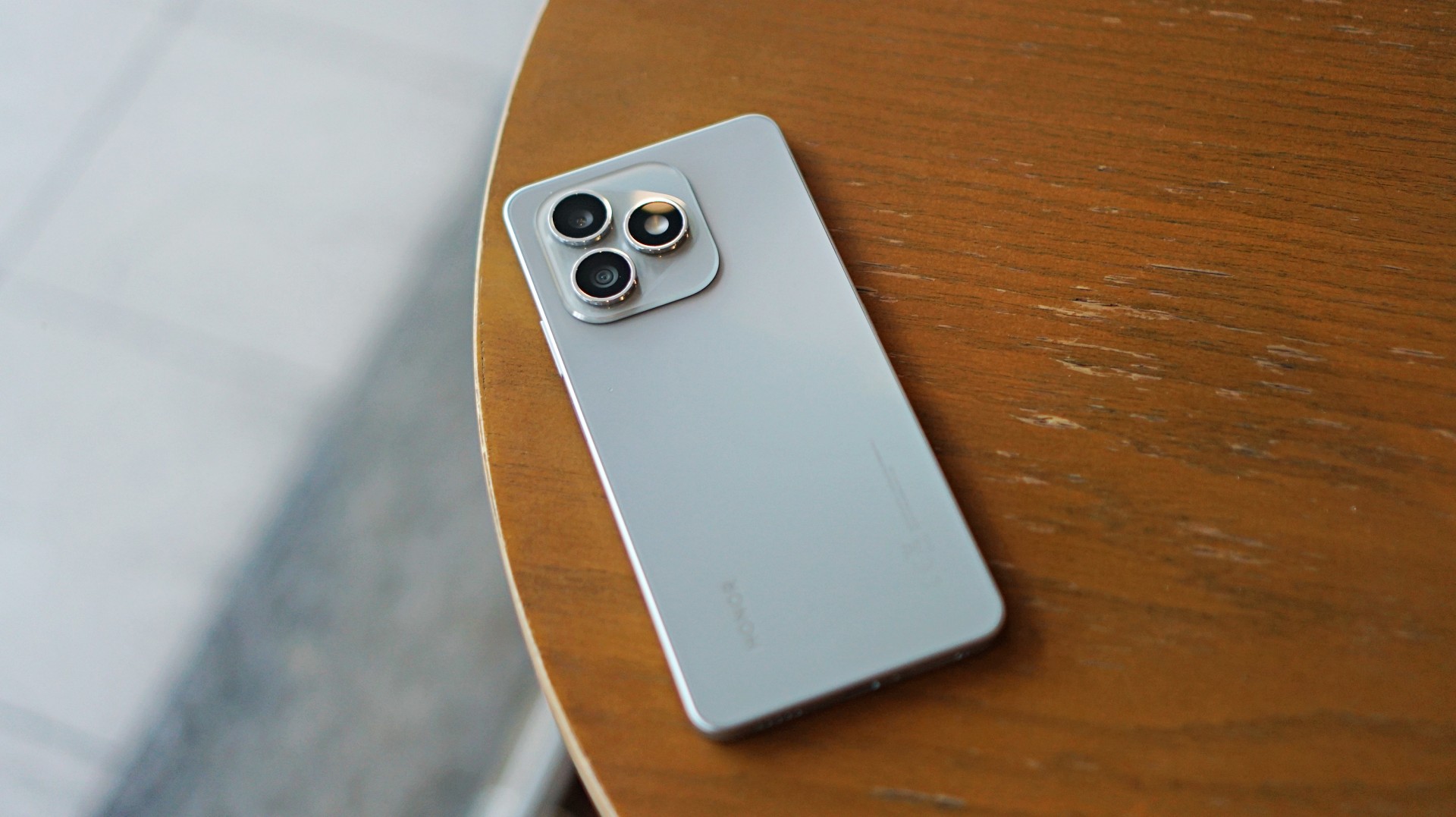
Some smartphones aim to stand out. Others just aim to work. The HONOR X8d falls squarely into the second category.
In day-to-day use, it presents itself as a device that focuses on the essentials. It’s functional, predictable, and easy to understand—but also a reminder of how noticeable the gap can be once performance and responsiveness start to lag behind.
A design-first approach
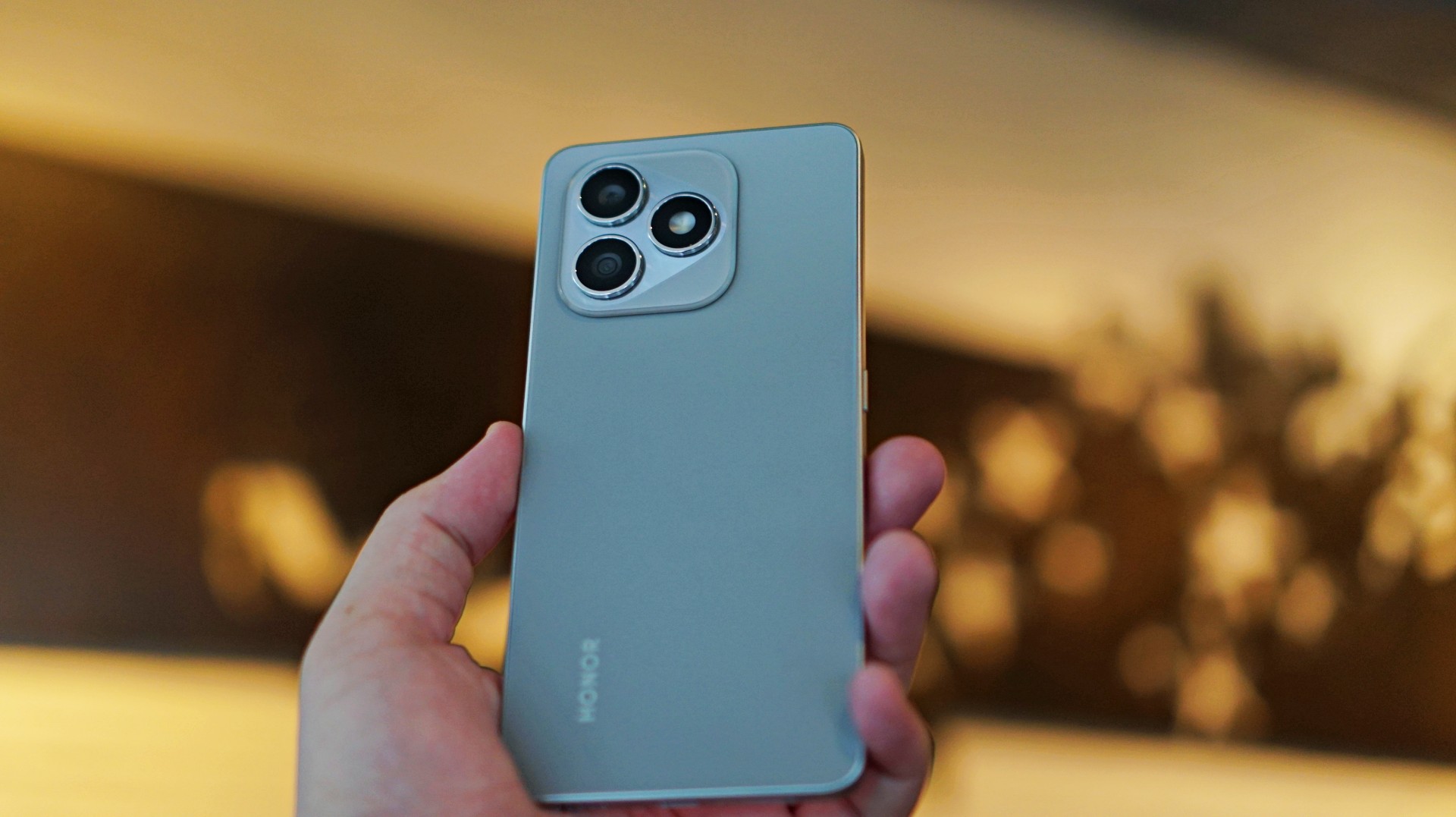
The HONOR X8d makes a decent first impression. It’s slim, relatively lightweight, and easy to hold despite packing a large battery. The flat sides and smooth back give it a clean, modern look, while the camera module adds a bit of visual identity.
It’s available in Light Blue, Velvet Black, and Velvet Grey—options that lean into its youthful positioning. The device also feels sturdy in hand, backed by SGS certification for drop and crush resistance, along with IP65-level protection against dust and splashes.
For a device in this category, the HONOR X8d delivers a build that feels dependable enough for daily use.
Display and media: Bright and usable

Miss All Sunday makes everything look good
Up front, the HONOR X8d features a 6.77-inch AMOLED display with a 120Hz refresh rate and up to 3000 nits peak brightness. Colors are vibrant, and the panel supports 100% DCI-P3, which helps content look lively.
For casual viewing, the experience is serviceable. Watching shows or videos feels comfortable, and the high brightness ensures visibility even under harsh lighting. Features like 3840Hz PWM dimming and E-Book mode also help reduce eye strain during extended use.
Now Playing: One Piece Season 2

I skimmed through a few episodes of the One Piece Season 2 live action on Netflix and again it was… alright. Nothing here will blow you away but it serves its purpose.
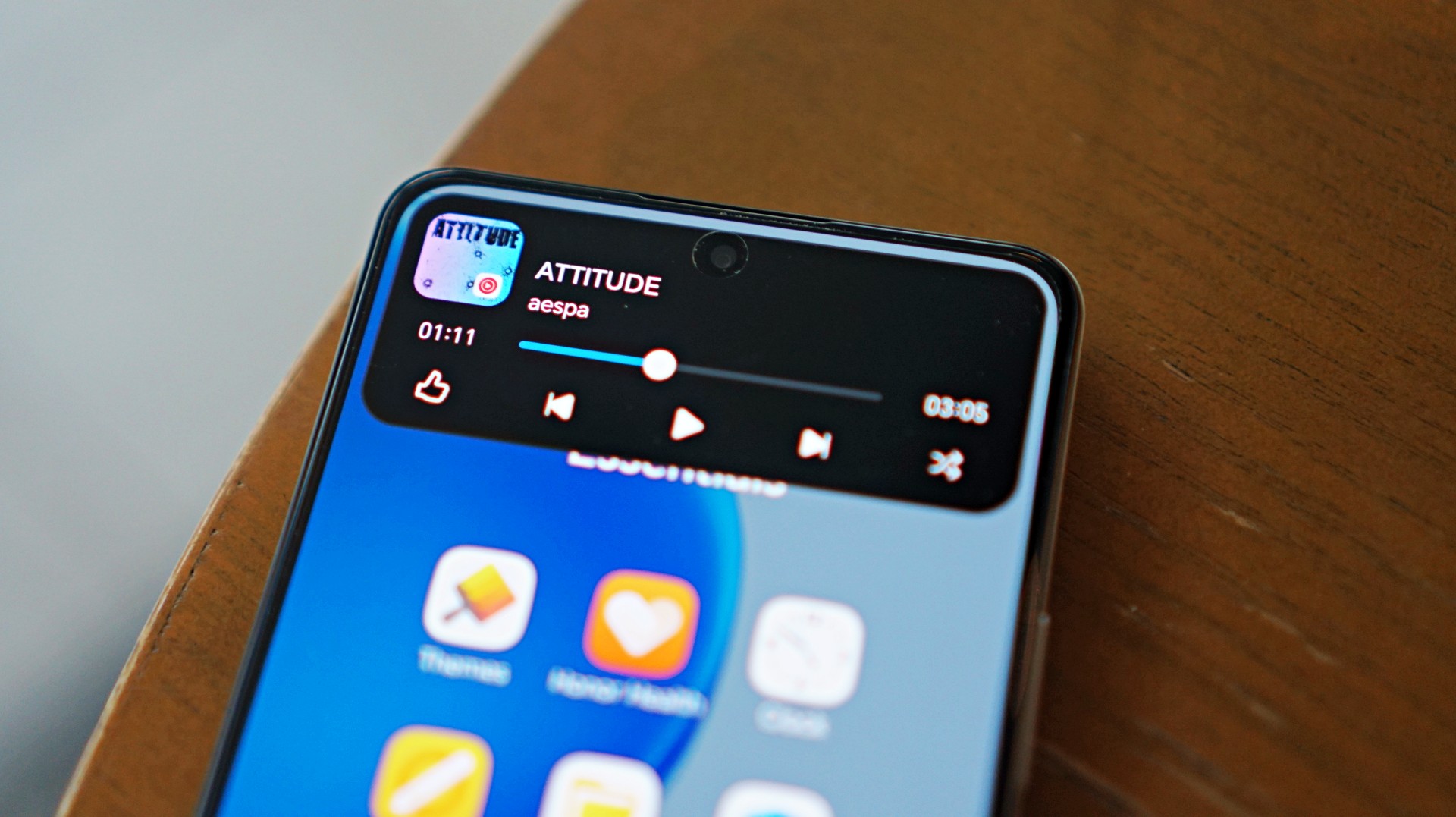
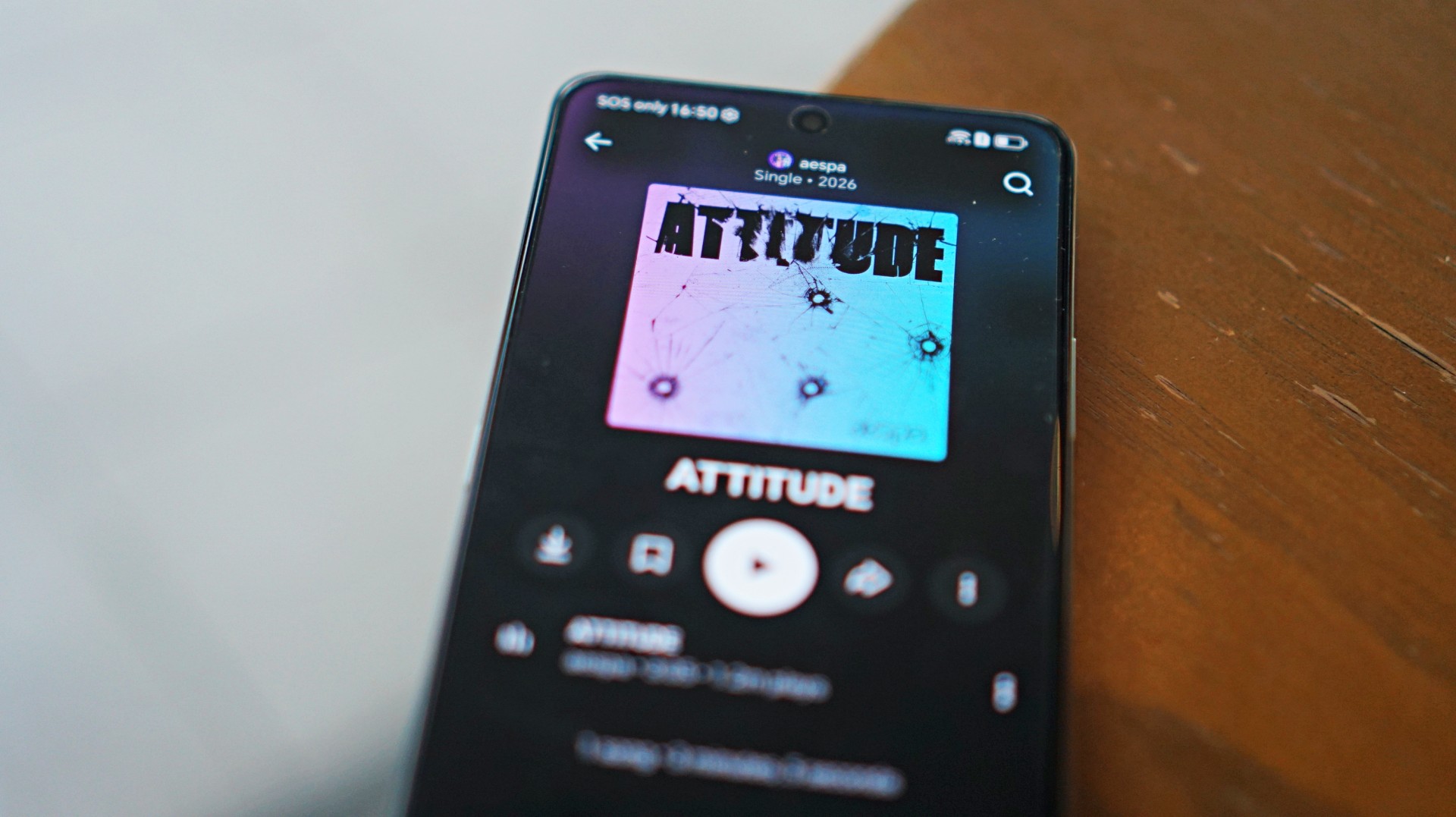 I also listened to “Attitude” by aespa on YouTube music and it just echoes the general feeling of the phone – serviceable.
That said, the overall experience remains straightforward. It delivers what you need for day-to-day media consumption without going much further.
Performance is where compromises show
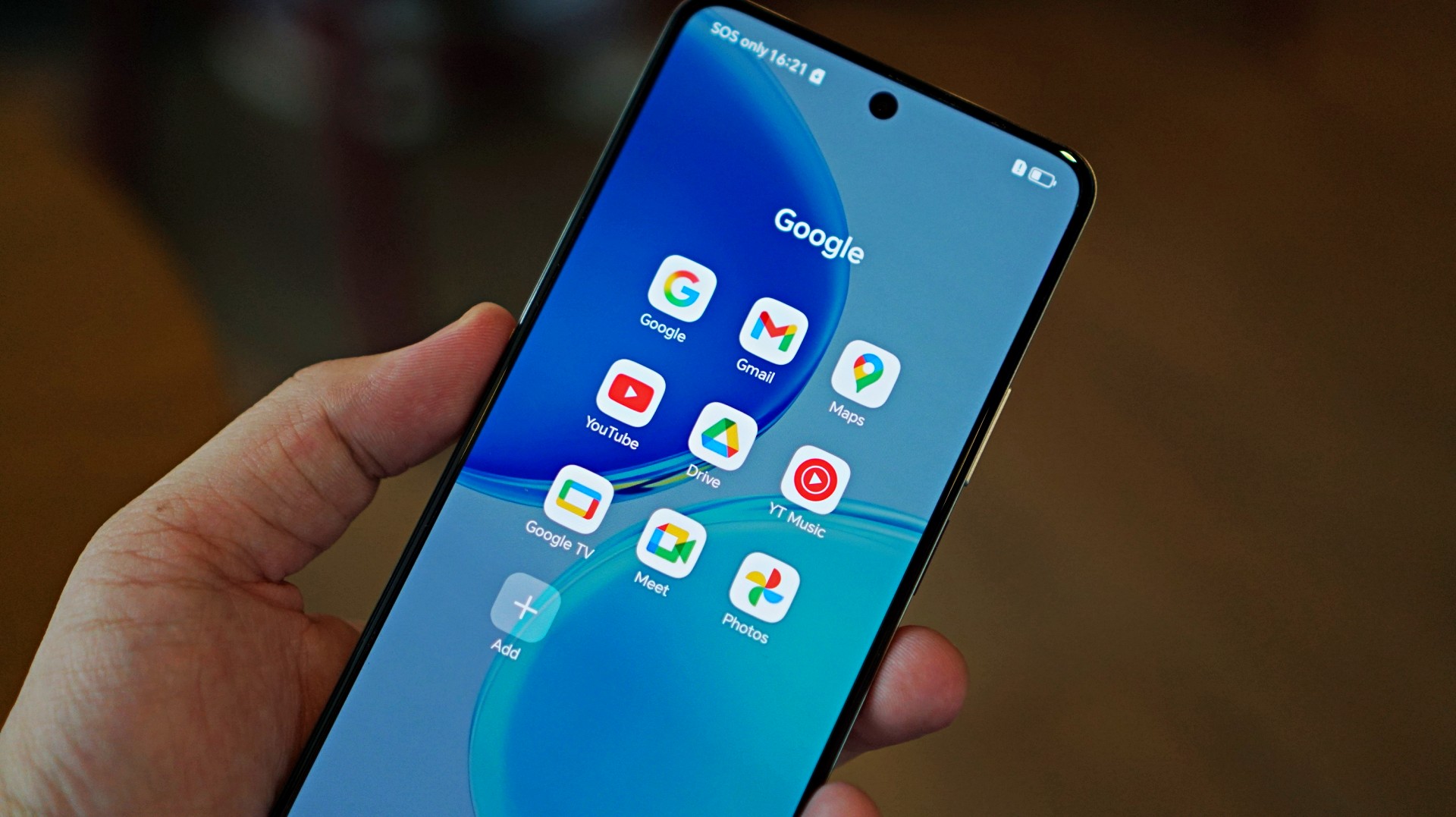
The HONOR X8d runs on the Snapdragon 6s 4G Gen 2 paired with 8GB of RAM. On paper, it’s positioned for everyday tasks, but in practice, performance leans on the modest side.
Basic interactions like switching between apps or scrolling through feeds can feel slower than expected. There’s a noticeable delay at times, even during simple tasks, which affects the overall flow of the experience.
This extends to camera usage as well, where responsiveness can occasionally feel a step behind. The device remains usable, but the pacing may feel dragging depending on what you’re used to.
Cameras are reliable in good light
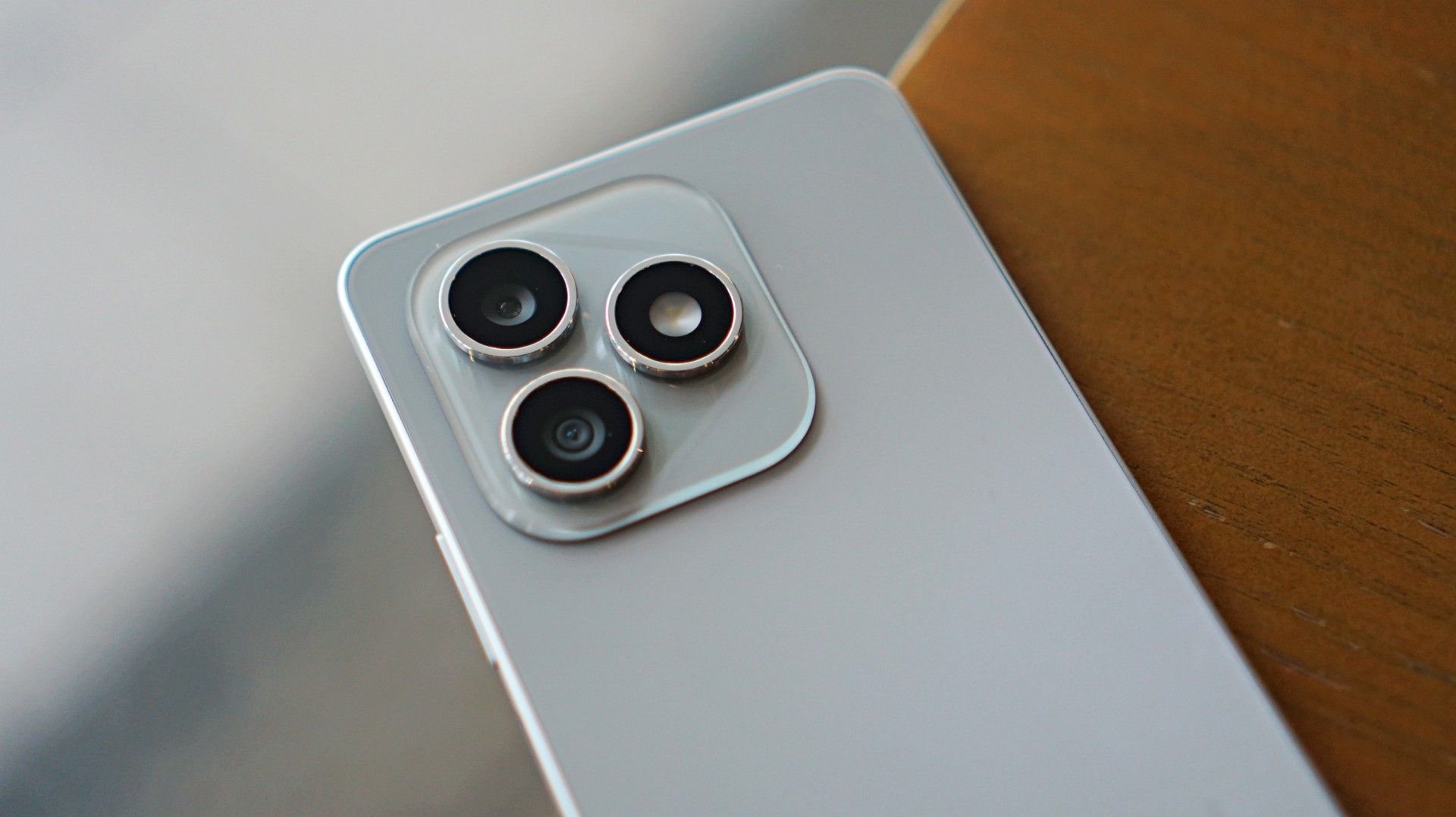
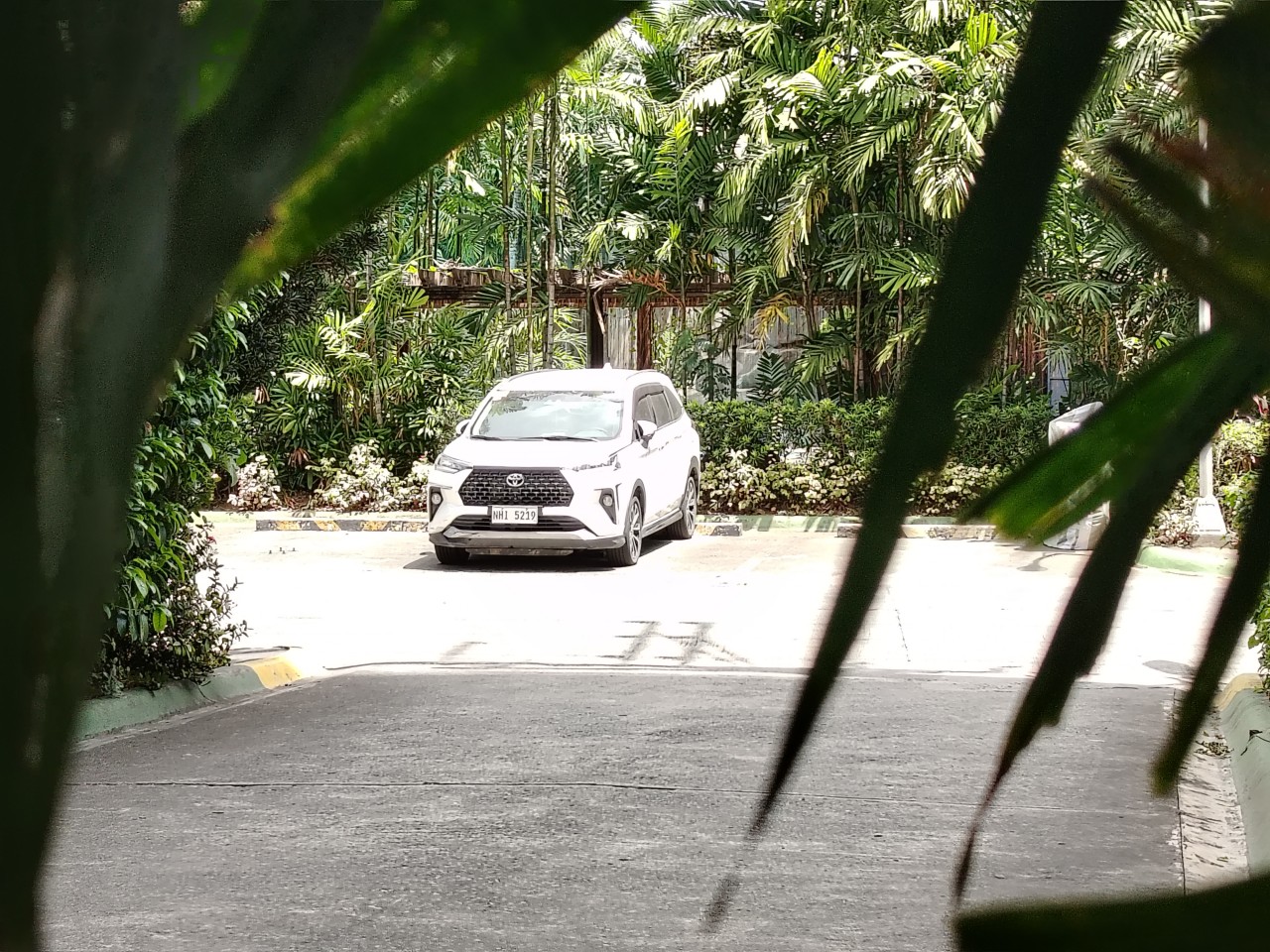
The HONOR X8d is equipped with a 108MP main camera alongside a 5MP wide camera, with a 16MP shooter up front.
In good lighting conditions, the phone produces decent images. Shots are clear enough, with acceptable detail and color for social media sharing. The camera system also benefits from a suite of AI tools such as AI Eraser, AI Cutout, and AI Upscale, which add flexibility when editing photos.
Zoom options at 1x, 2x, and 3x remain usable, though results are best when lighting is favorable. Overall, the camera system is dependable for casual snaps.













Software and AI: familiar, feature-filled
Running on MagicOS 10 based on Android 16, the HONOR X8d comes with a feature-rich software experience. It includes tools like AI Translate, AI Writing, AI Notes, and AI Recorder, alongside features such as Magic Portal and Circle to Search.

Like many Android skins today, MagicOS follows a design approach that will feel immediately familiar. The layout, navigation, and overall structure borrow heavily from the iOS-inspired blueprint that most brands have adopted. It’s easy to get into, even for less experienced users.
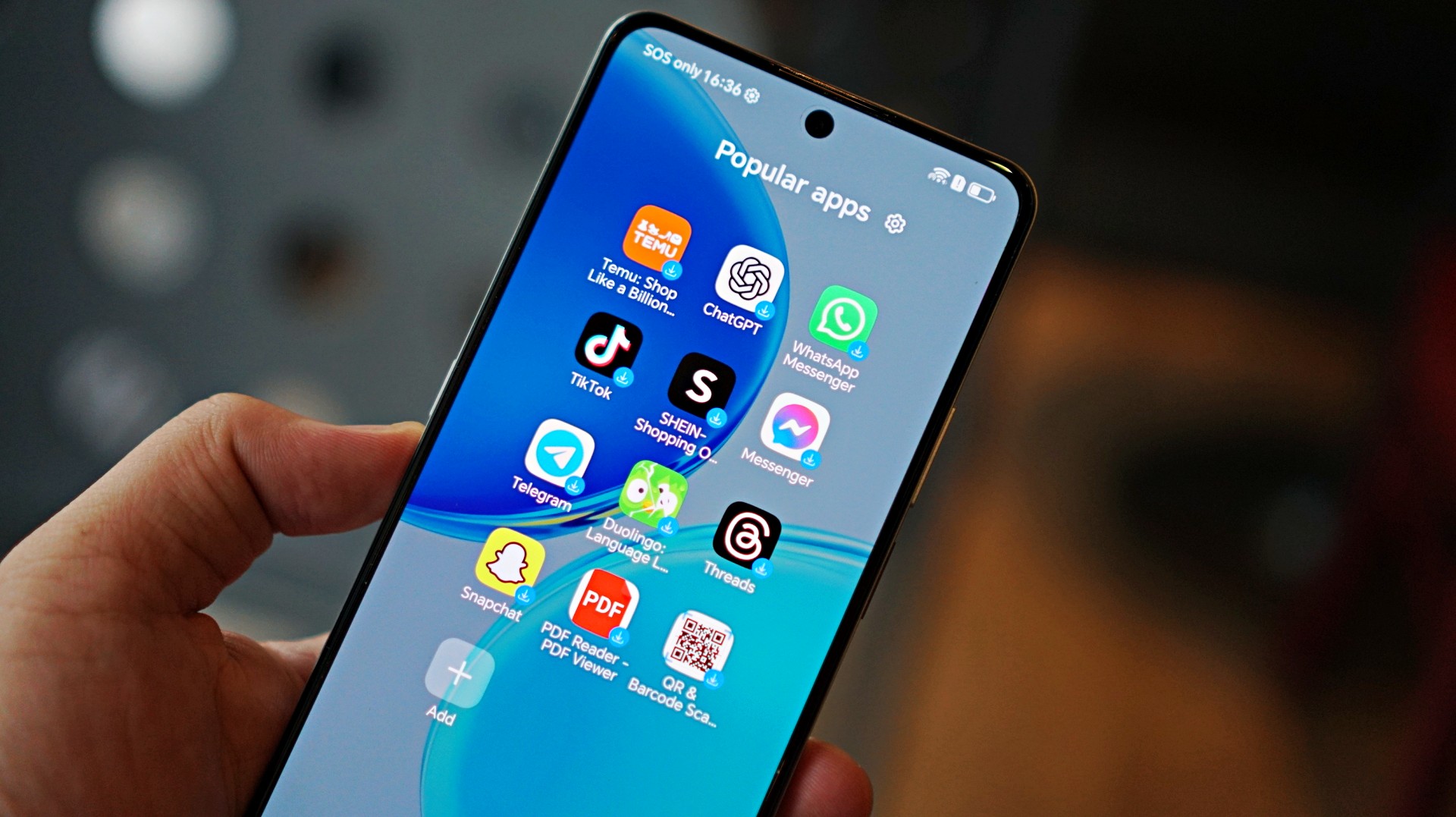
Typical of entry-level smartphones, the device also includes app recommendations out of the box. Thankfully, these aren’t overly intrusive, and many of the suggested apps are ones users would likely install anyway.
The software helps add depth to the overall package, even if the hardware limits how smooth everything feels in actual use.
Battery and everyday use is a clear strength
One of the standout features of the HONOR X8d is its 7000mAh battery. It’s designed to last through extended use, whether for streaming, browsing, or everyday communication.
Paired with 45W HONOR SuperCharge, topping up the device remains relatively quick. For users who prioritize longevity over speed, this is easily one of the more reliable aspects of the phone.
Is the HONOR X8d your GadgetMatch?
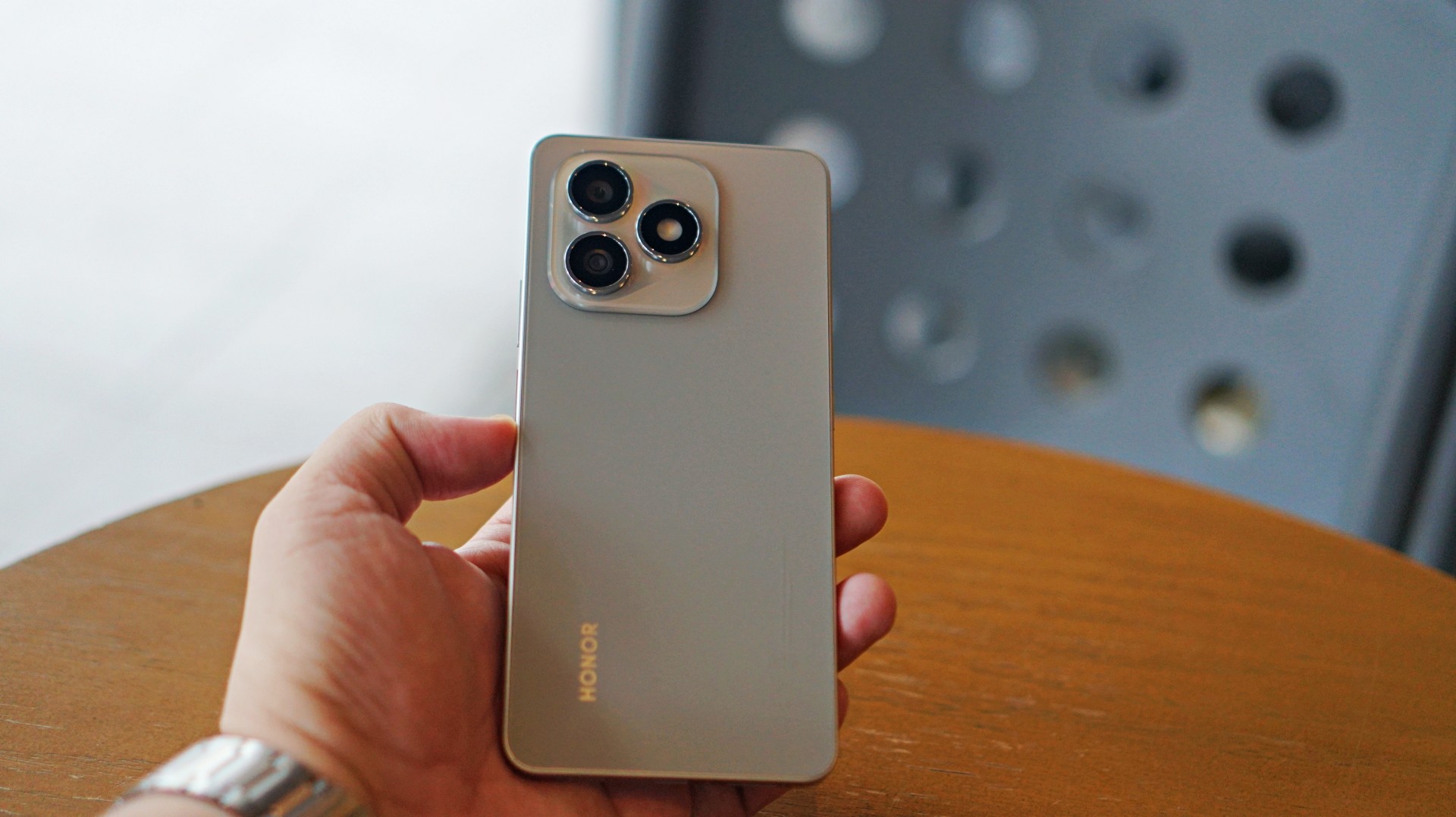
When HONOR Philippines was first teasing the phone it was positioned as something for students. But if I were a parent, I’m pretty sure I’d like my kid to have some kind of advantage and not have to deal with a device that might not be able to keep up with them.
After learning that it’s priced at PhP 15,999 my verdict just became much clearer. This is a Swipe Left.
Add a few more to that price and you can get an excellent smartphone at its early bird price.
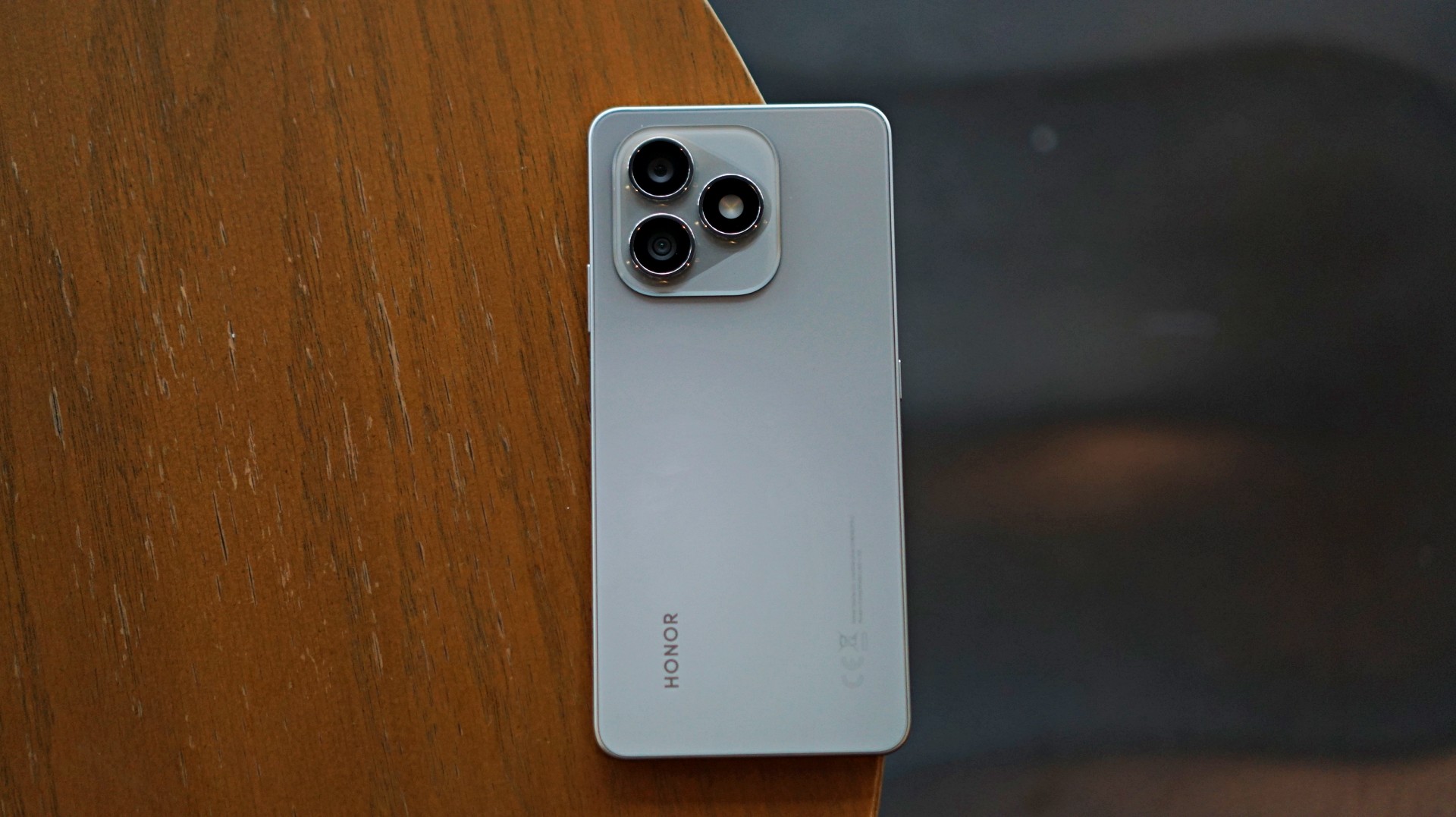
The HONOR X8d focuses on delivering the basics—design that works, a large battery, and a feature-filled software experience.
However, the overall experience depends heavily on what you prioritize. For users who simply need a phone that can get through daily tasks, the X8d does enough to hold its ground. For those who value speed and responsiveness, it may feel a step behind.
Whether it fits your needs ultimately comes down to how much you’re willing to trade performance for battery life and features.
Features
Why the OPPO Reno15 5G series is a creator’s essential
4K Ultra-Steady, 50MP groufies, and AI edits in one device.

There are two kinds of travel essentials: the ones you pack because you have to, and the ones you pack because they make the story better.
Often, we feel forced to choose between traveling light and bringing the bulky gear necessary to document the trip properly.
On your next trip, the OPPO Reno15 5G Series eliminates that compromise. With a thoughtful mix of hardware and software, it becomes your pocket-sized production crew, ready to capture life as it unfolds.
The crew in your pocket
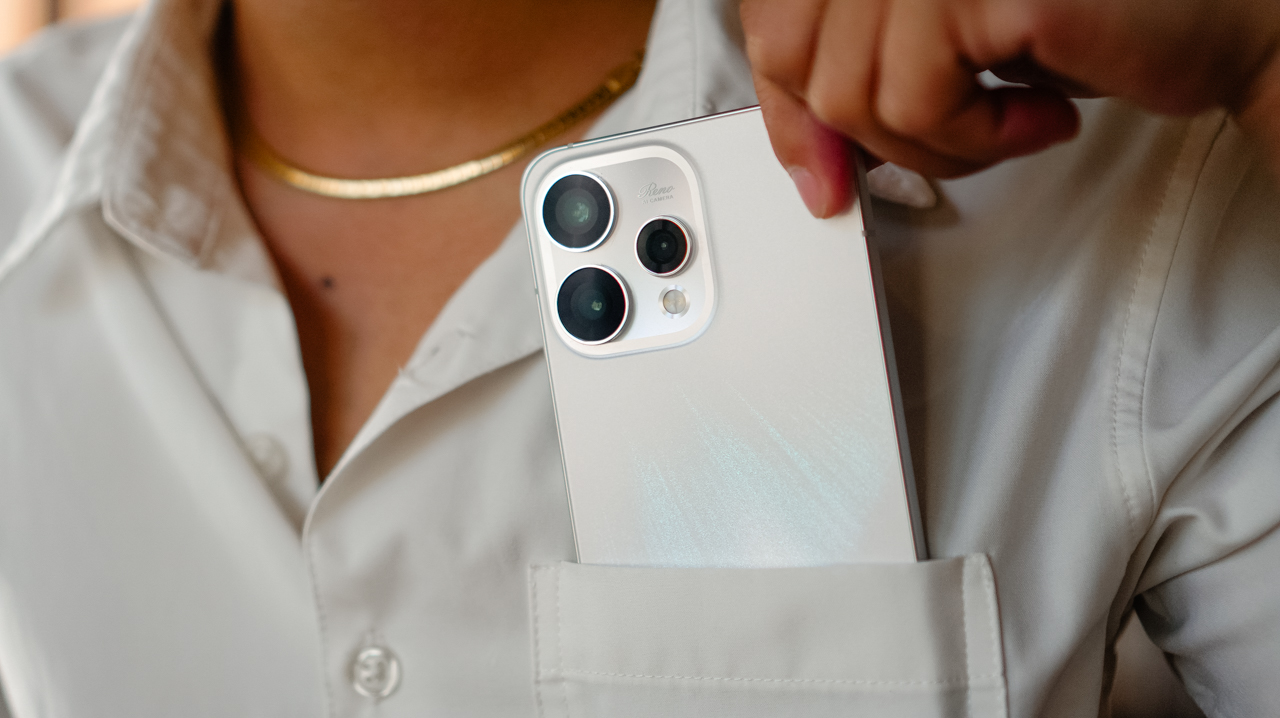
The first rule of travel is to keep things light, but for a creator, “light” cannot mean lower quality.
Whether you are navigating crowded night markets or chasing the golden hour on a steep, adventurous rooftop, the 4K Ultra Steady feature ensures your footage looks composed even when the environment is chaotic.
View this post on Instagram
This stabilization changes the energy of a travel vlog, turning handheld montages into polished, cinematic clips that are ready for a Reel the moment you hit save.
View this post on Instagram
Capturing everything and everyone
Travel stories are built on shared memories, but too often, the person behind the lens is left out.

Group shots often become a messy scramble to squeeze everyone into a tight frame. The 50MP Selfie Camera changes that outcome with its 0.6x ultra-wide-angle mode
It captures the entire group with sharp detail across the frame, ensuring no one is relegated to the blurry edges.
Even if you need to crop the image later for a specific social media layout, faces remain clear and the background stays defined.
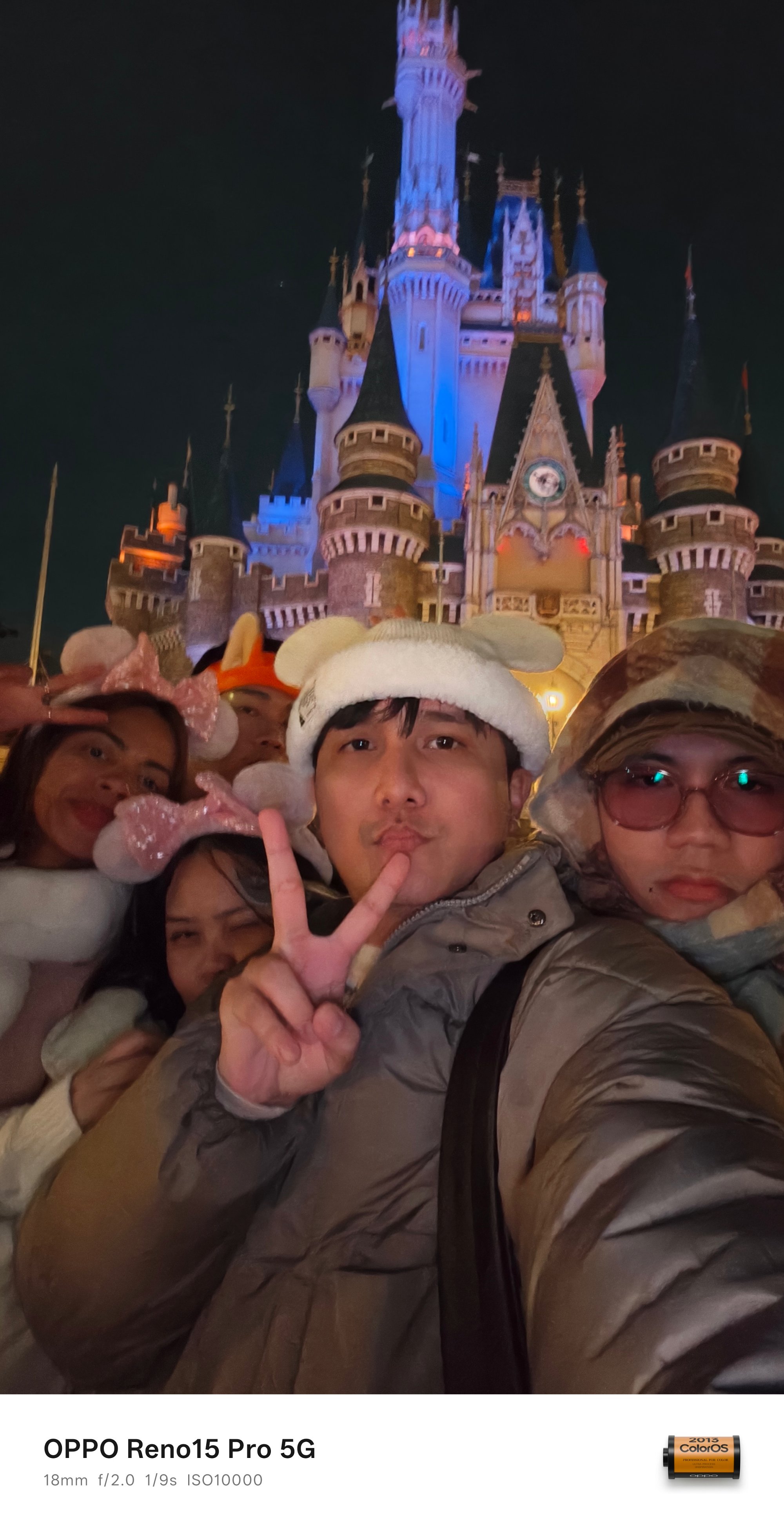


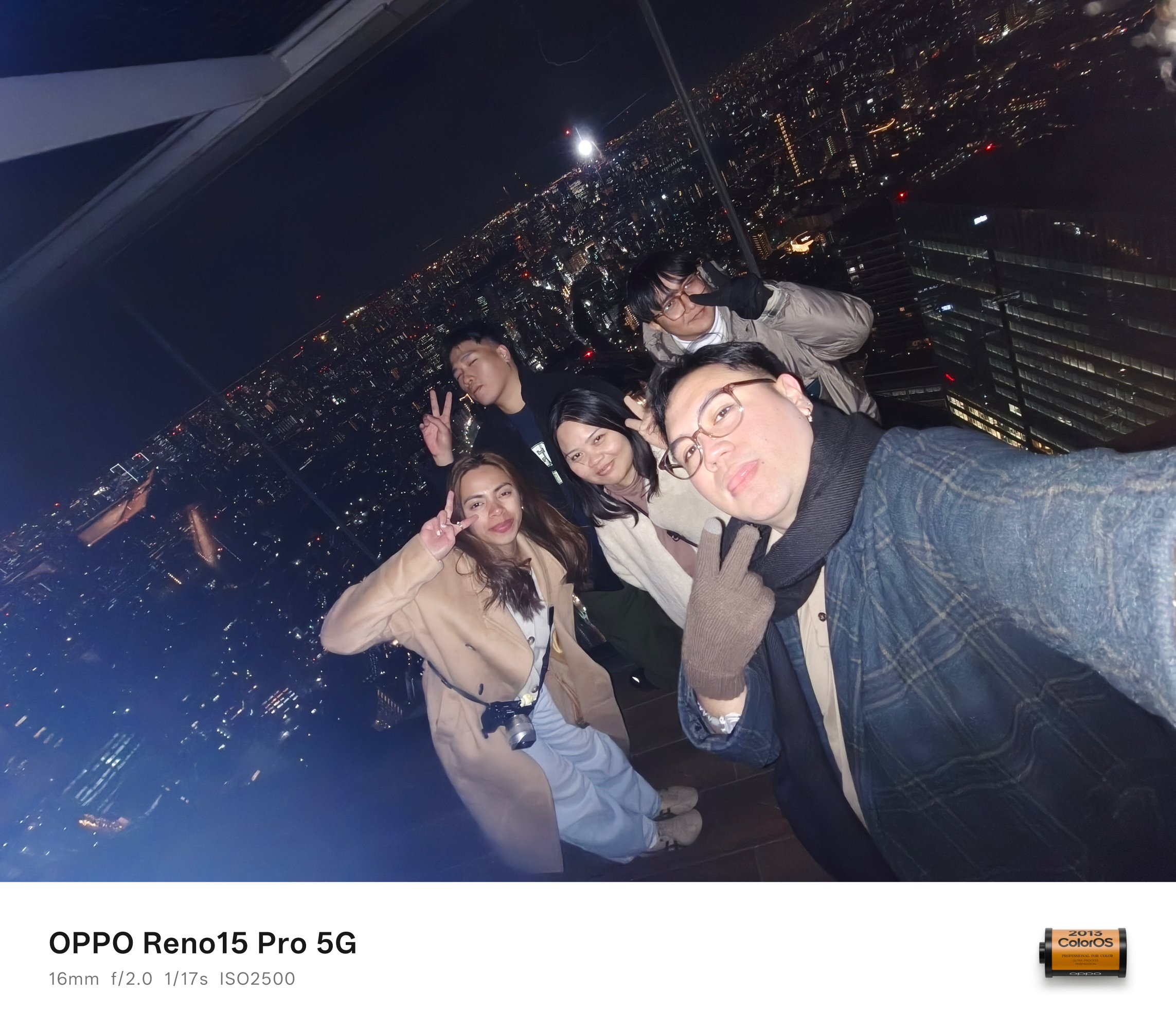


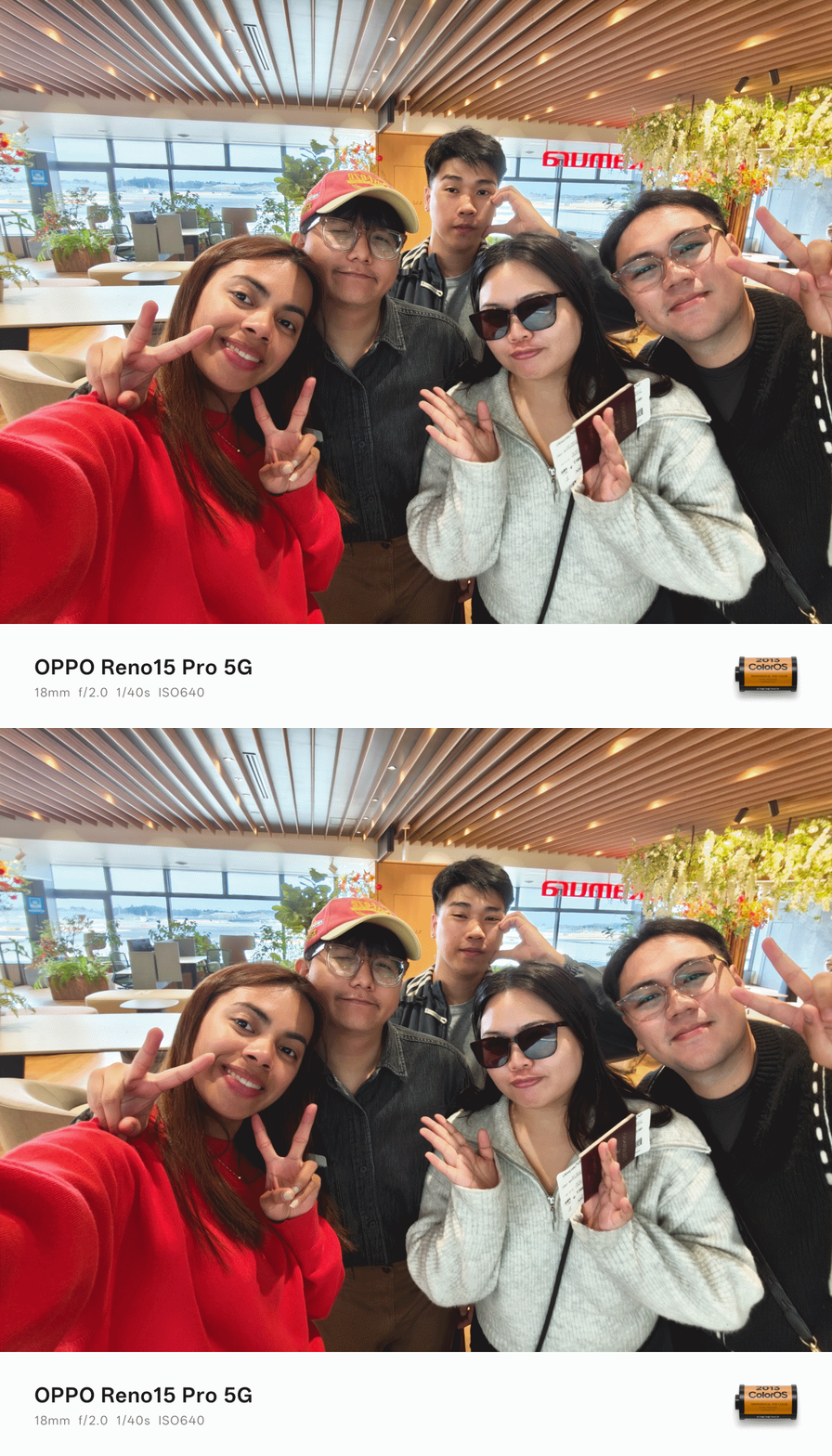


The result is a “groufie” that feels complete and professional
Scroll-stopping memories
We often summarize our trips through collages: layered photos that tell a single story.

The AI Motion Photo Popout tool brings a new dimension to these memories. With a few taps in the Gallery, the subject separates from the background to create a sophisticated, layered effect.




These edits serve as the perfect foundation for Instagram Story covers, Reel thumbnails, or high-quality personal wallpapers.
It’s a subtle digital adjustment that makes a visible difference in how your audience experiences your journey.
Reliability for the modern creator.
A smartphone is no longer just a gadget; it is a creative partner. The OPPO Reno15 Series 5G features a sleek design that looks at home beside a passport or a boarding pass.

It’s light enough for long days of exploration but polished enough for high-end city trips. The reliable battery life supports early flights, full-day itineraries, and even late-night uploads.




You’ll spend less time searching for an outlet and more time capturing the moments that matter.
Which OPPO Reno15 Series 5G is your GadgetMatch?
The series offers variants designed to fit your specific creative style.
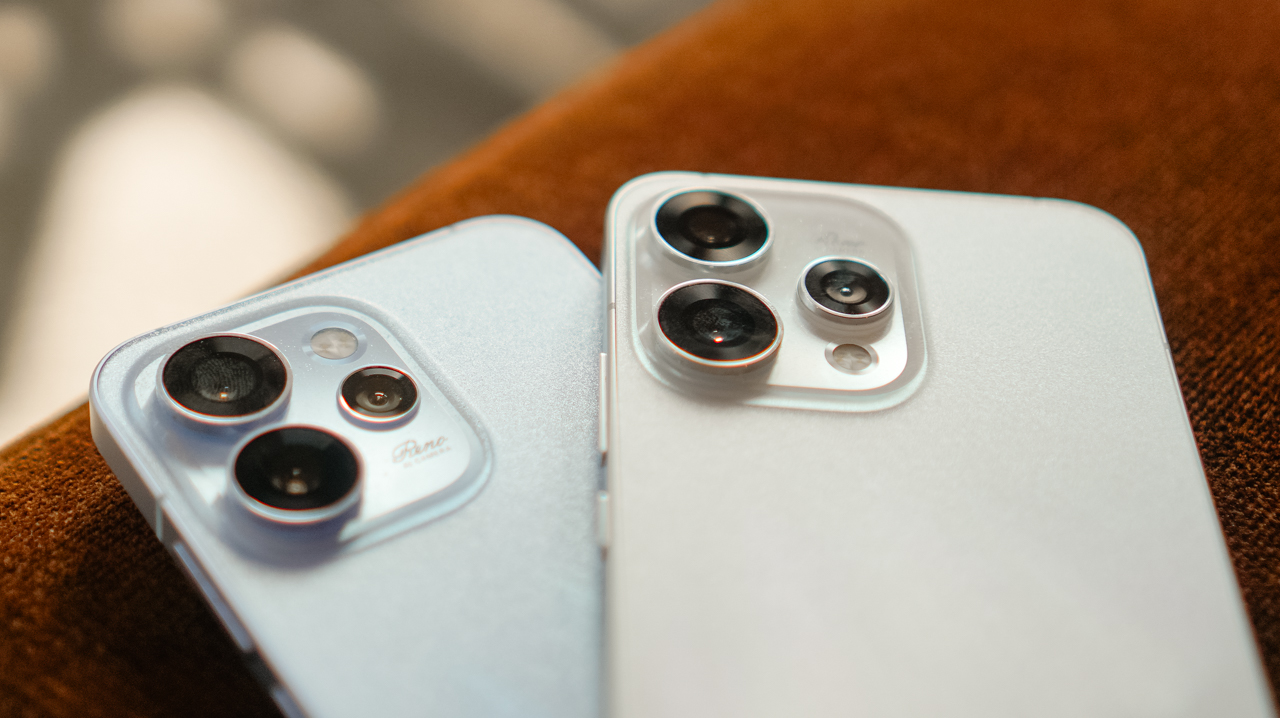
Pick the OPPO Reno15 5G if you want a balanced everyday companion, and if you want flexibility and reliability without overcomplicating the process.
There’s the OPPO Reno15 Pro; the choice for creators where photography and videography are the main event, offering enhanced tools in a compact form.

But if you’re a value-conscious traveler who wants a practical entry point that provides core camera and AI features, then the OPPO Reno15 F 5G is your GadgetMatch.
Whichever you choose, the series proves that a travel accessory can do more than complement an outfit. It preserves your stories because it doubles as a content creator’s must-have tool.
The OPPO Reno15 Series 5G is now available in OPPO stores nationwide and the OPPO Online Store.
SEE MORE: The art of being in and behind the frame | OPPO Reno15 Pro: Camera Review


REDMI Note 15 Series named Presenting Partner for Spartan Race Philippines 2026 season

Stylish, student-friendly HONOR X8d launches

The HONOR X8d is serviceable

Why the OPPO Reno15 5G series is a creator’s essential

The hunt begins: The Witcher in Concert hits Manila with surprises in tow


-

 Reviews2 weeks ago
The Xiaomi 17 shoots Leica dream
-

 Hands-On2 weeks ago
OPPO Reno15 F 5G hands-on
-

 Gaming2 weeks ago
Project Helix is Xbox’s next console, and it plays PC games
-

 Computers2 weeks ago
GIGABYTE collaborates with Capcom for RE Requiem custom PC
-

 Reviews2 days ago
POCO X8 Pro Max review: A new beast from the far east
-

 Laptops1 week ago
Apple MacBook Neo Review
-

 Entertainment1 week ago
The internet is thirsting over the One Piece Season 2 cast
-

 News3 days ago
POCO X8 Pro Series: Price, availability in the Philippines