
Reviews
Prince of Persia: The Lost Crown review: A time-travelling Metroidvania
It’s back to 2.5D basics


In late 2007, Ubisoft released the first Assassin’s Creed, jumpstarting a franchise that would span fifteen years and counting. However, the time-trotting series didn’t start off as strong as it is now. Its humble beginnings actually stem from a lesser-known franchise in Ubisoft’s oeuvre: Prince of Persia. The original Assassin’s Creed was supposed to be a sequel to the series. Now, fifteen years later, Ubisoft is back with a new Prince of Persia title: The Lost Crown.
Back to Persia
Essentially a spiritual reboot to the series, Prince of Persia: The Lost Crown does not feature the original Prince of the Sands of Time trilogy. Rather, it features a talented warrior among the Persian Immortals, Sargon. Much like other entries in the franchise, The Lost Crown features mystical elements in Persian mythology.
After successfully repelling an invading force against Persia, the Immortals face a new threat: The Prince has been kidnapped by one of their own and taken to the magical Mount Qaf. In Mount Qaf, nothing is ever as they seem. Timelines and possibilities bleed into one another. And, more than a battle of swords and scimitars, the game revels in platforming aided by magic.
However, unlike its predecessors, The Lost Crown thrives as a 2D platformer, rather than a 3D action-adventure game. It’s a new experience that’s still worthy of the Prince of Persia name.

A true Metroidvania experience
“Talented” doesn’t begin to describe Sargon, the main character. It’s a true Metroidvania that doesn’t drop players onto a blank slate. From the very first stage, Sargon has access to most abilities that other games in its genre locks until the latter stages. He can parry, wall-climb, and dash.
That said, a lot of the gameplay is still locked behind abilities obtained as the game progresses. These talents include manipulating time and space, summoning different dimensions, and just plain air dashing. Traversal feels sleeker as time goes by. The Lost Crown ensures that players actually feel the progress of their character.
Besides normal movement, the title also includes smaller sections designed to test your mastery of its mechanics. The stages themselves are easy enough to intuit, but they’re still a struggle to perfect. Each will reward players with significant powerups or charms. A worthy reward for exploring the map.
One small gripe, however, is how the game does not easily allow switching between analog and D-pad controls for movement. If you’re more used to the D-pad for moving your character in a 2D space, you should get used to an analog controller. Thankfully, it’s not a difficult task.

A gigantic map
Naturally, the biggest goal of mastering techniques is more map exploration. For a Metroidvania, The Lost Crown is absurdly huge. Rooms give way to more rooms. Areas open up more areas. After a point, it gets overwhelming, though. Thankfully, the game has a new feature that other games in its genre should copy: Memory Shards.
Soon after the game starts, players will gain the ability to put down a Memory Shard. In essence, the feature acts as a pin on your map. While other games already have a pinning feature, The Lost Crown takes things a step further by attaching a screenshot with every pin. When you run into a spot you can’t get to yet (because you don’t have the corresponding ability), you can put down a Shard to remember the location for future trips. There is a limit to the number of Shards you can have at once, though. On the bright side, they are more than enough to get you through the whole game.
Gripping but not punishing combat
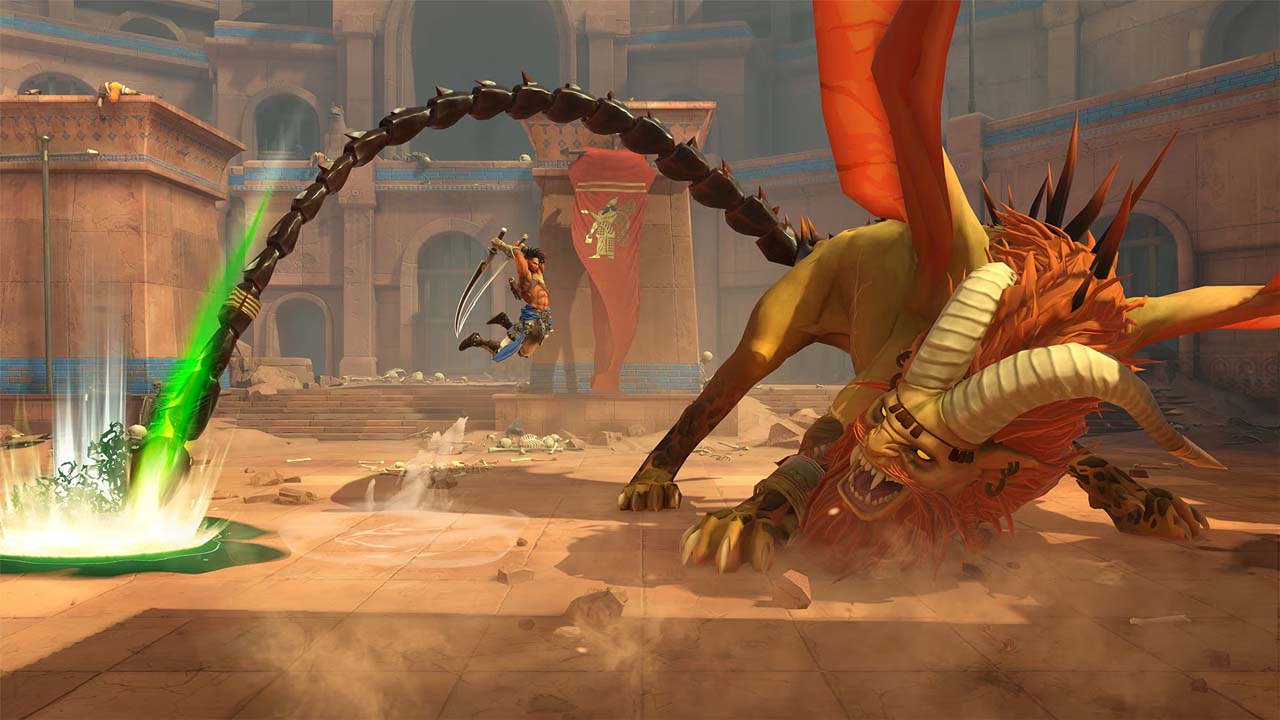
Rather than focusing only on traversal, The Lost Crown also revels in thrilling through combat. Compared to similar games (such as Hollow Knight and Blasphemous), combat is remarkably easy. Even when playing on hard mode, tough bosses only took me around a dozen tries to beat.
Attack patterns are simple enough to predict. Plus, major boss fights always reset players only to the start of the fight, rather than at the last checkpoint. Even then, checkpoints are abundantly sprinkled throughout the map.
That said, getting hit still takes a huge chunk from your health bar. Despite how easy individual fights are, simple bouts of carelessness can easily get you when just traversing through the map. It’s a game that doesn’t want to punish you through combat but still wants to keep you on your toes all throughout.
A modern style
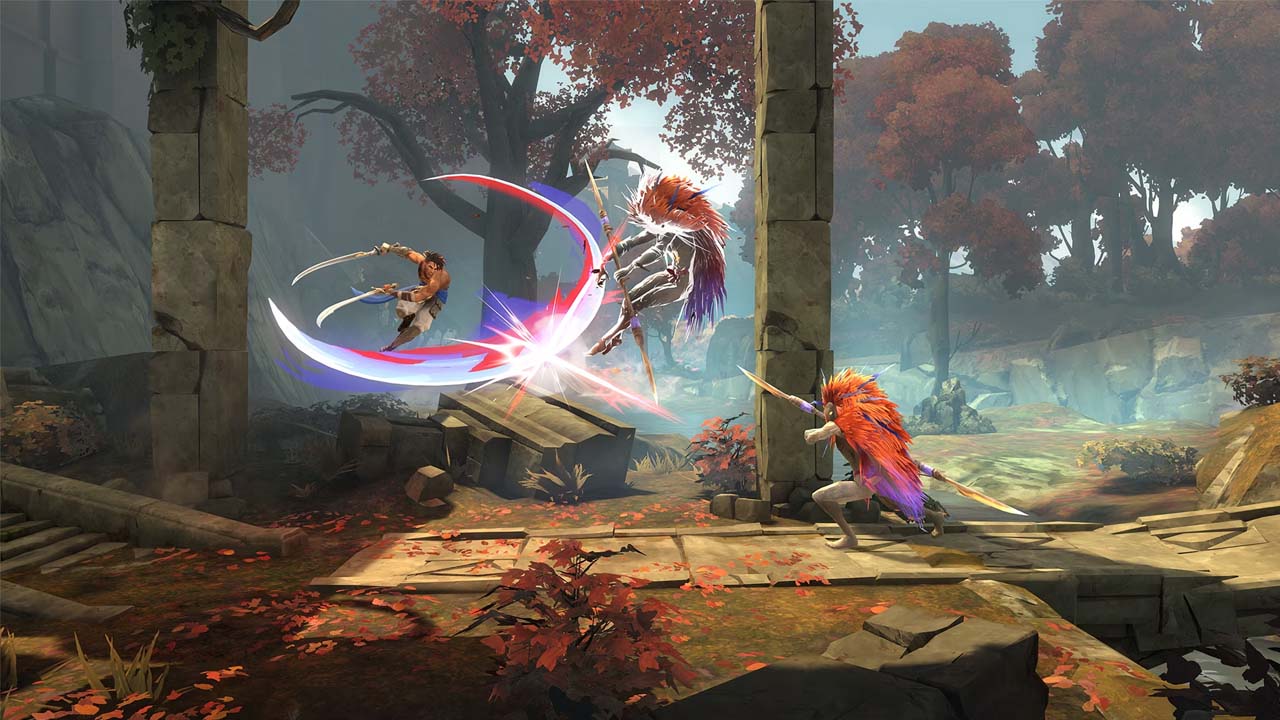
Fans of the old Prince of Persia might balk at the style of this latest game. The Lost Crown leaves the grittier look of the Sands of Time trilogy and tries a more modern approach. Ubisoft even confirms the new direction in past interviews.
Sargon, armed with a fade and sick dreads, feels right at home in similarly styled games like Valorant as much as he is in his own game. While the change is apparent, it also helps introduce the more magical elements of its mythology.
It’s definitely a design choice that might invite polarizing views. However, especially in a genre that loves desolate and broken worlds, The Lost Crown offers a fresher take on a Metroidvania, just as it revamps the look of its formerly gritty franchise.
Is Prince of Persia: The Lost Crown worthy of your time?
In truth, The Lost Crown won’t make it to a lot of top ten Metroidvania lists. It’s easy to get through the game in a few dozen hours. However, it’s still worthy of a playthrough, especially if you love the genre. The Memory Shard feature alone is enough of a convincing point.
While Ubisoft is still busy remaking the classic Sands of Time, The Lost Crown whets your appetite for older Prince of Persia games and what the future has in store for the franchise.




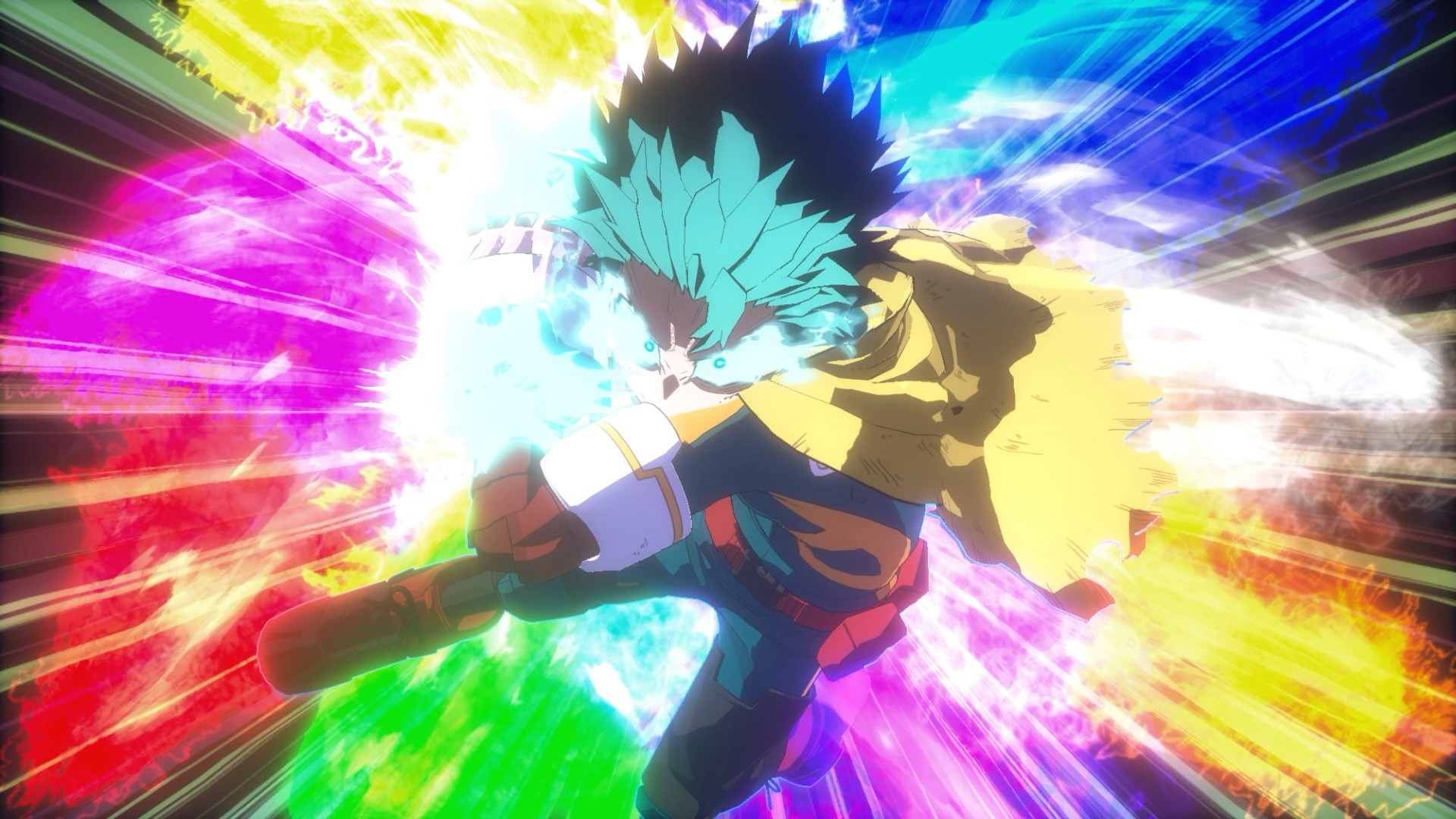
There’s a certain expectation that comes with a My Hero Academia game, especially one billed as the “final chapter.” You expect big emotions, loud battles, and characters pushed to their limits. After spending time with My Hero Academia: All’s Justice, it’s clear Bandai Namco isn’t trying to reinvent the arena fighter formula. Instead, it’s refining what fans already know and framing it around the series’ most climactic arc.
Early on, the game feels immediately familiar. If you’ve played previous My Hero Academia console titles, you’ll know exactly what you’re getting into. Combat rhythms, camera angles, and overall pacing don’t drastically change. For casual fighting game players like myself, the differences feel more granular than transformative, but that familiarity makes the game easy to settle into.
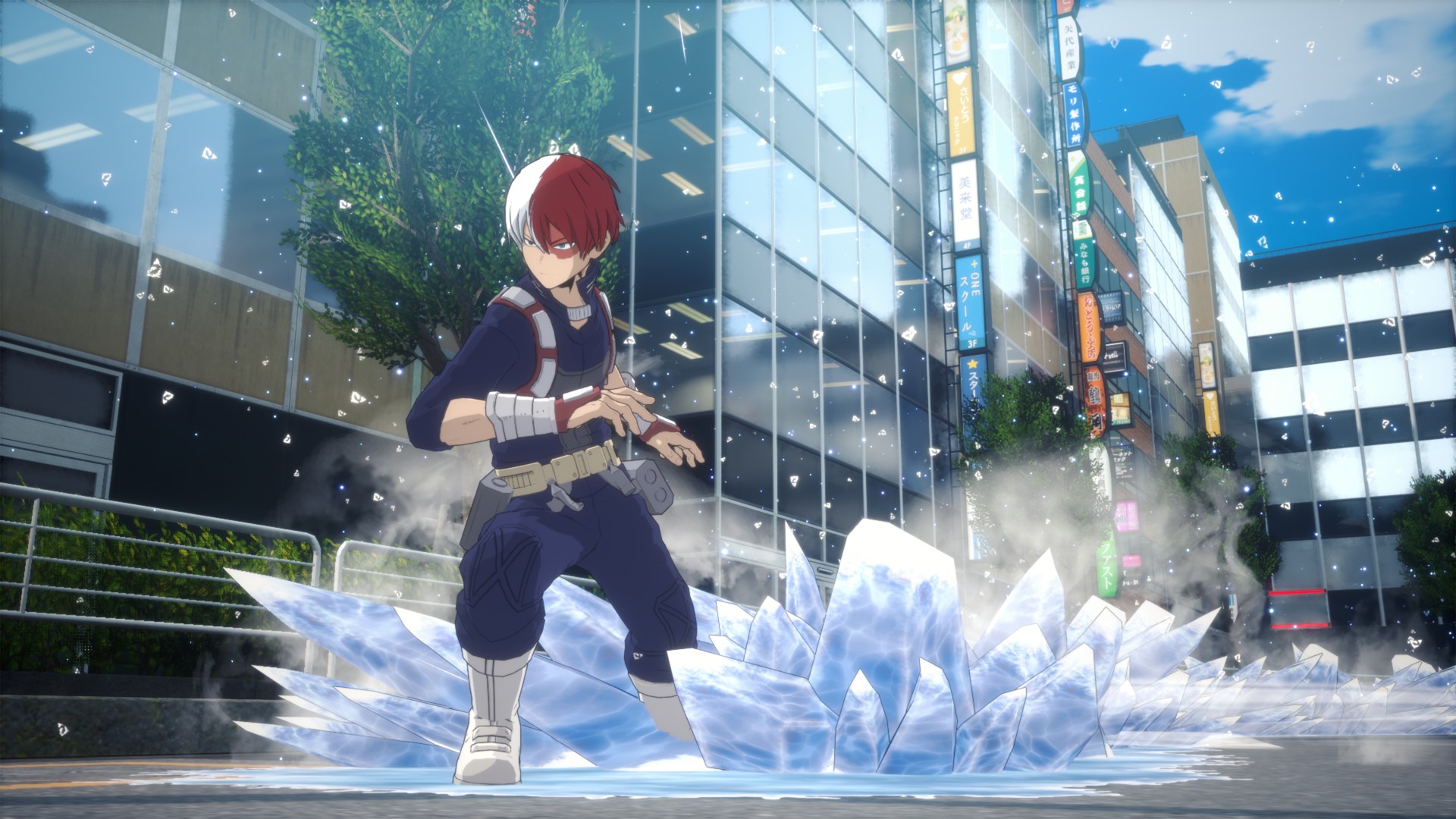
One notable addition is the dual control scheme: “Normal” and “Manual.” Normal mode smooths out inputs, lowering the skill floor, while Manual mode is the classic arena fighter setup. Normal works but reduces player agency in ways that feel unusual. Outside of combat, the game also replaces a standard menu with a city-like hub. Playing as Deku, you pull up a smartphone-style menu to access modes, subtly increasing immersion.
Combat and battle system
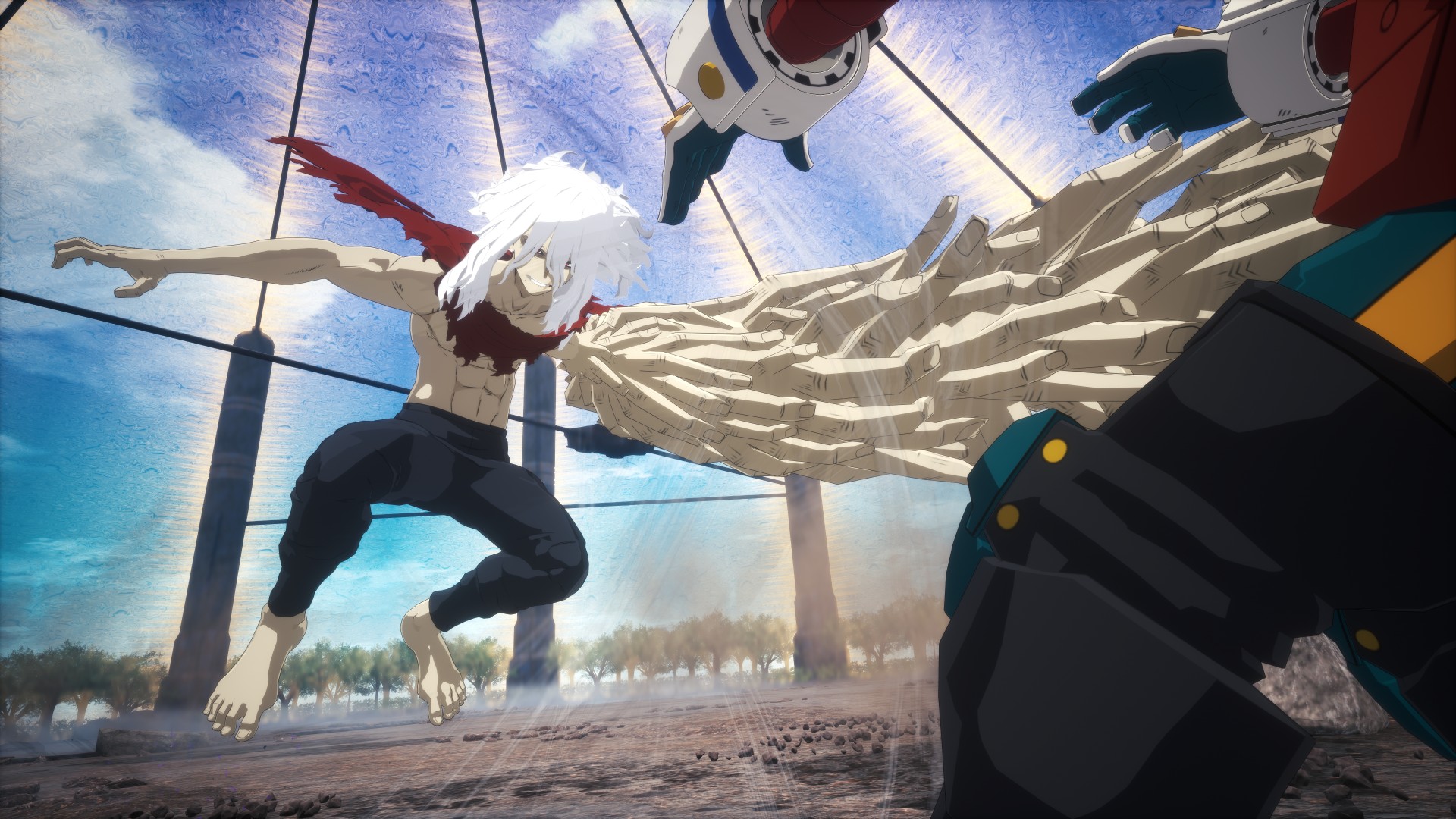
Combat feels largely unchanged in speed but leans more aerial than expected. Characters spend a lot of time in the air, creating distance and forcing you to think about positioning. Aggressive players may struggle, as patience and smart movement are rewarded more than constant pressure.
Quirks are intuitive, even for newcomers to 3D arena fighters. Visual indicators clearly communicate cooldowns and power states. Some Quirks are tuned for balance, but they still feel faithful to the anime. Ultimate and cinematic moves are satisfying and feel earned, never spammy.
Character variety is a standout. Deku, Bakugo, and Shoto share similar combat prompts, but their Quirks dictate unique movement, attack patterns, and space control. Deku, in particular, feels beginner-friendly, making him a natural starting point.
Roster and character balance
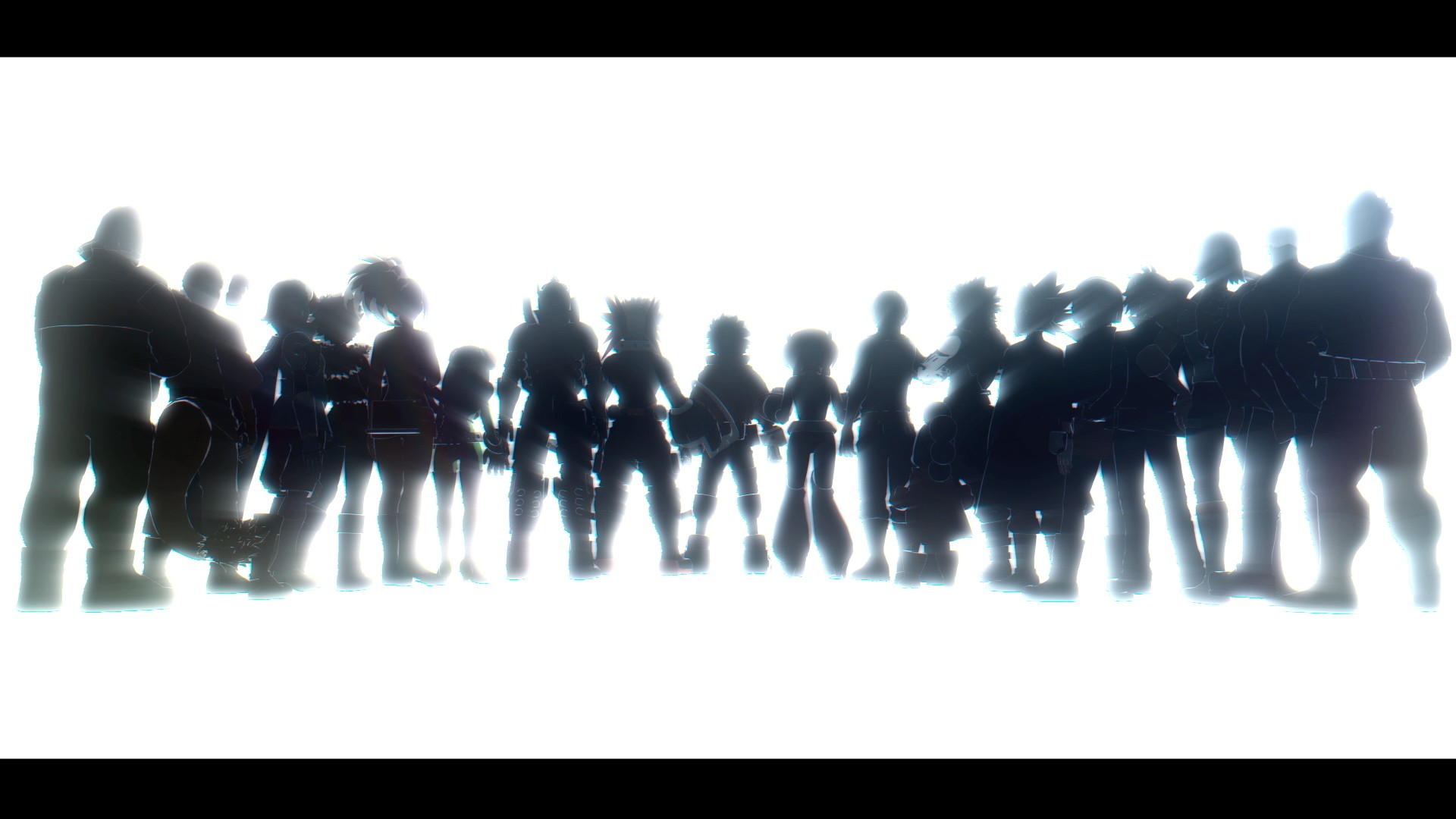
The roster feels large without overwhelming the player. Final-form characters aren’t instantly dominant; the true power spike comes when a character enters a “Rising” state after being the last fighter, gaining buffs across damage and abilities. Villains are just as enjoyable as heroes, with Dabi proving particularly fun to play. Story mode also presents moments of genuine challenge, such as facing multiple opponents at once.
While it’s early to speak on balance issues, the game seems thoughtfully tuned so far. Beginner-friendly characters include Deku, Bakugo, and Shoto, while other fighters may require more experience to master.
Team Up Missions
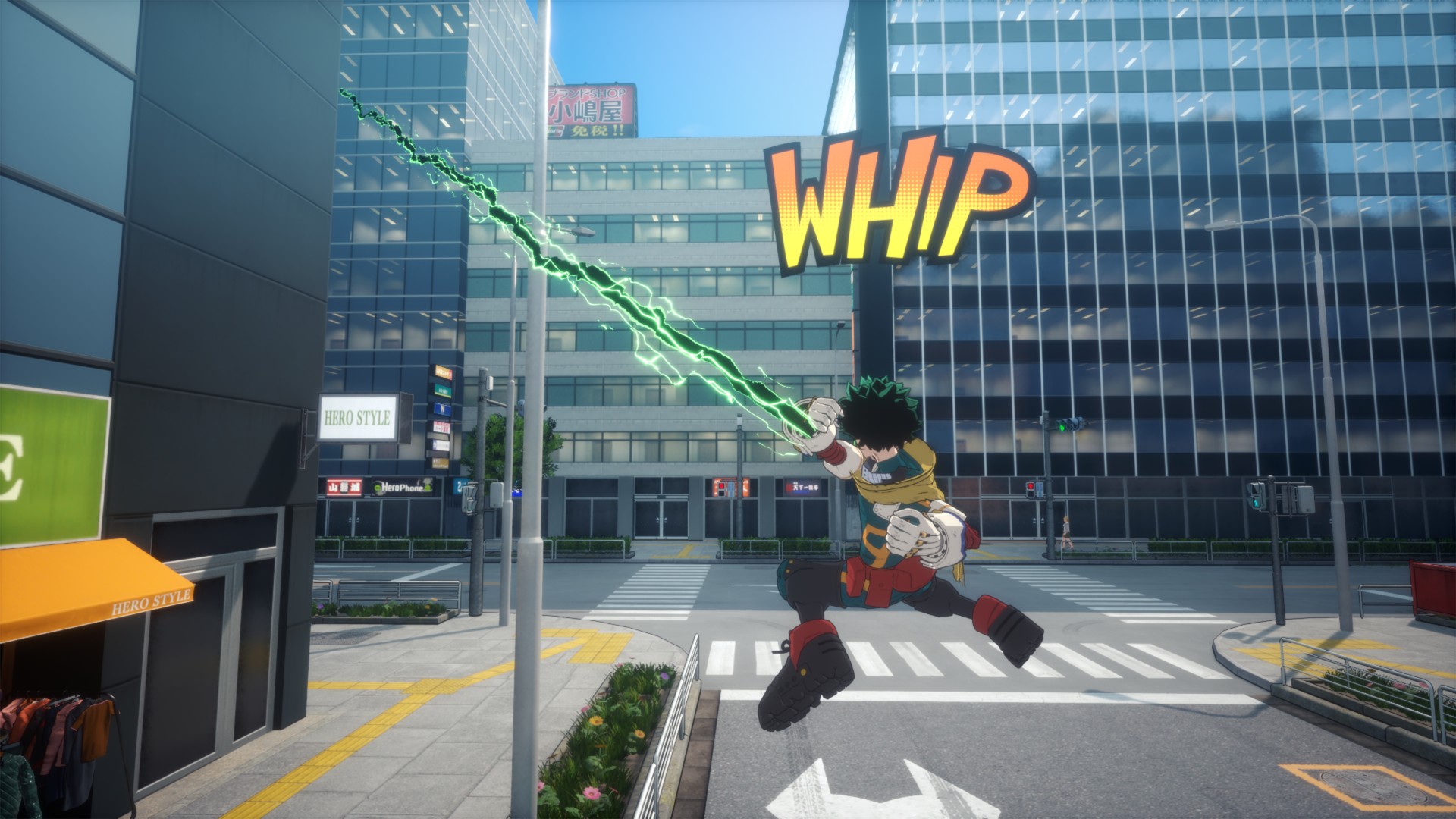
Team Up Missions offer shorter, varied challenges that feel like playable mini OVAs. While not essential to the main story, they unlock legacy battles and extra content for fans.
AI allies are competent and punish reckless play, which makes team composition matter more than cosmetic choices. While these missions don’t dramatically expand the fantasy of teamwork, they add fun replayable content for single-player fans.
Story and cinematic presentation
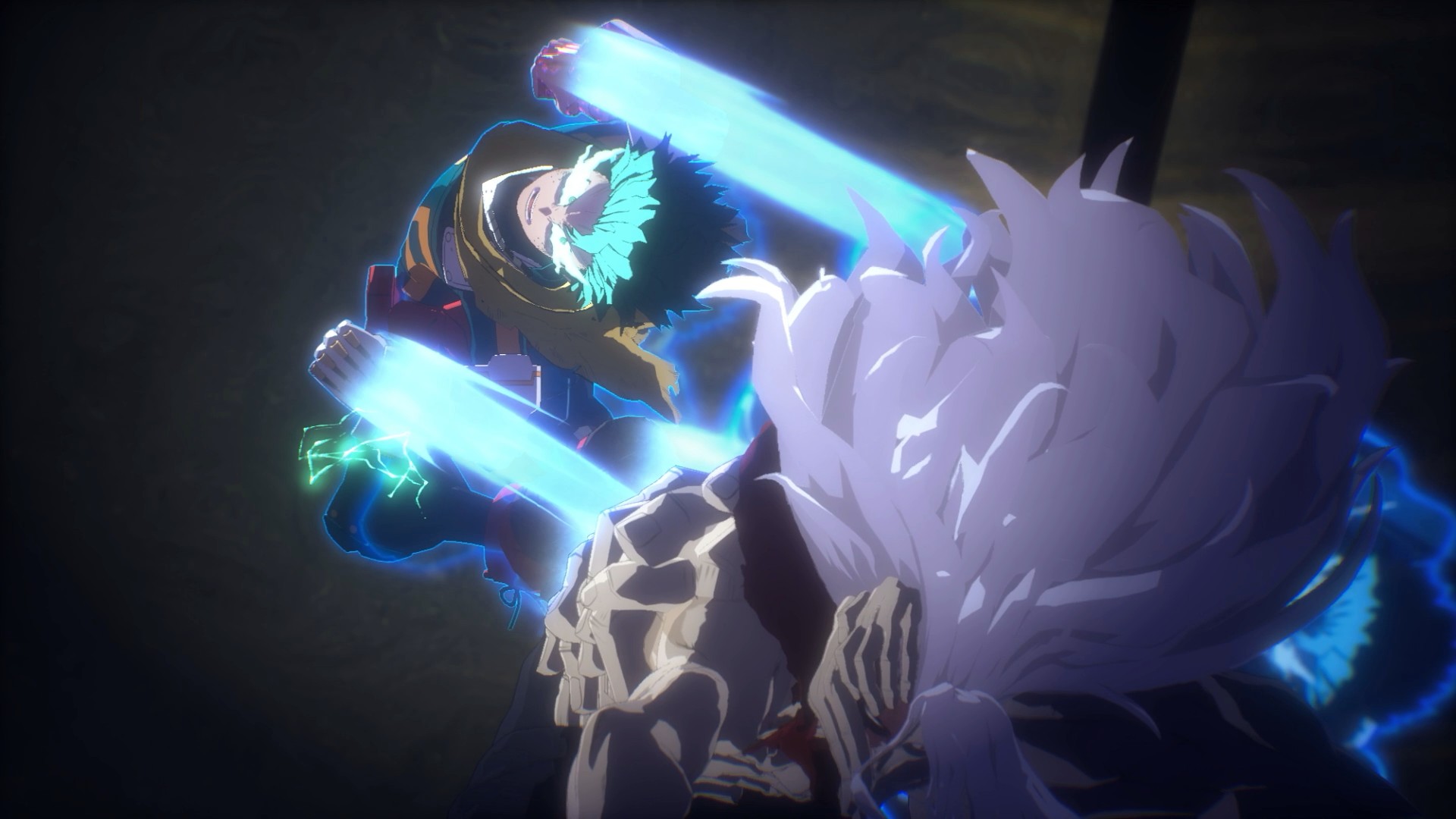
Story mode is where All’s Justice shines. Experiencing the Final War interactively delivers the same giddy excitement as watching those moments unfold in the anime. It evokes memories of the Naruto Ninja Storm series, balancing spectacle and fan service. Transitions between gameplay and cutscenes are serviceable—neither jarring nor groundbreaking.
The game assumes familiarity with the story, so newcomers may feel lost without prior anime knowledge. Battles often carry emotional weight, effectively allowing players to relive key moments of the Final War.
Visuals, performance, and audio
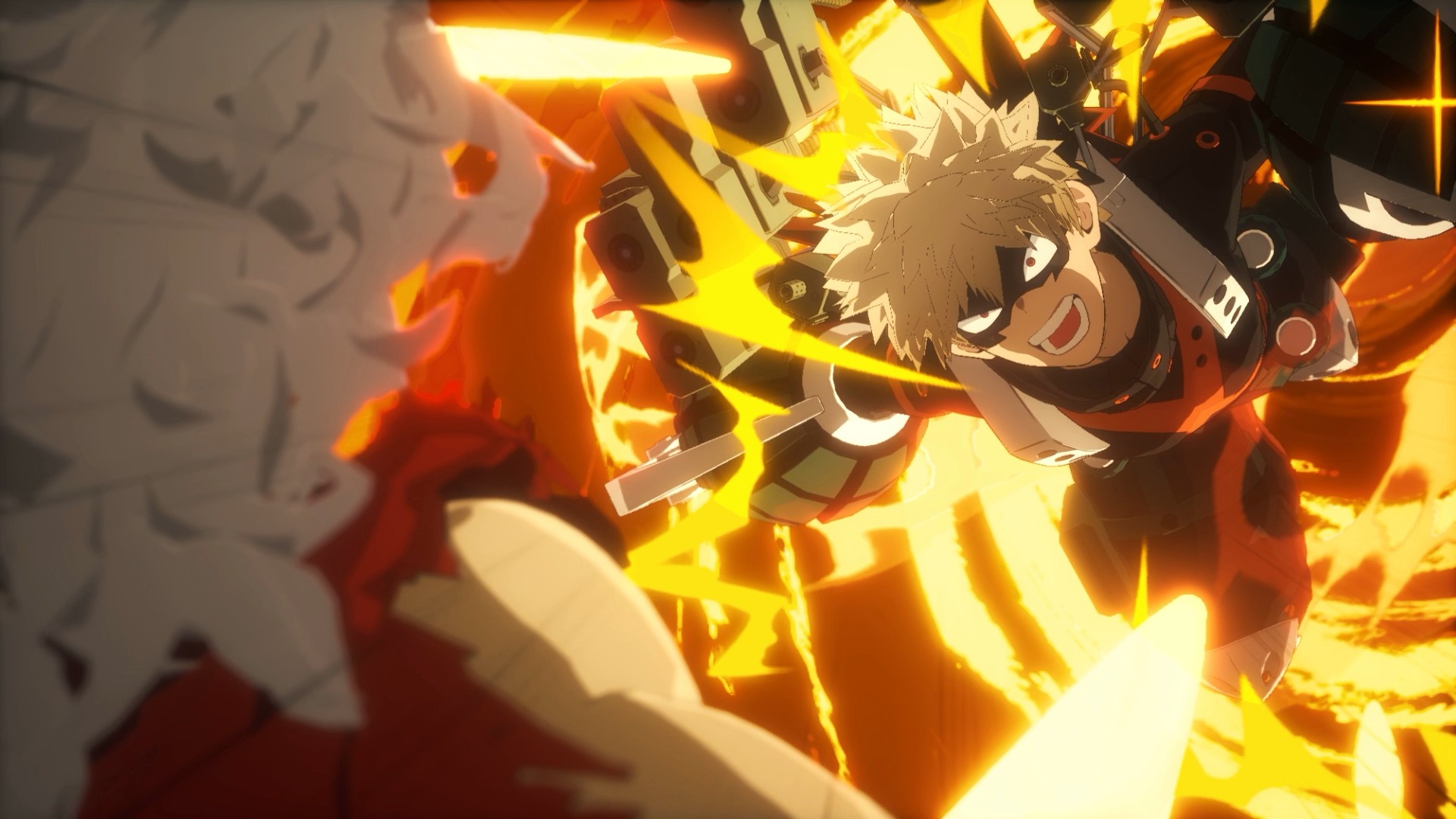
The game runs smoothly on PS5, even during effects-heavy fights. Character models are adequate, though not as sharp as hoped, while facial animations during story moments are expressive and well-done. The UI does enough to keep combat readable without distracting from the action.
Audio stands out. Voice acting delivers intensity, hit sounds feel impactful, and music consistently elevates big moments. The game is loud, but in a way that matches the over-the-top energy of the series.
Should you play My Hero Academia: All’s Justice
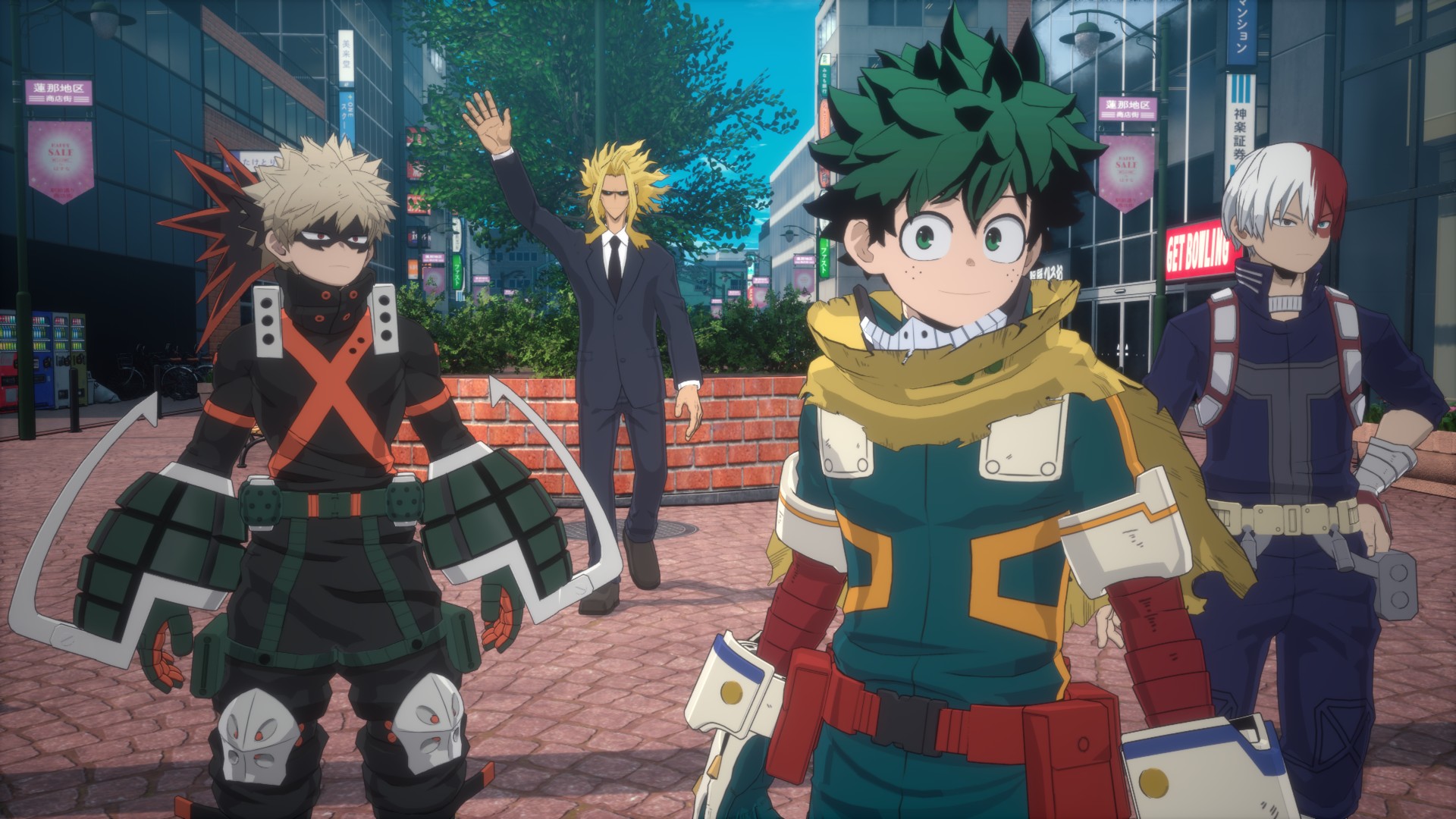
My Hero Academia: All’s Justice feels like a proper final chapter. It doesn’t overreach but delivers where it matters most. Competitive players will find depth, while anime fans can relive beloved battles interactively.
It may not redefine the genre, but it understands exactly what kind of game it wants to be—and it delivers that confidently.
The combination of familiar combat, a large and varied roster, cinematic story moments, and thoughtful extras like Team Up Missions makes it a satisfying experience for anyone looking to step into the shoes of their favorite heroes and villains.
Reviews
nubia V80 Max: Long battery, marginal upgrades, casual budget phone
Upgrades here and there, but is the price increase worth it?


The nubia V80 Max arrived in the Philippines with a noticeable price jump: PhP 6,499, up from the V70 Max’s PhP 4,799.
For it’s intended market — the budget-conscious users who are trying to make ends meet daily — those extra pesos matter a ton.
That’s why I’ve been torn on giving it a pass or no. I still am until now.

The V80 Max does tout durability upgrades and AI add-ons. The refreshed design also looks a bit more premium, ditching the circular camera island.
But all these improvements feel incremental or marginal. In the end, budget users need their phone to work as they try to survive each day too. From the get-go, using this device somewhat felt… non-enjoyable.
Performance: A bit unsteady
The nubia V80 Max is powered by a Unisoc T7250 processor with up to 1.8GHz clock speed. It can handle typing, messaging, and other light tasks.
However, just tapping on apps, loading them, and switching between them generally looked sluggish.

There’s also been slowdowns that weren’t experienced too much with the V70 Max, which my nephew even entrusted for PUBG.
I type quite fast, and to its credit, the nubia V80 Max has kept up. At least you can use this for endless chatting with friends and keeping loved ones updated.
But everywhere else, patience is required. Even just simulating a delivery rider’s routine and having navigation turned on was already pushed the phone past its comfort zone.
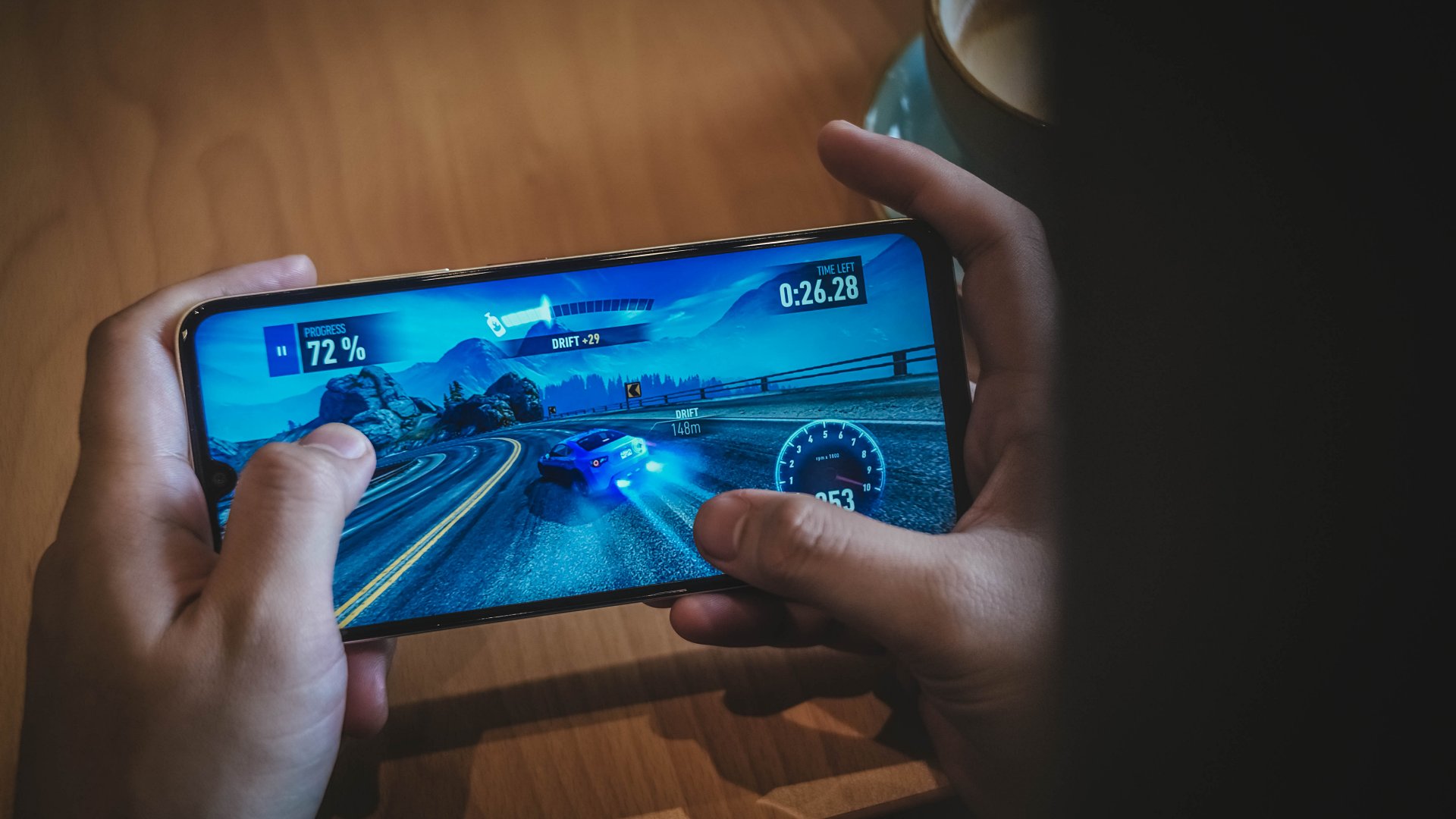
For gaming, I’ve played both Mobile Legends: Bang Bang and Need for Speed No Limits on the handset.
They are playable, although the overall experience may not be enjoyable due to sporadic connectivity issues and bare-minimum graphics.
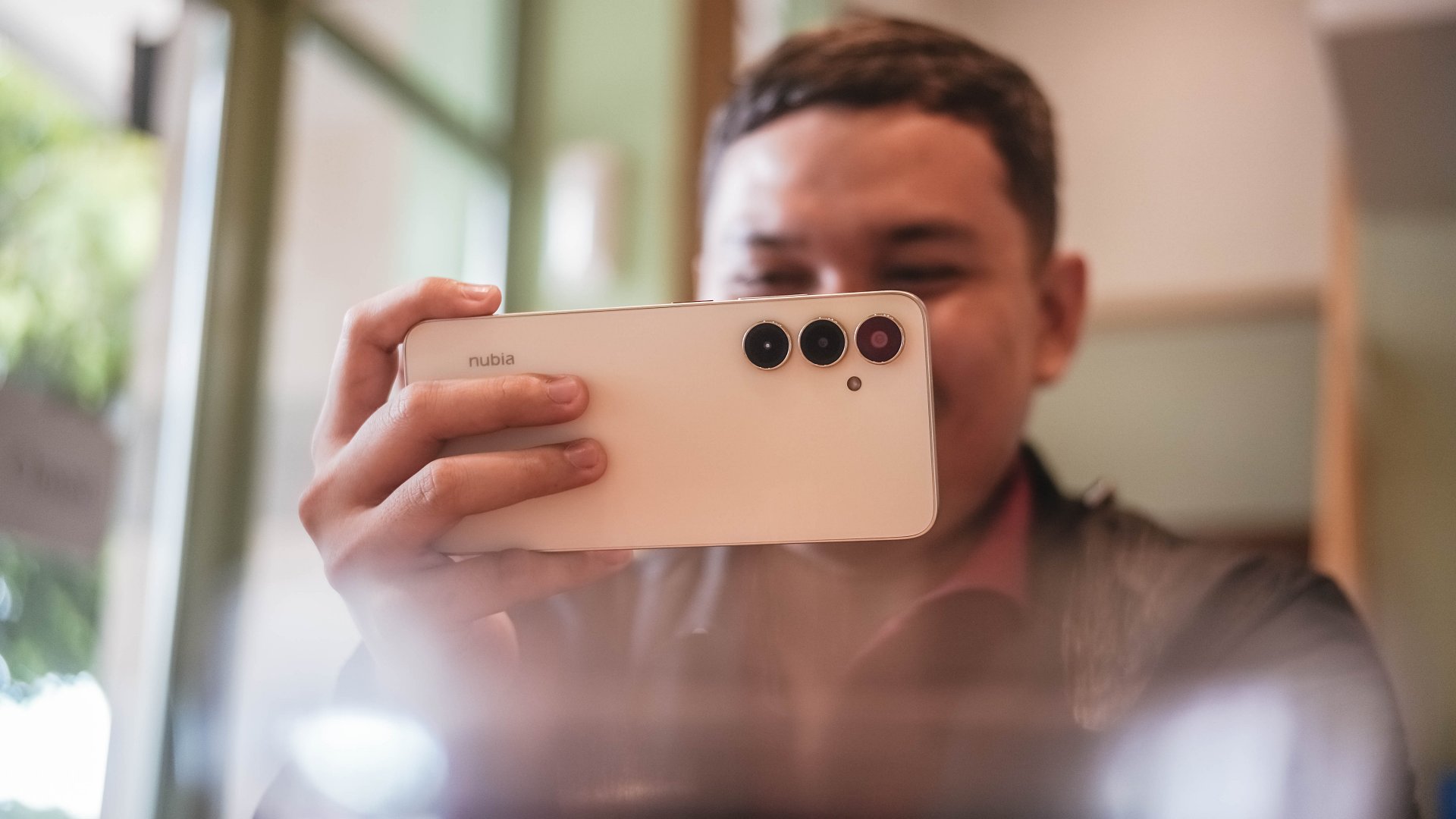
Display: Bright but basic
In front, the nubia V80 Max has a large 6.9-inch IPS display that is similar to the V70 Max’s panel.
A notable improvement is 780 nits peak brightness. That’s a welcome upgrade for outdoor visibility.
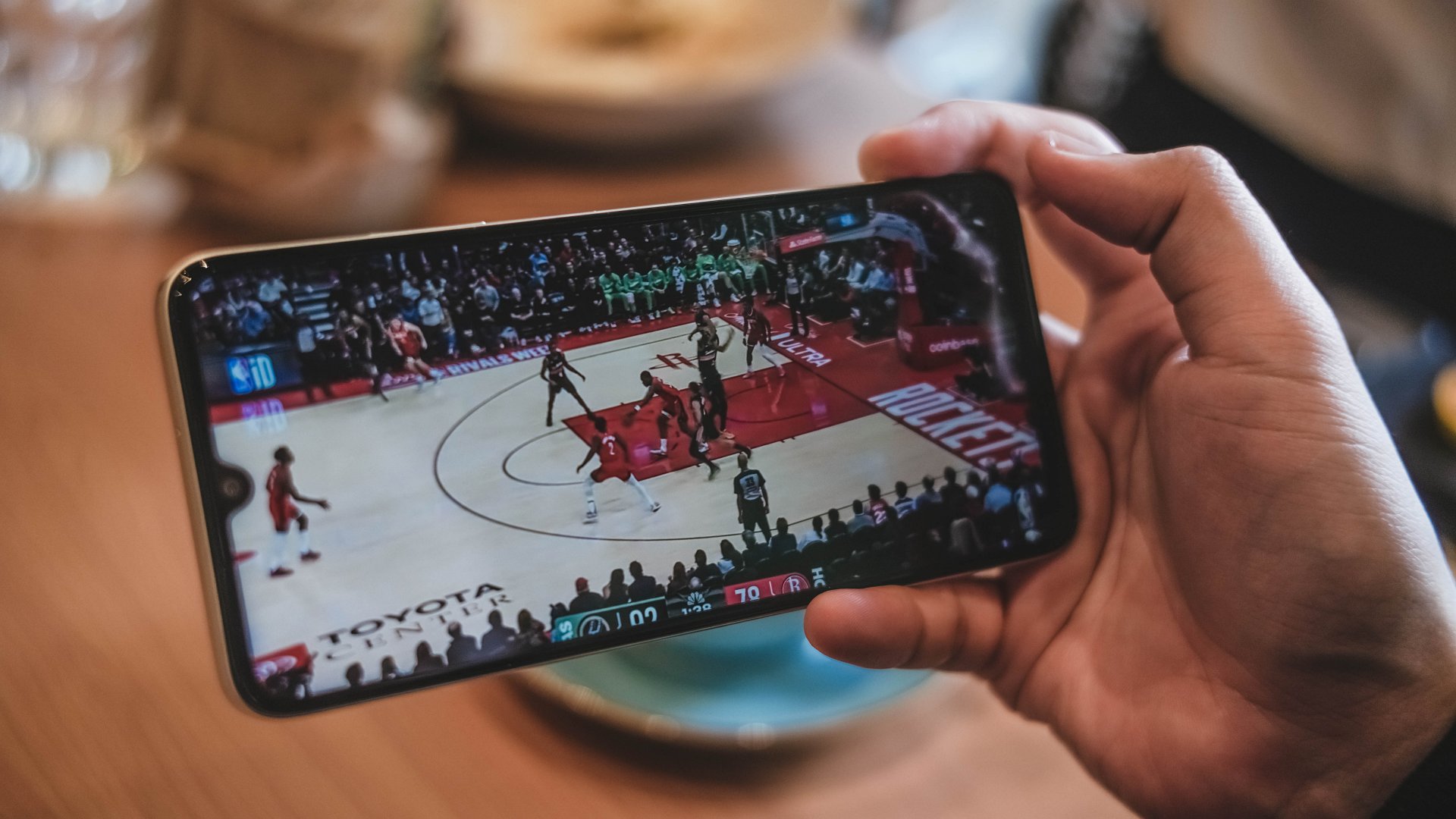
However, the resolution maxes out at 720p for YouTube videos and other scenarios. That and a low pixel density make the display most specially underwhelming even for just photos of food.
They look a lot unappetizing and just makes you scroll down instead.
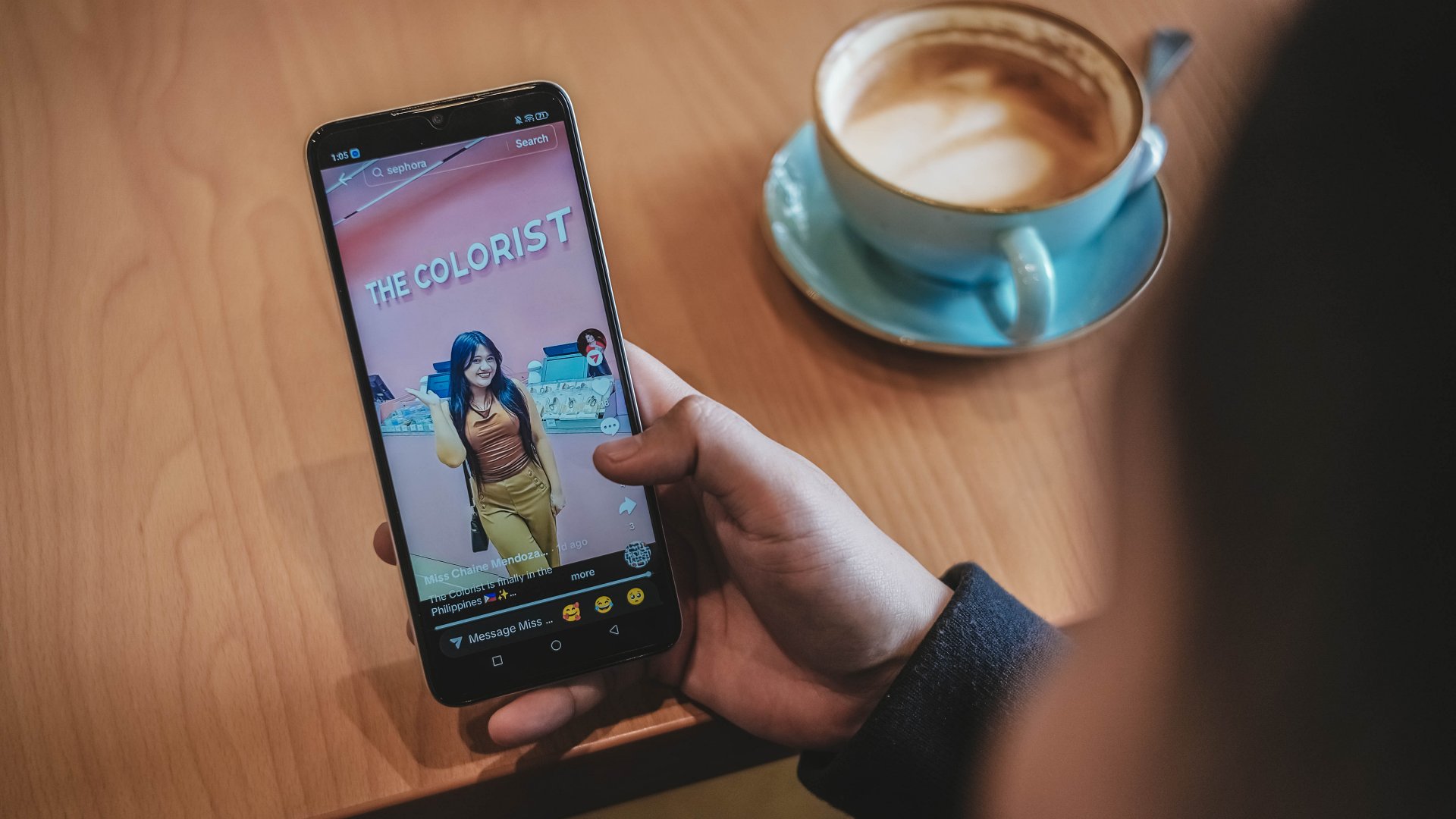
The thick bezels and black bars also lessen the audiovisual experience. Speaking of audio, the sound quality is just par for its segment. It’s not totally flat but far from a premium soundscape too.
Battery: Long-lasting, enough for light work
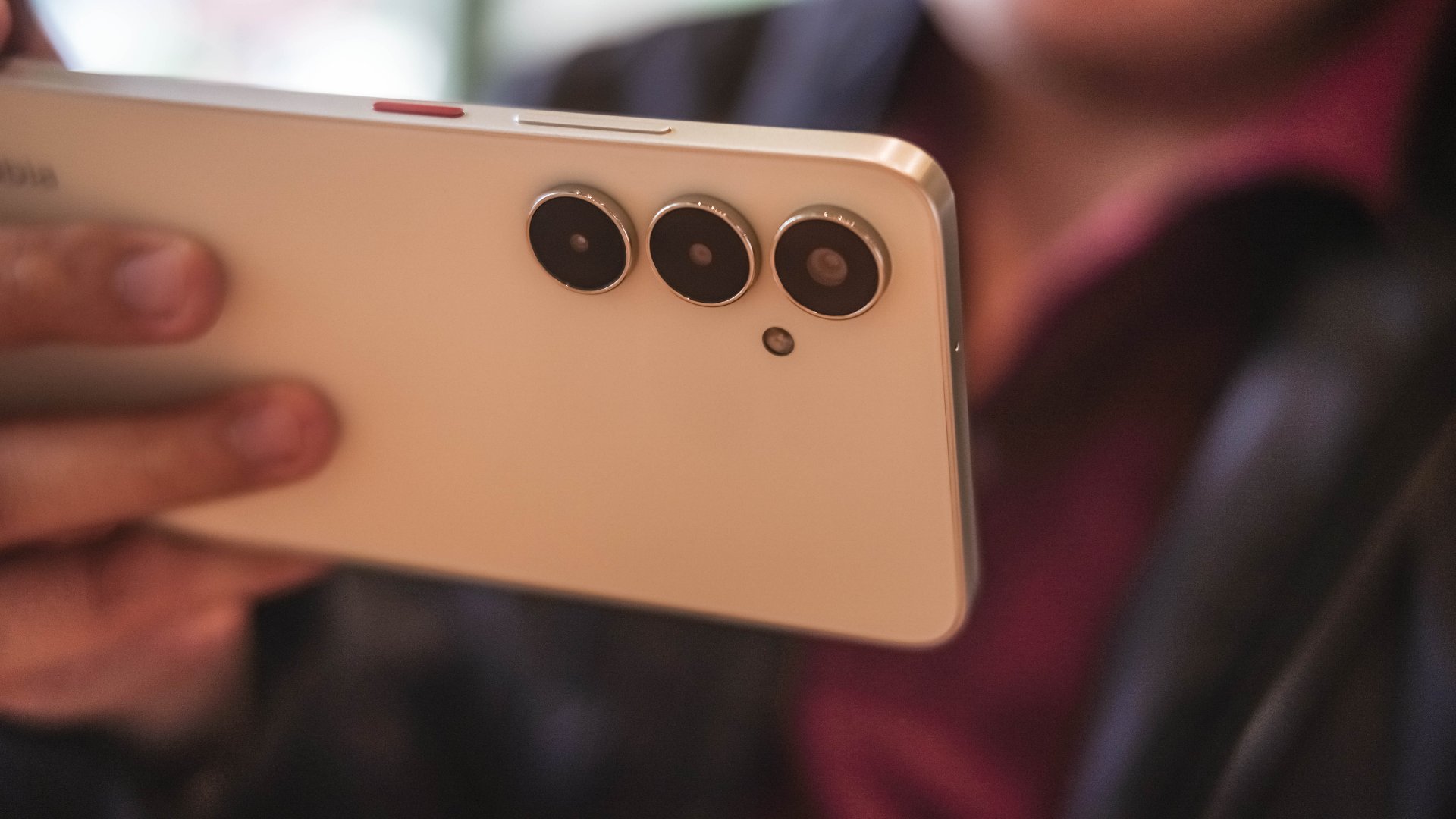
With a 6,000mAh battery like its predecessor, the nubia V80 Max can deliver a full day of light use. Besides, there’s not much “demanding” tasks you can do on it smoothly.
For basic communication all day, plus browsing and light gaming in between, you’ll surely have enough power left.
The only downside is that it takes about two hours to fully replenish back to full. That’s unlike other budget phones with 33W to 45W charging at the very least.
A nice surprise is Bypass Charging to power gaming and extended use.
Durability, water and dust resistance: For assurance
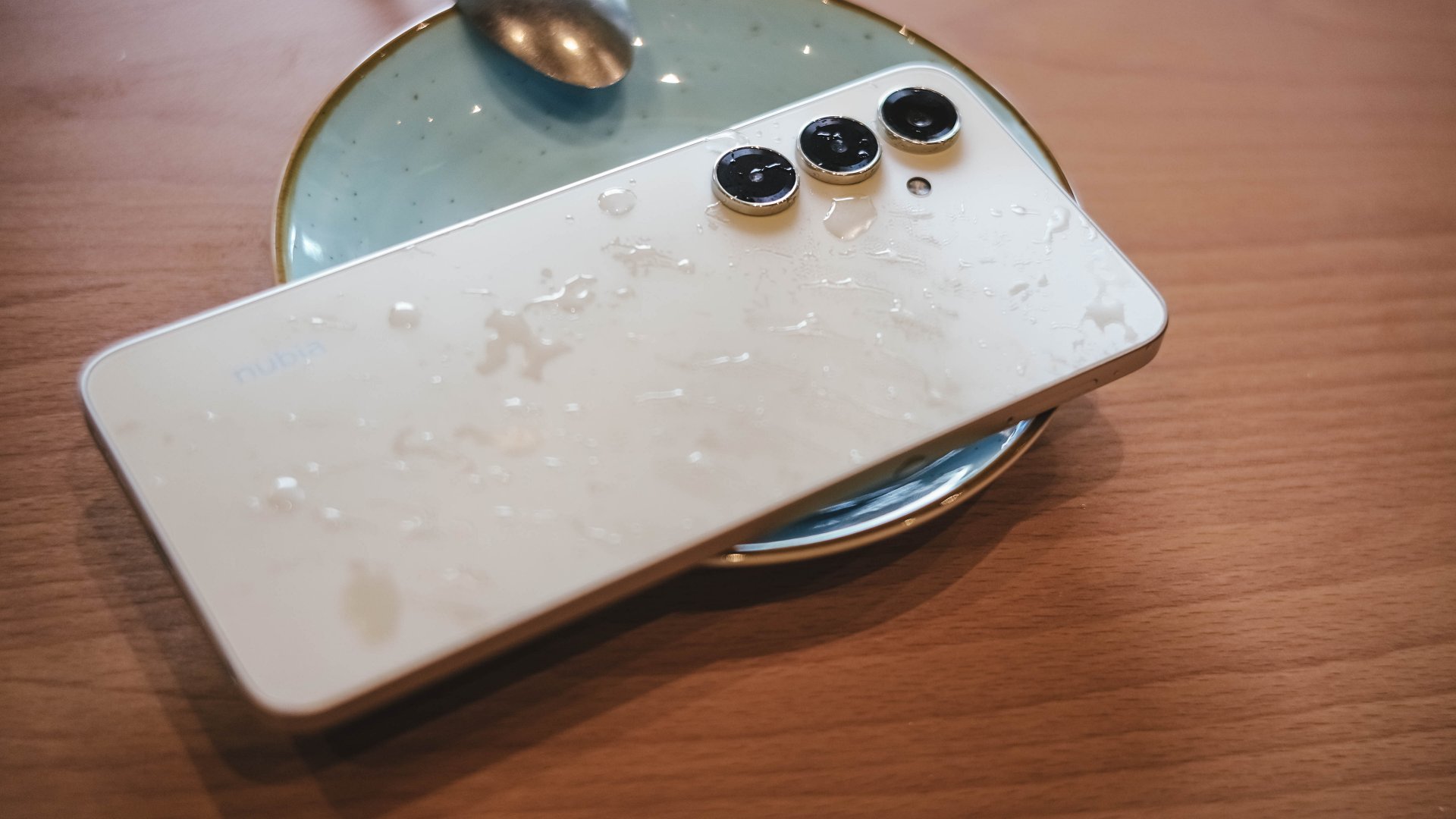
As nubia has previously mentioned, the V80 Max is practically the brand’s own entry to the “rugged budget phone” meta.
On paper, it has an IP64 rating and up to a 1.8-meter drop resistance. It’s always good to have these as extra insurance for parents handing phones to kids or workers in tough environments.

At the same time, it plays a part in the higher asking price. A cheap case and a lanyard should do the same without a price bump.
Cameras: Decent, with caveats

Lighting will always be your friend with a camera system like the V80 Max’s. The device comes with a 50MP main camera for decent detail and a 16MP counterpart in front.
It works, but your patience will definitely be tested. The results are fair to a point that the camera can be used for beyond documentation.

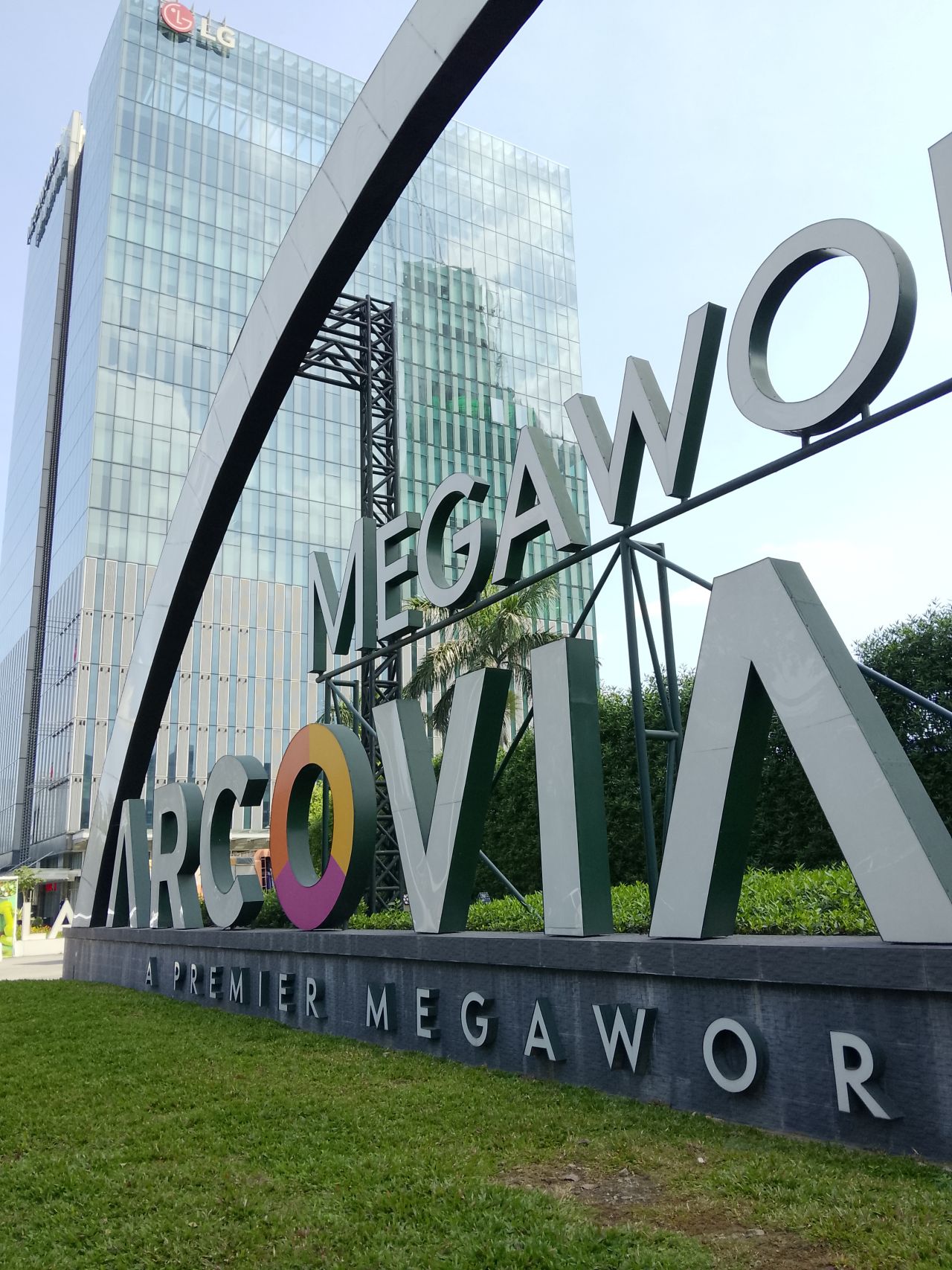








There was even one time I zoomed to 3X (in daylight) and the detail still looks amenable.

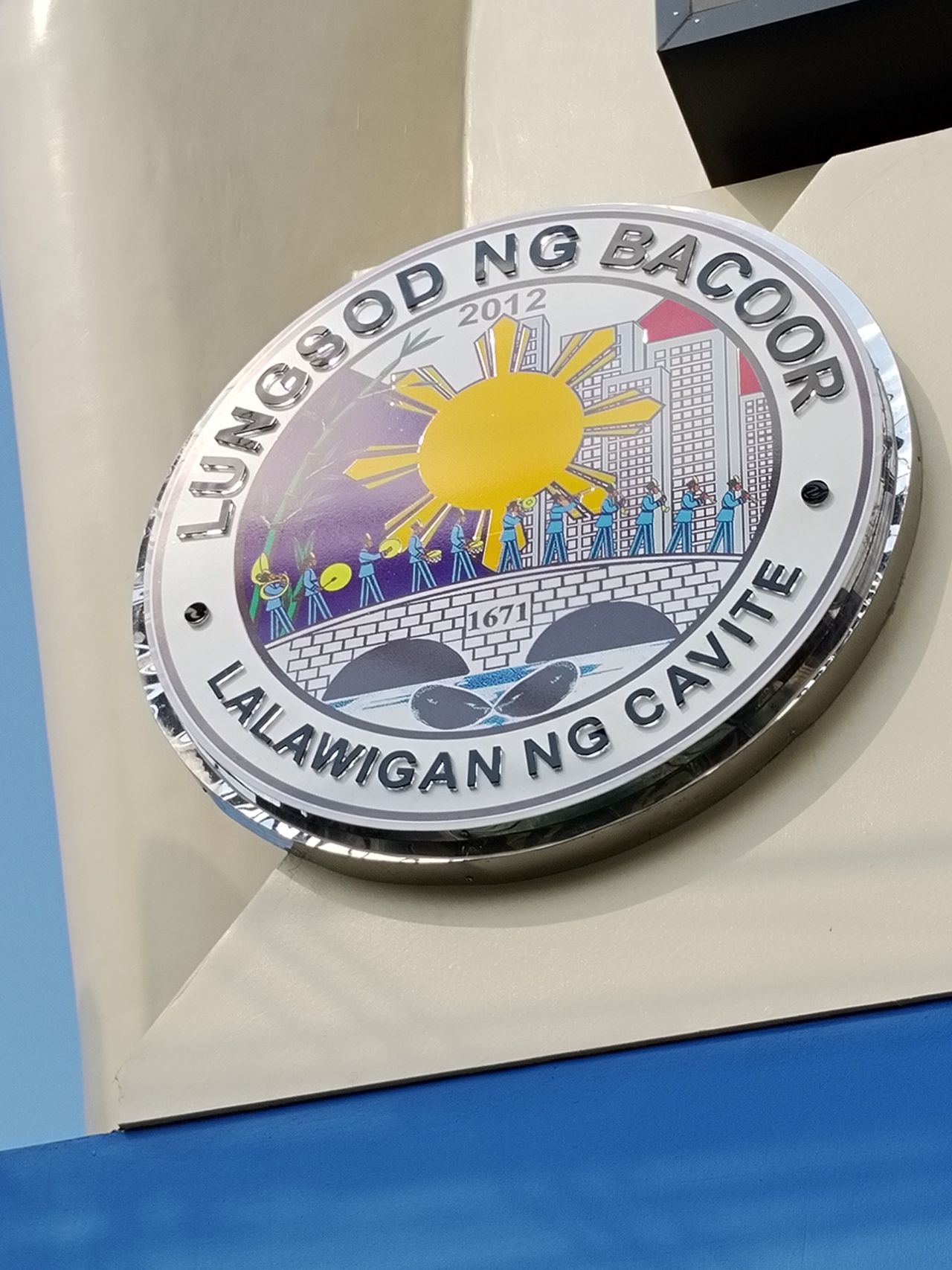
But forget quick captures. It takes time for the capture button to process your press. The camera demands stillness even after the snap.
To be fair, the colors are also decent — not washed out and totally dull. But in some cases, the color accuracy is off, especially for food and other red-hued subjects.
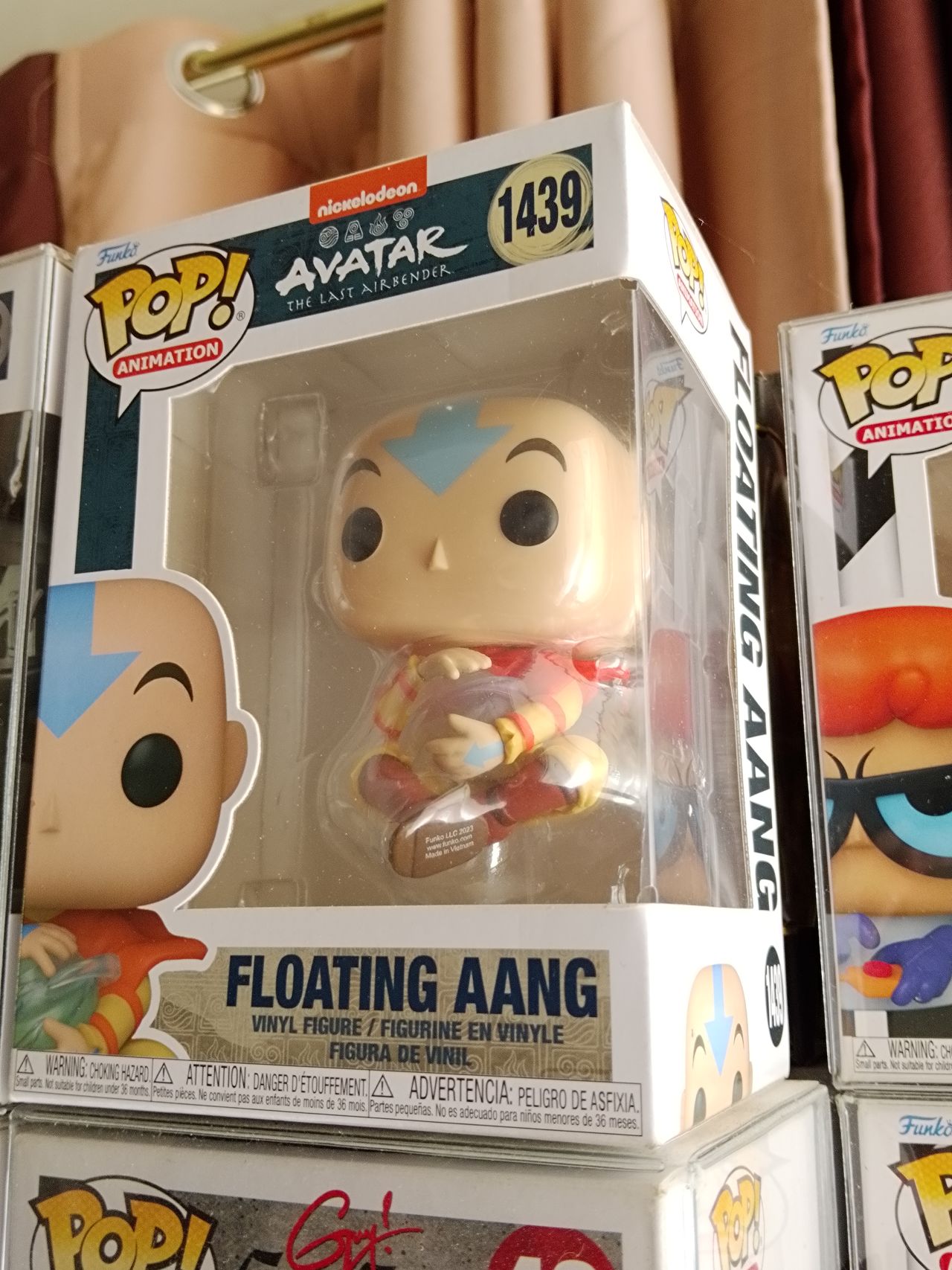
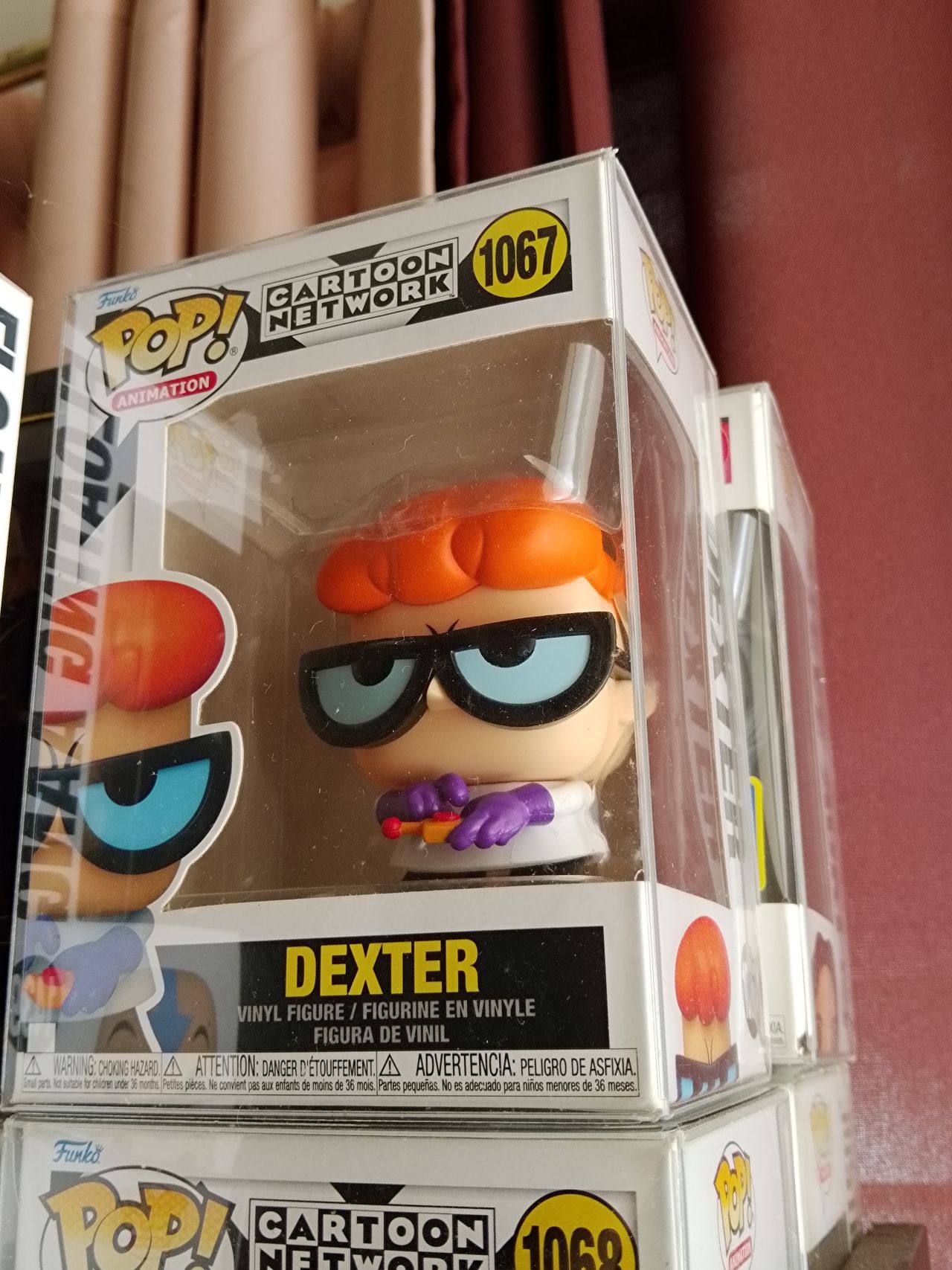

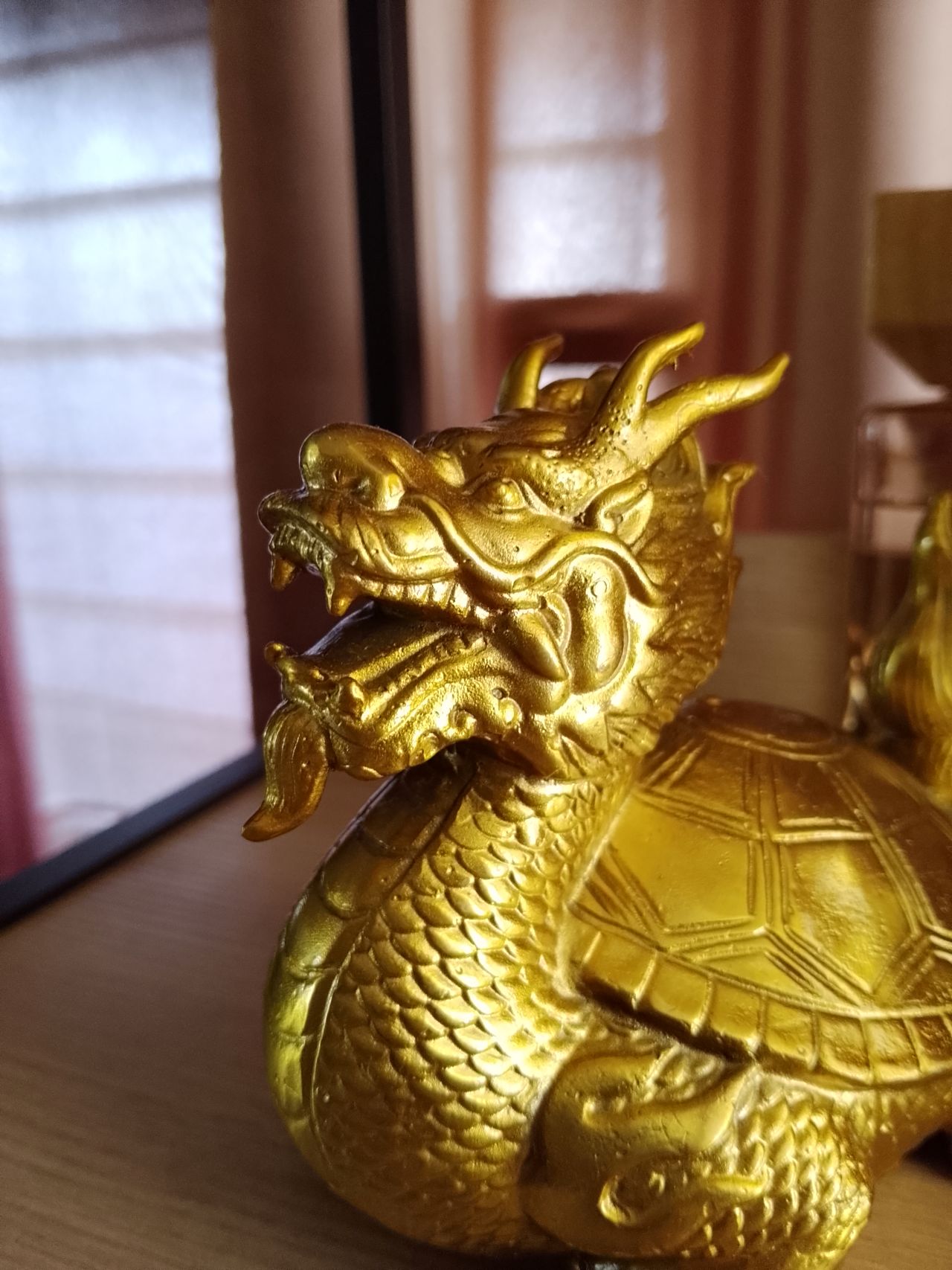
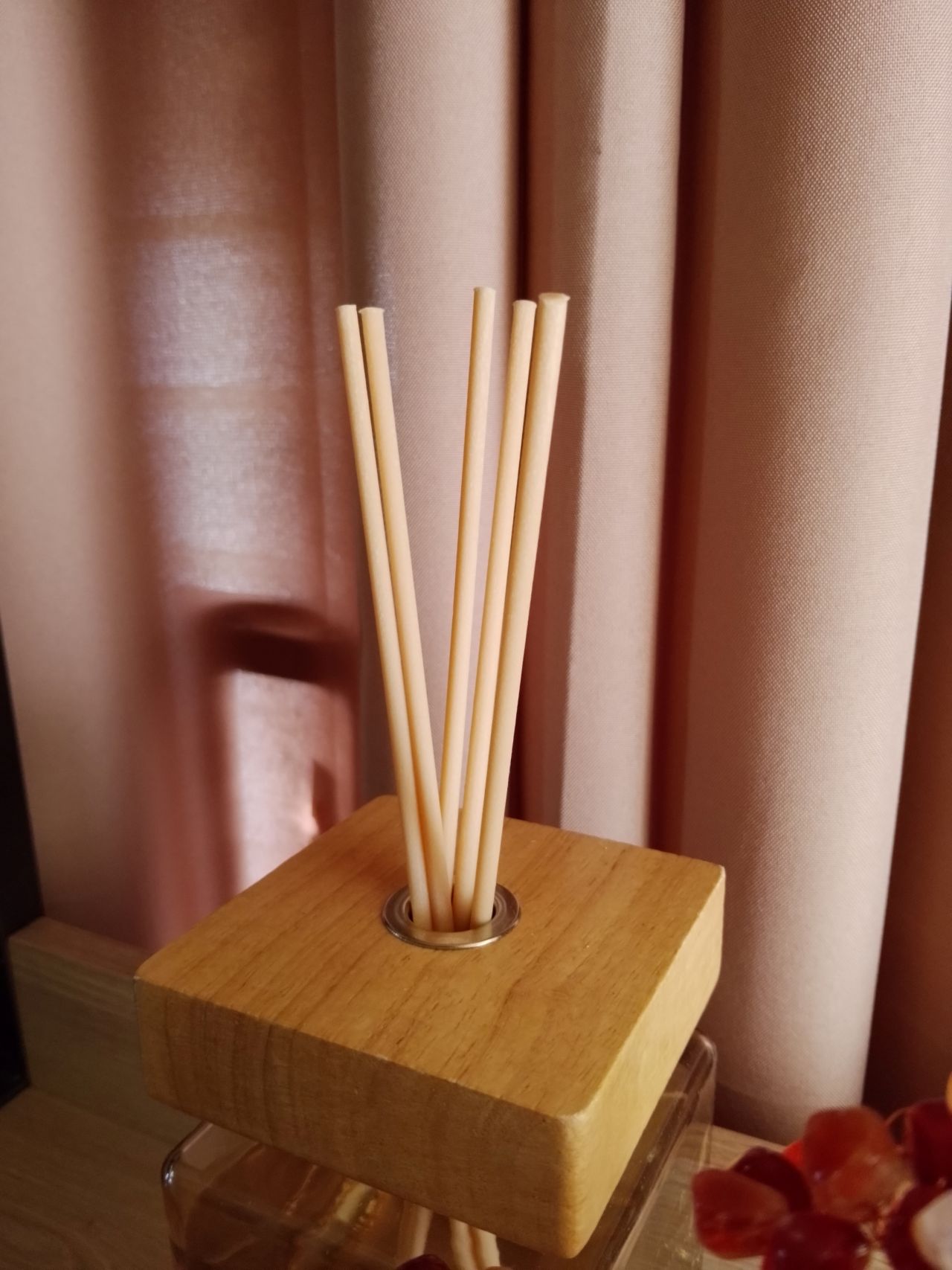
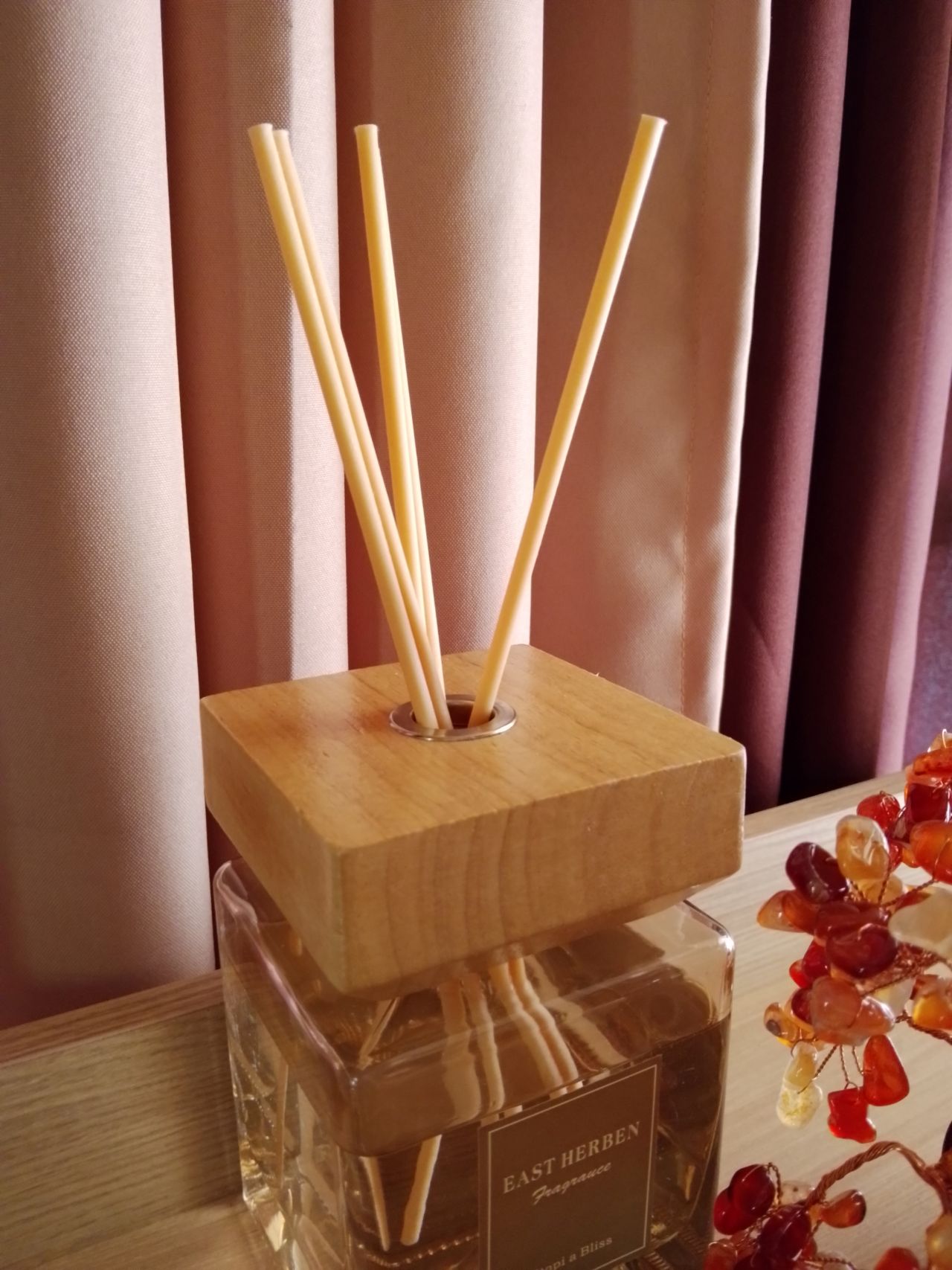




For good shots, just give them some post-processing, and they’re usable for social media.
One the other hand, low-light and night shots from both front and back shooters are predictably grainy and noisy.Selfies are also lighting-dependent for quality.



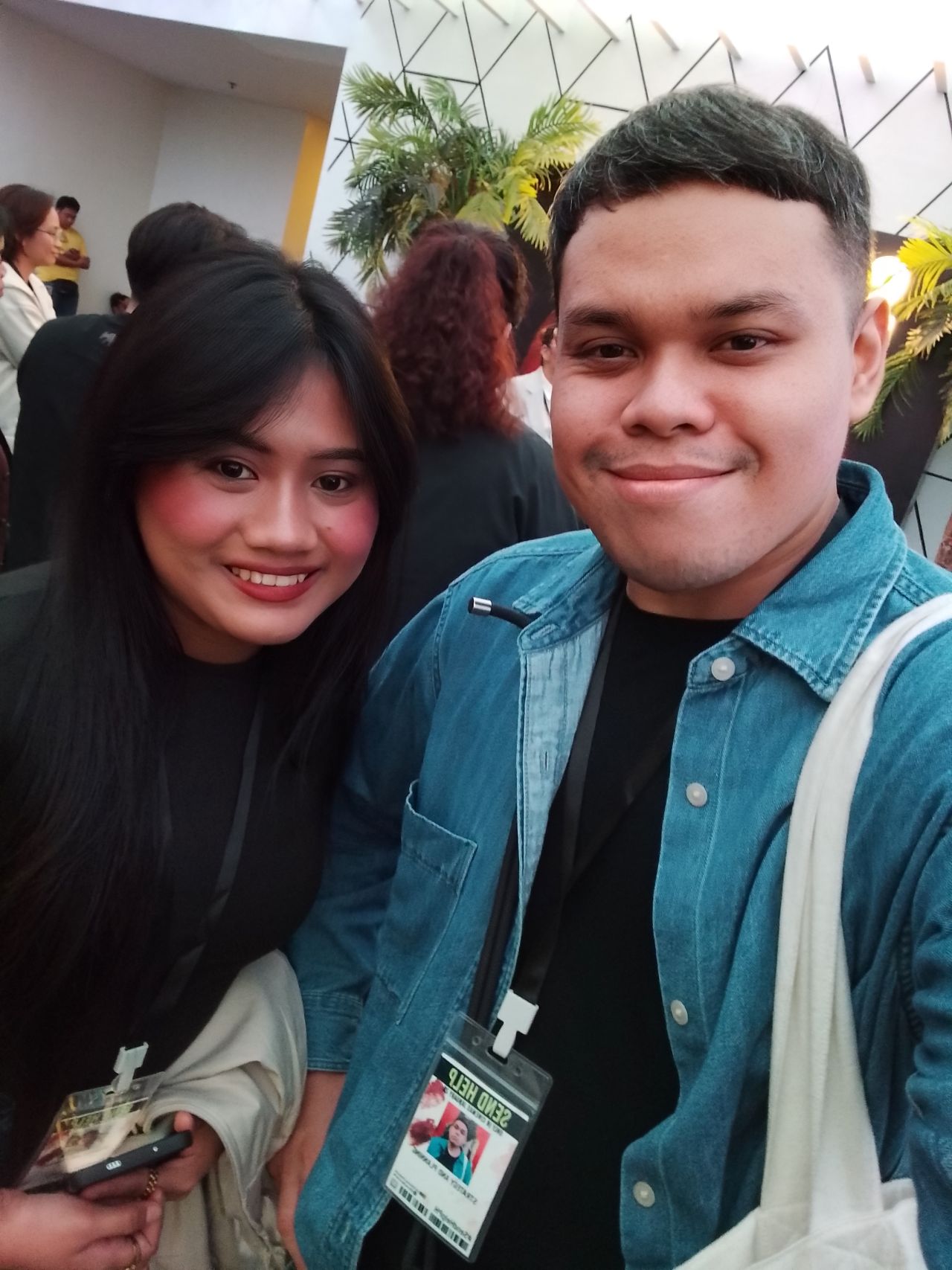


The camera UI could also use some upgrades. My palm also sometimes accidentally taps the right-hand side of the screen when holding the phone.
Design
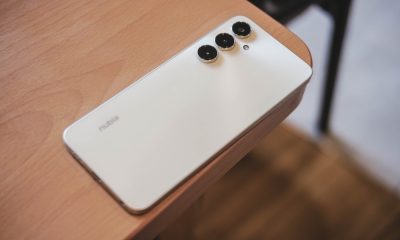
As mentioned, nubia has ditched the familiar Android top-middle-of-the-back camera island in favor of this setup:
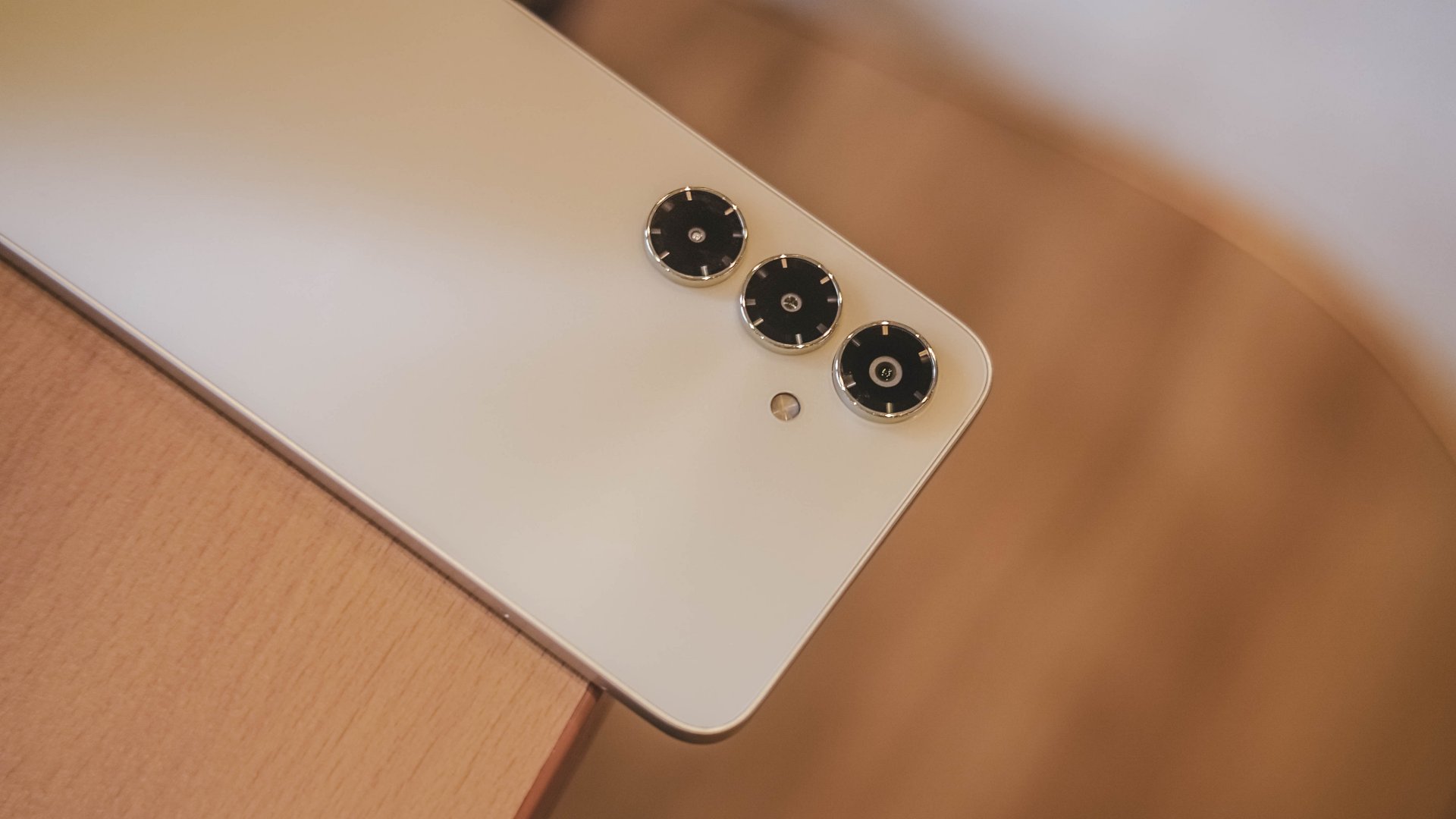
The three shooters protrude and are lined up vertically. You’ve definitely seen this arrangement from other Android brands, most notably Samsung’s previous offerings.
But it’s a new touch for nubia, while the power button being in red reflects their signature flair.
There are five colors, and mine was in Aurellia Gold which looks more of a light yellowish cream. The backside is smooth although the side frames provide enough friction for a good grip.
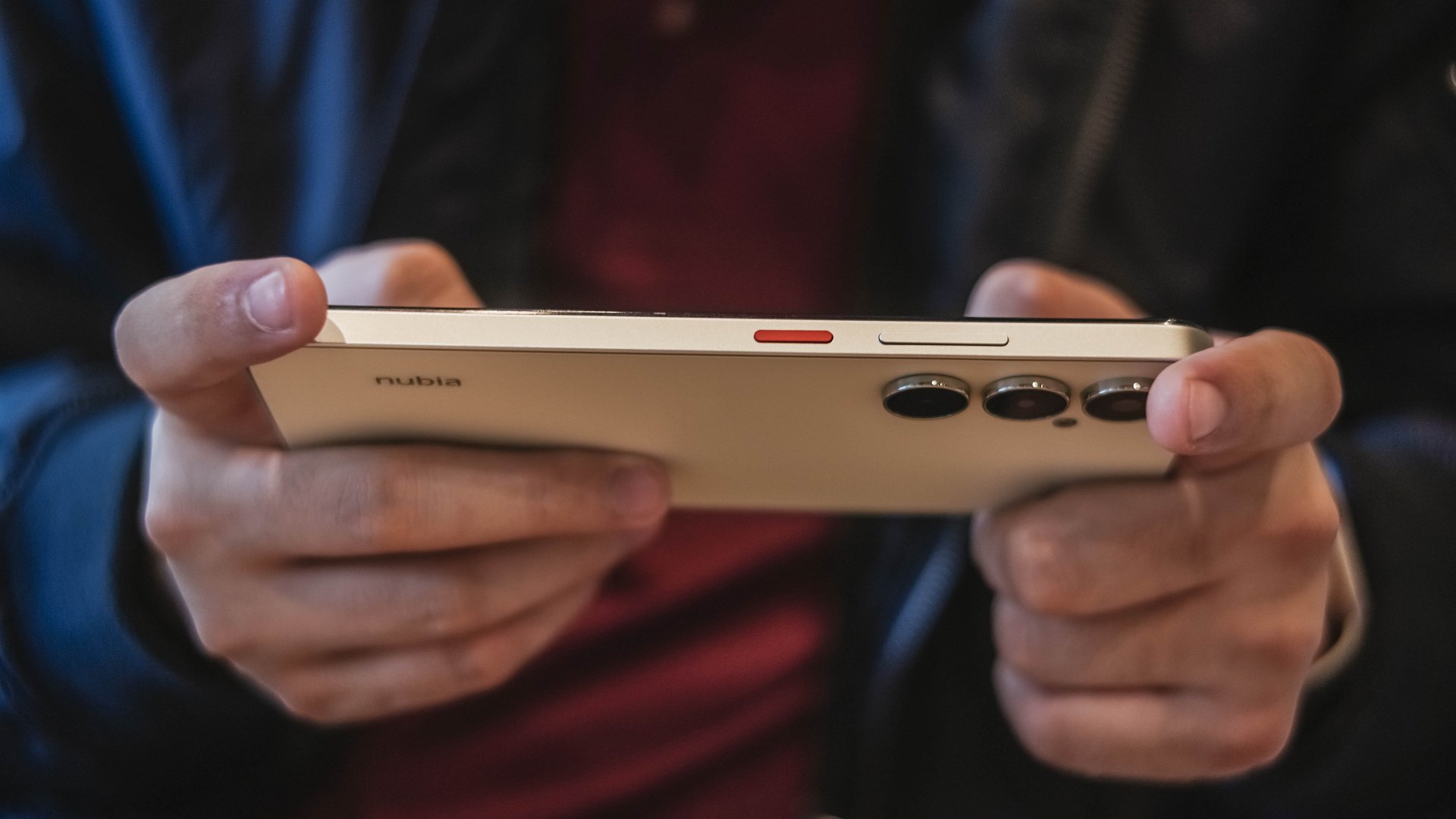
I’m pleased that the device didn’t come with bloatware out of the box.
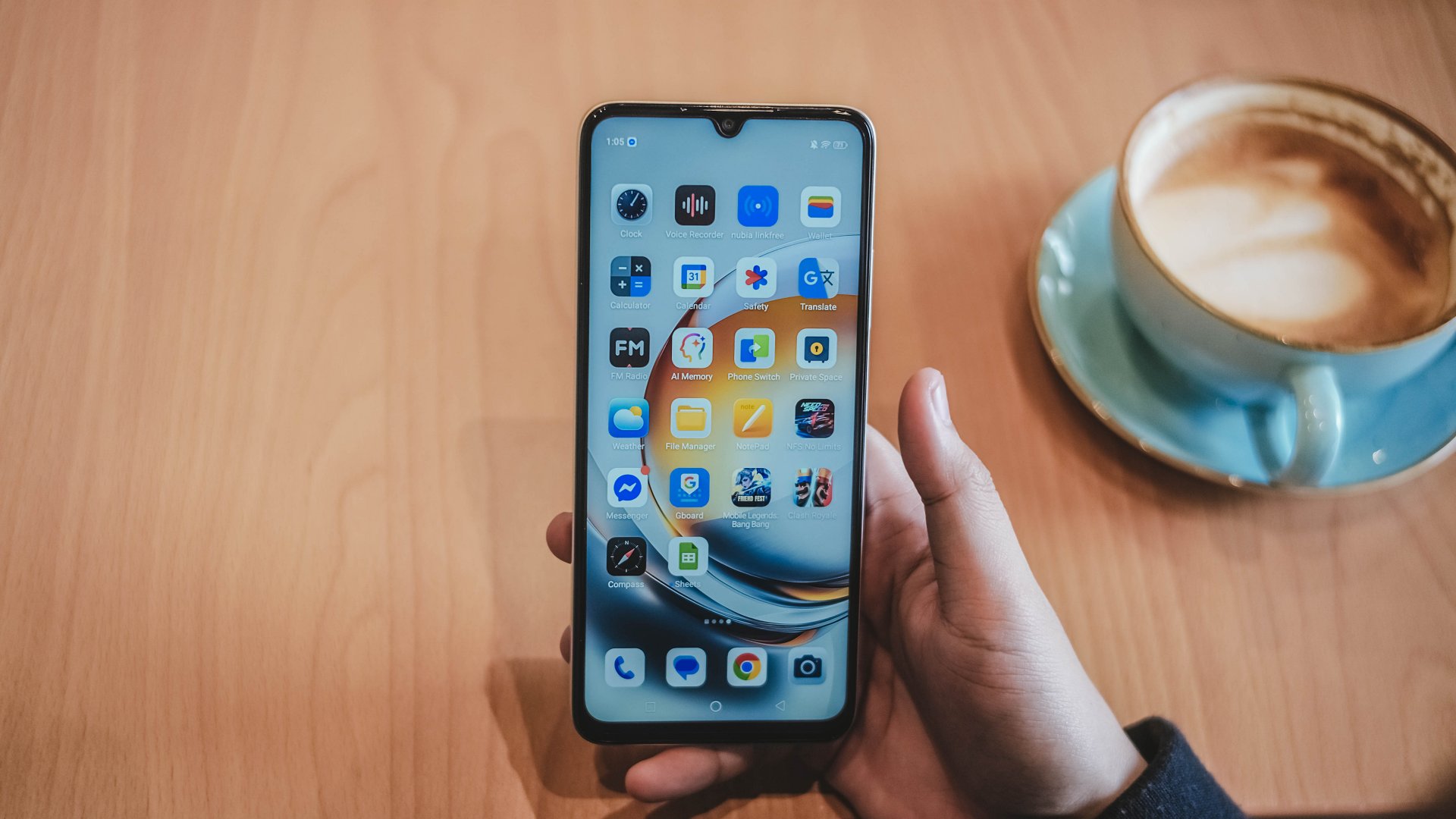
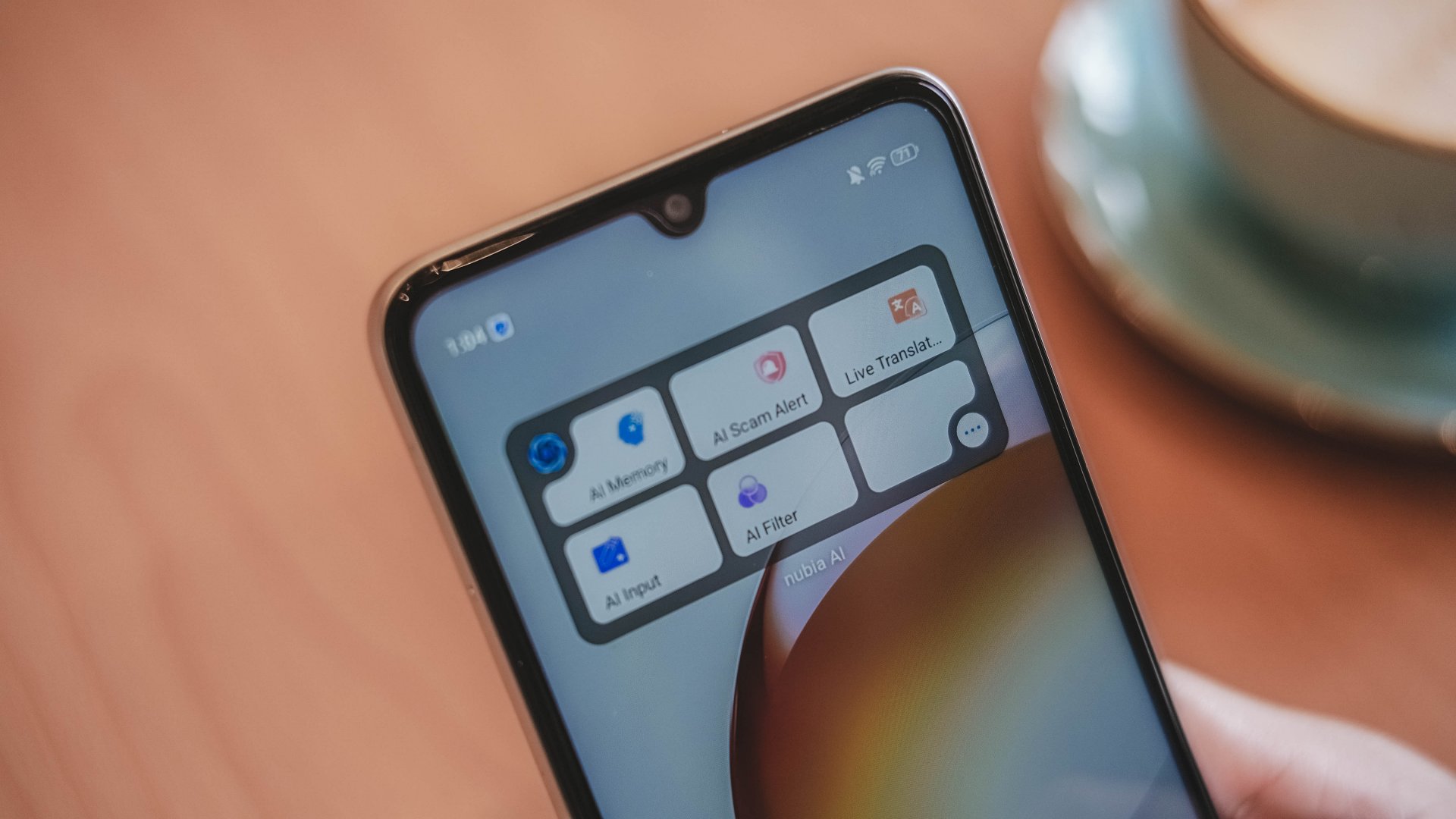
Also, there are AI features here that are somewhat actually useful. The AI Scam Alert is worth utilizing so you can avoid getting disturbed.
Is this your BudgetMatch?
It’s an easy Swipe Left for me. Plain and simple, the phone is usable but unenjoyable.
There are some commendable aspects but the performance lags, the display underwhelms, and the price hike doesn’t feel justified.
Throw in a few more bucks, and you’ve got some better-balanced options and budget gaming phones. There’s also better camera systems and displays on other budget handsets.

I would say it’s still for consideration for those who really just need a communication tool. Students, entry-level workers, stay-at-home adults, and more.
But in the end, the upgrades do not outweigh the compromises. By now, even the most affordable phones should offer more than just survive drops. They must be able to at least keep up with users’ lives.
Apps
Breaking up with Adobe Photoshop after 20 years
Wedding planning and Apple Creator Studio made me realize it was time


Planning a wedding, even a small and intimate one, has a way of sharpening your sense of priorities. Right as my fiancé and I were making decisions for our city hall wedding here in New York City, Apple announced Creator Studio.
Creator Studio is a subscription service that gets you access to eight creative pro and productivity apps for US$12.99 a month, or US$2.99 if you’re a student or educator. The design app included in the subscription, Pixelmator Pro, is also available as a standalone purchase for US$49.99. Adobe Photoshop, my design software of choice for over two decades costs me US$22.99 a month.
Seeing those numbers next to each other made me pause. It’s not that I was unhappy with Photoshop. I was just suddenly made aware how expensive it is. I’d been paying more for a single tool than I could for an entire creative ecosystem.

Adobe Photoshop was my first foray into the world of graphic design
Creative Studio’s lower price point, along with the free trial, made me consider switching to Pixelmator Pro altogether. That’s something I never thought I would do. Photoshop was how I got into graphic design. It was my first love, and up until recently, I truly thought it would be my ride or die.
Getting to know Pixelmator Pro
If you’re not familiar, Apple’s Pixelmator Pro is a graphic design and image editing app that’s similar to Adobe Photoshop. In practice, it covers a huge amount of the same ground but with a very different philosophy around usability and design.
I tried Pixelmator Pro, mostly as a challenge because we were doing a YouTube video on Apple Creator Studio. Personally, I was lowkey excited to try something new.
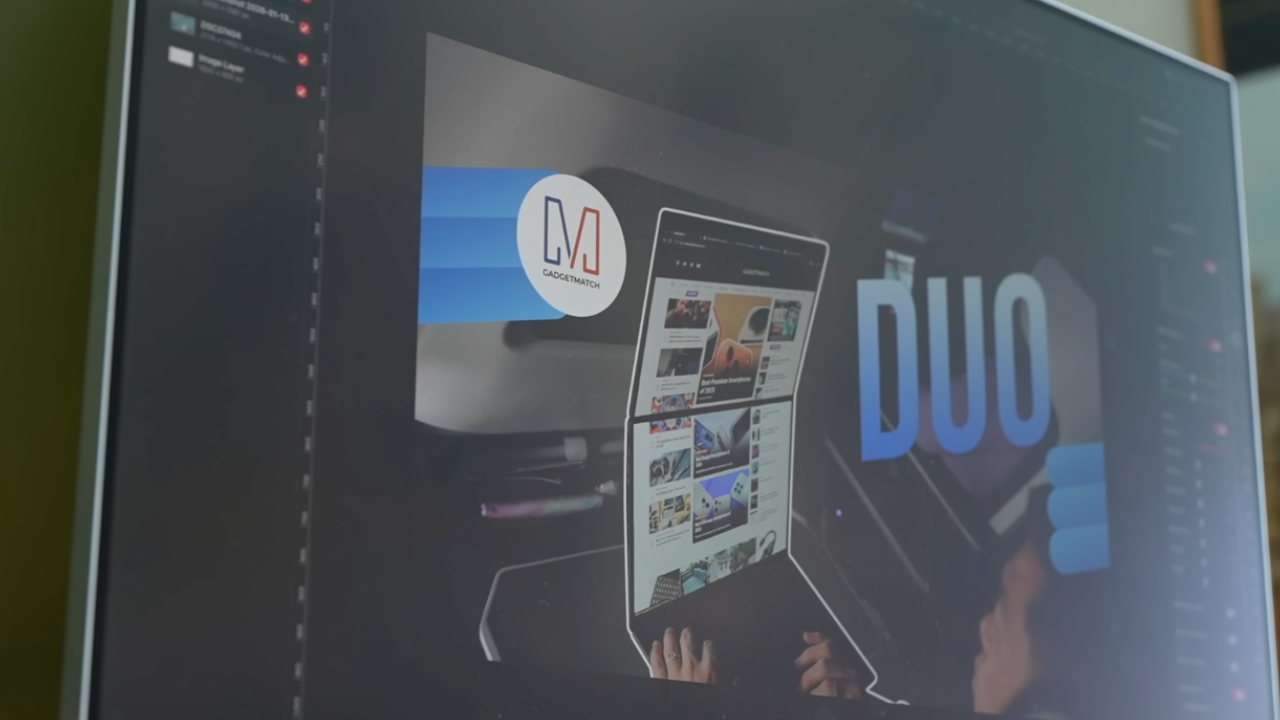
The first time I loaded the app, I recreated our YouTube thumbnail template — all within 10 minutes — and I haven’t looked back since.
Familiar enough to feel effortless
One of the biggest reasons my transition to Pixelmator Pro was so easy is muscle memory. Many shortcuts behave the same way: cmd+T for transform, cmd+R to show rulers, cmd+J to duplicate layers, just to name a few.
Having used Photoshop since high school, it felt familiar and intuitive — the complete opposite of how it felt to try and switch to Adobe Illustrator many years ago.
Photoshop is how I got into graphic design. It was my first love, and up until recently, I truly thought it would be my ride or die.
Later, I learned that you can import PSD (Photoshop) files directly to Pixelmator Pro. Apparently I didn’t even need to recreate the GadgetMatch assets. It does a good job of converting and preserving layers.
Photoshop now feels archaic

After using Pixelmator Pro for a few days, going back to Photoshop felt jarring. The sharp edges of the UI felt cold and rigid. Everything was layered with popups, panels, and tiny interruptions.
Pixelmator Pro, in comparison feels warm, smooth and frictionless. Its user interface is very Apple-like — rounded edges, softer icons and buttons. The Creator Studio version also gets the new Liquid Design touch, with transparent menus and elements that feel dynamic.
I especially love the little things. Color adjustments live in one simple panel instead of being scattered across different windows. There’s an eyedropper tool beside every color picker with a magnifier built-in.
When you hover over tools, it shows you the shortcut (e.g. “R” for Repair). There are also subtle animations, like when you use the Color Fill tool to change your canvas color.
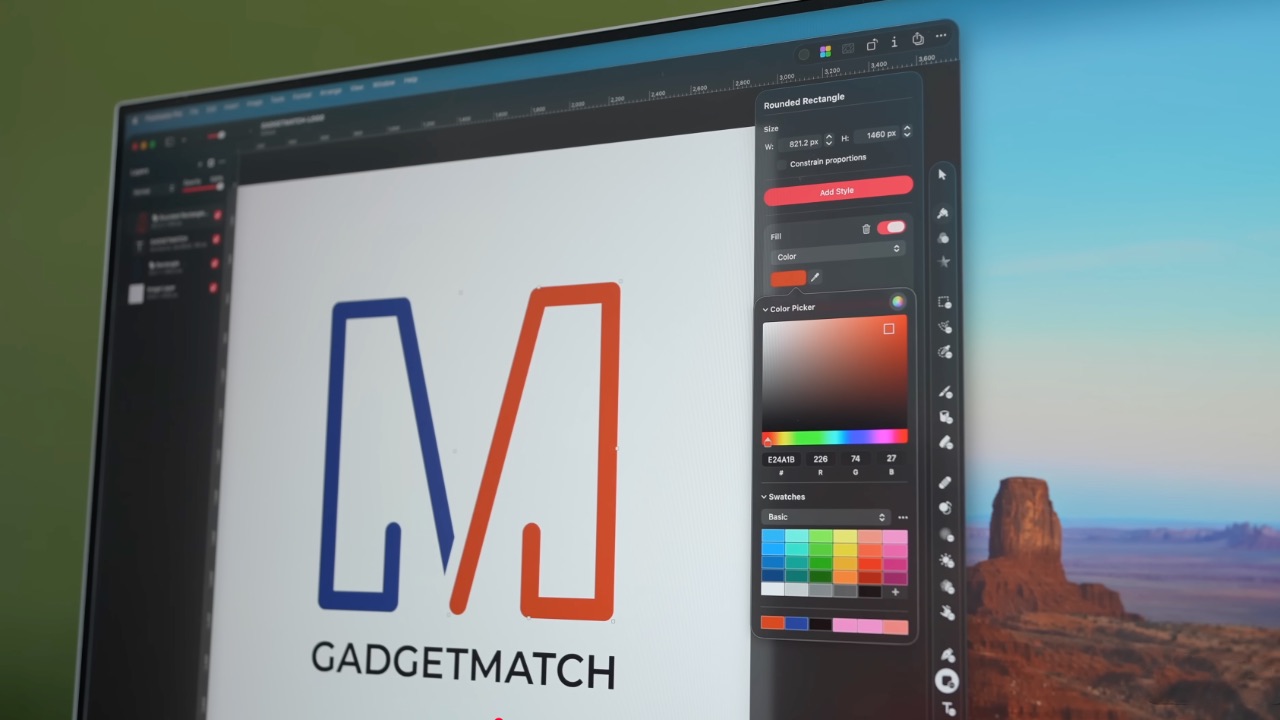
Pixelmator Pro’s UI is warm, snappy, and approachable
The differences in user experience are stark. Photoshop’s animations either don’t exist or are too abrupt for one to notice.
Smart tools without the noise
Photoshop has one clear advantage over Pixelmator Pro: Generative AI. It’s great and powerful especially when you need to save time.
I personally used it a couple of times before to save time on cloning, erasing, or expanding elements. Am I going to miss it with this switch? Something tells me I won’t.
Pixelmator Pro’s clone and repair tools, though seemingly so simple, work like a charm. And for how I usually manipulate images, those two are more than enough.
From digital to physical
If Pixelmator Pro was going to replace Photoshop in my workflow, wedding prep was the perfect time to give it a real world test — and it more than held its own. Its ease of use gave me permission to think outside the box, because I knew I had a reliable tool that can help me make it happen.
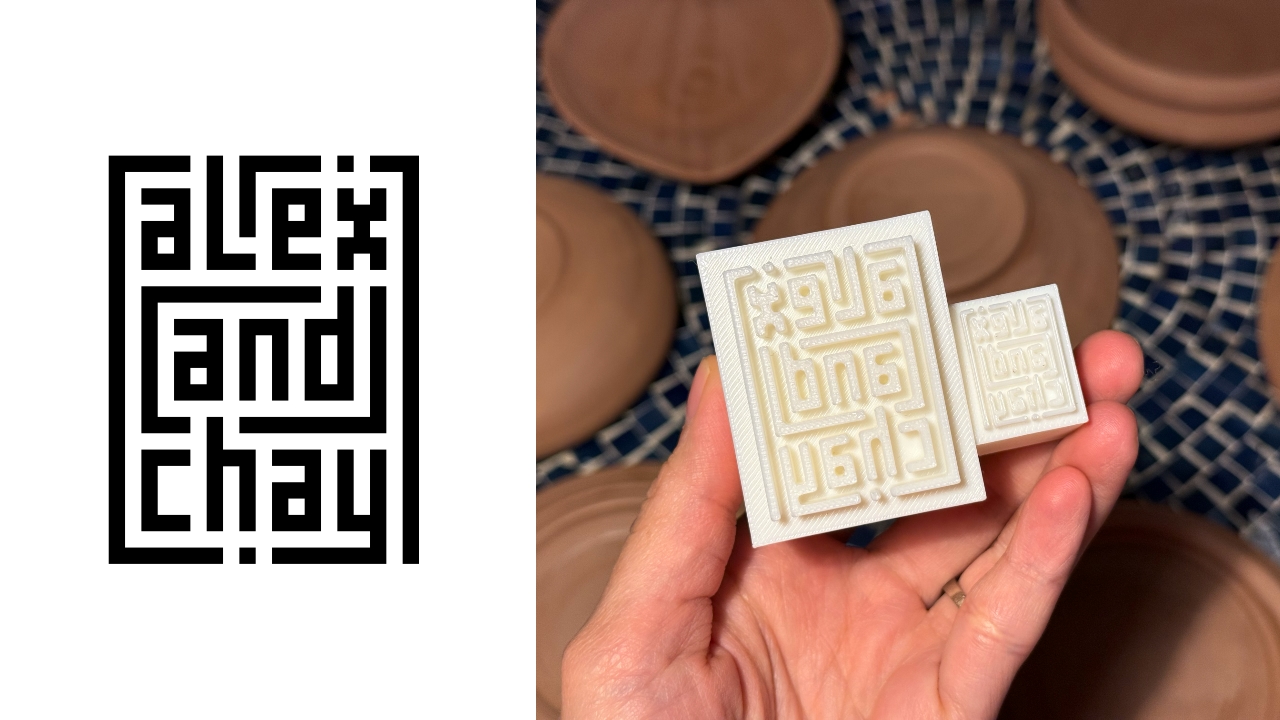
On the left, a Kufic-inspired wedding logo designed on Pixelmator Pro; on the right, 3D printed stamps
Since my fiancé is half-Iranian, I designed a logo combining our names, inspired by Kufic calligraphy, and I did it entirely in Pixelmator Pro. I developed that same logo further and designed a save the date, with color, also inspired by Kufic calligraphy. I went through a few iterations to come up with the final designs, which were made easier by the Shape tool and grid overlays.
My fiancé then took the logo I designed in Pixelmator Pro, converted it to 3D on Revit, and printed it into stamps in different sizes. One way we’re using it is to deboss the handmade pottery he’s making as one of our party favors.
There are a few more wedding pieces I’m designing on Pixelmator Pro in the coming weeks: our final invitation, and the custom stationery for the dinner that follows the ceremony.
Through this whole process, Pixelmator Pro never felt like it got in the way, or that it was limited. On the contrary, it feels like that enabler friend who says yes to every idea I have, and can actually help make them real.
Powerful, but approachable
The best way I can describe what using Pixelmator Pro is like is this: it’s a mix of Photoshop’s professional tools, Canva’s free library of assets, and Apple’s UI sensibility.
Shortly after Apple announced Creator Studio, Adobe rolled out significant Creative Cloud discounts. Are they threatened? They better be.
That makes it great for beginners, small business owners, and casual creators. Like Canva, it comes with some beautiful templates to help someone with zero experience come up with something good.
But unlike Canva, it still feels like a serious design tool. I can do so much of what I need using Pixelmator Pro but with UI that’s so much more approachable compared to Photoshop.
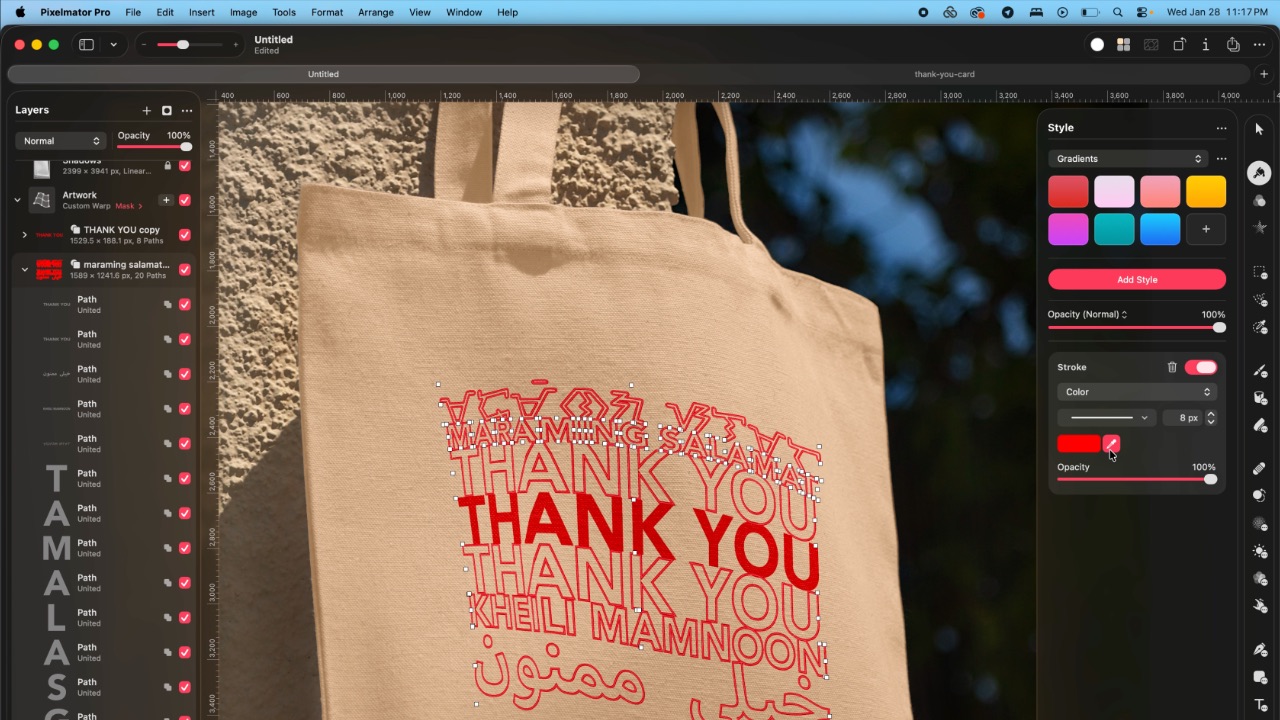
As the great philosopher Ariana Grande once said, “Thank U, Next”
I remember meeting Canva’s founders before launch and not fully understanding their mission to make graphic design accessible to everyone. Now I do.
It was never about replacing Adobe products and pro designers. What Canva did was fill a huge void we didn’t know existed. They democratized something that used to be reserved only for the privileged few.

Pixelmator Pro comes with free templates, assets, and mockups like this MacBook Pro and coffee packaging
Pixelmator Pro’s lower barrier to entry has potential to make a significant impact. My hope is it opens doors for people who were previously shut out of the graphic design world, and that it becomes something they can grow with, just as I did with Photoshop.
Adobe is still the industry standard
Switching to Pixelmator Pro wasn’t about rejecting Adobe, in the same way that Canva’s success did not kill Photoshop.
It’s worth noting that Adobe products are still the standard in the industry. A lot of companies rely on them, and most schools teach them. In a traditional design or agency environment, Photoshop and Illustrator are still the default language.
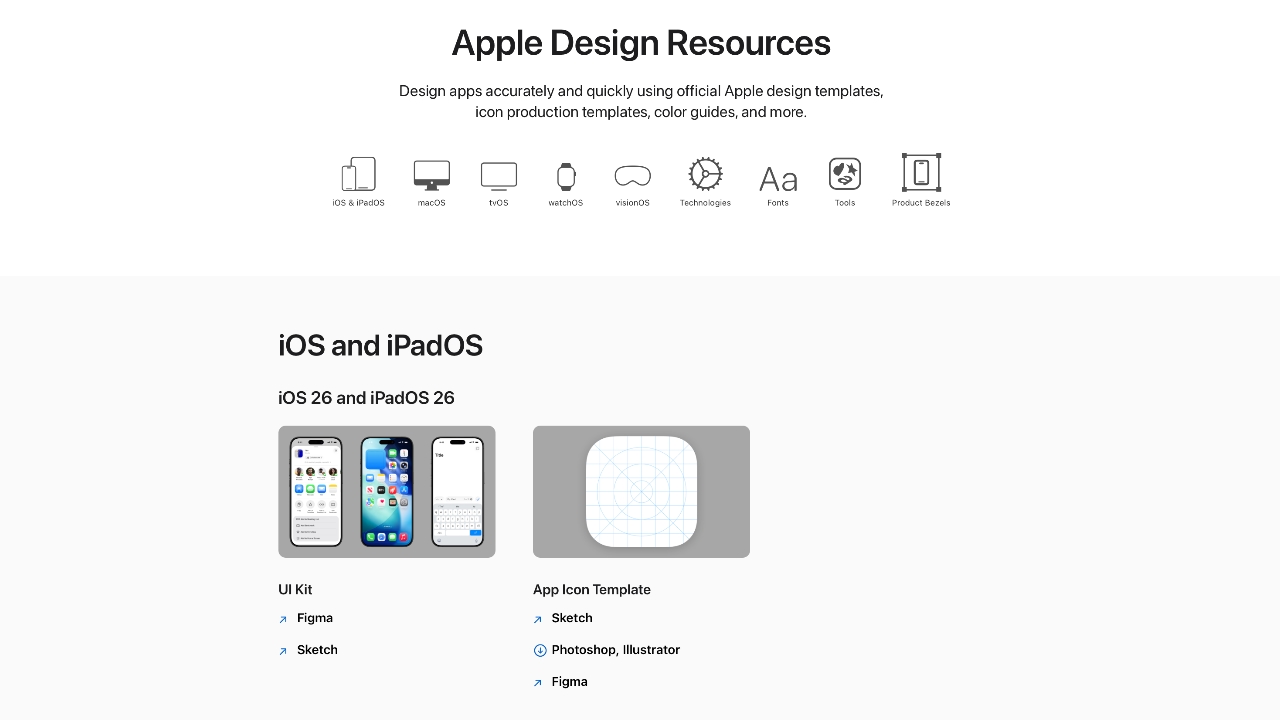
Even on Apple’s own Design Resources site for developers, the official design templates are built for Adobe Photoshop and Illustrator, not Pixelmator Pro. That says a lot about how embedded Adobe is in professional workflows.
Competition makes the space better
Apple Creator Studio, and tools like Pixelmator Pro, challenge Adobe’s near-monopoly in a really healthy way.
It’s not lost on me that trading Photoshop with Apple software actually keeps me locked into one ecosystem. But having more pro creatives try Pixelmator Pro can put pressure on the industry. A strong alternative that’s more cost effective can force titans and dinosaurs to evolve in a way the likes of Corel was never able to do.
Ideally, that means better products and fairer pricing for everyone. Shortly after Apple announced Creator Studio, Adobe rolled out significant Creative Cloud discounts. Are they threatened? They better be.

Pixelmator Pro’s intuitive UI makes switching from Photoshop easy peasy
Access matters, and at the end of the day, with a healthy competition in the market, it’s consumers that win. Canva is a great example of this. It made design tools accessible to those who aren’t professionals. It didn’t make everyone a great designer, just as a novice who tries Final Cut Pro today won’t become a pro video editor tomorrow. Design is still a craft you develop over time with practice.
Is Pixelmator Pro my GadgetMatch?
Photoshop still has its place. But for my everyday work, and occasional personal projects, Pixelmator Pro can do everything that I need to accomplish, at a fraction of the cost.
It feels faster, lighter, and more alive. Honestly learning my way around new software has been so enjoyable — so much so that I feel a renewed sense of eagerness to try other design software like Blender and Figma.
Pixelmator Pro never felt like it got in the way, or that it was limited. On the contrary, it feels like that enabler friend who says yes to every idea I have, and can actually help make them real.
Wedding planning and Apple Creator Studio didn’t just make me switch to a new software. They also made me question how much I’ve been missing out on. How much of what I do is simply due to inertia?
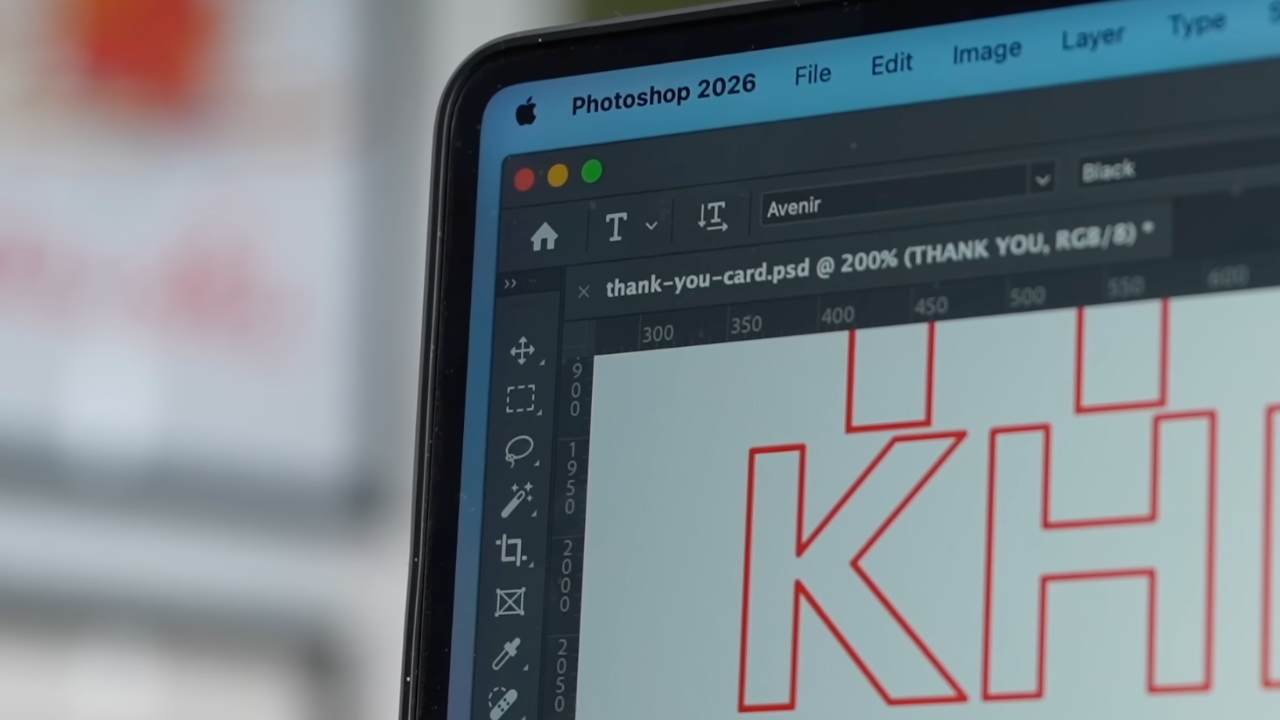
Ending my longest relationship doesn’t mean it failed. I’m grateful for what Photoshop taught me. It helped shape the creative professional that I am today.
But alas, this is one area where my practicality wins over loyalty. Relationships — with people or with tools — only work when both parties keep showing up. There’s no room for complacency, despite the history.
Walking away from something that taught me so much feels bittersweet, but Pixelmator Pro fits the way I work now, and I hope it grows with me as I turn the next page.
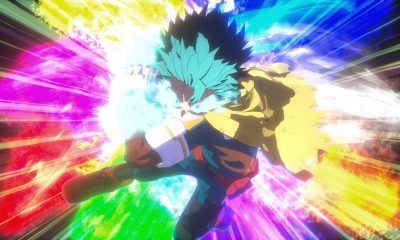

My Hero Academia: All’s Justice: A familiar Final War, made playable
Reliving the Final War


nubia V80 Max: Long battery, marginal upgrades, casual budget phone
Upgrades here and there, but is the price increase worth it?


Breaking up with Adobe Photoshop after 20 years
Wedding planning and Apple Creator Studio made me realize it was time

Horizon Hunters Gathering is an upcoming co-op roguelite spinoff

Report: HONOR tops global smartphone shipment growth in 2025

Valve is delaying the launch of the Steam Machine

No new NVIDIA GPUs this year, report says

HONMA x HUAWEI WATCH GT 6 Pro for golf launches

HONOR X9d 5G launches in the Philippines: Price, preorder, availability

Infinix NOTE Edge debuts: High-end features for accessible pricing

POCO M8 Pro review: Goin’ loco over this POCO

HONOR Magic8 Pro review: What sorcery is this?

Redmi Note 15 Pro+ 5G review: The midrange fashion piece


-
 News2 weeks ago
nubia joins durability competition with launch of V80 Max
-
Apps7 days ago
Breaking up with Adobe Photoshop after 20 years
-

 Gaming2 weeks ago
New DRAGON BALL game project “AGE 1000” for 2027 announced
-
 Gaming2 weeks ago
Blizzard will host four major game showcases starting this week
-

 Gaming4 days ago
PlayStation, LE SSERAFIM Chaewon team for the ‘Love of Play’ campaign
-

 Automotive1 week ago
VinFast updates battery subscription policy for large upfront savings
-

 Gaming1 week ago
Xiaomi SU7 Ultra makes Gran Turismo 7 debut
-
 Accessories4 days ago
Sony WF-1000XM6 was accidentally leaked online