
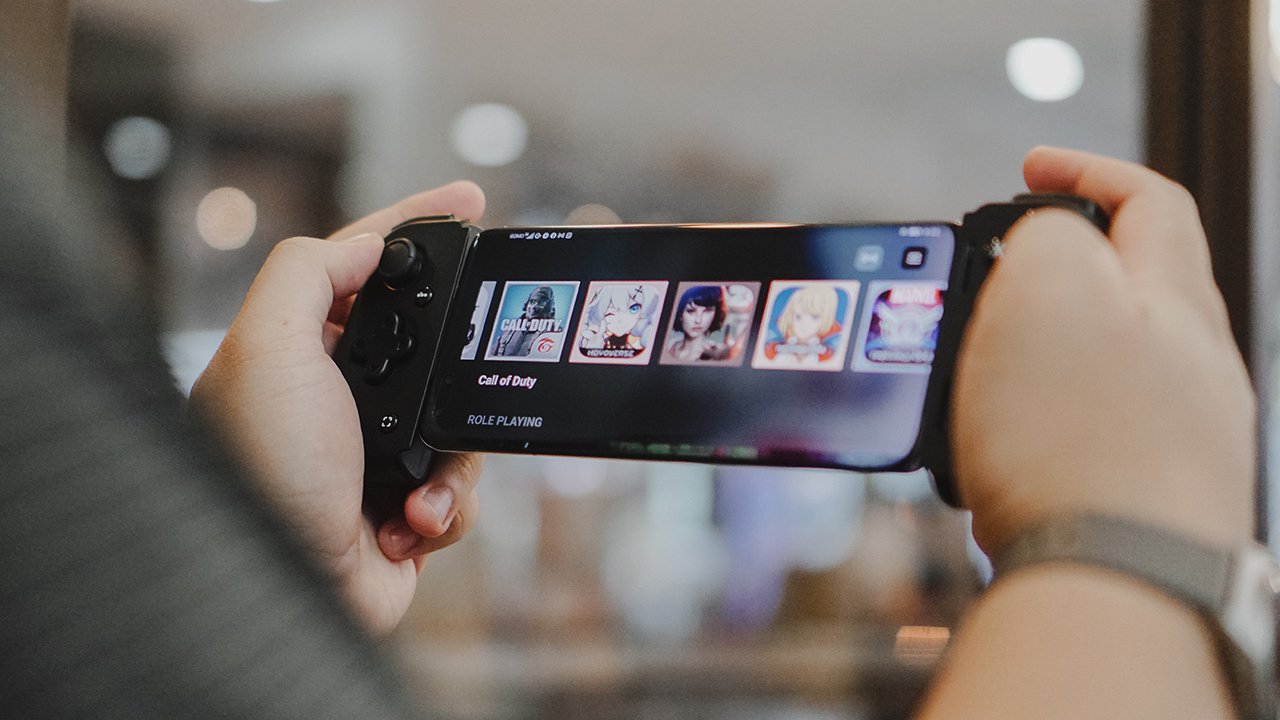


There’s always been this quest to recreate and/or bring the feeling of console gaming to mobile.
In 2022, there are more than a handful of iterations. We have the actual handheld gaming console – the Nintendo Switch. More recently, Valve released the Steam Deck. And then you have the ultra-gaming-focused smartphones like the ROG Phone and the Lenovo Legion Phone Duel.
For a while, Razer attempted to compete in the gaming smartphone space. Ultimately, they decided, instead of competing, they’ll just complement it through accessories. That strategy gave birth to the Razer Kishi and now its newest iteration — the Razer Kishi V2.
A new look
It’s gone through some design changes. Most notably on how it looks in its no-phone-attached state.

The original version had this more compact look, almost like a controller all on its own.
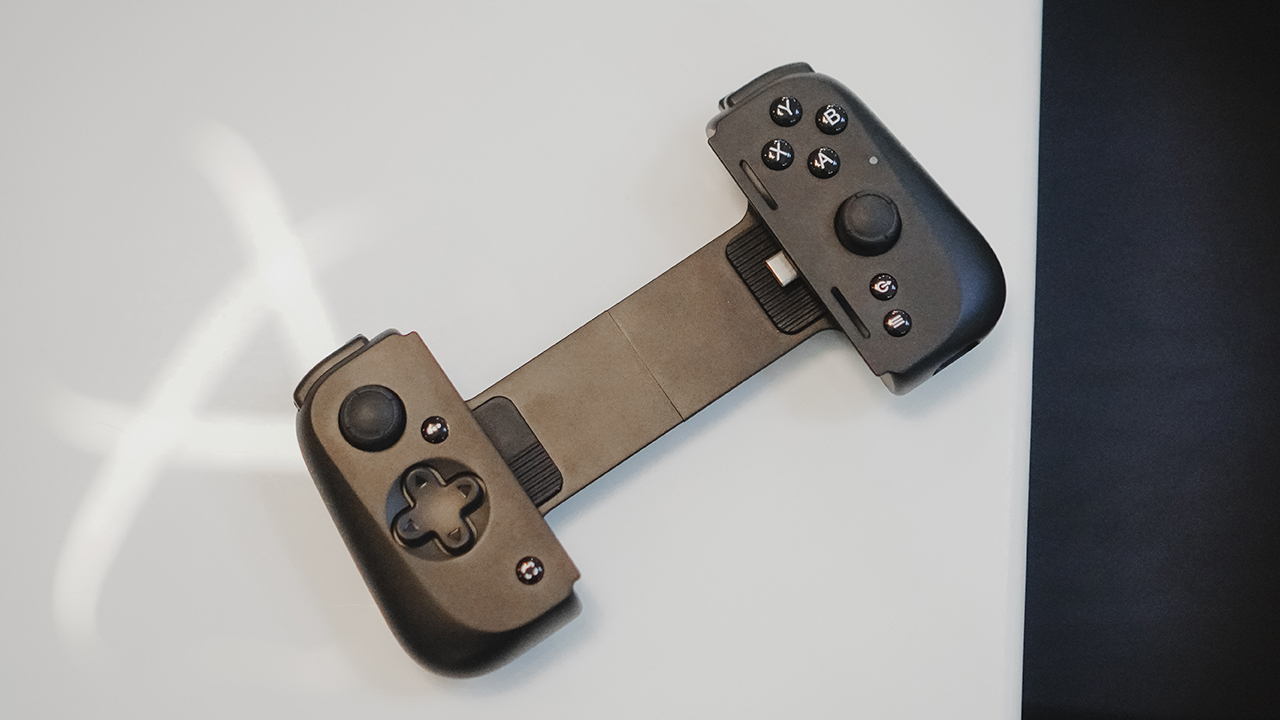
Meanwhile, the Razer Kishi V2 is more open, showing a bridge instead of being totally closed. This may have been done in order to accommodate larger smartphones.
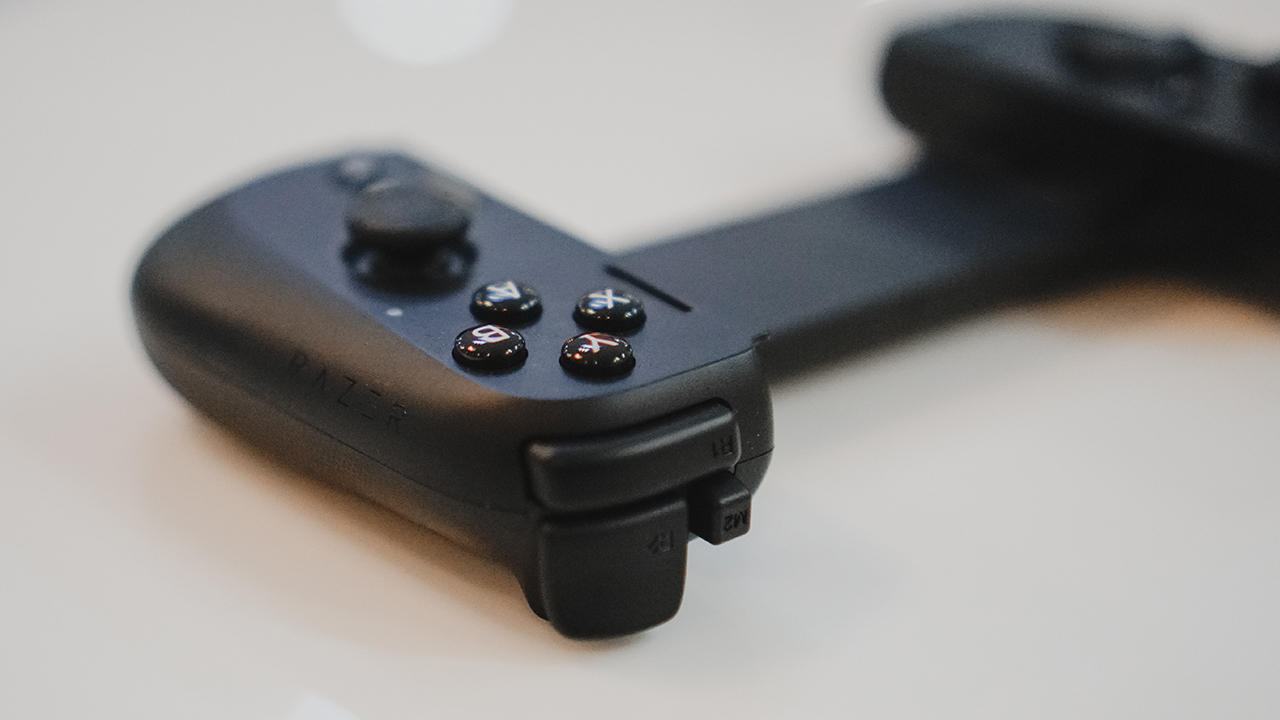
The button layout is mostly the same. You have the universal X,Y,A, and B face button on the right hand side. Right below it is a joystick.

Over on the left side you have the joystick up top with the directional pad and/or buttons right underneath it.
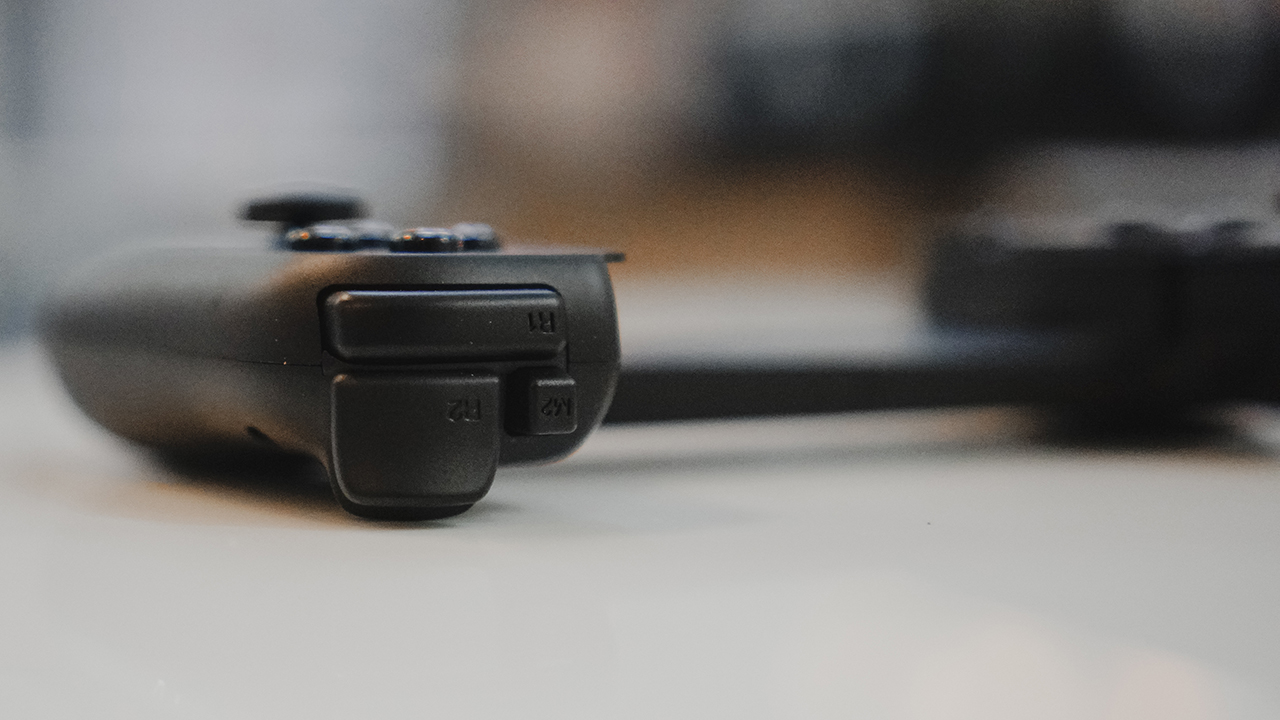
You also still get the Right Button (RB) and Right Trigger (TR)… buttons as well as their left side counterparts. New on the V2 though, are the M1 and M2 buttons situated right next to the aforementioned buttons.

New ones are the screenshot button on the lower left hand side as well as a dedicated Nexus button which fires up the Razer Kishi V2’s companion app — the Razer Nexus.

Naturally, you have the USB-C connector to plug-in to the port of your smartphone.
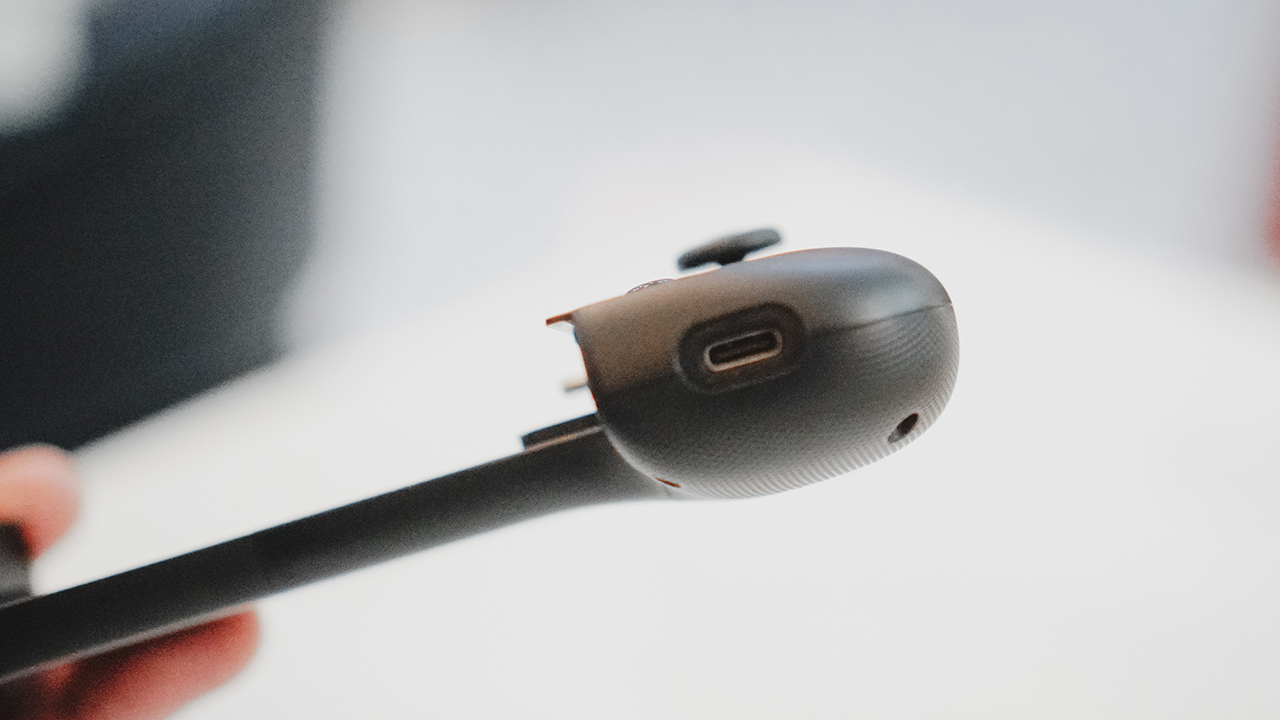
You can charge the phone while playing through the port on the lower left hand side of the controller.
How to use it

The Razer Kishi V2 is technically plug and play. Simply slide your smartphone in, fire-up any controller-supported mobile game, and it’ll just work.
Sounds simple enough, right? But the keywords there are “controller-supported mobile game(s),” which, to be honest, are not a lot. And the most talked about and/or most played ones typically do not support them.
So, how does one find these games? You can go to the Google Play Store and simply type some variation of “controller support” or “control support” and it’ll pull-up games that have controller support.
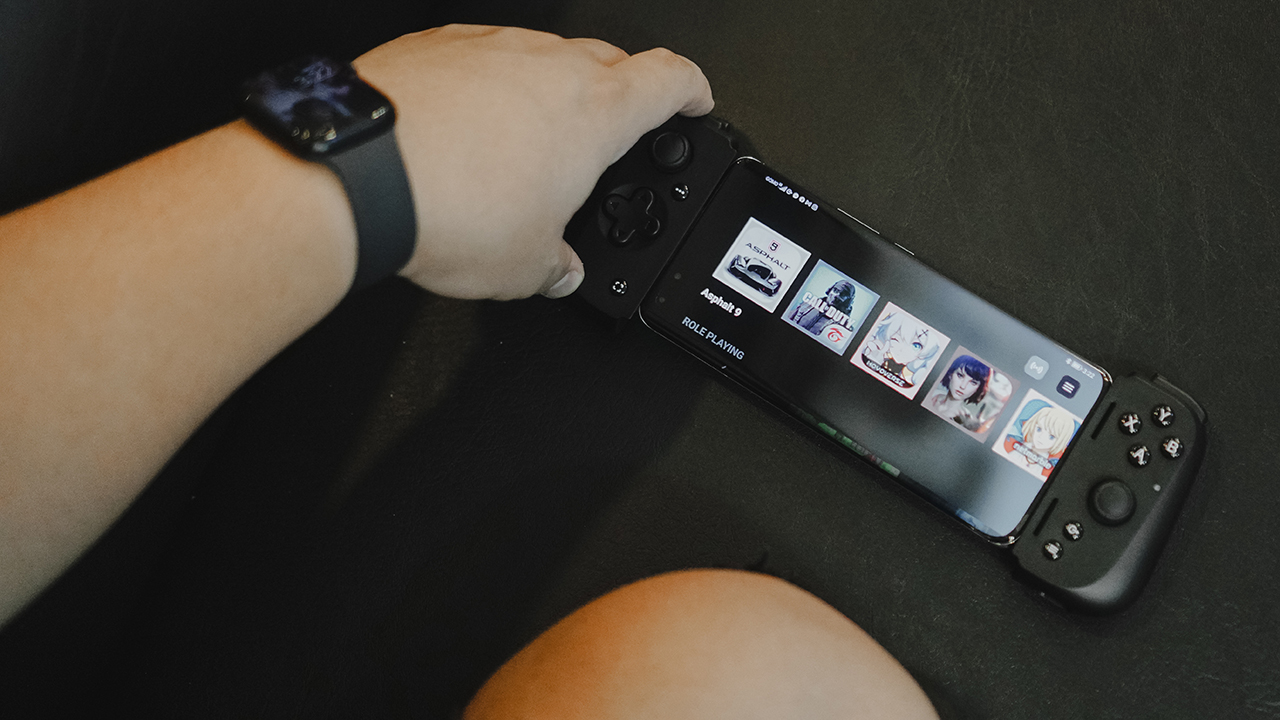
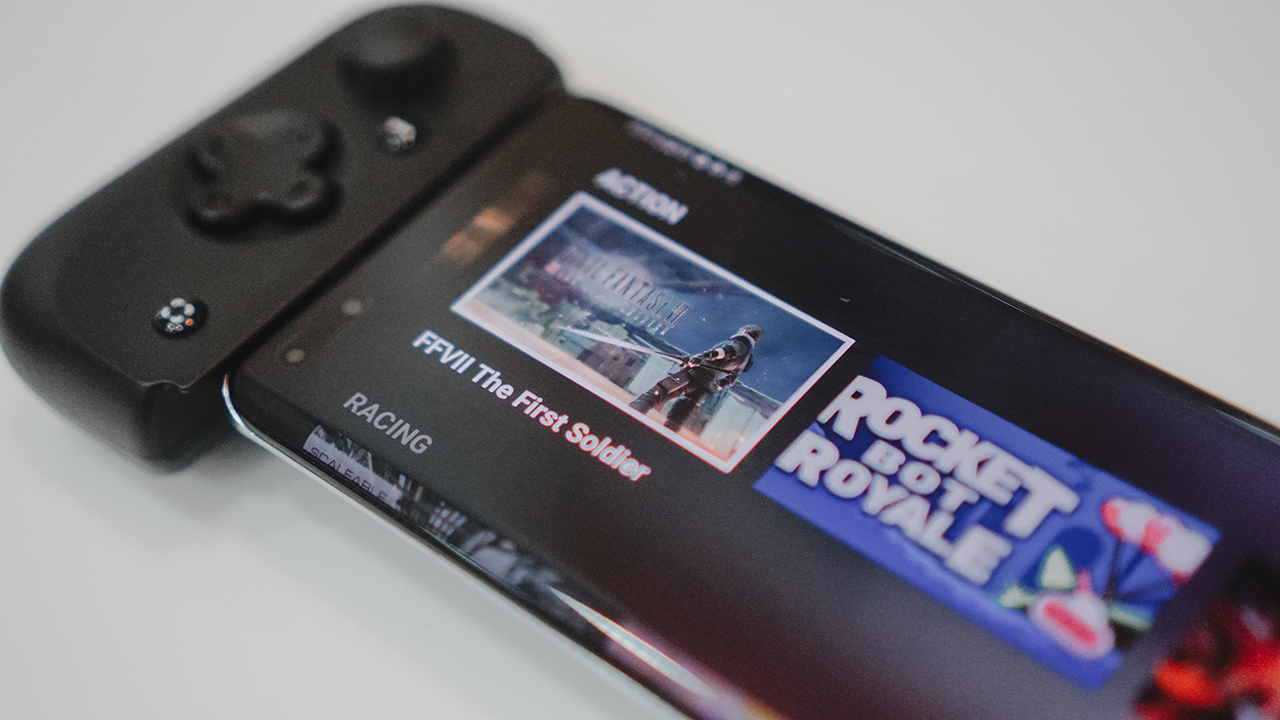
Alternatively, you can download the companion app called Razer Nexus. On its main screen you’ll find the games you already have installed and below it are games it recommends. Each row is separate by genre, and you immediately know they have controller support. You can also connect your YouTube and Twitch accounts should you want to stream your games.
What games can I play?
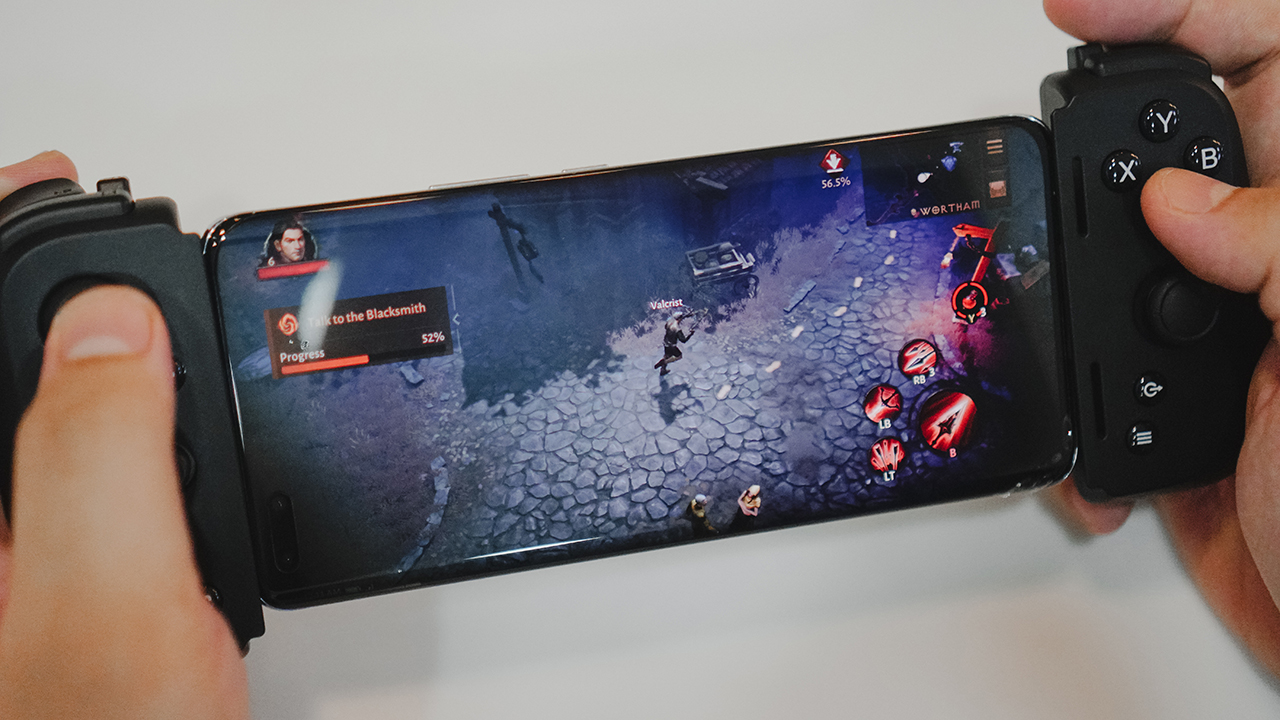
There is a wide selection of games to choose from. We were able to play the following titles:
- Asphalt 9
- Diablo Immortal
- Final Fantasy VII: First Soldier
- Life is Strange
The games above presented the least friction when it comes to playing. They are controller-supported and the areas on the screen where you would tap show the buttons on the controller you should press to take any sort of action. Pretty straightforward.
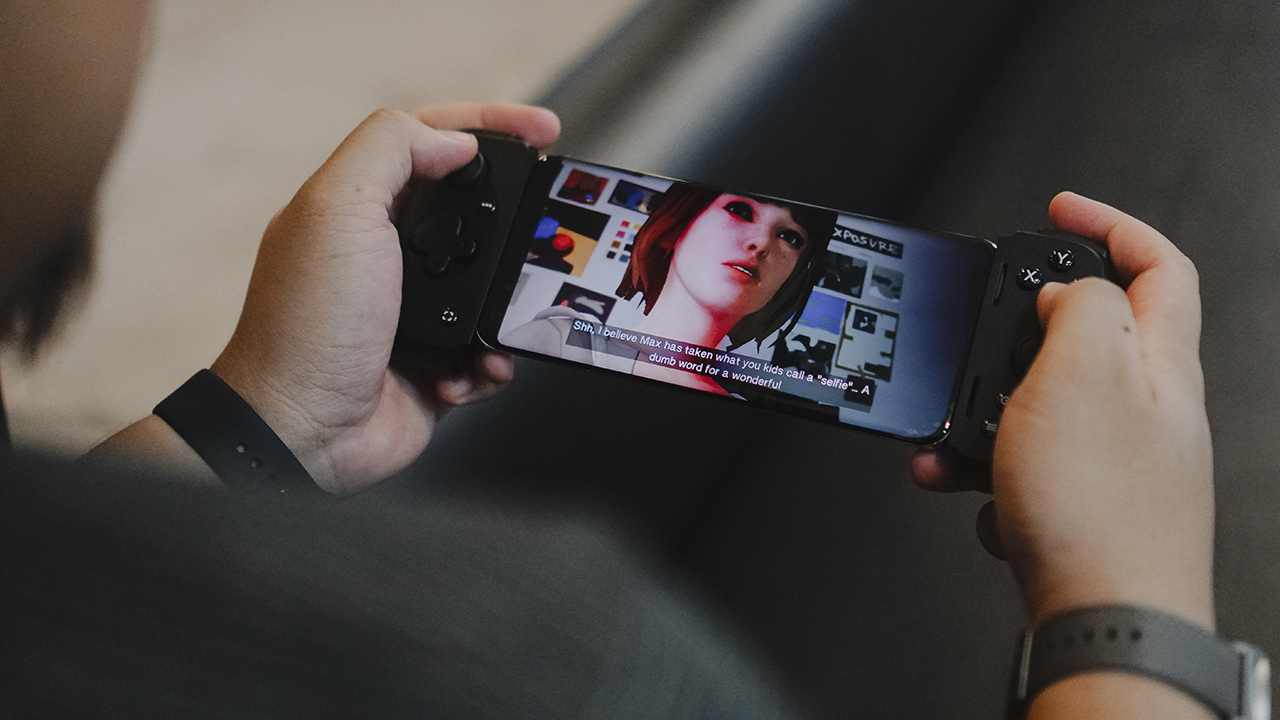
There were plenty of other suggested games that seemed like pretty good titles. The ones that piqued my interest were:
- Dead Cells
- Catalyst Black
- Leo’s Fortune
- Star Wars: Knights of the Republic
- Final Fantasy (all the mainline titles ported to mobile)
That’s a decent enough selection. But the thing is, none of these rank in some of the most played games on smartphones. Just off the top of my head, the titles that come to mind are Mobile Legends: Bang Bang, Call of Duty: Mobile, and Genshin Impact.
None of these titles have built-in controller support. You’ll have to use some button mapping app to make this work and that’s a process that may take about an hour, depending on your patience and the number of games you want to use it on. It’s seriously a hassle and I ultimately ended up not going through with it.
What’s it like playing?

Playing feels fantastic. I have always preferred gaming with physical buttons. This is, perhaps why, the only time I really play any mobile games is when I’m working on a smartphone review or reviewing an accessory like the Razer Kishi V2 (which doesn’t happen often).
The overall build quality is fantastic. I have had the chance to hold other, more obscure, controllers for smartphones and I just immediately felt the difference. The Razer Kishi V2 is lightweight without feeling fragile and cheap.
The face buttons feel almost just like the ones on bigger controllers meant for actual consoles. The same feels true for the joysticks and the directional pad.
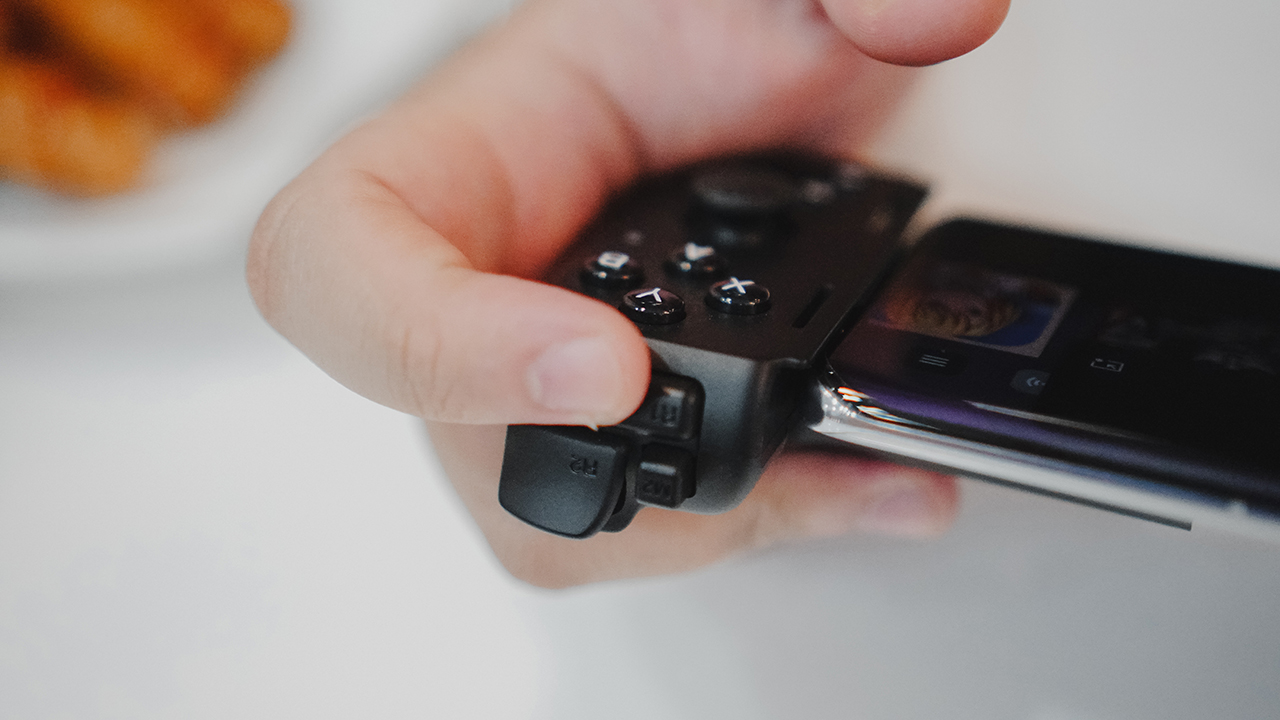
The triggers also feel great but I can’t say the same for the shoulder buttons. They’re not bad, but due to the size, they feel more squishy than crunchy. I personally would have preferred a crunchier feel. But that’s not to say that they are terrible. They’re fine, but maybe they could have been better.
Overall, it really does feel like you’re playing on a handheld console, especially if your phone has the power to run the supported games at max settings. In case you’re curious, I used the Honor Magic4 Pro, OPPO Find X3 Pro, and vivo T1x during this review.
Remote Play

What made things even more fun was using Steam Link. If you’re a PC gamer, this lets you stream, on low-latency, the games on your Steam Library to your smartphone.
With the Razer Kishi V2 attached, it almost feels like you’re playing on a Steam Deck. Of course, I’m just speculating since I’ve yet to try a Steam Deck.
The catch, of course, is that your PC and smartphone have to be connected in the same network. So, you can’t really go out and take your Steam Library with you, wherever. But the idea is that you’re able to play your Steam Library without being in front of your PC (laptop/desktop).
Is the Razer Kishi V2 your GadgetMatch?
A couple of lifetimes ago, I was getting ready for a job that required plenty of travel. At that point in my life, I didn’t have any gaming console whatsoever but knew that I needed some type of gaming to keep me sane.
At the time, all these mobile handheld devices weren’t a thing yet. Yes, not even the Nintendo Switch. I resorted to using a OnePlus phone and a much, much cheaper version of a mobile phone controller. Having something like the Razer Kishi V2 would have been a godsend.
Fast forward to 2022 and there is absolutely no shortage of options when it comes to mobile play. But if you don’t have the means to splurge on a Switch (or a Steam Deck which is still pretty scarce), this may be the next best thing. Especially if you already have a smartphone that can run some of the supported games.
There are a few things I wish it had. The Razer Nexus app feels bare. Other than the suggested games and remapping the M1, M2 buttons, I wish you had the option to map buttons for games that didn’t have automatic controller support.

However, if, like this writer, you absolutely must-have the satisfying feeling of pressing buttons when you play, the Razer Kishi V2 is a worthy pick-up. It’s well-built, feels great, and won’t take up too much space in your bag.
The Razer Kishi V2 is available now and retails for PhP 5,999 / SG$ 149 / US$ 99. Right now it’s only for Android smartphones. An iPhone version, one with a lightning port, is coming later in 2022.




Accessories
Razer sharpens its competitive edge with Viper V4 Pro and Gigantus V2 Pro
Ultra-light. Ultra-tuned.

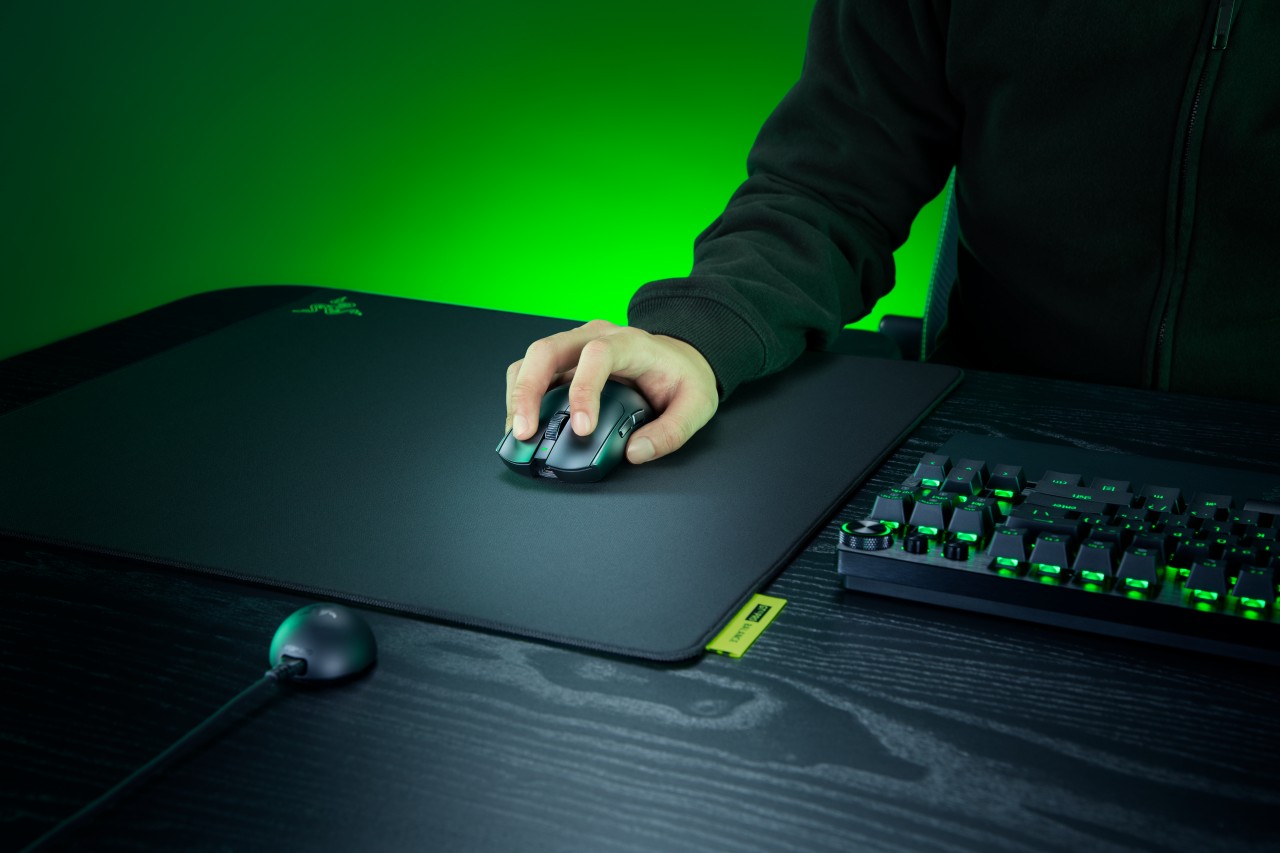
Razer expands its pro-grade lineup with a lightweight mouse and a highly customizable mouse mat built for different playstyles. The Razer Viper V4 Pro focuses on speed, precision, and responsiveness, while the Razer Gigantus V2 Pro brings tailored surface options that adapt to how players move.
Lighter, faster, and built for control
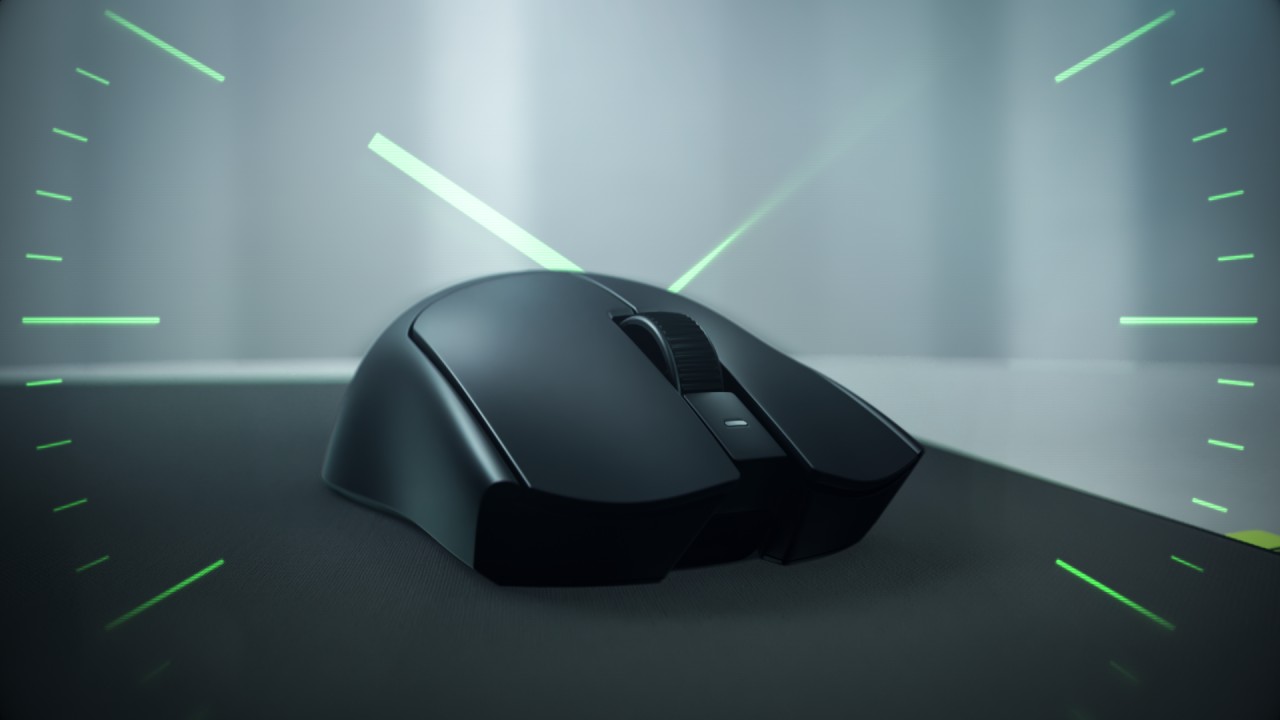
The Viper V4 Pro weighs approximately 49g in Black and 50g in White, making it around nine percent lighter than its predecessor. Razer achieves this through mechanical refinements like a thinner shell and a more compact PCB, without compromising durability. The structure still feels solid in hand, even with the aggressive weight reduction.
This balance matters in competitive play. A lighter mouse reduces fatigue and allows quicker adjustments, but stability keeps movements consistent. The Viper V4 Pro aims to deliver both.
Plug in, tweak, and play instantly
Razer also streamlines setup and tuning. The optimized hemispherical dongle maintains stable connectivity while providing quick status updates through LED indicators.
Players can adjust settings without installing software using Razer Synapse Web, enabling browser-based customization. Onboard controls allow quick DPI and polling rate changes mid-match, so adjustments happen without breaking focus.
A mouse mat that adapts to your play style
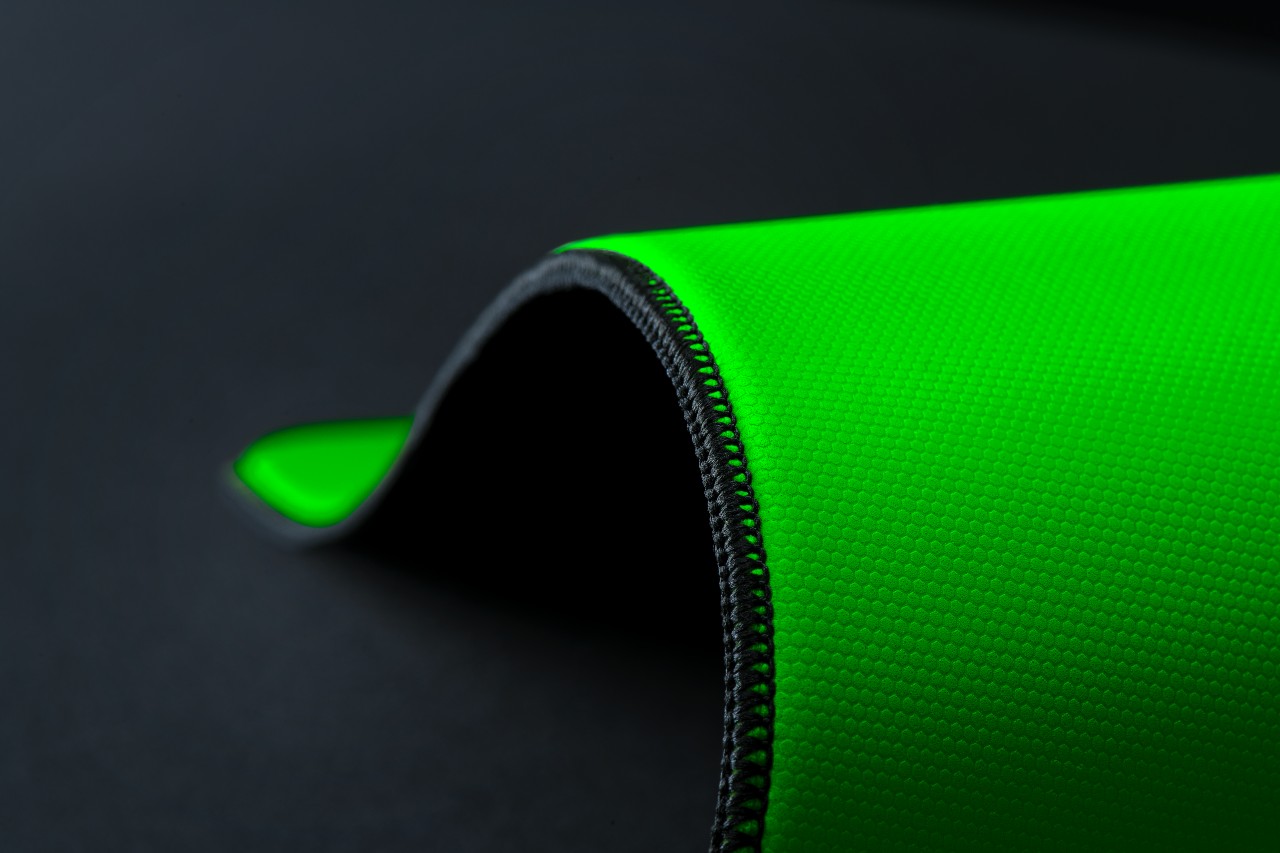
The Gigantus V2 Pro evolves Razer’s mouse mat lineup by introducing five distinct speed ratings paired with corresponding foam firmness. Instead of a one-size-fits-all surface, players can now choose based on how they aim and move.
Developed with esports pros like Nikola “NiKo” Kovač, Faker, and Zellsis, each variant reflects real competitive needs across different roles and playstyles.
The five surface options include:
- Max Control for ultra-high friction and precise flicks
- Control for consistent micro-adjustments
- Balance for a mix of speed and stopping power
- Speed for quicker swipes
- Max Speed for the fastest possible movements
Each surface is paired with Razer’s GlideCore foam, tuned to match the friction profile. Softer variants provide more stopping power, while firmer ones prioritize speed and responsiveness.
Built for consistency across every match
Razer ensures the Gigantus V2 Pro works seamlessly with modern optical sensors. Lab testing guarantees consistent tracking, whether for fine adjustments or wide flicks.
The mat is also designed for competitive environments. It features stitched edges to prevent fraying, an anti-slip base for stability, and a rollable build that makes it easy to bring to tournaments.
A complete competitive setup
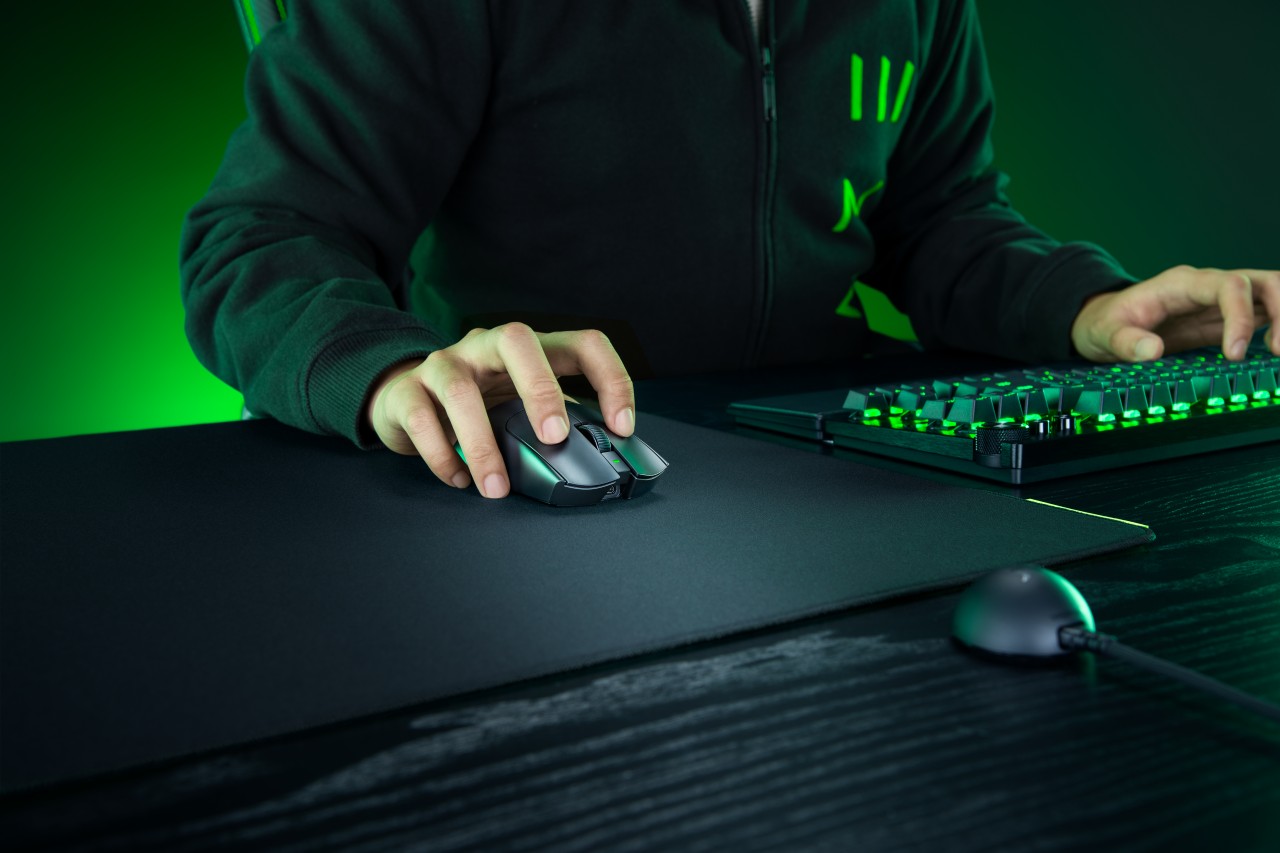
Together, the Viper V4 Pro and Gigantus V2 Pro form a cohesive setup that covers both input and surface. The mouse emphasizes low latency, precision tracking, and a shape validated by pros. The mouse mat complements it with clear, playstyle-based options.
Rather than focusing on a single standout feature, Razer builds a system. One that supports consistent performance, adapts to player preference, and helps turn practice into results when it matters most.
Accessories
Logitech G debuts PRO X2 SUPERSTRIKE with faster click tech
Faster clicks, deeper control
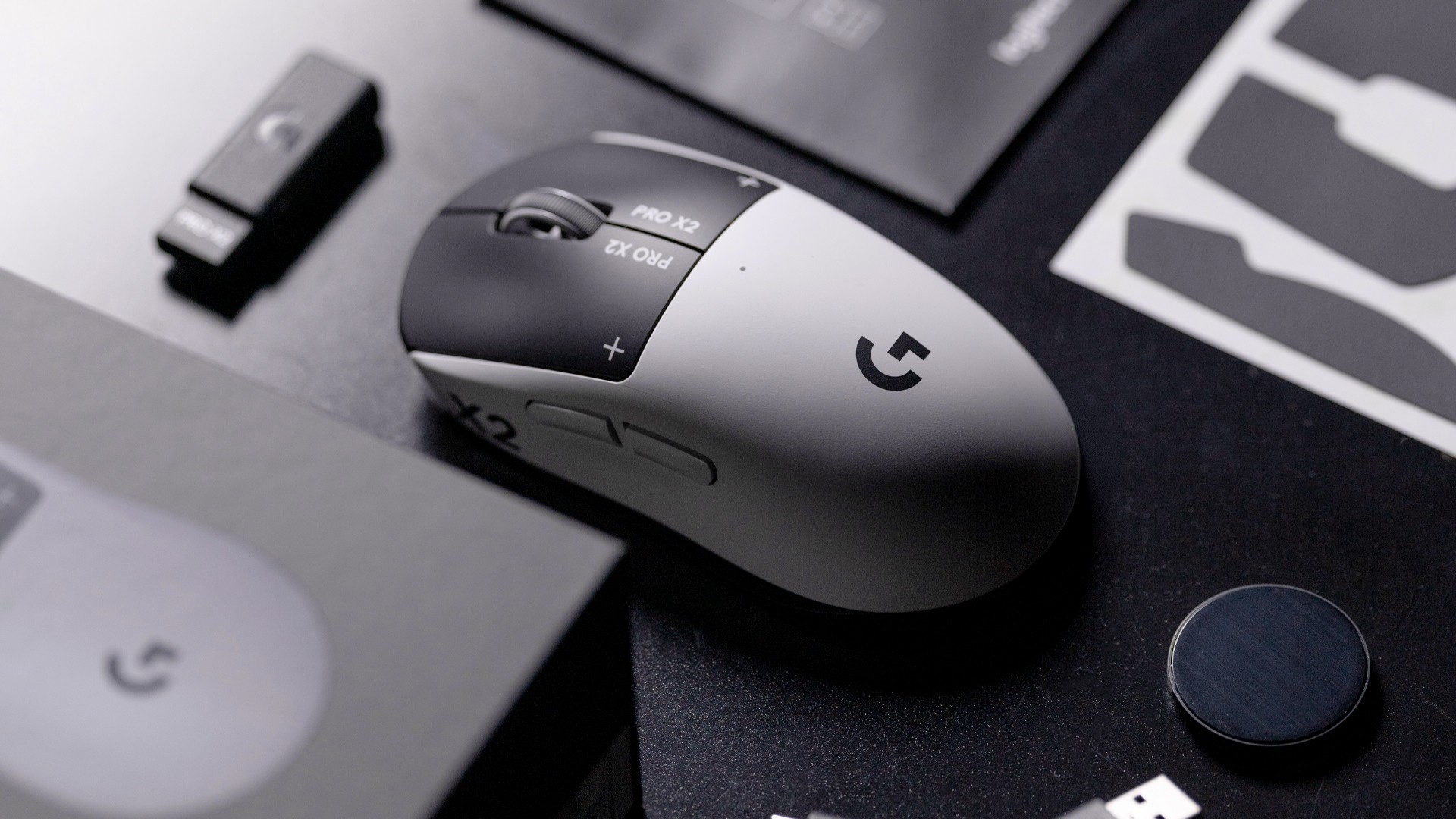
Logitech G is pushing competitive gaming performance further with the launch of the PRO X2 SUPERSTRIKE. It’s a next-generation wireless mouse built around a new click system designed for speed and control.
At the center of the PRO X2 is its patent-pending SUPERSTRIKE technology. It reduces the travel distance needed to register a click, cutting latency by up to 30 milliseconds based on internal testing. The result is faster inputs that can make a difference in high-stakes, split-second moments.
The mouse also introduces the Haptic Inductive Trigger System (HITS), replacing traditional mechanical microswitches. Instead of relying on physical contact, it delivers tactile feedback the moment a click signal is sent, helping players feel each input in real time.
Customizable clicks for competitive play
Developed with esports teams like G2 Esports, NAVI, and BLG, the PRO X2 SUPERSTRIKE focuses on precision and consistency. It supports 10 selectable actuation levels, allowing users to fine-tune how deep a click needs to be before it registers.
These adjustments can be made through Logitech G HUB, giving players the flexibility to match their setup to different games, roles, or playstyles without interrupting gameplay.
The mouse also uses Logitech’s LIGHTSPEED wireless technology with up to an 8kHz polling rate. This ensures fast and stable performance without the limitations of a wired connection.
Precision tracking and lightweight build
Powering the PRO X2 is Logitech’s HERO 2 sensor. It supports up to 44,000 DPI, 888 IPS tracking speed, and over 88G acceleration. Logitech says tracking remains free of smoothing, acceleration, or filtering, allowing for more consistent and direct input.
Despite its performance-focused internals, the mouse keeps a lightweight build at 61 grams. Logitech says this supports faster movements and reduces fatigue during long sessions.
Battery life is rated at up to 90 hours on a single charge, letting players stay in the game longer without interruptions.
Price and availability
The Logitech G PRO X2 SUPERSTRIKE is priced at PhP 11,945. It is available in the Philippines via Shopee and authorized Logitech retailers.
Accessories
Jackery SolarSaga series: Free power for small devices
Portable solar panels can charge small gadgets directly
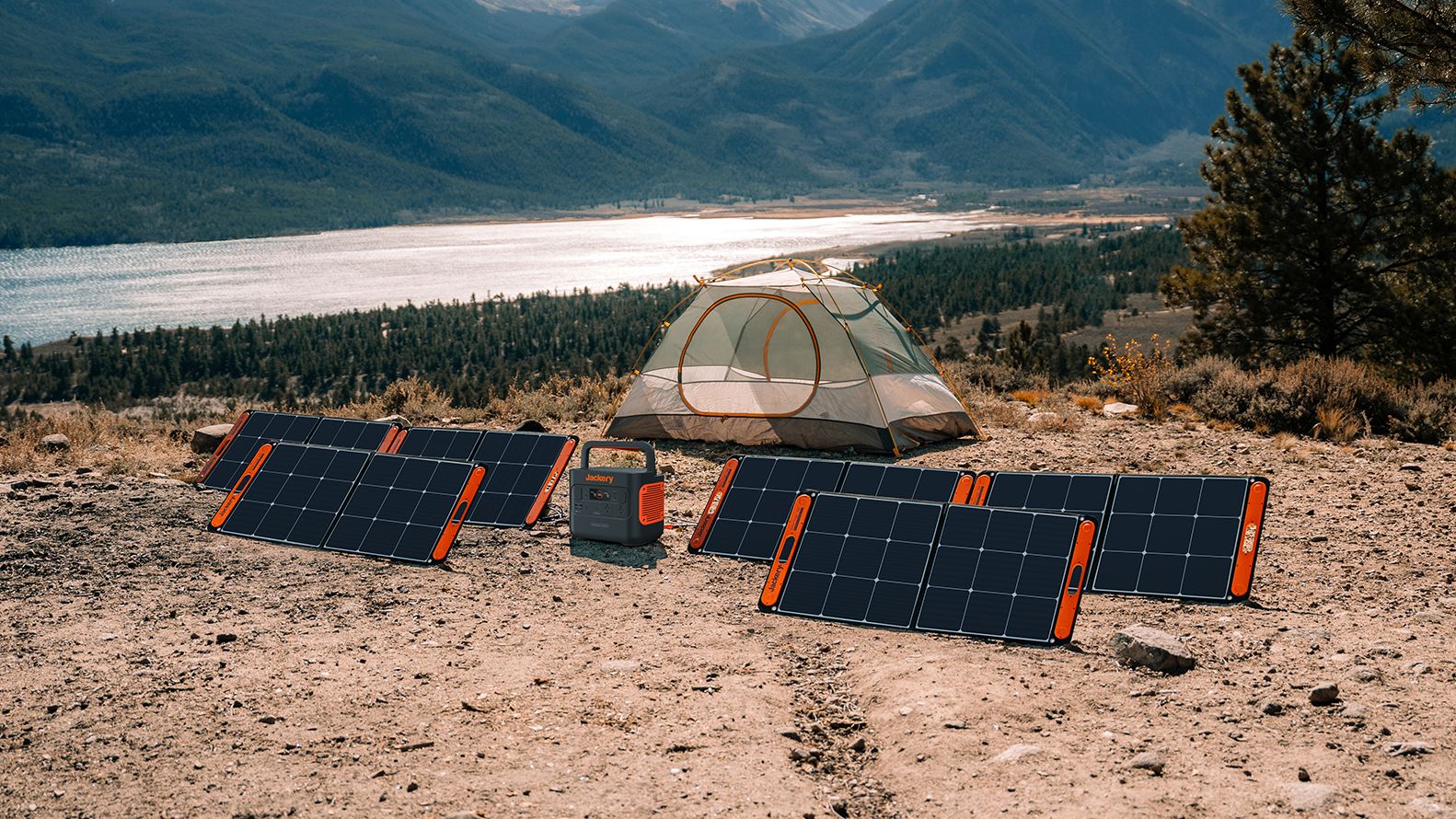
As fuel prices continue to surge as of late, one of the ways to make up for the additional expenses is to turn to alternative power sources. That’s including solar power.
And Jackery is here to help Philippine consumers, with the availability of their portable SolarSaga panels.
These solar panels are an alternative to traditional and permanently installed rooftop solar panels. They are engineered for modern and mobile life with portable, lightweight, and sleek designs. They are built primarily to be set up and put away easily, and charge small devices directly.
Simply put the Jackery SolarSaga panels where sunlight is available, and it will convert up to 25% of sunlight into usable energy.
To charge small gadgets like phones and portable fans, or even smartwatches, the SolarSaga panels come with a USB-C and USB-A port.
Another way is connecting the SolarSaga to Jackery’s Explorer power stations like the Explorer 300 Plus or 1000 Plus.
From there, users can power up devices, essentially for free. On its own, the Jackery SolarSaga panels are available in 100W and 200W variants.
The panels are also IP68 rated for water and dust resistance. This makes them usable outdoors when brought to adventures like camping, picnics, or beach trips.
The panels are already available through Jackery’s Lazada and Shopee platforms, as well as Techroom’s Lazada and Shopee accounts.


Galaxy Buds4 Pro review: I thought I was done with in-ears
This Buds4 you


WWE 2K26 lets you live out all the fantasy matches you could want
But you have to play for hours and hours to unlock everyone.

The HONOR X8d is serviceable
Steady but slow?

nubia Neo 5 series launches in the PH, starts below PhP 12K

Life is Strange: Reunion now available on consoles and PC

Why this AI-powered eye health exam is the only reading you need this season

DJI officially launches the Avata 360 with 8K immersive imaging

The Changan Eado Plus officially lands in the Philippines


-
 Reviews2 weeks ago
POCO X8 Pro Max review: A new beast from the far east
-

 News2 weeks ago
POCO X8 Pro Series: Price, availability in the Philippines
-

 Reviews2 weeks ago
POCO X8 Pro Iron Man Edition review: Midrange phone in superhero armor
-

 Automotive2 weeks ago
VinFast extends free unlimited charging in 3 markets amid rising fuel prices
-
Philippines1 week ago
The HONOR X8d is serviceable
-
 News2 weeks ago
POCO X8 Pro Series launches in Singapore with early bird prices
-
 News2 weeks ago
POCO introduces X8 Pro Series with Dimensity 9500s
-

 Gaming2 weeks ago
NVIDIA’s DLSS 5 can turn your favorite AAA game into AI slop