
News
realme 10: Price and availability in the Philippines
Staying true to the realme number series

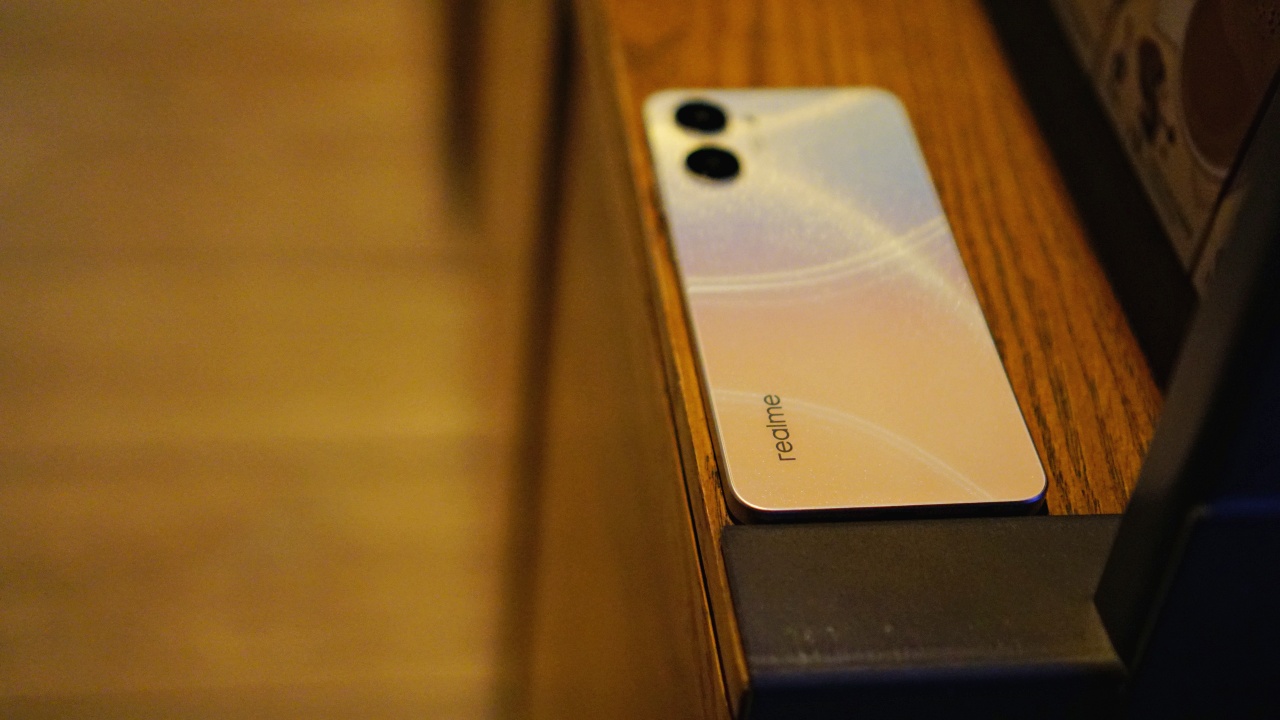
The latest in the realme number series has launched both globally and in the Philippines. The realme 10 is now official and is available at discounted prices at launch!
Price and availability
The realme 10 (8GB+128GB) variant will immediately be available on both Lazada and Shopee as well realme’s official stores and dealers nationwide, starting November 11 at an SRP of PhP 12,999!
The first-selling offer of PhP 10,999 (PhP 2,000 OFF) from Nov 11-13, on Lazada and Shopee and get an ADDITIONAL one year warranty.
As for the realme 10 (8GB+256GB) variant, it will retail for only PhP 14,999. Pre-order will start on November 26 to December 2, 2022! Every purchase will come with a FREE realme Cobble Bluetooth Speaker worth PhP 1,590!
The realme 10 (8GB+128GB) variant will also be selling at the realme Official TikTok Shop at an exclusive discounted price of PhP 1,000 OFF (PhP 11,999) with a FREE realme Cobble Bluetooth Speaker.
You can also avail it via Home-Credit or Credit Card for 0% interest at 6 or 9 months installment.
realme 10 specs
| Display | Screen Type: Super AMOLED
Size: 6.4″ Resolution: FHD+1080*2400 PPI: 409 Screen-to-Body Ratio: 90.80% Refresh Rate: 90Hz Touch Sampling Rate: 180Hz Brightness: 600 nits Glass Protection: Corning Gorilla Glass 5 |
| Audio | Speakers: 1
Audio Ports: 3.5mm Headset Jack Audio Certification: N/A |
| System | Operating System: realme UI 3.0, Android 12 Voice Assistant: Google AssistantProcessor: MediaTek Helio G99 Processor |
| Cameras | Rear: 50MP Color AI + 2MP Black & White Lens
Front: 16MP |
| Connectivity | WiFi: 2.4GHz, 5GHz
Bluetooth: Bluetooth 5.3 Frequency Bands: 2G / 3G / 4G |
| Dimensions | Dimensions (LxWxH): 159.9 mm x 73.3 mm x 7.95 mm
Weight: 178g |
| Battery Capacity | 5,000mAh |
| Power Supply | Charging Wattage: 33W SUPERVOOC Charge |
| RAM Memory GB | 8GB+128GB / 8GB+256GB |
SEE ALSO: realme 10 review: It’s a 10!






News
vivo opens pre-orders for V70 in PH; discounts, more await
Pre-order early for discounts and freebies
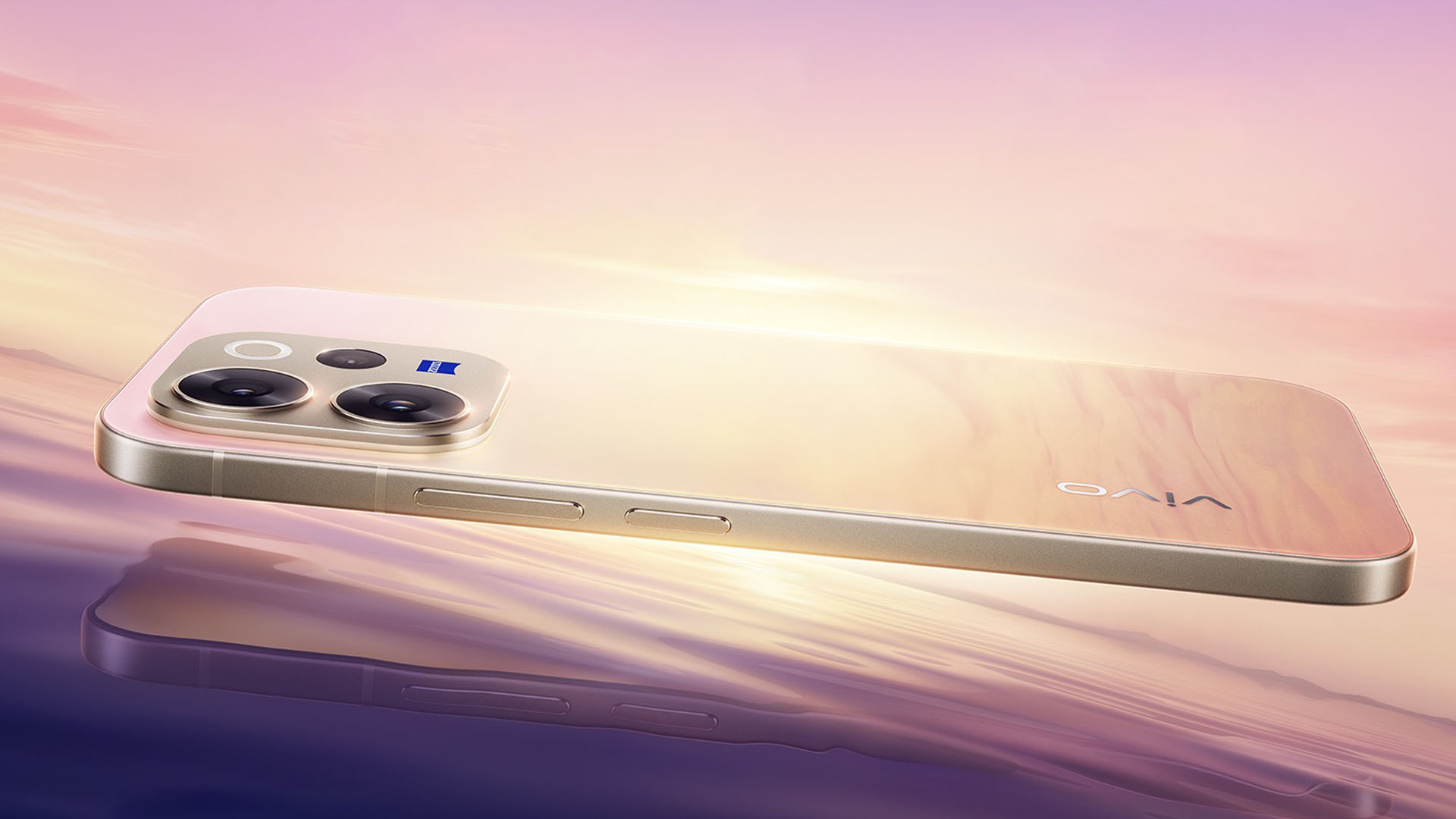
The vivo V70 is now available for pre-order in the Philippines, with discounts and more freebies awaiting customers until March 13.
The latest V series smartphone from the brand retails starting at PhP 31,999, available in Golden Hour and Alpine Gray colorways.
Customers who secure their unit early can enjoy a PhP 2,000 off discount, as well as limited-edition freebies.
Freebies include a vivo VIP Card with 6-month extended warranty and 6-month broken screen insurance. Customers will also take home a vivo Buds Air3.
Meanwhile, those availing through Home Credit can get an additional PhP 500 discount, available until April 30. Buyers can take home the V70 for as low as PhP 42 per day at 18 months 0% interest installment.
Bring the stage closer
The vivo V70 features helpful tools for travel, concerts, and other occasions, with its familiar 50MP ZEISS Super Telephoto Camera leading the way.
This telephoto camera has a pro-grade, 1/1.95-inch sensor and OIS for sharper shots in low-light and challenging conditions. Its advanced periscope design also allows for higher zoom levels without adding bulk.
The shooter is coupled with a 1/1.56-inch 50MP ZEISS main camera. There is also an 8MP ZEISS ultra-wide angle camera and a 50MP ZEISS Group Selfie Camera.
The vivo V70 also features AI Stage Mode, 4K 60fps video, and AI-powered editing tools for creative content and storytelling.
Particularly, the new AI Stage Mode is tuned for stage photography. Shots are enhanced by AI Image Portrait Enhancement Algorithm and AI Style Portrait Technology.
As with previous iterations of the V series, the latest handset is also equipped with ZEISS Multifocal Portrait, along with options like 85mm ZEISS Sonnar Style Bokeh or 100mm Close-Up Portrait in ZEISS Planar Style.
And for the first time in the V series, the phone introduces 4K 60fps video for cinematic and smooth captures.
MWC 2026
HONOR partners with ARRI to bring cinematic image science to smartphones
First debut on HONOR ROBOT PHONE

HONOR has announced a strategic technical collaboration with ARRI, a global leader in professional cinema camera technology.
The partnership aims to bring established cinematic imaging standards into the fast-growing world of mobile content creation. HONOR will combine its mobile imaging systems with ARRI’s century-long expertise in defining cinematic image quality.
HONOR CEO James Li said the company wants to inspire creativity through technology. He added that ARRI has shaped the visual language of cinema for generations. Through this collaboration, HONOR plans to integrate professional imaging standards and workflows into its smartphones.
ARRI also sees smartphones as serious creative tools. David Bermbach, Managing Director at ARRI, said consumer phones already appear in blockbuster productions around the world. He said the time has come to bring cinema and mobile imaging even closer together. For the first time, core elements of ARRI Image Science will be integrated directly into a consumer device.
A century of cinematic standards
ARRI has shaped filmmaking for more than 100 years. The company supported cinema from early film cameras to today’s advanced digital systems.
Its work earned 20 Scientific and Technical Awards from the Academy of Motion Picture Arts and Sciences. That legacy now serves as the foundation for this new mobile-focused effort.
At the center of the collaboration is ARRI’s Image Science. In cinema, image science forms the backbone of image creation. It governs how colors render, how highlights roll off, and how shadows retain detail. It also ensures consistency from capture to final screen.
HONOR will apply these principles to its mobile imaging architecture. The goal is not to replicate large cinema hardware inside a phone. Instead, the companies will translate core cinematic principles into compact, real-time mobile systems.
Dr. Benedikt von Lindeiner, ARRI Vice President overseeing the collaboration, said smartphones operate under different constraints. They use smaller sensors, integrated chipsets, and compact optical stacks. Despite these limits, ARRI aims to deliver natural color, gentle highlight transitions, and authentic depth on mobile devices.
He added that creators should move seamlessly from mobile capture into professional post-production workflows.
The first results of the collaboration will debut on the upcoming HONOR ROBOT PHONE later this year.
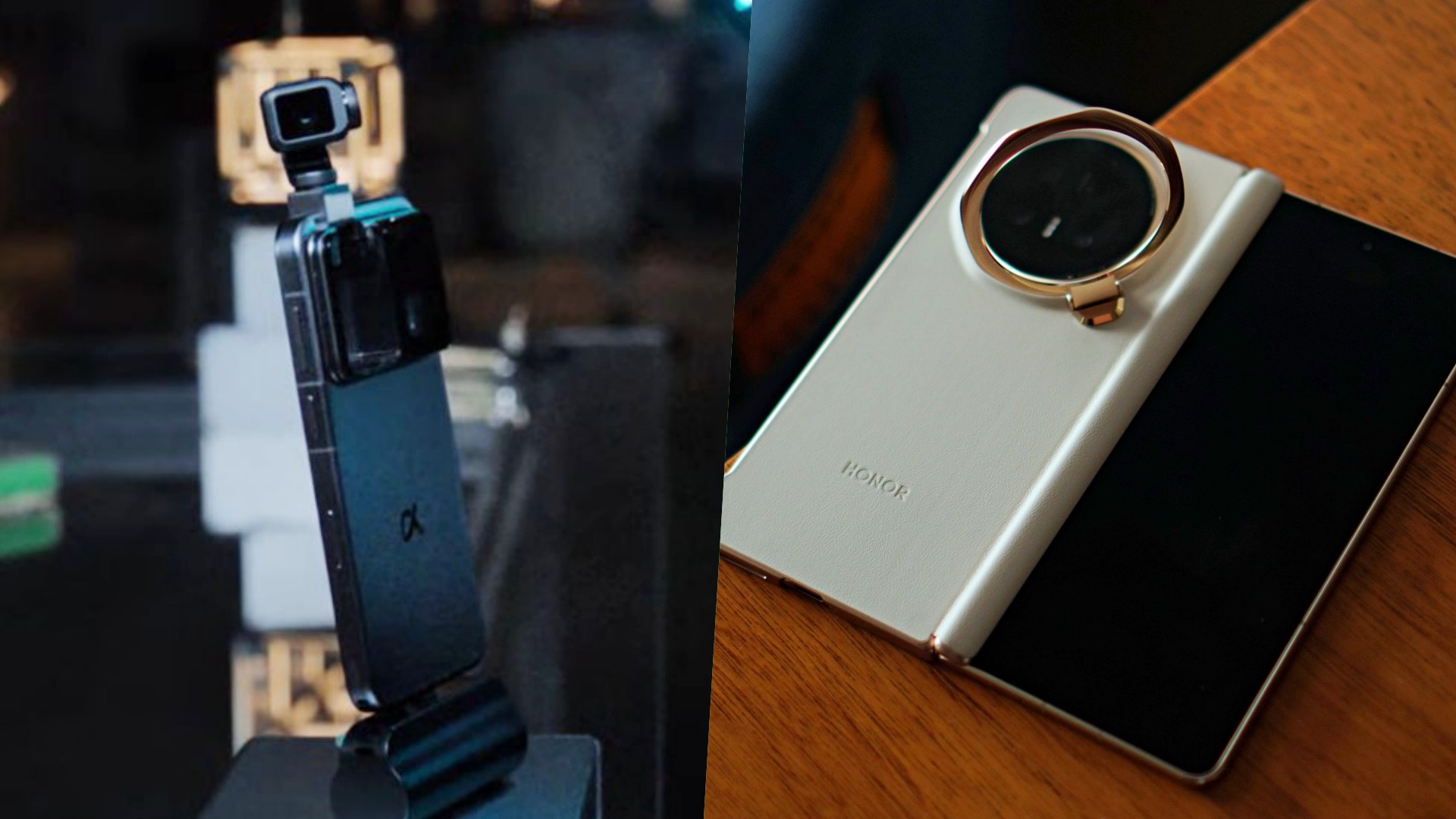
HONOR expanded its Augmented Human Intelligence (AHI) vision at MWC 2026. The company accelerated its ALPHA PLAN with new devices that blend AI, robotics, and flagship hardware.
Headlining the showcase was a preview of the HONOR Robot Phone. It was launched alongside the HONOR Magic V6 foldable, MagicPad 4 tablet, and MagicBook Pro 14 laptop. The company also introduced its first humanoid robot, signaling a broader push into embodied AI and consumer robotics.
James Li, CEO of HONOR, said the company is advancing AI through three connected pillars: Alpha Phone, Alpha Store, and Alpha Lab. These combine IQ-driven intelligence, EQ-focused interaction, and next-generation silicon-carbon innovation.
Robot Phone explores embodied intelligence
HONOR’s Robot Phone is positioned as a “new species” of smartphone, designed to move beyond static screens and voice commands. It integrates robot-grade motion control with AI-powered imaging and multimodal perception.
The device features a self-developed micro motor and an ultra-compact 4DoF gimbal system, enabling embodied AI interaction. It supports all-angle AI video calling that physically follows users. It responds with expressive gestures such as nodding and head movements, and can even “dance” to music.
The Robot Phone aims to deliver more cinematic, professional-style storytelling in a handheld device. It has a 200MP sensor sits at the core of its stabilized gimbal camera system. The unique device also comes with three-axis stabilization, Super Steady Video mode, and AI Object Tracking. There’s even AI SpinShot for 90° and 180° rotations.
HONOR said the concept demonstrates how embodied intelligence could redefine smartphone interaction in the AI era.
Magic V6 sets new foldable benchmark
While Robot Phone previews the future, the HONOR Magic V6 represents the company’s current flagship foldable innovation.
The device features reinforced structural integrity. It measures 8.75mm when folded and has IP68 and IP69 water and dust resistance ratings. The foldable also features an advanced hinge architecture.
It integrates fifth-generation silicon-carbon battery technology developed in partnership with ATL. It achieves 25% silicon content and houses a 6,660mAh battery in an ultra-thin form factor.
HONOR also showcased its next-generation Silicon-carbon Blade Battery technology. It features 32% silicon content and 900+ Wh/L energy density, designed to push foldables toward the 7,000mAh era.
Magic V6 sports dual LTPO 2.0 displays — a 6.52-inch outer screen and a 7.95-inch inner display. They come with adaptive 1–120Hz refresh rates and peak brightness of up to 6,000 nits and 5,000 nits respectively for HDR content.
The inner panel uses ultra-thin flexible glass with SGS Minimized Crease Certification and a 44% reduction in crease depth versus its predecessor.
Powered by the Snapdragon 8 Elite Gen 5 platform with advanced vapor chamber cooling, Magic V6 is positioned as an AI-era foldable built for gaming, multitasking, and productivity.
Expanding the AI ecosystem
Beyond smartphones, HONOR introduced MagicPad 4 and MagicBook Pro 14 to extend its AI-powered ecosystem.
MagicPad 4 features a 12.3-inch 3K OLED display with a 165Hz refresh rate in a 4.8mm ultra-slim body, powered by the Snapdragon 8 Gen 5 mobile platform. It supports AI-enhanced multitasking and cross-device collaboration, including compatibility with Apple’s ecosystem.
MagicBook Pro 14, driven by Intel Core Ultra Series 3 processors, combines a 14.6-inch OLED display with intelligent performance management and long battery life in a lightweight chassis.
HONOR Magic V6 will roll out in select markets in the second half of the year, with regional pricing and availability details to be announced locally.







vivo opens pre-orders for V70 in PH; discounts, more await

HONOR unveils Robot Phone concept at MWC 2026

HONOR partners with ARRI to bring cinematic image science to smartphones

HONOR pushes embodied AI vision at MWC 2026

HONOR MagicPad4 unveiled with 3nm Snapdragon 8 Gen 5


-
 News2 days ago
Xiaomi 17 Ultra is now available outside China
-

 Camera Walkthrough1 week ago
OPPO Reno15 Pro: Camera Review
-
 First Look2 weeks ago
Match Pulse: Infinix NOTE 60 Pro
-

 Cameras2 weeks ago
Osmo Pocket 4 makes a surprising appearance in public
-

 Gaming2 weeks ago
LG unveils UltraGear evo, redefines 5K gaming with AI Upscaling
-

 News2 weeks ago
iPhone 17 Pro Max is somehow the most traded-in phone today
-

 News1 week ago
HUAWEI launches Mate X7, MatePad 11.5 S 2026, FreeClip 2
-

 Gaming2 weeks ago
PlayStation 6 reportedly delayed to 2029 because of RAM shortage