
Smart Home
3 reasons why your smart home needs the Huawei WiFi AX3
It’s a beautiful, essential piece for any smart home

Before anything, hear me out: I’m no technophile. I don’t spend days munching specs and tinkering the internals of whatever device I’m working on. I’m simply living the typical, modern life — using technology to make my life easier.
For the past few weeks, I’ve been just vibing, realizing how we’ve been reliant on the Internet for our daily lives. Whether it’s for work, hobbies, or just for connecting with people — we all need a stable connection. And that’s the struggle we have. If you’re living in the Philippines, you know how we deal with slow speed, lags, and constant disconnections.
5G is everywhere, telcos are upgrading their systems and connection, so why do we still experience crappy Internet? It must be your router.
Manifesting fast, stable Internet connection
If you believe in the law of attraction or just the power of manifestation, what are the chances of you doing it for your Internet connection? As for me, I did it more than once, and recently the universe answered my call. The Huawei WiFi AX3 arrived in my home, crossing off everything my router wishlist.
And this checklist? It’s pretty much the same reason what every young adult has been wishing to have as routers for their home.
Reason #1: It’s well-designed that it won’t ruin your home’s interior design
There’s something about routers that’s off-putting. Their designs scream “router”, with lights blinking on their hideous structure. They ruin your place with their horrendous forms, so you end up hiding them somewhere you can’t see. Until it stops working and now you have to take them out and end up making a mess. What a nightmare, right?

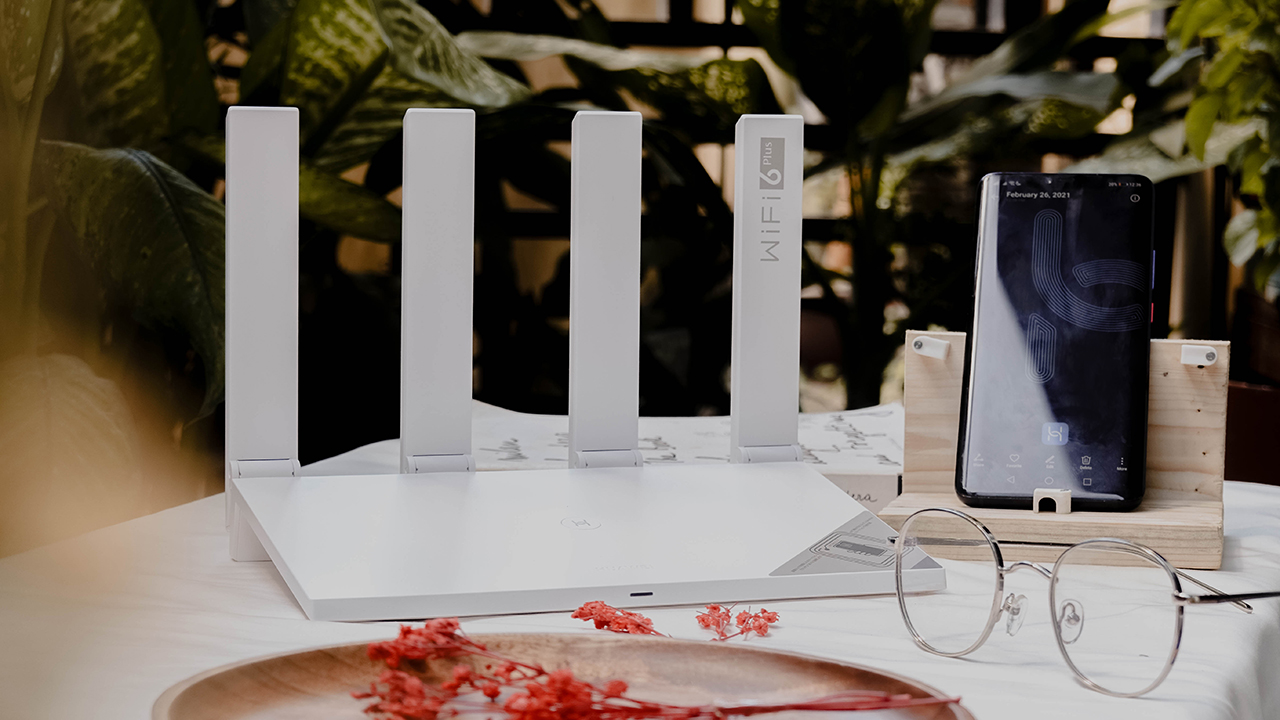
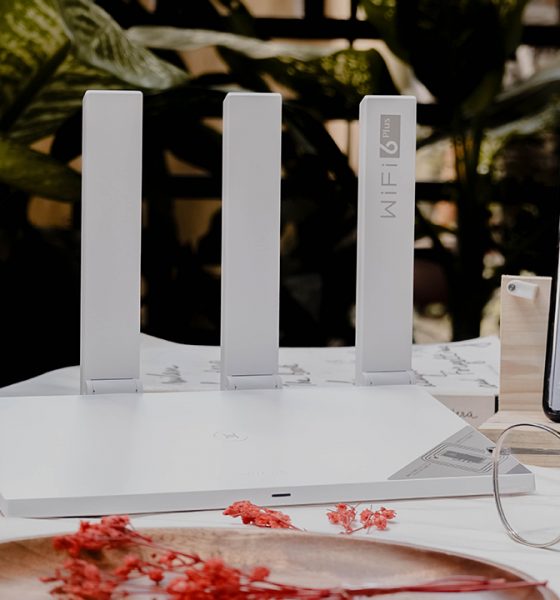
When the Huawei WiFi AX3 arrived, I was ecstatic. It looks clean, and its white colorway matches any kind of interior. That’s the thing with white — it’s simple and classic that it can blend with anything, unlike some stuff that comes in black and sparkling RGB lighting.
Reason #2: It’s not intimidating to use
Routers, for the not-so-tech-savvy, can be quite intimidating. On top of our responsibilities, we’re supposed to tinker with modems, routers, and configure them using our laptops/PCs? That’s not for me — and for people who are busy with life’s demands.
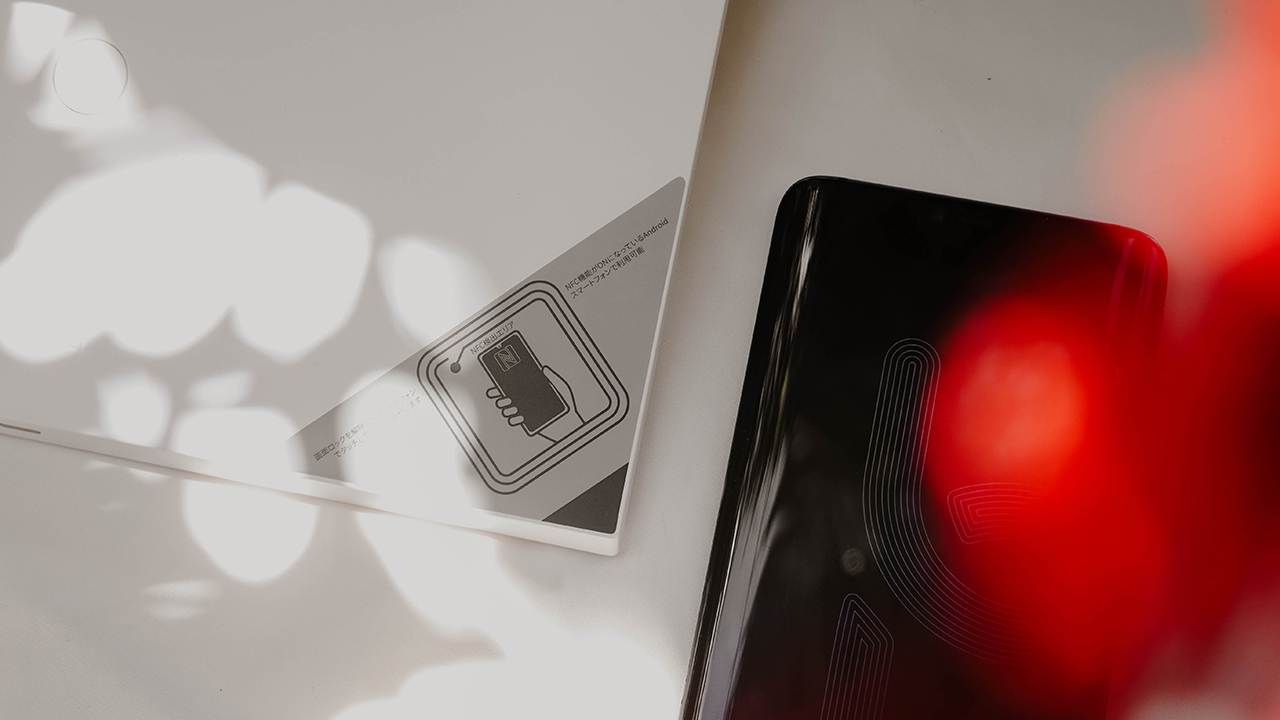
But the Huawei WiFi AX3 made it easier, at least for someone like me who doesn’t have the time to spare to configure my connections. Setting it up doesn’t take an hour, thanks to Huawei’s smart home app called AI Life. With this app, you can manage and monitor your router, network, and security of your WiFi connection, all on your smartphone. This is in line with Huawei’s 1+8+N strategy, using smartphones as the central unit to keeping you and your smart devices — laptops, wearables, and appliances — connected.
More importantly, you can tap NFC-enabled phones to connect to the Wi-Fi, which makes it simpler for friends and guests coming over. No need to hand out your complicated password, therefore, keeping it safe and secure.
Reason #3: It’s powerful and reliable
Above all, a router must be powerful and reliable. Gone are the days where we have to smash our routers out of frustration when we get disconnected or experience lags and slow connection speed. The Huawei WiFi AX3 capitalizes on the newest Wi-Fi technology — the Wi-Fi 6.

Most devices released from 2020 started using WiFi 6, but only a few routers can utilize the technology. And most of them come with an expensive price tag. This router is incredibly cheap yet maintains (if not strengthens) your Internet connection. You can connect multiple devices simultaneously without feeling like your Internet’s slowing down.
Furthermore, the Huawei WiFi AX3 is so versatile, it can act as your mother router when you’re using a mesh network at home, or even as an extender or repeaters. It’s truly a nice addition to your budding smart home.
Is this your GadgetMatch?
There are probably more compelling reasons to factor in whether the Huawei WiFi AX3 is your GadgetMatch or not. But for the price it commands, it’s certainly an essential addition to your smart home since it capitalizes on the latest WiFi technology while allowing you to connect all your devices seamlessly.
It’s available for pre-order for only PhP 3,999 with a free Huawei Band 4 worth PhP 1,890, exclusively on the Huawei Store. It comes with a one-year warranty coverage with a 7-day replacement time on defects caused by unintended physical or internal damages following Huawei’s official validation process within the warranty period.




Editors' Choice
GadgetMatch Awards: Best of IFA 2026
Xiaomi 18 Fold, Govee, XGIMI, ARZOPA, Cuktech and more!


We’re back at IFA 2026 in Berlin, checking out some of the coolest and most interesting tech on the show floor.
From smart home lighting and portable displays to projectors, power solutions, foldables, and more, these are some of the products and brands that caught our attention this year.
In this video, we take a look at:
- AI Lighting https://bit.ly/4xmY342
- Z3FC Portable Monitor https://bit.ly/4gRk7wD
- D14 Digital Photo Frame https://bit.ly/4qYlRJ6
- 30 Ultra Desktop Charging Station https://s.whaee.com/tXBornw
- 10 Ultra Charger https://s.whaee.com/UsWT4U2
** Use code CUKTECH09, valid until September 30
XGIMI
ASUS x NVIDIA RTX SPARK
- ProArt P16: https://asus.click/h7607_gm
- ProArt P14: https://asus.click/h7407_gm
- ProArt GR1X
Watch until the end for our favorite finds from IFA 2026!
IFA 2026
LG’s AI Home vision comes to life at IFA 2026 with innovative showcase
For a smarter, more connected experience
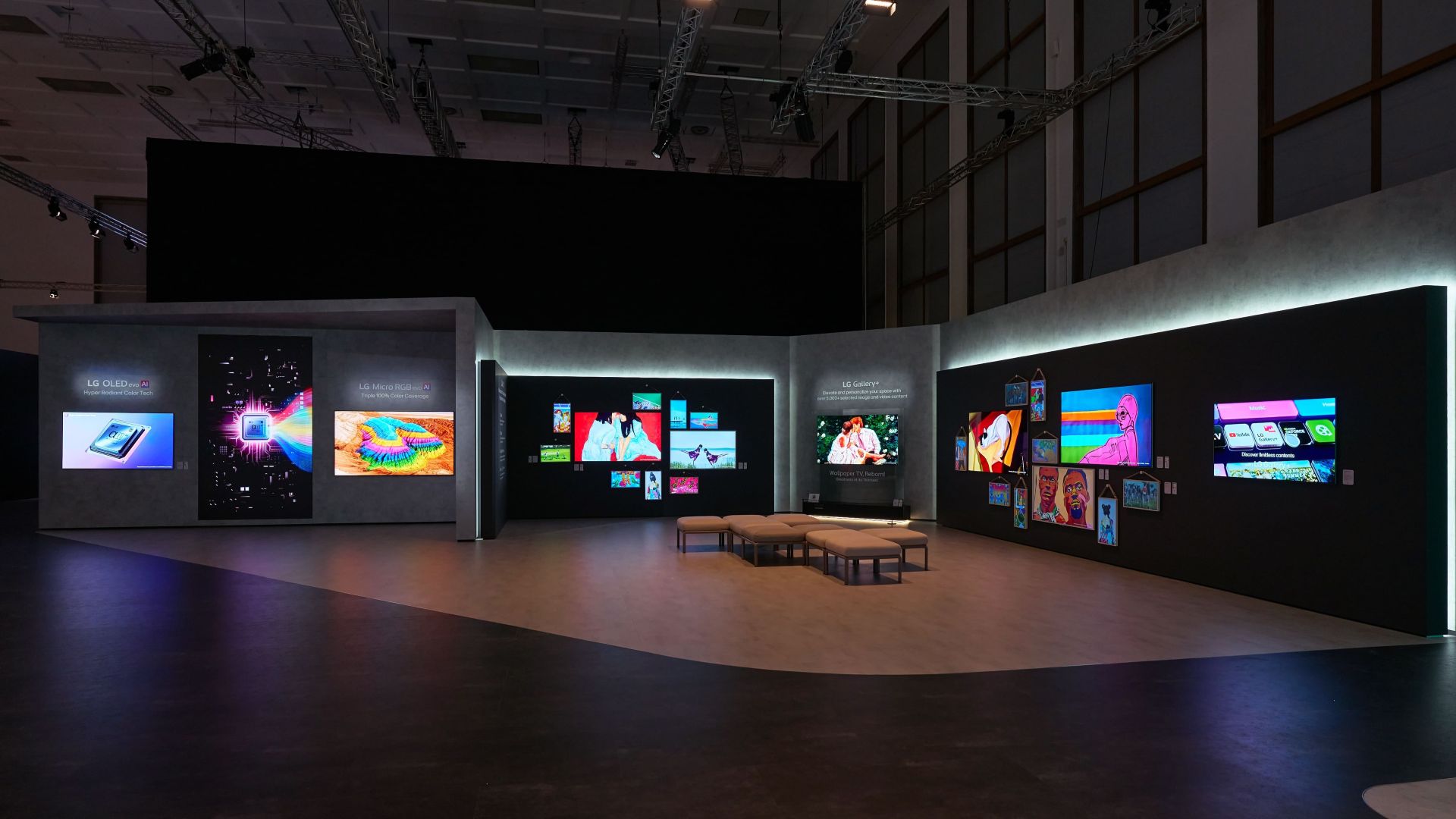
LG Electronics went all-out at IFA 2026, showcasing various offerings across different portfolios to highlight its AI Home vision of a smarter and more connected experience.
LG presented the next evolution of this AI Home vision, with focus on bringing together AI-powered appliances for a connected experience.
Visitors at IFA 2026 were able to explore LG’s immersive AI Home spaces, spanning living, kitchen, and rest zones.
For its 2026 LG AI TV lineup, the company highlighted its new α11 AI Processor Gen3, the most powerful AI TV engine yet.
This drives LG’s refined picture quality-enhancing technologies. This processor brings advanced picture quality enhancements to LG’s ultra-large Micro RGB evo TVs.

The processor features faster, more precise video processing with a 5.6-fold improvement in NPU performance, plus improvements in CPU and GPU capabilities.
The 2026 AI TV lineup also incorporates a number of user-centric AI features, including Voice ID, A Chatbot, and AI Concierge.
Immersive media entertainment offerings featured the LG OLED evo AI. But at the center of the Media Entertainment Zone is the Wallpaper OLED TV with True Wireless called the LG OLED W6.
LG is also expanding its gaming monitor offerings with the world’s first UltraGear monitor supporting both FHD resolution and a 1,000Hz refresh rate.
AI Home vision
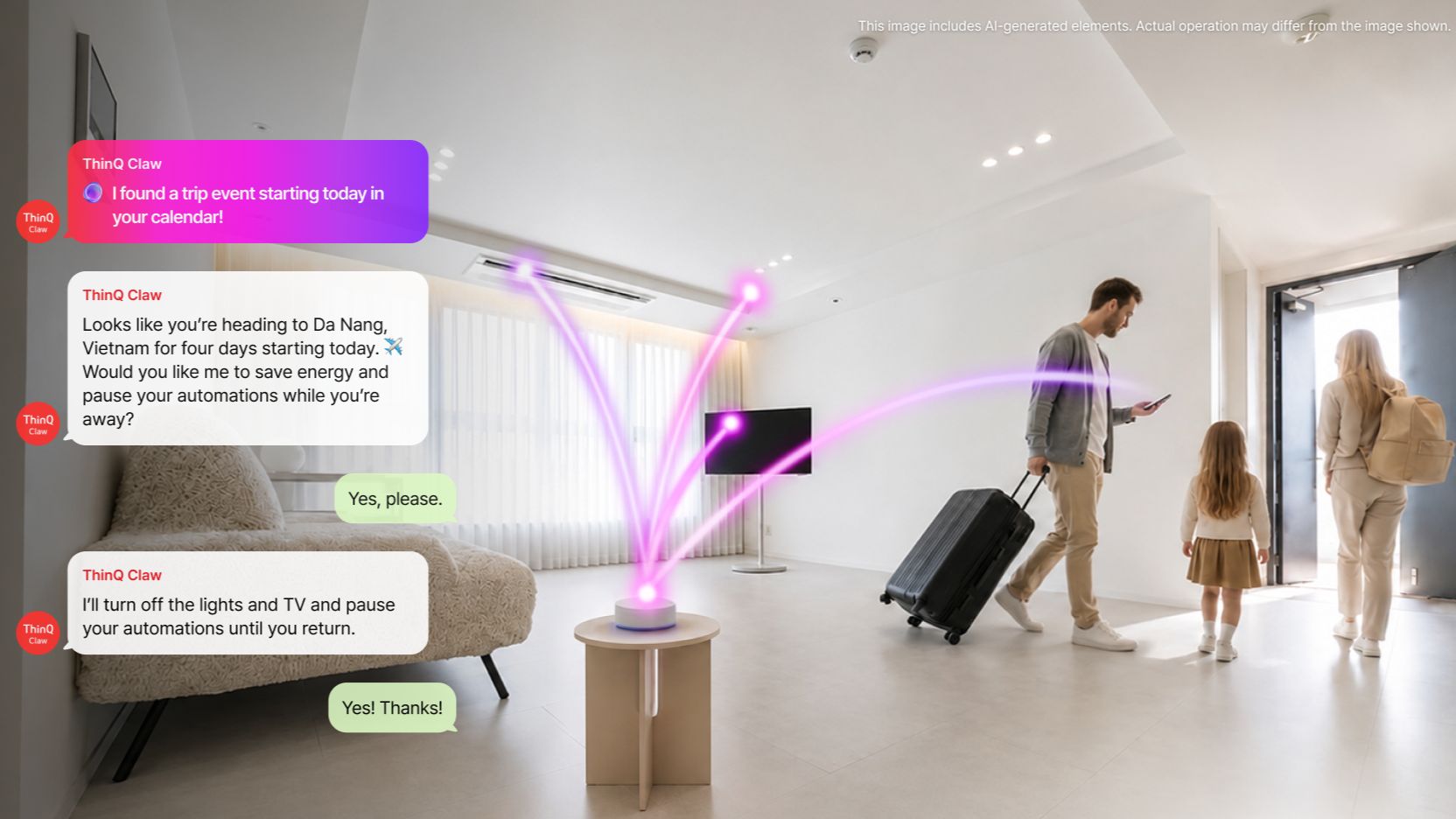
At the heart of the AI Home vision is the newly-introduced ThinQ Claw. This new text chat-based AI agent experience further enriches and expands the company’s AI Home offering.
ThinQ Claw interprets updates shared by the user within the context of their personal life. This enables the agent to recommend or help initiate appropriate actions aligned with personal preferences.
All interactions are protected by the LG Shield security framework which helps protect connected appliances, services, and customer data.
Moreover, the AI Home Zone highlighted Homey, a smart home platform developed by Athom, which LG acquired in 2024.
Homey allows users to manage diverse products from different manufacturers and service providers in one place.
Innovation in tune with you
Speaking of AI Home, LG showcased actual offerings to help visitors visualize the connected ecosystem better.
At the booth entrance is the LG AI Orchestra which unfolds a 16-meter by 4-meter kinetic LED installation, where LG CLOiD serves as conductor of a connected ecosystem.
In the AI Home Zone, there’s the LG ThinQ ON AI home hub and LG ThinQ platform, alongside the expanded Fit & Max Solution.

The Energy Leadership Zone also put the spotlight on LG’s high-efficiency core technologies for its appliances.
There’s the Dual Inverter Heat Pump and inverter compressor solutions. The exhibit included a washing machine that uses up to 70% less energy.
High-efficiency refrigerators, dryers, and dishwashers designed to deliver strong performance while using fewer energy resources were also displayed.
LG SIGNATURE, Fit & Max lines
At LG’s more premium experience area, the LG SIGNATURE refrigerator was the center of attention.
This refrigerator brings LLM-based conversational AI to premium kitchens, offering a look at the expanding role of AI appliances as part of LG’s AI Home vision.
A 6.8-inch LCD display also supports LG’s AI-powered cooling management.
Another next-generation LG SIGNATURE offering is the Downdraft Hood kitchen hood, which captures smoke and odors directly at the cooking surface.
Optimized airflow and motor control then support effective extraction with quiet operation.

Other refrigerators include the LG Fit & Max French-door refrigerator with a Zero Clearance design.
This features Dual FRESHConverter+ for optimized food preservation, with independently controlled compartments that can be set to different preset temperature modes.
Also under the Fit & Max portfolio is the Fit & Max dishwasher which combines a seamless built-in design with a 1-Hour Wash & Dry cycle for efficient everyday use.
It uses QuadWash Pro for micro-bubbles to help detergent penetrate food residue. Hybrid Air Dry, meanwhile, improves air circulation to shorten drying time.
IFA 2026
Xiaomi makes IFA debut, showcasing ‘Human x Car x Home’ ecosystem
Xiaomi continues to invest in AI for everyday experiences

Xiaomi officially made its debut at IFA 2026 in Berlin, Germany with over 3,300 square meters of exhibition space.
The company brought together more than 380 products, forward-looking technologies, and real-world demonstrations.
The exhibition was organized around three major areas: AI Tomorrow, AI Today, and “Human x Car x Home”. Together, these areas took visitors from future-facing concepts to intelligent experiences that are readily available.
The entire showcase also demonstrates how AI can coordinate devices and services across different environments to create more intuitive everyday life experiences.
AI Tomorrow, for instance, explores the future of intelligent mobility through Xiaomi Vision Gran Turismo. This highlighted new possibilities at the intersection of automotive design, performance technology, and digital experiences.
AI Today, meanwhile, showcased the Xiaomi SU7 Max and home environments. These included the kitchen, living room, bedroom, and study areas. The section demonstrated how AI can coordinate personal devices, cars, and smart home products around everyday scenarios.
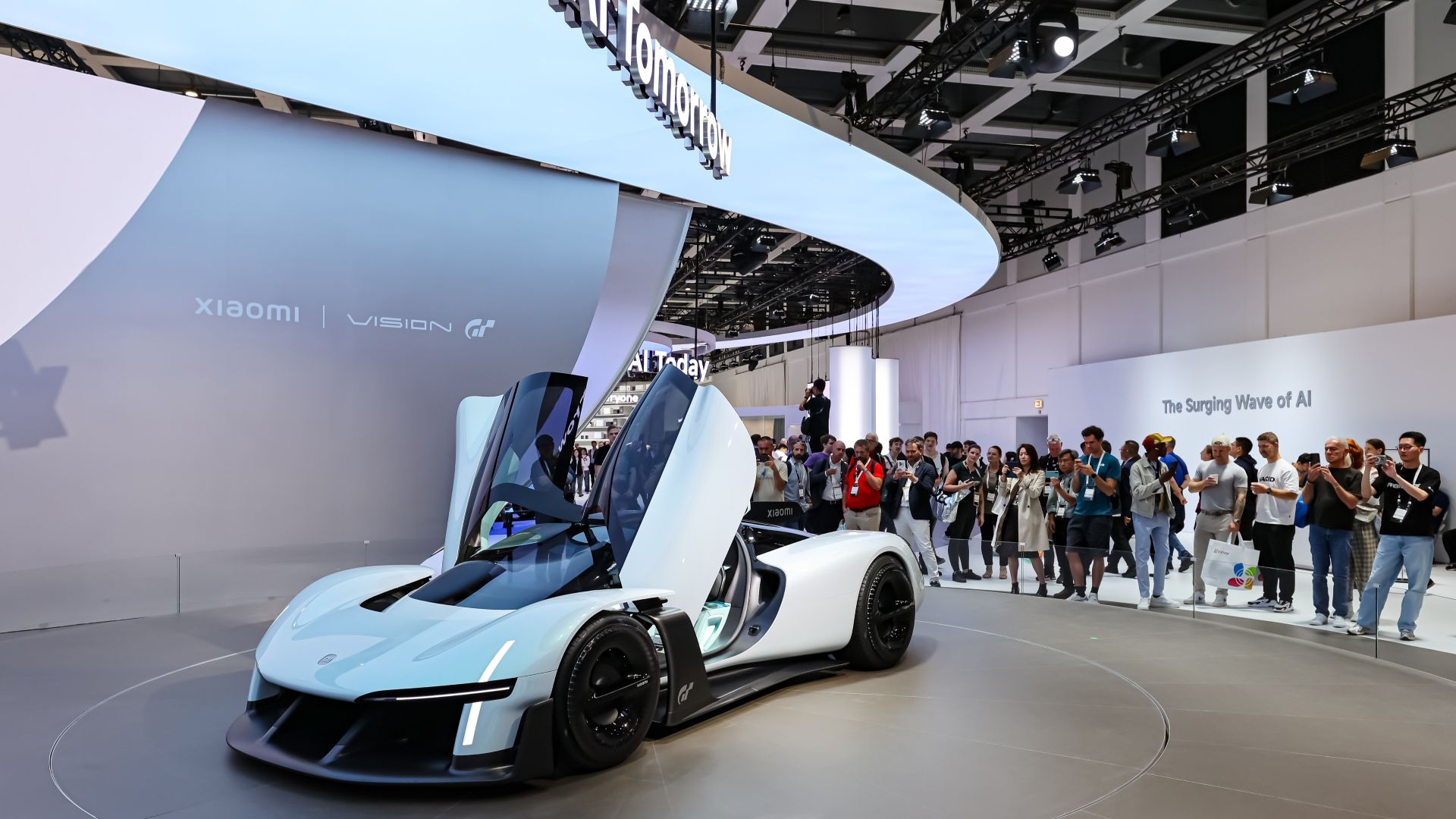
Moreover, Xiaomi’s “Human x Car x Home” portfolio brings together more than 380 products across seven categories:
- cooking and food storage
- home cleaning
- air management
- audiovisual entertainment
- safety and security
- personal devices
- smart mobility
The smart ecosystem is a user-centered intelligent ecosystem that connects such products. They use AI and Xiaomi HyperOS to enable devices and services to work together across the entire ecosystem.
Mijia expands in Europe
At IFA 2026, Xiaomi also announced the large-scale expansion of its smart home brand, Mijia, in Europe.
The brand brings together human-centric intelligence, proven quality, and essential design to create smart home experiences that feel more natural, intuitive, and dependable.
Mijia currently covers over 2,000 products across more than 130 product categories, all connected through a shared ecosystem.
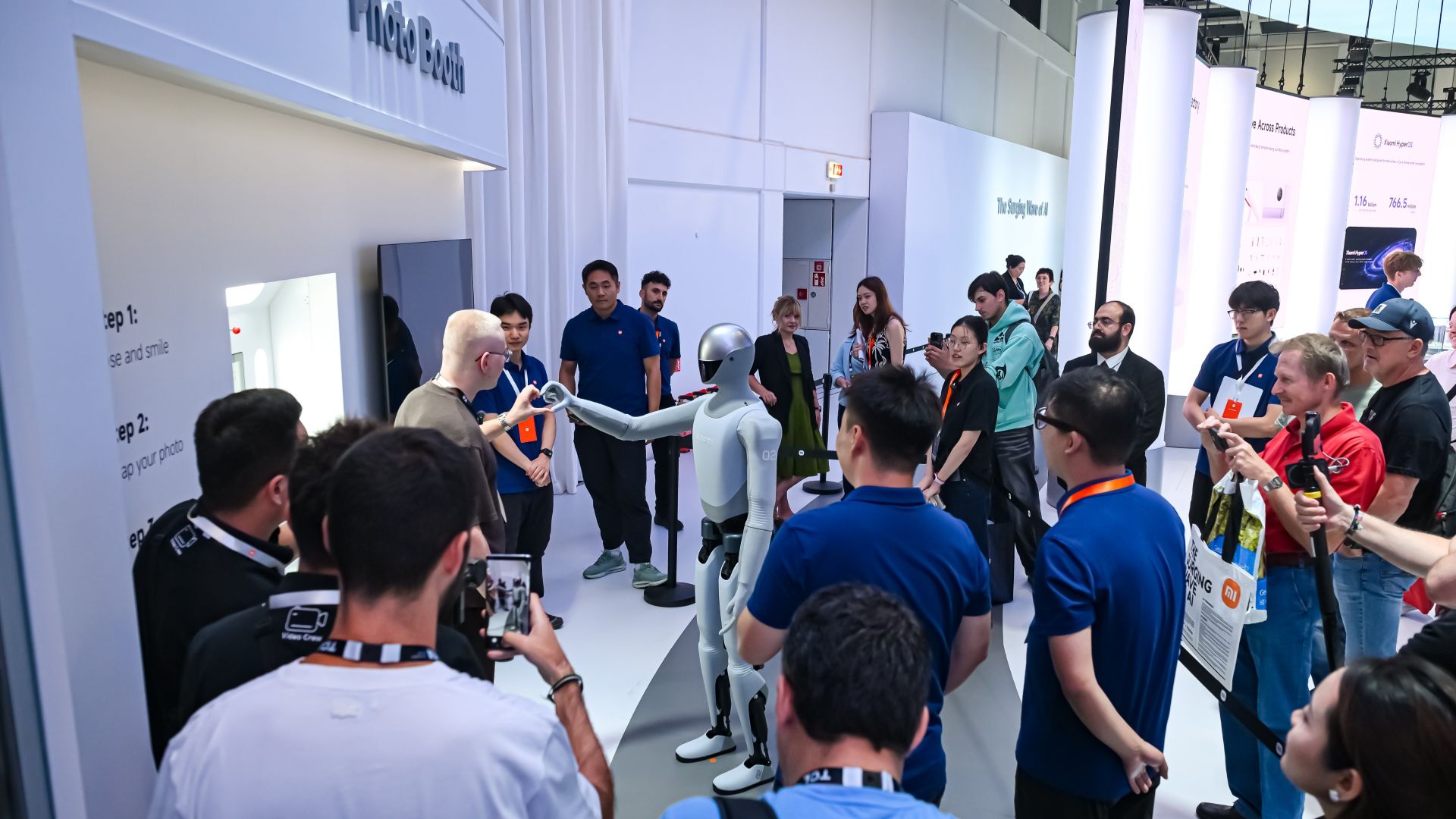
Advancing AI, investing in long-term R&D
As AI continues to evolve, Xiaomi believes AI should go beyond just answering questions on the screen and understand real-world context better.
The aforementioned ecosystem provides an important foundation for this transition. By connecting multiple devices around the same user, the ecosystem provides a foundation for AI to understand context across different scenarios and coordinate multiple devices to complete tasks.
This core concept was showcased in detail at IFA through real-world scenarios involving simple tasks.
Furthermore, Xiaomi is investing more than EUR 24 billion for global R&D from 2026 to 2030, recognizing the importance of the European market.
This investment spans AI, OS, in-house semiconductor capabilities, smart vehicles, robotics, and smart manufacturing.

Setting your bedsheets ablaze with the Lovense Solace Pro
The closest proxy I could find where I'm guilty as sin


Now Playing: Elden Ring Tarnished Edition
Is the Switch 2 port worth the price?


NBA 2K27 review: A two-way All-Star
Better ball game, same 2K?

GadgetMatch Awards: Best of IFA 2026

CODE VEIN II launches Mask of Idris DLC with free Version 2.0 update

A casemaker just revealed the foldable iPhone Ultra ahead of time

The Legend of Zelda: Ocarina of Time remake launches November 5

adidas’ hybrid training shoe gets a Solar Turbo makeover

TECNO MEGAPAD 2 review: Eyes on the size

realme 16T 5G with 8000mAh battery, IP69 Pro rating launches in PH

REDMI Note 17 Series focuses on long-term reliability

HUAWEI Pura X View is 2026’s first WIDE slab-type smartphone

realme 16T to come with 8,000mAh battery, 7-year battery health guarantee


-
 News2 weeks ago
realme 16T 5G with 8000mAh battery, IP69 Pro rating launches in PH
-
 News2 days ago
HUAWEI Pura X View is 2026’s first WIDE slab-type smartphone
-
 News2 weeks ago
REDMI reveals the refreshed Note 17 and Note 17 Pro series
-
 Singapore2 weeks ago
REDMI Note 17 Series: Price, availability in Singapore
-

 Cameras2 weeks ago
Insta360 Luna Ultra review: My new solo coverage camera
-
 Reviews2 weeks ago
REDMI Note 17 Pro review: What a rollercoaster ride!
-

 Features1 week ago
The designated photographer’s new favorite phone: OPPO Reno16 Series 5G
-
 Cameras7 days ago
DJI Osmo 360 II review: Going all-in on the ecosystem