
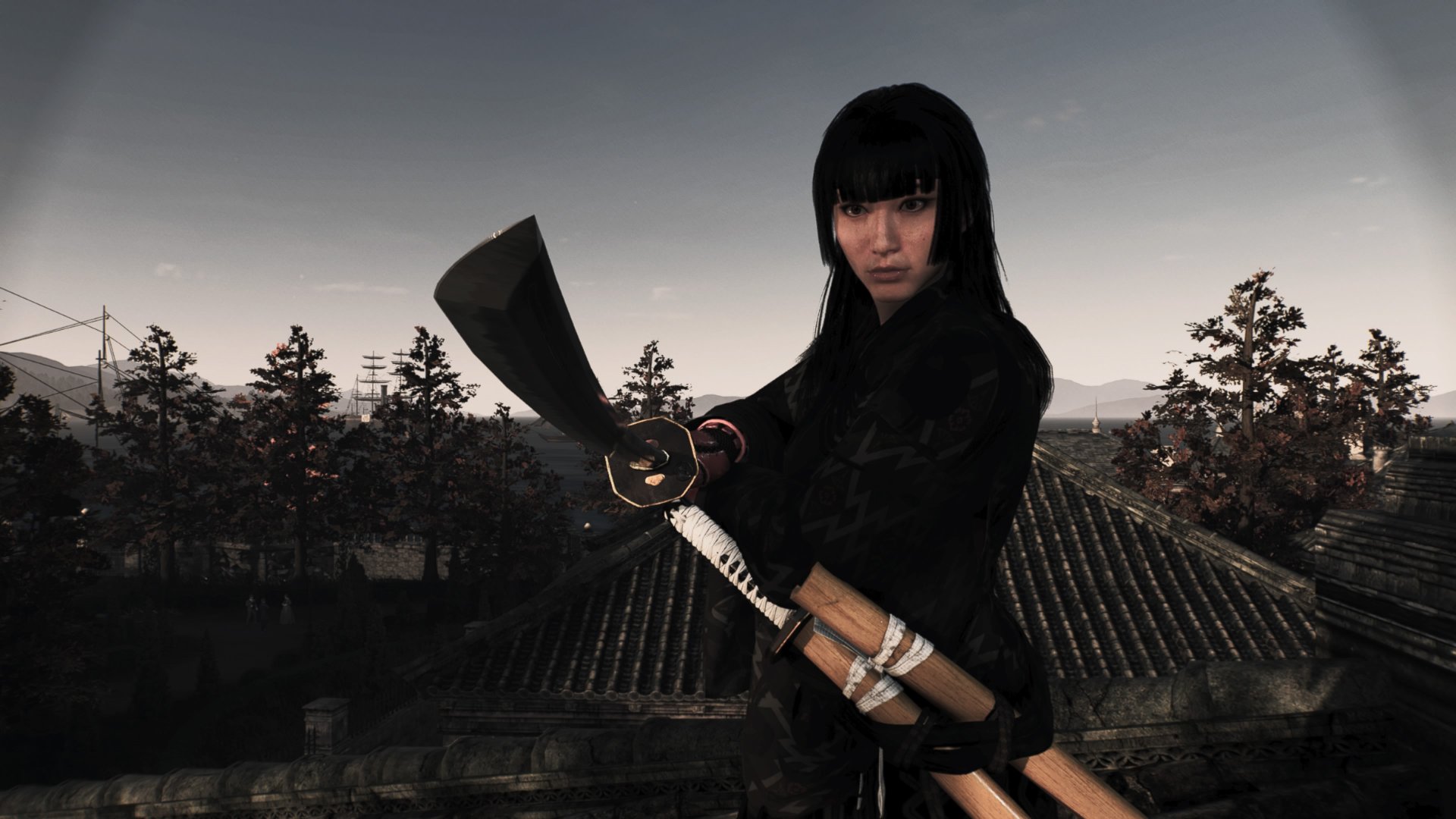
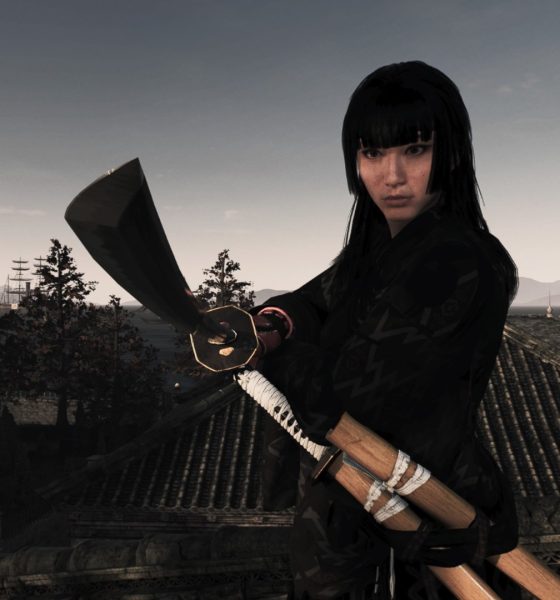

Rise of the Ronin feels like a wandering swordsman trying to do too much. It shines when focused on what it’s good at, which is fighting. And while it’s competent in other areas, it just isn’t as good as when you don’t have weapons in hand.
The game offers a challenging but not throw-your-controller level of combat. There are plenty of fighting styles, weapons, and encounter approaches to keep you engaged.
The main story will pique your interest. However, it sometimes feels like it takes a backseat to the personal stories of the characters you meet along the way. And that way is set in an open world that has a mixed bag of activities.
Mid 1800s Japan, Blade Twins
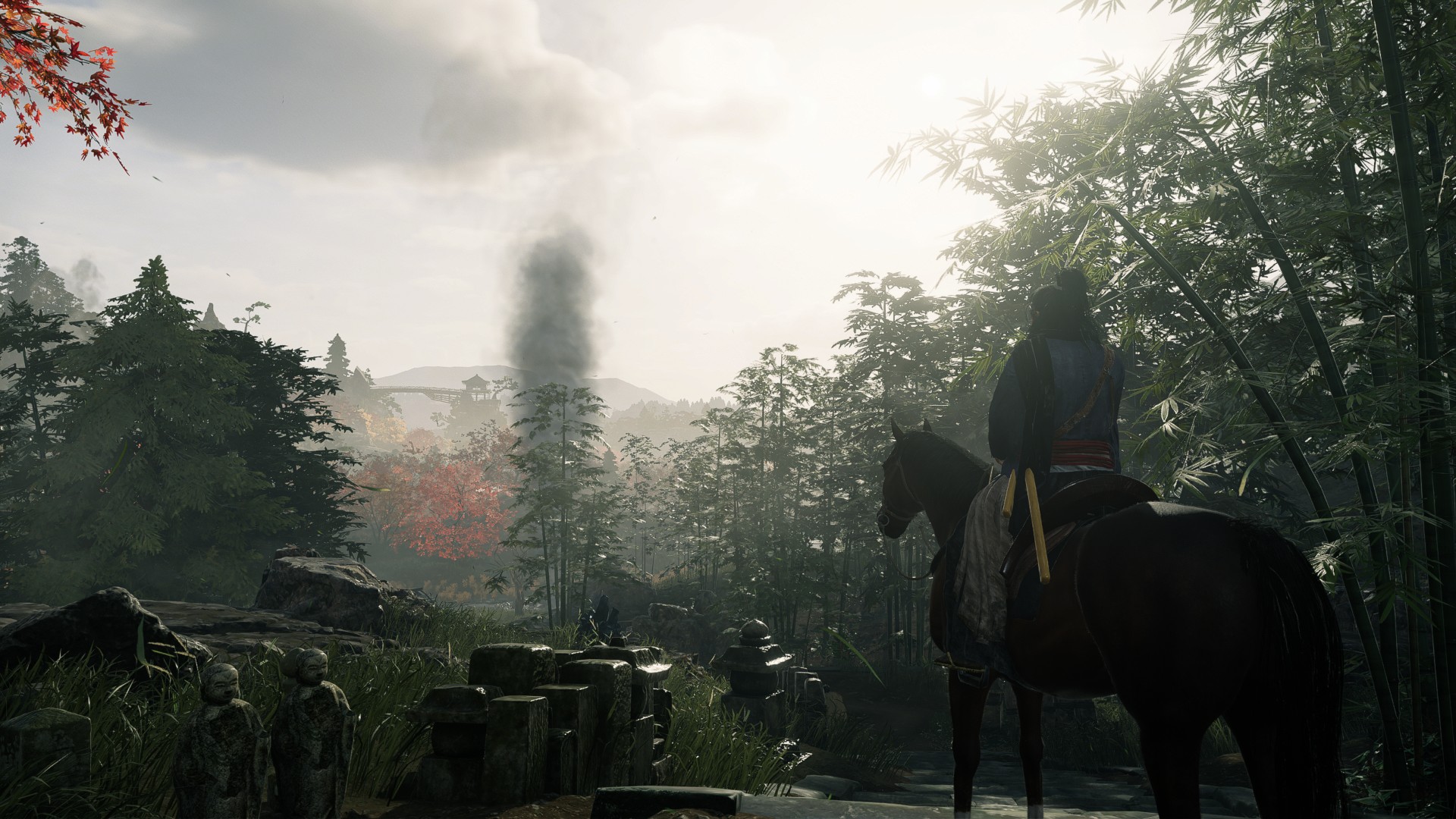
Rise of the Ronin is set in the mid-19th century Japan. It’s a time when there’s a fierce ideological clash that extends into actual crossing of swords. Should the country remain closed-off or should it be more welcoming to foreign forces. That’s an oversimplification, but I trust you get the gist.
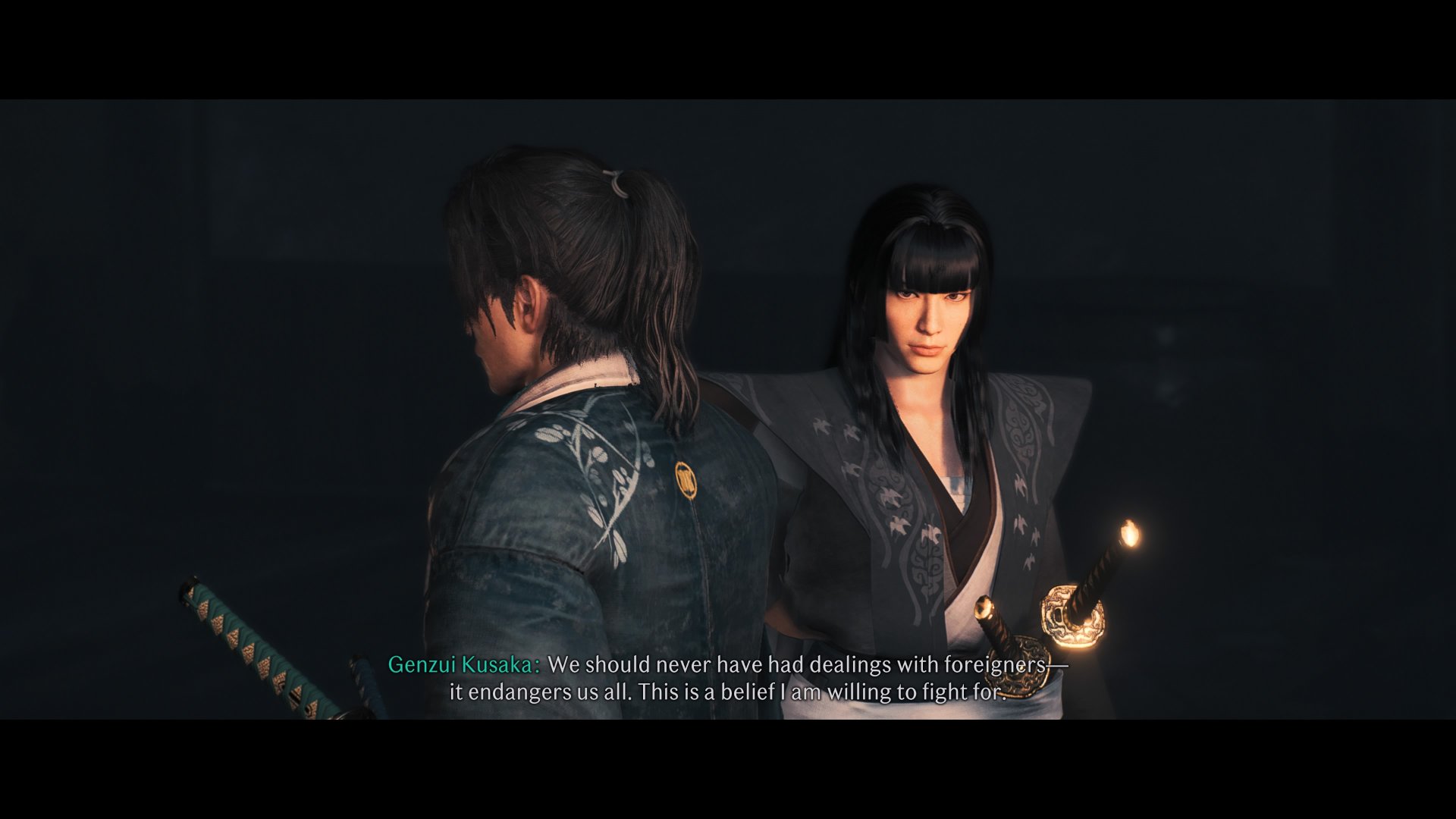
In the midst of all of that, you play as one half of a Blade Twin assassin under The Veiled Edge clan. The two of you were taken in as children and grew up fighting together. But one fateful mission – the game’s opening – sees you two parting ways which the situation called for.
You return to your clan where your master is being attacked and while you ultimately best the attackers, you end up facing your master which leaves you masterless. Your goal now is to find your Blade Twin in a world filled with people with their own interests and agenda.
Character creator
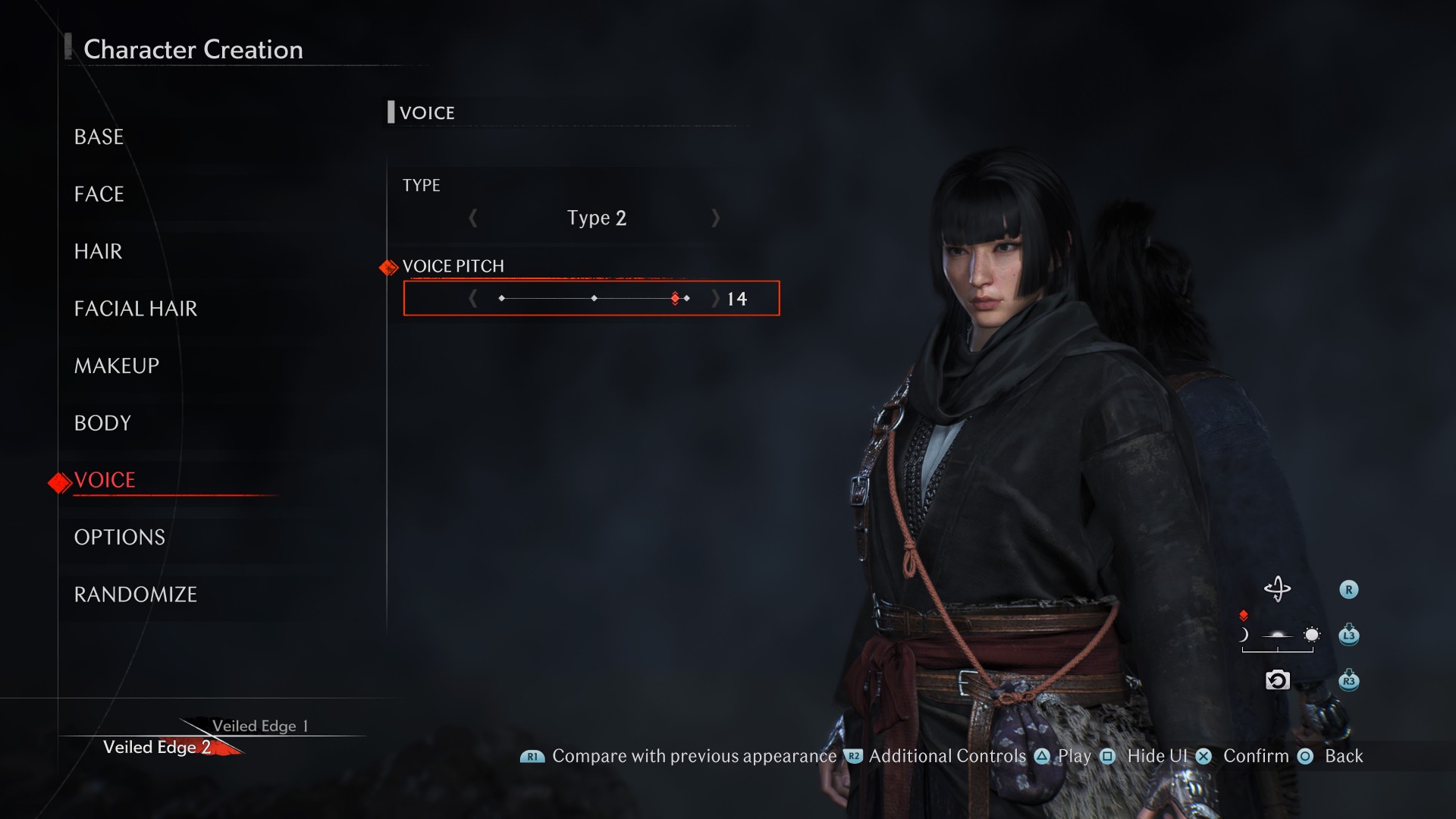
The game being set in this particular time period means that if you’re a Kenshin Himura fan (Rurouni Kenshin/Samurai X), know that you can most certainly take on this game as your very own Battousai.
I did make a Kenshin-ish character, throwing in some Takeru Satoh in there who played Himura in the fantastic live action adaptation of the franchise. Too bad there’s no option to put a cross mark on his left cheek. Here’s the character code if you want to use this as a template.
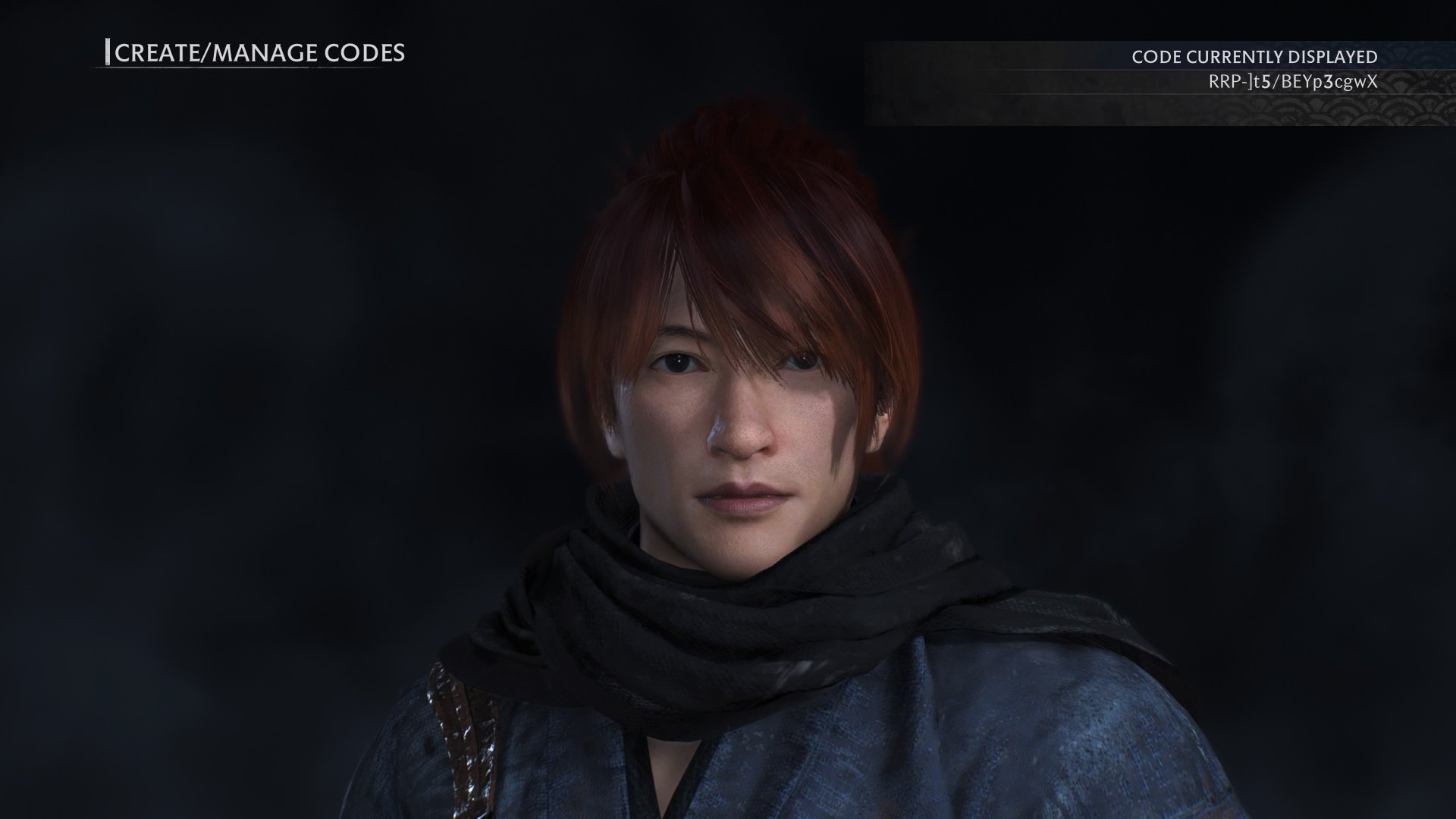
Battousai???
However, the Blade Twin story had me going in a different, quite unconventional direction. I instead went with two Japanese members of TWICE who were often mistaken for each other during their pre-debut and early years.

Blade Twins: Momo Hirai, Sana Minatozaki
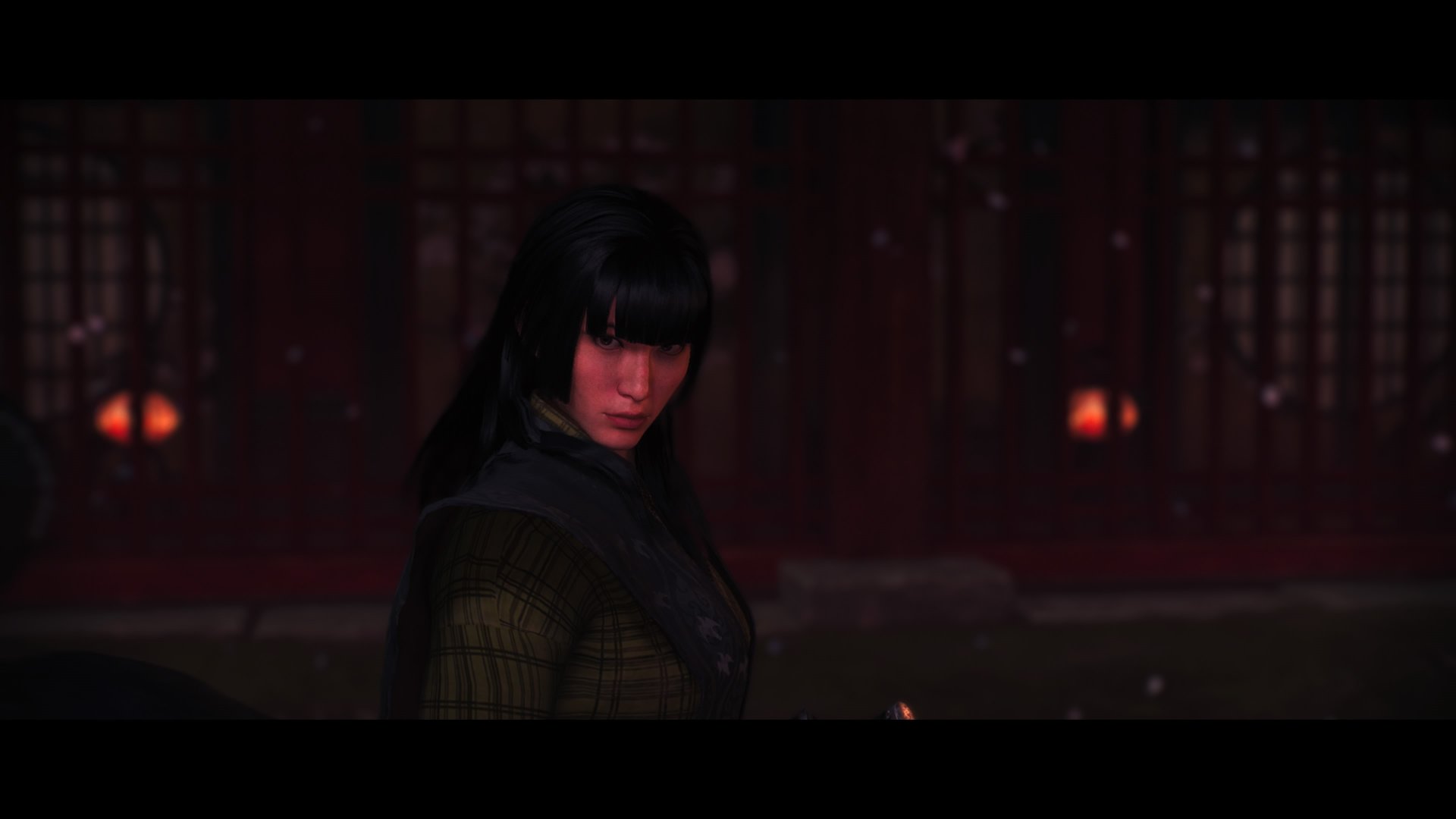
The character creator was deep enough that I felt I was able to recreate the faces of both Momo Hirai and Sana Minatozaki. Believe it or not, this personally helped a lot in myself being a little bit more immersed in the Blade Twin story of it all.
Deep, challenging combat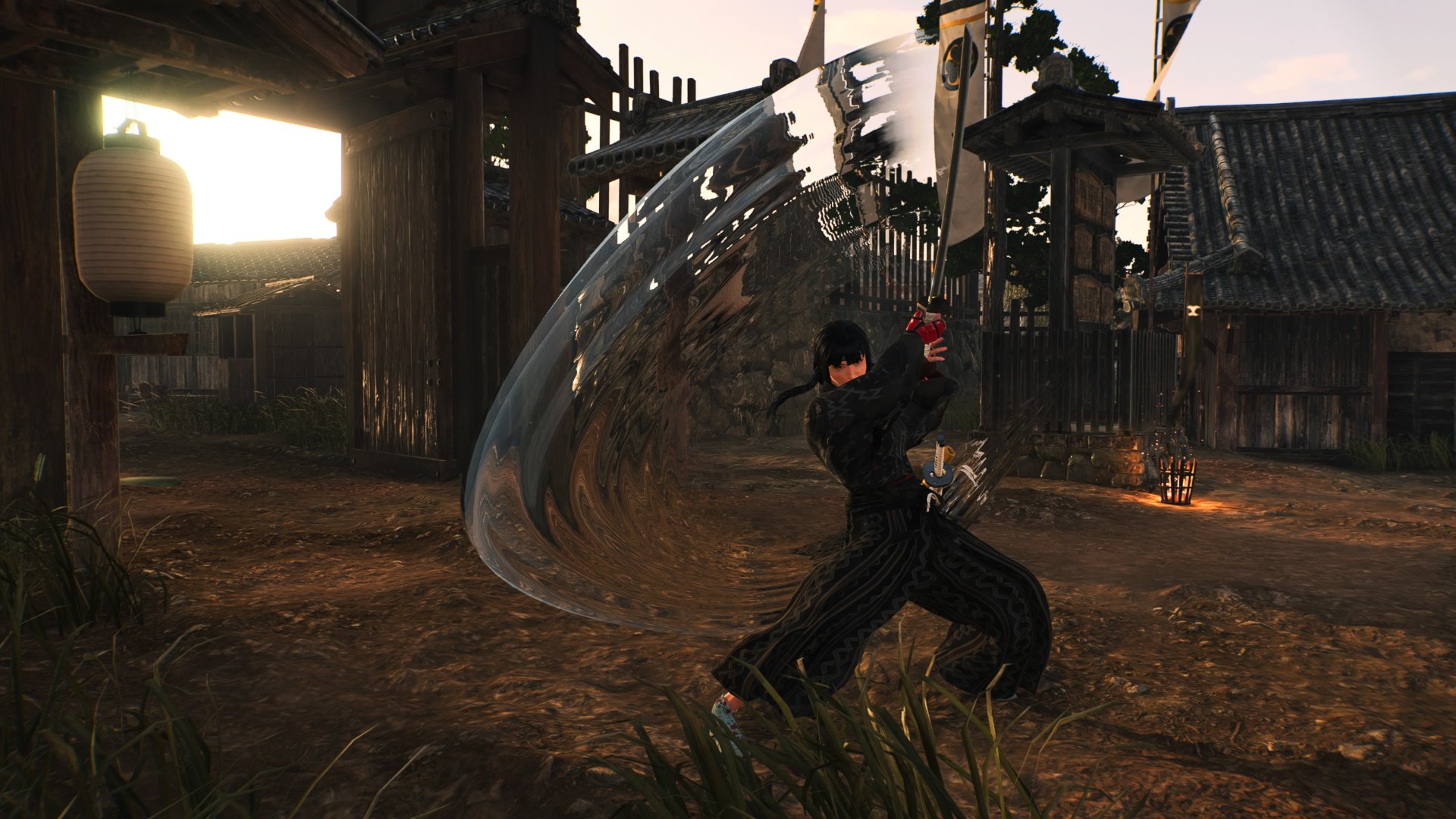
You start off choosing a fighting style. Each of which has a better affinity to certain weapons you start with. I went with the default Uchigatana (Katana) and Odachi to keep things simple. But you can choose one that’s more oriented to speed and stealth, or one that’s just hand-to-hand combat.
At the heart of the combat is its parrying system, called countersparks. Countersparks allow you to stun and stagger an enemy, depleting his stamina gauge callede Ki, that then lets you deal heavy damage or even a finishing blow.
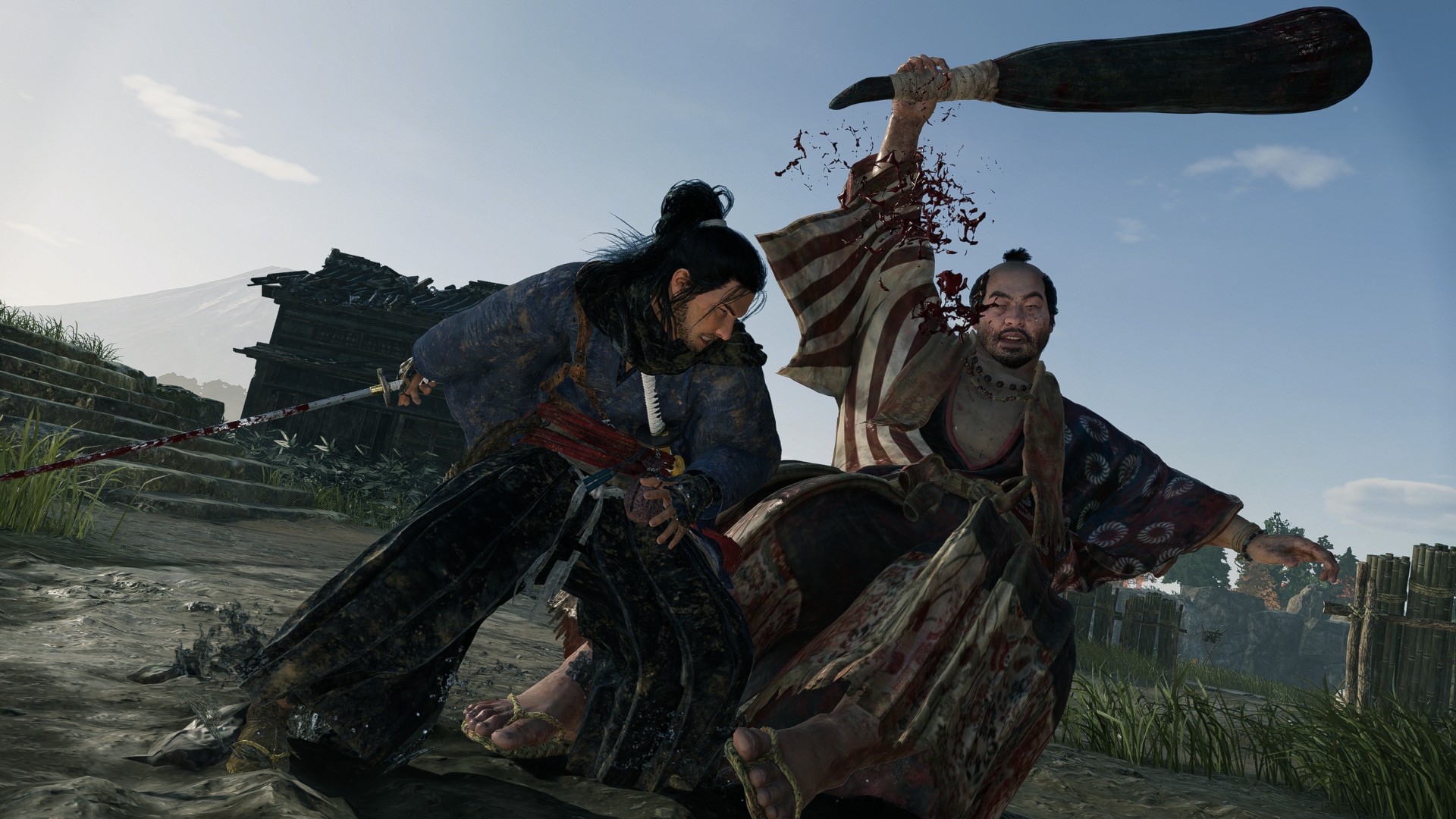
Getting the timing down can be tough especially with the unconventional default controls of the game. It’s definitely going to take a while to get used to and can be tough even in normal difficulty.
It is imperative to really get the basics down as this isn’t a game you can button mash your way through. Even a common-level enemy can punish you if you’re not paying attention and fight within the game’s intended mechanics.
Strength, Dexterity, Charm, and Intellect
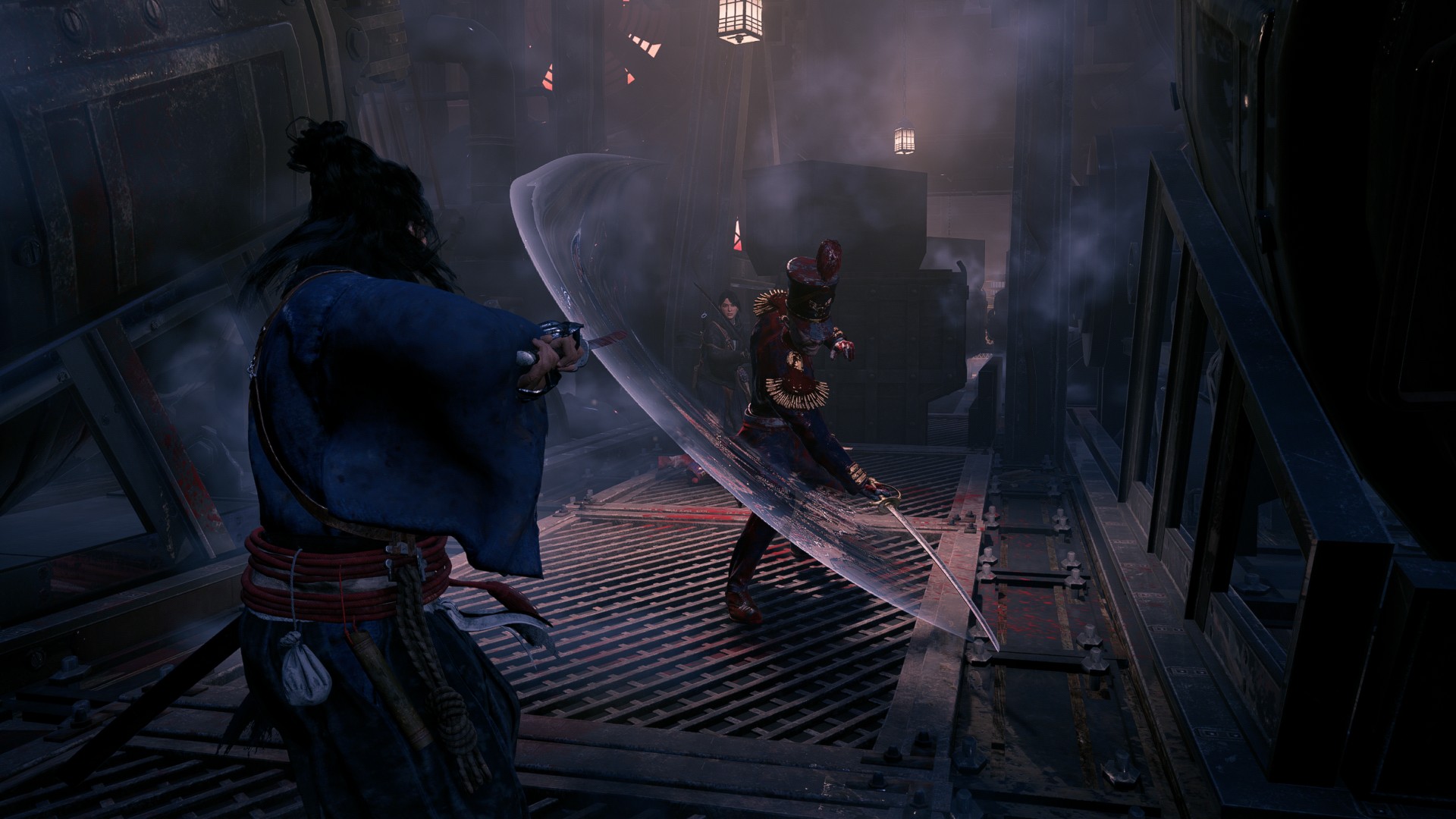
From there, the combat opens up in interesting ways. Your primary skill tree is divided into four categories: Strength, Dexterity, Charm, and Intellect. Strength leans more towards sword, great sword, and rifle handling abilities. Dexterity applies to stealth, grappling, and arrow-shooting abilities, while charm and intellect lean more towards passive buffs and item crafting.
The Strength category unlocks cool sword skills like letting you deflect bullets. This is also where you upgrade the effects of your gun-toting skills. Your rifles gain more speed and distance while you learn handgun tricks and finishes.
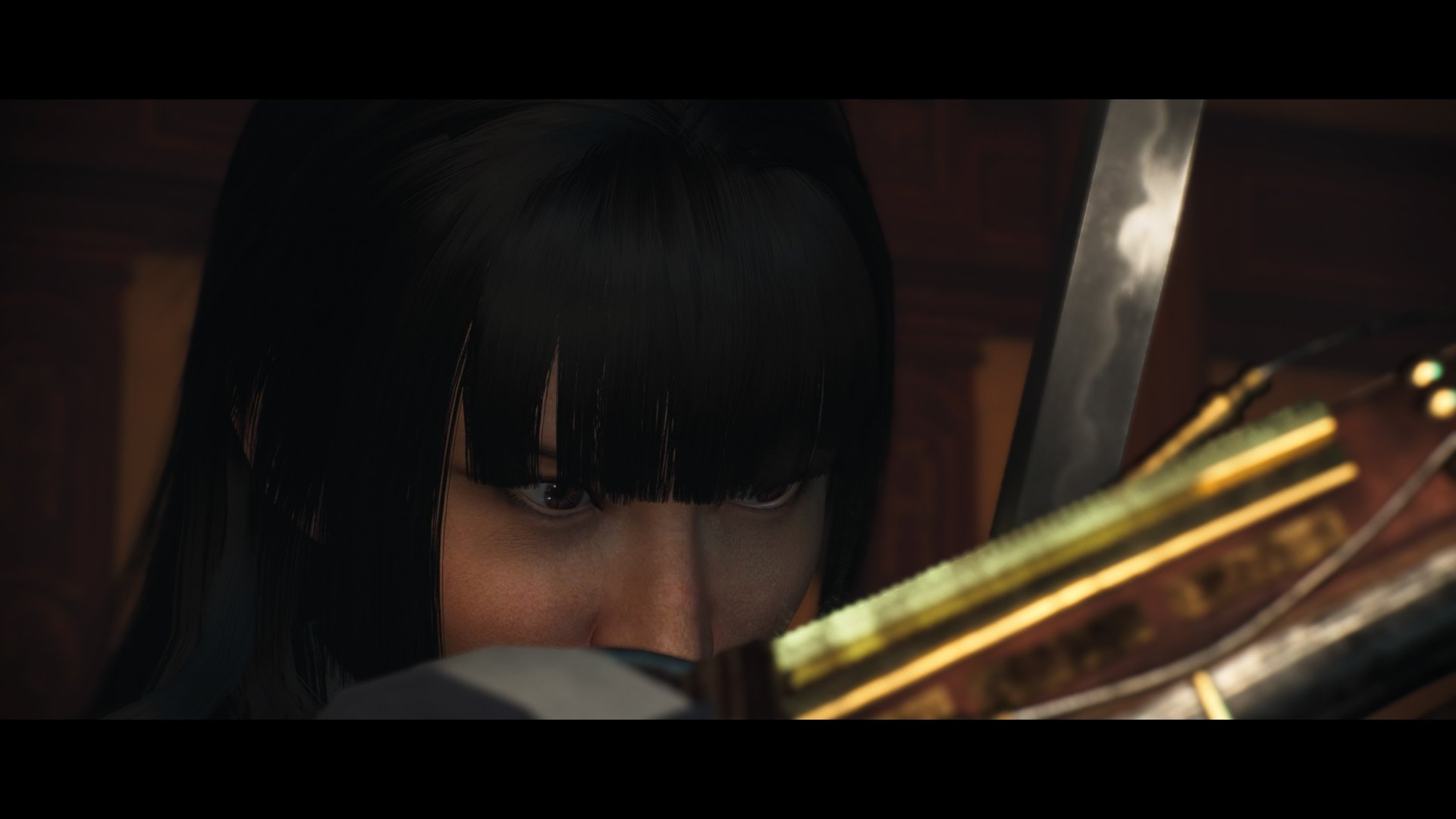
Dexterity ups your ‘ninja game.’ Here, you learn skills like multiple assassinations where you can kill-off two targets quickly, consecutively. This also expands what you can do with your grappling hook. Some skills will let you to grapple enemies for quick assassinations or use it to throw items at tougher enemies with massive health.
All these skills prove useful in dealing with enemies as you progress through Rise of the Ronin .
Ten, Jin, Chi
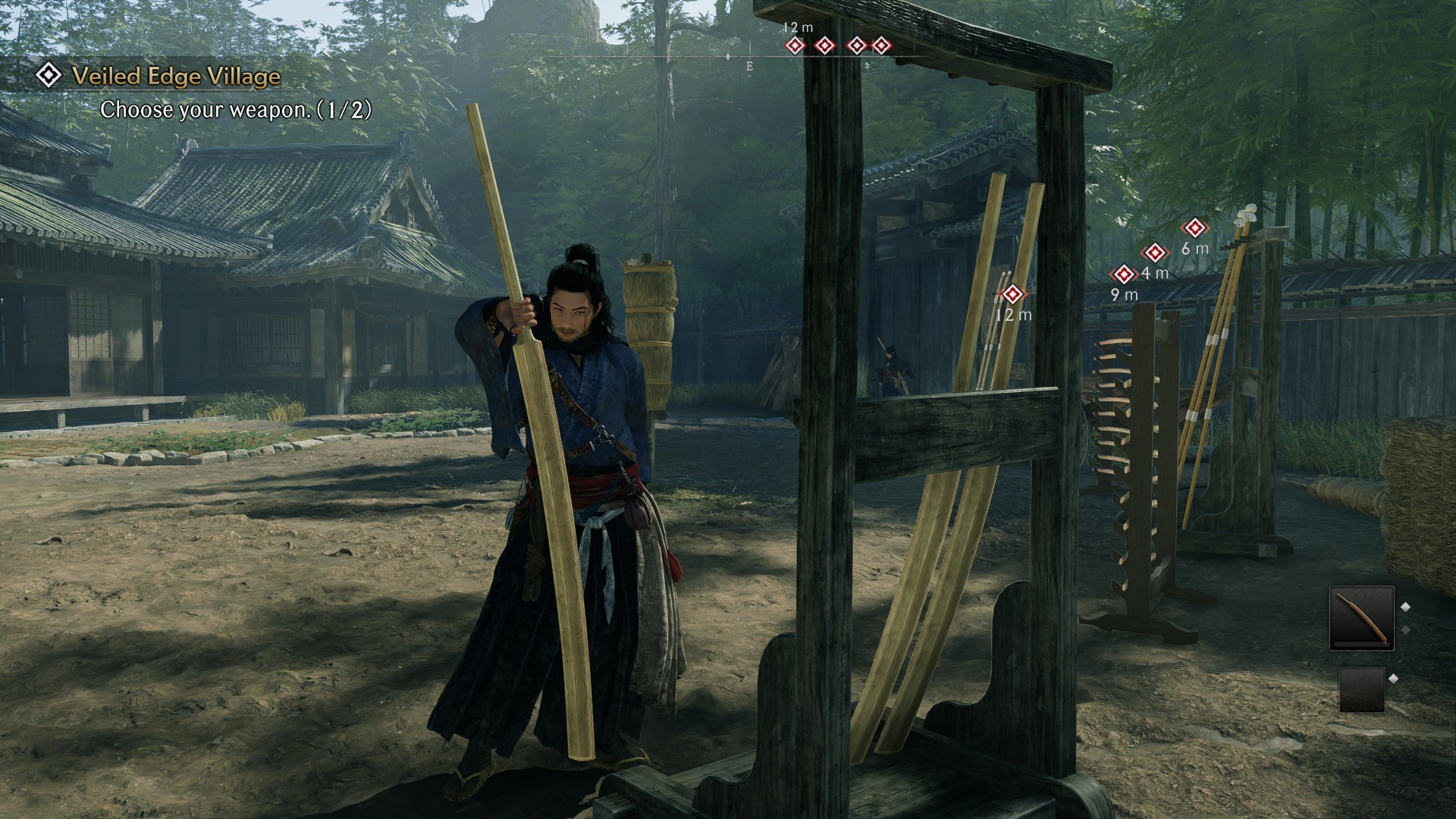
These are the three primary fighting styles which apply to a whole suite of weapons. The game lets you play the way you want and is very generous with you acquiring these weapons. Learning the fighting styles though, is another story. You have to go on Bond Missions, Side Quests, or simply progress through the story to unlock certain fighting styles.
These, again, will prove useful. The more you progress, the more you’ll encounter enemies who can switch styles on the fly. This means you’ll have to switch too if you want to be effective against that particular enemy. Even if your level is higher than an opponent, you can still very much lose if you’re unable to adjust to an advantageous fighting style.
Fighting puzzle
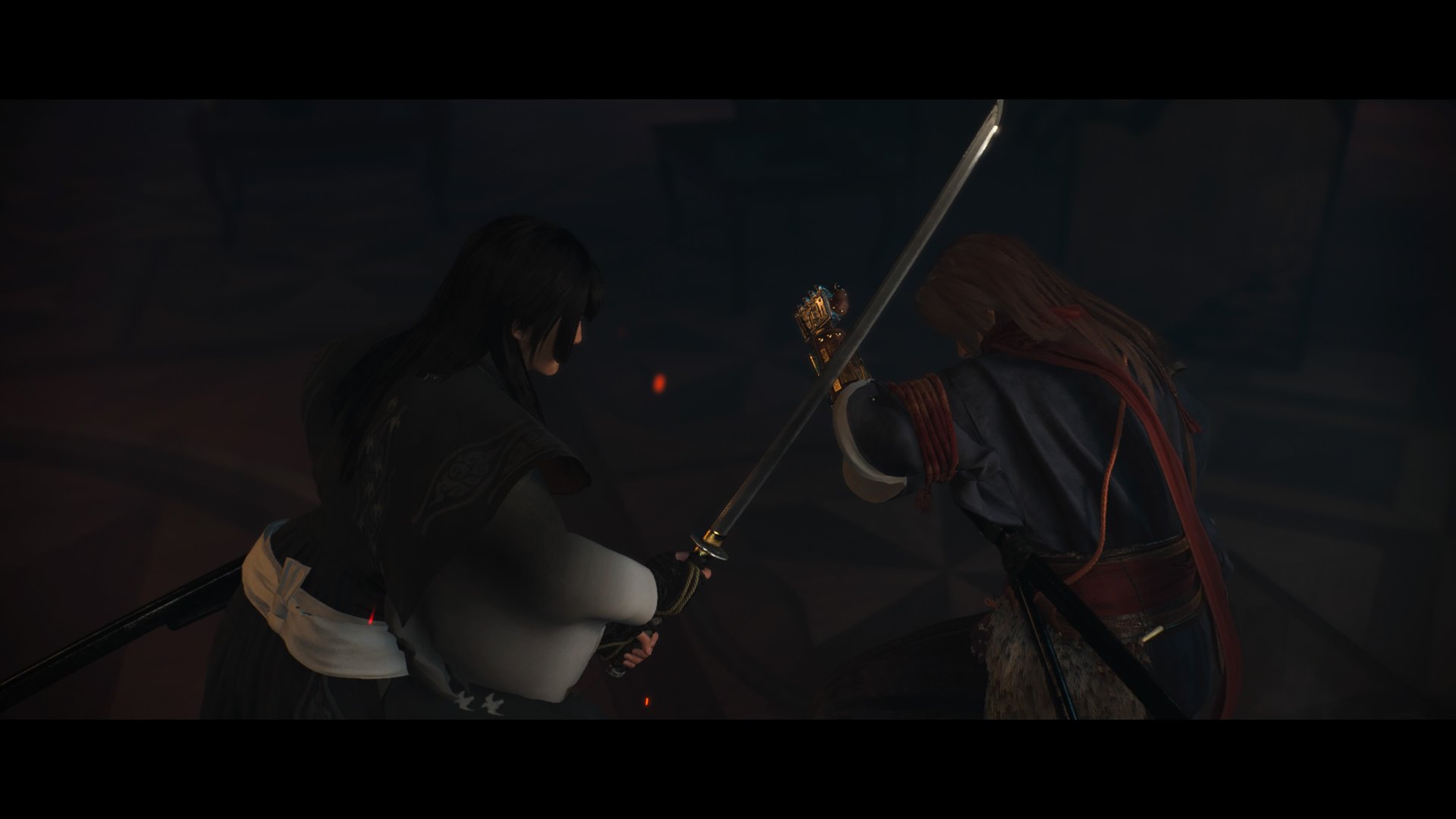
All these mechanics combine to make a combat that will have you thinking on your feet. You have to balance patience and aggression to best your opponents. Learning the timings of their blows, keeping an eye on their stances, and using the fighting styles available to you, all while minding potential effects like poison and burning make this a deep and challenging combat gameplay.
The sword play in Rise of the Ronin is exquisite and extremely enjoyable. But sections of the game also do a good job of teaching you that going head-strong sword swinging isn’t always the best course of action.
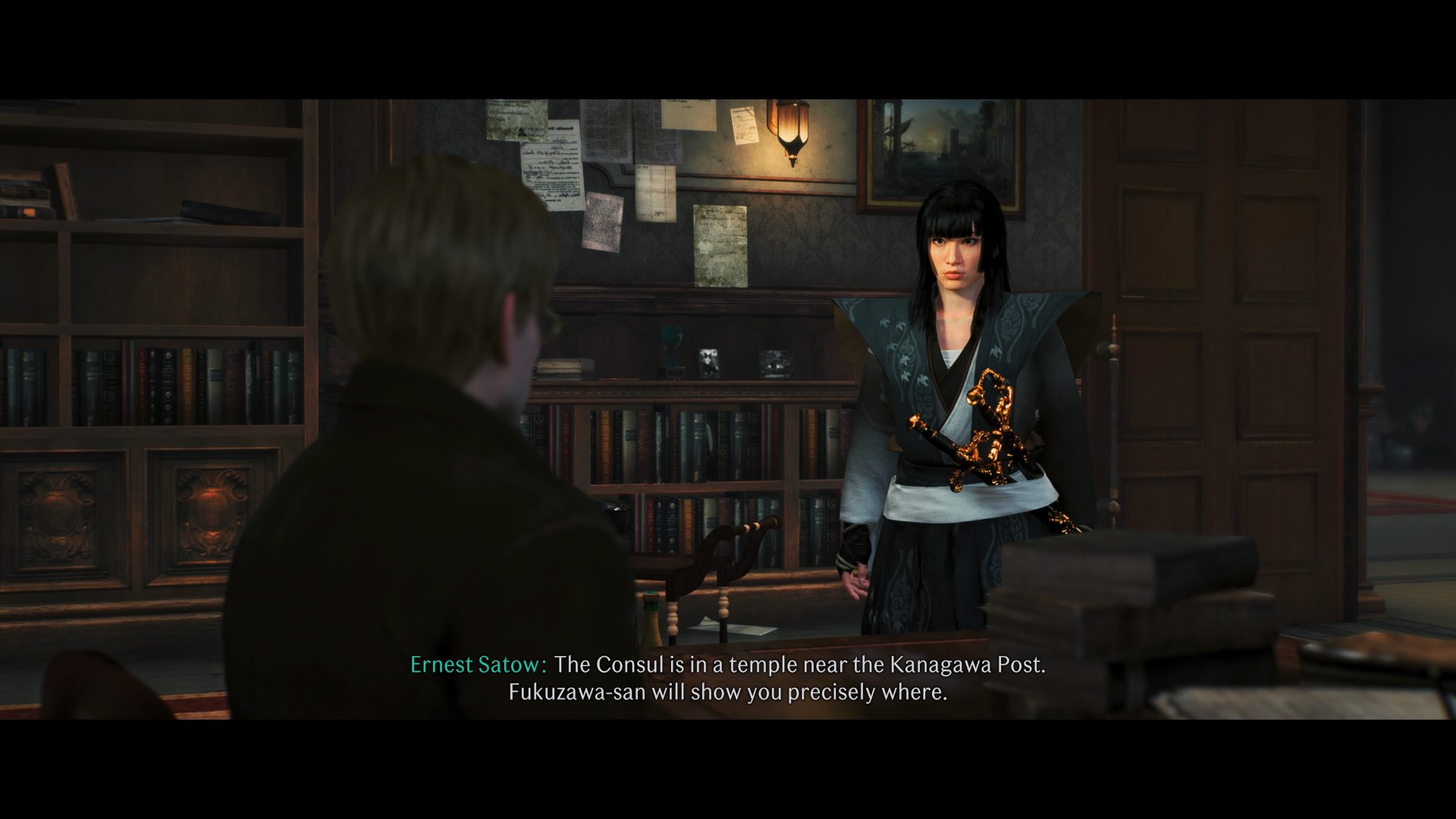
Stealth is rewarding in that it’s tricky enough that it feels like you’re trying to figure out the best route to take out enemies quietly. But the AI is inconsistent. Plenty of times, you’re taking someone out with another enemy just a few paces away but they don’t react at all. And while that’s technically a good thing for your sake, as a function of the game, it can certainly be better.
But when you do break away from stealth, most of the time you won’t mind because the combat is so incredibly engaging.
An okay open world

There’s nothing groundbreaking about the open world of Rise of the Ronin. But that’s not to say that it’s bad. It just is. And most of the time, it’s fine. Objectives aren’t too far apart from each other. And there’s a good chance of you encountering them just as you’re traversing the world.
Traversal, by the way, is done by running, riding, gliding, and grappling. There’s enough here to make you feel like a bad-ass as you’re moving along. But if you’re going for the completionist route, you’ll likely find yourself using the fast travel option more.

The world is filled with many different activities. There are multi-tier side quests, Bond Missions, treasure hunts, cats to pet, shrines to climb, and training sessions. All of these lead towards the improvement of the protagonist. Whether that’s through battles that earn you EXP, loot that improve your gear, tasks and places that add to your skill points, and more.

All the activities benefit you in one way or another. With how pertinent they all seem, it should feel more connected and immersive. But something about it just isn’t. Especially on the immersive part, you can listen to a podcast or two while ticking off some of these open world objectives. This is understandable when clearing enemy camps, petting cats, and climbing shrines. But even some side quests with a fair bit of story in them don’t feel as engaging as say the ones you find in Ghost of Tsushima. They are solid, not stellar.
Masterless Samurai
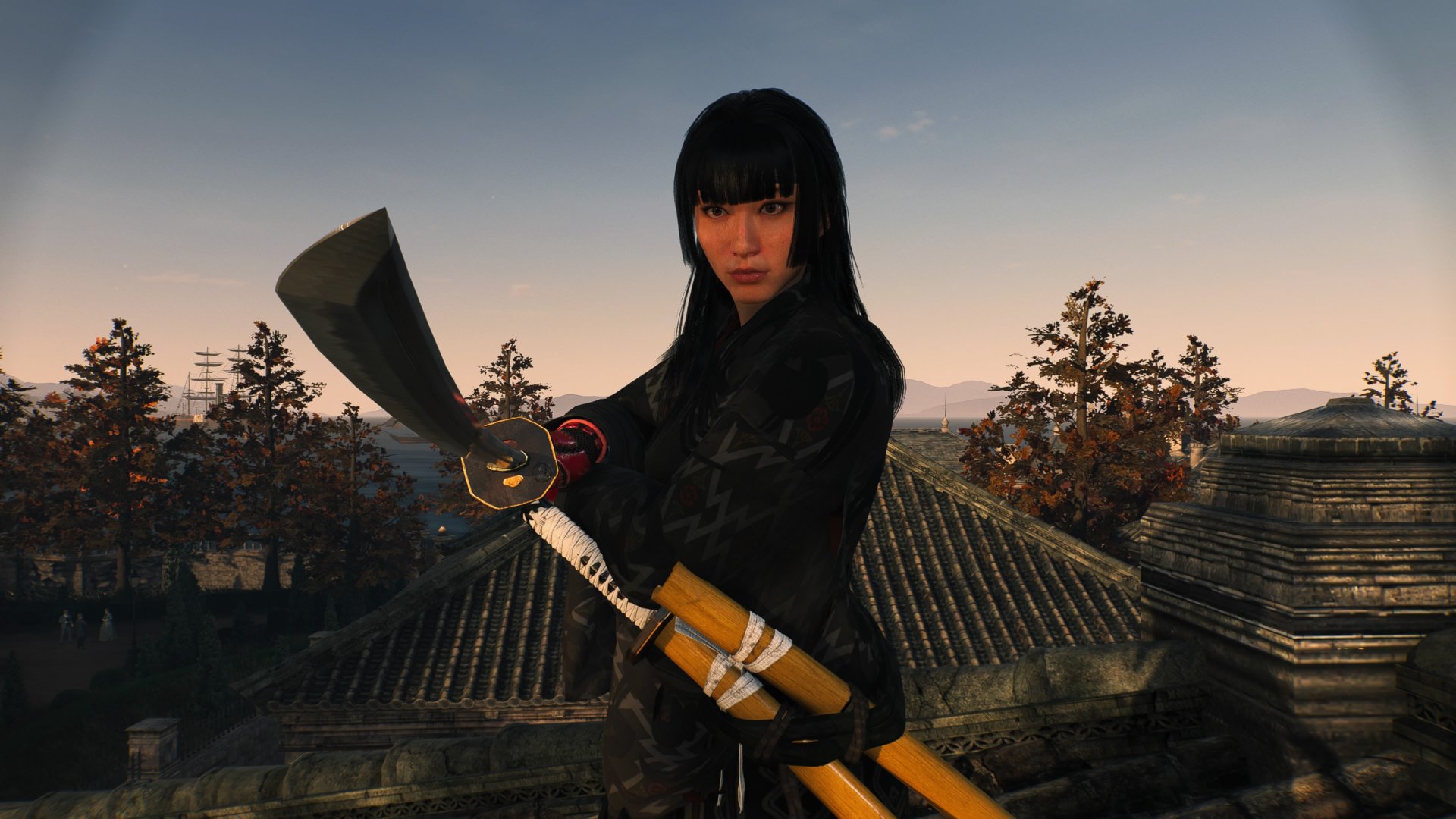
Rise of the Ronin lives up to its name. The game overall feels like a masterless samurai getting by with enough strength and guile. But it needs a bit more to get to a higher level. The swordsmanship is good but not refined. It survives through some clever, but proven street smarts and is averse to risks which could prove costly.
I have to note that while playing this game, I couldn’t help but think how there are other open world games I’d rather play. This is especially during its early hours. It gets better the more you play. But it just doesn’t grab you enough to make you really want to stay.
It’s a good game but is a victim of terrible timing, releasing a few paces after FFVII Rebirth and right at the same time as Dragon’s Dogma 2: Two open worlds that you might be better off spending your time in.
Overall, if you’re looking for a sprawling samurai adventure with enough political intrigue, a more than fair share of characters, a satisfactory gameplay loop, and challenging combat, then give this one a go.





Gaming
Nintendo will make it cheaper to buy digital games than physical
Physical releases will have the same price.

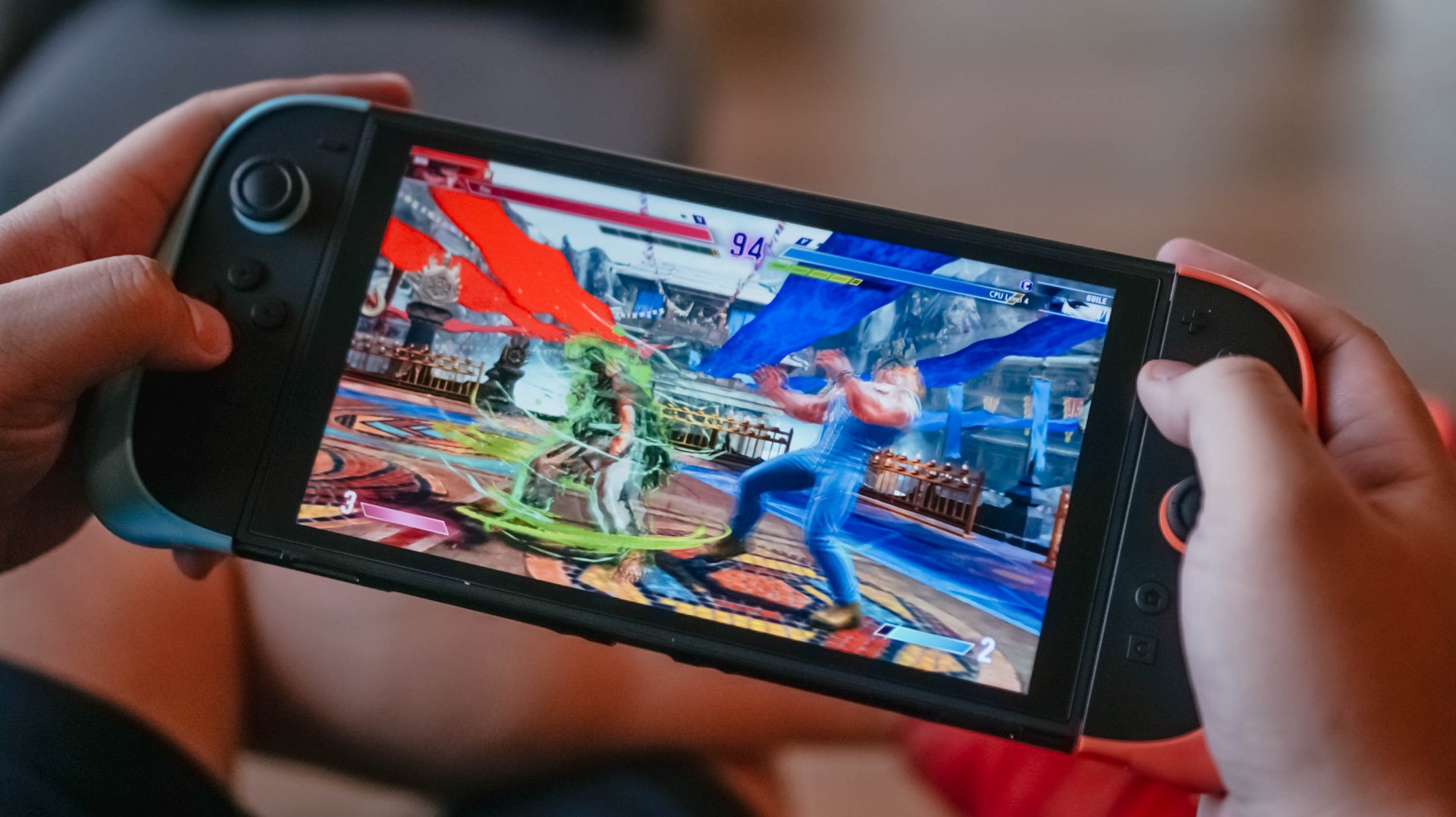
The days of lining up for a newly released game are well and truly over. Though some games still experience shortages in brick-and-mortar stores, such as the widely successful Pokémon Pokopia, gamers can get their titles digitally. Now, Nintendo is making digital releases more enticing by offering a tempting discount on the eShop.
Starting in May, Nintendo will start charging different prices for the physical and digital releases of first-party games. While physical releases will still have the same prices going forward, digital releases via the eShop will enjoy a discount.
The discount, of course, will likely depend on the title itself. Nintendo has already given the upcoming Yoshi and the Mysterious Book as the first example. The new platformer will cost US$ 70 from retailers. However, it will cost only US$ 60 on the digital eShop.
The company says that the new pricing scheme “simply reflects the different costs associated with producing and distributing each format.” With the prices of chips skyrocketing, it’s no surprise that the physical release is more expensive than the digital one.
To be more technical about it, Nintendo has started skipping a physical game card for a while now. The physical release of Pokémon Pokopia, for example, has only a game-key card or a code to download the game. In this format, physical releases are just pretty cases you can display on your shelf.
Also, digital releases do carry the added risk of getting delisted on the whims of the developers, the publishers, or Nintendo itself. It is, however, still a cheaper option, especially in a world where getting any discount is a welcome thought.
SEE ALSO: Nintendo sues the United States
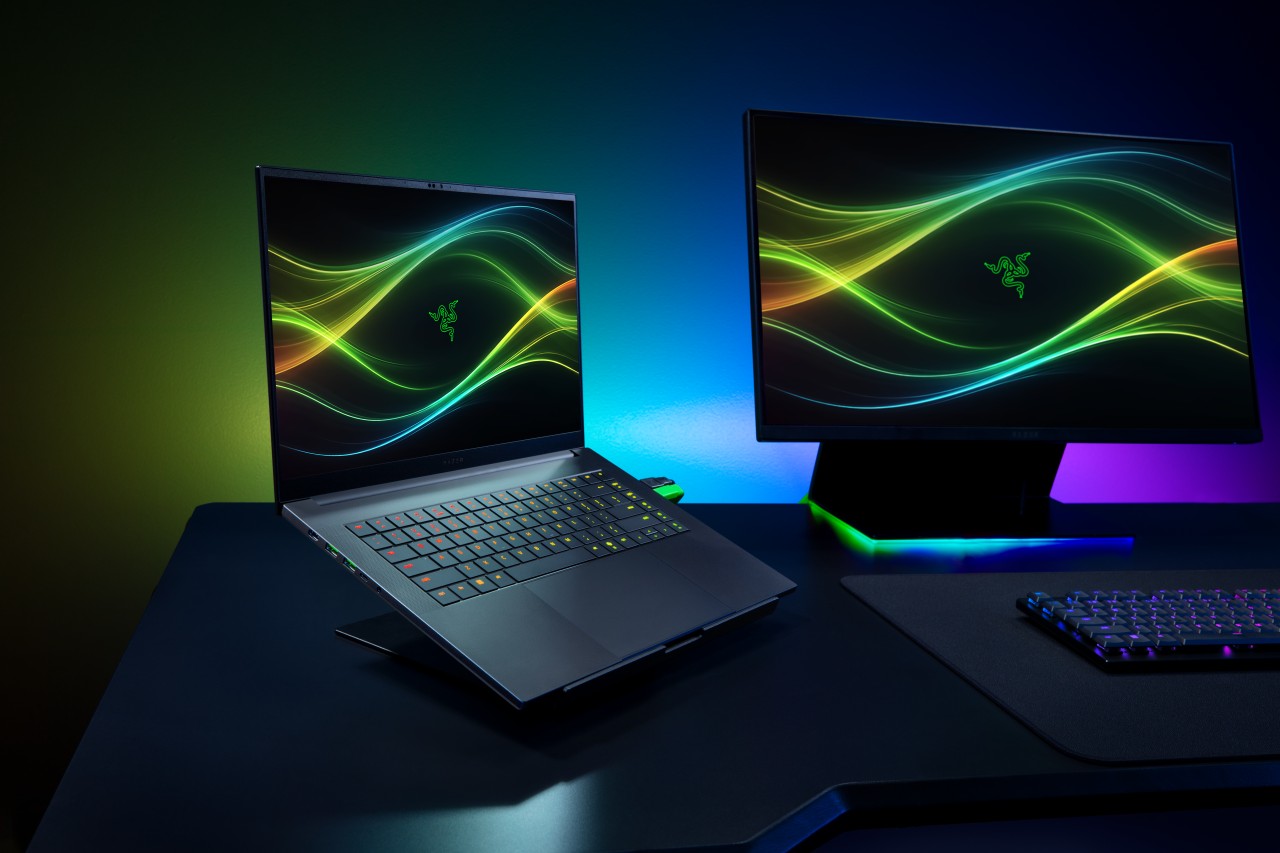
Razer has officially unveiled the 2026 version of its Blade 16, doubling down on what it does best: squeezing high-end performance into an ultra-slim chassis.
This year’s refresh focuses on meaningful internal upgrades. That includes a new Intel Core Ultra 9 processor, faster LPDDR5X memory, and NVIDIA’s latest RTX 50 Series laptop GPUs — all while keeping the Blade 16 as the thinnest gaming laptop in Razer’s lineup.
Performance gets a serious bump
At the core of the new Blade 16 is the Intel Core Ultra 9 386H, featuring 16 cores and up to 4.9GHz boost clock. Razer claims a 33% increase in core count versus the previous generation, translating to stronger performance across gaming, content creation, and AI workloads.
There’s also an integrated NPU capable of up to 50 TOPS, enabling faster on-device AI tasks like image generation and live translation.
Memory gets a notable upgrade too. The Blade 16 now supports up to 64GB of LPDDR5X-9600MHz RAM, which Razer positions as the fastest available in a laptop today. The result: quicker responsiveness for heavy multitasking, creative apps, and AI-assisted workflows.
On the graphics side, NVIDIA’s GeForce RTX 50 Series (Blackwell architecture) brings DLSS 4 and enhanced AI capabilities for both gaming and creator use cases.
Display and design stay premium
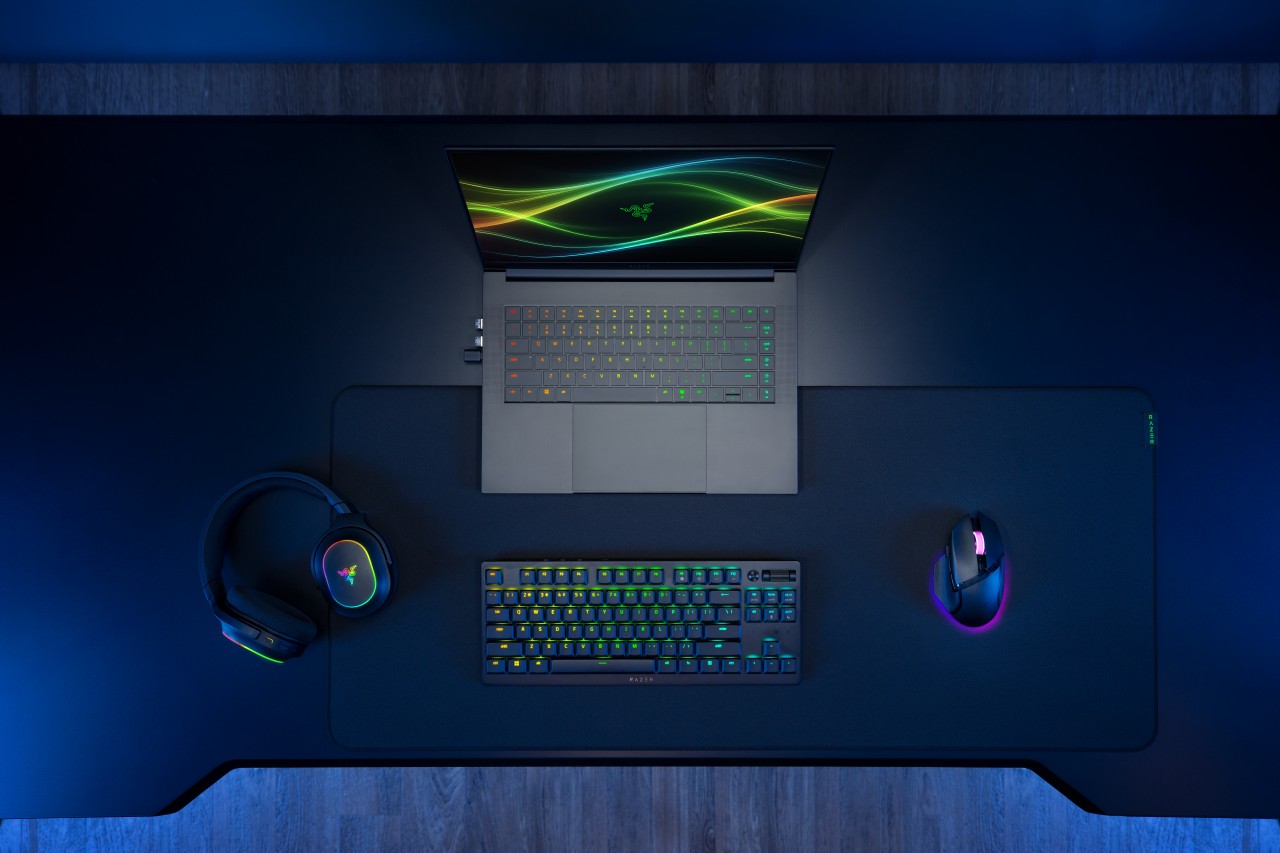
Razer isn’t fixing what isn’t broken. The Blade 16 retains its signature CNC-milled aluminum chassis, measuring just 14.9mm thick and weighing around 2.14kg.
The display remains a highlight. You get a 16-inch QHD+ OLED panel with a 240Hz refresh rate, now brighter and certified for VESA DisplayHDR TrueBlack 1000. It supports full DCI-P3 coverage, Calman calibration, and NVIDIA G-SYNC, making it just as suited for creators as it is for competitive gaming.
Battery life and efficiency improve
Despite the performance gains, Razer is also pushing efficiency. Thanks to Intel’s newer architecture and system-level optimizations, the Blade 16 can hit up to 13 hours of productivity use and up to 15 hours of video playback under ideal conditions.
That’s a notable improvement for a machine in this class, especially given its slim form factor.
Connectivity and audio step up
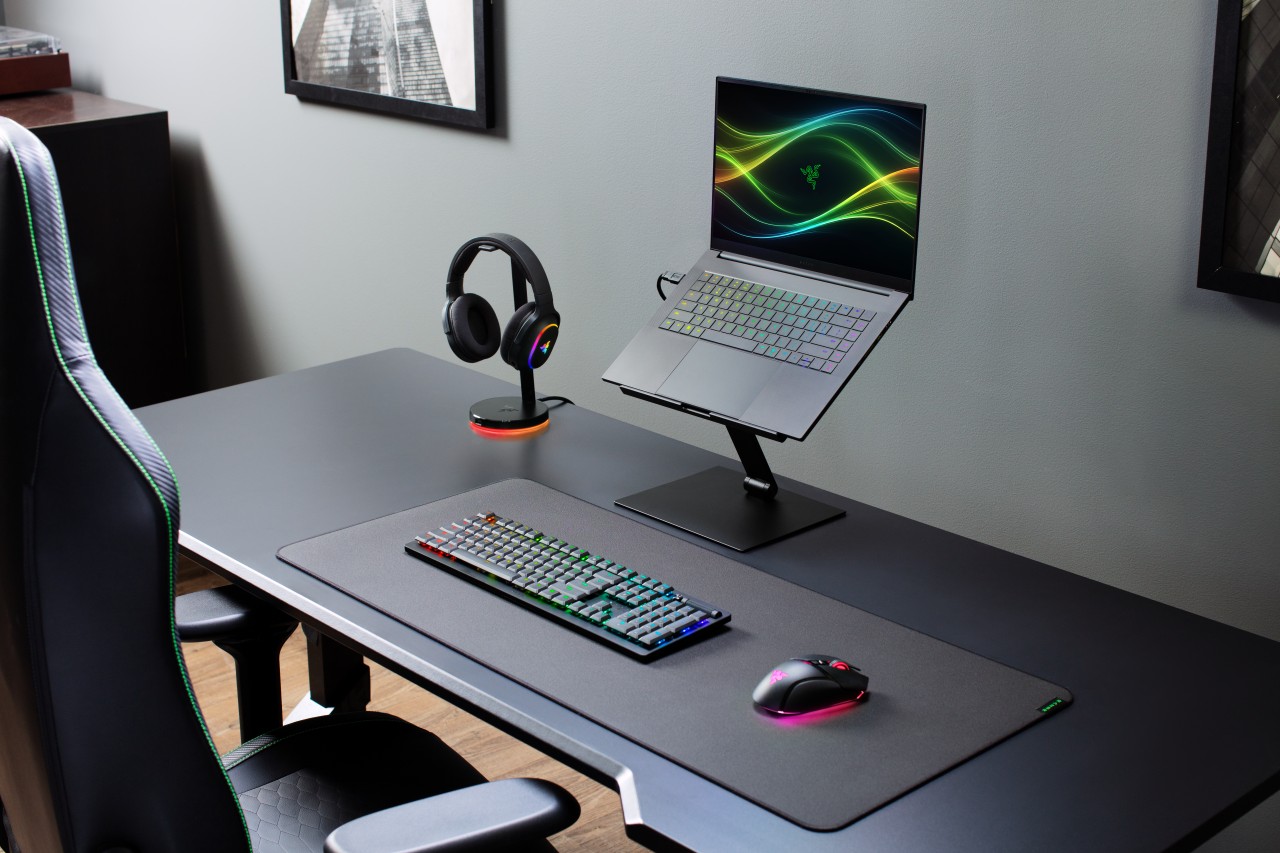
The 2026 Blade 16 gets a future-ready connectivity suite, including Thunderbolt 5, Wi-Fi 7, and Bluetooth 6.0. There’s also a full set of ports, from USB-A to HDMI 2.1 and an SD card reader.
Audio gets an upgrade too. The six-speaker system now supports THX Spatial Audio+ with virtual 7.1.4 surround, aiming to deliver more immersive sound both on speakers and headphones.
Price and availability
The Razer Blade 16 configured with an NVIDIA GeForce RTX 5080 (16GB VRAM) and 32GB LPDDR5X-9600MHz RAM is priced at US$3,499.99 / €3,599.99 MSRP.
It is available now, exclusively via Razer.com and select RazerStores worldwide.
Still the Blade, just sharper
At a glance, the 2026 Blade 16 doesn’t reinvent the formula. But under the hood, it pushes performance, memory speed, and efficiency forward in ways that matter.
It’s still the same idea: a no-compromise gaming laptop that looks like it belongs in a minimalist workspace — just faster, smarter, and a bit more future-proof this time around.
Accessories
Razer sharpens its competitive edge with Viper V4 Pro and Gigantus V2 Pro
Ultra-light. Ultra-tuned.

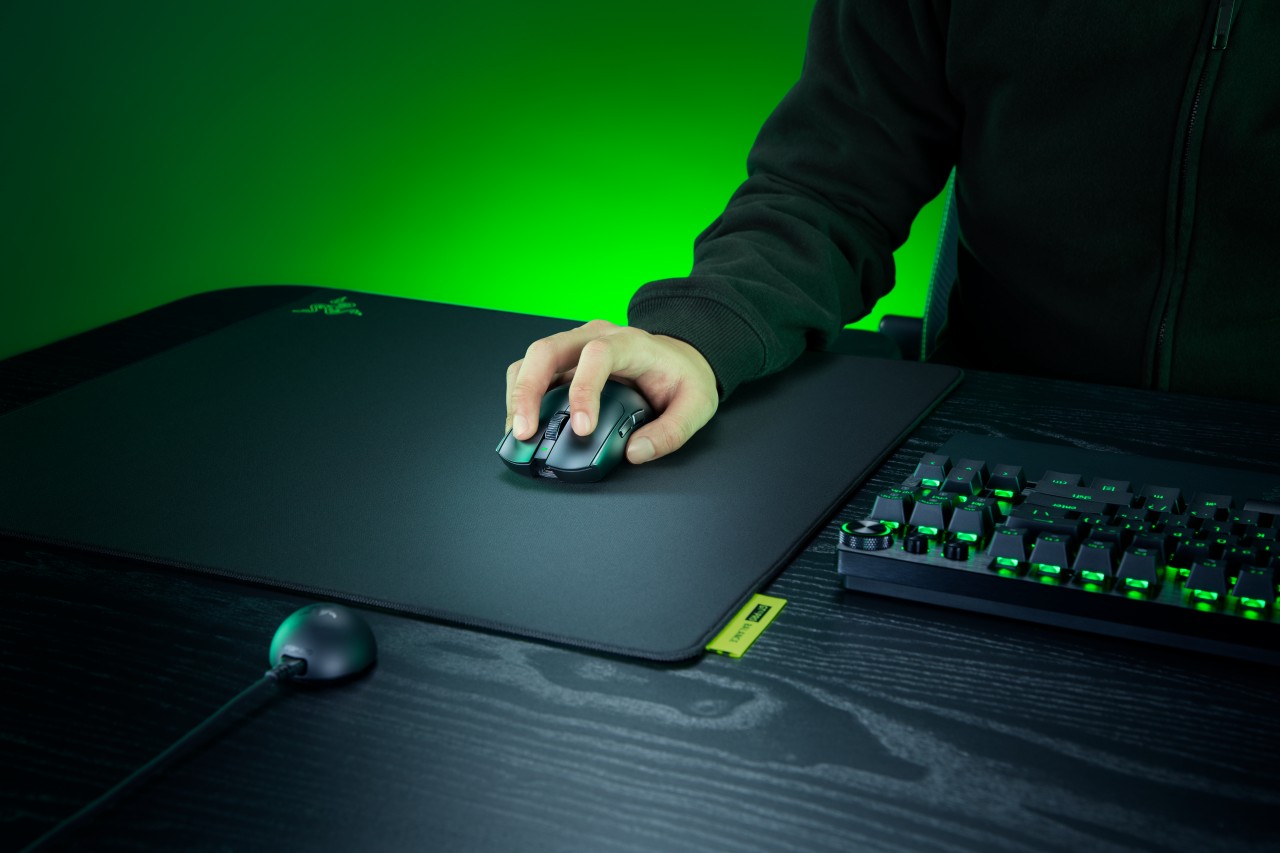
Razer expands its pro-grade lineup with a lightweight mouse and a highly customizable mouse mat built for different playstyles. The Razer Viper V4 Pro focuses on speed, precision, and responsiveness, while the Razer Gigantus V2 Pro brings tailored surface options that adapt to how players move.
Lighter, faster, and built for control
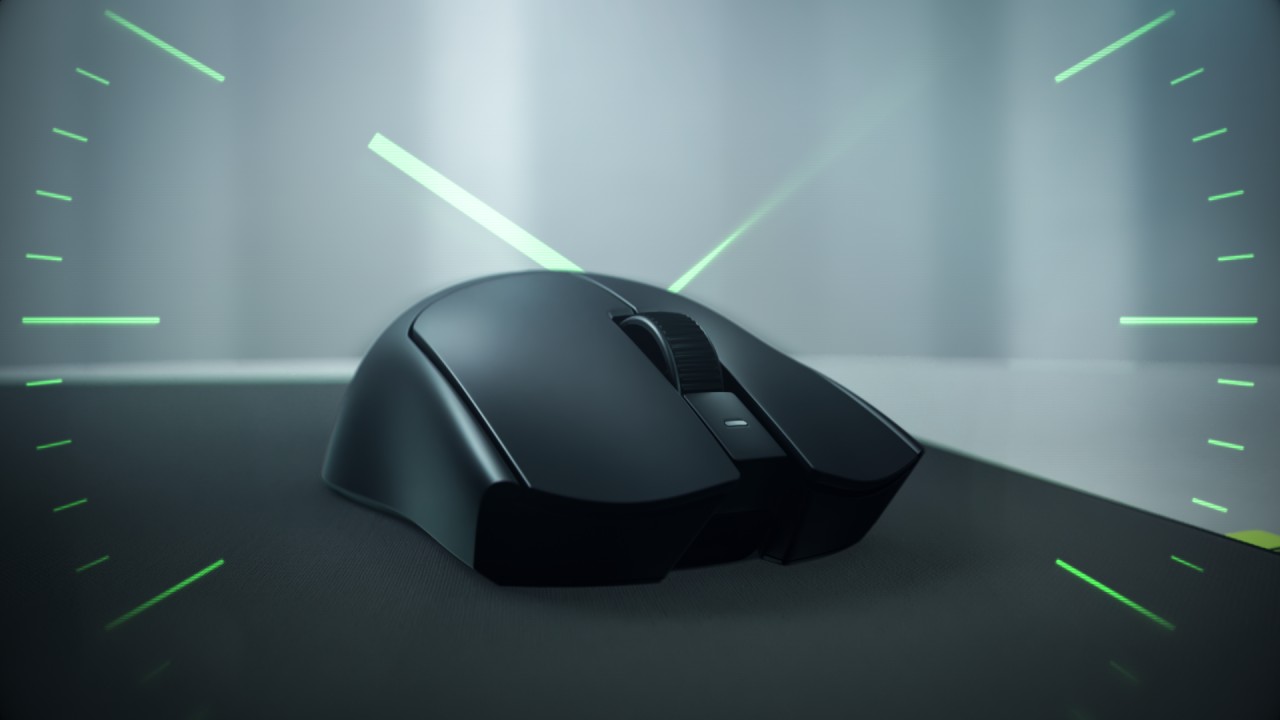
The Viper V4 Pro weighs approximately 49g in Black and 50g in White, making it around nine percent lighter than its predecessor. Razer achieves this through mechanical refinements like a thinner shell and a more compact PCB, without compromising durability. The structure still feels solid in hand, even with the aggressive weight reduction.
This balance matters in competitive play. A lighter mouse reduces fatigue and allows quicker adjustments, but stability keeps movements consistent. The Viper V4 Pro aims to deliver both.
Plug in, tweak, and play instantly
Razer also streamlines setup and tuning. The optimized hemispherical dongle maintains stable connectivity while providing quick status updates through LED indicators.
Players can adjust settings without installing software using Razer Synapse Web, enabling browser-based customization. Onboard controls allow quick DPI and polling rate changes mid-match, so adjustments happen without breaking focus.
A mouse mat that adapts to your play style
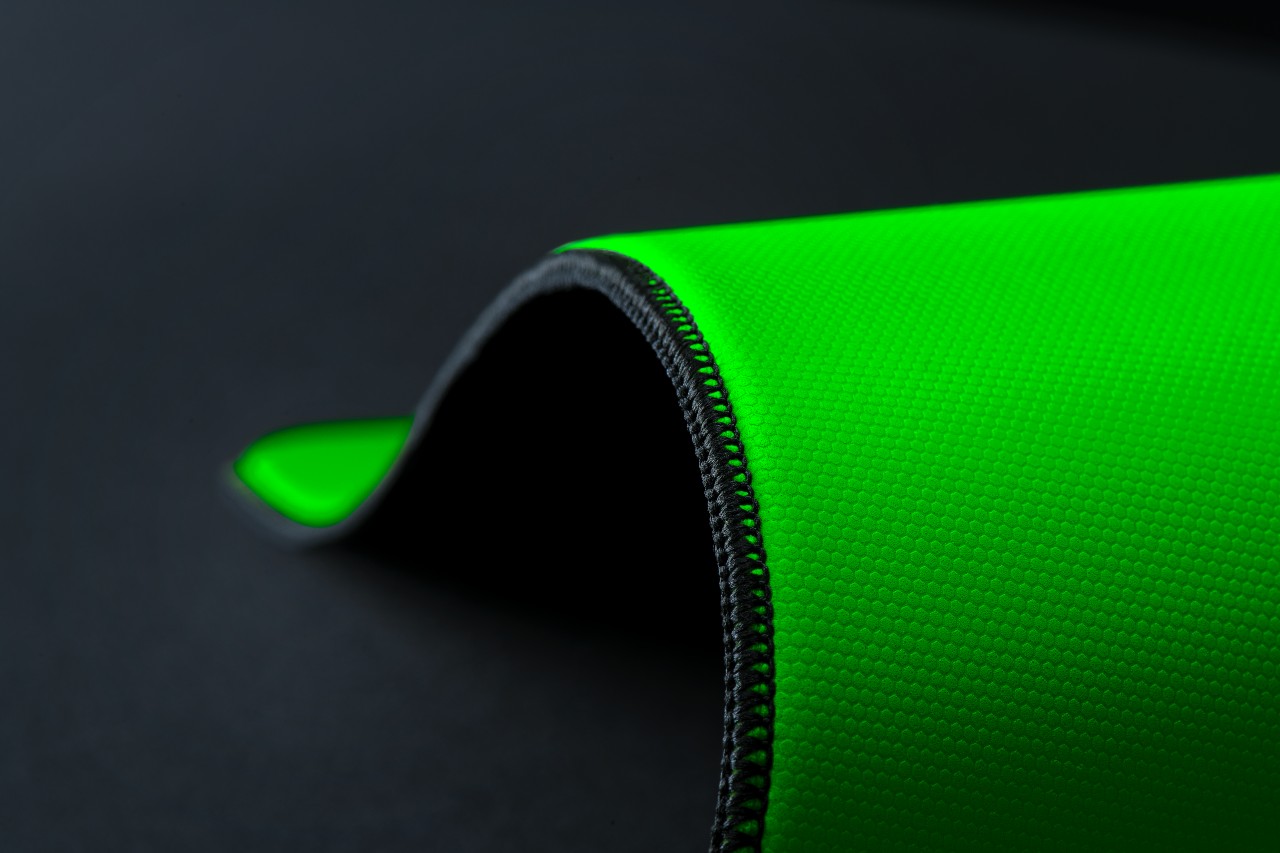
The Gigantus V2 Pro evolves Razer’s mouse mat lineup by introducing five distinct speed ratings paired with corresponding foam firmness. Instead of a one-size-fits-all surface, players can now choose based on how they aim and move.
Developed with esports pros like Nikola “NiKo” Kovač, Faker, and Zellsis, each variant reflects real competitive needs across different roles and playstyles.
The five surface options include:
- Max Control for ultra-high friction and precise flicks
- Control for consistent micro-adjustments
- Balance for a mix of speed and stopping power
- Speed for quicker swipes
- Max Speed for the fastest possible movements
Each surface is paired with Razer’s GlideCore foam, tuned to match the friction profile. Softer variants provide more stopping power, while firmer ones prioritize speed and responsiveness.
Built for consistency across every match
Razer ensures the Gigantus V2 Pro works seamlessly with modern optical sensors. Lab testing guarantees consistent tracking, whether for fine adjustments or wide flicks.
The mat is also designed for competitive environments. It features stitched edges to prevent fraying, an anti-slip base for stability, and a rollable build that makes it easy to bring to tournaments.
A complete competitive setup
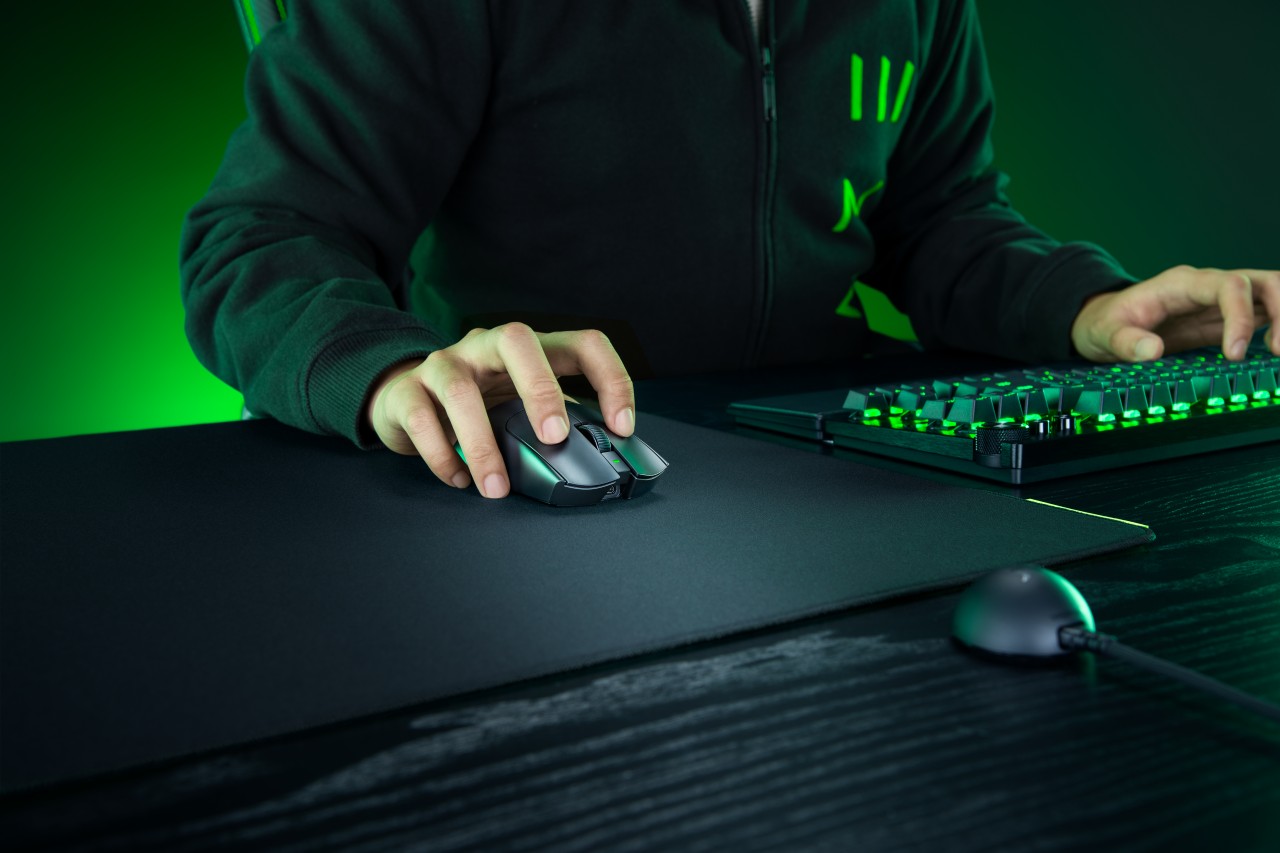
Together, the Viper V4 Pro and Gigantus V2 Pro form a cohesive setup that covers both input and surface. The mouse emphasizes low latency, precision tracking, and a shape validated by pros. The mouse mat complements it with clear, playstyle-based options.
Rather than focusing on a single standout feature, Razer builds a system. One that supports consistent performance, adapts to player preference, and helps turn practice into results when it matters most.


Galaxy Buds4 Pro review: I thought I was done with in-ears
This Buds4 you


WWE 2K26 lets you live out all the fantasy matches you could want
But you have to play for hours and hours to unlock everyone.

The HONOR X8d is serviceable
Steady but slow?

DJI officially launches the Avata 360 with 8K immersive imaging

The Changan Eado Plus officially lands in the Philippines

PLDT Home, Samsung team up for exclusive entertainment deals

Maya waives withdrawal, InstaPay transfer fees for Middle East remittances

Nintendo will make it cheaper to buy digital games than physical


-

 Reviews1 week ago
POCO X8 Pro Max review: A new beast from the far east
-

 News1 week ago
POCO X8 Pro Series: Price, availability in the Philippines
-

 Features2 weeks ago
Galaxy AI on the Samsung Galaxy S26 Ultra
-

 Apps2 weeks ago
Google Maps is finally getting a 3D mode
-

 Reviews1 week ago
POCO X8 Pro Iron Man Edition review: Midrange phone in superhero armor
-
 Reviews2 weeks ago
Samsung Galaxy S26 Ultra review: A phone you live with
-

 Automotive1 week ago
VinFast extends free unlimited charging in 3 markets amid rising fuel prices
-

 News1 week ago
POCO introduces X8 Pro Series with Dimensity 9500s