
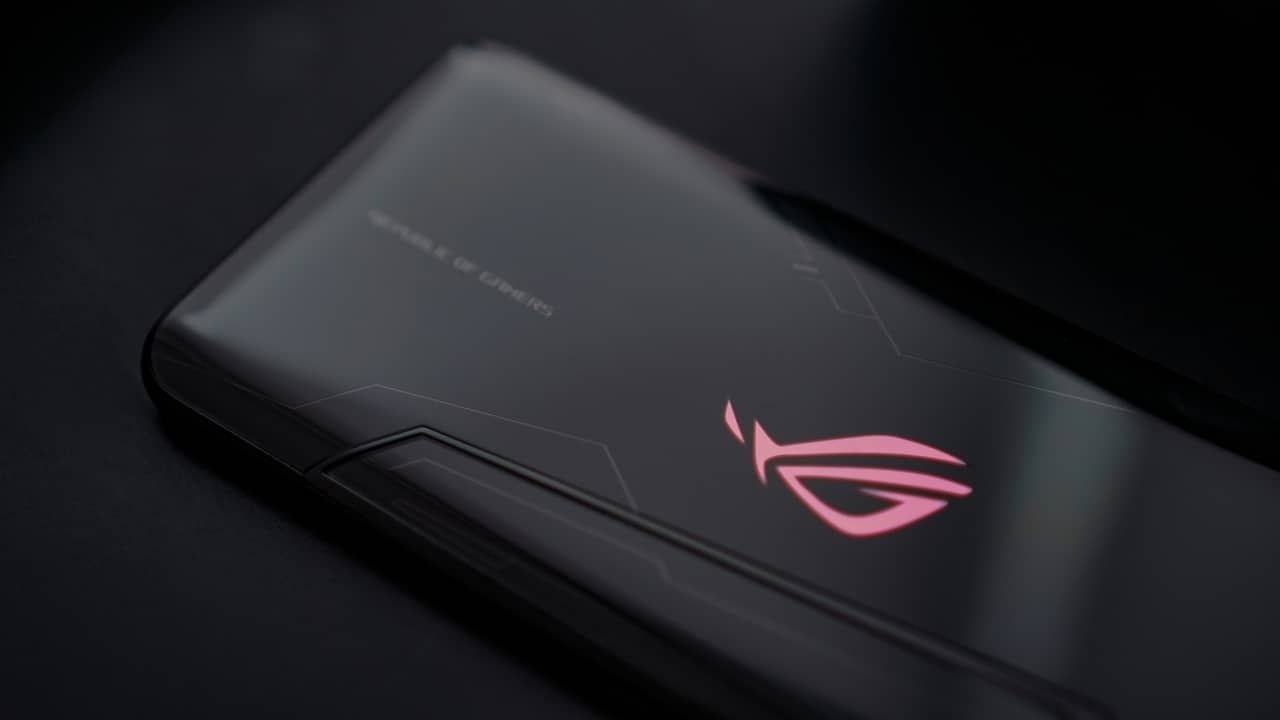

I have said this countless times in previous reviews — I’m not much of a mobile gamer. But there are plenty of things about the ROG Phone 2 that made me enjoy playing.
When the first generation ROG Phone came out, I have to admit, I may have dismissed it right away. I really wasn’t into mobile games, the design was a little too “gaming” for me at the time, and the cameras were — in the words of other reviewers — craptastic.
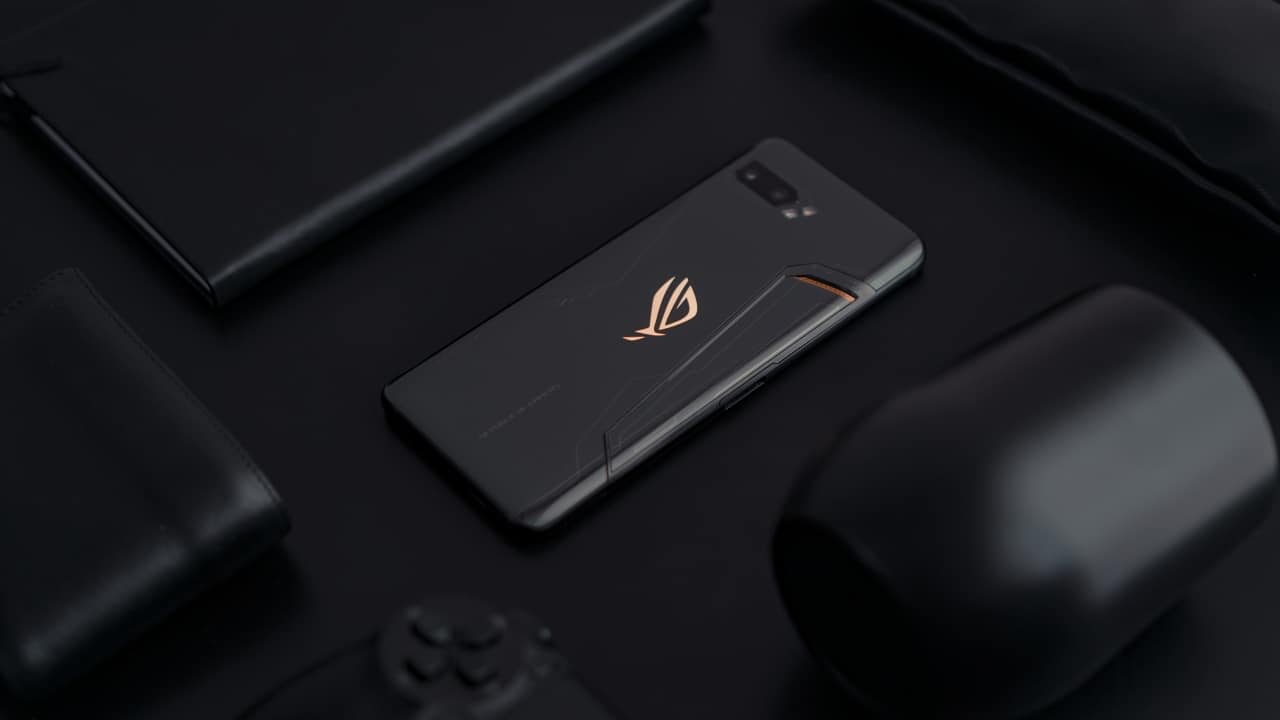
A year later, ROG is back for a second playthrough. Armed with the experience and knowledge gained from its first turn, the company knew right away to strengthen its weaknesses.
Unequip: 4000mAh battery, Equip: 6000mAh battery
In our review of the ROG Phone last year, we pointed out how the 4000mAh just didn’t have enough juice to support all of the bells and whistles of the phone. This is no longer the case.
The 6000mAh battery on the ROG Phone 2 performs as expected. Even with the 120hz refresh rate for the display turned on, the phone would last for nearly two days without charging. That’s moderate to heavy use on a mixed bag of tasks like answering emails, browsing on social media, playing a few rounds of Team Deathmatch on Call of Duty Mobile, and playing TWICE and LOONA songs on repeat.

It even messed up my charging routine because it just didn’t make sense to plug a phone that still has somewhere between 60 to 70 percent left at the end of the day. You’ll quit game first before the phone quits on you.
Charging is also fast AF thanks to ASUS’ HyperCharge technology. While this doesn’t boast of the wireless charging feature that many of its contemporaries at its price range has, it’s not something you’ll miss at all.
Discard: 12MP camera, Pick-up: 48MP camera
The sweeping statement that “cameras on gaming phones are bad” is no longer true. If anyone says this, they’re either misinformed or are just flat-out lying.
The ROG Phone 2 is now equipped with a 48MP lens accompanied by a 13MP wide angle lens. It’s a huge leap from the 12MP+8MP combo found on the first ROG Phone.
Photos taken with plenty of light look pretty darn good.






However, it does this weird JJ Abrams thing where there’s a lot of lens flare on some photos even during the night.

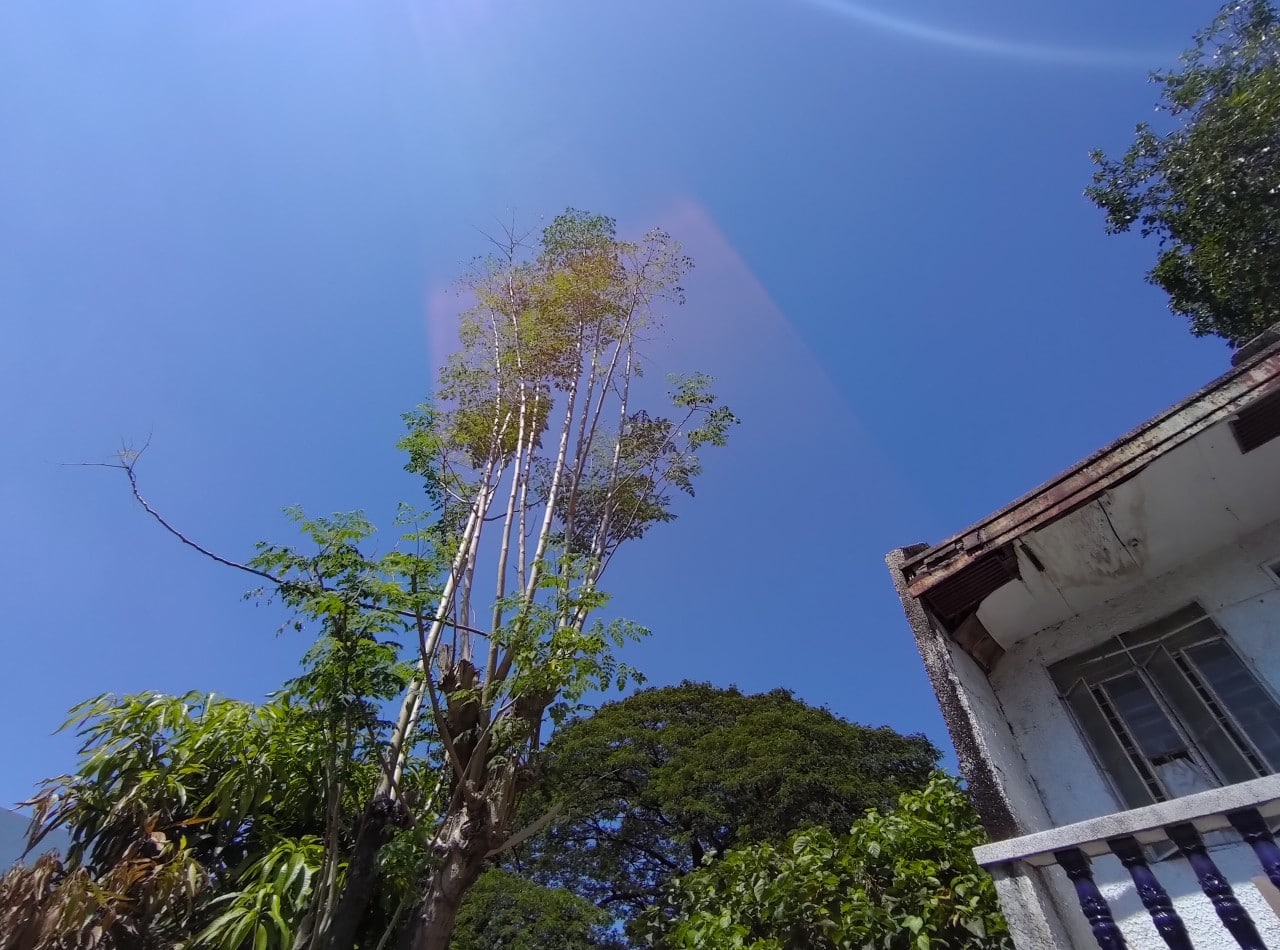
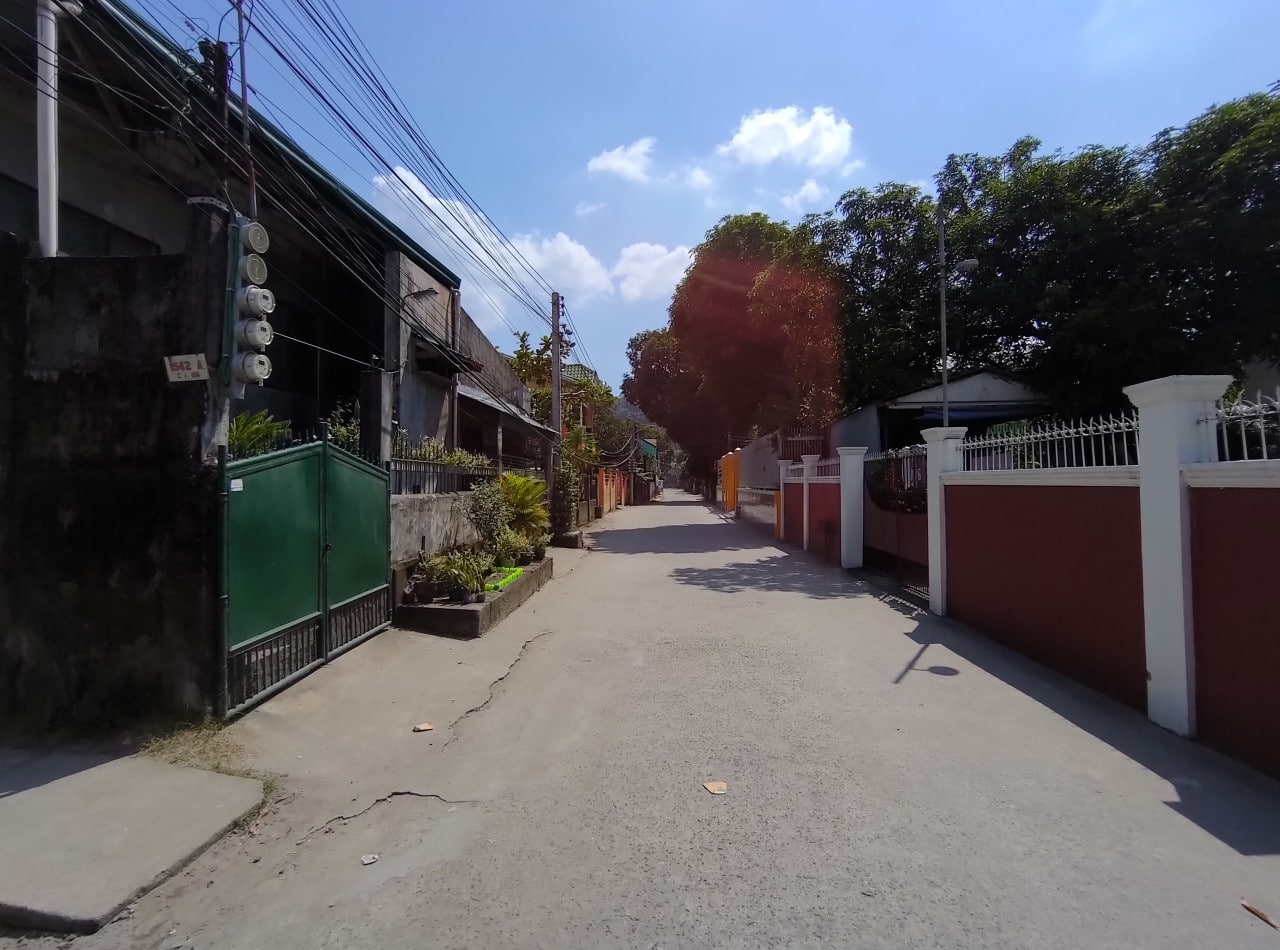
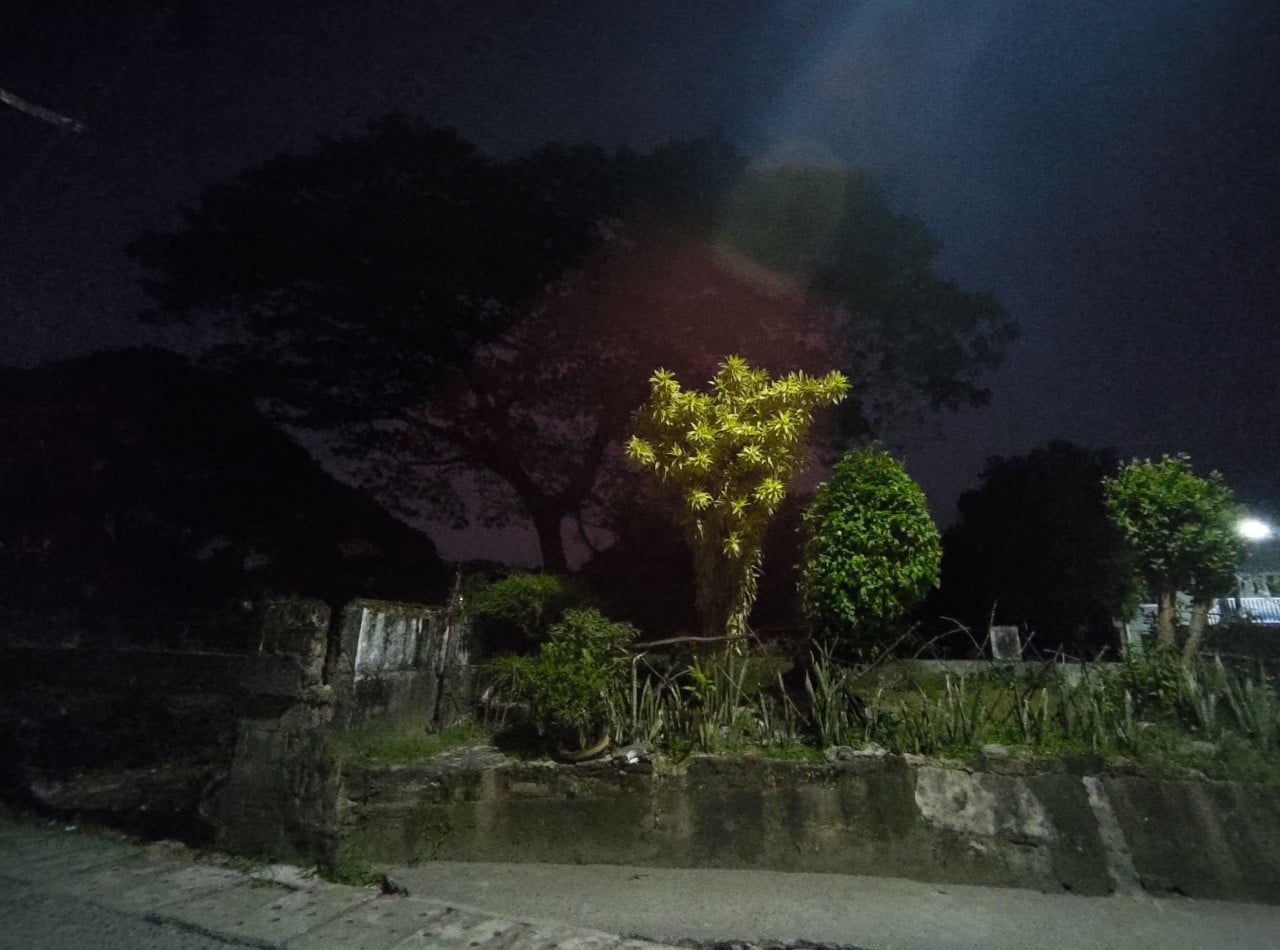
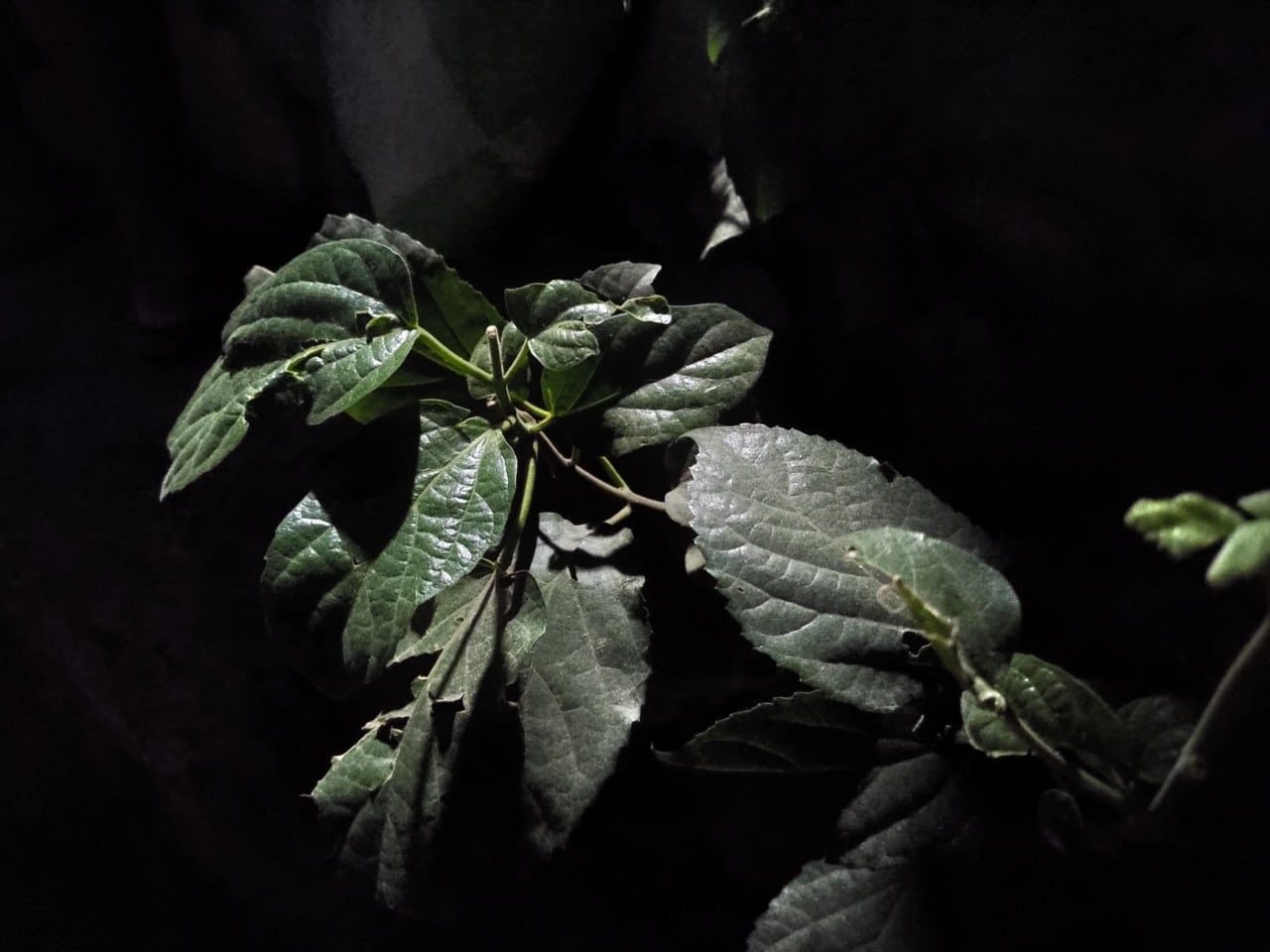
Speaking of the night, while the streets where I grew up in isn’t much to look at, I thought the ROG Phone 2 did well enough in capturing a fair amount of detail in low light situations.
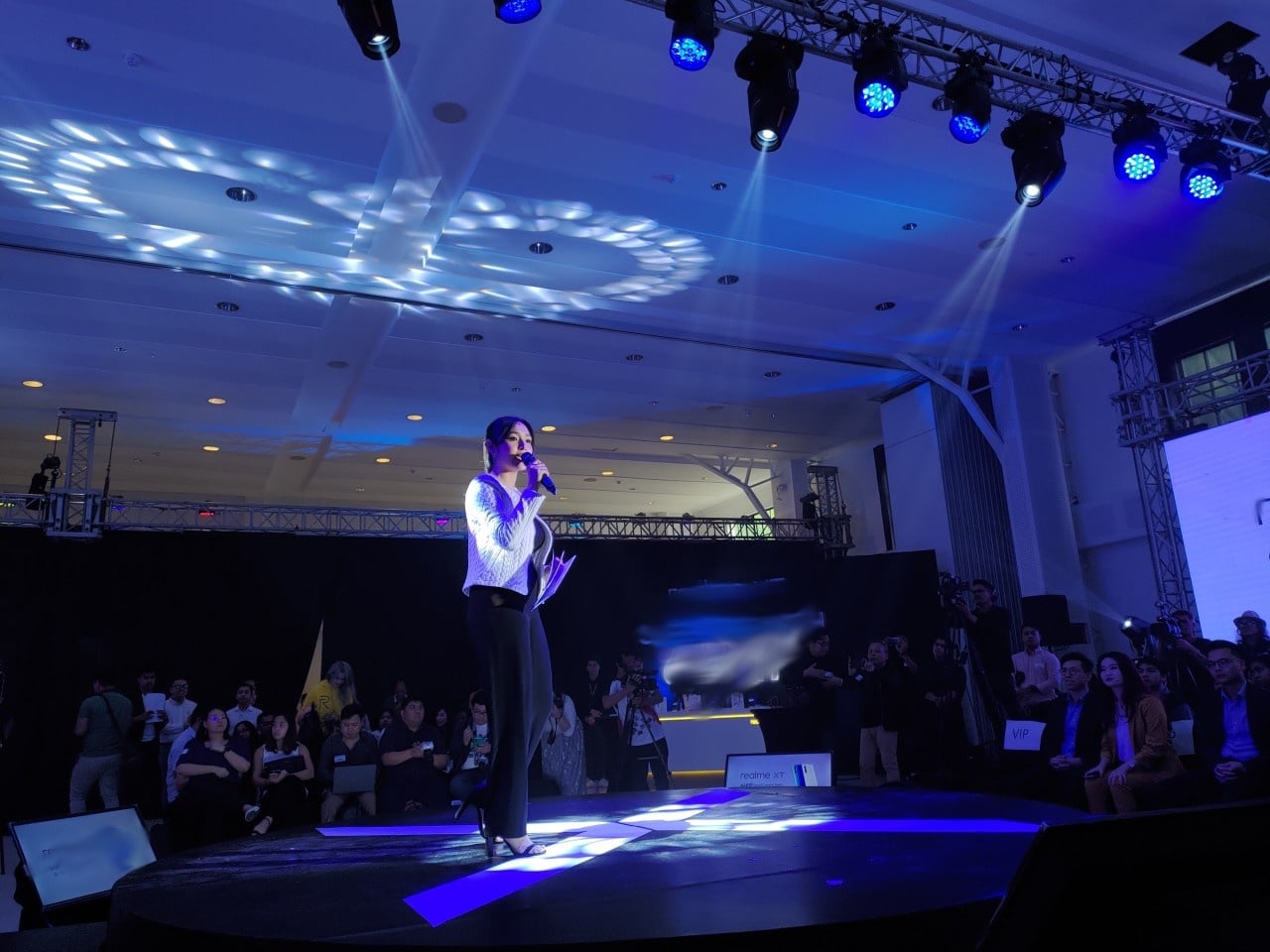
P.S. the last photo in this set is clearly not from my hometown but I thought it was a good representation of the phone’s low light capabilities. Yes, I blurred parts of the image as it’s from an event of another brand. ✌🏼😆


The portrait mode even has this neat trick where you can adjust the level of blur after you’ve taken the photo. This means you can say goodbye to those photos where your subject looks like a sticker plastered onto a blurry background.


The selfie camera went from 8MP to 24MP and there’s plenty of improvement here as well. Although it does apply a noticeable amount of beautification even if you have the option completely turned off.


Unapologetically a gaming smartphone
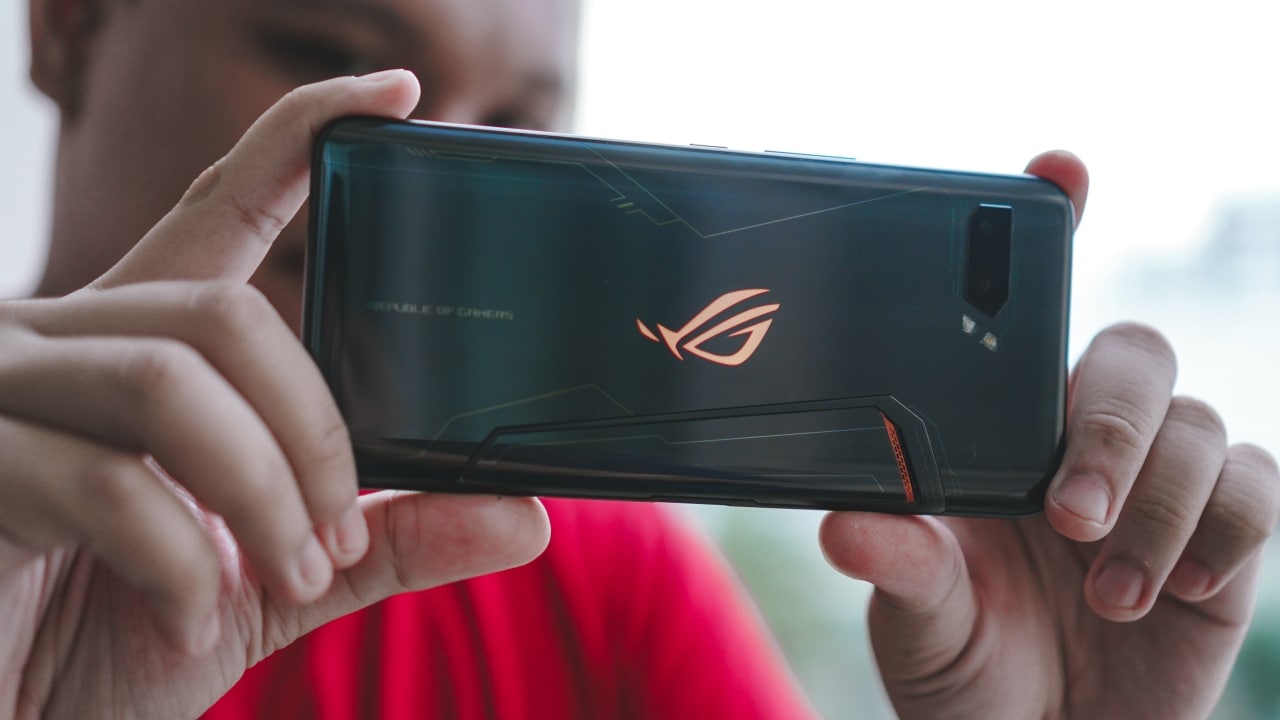
The thing that might scare off most other buyers is also the very same thing that might attract the gamers who this phone has its crosshairs on. The phone’s design just SCREAMS gaming.
It does seem a little more toned down compared to the first generation, but the ROG Phone 2 is still without a doubt designed with the gamer aesthetic in mind.

This was the very thing that I didn’t like about the ROG Phone. And while I still prefer something that’s a little more subtle, I don’t find the ROG Phone 2’s design as appalling as the first one. Although that’s probably my taste changing more than anything else.
Other than how it looks, the ports, buttons, and camera placement are all geared towards gaming. You still get two USB-C ports. One where it’s usually placed and another for when you’re gaming in landscape mode.
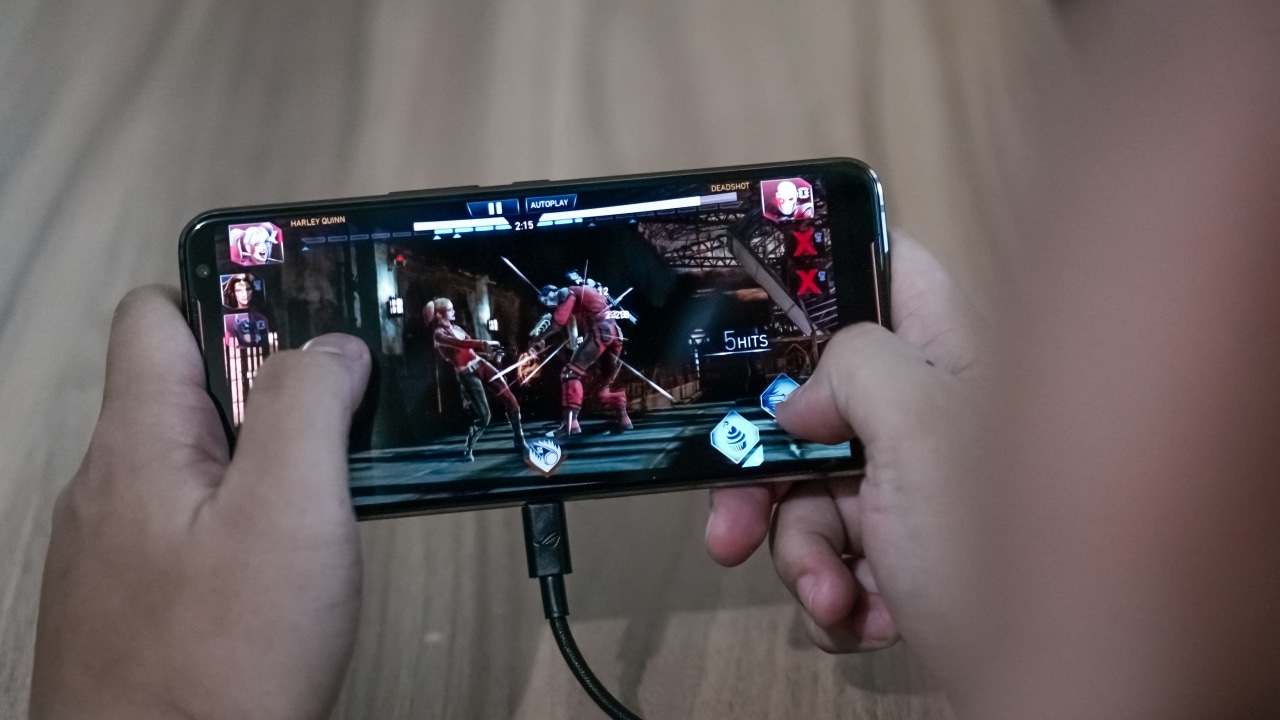
The front-facing camera is also positioned in a way that it won’t be obstructed if you decide to stream your gaming session. A feature you can do thanks to the Game Genie that’s at the heart of this phone.
What kind of gamer are you?
I was hesitant at first because I primarily do all my gaming on a console. Always have and, I thought, always will — that’s until I got to try the ROG Phone 2.
I really am not one to play mobile games. It’s not a knock on people who enjoy playing them. It’s just that for me, my phone has always been more a tool for work, communication, and media consumption.
But I had to play. I’m not exactly a fan of the more popular mobile games right now so I sought out other games — ones I think I would enjoy.
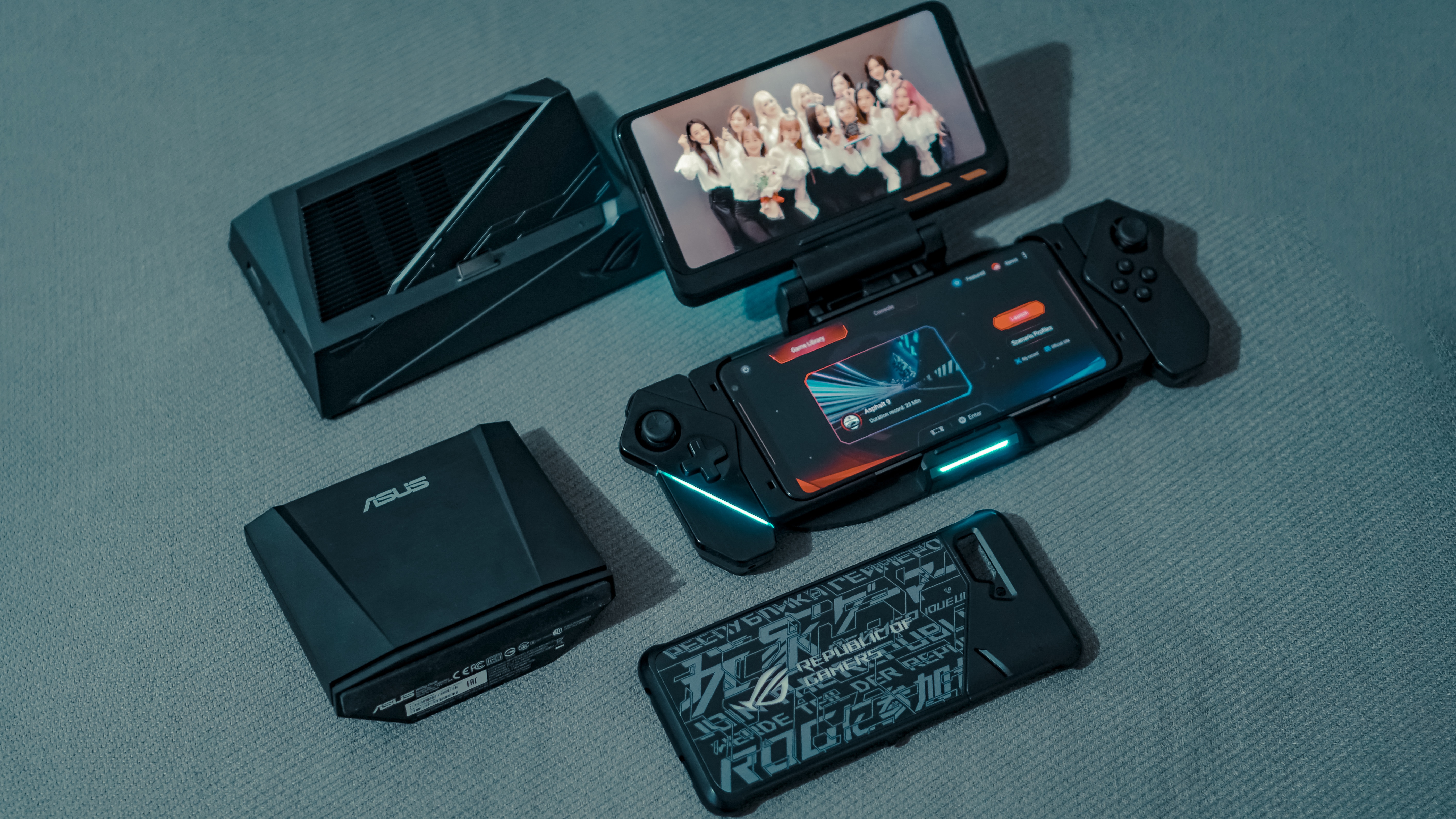
Before I move forward, I’ll be casually mentioning the accessories that come with the ROG Phone 2. Won’t go into too much detail. You can just watch our unboxing to see what the accessories are. You can check the pricing for each one on this link.
Okay. Let’s play.

First up was FF15 PE — the mobile version of Final Fantasy XV. Role Playing Games or RPGs are really more up my alley. The game utilizes a lot of swipes and taps on the screen. Which is great if you’re not keen on getting the other accessories that come with the ROG Phone 2.

Next up, I tried Injustice 2. This is also another title that has a counterpart on consoles and PCs. The game is versus fighting and was adapted nicely to mobile phones. Like FF15 PE, it utilizes plenty of swipes and taps. It does have on-screen buttons that you can map on the Kunai Gamepad. I tried the screen and gamepad combo here but that didn’t feel like a natural way to play.
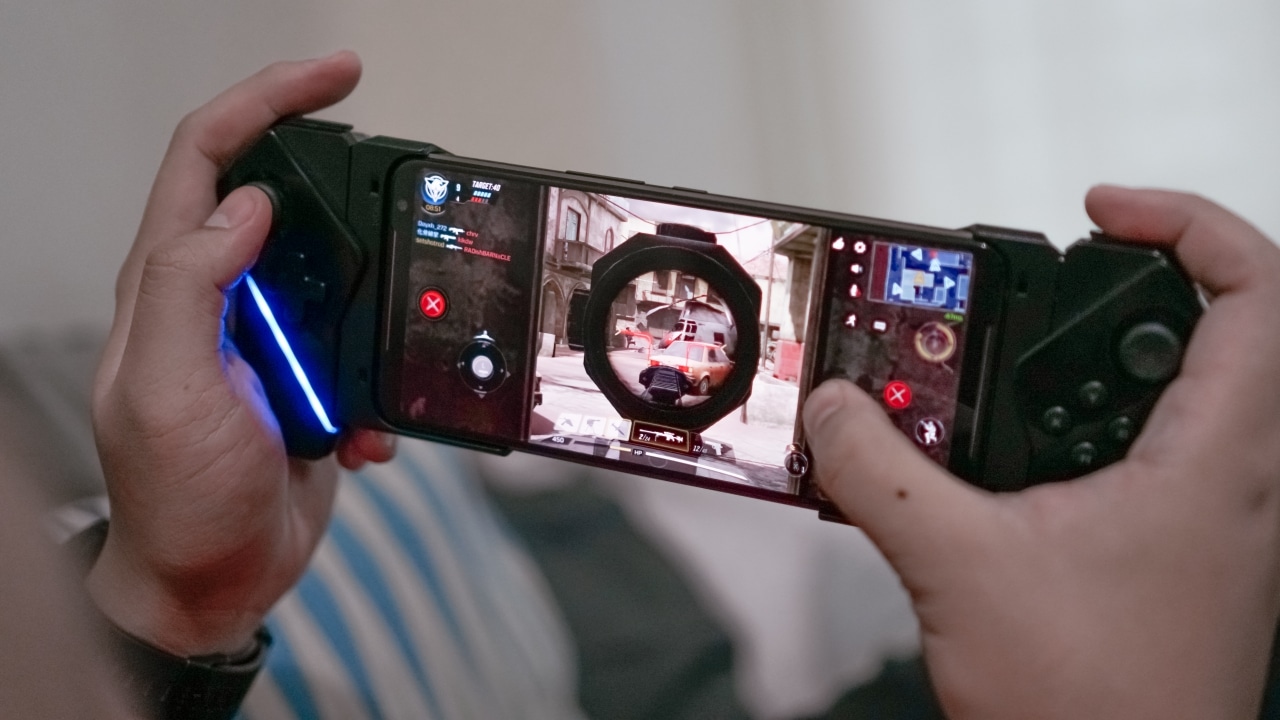
Instead of playing PUBG, I opted to try Call of Duty Mobile. This is perhaps the game I enjoyed the most. The Team Deathmatch mode feels like a throwback to my time playing Counter-Strike waaaaay back in the day. This game plays really well whether you’re just using the phone or if you have the Kunai Gamepad equipped. Quick note though, the right analog stick’s sensitivity is pretty bad for aiming, so I stuck with aiming on the screen instead of using the gamepad.
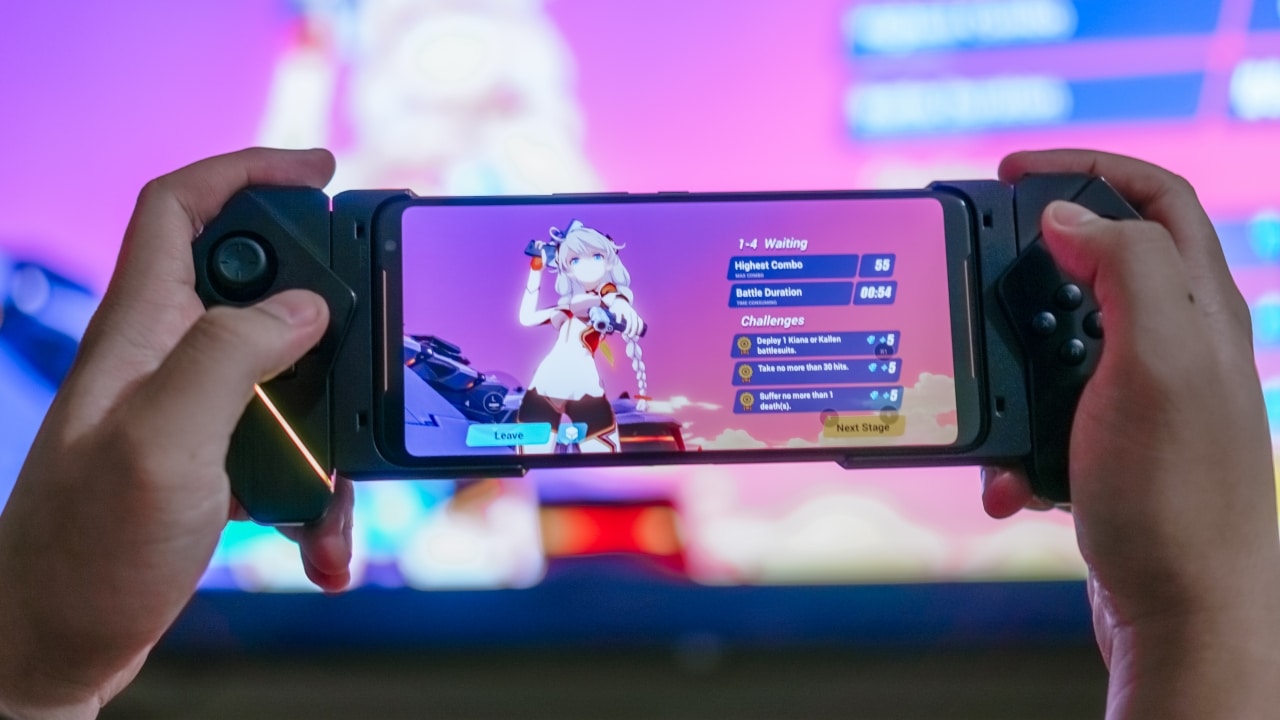
Next, I played Honkai Impact 3. It’s an Action-RPG and is probably one of the best use-cases for the Kunai Gamepad. The graphics is near-console if not already console-level, and all the buttons you need to press can all be mapped on the Gamepad. It was an absolute joy to play.

I also tried NBA Live Mobile. I’m too cheap to spend on NBA 2K20 and I’d rather play that on my PS4 so for mobile I went with EA’s free-to-play game. It plays alright and you can also get the most out of the Kunai Gamepad here, but I don’t see myself playing this for any other reason than for testing devices.

Lastly, I played Asphalt 9 which had direct integration with the Kunai Gamepad. This was hands down the best experience. The game detected the Gamepad right away and took me straight to a tutorial knowing the gamepads were equipped.
Takeaway? The whole experience is a mixed bag. That’s not to say it’s bad, but wouldn’t be better if the accessories just worked seamlessly with the games?
The one thing holding the ROG Phone 2 back is a wider support from a larger catalogue of games. It’s a tough ask. However, if ROG can get more game developers involved, that could take mobile gaming to another level.
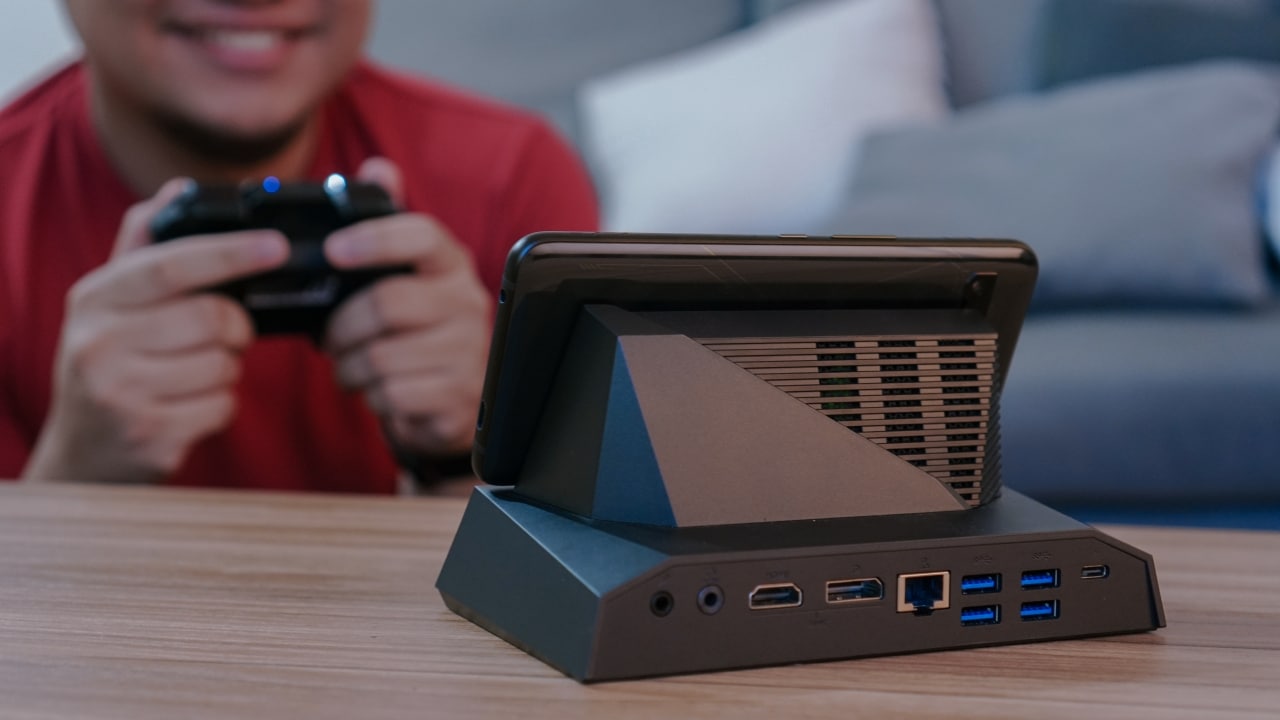
You might have noticed I barely mentioned the other accessories. I think after the Kunai Gamepad, the next most useful one is probably the Mobile Desktop Dock. But that requires you to get a few more other peripherals if you don’t already own them.
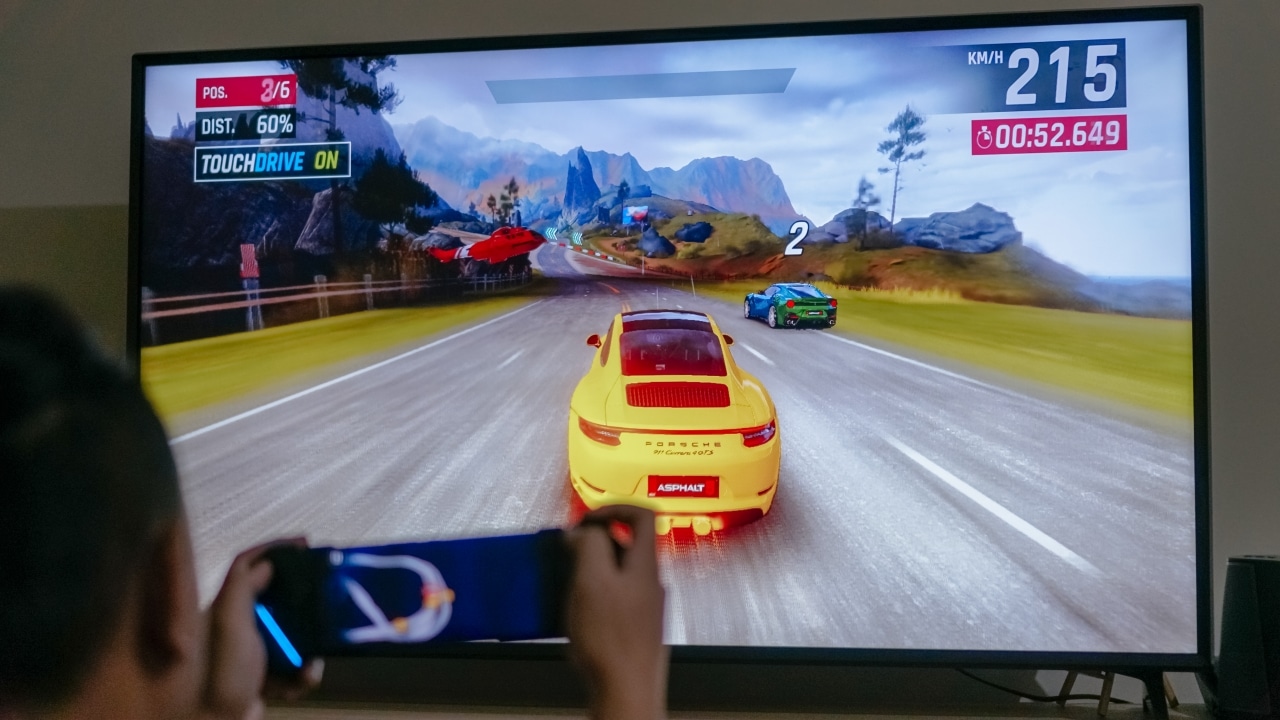
The ASUS Wigig Dock can be helpful but if you’re a gamer and you own a TV, I’m willing to bet you also probably own a console. Personally, I don’t see the appeal of playing mobile games on a bigger screen. But that may just be me. If you enjoy it, that’s perfectly fine.
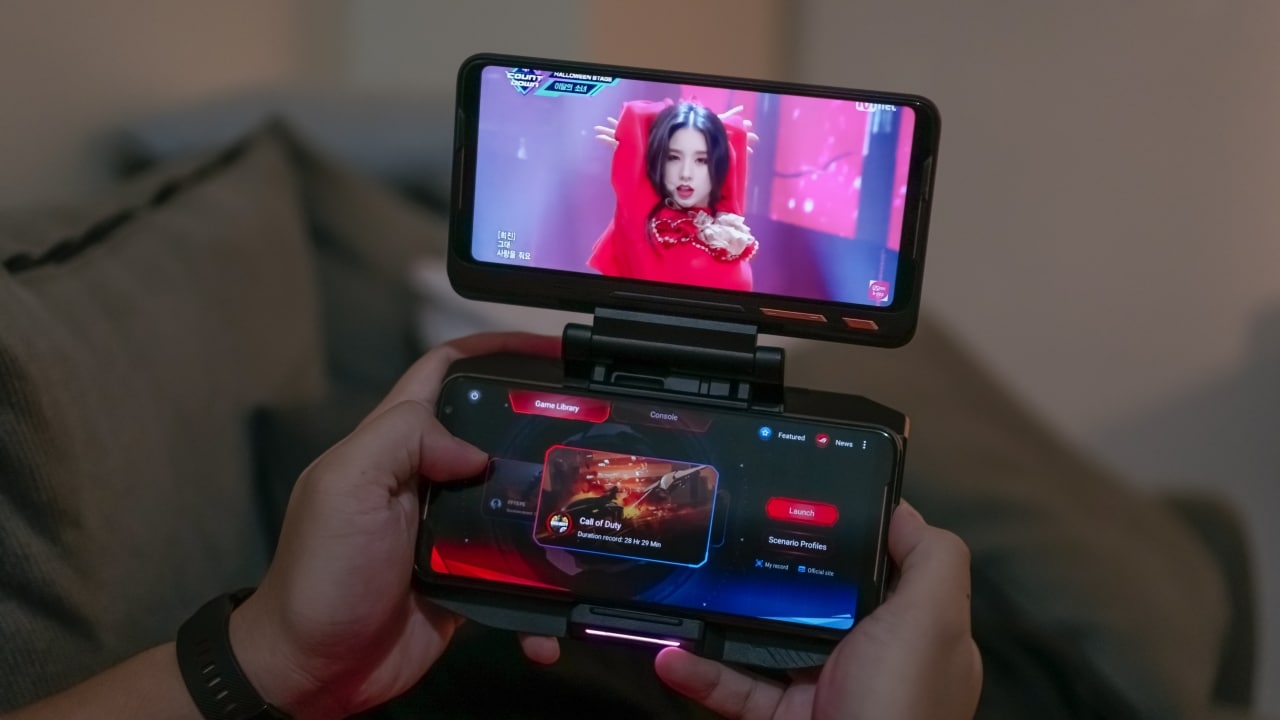
And then there’s the Twin View Dock II. It’s an interesting piece of tech and almost aligns with the foldables that came out in 2019. But like those other foldables, it still feels premature. As of writing, it only really supports two games. You may discover other use-cases for this but I find the price too steep for an experiment.
Is this your GadgetMatch?
To give the ROG Phone 2 a low rating simply because it’s not a smartphone that’s catered for the general public is criminally missing the point.
ROG knows who its market is. I’d like to think this phone was made specifically with them in mind. And if you think that market is small then you must have been living under a rock.

The gaming industry is worth billions of dollars. It’s attracting so many eyeballs that Netflix considers Twitch more of a competitor over other entertainment streaming platforms. That’s how big gaming has become.
So if you played any game, on any platform, for an extended amount of time at any point in your life, I would consider taking a look at the ROG Phone 2. That’s with or without the accessories.
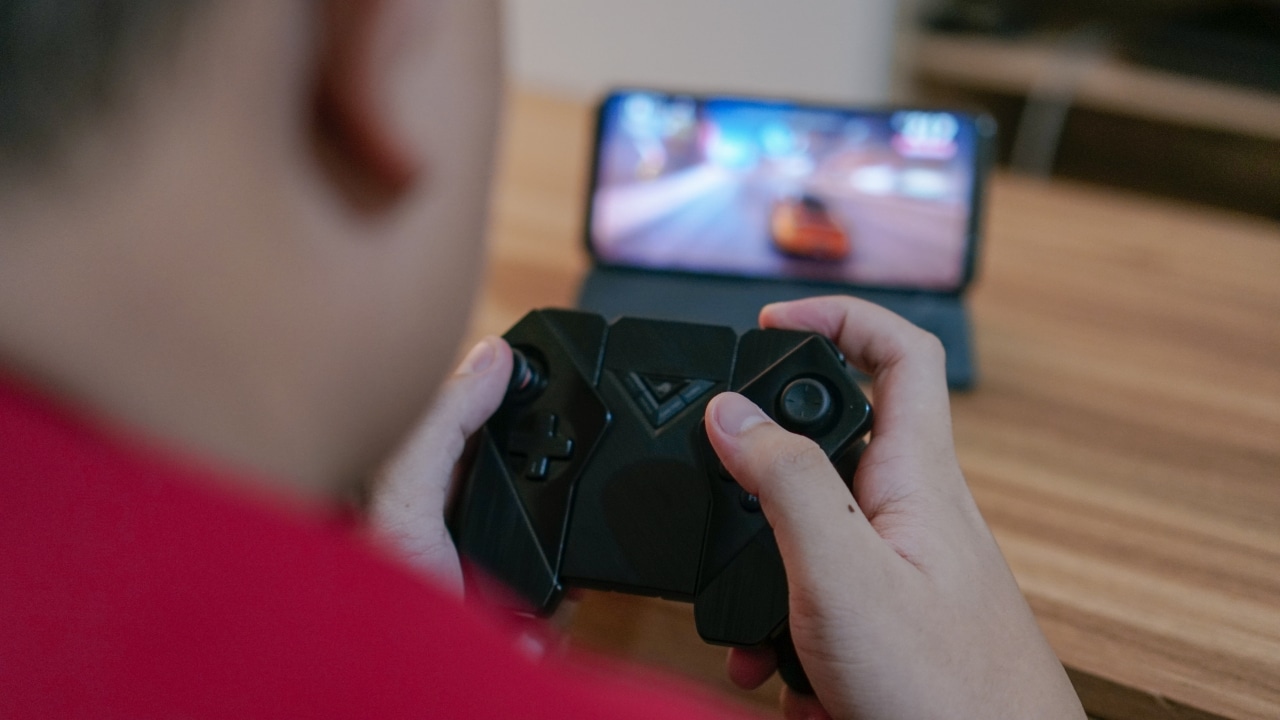
At PhP 49,995, it’s priced right around other flagships that are built for a general audience — fancy cameras, multitasking, a little bit of gaming, and all that jazz. However, none of them are made for a specific set of people that’s steadily increasing in numbers. That’s where the ROG Phone 2 sets itself apart. For the people that this phone is made for, it’s absolutely perfect.





Gaming
SHINOBI: Art of Vengeance’s SEGA Villains Stage out on April 3
Face off against legendary SEGA bosses from different franchises

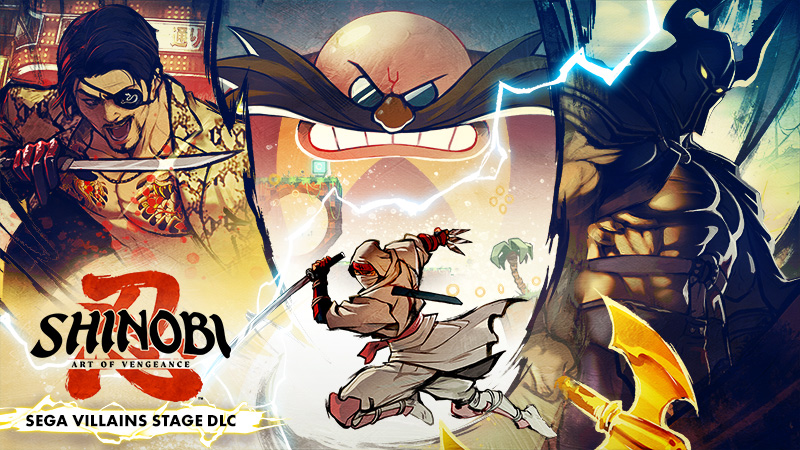
The SEGA Villains Stage DLC for SHINOBI: Art of Vengeance will release on April 3 for PlayStation 4 and 5, Xbox Series X|S, XBox One, Nintendo Switch, and Steam.
The DLC lets players face off against legendary SEGA bosses from different franchises: Like a Dragon and Yakuza, Golden Axe, and Sonic.
An animated trailer has been unveiled as part of the announcement. It features those franchises’ characters, Goro Majima, Death Adder, and Dr. Eggman.
There will be a total of five crossover stages, three bosses, and two Boss Rush modes featuring the bosses for the DLC.
In addition, there will be three more Ninpo, three new outfits, and six new music tracks. The SEGA Villains Stage DLC is a free update for all players.
Aside from the crossover, players can also try out a new Hardcore Mode which features changes in enemy placement and stronger boss attacks.
Additional combat settings also lets players adjust recovery frames, the flash effect, and camera shake. Various quality-of-life improvements are also planned for the 2D action-platformer.
Gaming
The hunt begins: The Witcher in Concert hits Manila with surprises in tow
The Continent comes alive

If you’ve ever heard a haunting chant echo through a battlefield or felt the weight of a choice that isn’t as simple as good or evil, then you already know—the Path has a way of calling you back.
And if you haven’t stepped into that world just yet, consider this your invitation.
With less than two weeks to go, The Witcher in Concert is set to take over Manila for a one-night-only performance. It’s happening on March 28, 2026 at The Theatre at Solaire—bringing with it not just the music of a beloved RPG, but a full-on return to the Continent.
Celebrating the 10th anniversary of The Witcher 3: Wild Hunt, the concert transforms one of gaming’s most iconic soundtracks into a live experience. Expect performances from selected musicians of the Filharmonika Orchestra alongside Percival Schuttenbach—the Polish folk-metal band whose distinct sound helped define the game’s identity. Paired with in-game visuals, it’s a show designed to feel both nostalgic and entirely new.
As the night draws closer, here are three things fans can look forward to:
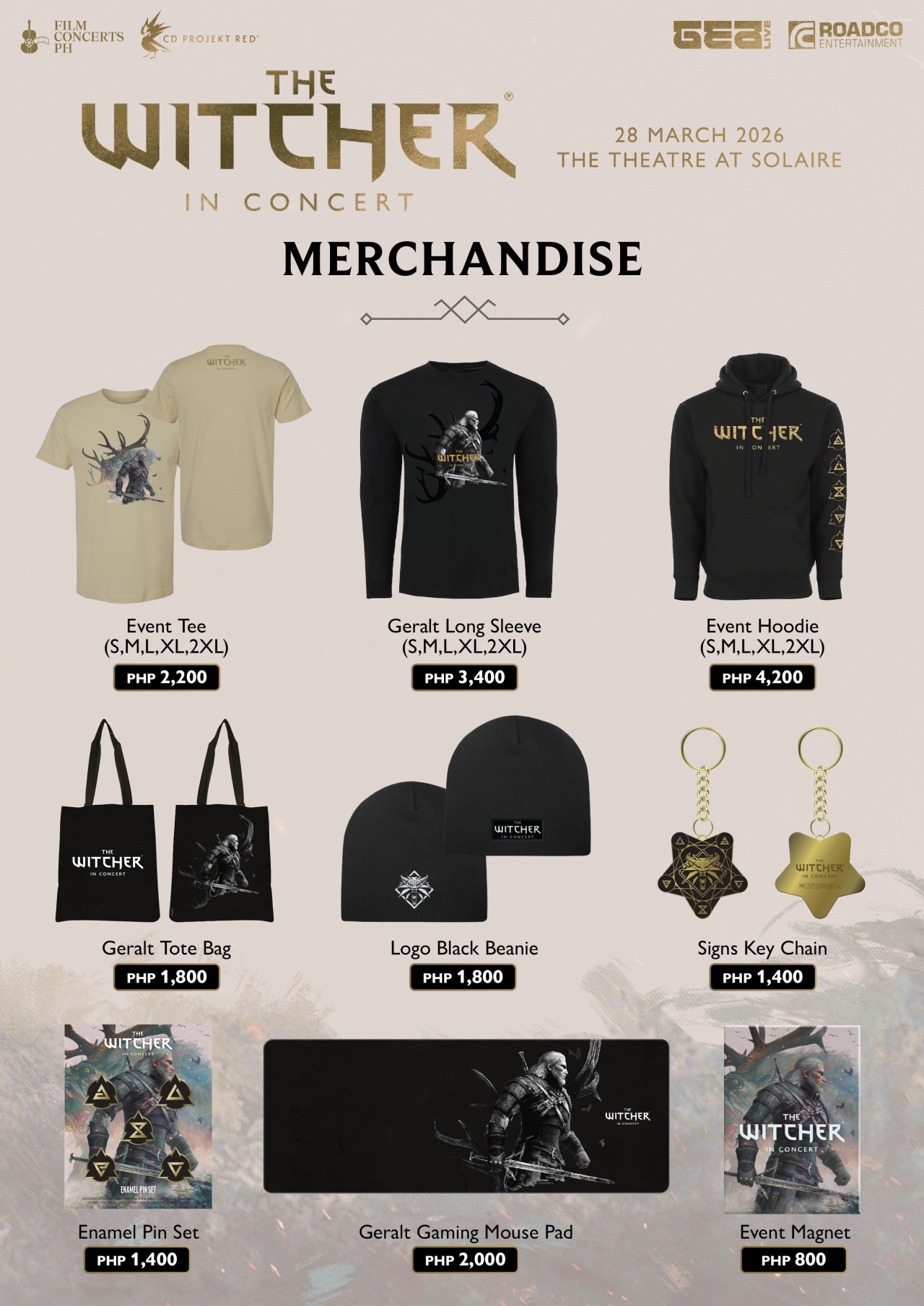
Relics from the Continent: official merchandise
For those who want to take a piece of the experience home, exclusive event merchandise will be available in limited quantities.
This includes the following:
- Event Tee (PhP2,200)
- Geralt Long Sleeve (PhP3,400)
- Event Hoodie (PhP4,200)
- Beanie (PhP1,800)
- Tote bag (PhP1,800)
- Key chain (PhP1,400)
- Enamel pin set (PhP1,400)
- Event magnet (PhP800)
- Geralt gaming mouse pad (PhP2,000)
It’s the kind of loot drop fans won’t want to miss.
The path to Solaire: getting there made easier
Getting to the venue is part of the journey—and this time, it’s a little easier. Attendees can use the Grab code FCPH2026 to get 20% off rides (up to PhP75). With the condition of a minimum fare of PhP250. The promo is valid for two rides per user and applies to trips to and from Solaire Entertainment City.
A rare encounter: meet Percival Schuttenbach
For a handful of lucky fans, the experience goes beyond the stage. Ten winners will get the chance to meet Percival Schuttenbach and receive an autographed CD.
To join, ticket holders need to share any official The Witcher in Concert post on their Instagram Story. They need to write what they’re most excited to hear live and tag @filmconcerts.ph. They need to submit their entry before March 24, 2026 at 5:00 PM. Winners will be announced on March 25.
Answer the call
As the Continent arrives in Manila, fans are encouraged to lean all the way in—whether that means coming in cosplay as a monster hunter, mage, bard, or something far more dangerous.
Tickets are available via TicketWorld and participating outlets nationwide.
The Path is open. The question is—will you answer the call?
Gaming
Monopoly: Star Wars Heroes vs. Villains launching on June 11
Introducing a team-based, cinematic twist to the classic board game
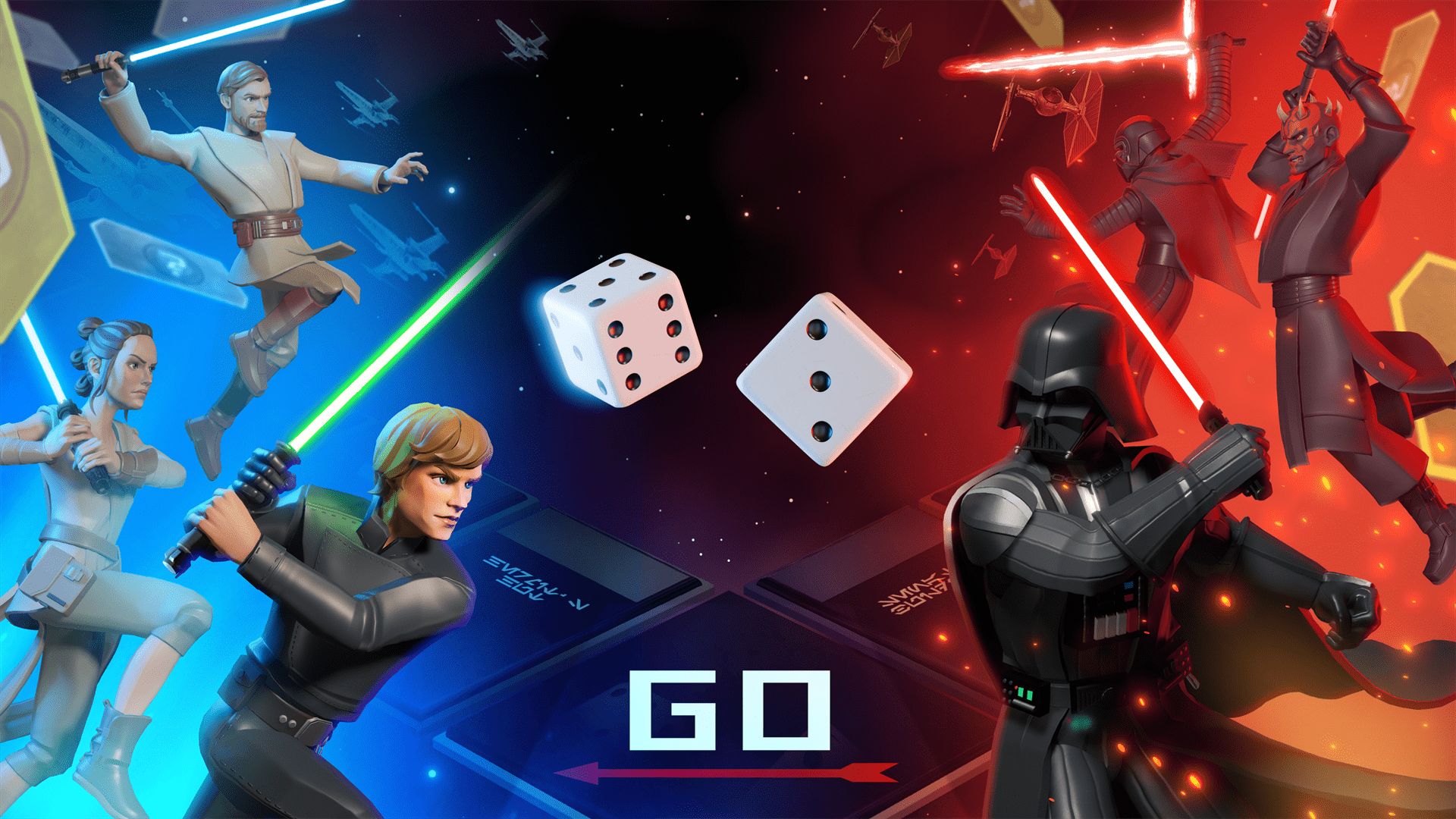
Monopoly: Star Wars Heroes vs. Villains will launch on June 11, Ubisoft has announced. It will debut on PlayStation 5, Xbox Series X|S, Nintendo Switch 1 and 2, GeForce Now, and PC through Steam, Epic Games, and the Ubisoft Store.
The Behavior Interactive title introduces a team-based combat twist to the traditional real estate board game. It includes competitive 2v2 and 3v3 modes, available online and through couch co-op.
This transforms the classic Monopoly gameplay into an action-packed, strategic showdown where teamwork and hero combinations matter.
Every turn carries high stakes as properties change hands in an instant. Dynamic GO events also introduce game-altering twists.
The full reveal will be on April 29.
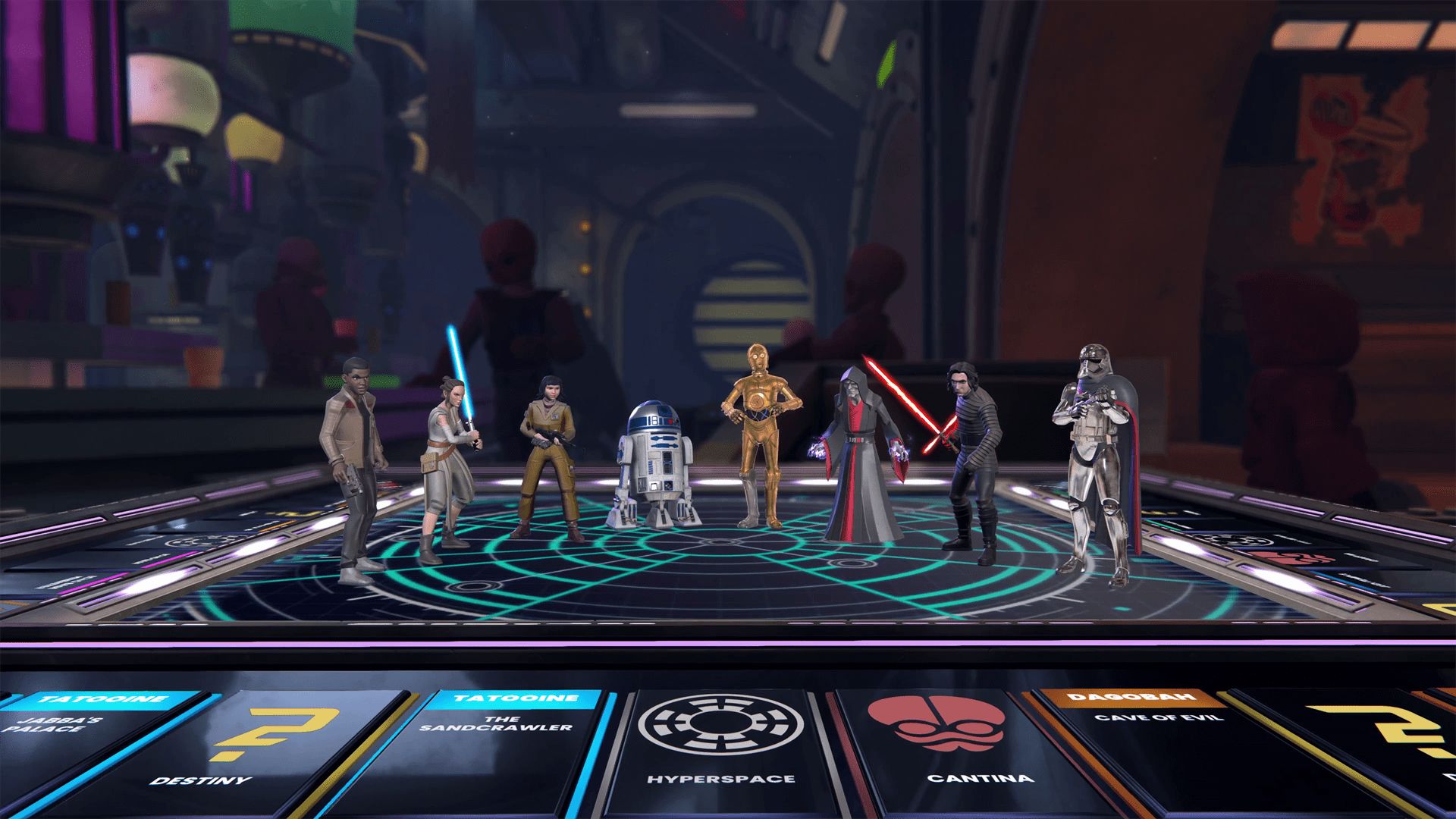
Monopoly: Star Wars Heroes vs. Villains transports players into the Star Wars galaxy with a custom Monopoly board, packed with iconic locations from across the saga.
The gameplay is reimagined with thrilling cinematic moments, themed spaces, and dynamic elements. These make up for a refreshed experience from start to finish.
Players can choose from a wide roster of Star Wars heroes and villains. There’s plenty of options, from Luke Skywalker and Princess Leia to Darth Vader and Darth Maul.
Each character brings unique abilities to shape the team’s strategy and affect the match’s complexion with every roll of the dice.



Now Playing: Hoppers

Jackery SolarSaga series: Free power for small devices

UGREEN adds new Nexode Pro power bank, charger to lineup

nubia to launch new Neo 5 series gaming phones on March 28

SHINOBI: Art of Vengeance’s SEGA Villains Stage out on April 3


-
 Reviews5 days ago
POCO X8 Pro Max review: A new beast from the far east
-

 News5 days ago
POCO X8 Pro Series: Price, availability in the Philippines
-

 Laptops2 weeks ago
Apple MacBook Neo Review
-

 Computers2 weeks ago
GIGABYTE collaborates with Capcom for RE Requiem custom PC
-

 Apps1 week ago
Google Maps is finally getting a 3D mode
-

 Entertainment2 weeks ago
The internet is thirsting over the One Piece Season 2 cast
-
 Features1 week ago
Galaxy AI on the Samsung Galaxy S26 Ultra
-

 Automotive2 weeks ago
BYD is reportedly considering an F1 team