
Features
8 things we like about the Samsung Crystal UHD TU8000
Definitely one of the best value 4K Smart TV around!

Samsung is known for a lot of things. And in the home theater department, the South Korean giant cemented itself as one of the leading brands.
There are a lot of reasons why. But for starters, the company creates sturdy yet well-designed TVs. It never shies from packing its devices with plenty of smart features. More importantly, there’s a range of lineups that suit your taste, preference, lifestyle, and of course, budget.
Of all its lineup, Samsung’s Crystal UHD TV series is the one that’s worth checking out, if you’re in the market for an affordable Smart TV. And the Crystal UHD TU8000 variant, in my opinion, is one of the best value Smart TV you can get right now. It’s a really sweet package, and here are 8 reasons why.
Easy setup via SmartThings app
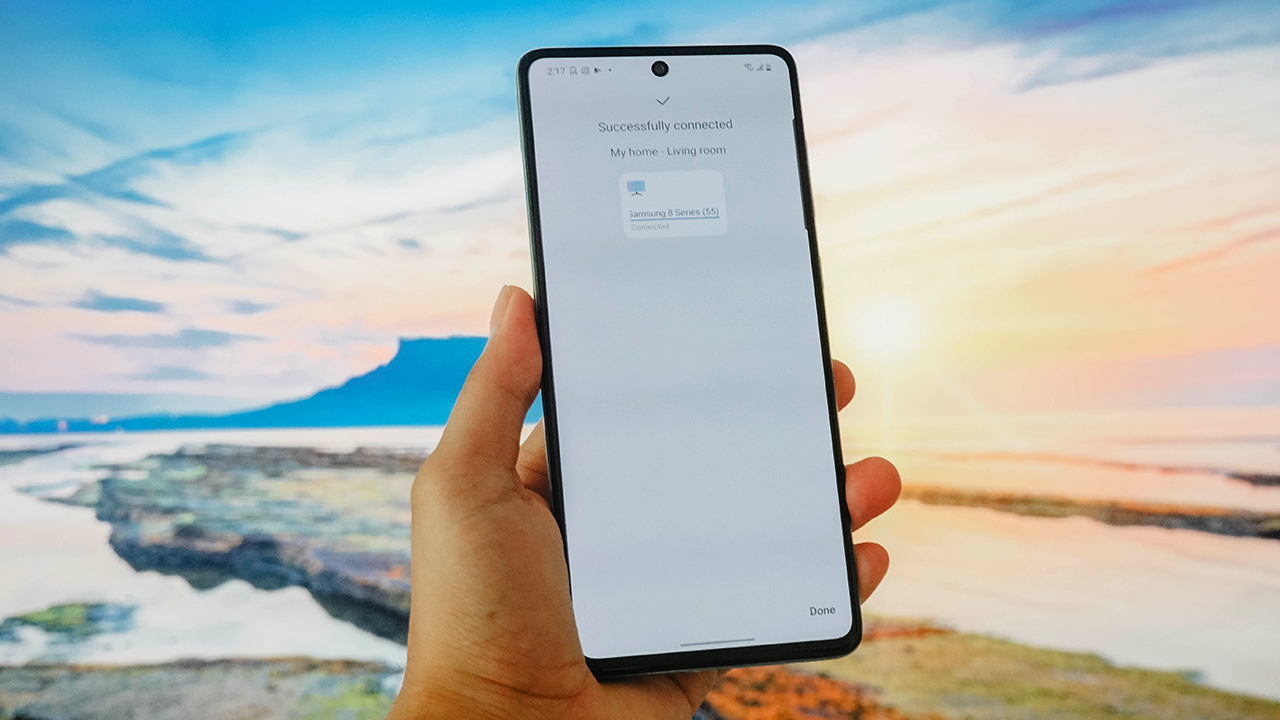
Smart TVs are supposed to be smart, and shouldn’t be a gatekeeper between the tech-savvy and everyday consumer. Samsung kept this in mind, so they optimized the TV setup. You can quickly finish it on the TV itself, or you can connect it via SmartThings app, and do everything on your smartphone!
One of the best smart TV system
Samsung’s TV that has 4K HDR, like the Crystal UHD TV series, is powered by Tizen — an open-source operating system developed by Samsung which can be seen on smartwatches, smart TVs, and appliances.
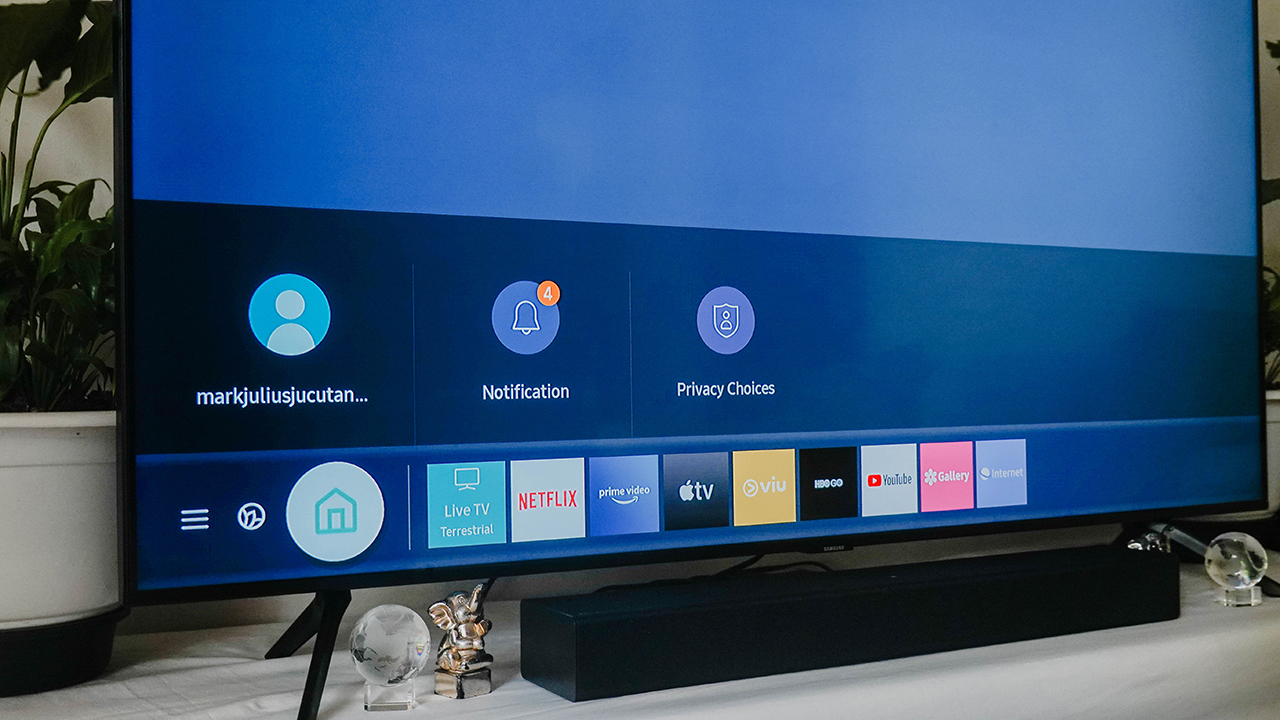
With this system, you can have quick access to popular streaming services. Netflix, Amazon Prime Video, YouTube, Google Play, and even Apple TV — without the need for a dedicated Apple TV box.
Operating systems are often overlooked, but it’s one part of what makes or breaks your watching experience. Samsung’s Tizen made navigation easy, smooth, and functional. It might be due for a look upgrade, but it still gets the job done. It’s perfect for nights when you don’t want to engage your brain and watch telly after a long day at work.
Detailed picture quality
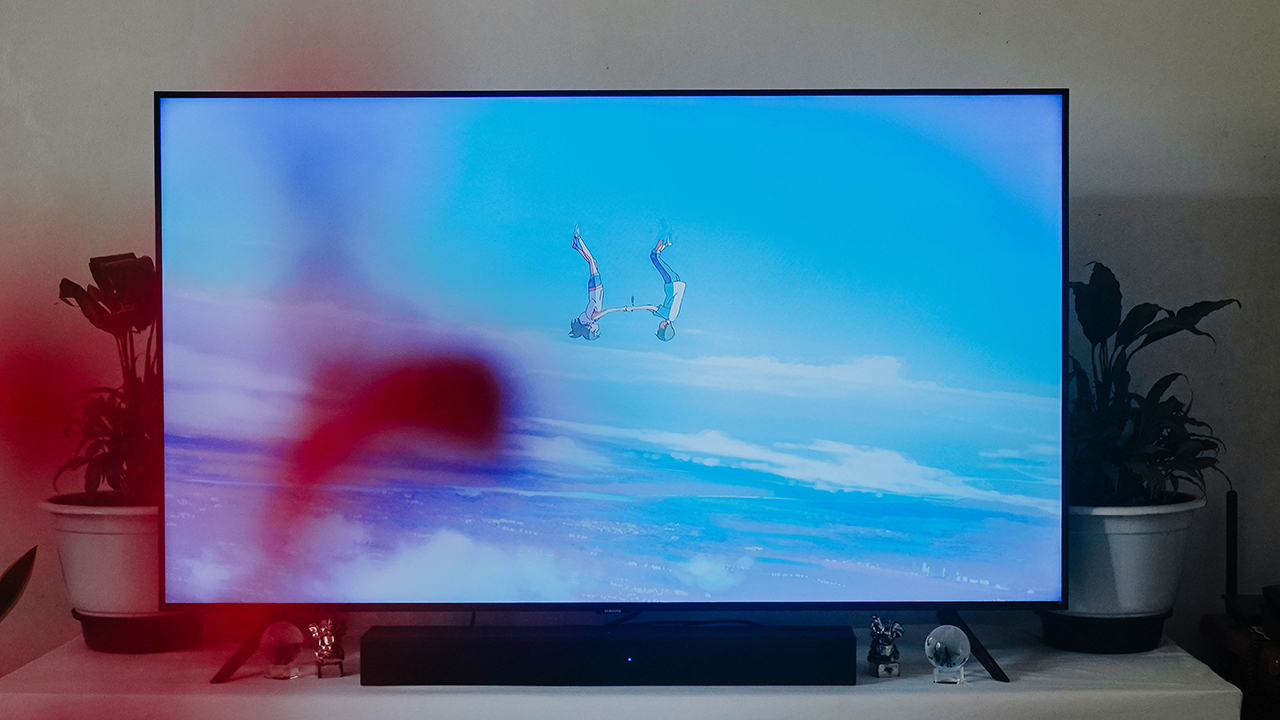
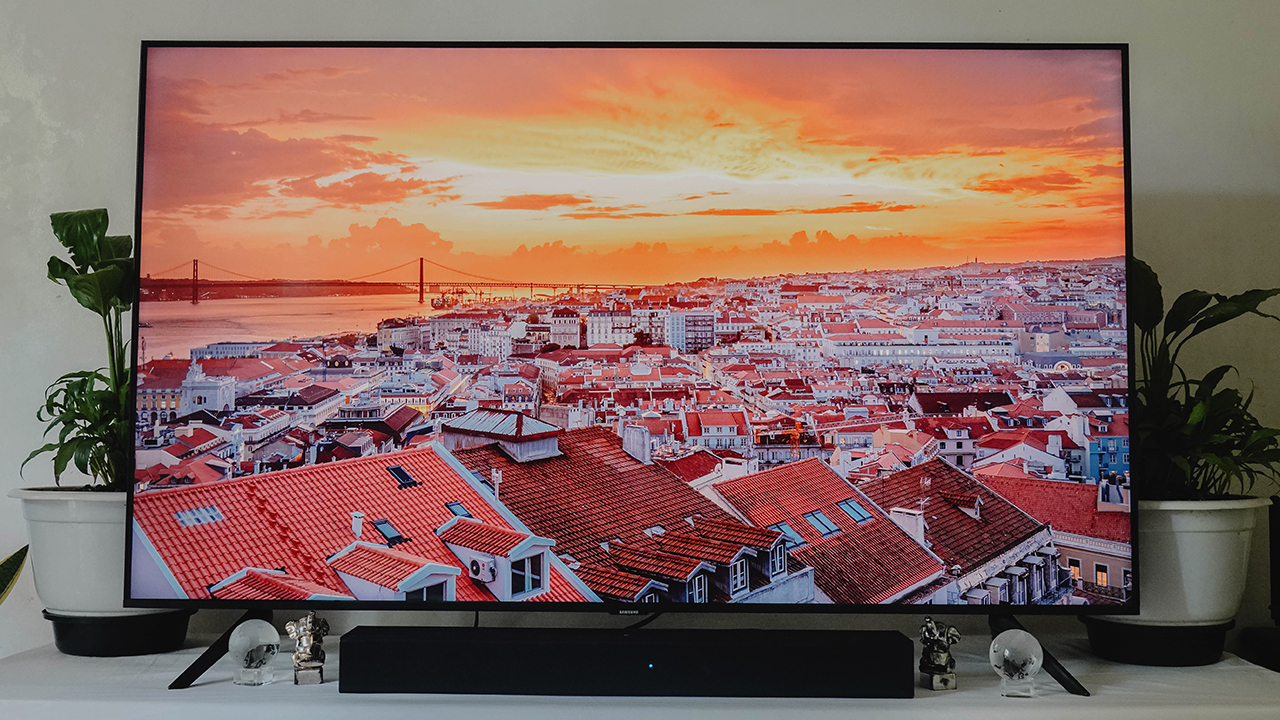
Watching on any Samsung TV is a treat for your eyes, with its sharp and detailed picture quality. It uses an LCD UHD panel technology, so its strength isn’t blowing your mind (and eyes) with vivid colors and a vibrant palette.
Rather, it keeps the visuals interesting by leveling the natural colors. Moreover, you can adjust its picture modes to match your preferences and your room’s lighting condition.
4K and Upscaling
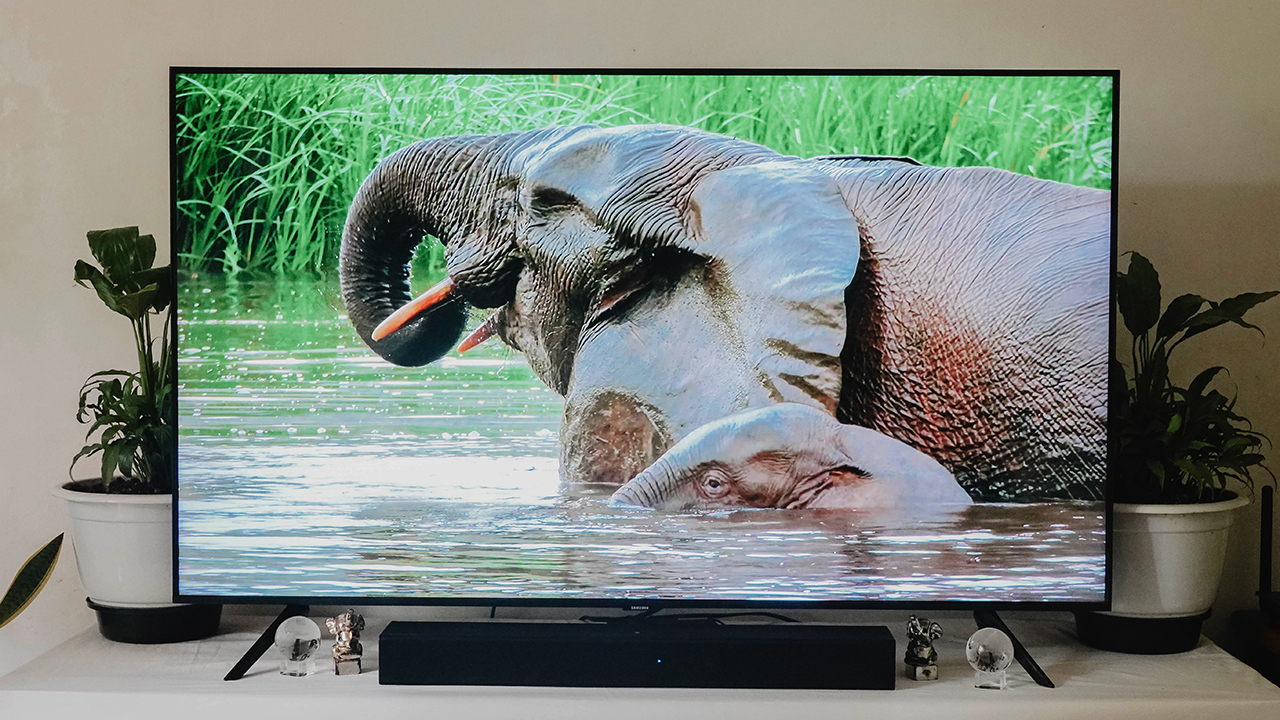
Even though we already have 8K technology, I still enjoyed the 4K HDR capabilities of Samsung’s Crystal UHD TU8000. It was cinematic, immersive, and visually astonishing.
After all, the TV automatically switches to HDR mode whenever you’re watching HDR content, and upscales non-4K videos decently. And if you’re worried about added noise after being upscaled, fret not. The upscaling technology keeps quite a good amount of detail.
Ambient Mode
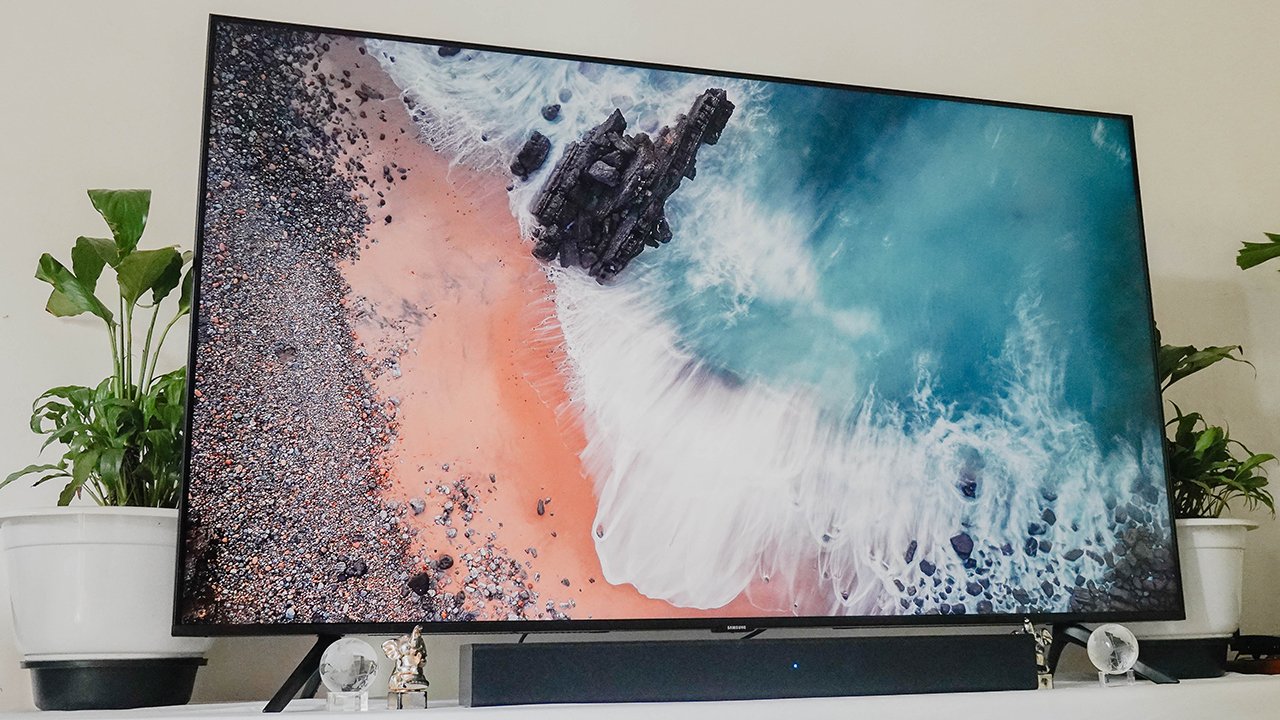
The artistic Ambient Mode, which was only exclusive to the high-end QLED range, made its way to the Crystal UHD TV series — and I love it. You can choose what to do with the display when you’re not using your telly. Opt for nice scenery, place images directly from your Samsung phone’s gallery, make it look like a frame — the choice is yours.
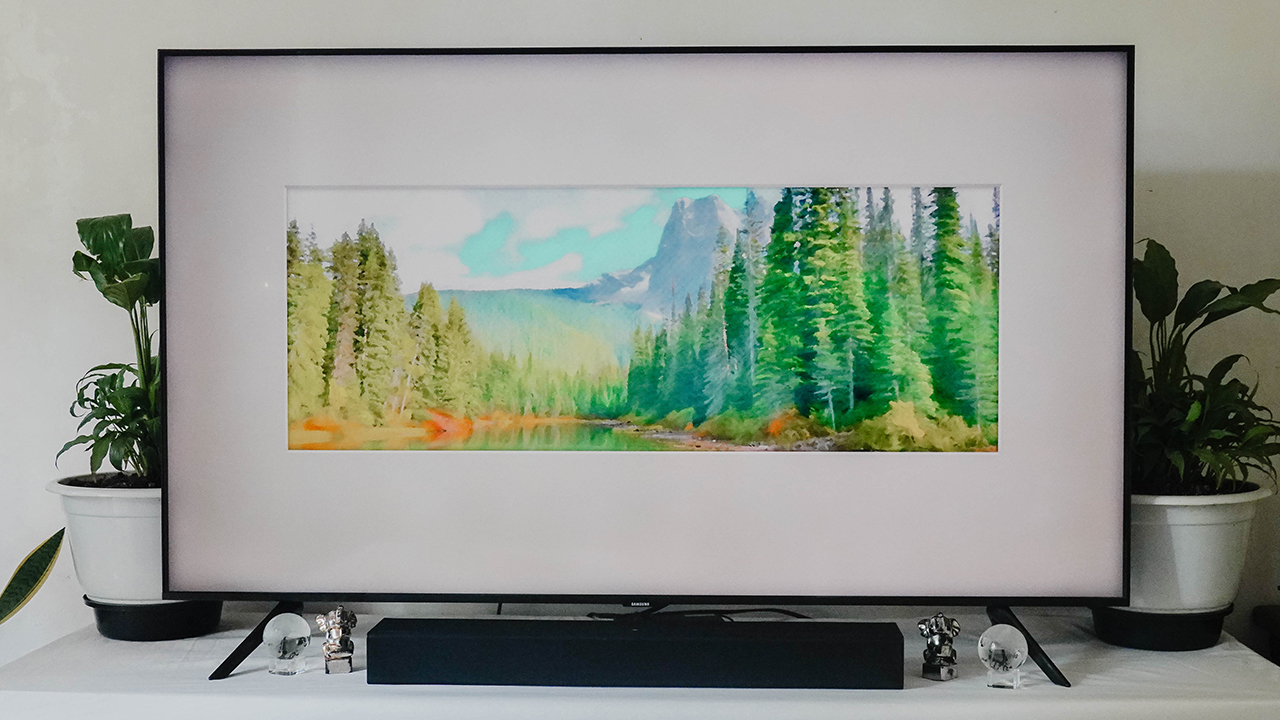
Lastly, the TV operates on lower power mode when in Ambient mode. So it’s not just prettifying your display when not in use, it helps save energy, too.
Stylish, functional, and sturdy
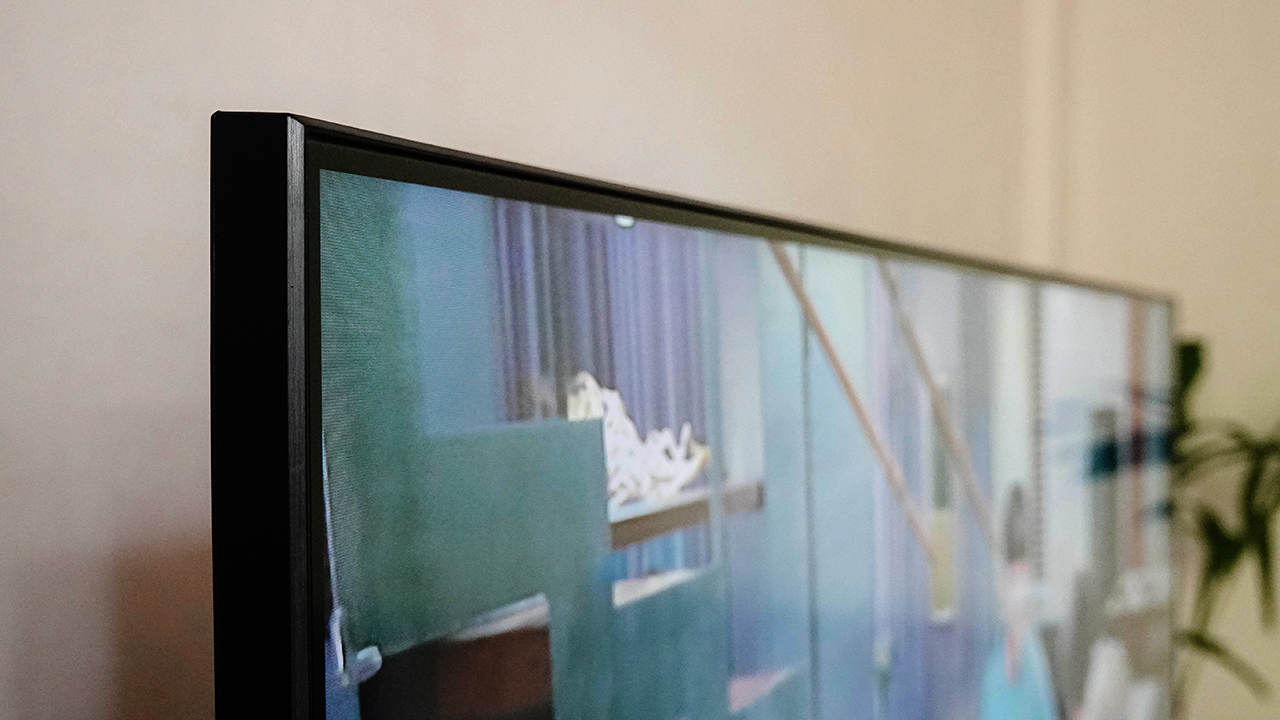
The TU8000 is pretty sturdy despite using plastic on its back panel, bezels, and stand. Nonetheless, it looks stylish whether it’s mounted on a wall or on a TV stand. Its back is designed with cables in mind, allowing you to manage it in an orderly manner to keep your TV neat and clean.
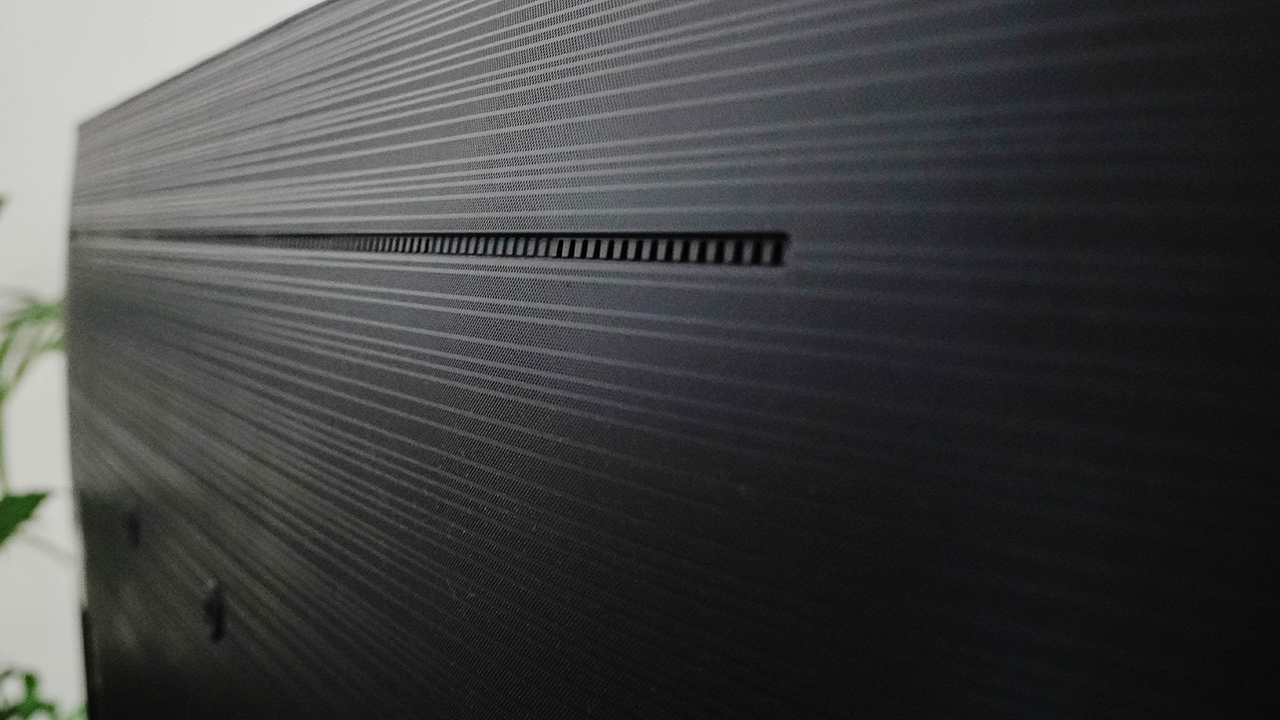
While already looking stylish, the TV never forgot about functionality, too. It has three HDMI ports, two USB ports, an ethernet port, a common interface slot, and an input for composite video and radio-frequency antenna. It definitely suits whatever kind of user you are!
Remote Control
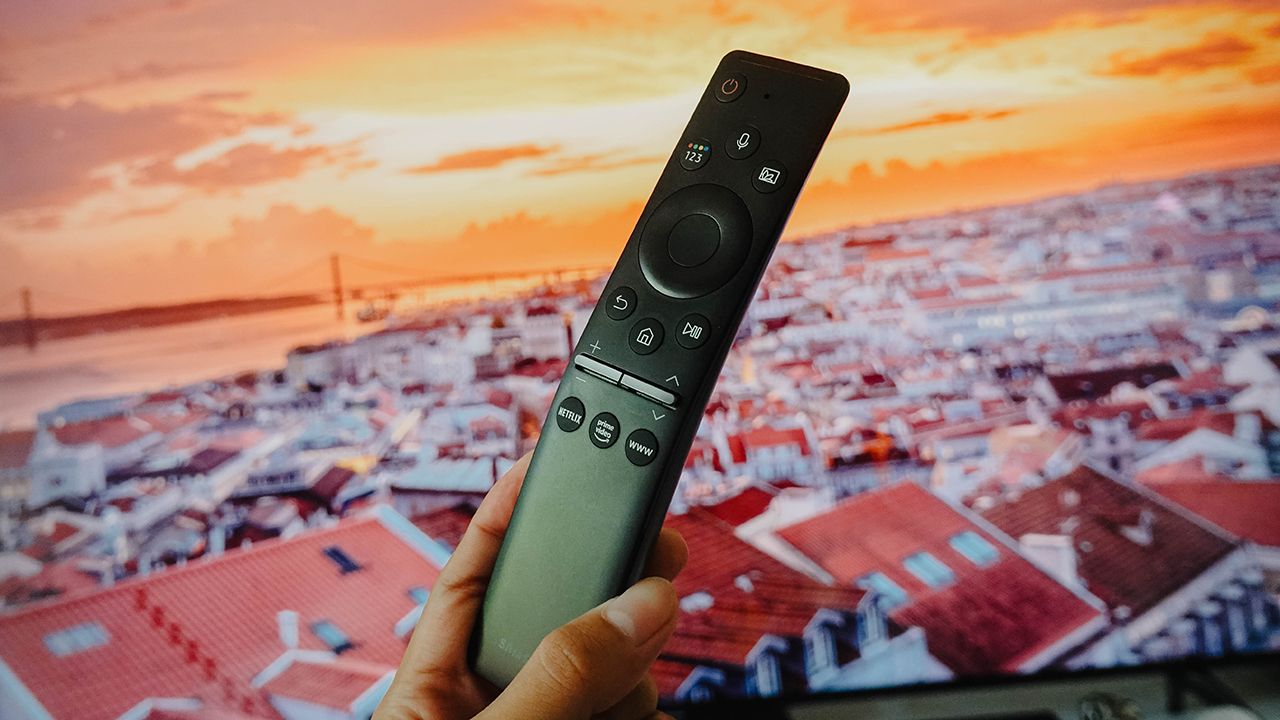
Surprisingly, I enjoyed the remote control. It’s lightweight, fits my hands with its slim and curvy figure, and easy to navigate with its buttons that are only necessary. It’s also a smart assistant and a voice remote in one, so you can use your voice to search in apps like YouTube and make it function like Bixby, Alexa, or Google Assistant.
Pricing
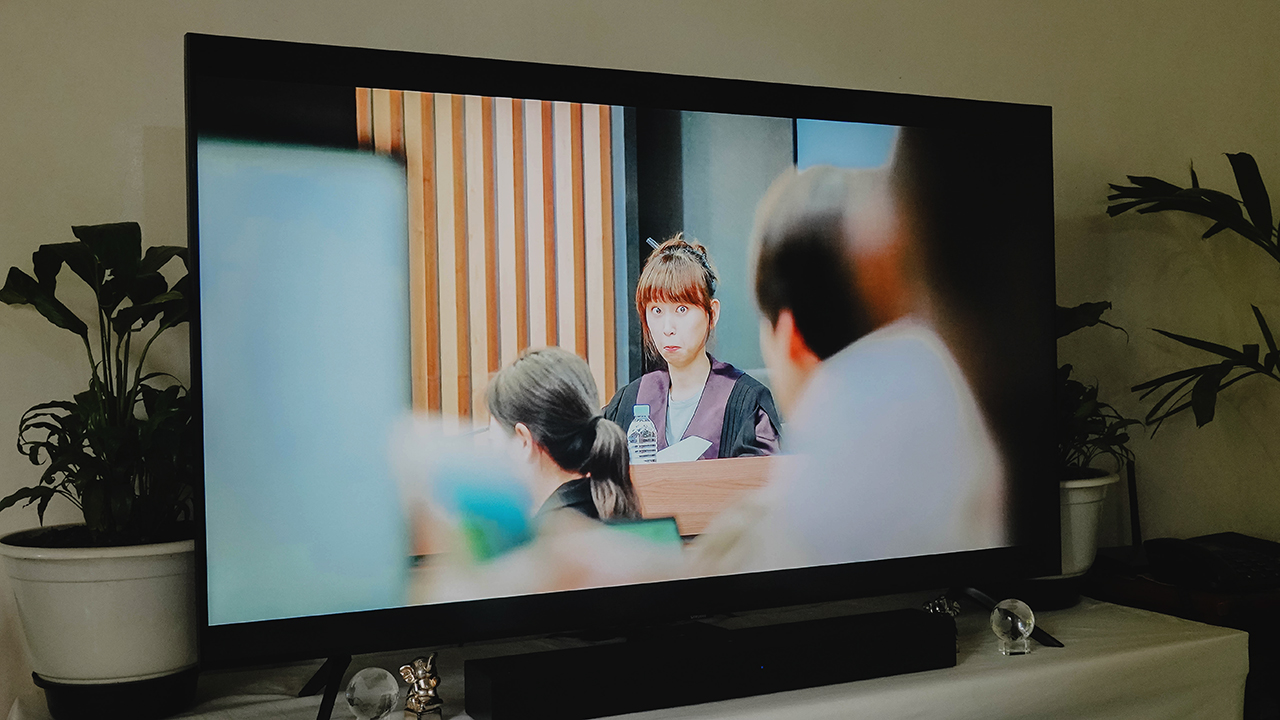
The Samsung Crystal UHD TU8000 sits well at an affordable price point. The 43-inch model retails for PhP 27,999 while the 50-inch model costs PhP 33,999. For those who want a larger unit, the 55-inch model retails for PhP 41,999.
Bonus: Soundbar
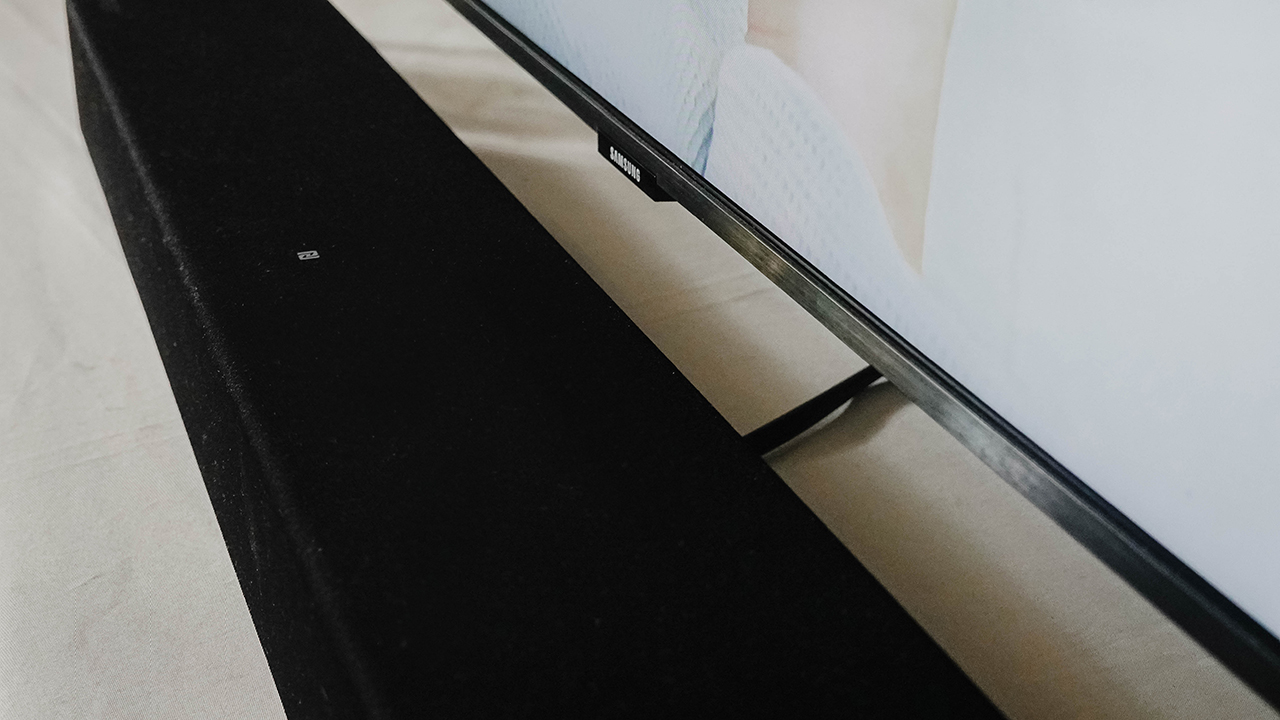
Frankly, the sound quality isn’t the best when it comes to Samsung’s Crystal UHD TV TU8000. It’s loud and decent, however, having an impressive picture quality should be matched with stellar audio quality.
This is why pairing it with Samsung’s TF-400 Soundbar made the audio-visual experience heavenly, especially the Surround Sound that the soundbar offers. It’s really a match made in heaven, so if you’re considering the Crystal UHD for its 4K HDR capabilities, make sure you pair it with the right soundbar.





Did Samsung push forward or play it safe with the Samsung Galaxy S26 Series? Well, it’s a little bit of both.
Here’s our Hands-on with the new Samsung Galaxy S26 series to find out.
PRE-ORDER and SAVE up to $900 with enhanced trade-in credit:

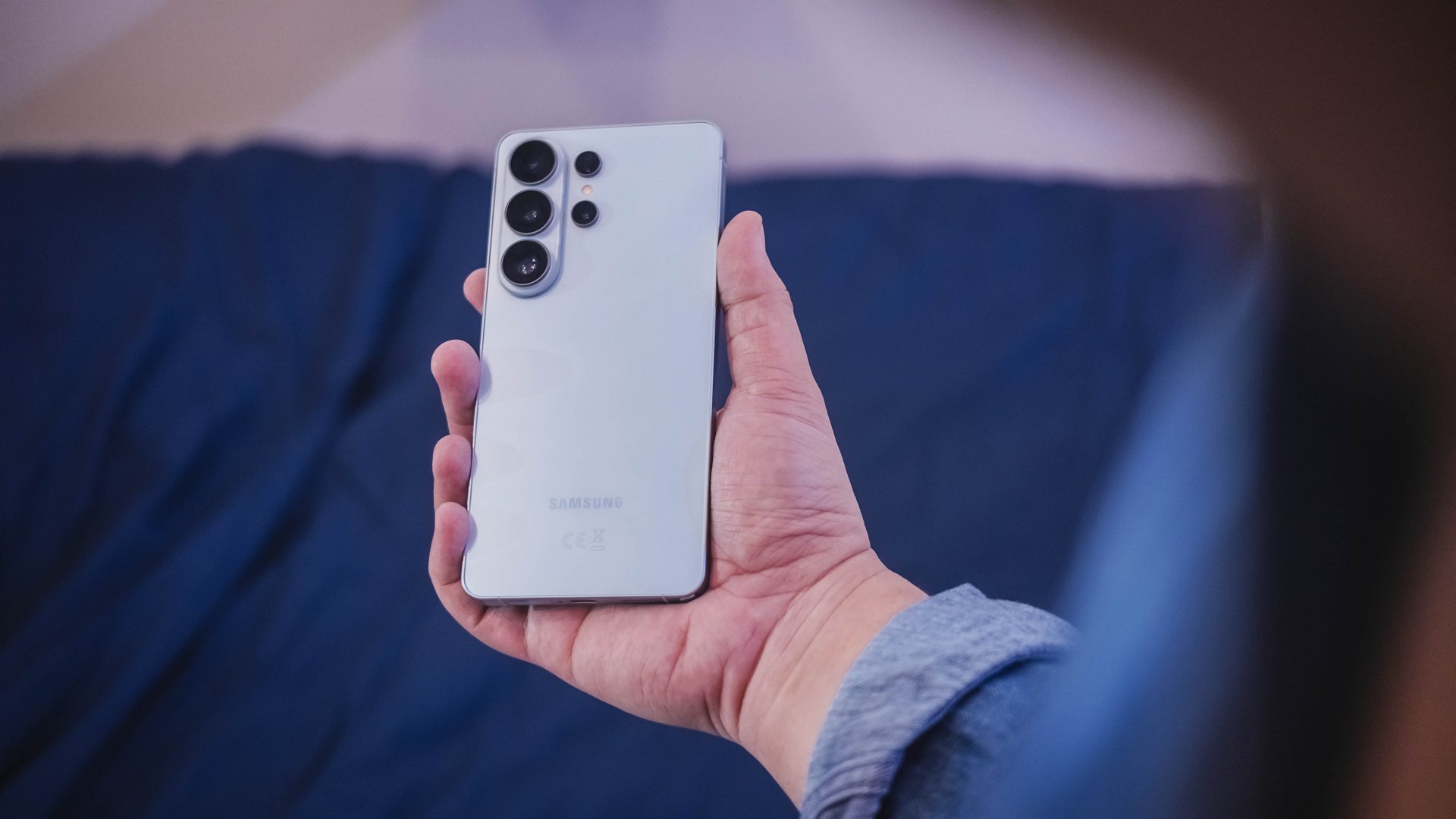
“Our philosophy has never been about chasing specs.”
That line from Samsung’s presentation captures the Galaxy S26 Series better than any spec table.
This isn’t a year of radical hardware shifts. Battery capacities remain unchanged. Megapixel counts are familiar. The design language evolves rather than transforms.
But incremental doesn’t automatically mean irrelevant.
The S26 Ultra feels like Samsung refining its priorities — usability, privacy, and AI integration — instead of pursuing headline-grabbing numbers.
Hardware refinement, not reinvention
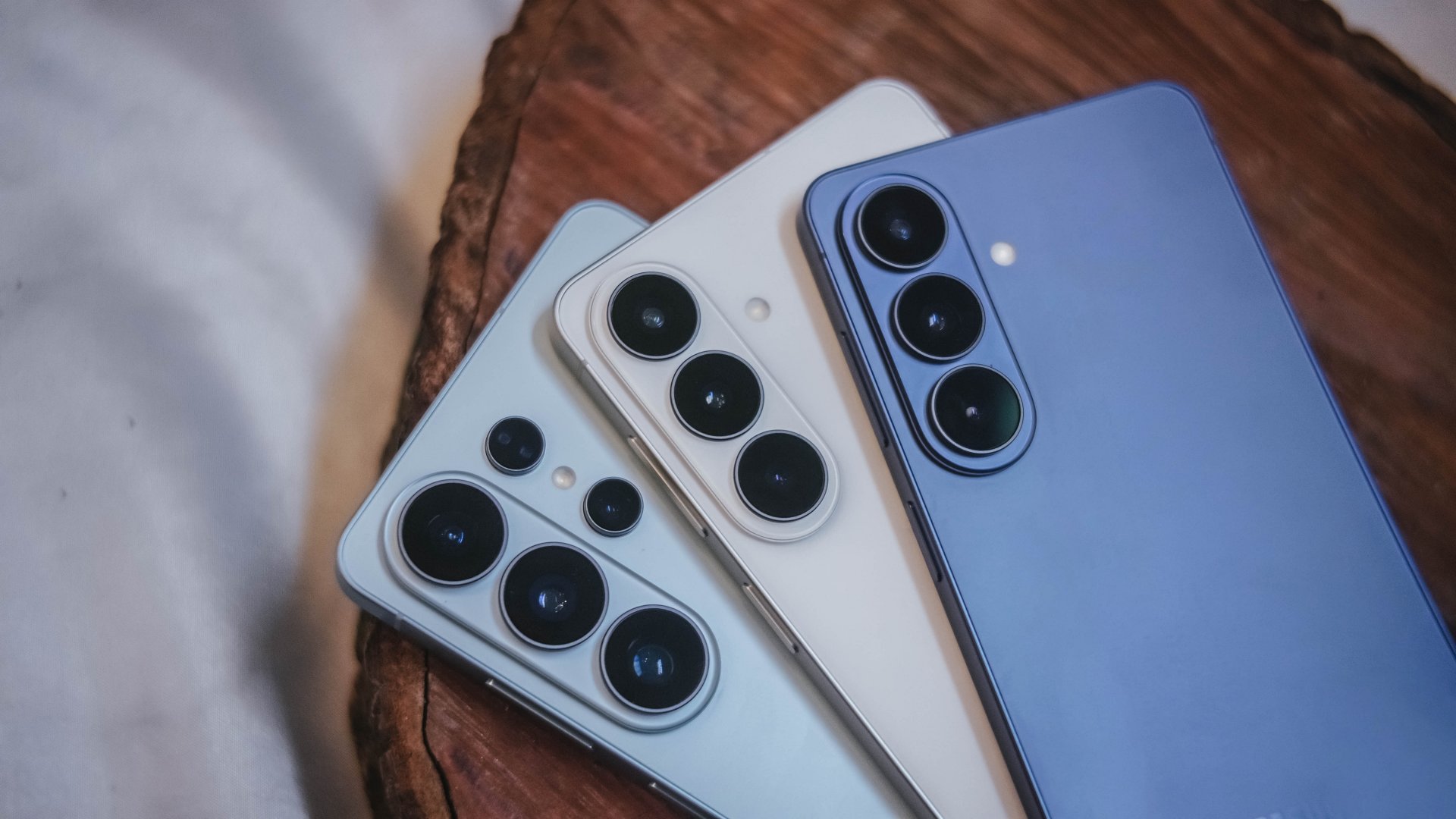
The Galaxy S26 series looks more unified. All three models now share the same corner radius, creating a consistent visual identity. The Ultra no longer stands apart with sharper edges. It’s a small change, but it makes the lineup feel cohesive.
The camera module sits on a more defined island rather than blending into the rear panel. It’s subtle, but noticeable in person.
Samsung also trimmed weight and thickness on the Ultra. At 7.9mm and 214 grams, it handles slightly better than last year’s model. The company switched to Light Armor Aluminum, which it claims improves heat dissipation and weight. The difference in hand isn’t dramatic, but it’s appreciated during extended use.
Charging finally moves forward. The Ultra supports 60W wired charging, up from 45W. Samsung says you can reach 75 percent in around 30 minutes. That’s a meaningful improvement for quick top-ups.
However, 60W isn’t industry-leading in 2026. Competing brands have offered similar or faster speeds for years. This feels less like Samsung setting a new benchmark and more like closing a gap.
Battery capacity remains 5,000mAh. That’s consistent with previous models. While fast charging helps daily convenience, endurance gains will depend on software optimization and real-world usage.
AI and software remain the headline
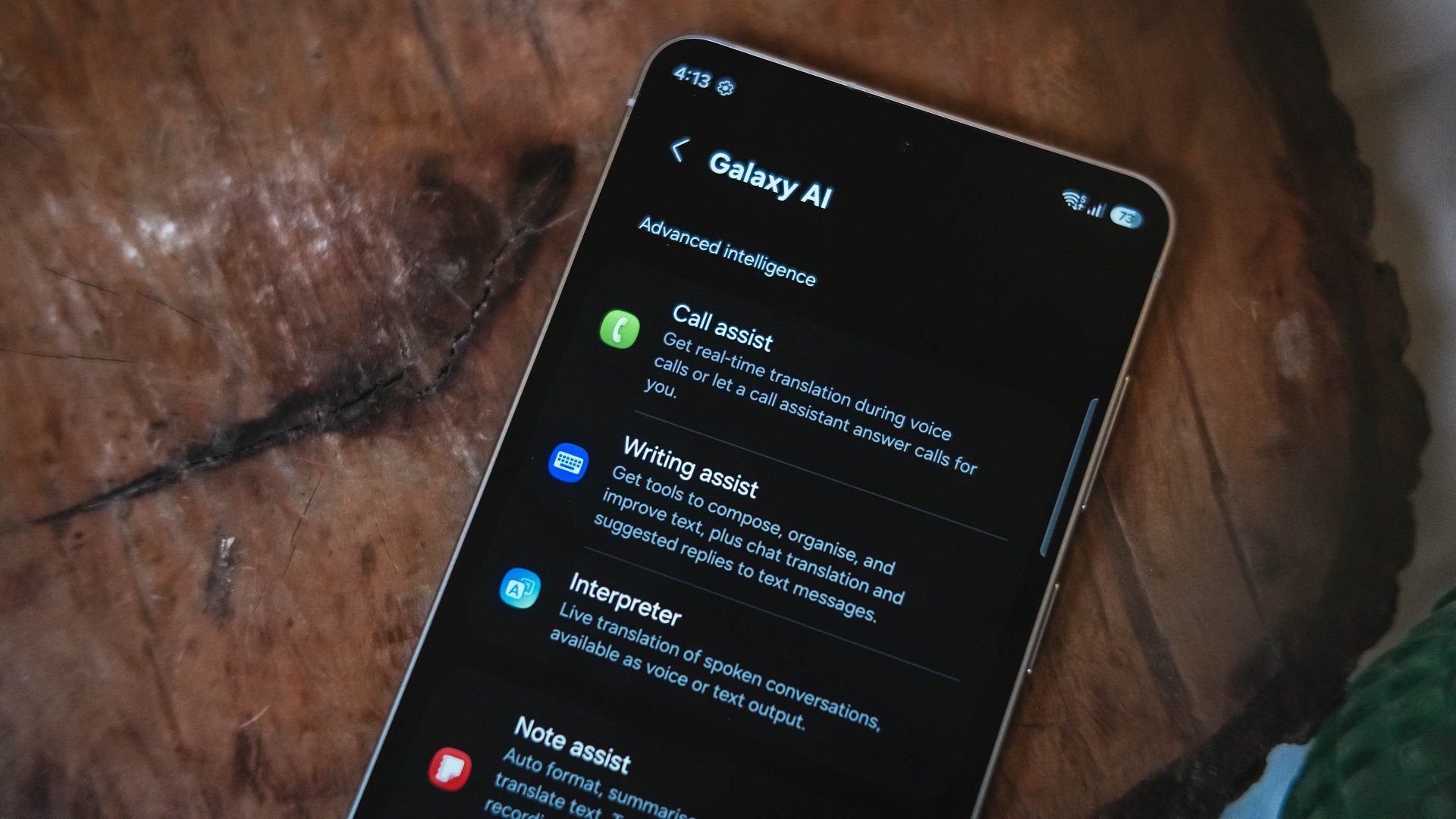
Like recent Galaxy generations, the S26 Series leans heavily on software features.
Privacy Display is one of the more practical additions. It restricts viewing angles at the pixel level, functioning like a built-in privacy filter. If you’re using your phone in public spaces, people nearby will struggle to see what’s on screen.
You can toggle the feature or enable it only for specific apps. That flexibility matters. It allows privacy protection for sensitive apps while keeping general use unaffected.
This addresses a real-world problem. Public screens are inherently visible. Privacy Display doesn’t eliminate that risk, but it reduces casual glances and unwanted observation.
Audio Eraser also gets an upgrade. It now works across third-party apps. We tested it on a noisy K-pop fancam from YouTube, and the background noise reduction was noticeable without destroying audio quality.
It’s not perfect. Overprocessing can occur in extreme cases. But for cleaning up shared videos or reducing ambient noise, it proves useful.
AI Photo Assist introduces text-prompt editing directly inside the Gallery app. Users can describe edits in natural language — remove objects, expand backgrounds, or modify elements — without exporting images to external tools.
This isn’t groundbreaking technology. Similar generative edits exist in other AI platforms. The difference is integration.
By embedding generative tools inside the Gallery, Samsung turns them into part of the default workflow. Photo editing becomes more accessible rather than requiring specialized knowledge or separate apps.
That shift is meaningful. It signals that generative AI editing is becoming a standard smartphone feature rather than an experimental add-on.
Cameras: computational evolution
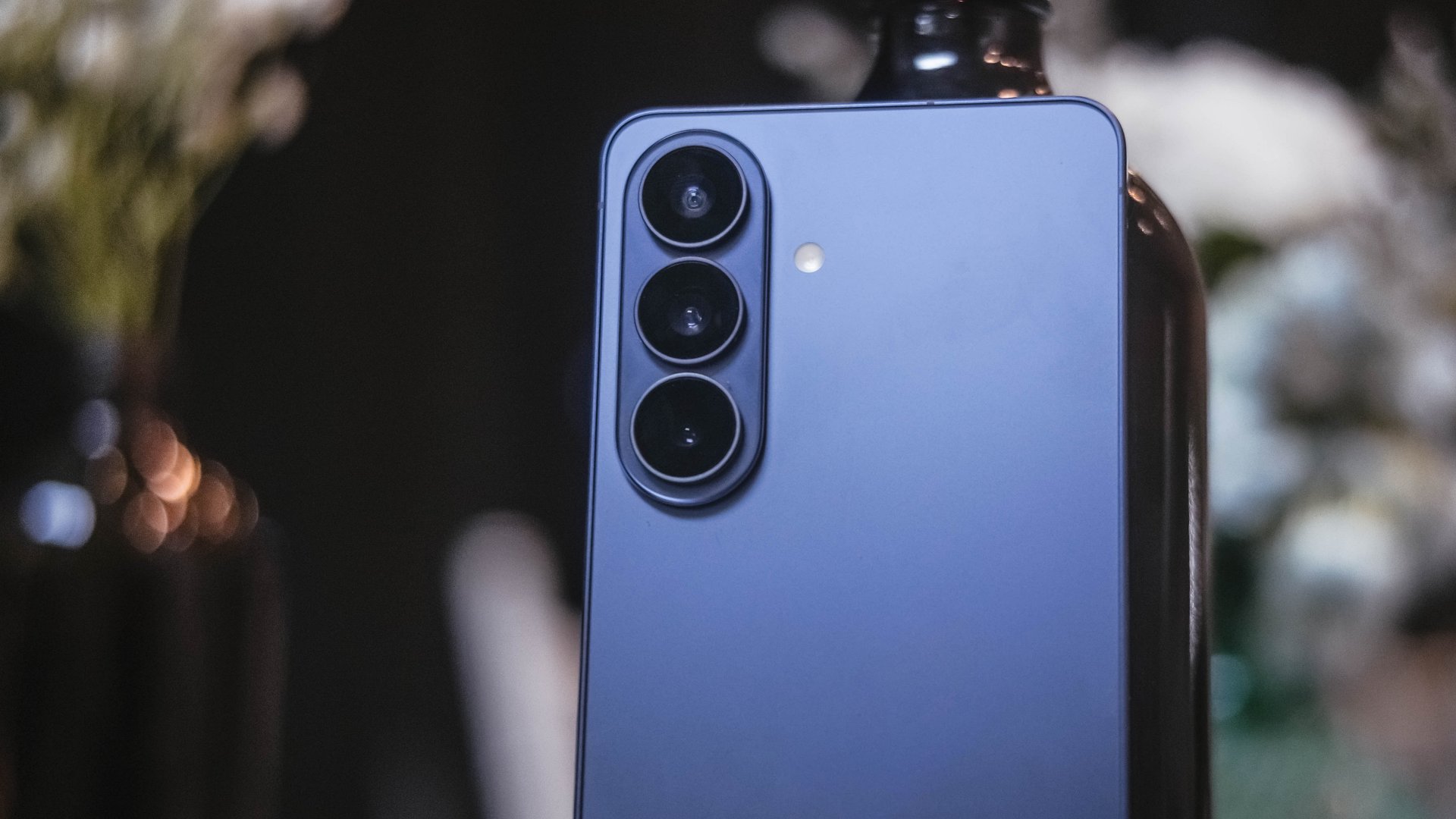
The camera hardware remains familiar. The Ultra continues with a 200MP main sensor and telephoto configurations similar to last year.
Improvements focus on computational photography.
Samsung widened apertures to allow more light. Stabilization has been refined. AI sharpening and Nightography processing aim to produce cleaner images with reduced noise.
From samples shown during the presentation, low-light shots appear brighter and cleaner. However, the processing can feel aggressive. Details sometimes look overly smoothed, and textures can appear artificial.
This reflects Samsung’s long-standing approach — prioritize computational enhancements over megapixel increases. The S26 continues that philosophy.
For video creators, APV (Advanced Professional Video) enables 8K recording with minimal quality degradation during edits. Super Steady Video also improves handheld stabilization.
These features cater to content creation workflows rather than casual snapshots.
Incremental but intentional

The Galaxy S26 Ultra doesn’t try to shock. It doesn’t reinvent Samsung’s design language or introduce dramatic hardware leaps.
Instead, it refines existing ideas.
Privacy Display addresses public visibility concerns. Audio Eraser improves real-world video cleanup. AI Photo Assist integrates generative editing into everyday photo workflows. Charging speeds improve without industry-leading ambitions.
Even the design changes — unified corner radii, a defined camera island, lighter materials — emphasize cohesion.
This strategy resembles the broader shift in the smartphone industry. Hardware innovation has slowed. Software and usability improvements drive differentiation.
Samsung appears comfortable with that reality.
Of course, first impressions only tell part of the story. We still need extended testing for battery life, thermal performance, camera consistency, and AI reliability.
The S26 Ultra may not represent a revolution. But refinement can matter — especially when it targets usability and practical features.
Samsung will have to make significant hardware upgrades eventually. But for now, it feels like the company is doubling down on incremental progress. Not flashy. Not radical. But purposeful.
Whether that strategy resonates will depend on real-world performance.
Samsung Galaxy S26 Series – Specs
| Feature | Galaxy S26 Ultra | Galaxy S26+ | Galaxy S26 |
| Display | 6.9″ Dynamic AMOLED 2X
|
6.7″ Dynamic AMOLED 2X
|
6.3″ Dynamic AMOLED 2X
|
| Rear Camera: Ultra Wide | 50MP, F1.9, 0.7 µm | 12MP, F2.2, 1.4 µm | 12MP, F2.2, 1.4 µm |
| Rear Camera: Wide | 200MP, F1.4, 0.6 µm | 50MP, F1.8, 1.0 µm | 50MP, F1.8, 1.0 µm |
| Optical Quality 2x | |||
| Rear Camera: Telephoto 1 | 10MP, F2.4, 1.12 µm | 10MP, F2.4, 1.0 µm | 10MP, F2.4, 1.0 µm |
| 3x optical zoom | |||
| Rear Camera: Telephoto 2 | 50MP, F2.9, 0.7 µm
|
— | — |
| Front Camera | 12MP, F2.2, 1.12 µm | 12MP, F2.2, 1.12 µm | 12MP, F2.2, 1.12 µm |
| Processor | Snapdragon® 8 Elite Gen 5 for Galaxy (3 nm) | Exynos 2600 (2 nm)* | Exynos 2600 (2 nm)* |
| Memory (RAM) | 12GB / 16GB | 12GB | 12GB |
| Storage | 256GB / 512GB / 1TB | 256GB / 512GB | 128GB / 256GB / 512GB |
| (Micro SD: N/A) | |||
| Battery | 5,000 mAh | 4,900 mAh | 4,300 mAh |
|
|||
| Dimensions | 78.1 x 163.6 x 7.9 mm
214 g (Sub6/mmWave) |
75.8 x 158.4 x 7.3 mm
190 g (Sub6/mmWave) |
71.7 x 149.6 x 7.2 mm
167 g (Sub6) |
| Colors | Standard: Cobalt Violet (Hero), Sky Blue, Black, White
Online: Silver Shadow, Pink Gold |
Standard: Cobalt Violet (Hero), Sky Blue, Black, White
Online: Silver Shadow, Pink Gold |
Standard: Cobalt Violet (Hero), Sky Blue, Black, White
Online: Silver Shadow, Pink Gold |






CASETiFY launches Samsung Galaxy S26 collection

Xiaomi Vision Gran Turismo makes global debut at MWC 2026

Apple announces the iPad Air with the M4 chip

Apple unveils the iPhone 17e

Xiaomi launches latest ecosystem devices: Watch 5, Redmi Buds 8 Pro, more

Xiaomi 17 Ultra is now available outside China

TECNO will showcase the CAMON 50 and POVA 8 series at MWC 2026

PlayStation, LE SSERAFIM Chaewon team for the ‘Love of Play’ campaign

The art of being in and behind the frame

HUAWEI MatePad 11.5 S 2026: The better-than-ever 4-in-1 productivity tablet


-
 News2 days ago
Xiaomi 17 Ultra is now available outside China
-
 Camera Walkthrough1 week ago
OPPO Reno15 Pro: Camera Review
-
 First Look2 weeks ago
Match Pulse: Infinix NOTE 60 Pro
-

 Cameras2 weeks ago
Osmo Pocket 4 makes a surprising appearance in public
-
 Gaming2 weeks ago
LG unveils UltraGear evo, redefines 5K gaming with AI Upscaling
-
 News2 weeks ago
iPhone 17 Pro Max is somehow the most traded-in phone today
-

 News2 weeks ago
HUAWEI launches Mate X7, MatePad 11.5 S 2026, FreeClip 2
-
 Gaming2 weeks ago
PlayStation 6 reportedly delayed to 2029 because of RAM shortage