
News
Samsung debuts the Galaxy Watch Active 2
Taking on the Apple Watch?

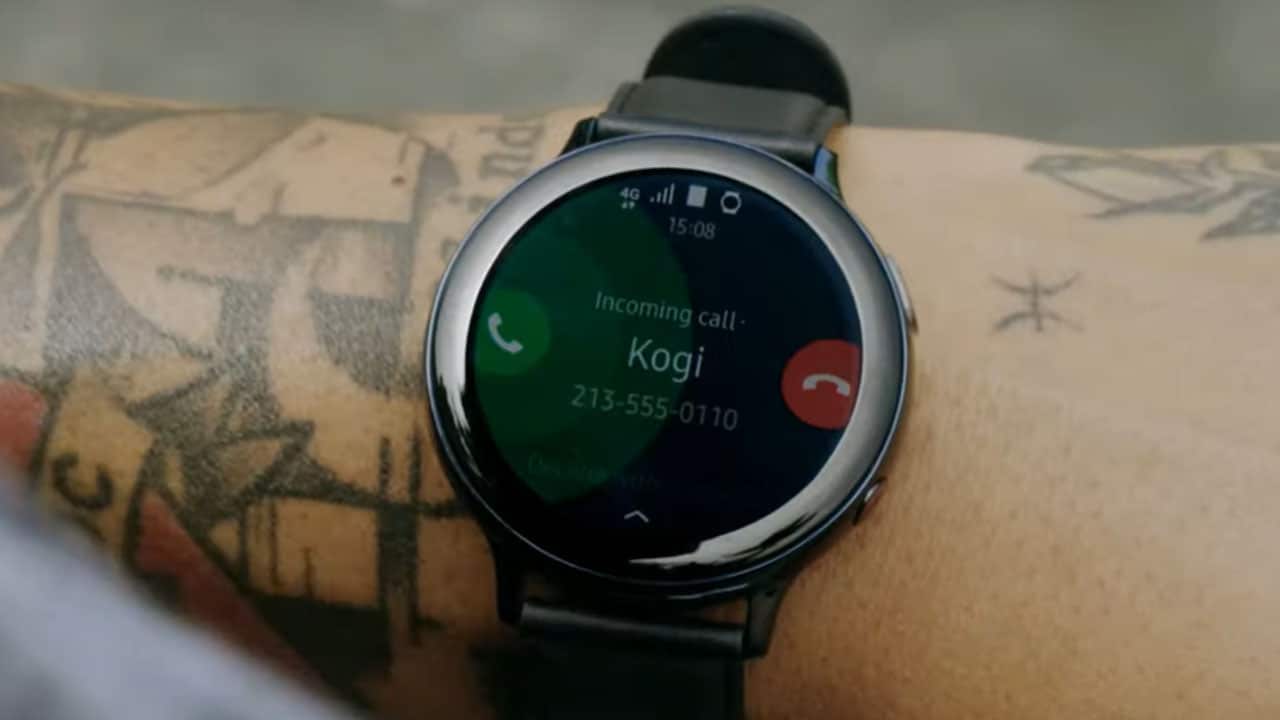
After only six months, Samsung introduces the successor to its Galaxy Watch Active. Introducing the Galaxy Watch Active 2, the updated smartwatch is joining the company’s smartwatch portfolio with new and refined features.
Samsung’s latest smartwatch aims to improve a consumer’s personal lifestyle by enhancing their health and keeping them connected without sacrificing style.
Stay healthy
The Galaxy Watch Active 2 is designed to help consumers achieve their wellness goals. Sporting an improved health sensor, it can take readings faster and provide insights to aid you in your fitness journey. It also has an updated Running Coach for you to enjoy, along with seven more running programs. The watch can manually track more than 39 workouts, too, apart from the usual running, walking, cycling, and swimming.
Even better is its ability to track real-time stress levels through the Samsung Health app. It’s now integrated with popular wellness app called Calm, which provides access to guided meditation available in English, German, and Spanish.
Stay connected
The successor for the Galaxy Watch Active enables seamless connection within the Galaxy Ecosystem. When paired with a Galaxy Smartphone, the Watch Camera Controller on the smartwatch allows you to take photos and videos, or switch between front and rear lenses with just a tap of finger. It also has fast charging even with wireless power share.
For those who need to communicate, the smartwatch can make and receive calls freely, as well as respond on social media. You can like a tweet, or even watch a short video. In addition, the watch supports real-time voice and text translations that’s perfectly helpful for frequent travelers.
Stay functional
Furthermore, the Galaxy Watch Active 2 has an upgraded One UI for simpler and clearer user experience. It also has Samsung Pay, Samsung Health, and of course, Bixby. The latest smartwatch has a partnership with Spotify to let you enjoy your music, too!
Lastly, the watch sports the iconic rotating bezel and now extends itself to the curved super AMOLED display. The rotating touch bezel can toggle screens through a clock-wise or counter-clockwise rotation to help you choose between your favorite apps.
Stay Stylish
Samsung doesn’t compromise when it comes to your style. The South Korean company knows a watch is an accessory, which is why it highlights personalizing and customizing the smartwatch through a range of stylish straps and watch-face options.
Speaking of watch-face, it can change to match your outfit of the day! Through the Galaxy Wearable app, taking a photo of your outfit lets you choose from five different color patterns to match your style.
Currently, the watch comes in two different sizes — 44mm and 40mm in diameter — and two styles: a lightweight aluminum available in Cloud Silver, Aqua Black, and Pink Gold, and a stainless steel version in Cloud Silver which comes with a leather strap.
Pricing and Availability
The Galaxy Watch Active 2 will be available starting September. It’s priced at US$ 280 and US$ 300 for the 40mm and 40mm aluminum Bluetooth variant, respectively. The watch is compatible with Android 5.0 or higher, or iOS 9.0 or above.
Details will be updated when Samsung releases more information regarding the device.






Gaming
Ghost of Yotei gets a story expansion in October
The Complete Edition comes with the expansion and a roguelike mode.


Ghost of Yotei is a classic RPG experience set in the same universe as its predecessor, Ghost of Tsushima. In my opinion, Atsu’s journey of revenge feels a lot more fun than Jin’s battle to save his homeland. If you’re in the same boat, Ghost of Yotei is coming back on October 1 with brand-new content.
Without delving too much into spoiler territory, Ghost of Yotei has a conclusive ending. Rather than shoehorning a forced epilogue, Echoes of Sekigahara, the title of the upcoming story expansion, explores Atsu’s past.
As with Tsushima’s expansion, Echoes of Sekigahara features a new map with new enemies, weapons, and collectibles. It will be set in two different time periods.
Besides the story expansion, the upcoming update also has a new mode called Most Wanted, which Sucker Punch Production describes as their “spin on a roguelike.” The mode explores Atsu’s experience as a headhunter, feeding her with bounties and earnable perks.
The two new content expansions will come with in the upcoming Ghost of Yotei Complete Edition. The new edition, coming on October 1, will also come with the co-op Legends mode. It also has a few perks and customization options. The edition will sell for US$ 70.
If you already have the base edition, you can grab an upgrade for only US$ 15. If you don’t want to pay for the upgrade, the game is still getting a few minor tweaks.
SEE ALSO: Ghost of Yotei review: A tale sharpened by vengeance

The HONOR Robot Phone may have officially launched, but don’t expect this version to immediately make its way to global markets.
HONOR told media in Shenzhen that it currently has no plans to bring the current Robot Phone outside China. The main hurdle isn’t the hardware. It’s the phone’s AI experience, which is currently optimized for the Chinese market.
HONOR believes a future generation of the Robot Phone would be better positioned for a true global rollout once its AI experience is ready for markets outside China.
That doesn’t mean HONOR is abandoning the idea. Quite the opposite.
More than a phone with a moving camera
The Robot Phone is HONOR’s attempt to introduce a new idea to the smartphone market. It combines a smartphone with a 4DoF mechanical gimbal, allowing its camera to physically move.
Its AI features take that concept further. YOYO Robot Mode can use voice commands, gestures, and AI tracking to control the camera. It can also automatically pan and tilt to keep a person in frame during vlogs, livestreams, and video calls.
The phone also brings selected elements of ARRI Image Science and professional cinema workflows to its camera system. Its 200MP gimbal main camera supports 10-bit ARRI LogC3 recording, while ARRI Wide Gamut 3 and ARRI Looks give creators more control over their footage.
But HONOR isn’t treating the Robot Phone primarily as a volume-driving product.
The company says its bigger goal is to introduce a new concept to the smartphone market and see what kind of effect it can have.
That makes the Robot Phone an interesting experiment for HONOR. The hardware is already here. The company now wants to learn what happens when a smartphone can physically move, respond to its surroundings, and use AI to help operate itself.
For now, though, China is where that experiment begins.
News
HONOR Robot Phone’s camera can move on its own
Its built-in gimbal lets the camera move itself.

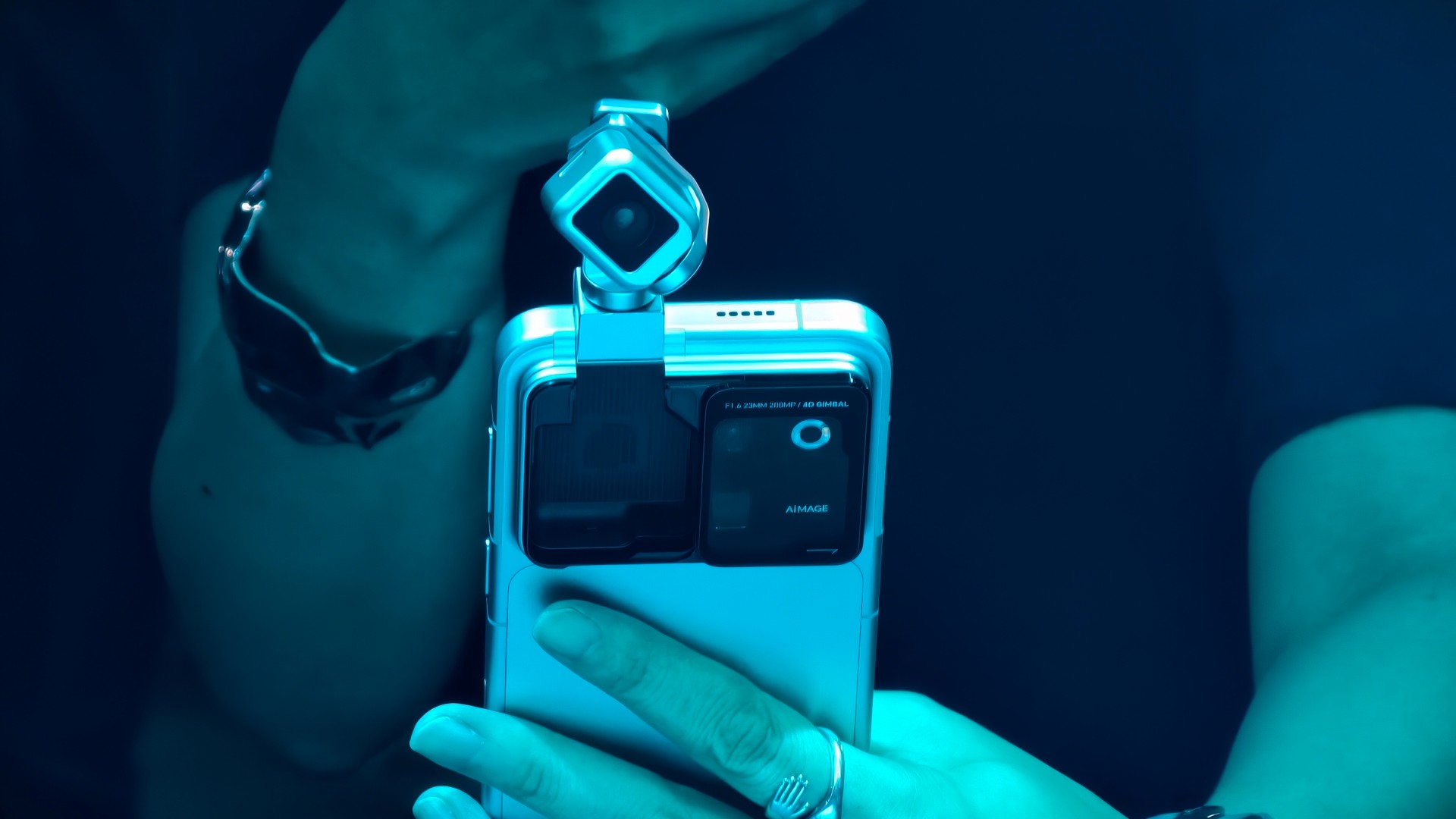
The HONOR Robot Phone’s biggest trick is also the easiest to understand: its camera can physically move.
Instead of keeping its cameras fixed inside the phone, HONOR built a mechanical gimbal directly into the device. The system can tilt, rotate, and reposition the camera, opening up movements that aren’t possible with a conventional smartphone camera.
HONOR calls it the Titanium Agile Gimbal, and the company says it is the industry’s smallest 4DoF gimbal system. It packs more than 100 precision components into a module that’s just 9.59mm thick.
A tiny gimbal inside the phone
The 4DoF mechanical system is designed to deliver the benefits of a separate gimbal without requiring users to carry another piece of equipment.
HONOR says it reduced the gimbal’s overall volume by 65% compared with traditional gimbals while increasing its structural strength by 200%. The system uses more than 100 precision components and is backed by more than 100 patents.
At its core is a 2.6-gram titanium gimbal motor that can rotate at up to 360 degrees per second. A separate HONOR Shield Steel Flip Motor provides a torque density of 120 Nm/L.
Those numbers sound impressive, but their practical purpose is straightforward: the camera needs to move quickly and precisely while remaining small enough to fit inside a smartphone.
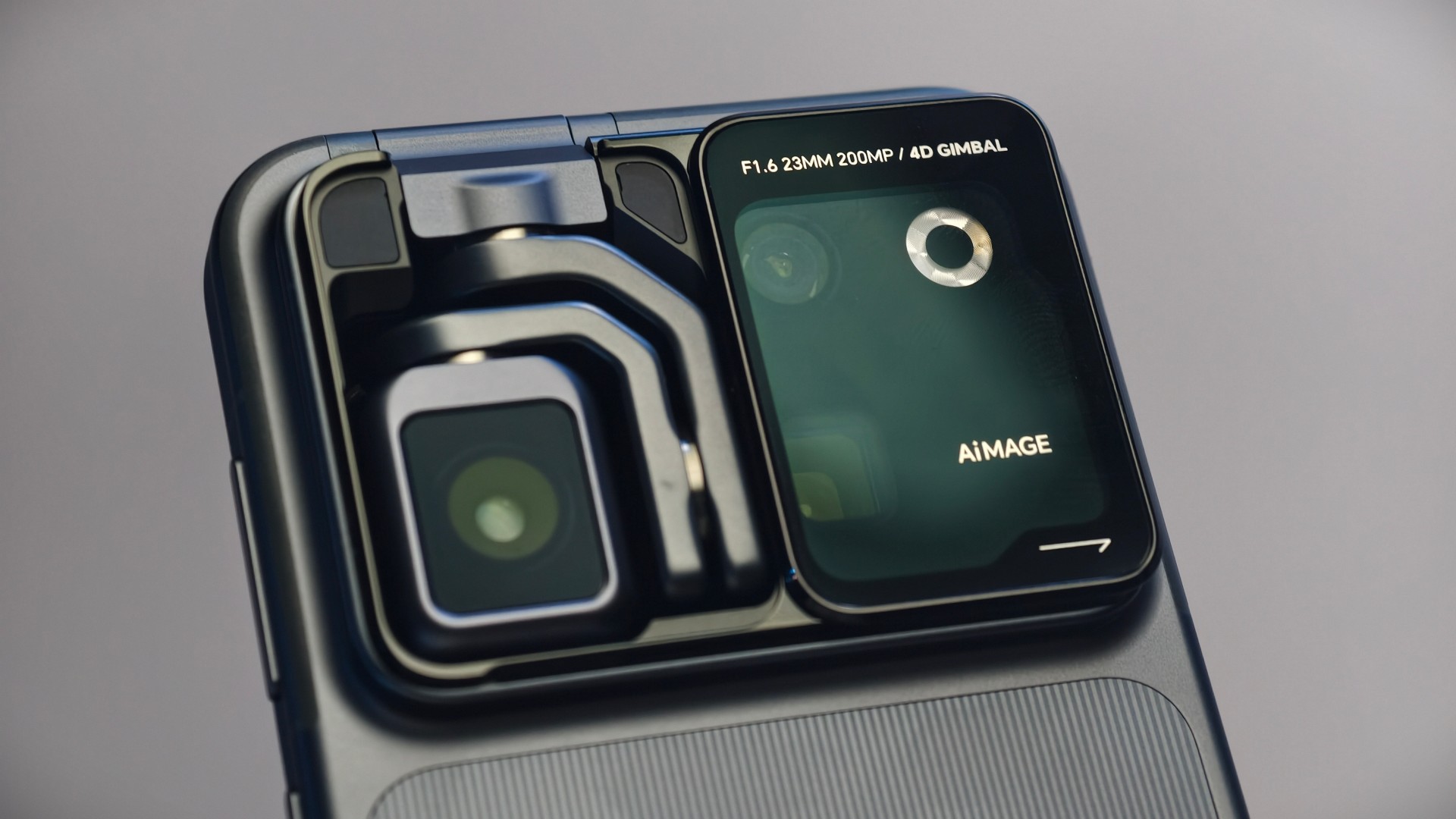
The camera can move on its own
The Robot Phone’s gimbal isn’t limited to simply stabilizing the camera.
It supports six dynamic camera movement modes: AI SpinShot, Default Stabilization, Tilt Locked, Super Steady, FPV, and FPV Vertical. AI SpinShot, for example, can perform 90- or 180-degree camera rolls, while the other modes are designed for different types of movement and shooting.
The phone also has three smart tracking modes: Gimbal Tracking, Subject Tracking, and Pre-Composition. These are designed to help the camera follow a subject or maintain a particular composition while the phone moves.
That’s the important distinction between the Robot Phone and a conventional smartphone with image stabilization. The camera isn’t just correcting for your movement. It can actively move to create or maintain a shot.
You can tell it what to do
HONOR also gives the gimbal its own set of AI-powered controls.
Through YOYO Robot Mode, the Robot Phone can combine voice commands, gesture recognition, AI perception, and physical movement. Users can wake the mode and deploy or stow the gimbal with a flip gesture.
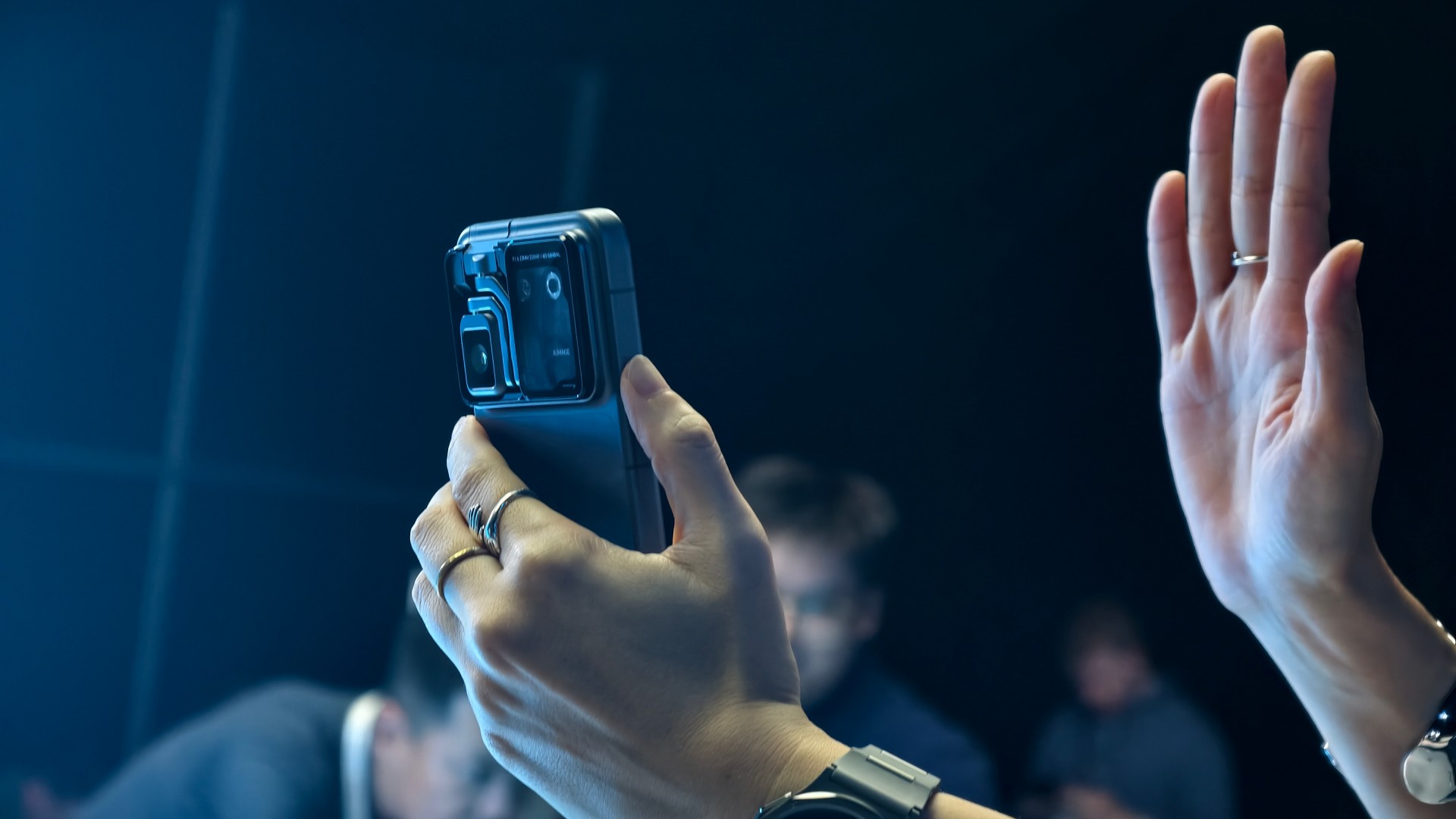
Voice commands can be specific, too. HONOR says users can tell the gimbal to turn left by a certain number of degrees, look toward the sky, or rotate for a specified amount of time.
The phone can also use AI Subject Tracking to automatically frame and follow people during video calls, vlogging, and livestreaming.
That makes the Robot Phone particularly interesting for people who regularly shoot themselves. Instead of setting up a phone and constantly checking whether they’re still in frame, the camera can do some of that work itself.
The real question is how naturally all of this works in practice. We’ll get to answer that when we spend more time with the Robot Phone.


30 days later with the ASUS ExpertBook Ultra: Like seeing an ex
Felt exactly as I remembered.

ROG STRIX G16 Review: Building for the moment
Setting it up however you want to make the most out of it


realme C100: Enduring and durable in spite of entry-level realities
Enough power but needs more agility

New EV player XPENG to launch in the Philippines in September

Box office: Brand New Day set to surpass US$ 2 billion, drives Marvel’s Spider-Man 2 resurgence

Insta360 X6 brings 8K 360 Capture, AI-powered editing

Ghost of Yotei gets a story expansion in October

Pixel 11 Pro Fold brings an improved foldable experience

Hands-on: Samsung Galaxy Z Fold8, Flip8, Ultra

VinFast debuts two-wheeler models, opens 21 e-motorcycle showrooms

Garmin launches its first screenless fitness band

Samsung releases teaser with Spider-Man: Brand New Day Easter eggs

Most of the world’s PlayStations will be officially useless by 2028


-
 Automotive1 week ago
VinFast debuts two-wheeler models, opens 21 e-motorcycle showrooms
-

 Automotive2 weeks ago
Xiaomi debuts SkyNomad Series featuring new Kunlun platform
-

 News1 week ago
OnePlus officially leaves the United States and Canada
-

 Gaming2 weeks ago
Call of Duty: Modern Warfare 4 clip shows Losing Ground 1st look
-

 Automotive2 weeks ago
GAC launches new trio of MPVs
-

 News2 weeks ago
TECNO unveils the world’s first 0mm bezel-less phone
-

 Gaming2 weeks ago
Genshin Impact opens Snezhnaya in Version 7.0 this August 12
-

 News1 week ago
Google will force Android users to use Gemini next month