

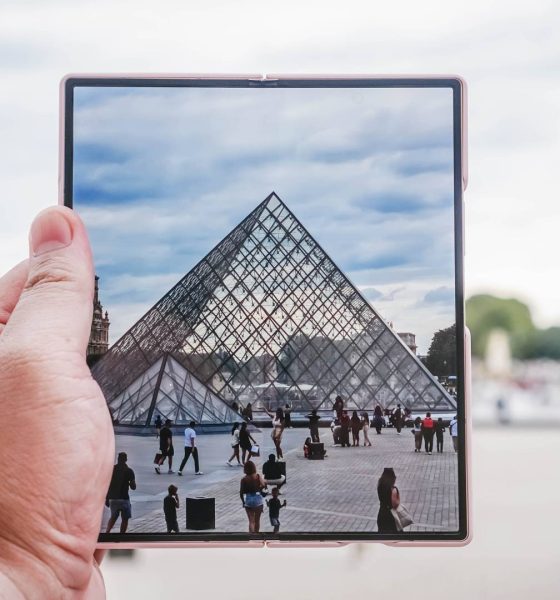

“Another night, another day. What can I say? You’re still the same old brand you.” Yes, that’s an excerpt from a 2000s song by a boy band called A1 and it perfectly encapsulates how I feel about the Samsung Galaxy Z Fold6.
Going into the launch I had hoped (perhaps foolishly) that there would be a major redesign especially with the HONOR Magic V2 and OPPO Find N3/OnePlus Open getting relatively rave reviews. Alas, that is not the case.
And as a fellow reviewer pointed out on X (formerly Twitter), the Galaxy Z Fold6 might have already been deep into production when those couple of new foldables came out. That means a major redesign, even if they wanted to do it, just was not possible.
But is there anything different about the Galaxy Z Fold6’s form factor. Fundamentally, no. Just some trims here and there.
Hand feel and build
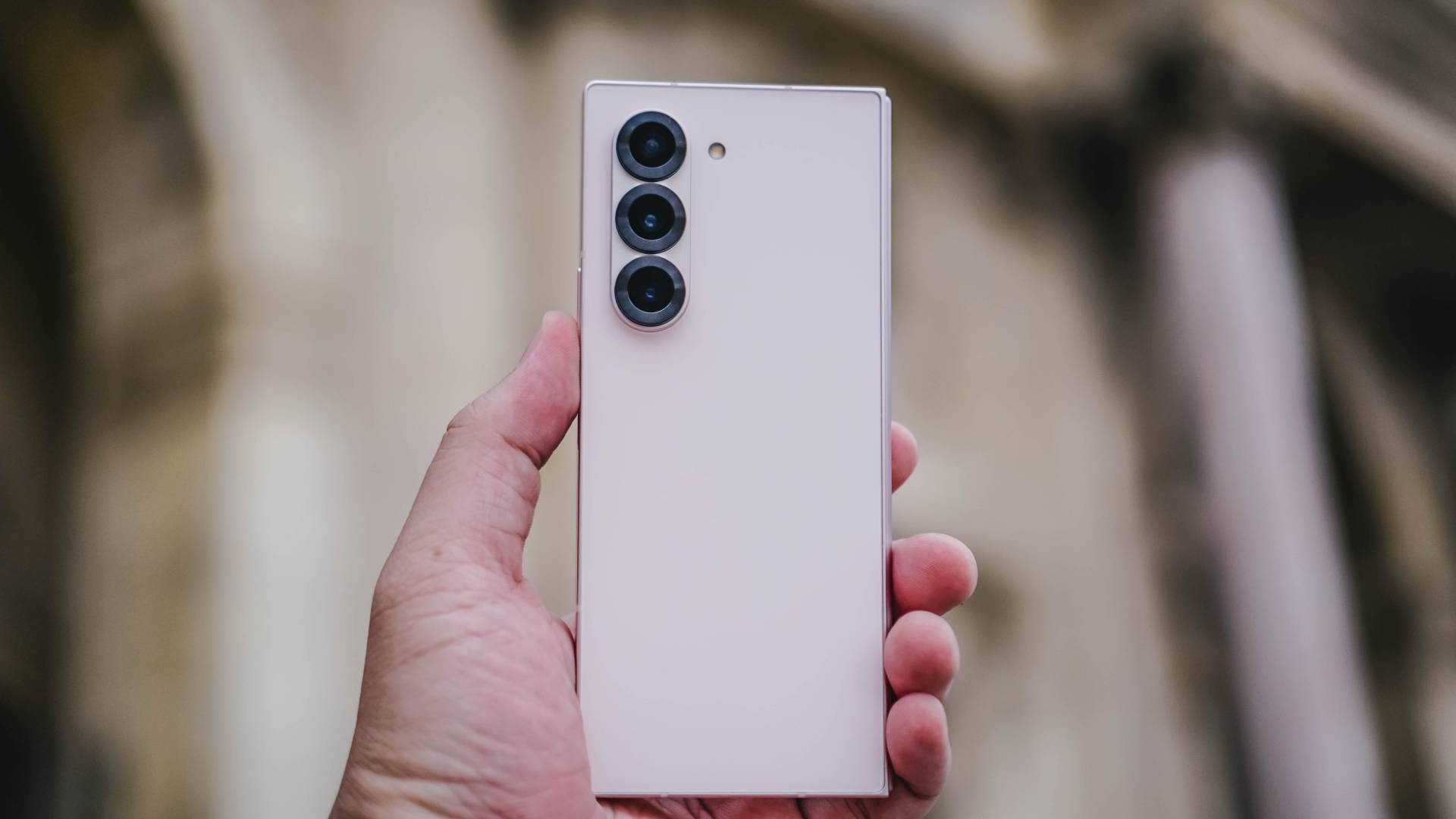
Here are the official measurements of the Galazy Z Fold6 and its predecessor the Galaxy Z Fold5 side-by-side. On paper, you can see the minute differences between the two.
| Galaxy Z Fold5 | Galaxy Z Fold6 | |
| Dimensions | Unfolded: 154.9 x 129.9 x 6.1 mm | Unfolded: 153.5 x 132.6 x 5.6 mm |
| Folded: 154.9 x 67.1 x 13.4 mm | Folded: 153.5 x 68.1 x 12.1 mm | |
| Weight | 253 g (8.92 oz) | 239 g (8.43 oz) |
Dual-wielding the two on each hand will also sort of tell you that the Z Fold6 is indeed lighter. But in the grand scheme of things, most users won’t be able to really know the difference especially if you’re going from one device to the other.
Since the big weight reduction from the Galaxy Z Fold3 to the Galaxy Z Fold4, these changes have been nearly unnoticeable. The most obvious tells are usually just the weight and the feel of the back panel.
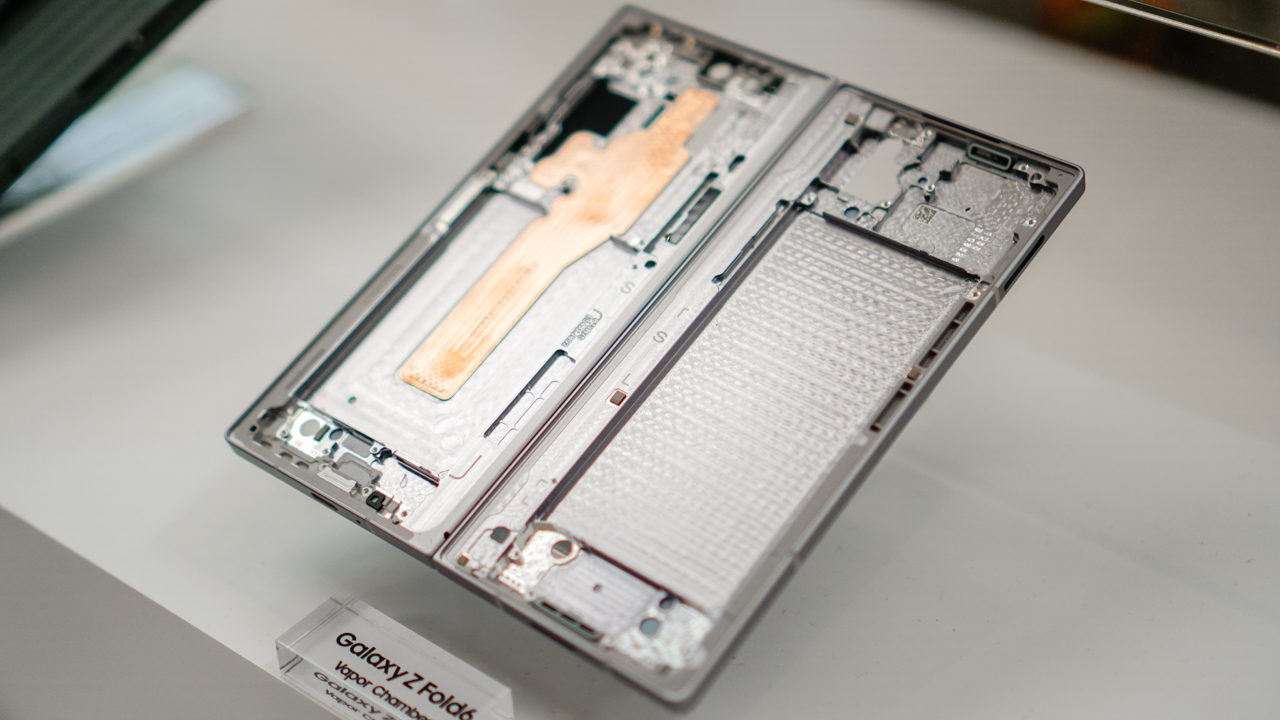
The more important changes happened inside. Samsung continues to refine the hinge on their foldables and the Galaxy Z Fold6 is no different. In Paris, they had an area where these changes were showcased. But again, for most users, this won’t make much of a mark.
Remote-like folded form factor is a problem unsolved
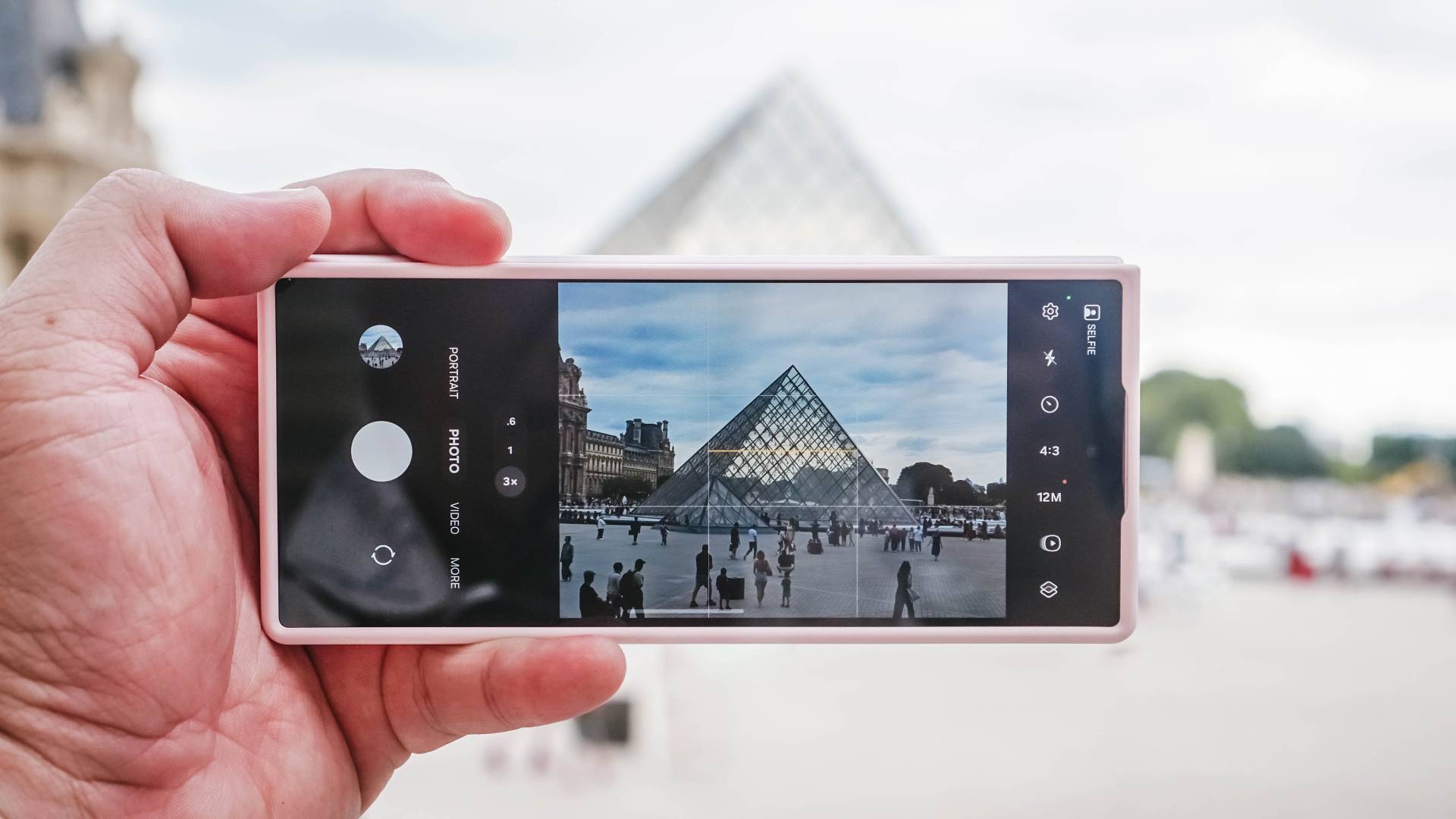
Folded, it’s fantastic for capturing content. But not much else.
What this all means is that the Galaxy Z Fold6 essentially has the same form-factor as its predecessors. It’s lighter and more durable, sure, but the same form factor carries with it the same type of handling experience.
The remote-like tall and narrow form when folded is great for capturing content, but browsing on it can be quite a chore especially if, like yours truly, you have fat and clumsy fingers.
Unfolded, it remains a galactic marvel

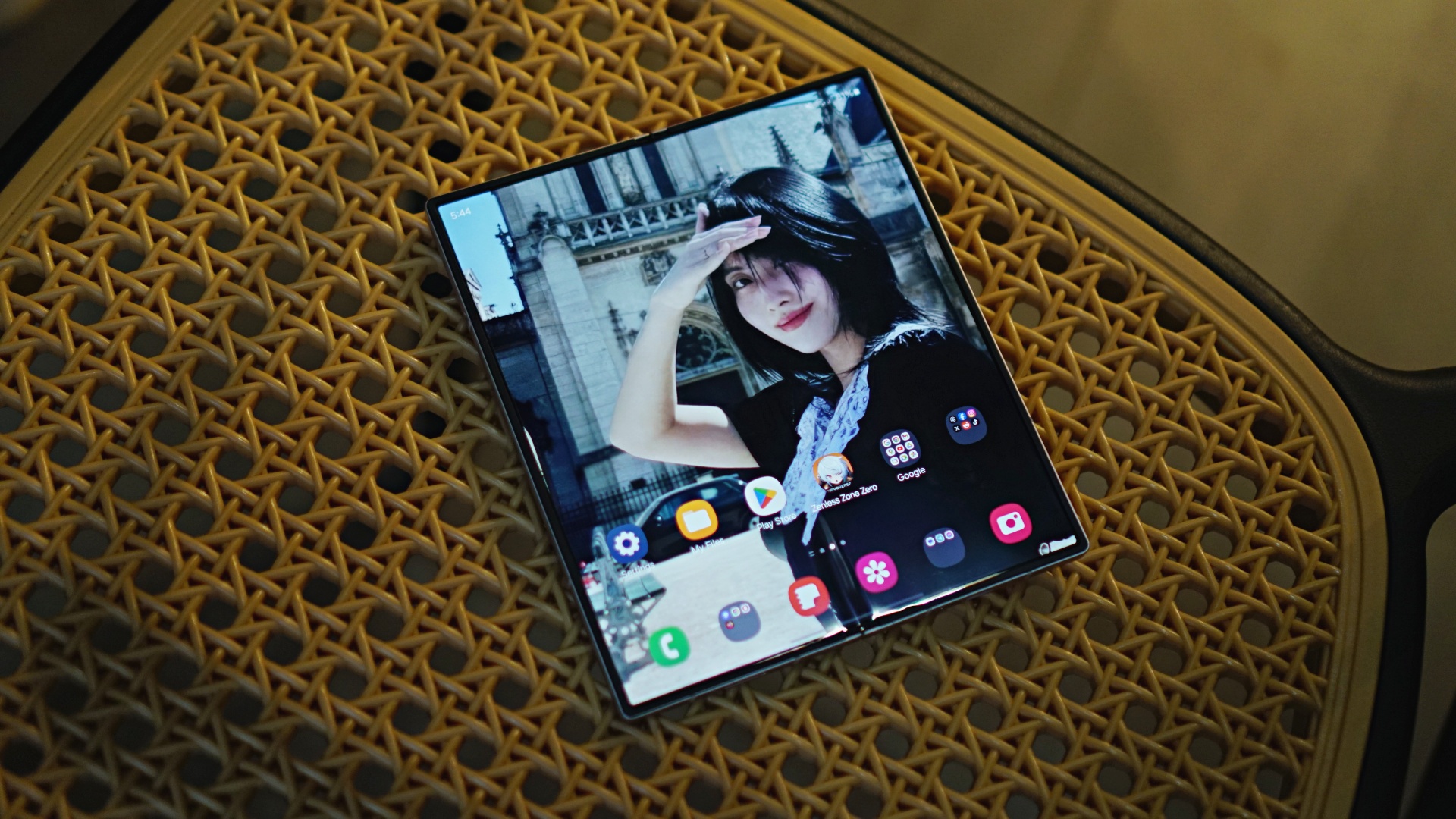
Unfolded, it remains as magical as ever and is the primary reason why I love foldables, anyway. The larger screen just lends itself to a feeling of being more productive.
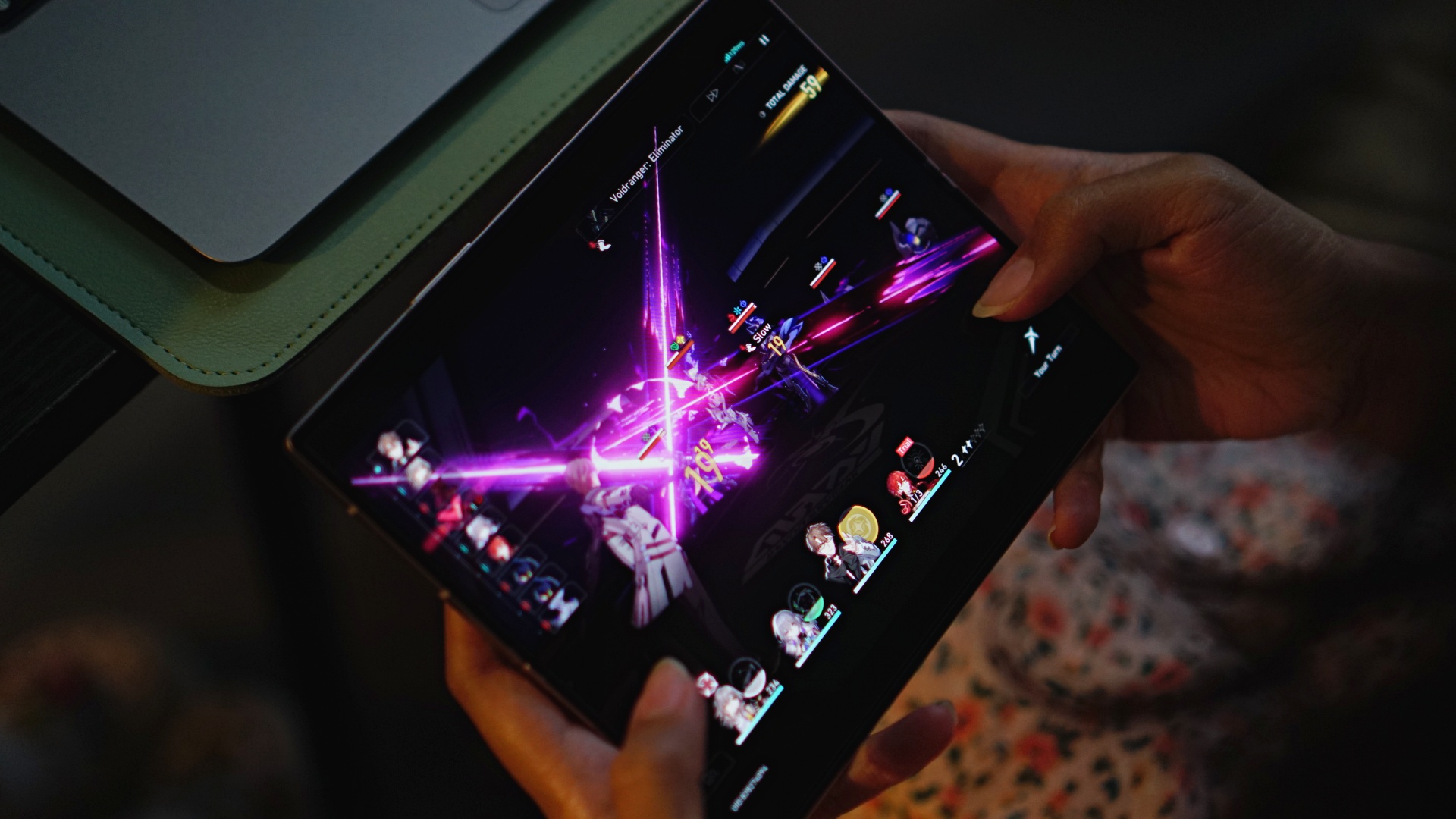
It’s also great for gaming. I played a lot of Honkai Star Rail and Zenless Zone Zero on the Galaxy Z Fold6 as it scales perfectly on the unfolded screen.
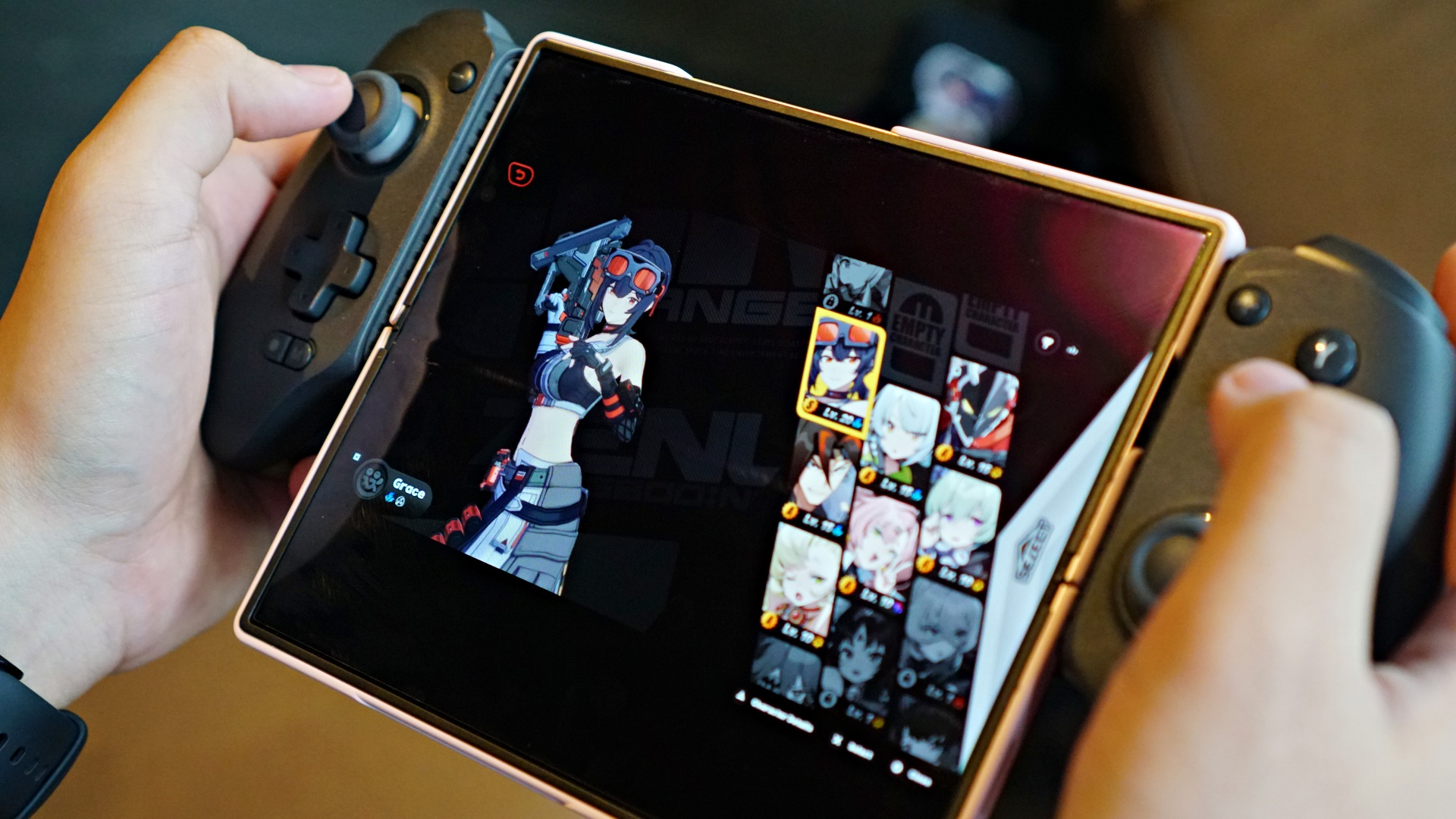
I even paired it with a Bluetooth mobile controller to make the experience near gaming handheld-like.

Split screen with TWICE Momo and LE SSERAFIM Chaewon
You can also go split screen mode as well as the various foldable knick knacks you already know and love.
Galaxy AI
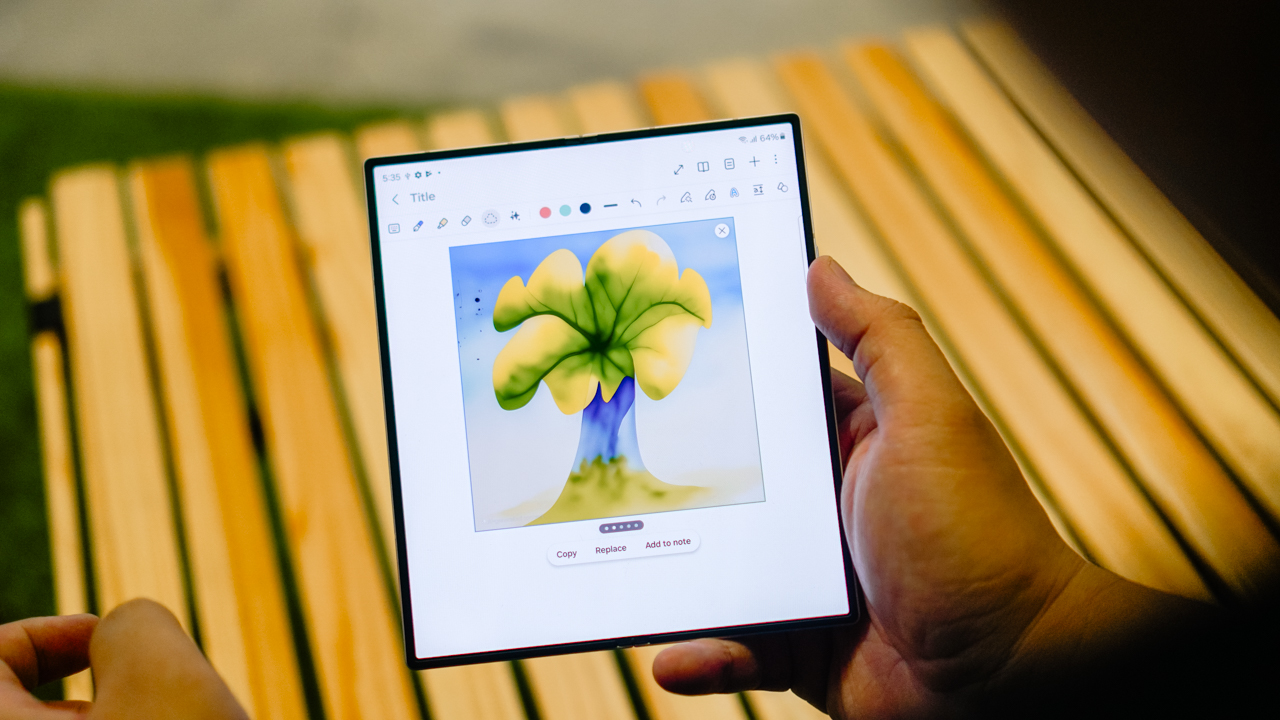
Where Samsung’s latest book-style foldable truly shines is the infusion of AI. Samsung has been all about Galaxy AI this year even on their Galaxy S Series. There, they introduced features like Circle to Search, AI Erase, AI Translate, and more.
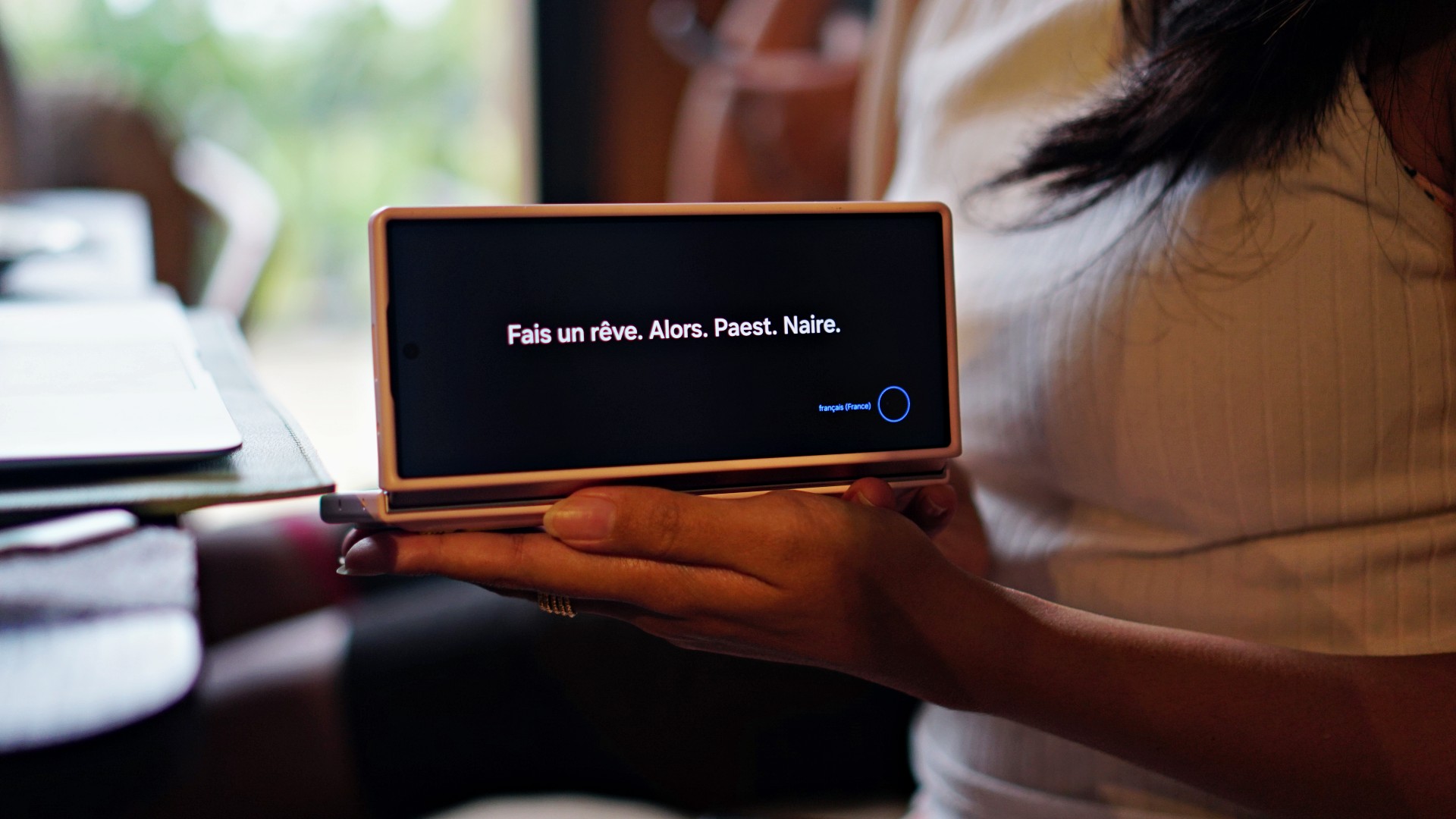
The aforementioned features are also coming to the Galaxy Z Fold6 and some work even better than expected. AI Translate, for example, is just better on a device with these many screens.
Watch how it works in this reel:
View this post on Instagram
And if you pair it with the Galaxy Buds3 Pro, the translation experience is elevated.
Sketch to Image
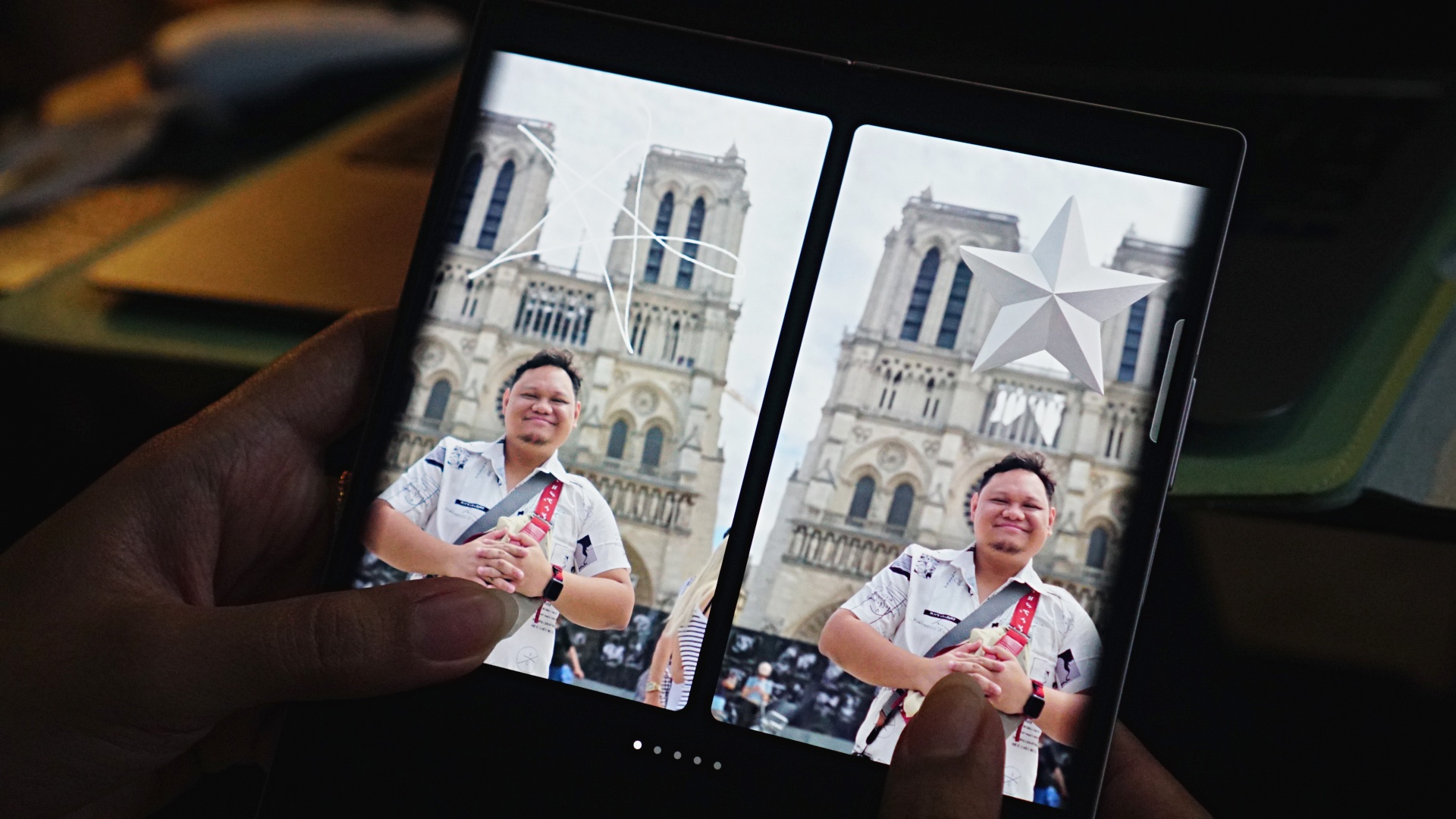
This clearly isn’t the best example but it does show you that AI can be hit or miss.
Another Galaxy AI Feature that I saw a lot of reviewers having a lot of fun with is Sketch to Image. You sketch on the notes app, tap the Galaxy AI button, and it’ll generate an image based on what it thinks you sketched.
The most amazing thing about it is how you can sketch over an existing image and it’ll generate an element that blends well with that image. Online I saw people drawing dogs next to a person and the dog actually looks like it was originally part of the image.
Portrait Studio

There’s also an AI feature that harkens back to an AI image generation feature that was popular a couple or so years ago which turns any photo of you into different cartoon art styles. It’s called Portrait Studio.

None of these came close to looking like my wife (delusion).
I was apprehensive about the feature then, and I still am now. But you have to admit, the convenience of doing this directly on your phone is pretty awesome. And while I will always prefer hiring an artist to make cartoon versions of myself, there is an inherent fun factor here that cannot be denied.
Labeling AI content
Samsung is also doing its part in making sure content that was created with the assistance of AI is appropriately labeled. All the images generated from the features mentioned above have an “AI Generated Content” tag at the bottom-left corner of the image.
It’s one way of ensuring that these images are appropriately tagged. Although, naturally, you can still remove those with any basic photo editing app. It’s just up to your conscience if you want to misrepresent AI content or not.

It’s something 2018 Miss Universe and Samsung Ambassador Catriona Gray also touched on in our brief interview with her.
Even platforms like Instagram and TikTok have added a toggle where you’re asked to identify if AI was used to generate the content you’re posting.
More discussions and safeguards have to be in place as we dig deeper into the use of AI. I’m not confident these safeguards will arrive in time but I’m optimistic that they will.
Camera performance
We have an entirely separate three-way camera shootout featuring the Galaxy Z Fold6, HONOR Magic V2, and OPPO Find N3 that you should totally take out.
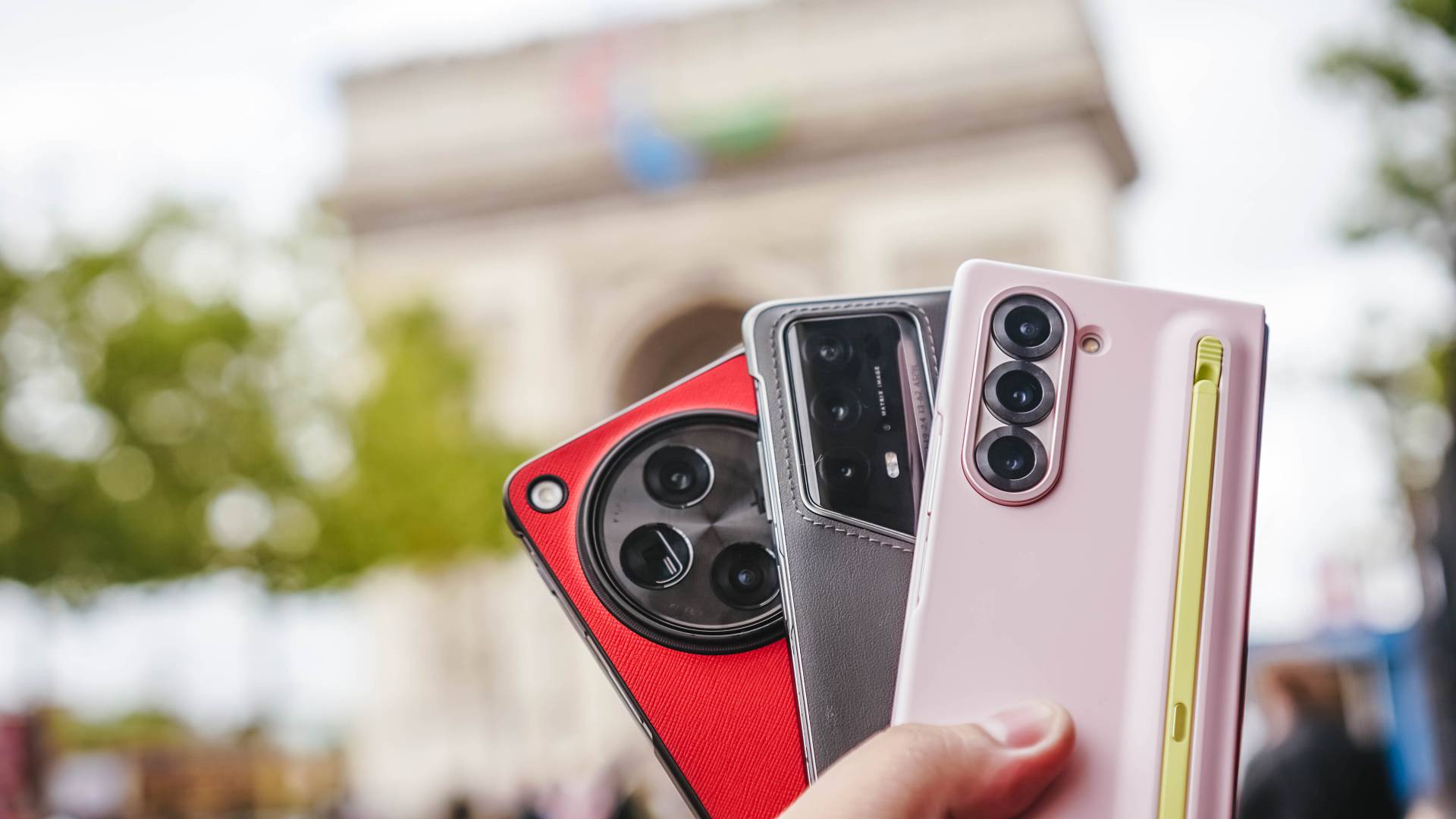
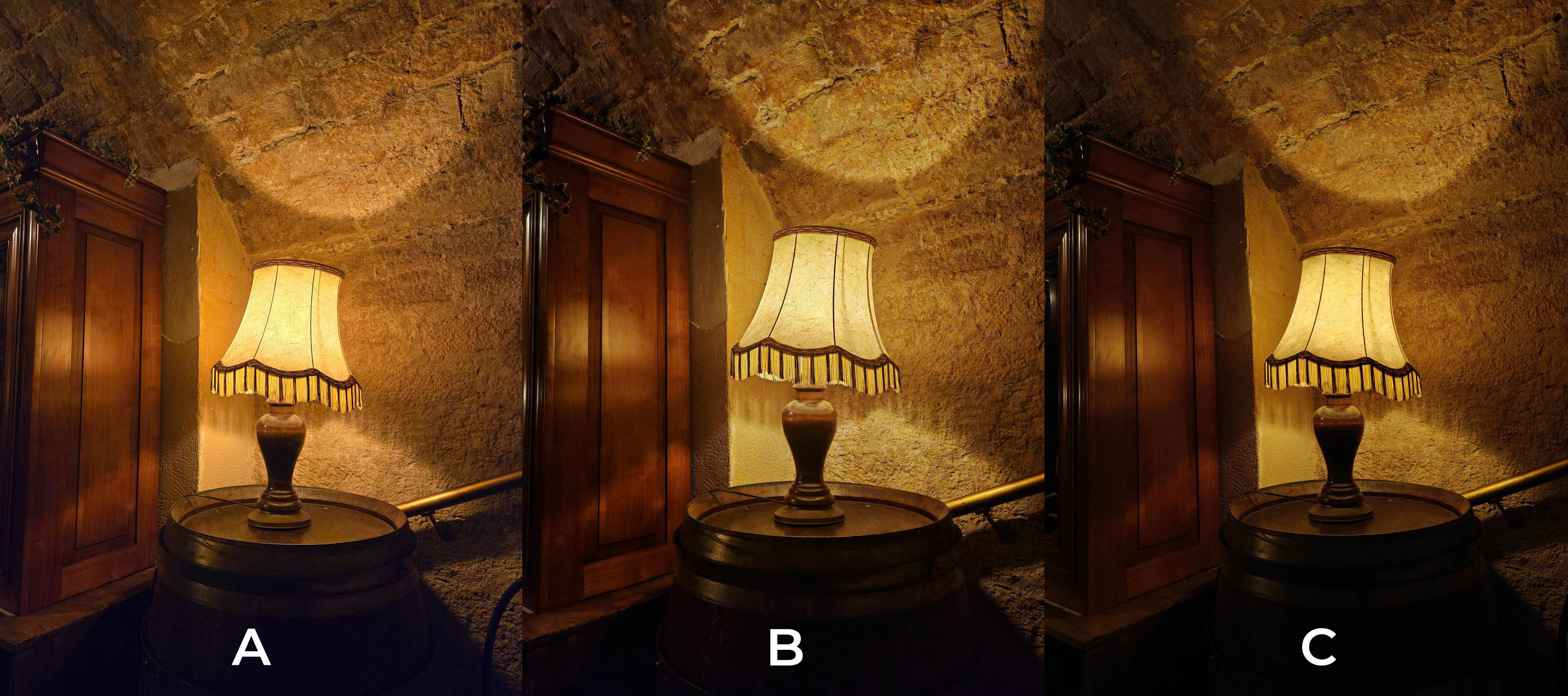
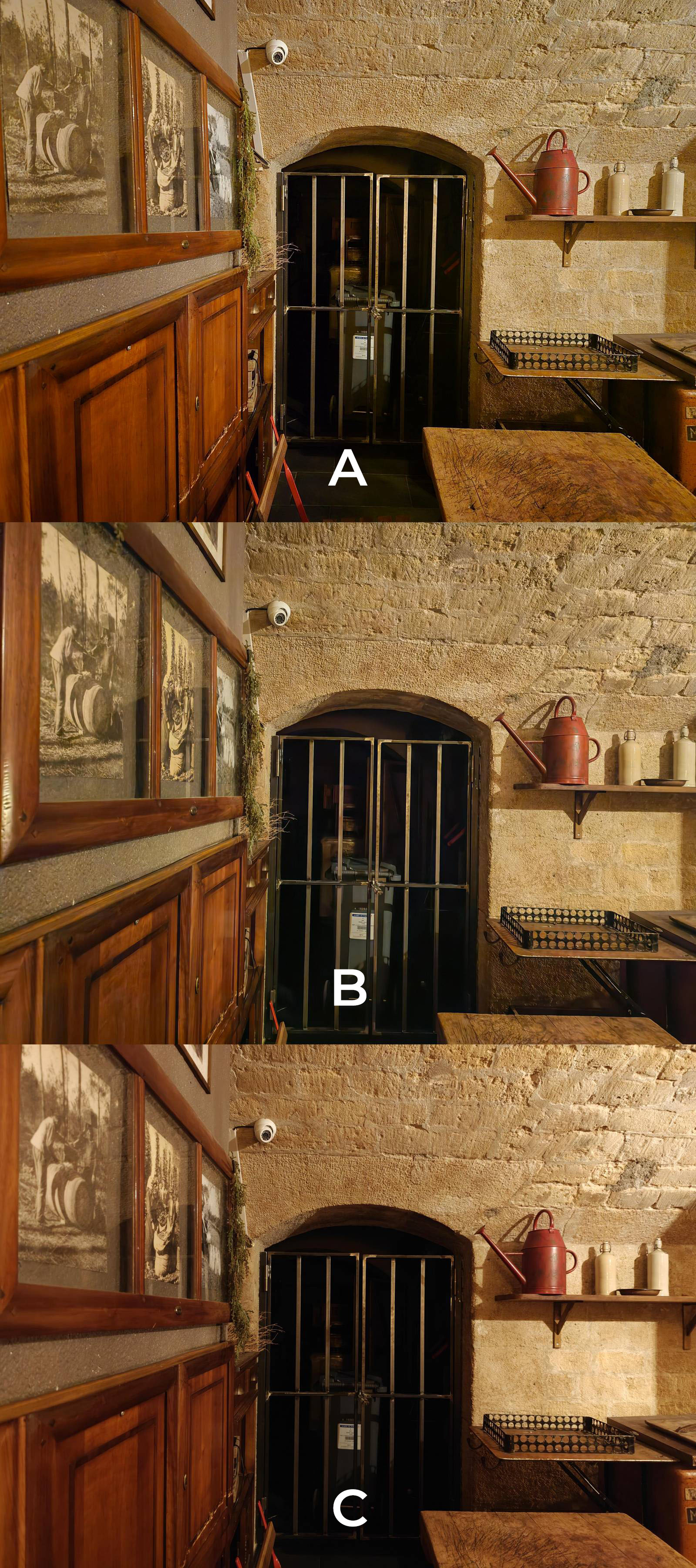
In the interest of brevity, I’m sharing below excerpts of that article along with a few samples. To make things easier for you, A is the Galaxy Z Fold6, B is the Magic V2, and C is the Find N3.
“In terms of consistency, the Galaxy Z Fold6 produced the most color-coordinated samples across its cameras. You just know exactly what kind of image you’re getting. The HONOR Magic V2 RSR, meanwhile, had the most all-over-the-place results. Some shots were stellar, others less so. Meanwhile, the OPPO Find N3 had the most natural-looking tone but had a few samples that didn’t seem to align with the rest of the shots.
Whichever is best for photos is ultimately a matter of preference. For quick samples, I would default to the Galaxy Z Fold6. But as someone who likes to apply their own post-processing to photos, this writer’s prefence leans more toward the Find N3. The Magic V2 has some work to do.”
Samples below for your perusal:
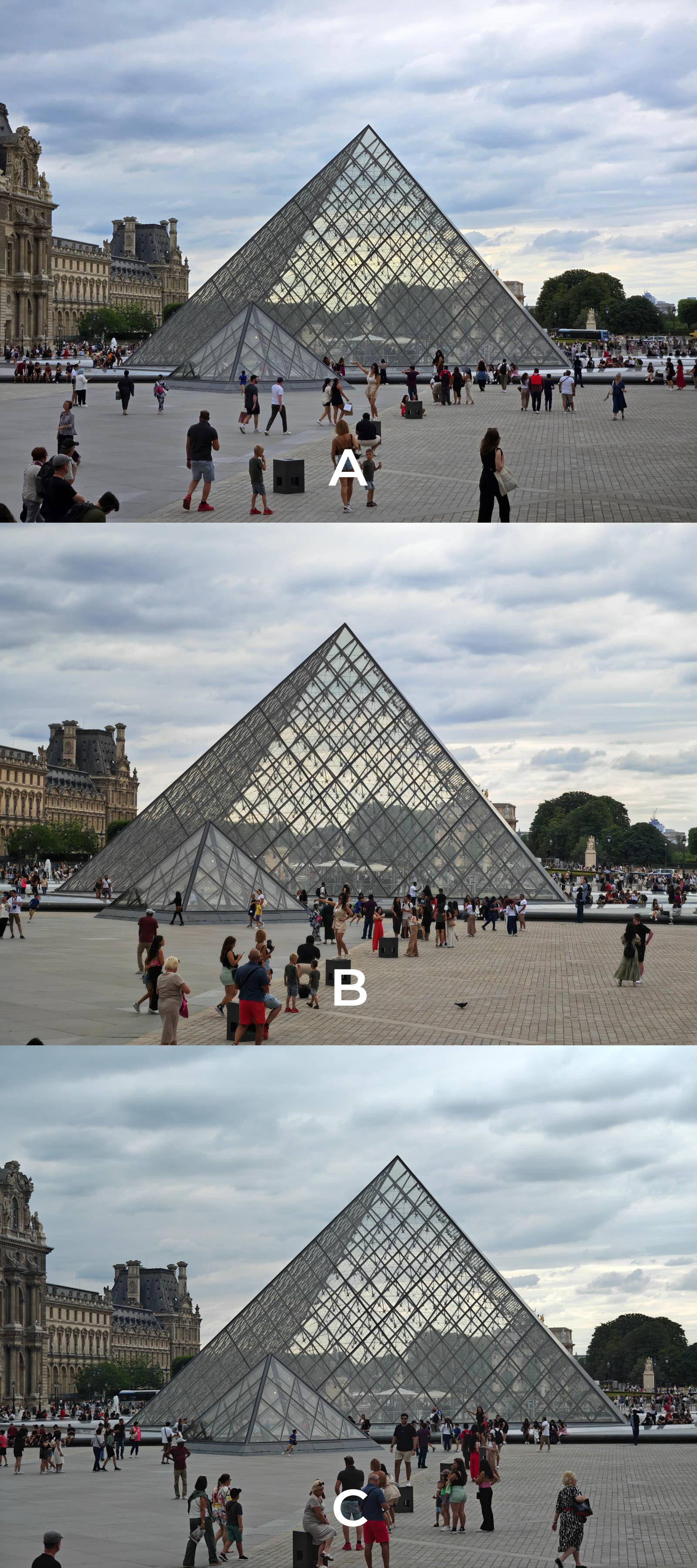
📍Louvre Museum



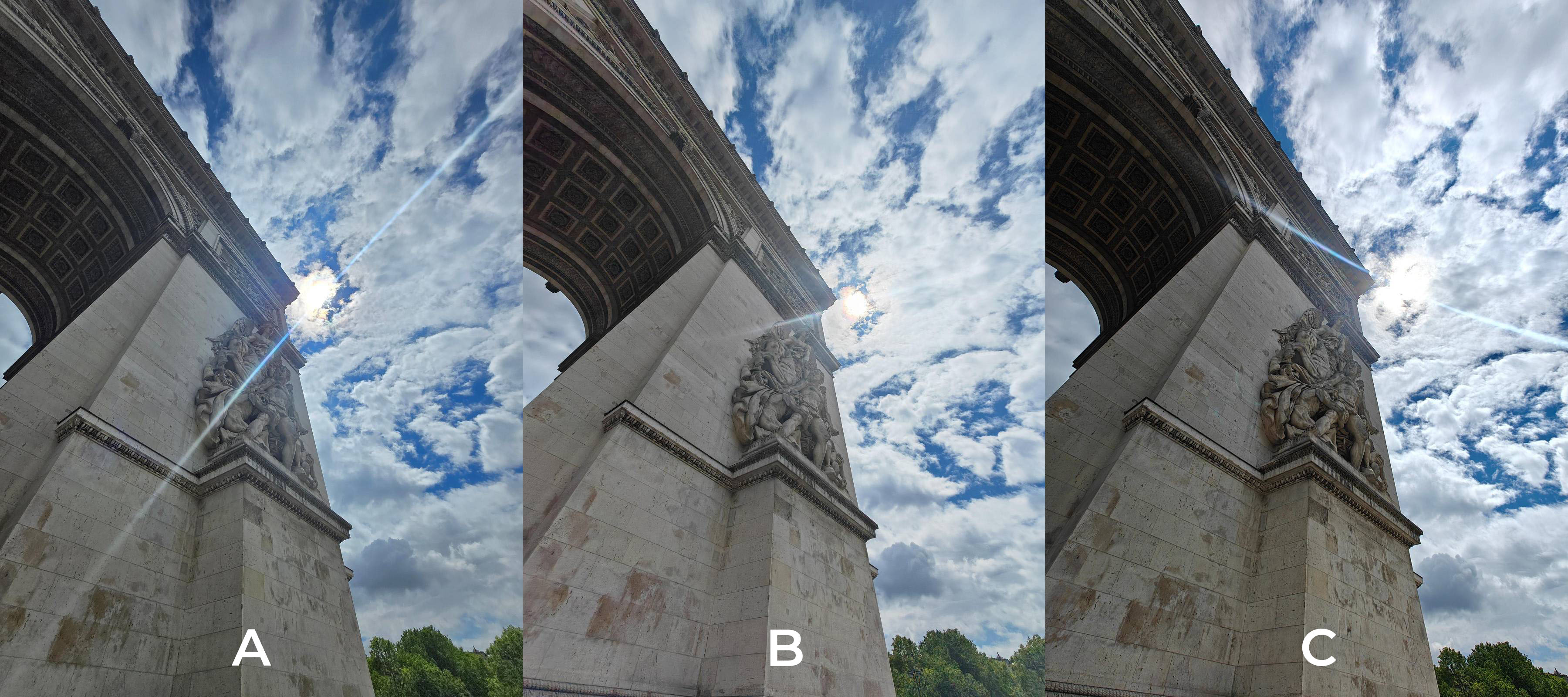
Ultrawide



Is the Samsung Galaxy Z Fold6 your GadgetMatch?
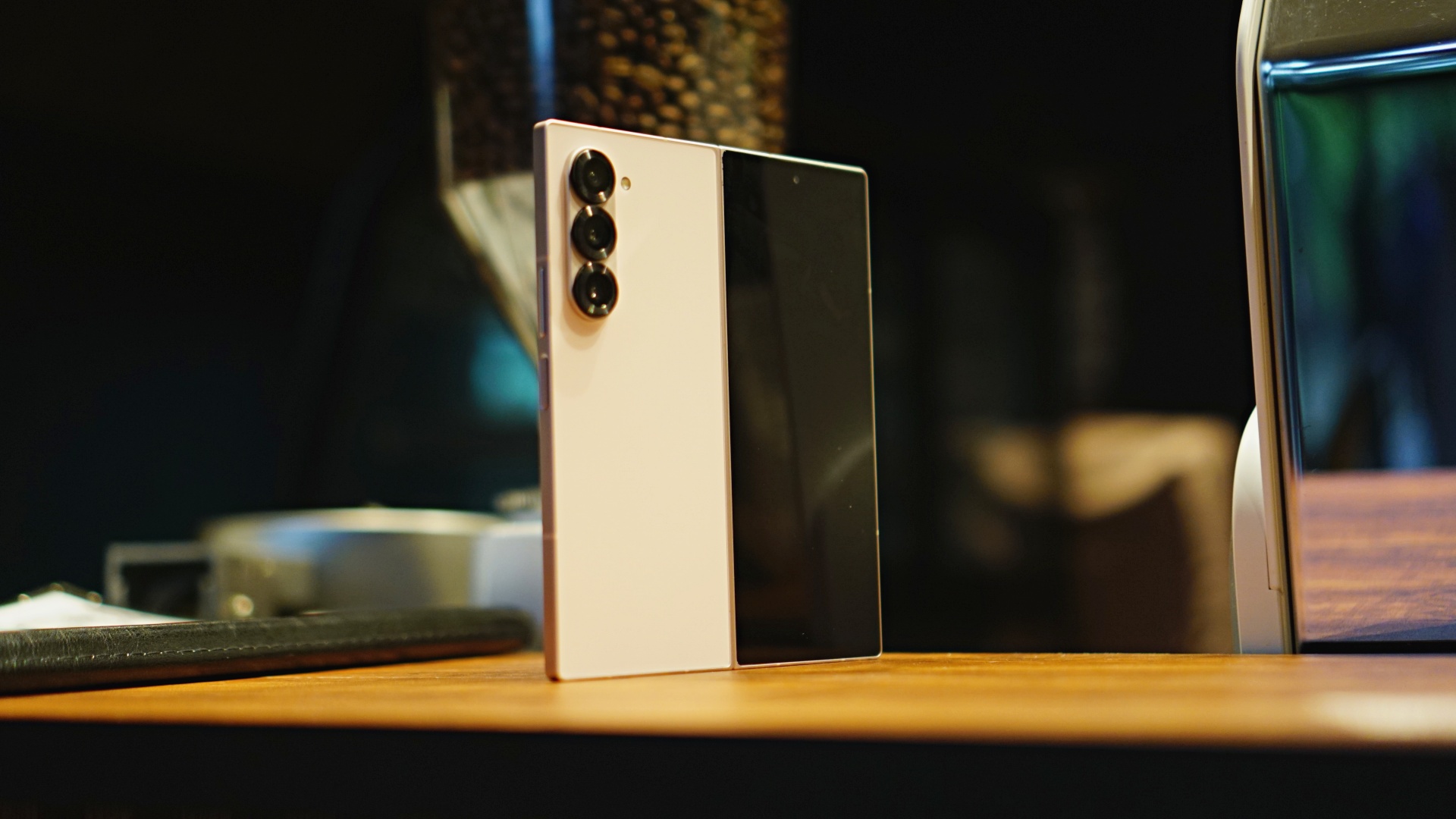
The Samsung Galaxy Z Fold6 is a fantastic device. Software-wise, apps for Galaxy devices still feel more optimized than in other foldables. Galaxy AI takes things even further with fun, even useful, features that will undoubtedly reshape how you use your smartphone.
In the hardware department, they’re still stellar except for the form-factor. The useability of the remote-like form when folded is better than in previous generations, but it’s dead last when you look at every other foldable available for purchase one way or another.
The Galaxy Z Fold is approaching a critical turning point. There’s a good chance a major redesign is coming in the next iteration. But does that mean you should wait before upgrading? If you’re coming from a Fold4 or Fold5 the easy answer is yes. If you’re on the Fold3, that’s a shakier proposition. But if you can still hold out, I say hold out.
Should you jump ship? If you’re not deep into Samsung’s ecosystem, you should be fine looking elsewhere to meet your foldable needs. But if you already have a couple of devices or two from the South Korean company and you’re big on comfort-level and familiarity, it would be prudent to wait.
Samsung’s best book-style foldable is yet to come. That’s exciting.




Accessories
UGREEN Nexode Pro 160W review: One mighty brick with a powerful trick
All the speed you need in one charging brick

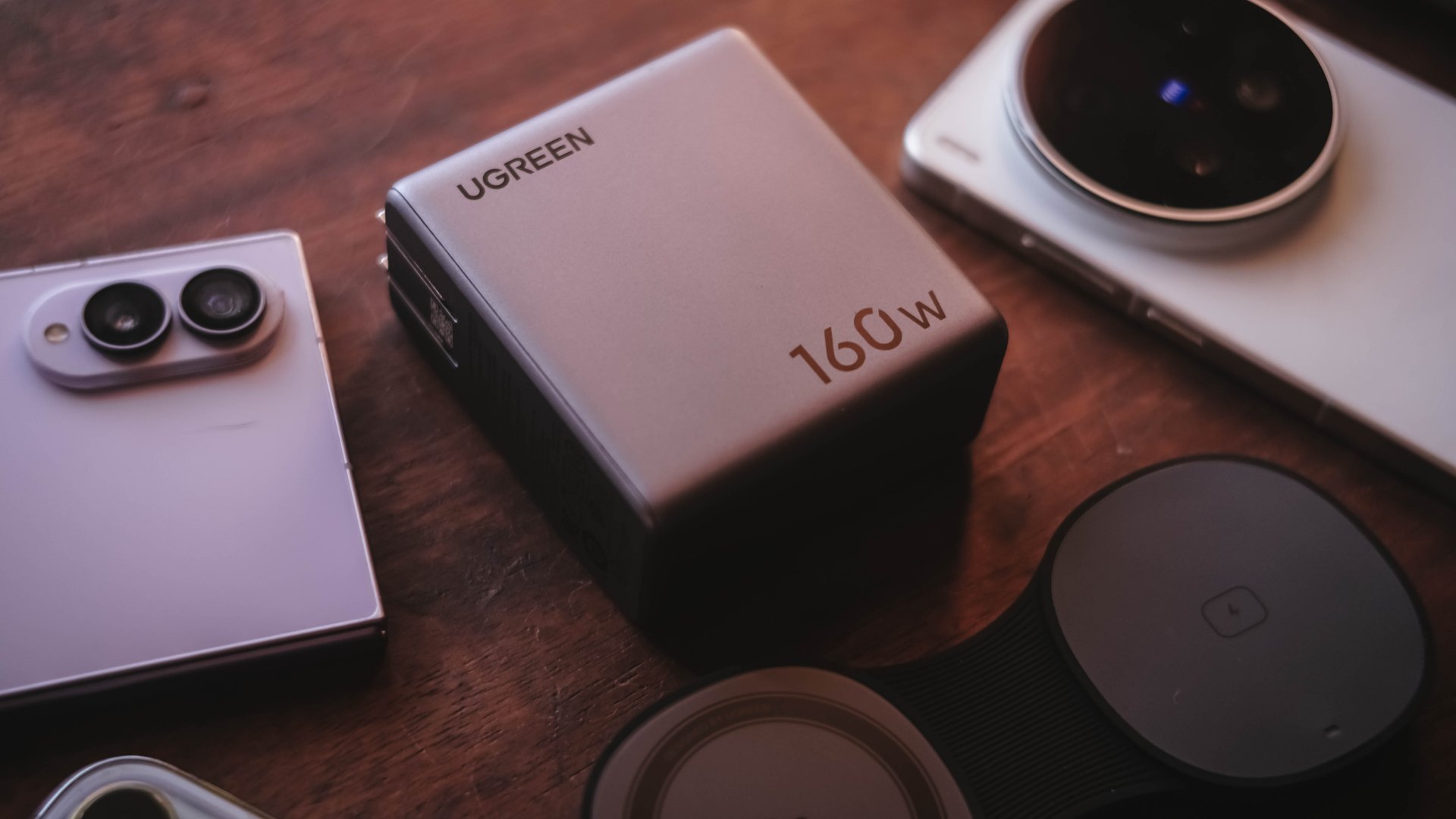
Chargers aren’t just tiny bricks we plug into the wall anymore.
As our everyday gadgets become hungrier in power, chargers have gotten mightier, too.
More wattage, more ports, and apparently, more brains. The UGREEN Nexode Pro 160W takes all of those in one thicc body.
A heavy charger with plenty of power
Let’s address the elephant in the room — literally and figuratively. The UGREEN Nexode Pro 160W is one CHONKY charger.
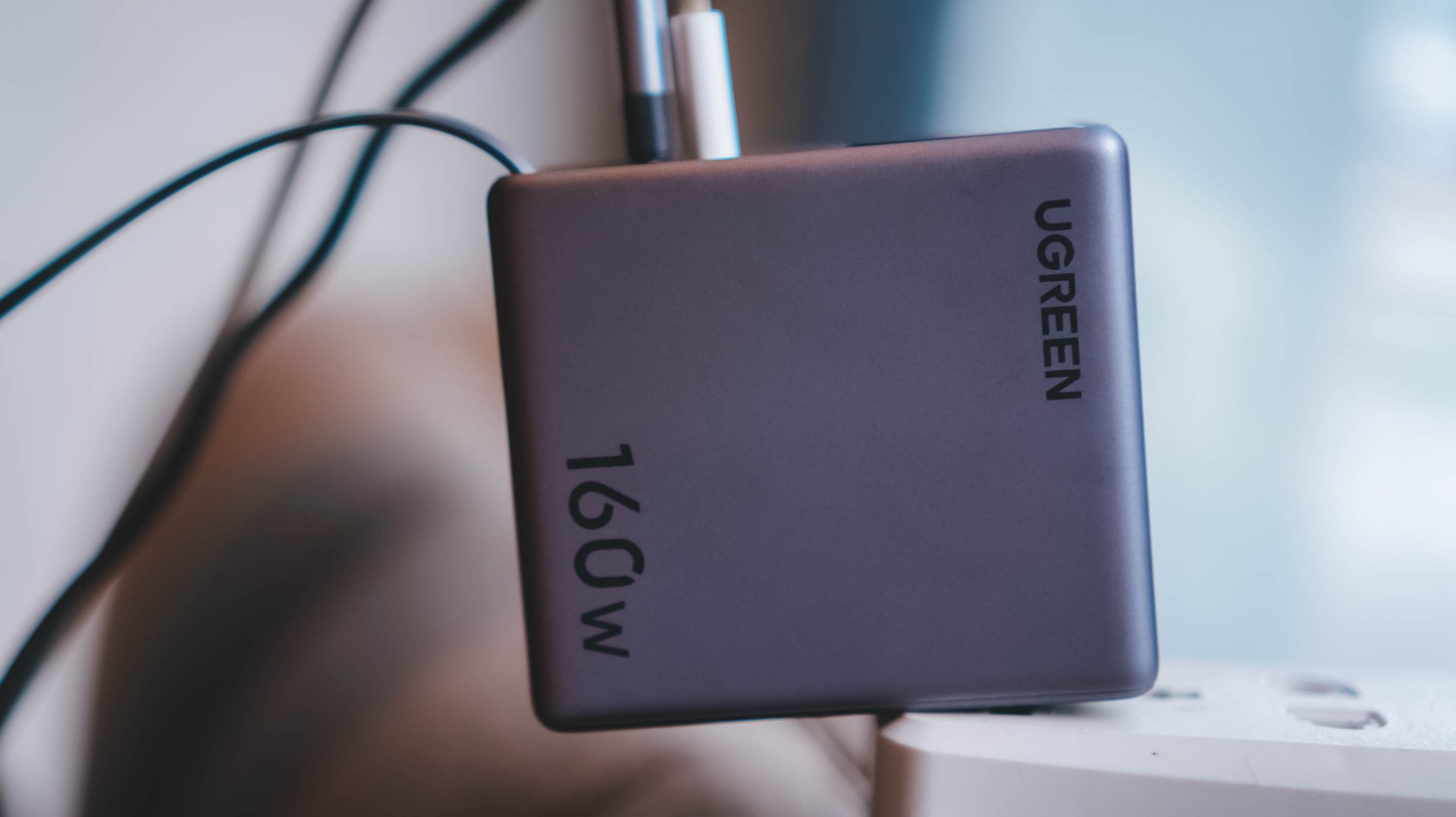
The US version weighs 310 grams, which is heavier than usual charging bricks you’d bring with you.
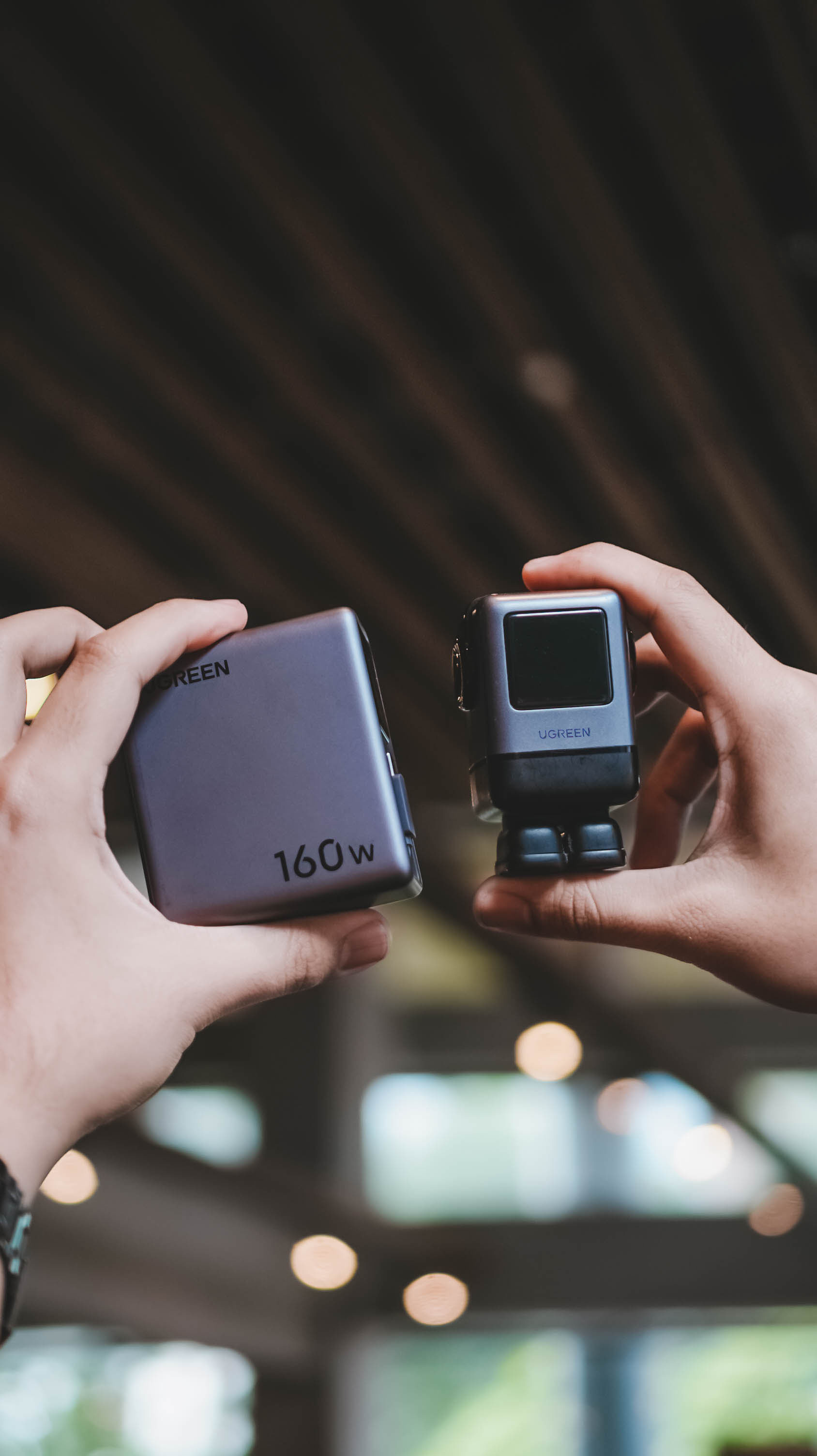
Visual comparison alone, this is how it tries to dwarf its 100W Uno cousin.
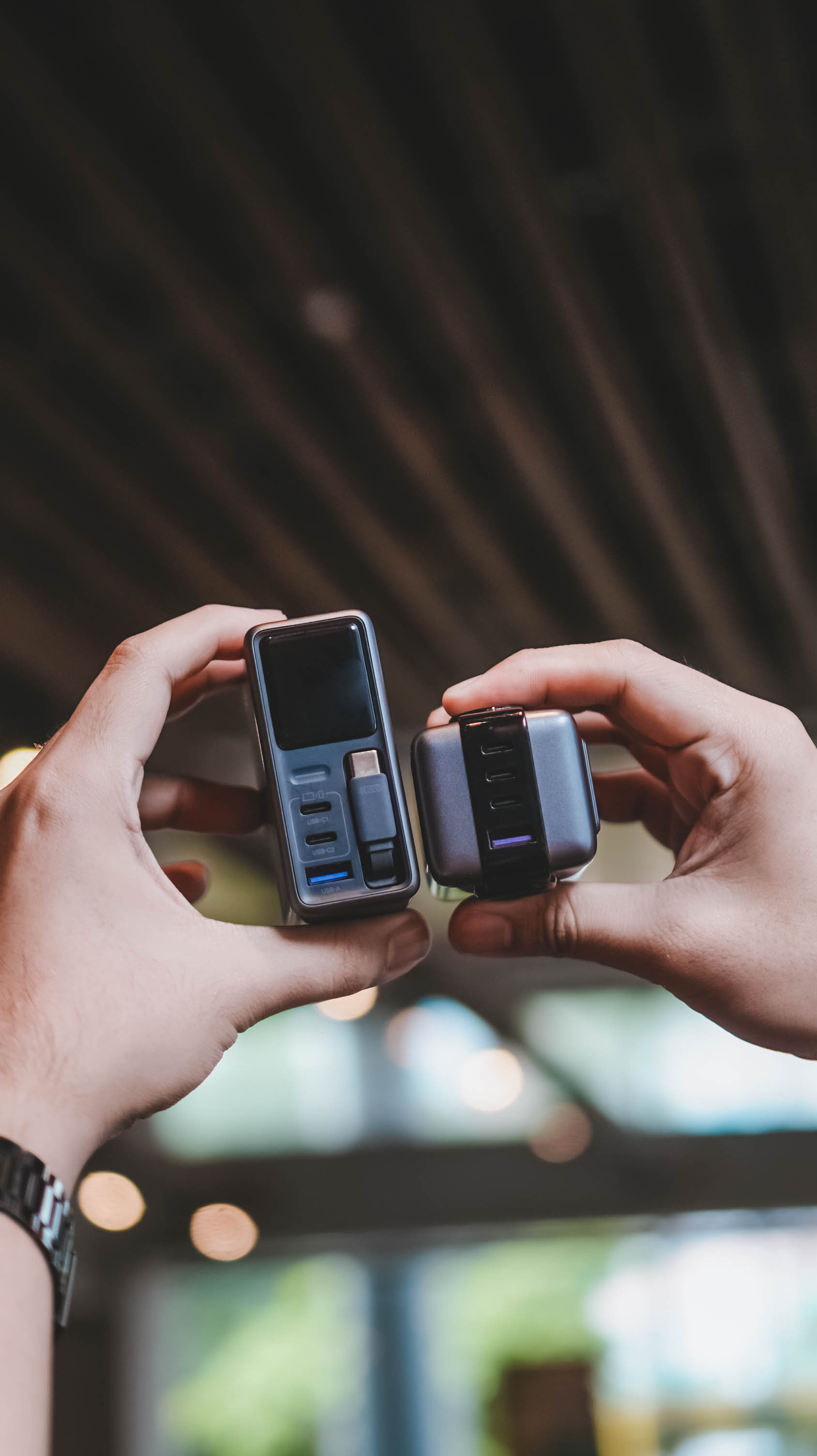
Then again, UGREEN’s Nexode Pro isn’t your conventional charger. And by that, it boasts a total output of 160W — though not saying every port gives a 160W output.
The first USB-C port (C1) is capable of delivering up to 140W. Meanwhile, USB-C2 supports up to 100W, while the lonesome USB-A port can supply up to 22.5W.
To make it even crazier, it also has a retractable USB-C cable — more on that later.
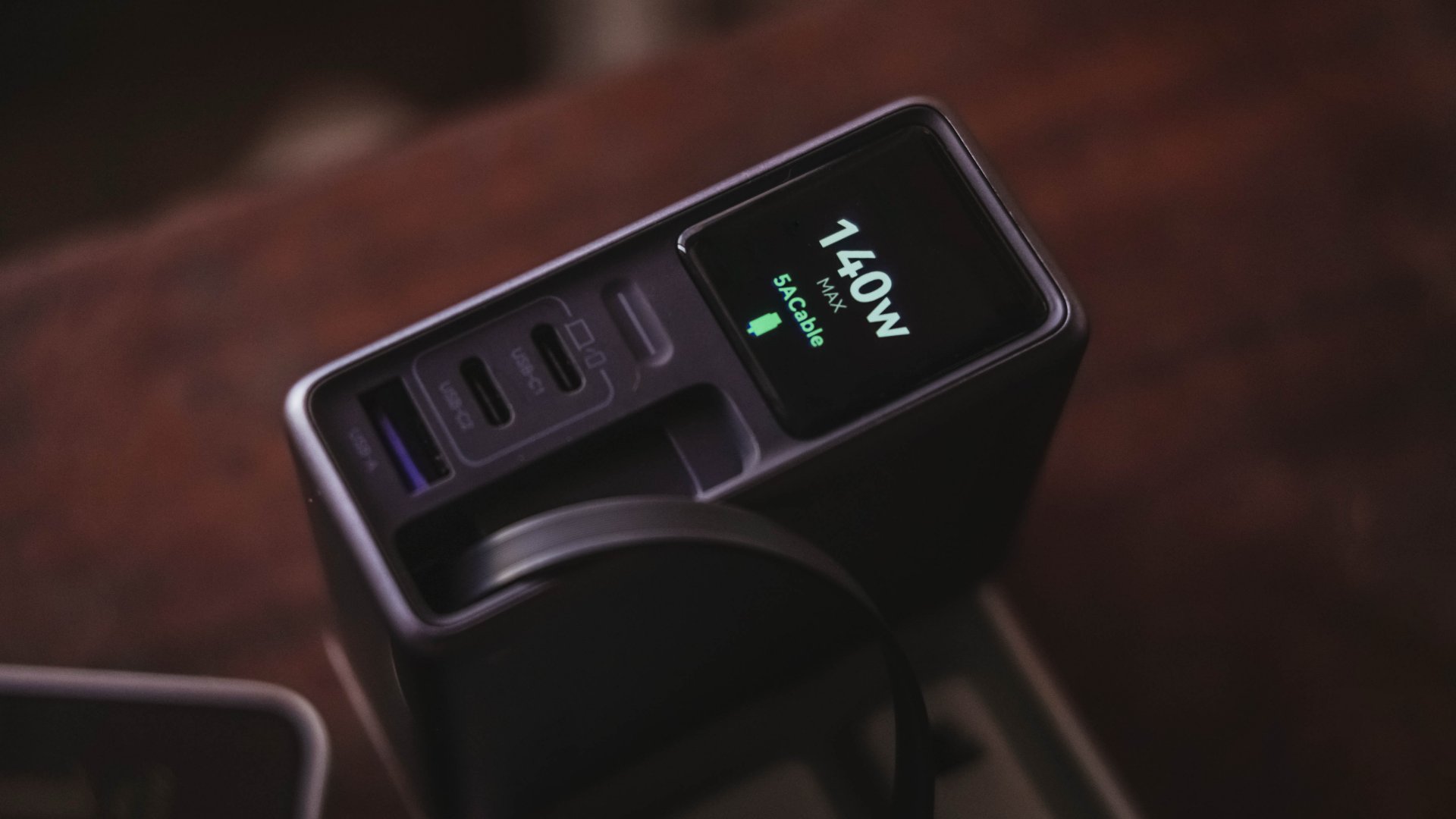
These all mean I can plug in my MacBook Pro, high-end Android flagship, iPhone, and other accessories without ever bringing separate charging bricks for each one.
And honestly, when there’s so much power inside one brick, I’ll generously accept that added heft.
Watt you see is watt you get
One trick up in Nexode Pro 160W’s sleeves is that, it has a front display.
With a touch capacitive button above the USB-C1 port, the display can show not just the general (or combined) charging wattage. It can also show real-time speeds in watts (W), voltage (V), and even ampere (A).
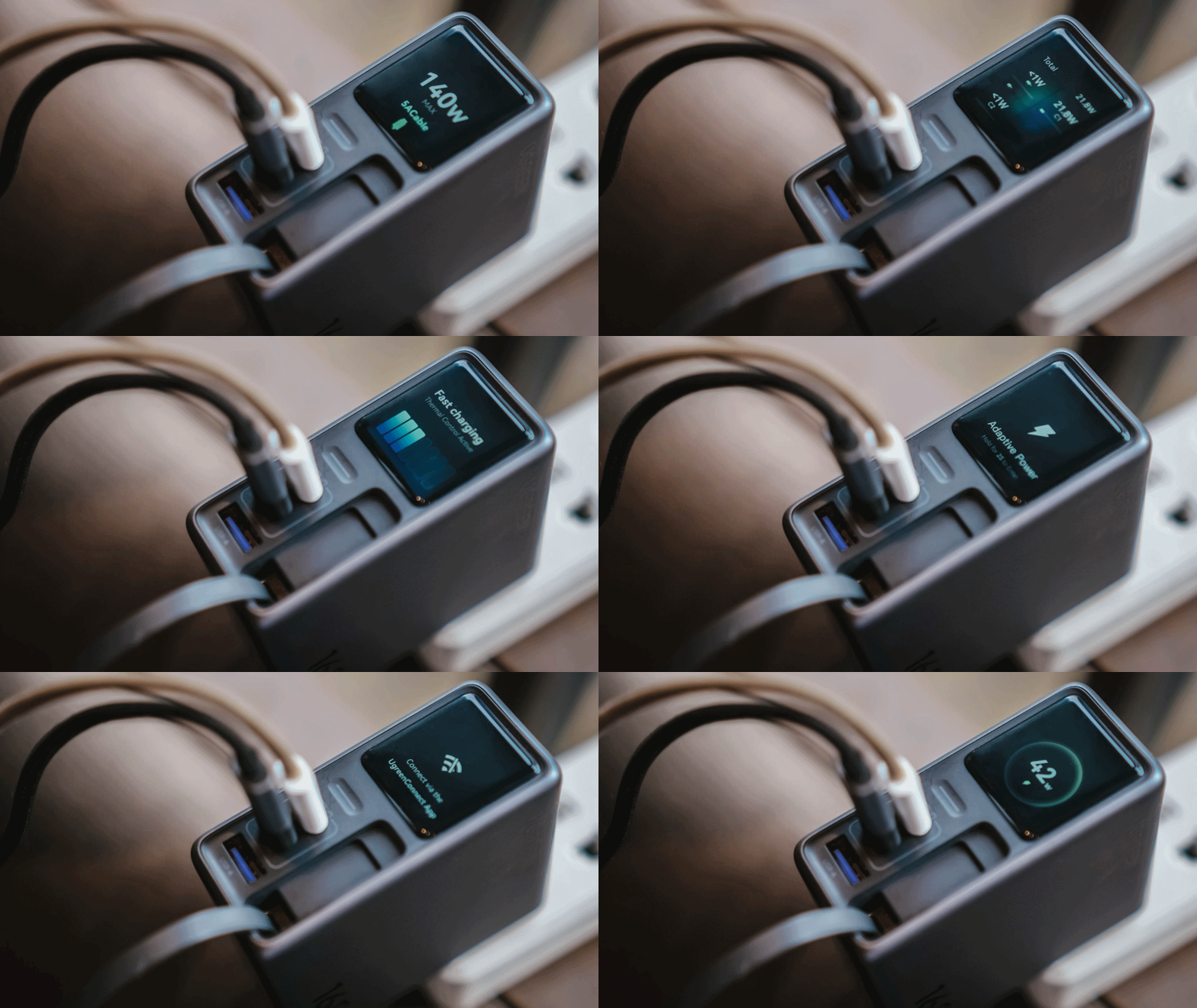
For regular users, it’s probably something you’ll glance at occasionally. For stats nerds? It’s eye candy. For a gadget reviewer like me? A charge test companion.
Seeing real-time charging data gives me a better idea if I have the best charging cable possible for each device. More so, if those devices actually get the charging speeds they require.
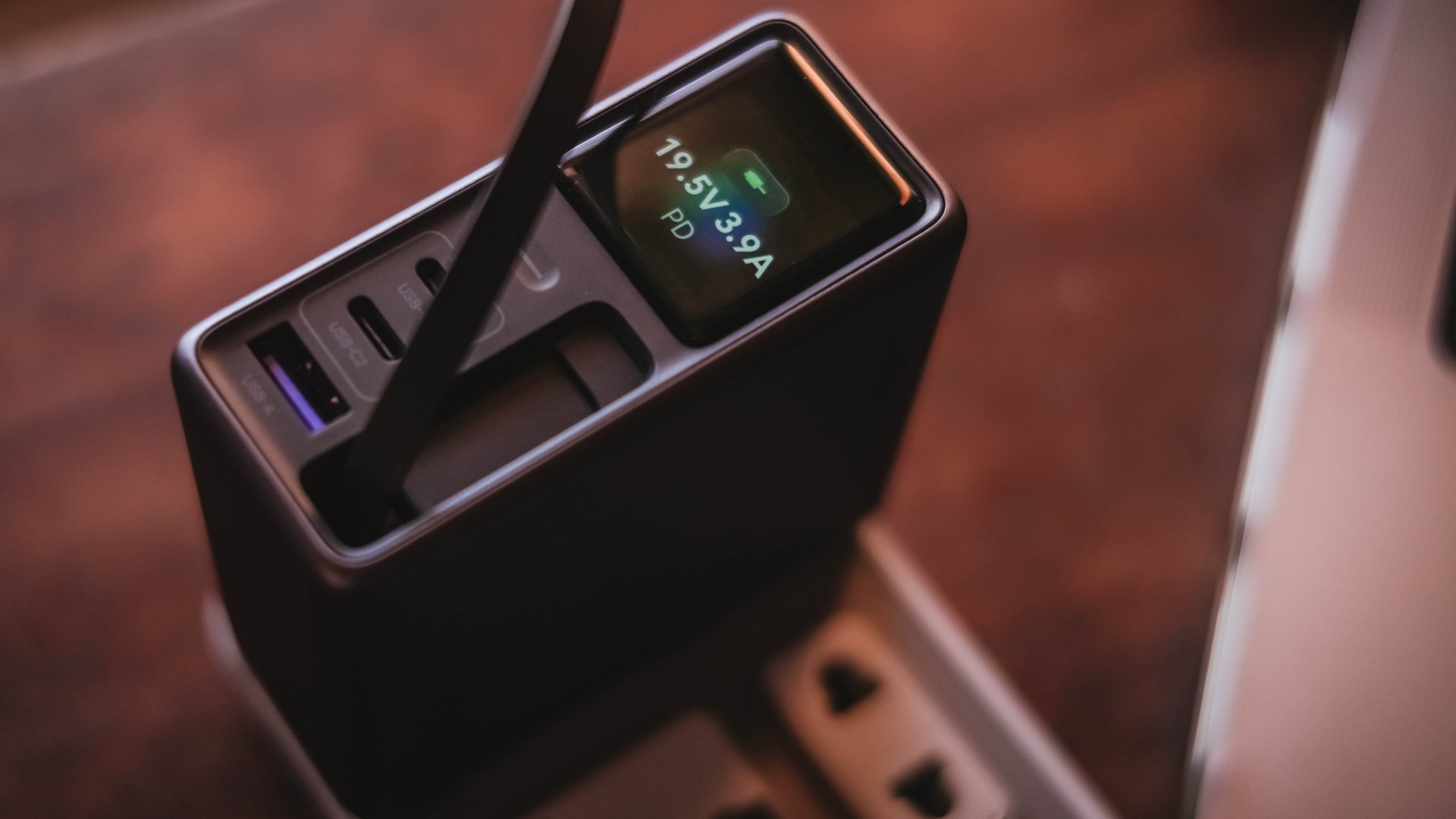
And, if something suddenly starts charging slower than usual, those numbers can help me determine whether the device, charger, or cable might be the culprit.
I can only have my sigh of relief when I see it’s pulling the amount of power I expect.
Even if I always say numbers aren’t everything, the real-time charging data I see with my two eyes is more believable than just relying on that “Fast Charging” indicator.
So, watt did I even get?
Of course, I couldn’t just take that 160W figure just at its face value.
In a not-so-typical GadgetMatch Charge Test, I tried and tested the charger by occupying all ports with the devices I regularly use and watched the numbers fly.
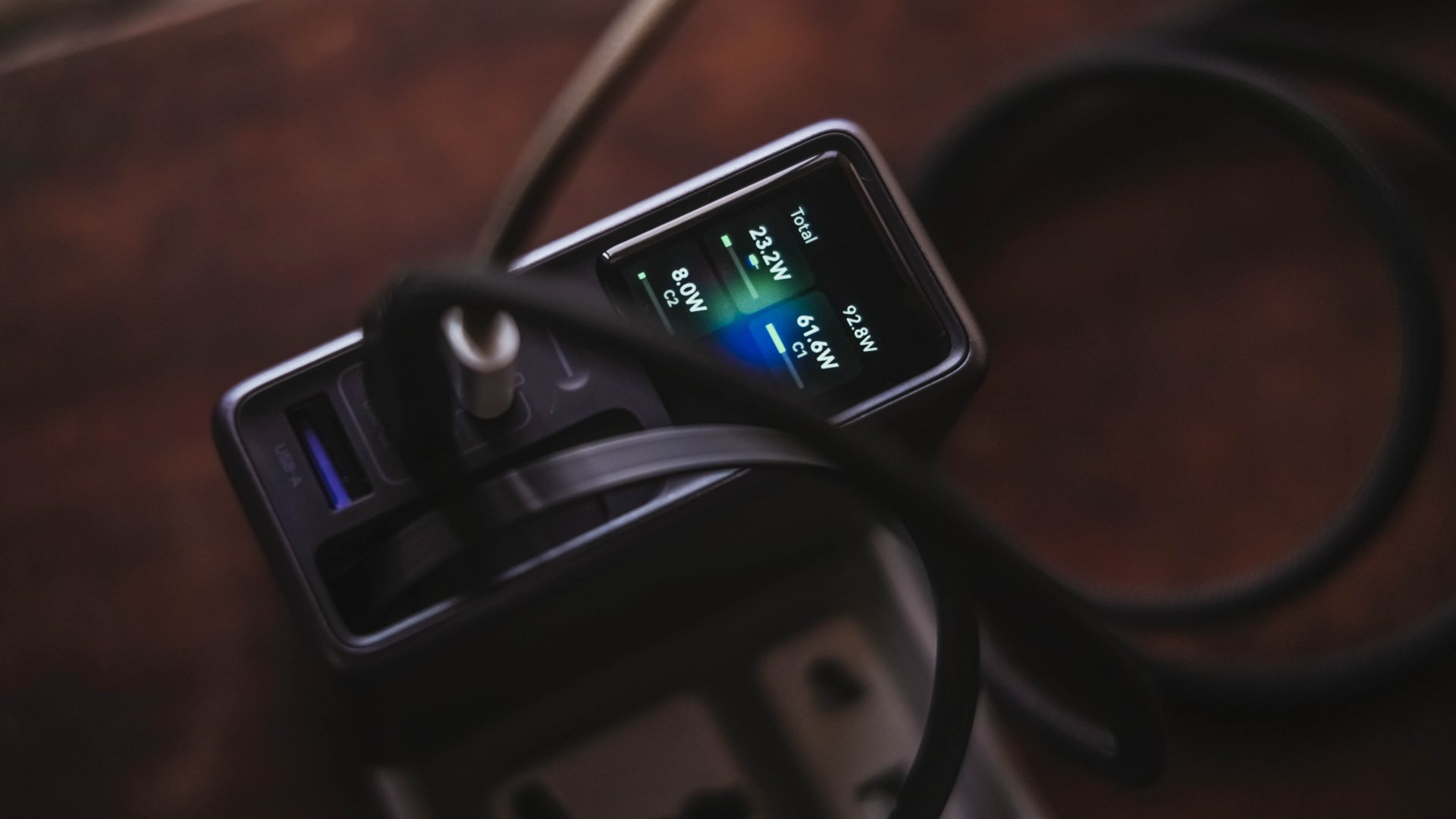
Mind you, I tried my best to make them as equal as possible by draining every device down to 0%. Just so the actual charge test starts at the very base.
From a lengthy documentations in my Notes app, I tried simplifying the results into these table instead:
| Port | Device | Cable Type | 10-minute charge | 30-minute charge | 1-hour charge |
| USB-C1 | 14” M2 Max MacBook Pro | Apple MagSafe 3 to USB-C | 15% | 45% | 84% |
| USB-C2 | Apple iPhone 13 Pro Max | USB-C to Lightning | 7% | 21% | 42% |
| Retractable USB-C | vivo X300 Ultra* *wireless charging |
USB-C to UGREEN MagFlow 2-in-1 Foldable Magnetic Wireless Charger | 2% | 3% | 7% |
| USB-A | HONOR Watch 5 Ultra | USB-A to wireless charging base | 18% | 58% | 76% |
Aside from the charger itself, there are more factors that contribute to a device’s charging output.
One is basically how many devices are connected. Another would be the type of cable used (standard 3A cable or faster yet thicker 5A or 6A cord).
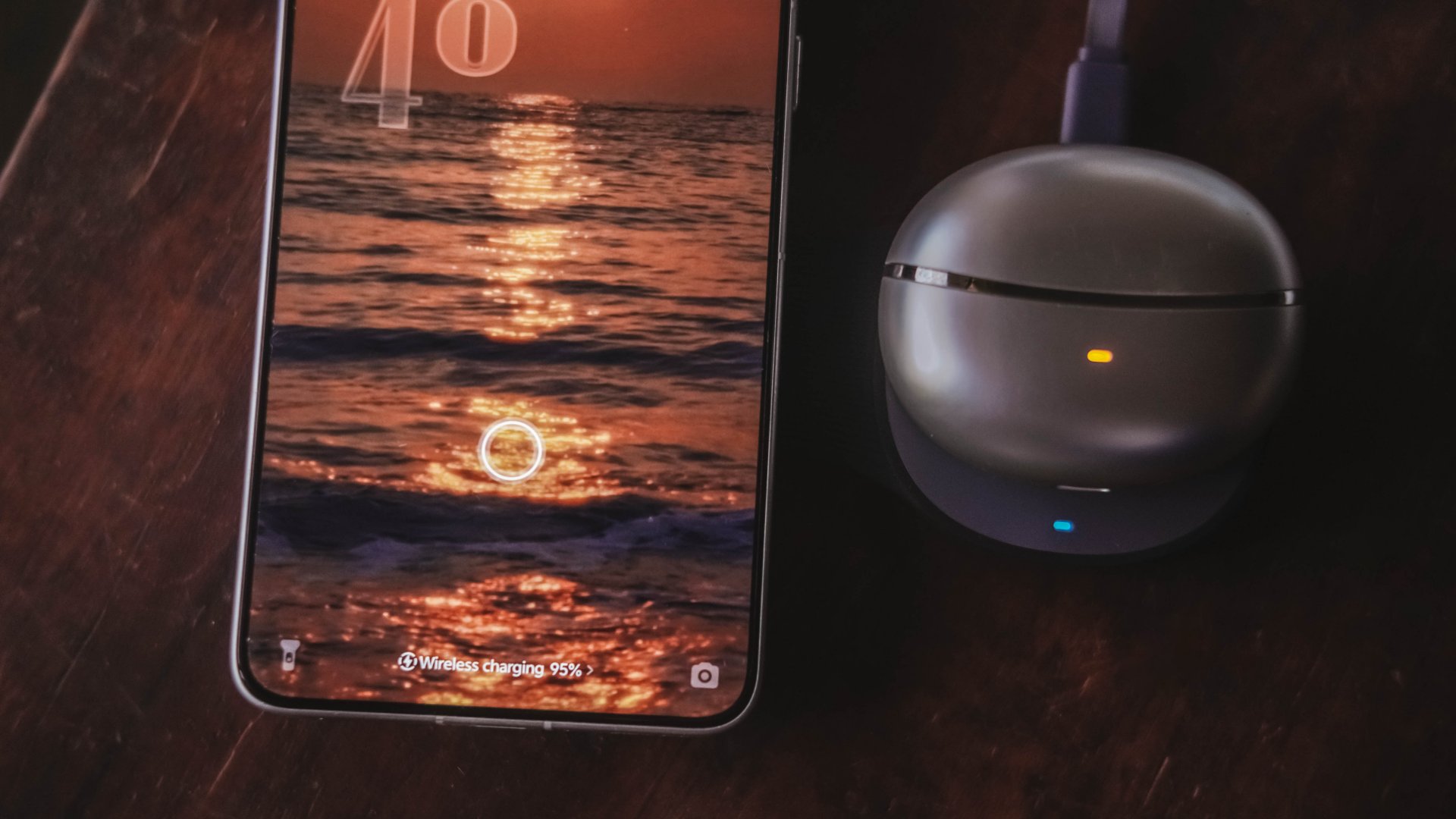
More so, if the best charging mode is used. Even actual room and device temperatures matter, too.
In easier words, a charger boasting 160W power doesn’t mean every device gets its maximum charging speeds simultaneously.
The charger still has to distribute its available power between everything connected.
Pull it, use it, and never lose it
Perhaps its most “secretive” trick is hidden within.
UGREEN has managed to fit a 70cm retractable USB-C cable in its squarish body. Pull it whenever you need it and retract it back inside once you’re done.
It’s incredibly handy when I don’t want to dig through my big and messy backpack.
Worst case scenario? Whenever I forget to bring a cable — which already happened numerous times as an aging young adult who keeps being unnecessarily forgetful.
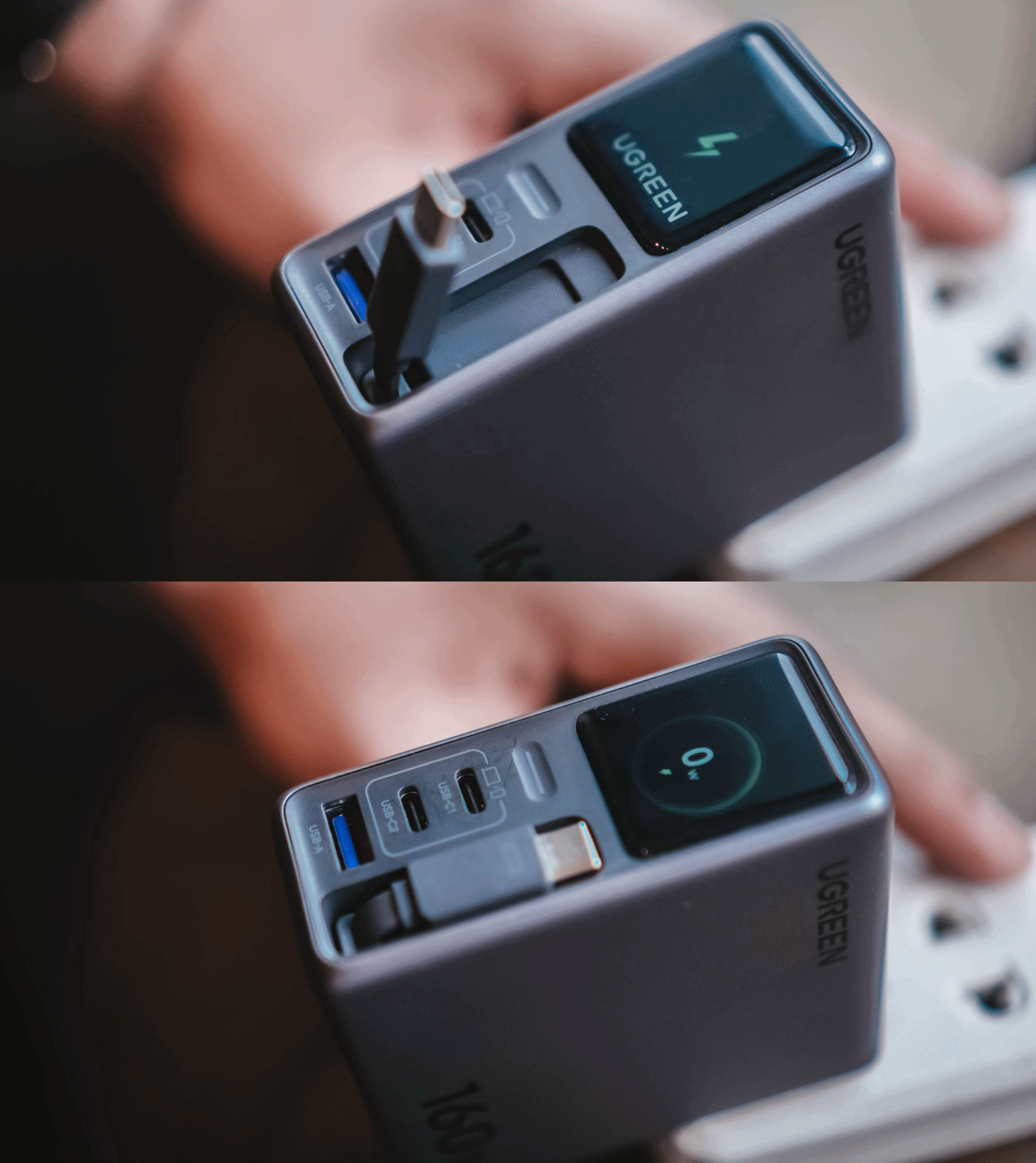
Vincenz’s two cents? He would NOT always rely on using it.
For one, there’s the matter of longevity.
A regular USB-C cable eventually breaks? Replace it. A retractable cable permanently attached to your charger? That’s a different story.
Another would be all about its actual charging speed output. Not every device behaves the same way with that built-in cable.
| Device | Max Charging | Observed Power | 30-minute charge | 1-hour charge |
| 14” M2 Max MacBook Pro | 96W | 68.6W | 53% | 87% |
| vivo X500 Pro Max | 90W | 20.2W~23.6W | 34% | 62% |
| vivo X300 Ultra | 100W | 9.6W~12.9W | 26% | 52% |
| HONOR 600 Pro | 80W | 16.5W | 35% | 64% |
| Samsung Galaxy Z Fold8 | 45W | 17.8W | 41% | 74% |
For instance, my vivo X300 Ultra supports 90W FlashCharge speeds. Yet, I observed only around below a 13W output during one test. Thus, only achieving 26% in thirty minutes.
Even the shiny new vivo X500 Pro Max wasn’t exempted in the list with only being able to achieve 34% in the same time frame.
For added context, using their bundled FlashCharge adapters would have already filled the phones way past the 60% mark.
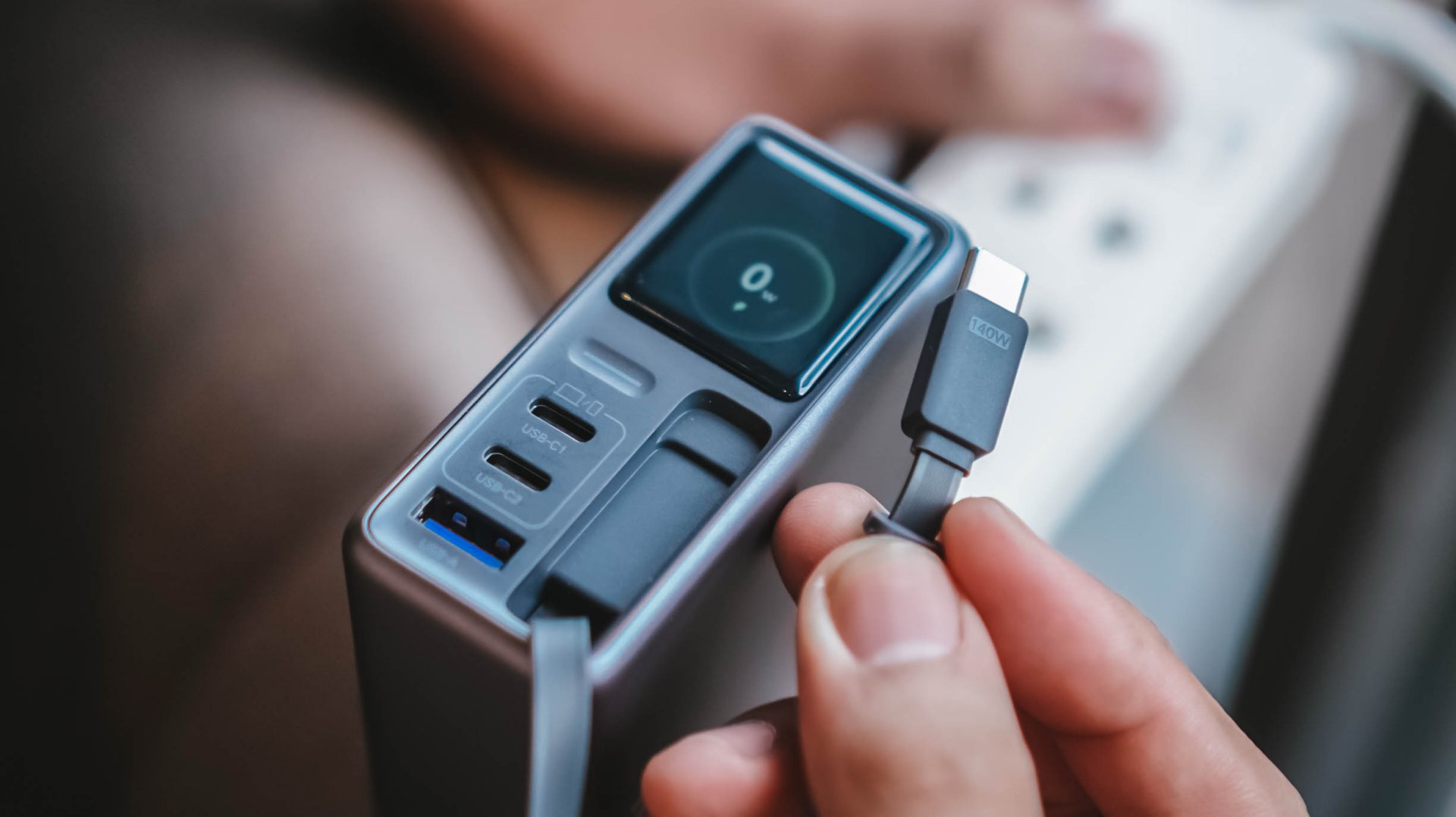
This doesn’t necessarily mean the built-in cable is bad. It just means you shouldn’t expect every proprietary charging standard to hit its advertised maximum just with the cable alone.
So while it’s one of my favorite conveniences here, I still see it as a handy backup rather than the only cable one would ever need.
Connect to inspect
I can’t believe I’m saying this. A charger can now be connected via an app.
Just like me, you’re probably scratching your head the moment you are reading this. Well, after much use, it actually made sense to me.
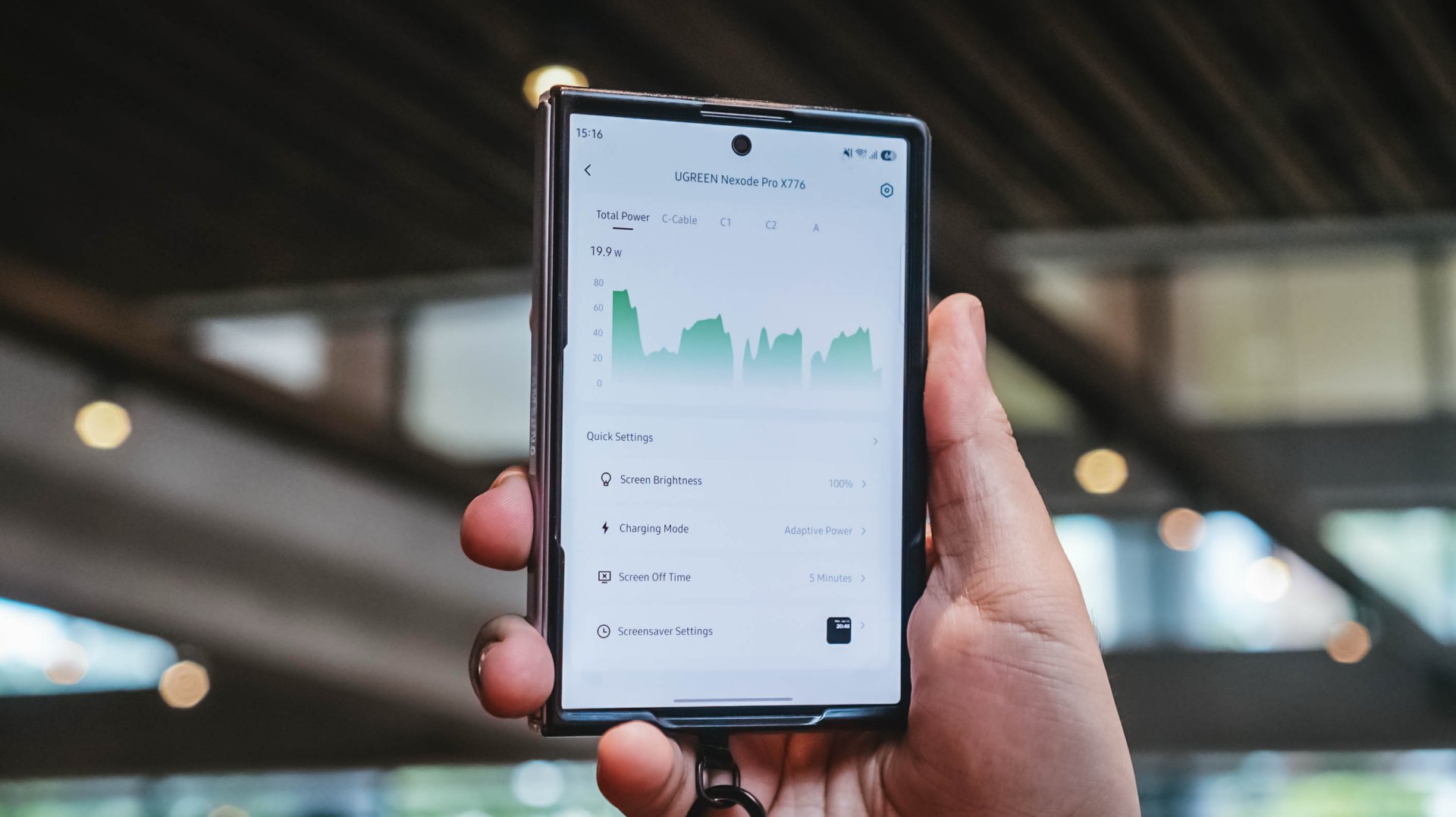
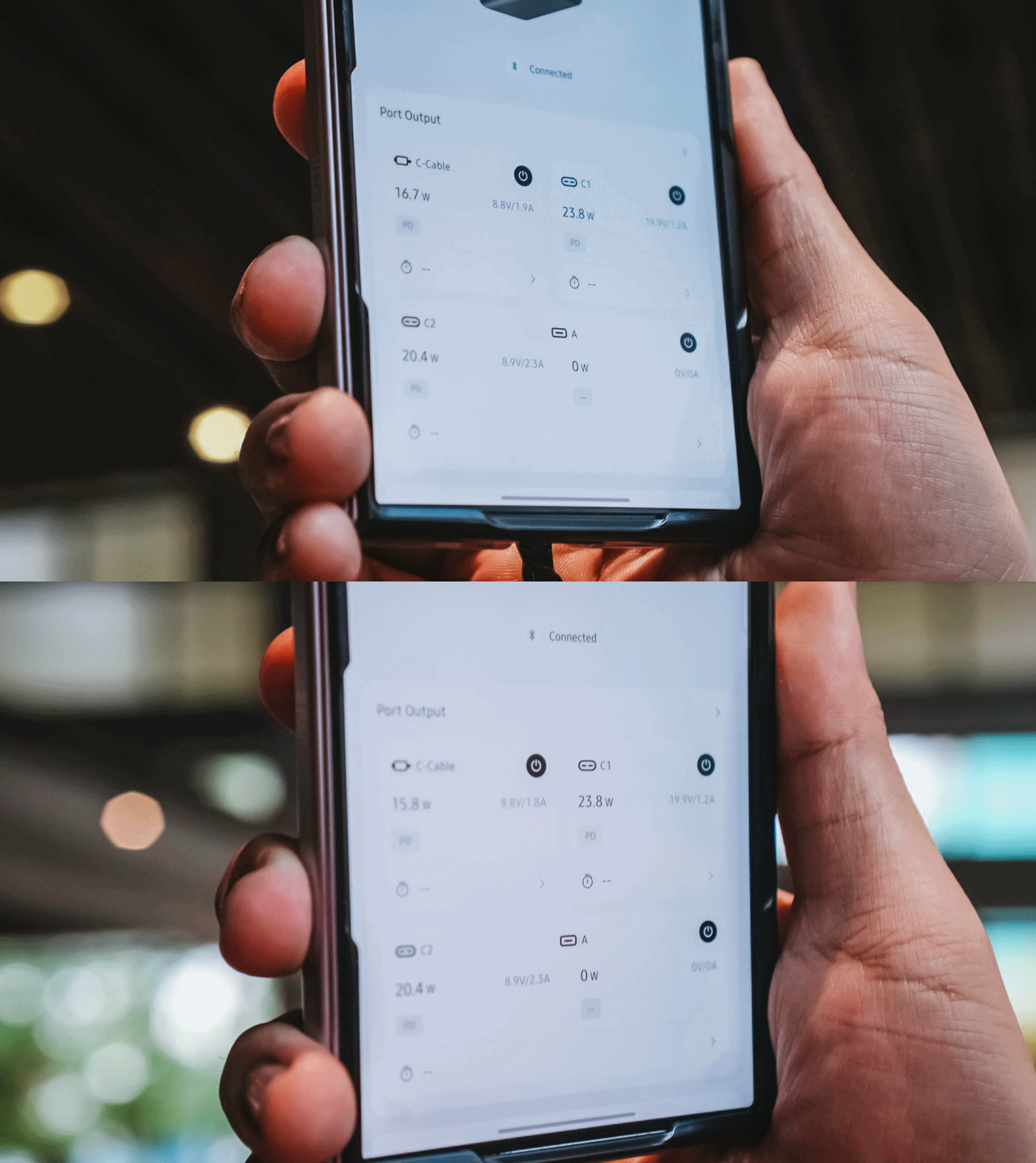
With their new and very own UgreenConnect app, not only you can see and capture charging stats, UGREEN lets you switch between charging modes as well depending on your charging needs.
Heck! You can even turn off ports individually without affecting other devices being charged.
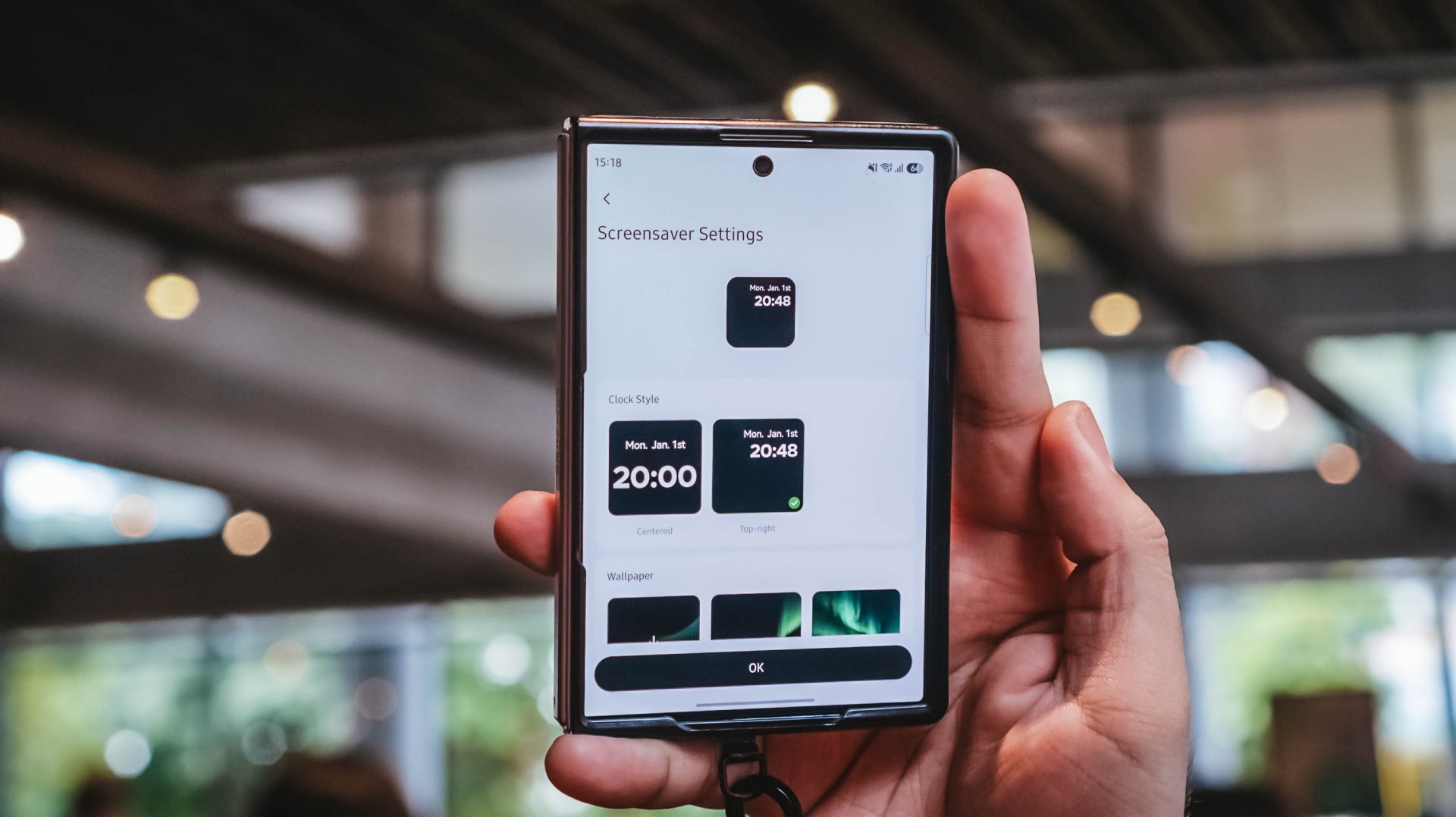
Furthermore, you can also change the display’s brightness and sleep time, customize wallpapers. The Nexode Pro 160W also supports OTA updates.
Again, it’s mostly nerdy. But that’s precisely why I like this charger more than what I already have and use.
Feel the heat, keep it neat
The Nexode Pro gets warm. Quite warm, actually.
But, with a charger this large and powerful, that’s hardly surprising given all the charging components packed inside.
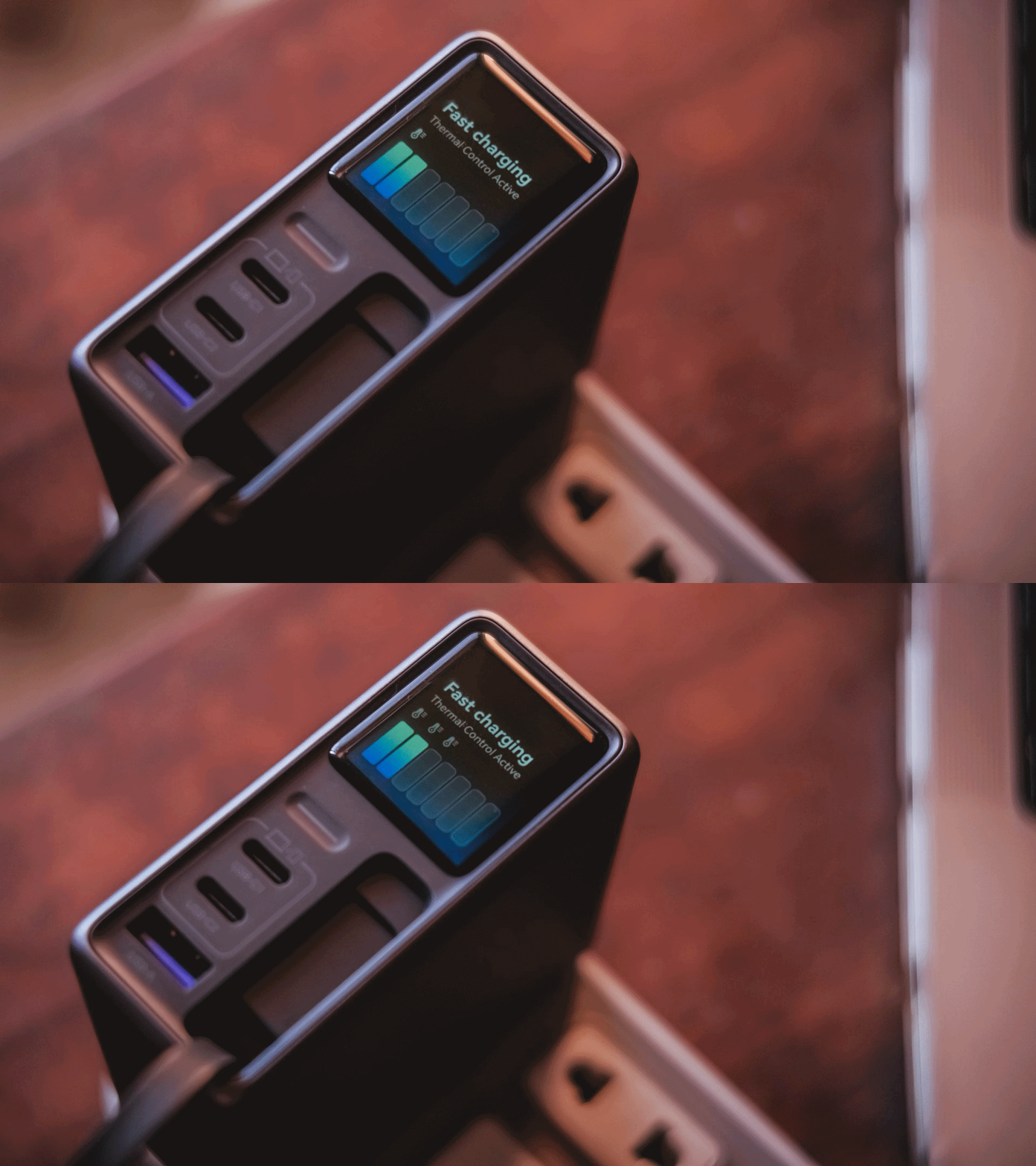
Thankfully, the temperature remained manageable throughout my use. UGREEN also lists Thermal Guard Temperature Control alongside GaN Infinity technology and SmartCharge power distribution.
The different charging modes can also help manage and lessen that heat further.
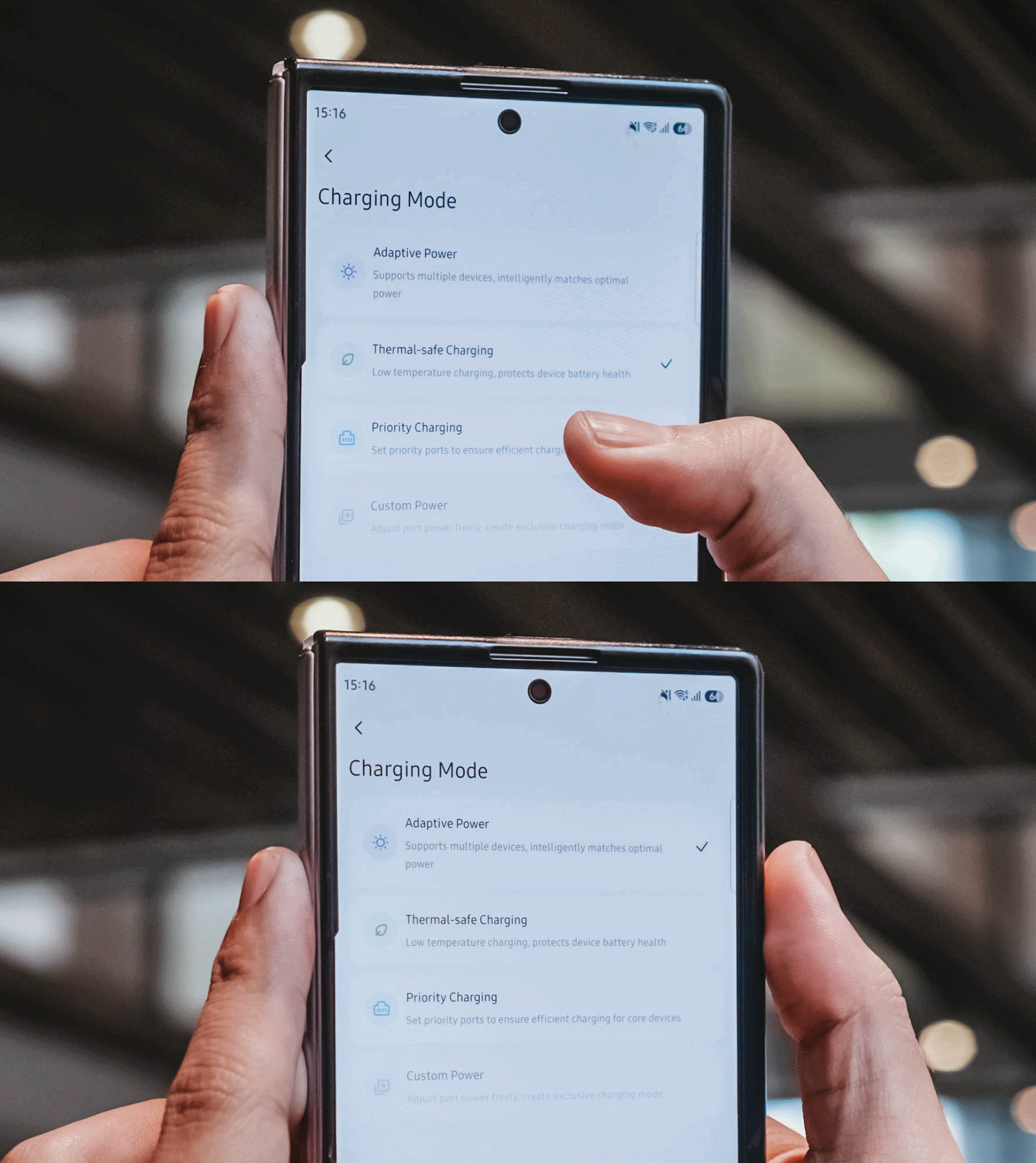
If I don’t need something charged immediately, I can opt for smarter or lower-temperature Thermal-safe charging instead of constantly pushing as much power as possible. Power when I need it. Less heat when I don’t.
Although for my day-to-day use-case, Priority Charging makes the most sense.
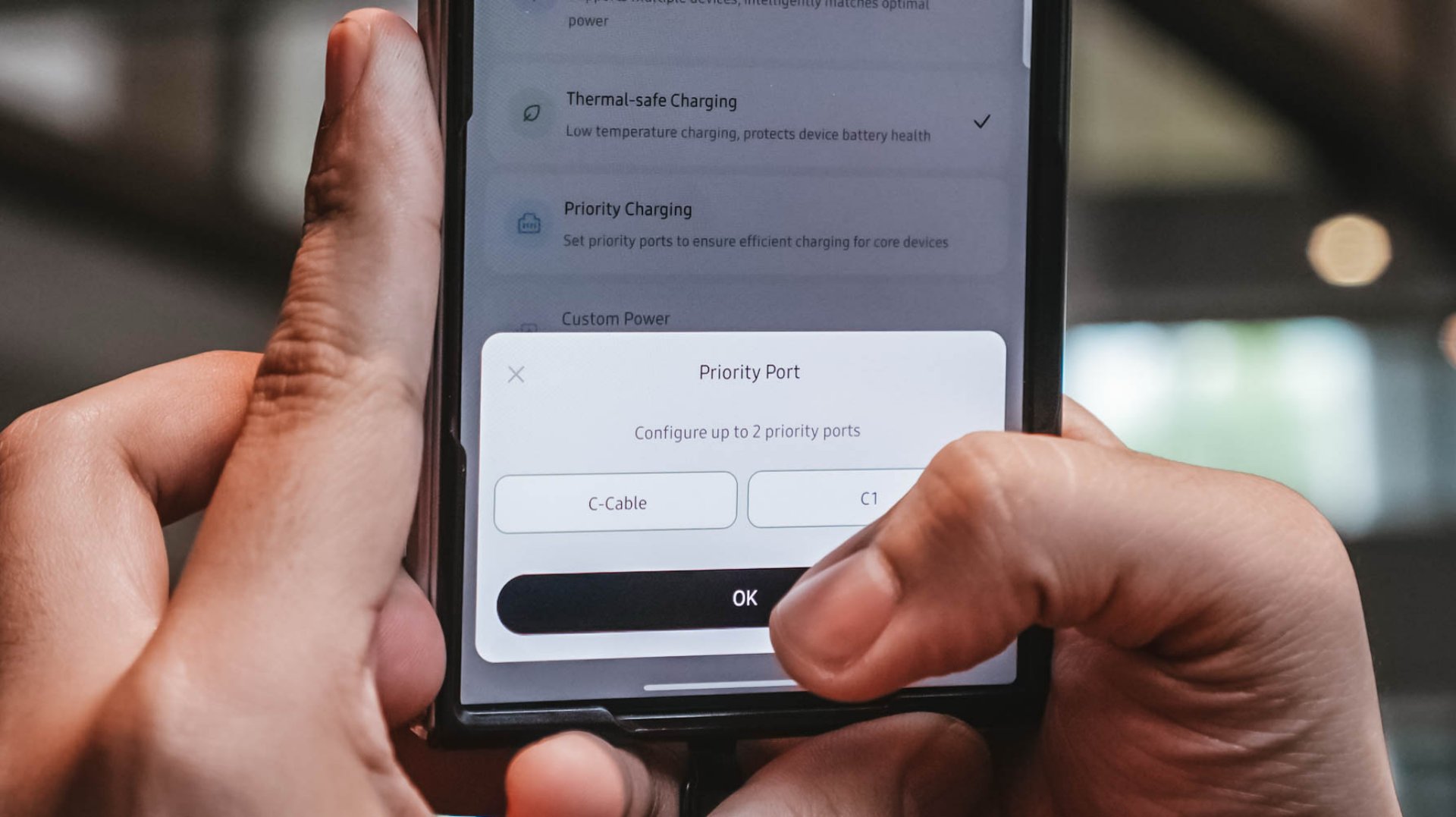
Case in point: I tested this with the vivo X300 Ultra I’m dilly dallying.
| vivo X300 Ultra | Adaptive Charging | Priority Charging |
| Charging Output | 9.6W ~ 12.9W 8.1V / 1.6A |
26.8W ~ 27.2W 7.9V / 3.5A |
| START TIME (from 0%) | 9:11PM | 12:31AM |
| 3 minutes | 4% | 6% |
| 5 minutes | 5% | 8% |
| 10 minutes | 9% | 16% |
| 15 minutes | 13% | 21% |
| 30 minutes | 26% | 42% |
| 45 minutes | 39% | 61% |
| 1 hour | 52% | 80% |
Adaptive Charging obviously charged it slower than ever. But when I enabled Priority Charging, it initially pulled around 30.8W to 31.2W for the first two minutes before settling around 26.8W to 27.2W. That’s still higher than the output through Adaptive Mode.
More so, it was able to reach 42% after 30 minutes and 80% after an hour in contrast to the 26% and 52% level of the former.
My MacBook Pro and flagship Android phones need significantly more power than smaller accessories. So, instead of letting everything fight equally for those watts, I can prioritize whichever device actually needs the extra juice.
Is the UGREEN Nexode Pro 160W your GadgetMatch?
At PhP 4999 / SG$ 140 / MYR 419, the UGREEN Nexode Pro 160W might sound like an overkill if all you need is something to charge your phone every night.
But, if you’re someone like me who owns lots of gadgets and constantly switches between a laptop, several smartphones, at least one tablet, a smartwatch, wireless headphones, and many other gadget ever imaginable, owning this charger quickly makes sense.
That’s most especially for the ultimate convenience it brings by only using one socket and fits right inside your bag’s tight pocket. I can fully rely on one brick instead of carrying multiple clunky chargers around.
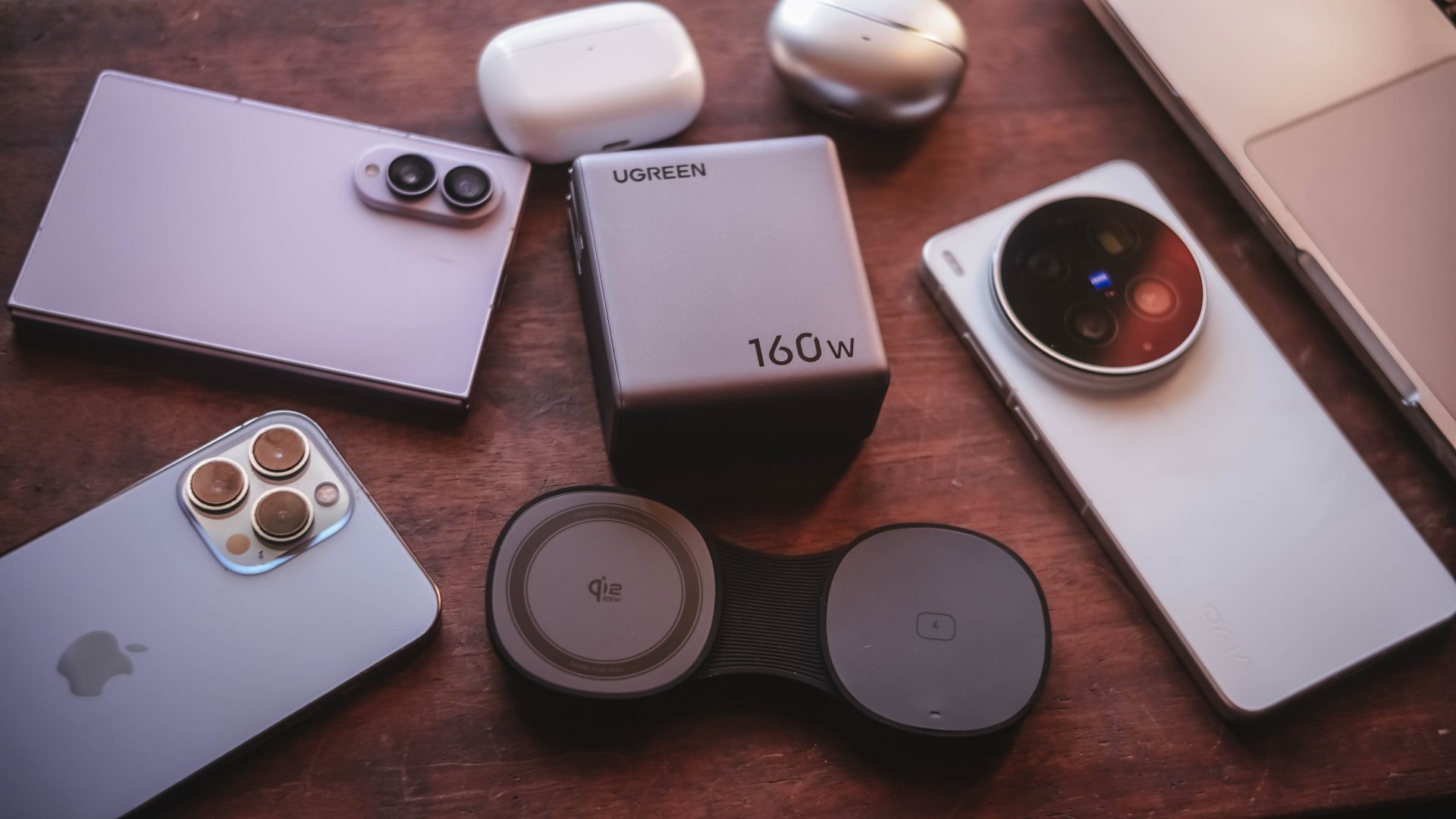
Additives include its display that lets me see stats while doubling as a useful review tool to legitimize the charge tests in the reviews I do.
Charging modes lets me decide which power-hungry device deserves more juice. Priority when I see one getting slow. Thermal-charging if I sense that it’s getting warmer than the usual.
That retractable cable? It’s a real wonder as it will truly save me whenever I forget one in another unintentional scenario.
The UGREEN Nexode Pro 160W now has a permanent spot in my charging arsenal. It is a Swipe Right, Super Swipe, and definitely a worthy recipient of the GadgetMatch Seal of Approval.

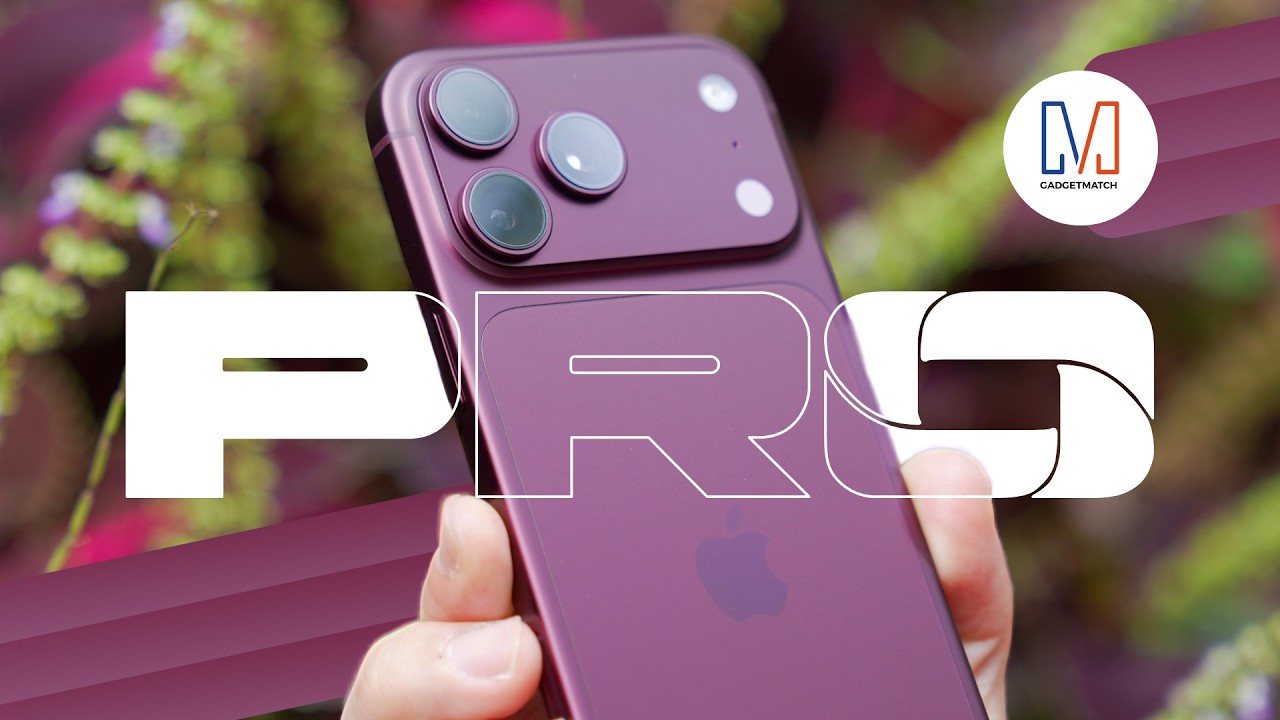
It’s been over two weeks since the Apple iPhone 18 Pro and Pro Max hit the shelves. And after daily real-world testing, the hype around the new variable aperture camera is only half the story.
In this iPhone 18 Pro review, we go beyond the spec sheet to test the massive battery life upgrades. More so, the A20 Pro chip’s improved thermal cooling and the game-changing iOS 27 Pro camera controls.
While others are obsessing over the new black titanium and the mechanical six-blade aperture that creates real starbursts, the actual reason your photos will look better is much simpler.
We put the new lens to the test in low light, bright sun, and high-motion video using Cinematic Mode and the new Focus Lock.
Should you upgrade from the iPhone 17 Pro, wait for the rumored spring iPhone 18, or save up for the foldable iPhone Duo?
We’ll help you decide if the iPhone 18 Pro is your GadgetMatch.

I came into ACE Combat 8: Wings of Theve completely blind.
I knew very little about the franchise outside of the fact that it’s a fighter plane game. My entire exposure was limited to a handful of press releases from Bandai Namco and, of course, the noise the pink-haired character made on social media when she was first revealed.
So, I had no idea what to expect when I climbed into the cockpit.
What surprised me most wasn’t the flying. It was everything that happened outside of it.
A surprisingly beautiful presentation

I was floored by the story segments of the game, particularly the visuals and presentation.
A lot of these scenes are presented from a first-person perspective. The characters and environments you interact with are beautifully rendered, and there’s an impressive level of detail to the world around you.
It looks like a AAA game. It just doesn’t move like your typical AAA action game or RPG. That threw me off a bit.

There’s something intentionally different about how ACE Combat 8 presents its story and world. You’re not controlling a character running around a beautifully rendered environment. Instead, you’re mostly observing the world from a grounded first-person perspective before getting back into the cockpit.
It’s an unusual approach, but one I found myself appreciating.
Learning how to fly


The bigger adjustment was actually flying the plane.
I had trouble getting used to the controls and the structure of the missions. I failed the first one quite a few times because I couldn’t fully understand the radar or the environment I was flying in.
It took plenty of getting used to on my part.
Even after a few hours of play, I can’t say I got fully used to it.
The game offers STANDARD and EXPERT control schemes. STANDARD is designed to be more intuitive, while EXPERT gives you more control over the aircraft through traditional roll-and-pitch inputs.
I still had plenty to learn regardless of the control scheme. There’s a lot of information to process at once: your aircraft’s position, altitude, speed, radar, targets, incoming missiles, objectives, and everything happening around you.
It takes time to develop a feel for how everything moves.
Missions aren’t just about shooting everything

The mission structure is quite specific.
You have to do things a certain way in each mission. It’s not just “blast everything in your path.”
That offered a lot of variety and made the game more engaging.
Some missions asked you to maintain a certain altitude to avoid detection. Others demanded expert flying. Some also felt like full-on aerial combat.
Objectives can range from destroying targets and protecting allies to earning a certain number of points, with some missions changing objectives while you’re already in the air.
That keeps the campaign from feeling like a series of identical dogfights.
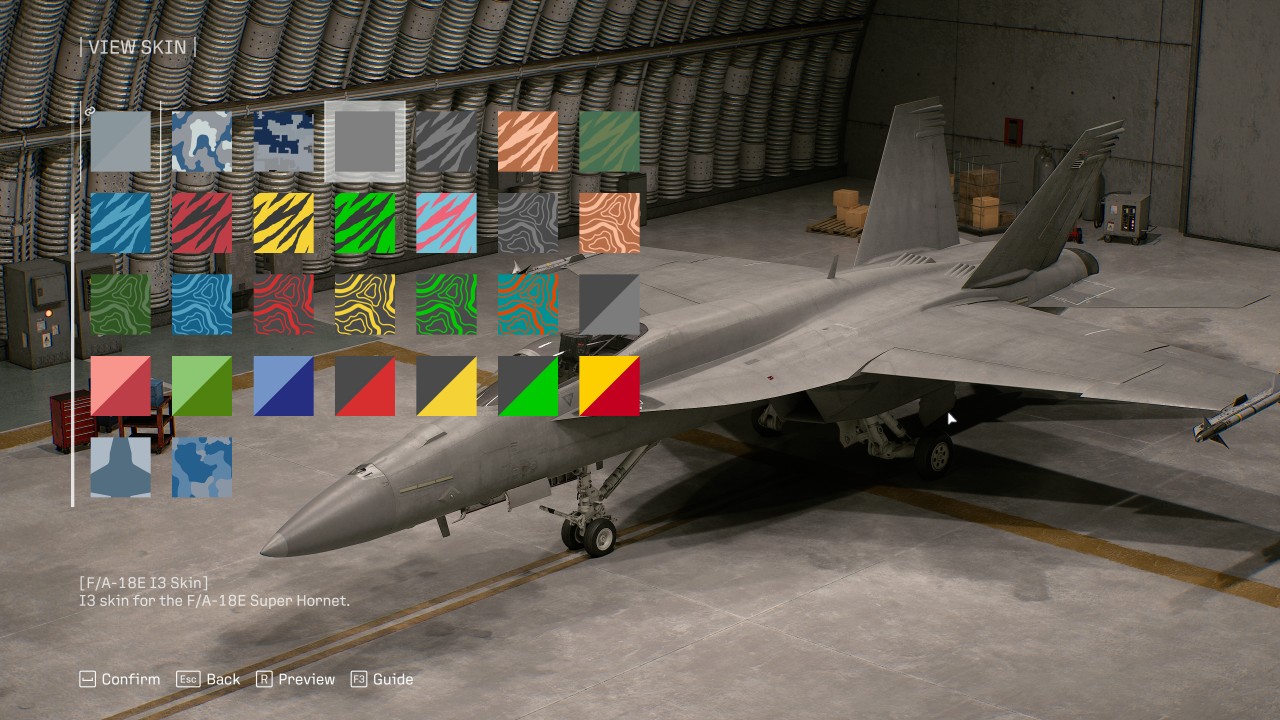
There’s also a progression system built around different aircraft types, including fighters, attackers, multirole aircraft, and electronic warfare planes. More than 30 aircraft are available, with new planes, upgrades, and special weapons unlocked through the Aircraft Tree.
Your choice of aircraft and weapons can also change how you approach a mission. A fighter makes sense when the skies are packed with enemies, while an attacker can be better suited to ground targets. Multirole aircraft offer a middle ground when you’re unsure what you’ll encounter.
Wingman commands add another layer to combat. You can order your pilots to attack, spread out, provide support, or use their special weapons.
The result is a game that asks you to pay attention to what’s happening instead of simply holding down the trigger.
A story worth sticking with

The story I’ve encountered so far isn’t something to write home about.
Its presentation, however, is engaging enough that I feel a lot of people can easily soldier on to see it through to the end.
The first-person story segments, radio chatter, briefings, and events that unfold during missions give the campaign more personality than simply jumping from one dogfight to another.
There’s clearly a larger conflict unfolding, and the game does a good job of making its missions feel like part of something bigger.
The presentation does a lot of the heavy lifting here.
Is ACE COMBAT 8: Wings of Theve your Play Match?
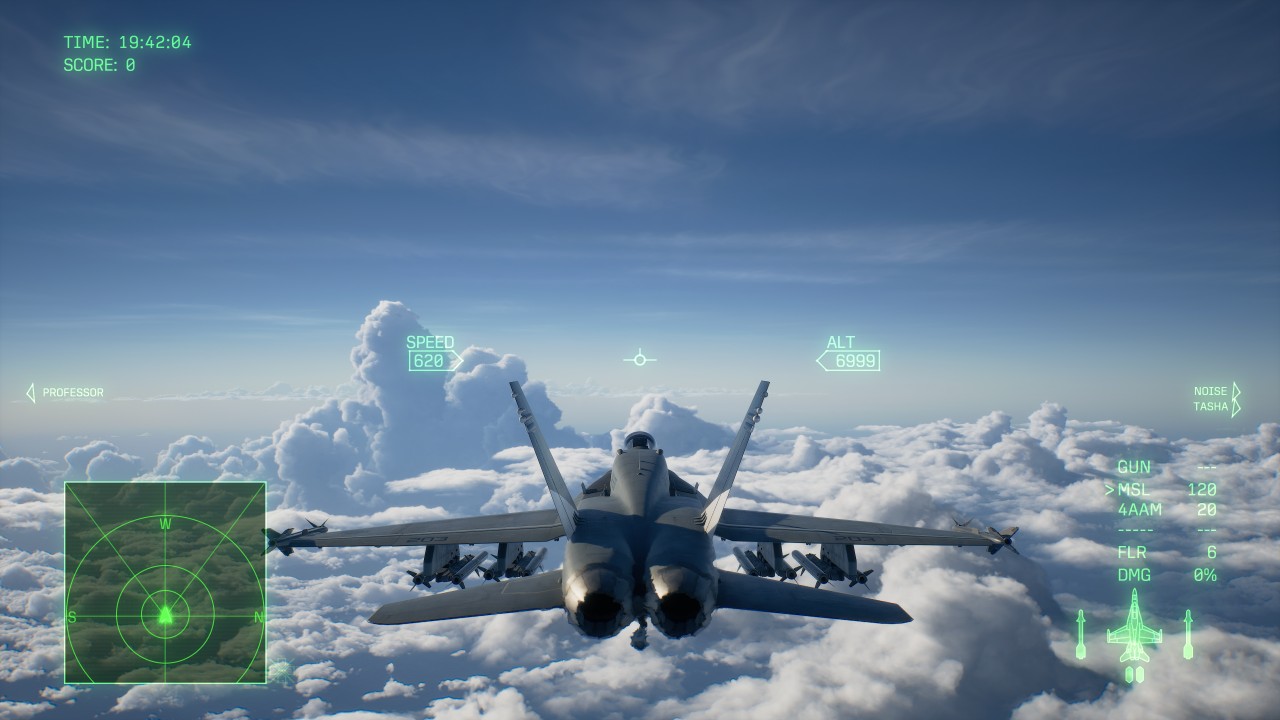
The campaign has 30 missions that run at around 15 minutes each, give or take. Your mileage, naturally, will vary.
For me, those first few hours took longer because I was still trying to figure out how to move, where to look, and what the game actually wanted me to do.
ACE Combat 8 isn’t immediately intuitive if you’re coming into it completely blind like I did. The game does give you training options for practicing flight controls and special weapons, which can help you get comfortable before throwing yourself into tougher missions.
Once things start clicking, though, the experience becomes quite distinct from the type of game most people gravitate towards.
Overall, ACE Combat 8: Wings of Theve feels like a nice break from the usual games where you control a single character and go through linear levels or an open world.
It’s the perfect palette cleanser.

I didn’t expect to spend my first few hours struggling with radar, movement, altitude, and mission objectives. Those struggles also made the moments when I finally understood what I was supposed to do feel more rewarding.
I’m still not fully comfortable in the cockpit.
I’m also ready for another sortie.
Verdict: Swipe Right.
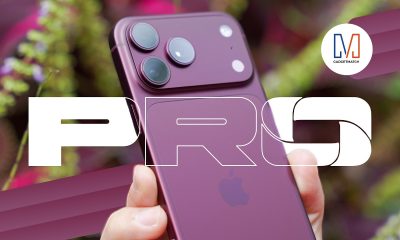



UGREEN Nexode Pro 160W review: One mighty brick with a powerful trick

Samsung unveils Galaxy Tab S12 series for work, creativity, and life on the go

JBL brings a soundtrack to every room

Apple iPhone 18 Pro Series review

UGREEN launches new MagFlow and Nexode Pro charging accessories to Southeast Asia

HUAWEI Pura X View is 2026’s first WIDE slab-type smartphone

The CAMON Slim 5G is TECNO’s latest ultra-slim smartphone

iPhone 18 Pro series: Price, availability in the Philippines

DJI Osmo 360 II review: Going all-in on the ecosystem

iPhone 18 Pro series: Price, availability in Singapore


-
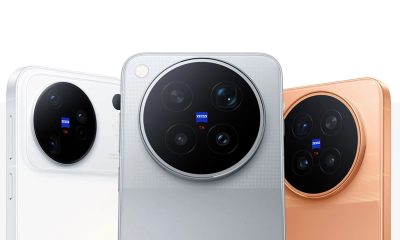
 News1 week ago
vivo X500 Series launches with major imaging upgrades
-

 News1 week ago
OPPO Find X10 Pro Max is the first phone with a triple 200MP camera system
-

 Automotive3 days ago
BYD says that way better EV batteries are coming next year
-

 Singapore2 weeks ago
Epson Lifestudio Grand Plus EH-LS970B with 4K projection, more launches
-

 Drones2 weeks ago
DJI Lito X1 review: Is this the best lightweight drone for creators?
-

 News1 week ago
vivo introduces OriginOS 7 with smarter multitasking and AI features
-
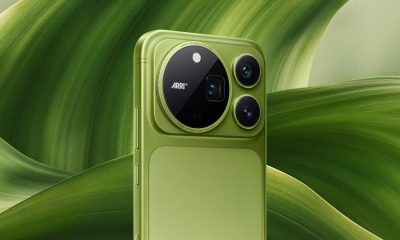
 News3 days ago
HONOR Magic9 Pro Max launches in China with ARRI-powered imaging
-
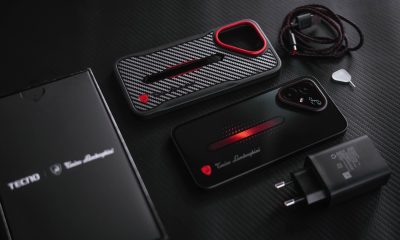
 Smartphones4 days ago
When TECNO-logy meets Tonino Lamborghini legacy