
News
Samsung Galaxy Z Fold7’s OLED display panel passes 500,000-fold test
Durability test benchmark is 2.5 times better than previous test

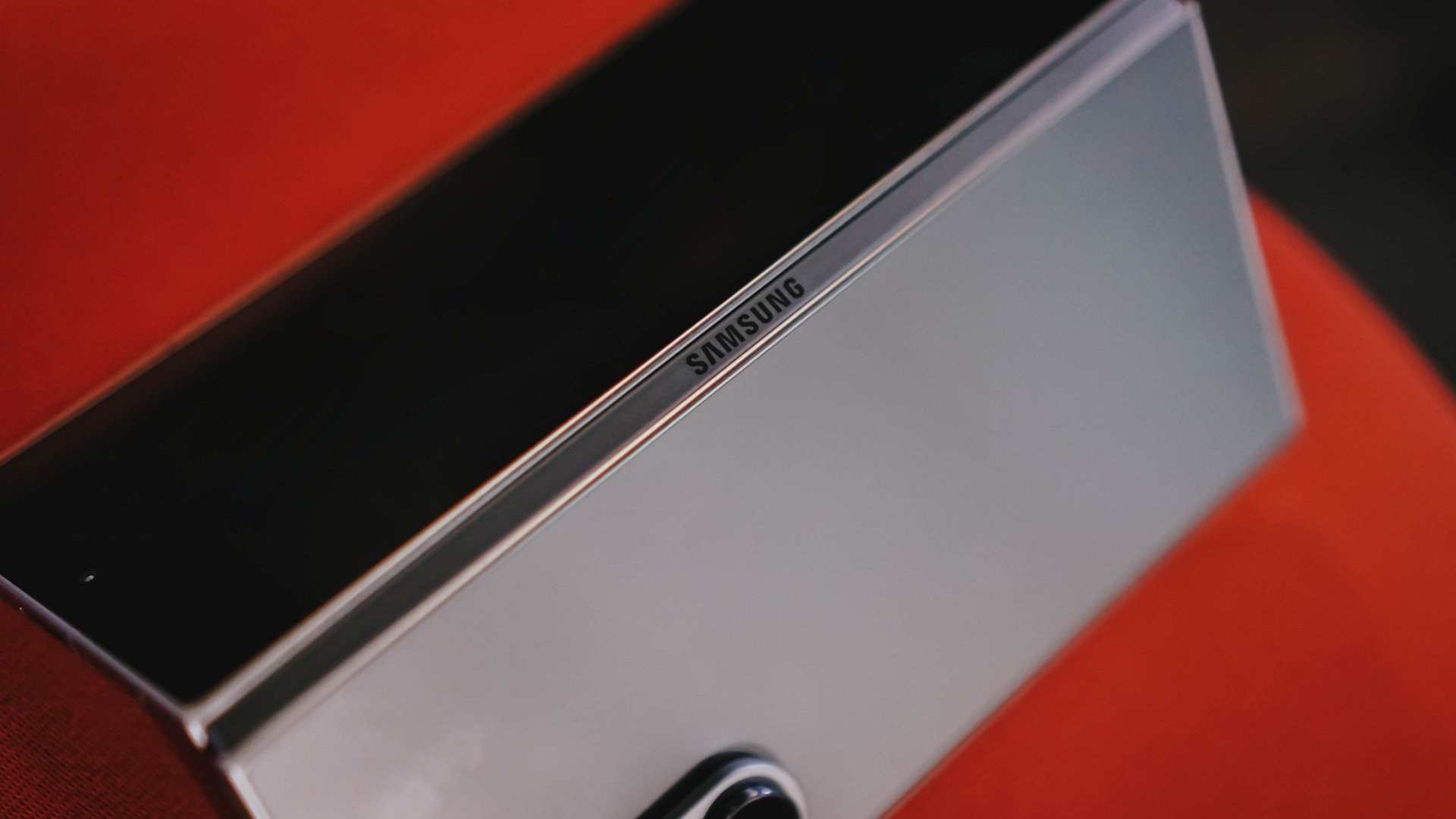
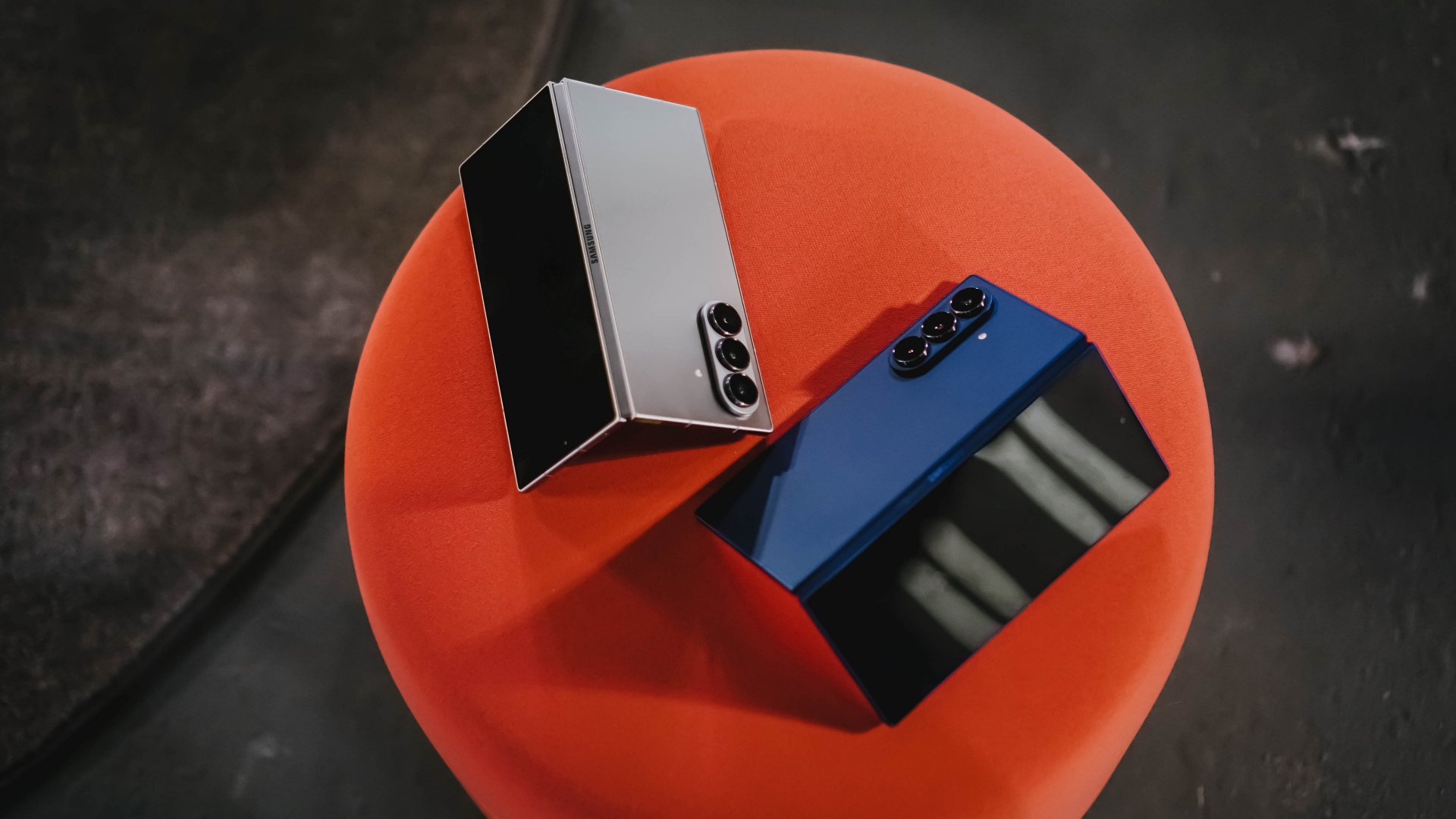
The Samsung Galaxy Z Fold7’s OLED panel has passed a 500,000-fold durability test, Samsung Display announced today.
The latest foldable panel was tested and verified by the global testing, inspection, and certification company Bureau Veritas.
Samsung Display raised its internal durability testing standard from 200,000 to 500,000 folds, which is 2.5 times its previous benchmark.
Moreover, according to Bureau Veritas, the test was conducted over 13 days at 25°C (77°F). The panel remained fully functional after 500,000 folds.
The figure translates to about over 10 years of use for average users folding their device about 100 times a day. That is over six years for heavy users folding more than 200 times daily.
This test result proves durability is no longer a limiting factor in the lifespan of foldable smartphones.
Samsung Display said its newly developed shock-resistant structure, inspired by the design principles of bulletproof glass, made the result possible.
Traditional bulletproof glass consists of multiple layers of strengthened glass and plastic films engineered to absorb and disperse energy on impact.
When a bullet strikes the surface, the elasticity of the outer glass layer takes in much of the impact energy, preventing penetration.
Samsung applied this very concept by increasing the thickness of its outermost UTG (Ultra Thin Glass) by 50%.
The company also introduced a new high-elastic adhesive applied to each layer inside its OLED panel, offering over four times the recovery performance compared to the previous material.
In addition, a new flattening structure was incorporated to distribute shock evenly across the panel. A titanium plate was also adopted to support the display.
The titanium plate offers high strength while being lighter and thinner than conventional materials. This makes a slimmer form factor with greater protection possible.
Overall, these enhancements significantly improve the panel’s ability to absorb external impact.




News
nubia to launch new Neo 5 series gaming phones on March 28
Head to SM Megamall for activities, guest appearances, surprises
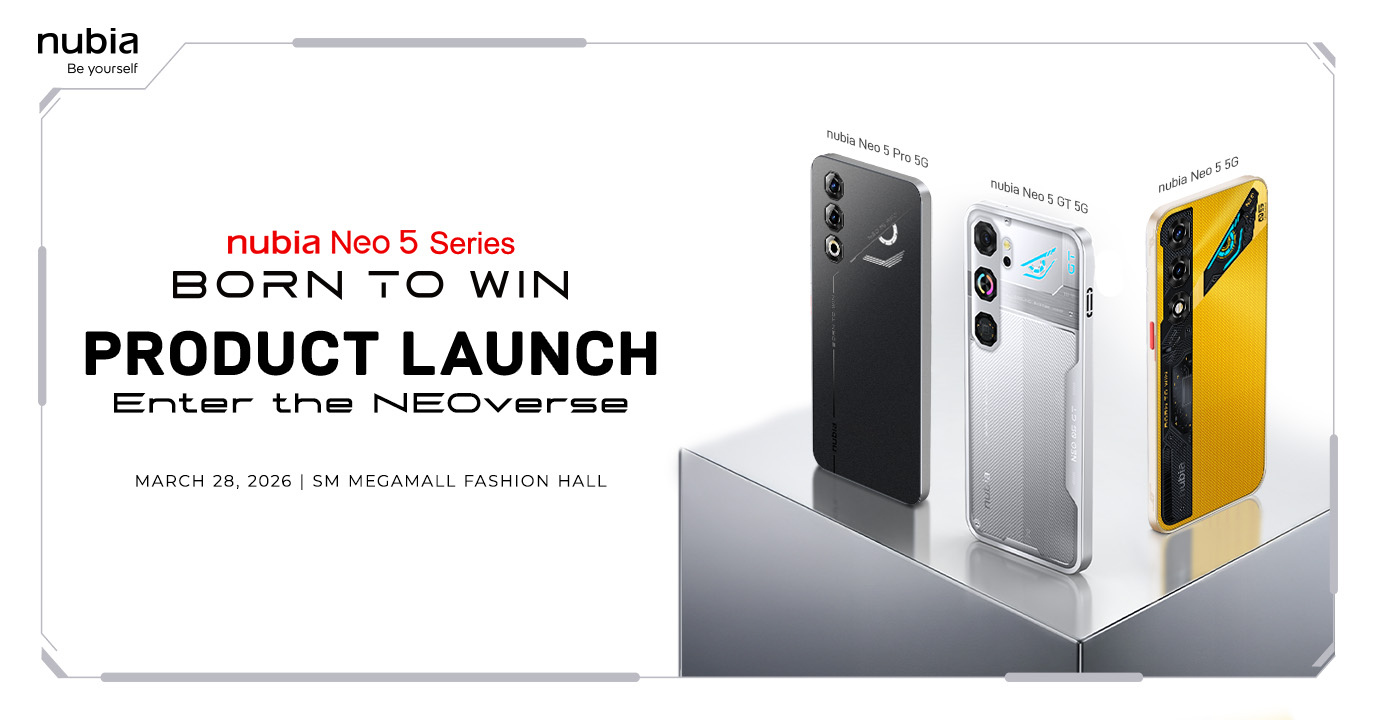
nubia Philippines will officially launch the nubia Neo 5 series gaming smartphone on March 28 at their “Enter The NEOVerse: Born To Win” event. It will be held at the SM Megamall Fashion Hall in Metro Manila.
The nubia Neo 5 series’ design and details will be unveiled during the event. It is inspired by the REDMAGIC Gaming Lab, which is behind the REDMAGIC’s high-performance gaming ecosystem.
The nubia Neo 5 series will introduce a bold gaming-centric aesthetic, paired with performance-driven specs.
Customers can expect a sleek, futuristic styling, as well as powerful hardware engineered to elevate everyday mobile gameplay.
Across the lineup, users can expect high refresh rate displays, powerful processors, advanced cooling systems, and the familiar gaming triggers from the previous series.
It does look like nubia is adding AI-powered gaming optimization to give players an extra edge for every competitive match.
All these, of course, minus the flagship price tag.
Enter the NEOverse
At nubia’s launch event, the activity area will be transformed into a gaming-inspired universe.
Guests can explore interactive zones, participate in challenges, and experience the nubia Neo 5 series firsthand. They can also unlock exclusive rewards and prizes.
Moreover, the event will feature appearances from nubia ambassadors Sanya Lopez and ONIC Philippines.
From there, there will be 1v1 gaming sessions with ONIC PH players, as well as a special “Play” segment featuring a yet-to-be-revealed cosplayer.
nubia will also offer event-exclusive deals for early shoppers during the launch. Customers can enjoy up to seven premium freebies per nubia Neo 5 model. This is available for the first 100 customers.
Furthermore, nubia will officially announce its TikTok Super Brand Week, as well as partnerships with Yanlala and Geely.
News
REDMI Note 15 Series named Presenting Partner for Spartan Race Philippines 2026 season
Titan Toughness takes center stage!

Being a Spartan athlete for five years has taught me that endurance isn’t just about physical strength; it’s about the mental grit to keep moving when your body begs you to stop.
In this world, “toughness” becomes more than just a marketing buzzword. Now, it’s a requirement for survival. That’s why the partnership between Spartan Race Philippines and the REDMI Note 15 Series feels like a shared philosophy.
Partner for a tough course
Starting March 21, 2026, at Parklinks, Pasig City, the REDMI Note 15 Series officially joins the Spartan circuit.
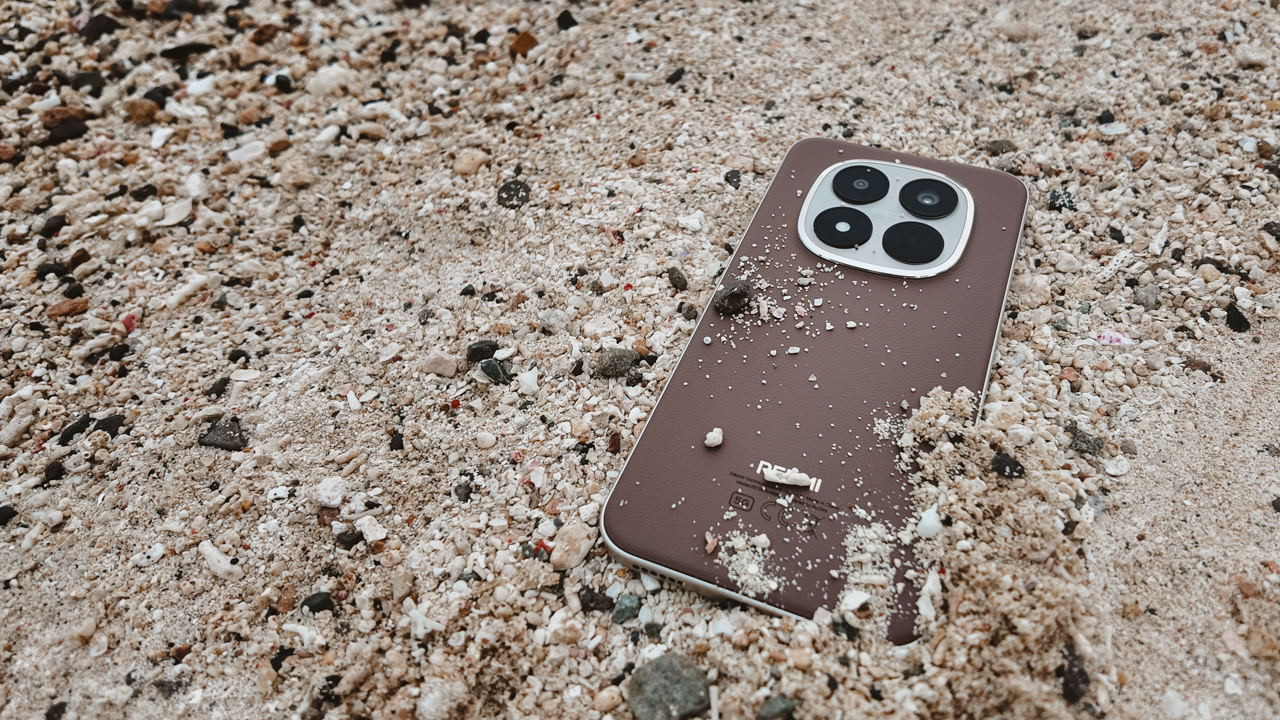
For someone who has navigated these obstacles for years, I know that technology usually doesn’t belong in the mud. But the “Titan Tough” promise of the REDMI Note 15 is built for this exact routine.
It’s designed to be there for the moments that matter. For capturing the raw, unpolished triumph of the finish line; for surviving the grit of the course so you can focus on the next hurdle; and for finding the device at the heart of the festival area and the winner’s circle, mirroring the resilience of the athletes themselves.
Join the journey
Whether you are a seasoned elite racer or stepping into your first Open heat, this season is about testing your limits.
To help you get to that starting line, you can use the discount code REDMINOTE15 to get 10% OFF on all Spartan Race OCR, Spartan Kids Race, and Hurricane Heat events.
See you at the starting line. AROO!

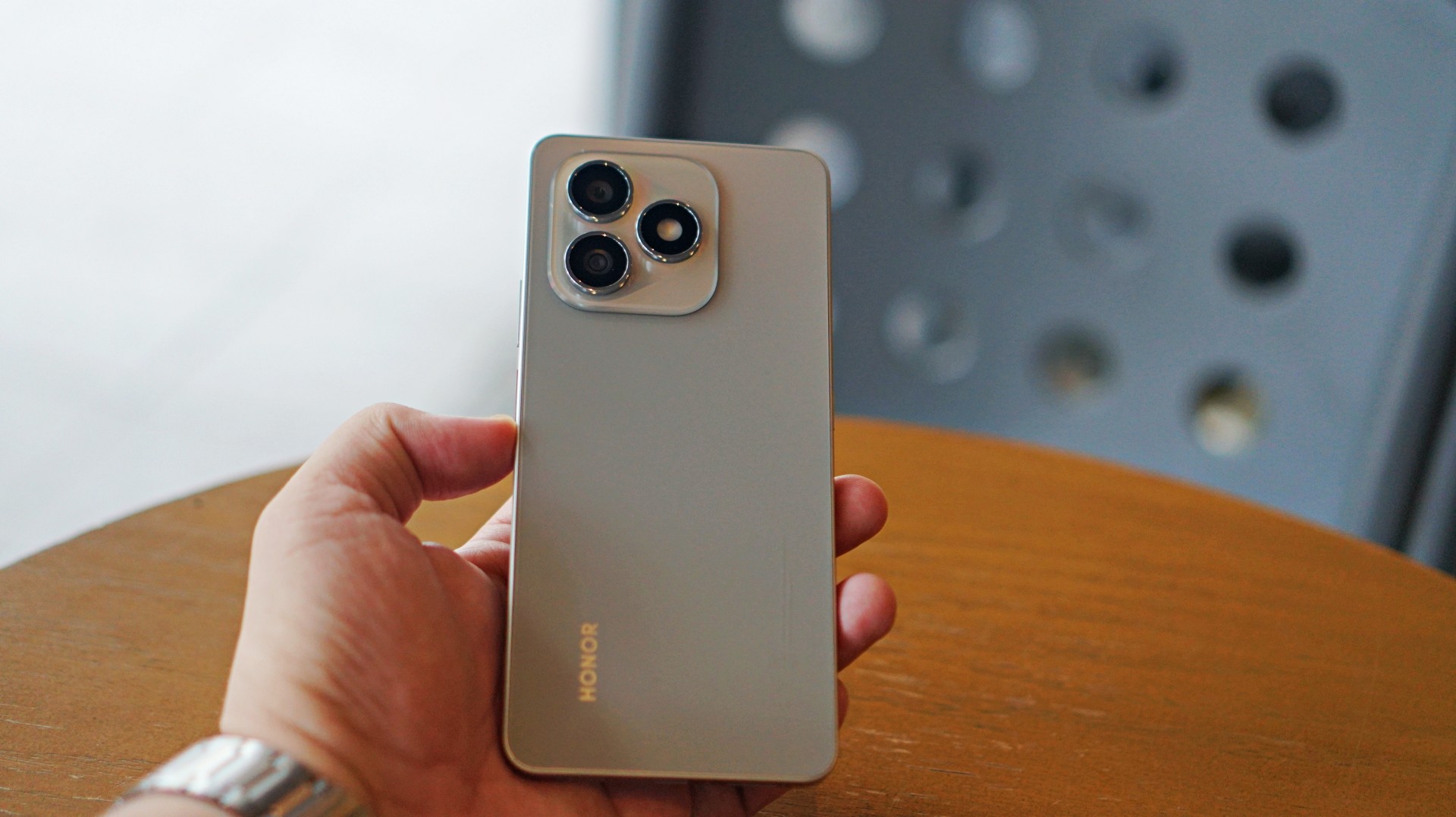
HONOR Philippines has launched its latest mass-market smartphone entry that caters to students and the youthful market in general: the HONOR X8d.
The budget smartphone is priced at PhP 15,999 and is available in Blue, Velvet Black, and Velvet Grey colors.
As part of launch offers, those who pre-order until March 27 can get a free accessory and can also avail of 0% installment plans via credit cards and Home Credit.
Customers can get the device through Lazada, Shopee, and HONOR stores.
REVIEW: The HONOR X8d is serviceable
The HONOR X8d is powered by a Snapdragon 6s 4G Gen 2 processor and comes with 8GB of RAM (plus 8GB expansion) and 256GB of storage.
It has a large 7,000mAh battery which supports 45W charging, making it a very long-lasting daily value companion.
The device features a 6.77-inch 120Hz display which has up to 3,000 nits of brightness, making it useful for practical situations.
The handset comes with usual display certifications and protections, including 3840Hz PWM dimming, E-Book mode, SGS drop resistance, and an IP65 rating.
For its cameras, the X8d has a 108MP main camera, plus a 16MP front camera. The main shooter can capture decent quality at 1x, 2x, and 3x zoom ranges.
There are also handy AI editing tools like AI Eraser, AI Cutout, and AI Upscale.
Out of the box, the HONOR X8d runs on MagicOS 10 based on Android 16. It also has staple productivity tools like AI Translate, AI Writing, AI Notes, and AI Recorder, alongside features such as Magic Portal and Circle to Search.




Now Playing: Hoppers

Jackery SolarSaga series: Free power for small devices

UGREEN adds new Nexode Pro power bank, charger to lineup

nubia to launch new Neo 5 series gaming phones on March 28

SHINOBI: Art of Vengeance’s SEGA Villains Stage out on April 3


-

 Reviews5 days ago
POCO X8 Pro Max review: A new beast from the far east
-

 News5 days ago
POCO X8 Pro Series: Price, availability in the Philippines
-

 Laptops1 week ago
Apple MacBook Neo Review
-

 Computers2 weeks ago
GIGABYTE collaborates with Capcom for RE Requiem custom PC
-

 Apps1 week ago
Google Maps is finally getting a 3D mode
-

 Entertainment1 week ago
The internet is thirsting over the One Piece Season 2 cast
-
 Features1 week ago
Galaxy AI on the Samsung Galaxy S26 Ultra
-

 Automotive2 weeks ago
BYD is reportedly considering an F1 team