
Cameras
Sony expands Cinema Line with FX2
For independent creators

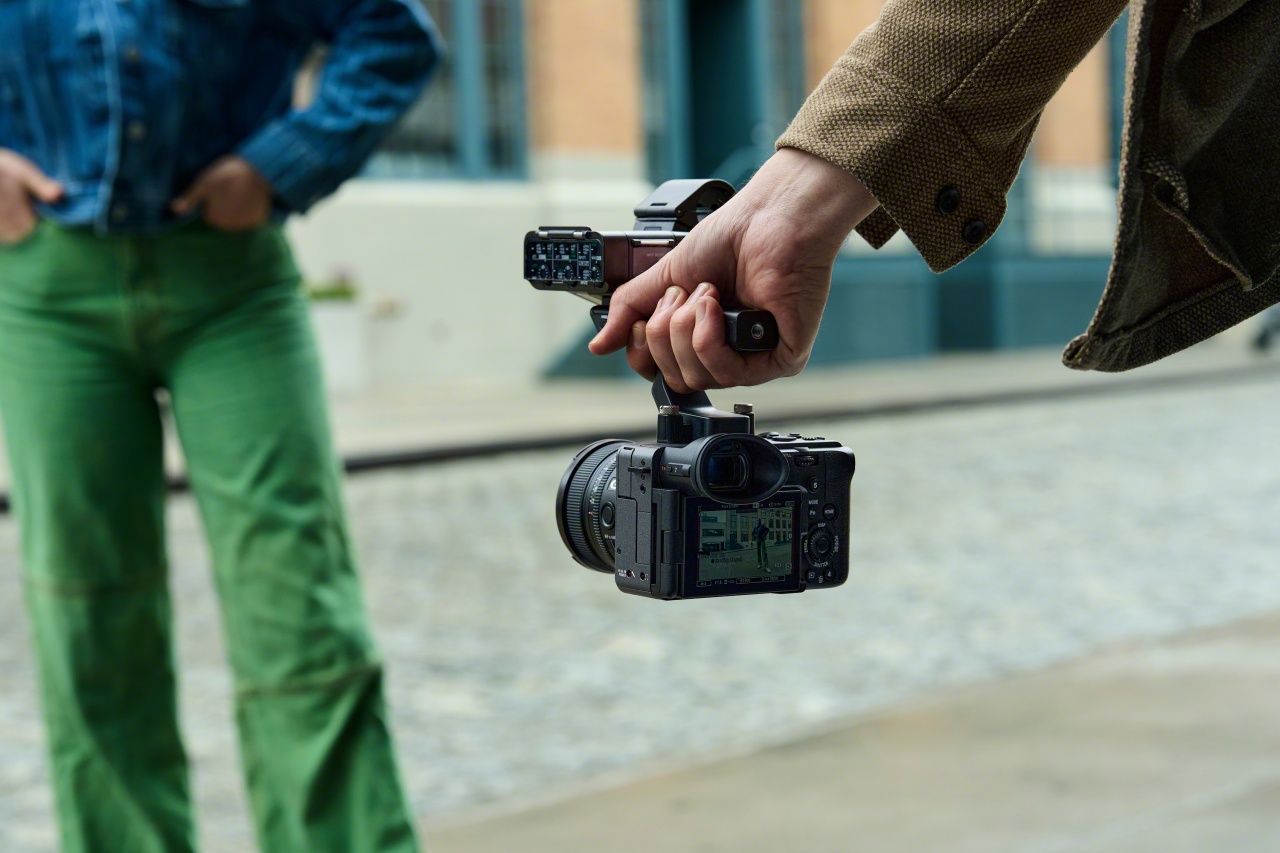
Sony has introduced the FX2 (model ILME-FX2)– the latest addition to its Cinema Line. It’s designed to offer a seamless entry point for independent creators and small crews seeking a versatile and compact camera.
The FX2 blends features from Sony’s cinema cameras with the ability to capture high-resolution photos. It incorporates user feedback with a new eyepiece and improved usability for a range of production needs.
Shooting
- Full-Frame Sensor: Equipped with a 33.0 effective megapixel back-illuminated Exmor R™ sensor for detailed imagery and bokeh effects.
- Wide Dynamic Range: Offers 15+ stops of latitude using S-Log3, capturing detail in highlights and shadows.
- Dual Base ISO: Features 800 and 4000 ISO for optimal image quality in various lighting conditions; ISO expandable to 102400 for low-light environments.
- Recording Formats: Supports 4:2:2 10-bit All-Intra and formats like XAVC S-I DCI 4K at 24.00p.
- Extended Recording: Capable of up to 13 hours of continuous 4K 60p recording.
- Variable Frame Rate: Up to 60 fps in 4K (2.5x slow motion) and 120 fps in Full HD (5x slow motion).
- Log Shooting: Supports Cine EI, Cine EI Quick, and Flexible ISO modes.
- User LUTs: Import up to 16 LUTs for on-camera preview.
- S-Cinetone: Default setting for cinematic looks, along with Picture Profile and Creative Look presets.
- Anamorphic Lens Support: Desqueeze display function for 1.3x and 2.0x lenses.
Design
- Compact Design: Inherits the flat-top design of the FX3 and FX30, with built-in mounting points (UNC 1/4-20 x3) for cageless configuration.
- Improved Ergonomics: A deeper grip for comfortable handling.
- Advanced Autofocus: Real-time Recognition AF for humans, animals, birds, vehicles, and insects.
- Image Stabilization: Active Mode and Dynamic active Mode for smooth handheld shooting.
- Auto Framing: Automatically crops and tracks subjects.
Stills and socials
- Still Image Capabilities: Shoots 33MP stills optimized for color grading.
- New EVF: A 3.68-million-dot tiltable EVF with a wide viewing angle.
- Vari-angle LCD: 3.0-type touchscreen for flexible framing.
- Intuitive Controls: Top panel controls and a customizable “BIG6” home screen.
- Vertical Shooting Support: Displays vertical information for social media content.
- Professional Audio: Handle-included model (ILME-FX2) has two XLR/TRS terminals and a 3.5 mm stereo mic jack for 4-channel, 24-bit digital audio.
- Connectivity: HDMI Type-A, dual-band Wi-Fi, wired LAN (via adapter), USB Type-C (SuperSpeed USB 10Gbps, USB Power Delivery), and built-in USB/network streaming.

Target Audience
The Sony FX2 is aimed at:
- Independent filmmakers.
- Small crews.
- Content creators.
- Hybrid shooters (those who shoot both video and stills).
It particularly appeals to solo operators due to its compact size, enhanced ergonomics, and advanced autofocus features.
Availability in Singapore
The Sony FX2 will be available in Singapore starting in July 2025. You can find it at:
- Sony Stores: [https://www.sony.com.sg/microsite/retailshops/#storelocator]
- Selected authorized dealers: [https://www.sony.com.sg/microsite/retailshops/]
- Sony Store online: [https://store.sony.com.sg/?locale=en]
In case you’re curious pricing in the US is as follows:
- Body only: US$ 2,699.99
- With XLR handle: US$ 3,099.99






Cameras
DJI’s Inspire 3 Basic Package make 8K aerial filmmaking more accessible
A streamlined kit for independent filmmakers!

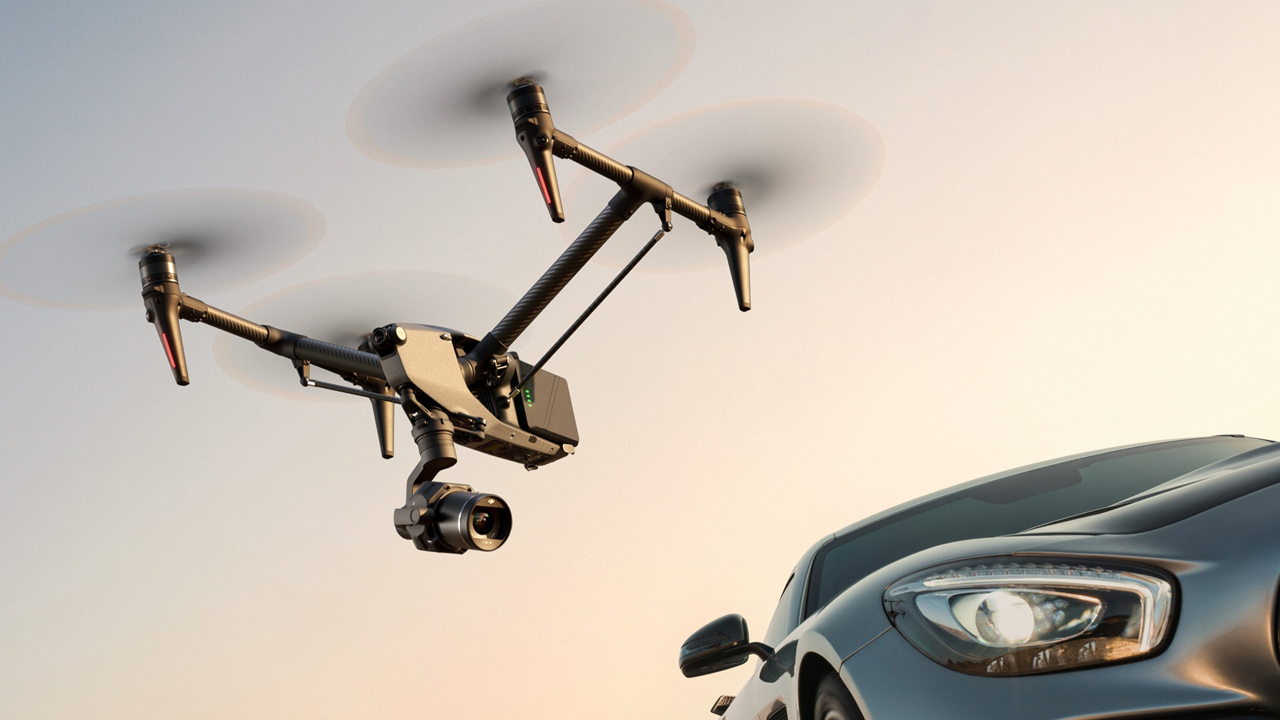
DJI has officially introduced the Inspire 3 Basic Package, a streamlined kit designed to lower the barrier of entry for professional aerial cinematography.
Since its debut in 2023, the Inspire 3 has established itself as the primary choice for studio film and television productions.
This new package provides a cost-effective path for independent filmmakers to integrate 8K aerial imaging into their workflow or for production houses to scale their existing fleet.
Cinema-grade performance in a portable form factor
The Inspire 3 remains a revolutionary all-in-one drone, built to handle the rigorous demands of high-end sets.
At the core of the package is the Zenmuse X9-8K Air Gimbal Camera, which features dual native ISO and more than 14 stops of dynamic range.
These specifications translate to high-fidelity footage that retains authentic colors and accurate skin tones, even when filming in challenging urban environments or varying lighting conditions.
By utilizing the DJI Cinema Color System (DCCS) and the O3 Pro transmission system, the drone acts as a reliable partner in movement, ensuring that technical performance supports the creative vision without the need for overly complex setups.
Essential tools for modern production
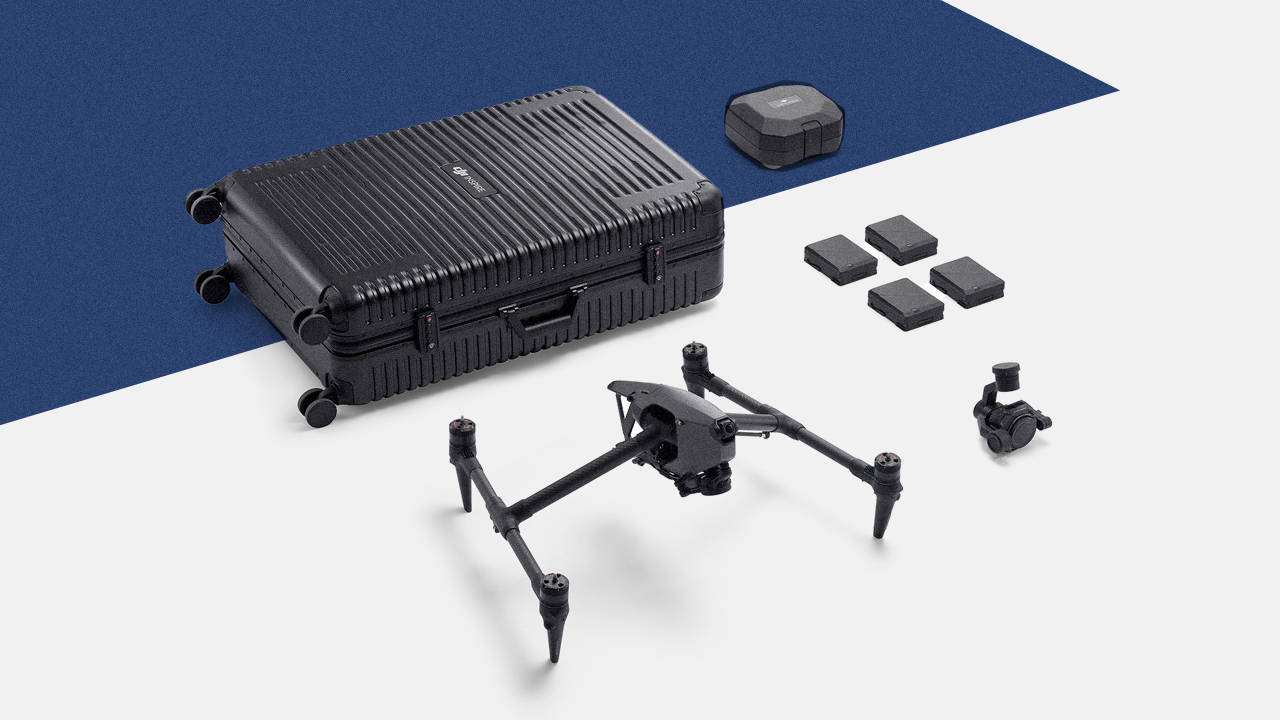
The Basic Package is curated to include the core hardware necessary for professional use while allowing for modular expansion. The kit features:
- The Inspire 3 Aircraft and Zenmuse X9-8K Air Gimbal Camera
- Four TB51 Intelligent Batteries to support extended shooting schedules
- Specialized storage solutions, including the Inspire 3 Trolley Case and Gimbal Camera Case
Filmmakers who require the full ecosystem can still purchase key peripherals separately, such as the RC Plus remote controller, allowing the gear to grow alongside their specific project needs.
Price, availability
The DJI Inspire 3 Basic Package is available starting today through authorized retailers and the official DJI store. The package retails for PhP 615,049.
This release reinforces the philosophy that while technology provides the tools, the focus remains on the life and stories captured through the lens.

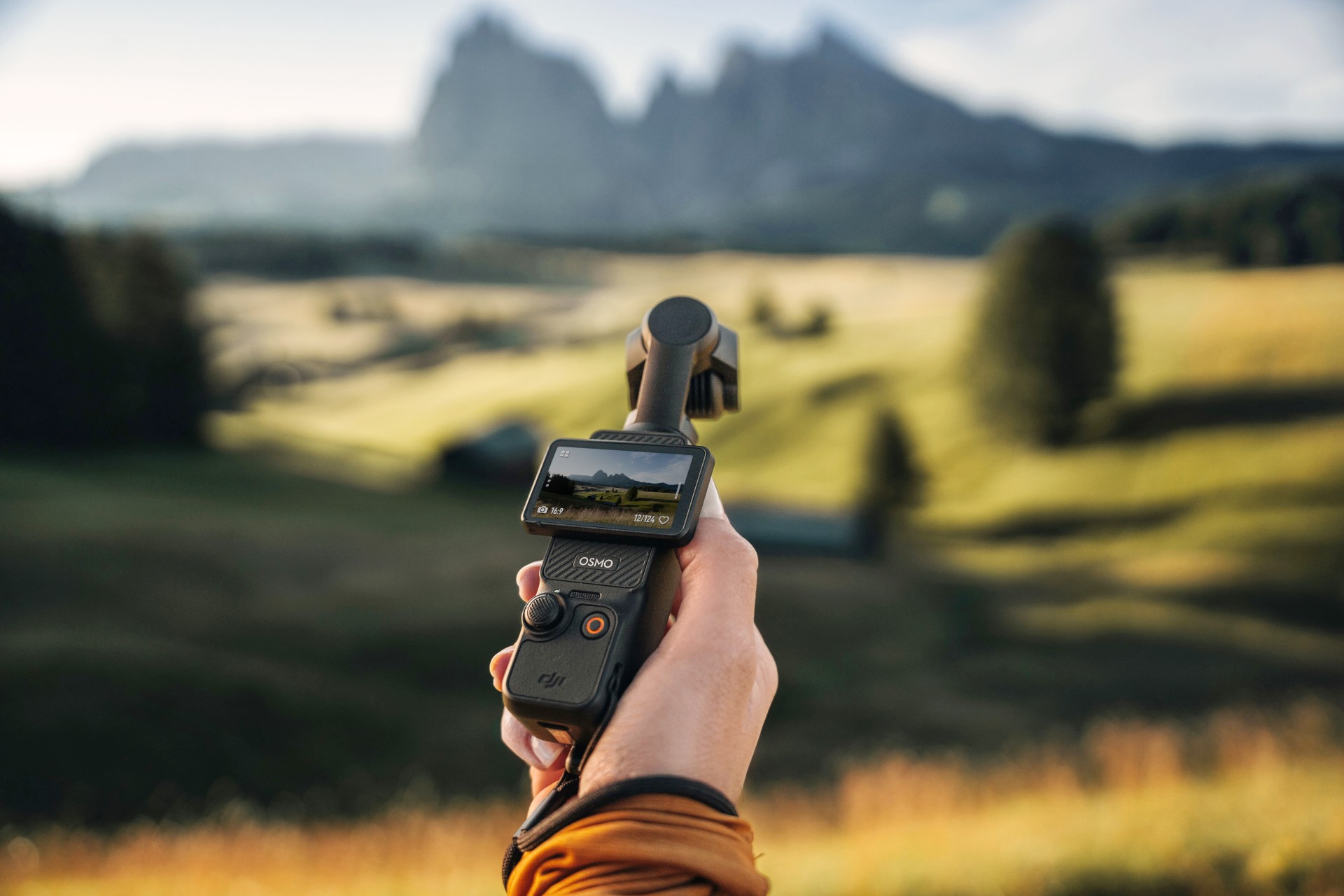
The DJI Osmo Pocket 3 might be the most popular camera in recent history. The tiny action camera constantly sells out, thanks to creators and would-be vloggers. Because of the current generation’s popularity, everyone is looking forward to the next-generation Osmo Pocket 4. Though it’s still unannounced, the new camera has suddenly made a surprising appearance out in the wild.
The leak shockingly comes from an authorized DJI retailer in Kuala Lumpur. Supposedly, a customer entered the store with what they claimed was an Osmo Pocket 4. The store, DronesKaki, even shot a now-deleted video of the unannounced camera, rescued by New Camera.
Based solely on the short video, the Osmo Pocket 4 looks and feels very familiar to those who’ve already used the Pocket 3. The three-axis gimbal system still keeps shots in place for taking videos while on the move. The 2-inch rotating screen looks identical to the current one, especially because of intuitive settings and controls.
However, the biggest standout is the built-in LED light sitting atop the camera. Despite how convenient and easy to use it is, the Pocket 3 doesn’t exactly shine in low-light conditions, prompting users to always bring an external flash. If the leak is true, the Osmo Pocket 4 cures this issue to some extent. (Built-in flashes aren’t usually standout solutions, but they can work in a pinch.)
Still, take the leak with a grain of salt. Though the store could have deleted the video because of a request from DJI, they could have also deleted it because it’s not the Osmo Pocket 4. At this point, we won’t know, but current rumors speculate that the camera is launching soon.
SEE ALSO: DJI Osmo Action 6 review: An adventurer’s best friend
Cameras
Canon PhotoMarathon returns, introduces video, open categories
Happening on April 18 in BGC, Taguig
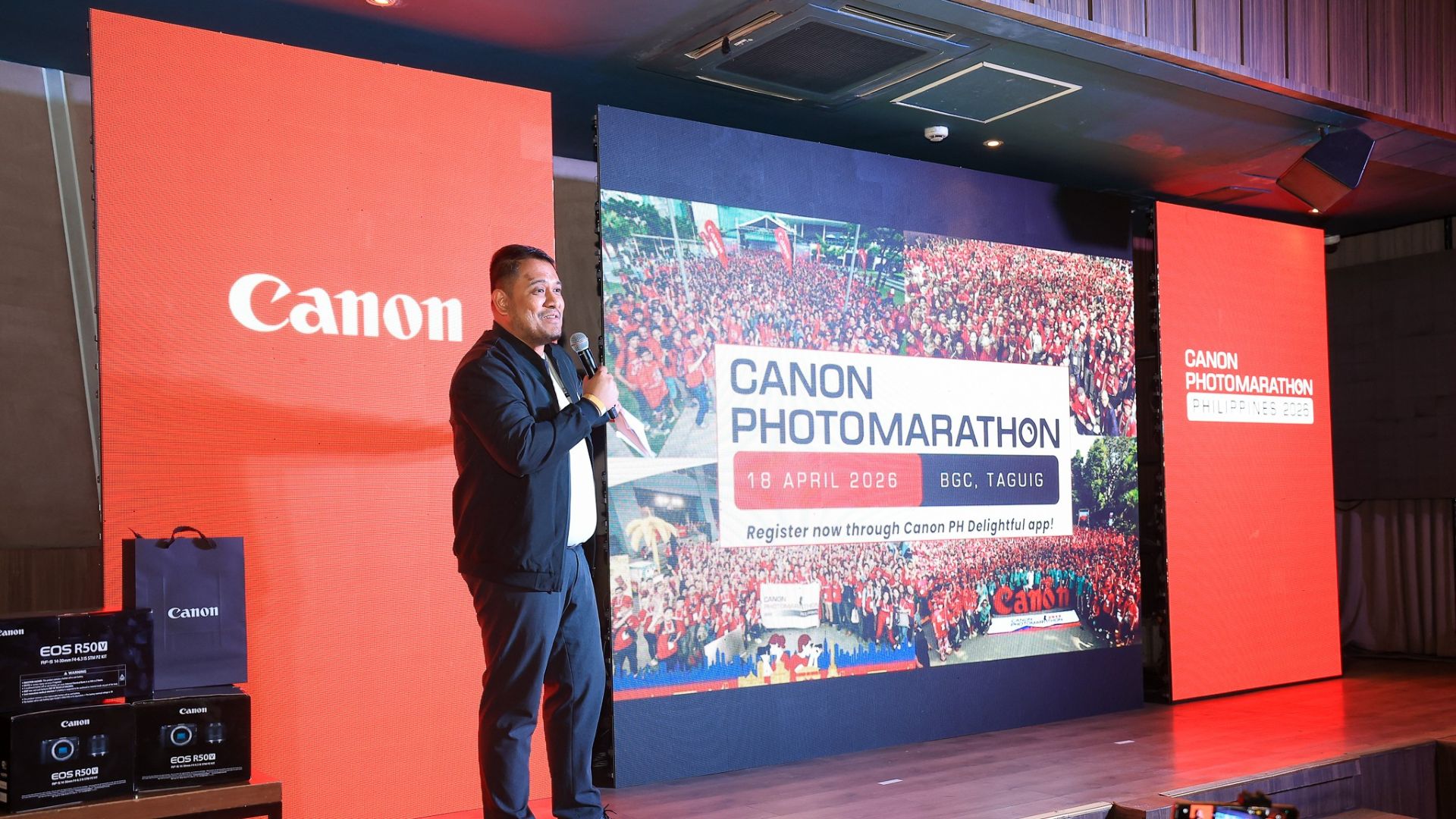
The Canon PhotoMarathon is officially returning this year and is introducing more categories for enthusiasts to join in.
The 2026 edition, the 19th in the Philippines, will happen on April 18 at the BGC Amphitheater in Taguig City.
For the first time, Canon is opening the competition to non-Canon users. Even those with just smartphones can register. The brand has also added a video category.
Here’s a quick breakdown of the contest categories and their corresponding prizes:
Main Category (Photo)
- Open to Canon users only
- Prize: Canon EOS R6 Mark III with RF24-105mm f/4-7.1 IS STM
Open Category (Photo)
- Open to all camera brands
- Prize: Canon EOS R8 with 24-50mm
Video Category
- Open to all camera brands
- Canon Prize winner: Canon EOS R50 V
- Non-Canon Prize winner: Canon Powershot V1
The full mechanics will be announced on the day of the competition itself to make it even more challenging for those taking part.
To join, simply download the Canon PH Delightful app, create an account, go to the Events tab and select the Canon PhotoMarathon banner. Registration is already open.
To build up hype for the upcoming event, Canon will host photowalks, school tours, and regional tours leading up to the PhotoMarathon.
These are designed to engage photographers at every skill level. Admission is free and open to all digital camera users.





Now Playing: Hoppers

Jackery SolarSaga series: Free power for small devices

UGREEN adds new Nexode Pro power bank, charger to lineup

nubia to launch new Neo 5 series gaming phones on March 28

SHINOBI: Art of Vengeance’s SEGA Villains Stage out on April 3


-

 Reviews5 days ago
POCO X8 Pro Max review: A new beast from the far east
-

 News5 days ago
POCO X8 Pro Series: Price, availability in the Philippines
-

 Laptops2 weeks ago
Apple MacBook Neo Review
-

 Computers2 weeks ago
GIGABYTE collaborates with Capcom for RE Requiem custom PC
-

 Apps1 week ago
Google Maps is finally getting a 3D mode
-

 Entertainment2 weeks ago
The internet is thirsting over the One Piece Season 2 cast
-

 Features1 week ago
Galaxy AI on the Samsung Galaxy S26 Ultra
-

 Automotive2 weeks ago
BYD is reportedly considering an F1 team