








Is the all-new Sony WH-1000XM6 the newest king of headphones?
We didn’t just listen; we tested.
In this video, we’ve rigorously evaluated the Sony WH-1000XM6, comparing them head-to-head with their top competitors.
Specifically, the Apple AirPods Max, the Bose QuietComfort Ultra, and even older Sony models.
We dive deep into ANC (Active Noise Cancellation) performance, audio fidelity, comfort, and more.
But, did the XM6 come out on top?
Find out in this in-depth review as we put the Sony WH-1000XM6 in the ultimate test.
PRE-ORDER Sony WH-1000XM6 here!
Transcript
It’s no secret. These are probably the best noise-canceling headphones in the market today, and Sony just made them even better with a new processor, new drivers. And if you know, you know, they can now fold again! I’m so excited, maybe a little bit too dramatic, so let’s dive in. Michael Josh, your gadget matchmaker, and over the last decade, I’ve made it my job to show people around the world that tech can be easy, fun, and exciting. On this channel, I give you special access to the products I review, the events I attend, and all the interesting people I get to meet along the way.
So, if you’re shopping for a new pair of noise-canceling headphones, give the channel a like and subscribe, and I’ll help you find the right pair to match your needs. This is our Sony WH-1000XM6 review.
Long overdue upgrade
It’s been years since Sony updated their popular WH-1000 series of noise-canceling headphones. The arrival of the XM5 in 2022 came with a lukewarm reception. Some loved its sleek new design but were disappointed that it wasn’t as compact.
Others loved the improved audio and noise cancellation but missed the deep bass that the XM4s produced. Today, we’ll find out if we have a true winner in our hands.
Quick Unboxing
First, a quick unboxing. The XM6’s packaging is discrete, made from recycled paper, which is always a win in my book.
As you can see from the artwork, I’ve got the blue one inside. You’re greeted by the carrying case, and inside that is the XM6. There’s also some paperwork, a 1.2-meter auxiliary cable, and a rather short USB-C to C charging cable. But just like the XM5, but unlike the XM4, it does not come with this two-prong airplane adapter, so that you can ditch the cheap ones and use your high-folding ones on a plane. It’s whether I’m deep into my writing or just tuning out the noise, great audio keeps me in the zone, but my work doesn’t stop at content creation.
Subtle refinements
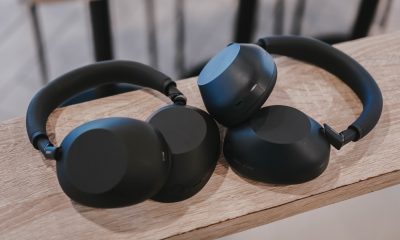
At first glance, the new XM6 looks very much like the XM5. To avoid any confusion in these next few clips, the XM6 is blue, the XM5 is black.
The biggest design change addresses everyone’s complaint about the XM5s. You can now fold them away, just like what we’ve been able to do on older models. Both sides fold in like this, allowing for a more compact case. Also, more on that in a minute.
The rest of the design tweaks are more subtle. The band features that modern, sleek design of the XM5s, but now is a bit wider for a more comfortable fit. The cuffs are also taller too, but with the same amount of cushioning. Stitching is only on the backside, so it looks cleaner. And notice, too, there’s a metal ring on the hinge, which adds not just an accent, but more durability to the folding mechanism.
Weight-wise, on my scale, I’m getting about 252 to 253 grams. If he says 254, whatever the case, it’s about 4 grams heavier than the XM5s and roughly the same weight as its closest rival, the Bose QC Ultra. The weight trade-off comes at the expense of more premium materials, like stainless steel and aluminum, just like on the AirPods Max, which is a heavy 386.2 grams.
The device is plastic, and the finish, unfortunately, a bit of a smudge magnet, but for a pair that I’m going to wear on a 12-hour transcontinental flight, maybe more, it’s a trade-off. I’m willing to have. Other design choices of note: I love this dot right here, almost like Braille, which tells you, okay, that’s the left side. I put it on correctly instead of two similarly shaped buttons.
Same controls
The power button is round, while the button to toggle between noise cancellation and ambient mode is like a stick. Because they’re two different shapes, it’s easy to tell between the two when you’re trying to do something.
Finally, if you’re not familiar, there are no physical buttons for volume control. Instead, the right cup has a built-in touch surface. You swipe up and down to control volume, double-tap to press and play or answer a call, swipe forward to skip to the next track, and swipe back to go to the previous one.
You can also tap and hold to bring up the Voice Assistant or rest your palm on it to temporarily switch out of noise cancellation mode. Say you want to be able to hear or talk to someone, Sony calls it Quick Attention mode.
In terms of ports, you get USB-C for charging, and in case you’re wondering, it’s for charging only. You can’t use it for audio, but you can now charge and use them at the same time.
Finally, there’s a full-size 3.5-millimeter headphone jack. Because you can now fold them again, the carrying case is smaller than its predecessor, but still not as small as the ones on the XM4s, which I still prefer, but I like its new magnetic lock mechanism.
Better case
You’ve saved so much time by not having to unzip your case every time you want to take them out. The cases, by the way, are color-matched to the headphones, which, by the way, are available in black, blue, and silver, which is a cream white color. Because portability is of utmost importance to me, I probably will still ditch the case and throw them in a drawstring pouch like this and then check them into my bag.
More than comfy
The Sony XM6s are probably the most comfortable noise-canceling headphones I have ever worn. The cushioning is soft. It crushes and embraces my ears quite well. The clamping force is strong enough to provide a light seal, but not too much where it feels like it might give you a light headache.
The ear cuffs envelop my ear as well, and there’s enough depth, so your ears don’t feel squished. In the week that I’ve been reviewing them, there have been days where I’ve had them on for several hours, and I didn’t feel a sense of relief from suffocation after taking them off.
Lastly, when you have them hanging around your neck, the good news is that you can now have the cups facing inward again, the way I think it should be.
Satisfying ANC
While incredibly popular and consistently on top of many reviewers’ lists, fun fact, both Sony XM3, XM4, and XM5, all use the same QN1 processor. Why change it if it ain’t broke, right? Well, I guess not until you can come up with something better, and it looks like the time is right for that this time around.
In an effort to improve noise cancellation, Sony is getting the XM6 a new QN3 chip, which they say is seven times faster, which is a must for all their real-time analysis and AI optimizations that these guys do.
The chip powers a new adaptive noise-canceling optimizer, which consistently monitors air pressure, among other environmental factors, so it can provide the best kind of noise cancellation, given your current surroundings.
So, whether you’re 30,000 feet in the air or walking down a windy street, it’s constantly adjusting the noise cancellation based on air pressure, and get noise, and even movement. That’s a big leap from the older Auto NC, which basically just changed modes based on location.
Better mics
And they’ve also added four additional microphones, from eight to twelve. And in my tests across both airplane and street noise sounds, the XM6 consistently offered the most satisfying ANC experience compared to the AirPods Max, Bose QC Ultra, and the older XM5.
Versus AirPods Max
For me, the XM6 and the AirPods Max are probably the best in terms of noise cancellation, particularly that’s removing hum, fan noise, and high-frequency beats with ease. The only difference is that it does it with a sort of softness that makes the whole world feel like it’s turned down, but not erased in contrast, the airpods macs create a sharper kind of silence.
Versus Bose QC Ultra
It’s clean, it’s surgical, sometimes surreal, it’s very impressive. Don’t get me wrong, but sometimes almost emotionally detached. The XM5 and the QC Ultra, while competitive, had more inconsistencies. Both canceled low and rumble effectively, but let through more mid and high-frequency noise, sometimes even accentuating certain sounds. Overall, I actually prefer the XM6 as it struck the perfect balance: effective noise cancellation without making me feel disconnected from the world around me.
Transparency mode
Transparency mode was good too. I love how I could just rest my palms on the red cup to have a conversation with someone, or when I’m out and about, I just rely on adaptive sound control, which will switch modes based on what I do. Sony says they’ve added two additional beamforming mics for a total of six. Beamforming is a technique in which a mic’s sensitivity is focused like a beam in a straight line towards a specific direction. In this case, it’s towards your mouth, so while the XM6 blocks out surrounding noise, it can also make sure that your voice pickup is clear.
Mic test
Let’s test it out. Okay, so we have everything set up to test out the beamforming microphones on all of these three headphones. I have my iPhone shooting the video, and then I have partial speakers in the background that are playing a restaurant ambiance from YouTube. Let’s see who does the best job at canceling and acquiring quality.
Okay, so this first clip, as you can see, is using the new XM6, and hopefully those two additional beamforming microphones really zone in on my mouth under what I’m saying, and hopefully it cancels out a lot of that cafe background. Okay, clip number two is switched over to the Bose QC Ultra, and this recording again is using the built-in microphones on these headphones.
The restaurant ambiance is still playing. Let me know if you hear a difference in which microphones sound and last, but not least, Apple’s AirPods Max. The audio that you’re hearing is from the microphones on these headphones, so the ambiance is still playing in the background. And now, after we’ve done three different noise-canceling headphones, I would love to know which one sounds the best.
Your preference?
Okay. So, we’ve listened to the clips a couple of times, and I have to say, when it comes to removing all of that background noise, the person on the other end won’t hear what’s actually going on.
It’s these guys. It was pretty much a clean, quiet room from the sounds of it. However, I will say those additional beamforming microphones on the XM6s also did their job. I think in terms of my audio, I sounded the best on these ones but let me know which of the three clips you appreciated, or you liked the most.
Even better sound
Of course, what good is a pair of noise-canceling headphones if they don’t also sound great? And I know from the point of view of a casual user, most headphones will sound good, but for those who really want to get into the weeds, I spent a full day on a test comparing the XM4 versus the XM5 versus the XM6, the last three generations of Sony’s WH-1000s, as well as against their closest rivals, the Bose QC Ultra and Apple’s AirPods Max.
First, let’s talk about what has changed. Sony is promising a better, more balanced sound overall, but with richer details and clearer vocals, thanks to a new 30mm driver that has a more rigid dome and a perforated voice coil bobbin, as well as tuning by mastering engineers. I know some fans did not like the step down from that 40mm driver on the XM4 to the 30mm driver.
On the XM5, because it came at the cost of bass reproduction, I personally still prefer the XM5s over the XM4s because that clarity really had an improvement, but I did feel missing that warmth that bass, or good bass, provided.
Six categories
In lieu of an audio professional, I had ChatGPT moderate this for me. We chose six categories: vocals and clarity, soundstage and imaging, bass presence and punch, the treble smoothness in air, instrument separation, and genre versatility.
We also picked six tracks, which are some of my personal favorites, as well as some songs that are used by some audio professionals to be able to put headphones to the extreme test, but these tracks were Adele’s “Easy on Me,” Tom Zimmers’ “Time,” Billie Eilish’s “Bad Guy,” Daft Punk’s “Contact,” Radiohead’s “Weird Fishes/Arpeggi,” and The Weeknd’s “Blinding Lights.”
If you’d like to conduct your own test, I’ll add a link to my full article on gadgetmatch.com, where I include my methodology, the track names, time stamps, and as well as what to look for in each track, as well as my whole findings. Let’s just summarize my findings from a full day of listening.
The XM4
I now understand why people love the XM4s. They deliver the most bass out of all the headphones I tested, and that’s partly thanks to their large 40mm drivers, but bass isn’t just about thumps and oof; you also want to be able to hear the nuance of the instruments that create these lower-range sounds.
That’s where the XM4 starts to fall short. It lacks detail and separation. I gave the XM4 an average of 3 out of 5, or 3.
The XM5
Sony improved on that with the XM5, while reducing the driver’s size to 30mm did take away from some of that warmth and bass presence. I found the tuning to be more refined. If you’re someone who likes to listen to different genres and prefers a more valid sound, then you’ll definitely prefer the XM5s, thanks to its cleaner, more versatile sound, but it still feels like a more transitional step. The XM5 scored an average of 3.66.
The XM6
Then came the XM6, and right off the bat, I gotta say I was thoroughly impressed. Even with the same 30mm driver size, the new driver design and tuning changes made a huge difference across the board.
You’ll get a more balanced frequency range, strong separation, and excellent clarity. Vocals and instruments, they both stand out on their own. At the highest, it feels airy.
The bass has warmth, and more importantly, nothing gets muddy. And with more complex tracks like Radiohead’s “Weird Fishes,” the XM6 didn’t just hold its ground; it let each instrument breathe. That kind of layering is something you’d usually associate with wired, more open headphones. The XM6 earned my highest score overall: 4.25 out of 5.
Versus other brands
Okay, now that we’ve done the all-Sony comparison, how does it then compare to the Bose QC Ultra and the Apple AirPods Max?
Bose QC Ultra
The Bose QC Ultra lives up to its reputation for clean, neutral sound, but what surprised me the most about these is something I thought of as an intangible, a visceral reaction to the music that I was listening to while wearing these. But, for example, listening to “Blinding Lights,” this was the headphone that made me want to close my eyes and dance.
It wasn’t always the most detailed. Separation wasn’t as sharp, and sometimes, compared to the XM6, it was a little bit too polite, but it was often the most musical. The energy I felt listening to these was unmatched. Still, it was incredibly strong, overall scoring 4.16 out of 5.
AirPods Max
Finally, the AirPods Max were also a standout.
Apple’s tuning is excellent, and the fact that these headphones haven’t been updated in many years makes it even more impressive. Everything sounds great out of the box, with studio-like balance and clarity, but what truly sets them apart is Apple’s Spatial Audio on Dolby Atmos, and even when you’re listening to regular stereo content, Apple uses AI to create spatialized stereo and personalized Spatial Audio. With these enabled, it genuinely feels like you’re in the same room as the artist. The experience is immersive.
It’s dimensional and unlike anything else in this lineup. On the XM6, Sony actually does something similar. They call it Spatial Up-Mixing, and it’s available in Cinema Mode, regardless of what kind of content you’re listening to, but in my tests, it doesn’t seem to reach the same level as the AirPods Max, and it often comes at the expense of clarity. My only real critique of the AirPods Max is at times they lacked a bit of energy.
But despite that, they were my second-highest score at 4.21 out of 5, just a hair behind the XM6. And just to reiterate, all of these scores just refer to audio.
Battery endurance
Sony is promising the same 30 hours of noise-canceling on the XM6s, and on the XM5s, about 40 hours with NC turned off. In my test, that’s almost about a week of listening. I had these fully charged last Friday, and I’ve been using them all weekend.
It’s now Tuesday, and I believe I have about 80% still left in the tank. Like I mentioned earlier, new is the ability to continue listening to music while plugged in, so basically you can charge and listen at the same time. The XM6 supports fast charging, and a 3-minute charge will give you about 3 hours of listening.
Sound Connected
To dive into all the features and settings of the XM6, you’ll need Sony’s Sound Connect app, available for both iOS and Android. From here, you’ll be able to switch between ambient and noise-canceling modes, listening modes, dive into custom equalizer controls, among other device settings.
And this is where you’ll be able to find adaptive sound control, which can automatically handle switching between modes for you based on what it senses. While you compare the XM6 to multiple devices, it can keep track of two devices so that you don’t have to manually connect and disconnect from them at the same time. Say you’re listening to music on your iPhone? You can also have them connected to your MacBook Pro at the same time.
Pricing and availability
The Sony XM6 is available for pre-order starting today, May 15th, and will retail for just under $450 in the US and $600 in Canada. And for the best deals, make sure to check our links down below. $450 is a $50 increase from its predecessor, but Sony says they intend on keeping both the XM4 and XM5 around. And I was just at Best Buy the other day and have confirmed both are still on shelves. They currently retail for $650 respectively.
Is the Sony WH-1000XM6 your GadgetMatch?
So is the Sony WH-1000XM6 your GadgetMatch? Whether you’re looking for solid noise cancellation or headphones that can produce dynamic, well-balanced audio, you currently can’t get any better than the Sony XM6. They’re comfortable to use, take up less space in a bag, and do everything we expect them to do, right, and do it better.
It deserves a kind of ‘magic seat’ of approval. I guess the only consideration would be price. It is a little bit pricier compared to its competitors, but seeing how the Bose QC Ultras came down in price for a little bit, these might go down in a little bit, so you might want to wait. But if you’re looking for the best of the best, I definitely believe it’s worth it.
And that was our review of the Sony WH-1000XM6—still a mouthful, still a great vibe





Accessories
Bringing Care-a-Lot to my daily carry
This is why my gizmos and workspace finally feel like a warm hug!

Growing up, the Care Bears taught us that sharing was a superpower and that every emotion had a color.
For many of us, the Care Bears weren’t just characters on a screen; they represented a language of kindness and colorful dreams.
Bringing the CASETiFY x Care Bears collection into my daily rotation feels like carrying a small piece of that “Care-a-Lot” magic wherever I go.
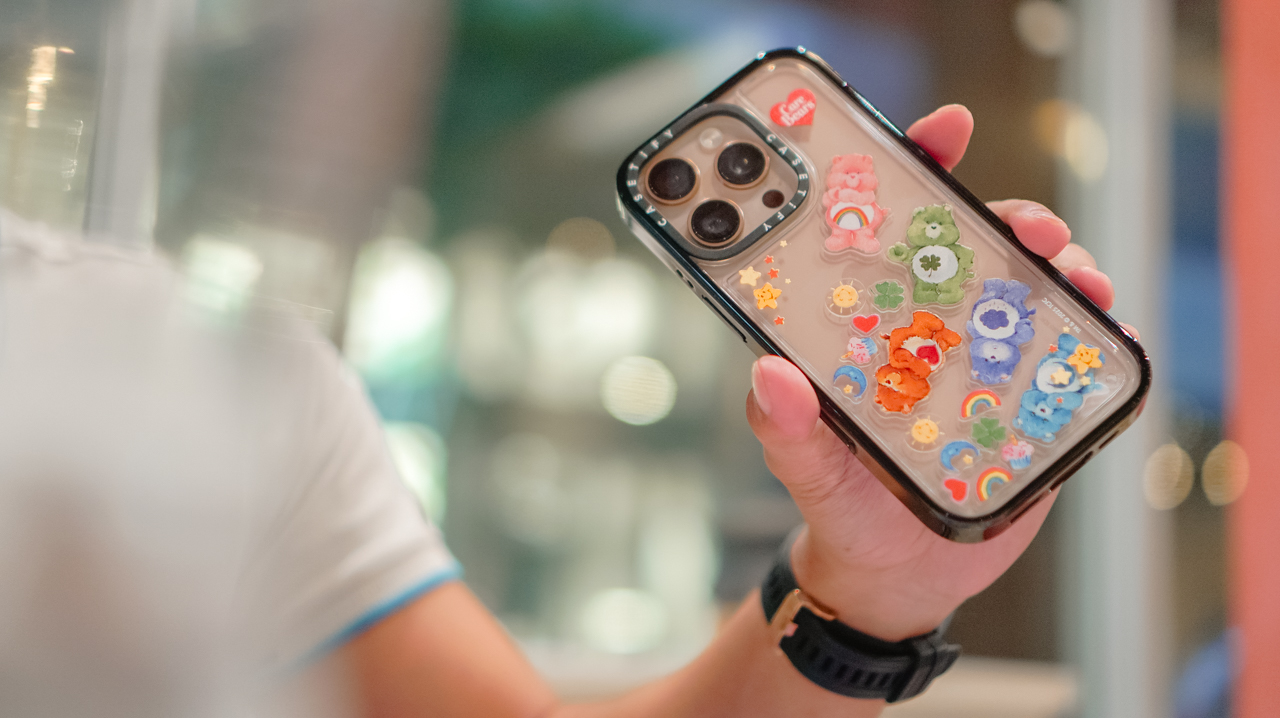
My iPhone 16 Pro now lives in the Care Bears Shake Shake Case (PhP 3,990). It’s a tactile reminder of playfulness in the middle of a busy workday.

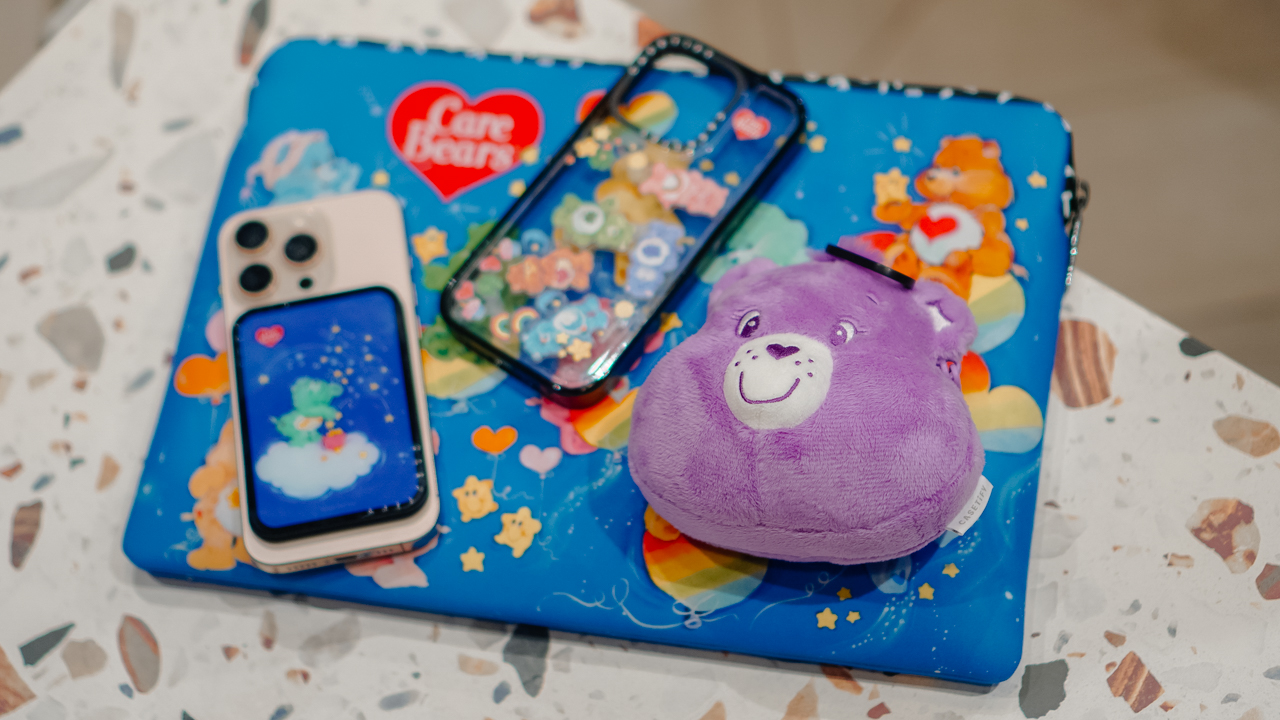
When I’m heading out, the Share Bear Earbuds Pouch (PhP 2,990) clips onto my bag. It keeps my music close while reminding me of the value of sharing. It’s surprisingly versatile, too, fitting my Shokz OpenFit 2+ or even the bulkier case of the JBL Sense Pro.

When I switch to a different MagSafe case, the Starry Night Snappy Cardholder Stand (PhP 2,490) magnetically attaches to the back of my phone, adding a bit of celestial whimsy to my day

Even my workspace has a new glow. The Twilight Dreams Laptop Sleeve (PhP 3,090) fits my 13-inch MacBook perfectly, wrapping my most important work tool in nostalgic, soft-toned illustrations.
We often look for tech that performs, but we rarely look for accessories that hugs back. This collection does both.
It turns my everyday essentials into a canvas for positivity, proving that even in a digital world, there’s always room for a little more care.
Accessories
CASETiFY relaunches Evangelion collab for 30th anniversary
Fans can now customize their own NERV-ready cases
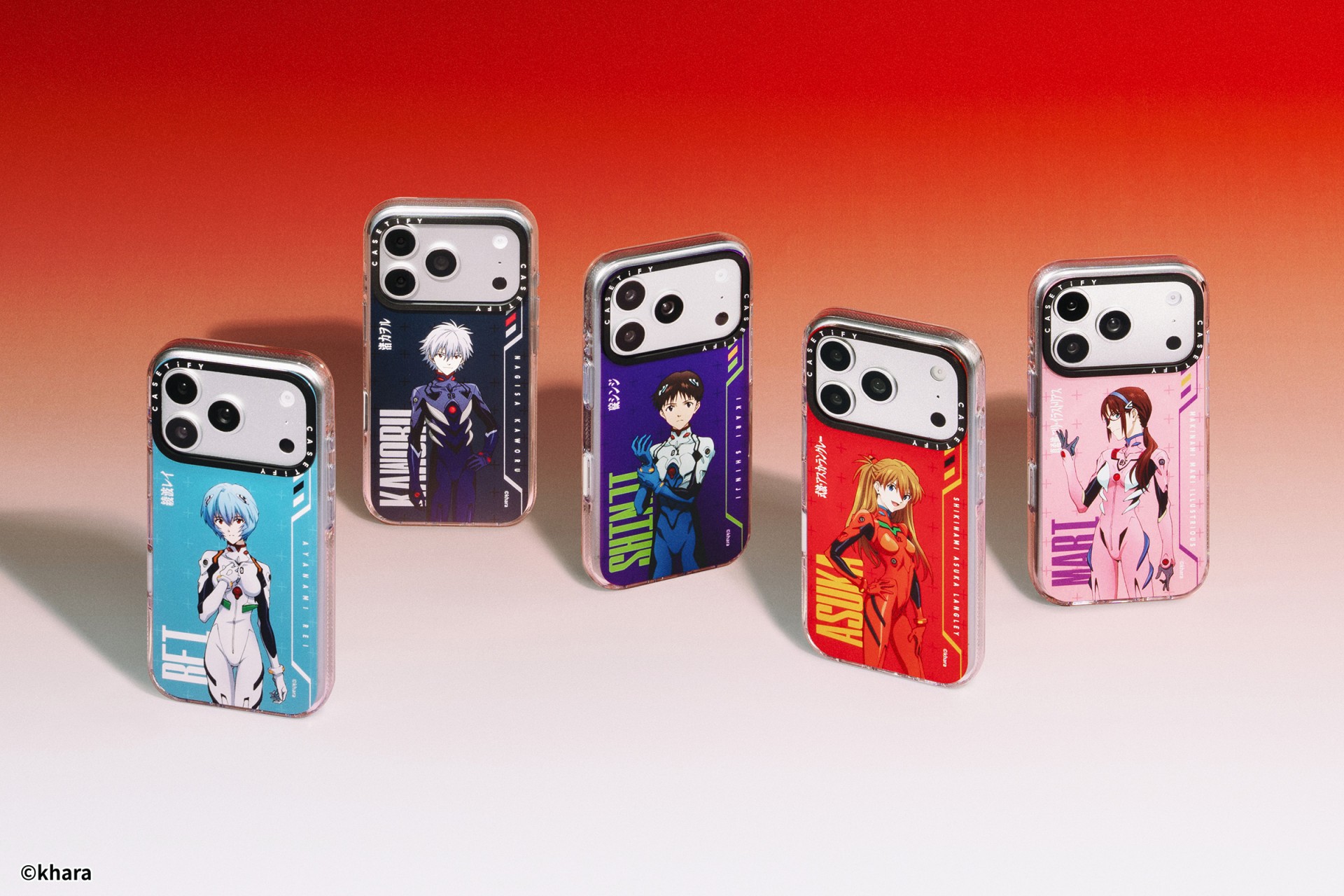
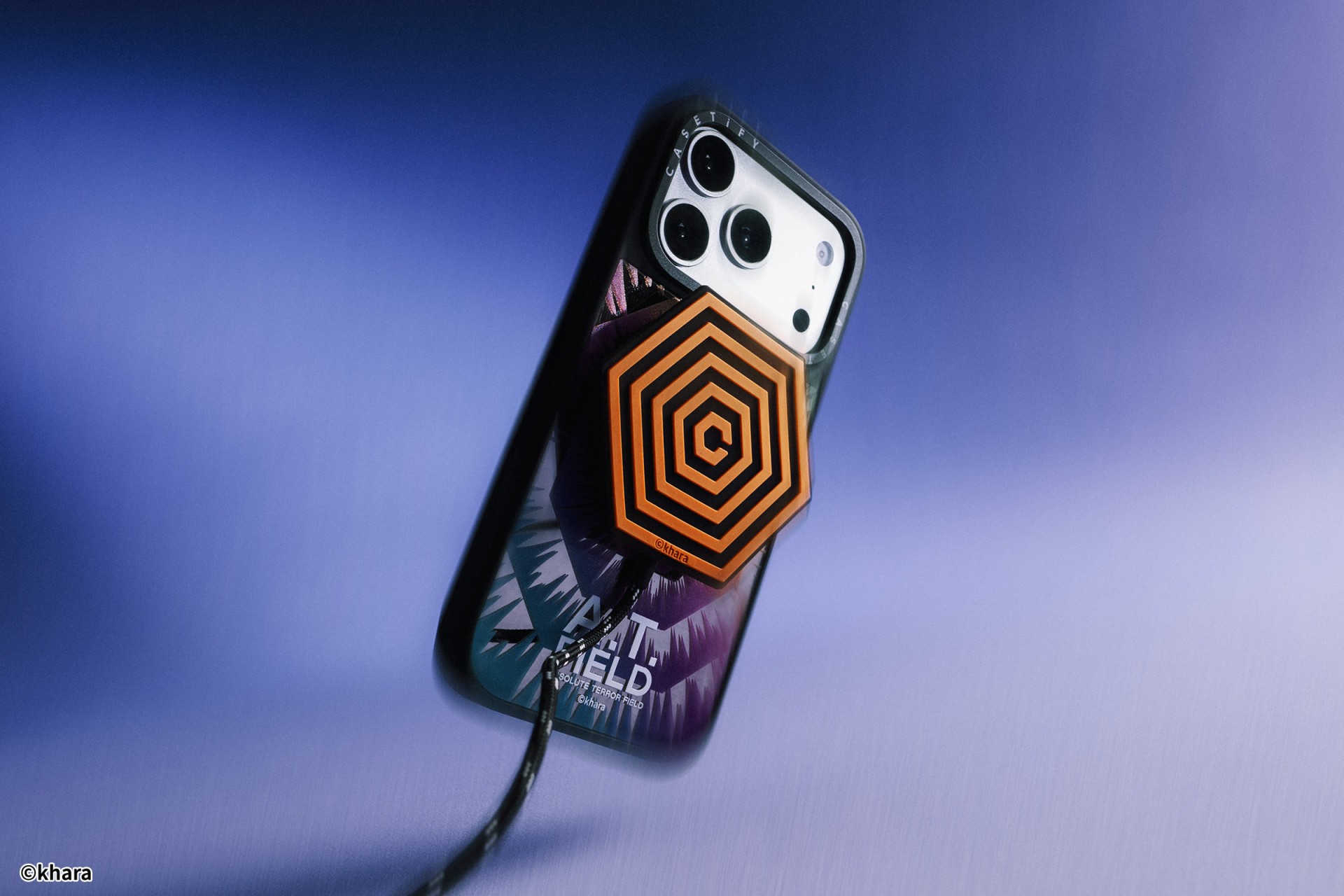
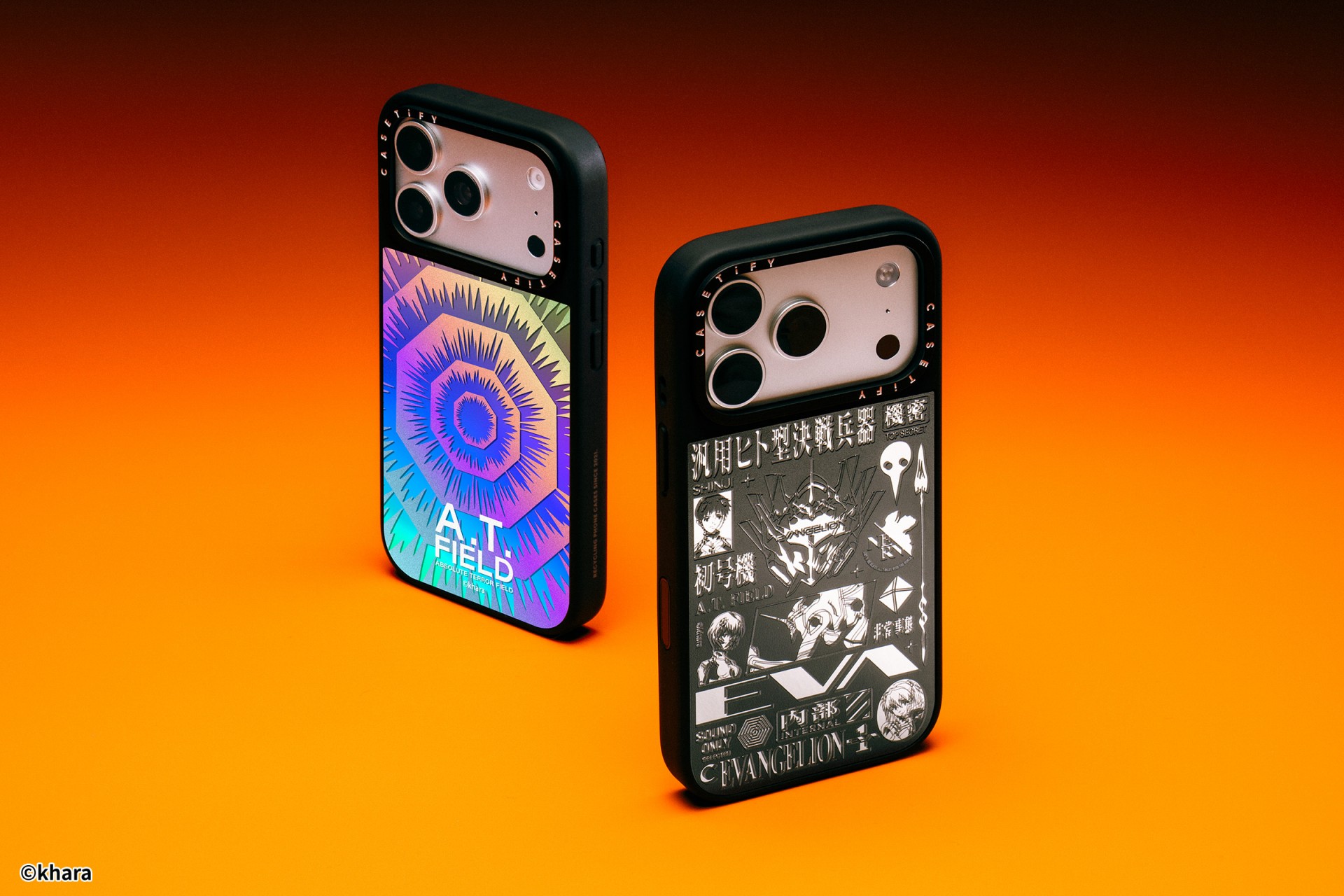
The A.T. Field is activated. To mark 30 years of Neon Genesis Evangelion, CASETiFY has relaunched its highly popular Evangelion collaboration. This time, fans control the sync rate.
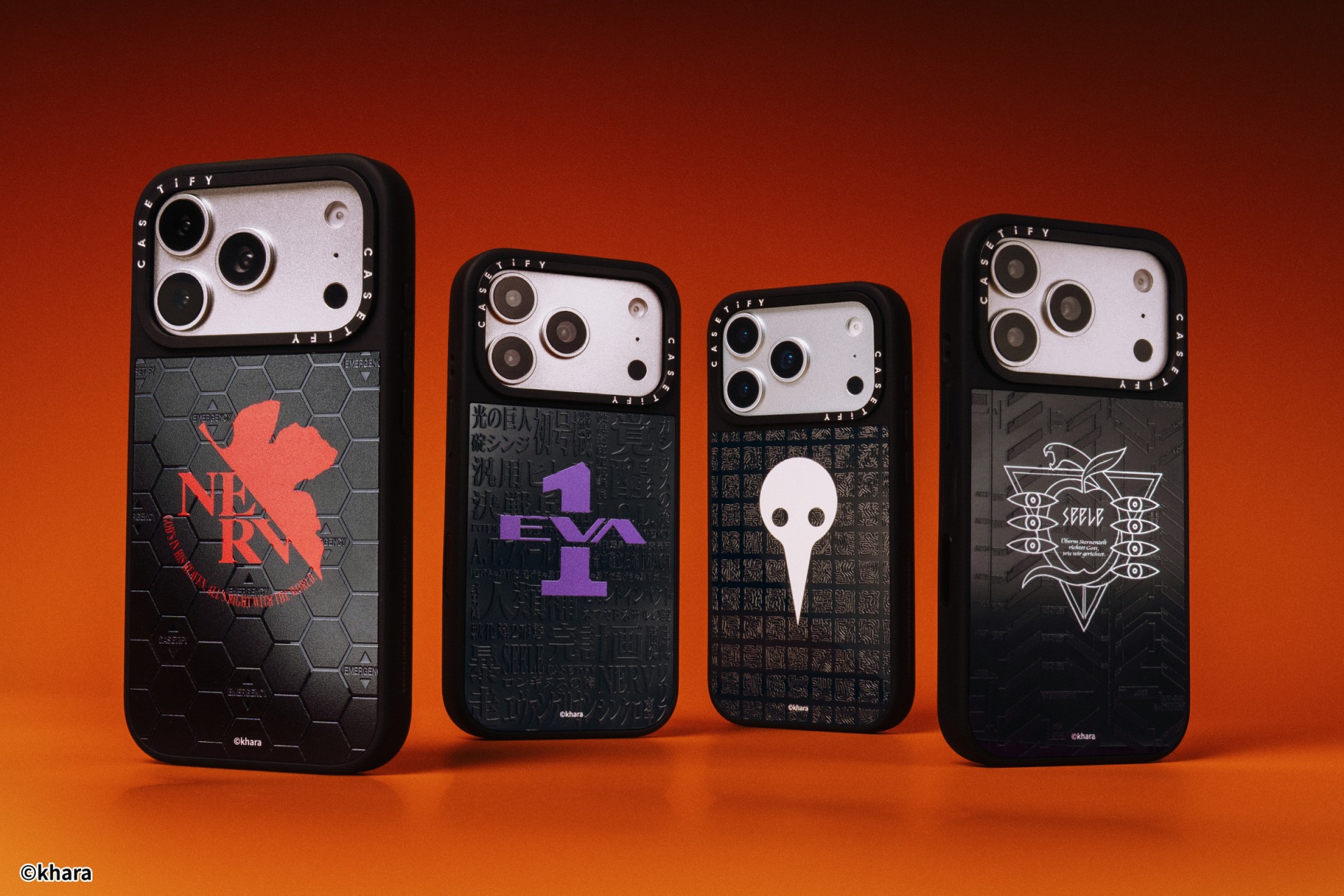
For the first time, buyers can fully customize their Evangelion cases. The drop lets fans mix and match NERV logos, the 4th Angel, character art featuring Shinji Ikari and Rei Ayanami, and bold background graphics. The result is a case that feels like a personal unit build, straight out of the series’ control room.

The lineup pulls directly from Evangelion iconography. Designs include classic NERV insignias, holographic “A.T. Field” defense graphics, “Active Time Limit” warnings, and the official 30th Anniversary emblem. Each case uses CASETiFY’s signature impact protection, turning your device into a pocket-sized defensive barrier.
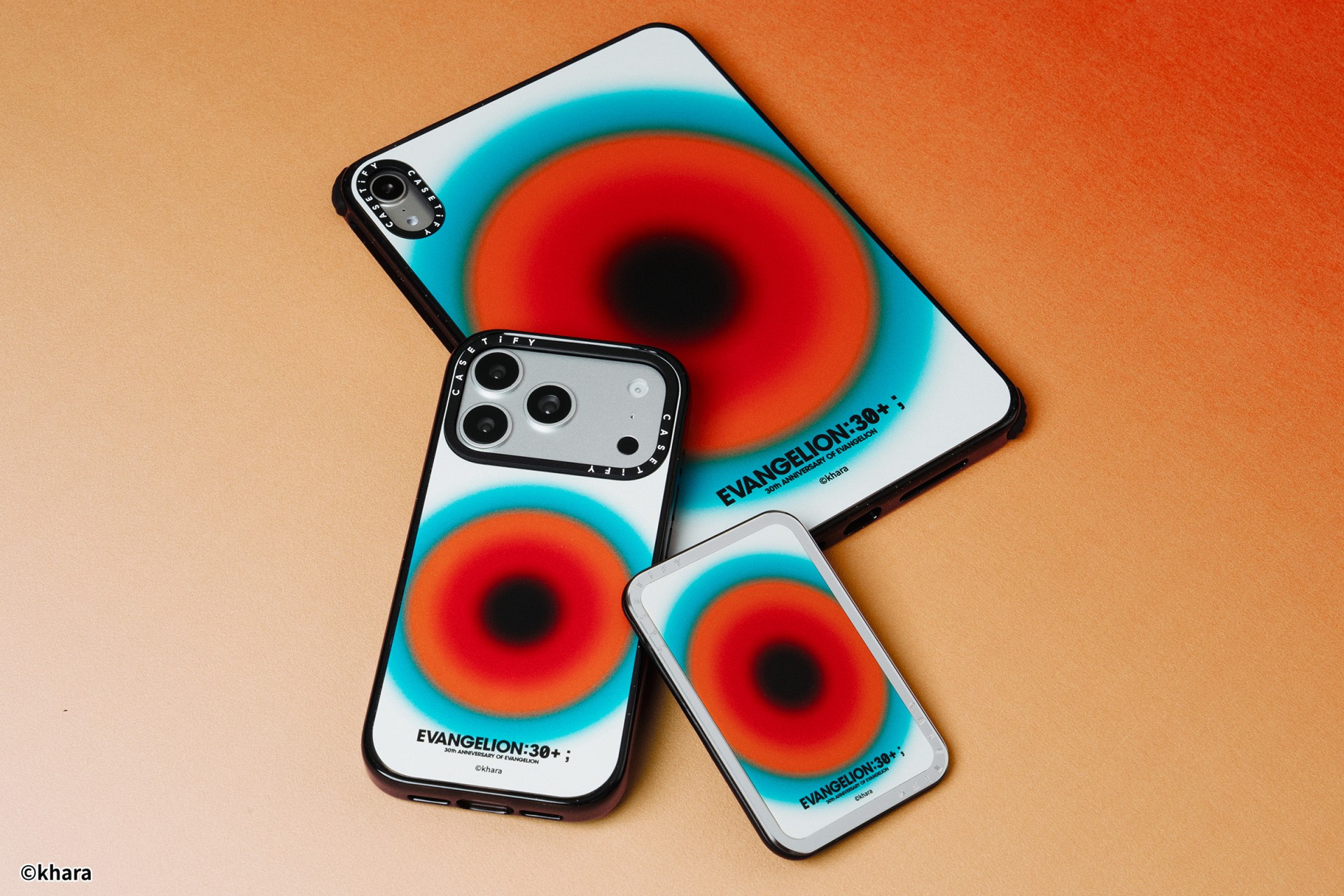
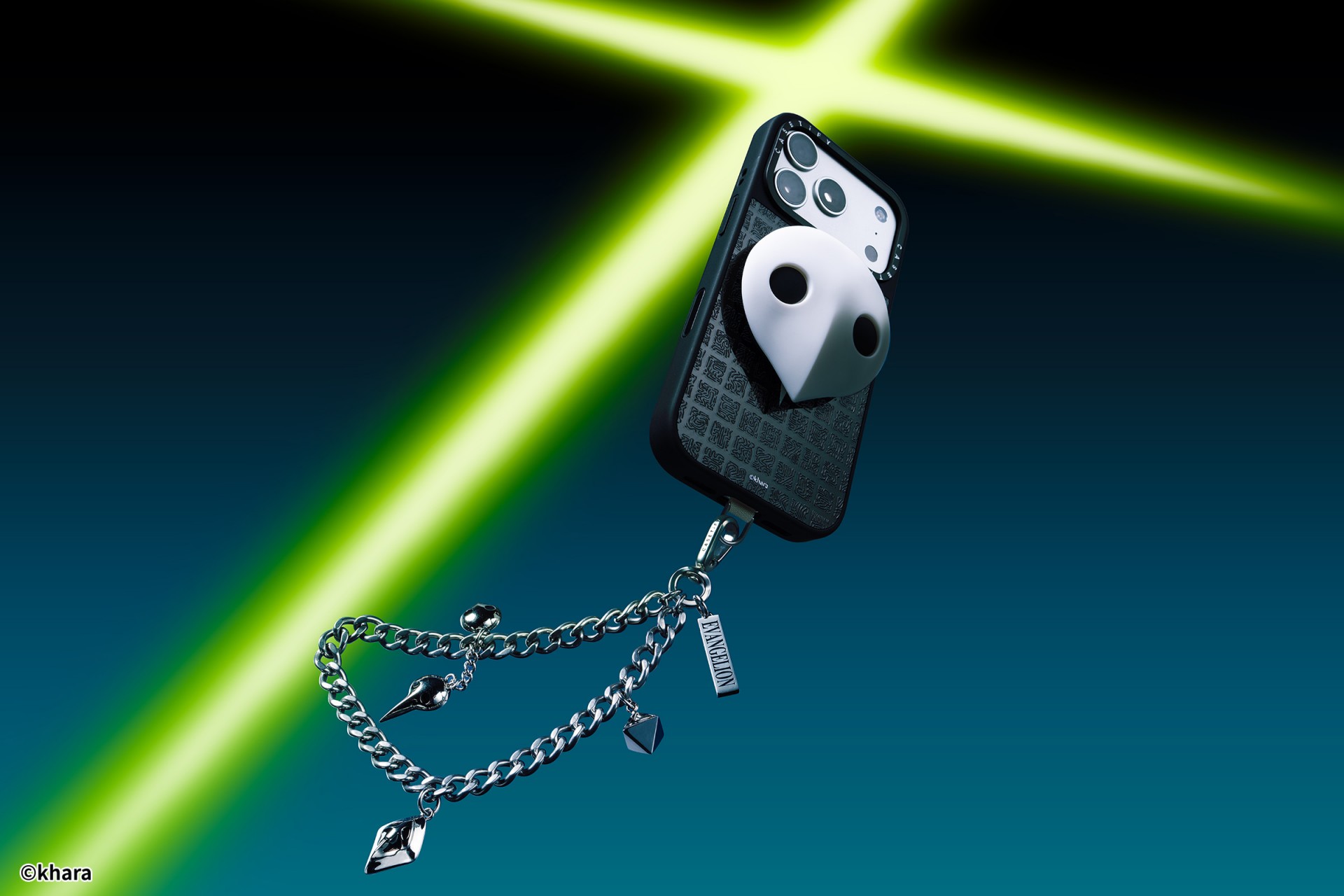
The collection goes beyond phone cases. Fans can also pick up matching AirPods cases, MagSafe wallets, watch bands, and laptop and tablet sleeves to complete their everyday tech setup.
Android users are included in the rollout. The collection supports devices like the newly released Samsung Galaxy S26 series, making it a timely drop for those looking to suit up their latest flagship.
The Evangelion collection is now available via the official CASETiFY website.

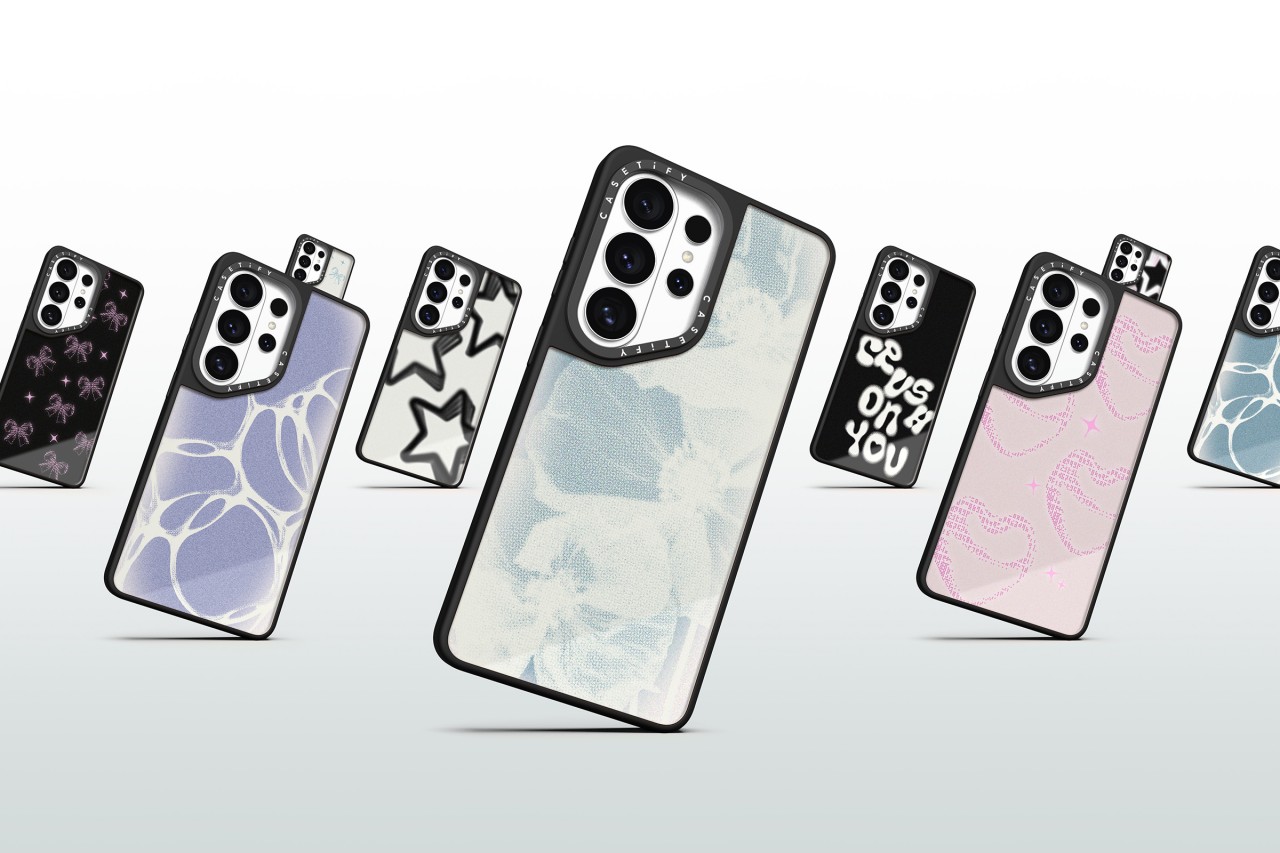
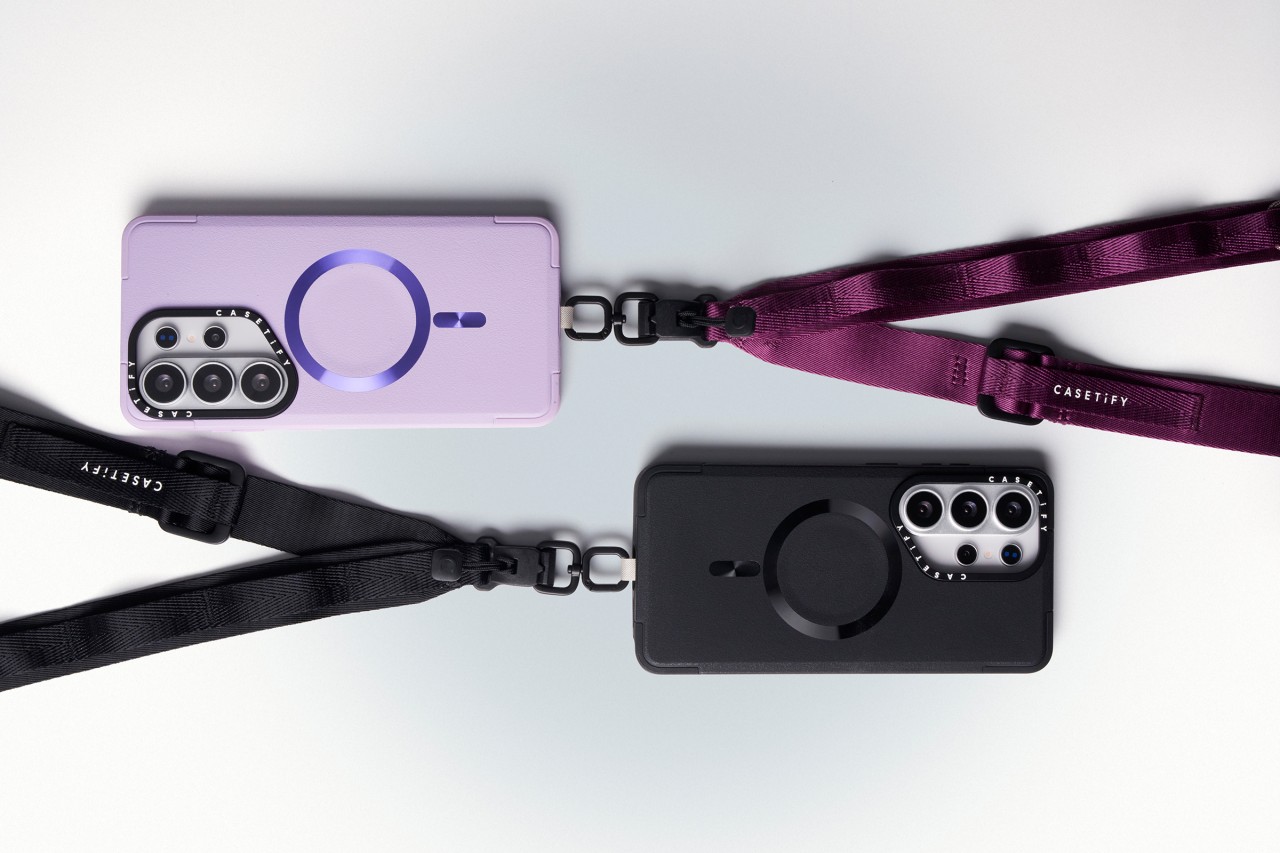
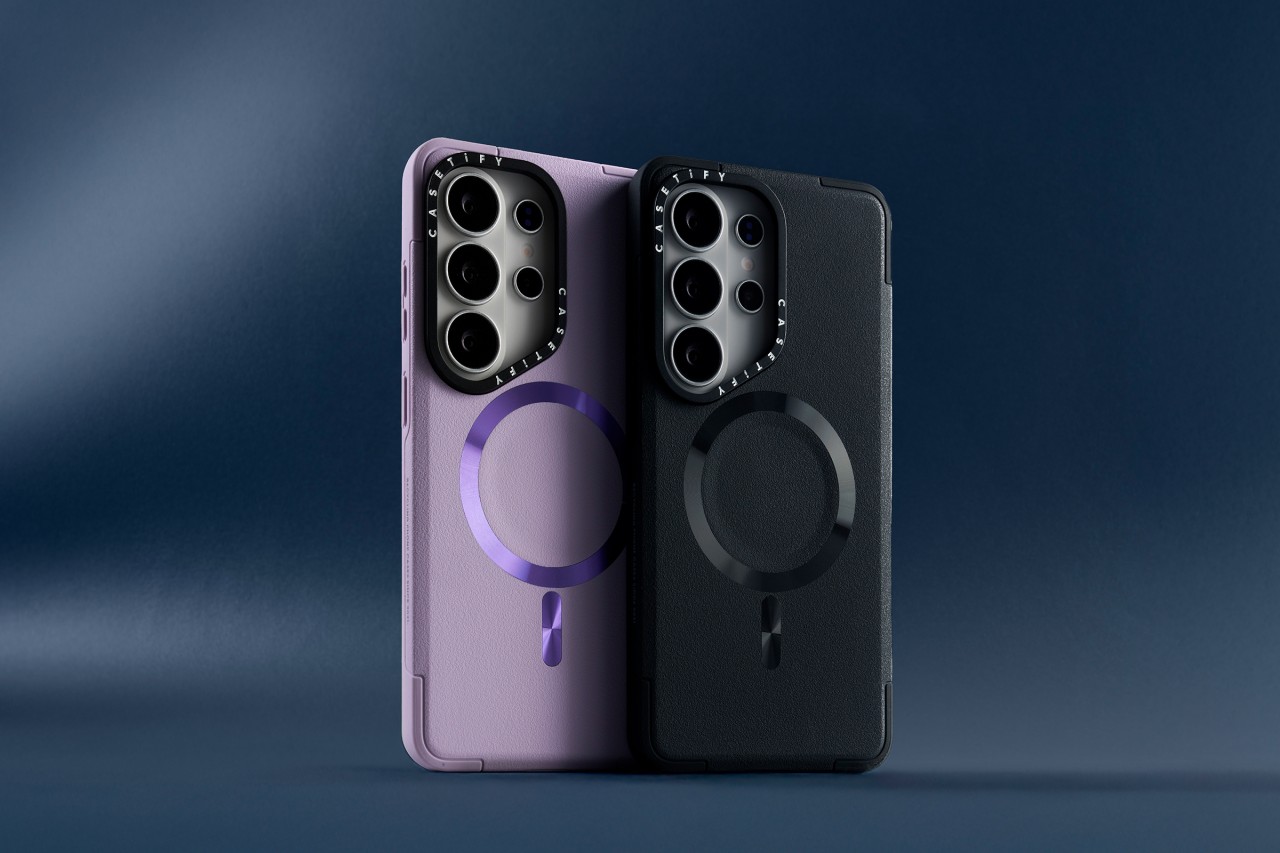
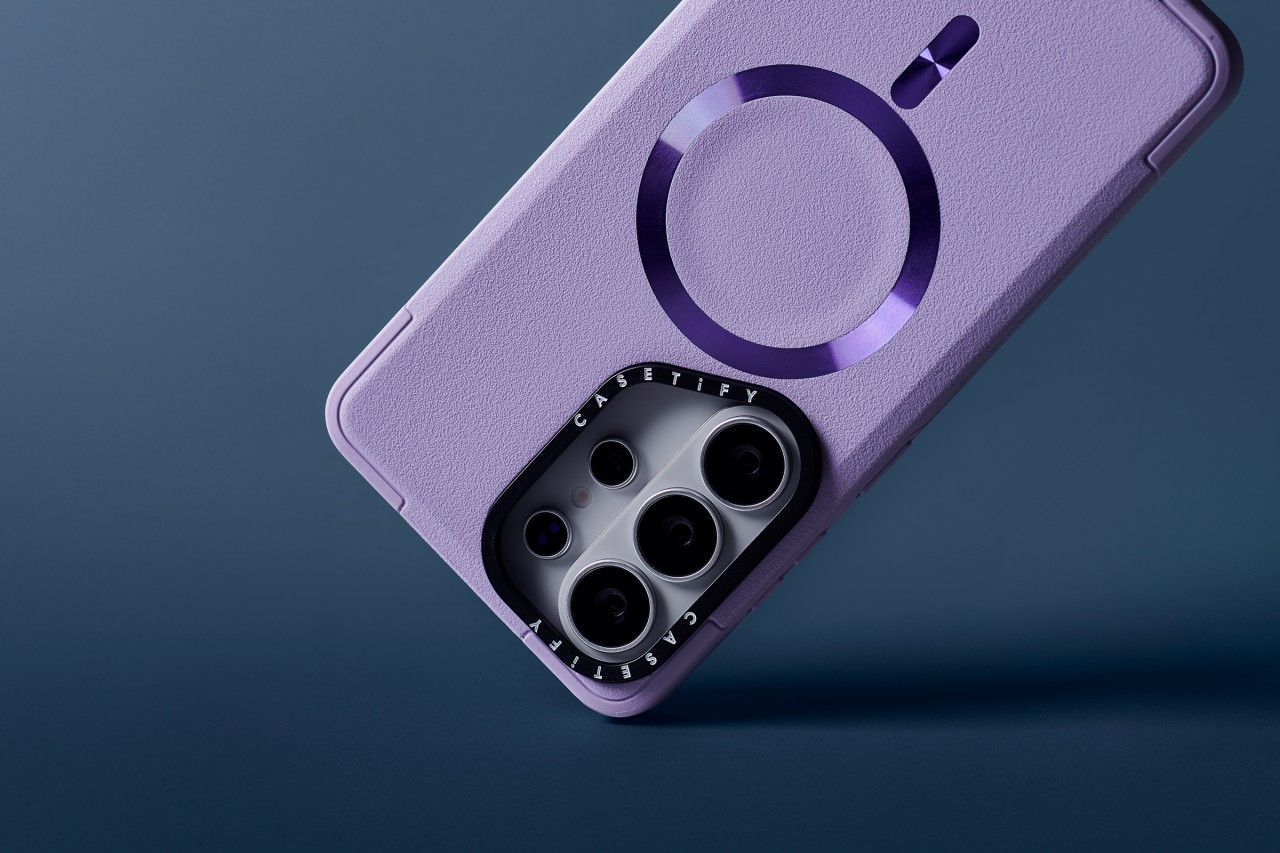
CASETiFY has unveiled its full lineup of cases and accessories for the Samsung Galaxy S26, timed with the flagship’s global debut.
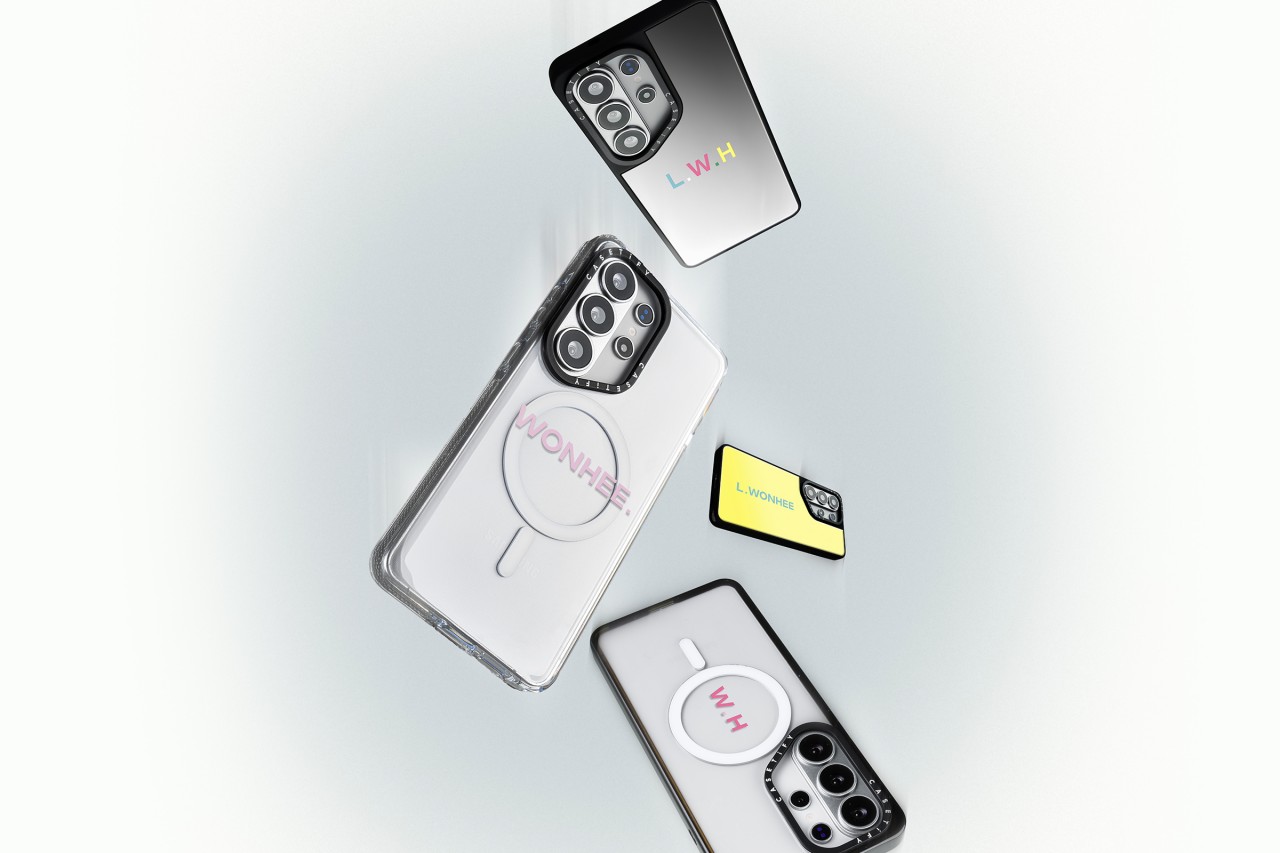
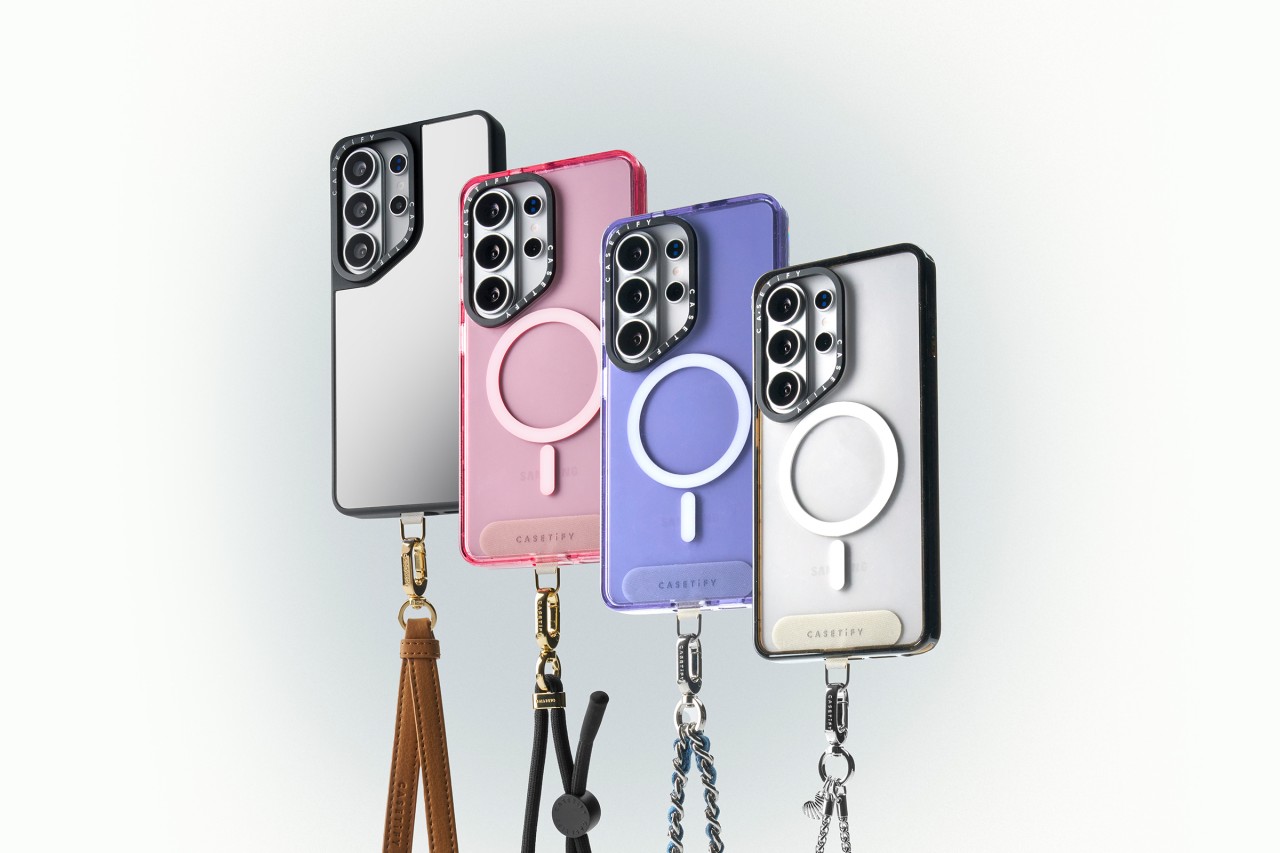
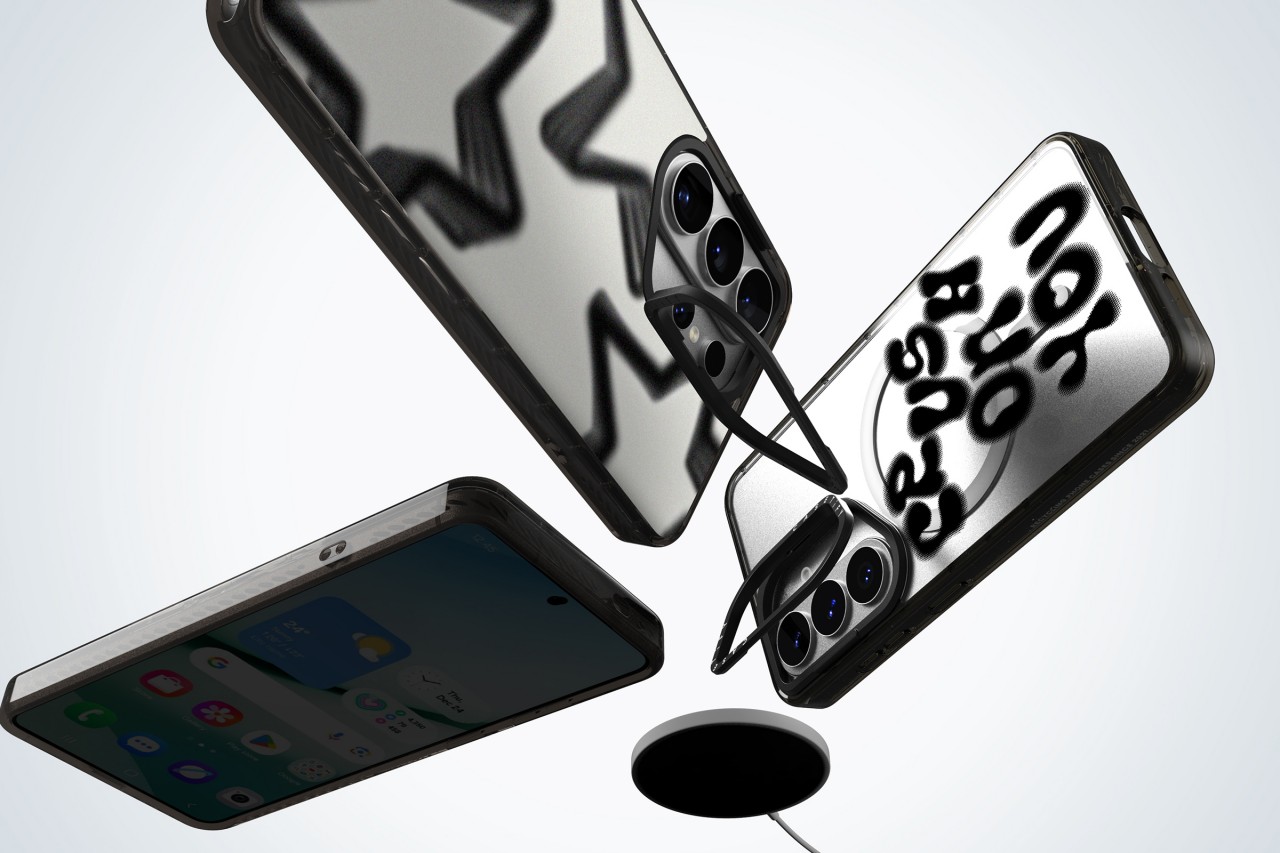
The new collection blends protection with personalization. Users can customize cases with photos and text or choose from bold, artistic prints across multiple case styles. The lineup also includes phone charms, body straps, magnetic accessories, screen protectors, and camera lens covers built specifically for the Galaxy S26.
Orders opened on February 25, 2026 via CASETiFY’s website.
Built for protection and everyday use
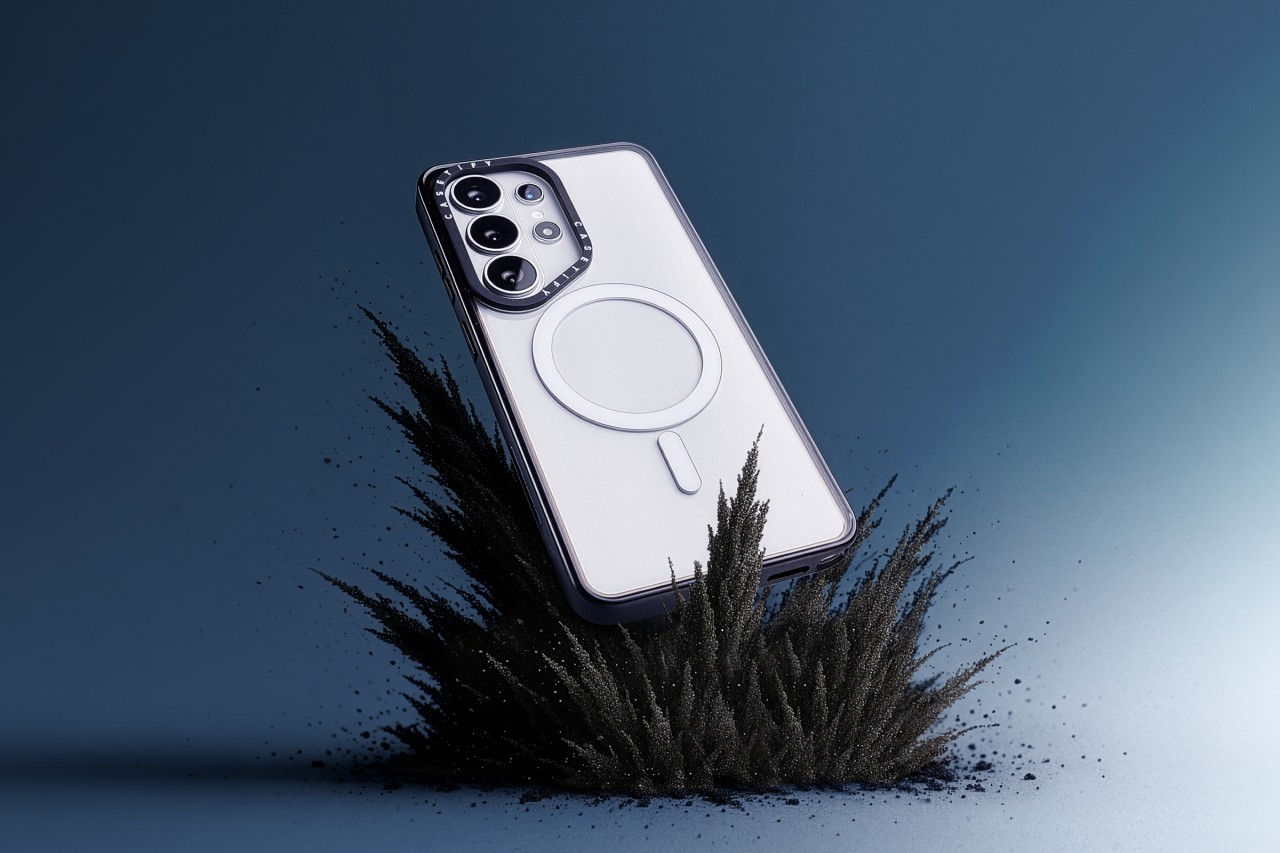
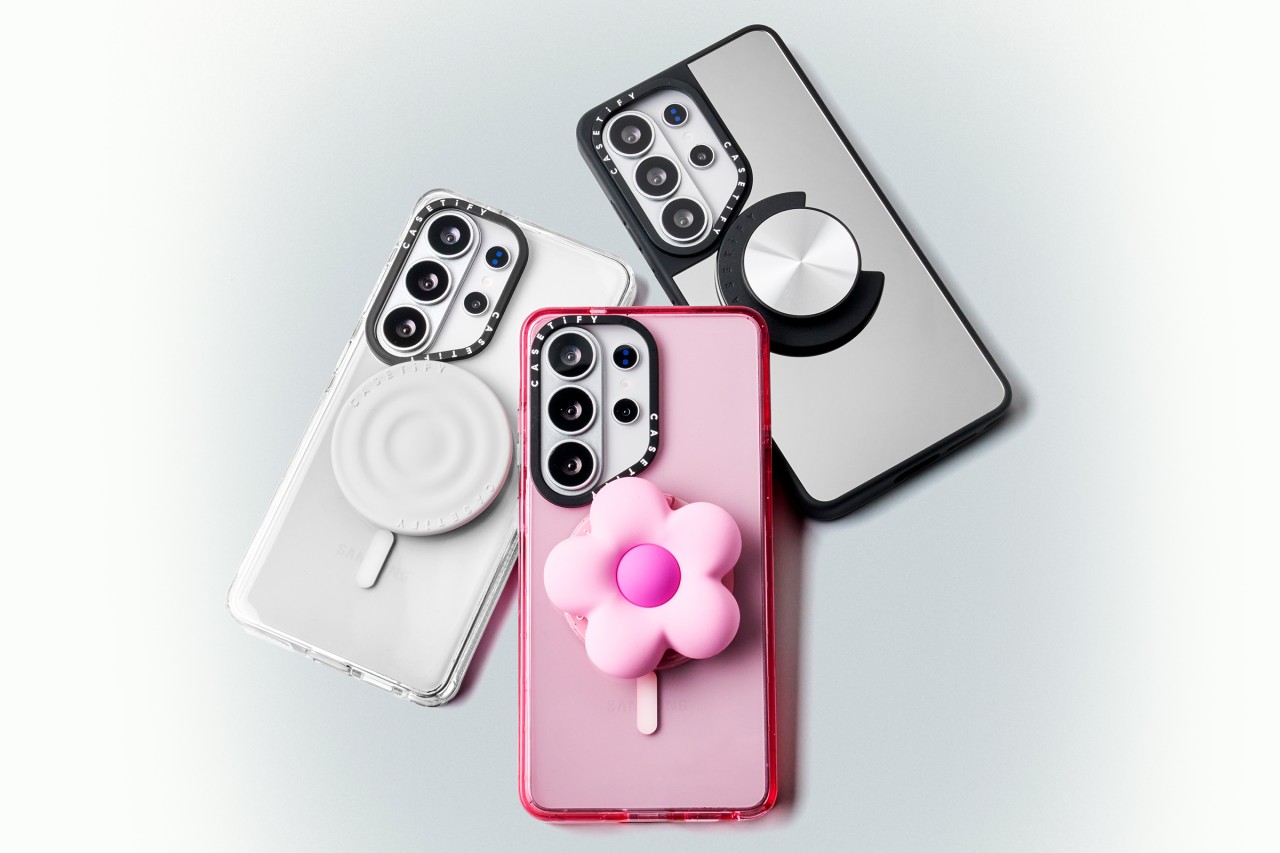
Leading the lineup is the Impact Ring Stand Magnetic Case ($85). It features a lifted camera ring with a built-in stand that adjusts from 0 to 150 degrees for hands-free viewing. The case carries 6.6-foot drop protection, 3x MIL-STD-810G certification, EcoShock cushioning, and CASETiFY’s Duo-Lock bonding system. It also supports wireless charging and magnetic accessories.
The Impact Magnetic Case ($70) increases drop protection to 8.2 feet with 4x MIL-STD-810G certification. It adds side sockets for charms and a raised bezel for screen protection.
For those who prefer a transparent look, the Impact Clear Magnetic Case ($70) focuses on long-lasting clarity and anti-yellowing materials. It offers 6.6-foot drop protection and 3x MIL-STD-810G certification.
Slim, glossy, and grip-focused options
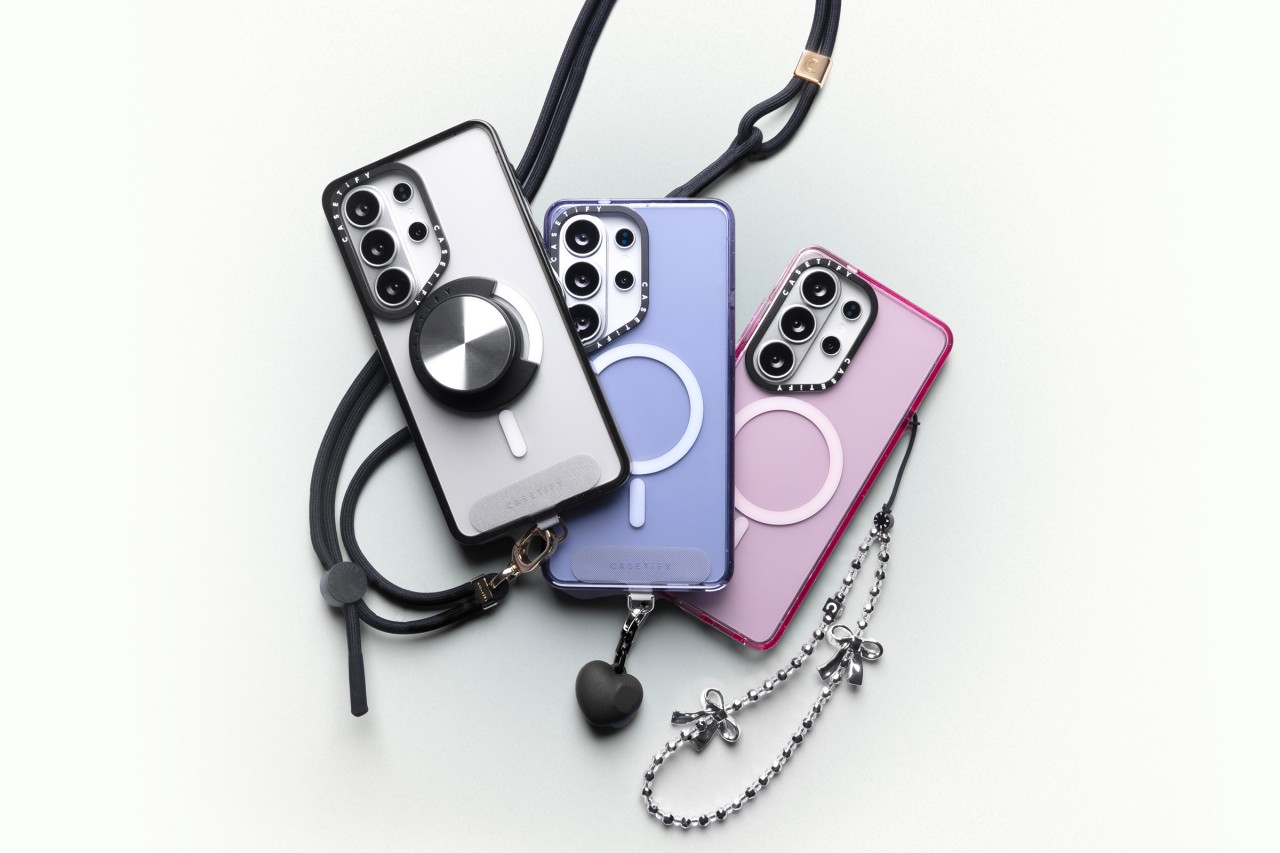
The Mirror Magnetic Case ($70) adds reflective functionality with 4.9-foot drop protection, while the Compact Magnetic Case ($55) targets users who want a lightweight, slim profile with 4-foot drop protection.
The Glaze Magnetic Case ($70) stands out with a scratch-resistant glossy finish and anti-print peel-off technology, paired with mirror functionality and magnetic compatibility.
Rounding out the collection is the Force Case by CASETiFY ($55), designed for enhanced grip and durability. It delivers 6.6-foot drop protection, 3x MIL-STD-810G certification, Duo-Lock bonding, and full wireless charging support.
With multiple case styles and accessory options, CASETiFY’s Galaxy S26 collection gives users room to match their device to their personality without compromising protection.

POCO X8 Pro Max review: A new beast from the far east
That "Pro Max" naming superlative is more than justified


POCO X8 Pro Iron Man Edition review: Midrange phone in superhero armor
POCO x MK15


Now Playing: Project Hail Mary
It's a treat for those who loved the original book.

GoTyme Bank, Visa partner for FIFA World Cup 2026 raffle giveaway

Spider-Man: Brand New Day first trailer hits hard — and gets weird

TUMI’s “Mediterranean Escape” brings vacation energy to Spring 2026 lineup

Switch 2 now lets you play old games in 1080p

OPPO Find N6 launches globally with near crease-free foldable display


-

 Reviews2 weeks ago
The Xiaomi 17 shoots Leica dream
-

 Gaming2 weeks ago
Ubisoft confirms Assassin’s Creed: Black Flag remake
-

 Gaming2 weeks ago
PlayStation will stop releasing its games on PC
-

 Hands-On2 weeks ago
OPPO Reno15 F 5G hands-on
-
 Gaming2 weeks ago
Project Helix is Xbox’s next console, and it plays PC games
-

 Computers1 week ago
GIGABYTE collaborates with Capcom for RE Requiem custom PC
-

 Entertainment7 days ago
The internet is thirsting over the One Piece Season 2 cast
-
 News2 weeks ago
Globe postpaid opens pre-orders for Samsung Galaxy S26 series