

The last decade went by just like that and we’ve seen evolutions of many kinds. Technology and the internet changed the world for better or for worse.
The way we understand, consume, and own things are now different from how they were just 10 years ago — from politics, health, culture, entertainment, travel; even the career opportunities available to everyone. Here are the technology that shaped the decade:
1. Short form video
Social media has made consuming and distributing information so much different from how it was many years before. One of the things to transform over the last decade is video.
TikTok
We’re starting the list off with the latest platform to take over the internet: TikTok.
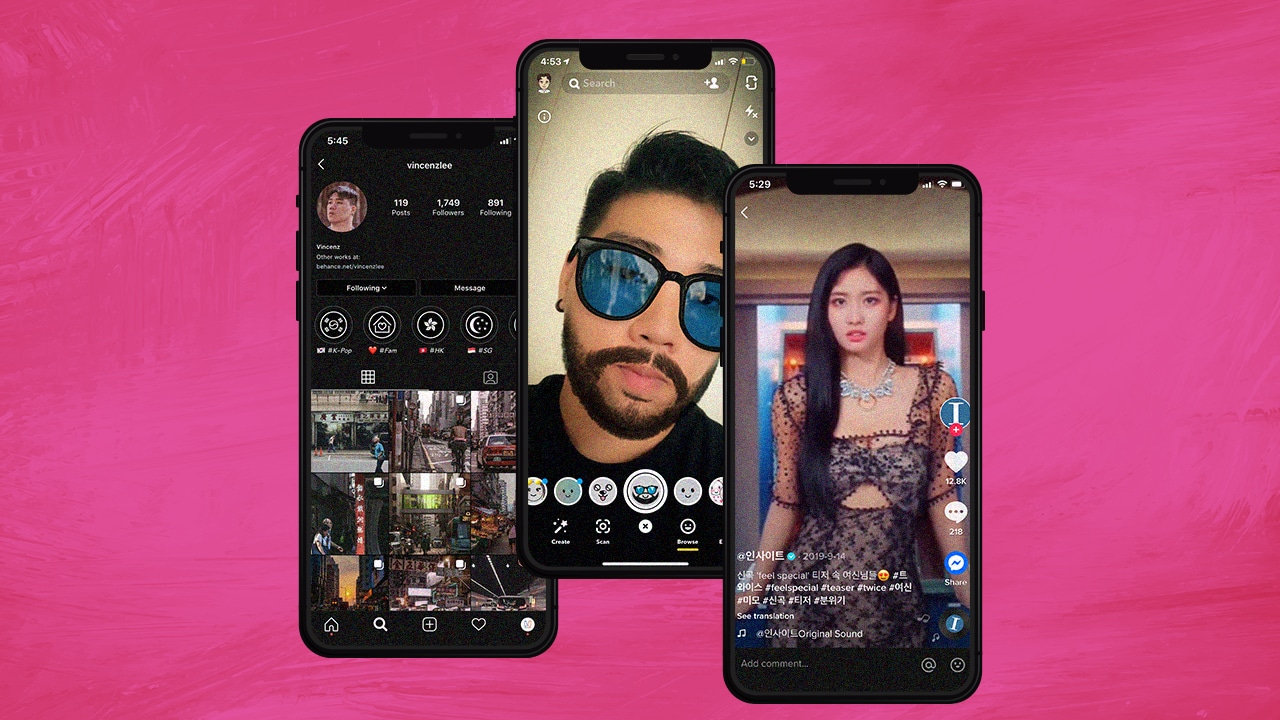
Reminiscent of the now-defunct app Vine, on TikTok users record videos of anything under the sun — from skits, to dance challenges, to cute pets.
A lot of these videos go viral not just on TikTok itself, but on other platforms too. The app is slowly becoming the next generation’s go-to app for sharing their activities on the internet and it’s bound to evolve even further from here.
Snapchat
A few years before TikTok got so popular, millennials used Snapchat — and a lot of people still do.
The idea behind the app is simple, yet unheard of at the time of its launch. Everything you post, whether a photo or video, disappears within 24 hours.
Not long after, Instagram copied the feature and called it Instagram Stories. Even though Instagram has long been the go-to platform for sharing mundane, everyday photos, it’s also evolved to a host of highly curated photos with themes, and grids.
Most recently, Instagram also launched IGTV, its answer to YouTube’s popularity.
Because of all its features, the app has created an entire industry of creators and influencers.
2. Livestreaming, YouTube, and other video creators
Speaking of industry, content creation and livestreaming on the internet became a thing this decade, too. It’s spurred new jobs and business opportunities that no one before thought was possible…
Twitch
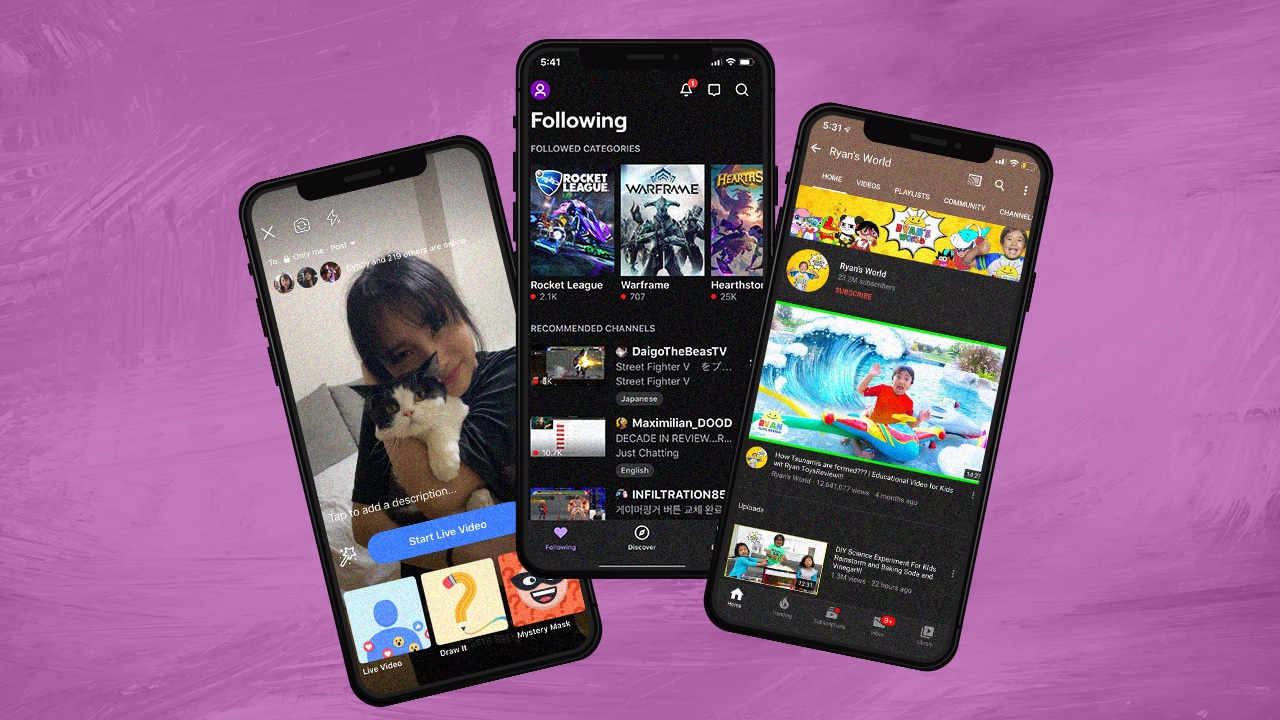
Apps like Twitch has allowed gamers to make a living out of streaming the games that they play including their reactions. Many users, even non-gamers, enjoy watching them.
YouTube
The market for these kinds of videos is so huge that on YouTube, the most popular channel is Swedish gamer PewDiePie. This year he surpassed the 100 million subscriber mark. No other YouTuber is even remotely close to reaching as many subscribers any time soon.
But the platform has become so popular that a lot of other users thrive off of it enough to make a living — from us tech YouTubers, beauty vloggers, to comedians — even kids! So much so that the highest-paid creator for the last two years is 8-year-old Ryan of Ryan’s World.
Facebook Live
It’s worth mentioning that Facebook Live and Instagram Live have also become another go-to platform for a lot of people. Us at GadgetMatch use them to answer questions and share unboxing experiences with you guys in real time.
3. Content streaming

This decade we didn’t just stream user-generated content; the way we consume movies, TV shows, and music also changed. Gone are the days of renting and buying DVDs, iPods, record players. Now we access everything with a few taps on our smartphones…
Spotify
I don’t know about you but all of my music I listen to on apps like Spotify and Apple Music. Instead of buying albums and owning multiple physical records, a subscription on these platforms gives me access to all my favorite artists and songs — on the go!
Netflix
The same goes for movies and TV shows. Everything can be played on demand with apps like Netflix, Hulu, HBO Go, and Amazon Prime Video.
You can watch them anywhere, and on any screen with friends, or family — even alone. Who says you have to go to the movies on your own when you can just do it at the comforts of your own home?
4. Communication and human interactions
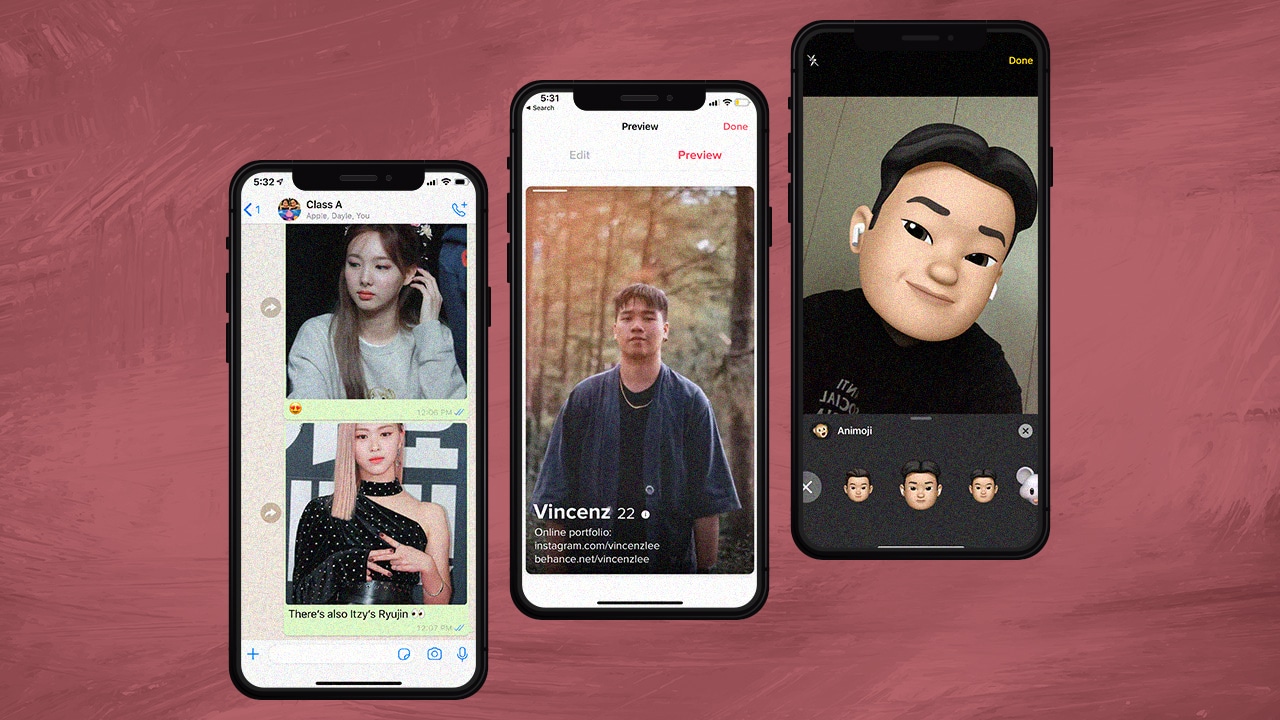
Netflix and chill with your significant other especially in winter is fun, too. Asking someone out to the movies is still pretty common, but meeting people and dating have also evolved in the last 10 years.
Tinder
Today, the act of swiping has taken on a whole new meaning — to swipe is to want to meet a stranger.
Dating apps like Tinder and Bumble have made it possible to connect people who are worlds apart, literally and figuratively.
It’s not just the way we form romantic relationships that changed; messaging apps like Whatsapp, iMessage, Messenger, and LINE have made talking to friends and family easier and a lot faster.
Conversations now unfold on our screens that often times we forget to put our phones down to talk in real life.
Emoji, stickers, and memes
Of course, not everyone is able to convey tone and context with just texting. With the help of emoji, stickers, and memes, communicating with someone miles apart has become more interactive and dynamic like never before.
5. Sharing Economy
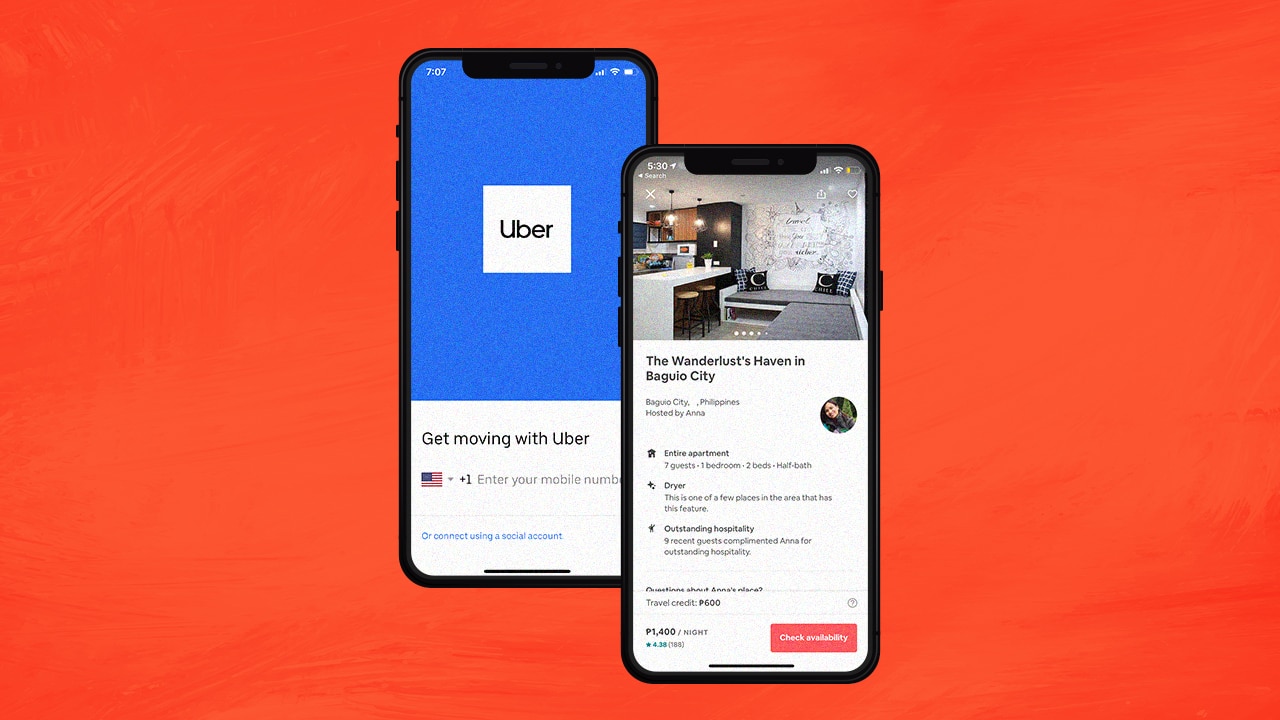
Having your own car or office has become optional for a lot of people thanks to the boom of the sharing economy.
Uber
Apps like Uber, Lyft, Grab, and Gojek have not only become an alternative to taxis, they’ve completely changed the face of mobility.
Millennials especially are choosing to use ride-sharing apps to get to their day-to-day — eliminating the need to worry about parking space, maintenance, and other responsibilities that come with driving your own car.
Airbnb
Why book a hotel when you can stay at a house with a kitchen, washer and dryer, and live like a local? That’s the idea behind Airbnb.
I personally love using Airbnb when traveling. Aside from being cheaper, you also get a chance to meet your hosts and make new friends all around the world.
6. Cash alternatives

More and more businesses and cities have been going cashless, but in many places it’s not just about having a credit card.
Mobile payments
In China for example, WeChat Pay or AliPay have become more common than both credit card and cash payments. In the US, there’s Venmo.
Even Facebook has Facebook Pay, LINE has LINE Pay, Samsung has Samsung Pay, Apple has Apple Pay. You get the picture. Maybe one day wallets will become a thing of the past, too.
Block chain
And then there’s block chain. It’s not necessarily become as widespread as we’d hoped but both startups and bigger companies use it as an alternative to wiring money abroad and pay salaries to employees who live in other countries, mainly to avoid losing a lot of money foreign exchange rates.
7. Hashtags

The use of hashtags have also changed over the years. From merely an identifier of tweets and instagram posts, hashtags have been used to spread awareness for illnesses (#icebucketchallenge), spark movements (#metoo) and give voice to the oppressed (#blacklivesmatter), and protest, start revolutions, and even oust governments (#arabspring).
8. Ports
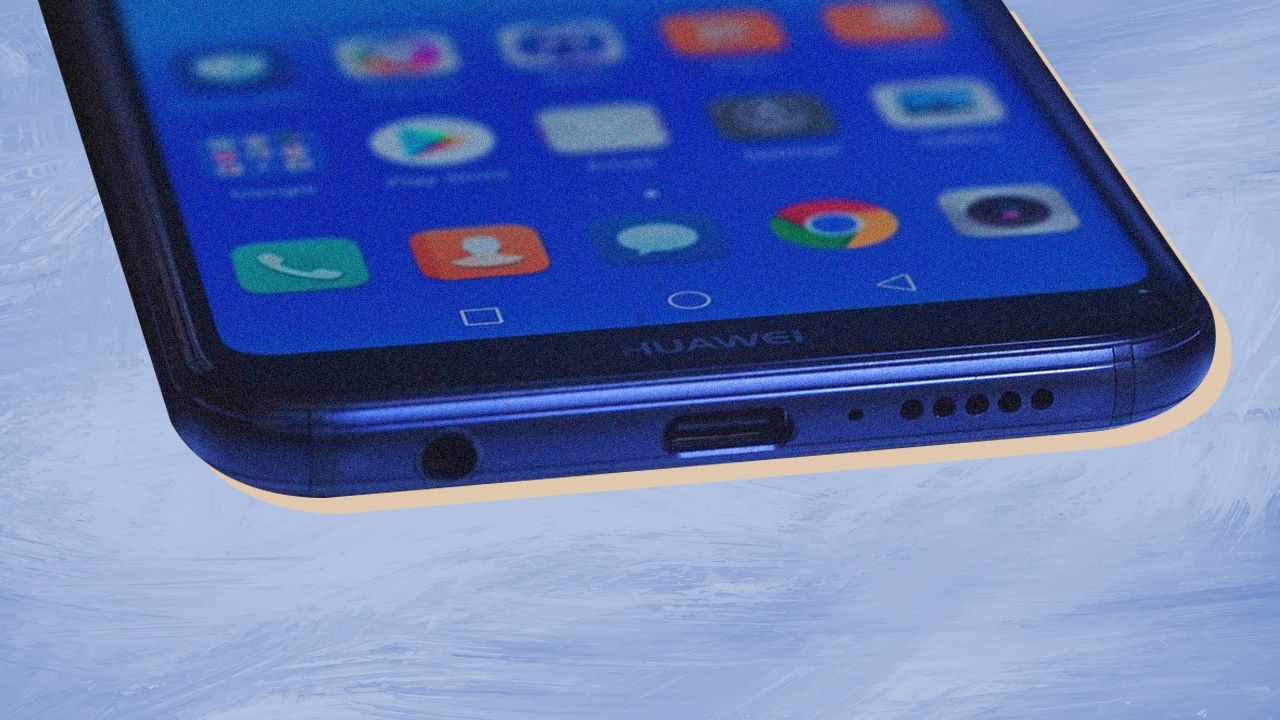
And now, to hardware. While a lot of ports evolved there are those that are also dying.
USB-C
USB-C is slowly replacing other ports for data transfer, charging — even audio listening.
3.5mm audio jack
The headphone jack is starting to become obsolete in a lot of devices as brands seek to make phones and laptops more compact and portable.
The last decade has also seen concept devices without any ports at all… but we probably won’t see those come to fruition until the next few years.
9. Big Display
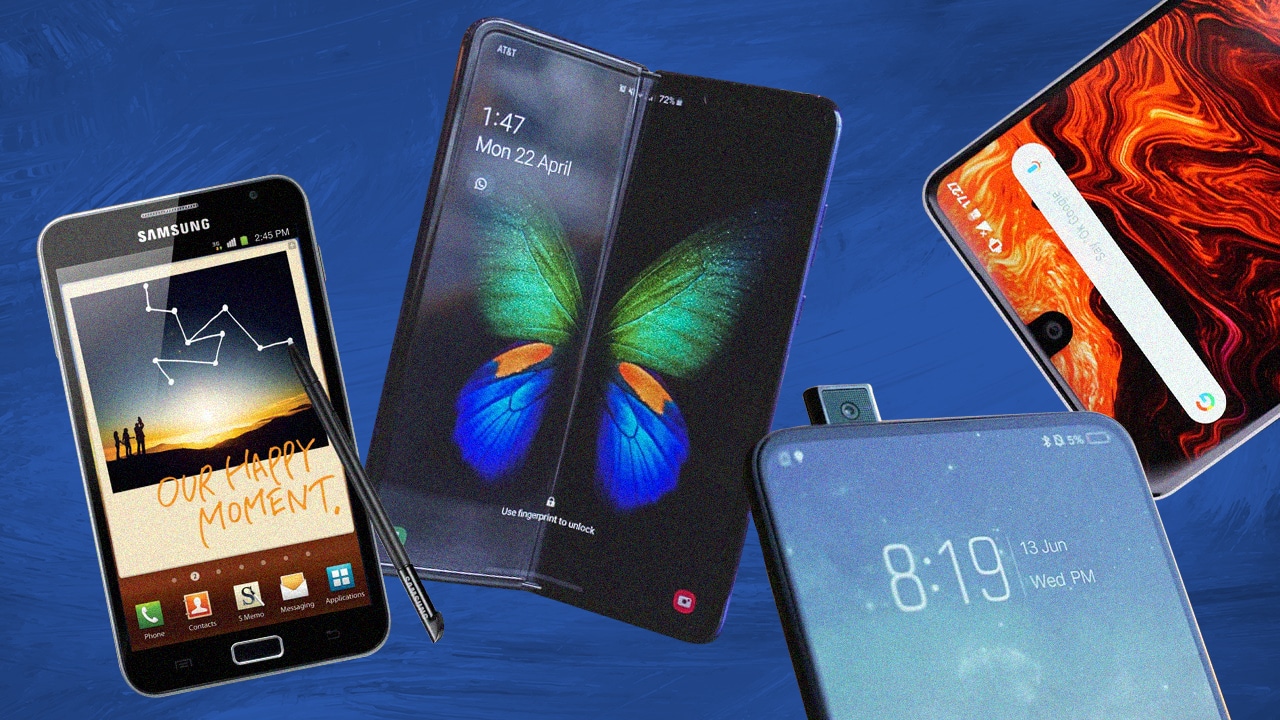
Probably the most notable change that we’ve seen is that on the tangible thing we interact with the most in our day to day: the smartphone display.
Galaxy Note
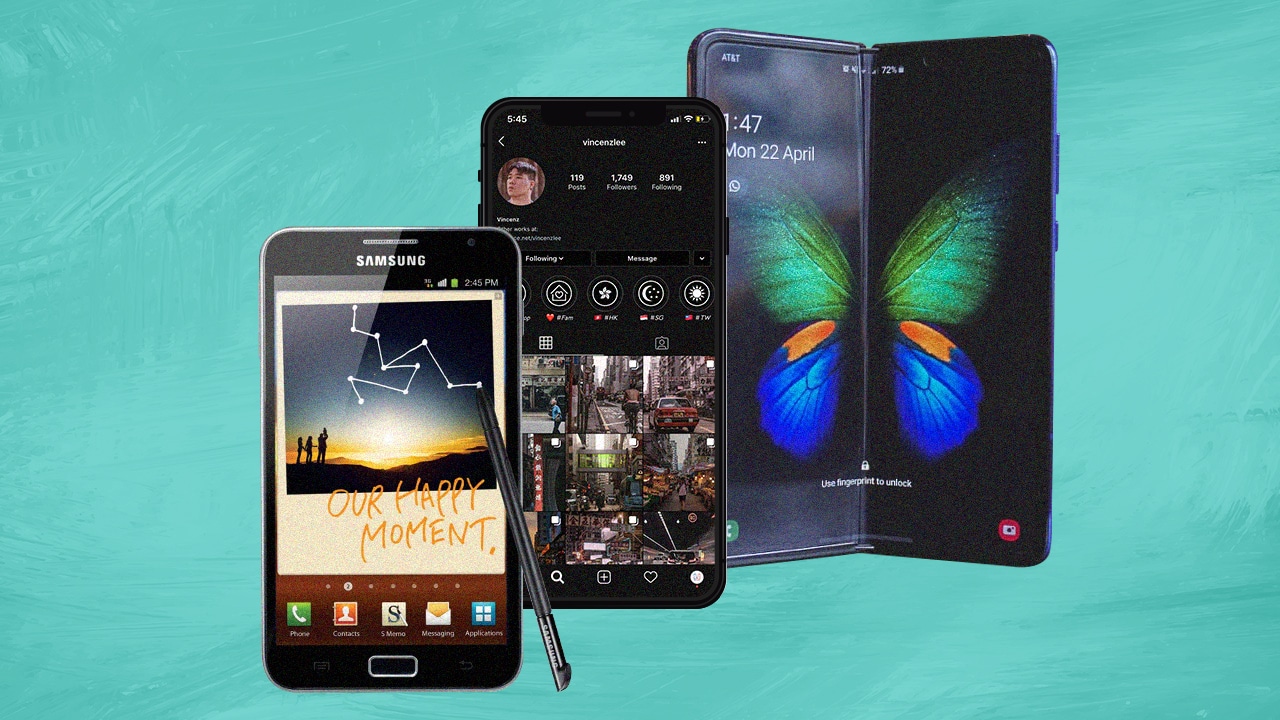
Initially mocked by Apple founder Steve Jobs when it launched, the Samsung Galaxy Note was the first to popularize the form factor of phones we’re enjoying today.
Now the big display is common, and small phones the rare Pokemon.
Notch
In more recent years manufacturers have been finding ways to make the big display experience even better. They removed bezels and used the infamous notch instead.
The experience has been a hit or miss; I personally don’t mind it as much.
Pop-up camera
Another solution that brands have come up with is the pop/up camera.
Although really cool at first we know this is pretty temporary until tech like underdisplay cameras become more developed.
Foldable
Last but not the least, while it hasn’t exactly shaped the decade, the foldable display is paving the way for the next one.
Based on what we’ve seen so far, it’s going to be really exciting. We can’t wait for it to develop and reach its peak, and forever change the way we use our devices.
Which tech changed the way you live the most? And which one are you most excited about? Let us know in the comments below!



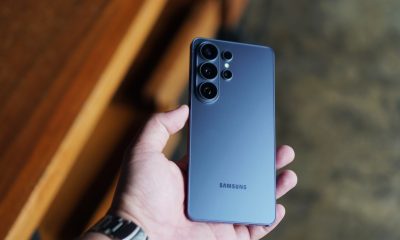




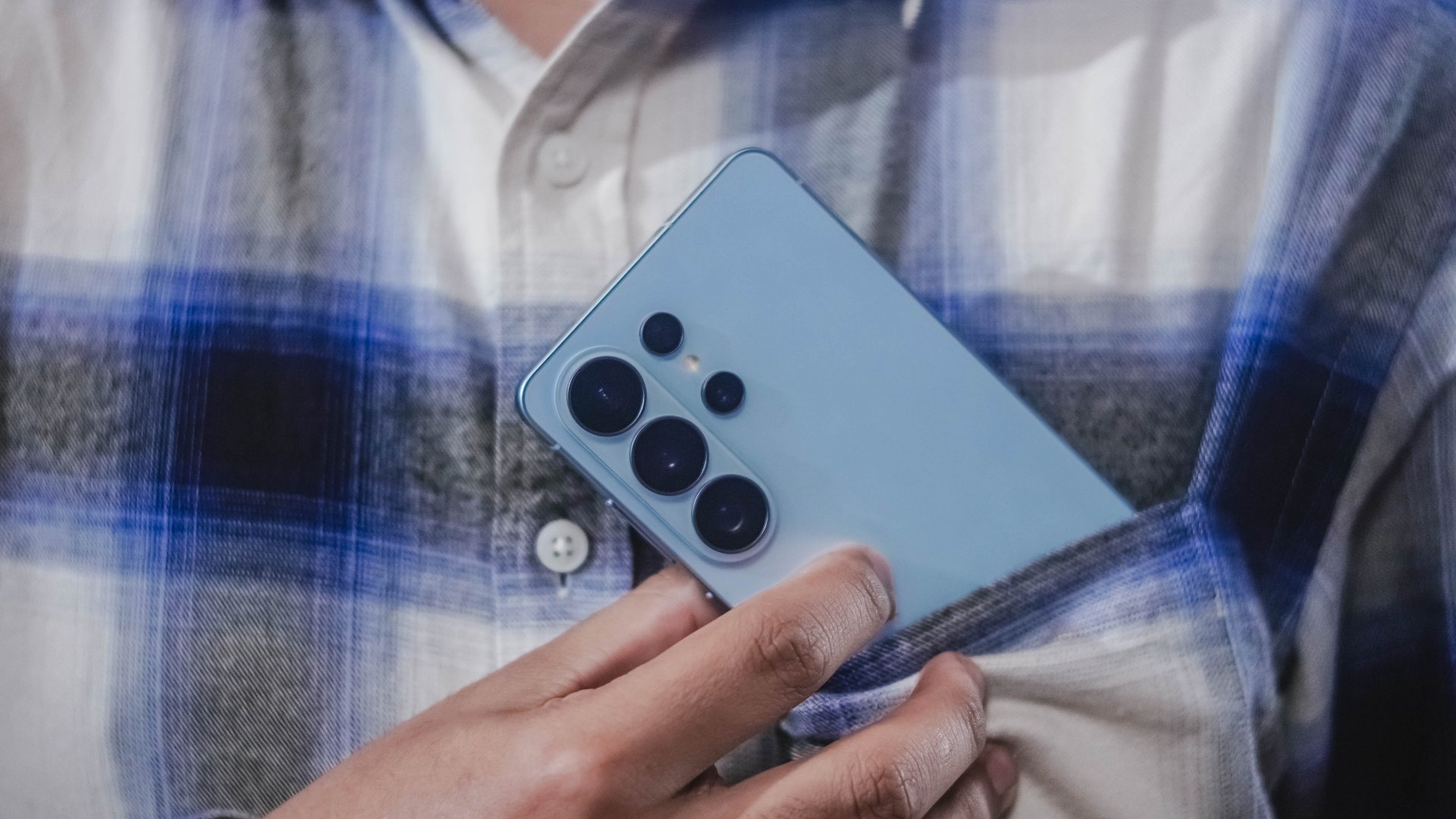
@gadgetmatch A phone that does more… so you can focus more on the moments that matter. The Galaxy S26 Ultra lets Galaxy AI handle the small stuff so you can stay present for the moments that matter. Also great for the occasional KPop concert video. Pre-order until March 17 and get double storage worth up to PhP 14,000. https://www.samsung.com/ph/smartphones/galaxy-s26-ultra/buy/ #GalaxyS26Ultra #EverydaywithGalaxyAI @samsungph ♬ original sound – GadgetMatch
Here’s the dream: a phone that helps you stay on top of things, so you can focus more on what matters.
That’s basically the idea behind Galaxy AI on the Samsung Galaxy S26 Ultra.
Instead of adding more things to do, the phone helps take care of the small stuff for you. Things like reminding you what’s next, or surfacing the information you need right when you need it.
So you spend less time digging through apps and more time actually doing the things you planned to do.
Editing photos is easier too. With Photo Assist, you can just describe the change you want… and Galaxy AI fills in the rest.
And if you’re cleaning up a video, Audio Eraser can reduce background noise — even from clips on third-party apps like Instagram or YouTube.
The point isn’t to make your phone the center of attention. It’s to make it helpful enough that you can forget about it for a while. Until something worth capturing happens.
And when things get a little chaotic — like concerts, street performances, or just life moving fast — Super Steady Video helps keep your shots level.
That’s definitely coming with me to the next K-pop concert.
The Galaxy S26 Ultra. Smarter phone. Slightly less stressed me.
Pre-orders are open now — with double storage for early buyers, plus additional discounts and installment offers from participating banks.
Which is great… because apparently I shoot way too many videos.
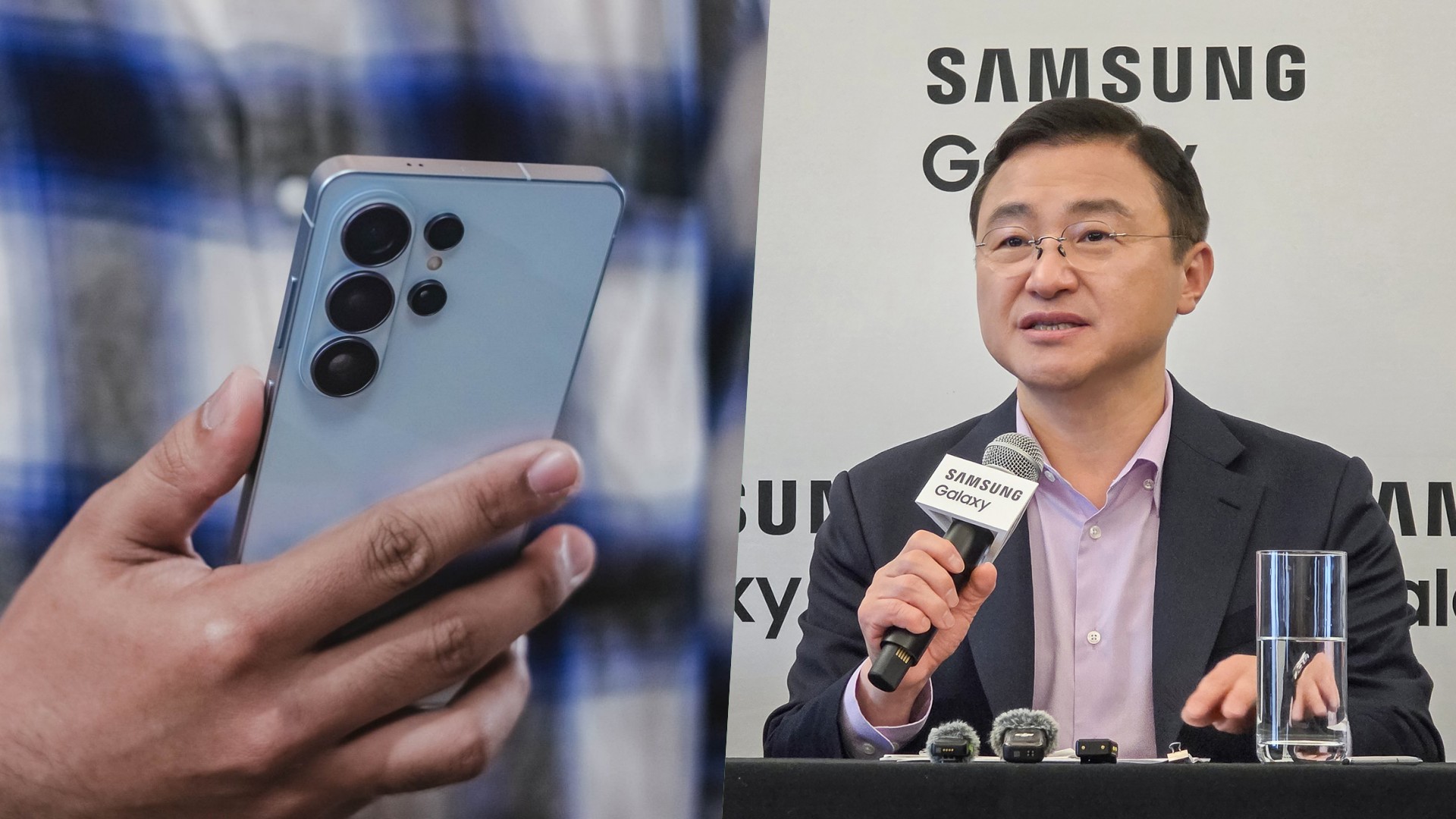
For more than a decade, the smartphone industry has been defined by a familiar race. More megapixels. Faster processors. Bigger batteries. Thinner designs. Being first. Being the most. And being the fastest.
The industry rewarded brands that appeared to be chasing specs. Bigger numbers meant progress. At least on paper.
But if you ask Samsung, the days of chasing specs may no longer define the future of Galaxy smartphones.
During a regional roundtable following the launch of the latest Galaxy devices, I asked TM Roh how the company decides when it’s time for a major hardware upgrade if it isn’t simply chasing specs.
His answer revealed how Samsung now approaches the future of its flagship smartphones.
According to Roh, hardware upgrades are increasingly tied to how well they support Galaxy AI.
“To make Galaxy AI run smoothly, it must be backed by strong hardware,” Roh said during the session, speaking through a translator. He added that Samsung develops its hardware, software, and AI capabilities together — and that major upgrades tend to arrive only when the company reaches what he described as the “desired level of excellence.”
(Quotes are approximate translations.)
“To make Galaxy AI run smoothly, it must be backed by strong hardware.”
(Approximate translation from TM Roh during the roundtable)
In short, Samsung says it’s no longer chasing specs for the sake of winning spec-sheet battles. Not anymore.
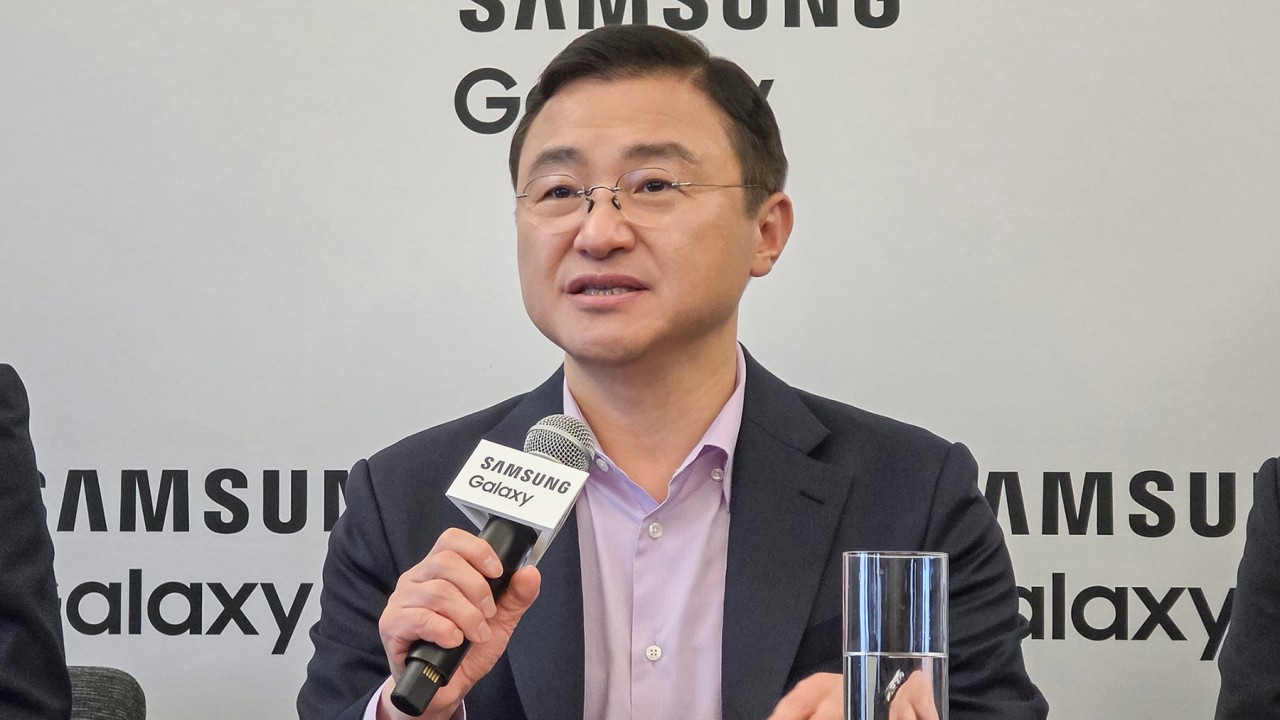
Samsung CEO TM Roh answering questions at a media roundtable in San Francisco
When hardware stops chasing numbers
Hardware innovation still matters. But Samsung increasingly frames those improvements as tools that enable smarter software experiences.
During the roundtable, Roh pointed to Samsung’s custom application processors, which now include stronger neural processing capabilities designed to handle AI workloads more efficiently. Dedicated hardware is also being introduced to strengthen privacy and security — including technologies embedded directly into the display. (See: Privacy Display)
Even cameras, historically one of the biggest battlegrounds for smartphone innovation, are evolving in the same direction.
Roh noted that while sensors and lenses remain important, modern smartphone photography now relies heavily on AI-powered image processing working alongside the hardware. This could also explain why, as of writing, Samsung has resisted the extra telephoto lens accessories that is prevalent with other brands.
The shift is subtle but important. Instead of emphasizing bigger numbers on spec sheets, Samsung positions hardware upgrades as part of a broader system designed to support intelligent software.

Why Samsung gets dunked on online
That philosophy, however, exists in tension with how smartphones are often discussed online.
In a landscape driven by benchmark charts and viral comparisons, incremental refinement rarely generates the same excitement as dramatic hardware leaps. Over the past few years, the Galaxy S series has occasionally become an easy target for criticism — especially as rival Android manufacturers compete to deliver the biggest numbers, the fastest charging speeds, or the thinnest designs.
The temptation in tech media, particularly on platforms like YouTube, is often to dunk on Samsung rather than examine the nuance behind its approach. Spectacular upgrades and dramatic spec sheets make better thumbnails.
Yet listening to Samsung executives across multiple briefings reveals something interesting: the messaging is remarkably consistent. Whether discussing cameras, processors, or ecosystem features, the company repeatedly returns to the same principle. Hardware innovation matters most when it unlocks a better overall experience.
A company that knows its role
That consistency suggests Samsung knows exactly who it is in the smartphone industry.
As the largest Android smartphone manufacturer globally, Samsung occupies a position where competitors often measure themselves against it. Many brands differentiate by pushing aggressive specifications or experimenting with bold hardware changes.
In many ways, everyone else is punching up.
Scale changes priorities. When you’re building devices for hundreds of millions of users, the focus shifts toward reliability, ecosystem integration, and increasingly, AI-powered experiences that work consistently across products.
Why Southeast Asia matters in Samsung’s AI strategy
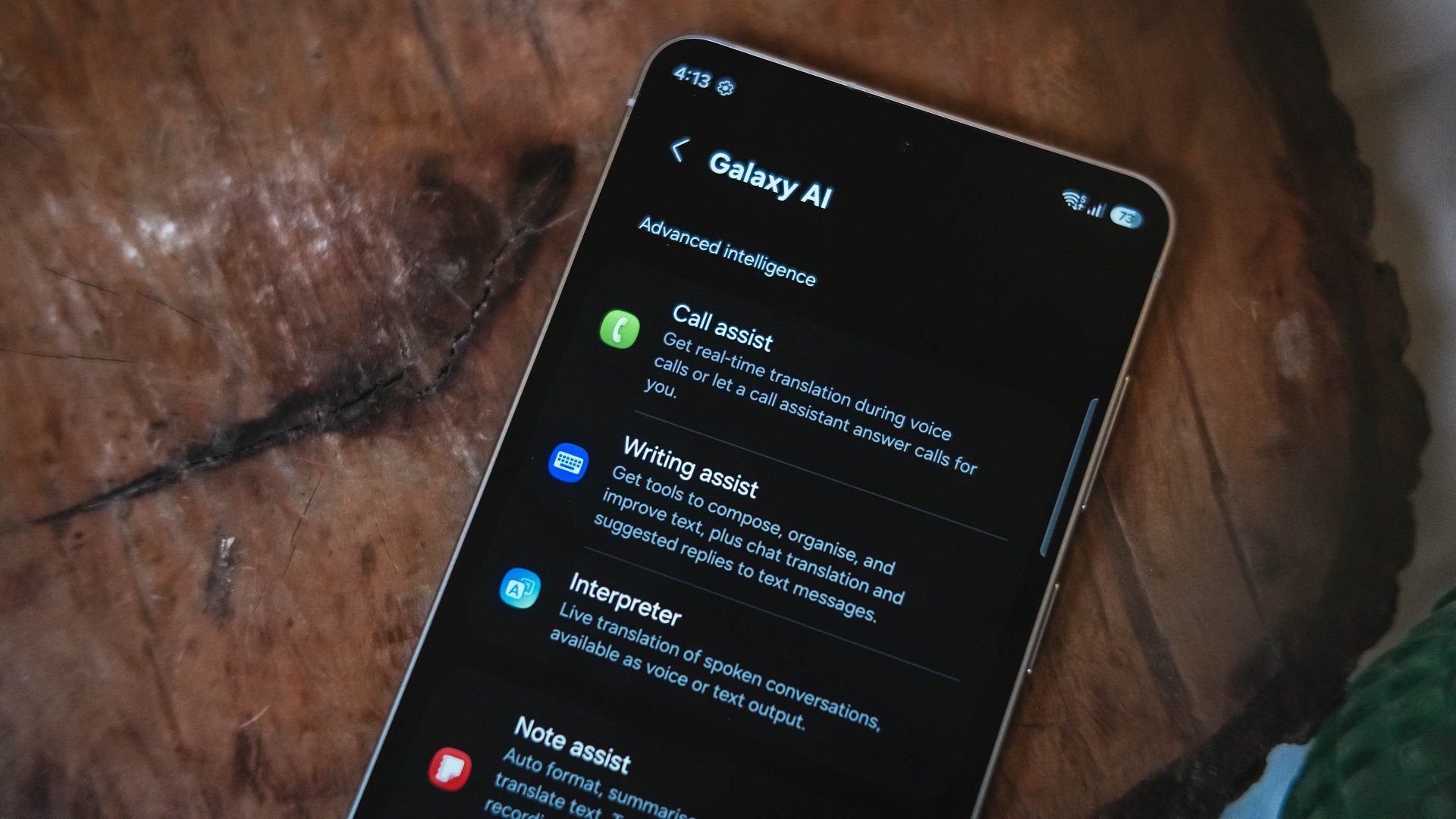
During the roundtable, Roh also emphasized the importance of Southeast Asia and Oceania to Samsung’s AI strategy.
According to the company’s internal research, the region ranks among the most receptive markets for AI-powered mobile features. Younger demographics and heavy social media usage are driving adoption.
In markets where smartphones are central to communication, content creation, and digital services, AI-powered tools — from translation features to image editing — have found strong traction.
That context helps explain why Samsung continues to position AI as the defining layer of its next-generation devices.
Is the smartphone spec race ending?
For years, smartphone makers built their identities around chasing specs.
Bigger numbers meant better phones. Faster chips meant progress.
Samsung, it seems, is chasing something else.
Whether that bet ultimately reshapes the smartphone experience remains to be seen. But if Roh’s comments are any indication, the next major leap in Galaxy hardware won’t happen simply because the numbers can go higher.
It will happen when Samsung believes the experience — not the spec sheet — is ready to move forward.

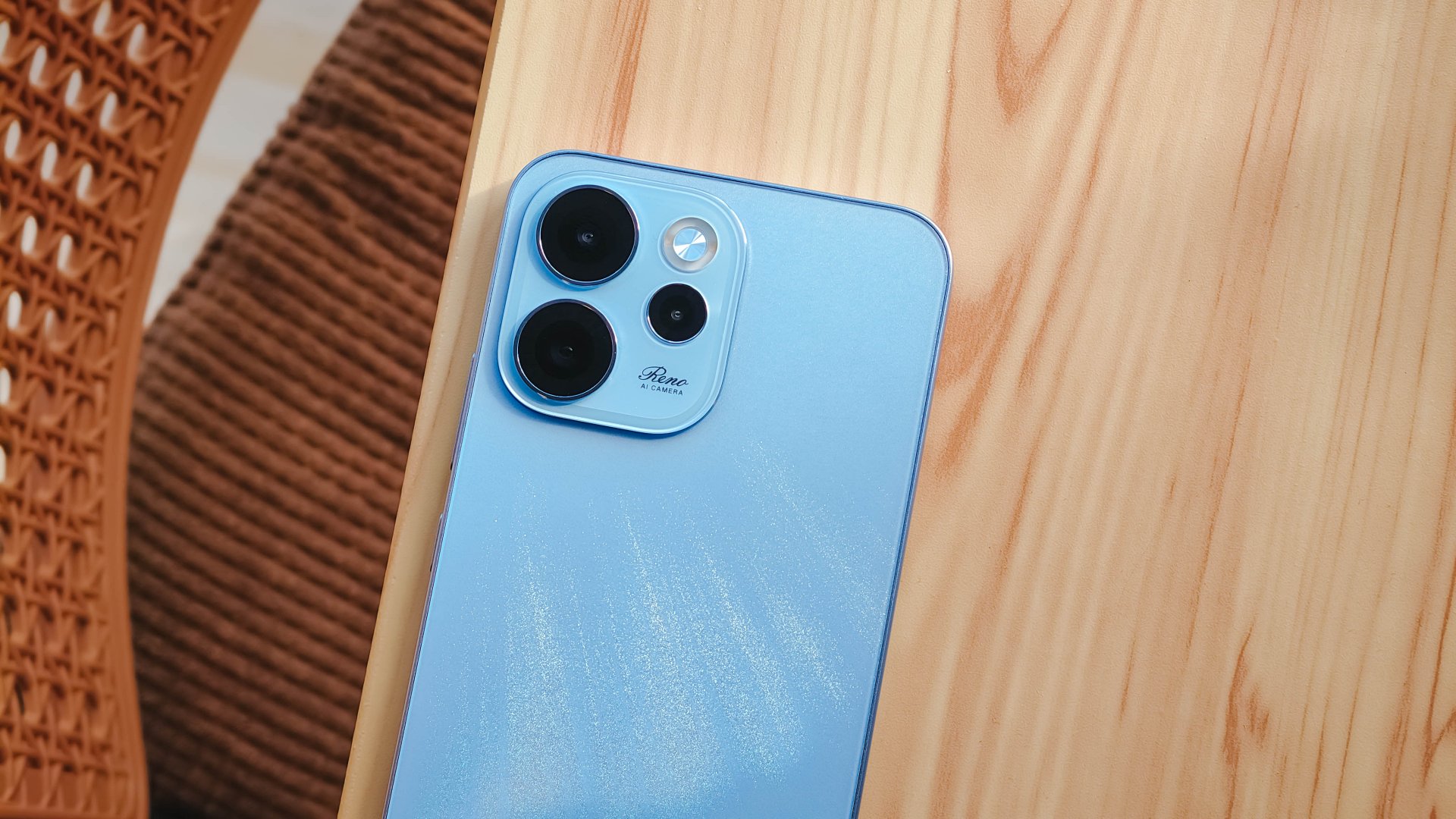
The OPPO Reno15 Series 5G made its way to the Philippines last month, and reception has been pretty great so far.
With a powerful camera package, AI, and a slew of upgrades, there’s a lot to love and not much negative to say. But that’s with both the standard and Pro models.
On the other hand, with the Reno15 F 5G — the series’ supposed budget-friendly “lite” variant —there were more question marks than exclamation points.
I attack this piece once more from a consumer standpoint: shelling out PhP 23,000 to PhP 26,000 for a midrange smartphone that feels and performs like it’s a few notches below its segment doesn’t sound too pleasant.
Performance
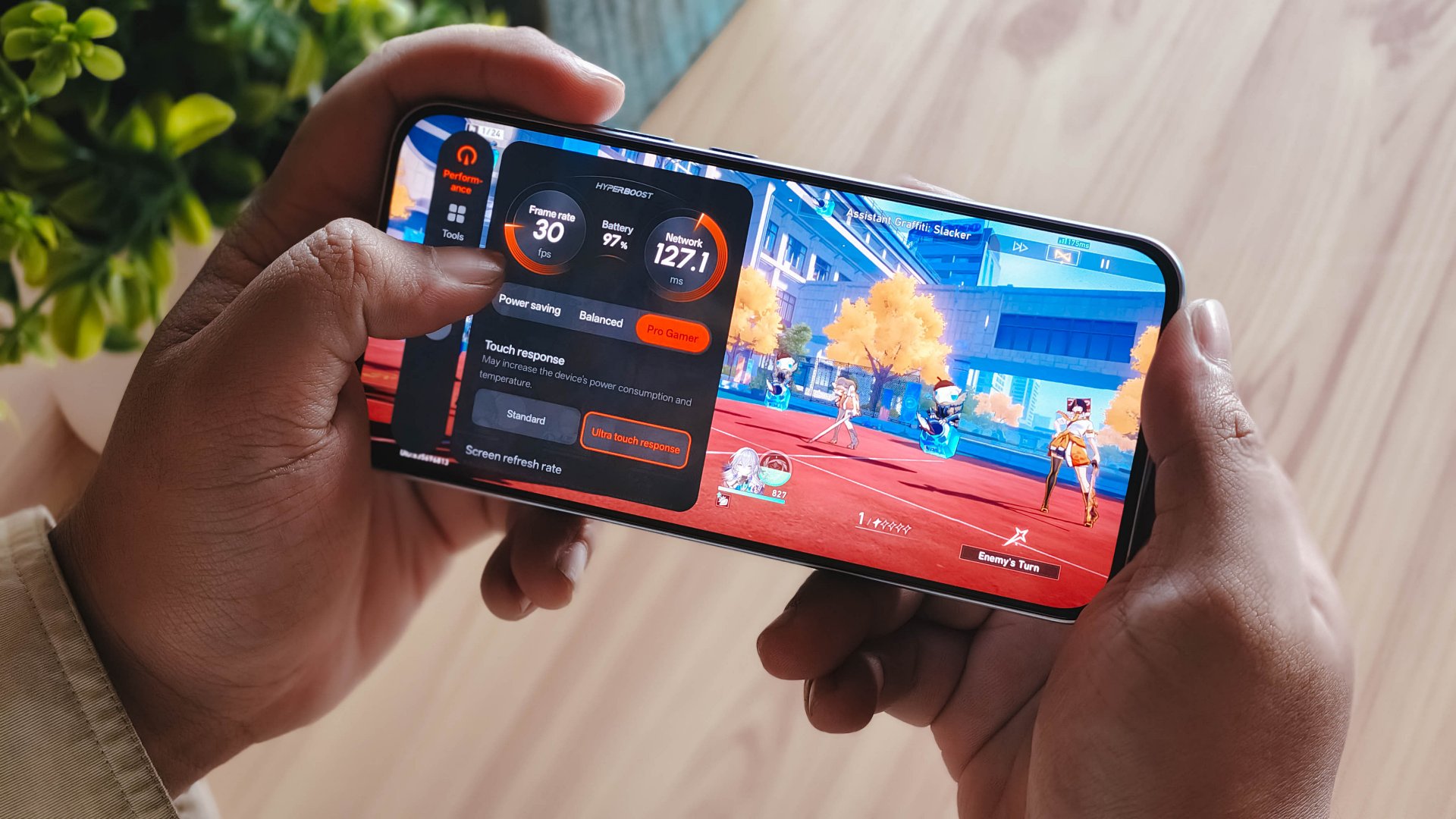
With a Snapdragon 6 Gen 1 processor, the OPPO Reno15 F performs pretty much like any sub PhP 20,000 mid-ranger. It’s acceptable, but does not punch above its weight as expected.
No major hiccups for light and casual usage. But performance struggles a lot for demanding video games.
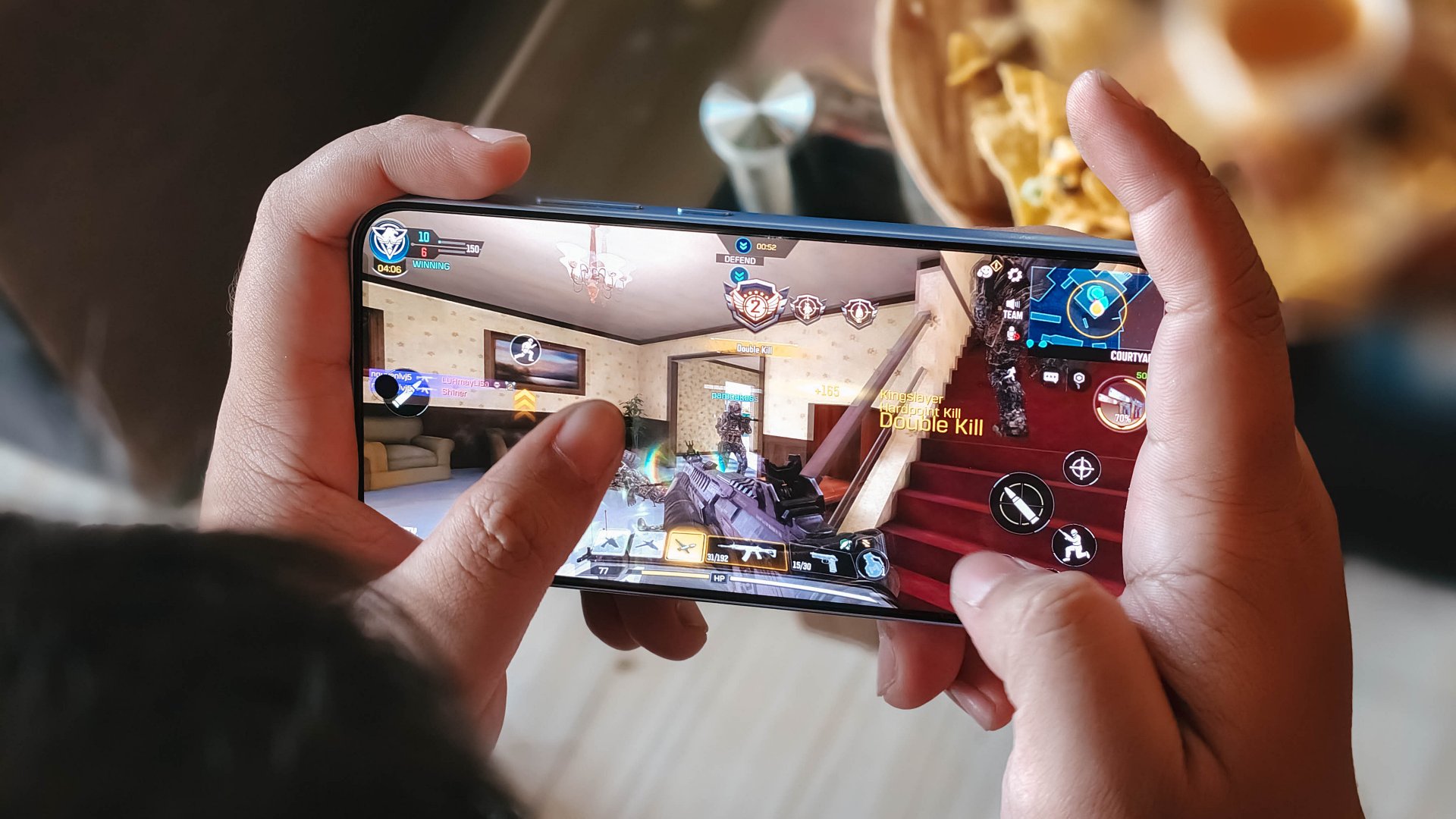
It also heats up significantly just 10 minutes into a title like Honkai: Star Rail. This is a stark contrast to the marketed 25℃ and up to 10 hours straight of smooth gameplay.
Although, the experience was still enjoyable with several wins and MVP runs in Call of Duty Mobile. It only means the F variant remains a more camera-centric phone rather than an a hard-hitting all-arounder.
As with other devices, the 7000mAh battery with 80W SUPERVOOC is a strong suit. You’re fueled from dawn ’til dusk, with much to spare. Recharging takes a breeze, too.
Display
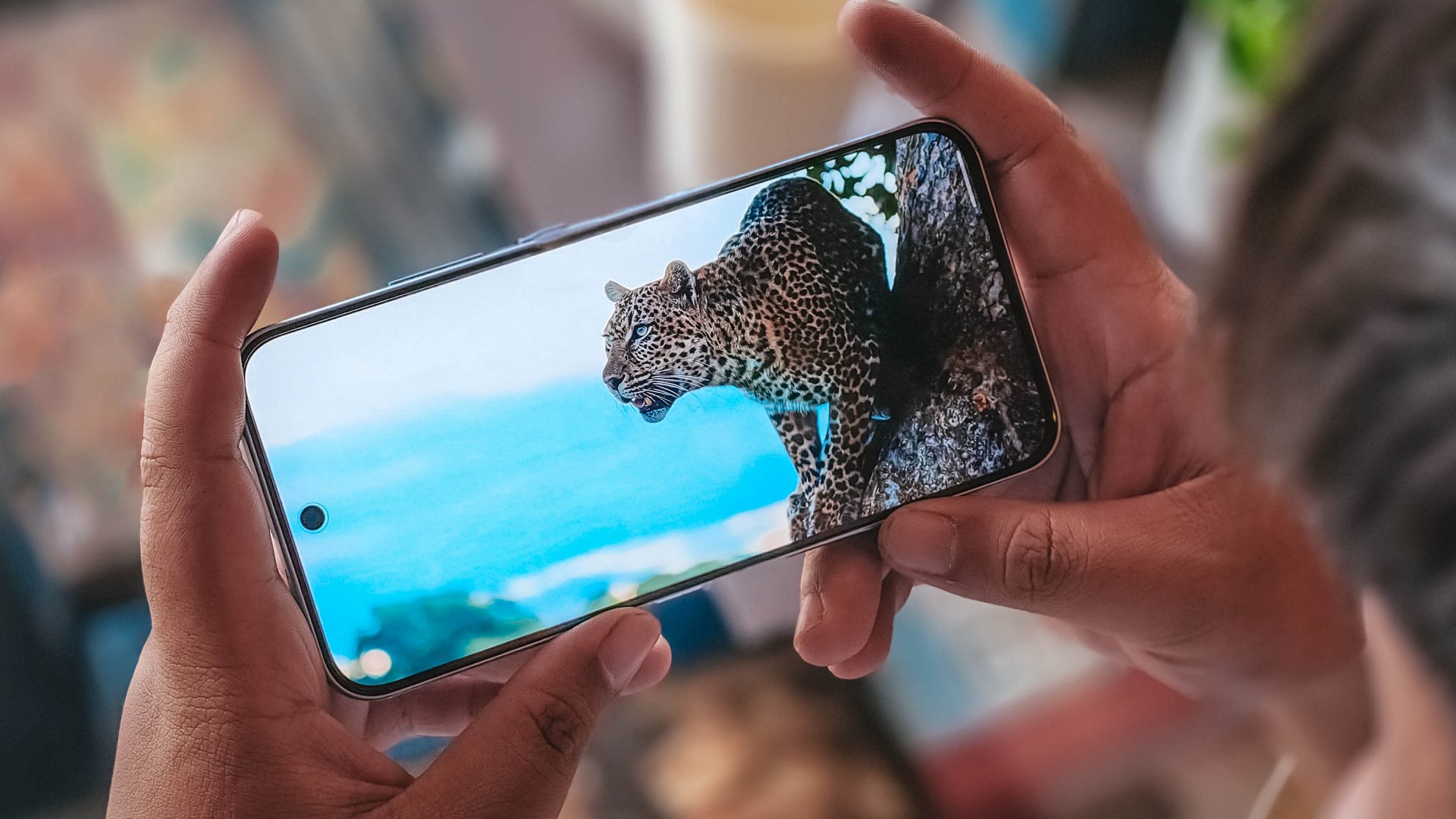
The OPPO Reno15 F has a 6.57-inch 120Hz display, with a 92.8% screen-to-body ratio. At least, that allows you to focus on content on the screen.
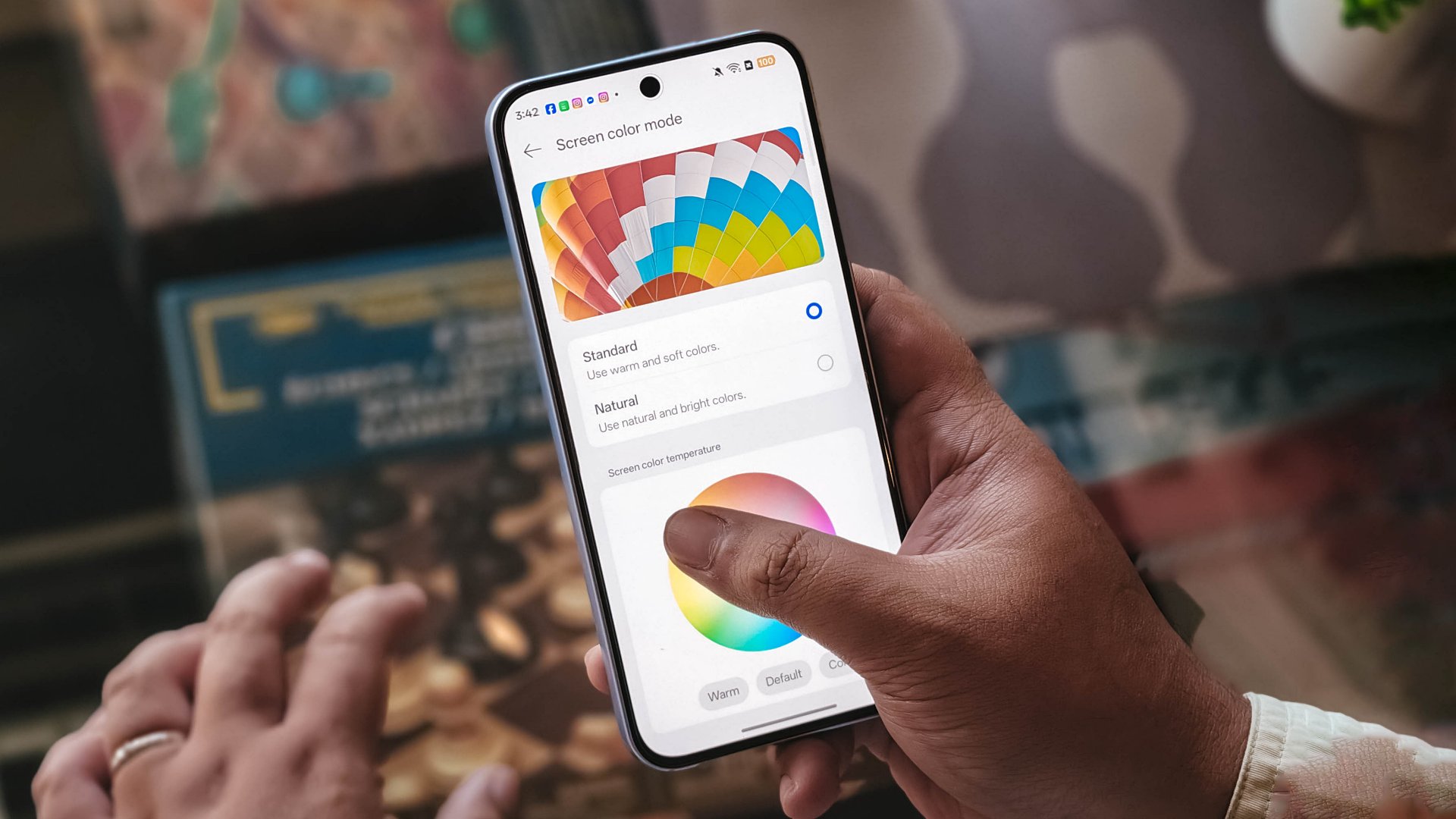
Content leans more towards the cooler tone, so you’ll have to adjust it manually if you want a warmer or more vivid look.
The 397ppi pixel density is fine to ensure sharper visuals, while the 1400 nits peak brightness is helpful outdoors.
Camera
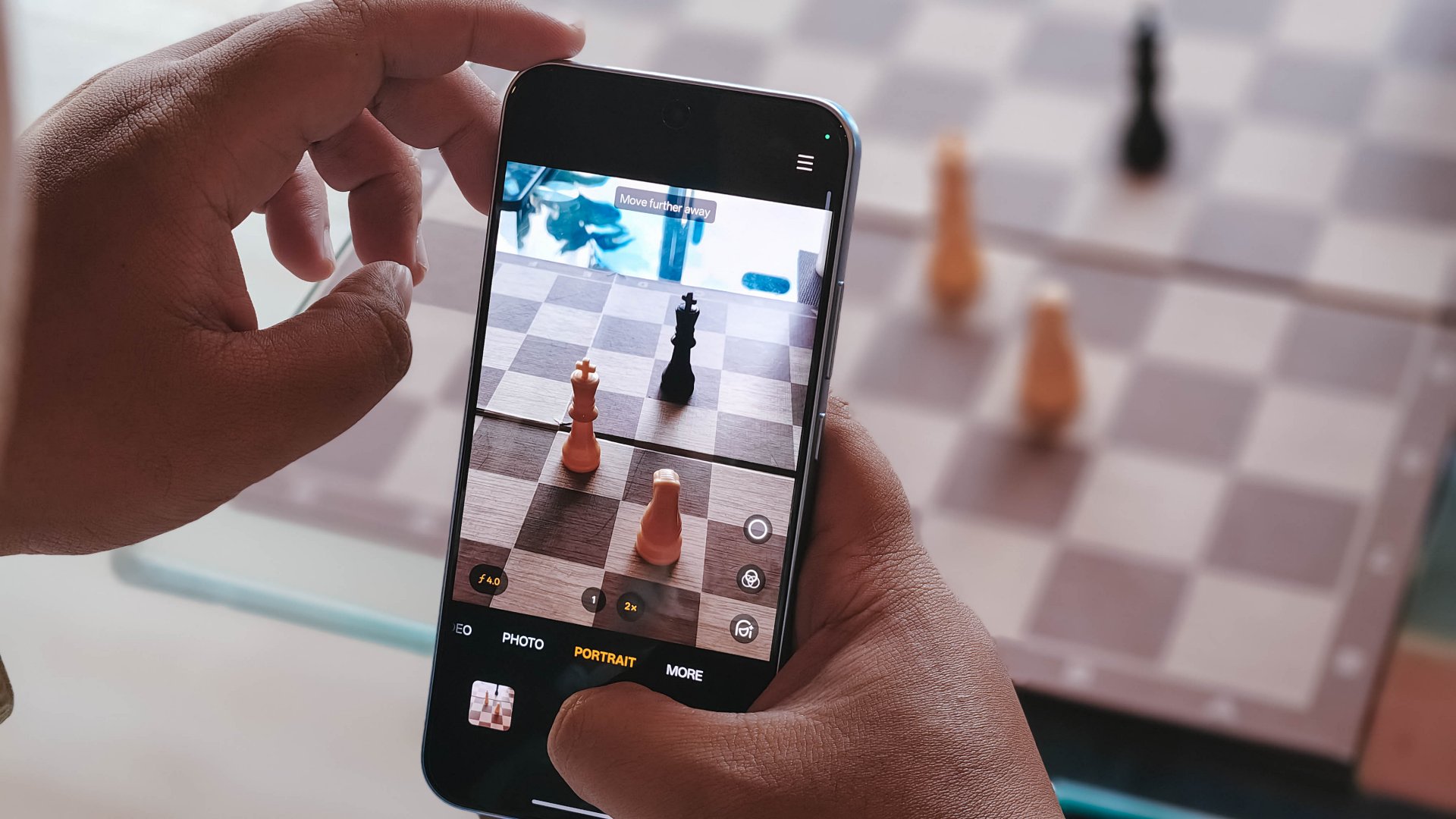
The device’s 50MP main camera captures decent quality. The color science leans on being natural anew, without being too dull nor washed out. You can pull off smooth portraits too.
I hardly used the phone for stills as I focused on videos, but here are some samples, on the occasions I was able to take the handset with me:












The 50MP front camera is an intriguing add-on, as it is capable of up to 4K video and a wide 100° field of view.
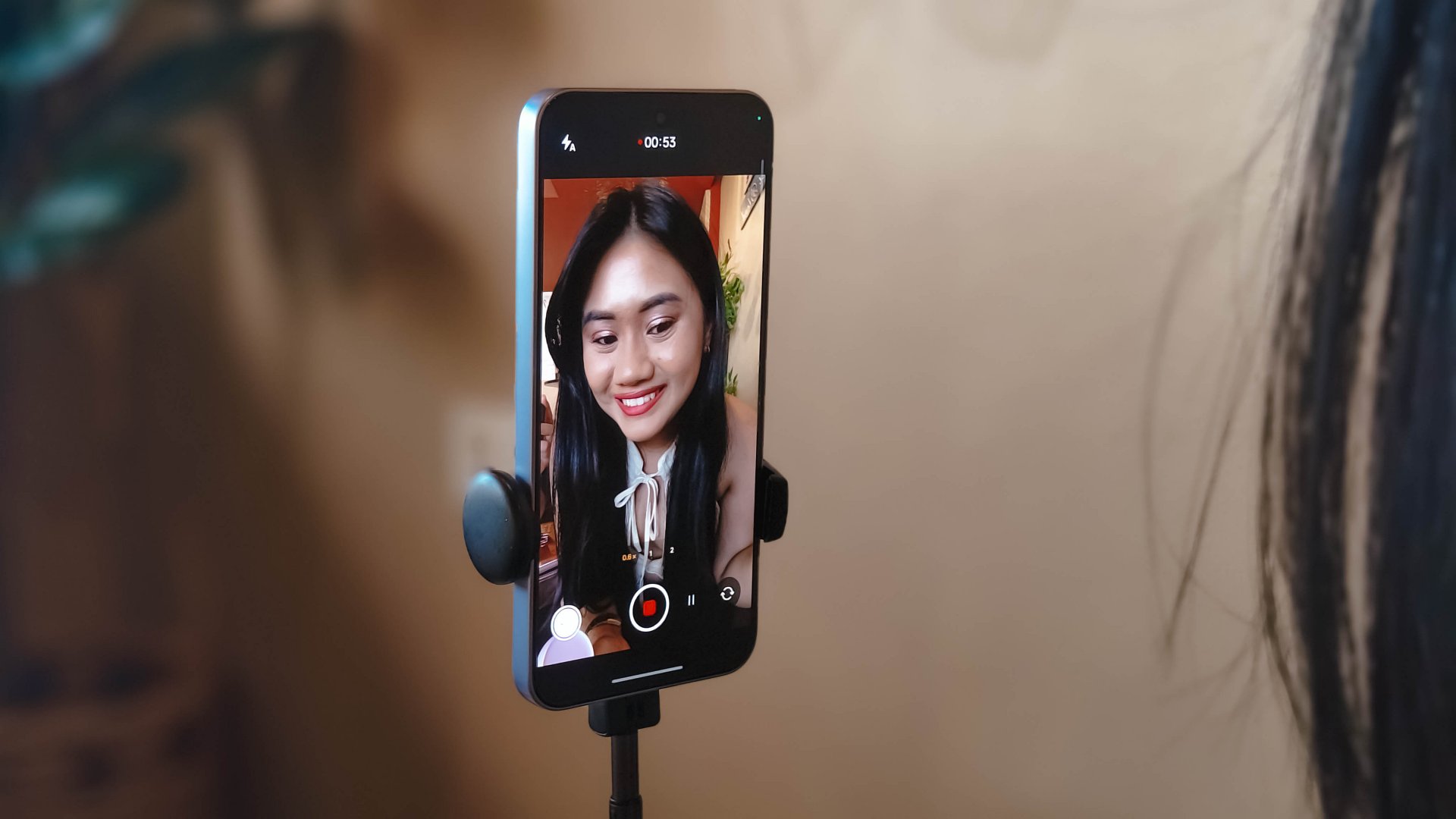
What this does is it essentially removes the need to flip your phone for the popular “0.5” shots. And the quality doesn’t get compromised given the pixel count.
Here are some selfies from different focal lengths:




To its credit, filming with the back camera at 60fps does look and feel smooth, although it can be improved.

Same with the front camera; and the zoom range can be switched from 0.6 to 2x without cutting the recording.
Although, it’s still best to use a selfie stick or small tripod if you’re just after talking head videos.
Speaking of which, here are a few I’ve made with just this device:
@manilaconnoisseur Naka 99 pesos pala ‘yung large Golden Milk Tea ni @highlandscoffeeph until February 28! Oolong base, cream, and okay pala ang chickpeas as sinker along with red jelly. #highlandscoffee #goldenmilktea #oolongmilktea #freeupsize
@manilaconnoisseur Laging sold out ‘yung fun run? Try The Conqueror Virtual Challenges. Stay motivated in your running era, make every run count, and get cool medals after every completed challenge. You can even get a free run or discounted bundles! @theconquerorchallenges #virtualrun #funrun #runningera #staymotivated
But for travel and on-the-go captures, as OPPO markets for the series in general, even the Reno15 F can cover a lot of background along with your or your groups’ faces.
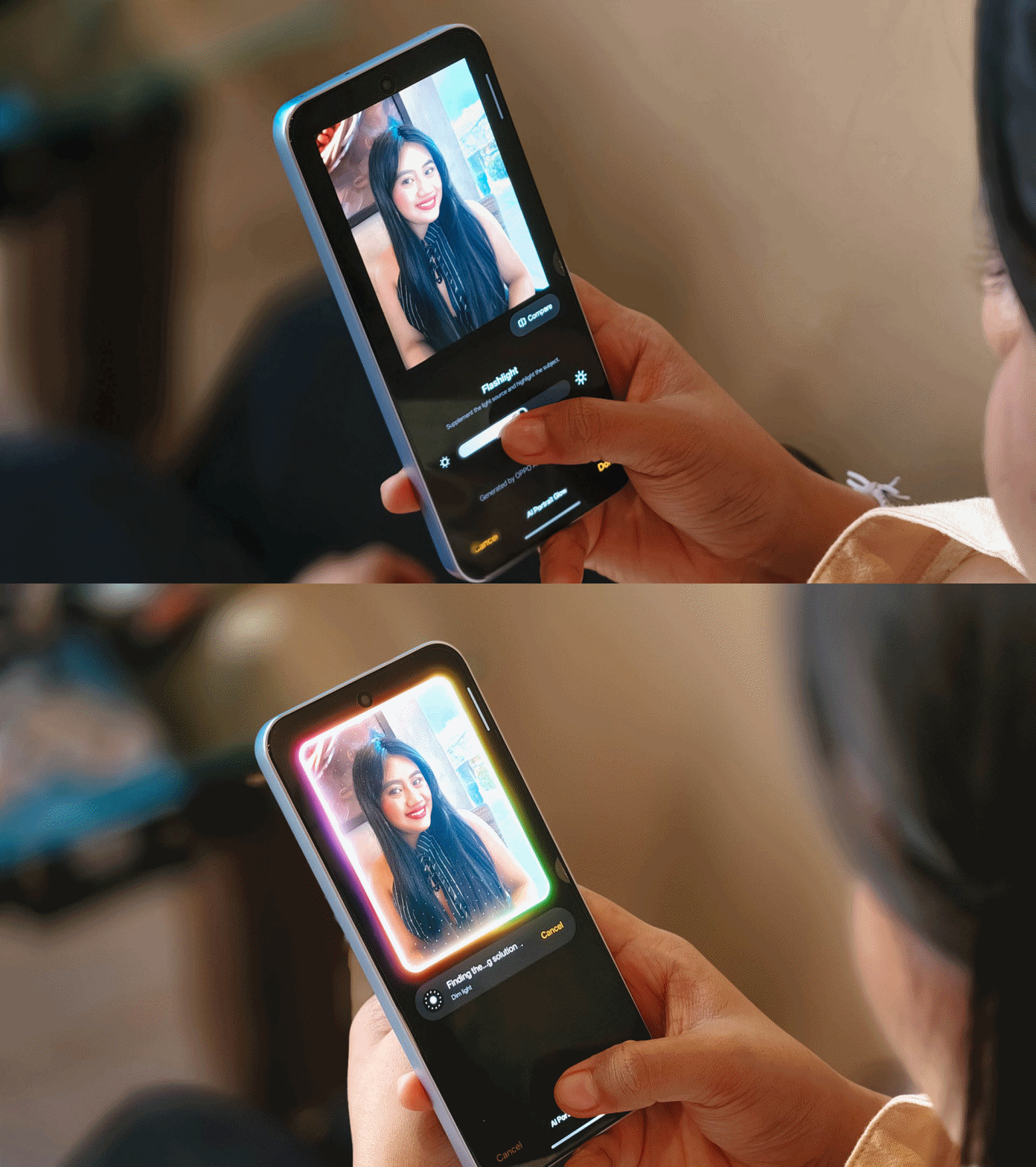
Make no mistake, there are some useful AI editing features here. In particular, AI Portrait Glow gives your raw capture an effect to make it look it was taken with flash.
I do not recall the device heating up as well when taking many photos or videos, so you can say it’s more optimized for that task rather than gaming.
Connectivity issues
Meanwhile, AI LinkBoost 3.0, as in the case of the OPPO A6 Pro, doesn’t seem to punch above its weight either.
Once, I also played Mobile Legends: Bang Bang and the session opened to a jittery start despite being on Wi-Fi and having a stable connection. I don’t know what triggered this.
Design, feel
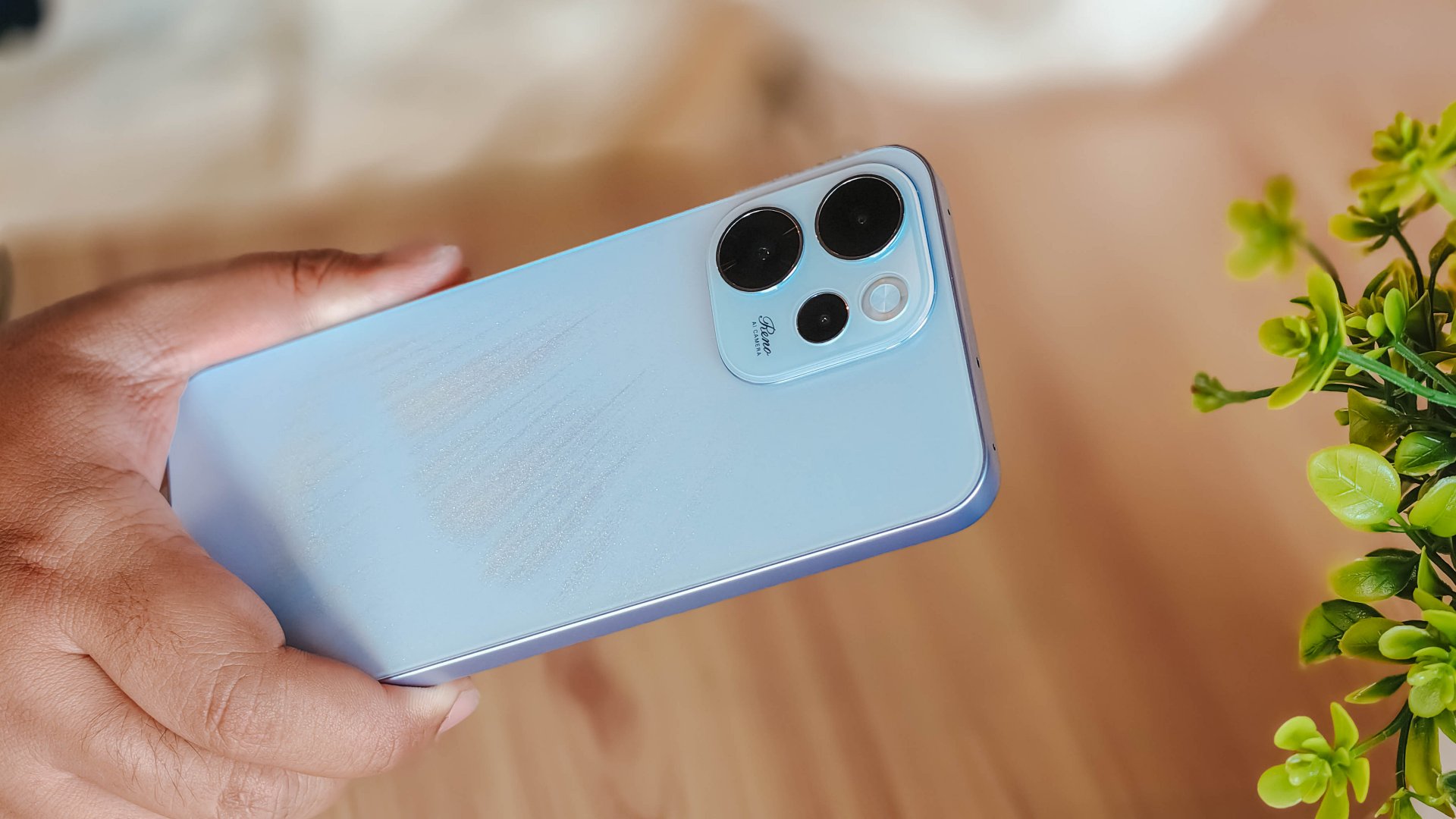
We got the Aurora Blue variant which does kind of resemble the northern lights when you tilt the phone a certain way and when light hits its back panel.
The cursive “Reno” on the large, protruding camera island gives it more style.
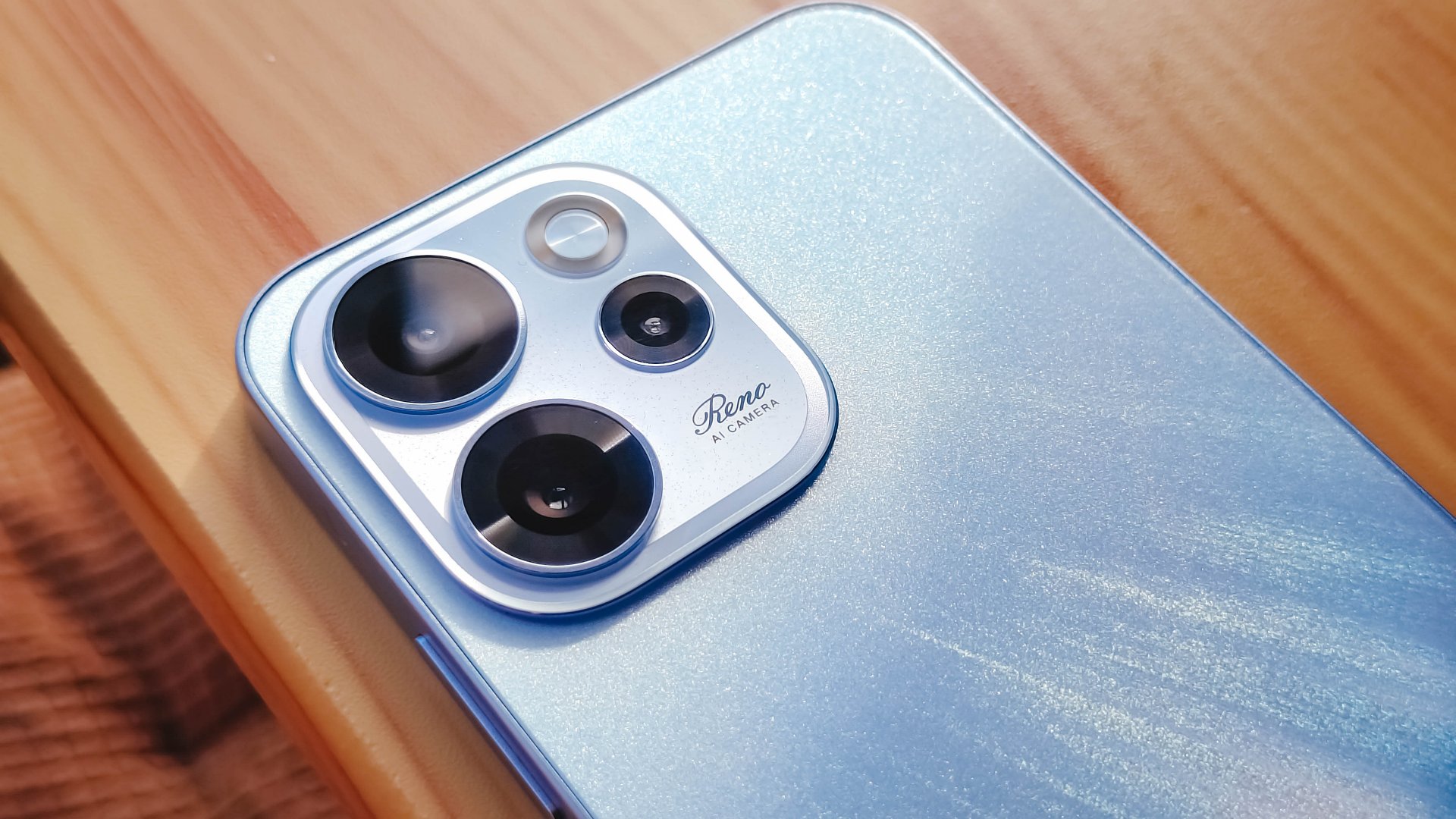
However, it’s all just aesthetics. On the downside, the phone is all sorts of slippery.

I couldn’t hold it properly without think of it slipping away from my hands; nor could I put it on my lap with confidence.
So I guess it’s good that it has structural integrity and waterproofing, because you’ll need that.
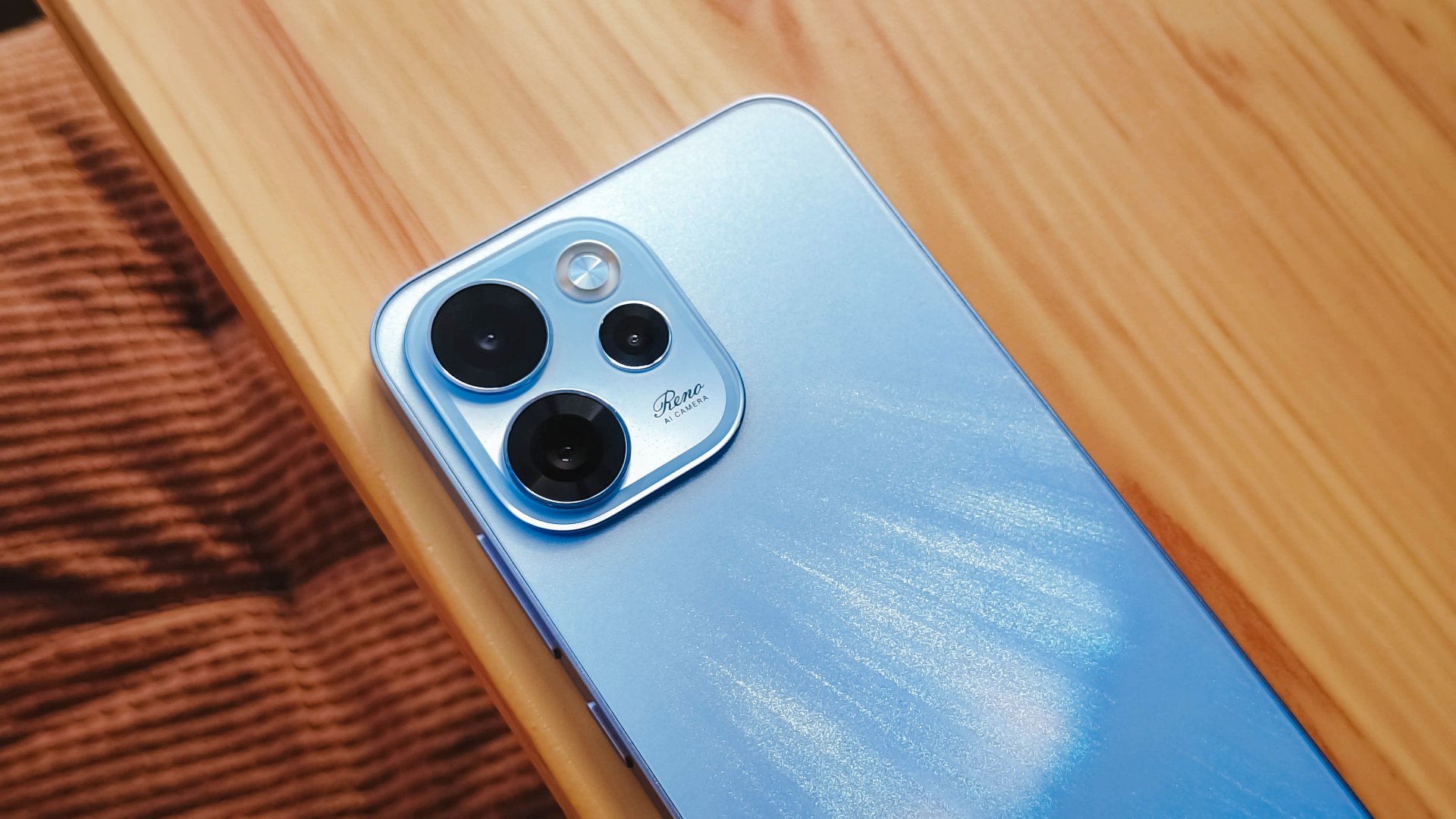
oplus_16
The 6.57-inch body does have a good balance between being too compact and too large, like ultras and pro maxes.
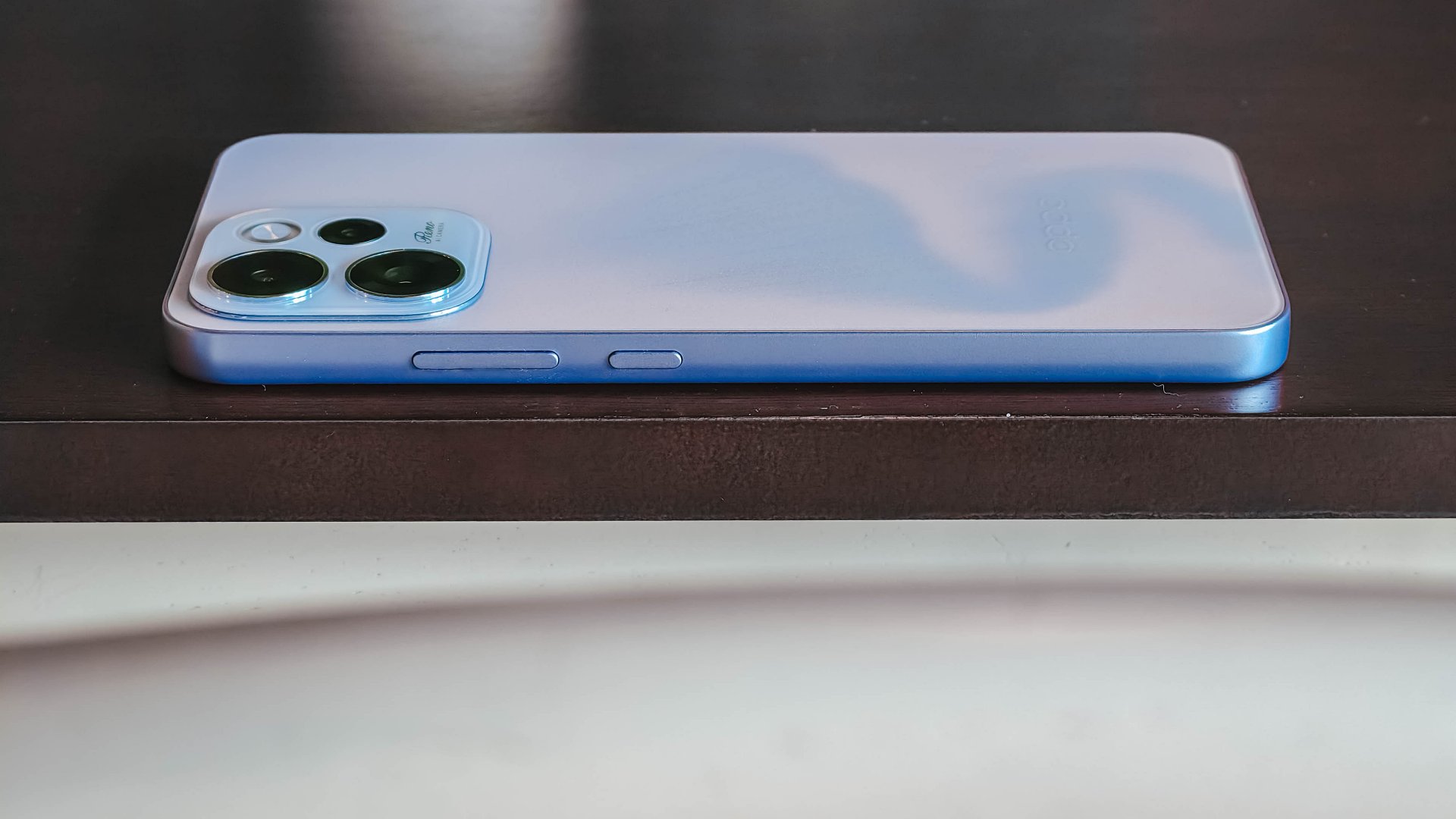
It has a squarish body and has already adapted to the premium, aluminum frame look from the sides.

Is this your GadgetMatch?
Sadly, the OPPO Reno15 F 5G is a Swipe Left unlike its bigger, more capable siblings. There are plenty of plus points for the camera package but take that away, and I don’t see much difference between the Reno15 F and something like the A6 Pro.
Granted, the asking price of this phone will drop significantly in a few months. But throw in a little more, and you’ve got a legitimate mid-ranger that’s more on the premium side rather than the cheap end of the spectrum.


POCO X8 Pro Max review: A new beast from the far east
That "Pro Max" naming superlative is more than justified


POCO X8 Pro Iron Man Edition review: Midrange phone in superhero armor
POCO x MK15


Now Playing: Project Hail Mary
It's a treat for those who loved the original book.

Spider-Man: Brand New Day first trailer hits hard — and gets weird

TUMI’s “Mediterranean Escape” brings vacation energy to Spring 2026 lineup

Switch 2 now lets you play old games in 1080p

OPPO Find N6 launches globally with near crease-free foldable display
POCO X8 Pro Max review: A new beast from the far east


-

 MWC 20262 weeks ago
Infinix NOTE 60 Ultra makes a motorsport-inspired debut
-

 Reviews2 weeks ago
The Xiaomi 17 shoots Leica dream
-

 Gaming2 weeks ago
Ubisoft confirms Assassin’s Creed: Black Flag remake
-

 Gaming2 weeks ago
PlayStation will stop releasing its games on PC
-

 Hands-On2 weeks ago
OPPO Reno15 F 5G hands-on
-

 Gaming2 weeks ago
Project Helix is Xbox’s next console, and it plays PC games
-

 Hands-On2 weeks ago
Apple MacBook Neo Hands-on
-

 Computers1 week ago
GIGABYTE collaborates with Capcom for RE Requiem custom PC